





















• About
  • Contact
AutoIgloo
  • News & Trends
    Li Auto Reboots Flagship Mega EV After Deliveries Collapse 63%, Adding Four LiDAR Sensors

    Li Auto Reboots Flagship Mega EV After Deliveries Collapse 63%, Adding Four LiDAR Sensors

    Li Auto’s Vehicle Margin Is Cut in Half as EV Deliveries Fall 11.5%

    Li Auto’s Vehicle Margin Is Cut in Half as EV Deliveries Fall 11.5%

    Toyota Puts 468-Km bZ on Sale in Canada at $45,985 as EV Price Fight Intensifies

    Toyota Cuts China bZ5 EV to About US$16,170 as Sales Sink Nearly 65%

    The EV Charging Habit That Can Annoy Everyone Around You

    China’s Gas-Car Production Falls 59% as EVs Reach 64.3% of Retail Sales

    China Moves to Block Under-Tested Cars as Its EV Makers Push Deeper Into Export Markets

    China Moves to Block Under-Tested Cars as Its EV Makers Push Deeper Into Export Markets

    9 Auto Brands Canadians Are Watching Much More Closely Right Now

    Hyundai Plans 58 New or Refreshed North American Models as USMCA Uncertainty Hangs Over Auto Investment

  • Car Reviews
    18 Things That Can Make a Car Unsafe for Winter Road Trips

    Why Some Drivers Are Avoiding Vehicles With Complex Infotainment Systems

    21 Cars Canadians Are Starting to Regret Buying

    Why Some Drivers Regret Buying Big Wheels and Low-Profile Tires

    17 Vehicles That Are Quietly Getting Crushed by Insurance Costs in Canada

    Why So Many Drivers Are Nervous About Chinese-Made EV Batteries

    20 Used SUVs Canadians Should Think Twice About Buying

    20 Used SUVs Canadians Should Think Twice About Buying

    15 Vehicles That Are Starting to Feel Like a Bad Deal Around May Long Weekend

    15 Vehicles That Are Starting to Feel Like a Bad Deal Around May Long Weekend

    15 Vehicles That Are Starting to Scare Off Canadian Buyers

    15 Vehicles That Are Starting to Scare Off Canadian Buyers

  • Buying Guides
    25 EV Charging Mistakes Canadians Make in March (That Wreck Range)

    Why Some Canadians Are Choosing Hybrids Over Full EVs Again

    22 Signs a Car Has Been in a Serious Crash Even if the Report Looks Clean

    21 Things That Make a Used Car Listing Seem Suspicious

    23 Features That Are Making New Cars Harder (and Pricier) to Repair in Canada

    Why Some Buyers Regret Choosing the Cheapest Trim Level

    18 Things That Can Make a Car Unsafe for Winter Road Trips

    Why Some Drivers Are Avoiding Vehicles With Complex Infotainment Systems

    22 Things Canadians Should Know Before Buying a Diesel Vehicle

    22 Things Canadians Should Know Before Buying a Diesel Vehicle

    15 Ways a Low Monthly Payment Can Fool Canadian Car Buyers

    The Car Buying Mistake That Gives Dealers More Control

  • Comparisons
    25 EV Charging Mistakes Canadians Make in March (That Wreck Range)

    Why Some Canadians Are Choosing Hybrids Over Full EVs Again

    21 Used Car Features That Can Become Expensive Problems Later

    Why Some Canadians Are Choosing Front-Wheel Drive Over All-Wheel Drive

    Canada’s Auto Fight Gets Uglier as BYD Threatens to Sue Trump Administration

    Tesla Vs. BYD: Are Chinese EV’s Actually Better for Canadians?

    17 Vehicles That Are Quietly Getting Crushed by Insurance Costs in Canada

    Why So Many Drivers Are Nervous About Chinese-Made EV Batteries

    20 Used SUVs Canadians Should Think Twice About Buying

    20 Used SUVs Canadians Should Think Twice About Buying

    16 Cars That Are a Nightmare to Repair Because Parts Are Backordered

    23 Cars Canadians Love That Have One Deal-Breaker Flaw

  • EVs & Hybrids
    20 Signs Your Car Battery Is About to Leave You Stranded

    Canadian Auto Jobs Become a Central Fault Line as Ottawa Reveals Why It Rejected U.S. Vehicle Terms

    25 EV Charging Mistakes Canadians Make in March (That Wreck Range)

    Why Some Canadians Are Choosing Hybrids Over Full EVs Again

    The EV Charging Habit That Can Annoy Everyone Around You

    Canada Is Missing an EV-Battery Export Opening as EU Lithium Demand Heads for a 9-to-12-Fold Jump: Report

    16 Used-EV Surprises Canadians Don’t See Coming Until After They Buy

    The EV Charging Habit That Can Annoy Everyone Around You

    17 SUVs That Are Losing Their Appeal Fast in Canada

    GM Canada Says EV Sales Jumped More Than 30% as CUSMA Uncertainty Hangs Over Showrooms

    9 Auto Brands Canadians Are Watching Much More Closely Right Now

    Toyota Canada Says Electrified Vehicles Are Now Nearly 70% of Its Q2 Sales

  • More
    • Pricing & Deals
    • Winter Driving
    • Ownership & Maintenance
No Result
View All Result
AutoIgloo
  • News & Trends
    Li Auto Reboots Flagship Mega EV After Deliveries Collapse 63%, Adding Four LiDAR Sensors

    Li Auto Reboots Flagship Mega EV After Deliveries Collapse 63%, Adding Four LiDAR Sensors

    Li Auto’s Vehicle Margin Is Cut in Half as EV Deliveries Fall 11.5%

    Li Auto’s Vehicle Margin Is Cut in Half as EV Deliveries Fall 11.5%

    Toyota Puts 468-Km bZ on Sale in Canada at $45,985 as EV Price Fight Intensifies

    Toyota Cuts China bZ5 EV to About US$16,170 as Sales Sink Nearly 65%

    The EV Charging Habit That Can Annoy Everyone Around You

    China’s Gas-Car Production Falls 59% as EVs Reach 64.3% of Retail Sales

    China Moves to Block Under-Tested Cars as Its EV Makers Push Deeper Into Export Markets

    China Moves to Block Under-Tested Cars as Its EV Makers Push Deeper Into Export Markets

    9 Auto Brands Canadians Are Watching Much More Closely Right Now

    Hyundai Plans 58 New or Refreshed North American Models as USMCA Uncertainty Hangs Over Auto Investment

  • Car Reviews
    18 Things That Can Make a Car Unsafe for Winter Road Trips

    Why Some Drivers Are Avoiding Vehicles With Complex Infotainment Systems

    21 Cars Canadians Are Starting to Regret Buying

    Why Some Drivers Regret Buying Big Wheels and Low-Profile Tires

    17 Vehicles That Are Quietly Getting Crushed by Insurance Costs in Canada

    Why So Many Drivers Are Nervous About Chinese-Made EV Batteries

    20 Used SUVs Canadians Should Think Twice About Buying

    20 Used SUVs Canadians Should Think Twice About Buying

    15 Vehicles That Are Starting to Feel Like a Bad Deal Around May Long Weekend

    15 Vehicles That Are Starting to Feel Like a Bad Deal Around May Long Weekend

    15 Vehicles That Are Starting to Scare Off Canadian Buyers

    15 Vehicles That Are Starting to Scare Off Canadian Buyers

  • Buying Guides
    25 EV Charging Mistakes Canadians Make in March (That Wreck Range)

    Why Some Canadians Are Choosing Hybrids Over Full EVs Again

    22 Signs a Car Has Been in a Serious Crash Even if the Report Looks Clean

    21 Things That Make a Used Car Listing Seem Suspicious

    23 Features That Are Making New Cars Harder (and Pricier) to Repair in Canada

    Why Some Buyers Regret Choosing the Cheapest Trim Level

    18 Things That Can Make a Car Unsafe for Winter Road Trips

    Why Some Drivers Are Avoiding Vehicles With Complex Infotainment Systems

    22 Things Canadians Should Know Before Buying a Diesel Vehicle

    22 Things Canadians Should Know Before Buying a Diesel Vehicle

    15 Ways a Low Monthly Payment Can Fool Canadian Car Buyers

    The Car Buying Mistake That Gives Dealers More Control

  • Comparisons
    25 EV Charging Mistakes Canadians Make in March (That Wreck Range)

    Why Some Canadians Are Choosing Hybrids Over Full EVs Again

    21 Used Car Features That Can Become Expensive Problems Later

    Why Some Canadians Are Choosing Front-Wheel Drive Over All-Wheel Drive

    Canada’s Auto Fight Gets Uglier as BYD Threatens to Sue Trump Administration

    Tesla Vs. BYD: Are Chinese EV’s Actually Better for Canadians?

    17 Vehicles That Are Quietly Getting Crushed by Insurance Costs in Canada

    Why So Many Drivers Are Nervous About Chinese-Made EV Batteries

    20 Used SUVs Canadians Should Think Twice About Buying

    20 Used SUVs Canadians Should Think Twice About Buying

    16 Cars That Are a Nightmare to Repair Because Parts Are Backordered

    23 Cars Canadians Love That Have One Deal-Breaker Flaw

  • EVs & Hybrids
    20 Signs Your Car Battery Is About to Leave You Stranded

    Canadian Auto Jobs Become a Central Fault Line as Ottawa Reveals Why It Rejected U.S. Vehicle Terms

    25 EV Charging Mistakes Canadians Make in March (That Wreck Range)

    Why Some Canadians Are Choosing Hybrids Over Full EVs Again

    The EV Charging Habit That Can Annoy Everyone Around You

    Canada Is Missing an EV-Battery Export Opening as EU Lithium Demand Heads for a 9-to-12-Fold Jump: Report

    16 Used-EV Surprises Canadians Don’t See Coming Until After They Buy

    The EV Charging Habit That Can Annoy Everyone Around You

    17 SUVs That Are Losing Their Appeal Fast in Canada

    GM Canada Says EV Sales Jumped More Than 30% as CUSMA Uncertainty Hangs Over Showrooms

    9 Auto Brands Canadians Are Watching Much More Closely Right Now

    Toyota Canada Says Electrified Vehicles Are Now Nearly 70% of Its Q2 Sales

  • More
    • Pricing & Deals
    • Winter Driving
    • Ownership & Maintenance
No Result
View All Result
AutoIgloo
No Result
View All Result

Home » Ownership & Maintenance

The Driving Position Mistake That Makes Long Trips More Painful

Nate Brewer by Nate Brewer
June 30, 2026
Reading Time: 7 mins read
A A
Image Credit: Shutterstock

Image Credit: Shutterstock

466
SHARES
1.5k
VIEWS
Share on FacebookShare on Twitter

Long drives can make even a comfortable vehicle feel unforgiving when the seat is set up poorly. The biggest mistake is not one single bad angle, but a chain reaction: sitting too far, too low, too reclined, or unsupported until the body has to brace itself for hours. Small misalignments can turn into aching hips, tight shoulders, lower-back pressure, numb legs, and fatigue before the destination is anywhere close.

These twelve driving-position mistakes show how comfort, control, and safety are connected. A better setup does not require special equipment in most vehicles. It starts with fitting the seat, pedals, steering wheel, mirrors, and head restraint around the driver’s body instead of forcing the body to adapt to the car.

Sitting Too Far Back From the Pedals

Photo Credit: Shutterstock

A seat that sits too far from the pedals can feel relaxed at first, especially on an open highway. The problem appears when the right leg has to stretch for the accelerator or the foot reaches the brake with only the toes. Over time, that reach can make the hips rotate, flatten the lower back, and leave the knee too straight to absorb road vibration.

The safer test is simple: the driver should be able to press the pedals through their full travel with the whole foot while keeping the back in contact with the seat. On a long trip, even a small forward adjustment can reduce bracing through the thighs and calves. It also preserves stronger braking control when traffic suddenly slows.

Reclining the Seat Like a Lounge Chair

Image Credit: Shutterstock

A heavily reclined backrest can make a driver feel as though pressure is coming off the spine, but it often shifts the strain elsewhere. When the seatback is too far back, the head and neck usually move forward to keep the eyes level with the road. That forward bend can load the upper back, tighten the shoulders, and make the arms work harder.

Excessive recline can also interfere with restraint geometry. A seat belt works best when the torso is close to the seatback and the shoulder belt crosses the body properly. For long trips, the better position is comfortably upright, with the full back supported. The goal is not stiff posture; it is a position where the seat carries the body instead of the neck and shoulders doing the job.

Crowding the Steering Wheel
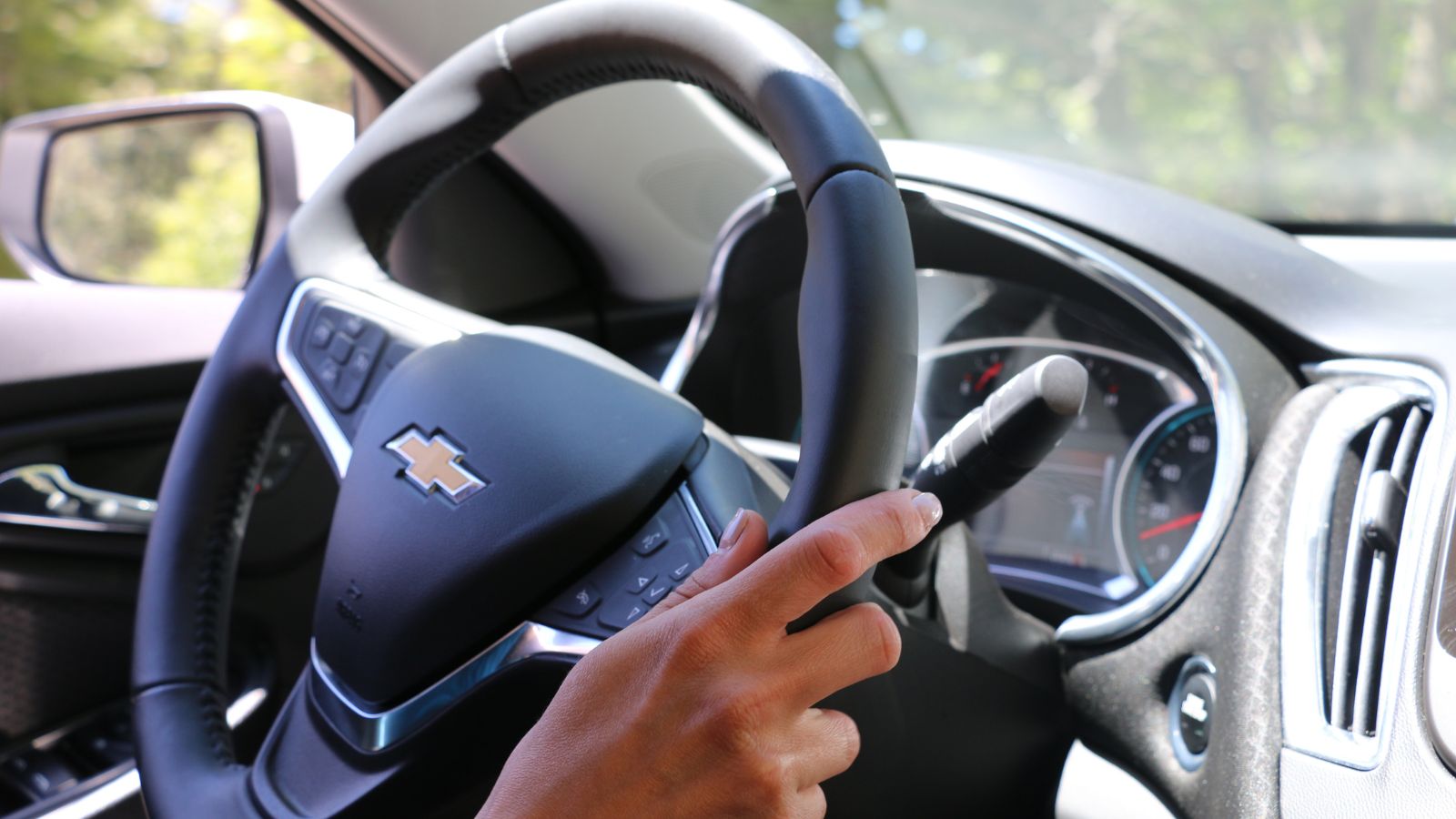
Photo Credit: Shutterstock

Sitting too close to the steering wheel is a comfort mistake and a safety problem. It can compress the hips and knees, raise the shoulders, and force small steering corrections through tense wrists instead of relaxed arms. The posture may feel more “alert,” but after several hours it often becomes tiring, especially in stop-and-go traffic or on winding roads.

There is also the airbag issue. Safety guidance commonly recommends keeping about 10 inches between the center of the steering wheel and the breastbone while still being able to reach the pedals comfortably. That distance helps preserve space for the restraint system and gives the arms room to move. A driver who feels cramped should first move the seat back slightly, then bring the steering wheel closer if the column adjusts.

Letting the Lower Back Flatten

Photo Credit: Shutterstock

The lower back has a natural inward curve, but many drivers lose it once they settle into a long drive. The pelvis rolls backward, the spine rounds, and the body starts hanging from ligaments instead of sitting on supported posture. That is why a trip can feel fine at first, then turn into a dull ache across the beltline after an hour or two.

Lumbar support is meant to fill that gap, not shove the body forward. In vehicles with adjustable lumbar settings, the pressure should feel even from the hips toward the lower ribs. In older vehicles, a small rolled towel placed in the natural curve of the lower back can help. The important detail is moderation: too much support can be as irritating as none at all.

Raising or Lowering the Seat for Looks, Not Sightlines

Photo Credit: Shutterstock

Seat height affects more than the view over the hood. Sit too low and the driver may lift the chin or stretch the neck to see clearly. Sit too high and the thighs may lose support, the head may sit too close to the roof, or the knees may crowd the steering column. Any of those compromises can become painful when repeated for hundreds of kilometres.

A practical setup balances sightline, headroom, and leg angle. The driver should have a clear view through the windshield and mirrors without slouching, craning, or leaning forward. Some ergonomics guidance suggests seeing at least a few inches over the steering wheel while leaving enough space above the head. Once height changes, mirrors should be reset because even a small seat adjustment can change the driver’s viewing angle.

Ignoring the Seat Cushion Under the Thighs
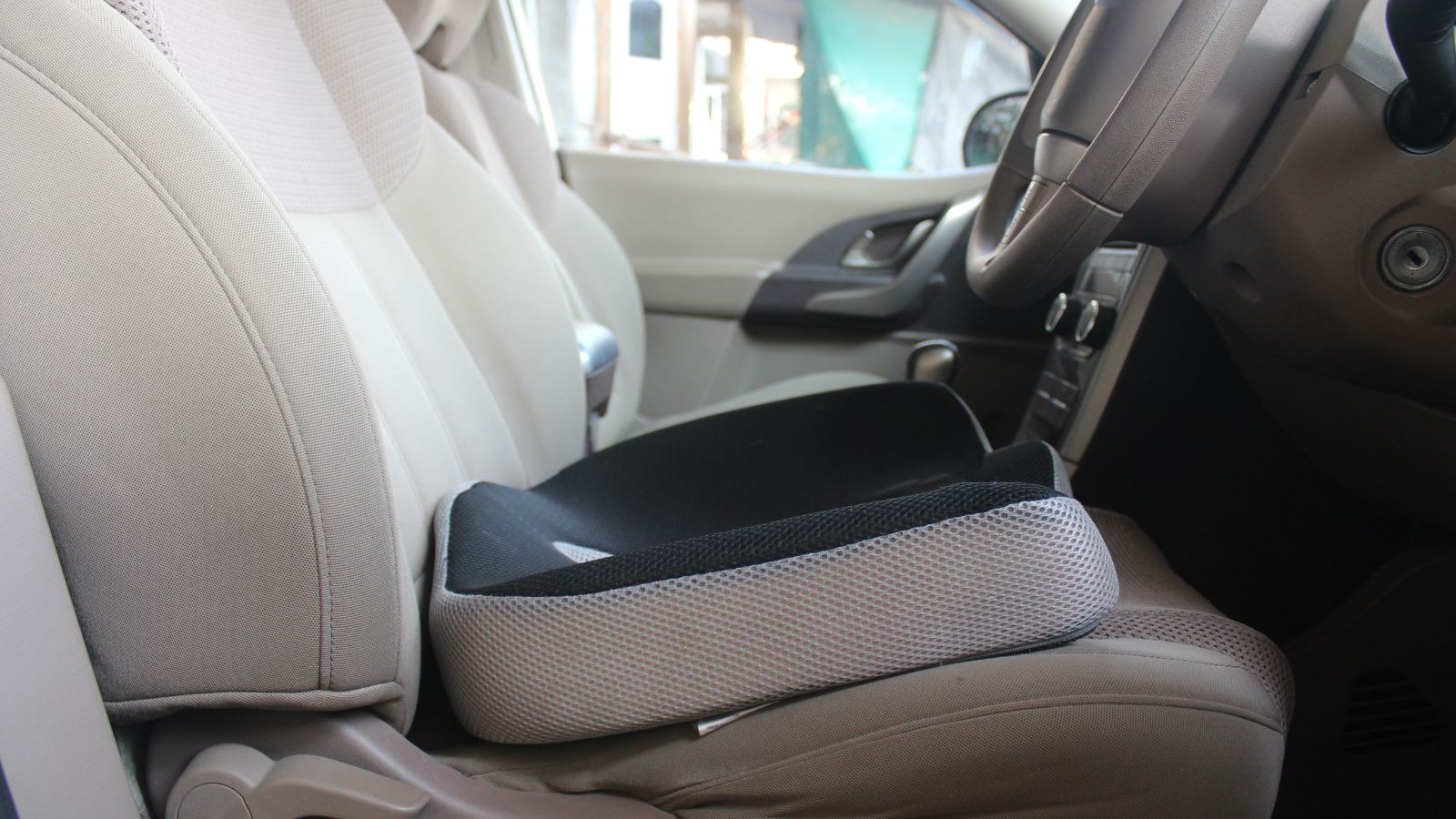
Image Credit: Shutterstock

Long-trip pain does not always start in the back. Sometimes it begins at the edge of the seat cushion, where pressure builds behind the knees. If the cushion is too long for the driver’s legs, it can press into the back of the knee and contribute to numbness, tingling, or restless legs. If it is too short, the thighs may feel unsupported and the lower back may work harder.

A useful check is the gap between the front edge of the cushion and the back of the knee. A small space allows the legs to bend freely while the thighs remain supported. Cushion angle matters too. The seat should support the thighs without forcing the knees sharply upward or letting the pelvis slide forward. That small adjustment can change how the whole spine feels.

Reaching Up or Forward for the Wheel

Image Credit: Shutterstock

A steering wheel that sits too high, too low, or too far away quietly changes the entire upper body. If the arms are reaching forward, the shoulder blades pull away from the seatback. If the wheel is too high, the shoulders creep upward. Both positions can create the familiar long-drive pattern: tight neck, heavy shoulders, and a headache that seems to arrive before the fuel stop.

The wheel should come to the driver, not the other way around. Adjustable steering columns make this easier, but the seatback and seat distance must be set first. Arms should feel relaxed, with no need to lock the elbows or lift the shoulders. A driver should also be able to steer without peeling the upper back off the seat during normal turns.

Treating the Head Restraint Like a Pillow
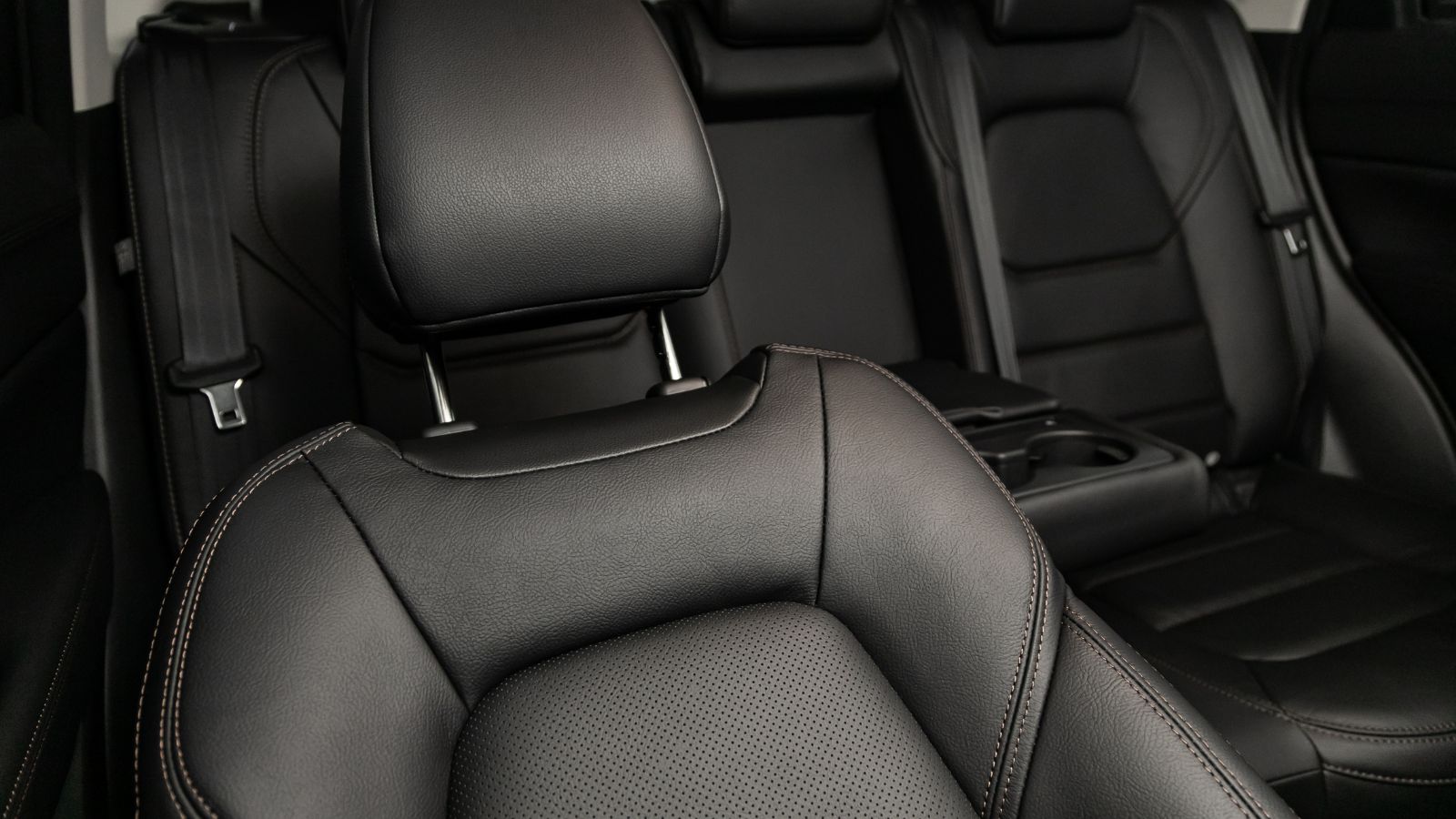
Image Credit: Shutterstock

The head restraint is often misread as a comfort cushion, but its main purpose is safety. If it sits too low, too far behind the head, or tilted away, it may do little when a rear impact throws the torso forward and the head lags behind. That movement is closely associated with whiplash-type neck injuries.

For daily comfort, correct head-restraint position can also reduce the tendency to drive with the head pushed forward. The top should generally reach at least the top of the head, or no lower than the top of the ears, and the restraint should sit close to the back of the head. It should not force the chin down, but it should be near enough to support the head quickly in a crash.

Setting Mirrors Before the Body Is Aligned

Photo Credit: Shutterstock

Many drivers adjust mirrors first, then move the seat until the car “feels right.” That reverses the better order. If mirrors are set while the driver is slouched, leaning, or sitting too close, the body may keep returning to that awkward position just to maintain visibility. On a long trip, that can mean constant twisting at the neck or small leans through the torso.

The better habit is to set the seat first: feet, hips, back, wheel, and head restraint. Only then should the mirrors be adjusted. This turns the mirrors into a posture check. If the rearview mirror suddenly looks wrong during the drive, the driver may have slid down, leaned forward, or shifted sideways. A quick posture reset at a safe stop can prevent that small drift from becoming a painful habit.

Holding One Rigid Position for Hours

Image Credit: Shutterstock

Even a well-adjusted seat cannot make the body comfortable forever. Long periods in one position reduce movement through the hips, spine, shoulders, and legs. A driver who tries to “sit perfectly” for hours may end up creating another problem: muscles stay lightly contracted, joints stop moving, and stiffness builds anyway.

Small changes help. During safe stops or traffic lights, gentle shoulder rolls, ankle movements, and neck mobility can break up the static load. On longer trips, planned rest breaks matter even more. Road-safety guidance often points to short breaks every couple of hours, especially on monotonous routes. Comfort and alertness overlap here: a driver who is stiff, sore, and tired is less prepared to respond smoothly.

Underestimating Road Vibration
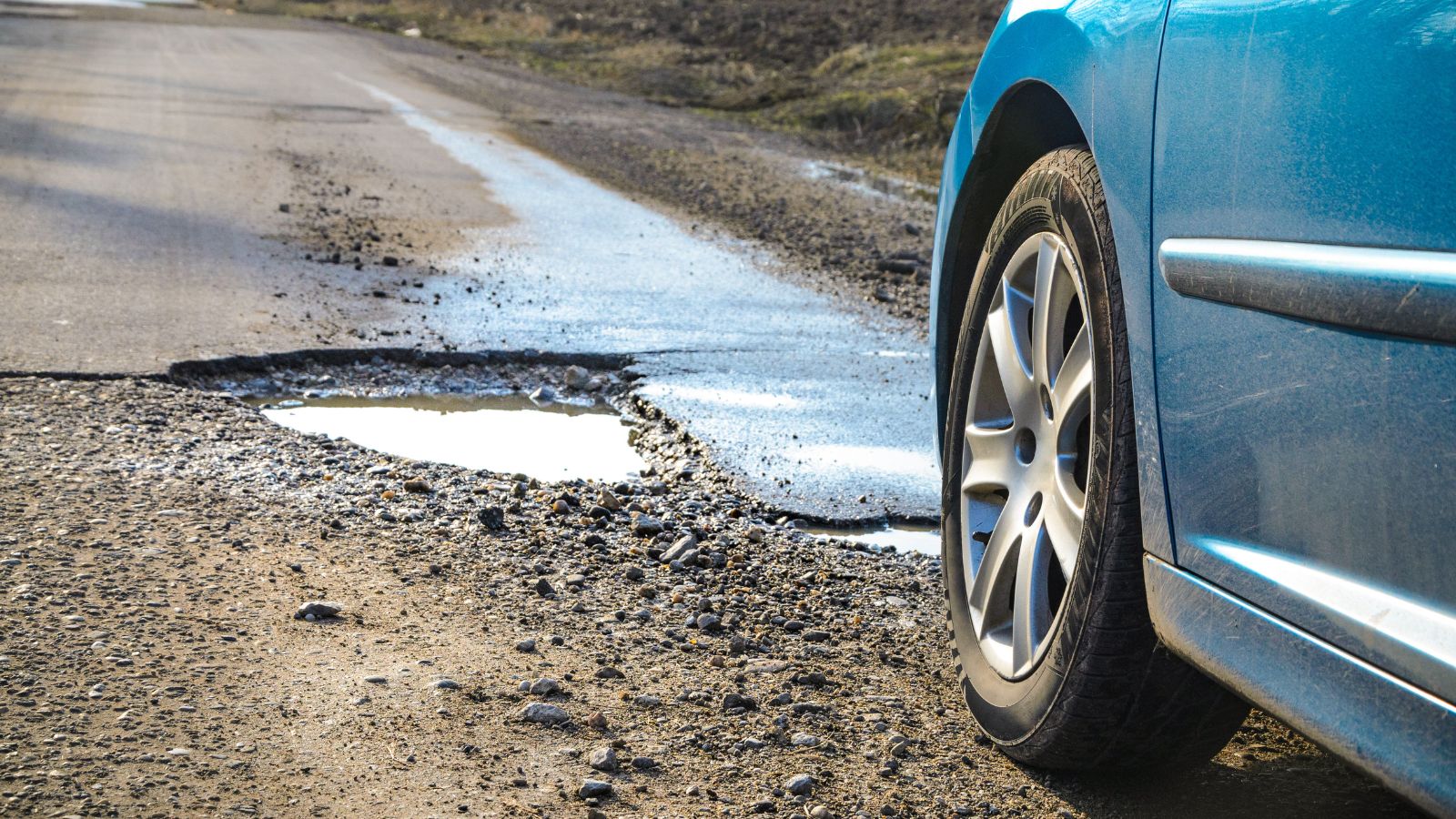
Photo Credit: Shutterstock

Cars do not simply hold a driver in place; they transmit motion through the seat. Rough pavement, potholes, gravel shoulders, expansion joints, and vehicle suspension all send vibration into the body. On a short errand, that may not matter much. Over a long trip, vibration can make a weak seating position feel worse, particularly when the lower back is unsupported or the body is slouched.

Professional-driver research has long linked prolonged sitting, awkward posture, and whole-body vibration with lower-back discomfort. Passenger vehicles are not buses or heavy trucks, but the principle still applies: the body handles road motion better when it is supported and not twisted. Good seat fit, proper thigh support, and a stable backrest help the driver absorb the road without bracing through the spine all day.

Forgetting to Reset the Seat After Someone Else Drives
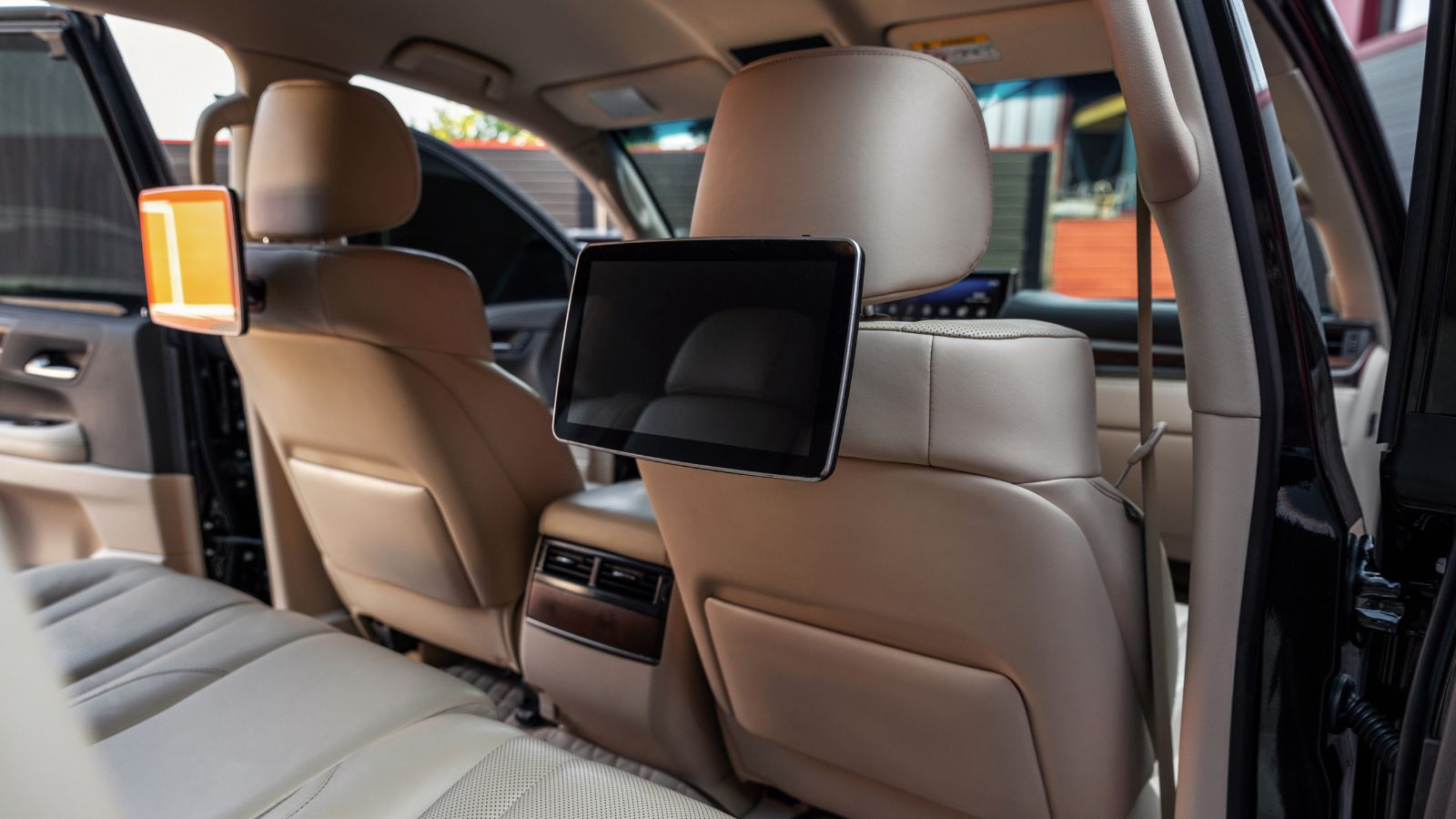
Photo Credit: Shutterstock

Shared vehicles are a common source of long-trip pain. One person leaves the seat high and close, another lowers it and reclines it, and the next driver simply climbs in and goes. The first ten minutes may feel acceptable, but the mismatch becomes obvious after an hour: the pedals are slightly wrong, the mirrors require a lean, or the steering wheel sits just out of reach.

The fix is a short reset ritual before leaving: seat height, seat distance, cushion angle, backrest, lumbar support, steering wheel, head restraint, and mirrors. Many vehicles with memory seats make this easy, but manual adjustments work just as well. The key is consistency. A long trip should not begin with someone else’s posture still built into the driver’s seat.

22 Things Canadians Do to Their Cars in Spring That Mechanics Hate

Image Credit: Shutterstock

Spring brings relief to many Canadian drivers after months of snow, freezing temperatures, and icy roads that put serious strain on vehicles. As temperatures rise across the country, drivers begin washing cars, switching tires, and preparing vehicles for warmer weather and upcoming road trips. However, mechanics across Canada notice the same mistakes every spring when drivers attempt to recover from winter damage. Road salt, potholes, and harsh winter driving conditions often leave vehicles with hidden problems that drivers ignore. Some spring habits even create new mechanical issues that could have been avoided with proper maintenance. Here are 22 things Canadians do to their cars in spring that mechanics hate.


Recommended.

Ontario Nickel Developer Raises C$15 Million as Crawford Project Pushes Toward Construction

Ontario Nickel Developer Raises C$15 Million as Crawford Project Pushes Toward Construction

August 17, 2026
20 EVs Canadians Will Suddenly See Everywhere in 2026 (And What It Means for Prices)

20 EVs Canadians Will Suddenly See Everywhere in 2026 (And What It Means for Prices)

March 19, 2026

Trending.

⁠$28 Billion in Canadian Goods Face 50% Trump Tariffs at Midnight as Deal Still Isn’t Final

Canada-U.S. Trade Deal Fell Apart After Washington Left Ontario-Built Ford and GM Trucks Out of Auto Tariff Relief

August 23, 2026
Quebec’s BRP Prepares 2027 Vehicle Reveal Tonight as Canadian Manufacturer Pushes New Can-Am Lineup

Quebec’s BRP Prepares 2027 Vehicle Reveal Tonight as Canadian Manufacturer Pushes New Can-Am Lineup

August 17, 2026
Doug Ford Says U.S. ‘Wasn’t Budging’ on 25% Auto Tariffs as Ontario Puts ‘Every Single Tool’ on the Table

Doug Ford Says U.S. ‘Wasn’t Budging’ on 25% Auto Tariffs as Ontario Puts ‘Every Single Tool’ on the Table

August 23, 2026
Mexico Pushes U.S. to Cut Auto Tariff From 25% to 5%–10% — and Give Canadian Parts More Room

Ottawa’s Chinese-EV Quota Opens Canada to 6.1% Tariffs Instead of the Former 100% Surtax

August 22, 2026
19 Things That Can Make Your Car Insurance Claim Get Denied

Foreign Insurer Can Apply to Enter Canada’s Auto-Insurance Market Starting Today

August 17, 2026
  • About
  • Contact
  • Privacy Policy
  • Disclaimer
  • Editorial Policies
  • Terms and Conditions
A Revir Media Group Website

2026 Autoigloo - © All rights reserved

No Result
View All Result
  • News & Trends
  • Car Reviews
  • Buying Guides
  • Comparisons
  • EVs & Hybrids
  • More
    • Pricing & Deals
    • Winter Driving
    • Ownership & Maintenance

2026 Autoigloo - © All rights reserved

This website uses cookies. By continuing to use this website you are giving consent to cookies being used. Visit our Privacy and Cookie Policy.


