






















Finding a reliable electric vehicle charger can make the difference between a smooth road trip and an unexpected delay. For Canadian EV owners, having accurate charging information is especially important when travelling long distances or navigating unfamiliar charging networks.
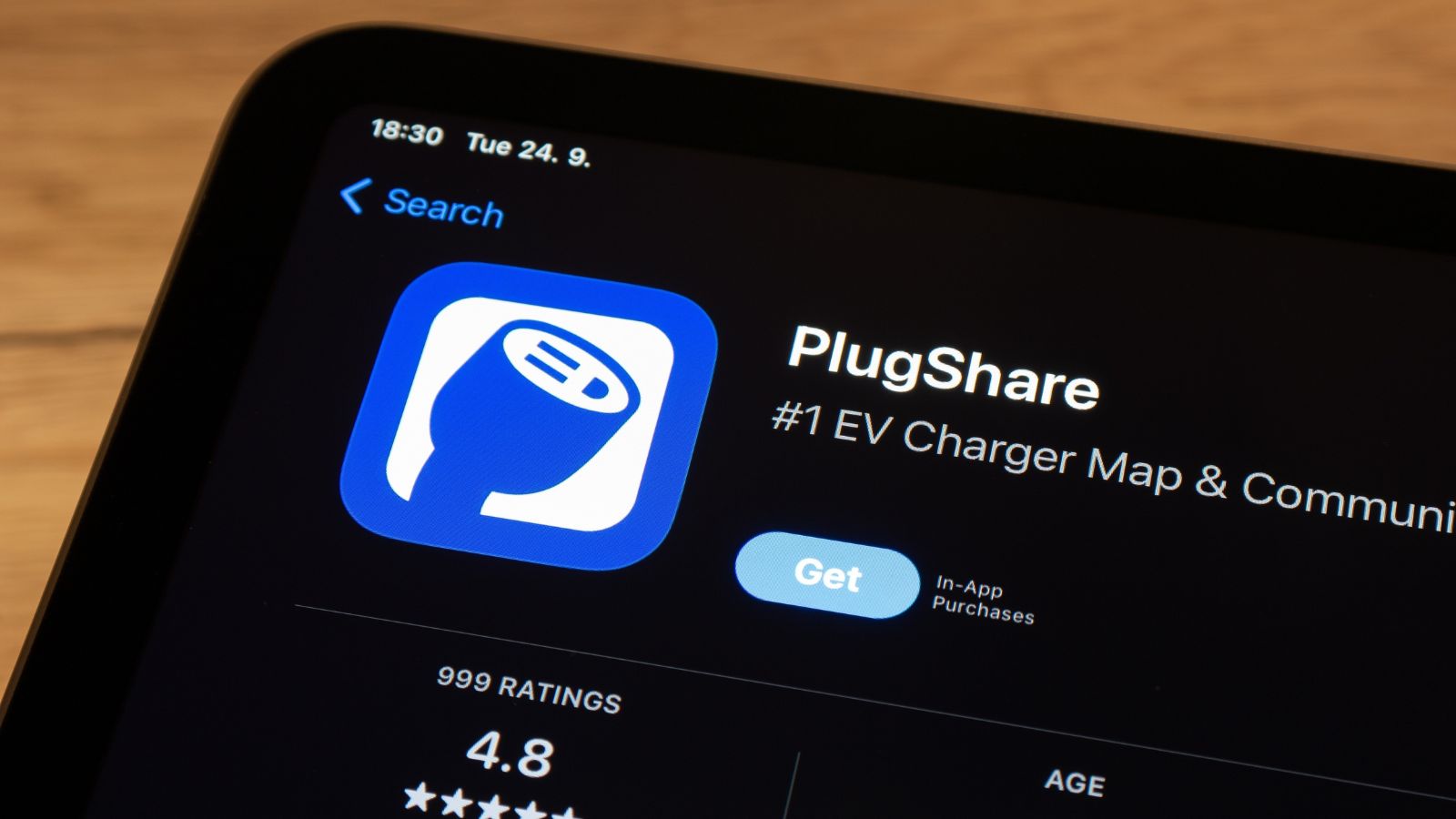
PlugShare, one of the world’s most widely used EV charging applications, is introducing a major update for iPhone users on November 10, 2026. Version 8.0 brings a long-awaited dark mode, improved trip-planning information, faster navigation and a redesigned Apple Watch experience.
The worldwide rollout includes Canadian users, but Android drivers face a longer wait. Their redesigned experience is scheduled for early 2027, creating a temporary divide between users of the same popular charging platform.
A Major Redesign That Includes Canadian EV Drivers
PlugShare version 8.0 represents one of the application’s most substantial updates in years. The company has rebuilt much of its iPhone experience, introducing a more modern interface and improvements intended to make charging information easier to access. The update is available internationally through Apple’s App Store, meaning Canadian drivers are included rather than having to wait for a separate regional release.
PlugShare already allows Canadians to search charging stations across multiple networks, including FLO, BC Hydro EV, Petro-Canada, Ivy and Circuit électrique. Drivers can filter stations by connector type, charging speed and network operator. Corey Davis, PlugShare’s senior director of software, has described the update as a near-total rebuild influenced by user feedback. Importantly, the redesign does not represent a new network of charging stations. Instead, it improves the digital tools that drivers use to locate existing infrastructure, review station information and make charging decisions before arriving at a location.
Dark Mode Finally Arrives After Years of Requests
One of the biggest additions is also among the simplest. PlugShare has introduced a proper dark mode, addressing a feature request that had remained outstanding for years. The new appearance extends throughout the iPhone application and automatically follows the device’s display preferences. When an iPhone switches to dark mode in the evening, PlugShare can make the same transition without requiring drivers to change the application’s appearance separately.
For Canadian motorists, the improvement could be especially welcome during winter, when daylight hours are shorter and charging stops frequently happen after sunset. A driver checking available chargers at a highway service centre may prefer a darker interface rather than suddenly opening a bright map. Apple also allows users to schedule dark mode around sunset or set their own preferred hours. Although the change does not improve charging speeds or guarantee station availability, it makes the experience more consistent with the way many people already use their phones.
Improved Trip Planning Shows the Distance Between Charging Stops
Planning a longer electric vehicle journey requires more than identifying charging stations along a highway. Drivers also need to understand the distance between stops and whether their vehicle has enough remaining range to reach the next location. PlugShare’s updated trip planner now displays each charging stop’s distance from the journey’s starting point and from the previous stop. This provides a clearer picture of how charging locations are spaced along a planned route.
For someone travelling between major Canadian cities or crossing less populated regions, those details could make planning more straightforward. PlugShare already allows users to select their vehicle, estimate driving range, choose charging locations and save trips for later. However, the company’s guidance cautions that its range estimates do not fully account for weather, elevation or road conditions. These limitations become particularly important during cold Canadian winters. The additional distance information gives drivers more context, but they must still allow a realistic battery reserve and consider alternative charging stops.
Apple Watch Users Can Find Nearby Chargers Without Opening Their Phones
PlugShare has also rebuilt its Apple Watch application, expanding the charging information available directly from a driver’s wrist. The redesigned interface displays nearby charging stations, their distances and directions. It also carries over the filters established in the accompanying iPhone application, allowing drivers to concentrate on locations that match their vehicle’s charging requirements without repeatedly adjusting settings on a smaller screen.
Selecting a charging station reveals additional information, including its operating network, a small map, supported connector types and PlugScore rating. The nearby-station list refreshes when the wearer raises their wrist with the application open. PlugShare also supports shortcuts on compatible Apple Watch faces, providing quicker access to charging searches. Consider a driver who has parked at a shopping centre and wants to check whether a compatible charger is within walking distance. The new interface makes that information easier to retrieve. Although a smartwatch cannot guarantee that a charging station will be available, it can reduce the effort involved in checking nearby options.
More Detailed Connector Information Helps Avoid Charging Mistakes
A charging station might be conveniently located and capable of delivering substantial power, but neither advantage matters if the connector is incompatible with the vehicle. PlugShare’s redesigned Apple Watch experience displays supported connector types, including NACS, CCS, CHAdeMO and J1772. Natural Resources Canada identifies different connector standards for conventional Level 1 and Level 2 charging and for DC fast charging, making compatibility an important consideration when choosing public infrastructure.
J1772 connections are commonly associated with Level 2 charging, while CCS, CHAdeMO and NACS are among the standards used for rapid charging. PlugShare allows drivers to associate their vehicle with their account, helping the application automatically filter compatible charging locations. These preferences also carry over to the redesigned watch app. However, having a compatible plug is not the only consideration. Drivers may still need an appropriate adapter, access to a particular charging network or a separate payment method. Displaying connector information more prominently helps eliminate unsuitable locations before someone makes an unnecessary detour.
Enlarged Charging Station Photos Make Locations Easier to Identify
Finding a charging station on a map and locating the actual charging equipment are not always the same thing. Some chargers are positioned behind shopping centres, inside parking garages or in sections of large commercial properties that are difficult to identify from the road. PlugShare version 8.0 addresses part of this challenge by allowing iPhone users to open and enlarge station photographs directly from their thumbnails, making visual details easier to inspect.
This improvement could help drivers arriving at unfamiliar locations, particularly when road signs or parking instructions are unclear. A photograph showing a charger beside a particular entrance or parking level may provide more useful guidance than a street address alone. PlugShare already allows community members to upload images and captions describing charging locations, and the redesigned interface makes that information more accessible. However, photographs may become outdated when properties undergo construction or equipment is relocated. Drivers should still compare images with recent comments and other station details before relying on them for directions.
Faster Navigation and Better Support for Apple Devices
Not every important software improvement involves adding an entirely new feature. PlugShare version 8.0 also changes how quickly existing information becomes accessible. Saved charging locations, planned trips and profile details now load when the iPhone application opens or a user signs in. The company also reports more immediate switching between navigation tabs, helping drivers move between commonly used features without repeatedly waiting for information to appear.
The redesign extends beyond conventional iPhone screens. PlugShare has rebuilt its iPad experience to make better use of the tablet’s larger display and added support for the newer foldable iPhone Duo layout. These adjustments may be useful for families preparing lengthy trips at home, where a larger map can provide a more complete view of charging locations and planned stops. Still, PlugShare has not published independent performance benchmarks establishing how much faster every device will operate. The confirmed improvements concern interface design, information loading and device compatibility, rather than a measurable guarantee of identical speed gains for all users.
Community Reviews and PlugScore Remain Important Features
One of PlugShare’s distinguishing characteristics is its reliance on information contributed by electric vehicle owners. Drivers can report successful charging sessions, identify equipment problems, upload photographs and leave comments about individual locations. That information contributes to PlugScore, the application’s community-based assessment of charging locations. According to PlugShare’s documentation, recent successful charging experiences generally improve a location’s score, while unsuccessful attempts can reduce it.
These details can be especially valuable when a station appears available on a map but has experienced recurring problems. A recent comment describing a failed charging session or malfunctioning connector may influence whether another driver chooses that location. The redesigned Apple Watch application now displays PlugScore alongside other station details, making this information more accessible. However, community-generated ratings are not the same as independently verified guarantees of reliability. Reports can become outdated, and individual experiences may differ. PlugShare also emphasizes that charging network operators, rather than the application itself, are responsible for repairing malfunctioning equipment.
Why the Update Matters for Canada’s Growing EV Market
The importance of reliable charging information continues to grow alongside Canada’s electric vehicle market. According to Transport Canada’s EV dashboard, the country had 40,119 public light-duty EV chargers as of June 2026, including 31,293 Level 2 chargers and 8,826 Level 3 fast chargers. Statistics Canada also recorded 58,811 new zero-emission vehicle registrations during the second quarter of 2026, representing 10.7% of all new motor vehicle registrations. Those figures include battery-electric vehicles and plug-in hybrids.
Despite the growth in charging infrastructure, access varies considerably by region. Ontario, Quebec and British Columbia account for substantial portions of the country’s public charging network, while several smaller provinces and territories have fewer available locations. This makes cross-network applications particularly valuable for drivers travelling beyond familiar urban areas. PlugShare brings information from multiple charging providers into one interface, allowing motorists to compare locations and identify potential alternatives. Its latest improvements cannot eliminate infrastructure gaps, but better trip planning and more accessible station details can help Canadians make more informed charging decisions.
Android Drivers Must Wait Until Early 2027 for Their Redesign
While Canadian iPhone users gain access to PlugShare’s redesigned experience in November 2026, Android users face a longer timetable. PlugShare has indicated that its Android update is planned for the first quarter of 2027. That release is expected to introduce dark mode and an interface based on Google’s Material 3 design system. However, the company has not announced an exact launch date or confirmed that every iPhone-specific feature will appear in precisely the same form on Android.
Android drivers are not losing access to PlugShare while waiting for the redesign. The existing application continues to provide charging station maps, vehicle compatibility filters, community reviews and access to saved trip information. The difference primarily concerns the timing of the refreshed interface and newly announced improvements. For Canadians preparing longer journeys, practical considerations remain unchanged: checking the correct connector type, reviewing recent charging experiences and confirming payment requirements are still essential. PlugShare’s latest update makes several everyday tasks more convenient, but successful electric vehicle travel continues to depend on dependable infrastructure and careful planning.