


























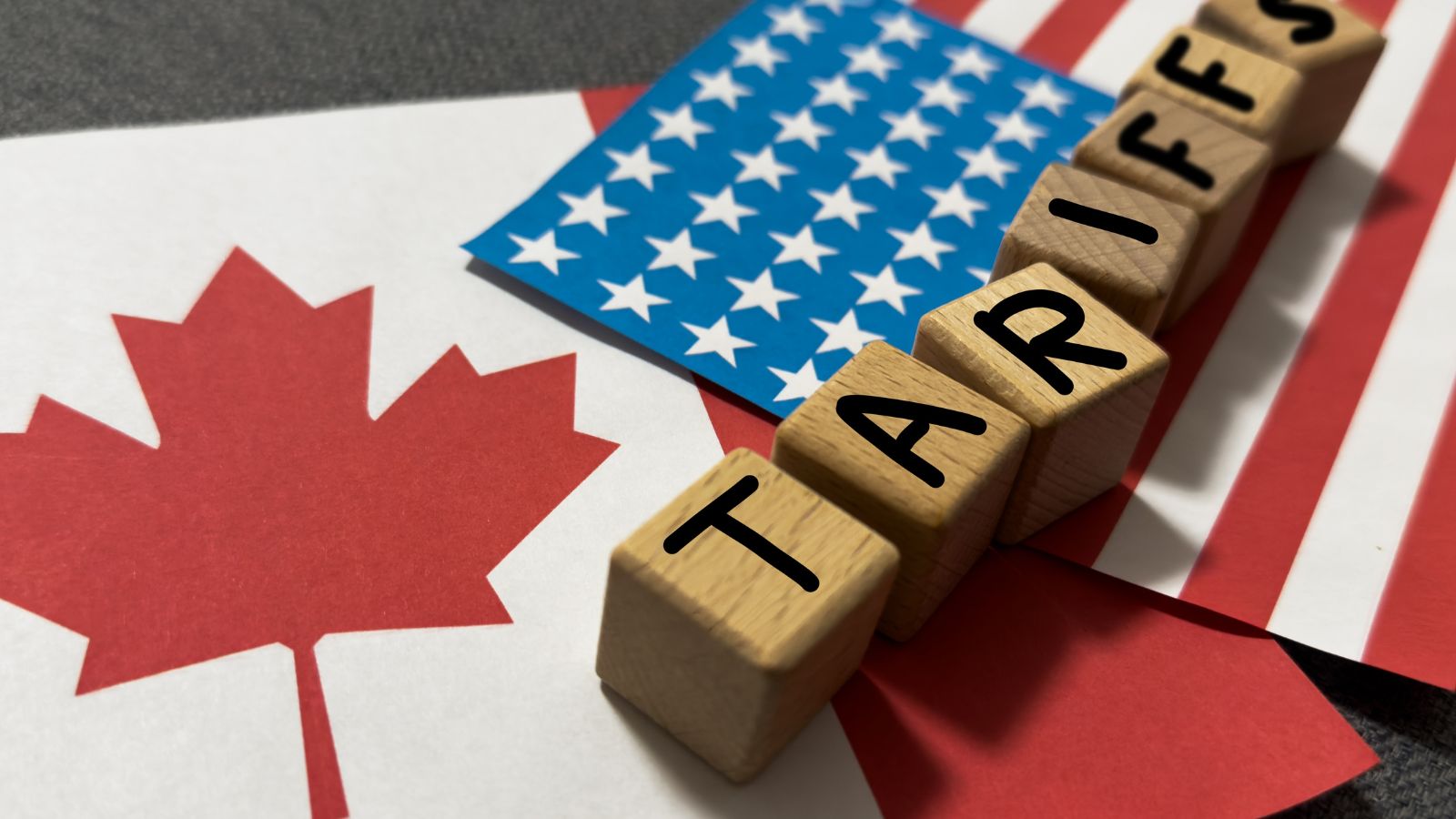
Canadian auto dealers had begun to see a narrow path out of the tariff pressure weighing on one of North America’s most integrated industries. Instead, that path disappeared within days. A proposed Canada-U.S. agreement would have lowered the top-line American tariff on Canadian cars and light-duty trucks from 25% to 15%, offering meaningful—if incomplete—relief. The negotiations collapsed on August 21, and Donald Trump followed by threatening a 50% tariff on Canadian cars, trucks and automotive parts beginning January 1, 2027.
For dealers, manufacturers and workers, the damage is not limited to a higher potential tariff. The Canadian Automobile Dealers Association says the relief under discussion never took effect, leaving the industry with existing duties, a new escalation threat and no timetable for negotiations to resume.
The Relief Dealers Could See Coming Never Arrived
The deal being negotiated would not have restored completely tariff-free automotive trade, but it represented a significant improvement over the status quo. Reuters reported that the top-line U.S. tariff on Canadian cars and light-duty trucks would have dropped from 25% to 15%, while tariffs on Canadian steel and aluminum would have been cut from 50% to 25%. For an industry trying to plan production, vehicle allocations and investment around rapidly changing trade rules, that reduction offered something increasingly valuable: a clearer operating environment.
CADA said it had been cautiously optimistic before the negotiations broke down. That optimism was deliberately restrained, but the association believed negotiators were at least moving toward automotive relief. When Prime Minister Mark Carney suspended the talks on August 21 after rejecting revised American terms as unfair and uneconomic, the proposed reduction disappeared with them. CADA stressed that the lower automotive tariff had never actually taken effect. The industry therefore did not lose an existing benefit; it lost the relief it had been preparing for and hoping would stabilize the market.
Trump’s 50% Threat Changed the Calculation Again
The existing American arrangement is already difficult for Canadian producers. CADA says Canadian-built, CUSMA-compliant vehicles remain subject to a 25% U.S. tariff on their non-U.S. content, while qualifying U.S. content is exempt. Trump’s August 24 threat would potentially take the dispute much further, raising tariffs on Canadian cars, trucks and automotive parts to 50% starting January 1, 2027. The White House had not publicly supplied all the implementation details immediately after the threat, leaving important questions about how content rules and exemptions would ultimately operate.
January may seem distant compared with an immediate tariff increase, but automobile production runs on decisions made months and sometimes years ahead. Plants need product mandates, suppliers need volume forecasts and automakers need to know whether a vehicle assembled in Ontario will remain commercially viable in its largest export market. Reuters reported that major auto shares fell after Trump’s announcement, reflecting the broader concern. Even if the 50% figure ultimately becomes negotiating pressure rather than permanent policy, companies must now treat that possibility as a material business risk.
Heavy-Duty Trucks Became One of the Deal’s Biggest Fault Lines
One of the most consequential disagreements involved which Canadian-built vehicles would qualify for tariff relief. CADA said Carney identified larger pickups and medium- and heavy-duty trucks as a major sticking point. According to the association, the U.S. proposal would have excluded vehicles including Ford F-350, F-450 and F-550 trucks connected to Oakville production, along with GM Silverado output. Carney argued that exclusions of important Canadian production programs would progressively undermine the economics of making vehicles in Canada.
The scale involved is visible on factory floors. Ford lists approximately 2,600 employees at its Oakville Assembly Complex as of June 2026 and says the facility is producing F-250 through F-450 Super Duty trucks. GM, meanwhile, announced in June that Oshawa Assembly had built more than 500,000 Chevrolet Silverado pickups since production restarted in November 2021. GM is also backing preparation for next-generation full-size gasoline trucks with a C$343-million investment. These are not niche products on the margins of the Canadian industry; they are major manufacturing programs tied to thousands of jobs, suppliers and dealerships.
Tariffs Do Not Stop at the Assembly-Plant Gate
Automotive tariffs are particularly disruptive because a modern vehicle is rarely the product of a single national supply chain. Components, steel, aluminum, engines, electronics and subassemblies can cross the Canada-U.S. border during different stages of production. CADA argues that imposing automotive duties on top of higher steel and aluminum costs creates layers of expense rather than one isolated tax. The association’s central concern is that North American competitiveness deteriorates when every border crossing potentially becomes more expensive.
Government data illustrate how tightly that system is connected. Canada assembled more than 1.3 million light-duty vehicles in 2024, and federal briefing material says roughly 1.1 million of them were exported to the United States. Nearly 700 parts suppliers support Canadian assembly operations. The Bank of Canada has similarly explained that tariffs raise the cost of imported inputs and can ultimately increase what businesses and consumers pay. In the auto sector, the risk is magnified because producers cannot simply rebuild decades of integrated supplier relationships overnight without major costs, delays and new investment.
Dealers Worry Consumers Will Eventually Feel the Pressure
CADA’s warning is not confined to manufacturing profitability. The association specifically points to affordability, arguing that higher steel and aluminum costs followed by automotive tariffs can eventually create a problem for consumers. Dealers operate at the point where industrial policy becomes a monthly payment, a lease quote or the decision to keep an older vehicle for another year. Even without knowing exactly how a future 50% tariff would be implemented, prolonged uncertainty can make automakers and retailers less confident about future pricing and supply.
Recent Bank of Canada research shows why industry groups take tariff pass-through seriously. Researchers examining more than 110,000 products at seven major Canadian retailers found that goods hit by Canada’s 25% counter-tariffs in 2025 eventually became about 6% more expensive relative to a comparable control group. That study was not about automobiles and should not be used to predict a specific increase in vehicle prices. It does demonstrate, however, that a meaningful portion of tariff costs can reach consumers. Carney himself has acknowledged that Canada’s coming retaliatory measures will raise some costs and reduce choice.
The Economic Exposure Reaches Far Beyond Dealership Lots
Canada’s automotive industry remains large enough that prolonged trade disruption would spread well beyond assembly plants. Innovation, Science and Economic Development Canada says the sector contributed C$16.8 billion to GDP in 2024 and directly employed more than 125,000 people. It indirectly supported approximately 427,000 additional jobs through suppliers, aftermarket services, dealerships and related businesses. Five major automakers—Ford, GM, Honda, Stellantis and Toyota—assembled more than 1.31 million light-duty vehicles at Canadian plants that year.
Those numbers help explain why dealers are treating tariff policy as an industry-wide threat rather than simply a border-tax dispute. A production reduction can affect a tool-and-die company, a trucking operator, a dealership technician or a parts distributor hundreds of kilometres away from the assembly line. Canada is also an unusually important buyer of American vehicles. Carney says Canadians purchase more American-built cars than the United Kingdom, Japan and China combined. That two-way dependence is why CADA continues to argue that maintaining a competitive North American auto market benefits companies and workers on both sides of the border.
January Is Now a Negotiating Window, Not a Relief Date
Trump’s January 1 deadline leaves several months for diplomacy, and Reuters noted that some auto executives remain skeptical that every threatened tariff will necessarily take effect exactly as announced. Trump has previously issued tariff threats that were later modified or delayed. That possibility offers some room for negotiations, but it does not restore the certainty the industry briefly thought a new agreement might provide. CADA says there is currently no timetable for Canada-U.S. talks to restart.
Ottawa is moving toward retaliation in the meantime. Carney has said Canada will match the latest American tariffs dollar for dollar, with new Canadian measures scheduled to begin September 8, while the government is also providing roughly C$25 billion in support for businesses and workers affected by U.S. tariffs. Dealers are urging Ottawa to design those measures carefully so retaliation does not further damage the domestic auto market. The immediate question is therefore no longer how much relief the industry will receive. It is whether negotiators can reopen a path to relief before an already difficult trade environment potentially becomes much harsher.