





















• About
  • Contact
AutoIgloo
  • News & Trends
    The EV Charging Habit That Can Annoy Everyone Around You

    Cheap EVs and High Fuel Costs Are Accelerating Electric-Car Sales Overseas as Canada Reworks Its EV Strategy

    Canada-U.S. Auto Tariff Talks Go Down to the Wire With 50% Duties Three Days Away

    Canadian Auto Suppliers Face a New Trade-War Morning as Markets Price in a Longer U.S. Standoff

    Former GM Critical-Materials Executive Takes Over Canadian Scandium Company as Auto Supply Chains Shift

    Former GM Critical-Materials Executive Takes Over Canadian Scandium Company as Auto Supply Chains Shift

    Canada-U.S. Auto Tariff Talks Go Down to the Wire With 50% Duties Three Days Away

    Canada’s Auto Industry Lost Its 15% U.S. Tariff Escape Route When Trade Deal Collapsed

    Trump Trade Fight Puts Ford and GM’s Canadian-Built Trucks Back in the Crosshairs

    Trump Trade Fight Puts Ford and GM’s Canadian-Built Trucks Back in the Crosshairs

    Lucid Launches 1,070-HP Gravity GT-S in U.S. — Canadian Buyers Are Left Out

    Stellantis Shares Drop About 3% as Canada-U.S. Tariff Fight Reopens Fears Over Canadian Plants

  • Car Reviews
    18 Things That Can Make a Car Unsafe for Winter Road Trips

    Why Some Drivers Are Avoiding Vehicles With Complex Infotainment Systems

    21 Cars Canadians Are Starting to Regret Buying

    Why Some Drivers Regret Buying Big Wheels and Low-Profile Tires

    17 Vehicles That Are Quietly Getting Crushed by Insurance Costs in Canada

    Why So Many Drivers Are Nervous About Chinese-Made EV Batteries

    20 Used SUVs Canadians Should Think Twice About Buying

    20 Used SUVs Canadians Should Think Twice About Buying

    15 Vehicles That Are Starting to Feel Like a Bad Deal Around May Long Weekend

    15 Vehicles That Are Starting to Feel Like a Bad Deal Around May Long Weekend

    15 Vehicles That Are Starting to Scare Off Canadian Buyers

    15 Vehicles That Are Starting to Scare Off Canadian Buyers

  • Buying Guides
    25 EV Charging Mistakes Canadians Make in March (That Wreck Range)

    Why Some Canadians Are Choosing Hybrids Over Full EVs Again

    22 Signs a Car Has Been in a Serious Crash Even if the Report Looks Clean

    21 Things That Make a Used Car Listing Seem Suspicious

    23 Features That Are Making New Cars Harder (and Pricier) to Repair in Canada

    Why Some Buyers Regret Choosing the Cheapest Trim Level

    18 Things That Can Make a Car Unsafe for Winter Road Trips

    Why Some Drivers Are Avoiding Vehicles With Complex Infotainment Systems

    22 Things Canadians Should Know Before Buying a Diesel Vehicle

    22 Things Canadians Should Know Before Buying a Diesel Vehicle

    15 Ways a Low Monthly Payment Can Fool Canadian Car Buyers

    The Car Buying Mistake That Gives Dealers More Control

  • Comparisons
    25 EV Charging Mistakes Canadians Make in March (That Wreck Range)

    Why Some Canadians Are Choosing Hybrids Over Full EVs Again

    21 Used Car Features That Can Become Expensive Problems Later

    Why Some Canadians Are Choosing Front-Wheel Drive Over All-Wheel Drive

    Canada’s Auto Fight Gets Uglier as BYD Threatens to Sue Trump Administration

    Tesla Vs. BYD: Are Chinese EV’s Actually Better for Canadians?

    17 Vehicles That Are Quietly Getting Crushed by Insurance Costs in Canada

    Why So Many Drivers Are Nervous About Chinese-Made EV Batteries

    20 Used SUVs Canadians Should Think Twice About Buying

    20 Used SUVs Canadians Should Think Twice About Buying

    16 Cars That Are a Nightmare to Repair Because Parts Are Backordered

    23 Cars Canadians Love That Have One Deal-Breaker Flaw

  • EVs & Hybrids
    20 Signs Your Car Battery Is About to Leave You Stranded

    Canadian Auto Jobs Become a Central Fault Line as Ottawa Reveals Why It Rejected U.S. Vehicle Terms

    25 EV Charging Mistakes Canadians Make in March (That Wreck Range)

    Why Some Canadians Are Choosing Hybrids Over Full EVs Again

    The EV Charging Habit That Can Annoy Everyone Around You

    Canada Is Missing an EV-Battery Export Opening as EU Lithium Demand Heads for a 9-to-12-Fold Jump: Report

    16 Used-EV Surprises Canadians Don’t See Coming Until After They Buy

    The EV Charging Habit That Can Annoy Everyone Around You

    17 SUVs That Are Losing Their Appeal Fast in Canada

    GM Canada Says EV Sales Jumped More Than 30% as CUSMA Uncertainty Hangs Over Showrooms

    9 Auto Brands Canadians Are Watching Much More Closely Right Now

    Toyota Canada Says Electrified Vehicles Are Now Nearly 70% of Its Q2 Sales

  • More
    • Pricing & Deals
    • Winter Driving
    • Ownership & Maintenance
No Result
View All Result
AutoIgloo
  • News & Trends
    The EV Charging Habit That Can Annoy Everyone Around You

    Cheap EVs and High Fuel Costs Are Accelerating Electric-Car Sales Overseas as Canada Reworks Its EV Strategy

    Canada-U.S. Auto Tariff Talks Go Down to the Wire With 50% Duties Three Days Away

    Canadian Auto Suppliers Face a New Trade-War Morning as Markets Price in a Longer U.S. Standoff

    Former GM Critical-Materials Executive Takes Over Canadian Scandium Company as Auto Supply Chains Shift

    Former GM Critical-Materials Executive Takes Over Canadian Scandium Company as Auto Supply Chains Shift

    Canada-U.S. Auto Tariff Talks Go Down to the Wire With 50% Duties Three Days Away

    Canada’s Auto Industry Lost Its 15% U.S. Tariff Escape Route When Trade Deal Collapsed

    Trump Trade Fight Puts Ford and GM’s Canadian-Built Trucks Back in the Crosshairs

    Trump Trade Fight Puts Ford and GM’s Canadian-Built Trucks Back in the Crosshairs

    Lucid Launches 1,070-HP Gravity GT-S in U.S. — Canadian Buyers Are Left Out

    Stellantis Shares Drop About 3% as Canada-U.S. Tariff Fight Reopens Fears Over Canadian Plants

  • Car Reviews
    18 Things That Can Make a Car Unsafe for Winter Road Trips

    Why Some Drivers Are Avoiding Vehicles With Complex Infotainment Systems

    21 Cars Canadians Are Starting to Regret Buying

    Why Some Drivers Regret Buying Big Wheels and Low-Profile Tires

    17 Vehicles That Are Quietly Getting Crushed by Insurance Costs in Canada

    Why So Many Drivers Are Nervous About Chinese-Made EV Batteries

    20 Used SUVs Canadians Should Think Twice About Buying

    20 Used SUVs Canadians Should Think Twice About Buying

    15 Vehicles That Are Starting to Feel Like a Bad Deal Around May Long Weekend

    15 Vehicles That Are Starting to Feel Like a Bad Deal Around May Long Weekend

    15 Vehicles That Are Starting to Scare Off Canadian Buyers

    15 Vehicles That Are Starting to Scare Off Canadian Buyers

  • Buying Guides
    25 EV Charging Mistakes Canadians Make in March (That Wreck Range)

    Why Some Canadians Are Choosing Hybrids Over Full EVs Again

    22 Signs a Car Has Been in a Serious Crash Even if the Report Looks Clean

    21 Things That Make a Used Car Listing Seem Suspicious

    23 Features That Are Making New Cars Harder (and Pricier) to Repair in Canada

    Why Some Buyers Regret Choosing the Cheapest Trim Level

    18 Things That Can Make a Car Unsafe for Winter Road Trips

    Why Some Drivers Are Avoiding Vehicles With Complex Infotainment Systems

    22 Things Canadians Should Know Before Buying a Diesel Vehicle

    22 Things Canadians Should Know Before Buying a Diesel Vehicle

    15 Ways a Low Monthly Payment Can Fool Canadian Car Buyers

    The Car Buying Mistake That Gives Dealers More Control

  • Comparisons
    25 EV Charging Mistakes Canadians Make in March (That Wreck Range)

    Why Some Canadians Are Choosing Hybrids Over Full EVs Again

    21 Used Car Features That Can Become Expensive Problems Later

    Why Some Canadians Are Choosing Front-Wheel Drive Over All-Wheel Drive

    Canada’s Auto Fight Gets Uglier as BYD Threatens to Sue Trump Administration

    Tesla Vs. BYD: Are Chinese EV’s Actually Better for Canadians?

    17 Vehicles That Are Quietly Getting Crushed by Insurance Costs in Canada

    Why So Many Drivers Are Nervous About Chinese-Made EV Batteries

    20 Used SUVs Canadians Should Think Twice About Buying

    20 Used SUVs Canadians Should Think Twice About Buying

    16 Cars That Are a Nightmare to Repair Because Parts Are Backordered

    23 Cars Canadians Love That Have One Deal-Breaker Flaw

  • EVs & Hybrids
    20 Signs Your Car Battery Is About to Leave You Stranded

    Canadian Auto Jobs Become a Central Fault Line as Ottawa Reveals Why It Rejected U.S. Vehicle Terms

    25 EV Charging Mistakes Canadians Make in March (That Wreck Range)

    Why Some Canadians Are Choosing Hybrids Over Full EVs Again

    The EV Charging Habit That Can Annoy Everyone Around You

    Canada Is Missing an EV-Battery Export Opening as EU Lithium Demand Heads for a 9-to-12-Fold Jump: Report

    16 Used-EV Surprises Canadians Don’t See Coming Until After They Buy

    The EV Charging Habit That Can Annoy Everyone Around You

    17 SUVs That Are Losing Their Appeal Fast in Canada

    GM Canada Says EV Sales Jumped More Than 30% as CUSMA Uncertainty Hangs Over Showrooms

    9 Auto Brands Canadians Are Watching Much More Closely Right Now

    Toyota Canada Says Electrified Vehicles Are Now Nearly 70% of Its Q2 Sales

  • More
    • Pricing & Deals
    • Winter Driving
    • Ownership & Maintenance
No Result
View All Result
AutoIgloo
No Result
View All Result

Home » News & Trends

Canada’s Auto Industry Lost Its 15% U.S. Tariff Escape Route When Trade Deal Collapsed

Nate Brewer by Nate Brewer
August 25, 2026
Reading Time: 6 mins read
A A
Photo Credit: Shutterstock

Photo Credit: Shutterstock

465
SHARES
1.5k
VIEWS
Share on FacebookShare on Twitter

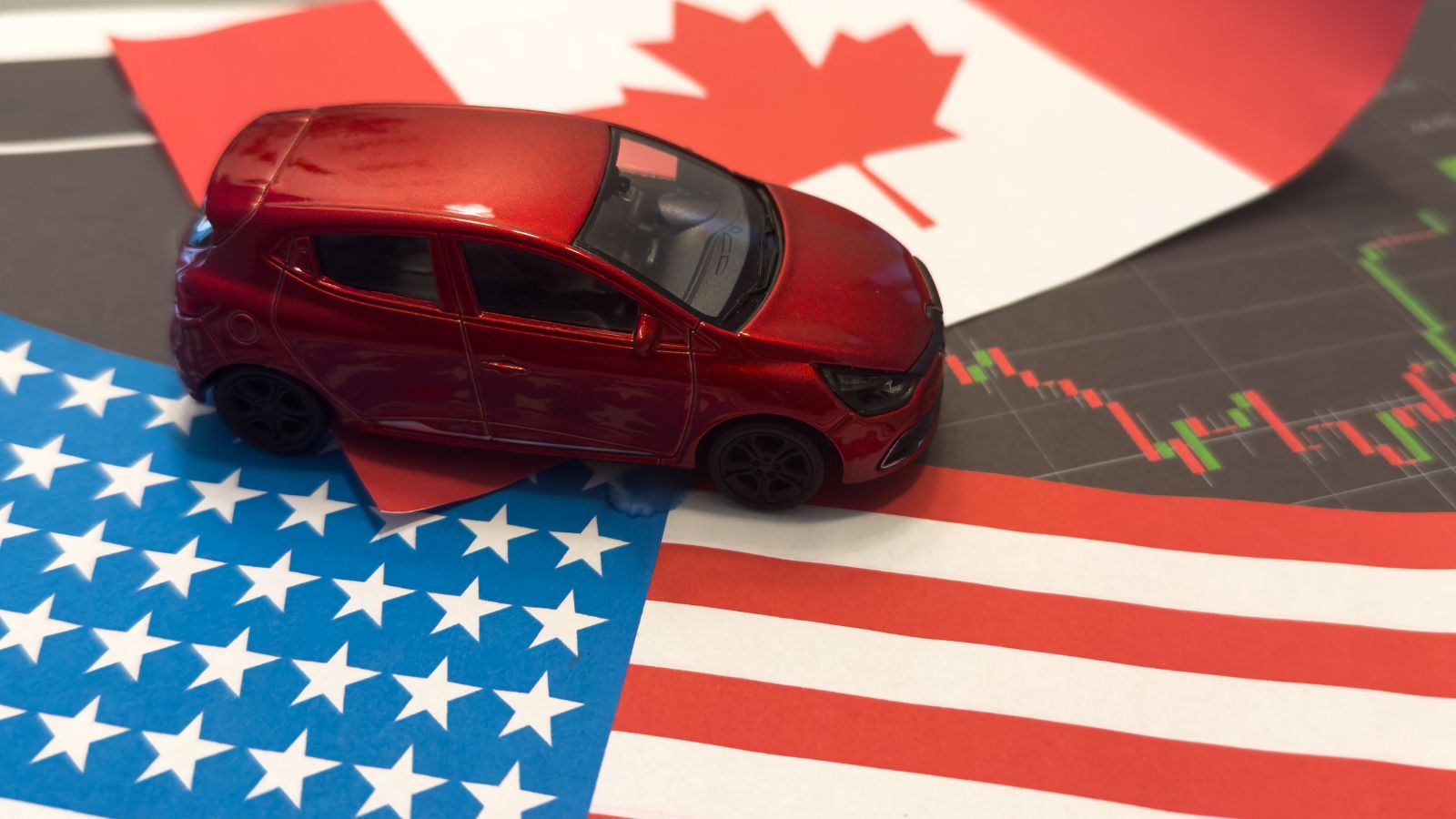
Canada’s auto sector came within sight of meaningful tariff relief, only to watch the opening close as negotiations with Washington broke down. The proposed arrangement would have lowered the top-line U.S. tariff on Canadian-built cars and light-duty trucks from 25% to 15%, while also cutting tariffs on Canadian steel and aluminum. It was not a return to the decades-old promise of tariff-free continental auto trade, but for manufacturers managing already-thin margins, 10 percentage points mattered.

The collapse left Canadian plants operating under the existing U.S. auto tariff structure while an even larger threat emerged. President Donald Trump subsequently warned that tariffs on Canadian cars, trucks and auto parts could rise to 50% on January 1, 2027. That escalation has made the failed 15% compromise look increasingly consequential.

The 15% Deal Was Real — but It Was Never Final

Only a day before the negotiations unraveled, Canadian officials were describing a deal as very close. The framework under discussion would have reduced the top-line U.S. tariff on Canadian-built cars and light-duty vehicles from 25% to 15%. The United States was also considering lowering tariffs on Canadian steel and aluminum from 50% to 25%, offering relief across industries that are deeply intertwined with vehicle production.

Yet important implementation questions were still unresolved. Negotiators had not fully settled how Canadian, American and other North American content would be treated when calculating duties, or how relief would apply across different vehicle categories. Prime Minister Mark Carney ultimately suspended negotiations on August 21 after what Ottawa described as last-minute U.S. changes. The distinction matters: Canadian automakers did not lose an existing 15% tariff rate. They lost a negotiated path that appeared capable of producing one.

Heavy-Duty Trucks Became a Critical Fault Line

One of the most consequential disputes concerned vehicles larger than the conventional cars and light-duty pickups covered by the proposed relief. Canada wanted favourable treatment extended to medium- and heavy-duty trucks, arguing that excluding them would create an increasingly serious disadvantage for Canadian assembly plants. Washington resisted expanding the arrangement on those terms, and the disagreement became one of the final barriers to a broader settlement.

Carney specifically pointed to Ford’s F-350, F-450 and F-550 Super Duty trucks and General Motors’ Silverado production when explaining what was at stake. These are not marginal products for Canada’s industrial strategy. Ford is preparing its Oakville, Ontario, complex for Super Duty production, while GM’s Oshawa operation builds full-size Chevrolet pickups. A tariff structure that treats those vehicles less favourably than comparable U.S.-built trucks could influence where companies allocate future production, investment and supplier contracts.

The Existing 25% Tariff Is More Complicated Than It Looks

The headline 25% U.S. auto tariff can make the situation sound as though one-quarter of the entire value of every Canadian vehicle is automatically collected at the border. For vehicles qualifying under the Canada-United States-Mexico Agreement, the mechanics are more nuanced. Washington’s policy allows the value of verified U.S. content in qualifying Canadian vehicles to be excluded from the portion subject to the tariff.

That reduces the effective burden for vehicles containing substantial American components, but it does not make the tariff harmless. A Canadian-built vehicle can contain engines, transmissions, electronics and other components that have crossed the border several times before final assembly. Manufacturers therefore face additional compliance work alongside the tariff itself. The proposed 15% rate would not have restored the previous zero-tariff environment, but it would have reduced the penalty applied to the non-U.S. portion of qualifying Canadian production.

Canadian Auto Plants Depend on a Border Built for Integration

Few Canadian industries demonstrate cross-border integration as clearly as auto manufacturing. The federal government says more than 90% of Canadian-made vehicles and about 60% of Canadian-made auto parts are exported to the United States. Canada produced more than 1.2 million passenger vehicles in 2025, while the broader auto industry supports roughly 125,000 direct jobs and more than half a million workers when related activity is included.

Statistics Canada has quantified how much that relationship matters. In 2024, U.S. demand supported about $4 billion in Canadian value added and approximately 27,000 payroll jobs in the motor vehicle and light-duty vehicle manufacturing industry, representing more than three-quarters of the industry’s output and payroll employment. The vulnerability has already become visible: employment in motor vehicle parts manufacturing fell 9.3% between December 2024 and December 2025 as manufacturers adjusted to weaker conditions.

Oakville Shows Why Truck Tariffs Became So Sensitive

Ford’s Oakville Assembly Complex is a vivid example of why the definition of a tariff-eligible vehicle became more than a technical negotiating detail. Ford announced plans to add capacity for as many as 100,000 Super Duty trucks annually in Oakville, part of an approximately $3-billion manufacturing investment program that included roughly $2.3 billion for the Ontario plant. The project was also expected to secure approximately 1,800 jobs.

Oakville is now ramping toward production of 2027-model Super Duty trucks, placing one of Canada’s most important auto investments directly inside the tariff debate. Large pickups are valuable vehicles with extensive North American supplier networks, meaning even a comparatively modest tariff can translate into thousands of dollars of added border cost before manufacturers decide how much to absorb or pass along. When Ottawa pressed Washington to include these trucks in a lower-rate arrangement, it was effectively negotiating over the competitiveness of a major new Canadian production program.

Oshawa Faces Much the Same Cross-Border Calculation

General Motors’ Oshawa Assembly provides another reminder that Canada’s auto exposure is measured in operating factories, not abstract trade statistics. GM said in June 2026 that Oshawa had produced more than 500,000 Chevrolet Silverado pickups since vehicle manufacturing restarted there in 2021. The plant has the unusual distinction of producing both light-duty and heavy-duty Silverado models, placing it directly across the dividing line that became contentious in trade negotiations.

GM is also preparing Oshawa for its next generation of gasoline-powered full-size trucks through a C$343-million investment. Since 2020, the automaker says it has invested roughly C$3.3 billion in Canada, including approximately C$1.5 billion in Oshawa. Decisions like those are made years in advance. Persistent uncertainty over whether a Canadian truck enters the United States at zero, 15%, 25% or potentially something higher complicates the investment calculations underpinning future assembly mandates.

Fifteen Percent Would Still Have Fallen Short of Canada’s Goal

The failed 15% proposal should not be mistaken for Ottawa’s preferred end state. Canada has repeatedly said its objective is the restoration of tariff-free automotive trade with the United States. For decades, the economic logic of the industry depended on vehicles and components moving across the border with minimal friction, allowing manufacturers to organize production around specialized plants rather than duplicate every stage of production in each country.

A 15% rate therefore represented damage reduction rather than victory. Even so, dropping the top-line tariff from 25% to 15% could have materially changed the economics of Canadian production, especially when combined with lower duties on steel and aluminum. Automakers care not only about the size of a tariff but also whether the rules will remain predictable over the lifetime of a vehicle program. A five- or six-year production decision becomes considerably harder when the border cost can change after the factory investment has already been committed.

Trump’s 50% Threat Raised the Stakes After the Breakdown

The consequences of losing the proposed 15% route became clearer when Trump escalated his rhetoric after the negotiations failed. On August 24, he threatened to impose 50% tariffs on cars, trucks and auto parts imported from Canada beginning January 1, 2027. Markets reacted quickly: Reuters reported declines of 3.6% for Ford, 4.2% for Stellantis and 1.6% for GM after the threat, while Toyota and Honda also fell.

The effects would not necessarily stop at Canadian factories. Automotive Products Manufacturers’ Association president Flavio Volpe has stressed that U.S. assembly plants depend on Canadian components and that tariffs on those parts are ultimately paid when they enter American production. Certain components cannot simply be replaced overnight. That is why tariff escalation can create an unusual outcome in an integrated industry: a measure intended to favour U.S. production can simultaneously increase costs and supply-chain risks for factories inside the United States.

Canada Is Turning to Retaliation, Diversification and Another Possible Deal

Ottawa’s immediate response has shifted from trying to finalize the near-term compromise to preparing retaliation. Canada announced dollar-for-dollar countertariffs scheduled to take effect September 8 on selected U.S. products, targeting sectors including steel, dairy, appliances, agricultural equipment, pulp and paper, and electronics. The measures respond to approximately US$20 billion in newly tariffed Canadian exports and are designed to impose political and economic costs without concentrating retaliation entirely on automobiles.

Carney has nevertheless left the door open to a future agreement if Canada considers the terms economically acceptable and consistent with its sovereignty. In parallel, Ottawa is trying to reduce the economy’s extraordinary reliance on a single export market through its broader industrial and auto strategy. None of those measures instantly replaces the scale of U.S. demand. For Canada’s automakers, that is the central problem: the 15% option disappeared before it became binding, while the alternatives currently on the table carry considerably greater uncertainty.


Recommended.

25 EV Charging Mistakes Canadians Make in March (That Wreck Range)

Why So Many Drivers Are Ditching EVs for Hybrids Again

June 2, 2026
18 Auto Repairs Canadians Keep Putting Off Until the Bill Gets Ugly

18 Auto Repairs Canadians Keep Putting Off Until the Bill Gets Ugly

May 8, 2026

Trending.

⁠$28 Billion in Canadian Goods Face 50% Trump Tariffs at Midnight as Deal Still Isn’t Final

Canada-U.S. Trade Deal Fell Apart After Washington Left Ontario-Built Ford and GM Trucks Out of Auto Tariff Relief

August 23, 2026
Quebec’s BRP Prepares 2027 Vehicle Reveal Tonight as Canadian Manufacturer Pushes New Can-Am Lineup

Quebec’s BRP Prepares 2027 Vehicle Reveal Tonight as Canadian Manufacturer Pushes New Can-Am Lineup

August 17, 2026
Mexico Pushes U.S. to Cut Auto Tariff From 25% to 5%–10% — and Give Canadian Parts More Room

Ottawa’s Chinese-EV Quota Opens Canada to 6.1% Tariffs Instead of the Former 100% Surtax

August 22, 2026
Doug Ford Says U.S. ‘Wasn’t Budging’ on 25% Auto Tariffs as Ontario Puts ‘Every Single Tool’ on the Table

Doug Ford Says U.S. ‘Wasn’t Budging’ on 25% Auto Tariffs as Ontario Puts ‘Every Single Tool’ on the Table

August 23, 2026
19 Things That Can Make Your Car Insurance Claim Get Denied

Foreign Insurer Can Apply to Enter Canada’s Auto-Insurance Market Starting Today

August 17, 2026
  • About
  • Contact
  • Privacy Policy
  • Disclaimer
  • Editorial Policies
  • Terms and Conditions
A Revir Media Group Website

2026 Autoigloo - © All rights reserved

No Result
View All Result
  • News & Trends
  • Car Reviews
  • Buying Guides
  • Comparisons
  • EVs & Hybrids
  • More
    • Pricing & Deals
    • Winter Driving
    • Ownership & Maintenance

2026 Autoigloo - © All rights reserved

This website uses cookies. By continuing to use this website you are giving consent to cookies being used. Visit our Privacy and Cookie Policy.


