


















• About
  • Contact
AutoIgloo
  • News & Trends
    Mercedes Slashes 2026 Car Profit-Margin Forecast to 2%–3% as Chinese Competition Squeezes German Automakers

    Mercedes Slashes 2026 Car Profit-Margin Forecast to 2%–3% as Chinese Competition Squeezes German Automakers

    GM Readies New Gas and Duramax Engines for Silverado HD and Sierra HD Ahead of November Production

    GM Leaves the New York Stock Exchange for Nasdaq as Automaker Pushes Deeper Into Self-Driving Technology

    Chinese Automaker Great Wall Picks Bulgaria for 50,000-SUV Factory as Tariffs Reshape Global Car Production

    Chinese Automaker Great Wall Picks Bulgaria for 50,000-SUV Factory as Tariffs Reshape Global Car Production

    Canada-U.S. Auto Tariff Talks Go Down to the Wire With 50% Duties Three Days Away

    U.S. and Canada Negotiate Auto Tariff Relief as Trump’s 50% Deadline Approaches

    Tesla Falls Outside Top 10 in EV Innovation Ranking as Geely, Volkswagen and BYD Lead

    Tesla Quietly Raises Canadian Model 3 Range to 584 km—But Buyers Still Can’t Order It

    Jeep Taps China’s Momenta for New Driver-Assist Tech on Mass-Produced Models — Canada Rollout Unconfirmed

    Jeep Gives Gladiator Buyers Factory 35-Inch Tires for the First Time, Ending a Popular Aftermarket Upgrade

  • Car Reviews
    Mitsubishi Outlander Review: Is It Still the Underrated Family SUV?

    Mitsubishi Outlander Review: Is It Still the Underrated Family SUV?

    19 Cars With Windshields That Crack Constantly on Canadian Highways

    Subaru Forester vs Toyota RAV4: Which SUV Is Better for Canadian Winters?

    20 Cars Canadians Should Avoid If They Hate Expensive Windshield Replacements

    Hyundai Tucson vs Kia Sportage: Which Compact SUV Is the Better Everyday Buy?

    BYD, CATL and Xiaomi Are in the Mix for Xi’s Washington Trip as Canada and U.S. Split on Chinese EV Access

    Toyota RAV4 Plug-In Hybrid vs Regular Hybrid: Which One Should Canadians Buy?

    17 Vehicles That Are Quietly Getting Crushed by Insurance Costs in Canada

    Honda CR-V Hybrid Review: The Family SUV That Plays It Safe

    2026 Toyota RAV4 vs Honda CR-V: Which SUV Makes More Sense for Canadians?

    2026 Toyota RAV4 vs Honda CR-V: Which SUV Makes More Sense for Canadians?

  • Buying Guides
    Mitsubishi Outlander Review: Is It Still the Underrated Family SUV?

    Mitsubishi Outlander Review: Is It Still the Underrated Family SUV?

    16 Used SUVs That Suddenly Don’t Look Like Smart Buys in Canada

    Nissan Rogue vs Honda CR-V: Which SUV Feels Better After the Test Drive?

    19 Cars With Windshields That Crack Constantly on Canadian Highways

    Subaru Forester vs Toyota RAV4: Which SUV Is Better for Canadian Winters?

    Mazda CX-5 vs Mazda CX-50: Which One Feels More Premium for the Money?

    Mazda CX-5 vs Mazda CX-50: Which One Feels More Premium for the Money?

    17 Vehicles That Are Quietly Getting Crushed by Insurance Costs in Canada

    Honda CR-V Hybrid Review: The Family SUV That Plays It Safe

    18 Cars With Parts Prices So Wild They’re Becoming Hard to Own in Canada

    Is the New Toyota RAV4 Still the Safest Bet in Canada?

  • Comparisons
    19 Cars With Windshields That Crack Constantly on Canadian Highways

    Subaru Forester vs Toyota RAV4: Which SUV Is Better for Canadian Winters?

    21 Vehicles With the Best Real-World Fuel Economy in Canada (Not Just the Sticker)

    Toyota Corolla Cross vs Honda HR-V: Which Small SUV Is Less Compromised?

    20 Cars Canadians Should Avoid If They Hate Expensive Windshield Replacements

    Hyundai Tucson vs Kia Sportage: Which Compact SUV Is the Better Everyday Buy?

    BYD, CATL and Xiaomi Are in the Mix for Xi’s Washington Trip as Canada and U.S. Split on Chinese EV Access

    Toyota RAV4 Plug-In Hybrid vs Regular Hybrid: Which One Should Canadians Buy?

    Honda Asked Suppliers for 30% Parts Cost Cuts as $9.4-Billion Savings Drive Hits Global Supply Chain

    Why Some Buyers Are Choosing Older Hondas Over Newer SUVs

    25 EV Charging Mistakes Canadians Make in March (That Wreck Range)

    Why Some Canadians Are Choosing Hybrids Over Full EVs Again

  • EVs & Hybrids
    BYD, CATL and Xiaomi Are in the Mix for Xi’s Washington Trip as Canada and U.S. Split on Chinese EV Access

    Toyota RAV4 Plug-In Hybrid vs Regular Hybrid: Which One Should Canadians Buy?

    Geely Auto’s Core Profit Jumps 46% as Chinese EV Expansion Accelerates — With Canada Now Opening to Geely-Owned Lotus

    Geely Confirms Canadian Vehicle Sales for 2027 as Chinese Automakers Challenge Established Brands

    18 Cars That Will Feel Dated Fast as New Chinese EVs Arrive

    12 EVs Now Price Below $41,000 in Canada—Fiat 500e Falls Under $30,000 With Rebate

    The Used EV Question Canadians Should Ask Before Buying One

    The Used EV Question Canadians Should Ask Before Buying One

    Why Some EV Owners Are Getting Sticker Shock From Home Charging Setups

    Why Some EV Owners Are Getting Sticker Shock From Home Charging Setups

    20 Signs Your Car Battery Is About to Leave You Stranded

    Canadian Auto Jobs Become a Central Fault Line as Ottawa Reveals Why It Rejected U.S. Vehicle Terms

  • More
    • Pricing & Deals
    • Winter Driving
    • Ownership & Maintenance
No Result
View All Result
AutoIgloo
No Result
View All Result

Home » News & Trends

GM Leaves the New York Stock Exchange for Nasdaq as Automaker Pushes Deeper Into Self-Driving Technology

Nate Brewer by Nate Brewer
October 27, 2026
Reading Time: 6 mins read
A A
Image Credit: Shutterstock

Image Credit: Shutterstock

465
SHARES
1.5k
VIEWS
Share on FacebookShare on Twitter

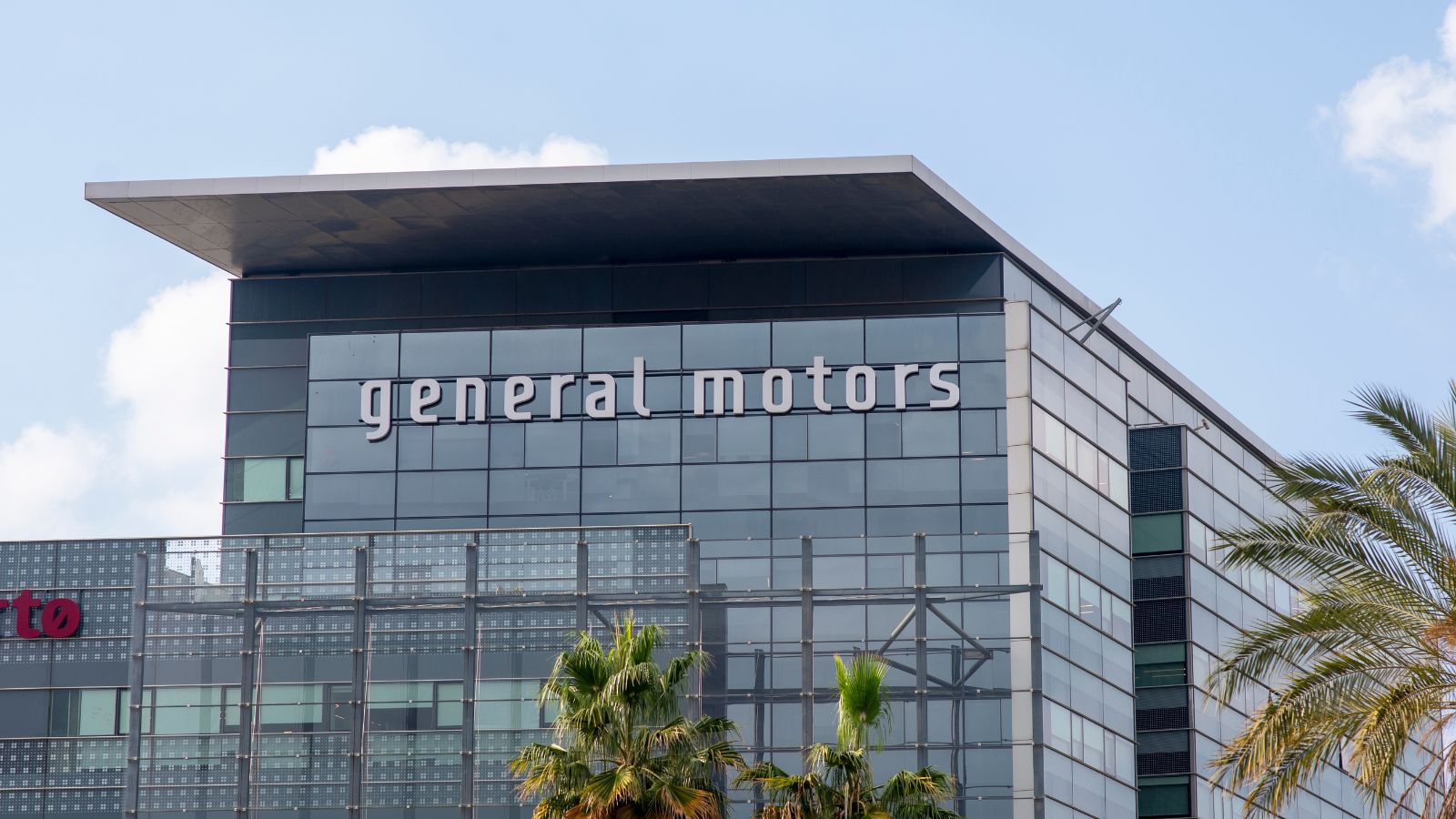
General Motors is preparing to close a historic chapter on Wall Street, announcing plans to move its stock listing from the New York Stock Exchange to Nasdaq as the Detroit automaker accelerates its transformation into a technology-driven company. Announced on October 27, 2026, the transition is expected to take effect on November 17, marking a significant symbolic shift for one of America’s most recognizable automotive manufacturers.

The decision comes as GM invests in artificial intelligence, advanced vehicle software, and autonomous driving systems designed to change how people travel. With plans to introduce more sophisticated self-driving capabilities and expand them across popular vehicles, the company wants investors to recognize that its future extends beyond traditional automobile manufacturing. The exchange move underscores that ambition while raising important questions about the opportunities and challenges ahead.

The Nasdaq Transfer Is Set for November 17

The mechanics of the switch are straightforward, even if the message behind it is bigger. GM said its common stock will remain on the New York Stock Exchange through trading on November 16, 2026, before moving to the Nasdaq Global Select Market on November 17. The ticker, GM, will not change. Existing shareholders do not need to sell, exchange or otherwise adjust their holdings because of the transfer.

Chief Financial Officer Paul Jacobson called Nasdaq a natural home for GM’s technology-driven strategy and thanked the NYSE for its partnership. The announcement does not create a new company or change the value of shares. Instead, it changes the venue where those shares are listed. For an automaker known for Chevrolet pickups, Cadillac SUVs and factory operations, the move offers a way to reinforce a message: GM wants software, connectivity and automated driving to become central to how its business is understood.

GM Is Ending a Wall Street Relationship Dating Back to 1911

The departure carries more historical weight than an ordinary corporate paperwork change. General Motors’ relationship with the New York Stock Exchange reaches back to 1911, when securities associated with the early company appeared on the exchange. Its journey was interrupted by the 2009 bankruptcy of the old General Motors Corporation, which ended a painful period for employees, dealers and investors during the financial crisis.

After a government-backed restructuring, the reorganized General Motors returned to the NYSE in November 2010. The U.S. Treasury priced shares for that public offering at $33 apiece, a milestone in efforts to reduce the government’s ownership of the automaker. Sixteen years later, GM is choosing to leave the exchange voluntarily. The contrast is striking: the 2010 return symbolized survival and recovery, while the planned 2026 transfer is being framed around technology and future growth. The manufacturing legacy remains, but GM wants markets to imagine something different.

Nasdaq Could Open the Door to a New Group of Investors

Nasdaq is closely associated with technology companies, but GM’s decision also carries a concrete financial possibility. By listing on the Nasdaq Global Select Market, the automaker becomes eligible for consideration for the Nasdaq-100, an index built around large nonfinancial companies trading on the exchange. Inclusion is not automatic: Nasdaq evaluates factors such as market capitalization, liquidity and other eligibility requirements, and index membership can change during scheduled reviews.

The distinction matters because index-tracking funds generally hold shares of companies included in their benchmarks. A future addition could bring GM to the attention of investors who might not previously have held its stock through a Nasdaq-focused fund. Other well-known businesses have been drawn to the exchange, too. Hilton announced its own NYSE-to-Nasdaq move in October 2026, citing innovation and long-term growth. None of these developments guarantees a higher share price, but the choice of exchange can shape a company’s investor audience.

Super Cruise Gives GM a Head Start in Autonomous Driving

GM’s future-driving pitch rests on a technology customers already use. Super Cruise, its hands-free driver-assistance system, can control steering, acceleration and braking on compatible roads while the driver watches traffic. It is offered across more than 20 GM models, and the company says owners have accumulated more than 1.2 billion hands-free miles. Those journeys provide operating experience that can inform the development of more advanced systems.

The distinction between hands-free and self-driving is essential. Super Cruise monitors the driver’s attention and requires someone ready to take control; it is not permission to read, sleep or use a phone. Still, the appeal is easy to understand. On a long highway journey, avoiding constant steering corrections can make travel less tiring. With hundreds of thousands of road miles mapped for compatible operation, GM already has a customer base familiar with assisted driving, providing a practical foundation for its next technological step.

Cadillac’s Escalade IQ Will Introduce Eyes-Off Driving in 2028

GM expects to introduce eyes-off highway driving in 2028, beginning with the all-electric Cadillac ESCALADE IQ. Unlike current hands-free assistance, the planned system would let an occupant temporarily stop watching the road under approved conditions. GM describes turquoise lighting and sensors combining lidar, radar and cameras. The company presents this as a step toward personal autonomy, not a promise that every road or weather condition can be handled automatically.

Engineers are also studying the human side of the transition. At GM’s technical center in Warren, Michigan, volunteers have tried simulated drives involving rain, traffic and sudden complications while researchers observe how quickly they respond. Some participants have played mobile games during testing. The scenes reflect a serious problem: a human driver who has stopped monitoring the road may not be immediately ready to intervene. Safety validation, regulations and public trust will determine how widely eyes-off driving can be used.

GM Wants the Technology in Its Best-Selling Trucks and SUVs

The first eyes-off model will be a luxury SUV, but GM’s larger opportunity lies in vehicles bought by far more households. On October 21, the automaker said it intends to extend autonomous highway driving to full-size SUVs and light-duty pickups. It did not give a launch date for those additional models, unlike its specific 2028 target for the Escalade IQ.

Pickup trucks are central to GM’s finances and American identity. In the third quarter of 2026, GM sold 670,974 vehicles in the United States, even as overall deliveries declined 6% from a year earlier. Chevrolet Silverado and GMC Sierra remained among its five best-selling nameplates, according to the company. If automated driving eventually becomes available in those vehicles, it could reach customers who would never consider buying an expensive electric Cadillac. It could also create opportunities for paid digital features, provided drivers believe the added convenience is worth the cost.

A New Computing System Will Change How GM Builds Vehicles

Behind the planned driving features is a redesign of the vehicle’s electronics. GM says its next-generation architecture will bring functions spread across many controllers into a centralized computing system. The automaker claims its liquid-cooled central computer will deliver 40 times the computing capability of current vehicles, while high-speed connections can carry 36 times more data than previous systems. The platform is meant for both gasoline-powered and electric vehicles.

That technical shift has consequences for ownership. Instead of engineering software for every truck, crossover and SUV, GM wants to reuse core systems and deliver improvements through over-the-air updates. Its platform design also calls for less wiring and simpler electronics, reducing complexity in production. The rollout is planned for the Escalade IQ in 2028, with other models following. This is where the automaker’s technology ambitions become tangible: how it can fix problems, add capabilities and keep a vehicle useful after the sale.

Billions of Virtual Miles Are Helping Train GM’s Driving Systems

Developing software that can handle unpredictable highways requires more than computer specifications. GM says its autonomous-driving system now covers more than three billion simulated miles each day, exposing digital vehicles to traffic situations that would be impractical to reproduce on public roads. Its real-world data fleet, meanwhile, gathers roughly one million miles of multisensor information each month, providing examples of how traffic behaves.

Supervised road testing complements those efforts. GM said in March 2026 that more than 200 development vehicles would operate on highways in California and Michigan, each with a trained driver able to intervene. The company works with Nvidia on AI computing and simulation technologies. There is an important limit to these numbers: simulated mileage is not the same as demonstrated real-world safety. The goal is to use virtual tests to find weaknesses, then confirm that improvements hold up when human lives and unpredictable road users are involved.

The End of Cruise’s Robotaxi Push Still Shapes GM’s Strategy

GM’s autonomous ambitions have experienced a costly course correction. In December 2024, the company announced it would stop financing Cruise’s robotaxi development, citing the expense and time required to scale a service. It acquired full ownership of Cruise in February 2025 and moved to combine autonomous-driving expertise with the teams developing features for vehicles people buy and drive themselves.

The decision followed serious scrutiny of Cruise’s safety record. A 2023 incident involved a driverless Cruise vehicle dragging a pedestrian after another vehicle initially struck the person. U.S. regulators subsequently found that Cruise had failed to fully report important post-crash details. That history is relevant as GM promotes eyes-off technology: progress is measured not only by what a computer can do, but by how reliably it responds when things go wrong. The new personal-vehicle strategy may be more commercially practical than robotaxis, but it still faces demanding safety and credibility tests.

GM’s Financial Strength Will Help Determine Its Technology Future

GM’s financial results provide a foundation for its technological reinvention. The company reported $50 billion in third-quarter 2026 revenue, $3.3 billion in net income attributable to stockholders and $4.1 billion in adjusted earnings before interest and taxes. It announced a new $20 billion multiyear share-repurchase authorization. These figures show the importance of its vehicle business as it funds software, AI and automated-driving development.

The question is whether technology can become a meaningful source of repeat revenue rather than another expensive feature to develop. Connected services, subscriptions and software updates could produce income after a vehicle leaves the dealership, but customer demand and profit margins remain uncertain. GM’s Nasdaq transfer may help draw attention to that possibility; it cannot deliver the technology or guarantee investment returns. As November 17 approaches, the listing change is the visible milestone. The bigger test will come on highways, in showrooms and on GM’s earnings statements.


Recommended.

Stellantis Puts 800,000 Connected Work Vehicles Under New Monitoring System — Canada Rollout Not Named

Stellantis Explores China-Built Jeeps for Canada While Brampton Auto Workers Await a Future

October 20, 2026
18 Cars That Are Surprisingly Cheap to Insure in Canada (2026 List)

Ontario Makes Major Auto-Insurance Benefits Optional July 1—Drivers Risk Losing Huge Coverage for Small Savings

June 15, 2026

Trending.

Canada’s Ballard Puts a 250,000-Mile Performance Guarantee Behind Hydrogen Buses

Canada’s Ballard Puts a 250,000-Mile Performance Guarantee Behind Hydrogen Buses

October 2, 2026
Canada’s Auto Industry Says Tariff Fight Has Already Cost the Sector More Than $100 Billion

Trump’s 50% Canada Auto-Tariff Threat Is Now Forcing Automakers to Plan Around a January 1 Deadline

September 27, 2026
10 Reasons the Canadian Car Market Feels Different Heading Into Summer

Canadian Auto Sales Rise 3.4% for a Fourth Straight Month—but 2026 Still Trails Last Year

October 3, 2026
PBO Warns U.S. Tariff War Threatens Up to 185,000 Canadian Jobs, With Auto Manufacturing Among Hardest Hit

PBO Warns U.S. Tariff War Threatens Up to 185,000 Canadian Jobs, With Auto Manufacturing Among Hardest Hit

October 21, 2026
16 Cars That Could Be Hit Hardest by Canada’s New Price Pressures

Ford Says F-150 Production Is Back—but Parts Shortage Will Still Hit Third-Quarter Shipments

October 1, 2026
  • About
  • Contact
  • Privacy Policy
  • Disclaimer
  • Editorial Policies
  • Terms and Conditions
A Revir Media Group Website

2026 Autoigloo - © All rights reserved

No Result
View All Result
  • News & Trends
  • Car Reviews
  • Buying Guides
  • Comparisons
  • EVs & Hybrids
  • More
    • Pricing & Deals
    • Winter Driving
    • Ownership & Maintenance

2026 Autoigloo - © All rights reserved

This website uses cookies. By continuing to use this website you are giving consent to cookies being used. Visit our Privacy and Cookie Policy.