




















For Canadians shopping the redesigned 2026 Toyota RAV4, the decision is no longer simply about whether electrification makes sense. Every new RAV4 sold in Canada now uses an electrified powertrain, leaving buyers to choose between the conventional self-charging Hybrid and the more ambitious Plug-In Hybrid. Both offer standard all-wheel drive, strong fuel efficiency and five-passenger practicality, but their prices, performance, cargo capacity and charging requirements differ considerably.
The Plug-In Hybrid promises substantially more horsepower and as much as 89 kilometres of electric driving before gasoline is needed. The regular Hybrid counters with a much lower purchase price and no charging routine whatsoever. These 12 factors reveal where each version has an advantage — and which Canadian households are most likely to get their money’s worth from paying extra for the plug.
The Price Gap Is Large at the Bottom of the Range
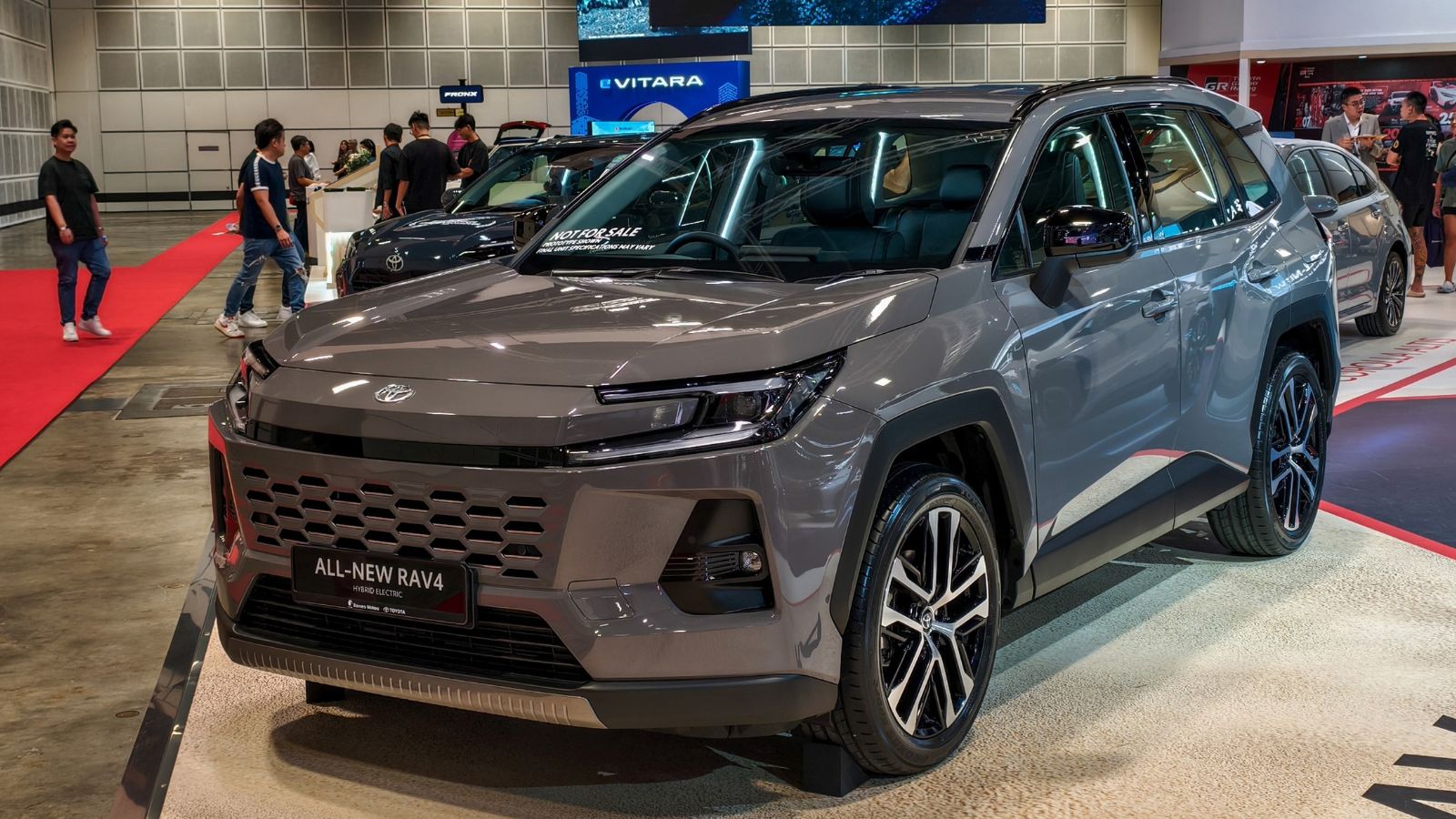
Price immediately gives the regular RAV4 Hybrid an advantage. Toyota Canada lists the 2026 RAV4 LE AWD at a starting MSRP of $37,500, while the RAV4 Plug-In Hybrid SE begins at $48,750. That creates an $11,250 difference between the least-expensive versions before taxes and other ownership costs. For a buyer primarily interested in reliable, fuel-efficient transportation, that is enough money to make the regular Hybrid difficult to ignore.
The comparison becomes more interesting when similarly positioned trims are considered. The regular RAV4 XSE starts at $50,900, while the Plug-In Hybrid XSE costs $56,400, shrinking the MSRP difference to $5,500. The plug-in also starts with considerably more standard equipment than a base Hybrid, so comparing only the cheapest versions can exaggerate the effective powertrain premium. Still, the Hybrid lineup gives Canadians considerably more flexibility, with several configurations between $37,500 and roughly $52,000. Buyers working within a firm monthly-payment budget therefore have far more room to choose features without automatically moving into PHEV pricing territory.
Electric Range Could Cover an Entire Daily Commute
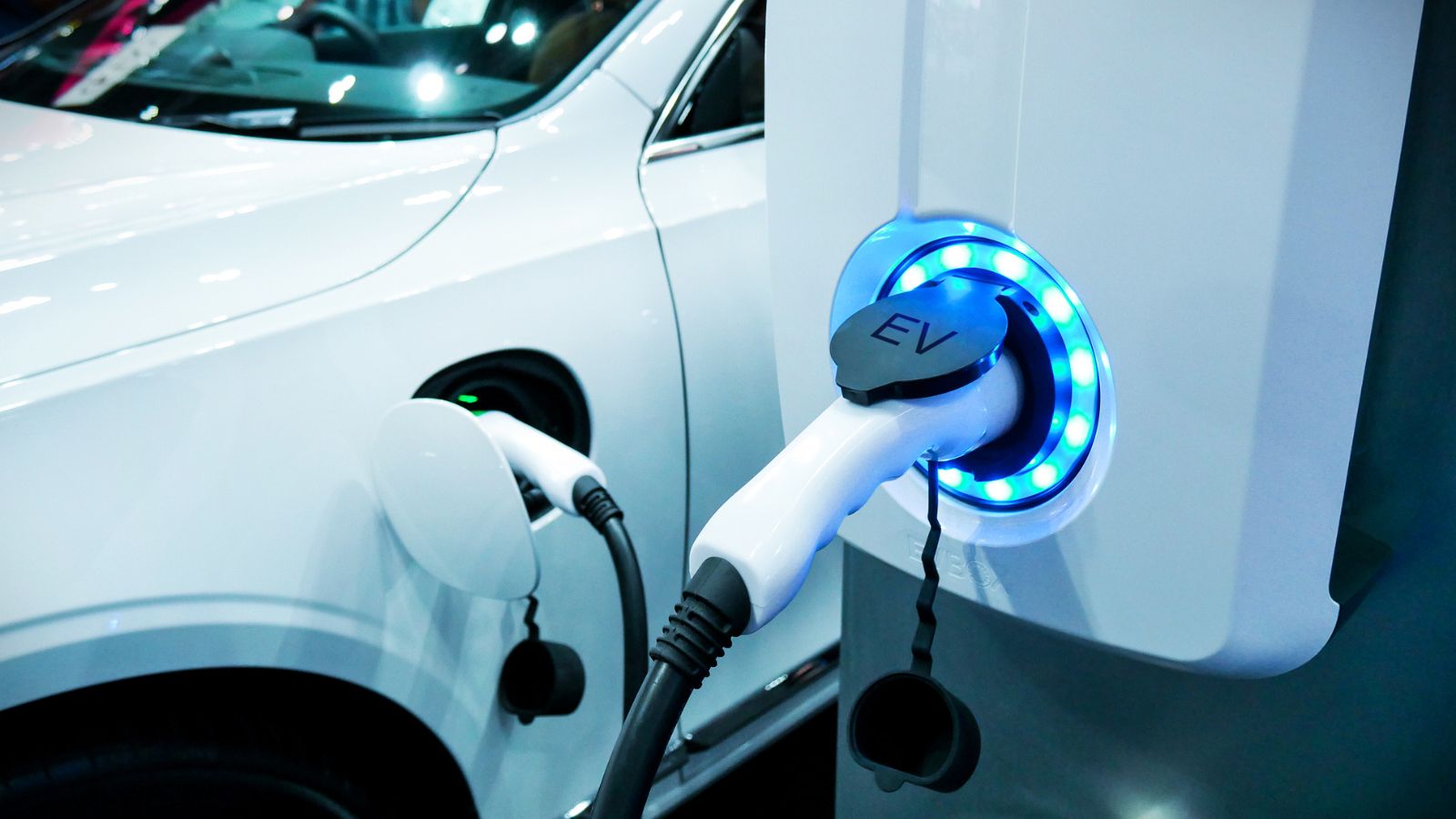
The strongest argument for the Plug-In Hybrid is what happens during ordinary weekday driving. Toyota rates the current PHEV SE for an estimated 89 kilometres of electric range, while the XSE offers 85 kilometres and the GR Sport 79 kilometres. That is considerably more electric capability than the previous generation and enough to allow many households to complete commuting, school runs and shopping without deliberately using gasoline on an average day.
That advantage depends heavily on charging behaviour. A plug-in hybrid that leaves home with a charged battery can operate much more like an electric vehicle during shorter trips, while retaining a gasoline engine for longer journeys. Natural Resources Canada specifically notes that PHEVs become more fuel-efficient when regularly plugged in. Someone travelling 30 kilometres to work and 30 kilometres home could theoretically keep a large portion of that commute within the RAV4’s rated electric range under favourable conditions. A driver covering similar distances but rarely charging would lose much of the reason for paying the PHEV premium.
The Regular Hybrid Is Already Remarkably Efficient

Choosing the regular Hybrid does not mean accepting high gasoline consumption. Toyota rates the 2026 RAV4 Hybrid LE at 5.1 L/100 km in the city, 6.0 on the highway and 5.5 combined. The XLE rises only slightly to 5.7 L/100 km combined, while the XSE and Limited are rated at 5.8. Even the more rugged Woodland, with all-terrain tires and adventure-focused hardware, carries a 6.2 L/100 km combined rating.
The PHEV produces its biggest savings when electricity supplies much of the driving energy. Once operating as a hybrid, however, Toyota lists gasoline consumption of 5.7 L/100 km combined for the SE, 5.9 for the XSE and 6.4 for the GR Sport. Those figures are surprisingly close to the regular Hybrid considering the plug-in carries a much larger battery and significantly more weight. This means the PHEV does not become an inefficient SUV after its usable EV range is exhausted. Nevertheless, Canadians who rarely plug in would be buying additional battery capability without exploiting its largest efficiency advantage.
Home Charging Changes the Equation

Charging access may be more important than annual mileage when deciding between these powertrains. The regular Hybrid requires nothing beyond filling its gasoline tank. Its battery charges automatically through the hybrid system and regenerative braking, making it equally convenient for someone in a detached suburban house, downtown apartment or rural property without convenient electrical access.
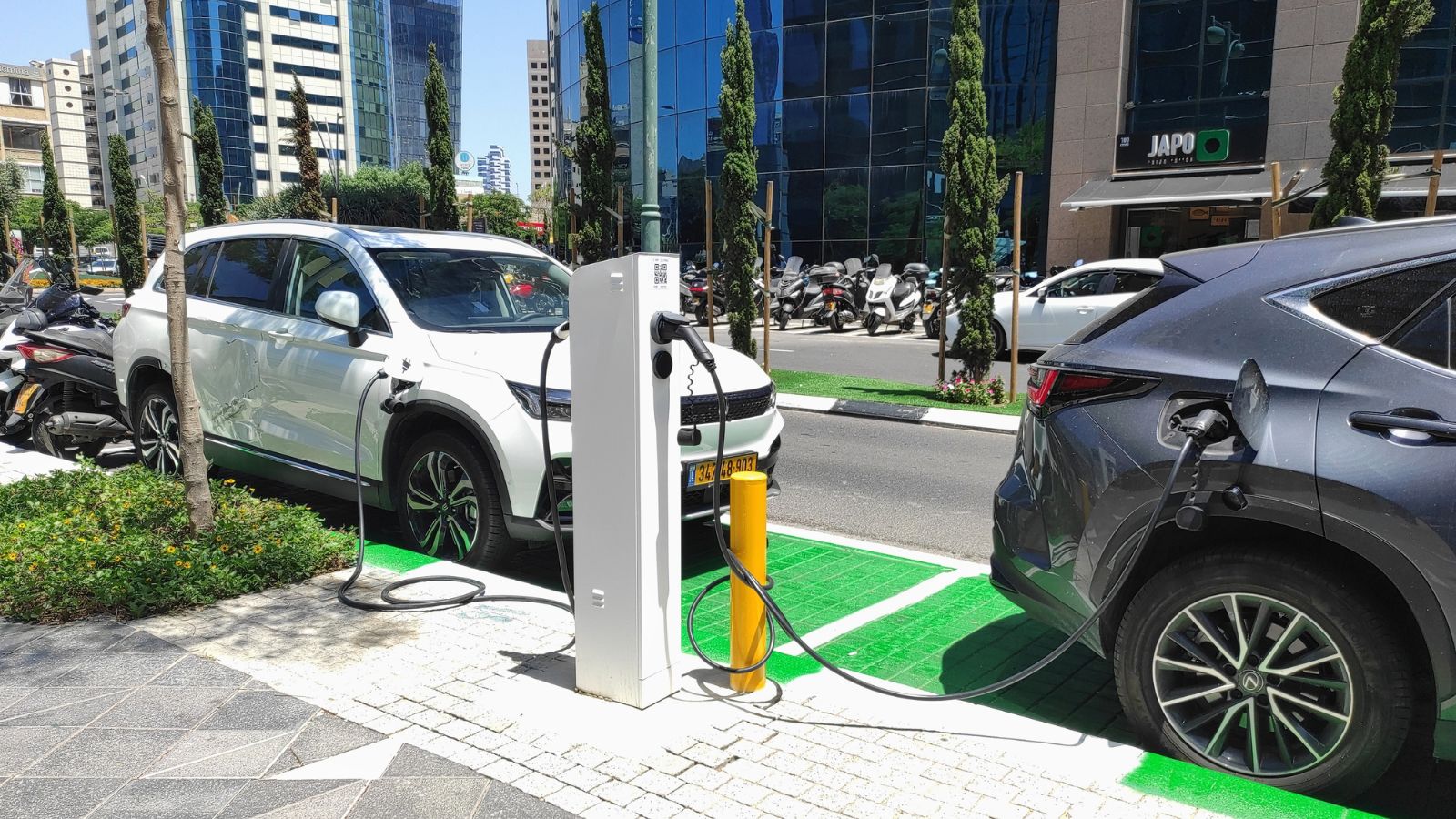
The Plug-In Hybrid rewards a different lifestyle. Toyota provides a dual-voltage charging cable, and the standard PHEV versions support Level 1 and Level 2 charging. Toyota estimates roughly 50 hours to go from the low-battery indication to full using a standard 120-volt outlet under ideal conditions, versus about 3.5 hours with a 7-kW Level 2 setup. The XSE Technology Package adds an 11-kW onboard charger and DC fast-charging capability; Toyota estimates about 2.5 hours on suitable Level 2 equipment or roughly 35 minutes from 10 to 80 percent on sufficiently powerful DC equipment. For most owners, overnight Level 2 home charging is the important part. Without dependable charging, the regular Hybrid is substantially simpler.
Canadian Winter Makes the Plug-In Decision More Complicated
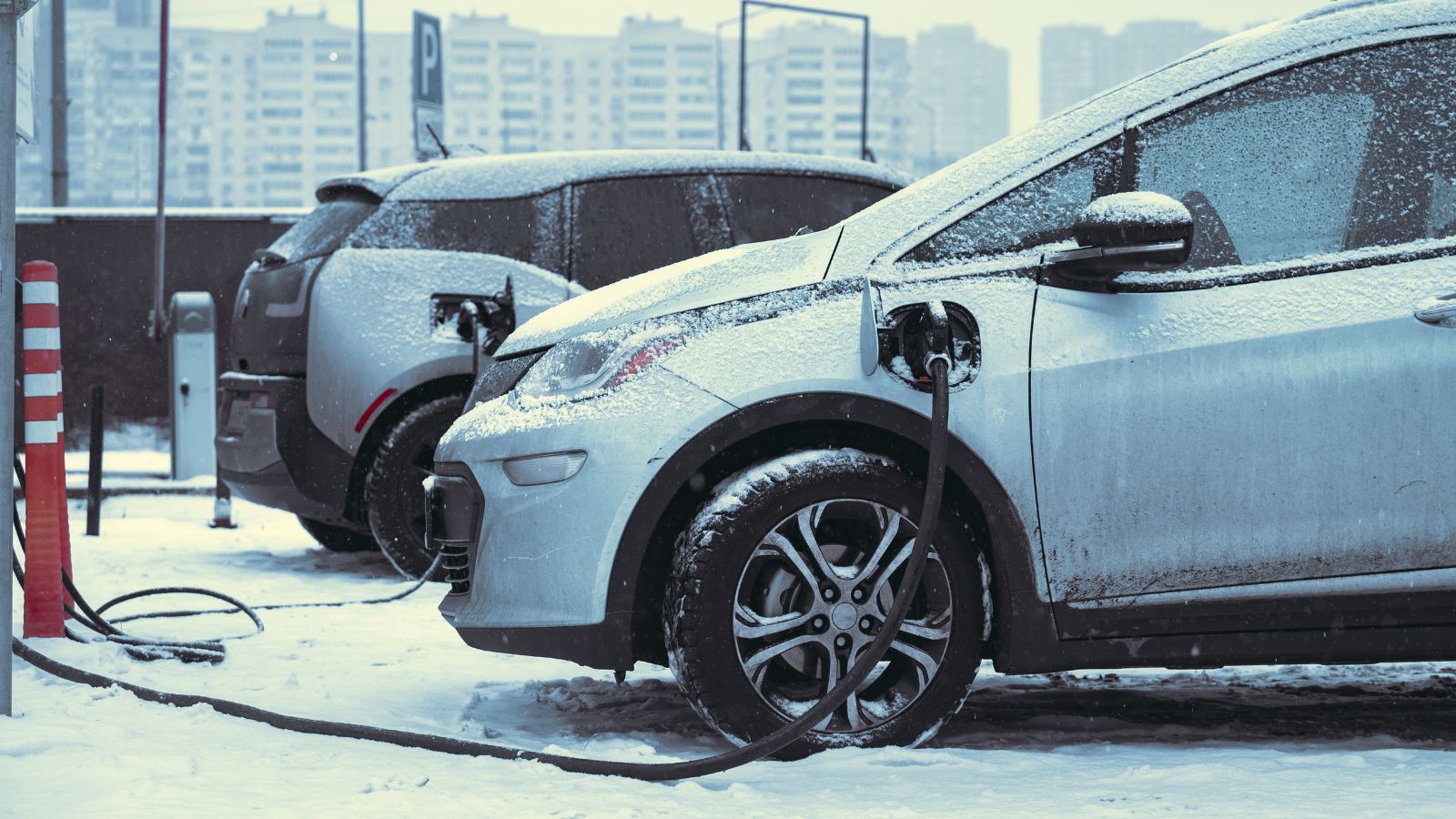
Both versions have useful Canadian-market advantages when snow arrives. Toyota equips every 2026 RAV4 sold in Canada with all-wheel drive. Standard Hybrid models provide approximately 206 millimetres of ground clearance, while the Woodland increases that to 216 millimetres. The PHEV SE and XSE also list 206 millimetres, although the lower, sport-oriented GR Sport sits at 191 millimetres. Winter tires remain more important than the badge on the tailgate, but neither powertrain starts with an obvious traction disadvantage.
Cold temperatures do affect the economics of electric operation. Natural Resources Canada says EV battery range can fall roughly 25 to 30 percent in extreme cold, with heating and other winter loads consuming additional energy. That does not make a PHEV unusable; its gasoline engine remains available when electric range falls. It does mean an owner expecting 89 kilometres every morning in a Prairie cold snap could be disappointed. The regular Hybrid also experiences higher winter fuel consumption, but there is no electric-range expectation to manage.
The Plug-In Hybrid Is the Performance Choice
Efficiency may attract shoppers to a PHEV, but the RAV4 Plug-In Hybrid also has a major performance advantage. Toyota rates its sixth-generation plug-in system at 324 combined horsepower. The redesigned regular Hybrid produces 236 horsepower. That is an 88-horsepower difference, giving the PHEV nearly 37 percent more system output on paper. It is one of the clearest reasons someone might choose the plug-in even if fuel savings alone do not justify the additional purchase cost.
There is a trade-off: weight. Toyota lists the PHEV SE at roughly 2,012 kilograms, compared with about 1,699 kilograms for the regular Hybrid LE and roughly 1,774 kilograms for the Hybrid XSE. The larger battery therefore adds substantial mass, even though the stronger electric motors more than compensate in available power. Canadians who frequently merge onto short highway ramps, pass on two-lane roads or simply prefer stronger acceleration may consider that extra output meaningful. Buyers treating the RAV4 primarily as comfortable family transportation may find the 236-horsepower Hybrid entirely adequate while keeping thousands of dollars in their pocket.
The Regular Hybrid Wins the Cargo-Space Battle
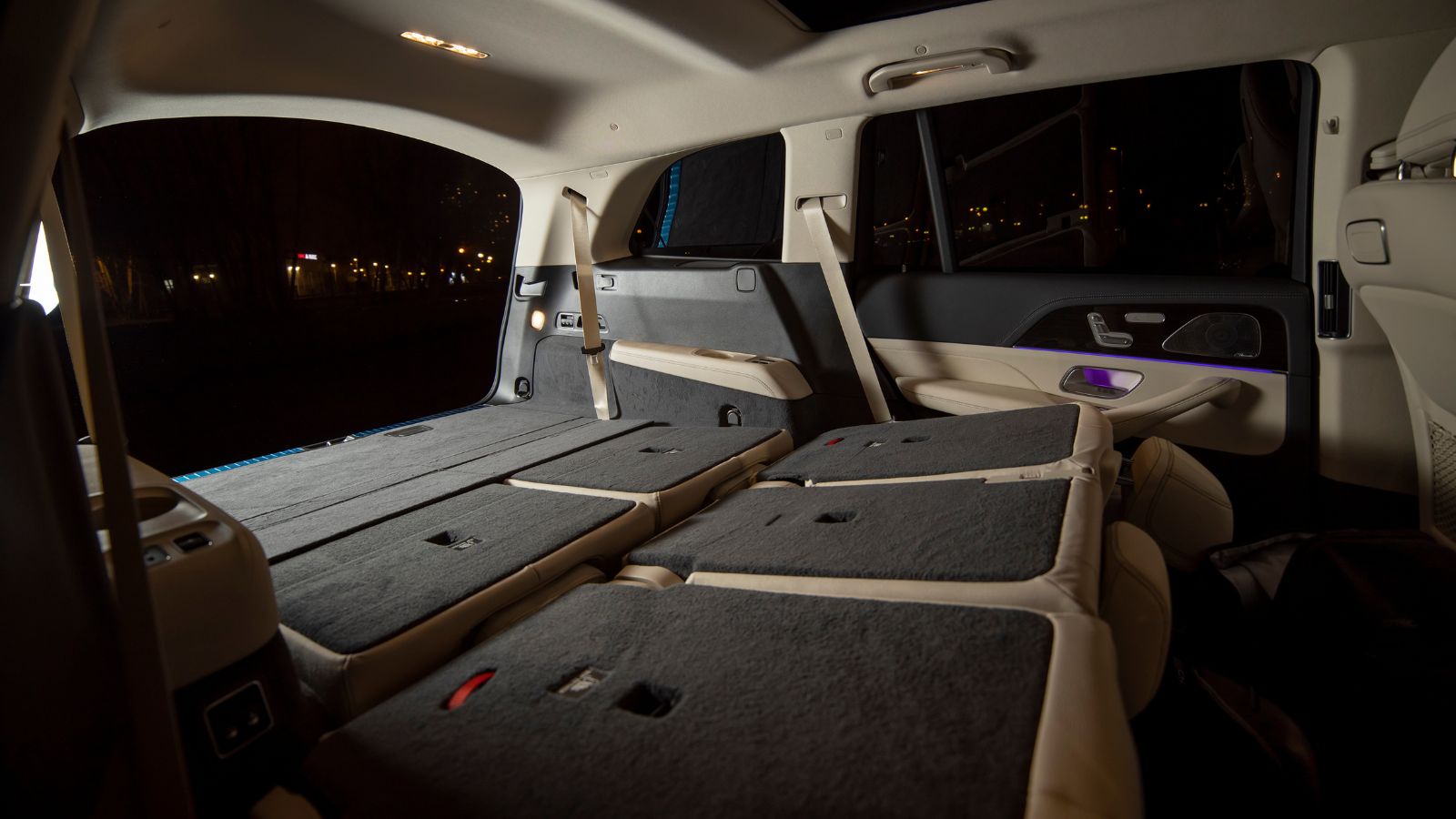
Families buying a compact SUV rarely judge it only by what happens under the hood. The battery packaging required by a plug-in system affects one of the RAV4’s most useful attributes: cargo space. Toyota lists the 2026 regular Hybrid at 1,070 litres of cargo capacity behind the second row across its major grades. The Plug-In Hybrid is rated at 951 litres, a difference of 119 litres.
That is roughly an 11-percent reduction in the published cargo figure. It may not matter to a commuter who normally carries a laptop bag and groceries, but families can feel differences like that when packing strollers, hockey bags, suitcases or camping equipment. Both versions retain seating for five and split-folding rear seats, so the Plug-In Hybrid remains a practical compact SUV rather than a compromised specialty vehicle. Still, Canadians who frequently fill the cargo area gain a tangible benefit from choosing the regular Hybrid. It is a reminder that the PHEV’s larger battery brings advantages in electric range and power, but those advantages are not physically free.
Towing Is More Similar Than Buyers Might Expect
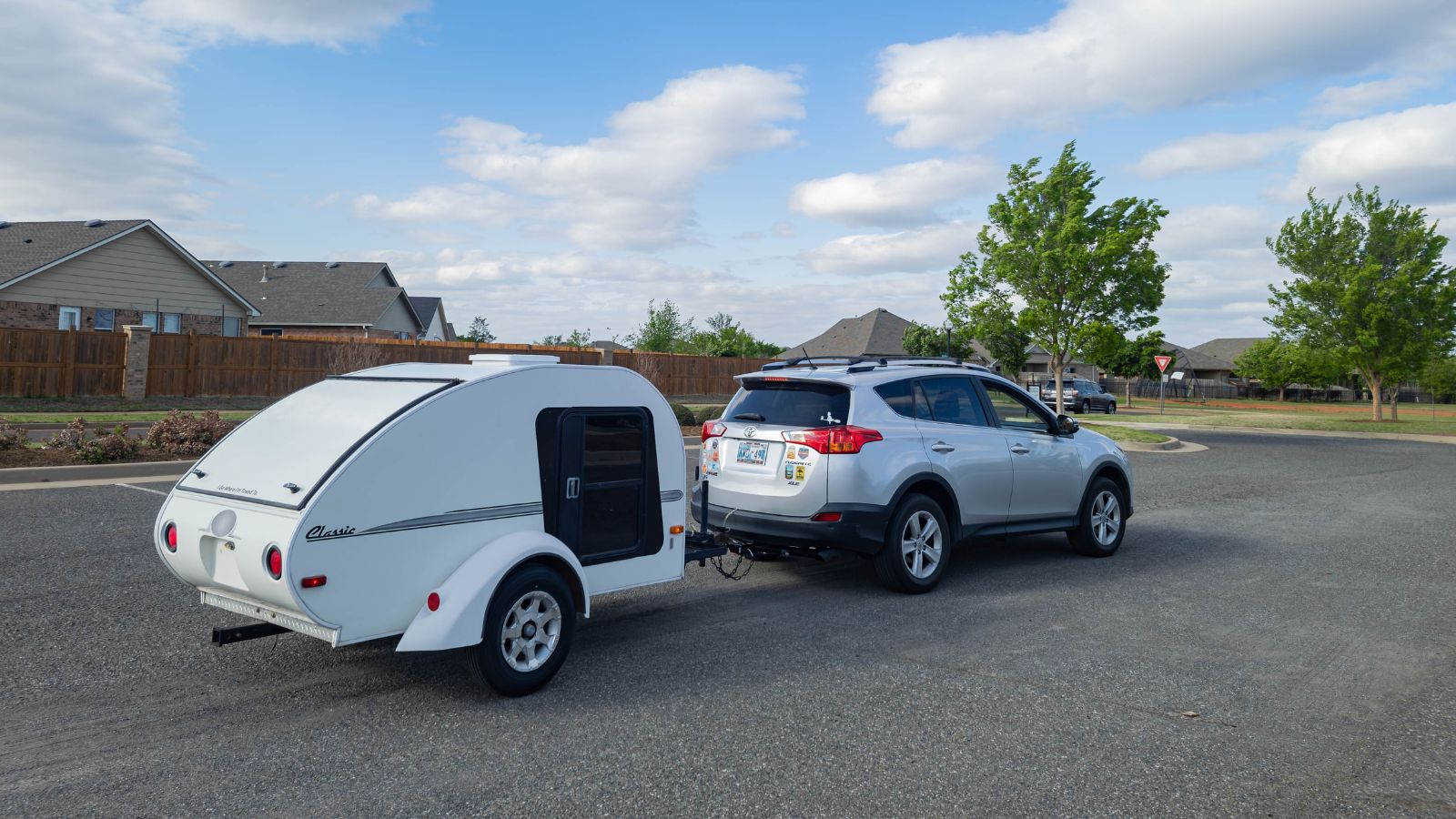
The plug-in’s additional horsepower might suggest an enormous towing advantage, but the specifications tell a more nuanced story. Toyota rates the 2026 RAV4 Plug-In Hybrid SE and XSE for as much as 3,500 pounds of towing. That is enough for certain small travel trailers, utility trailers, personal watercraft or lightweight recreational equipment, assuming the trailer, hitch, loading and vehicle configuration all meet Toyota’s requirements.
Several regular Hybrid versions reach the same maximum. Toyota’s specification sheet lists the XLE, Woodland, XSE and Limited at 3,500 pounds, while the entry-level LE is rated at 1,750 pounds. Buyers therefore do not necessarily need the plug-in powertrain simply because they tow on summer weekends. Trim selection matters more. The Woodland is particularly notable because Toyota equips it with adventure-oriented hardware including all-terrain tires and a tow hitch. The PHEV’s GR Sport, meanwhile, does not carry the same published 3,500-pound towing rating in Toyota’s current specification table. Canadians planning to tow should compare the exact configuration rather than assuming every RAV4 shares one limit.
Buyers Are Not Giving Up Modern Safety Tech With Either Choice
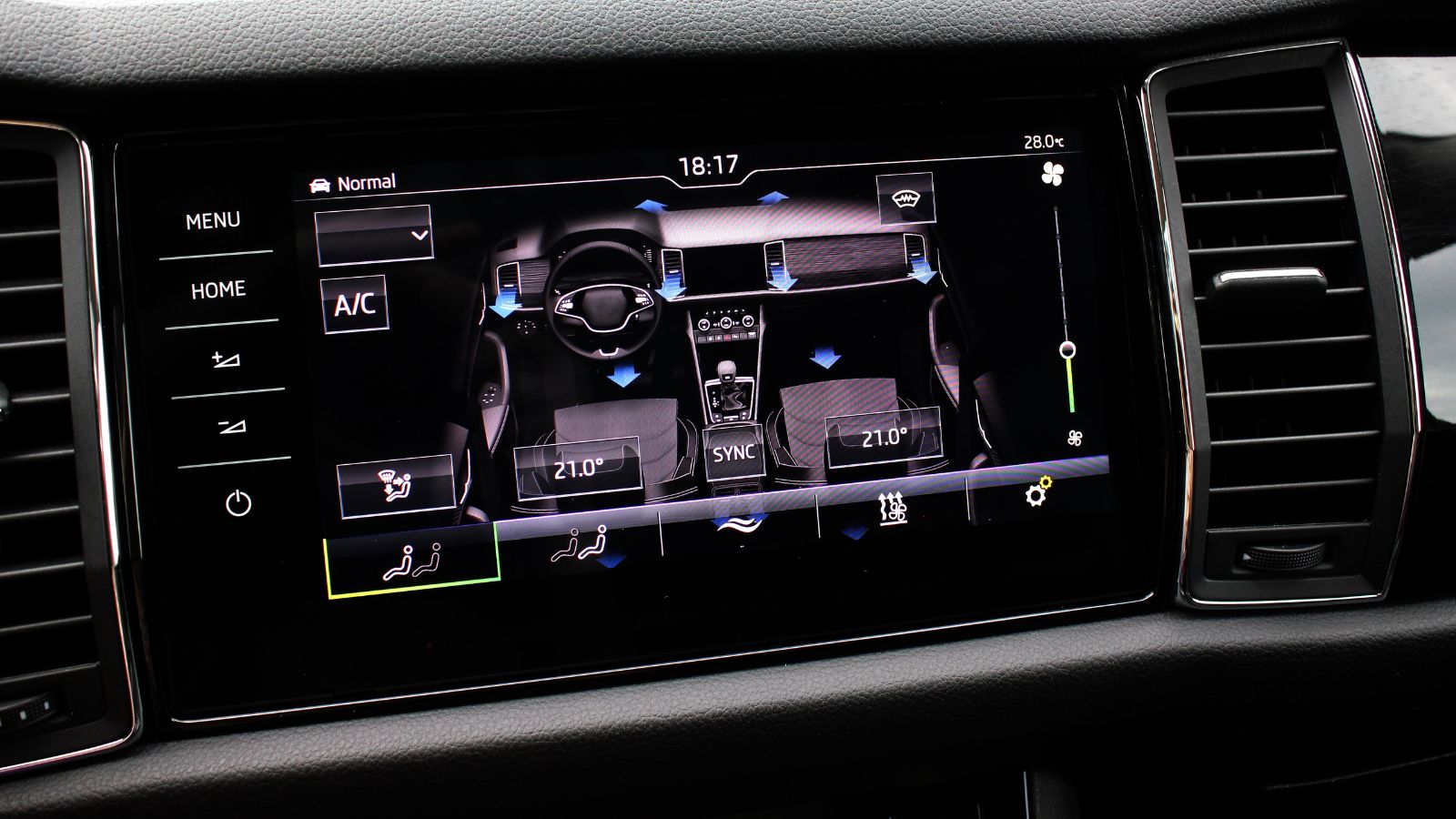
The powertrain choice does not require settling for an outdated cabin or older driver-assistance technology. Toyota introduced its newest multimedia architecture and Toyota Safety Sense 4.0 across the redesigned RAV4 family. The regular Hybrid LE already includes a 10.5-inch multimedia display, 12.3-inch digital instrument display, heated front seats and dual-zone automatic climate control, helping explain why even the least-expensive version feels far removed from older entry-level compact SUVs.
The Plug-In Hybrid SE adds equipment including a power-adjustable driver’s seat, power moonroof and heated steering wheel, while higher grades move further upscale. The PHEV XSE uses a 12.9-inch multimedia display, nine-speaker JBL audio, heated and ventilated front seats and a panoramic-view monitor. Importantly, similar luxury and technology features are also available on upper Hybrid trims. That means Canadians should resist treating “plug-in” as shorthand for “better equipped.” Some of the PHEV price premium buys additional equipment, but much of the same comfort technology can be obtained by selecting a higher regular-Hybrid grade instead.
Battery Warranty Should Ease Some Long-Term Concerns
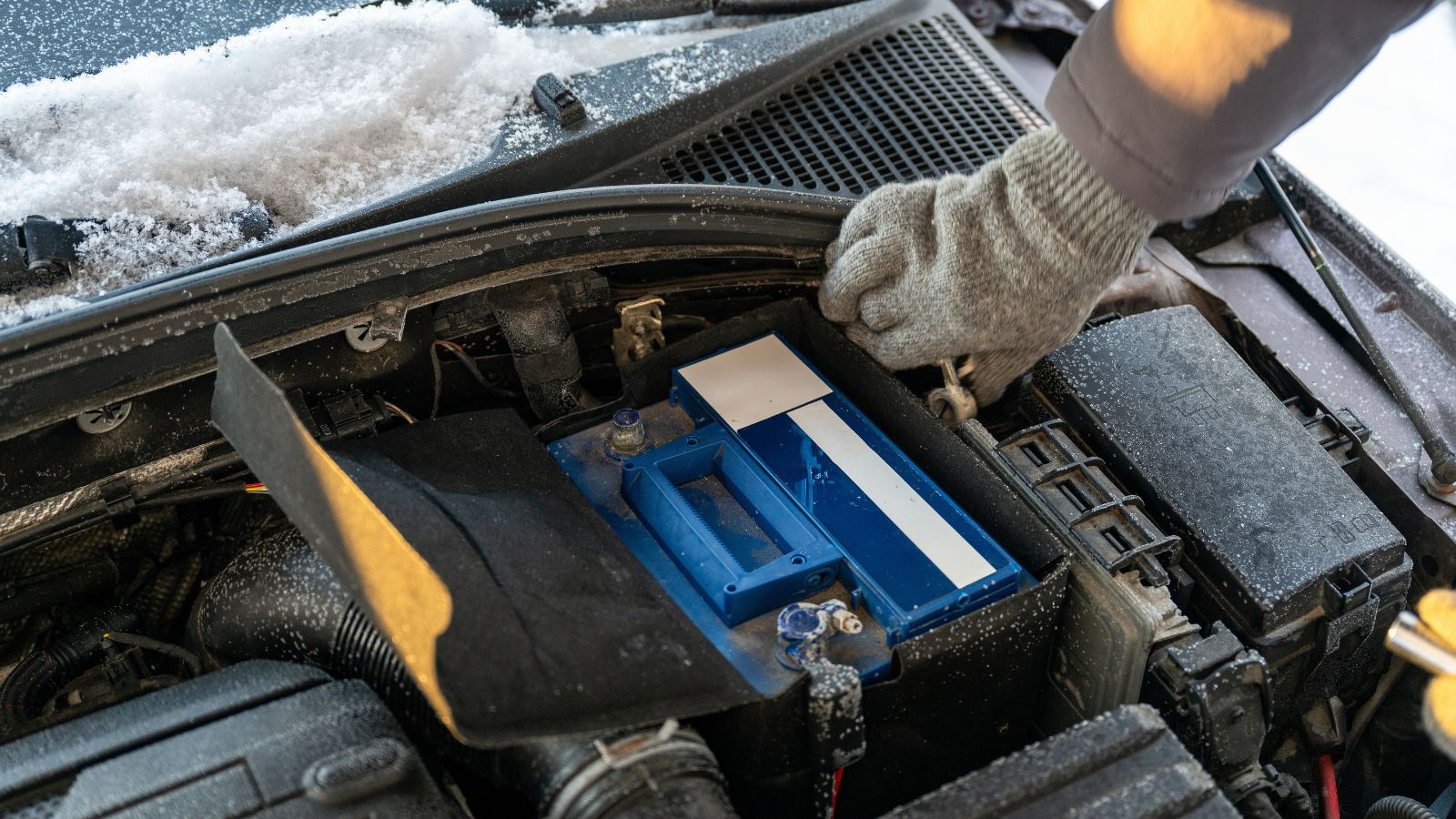
A large traction battery can make shoppers nervous about what ownership might look like eight or nine years later. Toyota’s Canadian warranty coverage helps reduce that uncertainty. For its electrified models, Toyota provides coverage on specified hybrid-related components for eight years or 160,000 kilometres, whichever comes first. The hybrid battery itself receives coverage for 10 years or 240,000 kilometres. Those limits apply well beyond the basic new-vehicle warranty period.
Toyota also states that its hybrids do not require additional routine maintenance simply because they contain a hybrid system. That applies an important reality to both choices: the Plug-In Hybrid may perform many journeys electrically, but it still contains a gasoline engine and conventional mechanical systems that require scheduled servicing. Likewise, the regular Hybrid is not an exotic maintenance proposition simply because it has electric motors and a traction battery. Owners considering long-term retention should still examine Toyota’s maintenance schedule, driving conditions and warranty terms, but battery warranty coverage alone is not a compelling reason to avoid either powertrain.
Government Incentives Can Reduce the PHEV Premium — With Conditions
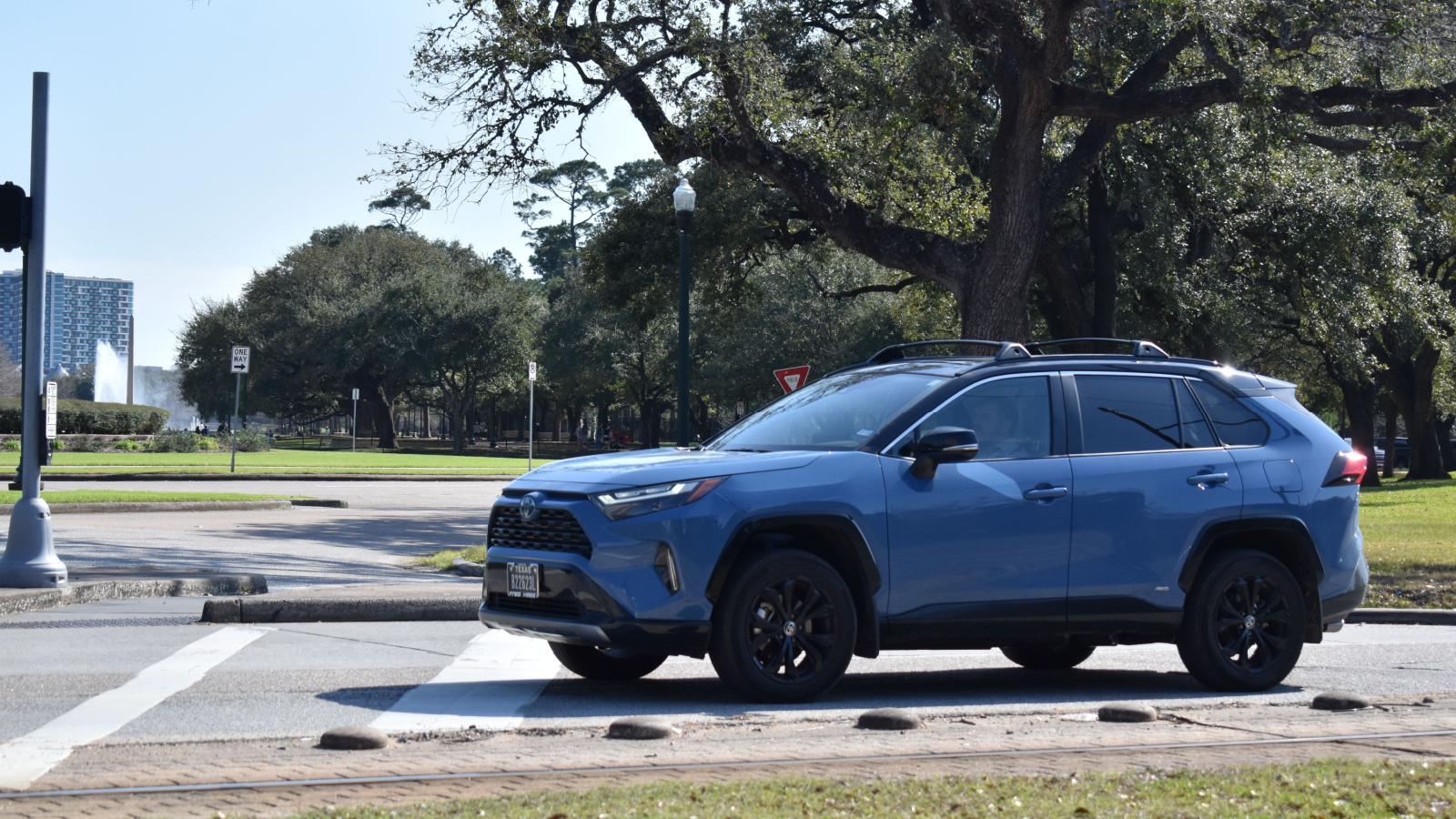
The federal incentive picture has become relevant again for Canadians comparing these two RAV4s. Under the Electric Vehicle Affordability Program introduced in 2026, qualifying plug-in hybrids can receive up to $2,500 on a purchase or sufficiently long lease. Transport Canada’s eligible-vehicle list specifically includes the 2026 RAV4 Plug-In Hybrid SE. Toyota also advertises the federal incentive with that model.
That does not automatically make every RAV4 PHEV configuration eligible. Transport Canada says eligibility ultimately depends on the transaction meeting program requirements, including applicable final-transaction-value rules, and incentives are subject to available funding. Higher-priced trims therefore need to be checked carefully rather than assuming the badge guarantees a rebate. Provincial programs can further change the arithmetic; Toyota currently advertises an additional qualifying incentive in Quebec, for example. For an eligible PHEV SE purchase, the federal maximum meaningfully reduces the initial premium, but it does not eliminate it. Canadians should confirm incentives immediately before signing because programs, funding and eligibility rules can change much faster than the vehicle itself.
The Better Choice Depends on Whether the Plug Will Actually Be Used
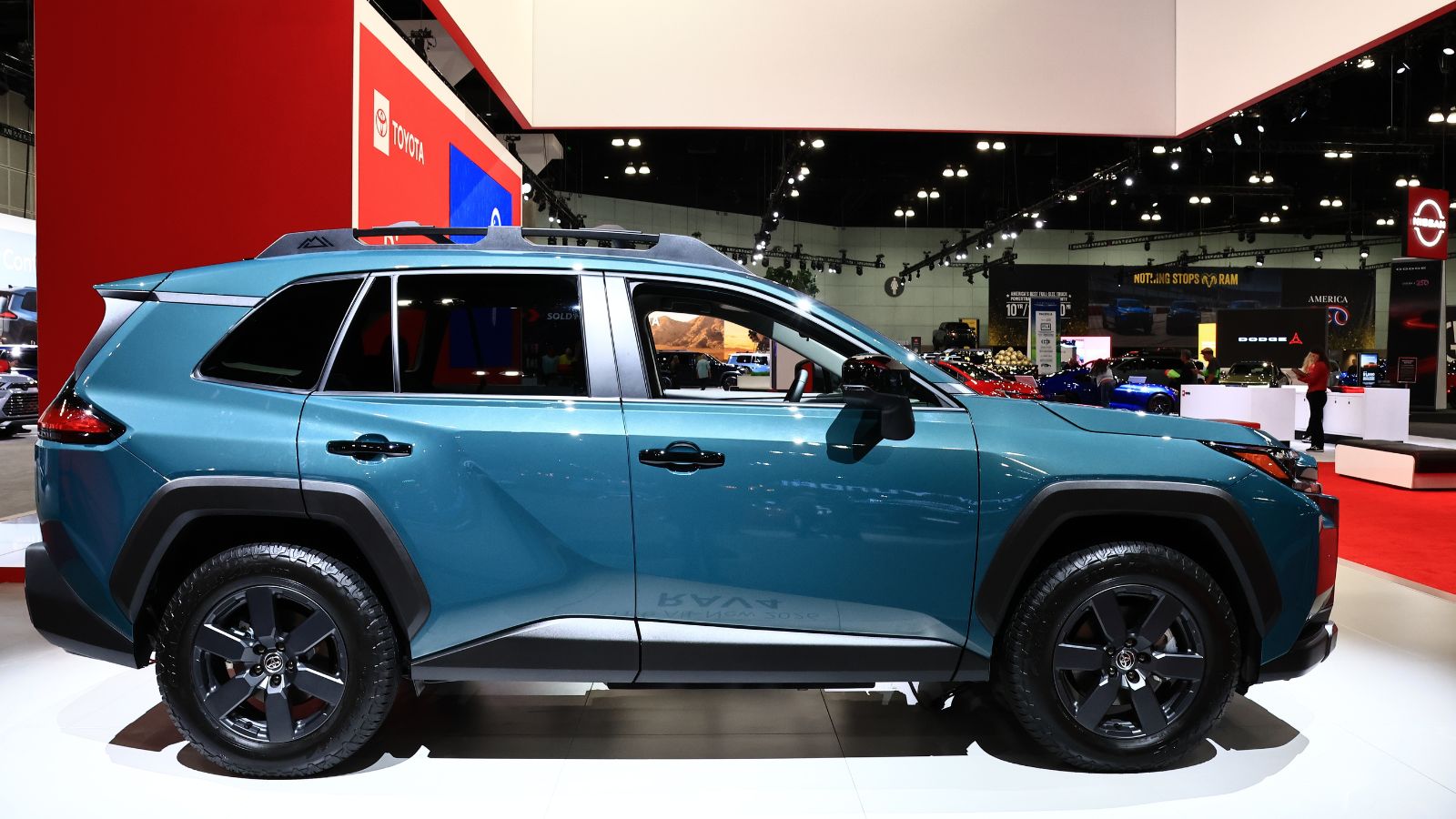
For the largest number of Canadians, the regular RAV4 Hybrid is likely to be the safer value decision. It starts dramatically lower in price, can return combined consumption as low as 5.5 L/100 km, offers more cargo room, includes standard AWD and requires no change in fuelling habits. Someone without home charging, someone regularly driving long highway distances or someone simply trying to minimize the total purchase price receives most of the RAV4’s efficiency advantages without paying for a large battery that may go underused.
The Plug-In Hybrid becomes much more compelling when the owner can charge at home and most daily kilometres fit inside its roughly 79-to-89-kilometre electric envelope. It also makes sense for buyers who value its 324 horsepower, want to reduce gasoline use substantially on everyday trips, or qualify for incentives that reduce the initial premium. The key question is therefore not whether the PHEV is technologically better. It is whether a household’s routine can exploit what makes it different. A frequently charged PHEV can be excellent; an infrequently charged one makes the regular Hybrid much harder to beat.
19 Used Cars Canadians Should Avoid in 2026 (Based on Owner Complaints)

Buying a used car in Canada can feel safe until repair bills start stacking up. Owner complaints tell a different story than glossy listings. Transmission failures, electrical problems, and weak winter reliability show up again and again in consumer reports. Many of these issues appear after warranties expire, when owners least expect them. Some vehicles look affordable upfront, but become expensive to keep on the road. Others struggle in cold weather, urban driving, or long highway commutes. Here are 19 used cars Canadians should avoid in 2026 (based on owner complaints).
19 Used Cars Canadians Should Avoid in 2026 (Based on Owner Complaints)