


























A traffic stop can begin as a minor enforcement decision and become more expensive in a matter of minutes. The key mistake is not simply being nervous or disagreeing with the officer; it is turning the roadside encounter into an argument while the officer may still have discretion over how to handle a relatively routine violation.
These 12 points explain how warnings, tickets, document requirements, officer-safety expectations, and formal dispute procedures fit together. The focus is Canadian, with provincial examples from Ontario and British Columbia, supported by policing research on discretion and driver-officer interactions. No behaviour guarantees a warning, and some offences carry consequences that leave little or no room for leniency. Still, calm, predictable conduct can keep a simple stop from becoming more complicated than it already is.
The Biggest Mistake Is Turning the Stop Into an Argument
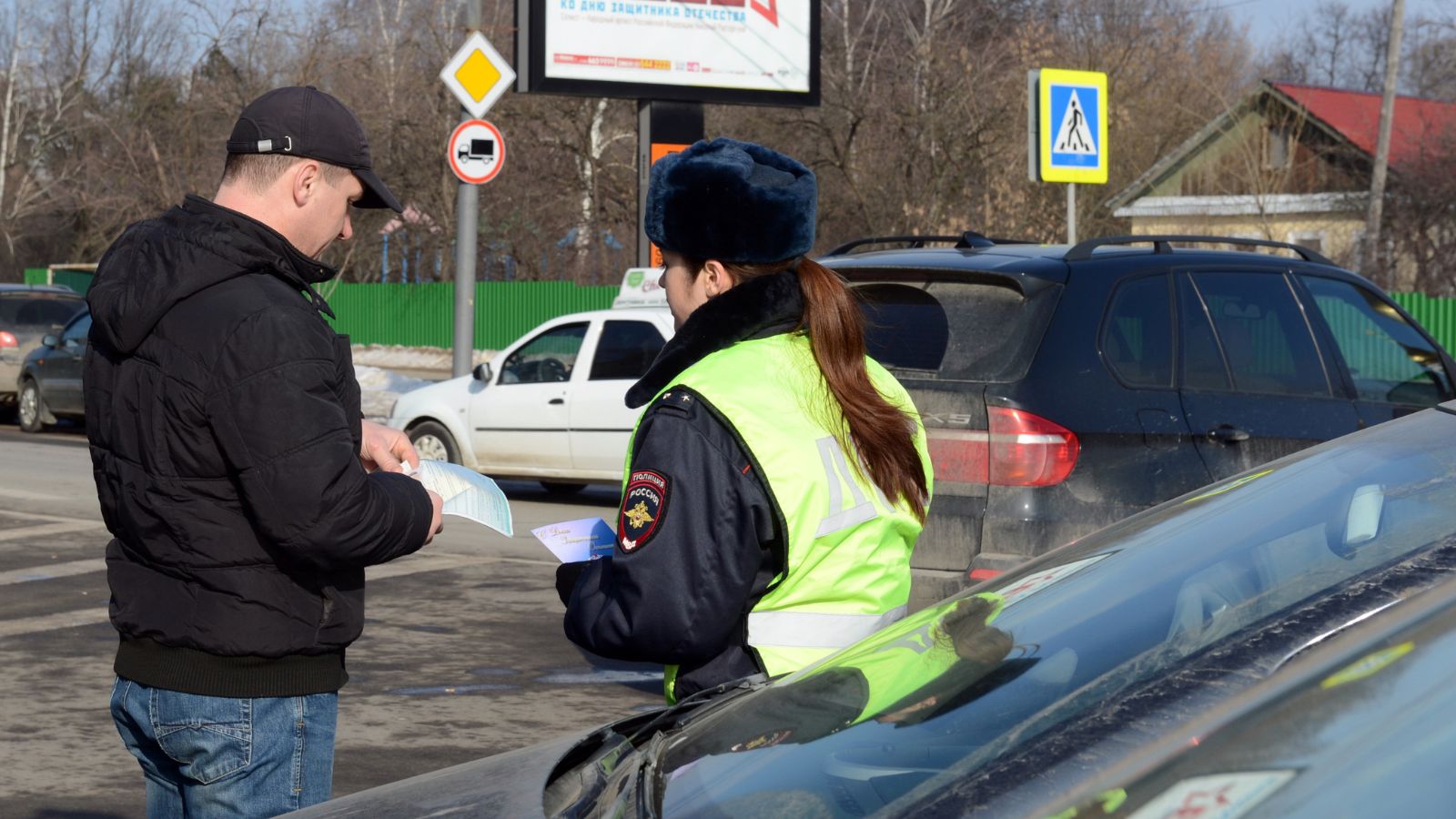
The mistake most likely to hurt a driver’s chances of informal leniency is turning a routine stop into a confrontation. Officers often have some discretion in minor traffic enforcement, and research on traffic-stop leniency found that motorists who were contrite and acknowledged responsibility were more likely to receive lenient treatment. One observational study examined 151 traffic stops during 288 hours of ride-alongs and interviewed 13 officers and supervisors.
That does not mean a driver should grovel, confess to everything, or assume politeness guarantees a warning. It means an officer still deciding how to handle an ordinary violation may react differently to calm cooperation than to an argument over radar, road design, other drivers, or perceived unfairness. Raising a voice can turn a brief interaction into a longer, more formal encounter. The safer approach is simple: remain composed, answer required questions, and save a genuine dispute for the proper process afterward.
A Warning Is Discretion, Not a Right
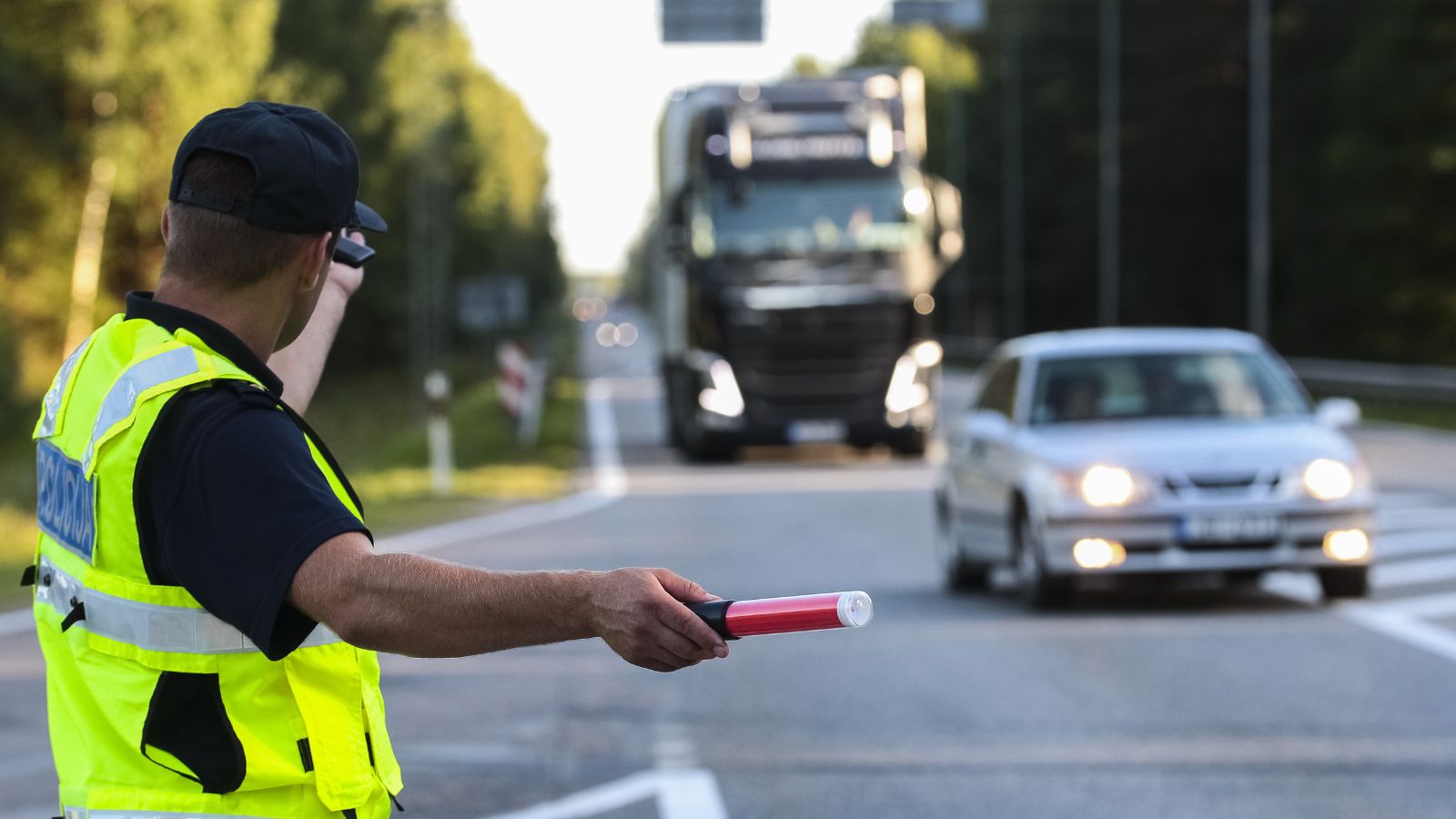
Many drivers treat a warning as something earned through a clean record, a good explanation, or a small amount over the limit. In reality, a warning is generally a discretionary enforcement choice, not a right a motorist can demand. Justice Canada has recognized that police exercise discretion when deciding whether to lay charges in individual cases, although statutes and policies can limit that discretion in particular circumstances.
Traffic enforcement works similarly in principle: some violations allow room for judgment, while others trigger mandatory consequences or stricter procedures. A U.S. survey of 50 law-enforcement agencies found that officers commonly had discretion to choose between a warning and a ticket, though agency policies varied. That matters because arguing that an officer “has to” give a warning misunderstands the situation. The stop has already occurred, the officer has observed something worth investigating, and the outcome may depend on law, policy, evidence, and judgment.
Pull Over Promptly, but Do It Safely
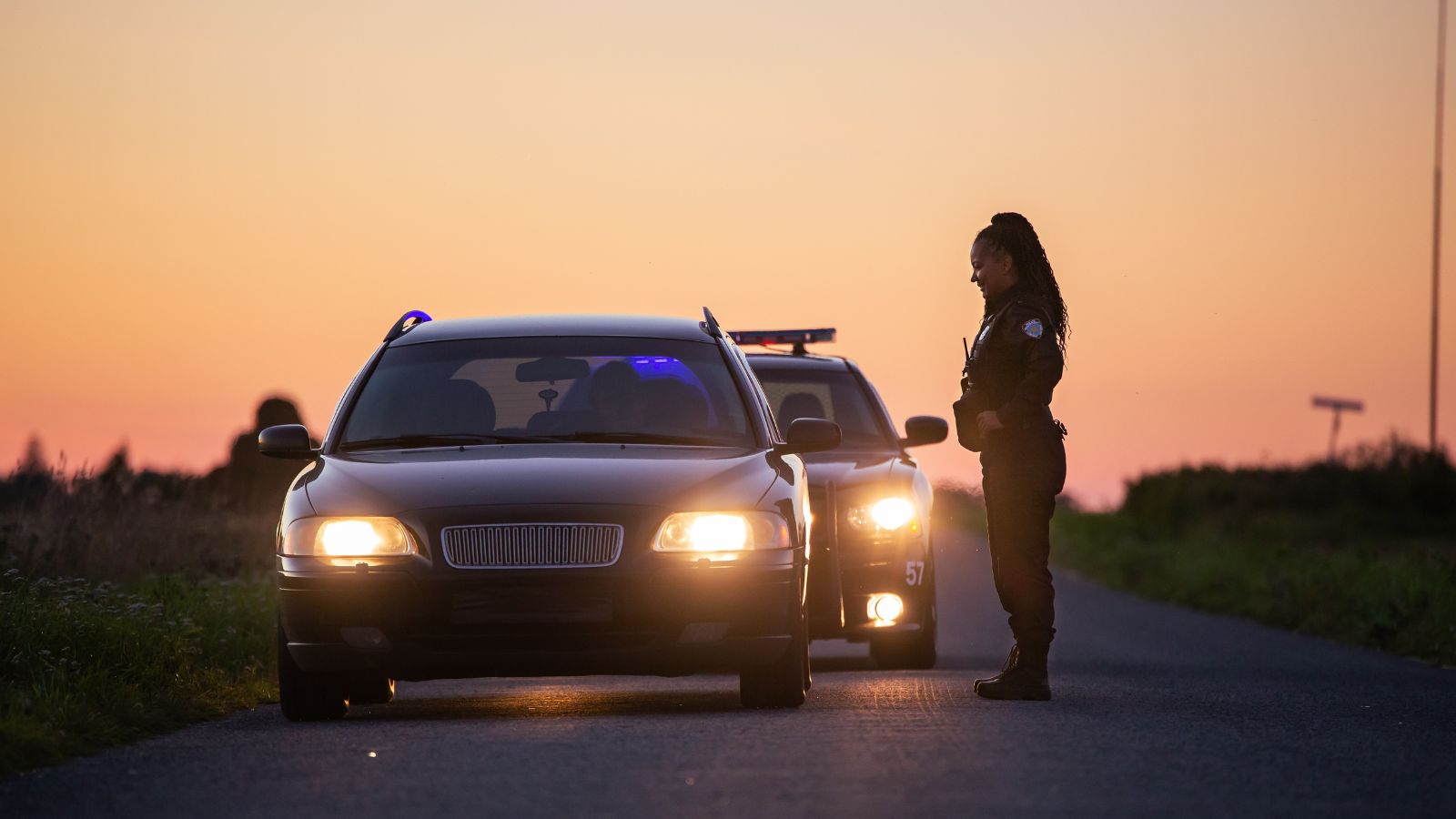
A driver can make a stop worse before the officer reaches the window. Ontario’s official driver handbook says a motorist signalled by police must pull over as far to the right as safely possible, come to a complete stop, and remain in the vehicle. Ontario guidance stresses reacting quickly but calmly rather than slamming on the brakes or making an abrupt move that creates a hazard.
Failing to stop can be a separate offence. In British Columbia, the Motor Vehicle Act requires a driver signalled by an identifiable peace officer to come to a safe stop, and the current ticket schedule lists a $144 total payable amount for failing to stop for police. A 2025 BC Highway Patrol case shows how consequences can stack: a driver was ticketed for speeding, using an electronic device, and failing to stop when signalled. Prompt, controlled compliance helps prevent a roadside issue from growing.
Stay in the Vehicle Unless Told Otherwise
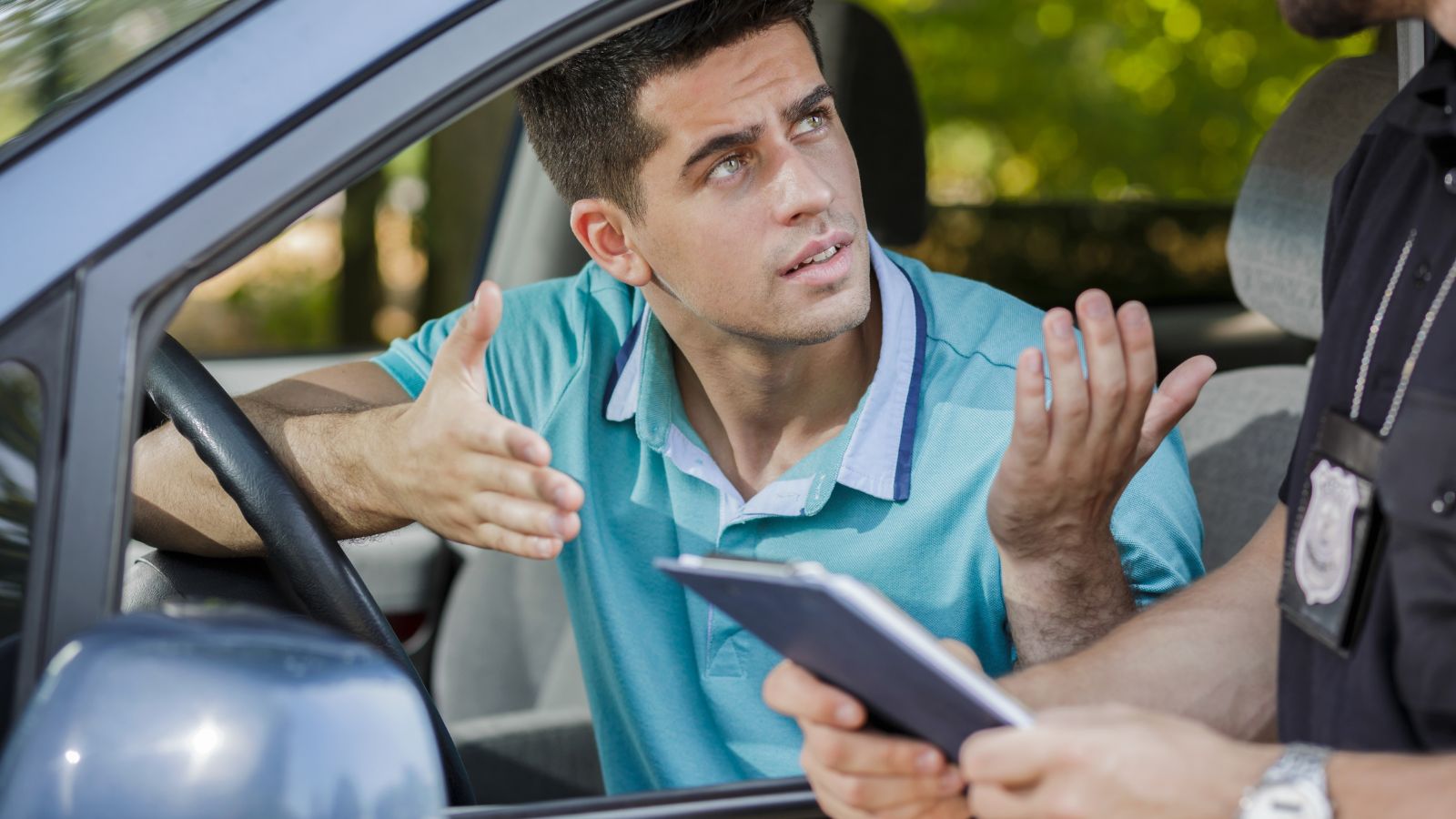
Once the vehicle is stopped, getting out without being asked creates uncertainty. Ontario’s official handbook tells drivers to stay in the vehicle and wait for the police officer. RCMP newcomer guidance in British Columbia similarly advises motorists to remain inside unless directed otherwise, lower the window, and keep their hands visible. Those instructions promote predictability and safety during an encounter in which the officer may know little about the occupants.
The practical lesson is not that every movement is suspicious. It is that surprises are unhelpful. A driver who jumps out to meet the officer, walks toward the cruiser, or begins pacing beside traffic adds movement and risk to a situation easier to manage when everyone knows where everyone else is. Even a well-intended gesture, such as approaching with a licence already in hand, can be misread. Waiting calmly and following directions makes the stop less complicated for both sides.
Have the Required Documents Ready to Produce
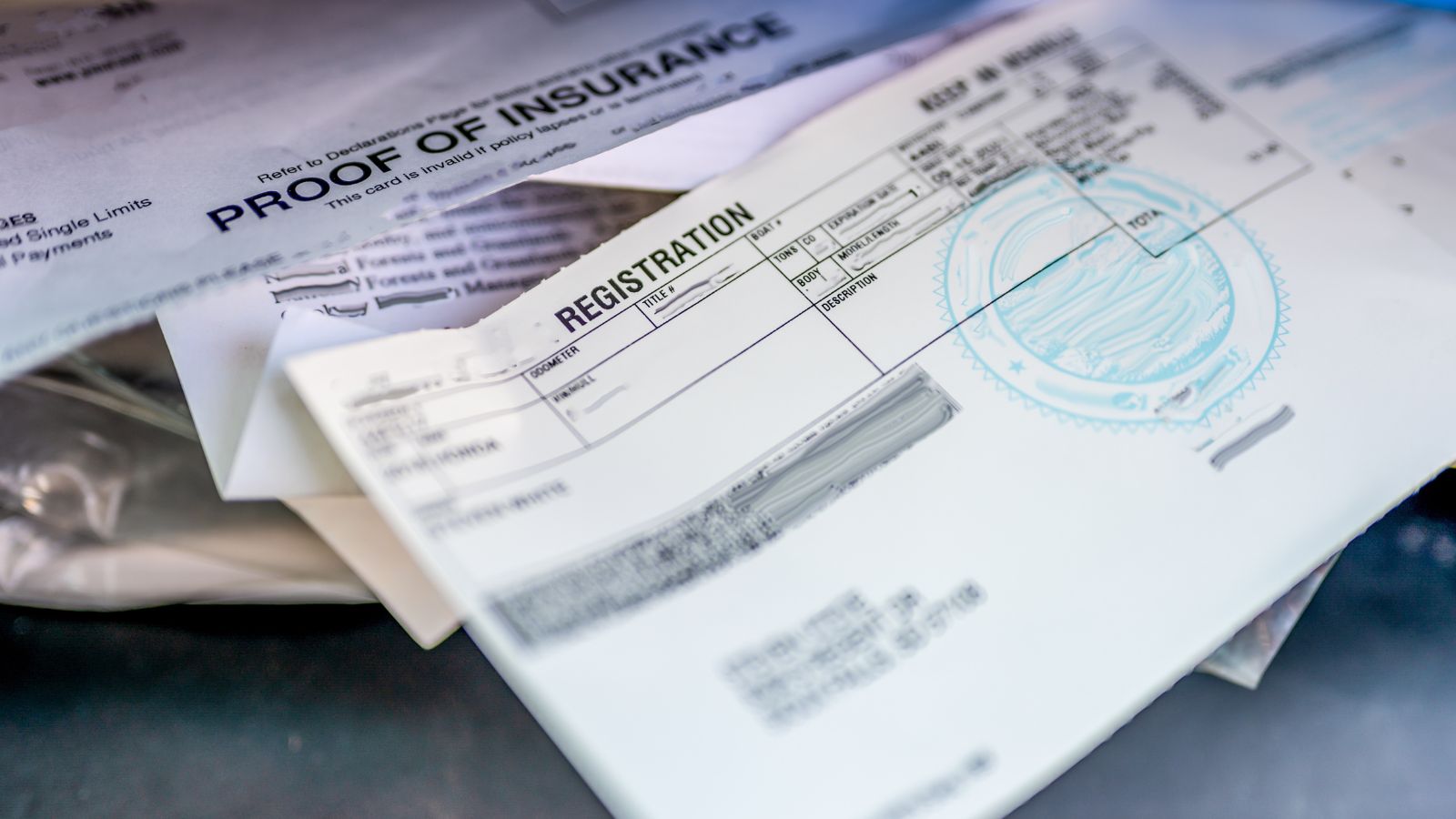
One roadside myth is that drivers always have extra time to produce their licence, permit, or proof of insurance. Ontario’s official handbook says that, when requested, a driver must immediately surrender a driver’s licence, vehicle permit or copy, and insurance. Ontario’s Compulsory Automobile Insurance Act also requires an insurance card to be carried and surrendered for reasonable inspection on demand by police.
British Columbia has similar document requirements. Its Motor Vehicle Act requires drivers to carry a licence and liability insurance card and produce them on demand. In a 2024 West Shore RCMP case, a driver stopped at 165 km/h in a 90 km/h zone produced only a photograph of a driver’s licence rather than the physical licence and received an additional ticket for failing to produce it. A traffic stop is a poor time to discover essential documents are missing, expired, inaccessible, or stored only as an unsupported photo.
The Roadside Is the Wrong Place to Litigate the Case
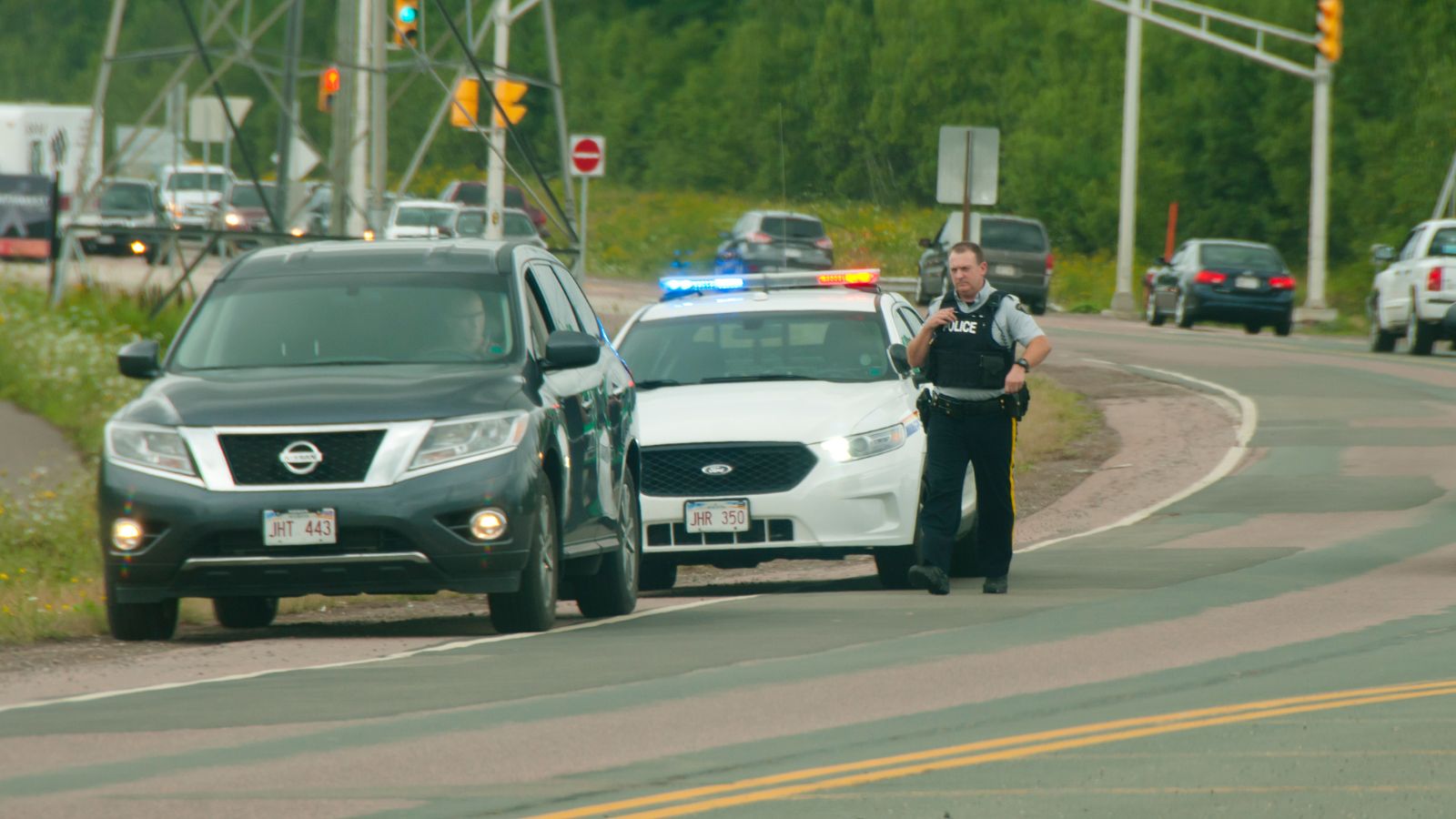
A driver who believes the stop is unfair may feel an immediate need to win the argument. That impulse confuses two different stages: enforcement and adjudication. The officer decides what action to take at the roadside; a court or formal resolution process is where evidence and legal arguments can be challenged. Ontario’s provincial-offences system allows options that may include early resolution, a guilty plea with explanation, or a request for trial, depending on the ticket.
British Columbia also provides a formal dispute route. A provincial violation ticket can generally be disputed within 30 days of service, and eligible Motor Vehicle Act tickets can begin the dispute process online. These procedures offer something a roadside debate cannot: time to review the allegation, obtain disclosure where available, organize evidence, and present a defence in the proper forum. Calmly accepting the paperwork is not the same as agreeing that the allegation is correct.
A Short Explanation Is Better Than a String of Excuses
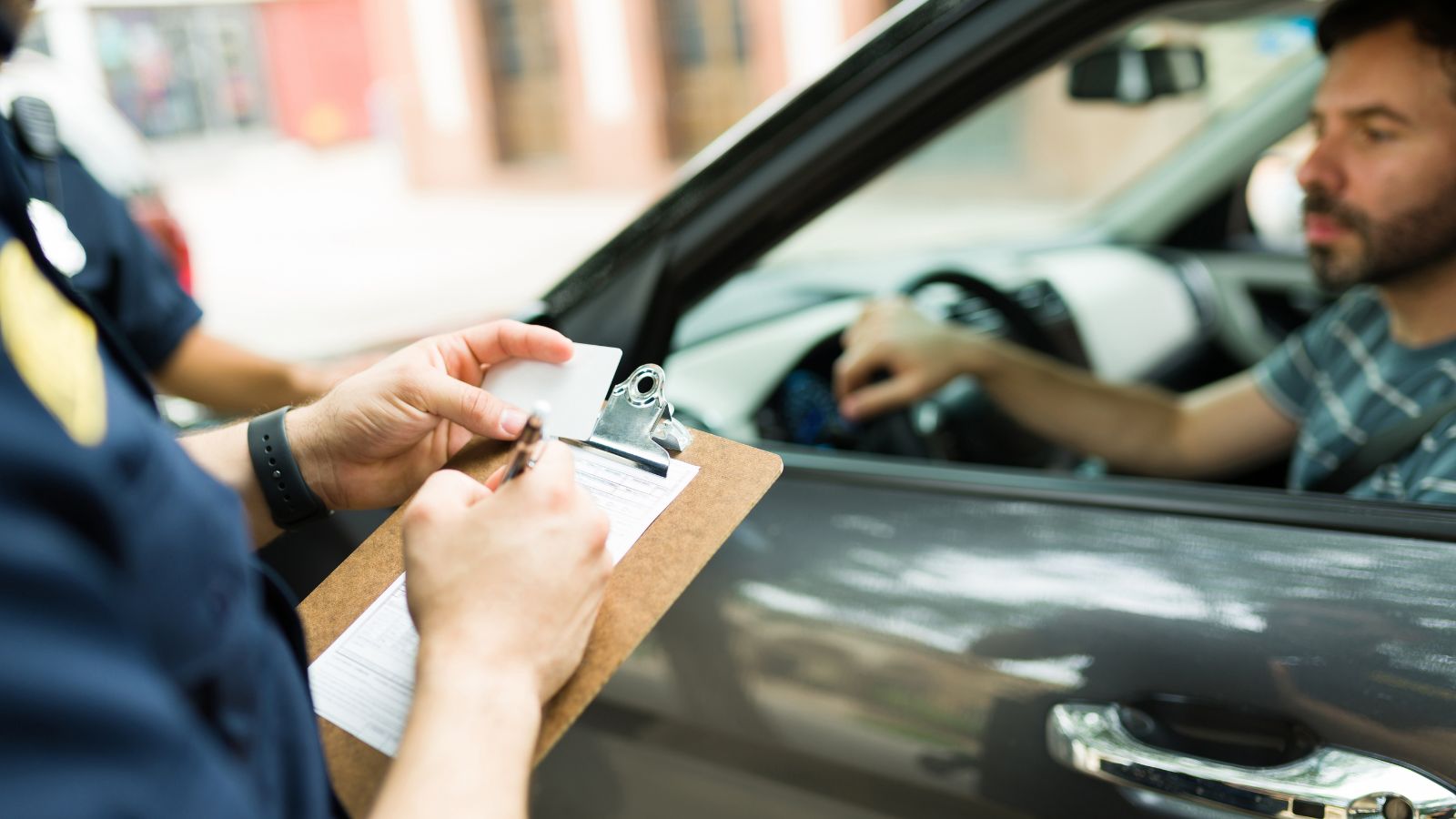
Drivers often assume that the more they explain, the more persuasive they will sound. Research suggests the opposite can happen when explanations become defensive. The traffic-stop leniency study archived by the U.S. Office of Justice Programs found that leniency was common when motorists met officers’ expectations for contrition and acknowledgment of responsibility. The study did not establish a magic phrase, and its findings should not be treated as a guarantee.
That makes brevity useful. There is a difference between calmly saying, “I understand,” and launching into a long story about being late, keeping up with traffic, missing a sign, or believing another car was moving faster. Some explanations may be relevant, but piling on excuses can sound like refusal to accept responsibility. A driver wanting to contest the allegation can still do so later. At the roadside, concise answers reduce the chance of saying something inaccurate, contradictory, or unnecessarily provocative.
Sarcasm and Hostility Can Change the Tone Fast
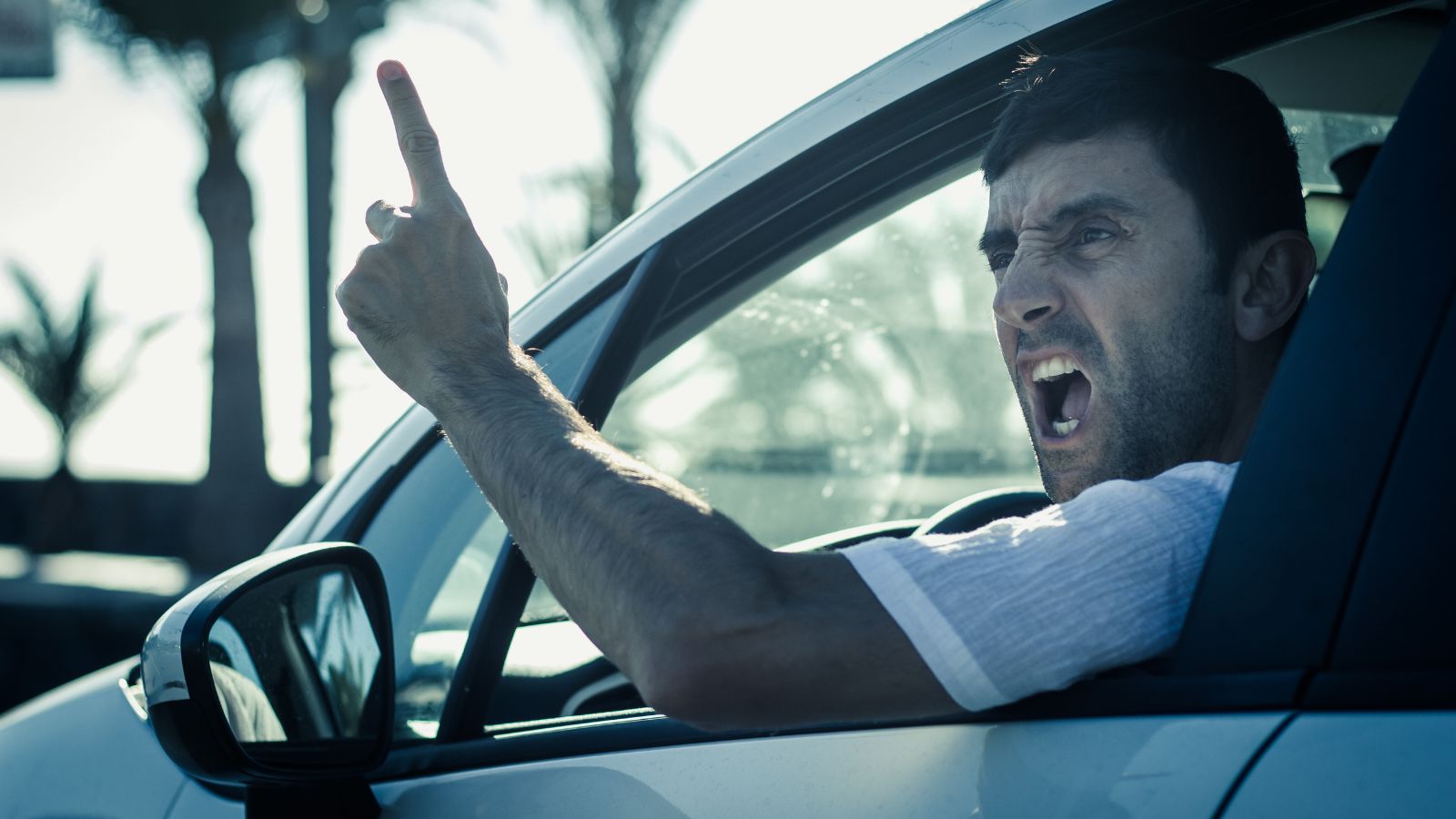
Rudeness by itself does not automatically create a traffic offence, and motorists do not lose legal rights because they are frustrated. Still, tone can affect how a police-citizen encounter unfolds. A 2024 National Institute of Justice-supported study reviewed body-worn-camera footage from 233 randomly selected traffic stops and found that measured procedural-justice scores varied with the tone of the person stopped. Earlier research also links respectful communication with better perceptions of police encounters.
The takeaway is narrower than “be nice or get a ticket.” Sarcasm, shouting, personal insults, or taunting can quickly consume room for calm judgment. A driver can disagree without escalating. Saying, “I do not agree with the allegation, but I understand what you are saying,” preserves the disagreement without turning it personal. If conduct moves beyond words into wilful obstruction of an officer carrying out lawful duties, Canada’s Criminal Code creates a separate and more serious legal issue.
Do Not Start Rummaging Before the Officer Arrives
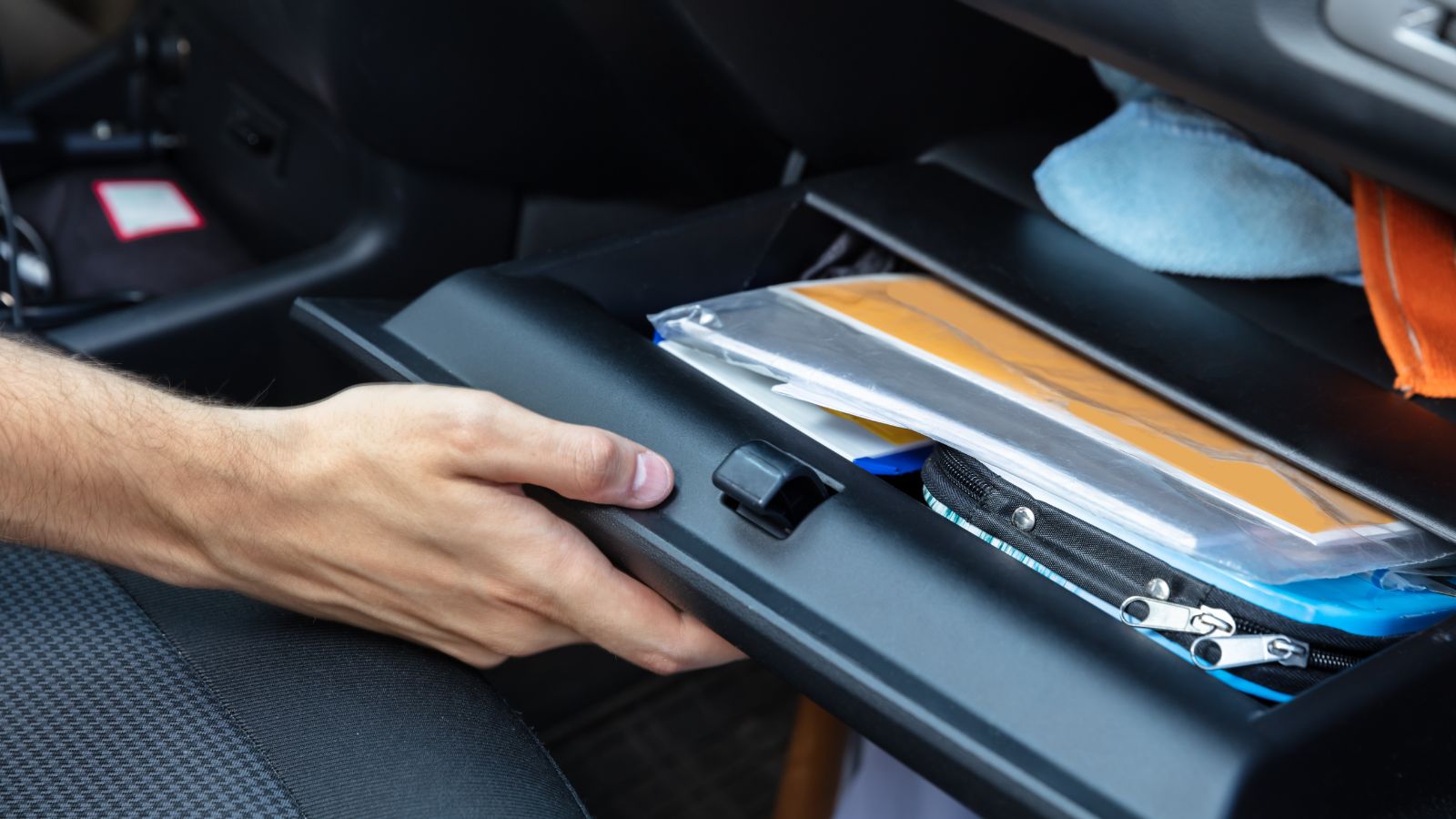
Drivers reach for the glove box, centre console, wallet, or bag as soon as police lights appear, hoping to save time. That can have the opposite effect. RCMP guidance advises keeping hands visible during a stop, and Ontario tells motorists to stay in the vehicle and wait for the officer. Those recommendations favour predictable movements over preparation before the officer actually arrives.
A better sequence is to stop safely, place the vehicle in park, keep hands visible, and wait for instructions. If the registration is in a closed console or the insurance card is in the glove compartment, the driver can say where it is before reaching. This is useful at night, on a dark shoulder, or when an officer cannot easily see inside. The point is not to dramatize movement. It is to avoid turning an administrative task into a moment of uncertainty that raises tension for everyone involved.
Do Not Create a New Problem With False Information
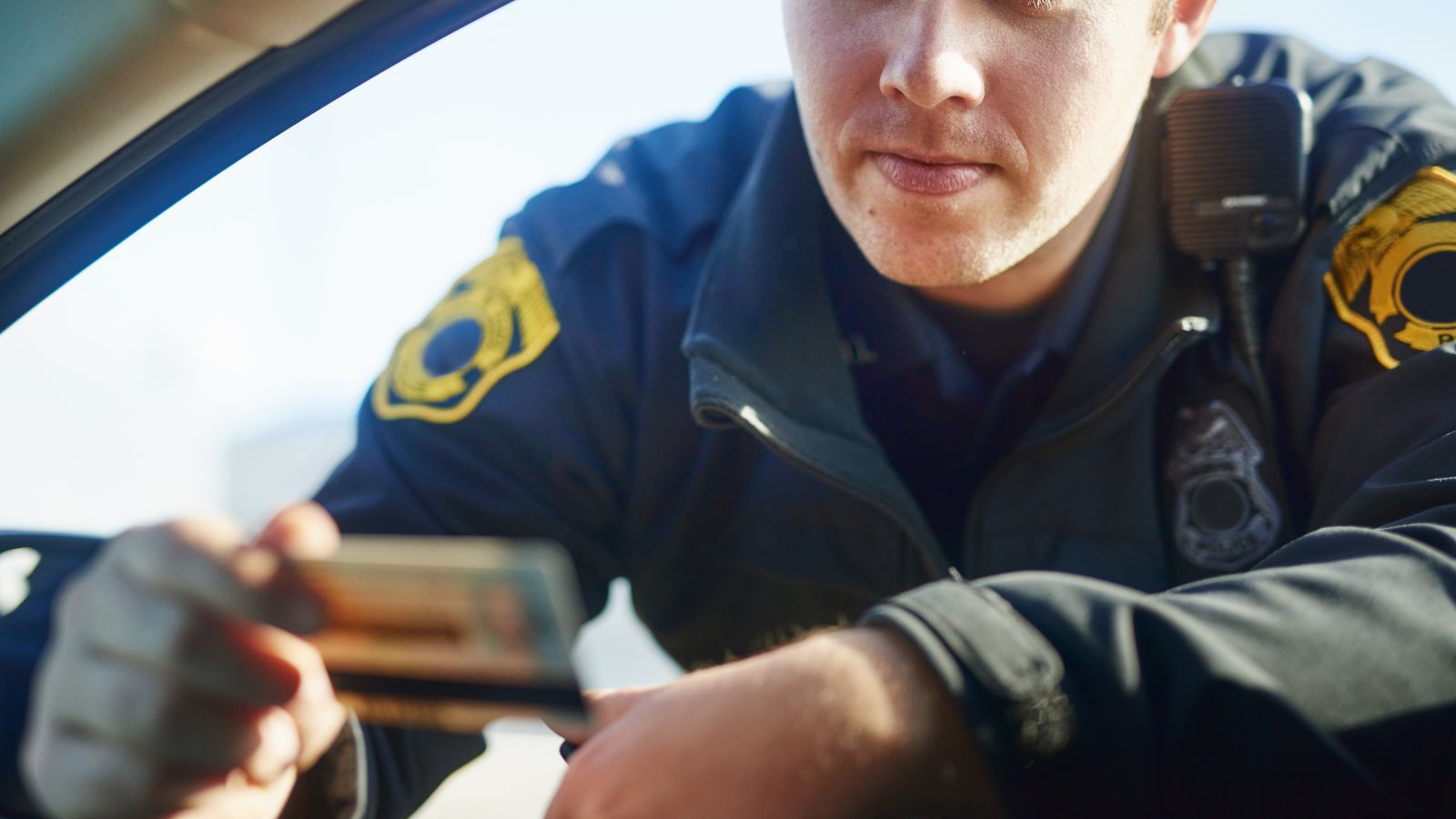
A driver who cannot find a document may be tempted to bluff, hand over the wrong paperwork, or give inaccurate information in hopes of keeping the stop simple. That is extremely risky. British Columbia’s Motor Vehicle Act makes it an offence to use or possess certain fictitious, invalid, or another person’s driving documents in specified circumstances, and requires drivers to produce valid documents when lawfully requested.
The distinction between staying quiet on a disputed allegation and supplying false required information matters. Courtesy does not require inventing an admission, but identification and document duties still apply. A driver who realizes an insurance card is outdated is better served by stating the situation plainly than by presenting something known to be false. Presenting false paperwork can create a problem that did not exist at first. Trying to talk around a paperwork issue can easily transform a traffic matter into an additional offence.
One Stop Can Grow When More Violations Appear
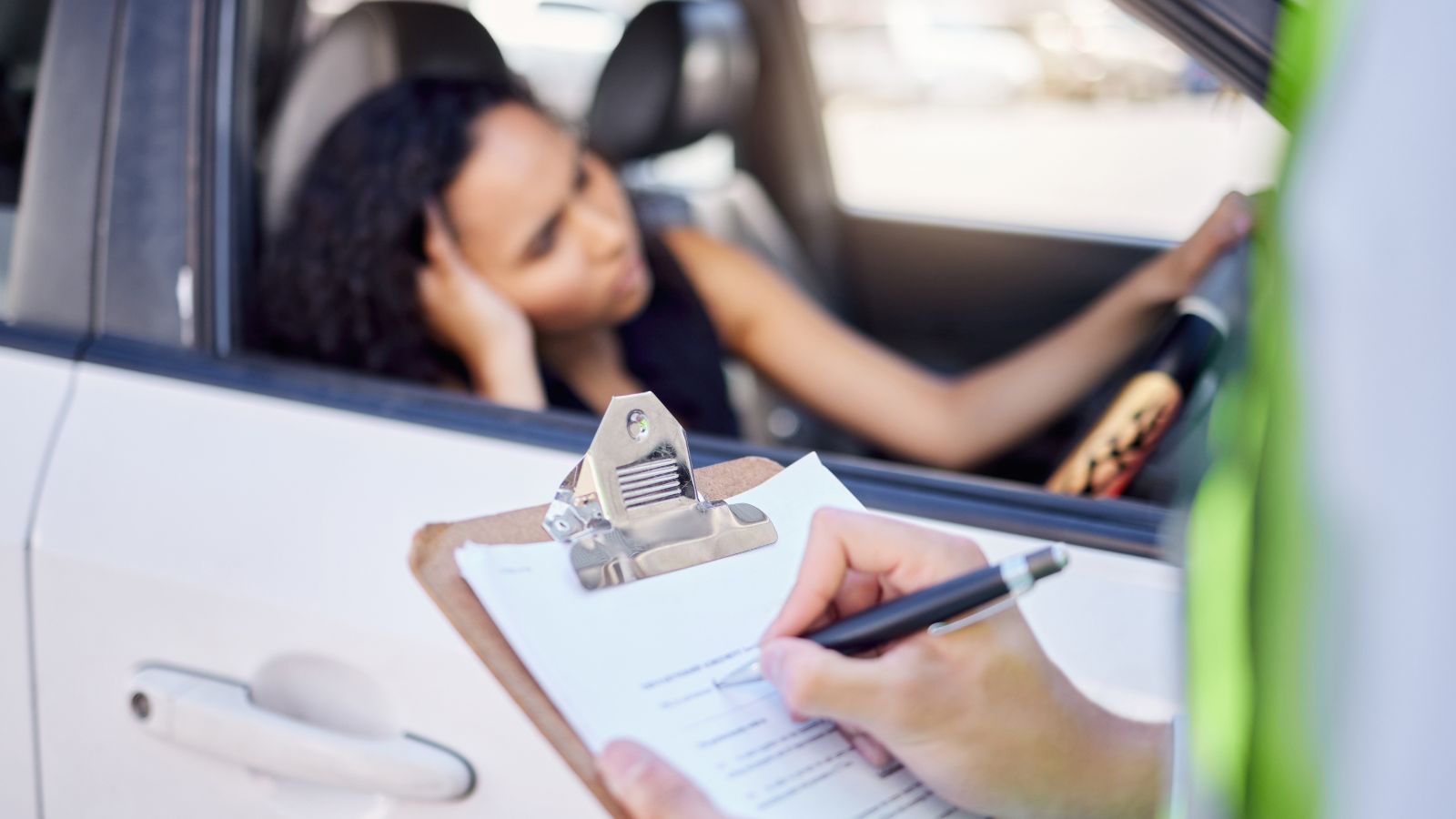
The original reason for a stop is not always the only issue an officer encounters. Real enforcement cases show how additional conduct can produce additional tickets. In July 2025, BC Highway Patrol reported stopping a BMW driver clocked at 145 km/h in a 110 km/h zone. Police said the driver was also using a cellphone and failed to stop when first signalled. The resulting tickets covered speeding, electronic-device use, and failure to stop.
Another West Shore RCMP case involved a driver recorded at 165 km/h in a 90 km/h zone who was unable to produce the required physical driver’s licence. The stop resulted in an excessive-speeding ticket, a failure-to-produce ticket, and a seven-day impound. These examples are more serious than an ordinary warning-versus-ticket scenario, but the lesson scales down: once a stop begins, every new observable violation can become part of the encounter. Calm compliance helps avoid adding preventable problems.
If a Ticket Is Coming, Shift From Persuasion to Documentation
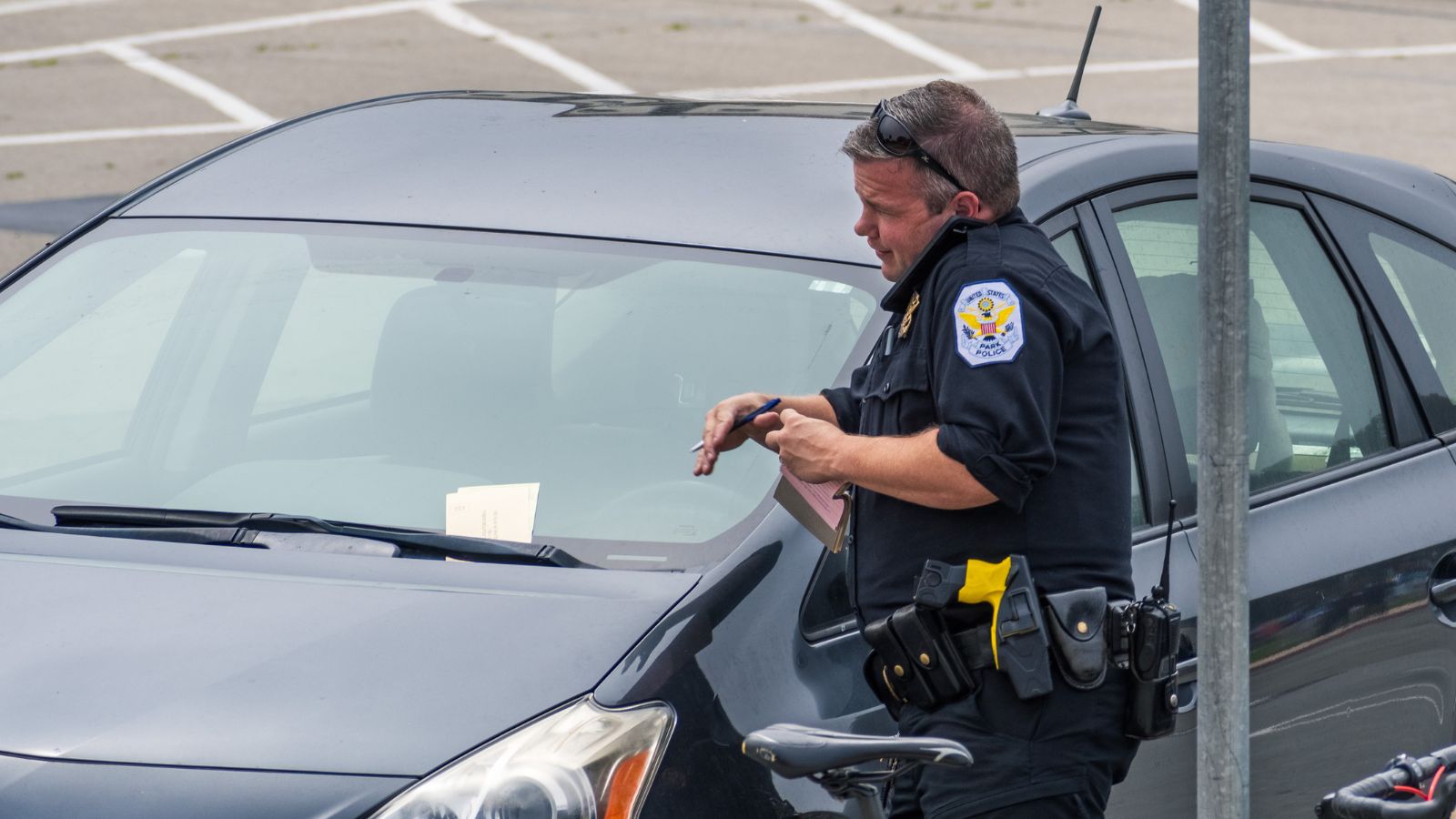
In some stops, the decision has effectively been made. Continuing to argue after the officer begins writing or serving a ticket is unlikely to create a better record for later review. At that stage, the practical goal changes: receive the paperwork, read the instructions, note the location and conditions, and preserve relevant evidence. A dashcam clip, a safe photograph taken later, or a written note made while details are fresh may matter more than another roadside argument.
Formal procedures exist because roadside encounters are brief. Ontario allows defendants in provincial-offence cases to request a trial and, in some circumstances, seek early resolution. British Columbia generally allows 30 days to dispute a personally served provincial violation ticket. Deadlines and options vary by jurisdiction, so the ticket itself and official court information should control. A warning cannot be demanded, but a ticket can be challenged through the process created for that purpose.
19 Used Cars Canadians Should Avoid in 2026 (Based on Owner Complaints)

Buying a used car in Canada can feel safe until repair bills start stacking up. Owner complaints tell a different story than glossy listings. Transmission failures, electrical problems, and weak winter reliability show up again and again in consumer reports. Many of these issues appear after warranties expire, when owners least expect them. Some vehicles look affordable upfront, but become expensive to keep on the road. Others struggle in cold weather, urban driving, or long highway commutes. Here are 19 used cars Canadians should avoid in 2026 (based on owner complaints).
19 Used Cars Canadians Should Avoid in 2026 (Based on Owner Complaints)