

























A pothole hit can last less than a second, yet the consequences may unfold over days or even weeks. The tire and wheel absorb the first blow, but enough force can travel into steering, suspension, bearings, sensors, and low-mounted parts beneath the vehicle. Some damage announces itself immediately with a flat tire or violent vibration. Other problems begin with a faint clunk, a slightly crooked steering wheel, or a slow air leak that becomes harder to ignore.
These 20 car problems show why a hard pothole strike deserves more attention than a quick glance at the tire. What looks like an uneventful impact can sometimes start a chain of wear, handling problems, and increasingly expensive repairs.
Tire Sidewall Bubble or Bulge
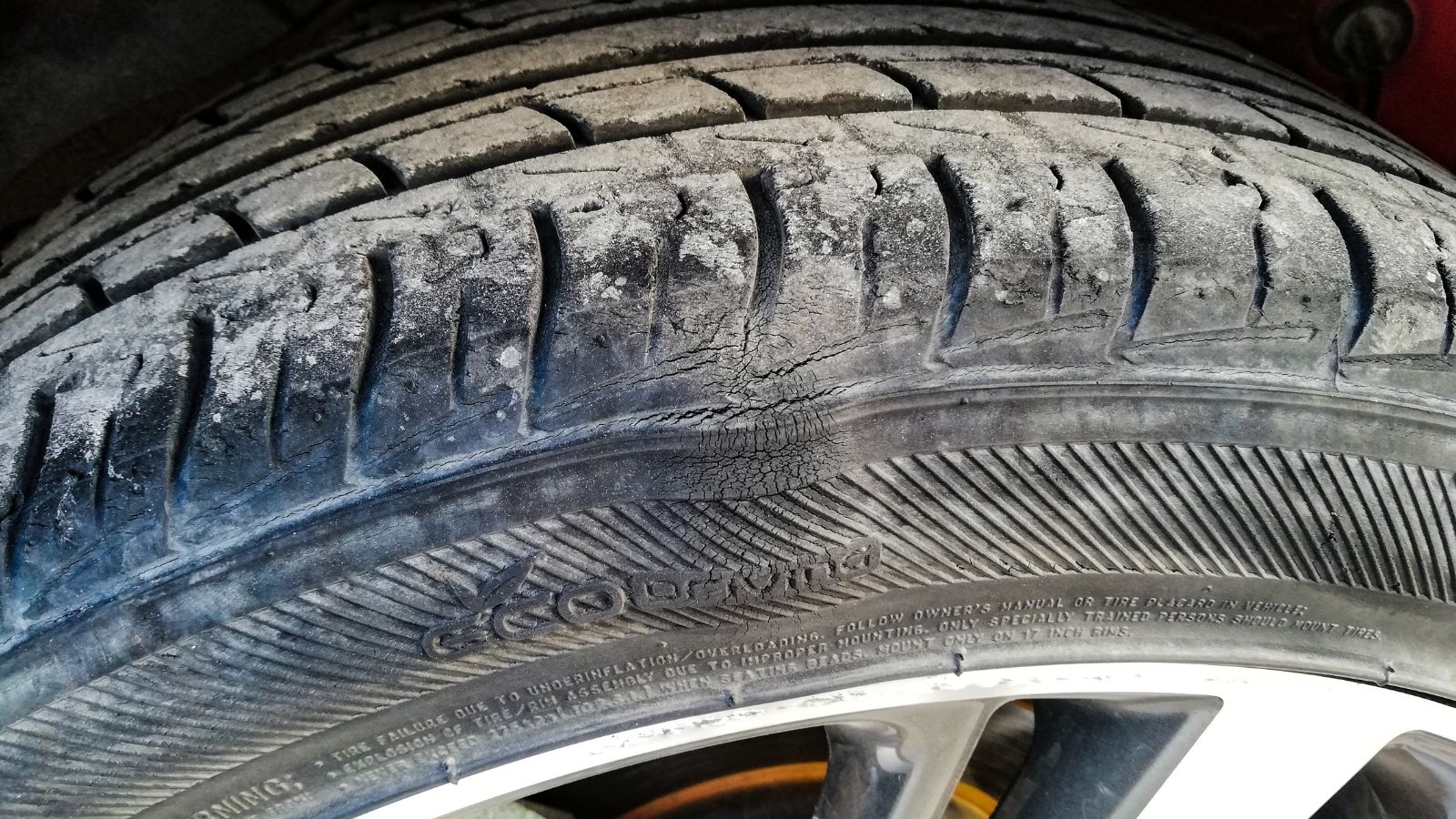
One of the clearest warnings after a hard pothole strike is a bubble or bulge appearing on the tire’s sidewall. During a severe impact, the tire can be squeezed between the sharp edge of the pothole and the wheel. Internal reinforcing cords may break even though the rubber on the outside remains largely intact. Air can then work its way into the damaged area, producing the rounded bulge that becomes visible later. Low-profile tires have less sidewall height available to cushion this kind of impact, making road-hazard strikes particularly concerning.
A driver may leave the pothole believing nothing happened, only to notice a lump while washing the car the next morning. That is not simply cosmetic damage. Tire manufacturers treat a genuine sidewall bulge as evidence of structural failure, and sidewall damage generally cannot be repaired like a small tread puncture. The tire needs professional inspection and, when a bulge is confirmed, replacement rather than continued highway use.
Hidden Internal Tire Separation
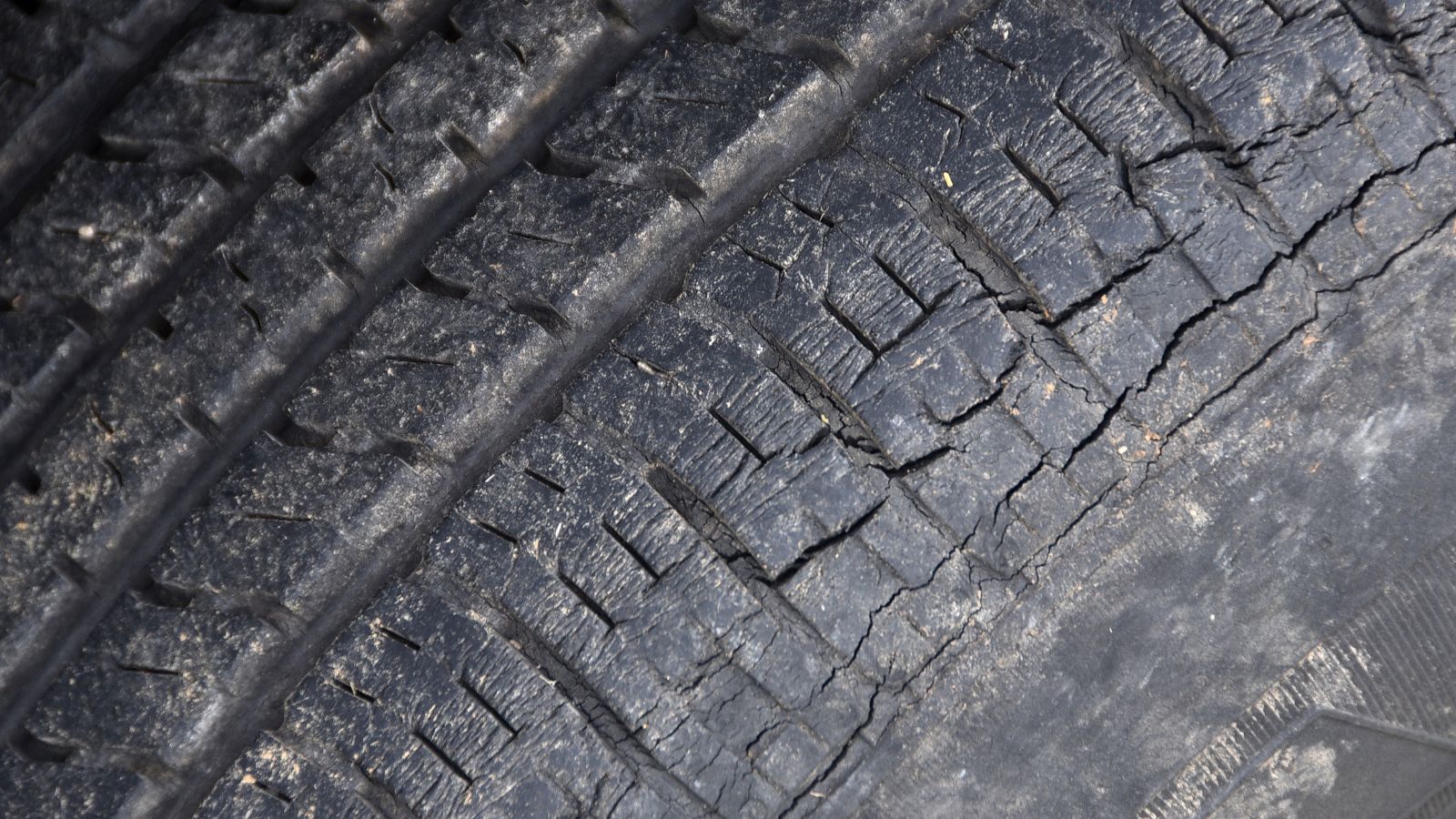
Not every damaged tire gives drivers an obvious bubble. A severe pothole strike can break or weaken belts and reinforcing material inside the tire while leaving the outer rubber looking surprisingly normal. CAA-Quebec specifically warns that pothole impacts can tear, break, or deform tires and notes that belt rupture presents a safety concern. That makes internal damage particularly easy to underestimate after an impact when pressure appears normal and no cut can be seen.
The first clue may arrive later as a new thump, vibration, or irregular feeling that changes with road speed. Imagine a commuter who hits a deep hole Monday morning and drives normally for several days before noticing that one corner suddenly feels rough at highway speed. The timing can make the connection easy to miss. Tire manufacturers recommend inspection after significant road impacts because some structural damage is not externally visible. A tire that has suffered an impact therefore deserves more than a pressure check; an internal professional inspection may be needed to rule out separation or cord damage.
Sudden Flat Tire or Blowout
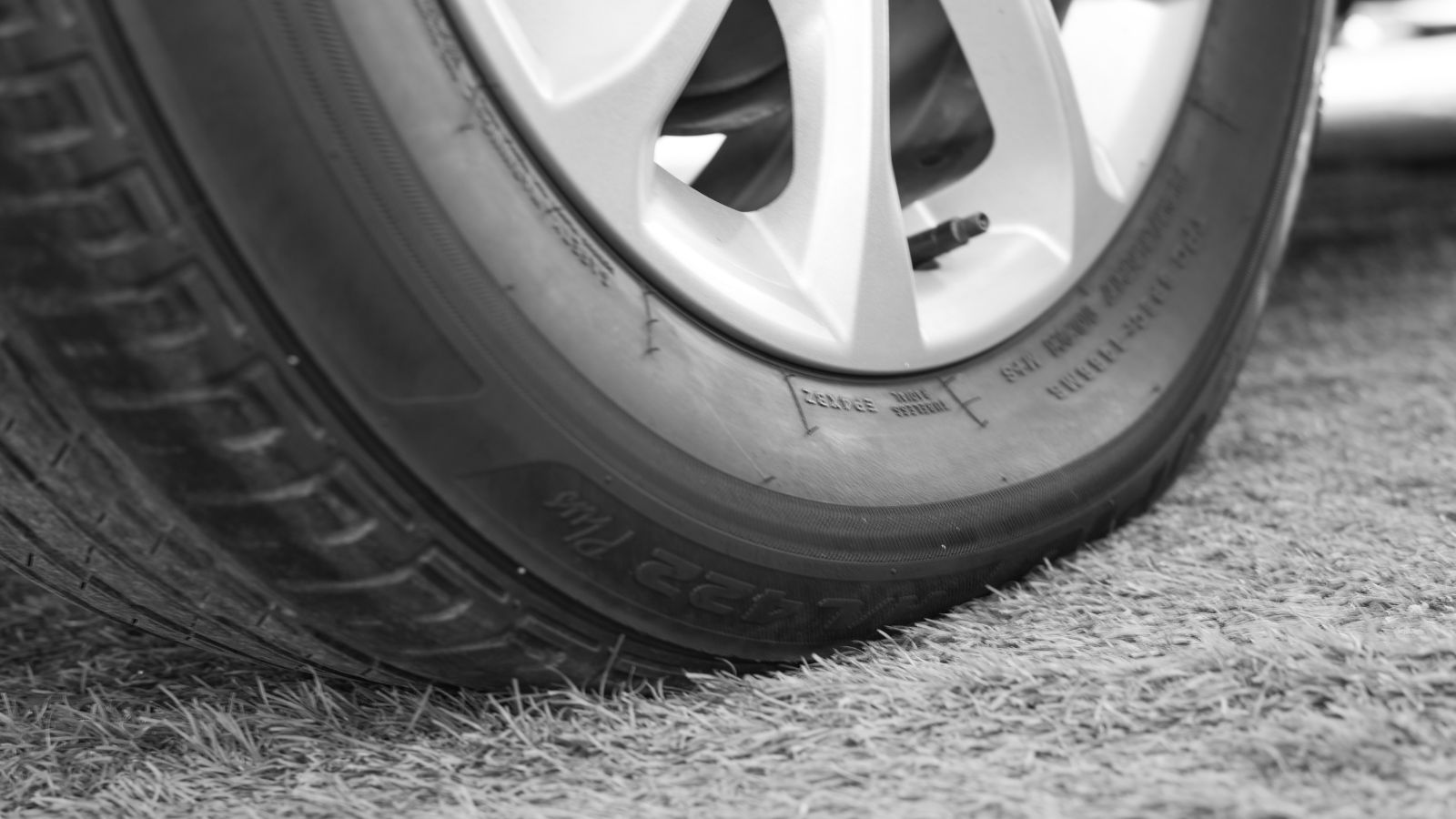
Sometimes there is no delayed warning at all. The pothole can pinch the tire hard enough against the rim to cut the sidewall, rupture internal material, or produce what technicians call a rim-pinch type of injury. Air loss may be immediate, leaving the driver with a visibly flat tire only seconds after the impact. In more severe circumstances, structural damage can contribute to rapid tire failure rather than a slow leak.
This is one reason drivers should avoid continuing down the road merely because the destination is close. Driving even a short distance on a deflated tire can damage the wheel and destroy parts of the tire that otherwise might have been serviceable. Michelin notes that a damaged tire may make steering feel heavy, create drag, cause pulling, or trigger the tire-pressure warning system. After a pothole strike, those symptoms deserve immediate attention. If pressure is falling quickly or the tire has obvious sidewall damage, the safer response is to stop in an appropriate location and use a spare or roadside assistance rather than trying to limp several kilometres farther.
Bent Wheel
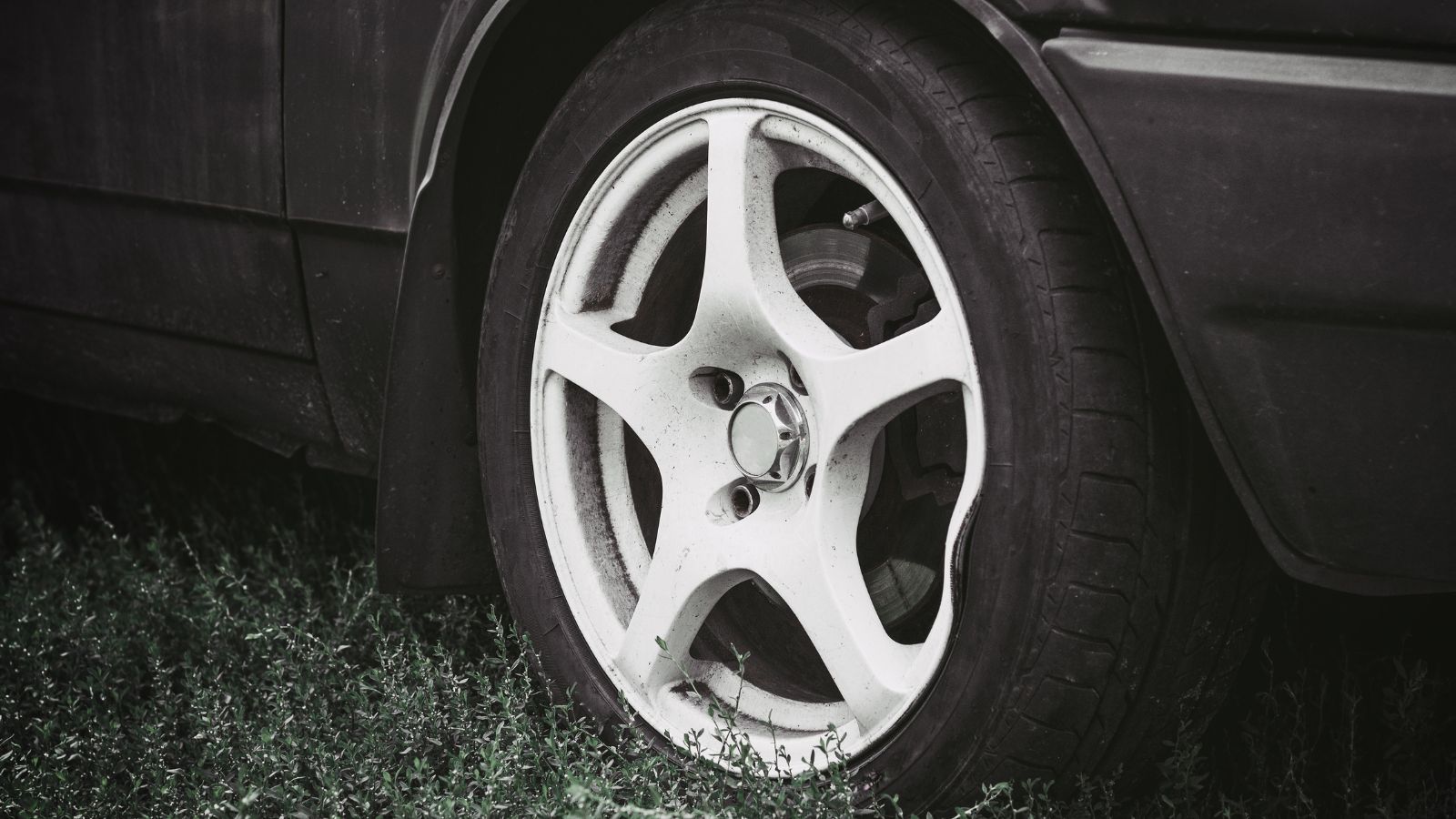
The tire is supposed to absorb much of a road impact, but there is a limit to how much energy its sidewall can cushion. When that limit is exceeded, the force reaches the wheel itself. Steel wheels can bend, while alloy wheels may deform around their outer or inner edges. CAA-Quebec identifies bent rims as a common pothole repair, and steering-and-suspension manufacturer MOOG similarly warns that potholes can produce wheel bends that prevent smooth rotation.
A bent wheel is not always obvious from the sidewalk. The inner rim can take the worst of the impact while the visible face still looks almost perfect. Drivers may instead discover the problem through steering-wheel shake, a repeating vibration at speed, or a tire that suddenly refuses to remain properly inflated. The practical example is familiar: a vehicle hits a pothole, survives the rest of the commute, but develops a shake around 80 or 100 km/h. A balancing machine and wheel runout check can reveal deformation that a visual driveway inspection misses.
Cracked Wheel

Alloy wheels can react differently from softer steel wheels when subjected to a sharp impact. Instead of merely bending, an alloy rim can develop a crack or chip. MOOG notes that potholes can cause cracks and other wheel damage that interfere with the airtight seal between the wheel and tire. CAA-Quebec likewise identifies cracking and breakage among possible wheel consequences after a severe pothole strike.
The trouble is that small cracks may hide on the inner barrel or beneath brake dust and grime. A driver might repeatedly add air to the same tire and blame changing temperatures before discovering that the wheel itself is leaking. Larger cracks are more serious because wheel integrity is involved, not simply tire pressure. Whether a damaged alloy wheel can be professionally repaired depends on its location, severity, wheel construction, and applicable repair practices. Deep structural cracking can require replacement. After a particularly violent pothole hit, therefore, an apparently undamaged tire does not automatically clear the wheel underneath it.
Tire Bead or Rim-Seal Leak
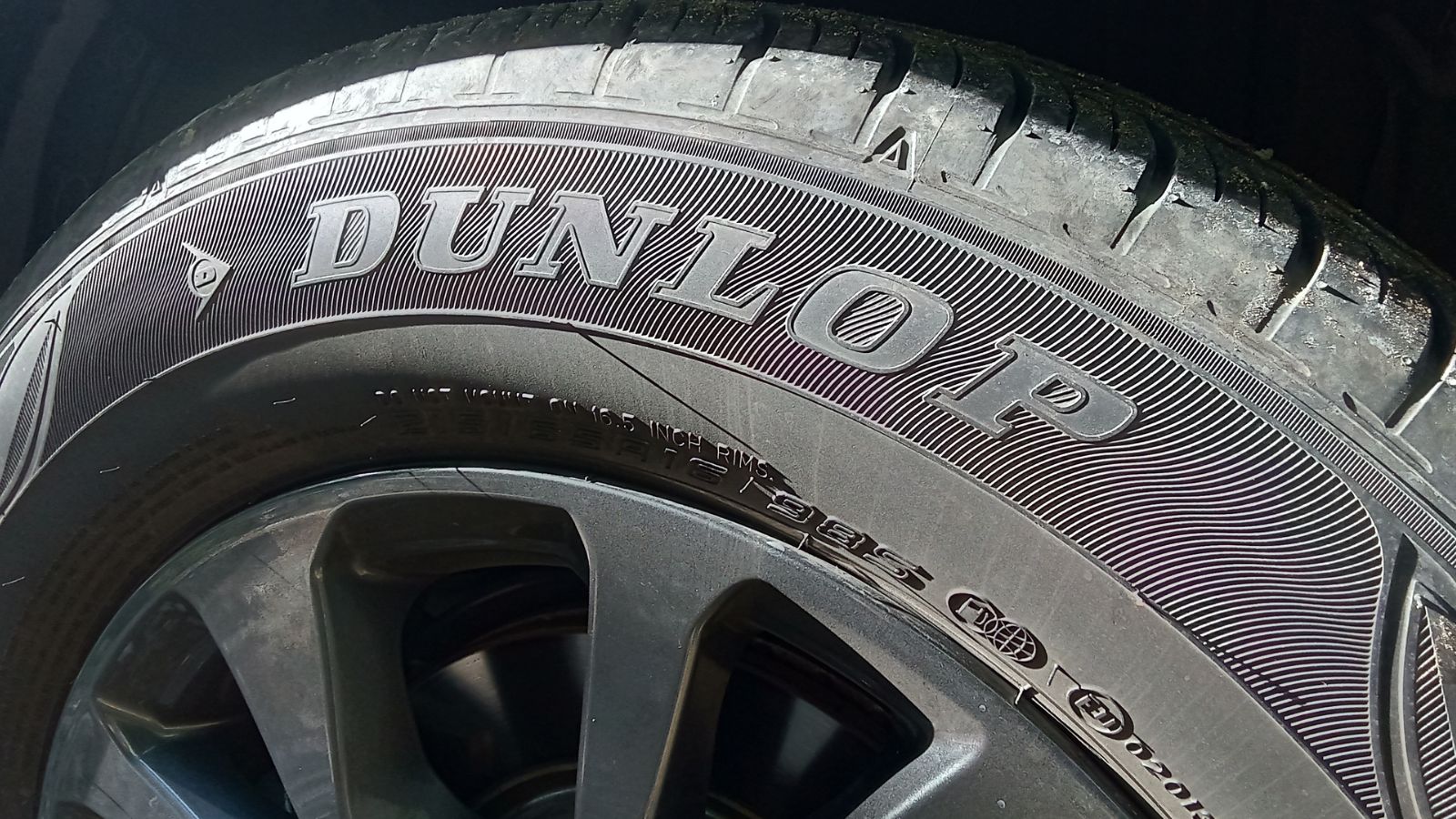
A pothole does not have to puncture the tire to start an air-pressure problem. If the wheel bends, chips, or becomes damaged where the tire bead seals against it, air can begin escaping around the rim. Michelin notes that flat or low tires can result from wheel-related sealing problems, while MOOG explains that wheel damage can prevent the tire and wheel from maintaining an airtight seal.
These leaks can be frustrating because they may develop slowly. Pressure might drop only a few pounds over several days, leaving the owner repeatedly topping up the same tire. A tire-pressure monitoring warning that keeps returning after inflation is therefore worth investigating, particularly when it begins soon after a hard road impact. Proper inflation matters beyond convenience: Transport Canada warns that substantial underinflation increases tire flex and heat buildup and can shorten tire life. Instead of assuming a recurring low-pressure warning is a bad sensor or seasonal temperature change, a shop can inspect the tire bead, valve, wheel barrel, and sealing surfaces for impact-related problems.
Wheel Imbalance and New Vibration

A sharp impact can create a vibration problem even when the tire still holds air. AAA notes that hard pothole strikes can dislodge wheel weights, while MOOG explains that a deep pothole can damage a wheel and leave the assembly out of balance. A bent wheel can produce a similar sensation because it no longer rotates in a perfectly consistent circle.
The symptom often appears within a particular speed range. At neighbourhood speeds the vehicle may feel normal, but the steering wheel can begin trembling as highway speed rises. Transport Canada explains that unbalanced wheels can cause pounding or shaking through the steering wheel or seat and that persistent imbalance contributes to uneven tire wear and added stress on suspension components. That means the vibration should not simply be accepted as a harmless reminder of the pothole. A technician can balance the assembly and check wheel runout to determine whether a missing weight, damaged tire, or physically bent rim is responsible for the new shaking.
Knocked-Out Wheel Alignment
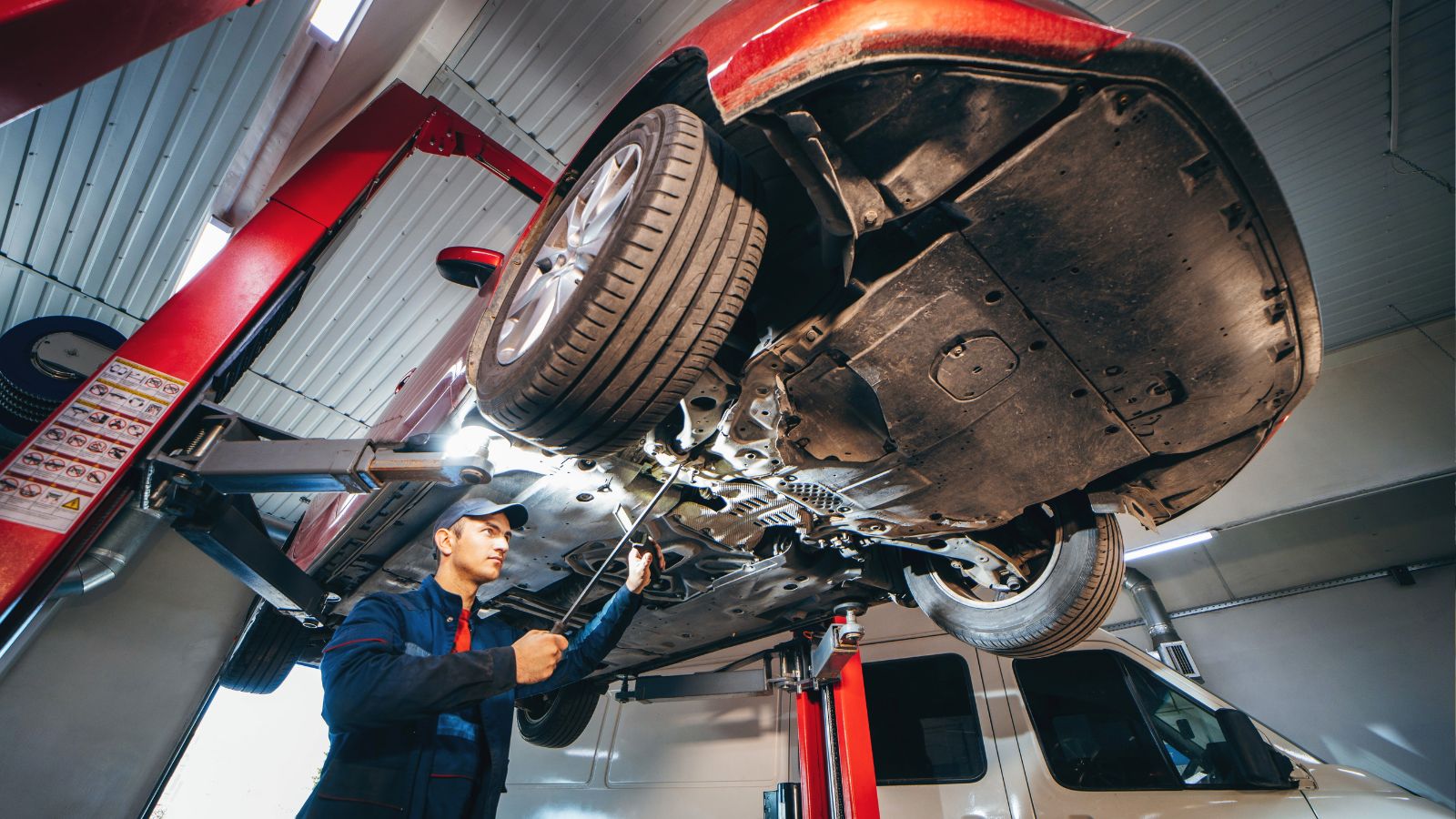
Wheel alignment can change abruptly when a tire meets the hard edge of a deep pothole. AAA specifically warns that higher-speed pothole impacts can knock wheels out of alignment and affect steering. MOOG also identifies potholes as a potential cause of alignment changes. Unlike a flat tire, misalignment may not prevent the vehicle from continuing down the road, which is why it can quietly become expensive.
The classic signs include a steering wheel that no longer sits centred, a vehicle that drifts or pulls, and tires that begin wearing more heavily on one edge. Transport Canada notes that misaligned wheels may drag instead of rolling freely, reducing tire life and affecting handling and ride. Picture a car that tracked straight before an afternoon commute but suddenly needs slight steering pressure to remain centred afterward. That change deserves an alignment measurement rather than an assumption that the road is crowned. Correcting the angles early can prevent a relatively inexpensive adjustment from turning into prematurely ruined tires.
Bent or Damaged Tie Rod
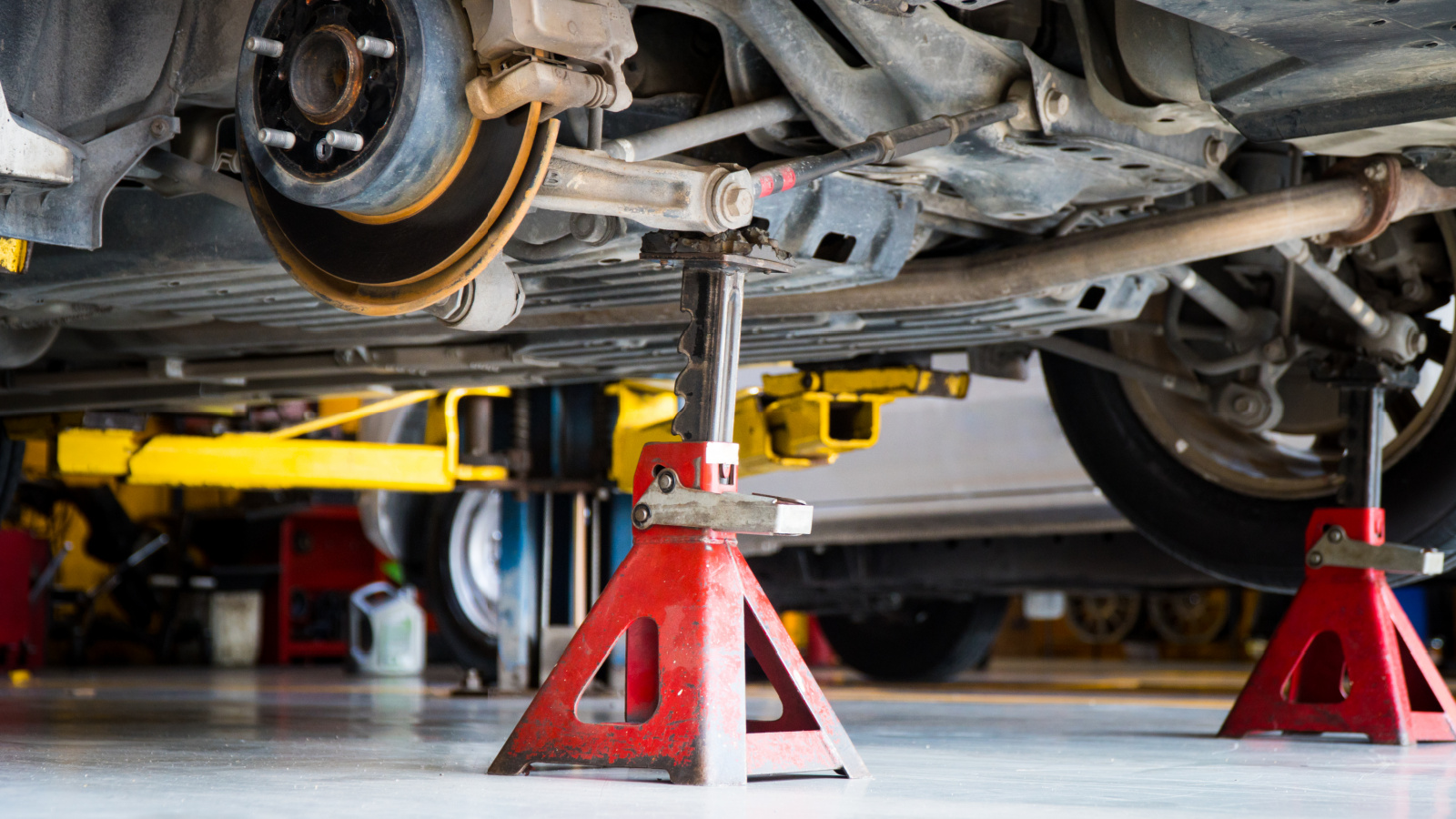
Tie rods form an important link between the steering system and the wheels. When a pothole sends a severe shock through the tire and suspension, that force can reach the tie-rod ends and related steering components. CAA-Quebec lists tie rods among steering and suspension parts that can be damaged by strong pothole impacts, while MOOG describes pothole forces travelling from the wheel into steering and suspension components such as tie-rod ends.
The result can range from looseness to deformation depending on impact severity and the condition of the existing hardware. A previously tight front end may start feeling vague, or a clunk may appear when changing direction. Alignment can also shift because the tie rods help establish the direction in which the wheels point. This is more than a comfort issue. Steering components are safety-critical, and visible bending, unusual play, or dramatically changed steering response warrants inspection. A technician checking a pothole-damaged front corner will typically look beyond the alignment numbers to determine whether a mechanical part has moved or become damaged.
Control Arm or Bushing Damage
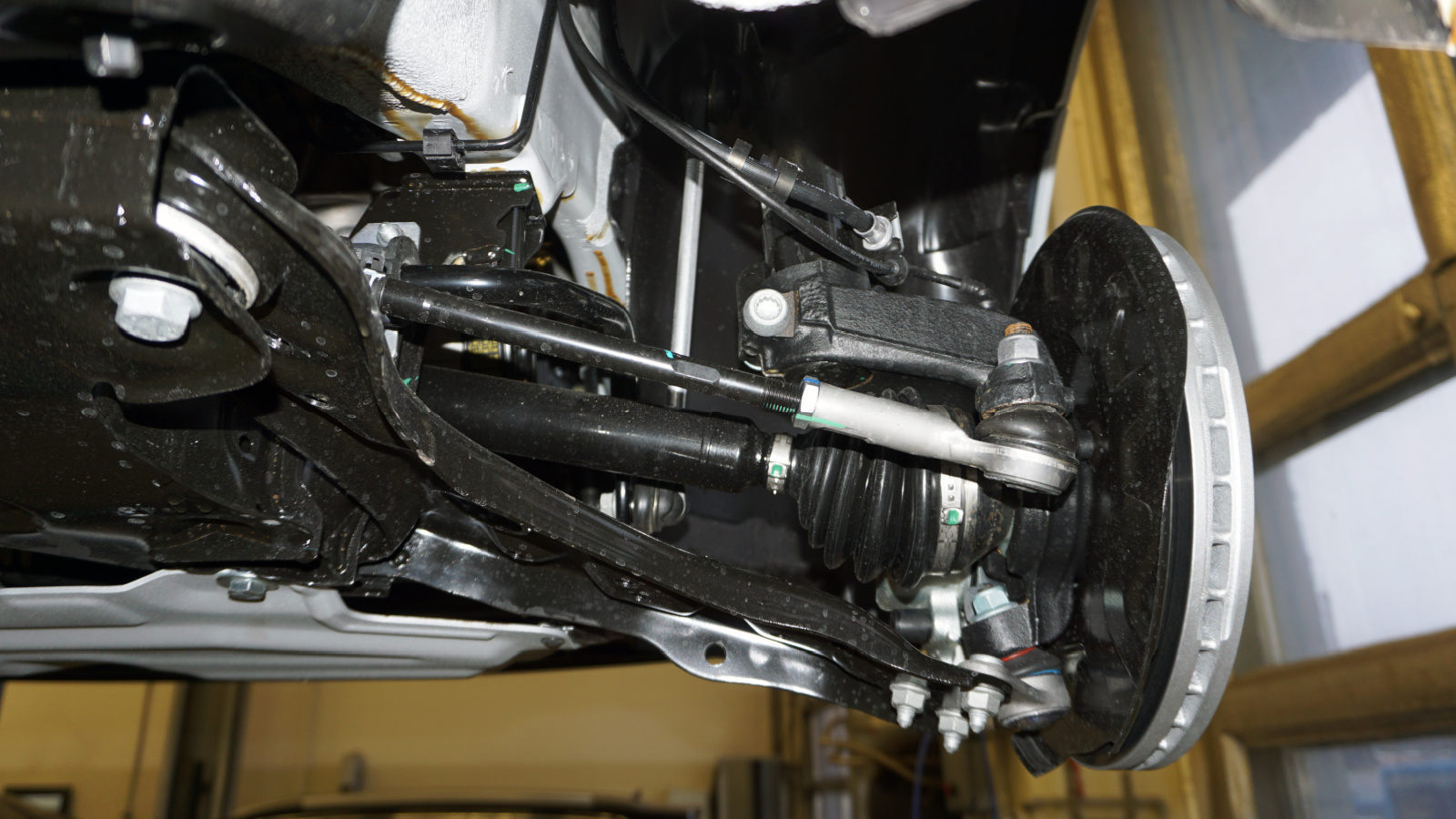
Control arms allow the wheels to move through their suspension travel while maintaining their relationship to the vehicle structure. That places them directly in the path of forces transmitted through the suspension during a major pothole strike. MOOG states that hitting a pothole, curb, or other road hazard can damage a control arm, including its body, ball-joint area, or bushings. CAA-Quebec also lists control arms among potential pothole repairs.
A bent arm can change suspension geometry enough to create persistent alignment problems, steering pull, or abnormal tire wear. Damage to a bushing can be subtler, producing a clunk when accelerating, braking, or crossing another bump. Some designs use rubber or other compliant materials that isolate vibration while allowing controlled movement; once that support shifts or tears, the suspension may no longer locate the wheel as precisely. This helps explain why simply performing an alignment after a severe pothole hit is not always sufficient. If the underlying arm or bushing has moved, the alignment may not remain correct until the damaged component is repaired.
Ball Joint Damage or Excessive Play
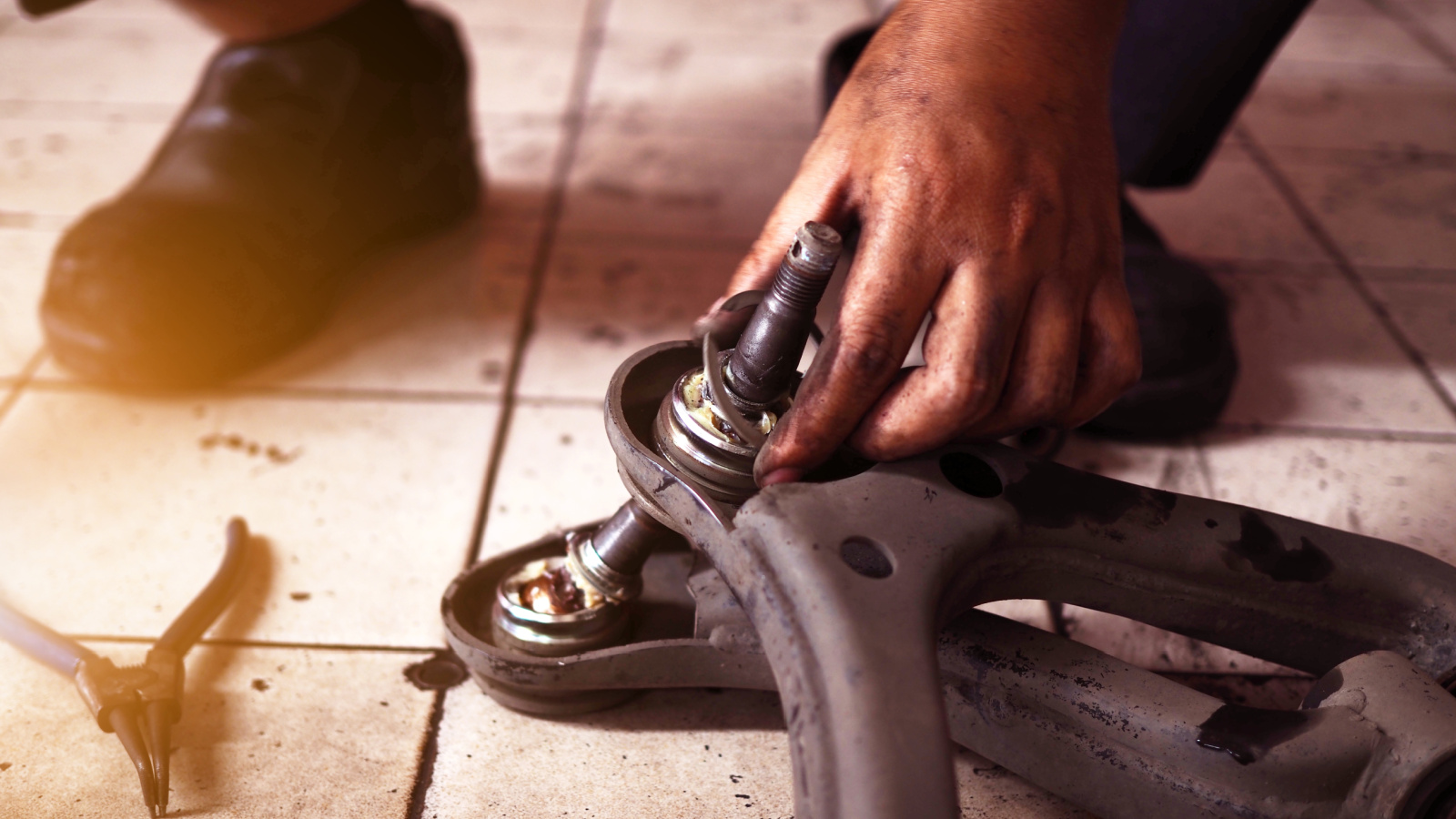
Ball joints allow suspension components and steering knuckles to pivot while carrying substantial loads. They are designed to survive normal road movement, but an unusually violent wheel impact can place extreme force through the joint and its mounting area. MOOG technical material specifically discusses the high loads ball joints encounter during impacts involving potholes, curbs, and poor road conditions, while Ontario safety-inspection standards require ball joints to remain within manufacturer-specified limits for play.
Damage is particularly concerning when an impact affects a joint that already had wear or corrosion. The driver might begin hearing a knock, noticing steering looseness, or feeling that one front wheel moves less precisely than before. A severe failure is uncommon, but ball joints are not components to ignore because they are integral to maintaining wheel position. The useful lesson after one brutal pothole strike is that an alignment check alone may not identify every problem. A physical inspection for joint play, deformation, and damaged mounting points provides information that alignment readings cannot.
Bent or Weakened Shock or Strut
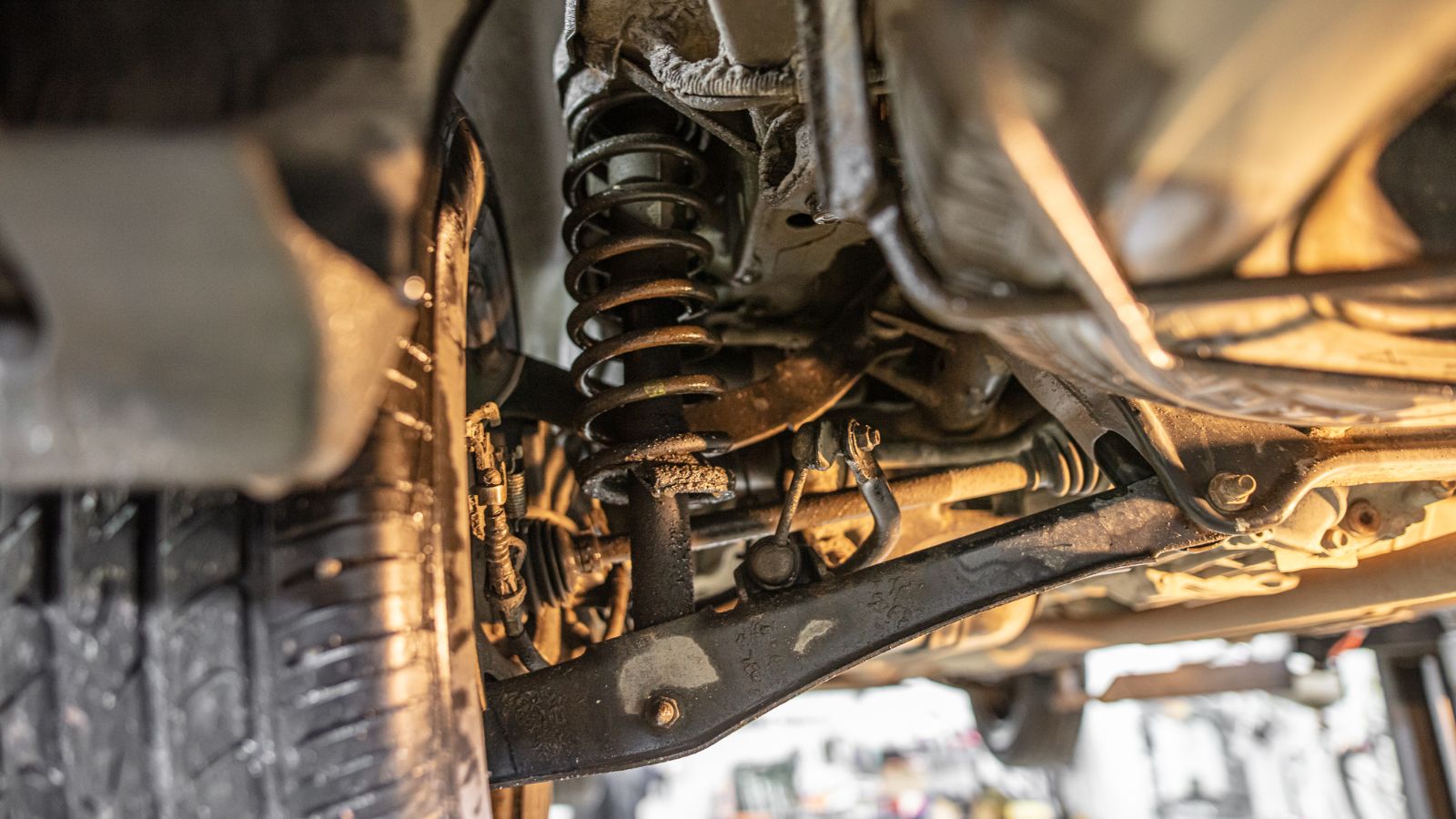
Shocks and struts control suspension movement after the springs compress and rebound. A violent pothole impact can send the suspension through a large portion of its travel almost instantly. Monroe notes that harsh impacts such as large potholes can bend a shock or strut body or rod and alter steering and suspension geometry. Damage may also accelerate wear even when the unit does not fail immediately.
Symptoms can take several forms: excessive bouncing, bottoming out, unusual vibration, increased body movement, or a vehicle that seems less settled after bumps. The change may be subtle enough that a regular driver notices it before anyone else. For example, a familiar highway ramp might suddenly produce more body roll than it did the previous week. A leaking unit can be another clue, although Monroe cautions that minor fluid weepage is not the same as significant leakage. A thorough inspection after a severe impact should therefore consider both visible deformation and changes in damping performance instead of relying on one symptom alone.
Coil Spring Damage
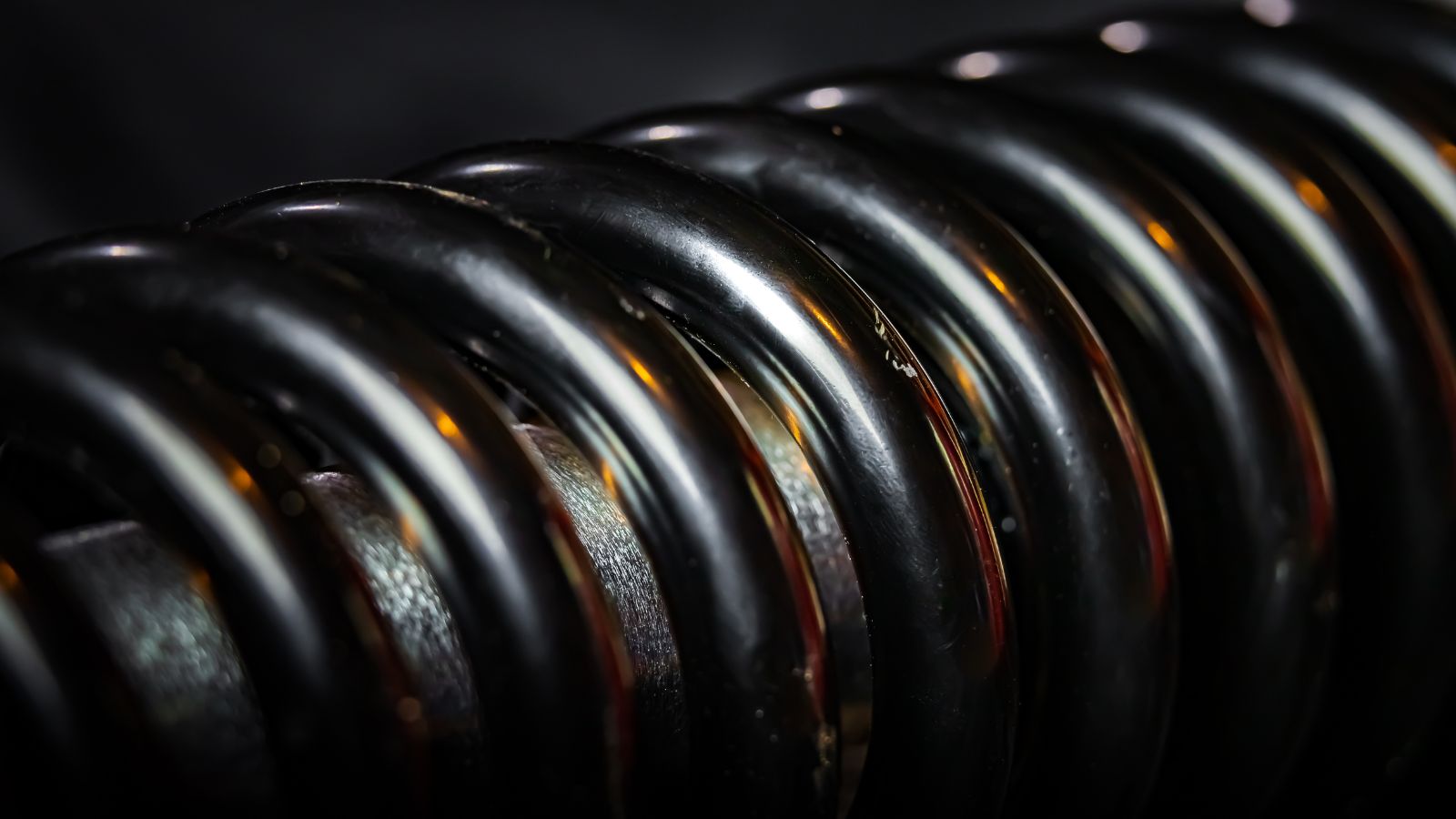
Coil springs support vehicle weight and absorb road impacts by compressing as the wheel moves upward. Monroe describes springs as fundamental to maintaining ride height and preventing the body from bottoming out over dips and other road irregularities. Pothole forces also travel through the spring as part of the wider suspension system, making an already weakened or corroded spring vulnerable when the wheel takes a particularly hard hit.
A damaged spring may leave one corner sitting lower than the others, create new noises, or alter suspension alignment. MOOG notes that collapsed or damaged springs can affect alignment angles and make emergency handling more difficult. In regions where road salt has already encouraged corrosion, a pothole impact can be the event that exposes a spring nearing the end of its life. A driver might hear a metallic sound during the impact and later notice that the car appears slightly tilted in the driveway. Ride-height differences, broken spring ends, or unusual suspension noises are reasons to have the spring and surrounding components inspected.
Sway Bar Link Damage
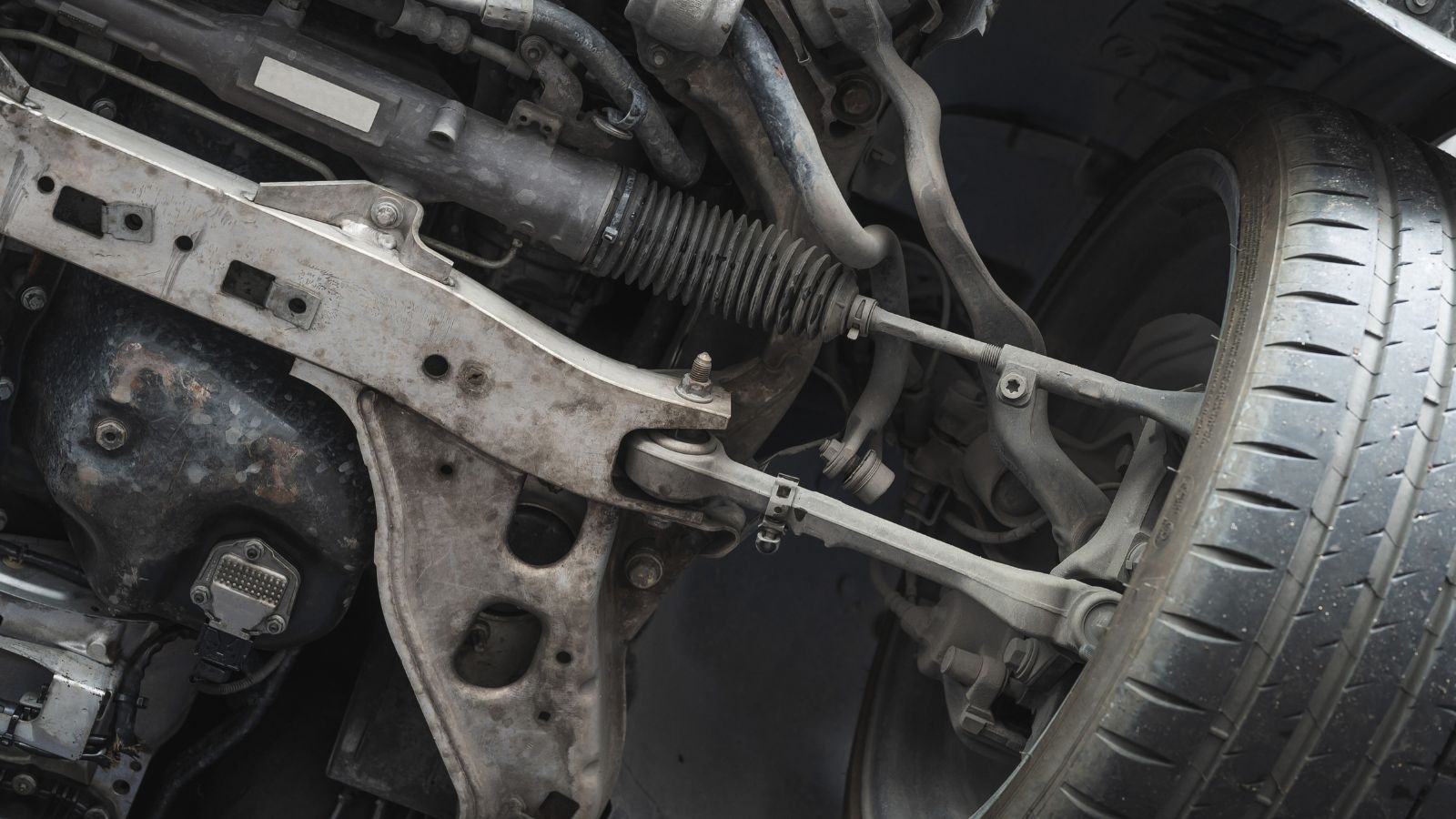
Sway bars help control body roll by linking suspension movement from one side of the vehicle to the other. Small connecting components known as sway-bar or stabilizer links carry those forces near the wheels, where road shocks can be significant. MOOG specifically identifies impact from a pothole, curb, or collision as a possible cause of sway-bar-link damage.
A failed link often makes itself known through clunking or knocking over smaller bumps after the original pothole incident. The vehicle may also feel less composed during lane changes or corners because the stabilizer system is no longer controlling roll as effectively. The contrast can be confusing: the large pothole happens once, yet the noise appears repeatedly afterward on ordinary pavement. That is because the damaged link moves every time the suspension articulates. A loose link is usually much less expensive than major suspension reconstruction, but leaving the noise unexplained can mask worsening wear. Inspection can determine whether the link, its bushings, or another nearby component is responsible.
Wheel Bearing or Hub Damage
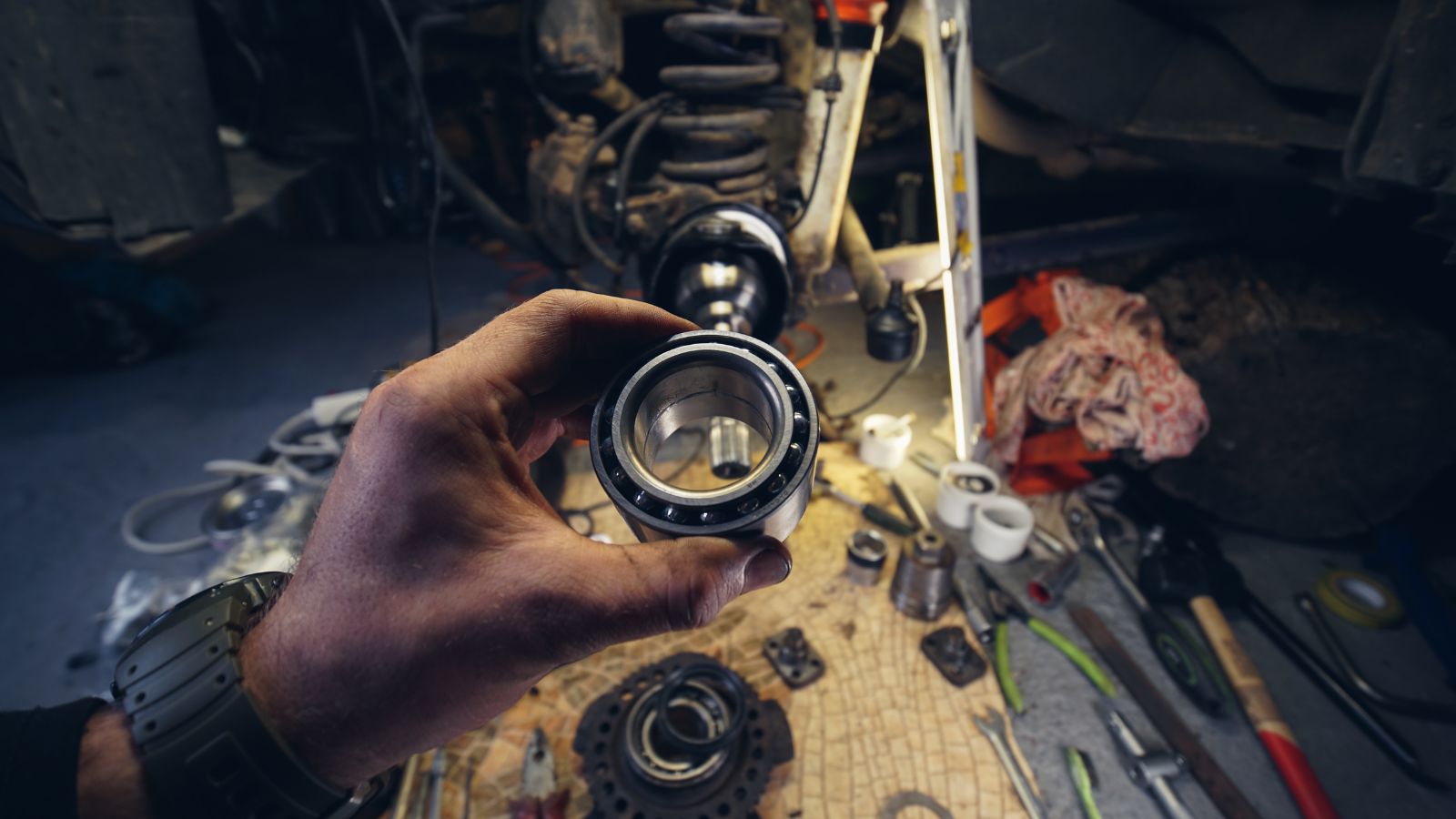
Wheel bearings endure enormous loads while allowing the wheels to rotate smoothly. A sufficiently severe pothole strike can concentrate impact force into the bearing races and rolling elements. Automotive technical literature describes this type of impact damage as brinelling, in which balls or rollers leave permanent impressions in bearing surfaces. MOOG also identifies potholes and poor road quality as causes that can damage wheel bearings and reduce service life.
What makes this problem interesting is the delay. A bearing can be damaged during the initial strike without becoming noisy immediately. Underhood Service has described how a pothole hit in one month can lead to noticeable bearing noise later as the damaged area deteriorates. A driver may eventually hear a growl or rumble that rises with vehicle speed and assume it is ordinary tire noise. If the sound starts after a major impact, the hub and bearing deserve consideration. Severe looseness or bearing deterioration can also affect other wheel-end components, so growing noise should not be ignored.
Steering Knuckle Damage
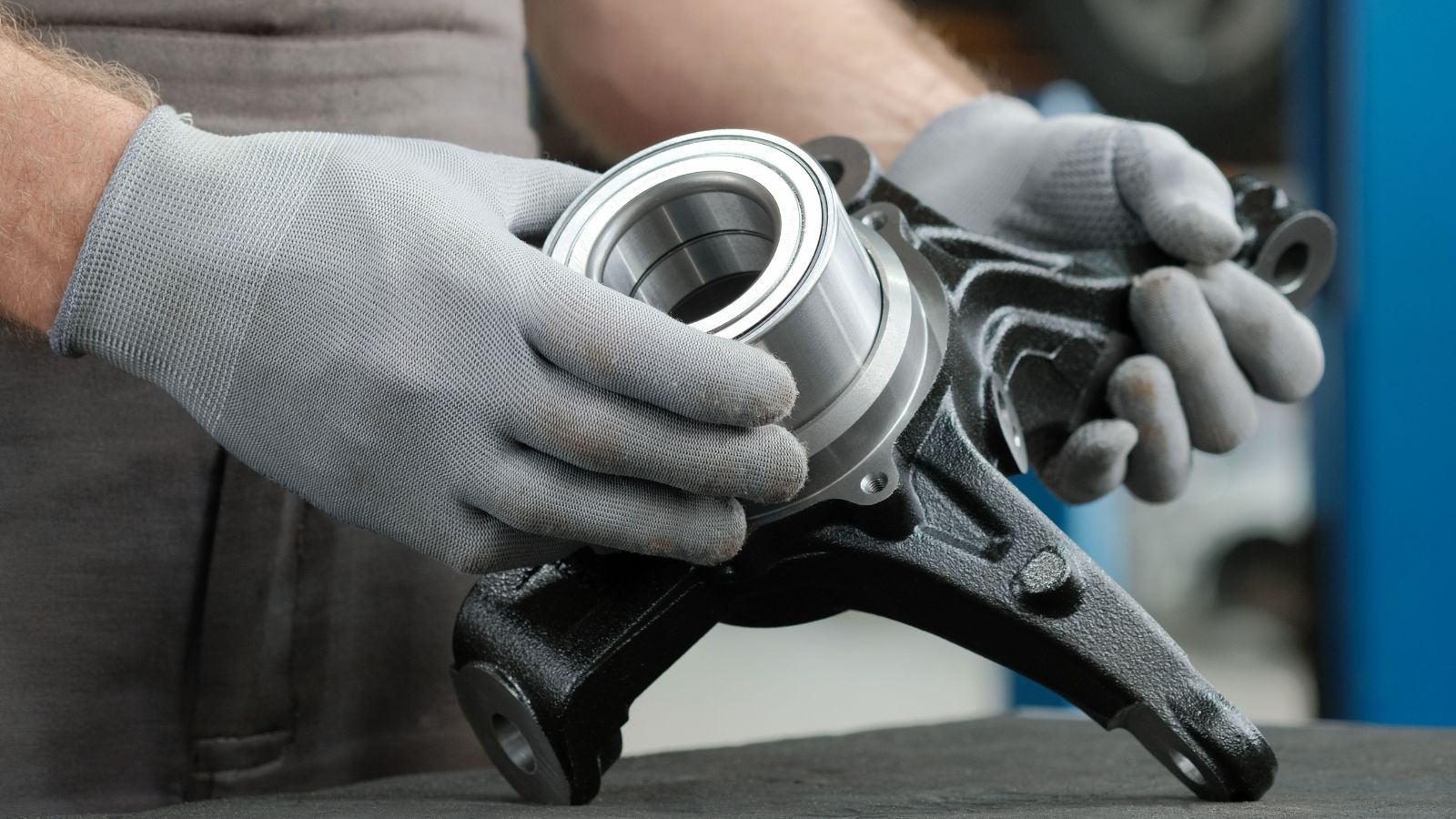
The steering knuckle is the substantial component that connects the wheel hub with suspension and steering hardware. It is built to handle large loads, so damage from an ordinary road imperfection is not expected. A genuinely severe impact, however, can place extraordinary forces through the assembly. MOOG technical guidance dealing with ball-joint and tie-rod connections warns that damaged or deformed steering knuckles can compromise how those components seat and stresses replacement when significant deformation or cracking is found.
The practical issue is that knuckle damage can masquerade as an alignment problem. A shop may adjust conventional alignment settings yet still struggle to bring one wheel into specification if a structural component has physically changed shape. It can also contribute to unusual tire position, steering behaviour, or bearing-related problems. This is relatively uncommon compared with tire or wheel damage, but that is precisely why it can be overlooked after a violent hit. When a wheel is visibly displaced or alignment readings remain abnormal despite adjustments, inspection of the knuckle and related mounting points becomes important.
Strut Mount or Mounting Hardware Problems
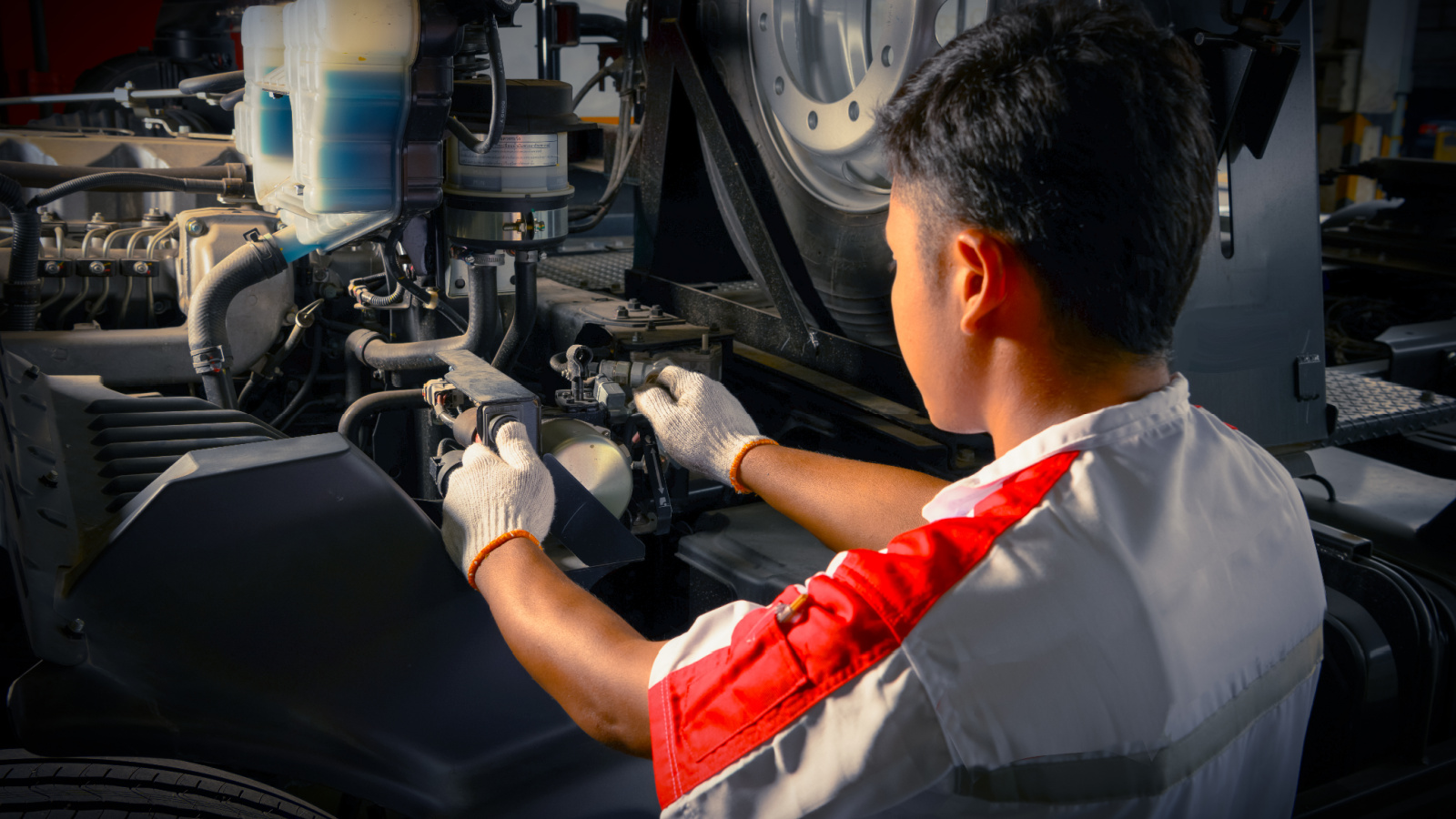
The shock or strut itself is not the only suspension component that can react badly to a violent jolt. Struts depend on upper and lower mounting points, bearings, brackets, and fasteners to hold the assembly correctly. Monroe notes that harsh impacts can place stress on structural parts and welds associated with shocks and struts, while worn or damaged strut mounting plates and hardware can create knocking noises over bumps.
This problem often becomes noticeable through sound rather than dramatic handling changes. The original pothole produces the big bang, but afterward ordinary cracks and driveway entrances create a smaller clunk from the same corner. In some designs, movement in a lower strut mounting arrangement can damage locating hardware if the assembly is no longer secured correctly. The upper mount can also produce noise or roughness, particularly while steering. Because several components occupy the same small area, guessing from the sound alone is difficult. A physical inspection can distinguish a damaged mount from a failed link, control-arm bushing, ball joint, or shock.
ABS Wheel-Speed Sensor or Tone-Ring Trouble
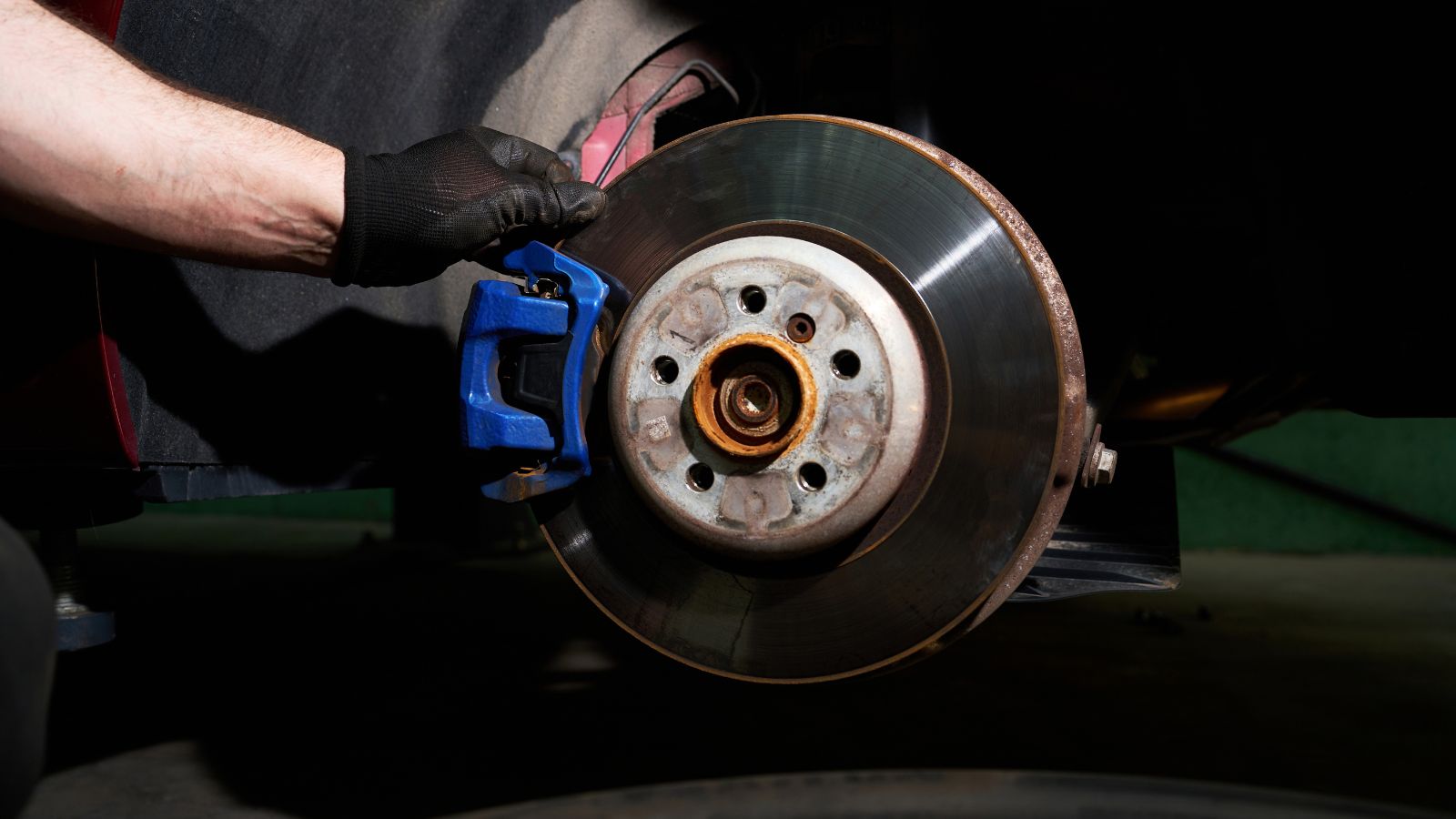
Modern anti-lock braking and stability-control systems depend on accurate wheel-speed information. Many vehicles integrate the tone ring or sensor closely with the wheel-bearing and hub assembly. A severe pothole strike that damages the bearing can therefore create an electronic problem as well as a mechanical one. Technical guidance for wheel bearings documents cases in which impact damage progressed until the bearing’s tone-ring area was affected and the wheel-speed sensor stopped providing the expected signal.
The dashboard may eventually display an ABS or stability-control warning, even though the brakes still feel normal during everyday stops. On some designs, excessive bearing movement changes the critical gap between the sensor and its tone ring, producing an erratic reading. This illustrates how one pothole can create a problem that seems unrelated to road damage: the driver remembers hitting a hole but sees a braking-system warning days later. Diagnosis generally involves scanning fault codes and checking the affected wheel-speed signal, wiring, hub, bearing, and tone ring rather than automatically replacing the sensor.
Damaged Lower Body or Underbody Panels
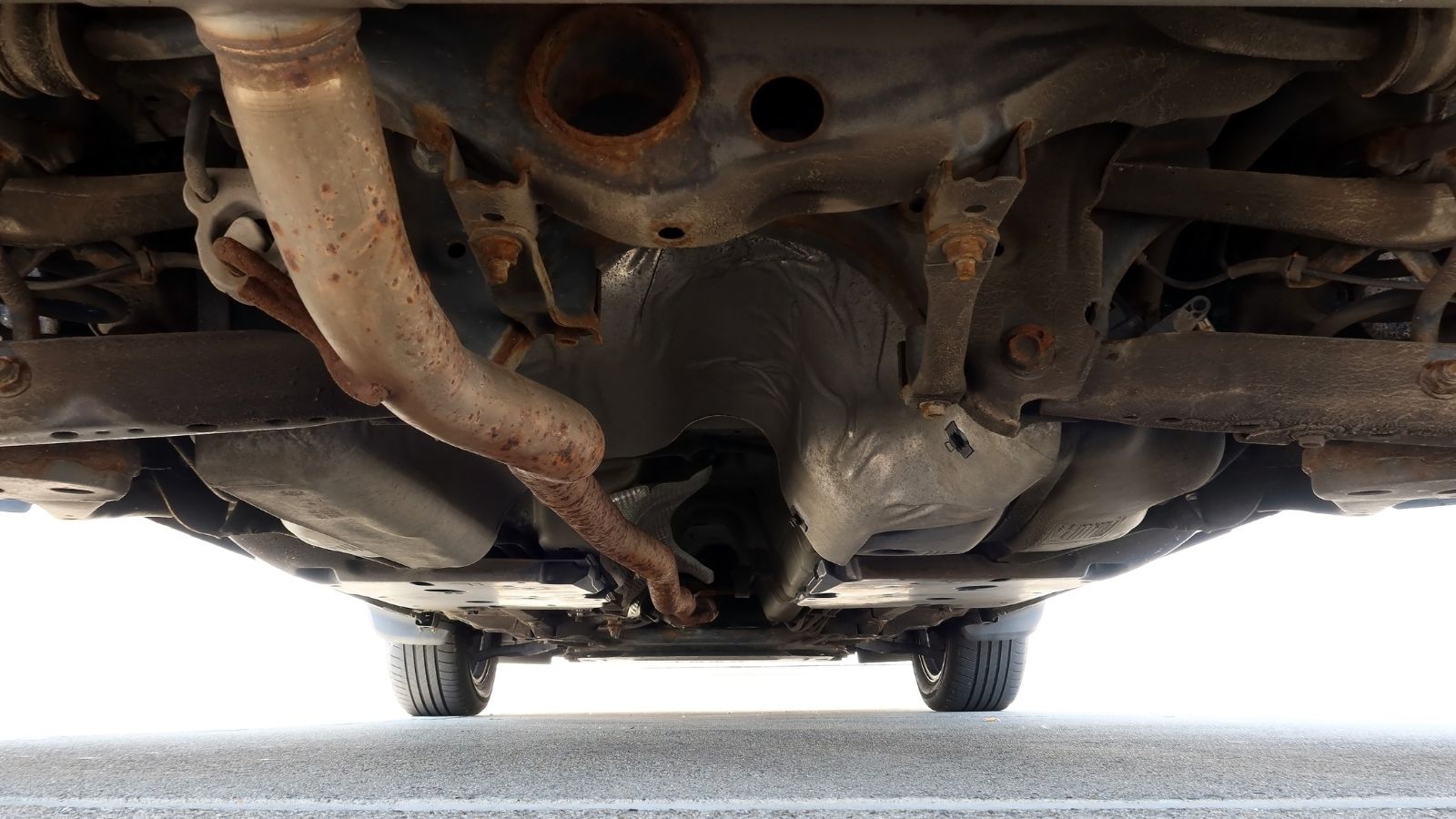
A deep or long pothole can create a second impact after the wheel drops into it: the vehicle itself may contact the road surface. CAA-Quebec warns that potholes can damage low parts of a vehicle, including body components, while AAA notes that vehicles with less ground clearance face greater risk of undercarriage damage. Low sports cars, vehicles carrying heavy loads, and models with long front overhangs can be particularly vulnerable.
The resulting damage may range from a loose plastic splash panel to bent lower trim or scraping around structural and protective pieces. A panel might not fall off immediately. Instead, it can start flapping at highway speed, dragging during turns, or rubbing against another component several kilometres later. This is why drivers who hear scraping after a severe pothole should not assume the noise comes from the wheel. Looking underneath from a safe position may reveal hanging material, but anything near moving, hot, or load-bearing components is better inspected professionally rather than pushed back into place beside the road.
Dented or Damaged Exhaust Components
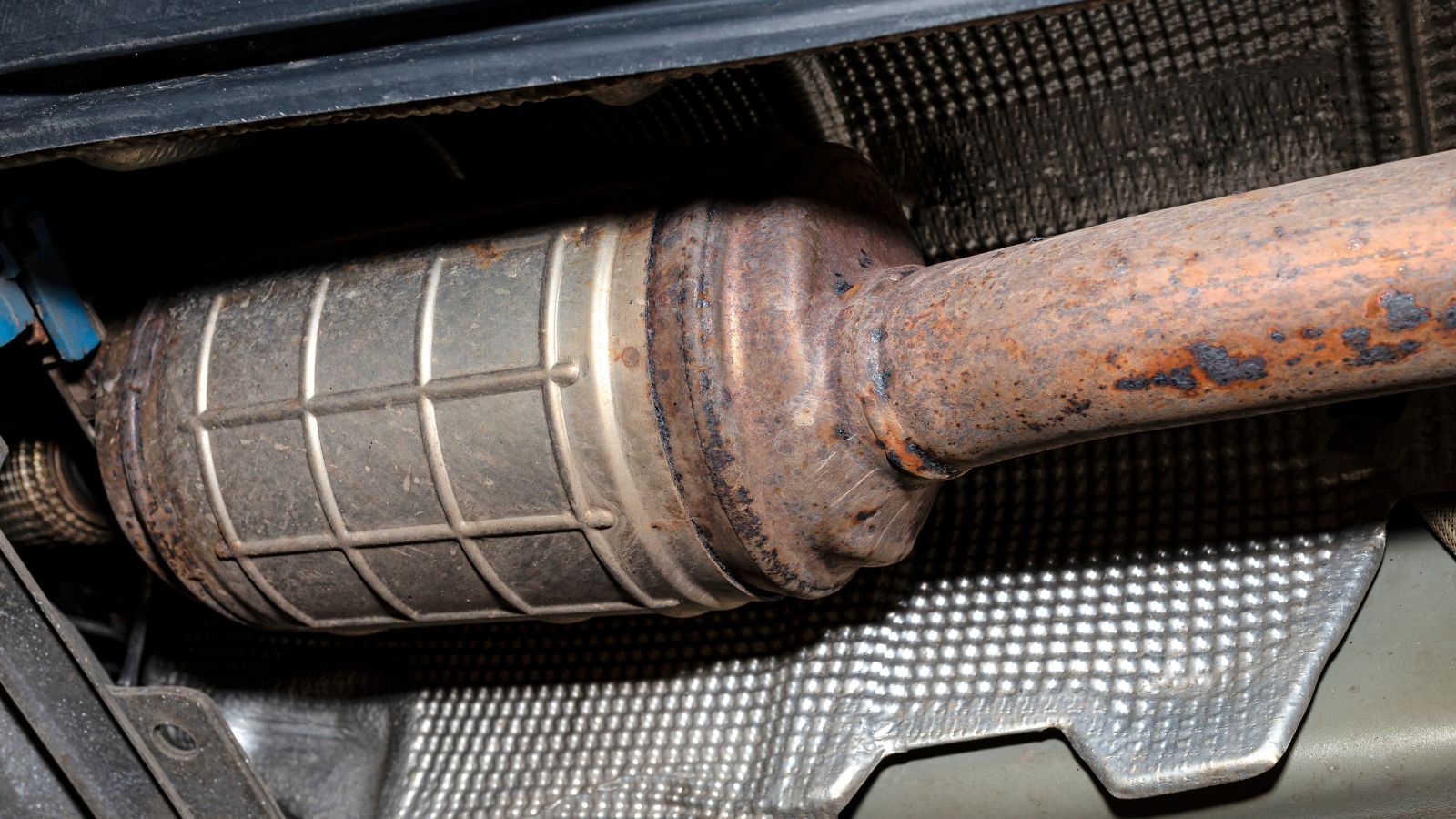
The exhaust system runs underneath much of the vehicle, making portions of its piping, mufflers, shields, and other components vulnerable when ground clearance suddenly disappears. AAA specifically identifies exhaust parts among components that can be crushed, scratched, or dented after pothole contact and notes that the muffler, catalytic converter, and exhaust pipes can all be affected in a severe underbody strike.
The first symptom may be a new metallic rattle rather than a warning light. A heat shield may vibrate at certain engine speeds, a hanger can shift, or a dented section of pipe may begin contacting the body. More substantial exhaust damage can create louder operation or other performance concerns. Consider a car that crosses a deep water-filled pothole and drives away with intact tires but develops a metallic buzz every time the engine reaches a particular rpm. The impact may have occurred underneath rather than at the wheel. After a deep pothole strike accompanied by scraping or banging beneath the cabin, an underbody and exhaust inspection can reveal damage that is invisible from outside the vehicle.
19 Used Cars Canadians Should Avoid in 2026 (Based on Owner Complaints)

Buying a used car in Canada can feel safe until repair bills start stacking up. Owner complaints tell a different story than glossy listings. Transmission failures, electrical problems, and weak winter reliability show up again and again in consumer reports. Many of these issues appear after warranties expire, when owners least expect them. Some vehicles look affordable upfront, but become expensive to keep on the road. Others struggle in cold weather, urban driving, or long highway commutes. Here are 19 used cars Canadians should avoid in 2026 (based on owner complaints).
19 Used Cars Canadians Should Avoid in 2026 (Based on Owner Complaints)