

























A used car can feel perfectly healthy through a mild autumn and then seem to develop several problems at once when temperatures suddenly fall. In many cases, the cold did not create the underlying defect. It simply increased electrical demand, thickened fluids, lowered tire pressures, hardened rubber, and forced heating and defrosting systems to work in ways they had not for months. That makes the first genuinely cold week an unusually revealing test of an older vehicle’s condition. These 22 used-car problems can remain surprisingly subtle during a warm-weather test drive, only to become obvious once frosty mornings, longer warm-up periods, freezing precipitation, and sub-zero nights arrive.
A Battery That Was Already Near the End
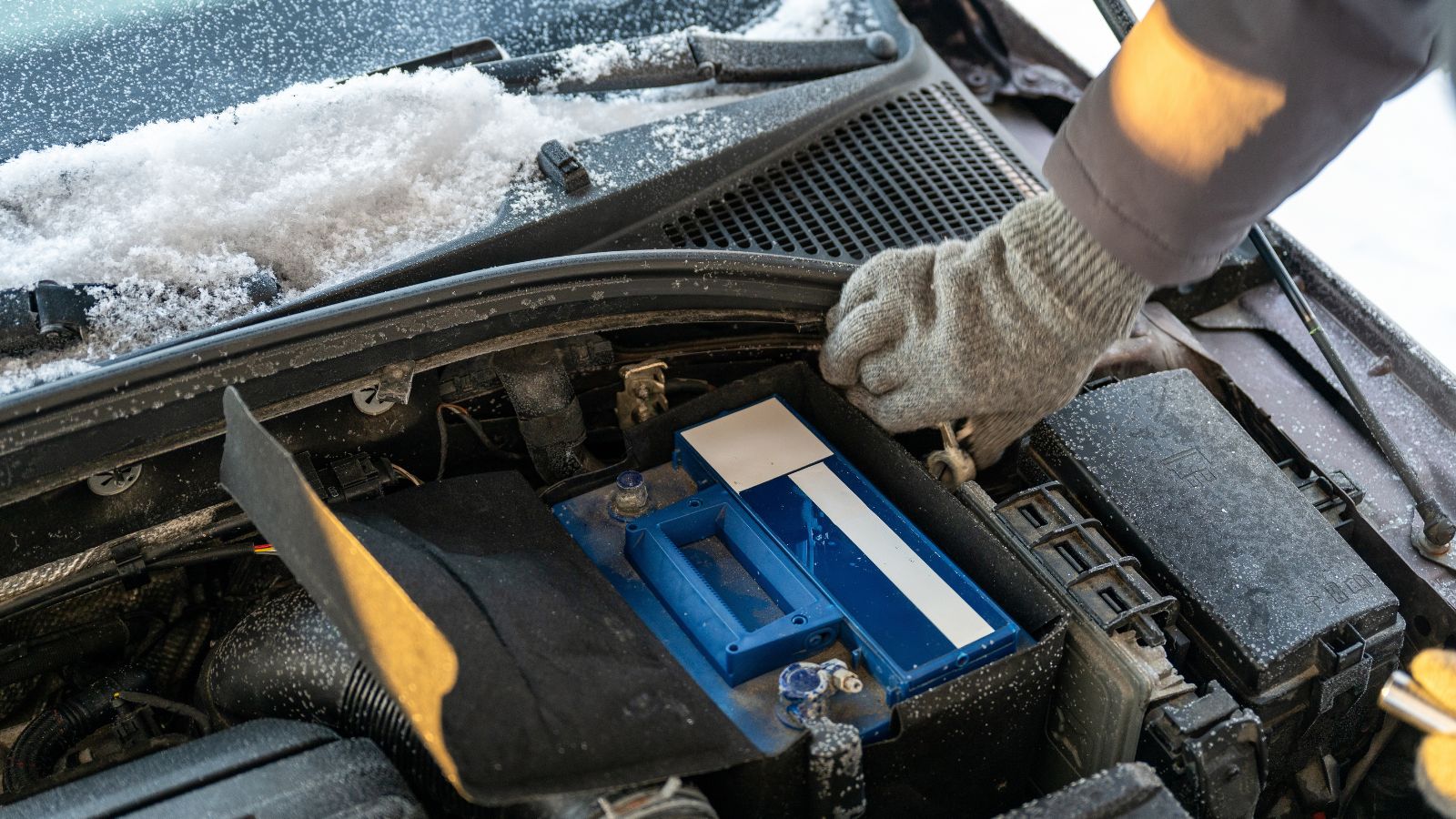
A battery can start a used car flawlessly throughout summer and early fall while having very little reserve capacity left. Cold weather changes the equation because low temperatures slow the chemical reactions that produce electrical power while a cold engine requires more effort to crank. Consumer Reports notes that a conventional 12-volt battery can have roughly half its normal cranking capability around 0°F compared with a warm 80°F day. That is why the first serious freeze so often produces the dreaded slow “rrr-rrr-rrr” from a car that seemed completely normal when purchased.
Battery age matters as well. CAA advises paying particular attention to batteries roughly three to five years old, although lifespan varies with climate and use. A recent used-car purchase can therefore acquire an apparent “overnight” problem that was actually developing for years. A proper battery load test before winter can reveal weakness that a quick warm-weather start may never expose.
Corroded or Loose Battery Connections
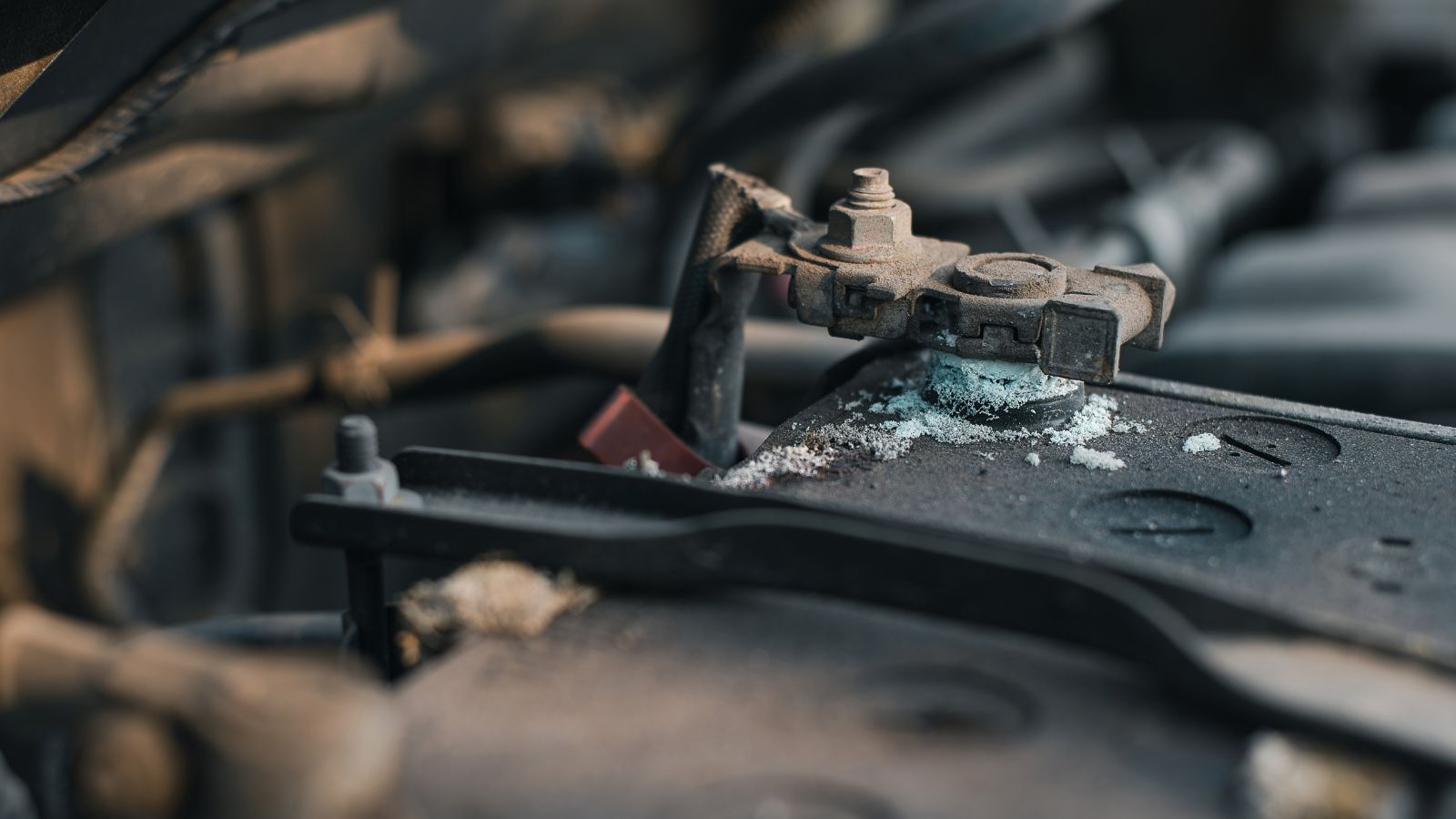
Sometimes the battery itself is healthy, but the electricity cannot move through the starting system efficiently. Corrosion around the battery posts, loose clamps, damaged cables, and poor grounds all create resistance. A marginal connection might still pass enough current on a mild afternoon, particularly when the engine turns easily. The same connection can become a serious liability when temperatures plunge and the starter suddenly demands much more from the electrical system.
The clues can be confusing. Headlights may dim, dashboard electronics can behave strangely, and the starter may click or crank slowly. AAA specifically identifies corrosion at battery cable connections as a common contributor to starting difficulty, while CAA includes corrosion, wetness, and battery-case condition among its winter checks. This is one reason merely installing a new battery does not always cure a winter no-start. On an older used car, a technician should inspect the terminals, grounds, cables, and mounting hardware rather than assuming every cold-morning failure begins inside the battery.
A Weak Alternator That Barely Keeps Up
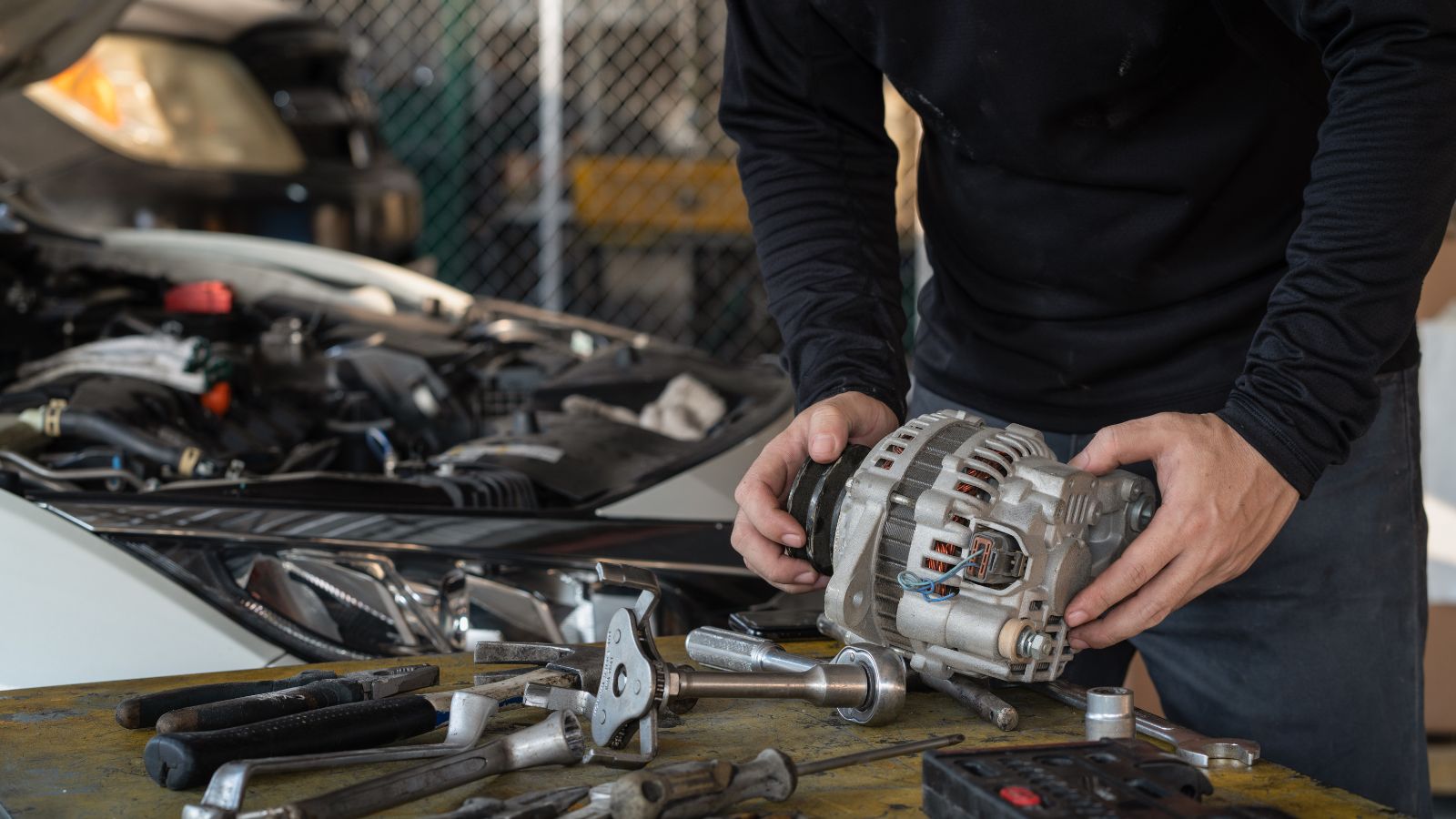
A marginal alternator can hide remarkably well when electrical demand is modest. Once cold weather arrives, however, the vehicle may simultaneously need headlights, the blower fan, heated seats, rear-window defrosting, wipers, and other electrical equipment. Meanwhile, the alternator must restore the energy used during a harder cold start. A charging system already operating near the edge can suddenly become much easier to notice.
AAA explains that alternator trouble can imitate battery failure because an underperforming alternator leaves the battery only partially recharged. The owner may boost the car, drive normally, park it, and discover another weak battery the next morning. NHTSA consequently recommends checking not just the battery before winter but the charging system and related components as well. A used vehicle that repeatedly needs boosts despite having a reasonably new battery deserves a charging-system test. Replacing battery after battery without measuring alternator output can leave the actual defect untouched and turn every cold spell into another roadside surprise.
A Starter Motor on Its Last Legs
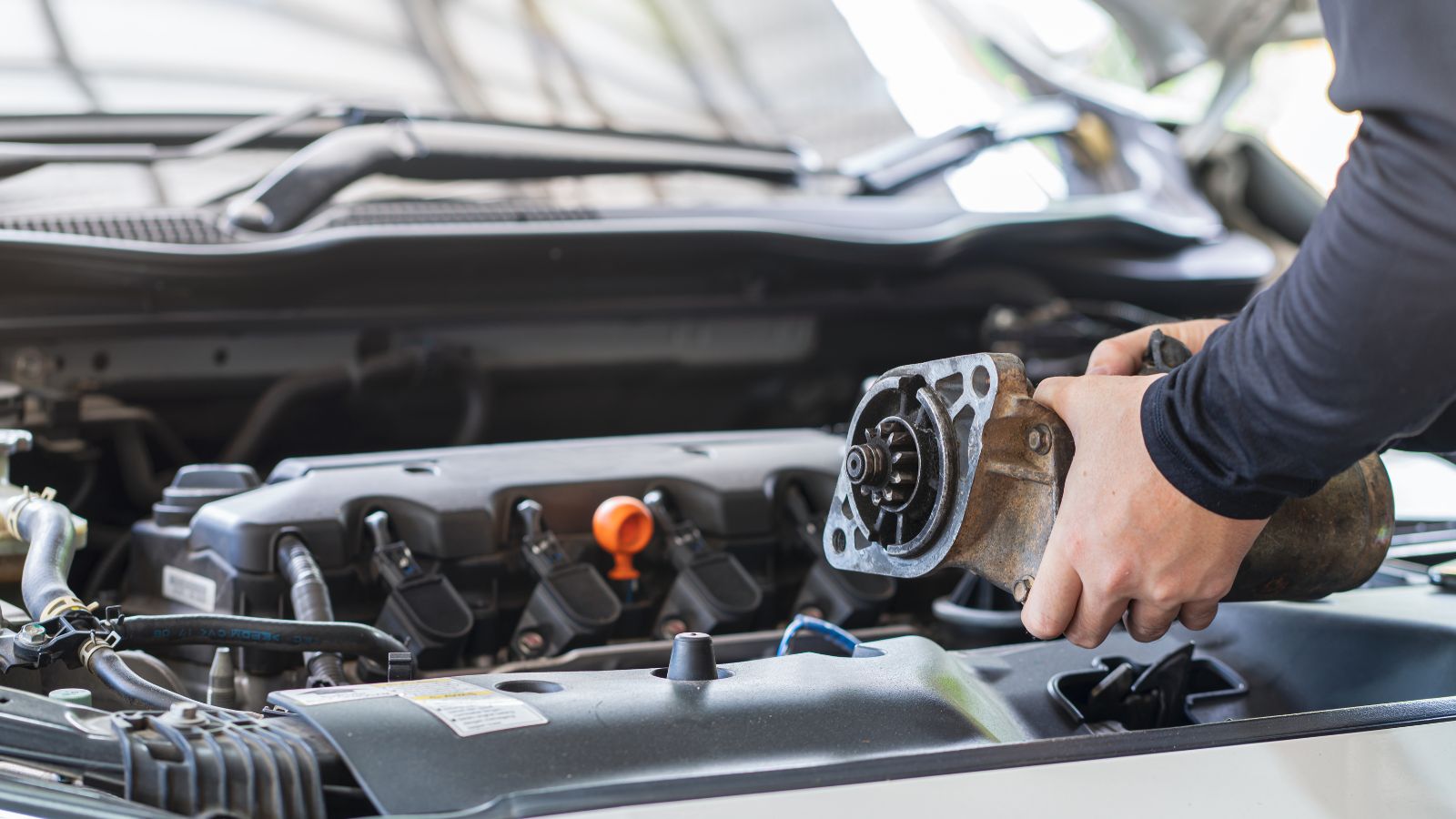
Starter motors do not always fail dramatically. Some deteriorate gradually, cranking a little more slowly or occasionally producing a click before eventually engaging. Warm weather can make those symptoms easy to overlook because the engine itself is comparatively easy to turn. Once temperatures fall and thicker oil increases resistance, a marginal starter has to work considerably harder, making an existing weakness much more noticeable.
AAA notes that starter problems may appear as slow cranking, a single click, grinding, or a situation in which dashboard lights illuminate but the engine does not turn. That overlap with battery symptoms is precisely why diagnosis matters. Imagine a used car that starts immediately during a dealership demonstration but cranks reluctantly after spending its first January night outside. A new battery might help temporarily without solving a worn starter. Testing voltage, battery condition, charging performance, cable resistance, and starter draw together provides a much clearer picture than diagnosing the problem from sound alone.
Engine Oil That Is Wrong, Old, or Too Thick
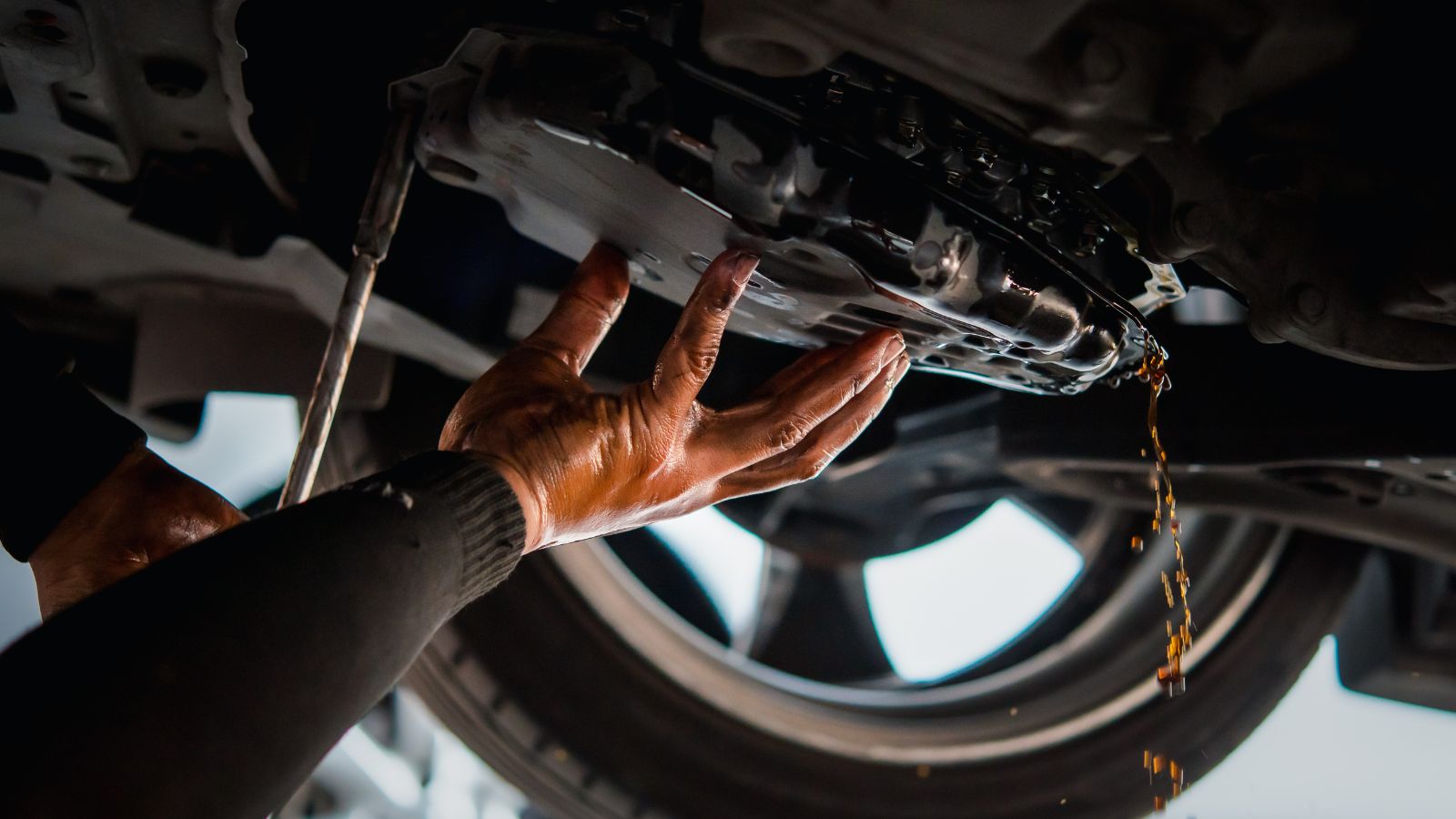
Cold weather changes the way engine oil flows. As temperatures drop, oil becomes more viscous, increasing the resistance the starter must overcome before the engine fires. Modern multigrade oils are specifically designed to perform across a range of temperatures, and the “W” in familiar grades such as 0W-20 or 5W-30 relates to winter-temperature viscosity performance. Using a viscosity that does not meet the manufacturer’s specification can therefore become much more noticeable on freezing mornings.
This matters with used cars because the new owner may have no idea what the previous owner or quick-lube shop put into the crankcase. Consumer Reports specifically advises checking the required oil viscosity before winter because unnecessarily thick oil can make starting harder. Old oil can create another layer of uncertainty if maintenance records are incomplete. A vehicle that feels sluggish only during its first seconds after a cold start is not automatically suffering major engine damage, but confirming the correct oil grade and service history is a sensible early step before chasing more expensive explanations.
Neglected Spark Plugs and Ignition Components
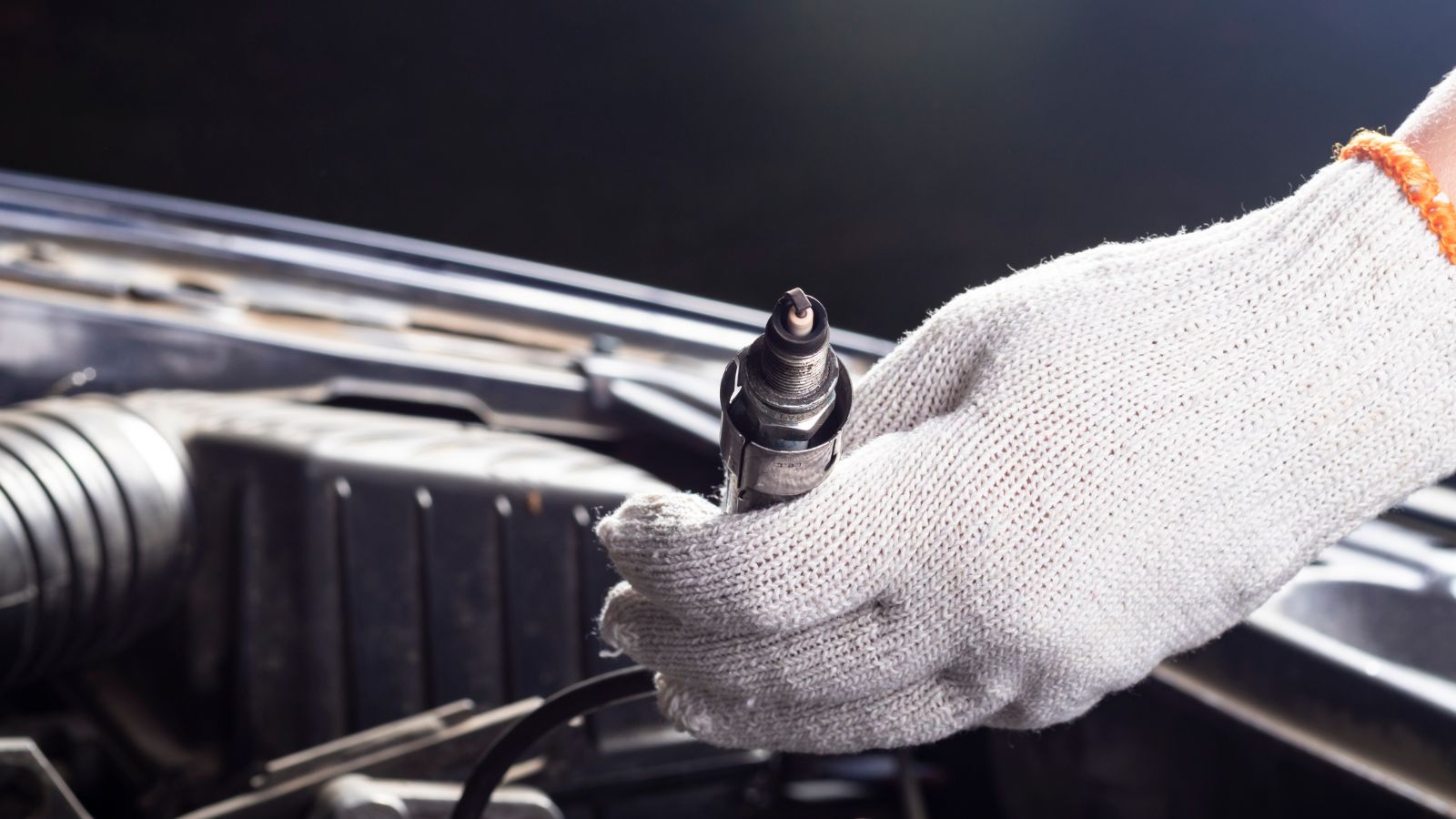
A slightly tired ignition system can be surprisingly forgiving in pleasant weather. Worn spark plugs, deteriorated ignition components, or other weaknesses may still produce enough spark for a warm engine to start and run acceptably. Cold starts demand more from the entire process, however, and minor weaknesses can become obvious through extended cranking, uneven idle, hesitation, or an engine that briefly feels as though it is running on fewer cylinders.
CAA specifically includes ignition components such as spark plugs, wires, and distributor components where applicable in its winter-readiness guidance, noting that faults can make starting unreliable. Modern vehicles often use individual ignition coils instead of traditional distributors and plug wires, but the principle remains. A used car with an incomplete maintenance history may still be wearing plugs that should have been replaced long ago. When the first cold week brings repeated rough starts or misfire warnings, diagnosis should focus on the actual fault codes and condition of the ignition system rather than assuming cold weather itself is the malfunction.
Coolant With Inadequate Freeze Protection
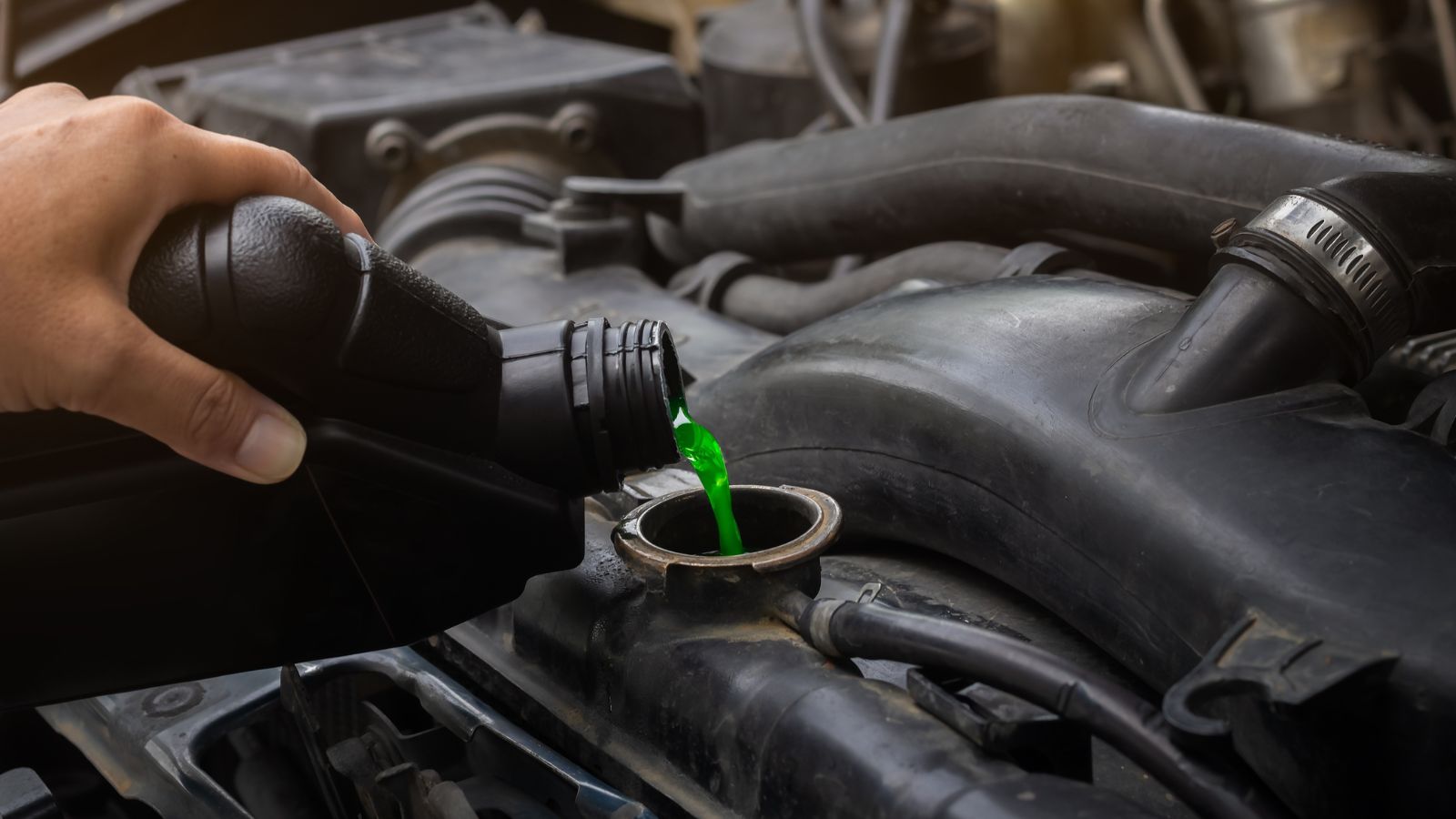
Engine coolant must do more than prevent overheating in July. Its antifreeze concentration also protects the cooling system when temperatures drop below freezing. A used vehicle may contain old coolant, an incorrect mixture, or fluid that has repeatedly been topped up with water. None of those conditions necessarily causes obvious trouble during a mild test drive, which makes coolant quality an easy item to overlook during a purchase.
Transport Canada recommends testing both the strength and level of coolant while preparing a vehicle for winter. AAA notes that a typical 50/50 antifreeze-and-water mixture can provide protection to roughly -34°F, or about -37°C, although the correct coolant formulation and concentration must always follow the vehicle manufacturer’s specifications. Inadequate protection can create far more than an inconvenient morning. Freezing coolant can threaten radiators and other cooling-system components. A refractometer or appropriate coolant tester can provide useful information before the season turns severe, particularly when the service history of a used car is uncertain.
Small Cooling-System Leaks and Aging Hoses
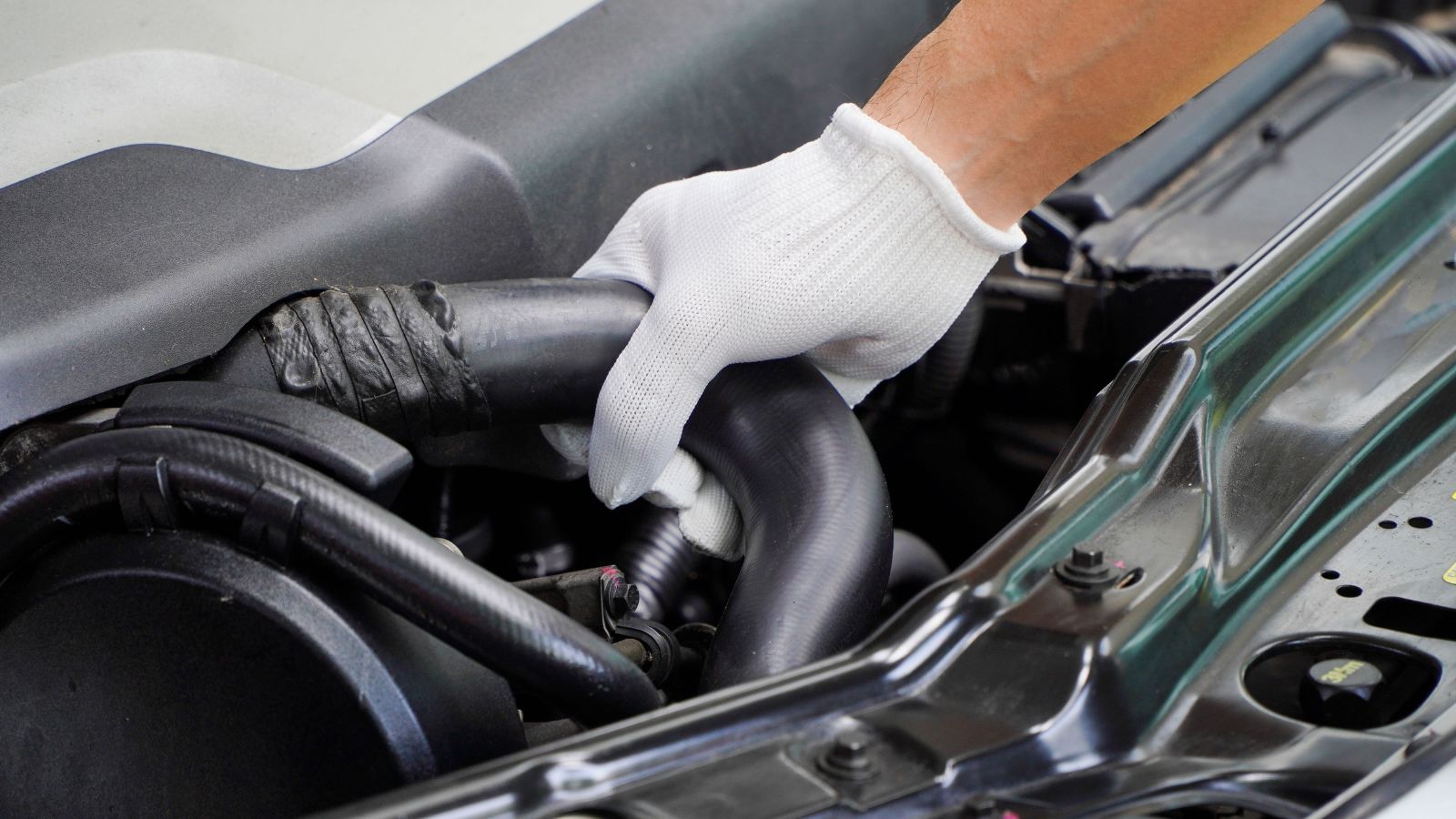
A tiny cooling-system leak may leave little evidence during a brief pre-purchase inspection. A hose connection can seep slowly, a plastic fitting can be developing a crack, or an aging radiator component may lose only a small amount of coolant over several weeks. The problem becomes much harder to ignore once cabin heat is needed every morning and the cooling system repeatedly moves through large temperature swings.
Transport Canada specifically recommends inspecting radiator hoses and related components for cracks and leaks before winter. AAA similarly notes that coolant hoses operate under substantial heat, pressure, and chemical exposure and deteriorate with age. A common real-world clue is a used car that begins needing small coolant top-ups after the weather turns cold, sometimes accompanied by a sweet smell, dried coolant residue, or inconsistent heater output. Coolant should not simply disappear during normal operation. Repeatedly topping off the reservoir without finding the source can allow a modest leak to progress into overheating, loss of cabin heat, or a much more expensive breakdown.
A Thermostat That Is Stuck Open
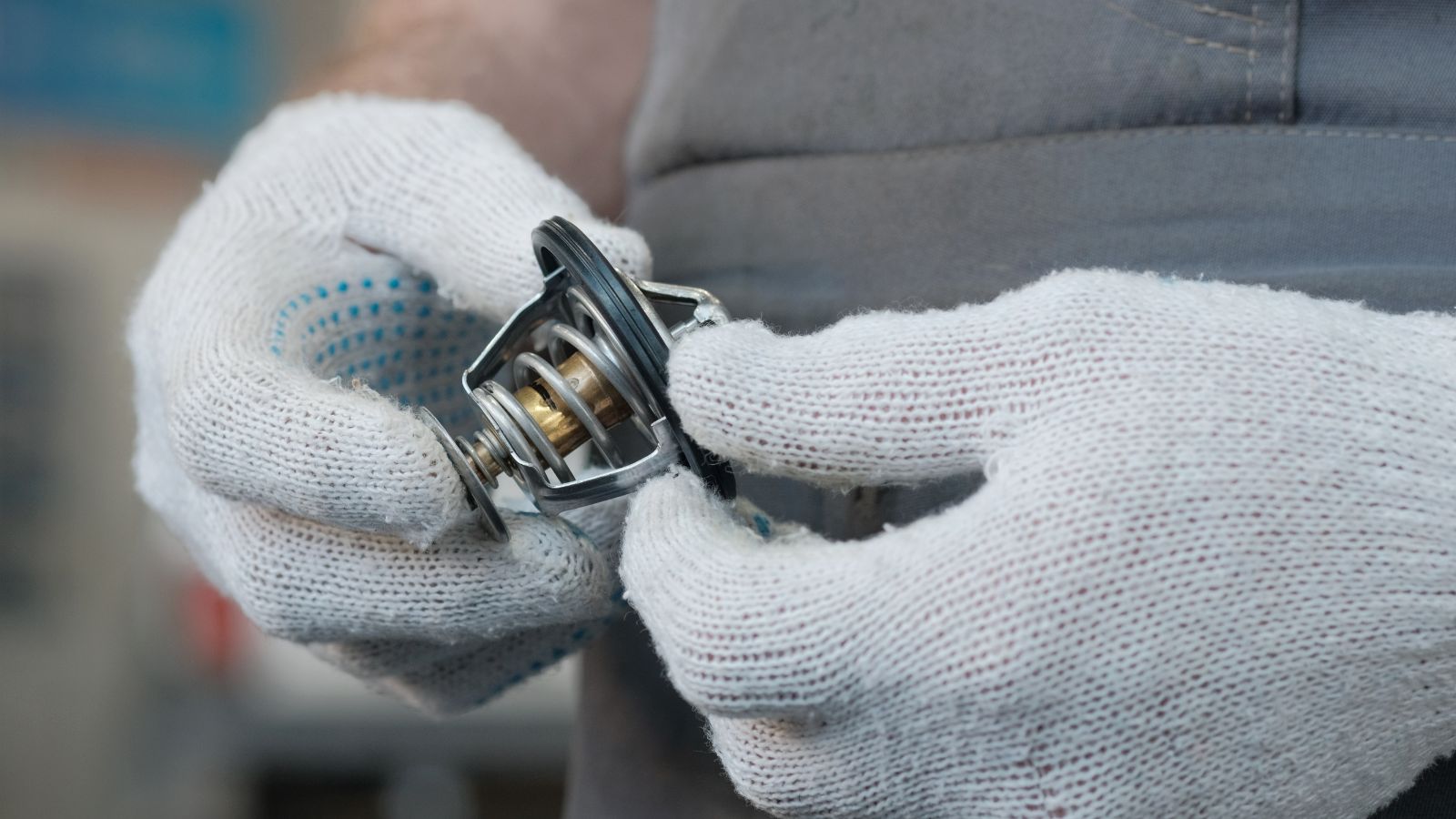
The thermostat regulates coolant flow so an engine can reach and maintain its intended operating temperature. A thermostat stuck partly or fully open can be surprisingly unobtrusive during warmer months because ambient temperatures help the engine stay warm. When winter arrives, the same vehicle may take an unusually long time to reach normal temperature, the gauge may stay lower than expected, and the heater may deliver only lukewarm air.
AAA identifies a stuck thermostat as one possible reason a car’s heater produces inadequate warmth, while Transport Canada specifically recommends checking thermostat operation as part of winter preparation. The human side of the problem tends to appear during ordinary commuting: a driver may travel 15 or 20 minutes and still be wearing gloves because the cabin never gets properly warm. Poor engine temperature regulation can also undermine windshield defrosting. A used-car shopper conducting only a short summer test drive would have little chance of spotting the issue, making the first sustained spell of cold weather its most obvious unveiling.
Low Coolant or a Weak Heater-Core Circuit
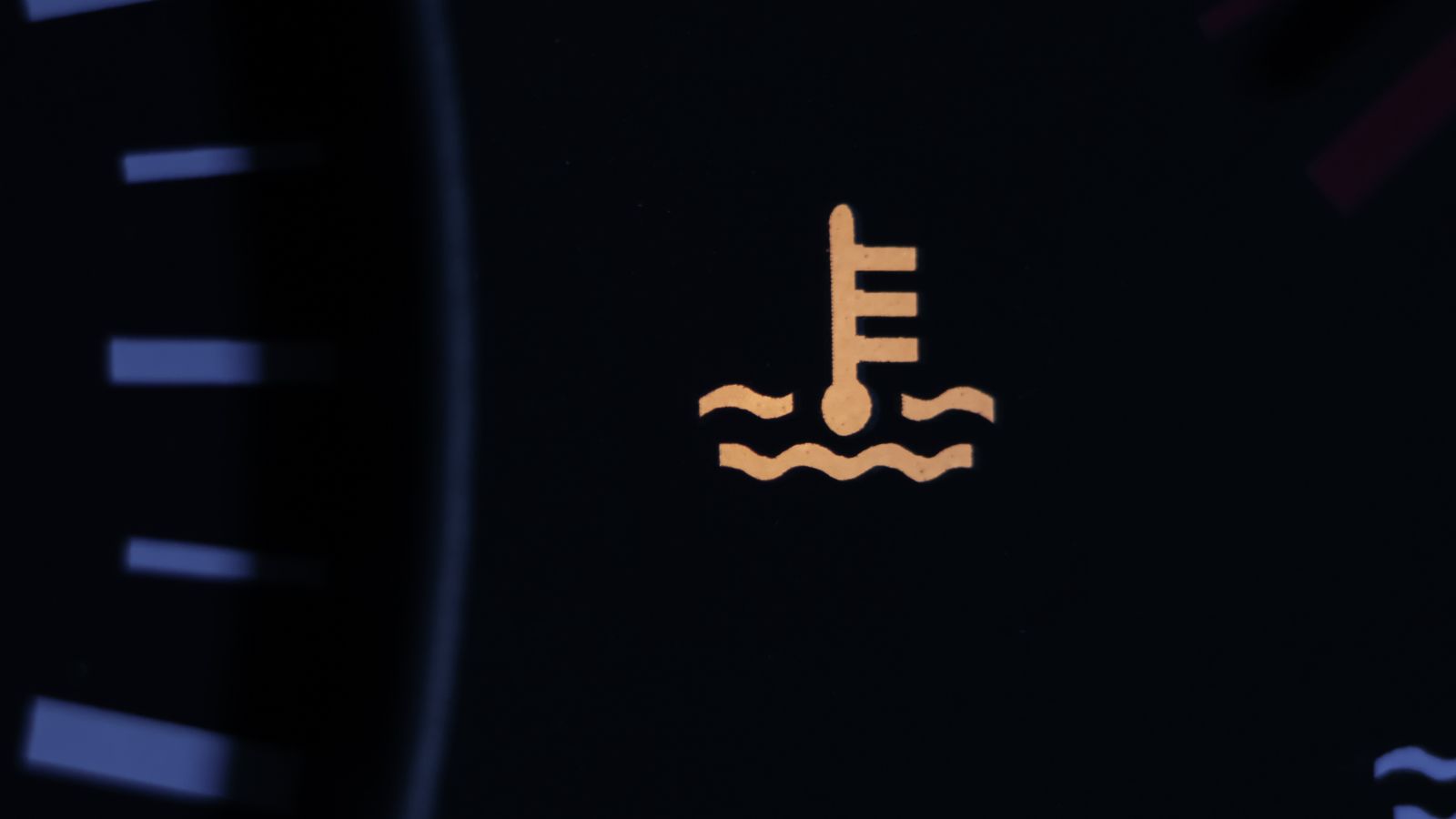
Cabin heat in most gasoline vehicles depends on hot engine coolant flowing through a small heat exchanger called the heater core. That arrangement means a heating complaint can sometimes point back to the cooling system rather than to an electrical heater problem. Low coolant, restricted flow, leaking hoses, control-valve trouble, or a partially obstructed heater core can all reduce the amount of warmth reaching the cabin.
AAA specifically advises checking coolant level when investigating a heater that blows cold air and warns that low coolant can indicate damaged hoses or loose connections. The symptom may be intermittent at first. Heat might become cooler while the vehicle idles and improve as engine speed rises, or one side of a dual-zone system may seem warmer than the other depending on the fault. The first freezing commute can therefore reveal a problem that never mattered during the sale. Because low coolant can also threaten engine temperature control, a suddenly weak heater deserves inspection rather than being dismissed as merely an inconvenience.
A Cabin Air Filter That Is Almost Completely Blocked
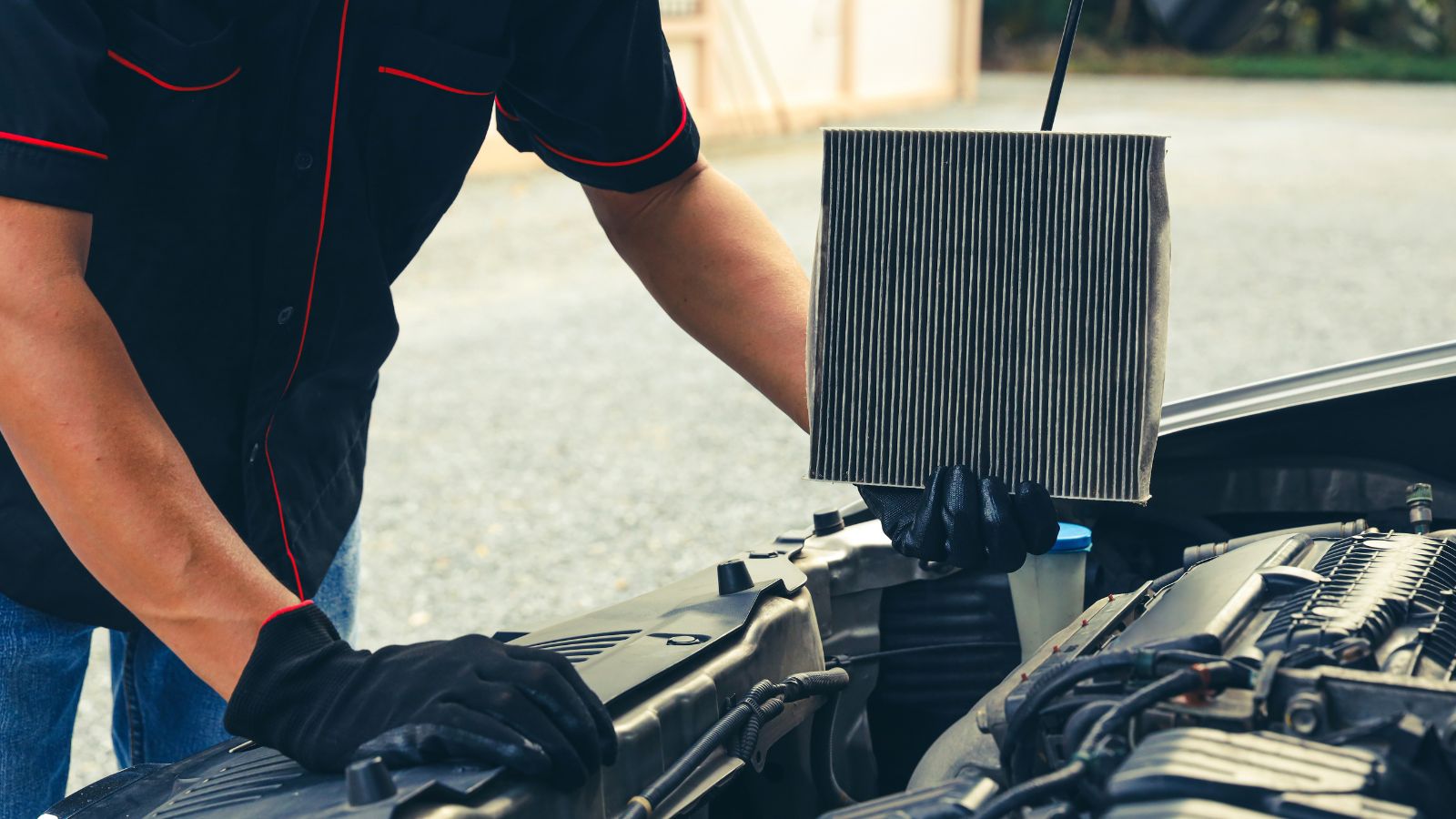
The cabin air filter is easy to forget because the vehicle can continue running perfectly with a dirty one. Yet a severely clogged filter restricts airflow through the heating, ventilation, and air-conditioning system. During summer, the owner might simply turn the fan higher. During the first cold week, inadequate airflow suddenly becomes a visibility issue because the windshield takes much longer to clear.
AAA says factory replacement recommendations commonly fall around 15,000 to 30,000 miles, although the correct interval varies by vehicle and operating conditions. It also lists weak vent output and windows that are difficult to defrost among signs of a restricted filter. That creates a classic used-car surprise: the heater may technically produce plenty of heat, but very little air reaches the glass. Removing the filter on some vehicles takes only minutes and can reveal leaves, dust, pollen, or other debris packed deeply into the pleats. If replacing it restores strong airflow, the apparent HVAC failure may turn out to be a relatively inexpensive maintenance problem.
A Blower or Defrost System That Never Had to Work Hard
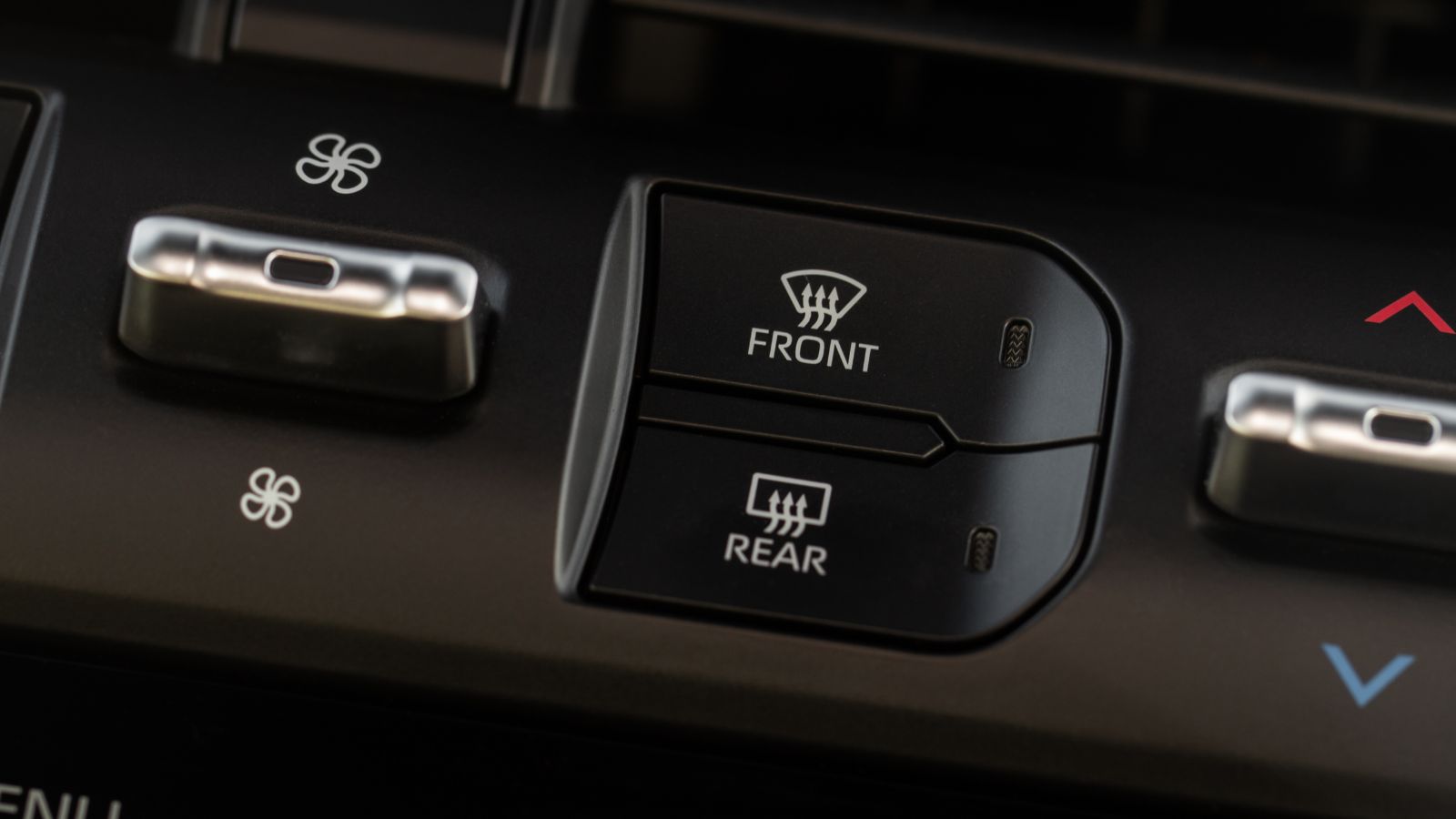
A faulty blower motor, resistor, control module, vent actuator, or defrost mode can remain hidden for months if the car is purchased when windshield clearing is rarely necessary. The fan may work only on certain speeds, airflow may disappear intermittently, or the system may refuse to direct enough air toward the windshield. None of that is easy to appreciate on a sunny test drive with the windows already clear.
Winter turns the issue into a safety concern. Transport Canada specifically recommends ensuring both the heater and defroster operate properly before cold weather. AAA also points out that effective defrosting depends on a correctly functioning heating system and adequate airflow. A driver can discover the defect on the first damp, freezing morning when breath and moisture fog the glass faster than the system can clear it. Before buying a used car, every fan speed and air-distribution mode is worth testing even when the weather makes heating seem irrelevant. Winter visibility depends on considerably more than whether the cabin eventually becomes warm.
Wiper Blades That Look Fine Until Frost Arrives
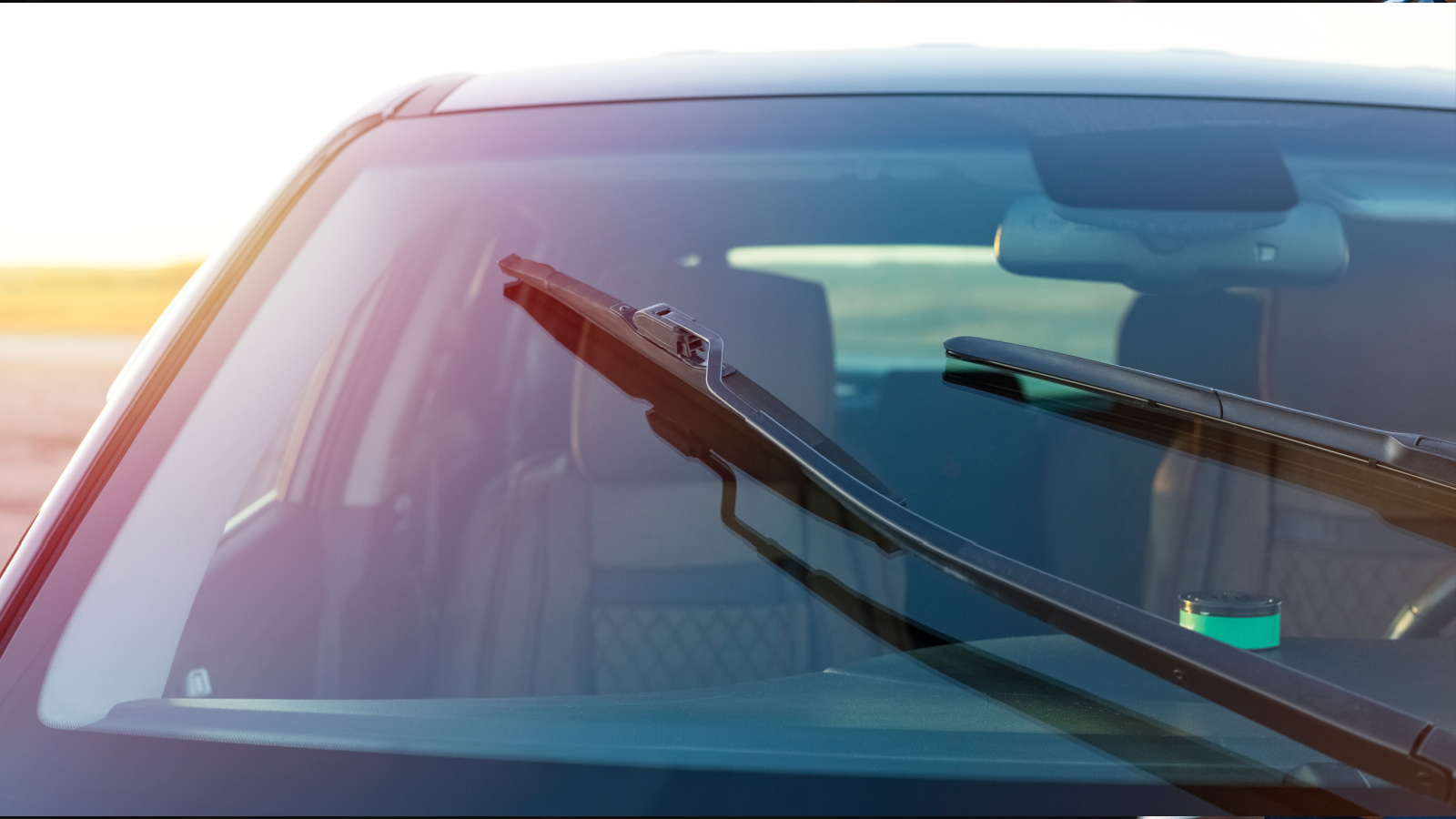
Old windshield wipers frequently survive summer unnoticed because they may be used only occasionally. Their condition becomes obvious once road spray, freezing rain, slush, and salty mist begin coating the windshield every few kilometres. Hardened or split rubber can chatter, leave broad streaks, or skip sections of glass. Ice buildup can make an already marginal blade even less effective.
Consumer Reports testing has found that even good wiper blades can begin losing effectiveness within months, while CAA advises replacement when blades start streaking and notes that winter-specific designs can help in severe conditions. The repair itself is usually simple, but poor visibility can be anything but minor. A used car that arrives with fresh paint and a spotless interior may still be wearing inexpensive blades neglected by the previous owner. Checking front and rear wipers, where fitted, before the first storm prevents a frustrating discovery during the morning commute, when headlights, dirty spray, and darkness amplify every uncleared patch of glass.
Washer Fluid That Freezes in the Reservoir or Lines
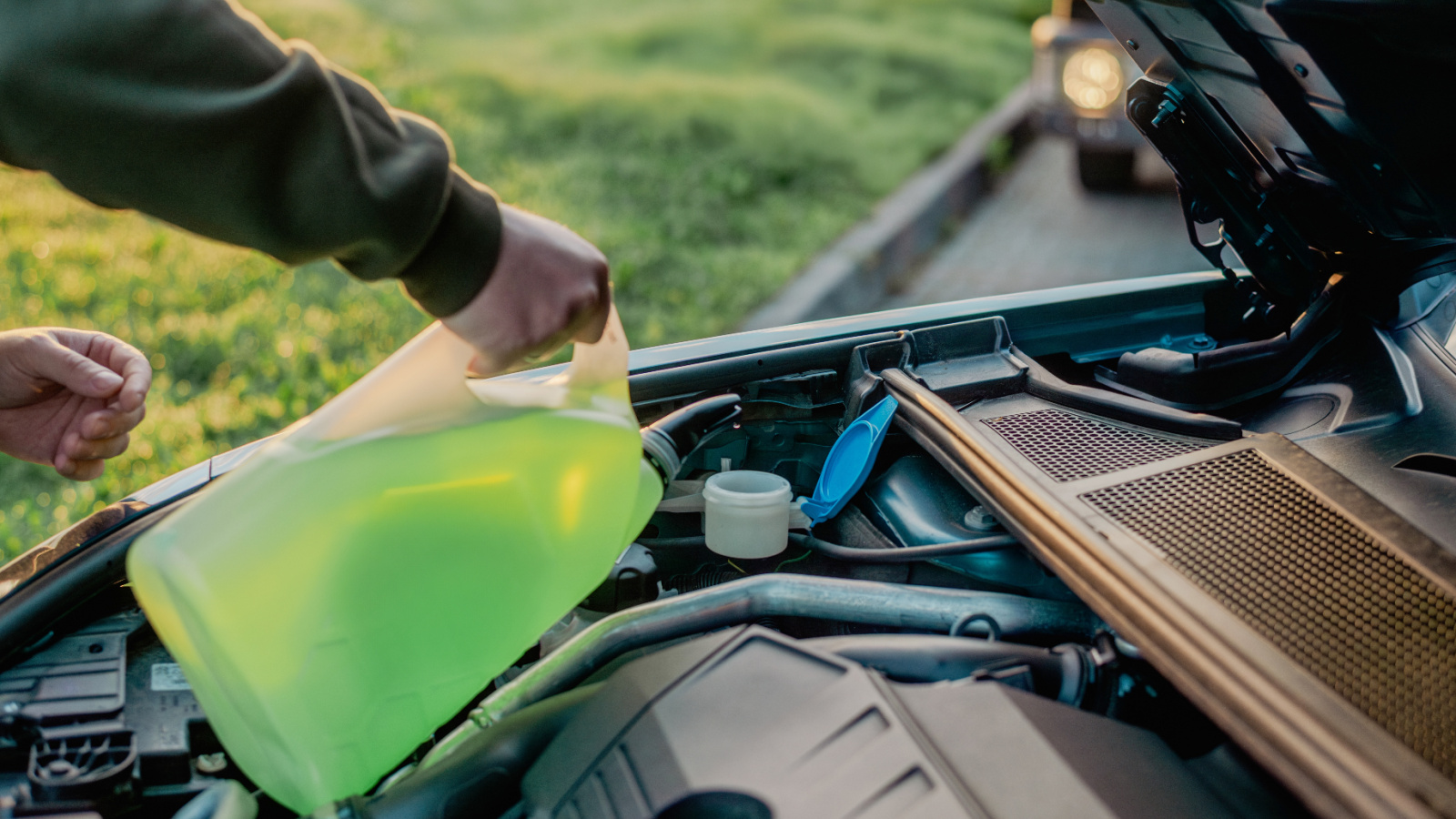
A used vehicle purchased during warm weather may still contain summer windshield fluid—or even diluted fluid with too much water. It can work perfectly until the temperature plunges. Then the pump may run without anything reaching the windshield because fluid has frozen in the reservoir, hoses, or nozzles. In some cases, freezing liquid can contribute to damage in plastic washer-system components.
Transport Canada recommends winter washer fluid rated around the -40°C range for Canadian conditions and advises carrying extra fluid. AAA likewise warns that summer formulations can freeze and specifically recommends flushing the system with winter-grade product before severe cold arrives. That flushing detail matters because merely topping off a half-full tank may leave a weaker mixture inside the lines. On a salt-covered highway, losing washer function can reduce visibility astonishingly quickly. It is one of those inexpensive used-car problems that seems trivial in October but becomes urgent the first time dirty winter spray dries across the windshield and the washer jets produce nothing.
A Slow Tire Leak That Cold Weather Suddenly Exposes
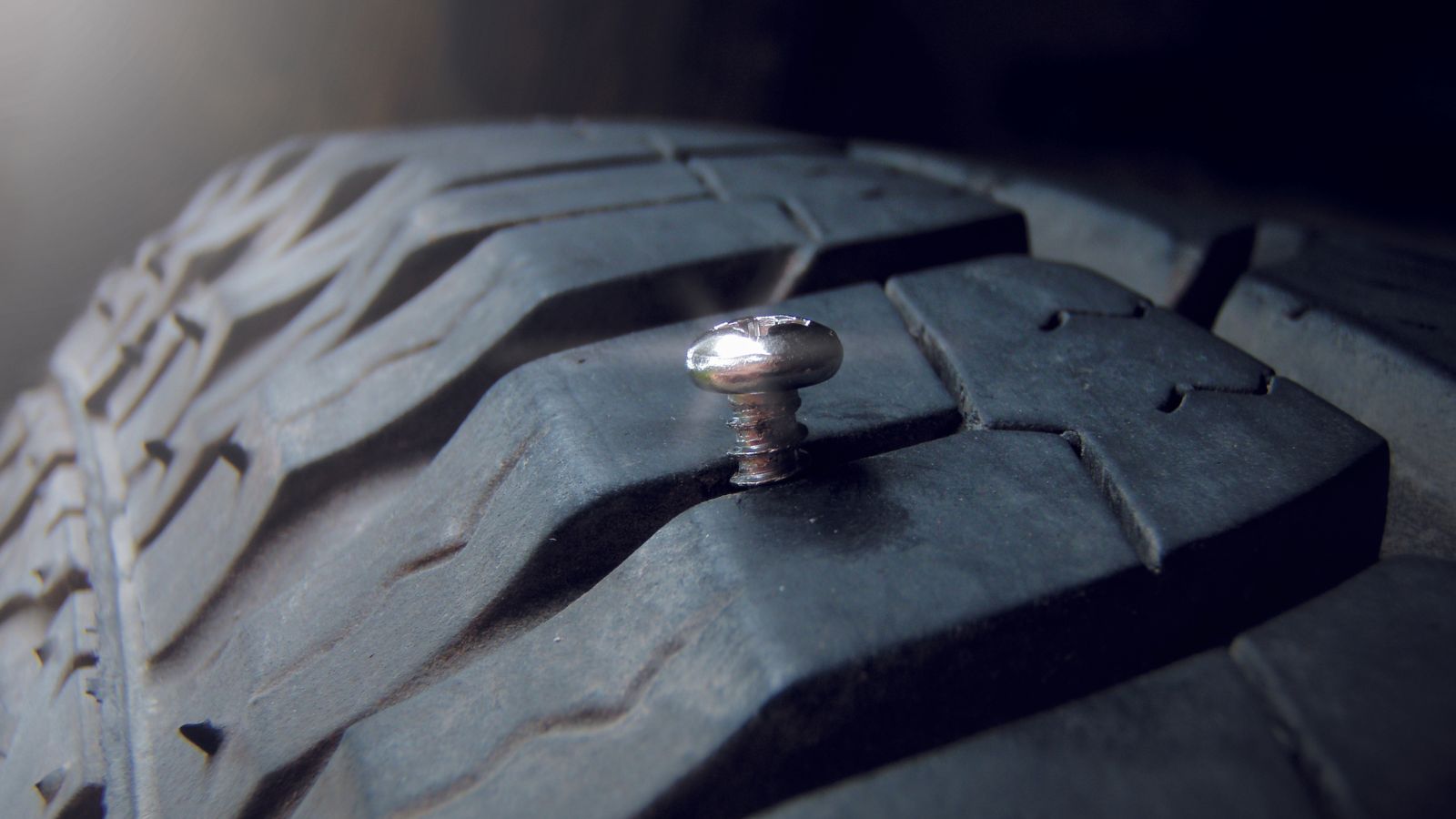
A tire can have a small puncture, valve issue, bead leak, or simply marginal inflation without appearing visibly flat. Falling temperatures then reduce the pressure further, sometimes pushing the tire below the dashboard warning threshold. Transport Canada says tire pressure drops by roughly 1 psi for every 5°C decrease in temperature, in addition to gradual natural pressure loss that occurs over time.
That means a tire set at the correct pressure on a warm autumn afternoon can be several psi lower after a major cold snap. More importantly for used-car buyers, one tire that loses substantially more pressure than the others may be revealing a real leak rather than normal temperature change. Checking all four tires with an accurate gauge when they are cold provides a useful comparison. If one repeatedly needs air while its companions remain stable, the wheel and tire assembly deserves inspection. Simply resetting the warning light every few mornings can hide a puncture, leaking valve, or wheel-sealing problem that needs repair.
Tires With Too Little Cold-Weather Grip Left
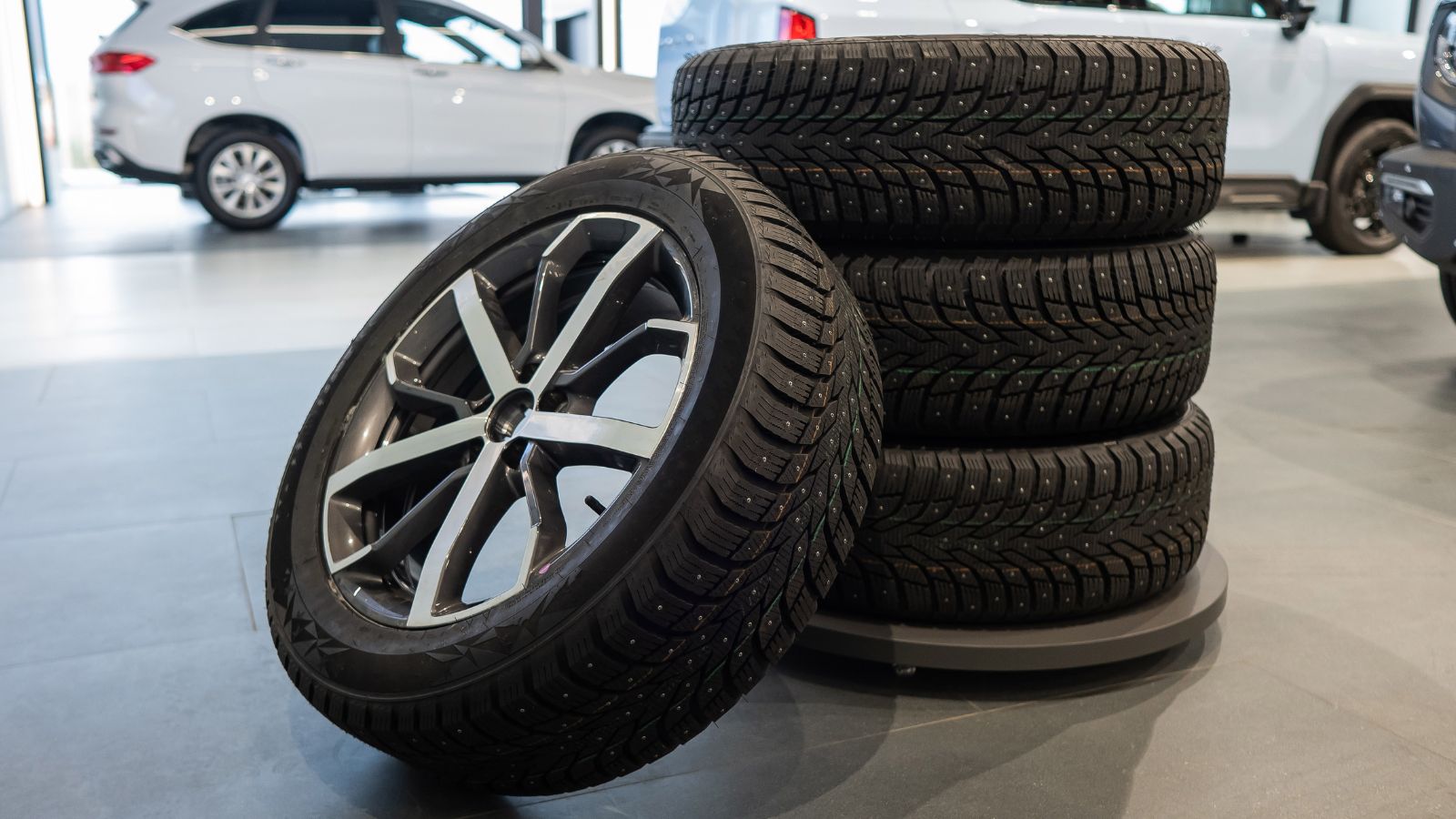
A used car can feel composed on warm, dry pavement even when its tires are poorly suited to the coming season. Cold changes the behaviour of the rubber itself. Transport Canada states that below about 7°C, all-season and summer tires begin losing elasticity, while winter tires are designed to remain flexible at lower temperatures. Worn tread further reduces the ability to deal with snow, water, and slush.
Transport Canada recommends at least 4 mm of tread depth for safer winter operation and advises fitting winter tires on all four wheels rather than mixing tire types. That makes the first cold week a revealing test of a used car that seemed to handle beautifully in September. Steering can feel less secure, braking distances can grow, and wheelspin may suddenly become common even before deep snow arrives. The problem is not necessarily a defective chassis or traction-control system. Sometimes the vehicle is simply riding on aging or unsuitable tires whose limitations became obvious only after pavement temperatures dropped.
TPMS Warnings and Winter-Wheel Compatibility Problems
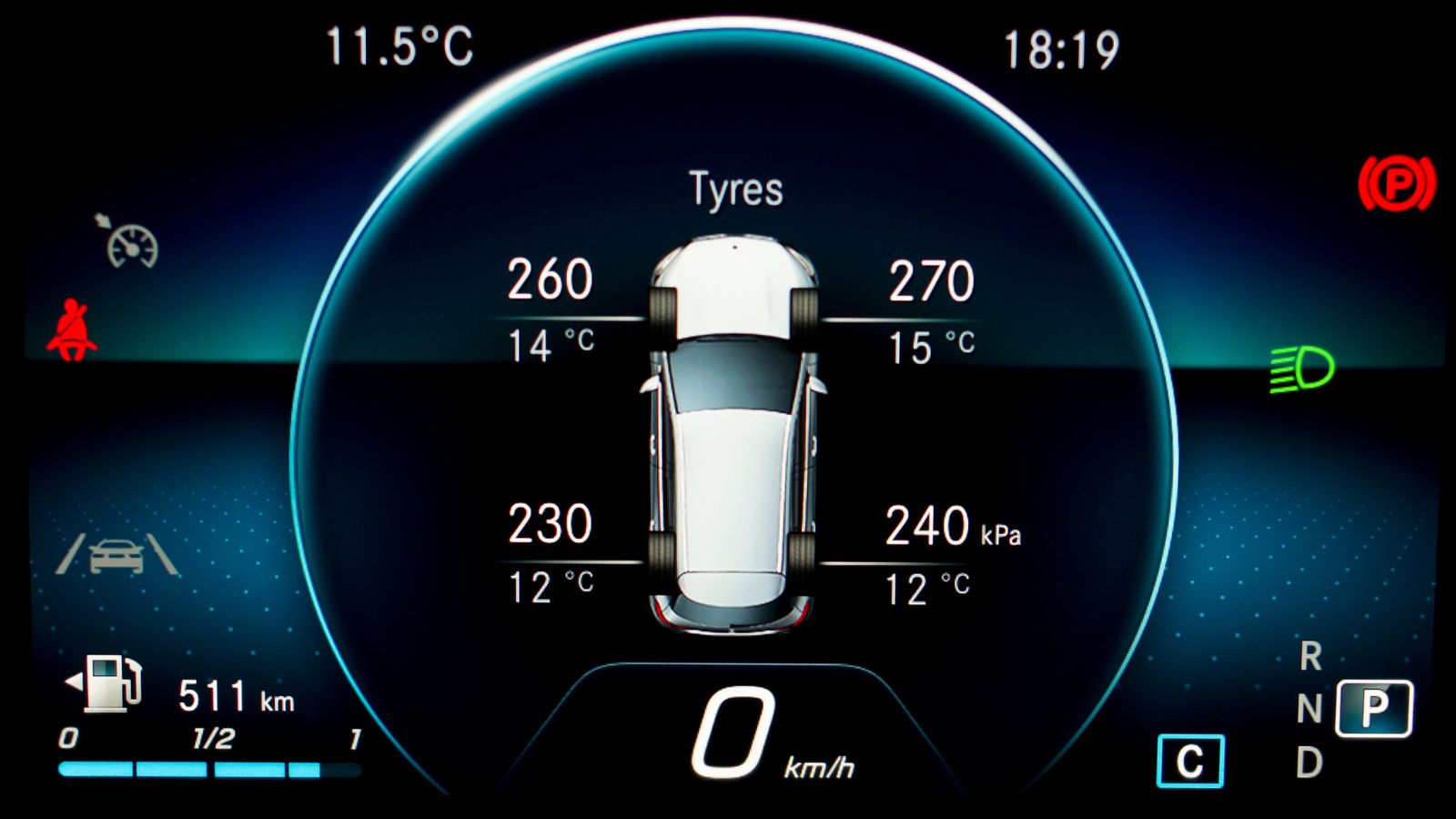
The first freezing mornings often bring a sudden appearance of the tire-pressure warning symbol. Sometimes the system is doing exactly what it should: colder air has lowered tire pressure enough to trigger the warning. NHTSA notes that a light may appear on a cold morning and disappear later as tires warm. Transport Canada similarly warns that large outside-temperature changes can activate low-pressure alerts.
Used cars can add another complication. A second set of winter wheels may have missing, incompatible, dead, or incorrectly programmed pressure sensors. Transport Canada advises that winter wheels need the correct sensor type for the vehicle and notes that some systems require resetting after wheel changes or rotations. A flashing warning rather than a steady low-pressure light can indicate a system malfunction on many vehicles. The important distinction is that TPMS is a warning system, not a substitute for a pressure gauge. The first cold week may expose either legitimately low tires or a neglected sensor problem inherited from the previous owner.
Marginal Brakes That Felt Acceptable on Dry Pavement
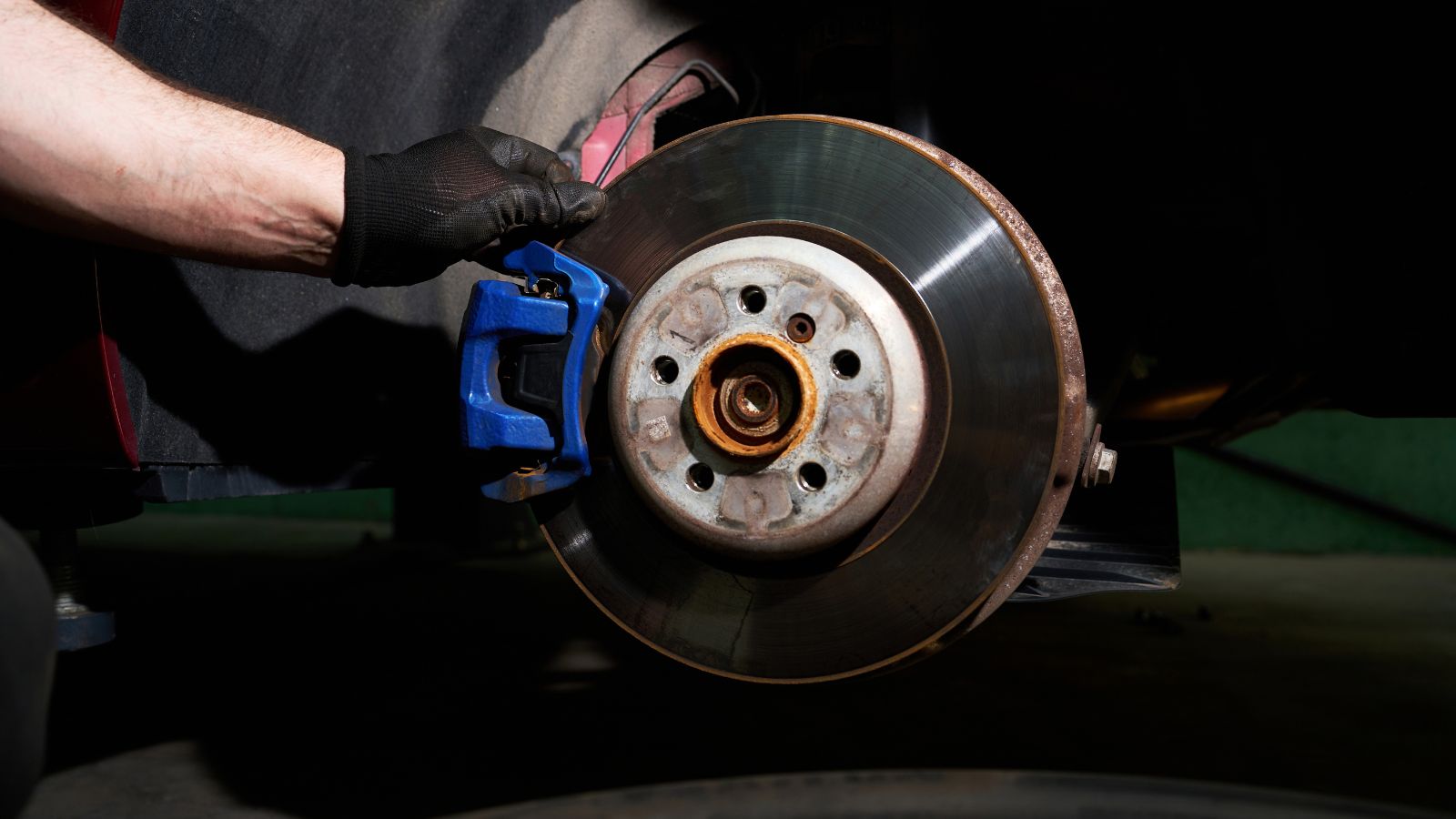
Brake wear does not suddenly begin because the thermometer drops, but winter conditions can make an existing problem impossible to ignore. Slight pulling, uneven braking, worn pads, corroded components, or a questionable pedal feel may seem tolerable on warm, dry pavement. Add frost, slush, ice, and longer stopping distances, and the car’s braking condition matters much more.
Transport Canada recommends a thorough brake inspection before winter and specifically identifies pulling, unusual pedal feel, squealing, or grinding as signs that repair may be necessary. CAA similarly emphasizes that good brakes become particularly important around black ice and unpredictable winter conditions. A used vehicle that has spent long periods parked can also deserve closer inspection because corrosion can develop on brake components. Winter itself is not proof of a mechanical defect, but the first slippery week frequently exposes how little safety margin remains. Any persistent noise, pull, vibration, or change in pedal behaviour warrants diagnosis rather than waiting for snow to make the weakness more consequential.
A Parking Brake Cable That Freezes or Sticks
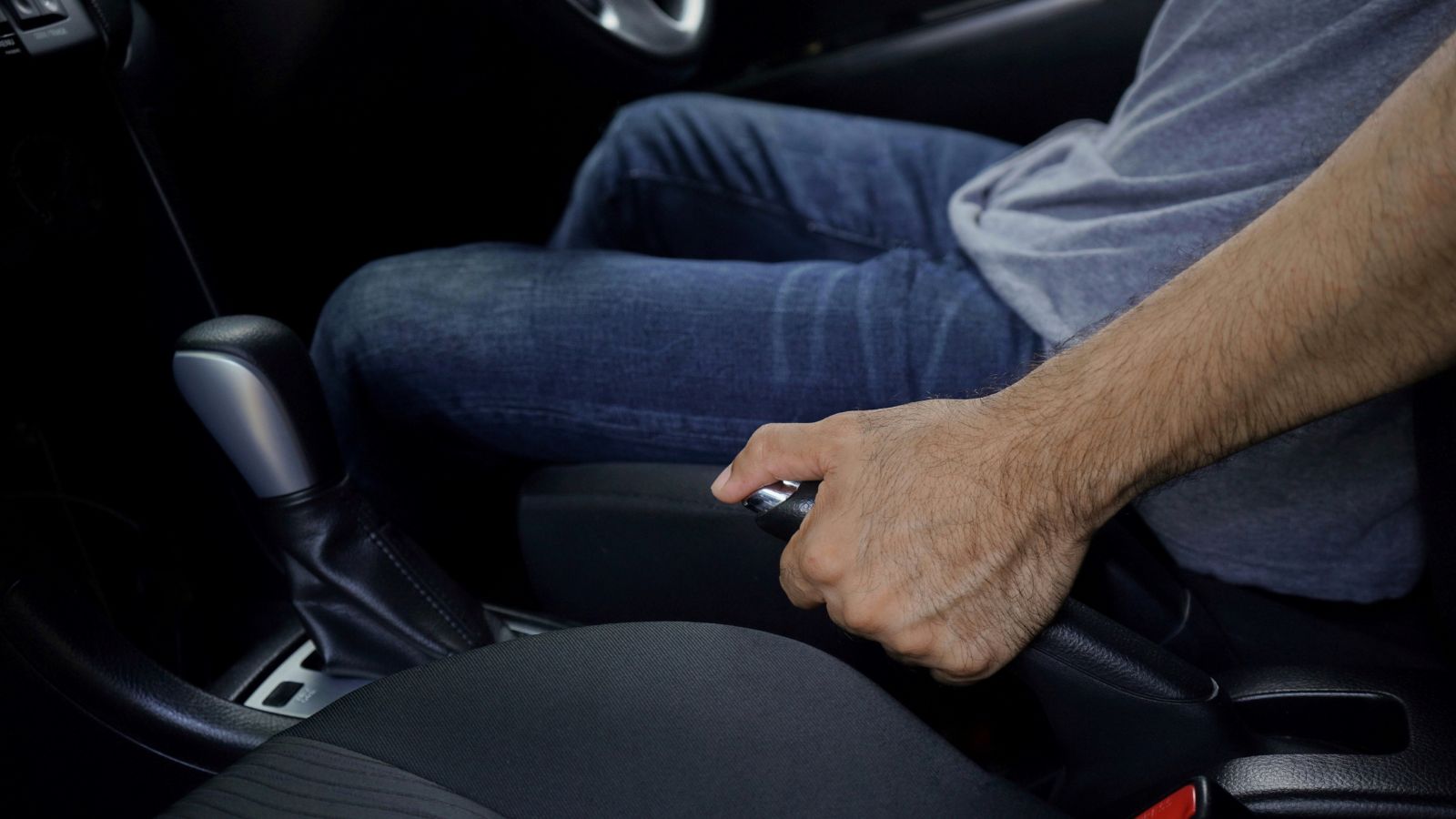
Traditional parking brakes often rely on mechanical cables and linkages. Those components can age quietly for years, accumulating corrosion or moisture while continuing to work in warm weather. Below-freezing temperatures can reveal the problem when moisture freezes and the mechanism refuses to release properly. The driver may feel unusual drag, notice that the vehicle will not roll normally, or discover that the parking brake lever or pedal behaves differently.
AAA warns that cable-operated emergency-brake systems can freeze or lock in below-freezing weather. This is especially relevant to older used cars, where protective boots and cable housings may no longer seal as effectively as they once did. Forcing a frozen mechanism can create additional damage, so persistent sticking should be inspected rather than defeated with brute force. Electronic parking brakes use different hardware and present different failure modes, meaning the advice is not universal. Still, for a conventional cable system, the first freezing night can expose corrosion and moisture that gave almost no warning throughout the warmer months.
Door Locks, Latches, and Weather Seals That Trap Moisture
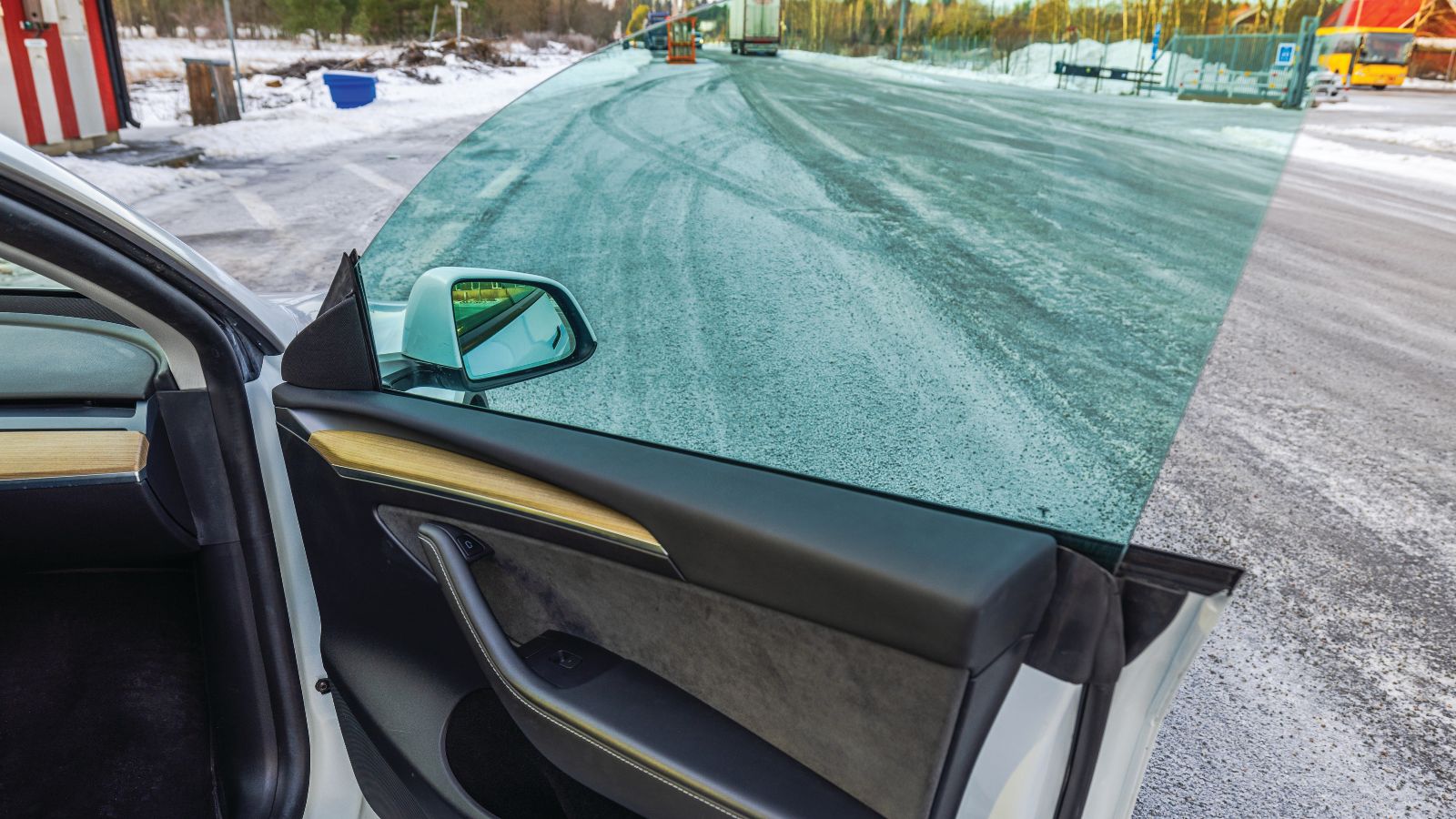
A car door that opens perfectly in October can become nearly immovable after the first combination of moisture and freezing temperatures. Water can enter a mechanical lock cylinder, settle around latch mechanisms, or remain on rubber weather seals. When it freezes, the lock may refuse to turn or the door seal can stick firmly to the body.
AAA specifically warns that moisture around door locks and rubber seals can freeze and recommends appropriate lubrication and seal treatment as preventive maintenance. It also cautions against aggressively yanking a frozen door because excessive force can damage weather stripping, handles, or related hardware. Used cars with torn seals, neglected locks, or previous body repairs may be especially worth inspecting before winter. Another clue is moisture inside the cabin after rain, which can indicate a weather-sealing problem before freezing begins. What seems like a minor annoyance can become a serious inconvenience when the vehicle is parked outdoors and none of the frequently used doors will open on a freezing morning.
A Serpentine Belt or Tensioner That Starts Complaining
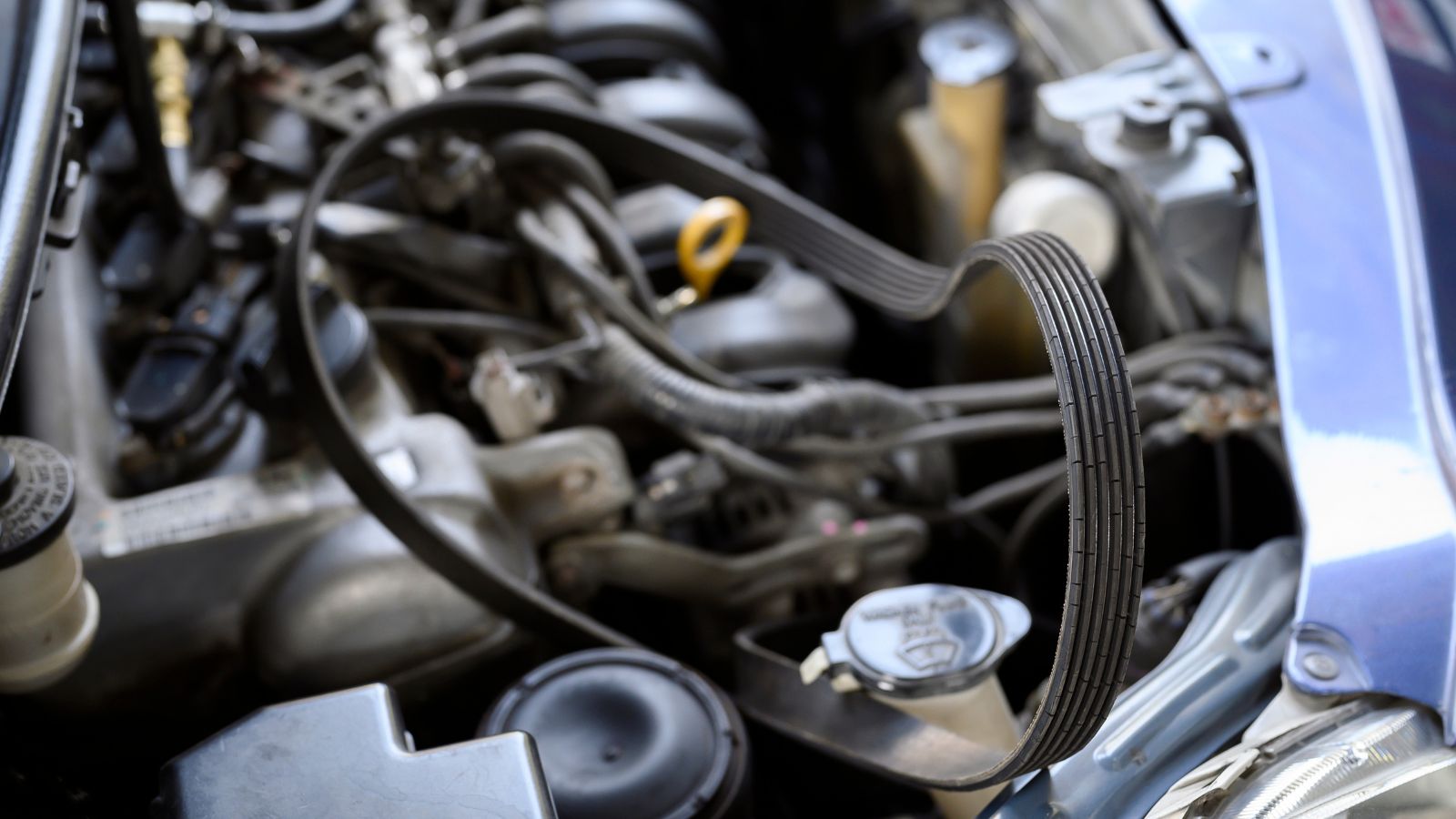
Accessory-drive belts and their tensioners spend years operating in heat, vibration, and contamination. Wear can remain almost silent during warm conditions, yet a cold start may produce a sharp squeal, chirp, grinding sound, or vibration that disappears as the engine warms. That makes the first cold mornings useful for revealing a belt-drive system that deserves closer attention.
AAA notes that squealing or chirping can indicate belt slippage caused by wear, incorrect tension, or contamination, while grinding during a cold start can point toward a failing tensioner, idler bearing, or pulley. Transport Canada also includes inspection of drive belts for cracking among its winter-preparation recommendations. This is not merely a noise issue. Depending on vehicle design, the serpentine belt can drive critical accessories such as the alternator and water pump. A seller who always presents a used car fully warmed up can unintentionally—or intentionally—hide cold-start noises. Hearing the vehicle start completely cold remains one of the most useful parts of a pre-purchase inspection.
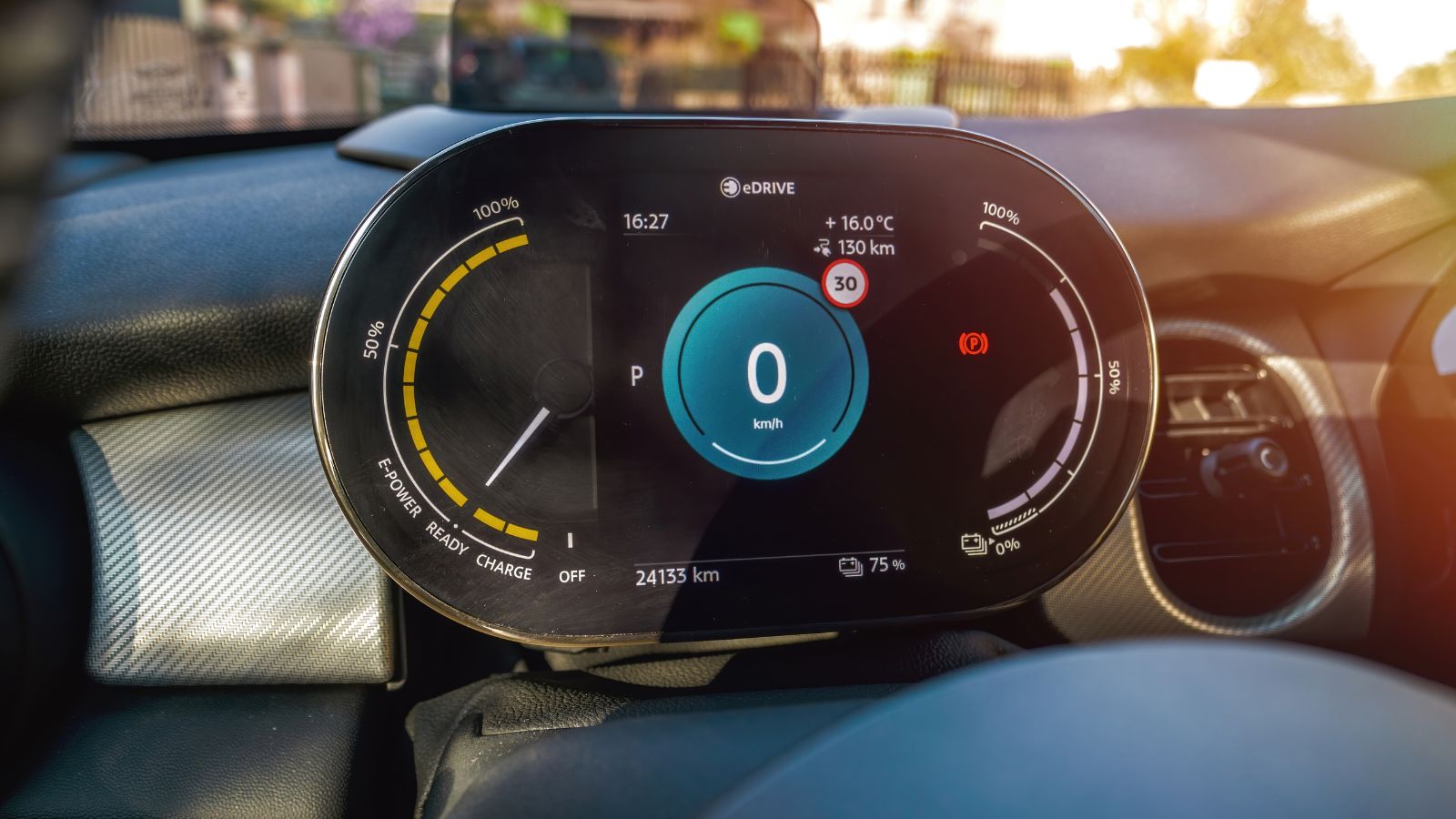
An Older EV Battery With Much Less Winter Margin Than Expected
A used electric vehicle may deliver reassuring range in mild weather and then appear dramatically less capable once temperatures fall. Some winter reduction is normal rather than evidence of a defective battery: cold battery chemistry, cabin heating, battery conditioning, defrosting, and increased rolling resistance all consume energy. Consumer Reports has measured roughly a 25 percent cold-weather highway range reduction in testing around 16°F, with larger losses possible during repeated short trips that require the cabin to be reheated.
The used-car complication is battery aging. An older EV may already have less usable capacity than it had when new, so normal winter losses leave a much smaller practical buffer. Consumer Reports therefore recommends examining battery health when buying a used EV rather than judging it solely from one dashboard range estimate. The first cold week can reveal whether a vehicle that seemed comfortably adequate in September becomes inconvenient in January. Cold-weather range by itself does not prove battery failure, but it can expose how much real-world capacity and charging flexibility remain.
19 Used Cars Canadians Should Avoid in 2026 (Based on Owner Complaints)

Buying a used car in Canada can feel safe until repair bills start stacking up. Owner complaints tell a different story than glossy listings. Transmission failures, electrical problems, and weak winter reliability show up again and again in consumer reports. Many of these issues appear after warranties expire, when owners least expect them. Some vehicles look affordable upfront, but become expensive to keep on the road. Others struggle in cold weather, urban driving, or long highway commutes. Here are 19 used cars Canadians should avoid in 2026 (based on owner complaints).
19 Used Cars Canadians Should Avoid in 2026 (Based on Owner Complaints)