





















• About
  • Contact
AutoIgloo
  • News & Trends
    Stellantis Puts 800,000 Connected Work Vehicles Under New Monitoring System — Canada Rollout Not Named

    More Than 2,000 Brampton Auto Jobs Hang in the Balance as Stellantis Workers Begin Strike Vote

    Waymo Picks Singapore for Its First Southeast Asian Robotaxi Market With All-Electric Jaguar Fleet

    Waymo’s Toronto Robotaxis Face a Major Canadian Winter Test as Experts Warn Snow Can Confuse Sensors

    Canadian Gas Prices Jump More Than Three Cents to Nearly $1.80/L as $1.85 Looms

    Canadian Gasoline Falls 2.9 Cents, but Diesel Remains Near $2.64 a Litre

    ⁠Oil Drops 2% but Stays Near $100 as Canadian Drivers Face Another Volatile Fuel Day

    Trump Waives 100% Tariffs on Major Russian-Oil Buyers as Canadian Drivers Face High Fuel Prices

    Ottawa Commits $18.5 Million to Volvo-Owned Quebec Plant to Help Protect 1,265 Auto-Sector Jobs

    Ottawa Commits $18.5 Million to Volvo-Owned Quebec Plant to Help Protect 1,265 Auto-Sector Jobs

    Stellantis Launches Up to $7,500 in Canadian Jeep Discounts as Tariff Fight Squeezes Auto Market

    Stellantis Explores China-Built Jeep Imports for Canada as 2,200 Brampton Jobs Hang in the Balance

  • Car Reviews
    Honda Asked Suppliers for 30% Parts Cost Cuts as $9.4-Billion Savings Drive Hits Global Supply Chain

    Why Some Buyers Are Choosing Older Hondas Over Newer SUVs

    18 Things That Can Make a Car Unsafe for Winter Road Trips

    Why Some Drivers Are Avoiding Vehicles With Complex Infotainment Systems

    21 Cars Canadians Are Starting to Regret Buying

    Why Some Drivers Regret Buying Big Wheels and Low-Profile Tires

    17 Vehicles That Are Quietly Getting Crushed by Insurance Costs in Canada

    Why So Many Drivers Are Nervous About Chinese-Made EV Batteries

    20 Used SUVs Canadians Should Think Twice About Buying

    20 Used SUVs Canadians Should Think Twice About Buying

    15 Vehicles That Are Starting to Feel Like a Bad Deal Around May Long Weekend

    15 Vehicles That Are Starting to Feel Like a Bad Deal Around May Long Weekend

  • Buying Guides
    18 Things That Can Make a Car Harder to Park Than Expected

    Why Some Buyers Regret Choosing the Sport Package

    The Traffic Stop Mistake That Can Turn a Warning Into a Ticket

    20 Things Canadians Should Check Before Buying a Vehicle With a Loan Still Owing

    The Dealership Fee That Buyers Should Always Ask About

    The Dealership Fee That Buyers Should Always Ask About

    23 Features That Are Making New Cars Harder (and Pricier) to Repair in Canada

    Why Some Canadians Are Avoiding Cars With Expensive Windshields

    18 Red Flags a Used Vehicle May Be a Money Pit

    The Car Buying Mistake That Makes Negotiating Almost Impossible

    Why Some Canadians Are Regretting Buying Vehicles With No Spare Tire

    Why Some Canadians Are Regretting Buying Vehicles With No Spare Tire

  • Comparisons
    Honda Asked Suppliers for 30% Parts Cost Cuts as $9.4-Billion Savings Drive Hits Global Supply Chain

    Why Some Buyers Are Choosing Older Hondas Over Newer SUVs

    25 EV Charging Mistakes Canadians Make in March (That Wreck Range)

    Why Some Canadians Are Choosing Hybrids Over Full EVs Again

    21 Used Car Features That Can Become Expensive Problems Later

    Why Some Canadians Are Choosing Front-Wheel Drive Over All-Wheel Drive

    Canada’s Auto Fight Gets Uglier as BYD Threatens to Sue Trump Administration

    Tesla Vs. BYD: Are Chinese EV’s Actually Better for Canadians?

    17 Vehicles That Are Quietly Getting Crushed by Insurance Costs in Canada

    Why So Many Drivers Are Nervous About Chinese-Made EV Batteries

    20 Used SUVs Canadians Should Think Twice About Buying

    20 Used SUVs Canadians Should Think Twice About Buying

  • EVs & Hybrids
    Geely Auto’s Core Profit Jumps 46% as Chinese EV Expansion Accelerates — With Canada Now Opening to Geely-Owned Lotus

    Geely Confirms Canadian Vehicle Sales for 2027 as Chinese Automakers Challenge Established Brands

    18 Cars That Will Feel Dated Fast as New Chinese EVs Arrive

    12 EVs Now Price Below $41,000 in Canada—Fiat 500e Falls Under $30,000 With Rebate

    The Used EV Question Canadians Should Ask Before Buying One

    The Used EV Question Canadians Should Ask Before Buying One

    Why Some EV Owners Are Getting Sticker Shock From Home Charging Setups

    Why Some EV Owners Are Getting Sticker Shock From Home Charging Setups

    20 Signs Your Car Battery Is About to Leave You Stranded

    Canadian Auto Jobs Become a Central Fault Line as Ottawa Reveals Why It Rejected U.S. Vehicle Terms

    25 EV Charging Mistakes Canadians Make in March (That Wreck Range)

    Why Some Canadians Are Choosing Hybrids Over Full EVs Again

  • More
    • Pricing & Deals
    • Winter Driving
    • Ownership & Maintenance
No Result
View All Result
AutoIgloo
  • News & Trends
    Stellantis Puts 800,000 Connected Work Vehicles Under New Monitoring System — Canada Rollout Not Named

    More Than 2,000 Brampton Auto Jobs Hang in the Balance as Stellantis Workers Begin Strike Vote

    Waymo Picks Singapore for Its First Southeast Asian Robotaxi Market With All-Electric Jaguar Fleet

    Waymo’s Toronto Robotaxis Face a Major Canadian Winter Test as Experts Warn Snow Can Confuse Sensors

    Canadian Gas Prices Jump More Than Three Cents to Nearly $1.80/L as $1.85 Looms

    Canadian Gasoline Falls 2.9 Cents, but Diesel Remains Near $2.64 a Litre

    ⁠Oil Drops 2% but Stays Near $100 as Canadian Drivers Face Another Volatile Fuel Day

    Trump Waives 100% Tariffs on Major Russian-Oil Buyers as Canadian Drivers Face High Fuel Prices

    Ottawa Commits $18.5 Million to Volvo-Owned Quebec Plant to Help Protect 1,265 Auto-Sector Jobs

    Ottawa Commits $18.5 Million to Volvo-Owned Quebec Plant to Help Protect 1,265 Auto-Sector Jobs

    Stellantis Launches Up to $7,500 in Canadian Jeep Discounts as Tariff Fight Squeezes Auto Market

    Stellantis Explores China-Built Jeep Imports for Canada as 2,200 Brampton Jobs Hang in the Balance

  • Car Reviews
    Honda Asked Suppliers for 30% Parts Cost Cuts as $9.4-Billion Savings Drive Hits Global Supply Chain

    Why Some Buyers Are Choosing Older Hondas Over Newer SUVs

    18 Things That Can Make a Car Unsafe for Winter Road Trips

    Why Some Drivers Are Avoiding Vehicles With Complex Infotainment Systems

    21 Cars Canadians Are Starting to Regret Buying

    Why Some Drivers Regret Buying Big Wheels and Low-Profile Tires

    17 Vehicles That Are Quietly Getting Crushed by Insurance Costs in Canada

    Why So Many Drivers Are Nervous About Chinese-Made EV Batteries

    20 Used SUVs Canadians Should Think Twice About Buying

    20 Used SUVs Canadians Should Think Twice About Buying

    15 Vehicles That Are Starting to Feel Like a Bad Deal Around May Long Weekend

    15 Vehicles That Are Starting to Feel Like a Bad Deal Around May Long Weekend

  • Buying Guides
    18 Things That Can Make a Car Harder to Park Than Expected

    Why Some Buyers Regret Choosing the Sport Package

    The Traffic Stop Mistake That Can Turn a Warning Into a Ticket

    20 Things Canadians Should Check Before Buying a Vehicle With a Loan Still Owing

    The Dealership Fee That Buyers Should Always Ask About

    The Dealership Fee That Buyers Should Always Ask About

    23 Features That Are Making New Cars Harder (and Pricier) to Repair in Canada

    Why Some Canadians Are Avoiding Cars With Expensive Windshields

    18 Red Flags a Used Vehicle May Be a Money Pit

    The Car Buying Mistake That Makes Negotiating Almost Impossible

    Why Some Canadians Are Regretting Buying Vehicles With No Spare Tire

    Why Some Canadians Are Regretting Buying Vehicles With No Spare Tire

  • Comparisons
    Honda Asked Suppliers for 30% Parts Cost Cuts as $9.4-Billion Savings Drive Hits Global Supply Chain

    Why Some Buyers Are Choosing Older Hondas Over Newer SUVs

    25 EV Charging Mistakes Canadians Make in March (That Wreck Range)

    Why Some Canadians Are Choosing Hybrids Over Full EVs Again

    21 Used Car Features That Can Become Expensive Problems Later

    Why Some Canadians Are Choosing Front-Wheel Drive Over All-Wheel Drive

    Canada’s Auto Fight Gets Uglier as BYD Threatens to Sue Trump Administration

    Tesla Vs. BYD: Are Chinese EV’s Actually Better for Canadians?

    17 Vehicles That Are Quietly Getting Crushed by Insurance Costs in Canada

    Why So Many Drivers Are Nervous About Chinese-Made EV Batteries

    20 Used SUVs Canadians Should Think Twice About Buying

    20 Used SUVs Canadians Should Think Twice About Buying

  • EVs & Hybrids
    Geely Auto’s Core Profit Jumps 46% as Chinese EV Expansion Accelerates — With Canada Now Opening to Geely-Owned Lotus

    Geely Confirms Canadian Vehicle Sales for 2027 as Chinese Automakers Challenge Established Brands

    18 Cars That Will Feel Dated Fast as New Chinese EVs Arrive

    12 EVs Now Price Below $41,000 in Canada—Fiat 500e Falls Under $30,000 With Rebate

    The Used EV Question Canadians Should Ask Before Buying One

    The Used EV Question Canadians Should Ask Before Buying One

    Why Some EV Owners Are Getting Sticker Shock From Home Charging Setups

    Why Some EV Owners Are Getting Sticker Shock From Home Charging Setups

    20 Signs Your Car Battery Is About to Leave You Stranded

    Canadian Auto Jobs Become a Central Fault Line as Ottawa Reveals Why It Rejected U.S. Vehicle Terms

    25 EV Charging Mistakes Canadians Make in March (That Wreck Range)

    Why Some Canadians Are Choosing Hybrids Over Full EVs Again

  • More
    • Pricing & Deals
    • Winter Driving
    • Ownership & Maintenance
No Result
View All Result
AutoIgloo
No Result
View All Result

Home » News & Trends

Canada’s Average Gas Price Hits 167.9¢ a Litre, Up 36¢ From a Year Ago

Nate Brewer by Nate Brewer
August 18, 2026
Reading Time: 6 mins read
A A
Image Credit: Shutterstock

Image Credit: Shutterstock

466
SHARES
1.5k
VIEWS
Share on FacebookShare on Twitter

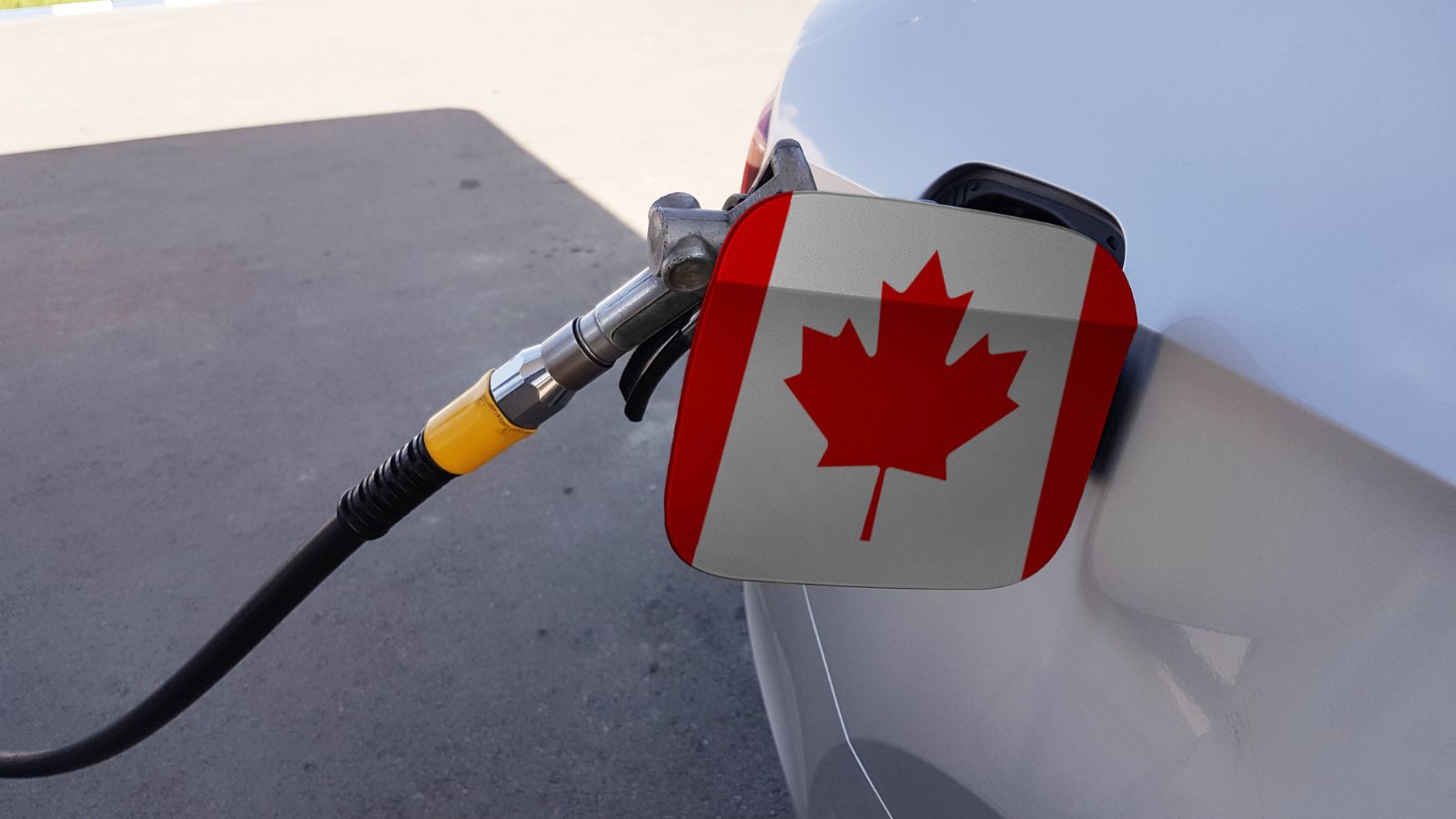
Canadian drivers are facing another jolt at the pump. CAA’s national average for regular gasoline reached 167.9 cents a litre on August 18, up from 131.9 cents a litre a year earlier. That 36-cent increase works out to roughly 27% in 12 months, even though prices remain below the peaks reached earlier this year.

The renewed squeeze is arriving as gasoline again becomes a major force in Canada’s inflation numbers. July consumer prices rose 3.0% from a year earlier, while gasoline jumped 25.7%. Global oil-market tensions, elevated refining margins and regional cost differences are all feeding into what motorists pay. A temporary federal excise-tax suspension is cushioning the blow for now, but that relief is scheduled to end after Labour Day.

The 36-Cent Increase Is Bigger Than It Looks

CAA’s 167.9-cent national average tells two stories at once. It is 1.1 cents higher than the previous day and 4.8 cents above the level recorded a week earlier, showing that prices have recently turned upward again. Yet it remains 4.5 cents below the 172.4-cent average from a month earlier. Canada has therefore not returned to the year’s worst levels, but the short-term direction has become uncomfortable again for motorists watching every fill.

The year-over-year comparison is harder to dismiss. A 50-litre fill at 167.9 cents costs about $83.95. At last year’s 131.9-cent average, the same amount would have cost $65.95, a difference of $18. For a household buying roughly 50 litres every two weeks, that gap alone would translate to about $468 over a year if it persisted. A 60-litre fill carries a year-over-year difference of $21.60, enough to be noticed in a routine Canadian household budget today as well.

Gasoline Is Driving Canada’s Inflation Higher

Gasoline is not merely a visible household expense; it is now doing much of the work behind Canada’s headline inflation rate. Statistics Canada reported that the Consumer Price Index rose 3.0% year over year in July, up from 2.8% in June. Gasoline prices were 25.7% higher than a year earlier, while transportation costs rose 7.8%, making the pump one of the clearest sources of pressure in the latest inflation reading.

The contrast with the rest of the basket matters. Excluding gasoline, annual inflation held at 2.2% for a third consecutive month. Grocery inflation slowed to 3.1%, while shelter costs rose 1.3%. That means the current increase is not simply evidence that every major household expense is accelerating at the same pace. For families, however, that distinction can feel academic when fuel is purchased weekly and its price is displayed in giant numbers at every roadside station nationwide each week today.

The Pressure Starts Far Beyond Canada’s Borders

The biggest force behind the 2026 fuel shock has come from outside Canada. The Bank of Canada says conflict in the Middle East disrupted shipments of crude oil and refined petroleum products, lifting oil prices and widening gasoline refinery margins. Those margins matter because drivers pay not only for crude oil but also for the cost and scarcity of turning it into usable fuel and moving it through distribution.

That pressure has not disappeared. On August 18, Brent crude traded around US$91 a barrel and West Texas Intermediate near US$85 as hopes for a durable U.S.-Iran agreement faded and concerns about the Strait of Hormuz intensified. Earlier in the summer, oil had retreated substantially from its spring highs, but gasoline prices did not fall by the same proportion. The Bank of Canada has pointed to constrained global gasoline supply and elevated refinery margins as reasons pump prices stayed stubbornly high.

Canadians Are Already Getting Temporary Tax Relief

One reason the current national average is striking is that Canadians are already receiving temporary federal tax relief on fuel. Ottawa reduced the federal excise tax on gasoline from 10 cents a litre to zero for fuel on which the tax became payable after April 19. The measure took effect April 20 and remains in place through September 7, covering most of the summer driving season.

The suspension does not erase provincial fuel taxes, sales taxes or other costs embedded in a litre of gasoline. More importantly, it is temporary. Under the legislation now in force, the federal excise tax returns to 10 cents a litre on September 8. For a 50-litre purchase, the restored excise-tax component represents $5 before any interaction with sales taxes or other pricing changes. Market prices could offset some of that effect, but the scheduled restoration creates clear upward pressure heading into early September nationally.

Where Canadians Live Still Makes a Big Difference

A national average can hide major differences from one province to another. GasBuddy’s current provincial comparison shows regular gasoline around 160.9 cents a litre in Ontario and 162.1 cents in Alberta, both below the national figure, while Quebec is around 176.1 cents. Those gaps can make the same family road trip or work commute noticeably more expensive simply because of where the fuel is purchased.

CAA notes that regional pump prices reflect more than crude oil. Provincial and local taxes, competition among stations, sales volumes, distribution costs and station location all affect the final number on the sign. The result is a patchwork rather than a single Canadian market price. A driver crossing provincial boundaries can therefore encounter a meaningful change even when wholesale oil markets have barely moved that day. For households near a border, timing a fill-up can become part of budgeting rather than a minor travel decision.

The Household Math Adds Up Quickly

The 36-cent annual increase becomes more tangible when translated into everyday driving. Someone who buys 40 litres a week is paying about $14.40 more per fill than at last year’s national average. Over 52 weeks, that would amount to roughly $749 if the price gap stayed unchanged. A larger vehicle taking 70 litres at a time would face a $25.20 difference on a comparable fill.

These examples are not estimates of what the typical Canadian household spends; driving distances, vehicle efficiency and fill sizes vary widely. They do show why gasoline can reshape budgets quickly. Fuel is difficult to postpone for commuters, tradespeople, rural residents and parents managing school or activity schedules. Unlike a discretionary purchase that can simply be skipped, a higher pump price can force households to find savings elsewhere, whether by combining errands, delaying another expense or choosing fewer long-distance trips during particularly expensive weeks nationwide today.

Fuel Costs Can Spread Through the Wider Economy

Higher gasoline prices can travel well beyond the service station. The Bank of Canada has reported that some businesses introduced fuel surcharges as energy costs rose, while war-related pressures also appeared in petrochemicals, plastic resins and fertilizer. Trucking, construction, agriculture and delivery-intensive businesses are especially exposed because fuel is a recurring operating cost rather than an occasional household purchase.

That does not mean every extra dollar of fuel cost is automatically passed on to consumers. The central bank has also noted that weak demand and competition may make it harder for businesses to raise selling prices. Some firms may absorb part of the increase through lower margins, while others may adjust routes, delivery schedules or fees. The practical effect can therefore show up unevenly: a courier surcharge here, a higher contractor quote there, or slower price declines for goods whose production and transportation depend heavily on costly energy inputs nationwide.

The Outlook Has Become Harder to Predict

The outlook has become more uncertain than it appeared only a few weeks ago. In its July Monetary Policy Report, the Bank of Canada expected headline inflation to ease as oil prices and gasoline refinery margins declined. That projection assumed oil around US$75 a barrel and anticipated inflation near 2.5% by August. The latest market backdrop is less comfortable, with Brent crude again above US$90 on August 18.

July inflation has already reached 3.0%, although the underlying picture remains less alarming than the headline suggests. Inflation excluding gasoline was 2.2%, and the Bank’s preferred core measures were close to 2%. That gives policymakers reason to distinguish an energy shock from broad-based price acceleration. For motorists, though, the next few weeks will depend heavily on crude prices, refinery margins and geopolitical developments, followed by the scheduled return of the federal excise tax on September 8, adding another known pricing variable ahead.

Small Efficiency Gains Matter More at These Prices

Drivers cannot control oil markets, but fuel consumption can still be managed at the margins. CAA recommends smooth acceleration, lower and steadier highway speeds, combining errands and keeping vehicles properly maintained. It says poor maintenance can increase fuel consumption by as much as 25%, a reminder that an overlooked mechanical problem becomes more expensive when every litre costs substantially more.

The savings from any single habit may be modest, but high prices make efficiency more valuable. Avoiding one unnecessary 20-kilometre round trip, maintaining correct tire pressure or grouping several stops into one outing can reduce litres burned without requiring a major lifestyle change. For households that have no practical alternative to driving, this is often more realistic than simply cutting travel dramatically. The goal is not to eliminate fuel use, but to reduce the amount purchased at the most expensive points in the price cycle whenever that is practical financially.

Canada Has Paid More Before — But That Offers Limited Comfort

At 167.9 cents a litre, gasoline is expensive by recent standards, but Canada has seen worse. CAA’s tracker shows the national average reached 190.4 cents on May 6, 2026. During the 2022 energy shock, a federal fuel-price report drawing on Natural Resources Canada data recorded a national average of 215.1 cents a litre on June 7, when crude-market disruption and limited refining capacity pushed pump prices to extraordinary levels.

That history offers perspective without making the current increase easier to absorb. Today’s price is below those peaks, but it is arriving after households have already spent years adjusting to elevated costs for food, housing and transportation. The more important comparison for many drivers is not the record high; it is the 131.9-cent average they were paying one year ago. On that measure, the latest 36-cent jump is large enough to change weekly budgets, travel plans and the broader inflation conversation.


Recommended.

Nearly $20B in U.S. EV Projects Cancelled as Trump Policy Shift Reshapes Auto Investment, Reuters Finds

U.S. Electric Vehicle Sales Fall by Half While Charging Expansion Continues at Record-Year Pace

October 11, 2026
Why Canadian Drivers Are Paying More for Windshield Repairs

Why Canadian Drivers Are Paying More for Windshield Repairs

July 15, 2026

Trending.

Chinese EV Price Pressure Gets a New Benchmark as Voyah Opens $63,420 Luxury MPV Orders

Europe’s EV Share Jumps to 30.5% as Electric-Car Sales Blow Past Forecasts

September 17, 2026
GM Readies New Gas and Duramax Engines for Silverado HD and Sierra HD Ahead of November Production

GM’s New V8s Put Canadian Auto Jobs Back in Focus at St. Catharines Plant

September 19, 2026
Canada’s Auto Industry Says Tariff Fight Has Already Cost the Sector More Than $100 Billion

Trump’s 50% Canada Auto-Tariff Threat Is Now Forcing Automakers to Plan Around a January 1 Deadline

September 27, 2026
Canada’s Ballard Puts a 250,000-Mile Performance Guarantee Behind Hydrogen Buses

Canada’s Ballard Puts a 250,000-Mile Performance Guarantee Behind Hydrogen Buses

October 2, 2026
Volvo Starts Scoring How Drivers Brake and Corner for Insurance Discounts — Canada Is Left Out of First Rolloutv

Volvo Plans 13 New Models by 2030 as EV and Hybrid Battle Intensifies

September 17, 2026
  • About
  • Contact
  • Privacy Policy
  • Disclaimer
  • Editorial Policies
  • Terms and Conditions
A Revir Media Group Website

2026 Autoigloo - © All rights reserved

No Result
View All Result
  • News & Trends
  • Car Reviews
  • Buying Guides
  • Comparisons
  • EVs & Hybrids
  • More
    • Pricing & Deals
    • Winter Driving
    • Ownership & Maintenance

2026 Autoigloo - © All rights reserved

This website uses cookies. By continuing to use this website you are giving consent to cookies being used. Visit our Privacy and Cookie Policy.


