
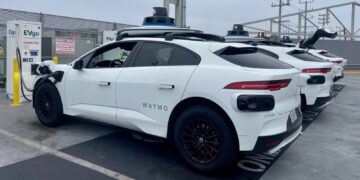

























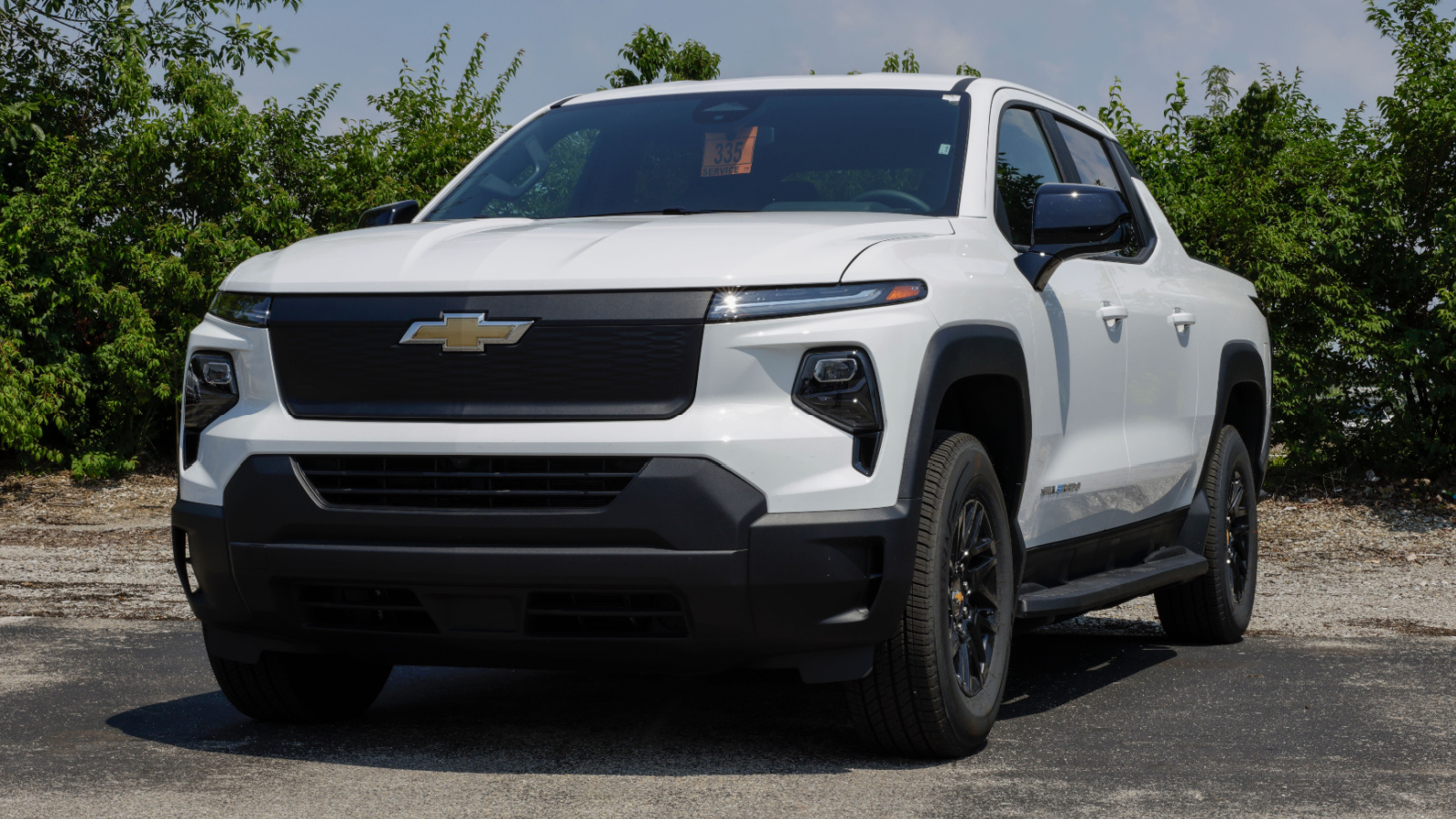
Halifax drivers are getting an unusually revealing electric-vehicle comparison today, with the Chevrolet Silverado EV and Toyota bZ available for test drives at Point Pleasant Park. The August 17 event, organized through Next Ride and HalifACT, runs from 10 a.m. to 2 p.m. at 5530 Point Pleasant Drive.
These two vehicles approach electrification from opposite directions. Chevrolet has turned the full-size pickup into a long-range, high-capability EV, while Toyota’s substantially smaller bZ focuses on crossover practicality, easier urban use and a lower entry price. Because organizers have not identified the exact trims or battery configurations being used, the most useful comparison comes from examining the broader 2026 Canadian lineups—and what drivers can realistically learn from putting both vehicles on the road.
Halifax Is Offering More Than a Typical Dealer Test Drive
Next Ride lists both the Chevrolet Silverado EV and Toyota bZ for today’s HalifACT community test-drive event at Point Pleasant Park. The program is designed around hands-on EV experience rather than a conventional sales-floor encounter. Drivers can experience an electric vehicle, ask questions and assess how battery-powered transportation might fit their own routines. That matters because many characteristics that dominate EV specifications—range, battery capacity and charging speed—are difficult to translate into everyday impressions until someone actually sits behind the wheel.
The Halifax stop is also part of a wider effort to increase EV familiarity in Nova Scotia. In July, the federal government announced $99,601 for the Clean Nova Scotia Foundation to support regional electric-vehicle test drives and charging demonstrations at newer public charging locations, along with charging education for high-school students. The Point Pleasant pairing makes the concept especially tangible. Instead of comparing two nearly interchangeable crossovers, participants can experience how dramatically different electric vehicles can feel even though both eliminate the gasoline engine entirely.
They Are Electric Vehicles Built for Completely Different Jobs
Calling the Silverado EV and bZ direct competitors would stretch the traditional meaning of the word. Toyota describes the bZ as a small SUV measuring 4,690 millimetres long and 1,860 millimetres wide. Chevrolet’s Silverado EV is a full-size pickup built around a 5-foot-11-inch bed, dual-motor four-wheel drive and the sort of towing, power-output and cargo features normally associated with large working trucks.
That mismatch is precisely what makes back-to-back driving interesting. Someone moving from a gasoline pickup can use the Silverado EV to determine whether electrification requires giving up the commanding seating position and utility expected from a truck. Someone primarily commuting through Halifax, navigating parking lots or carrying passengers rather than trailers may find the Toyota’s smaller footprint easier to live with. The test is therefore less about declaring that one vehicle is objectively superior. It exposes how widely the EV market has expanded: battery power can now underpin everything from an approachable five-passenger crossover to a truck weighing more than 3,300 kilograms before passengers or cargo are added.
Silverado EV Makes Range Its Headline Advantage
Range anxiety becomes a very different conversation inside the 2026 Silverado EV because Chevrolet offers several battery configurations. Canadian estimates start around 455 to 460 kilometres on Standard Range versions and climb substantially with larger packs. The Work Truck Max Range is rated at up to 793 kilometres, while Max Range versions of the LT and Trail Boss are rated at up to 769 kilometres. Those are maximum published figures, however, and Next Ride has not identified which configuration is appearing in Halifax today.
Chevrolet also backs that battery capacity with genuine truck numbers. Maximum available towing reaches 12,500 pounds, or 5,670 kilograms, while Chevrolet advertises as much as 760 horsepower with Wide Open Watts on applicable configurations. The 2026 Trail Boss adds a two-inch lift, 35-inch all-terrain tires and four-wheel steering. Those capabilities will be unnecessary for many households, but they demonstrate the Silverado EV’s basic philosophy: electrification should not require a traditional truck buyer to abandon substantial range, towing or utility. A Halifax drive can reveal whether all that capability still feels manageable during normal urban use.
Toyota’s 2026 bZ Has Become a Much Stronger EV
Toyota significantly revised its battery-electric crossover for 2026, even shortening its North American name from bZ4X to simply bZ. Canadian buyers now get three principal configurations. The entry XLE uses front-wheel drive, a 57.7-kWh battery and up to 168 horsepower, with a manufacturer-estimated 380 kilometres of range. The XLE AWD receives a larger battery of up to 77 kWh, 338 combined horsepower and an estimated 468 kilometres between charges.
The Limited AWD also produces up to 338 horsepower, with Toyota estimating 436 kilometres of range. More importantly for someone experiencing the vehicle rather than studying specifications, the AWD versions can reach 100 km/h in about 5.1 seconds. Toyota has also added steering-wheel controls for adjustable regenerative braking, a larger 14-inch multimedia display and battery preconditioning. These changes make the 2026 model considerably more competitive than the earlier bZ4X on paper. As with the Silverado, the Halifax event listing does not specify which bZ grade is being supplied, so drivers should confirm the demonstration vehicle’s drivetrain before comparing its displayed range with Toyota’s maximum numbers.
Charging Reveals Two Different Approaches
The Toyota may have one of its strongest advantages before the wheels even start moving. Every 2026 bZ sold in Canada receives a North American Charging System port, commonly known as NACS. Toyota says the vehicle can charge from 10 to 80 per cent in roughly 30 minutes under ideal DC fast-charging conditions. It also carries an 11-kW onboard charger for Level 2 AC charging, up from 7 kW previously, and includes battery preconditioning intended to improve fast-charging performance when temperatures fall.
The Silverado EV attacks the charging problem with substantially greater peak capability on appropriate configurations. Chevrolet advertises available 350-kW DC fast charging and estimates that as much as 199 kilometres of range can be added in about 10 minutes under suitable conditions. Accessing compatible Tesla Superchargers requires a GM-approved NACS DC adapter rather than the Toyota’s built-in NACS connection. Those peak numbers should not be read as guaranteed charging times: battery temperature, state of charge, charger output and vehicle configuration all matter. Still, anyone test-driving today should examine the charging port and menu system almost as carefully as acceleration or steering.
Purchase Price May Separate Them More Than Performance
The financial gap between these vehicles is substantial. Toyota set the 2026 bZ XLE FWD’s Canadian MSRP at $45,990. The XLE AWD starts at $53,390, while the Limited AWD starts at $61,690. Chevrolet, meanwhile, announced a starting MSRP of $63,999 for the 2026 Silverado EV Work Truck, with larger-battery LT and Trail Boss configurations moving well beyond that figure. Chevrolet’s published total prices extend beyond $100,000 on some Max Range versions.
Federal incentives widen the distinction at the affordable end of Toyota’s lineup. Transport Canada currently lists the 2026 bZ XLE FWD as eligible for a 2026 Electric Vehicle Affordability Program incentive of up to $5,000, subject to the program’s transaction requirements. The ordinary EVAP rule requires a final transaction value of $50,000 or less for qualifying imported vehicles. Nova Scotia’s former light-duty Electrify rebate, by contrast, has ended. The province has also announced a $500 levy on electric passenger vehicles every two years beginning October 1, 2026. For Halifax shoppers, the purchase calculation therefore extends beyond a showroom sticker.
Interior Practicality Could Decide the Test Drive
The Silverado EV’s scale creates advantages that become obvious without ever connecting a trailer. Chevrolet equips the truck with a 17.7-inch centre infotainment display and an 11-inch driver information screen. Its flat rear floor and large second row emphasize passenger space, while the bed provides eight tie-downs. Depending on configuration, buyers can also get the Multi-Flex Midgate and Tailgate, allowing unusually long items to extend toward the passenger compartment. Available off-board power reaches 10.2 kW through as many as 11 outlets when properly equipped.
Toyota’s approach is more conventional and potentially more useful for households that do not need a pickup bed. The bZ seats five, provides 784 litres of cargo space behind the second row and comes with a 14-inch multimedia display. Toyota lists 1,070 millimetres of front legroom and 898 millimetres in the rear. These are the sorts of details worth physically testing in Halifax: loading height, rear-seat entry, outward visibility, turning effort and parking confidence can influence daily satisfaction far more frequently than maximum horsepower.
Nova Scotia Winter Will Be Harder Than an August Drive
An August test drive cannot reproduce one of the biggest realities of electric-car ownership in Atlantic Canada: winter. Natural Resources Canada says EVs can lose roughly 25 to 30 per cent of their driving range in extreme cold. Laboratory work at Argonne National Laboratory has similarly demonstrated substantial range losses at low temperatures when cabin heating is operating. The exact effect on an individual vehicle varies with temperature, trip length, speed, heating demand and battery-management technology.
Toyota has specifically addressed this concern in the revised bZ. The 2026 model includes battery preconditioning, a thermal-management system and a heat pump, with preconditioning capable of preparing the battery for faster DC charging in cold weather. For Silverado EV drivers, choosing a high-range battery configuration can provide a much larger nominal distance cushion, although real-world winter performance still will not equal a mild-weather range estimate. A prospective owner should therefore use today’s drive to examine heating controls, seat heaters, energy displays and route-planning features rather than assuming an August state-of-charge reading will represent January operation.
Halifax Is Expanding EV Exposure While Adoption Remains Uneven
Electric vehicles are no longer unusual in Halifax, but Nova Scotia remains far from a fully electric new-car market. Provincial analysis of Statistics Canada data counted 9,416 new vehicle registrations in Nova Scotia during the first quarter of 2026, with gasoline-powered models still representing 76.7 per cent. Battery-electric registrations had fallen year over year for four consecutive quarters, while conventional hybrids had risen sharply and become the province’s second-most-common propulsion type during the quarter.
That backdrop helps explain why public test drives remain part of the region’s EV strategy. Halifax’s municipal information identifies a Level 2 charging location at Point Pleasant Park, while federal infrastructure programs continue supporting new charging deployment nationally. Canada also directed new funding toward Clean Nova Scotia Foundation in July specifically for test drives and charging education. The challenge is increasingly less about convincing people that electric vehicles exist and more about answering practical questions: where they will charge, how far they travel in winter, whether the purchase price works and which body style fits an ordinary week.
The Most Useful Winner Depends on the Driver
For someone who regularly tows, carries bulky equipment or simply needs the space and capability of a full-size pickup, the Silverado EV makes the stronger argument. Its available 793-kilometre maximum range is extraordinary by current electric-truck standards, and its available towing, off-board power and four-wheel-drive hardware allow it to perform jobs that a compact electric crossover cannot reasonably attempt. That capability comes with a larger physical footprint, considerably more mass and, in many configurations, a much higher purchase price.
The Toyota bZ answers a different question. It gives up the Silverado’s truck capability in exchange for a smaller footprint, substantially lower entry price and, on the XLE AWD, up to 468 kilometres of estimated range. Its native NACS port and improved 2026 charging hardware also address two concerns that affected earlier generations of electric vehicles. Today’s Halifax test drives therefore do not need to produce one universal winner. The more revealing result is whether drivers leave Point Pleasant Park realizing that choosing an EV now involves the same fundamental question as choosing any other vehicle: what actually fits the life it has to serve?