


























A parking ticket rarely feels dramatic until the windshield carries a bright notice and a routine errand suddenly costs far more than expected. Across Canada, many violations begin with ordinary assumptions: payment must mean permission, hazard lights make a quick stop acceptable, or an unsigned curb has no limit. The difficulty is that parking rules are largely municipal, often layered and sometimes changed temporarily for snow clearing, street sweeping, construction or events. These 12 common mistakes show how drivers get caught, why the rules exist and what details deserve a second look before walking away from a parked vehicle.
Reading Only the Most Convenient Sign
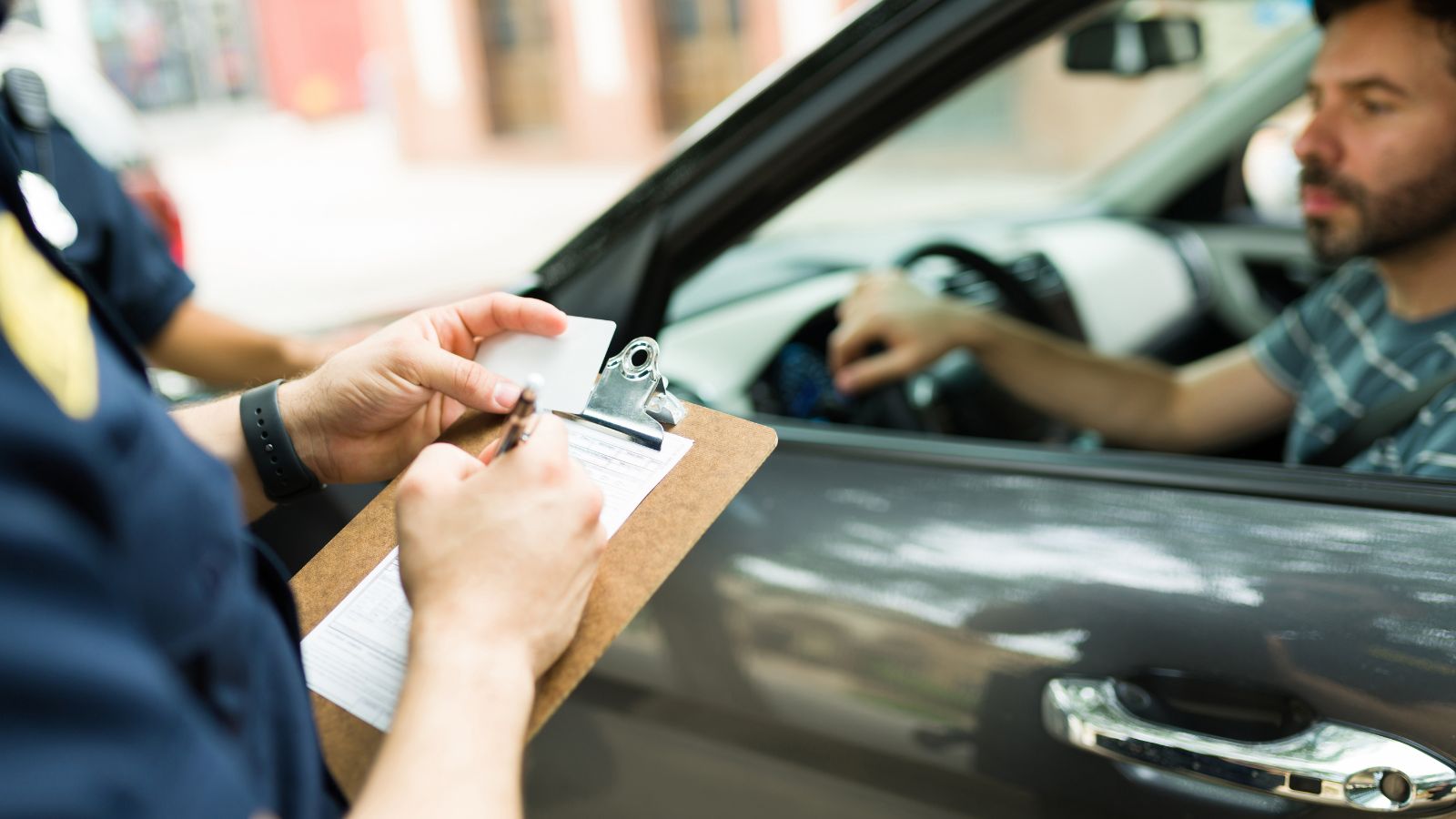
A curb can carry several rules at once: a basic parking allowance, a rush-hour prohibition, a permit restriction and a temporary notice tied to maintenance or an event. The common mistake is spotting the sign that seems favourable and ignoring the one that controls the exact time, direction or stretch of roadway. Directional arrows matter, and so do small day-and-time panels. A legal space at noon can become a tow-away zone later in the afternoon without the curb itself looking any different.
The safer habit is to read the entire block face before walking away. Check signs ahead of and behind the vehicle, note which arrows point toward the space, and compare every applicable time window. Montréal specifically tells drivers to check the zone, days and hours, while Calgary warns that directional arrows and posted times determine whether a restriction applies. This extra scan may feel excessive, but it is often the difference between a routine stop and returning to an empty space where the car used to be.
Assuming Payment Makes the Space Legal

Paying a meter or starting an app session proves only that the parking fee was addressed. It does not cancel a no-stopping period, a permit requirement, a maximum stay, a fire-route rule or a temporary ban. This misunderstanding is especially costly in places where the same curb changes function during the day. A driver may successfully buy two hours at 3:45 p.m., for example, even though a rush-hour restriction begins at 4 p.m. The transaction can be valid while the parking becomes illegal 15 minutes later.
The practical rule is to confirm legality first and pay second. Toronto notes that even motorcycles allowed to use metered spaces without payment must still obey posted rules and time limits. Vancouver similarly says that other restrictions can override metered or time-limited parking. A receipt should therefore be treated as proof of payment, not permission to ignore the curb. Before leaving, drivers should compare the session’s end time with every restriction shown on nearby signs and move the vehicle before the earliest limit arrives.
Entering the Wrong Plate or Zone
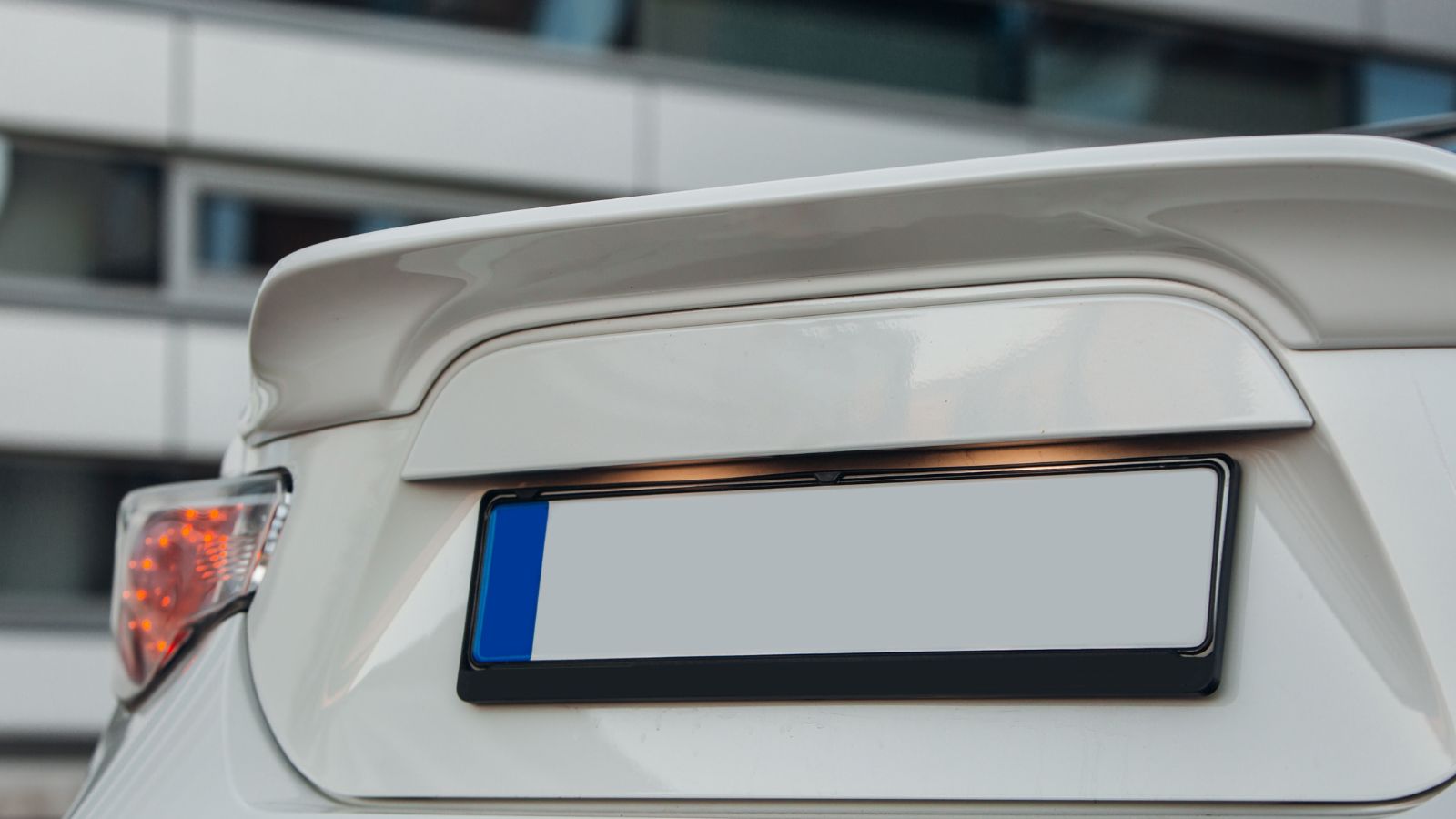
Licence-plate-based systems remove the need for a paper receipt, but they also make small typing errors more consequential. A transposed character, an old plate stored in the app or the zone number from the opposite side of the street can leave no valid session attached to the parked vehicle. From an enforcement camera’s perspective, the fee may have been paid somewhere, yet the actual plate in the actual zone still appears unregistered. The same problem can arise after changing vehicles and forgetting to update a monthly pass or residential permit.
Calgary requires the licence plate and parking-zone number to match exactly, and it tells users to verify that the correct plate is active on their account. Some Calgary loading zones also require plate registration even when no payment is due. That detail surprises drivers who equate “free” with “nothing to do.” A reliable routine is to pause on the confirmation screen, compare the plate with the vehicle, verify the zone against the nearest official sign and save the receipt or screenshot until the trip is over.
Overstaying a Limit Because the Meter Still Accepts Money
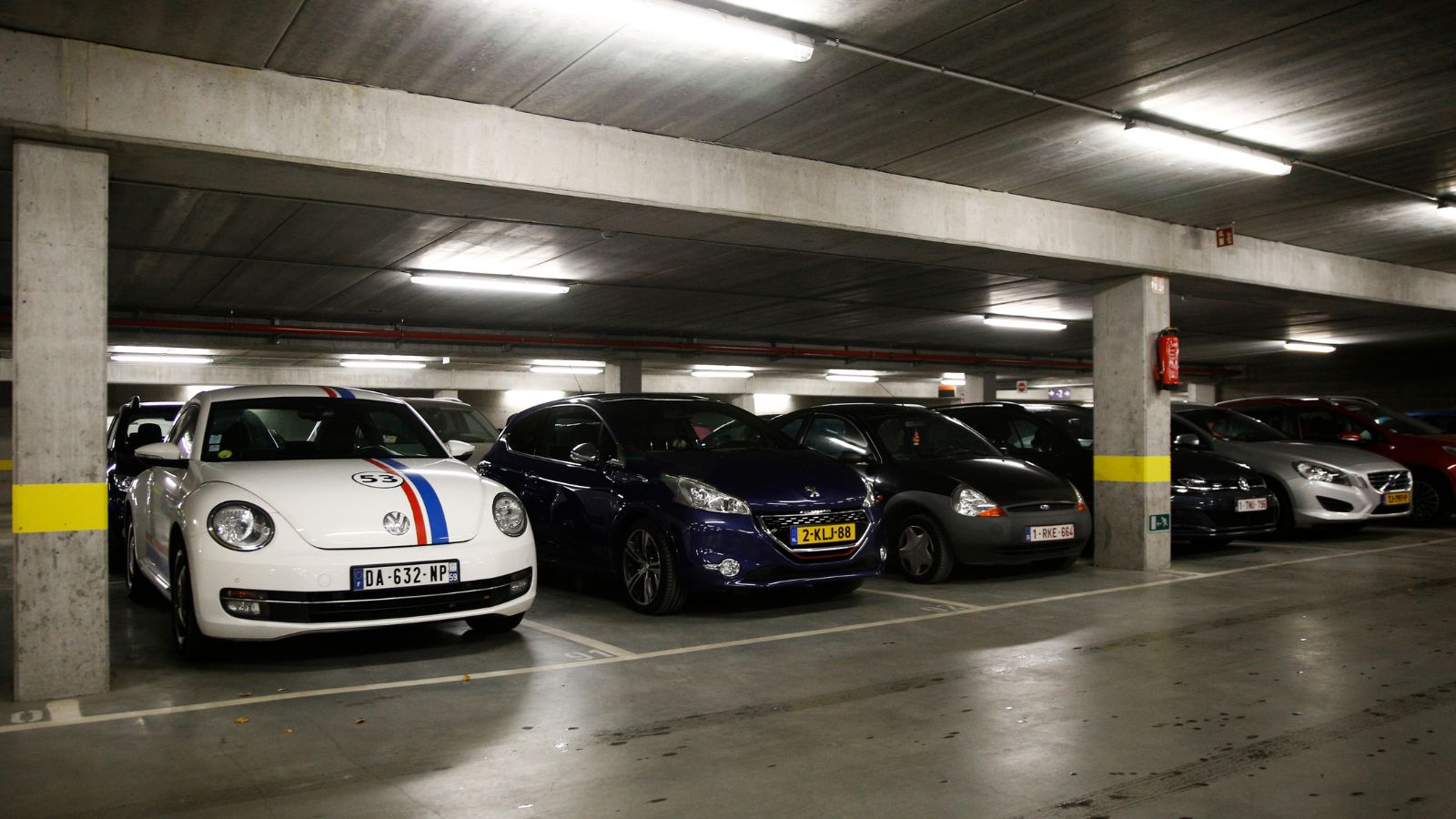
A parking machine or mobile app may allow another transaction even when the curb has a separate maximum-stay rule. Paying again does not necessarily restart the legal clock. Time limits are designed to create turnover, so a one-hour or two-hour space can remain restricted even when more money can be added. Drivers also get caught by assuming that sitting in the vehicle, leaving the engine running or moving only a few metres within the same controlled area changes the underlying restriction.
Toronto has an unsigned three-hour limit on public roads unless signs establish another rule. Vancouver also uses signed time-limit zones, while Calgary instructs drivers to move within the period posted. The important distinction is between paying for time and being entitled to remain. When the maximum stay ends, the safest response is to relocate to a genuinely different legal space rather than simply extending the app. Setting an alarm several minutes before expiry leaves time to return, read the next location’s signs and register a fresh session correctly.
Expecting Every Rule to Have a Sign
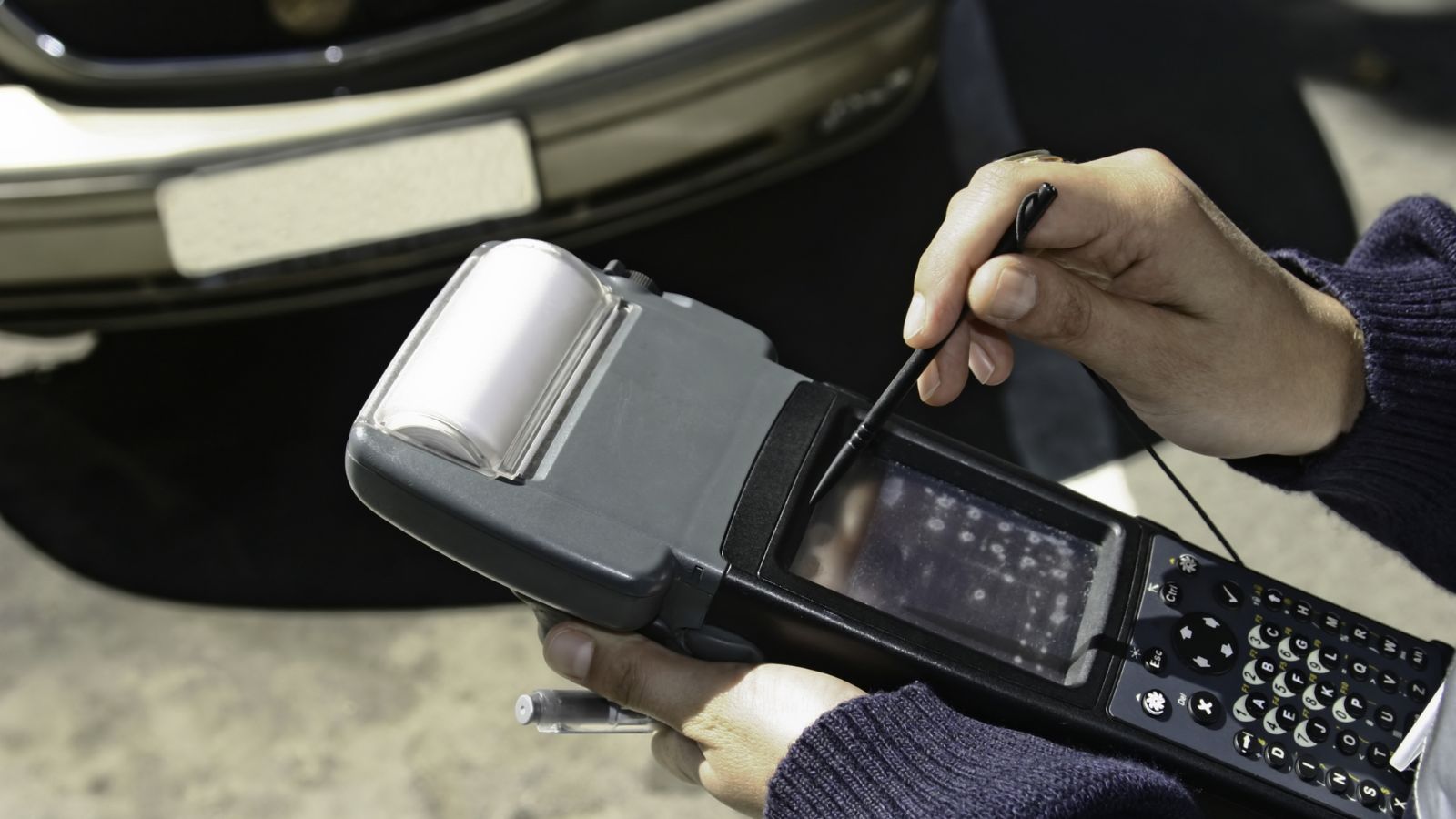
One of the most persistent parking myths is that a ticket cannot be valid unless a sign was directly beside the vehicle. Canadian municipalities often enforce baseline rules that apply without individual signs on every block. Toronto’s unsigned three-hour limit is a prominent example. Vancouver also warns that unsigned streets still have rules involving non-resident parking duration, property access, hydrants and sightlines. A quiet residential street can therefore look unrestricted while still carrying enforceable limits.
This is where local knowledge matters more than intuition. Visitors may assume that an empty curb means unlimited parking, while residents may forget that a familiar block has rules unrelated to signage. Before leaving a vehicle for several hours or overnight, drivers should consult the municipality’s official parking page rather than relying on the absence of a sign. The same caution applies when moving between cities: a distance or time limit learned in Toronto should not be assumed in Calgary or Vancouver. Municipal bylaws vary, and “there was no sign” is not a universal defence.
Parking Too Close to Safety-Critical Spaces
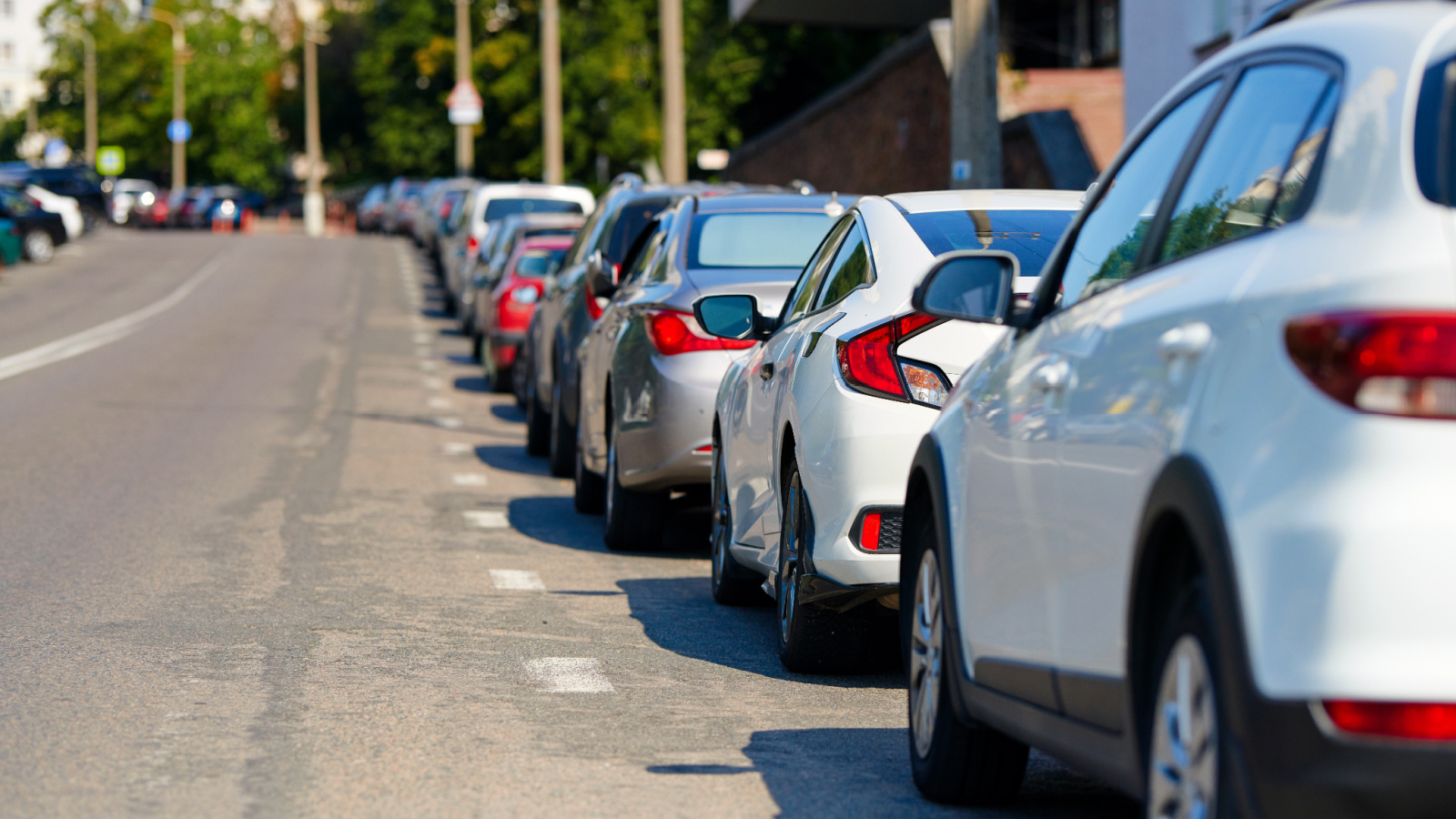
Drivers often judge clearance by whether another vehicle could squeeze through, but parking bylaws protect more than ordinary traffic flow. Firefighters need direct access to hydrants, pedestrians need visibility at corners and property owners need usable driveways. The required distances also differ by jurisdiction. Toronto prohibits parking within three metres of a fire hydrant, while Calgary uses five metres for hydrants, intersections, marked crosswalks and stop or yield signs. Calgary also warns against parking within 1.5 metres of a driveway, garage or curb break.
The human error is understandable: a hydrant set far back from the curb may appear unrelated to the roadway, or a snowbank may hide the true edge of a driveway. Toronto measures hydrant clearance from the point on the roadway directly in front of the hydrant, regardless of its setback. Montréal has reminded drivers of a five-metre clearance at intersections and crosswalks. When the distance looks close, guessing is risky. Leaving a generous buffer is usually easier than trying to estimate the exact legal line from the driver’s seat.
Confusing No Parking, No Standing and No Stopping
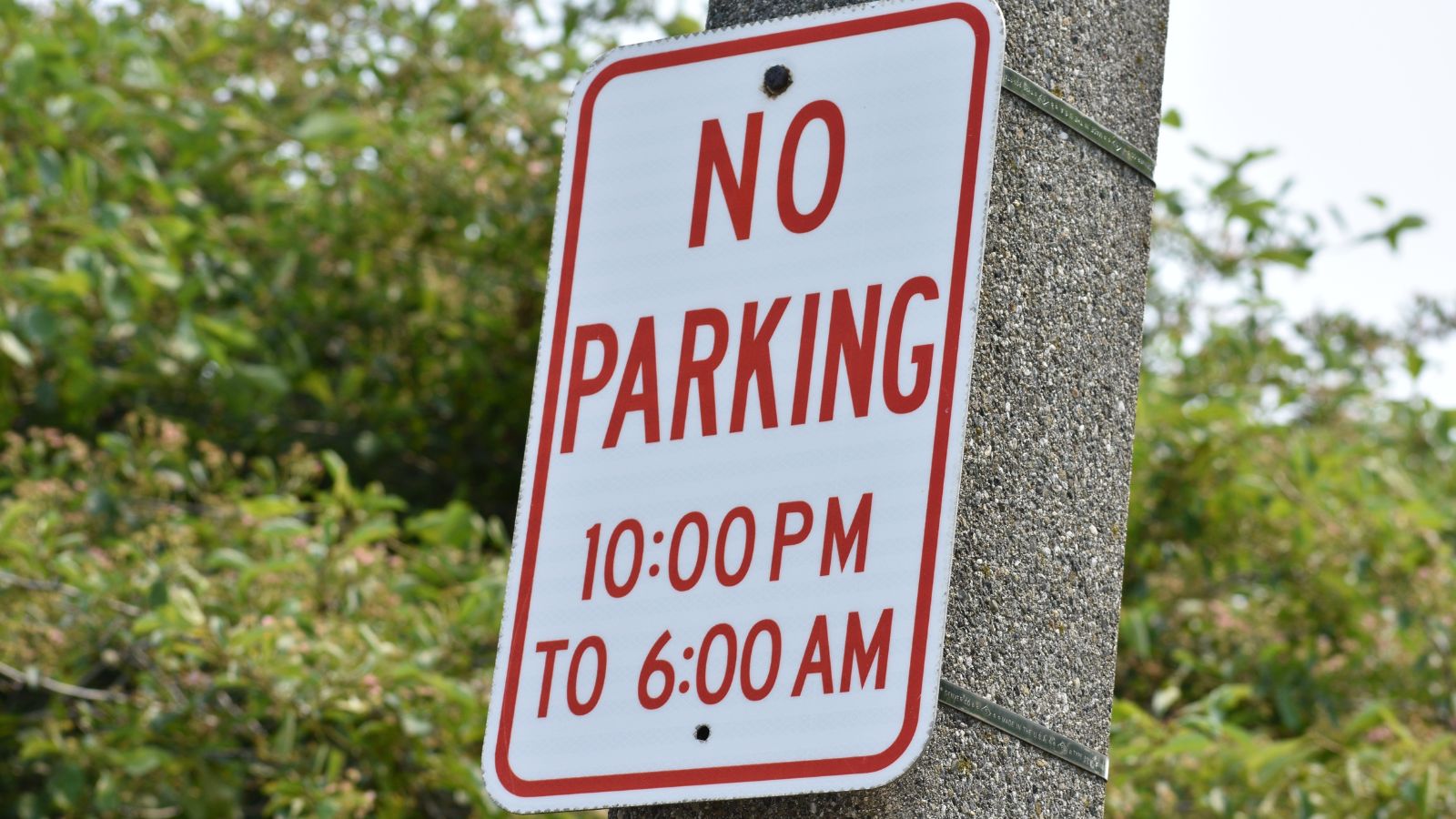
These signs describe different levels of restriction, and treating them as interchangeable creates tickets during quick pickups. In Toronto, “No Parking” still allows active loading or unloading of passengers or goods. “No Standing” narrows that exception to receiving or discharging passengers. “No Stopping” is more restrictive: stopping is generally prohibited except to avoid a traffic conflict or obey police or traffic controls. Calgary uses a similar practical distinction, stating that a vehicle may stop in a no-parking zone only while actively loading or unloading.
The mistake usually happens when a driver waits. Remaining behind the wheel does not automatically make the stop legal, nor does keeping the engine running. A person checking a phone while waiting for a friend is not actively loading a passenger. In a no-stopping zone, even a very brief pause can violate the rule and may lead to towing where traffic flow or safety is affected. The safest approach is to choose a legal loading, passenger or parking space before sending the “I’m outside” message.
Treating Hazard Lights as a Parking Permit
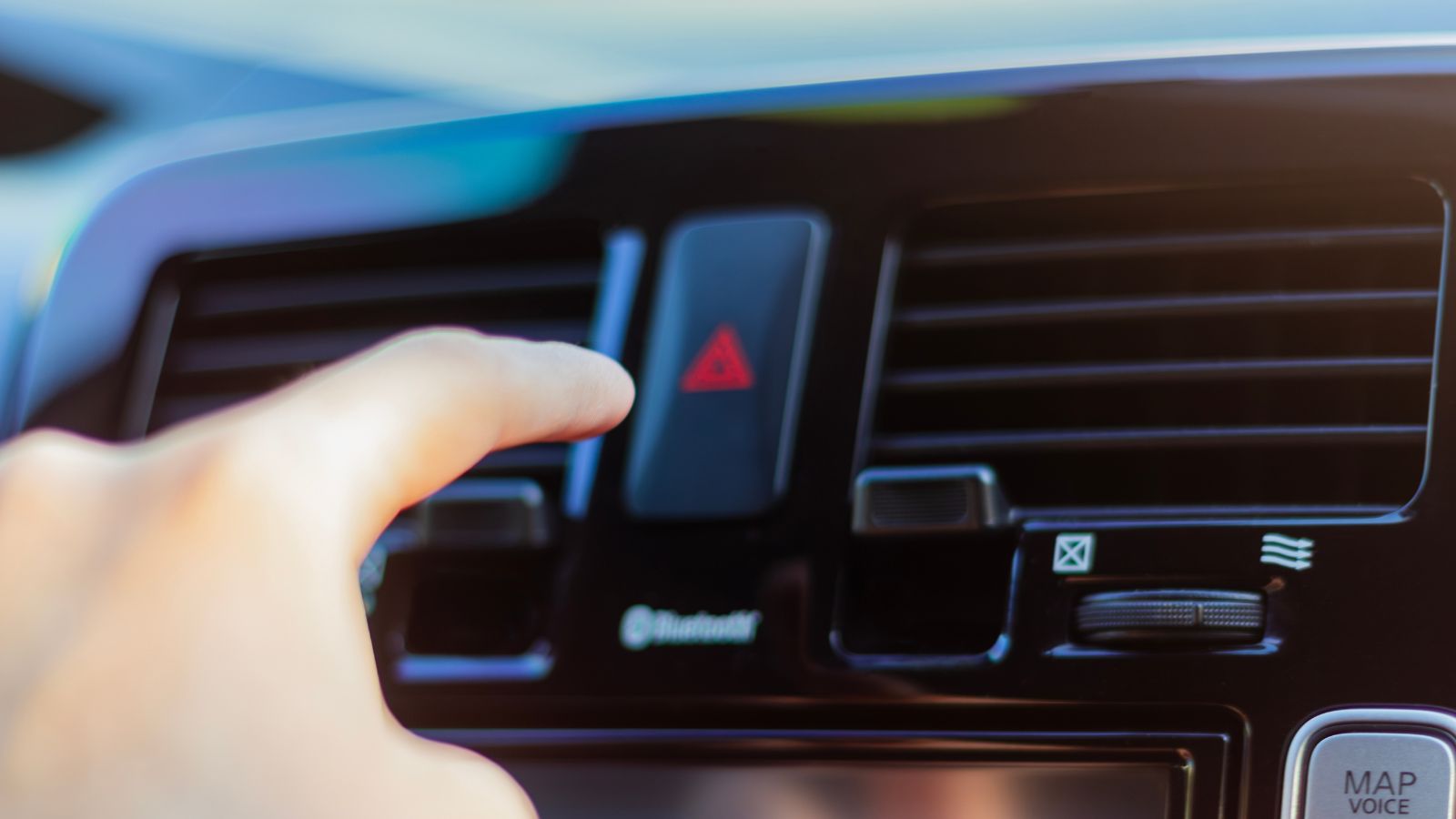
Four flashing lights communicate that a vehicle is stopped; they do not create an exemption from the parking bylaw. Drivers frequently use them outside schools, apartment entrances, restaurants and delivery addresses, believing visibility makes the stop acceptable. Calgary states directly that hazard lights do not override no-parking zones, no-stopping zones, fire lanes, bus zones, accessible stalls or other restrictions. The rule still depends on the location and what the driver is actually doing, not whether the vehicle is easy to notice.
This mistake can feel harmless when the stop lasts less than a minute, but the blocked space may be serving a larger purpose. A bus zone protects transit access, a fire lane preserves emergency movement and a no-stopping area may be needed for sightlines during peak traffic. Delivery drivers and caregivers face real time pressure, yet the legal solution is still to find an authorized loading or passenger zone. Hazard lights are useful for warning others about a stopped vehicle; they should never be treated as permission to stop wherever convenient.
Believing a Residential Permit Overrides Everything

A residential permit usually grants access to a defined zone during specified permit hours; it does not reserve a personal space or erase other traffic rules. Toronto tells permit holders to obey no-parking, no-standing and no-stopping signs and to use a legal space. Vancouver says a residential permit is valid only in the correct zone, with the matching plate and required decal, and it does not guarantee parking in front of the permit holder’s home. A permit tied to an old plate or former address can become invalid even before its printed expiry date.
Confusion often arises when a familiar street changes temporarily. Construction, street cleaning, an event or a snow operation may impose a stronger restriction than the regular permit arrangement. Drivers then return to the spot out of habit, assuming the permit protects them. The better routine is to treat the permit as one condition among several: confirm the zone, plate, expiry and display requirements, then read every temporary and permanent sign. Visitors may also need a separate temporary permit rather than borrowing a resident’s usual space informally.
Using an Accessible Permit as a Universal Exemption

Accessible parking permits provide important privileges, but those privileges are not identical in every municipality and do not authorize every restricted stop. In Ontario, the permit must be clearly displayed so the permit number and expiry date are visible. Toronto provides several on-street exemptions, including certain signed time limits and legal-operation meter fees, yet it still prohibits permit holders from parking near hydrants, in fire routes, on bridges and in designated emergency or snow-route restrictions. The Toronto meter exemption also does not extend to off-street Green P lots or private-property machines.
Another serious mistake is using the permit when the person to whom it was issued is not being transported. Ontario regulations state that an individual permit is not valid on a vehicle unless that vehicle is being used to pick up or transport the permit holder. The best practice is to check the local municipality’s rules before travelling, display the permit exactly as required and never assume that an exemption recognized on one street or in one city applies everywhere else.
Ignoring Temporary Snow, Sweeping and Event Signs
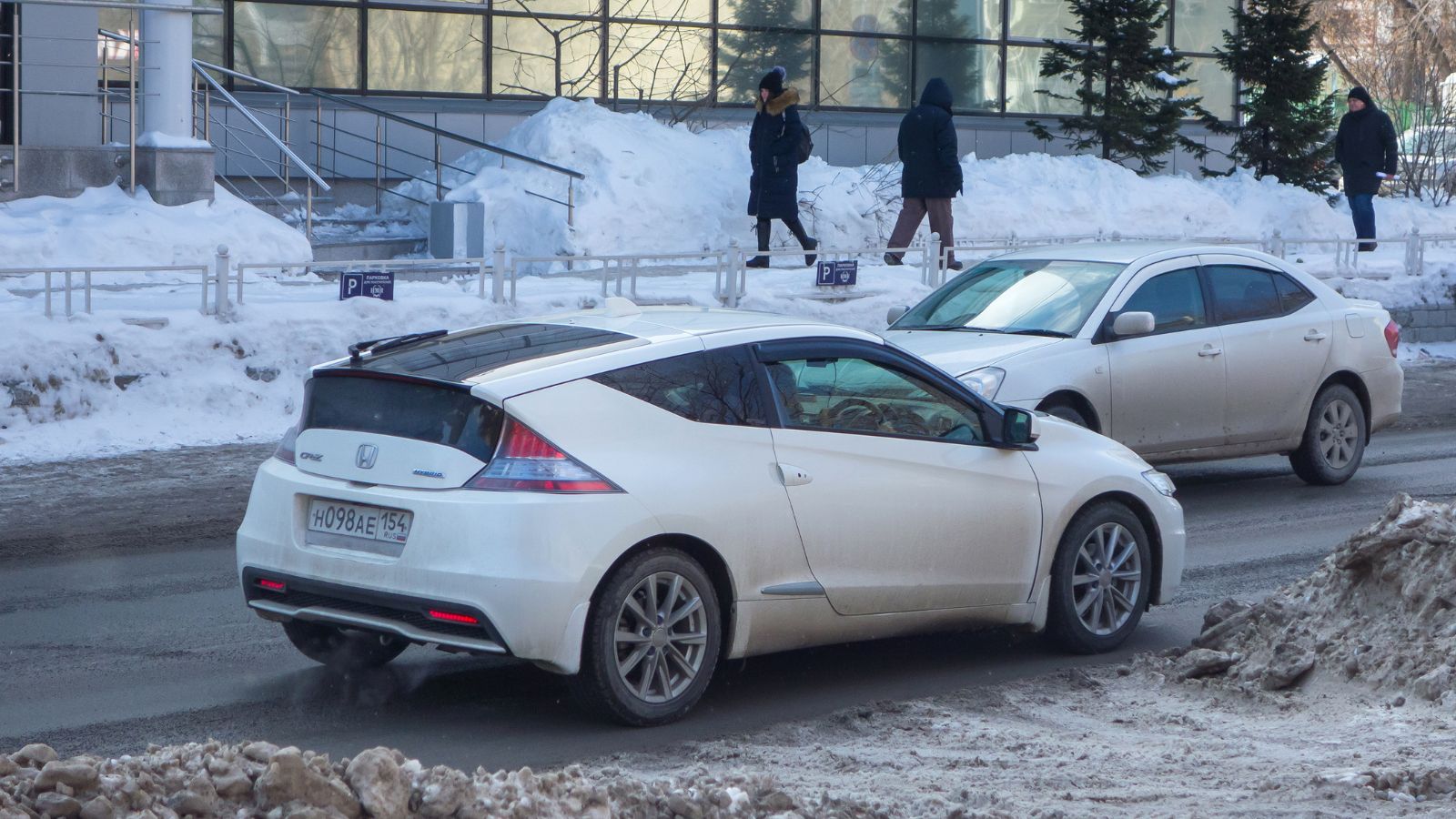
Temporary restrictions are easy to miss because they can appear after a vehicle has been parked. In Montréal, snow-removal signs for a nighttime ban are generally posted before 3 p.m. the same day, while daytime-ban signs generally go up the previous evening. Calgary says street-sweeping signs are the final authority and warns that a vehicle must stay off the road for the entire ban, even after a sweeper has already passed. Winnipeg can ticket or tow vehicles under residential, winter-route and temporary no-parking bans.
The recurring mistake is checking the curb only once. A vehicle left for several days may become illegal as weather, maintenance or event conditions change. During winter, residents should monitor city alerts and inspect the block regularly, especially after snowfall. During warmer months, street sweeping, filming, races and construction can create the same problem. A neighbour’s message or an app map can help, but Montréal notes that street signs take precedence over its snow-operation map. The physical sign at the block remains the most important final check.
Missing the Payment or Dispute Deadline
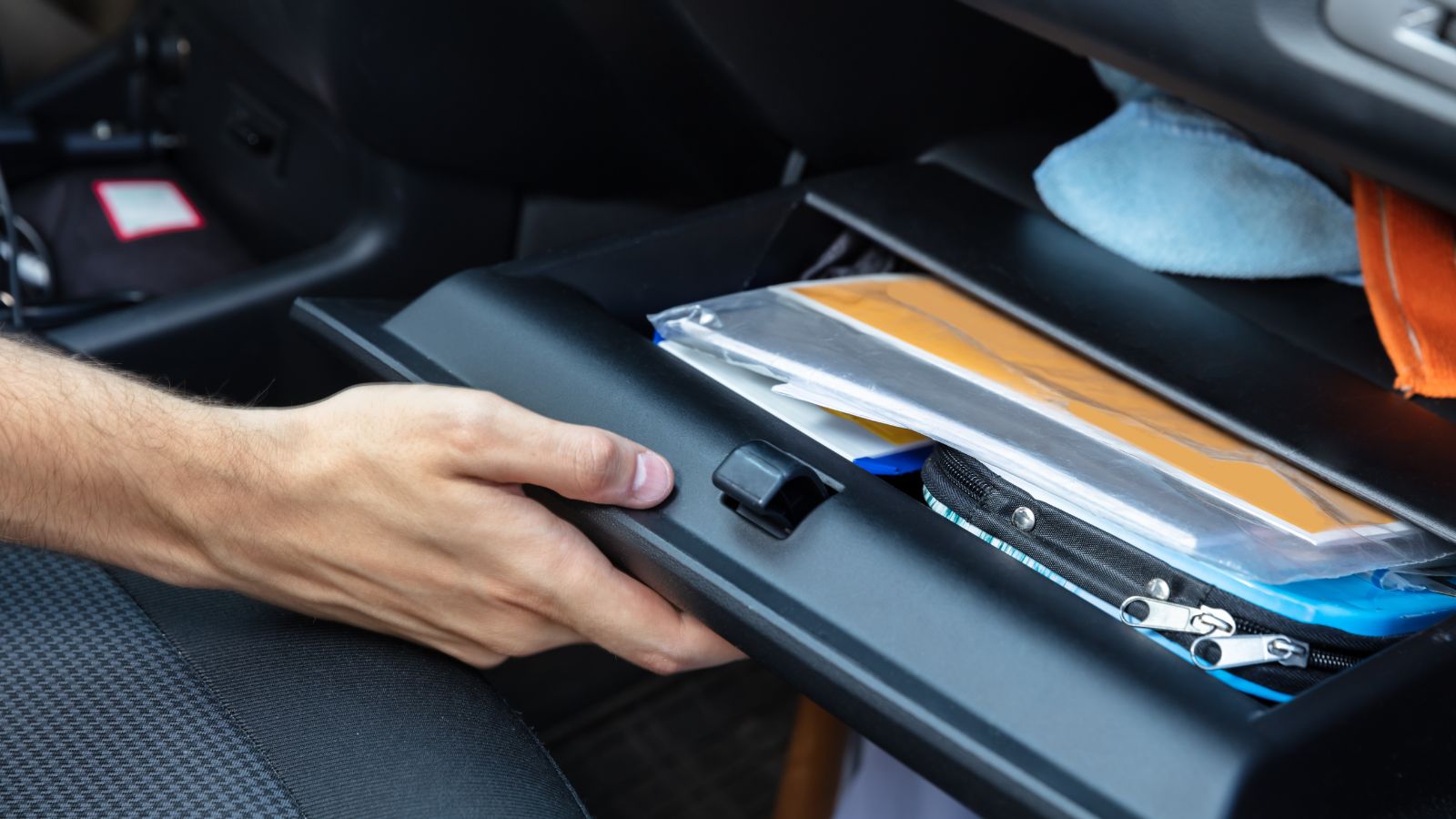
A parking ticket becomes harder and often more expensive to resolve when it is left in a glove box. Toronto gives recipients 15 days from the notice date to pay or dispute, with limited extension procedures for extenuating circumstances; once a full or partial payment is made, the notice can no longer be disputed. Vancouver requires an adjudication application within 14 days and offers a 30 percent reduction when a ticket is paid within that same early period. Ottawa’s current administrative system also uses a 15-day review deadline for newly issued parking penalties.
The practical mistake is deciding to “deal with it later” without preserving evidence. Photos of the vehicle, curb, signs, meter screen and temporary notices are most useful when taken immediately. Drivers should also keep app receipts, permit records and any proof of a malfunction or emergency. Before paying, they should decide whether they intend to challenge the ticket, because payment may close the dispute route. Finally, payment should be made only through an official municipal channel; Canadian cities have recently warned about fake ticket texts, QR codes and look-alike payment websites.
19 Used Cars Canadians Should Avoid in 2026 (Based on Owner Complaints)

Buying a used car in Canada can feel safe until repair bills start stacking up. Owner complaints tell a different story than glossy listings. Transmission failures, electrical problems, and weak winter reliability show up again and again in consumer reports. Many of these issues appear after warranties expire, when owners least expect them. Some vehicles look affordable upfront, but become expensive to keep on the road. Others struggle in cold weather, urban driving, or long highway commutes. Here are 19 used cars Canadians should avoid in 2026 (based on owner complaints).
19 Used Cars Canadians Should Avoid in 2026 (Based on Owner Complaints)