
























Winter road trips can expose weaknesses that remain almost invisible during warmer months. A battery that starts reliably in September may fail during a January cold snap, while tires that feel acceptable on dry pavement can struggle badly on packed snow. Reduced daylight, frozen precipitation, longer stopping distances, and remote stretches of highway leave little room for neglected maintenance. These 18 vehicle problems can undermine traction, braking, visibility, reliability, and occupant safety when winter conditions become severe. Addressing them before departure is far easier than discovering them beside a dark highway with temperatures falling and help still kilometres away.
Worn Tire Tread
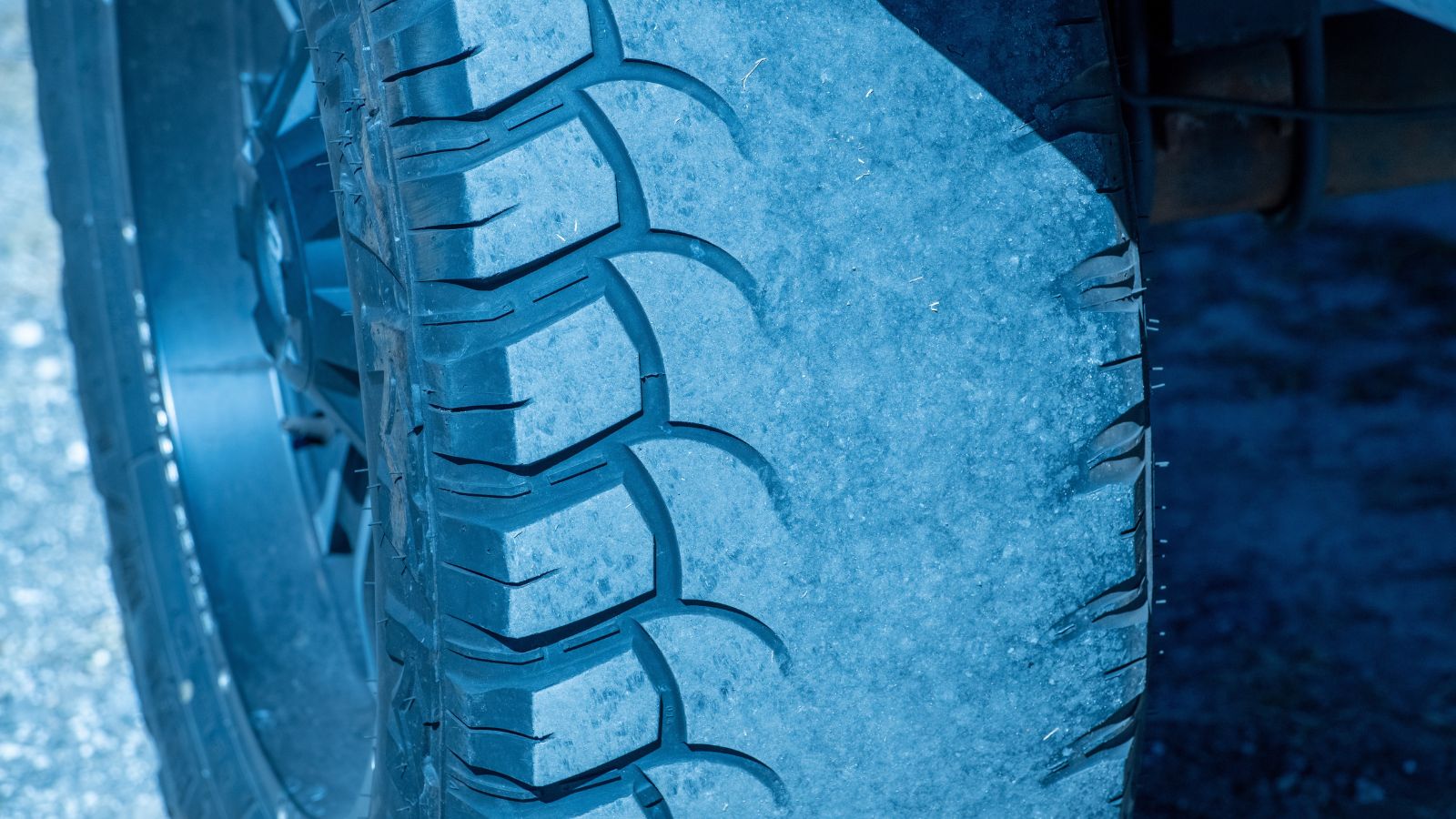
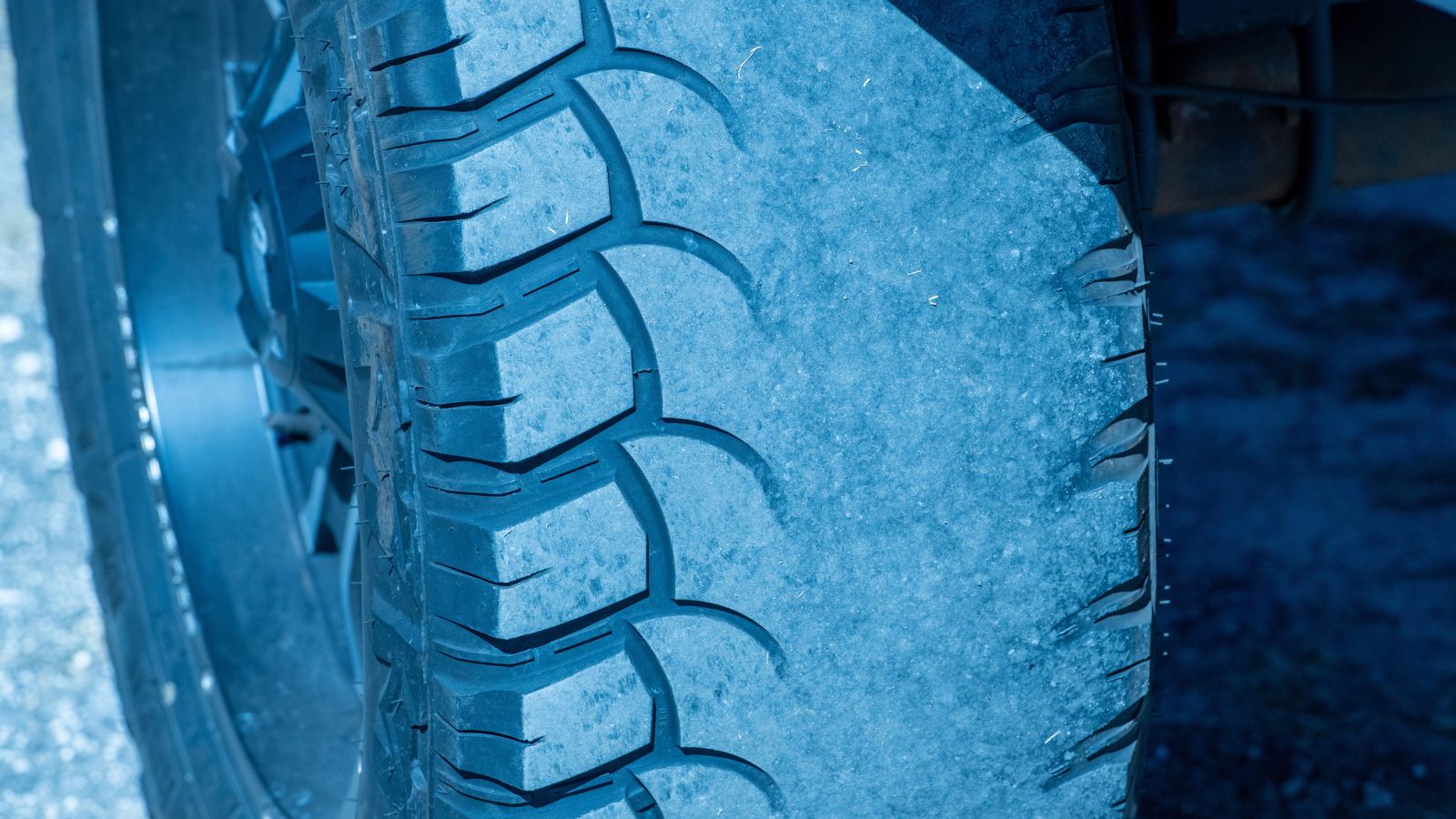
Tread is responsible for creating the gripping action that keeps a tire connected to wet, snowy, or icy pavement. As the grooves become shallower, the tire has less room to channel slush and water away from the contact patch. That can make steering feel vague, increase stopping distances, and raise the likelihood of sliding when a driver brakes or changes direction. Transport Canada advises that winter tires used on snow-covered roads should have at least 4 millimetres of tread, a more conservative threshold than the minimum commonly used to determine whether a tire is legally worn out.
The consequences become more serious on a heavily loaded road-trip vehicle. Passengers, luggage, and highway speeds place additional demands on tires that may already be struggling for traction. In 2023, an estimated 101,390 police-reported crashes in the United States occurred while snow or sleet conditions were present, illustrating how quickly winter roads can overwhelm a vehicle. A tread-depth gauge provides a much clearer assessment than simply looking at the tires from a standing position. Uneven measurements can also reveal alignment, inflation, or suspension problems requiring professional attention.
Tires Not Designed for Severe Cold
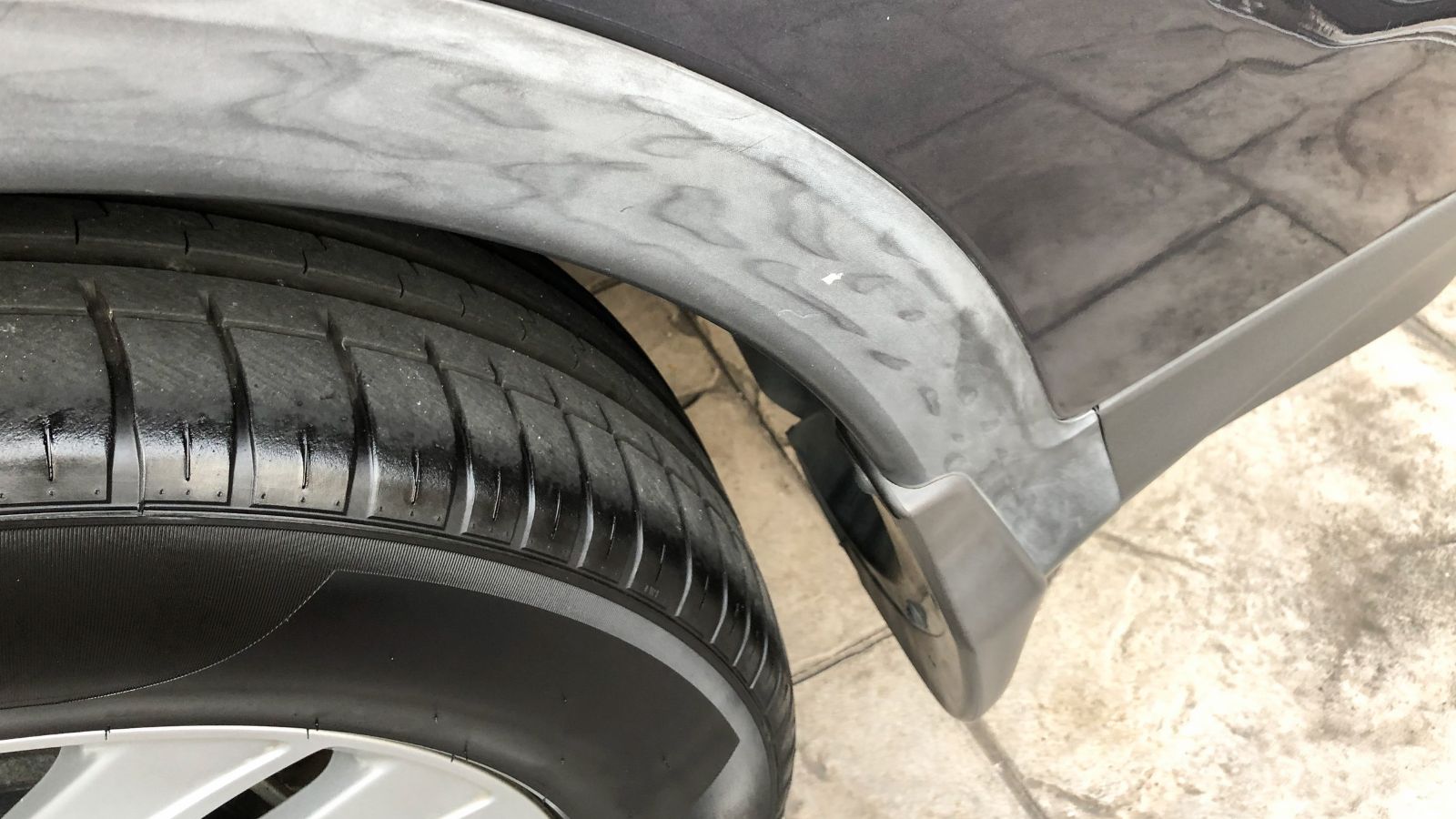
A tire does not need to be buried in deep snow before its rubber compound matters. Transport Canada notes that below approximately 7°C, summer and conventional all-season tires begin losing elasticity. The tread becomes less capable of conforming to the pavement, reducing traction even when a road merely looks cold and damp. Winter tires use softer compounds and specialized tread patterns intended to remain functional at lower temperatures. Tires displaying the three-peak mountain snowflake symbol have met defined snow-traction performance requirements.
Installing winter tires on only one axle can introduce another hazard. When the front and rear tires have significantly different traction, the vehicle may respond unpredictably during braking or cornering. Transport Canada recommends fitting winter tires in sets of four and using tires with compatible sizes, load indexes, speed ratings, and construction. A front-wheel-drive car with winter tires only on the front may accelerate confidently but allow the rear to slide during a turn. Four-wheel drive can help a vehicle move, but it cannot give unsuitable tires more braking grip on ice.
Incorrect Cold Tire Pressure
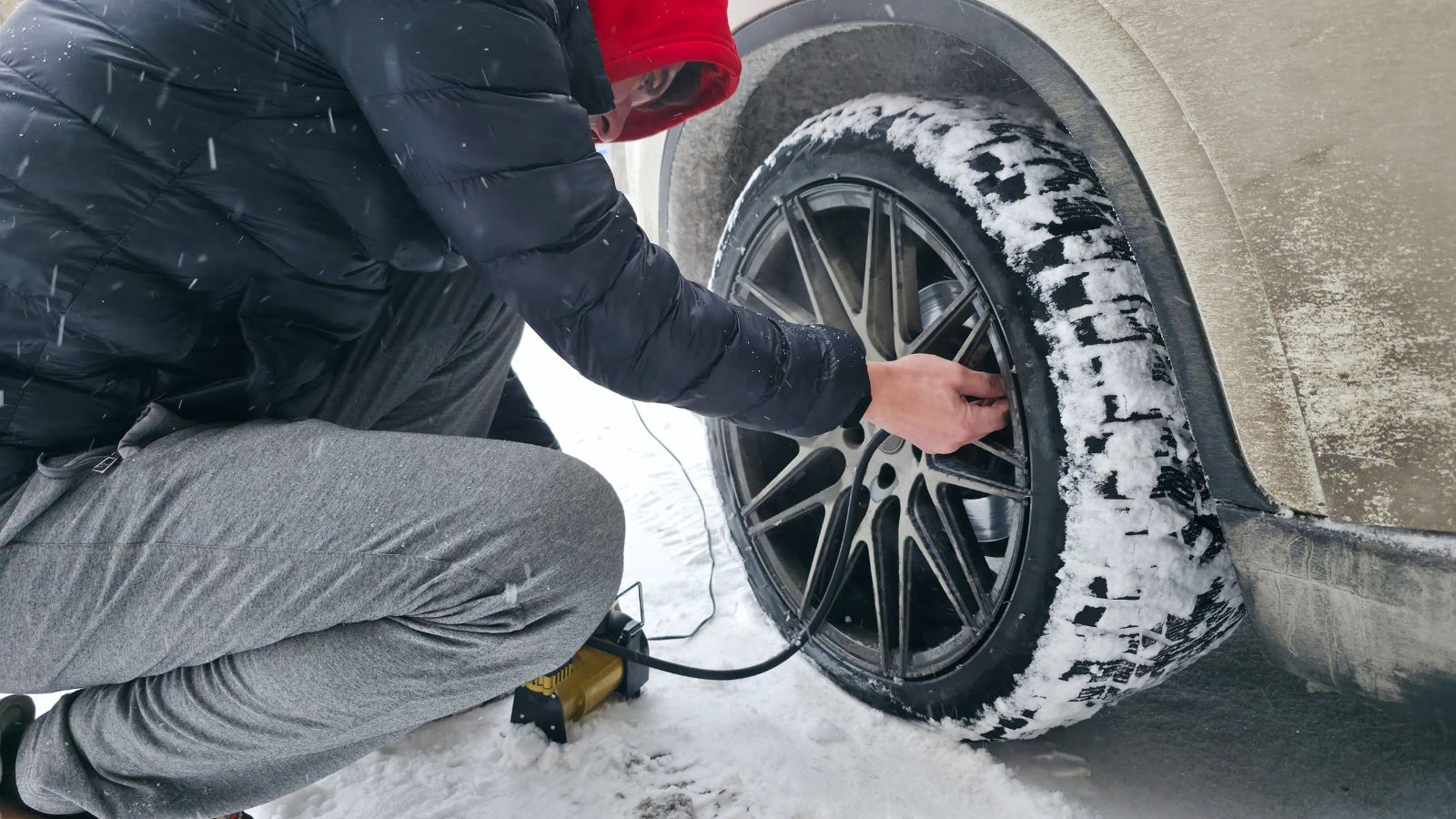
Cold weather naturally lowers tire pressure. Transport Canada estimates that pressure can fall by about 7 kilopascals, or 1 psi, for every 5°C drop in temperature. Tires may also gradually lose pressure through normal permeability. A vehicle that left a warm garage with marginally acceptable pressure can therefore become noticeably underinflated after sitting outdoors during a cold night. Underinflation changes the tire’s shape, creates excess heat, reduces steering precision, and can accelerate wear along the tread shoulders.
Pressure should be measured when the tires are cold, generally before driving or after the vehicle has been parked for at least three hours. The correct figure is found on the vehicle’s tire-information label or in the owner’s manual—not on the tire sidewall, which normally shows the tire’s maximum allowable pressure. Tire-pressure monitoring systems are useful, but they usually illuminate only after a tire has become significantly underinflated. A manual gauge can identify smaller problems before the warning appears. The spare tire should also be checked because an unused spare can slowly lose air for months or years.
Old, Cracked, or Bulging Tires
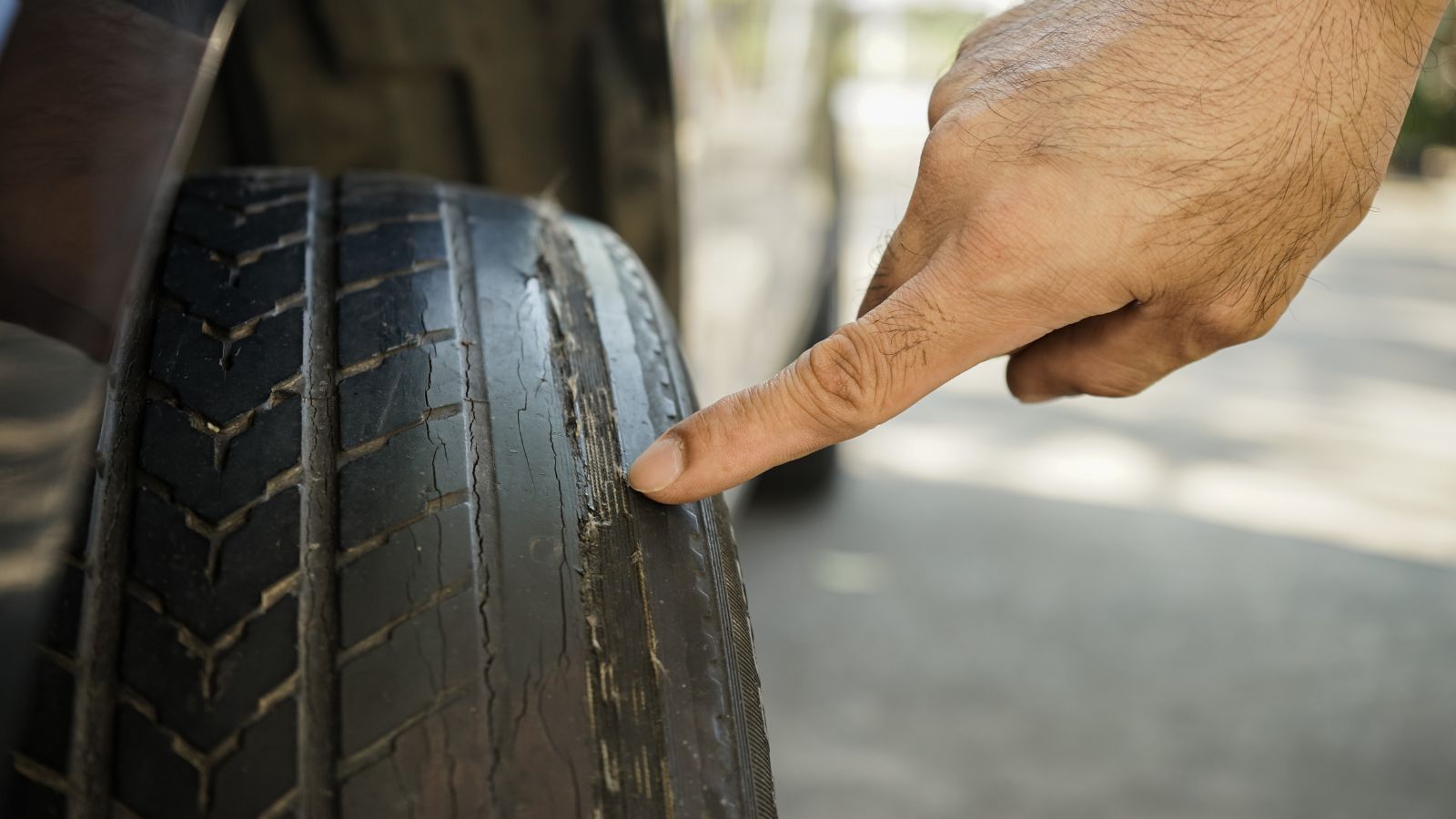
A tire can become unsafe before its tread is completely worn. Rubber, internal bonding materials, and structural components change with age, environmental exposure, storage conditions, and repeated heat cycles. Low-mileage vehicles can be particularly deceptive because the tires may still look deep-treaded while their materials have deteriorated. NHTSA advises drivers to inspect for cuts, cracks, punctures, bulges, scrapes, bumps, vibration, and difficulty maintaining pressure. Some vehicle manufacturers recommend replacement after six years regardless of apparent tread condition.
Winter places extra stress on damage that might seem minor during a short urban commute. A bulge may indicate broken internal cords, while cracking around the sidewall can reflect advanced aging or exposure. Highway speed, pothole impacts, and a fully loaded cabin can then turn a small weakness into rapid pressure loss or a blowout. The manufacturing date is encoded in the tire identification number, but age alone should not be used as the only test. A tire professional can evaluate deterioration, previous repairs, irregular wear, and internal damage that may not be obvious from the driveway.
A Weak Battery or Charging System
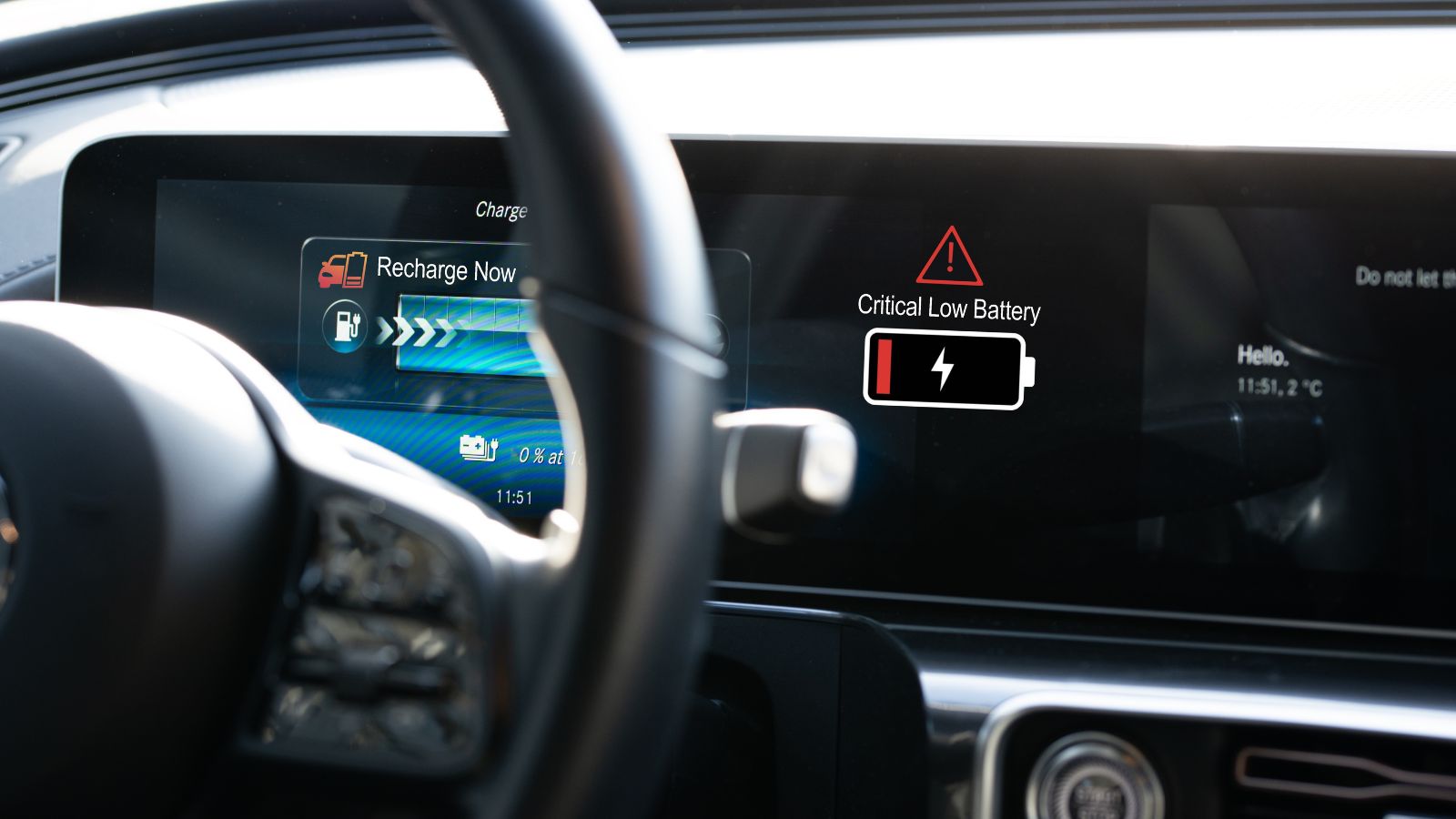
Cold temperatures reduce available battery power while simultaneously making an internal-combustion engine harder to start. Engine oil thickens, electrical demand increases, and starters must work harder to turn the engine. A battery that cranks slowly on a mild morning may fail completely after several hours in sub-zero weather. Corroded terminals, a loose connection, a worn drive belt, or an alternator problem can create similar symptoms. Transport Canada recommends checking the battery posts, charging system, belts, and overall battery condition before winter travel.
The risk extends beyond the initial start. A marginal charging system may struggle to support headlights, heated windows, cabin fans, seat heaters, phone chargers, and other accessories operating together. Short stops can also prevent the battery from recovering the energy used during repeated cold starts. Electric and hybrid vehicles have different propulsion systems, but many still depend on a conventional low-voltage battery for computers, locks, contactors, and control electronics. A battery and charging-system test can identify deteriorating performance before the vehicle becomes stranded at a rest area or remote fuel stop.
Worn or Poorly Performing Brakes
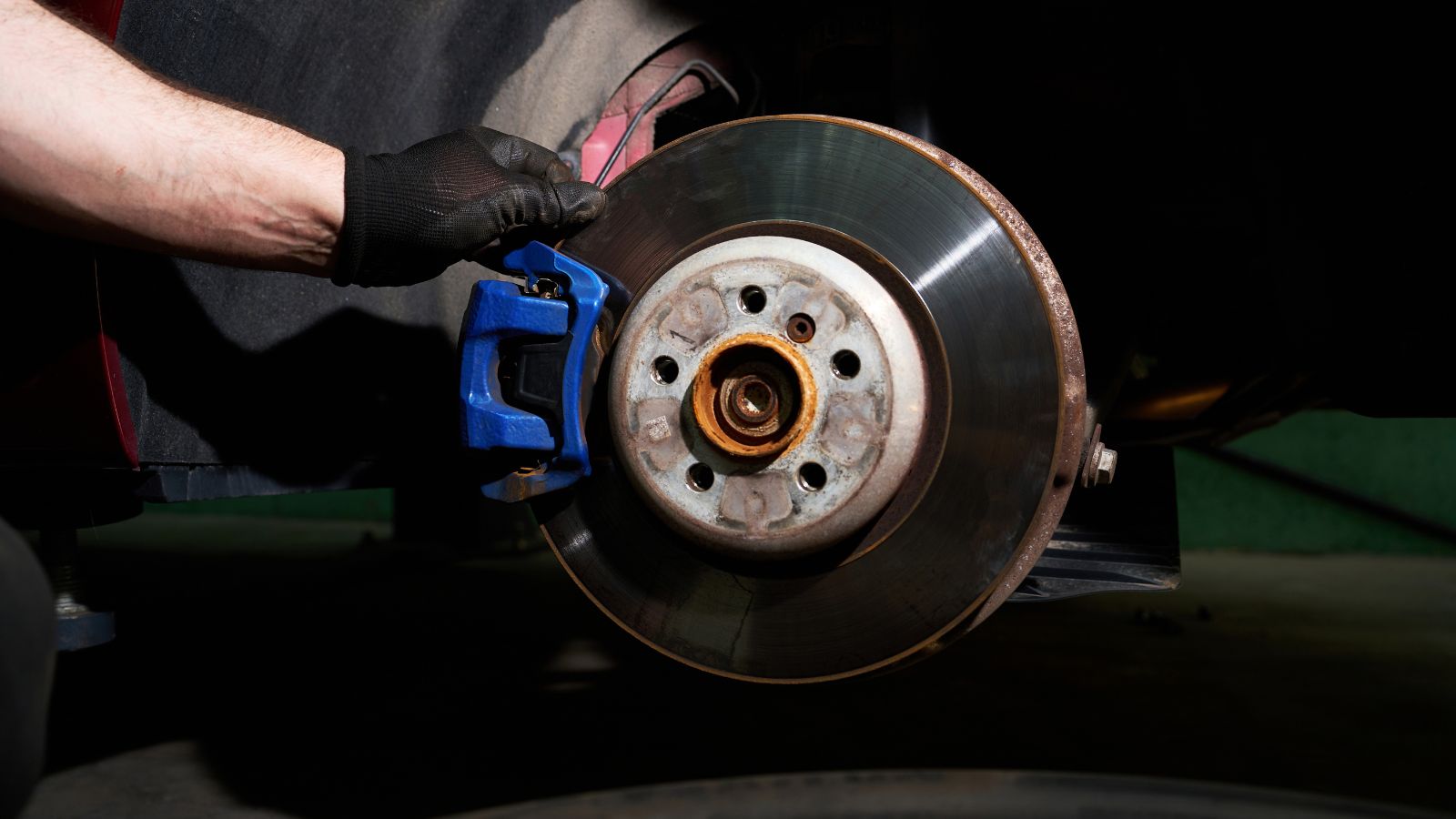
Winter roads already increase the distance needed to stop, so deteriorated brakes remove an important layer of protection. Transport Canada lists pulling, unusual squealing or grinding, and changes in pedal feel as warning signs that require inspection. A soft or sinking pedal can suggest a hydraulic problem, while vibration may point to damaged or uneven braking components. Even if an antilock braking system is functioning correctly, it cannot compensate for severely worn pads, contaminated friction surfaces, leaking fluid, or mechanical damage.
Brake problems can feel inconsistent in winter because snow, road salt, and moisture affect components differently throughout a trip. A car may stop normally after leaving home but begin pulling after one wheel passes through deep slush or a sticking component fails to release properly. A road-trip load also adds momentum, asking more of the brakes on downhill grades and during emergency stops. Drivers should not wait for a dashboard warning if braking behaviour has changed. A proper inspection may include pad thickness, rotors, drums, hoses, fluid condition, parking-brake operation, and the electronic systems that manage antilock braking and stability control.
A Neglected Cooling System
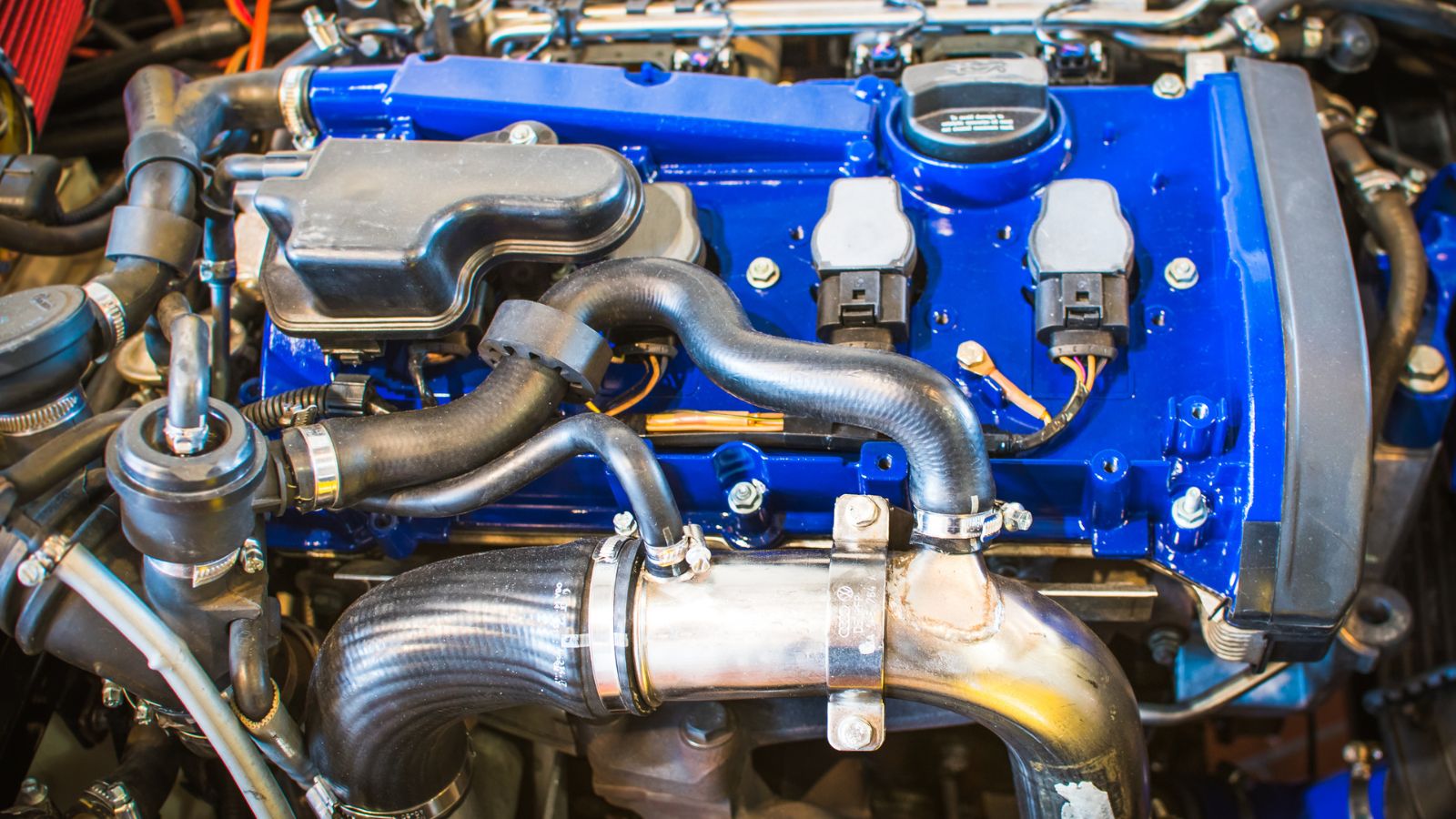
Although overheating is usually associated with summer, the cooling system is equally important in winter. The coolant mixture must remain liquid at the temperatures expected along the route while also protecting the engine against corrosion and excessive heat. Coolant that is old, diluted, contaminated, or below the required level may freeze or circulate poorly. Cracked hoses, loose connections, a failing water pump, a defective thermostat, or a damaged radiator cap can cause leaks and leave the engine without proper temperature control.
Cooling-system problems can also disable cabin heat and windshield defrosting. In many vehicles, the heater depends on hot engine coolant flowing through a small heater core. Low coolant or trapped air may therefore produce weak heat just when occupants need it most. A failed thermostat can prevent the engine from reaching normal operating temperature, while another type of failure can cause overheating. Before a long winter drive, coolant should meet the manufacturer’s specification and be tested for freeze protection. Hoses and drive belts should be checked for cracks, swelling, fraying, or leakage rather than judged solely by age.
Worn or Frozen Wiper Blades
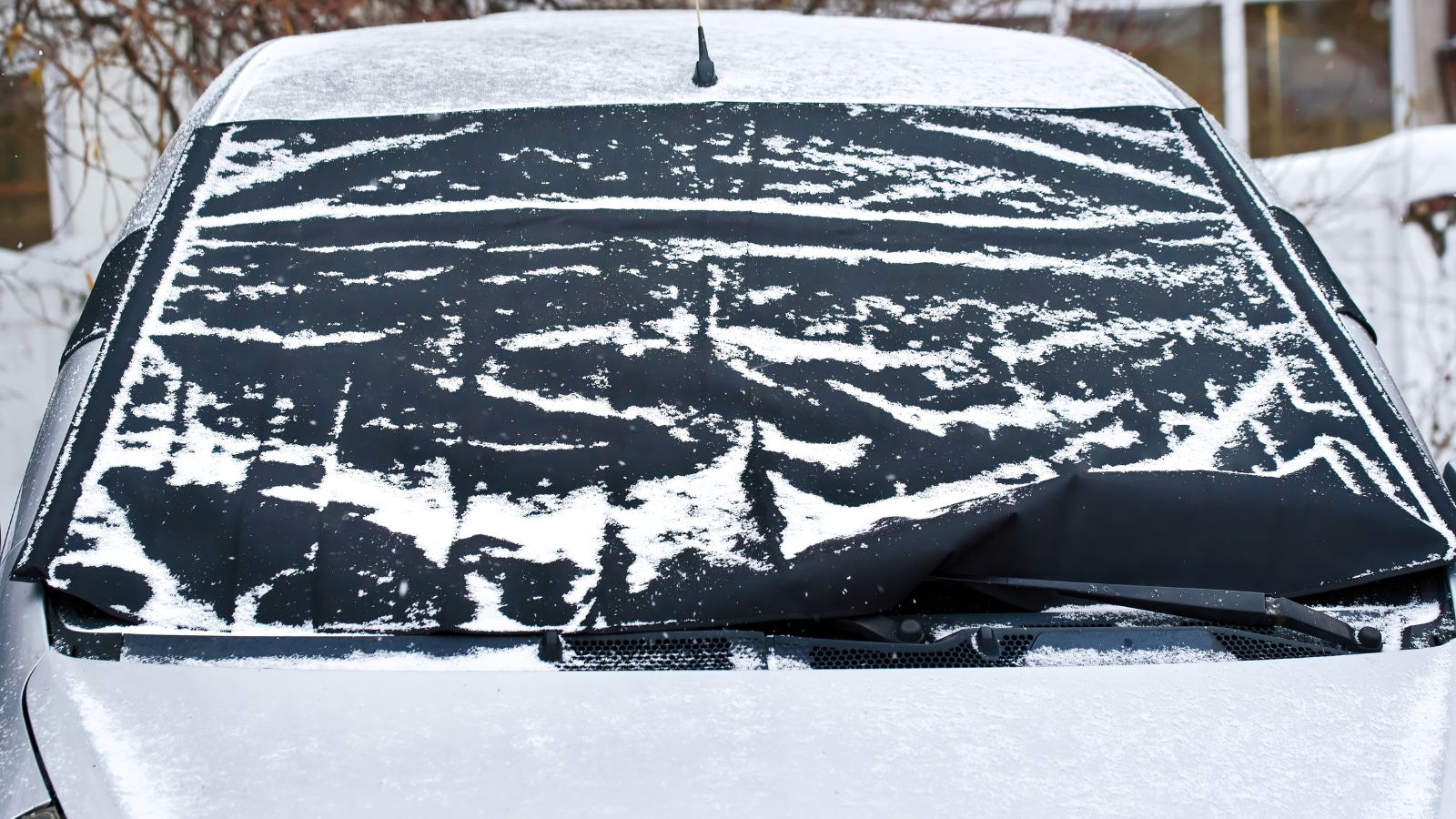
A windshield can become opaque within seconds when a truck throws salty slush across it. Wiper blades that chatter, streak, skip, or leave unwiped sections may be little more than an annoyance in light rain, but they become a serious visibility problem during a snowstorm. Rubber edges harden and split with age, and ice can prevent the blade from following the curvature of the glass. Transport Canada recommends replacing streaking blades and considering wipers designed specifically for winter conditions.
Drivers sometimes damage the wiper system by turning it on while the blades are frozen to the windshield. The resistance can tear the rubber, bend a wiper arm, damage the linkage, or overload the motor. Before departure, the blades should be released carefully and the entire windshield cleared with a scraper and defroster. Snow should also be removed from the area below the windshield, where it can block the wipers or be pulled into the ventilation system. The rear wiper deserves equal attention because rearward visibility can disappear quickly on salt-covered highways.
Inadequate or Incorrect Washer Fluid
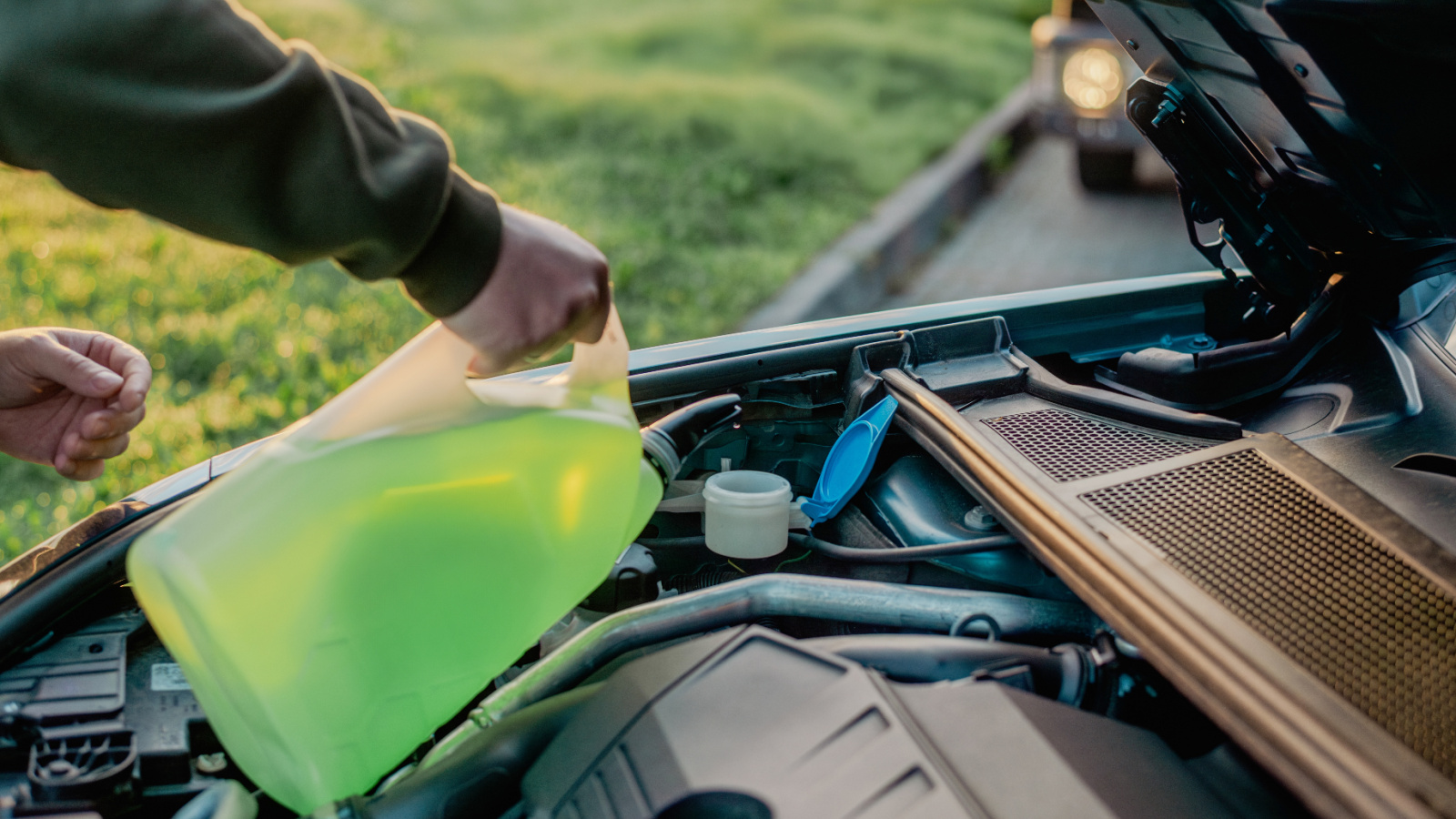
A full washer reservoir can be consumed surprisingly quickly during a single winter storm. Road salt, dirty spray, and fine slush repeatedly coat the windshield, particularly when travelling behind other vehicles. Without washer fluid, even new wiper blades may simply smear the contamination into a translucent film. Transport Canada recommends winter washer fluid rated to approximately –40°C and advises carrying an extra container. The appropriate rating may vary with local climate and the vehicle manufacturer’s guidance.
Fluid left over from summer can freeze in the reservoir, pump, hoses, or spray nozzles. Adding winter fluid on top may not provide adequate freeze protection if a large amount of weak mixture remains. Frozen components can prevent cleaning when visibility is already poor and may damage the pump or lines. Nozzles should spray evenly across the glass rather than striking the roof or concentrating in one spot. Headlamp washers, when fitted, may draw from the same reservoir and increase consumption. An unopened spare jug should be secured in the cargo area so it cannot become a projectile or leak onto luggage.
Dim, Dirty, or Misaligned Lights
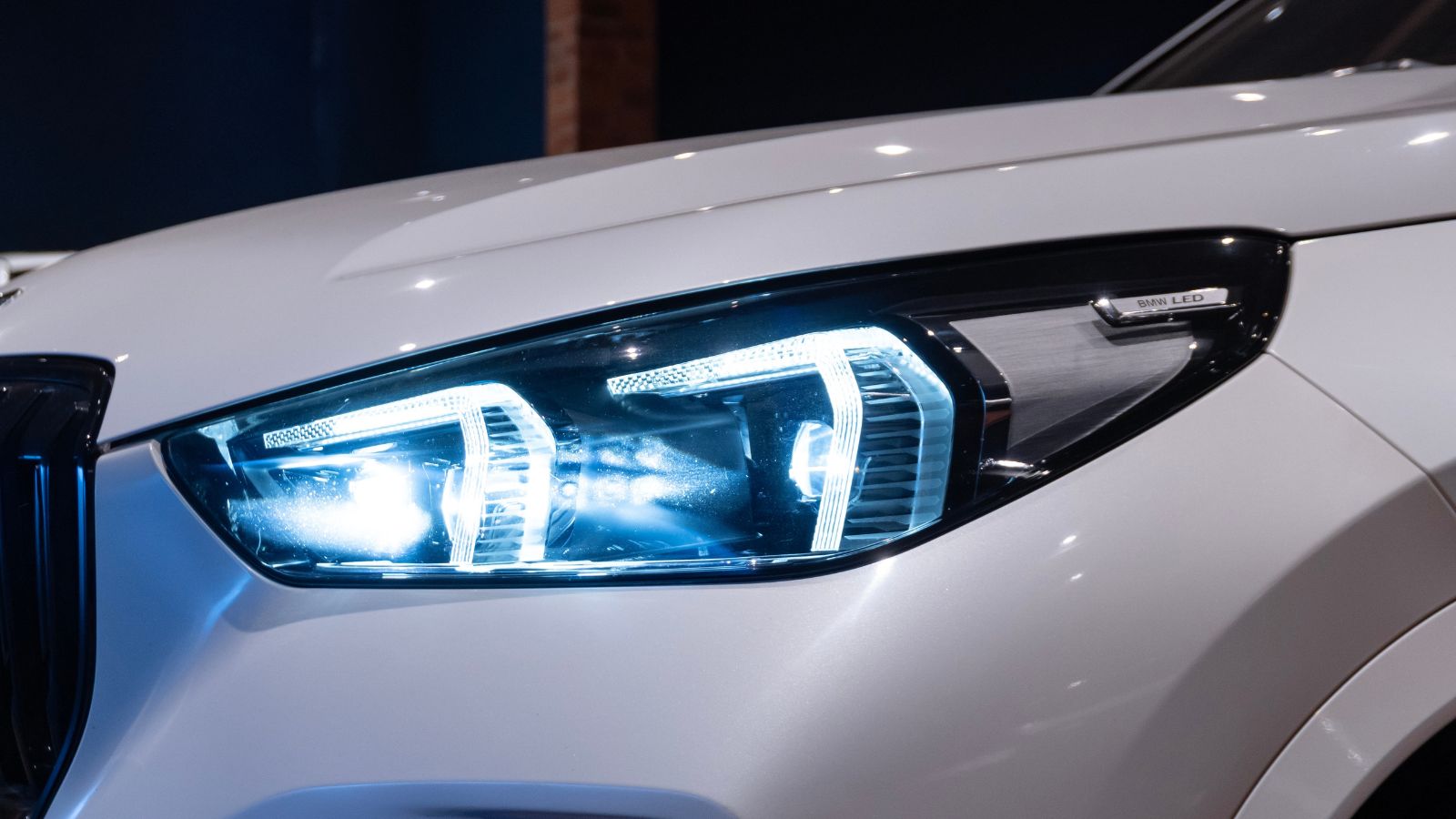
Winter road trips often involve long periods of darkness, blowing snow, fog, and heavy spray. Headlights, tail lights, brake lights, turn signals, emergency flashers, side markers, and licence-plate lights all help a vehicle see and be seen. A burned-out rear lamp can make a car difficult to detect through snow, while a failed brake light reduces the warning available to a driver approaching from behind. Snow and salty grime can also cover functioning lamps, reducing their output without triggering any dashboard warning.
Headlight aim is just as important as brightness. Lamps pointed too low may not illuminate hazards soon enough at highway speed, while lamps aimed too high can glare into the eyes of oncoming drivers. Transport Canada notes that even automatic headlight-aiming systems may require professional inspection. Daytime running lights are not a substitute for full headlights and tail lights in darkness or severe weather. High beams can also reflect from snow, rain, or fog and make the road harder to see. A walk-around light check should be completed after the vehicle is loaded because added rear weight may change its stance.
A Weak Heater or Defroster
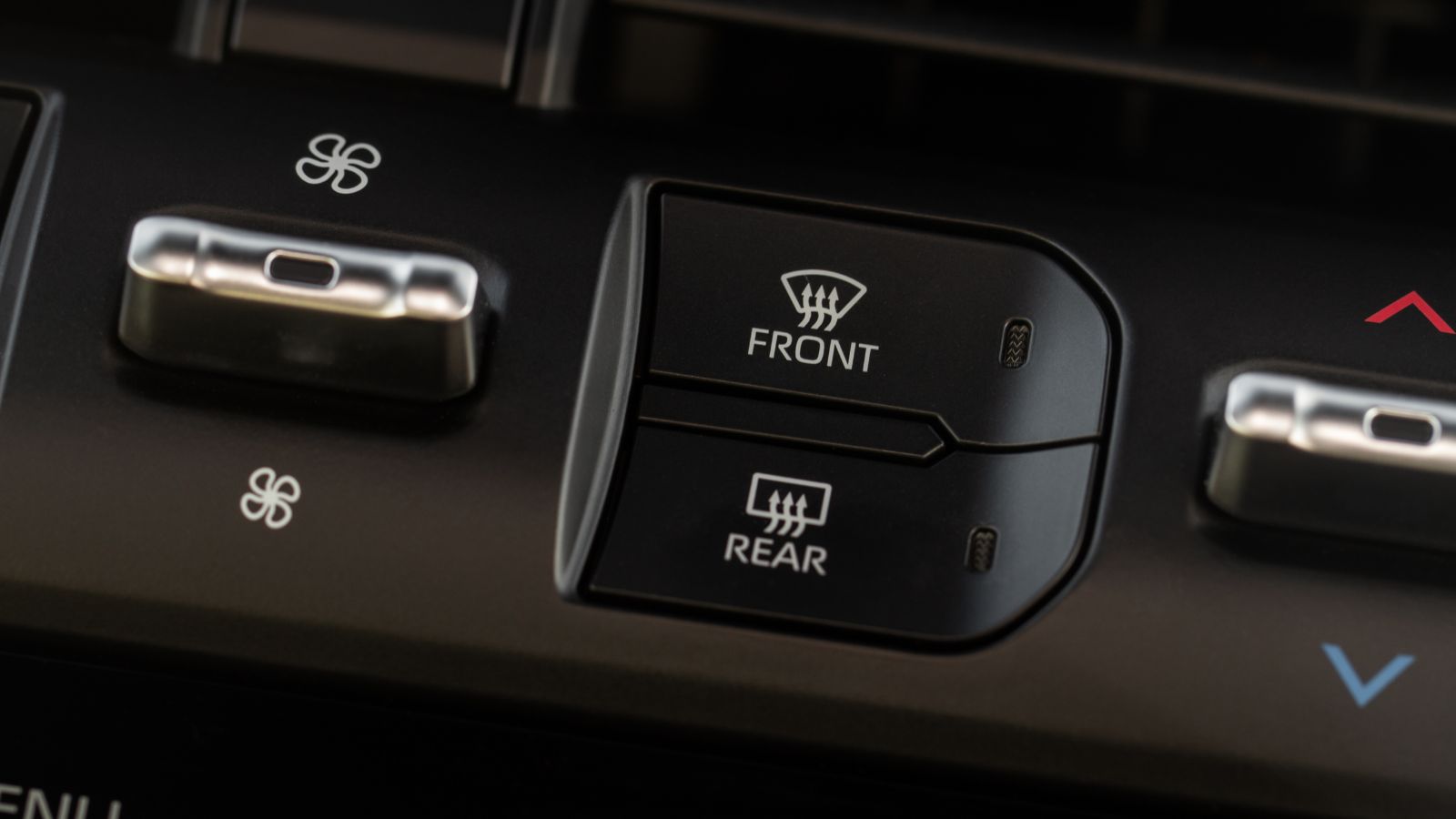
A working heater is not merely a comfort feature during a winter journey. The windshield defroster and defogger must remove exterior frost and interior condensation so the driver can maintain a clear field of vision. Moisture from wet boots, snow-covered clothing, breathing passengers, and recirculated air can fog the glass rapidly. A weak blower motor, blocked cabin filter, faulty control door, coolant problem, or malfunctioning air-conditioning system may prevent the vehicle from clearing the windshield efficiently.
Defrosting systems should be tested before the trip rather than after the vehicle enters freezing rain. Air should flow strongly from the windshield vents, and the rear-window defogger should warm its grid evenly. Drivers sometimes attempt to compensate for weak performance by wiping the inside of the glass, leaving smears that create glare at night. Others continue driving with only a small cleared opening, severely restricting peripheral vision. A vehicle unable to keep all essential glass clear should not begin a winter highway journey until the fault has been repaired. Side-window visibility is also essential when changing lanes or entering intersections.
Exhaust Leaks or a Snow-Blocked Tailpipe
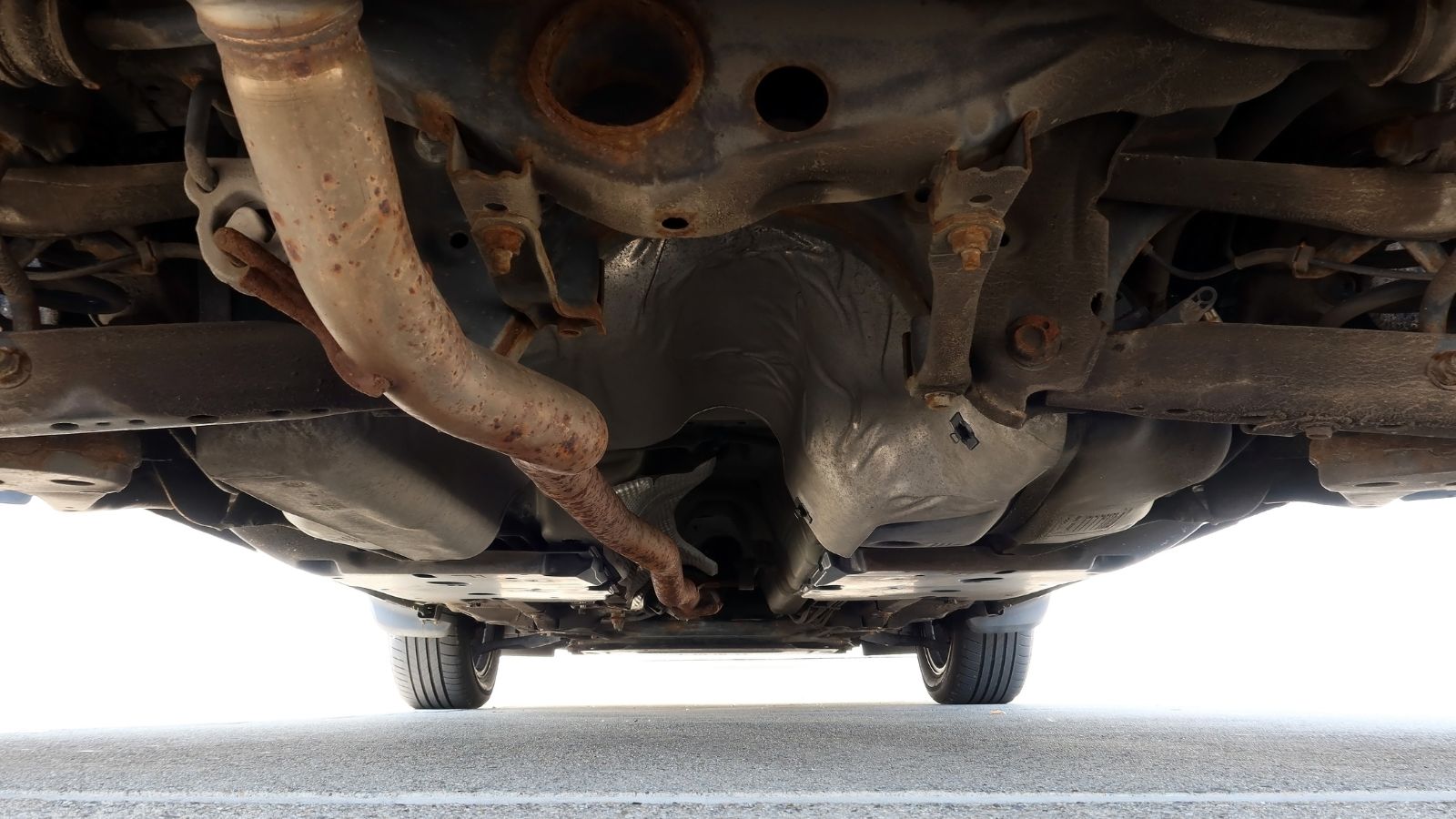
Carbon monoxide is colourless, odourless, and potentially deadly. A small leak in a vehicle’s exhaust system can allow the gas to accumulate inside the passenger compartment, particularly when windows are closed and the heater is operating. The CDC recommends having a mechanic inspect the exhaust system because occupants may not receive an obvious warning before symptoms such as headache, dizziness, weakness, nausea, or confusion develop. Exhaust leaks should never be treated as harmless simply because the vehicle remains drivable.
A blocked tailpipe creates an additional danger if a vehicle becomes stuck in deep snow. Exhaust gases can be forced beneath or into the cabin, allowing carbon monoxide to build rapidly. Before running the engine in a stranded vehicle, the tailpipe must be checked and kept clear. Government winter-safety guidance also recommends opening a window slightly, limiting engine operation, and avoiding prolonged idling. Snow can drift back around the outlet after it has been cleared, so the area requires repeated inspection. Occupants who experience possible carbon-monoxide symptoms should move to fresh air and seek emergency assistance immediately.
Poorly Fitted Winter Floor Mats
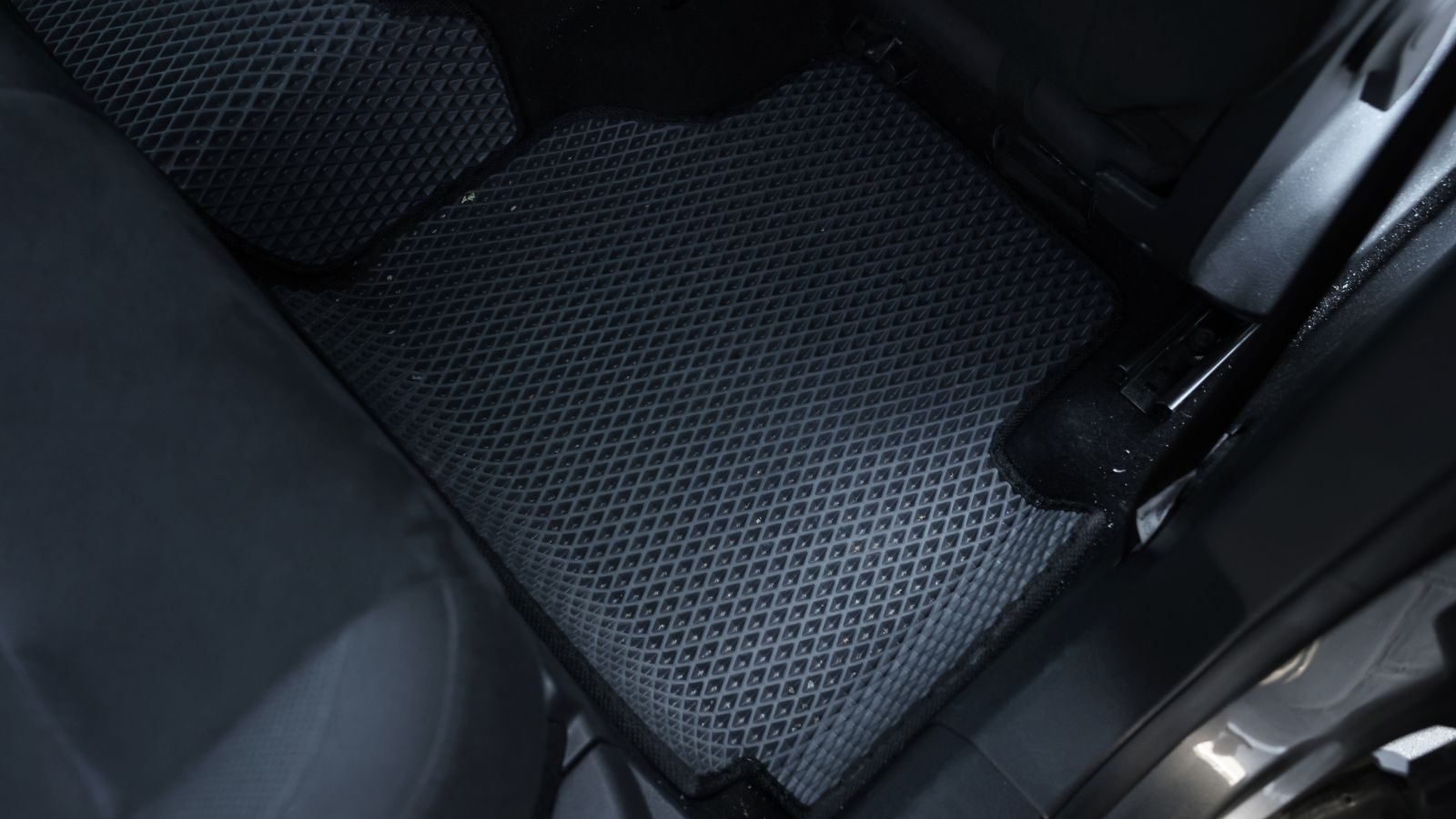
Heavy rubber floor mats protect carpeting from melted snow and road salt, but a mat that slides forward can interfere with the accelerator or brake pedal. NHTSA warns that improperly installed mats can increase crash risk by limiting pedal movement or trapping a pedal in an applied position. The danger is greatest when an oversized universal mat, multiple stacked mats, or a mat designed for another model is placed in the driver’s footwell.
A driver may not notice the interference during gentle city driving. The problem may appear only when full brake travel is needed on an icy highway or when the accelerator must return immediately after a passing manoeuvre. Mats should match the vehicle, lie flat, and connect to all factory retention clips. Nothing should be stacked beneath them, including carpet remnants or an older set of mats. After installation, each pedal should be pressed through its complete range with the engine off. Snow and ice buildup should also be removed regularly because a thick frozen layer can alter the driver’s footing or obstruct pedal movement.
Bad Wheel Alignment or Balance
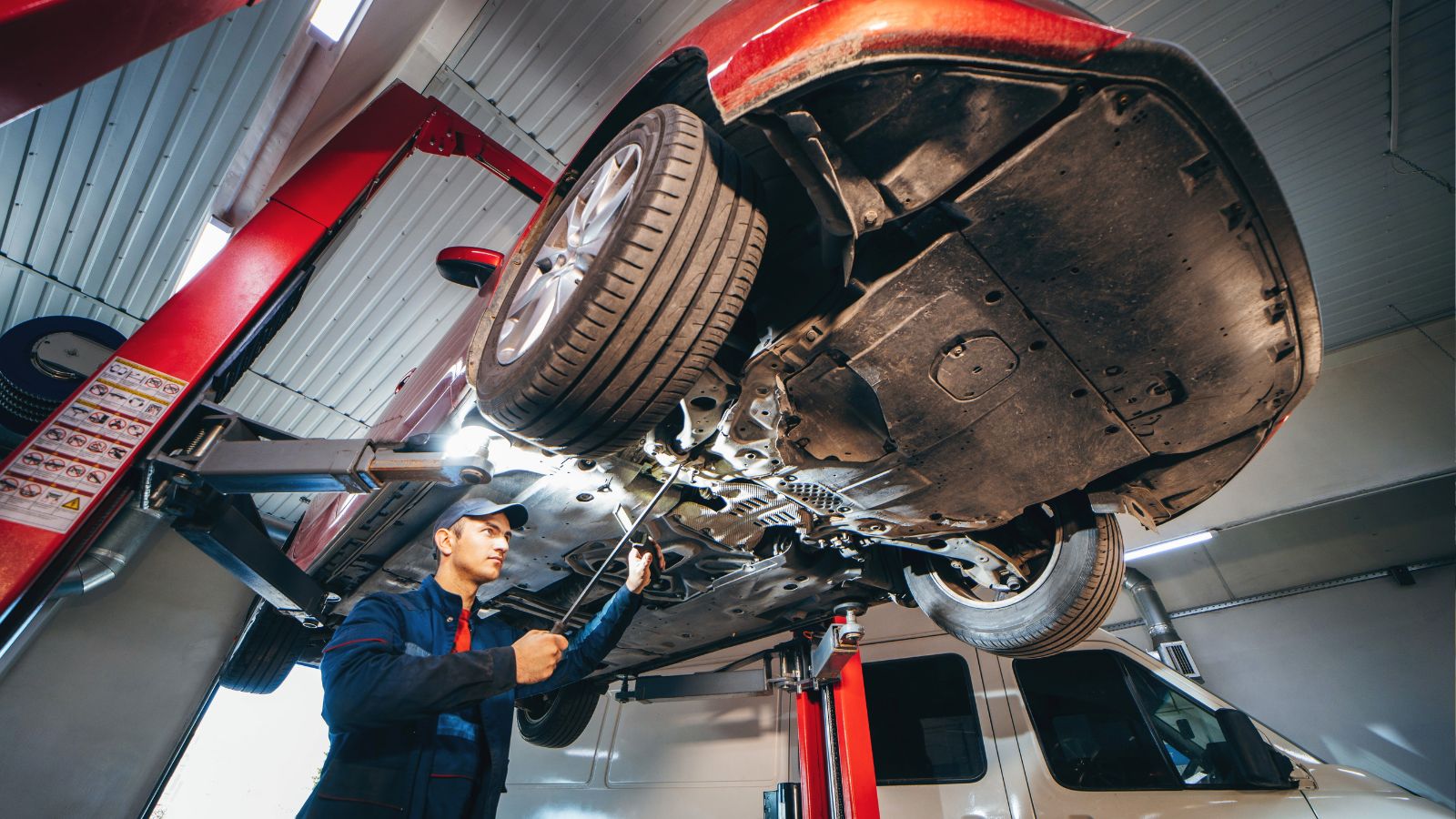
Wheel alignment affects the direction in which the tires point relative to the road and vehicle body. NHTSA notes that correct alignment prevents a car from veering left or right on a straight, level surface and helps maximize tire life. Misalignment can produce uneven tread wear, vague steering, or a persistent pull that becomes harder to manage on icy pavement. A driver who is constantly correcting the steering may also become fatigued more quickly during a long trip.
Wheel balance is related but different. An imbalanced wheel can create vibration through the steering wheel, seat, or body as speed increases. That vibration may reduce control, hide other mechanical warnings, and accelerate wear in tires and suspension components. Potholes, curb impacts, and rough roads can disturb alignment or damage wheels, even when the vehicle still appears usable. A pre-trip inspection is sensible when the steering wheel sits off-centre, the vehicle wanders, the tires show feathered or one-sided wear, or vibration appears at highway speed. Alignment cannot restore a damaged tire, bent wheel, or worn steering component, so the underlying cause must also be identified.
Low Fluid Levels or Unrepaired Leaks
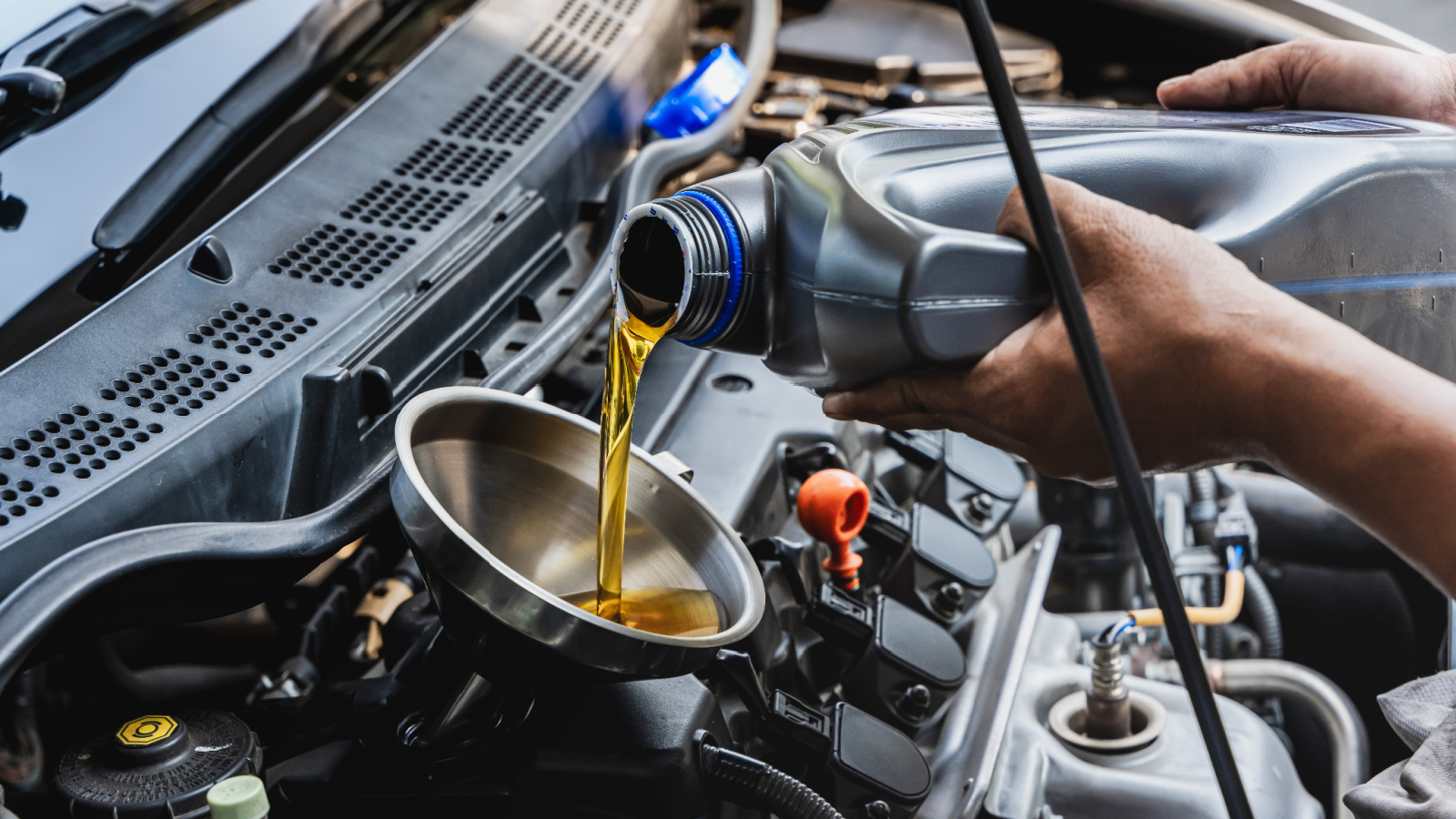
Modern cars rely on several fluids to lubricate components, transmit hydraulic force, control temperature, and maintain visibility. Depending on the vehicle, important checks may include engine oil, brake fluid, transmission or clutch fluid, hydraulic power-steering fluid, coolant, and washer fluid. NHTSA recommends servicing a vehicle when signs of leakage are present rather than simply topping up a reservoir. A falling level usually indicates that fluid is escaping or being consumed somewhere in the system.
Winter can make leaks more troublesome. Rubber seals and hoses may contract in low temperatures, while snow can hide drips on the ground. A small brake-fluid leak may reduce hydraulic performance, and a power-steering leak can make the vehicle harder to control. Low oil can damage an engine, while low transmission fluid may cause delayed engagement or slipping. Drivers should investigate warning lights, burning smells, new stains, unusual noises, or repeated fluid loss before travelling. Fluid specifications matter as well; using an incompatible product can damage components or change system performance. Electric vehicles have fewer routine fluids, but they still use coolants, brake fluid, and other serviceable liquids.
Excessive Passenger and Cargo Weight
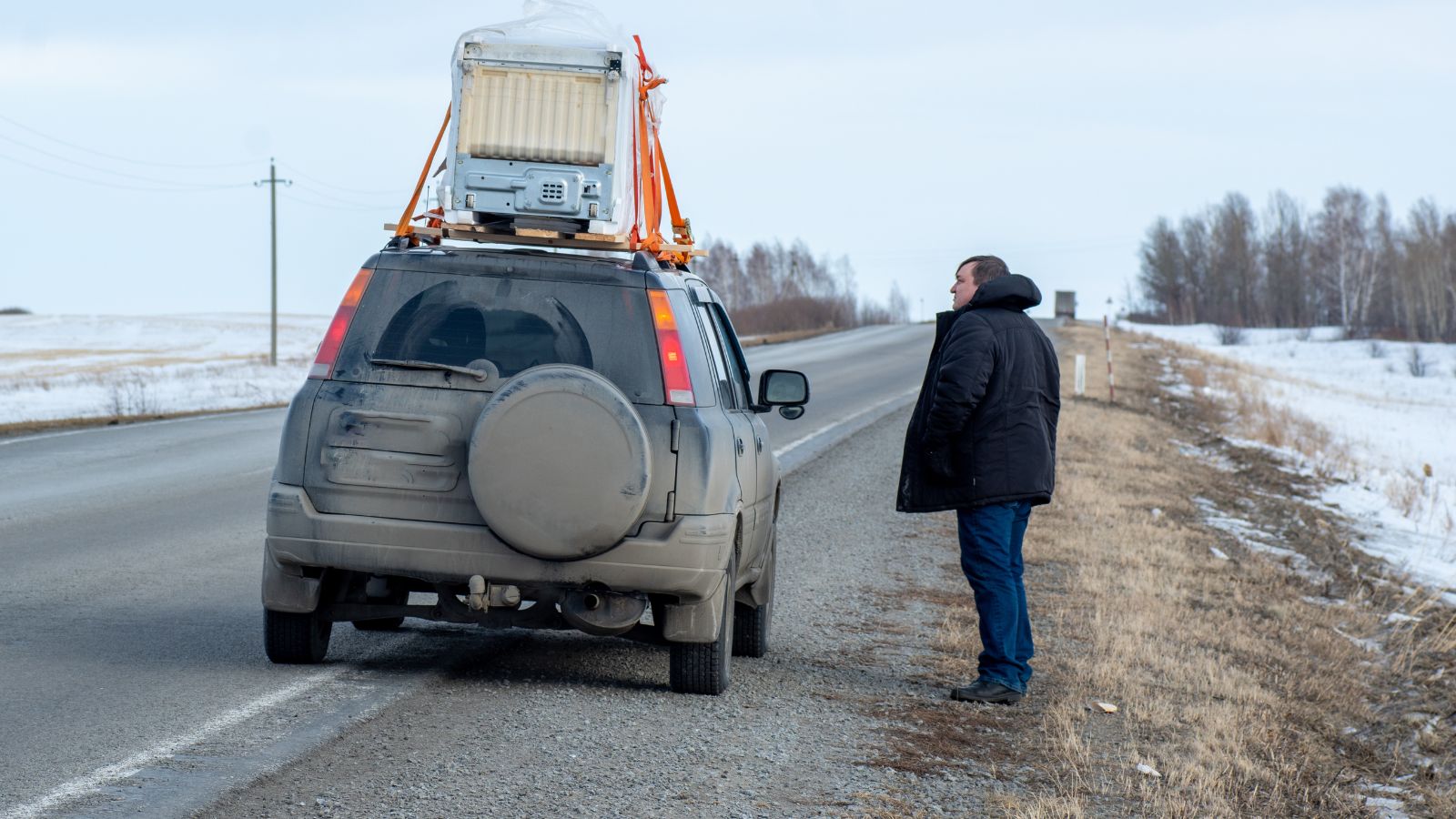
Winter road trips often fill every seat and cargo compartment with people, suitcases, sports equipment, emergency supplies, and roof-mounted items. That weight counts against the vehicle’s payload capacity. The maximum safe load is based on the engineering limits of the vehicle, axles, and tires rather than the physical amount of space available. A cargo area can appear to have room remaining even when the vehicle is already near its gross weight rating.
Excess weight increases the demands placed on tires, brakes, steering, and suspension. It may lengthen stopping distances, reduce ground clearance, alter headlight aim, and change how the vehicle responds during an emergency manoeuvre. Tire load capacity is especially important because an overloaded tire can overheat or fail. The tire-and-loading label and owner’s manual provide the figures needed to calculate how much combined passenger and cargo weight the vehicle can carry. Weight should also be distributed sensibly instead of concentrated behind the rear axle or on one side. Roof boxes and racks have their own limits and can raise the vehicle’s centre of gravity.
Snow- or Ice-Covered Driver-Assistance Sensors
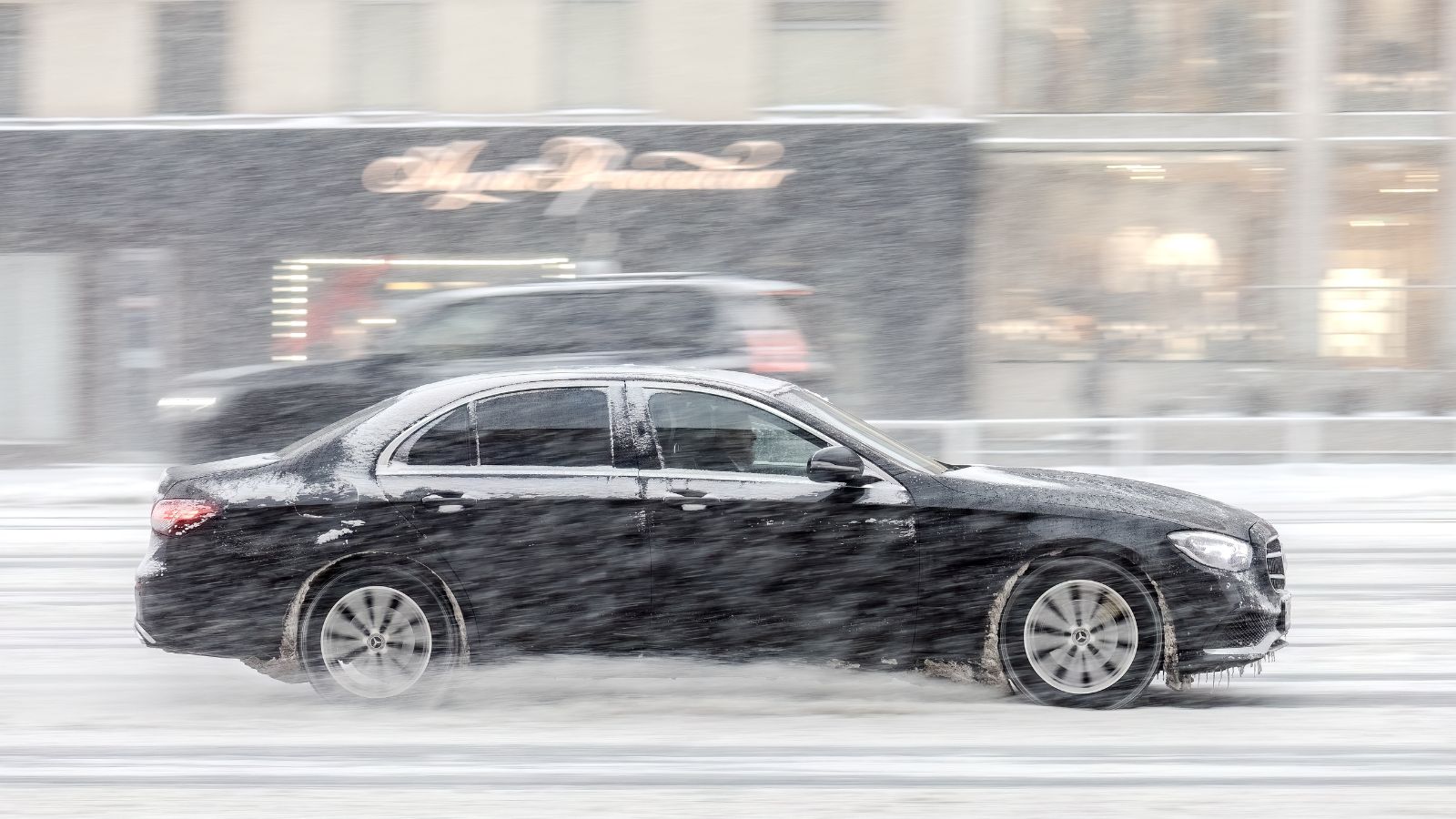
Automatic emergency braking, adaptive cruise control, lane assistance, blind-spot monitoring, and parking systems rely on cameras, radar units, ultrasonic sensors, or combinations of these technologies. Transport Canada warns that snow and ice can affect driver-assistance performance and may prevent the systems from working properly. A sensor does not need to be completely buried; a thin layer of frozen slush, road salt, or grime may be enough to obstruct its view or reduce signal quality.
Warning messages are helpful, but they do not guarantee that every form of reduced performance will be obvious. A system may temporarily disengage, provide limited assistance, or respond differently from what the driver expects. Before departure and during fuel or charging stops, the windshield camera area, bumper sensors, mirrors, lights, and radar covers should be inspected and cleaned according to the manufacturer’s instructions. Hot water and sharp tools should not be used on delicate surfaces. Most importantly, these features remain assistance systems rather than substitutes for attentive driving. Cruise control and lane-centering functions may be inappropriate when roads are slippery or lane markings are obscured.
Unrepaired Safety Recalls
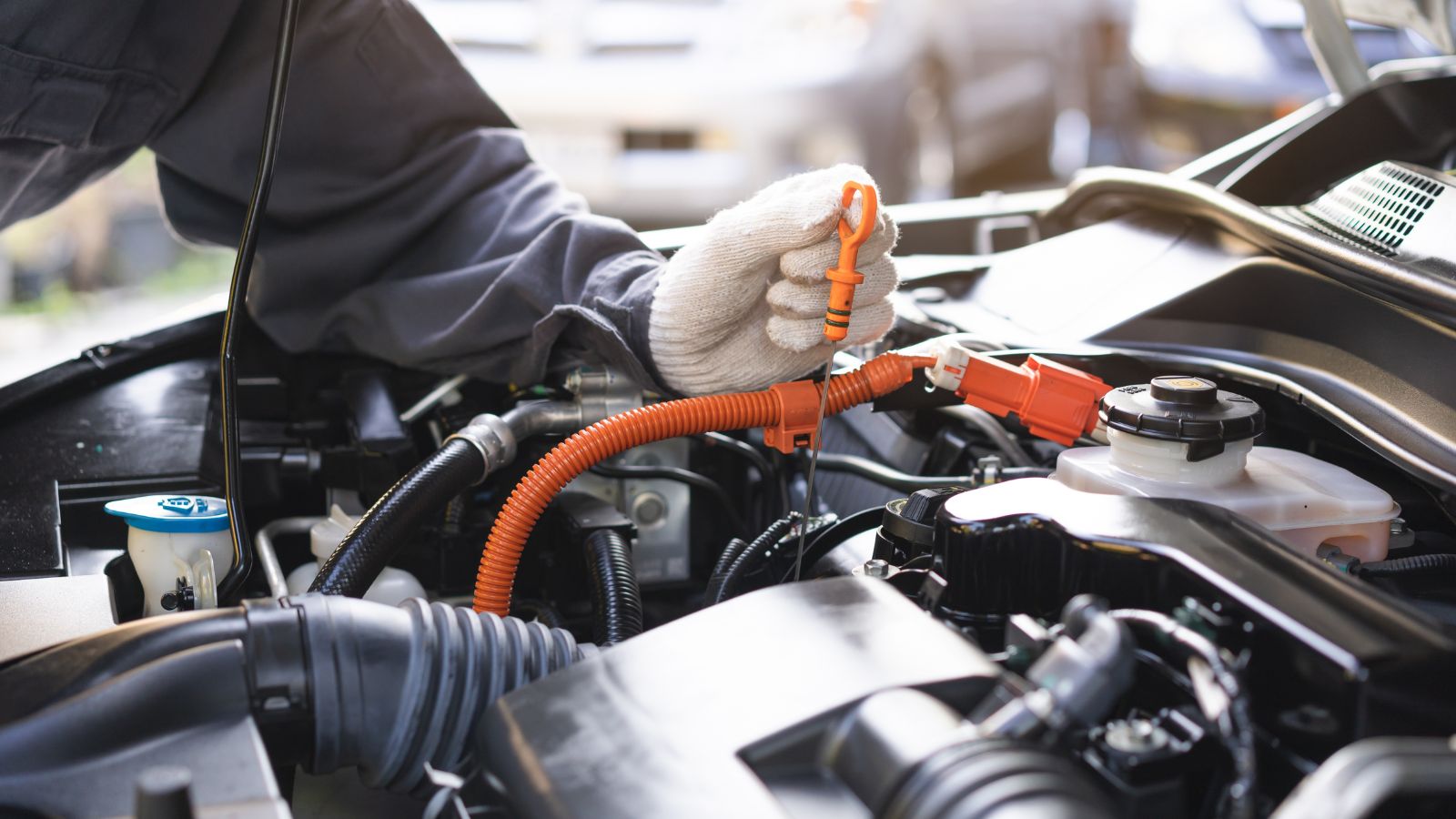
A vehicle can appear well maintained and still contain a safety defect identified after it was manufactured. Recalls may involve brakes, steering, tires, electrical systems, airbags, fuel systems, software, or other components whose failure could cause injury or a crash. Winter conditions can increase the consequences of such a failure because traction is limited and roadside assistance may be farther away. A recall notice should therefore be addressed before a major trip rather than postponed until the next routine service appointment.
Transport Canada maintains recall information dating back to the 1970 model year and provides tools for checking recalls, including searches based on the vehicle identification number where available. Owners should also verify information with the manufacturer or an authorized dealer because recall databases and eligibility details may change. Repairs related to a safety recall are normally arranged through the manufacturer’s dealer network. Used-car owners should be particularly cautious because notices may have been sent to a previous owner. The 17-character VIN is generally visible through the lower windshield and appears on registration and insurance documents.
22 Things Canadians Do to Their Cars in Spring That Mechanics Hate

Spring brings relief to many Canadian drivers after months of snow, freezing temperatures, and icy roads that put serious strain on vehicles. As temperatures rise across the country, drivers begin washing cars, switching tires, and preparing vehicles for warmer weather and upcoming road trips. However, mechanics across Canada notice the same mistakes every spring when drivers attempt to recover from winter damage. Road salt, potholes, and harsh winter driving conditions often leave vehicles with hidden problems that drivers ignore. Some spring habits even create new mechanical issues that could have been avoided with proper maintenance. Here are 22 things Canadians do to their cars in spring that mechanics hate.