

























A vehicle does not need a luxury badge to create a luxury first impression. Modern mainstream models increasingly use the same visual language once concentrated in premium showrooms: larger wheels, intricate lighting, dramatic paint, cleaner bodywork, and carefully managed proportions. None of those details guarantees better performance, greater reliability, or a richer cabin, but they can shape how expensive a vehicle appears from across a parking lot.
These 16 design choices explain why some affordable cars and crossovers photograph like high-end machines, attract attention at the curb, and occasionally cause observers to guess a much higher price than the one on the window sticker.
Large Wheels That Nearly Fill the Arches
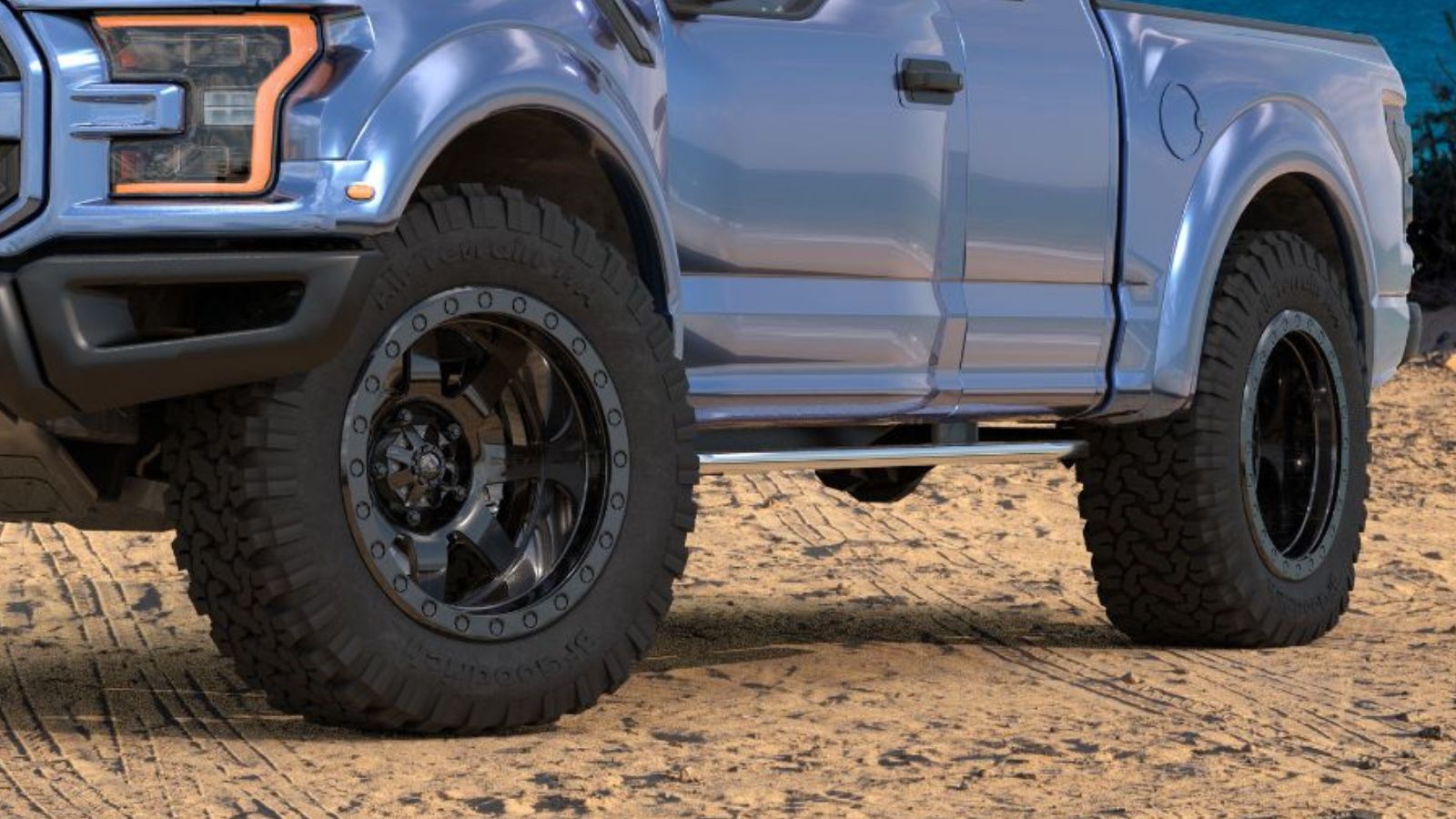
Large alloy wheels create an immediate sense of presence because they reduce the amount of empty space around the tires and make the body appear lower and more planted. Automakers understand that effect and frequently reserve their biggest, most elaborate wheel designs for upper trims. On the 2026 Toyota Camry, for example, the SE uses 16-inch alloys, the SE Upgrade moves to 18-inch wheels, and the XSE receives 19-inch black-and-smoke-grey wheels.
The same hierarchy appears on the compact Kia K4, which progresses from 16-inch wheels on lower grades to 18-inch designs on GT-Line versions. That visual ladder teaches shoppers to associate wheel size with equipment and price, even when the underlying car is largely unchanged. A clean, well-proportioned 18- or 19-inch wheel can therefore make an ordinary sedan look like a premium derivative. The illusion works best when the wheel design is distinctive but not excessively busy; oversized aftermarket rims can have the opposite effect.
A Grille With a Strong, Recognizable Shape
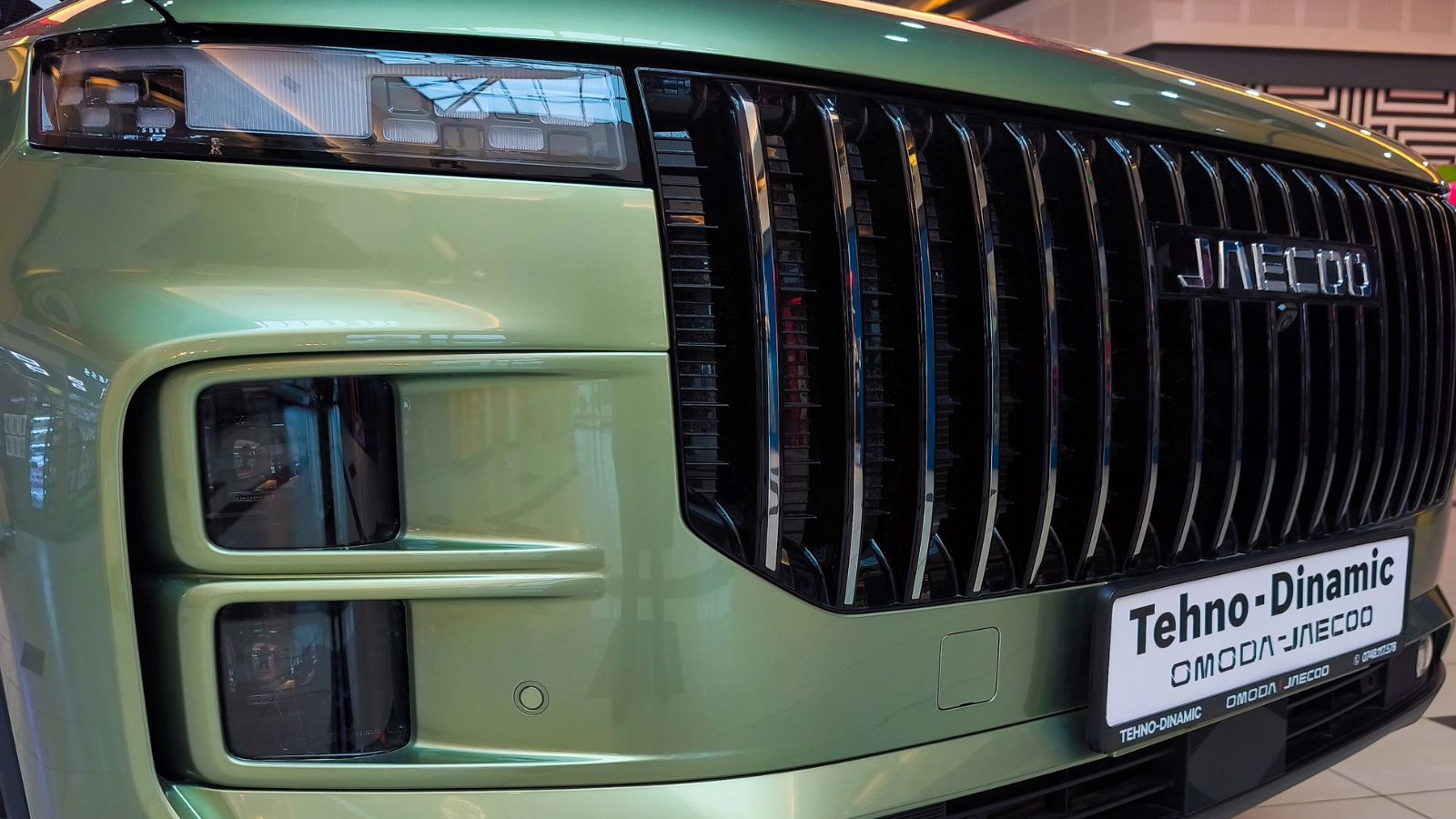
The grille acts like a vehicle’s face, and a bold one can create the impression that a car belongs to a more prestigious family. Research into automobile styling has identified the grille, headlights, profile, and side vents as important features that influence how people read a design. Luxury brands also invest heavily in making their front ends immediately recognizable, as seen in Lincoln’s upright signature grille and integrated lighting on the flagship Navigator.
Mainstream manufacturers now apply a similar strategy. Higher Kia K4 trims replace simpler front treatments with a gloss-black GT-Line grille framed by chrome, while the Toyota Camry uses distinct grille patterns and finishes to separate refined XLE and sportier XSE personalities. The material may still be moulded plastic, but shape, depth, texture, and contrast can make it appear more substantial. A grille that looks intentional rather than generic gives the entire vehicle a stronger identity, which often reads as more expensive before anyone studies the badge.
Thin LED Headlights and Distinctive Daytime Running Lights
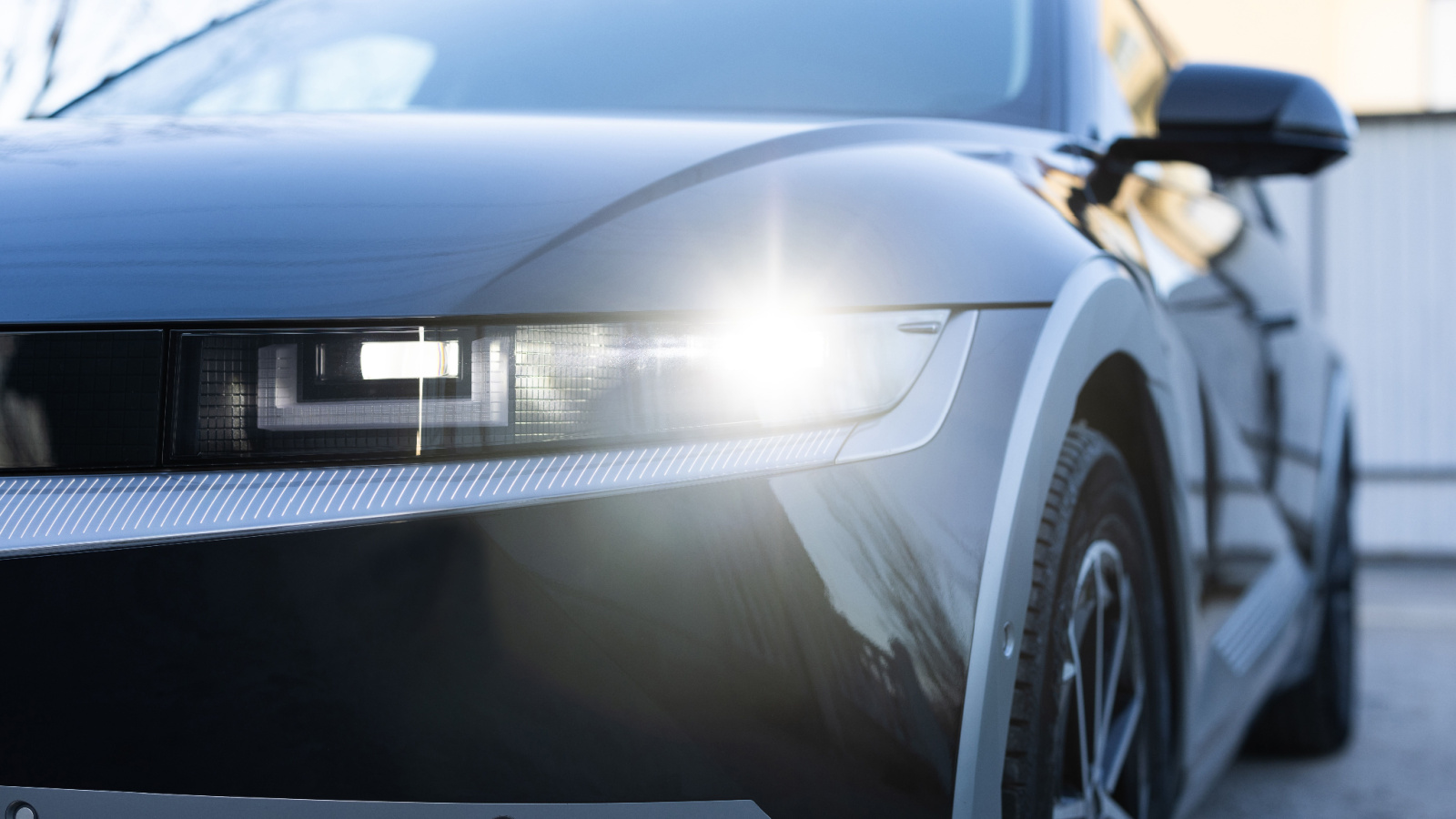
Lighting has become one of the quickest ways to make a modest vehicle appear technologically advanced. LEDs allow designers to create thin lamps, sharp graphics, and recognizable daytime-running-light signatures that would have been difficult with older halogen units. Research on perceived vehicle quality has found that exterior lighting affects design perception and other emotional responses, helping explain why manufacturers treat lamp graphics as a major branding tool.
The Range Rover Velar demonstrated the premium end of this idea with exceptionally slim LED headlights and jewel-like signatures. Yet similar thinking now appears on attainable vehicles. The Kia K4 uses vertically oriented LED lighting inspired by the much larger EV9, while the Nissan Kicks SR offers a distinctive LED signature. At night, the difference can be especially dramatic: a precise light pattern is visible before the body shape is fully recognizable. That momentary ambiguity can make a mainstream car seem newer, more sophisticated, and more costly than its conventional mechanical package suggests.
A Full-Width Light Bar
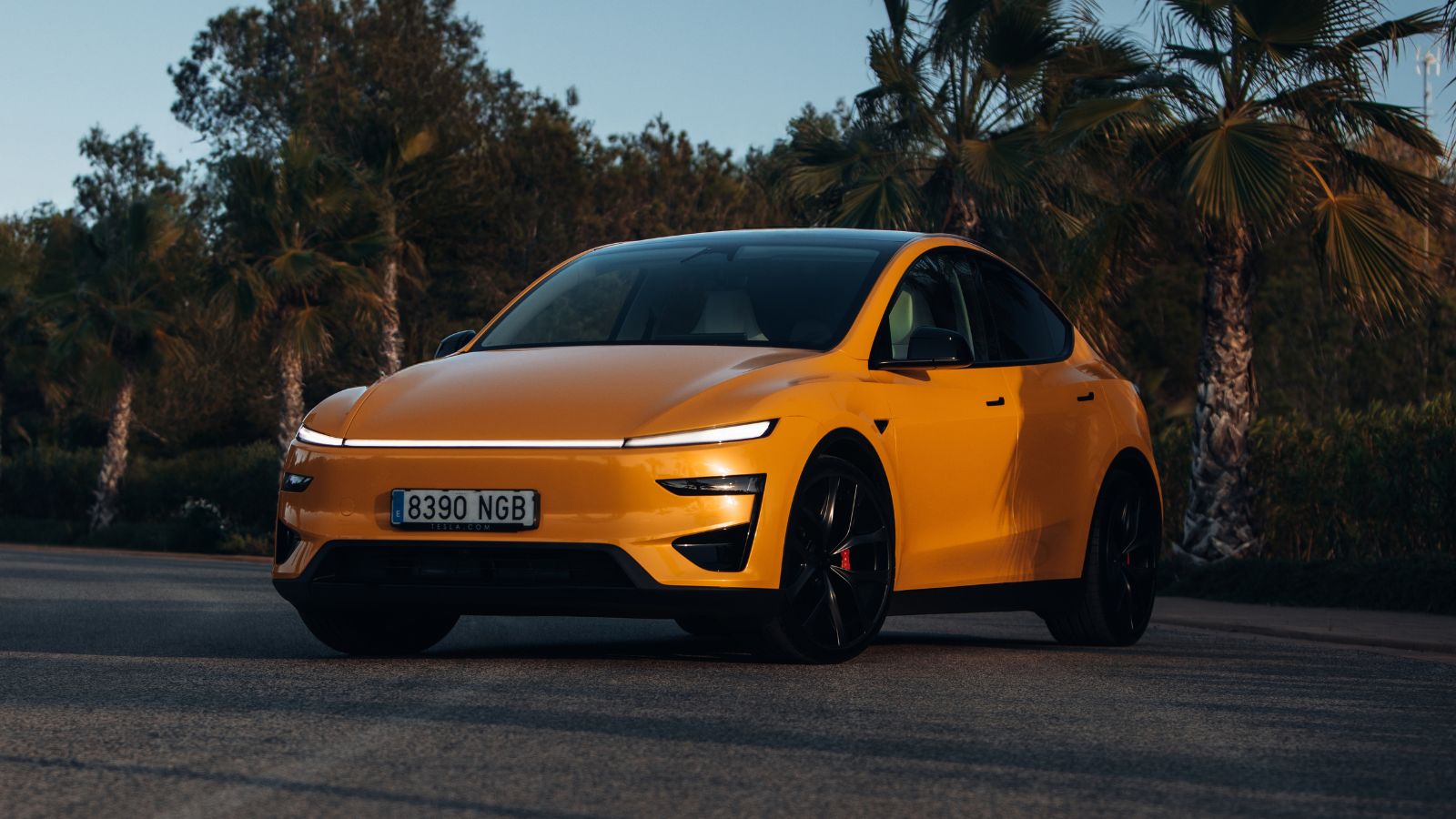
A continuous strip of light across the front or rear creates visual width and gives a vehicle a concept-car quality. It also simplifies the body into a few strong horizontal elements, a treatment frequently seen on premium electric vehicles and flagship SUVs. Lincoln uses an illuminated grille bar and full-width taillamps on the Navigator to reinforce the model’s modern, high-status appearance.
The idea has quickly moved downmarket. The 2025 Nissan Kicks uses full-width LED taillights that divide the liftgate, while the European Ford Kuga gained a full-width front light bar framing its grille. Neither vehicle needs a six-figure price to benefit from the same visual trick. A light bar makes the body look broader, and the uninterrupted graphic appears expensive because it demands careful integration across multiple panels. Even when the actual lamp technology is straightforward, the result can suggest advanced engineering and bespoke design. It is a powerful example of styling creating perceived value without changing the vehicle’s fundamental mission.
Metallic, Pearl, or Matte Paint
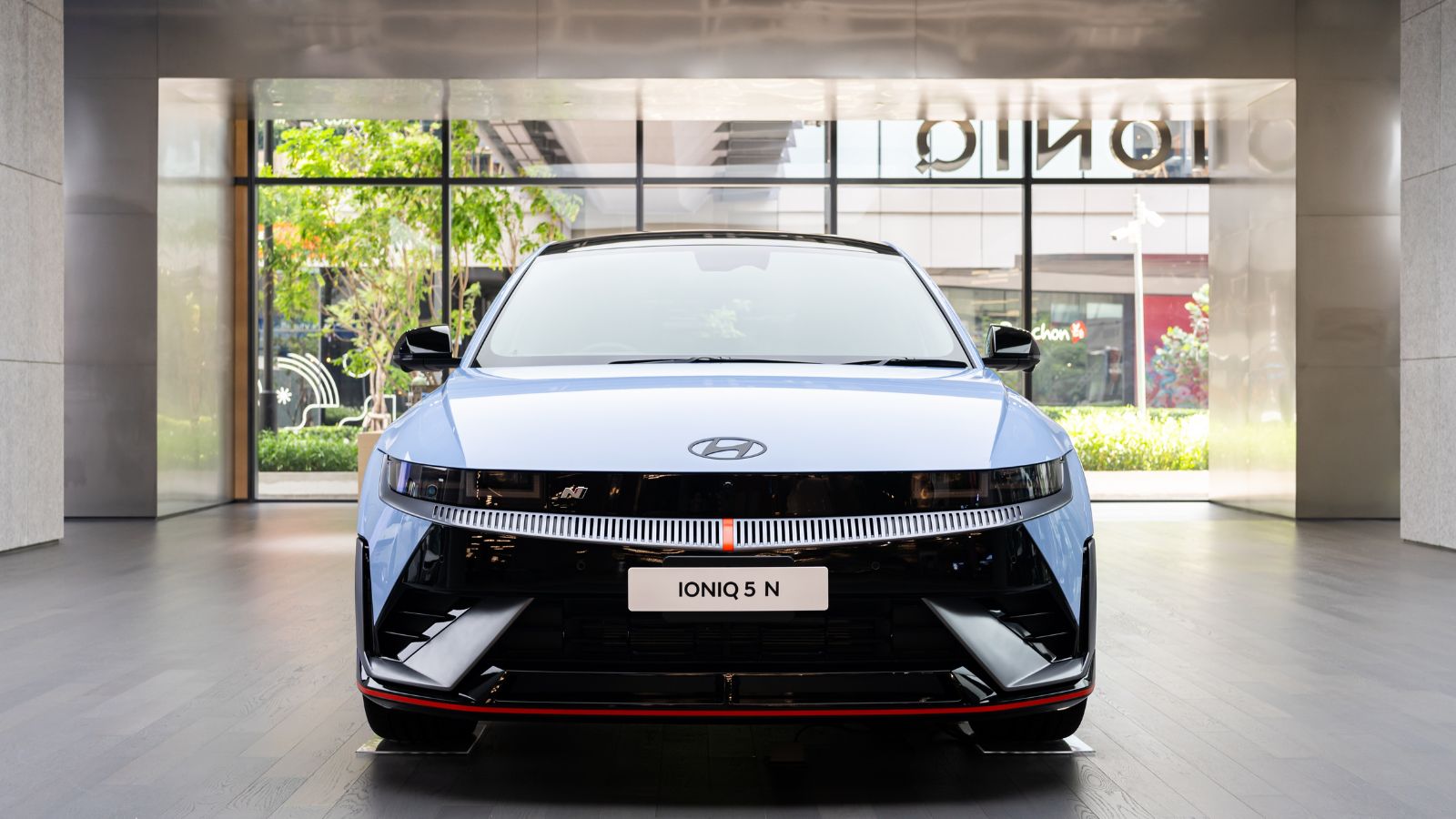
Paint can change how every curve and crease is perceived. Metallic flakes, pearl effects, and carefully controlled matte finishes react to light differently from basic solid colours, adding visual depth even when the body panels are identical. PPG’s history of automotive colour notes the spread of pearl, mica, metallic, glass-flake, and later matte technologies, while its 2025 colour report emphasizes the continuing demand for different textures, finishes, and effects.
Research has also found that brighter light reflection on exterior surfaces can improve perceived quality and purchase intention in some vehicle categories, particularly SUVs. That helps explain why a well-detailed metallic grey or deep pearl white can make a common crossover look unusually polished. Hyundai’s IONIQ 5, for instance, has been offered in pearl, metallic, and matte finishes that reinforce its futuristic shape. Special paint does not improve the drivetrain, but it can make panel transitions clearer, hide minor visual bulk, and produce showroom-style highlights that suggest a more expensive manufacturing process.
A Contrasting Roof
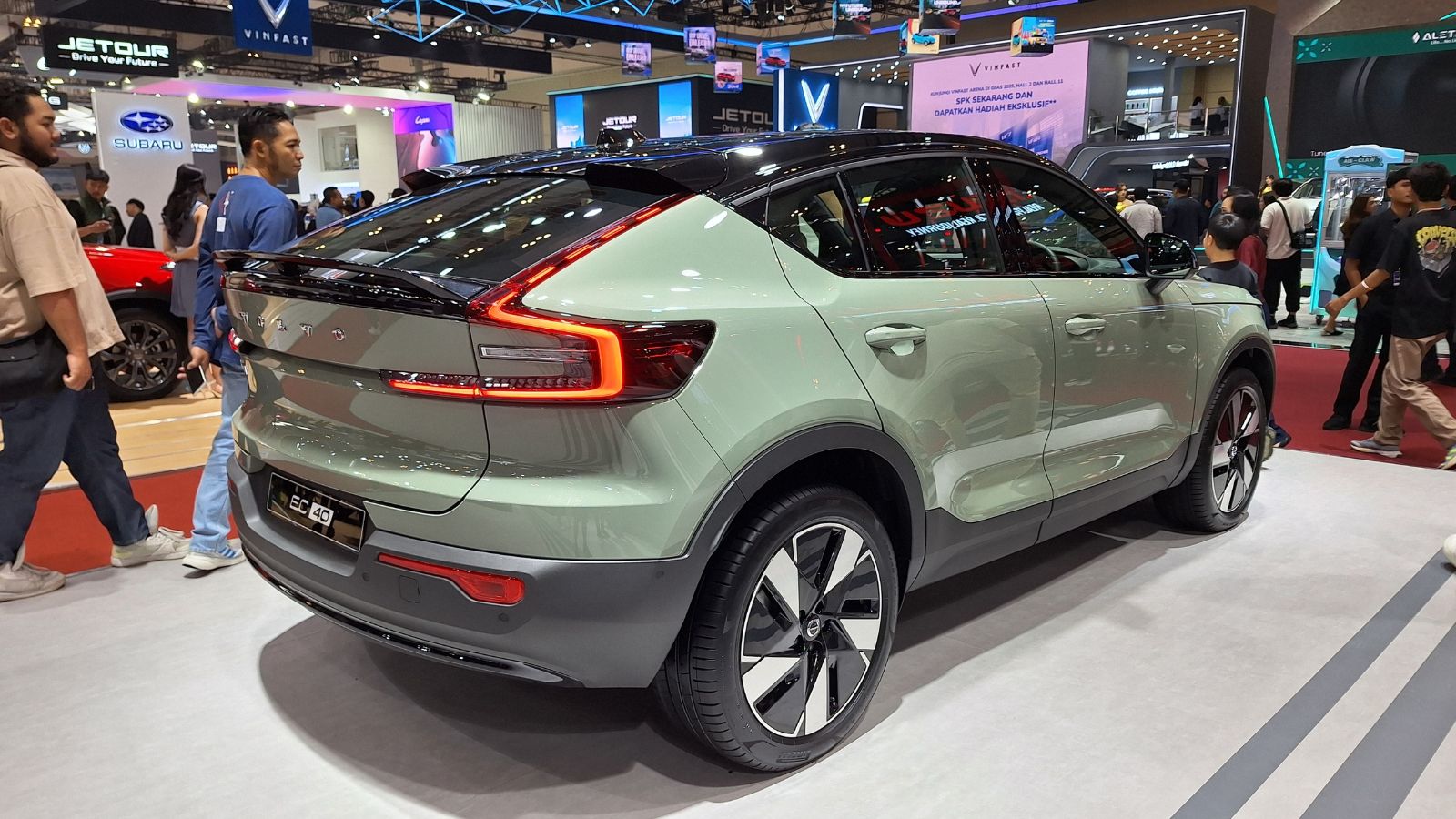
A black or contrasting roof changes a vehicle’s silhouette without requiring different sheet metal. By visually lowering the roof and separating it from the body, the treatment can make a sedan look sleeker or a crossover appear more customized. Two-tone paint once carried strong associations with bespoke or premium styling, and coatings companies have tracked its repeated return as designers search for greater personalization.
Current mainstream examples are easy to find. Toyota offers the Camry XSE with selected body colours paired with a Midnight Black Metallic roof, while Nissan makes two-tone combinations available on the Kicks. Because these treatments are often restricted to upper grades, shoppers learn to read them as a signal of extra equipment. The effect is strongest when the roof colour continues through the pillars, mirror caps, or spoiler, creating one uninterrupted graphic. It may be little more than additional paint and masking at the factory, yet the result can look like a special-edition model built in much smaller numbers.
Blacked-Out Trim and Badges
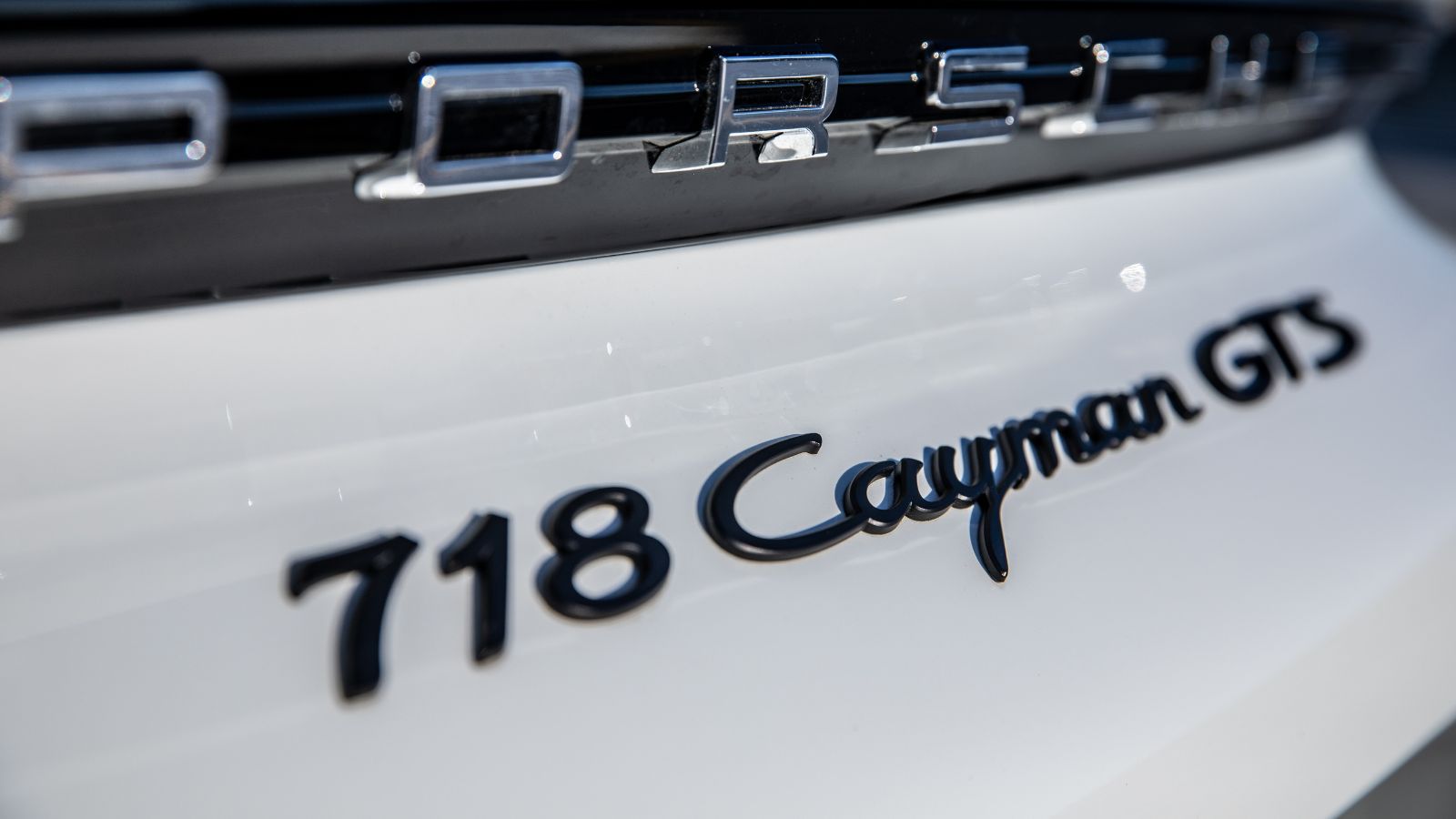
Gloss-black grilles, mirror caps, badges, and window surrounds have become a shortcut to a more exclusive appearance. The contrast removes bright visual clutter and can make the body colour appear richer, especially on white, silver, red, or dark blue vehicles. Automakers regularly use black appearance packages to distinguish sport-oriented or limited trims from the versions parked beside them.
Toyota’s 2026 Camry Nightshade illustrates the formula clearly, combining black exterior elements, unique 19-inch wheels, dark badging, mirror caps, door handles, and aerodynamic pieces. Kia uses a related approach on K4 GT-Line models, where gloss-black grille, bumper, mirror, window, and sill treatments replace simpler finishes. None of those pieces necessarily costs much more to manufacture, but the consistency matters. When every accent follows the same theme, the car looks designed rather than decorated. That coherence can resemble the carefully curated option packages of premium brands, making a mainstream vehicle appear rarer and more expensive than a standard trim.
Satin or Chrome Window Surrounds
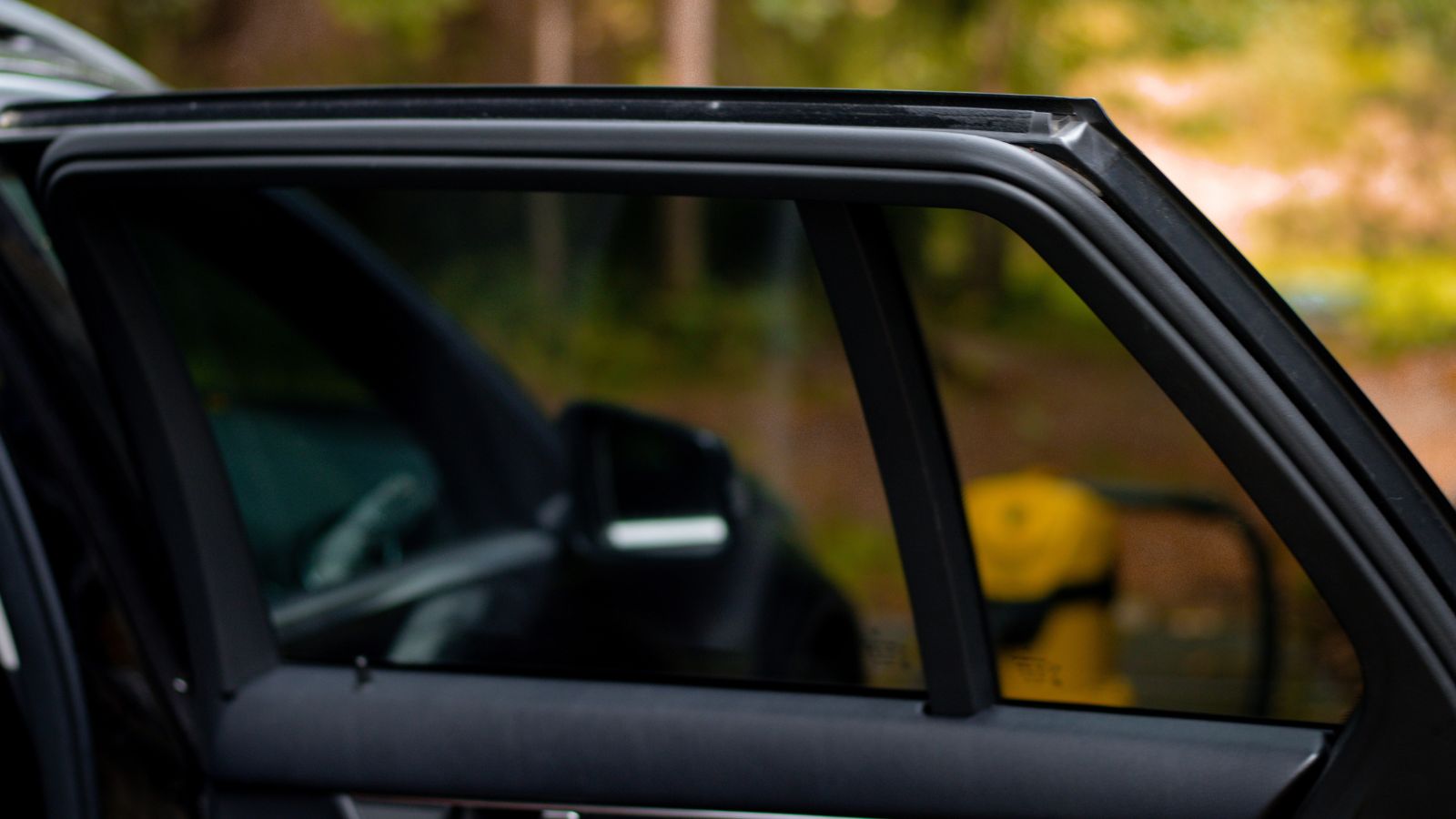
Bright trim can produce the opposite effect from a blackout package while reaching the same goal. A thin satin-metallic or chrome strip around the side glass outlines the cabin, emphasizes length, and recalls the restrained jewellery used on traditional luxury sedans. The key is precision: narrow, evenly applied trim tends to look refined, while oversized or poorly aligned pieces can appear inexpensive.
Manufacturers use these accents to separate upscale grades from basic ones. The Toyota Camry XLE adds chrome-finished window trim, and Kia equips higher K4 trims with satin-chrome beltline moulding and mirror details. These pieces are often coated plastic or thin metal rather than costly solid material, yet the eye mainly registers colour, reflectivity, and alignment. From several metres away, a continuous bright line can make the greenhouse look longer and the doors more carefully finished. It is a small visual investment with a large payoff, particularly on dark paint where the contrast is strongest and the vehicle’s profile becomes easier to read.
A Panoramic Glass Roof
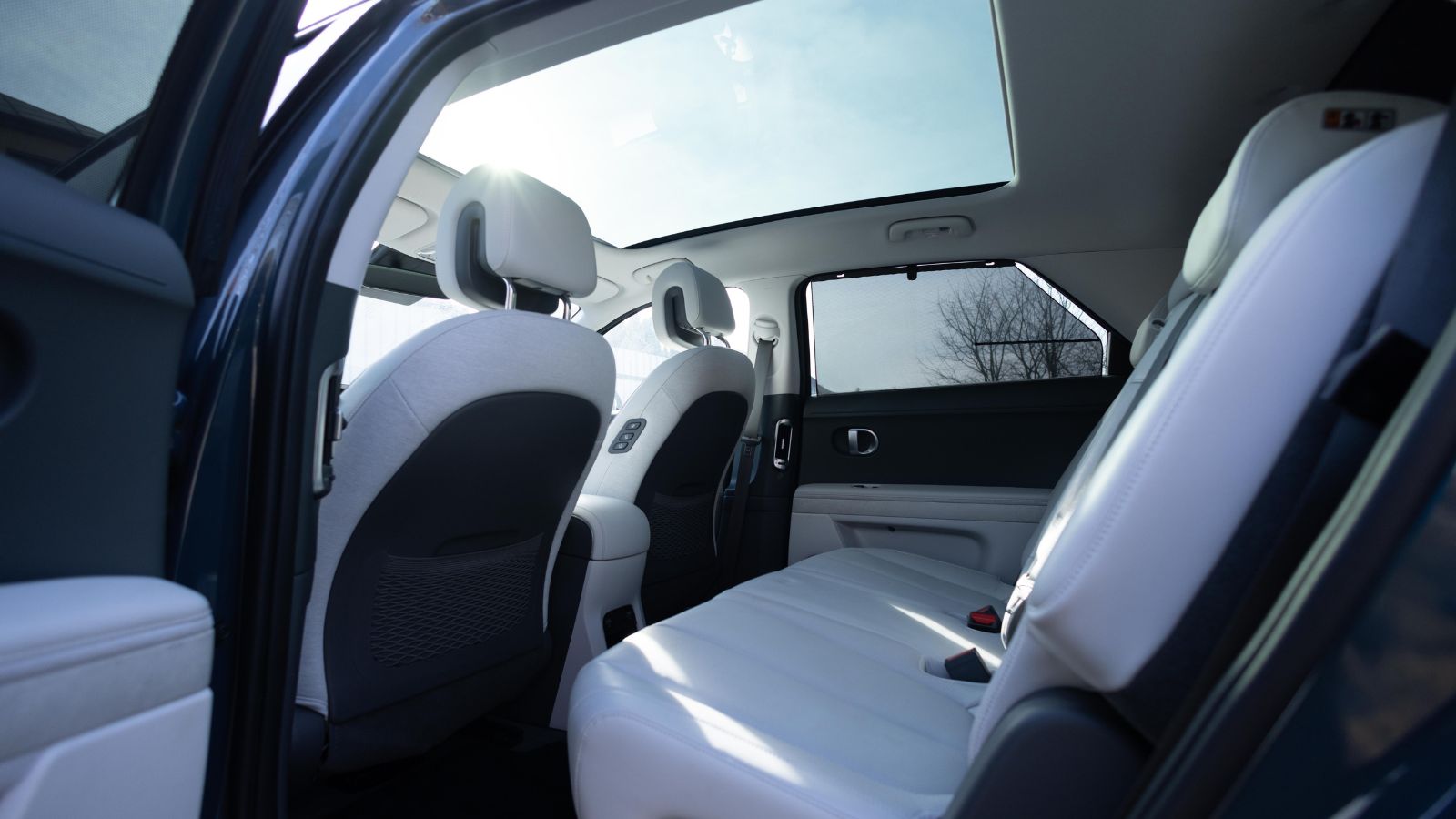
A large glass roof is visible from outside as well as inside, especially on tall crossovers and vehicles finished in lighter colours. The dark panel creates a smooth, uninterrupted surface that can make the roof appear thinner and more technical. Because panoramic roofs were once concentrated on premium models and expensive option packages, they still carry an aura of high specification even as they become more common.
Toyota offers a power panoramic roof on upper Camry grades, and Kia makes a wide power sunroof available on the K4 GT-Line while fitting it as standard on the GT-Line Turbo in the cited U.S. specification. That placement reinforces the connection between roof glass and top-trim status. The feature has practical trade-offs, including added weight, heat management, and possible reductions in headroom, but those concerns are invisible from the curb. What observers see is a dark glass canopy similar to the one used on far more expensive vehicles, which can instantly elevate the apparent value of an otherwise ordinary body.
Flush or Hidden Door Handles
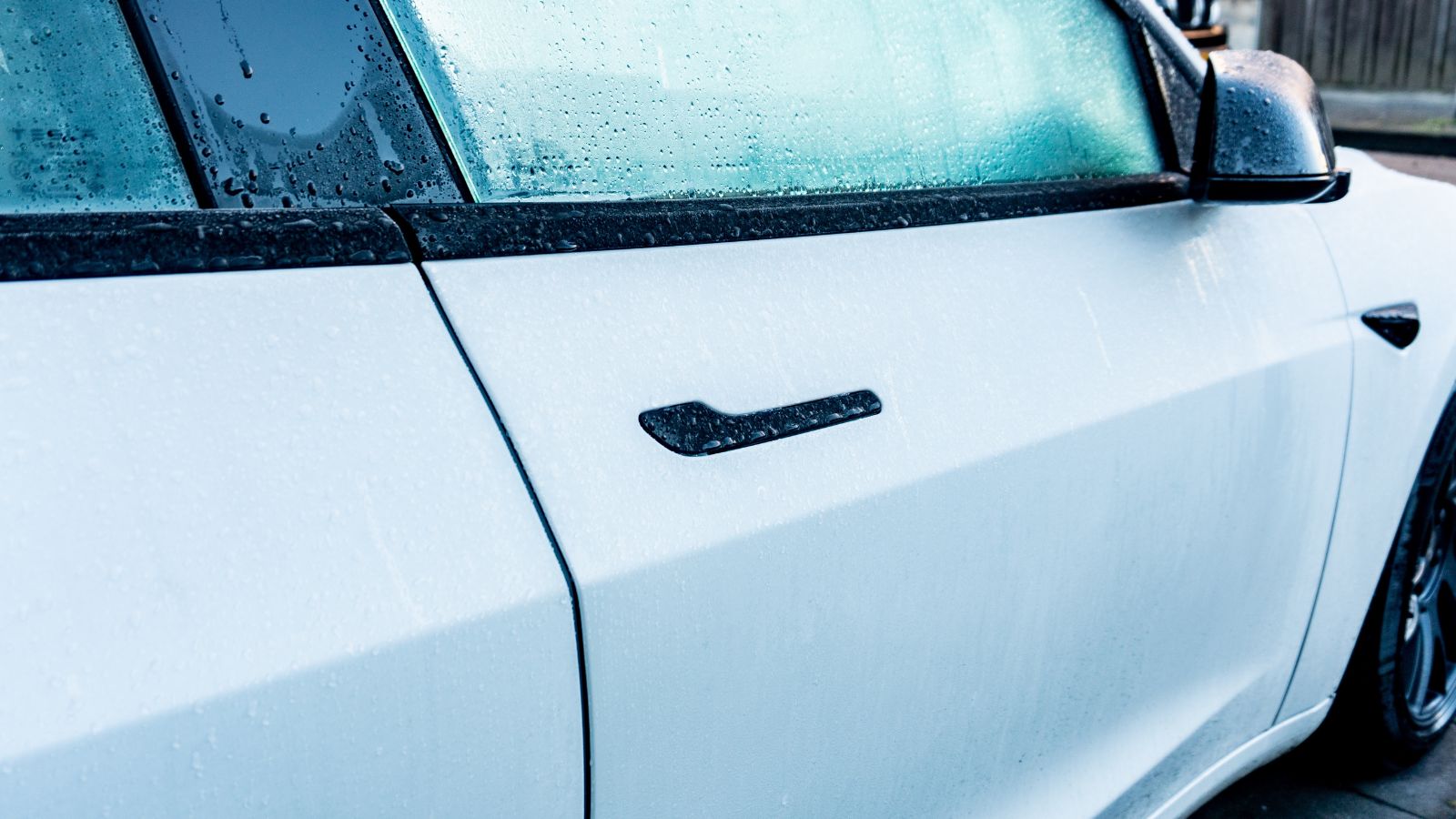
Traditional pull handles interrupt a vehicle’s side surface. Flush handles reduce that visual noise, allowing reflections to travel more cleanly along the doors and making the body look more like a concept model. Range Rover highlighted the Velar’s deployable handles as part of its reductionist luxury design, noting that they also contributed to cleaner aerodynamics.
That once-exotic cue now appears on mainstream electric vehicles such as the Hyundai IONIQ 5, whose automatic flush handles are used to create clean surfacing. Less elaborate solutions can work too. Kia hides the K4’s rear handles in the C-pillars, strengthening its fastback illusion without adding motorized hardware. From a distance, both techniques make the doors appear simpler and the side profile more sculptural. The expensive impression comes from what is missing: exposed mechanisms, bulky grips, and obvious hardware. There are durability and winter-use considerations with some flush systems, but visually they remain closely associated with modern luxury and advanced engineering.
A Fastback or Four-Door-Coupe Roofline
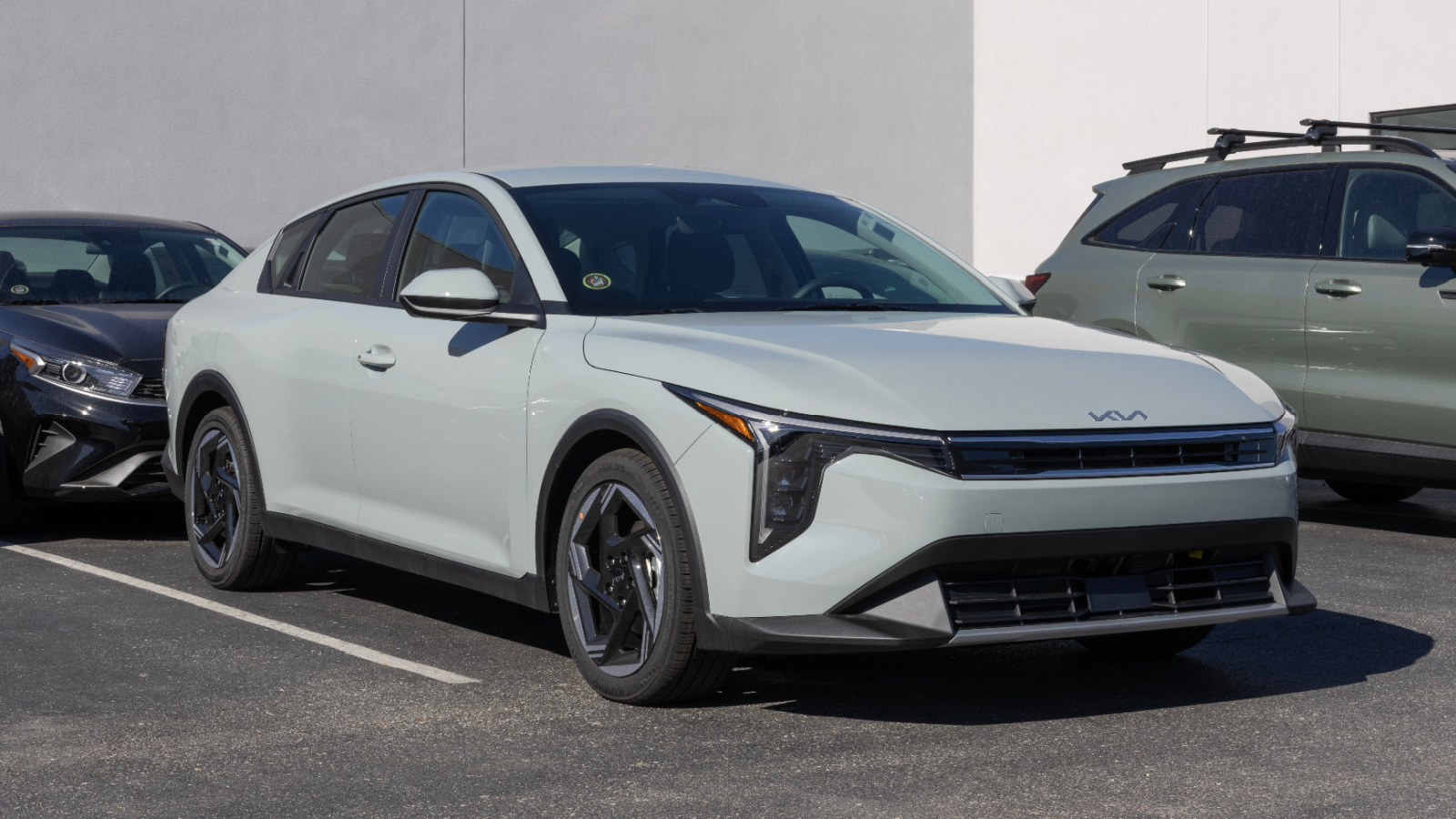
A roofline that sweeps smoothly into the rear deck can make a practical sedan look lower, longer, and less ordinary. Designers use this fastback shape to borrow some of the emotional appeal of a coupe while retaining four doors. The effect is especially persuasive when the rear door handles are hidden and the side glass tapers toward the tail.
Kia describes the compact K4 as having fastback styling cues, a wide stance, and proportions that visually blur the boundary between compact and midsize cars. Hyundai made a similar claim for the Sonata, emphasizing its four-door-coupe appearance while maintaining family-sedan packaging. These shapes are not automatically expensive to build, but they require careful balance so rear headroom, trunk access, and visibility remain acceptable. When executed well, the silhouette resembles premium liftbacks and grand touring sedans. People often judge a car’s class before seeing its dimensions, so a stretched, coupe-like profile can cause a relatively affordable model to be mentally placed one segment higher.
A Long Wheelbase With Short Overhangs
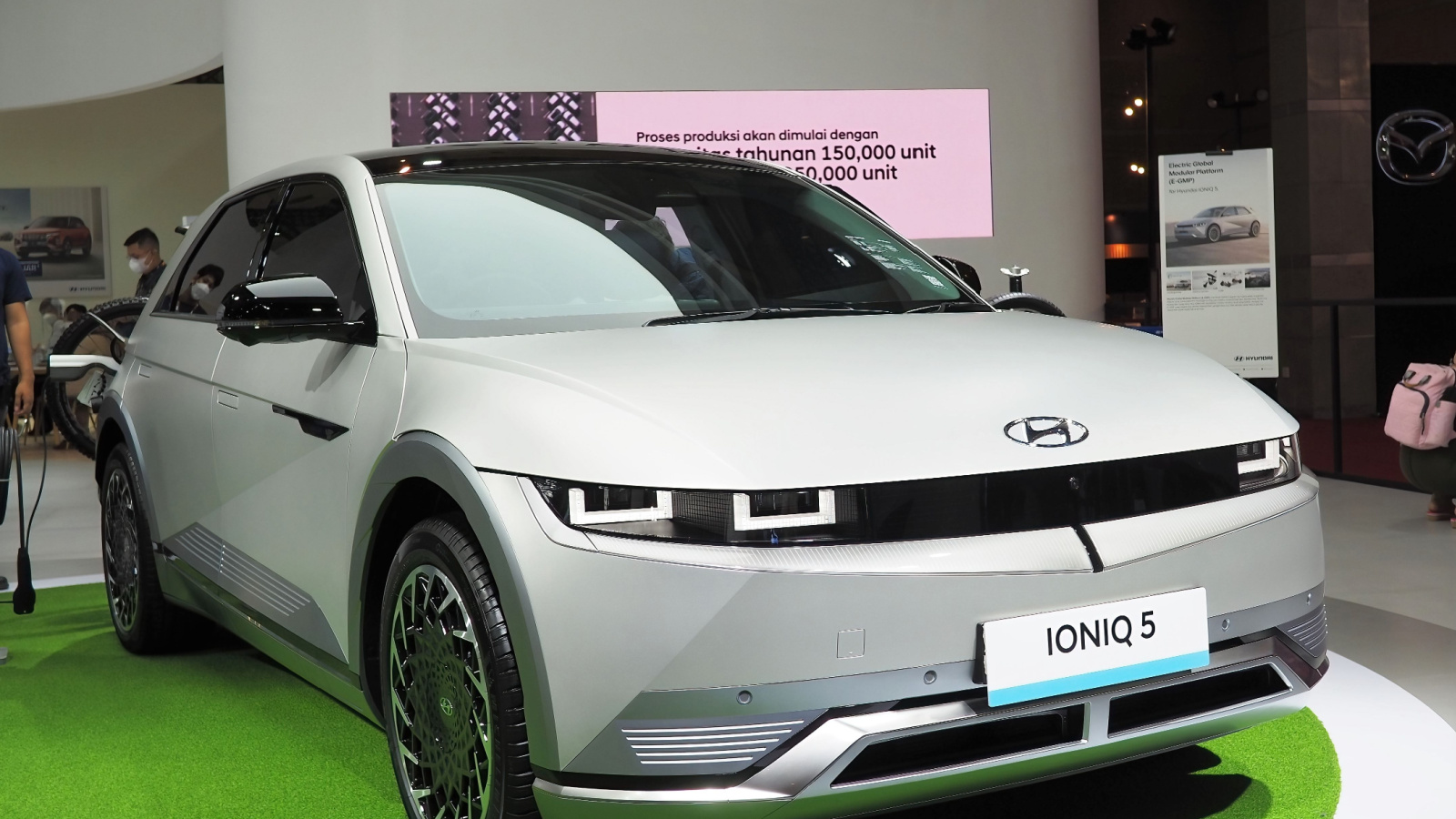
Proportion is one of the strongest influences on how a vehicle is perceived. Academic analysis of hundreds of models has found that wheelbase, length, width, and their relationships are pivotal to user perception. A long distance between the axles combined with short front and rear overhangs makes the wheels appear pushed toward the corners, creating a planted stance and maximizing the amount of body devoted to the cabin.
Electric platforms have made this look more accessible because large engines and conventional transmissions no longer dictate the same packaging. Hyundai’s IONIQ 5 uses a 118.1-inch wheelbase with short overhangs even though its overall length is within compact-crossover territory. The result gives it large-car presence without large-car dimensions. Similar proportions are often associated with expensive dedicated platforms, so observers may assume the vehicle occupies a higher class. This is one reason a well-proportioned compact EV can look more costly than a longer, conventionally packaged vehicle with more sheet metal but less visual balance.
A Wide Stance and Strong Shoulder Lines
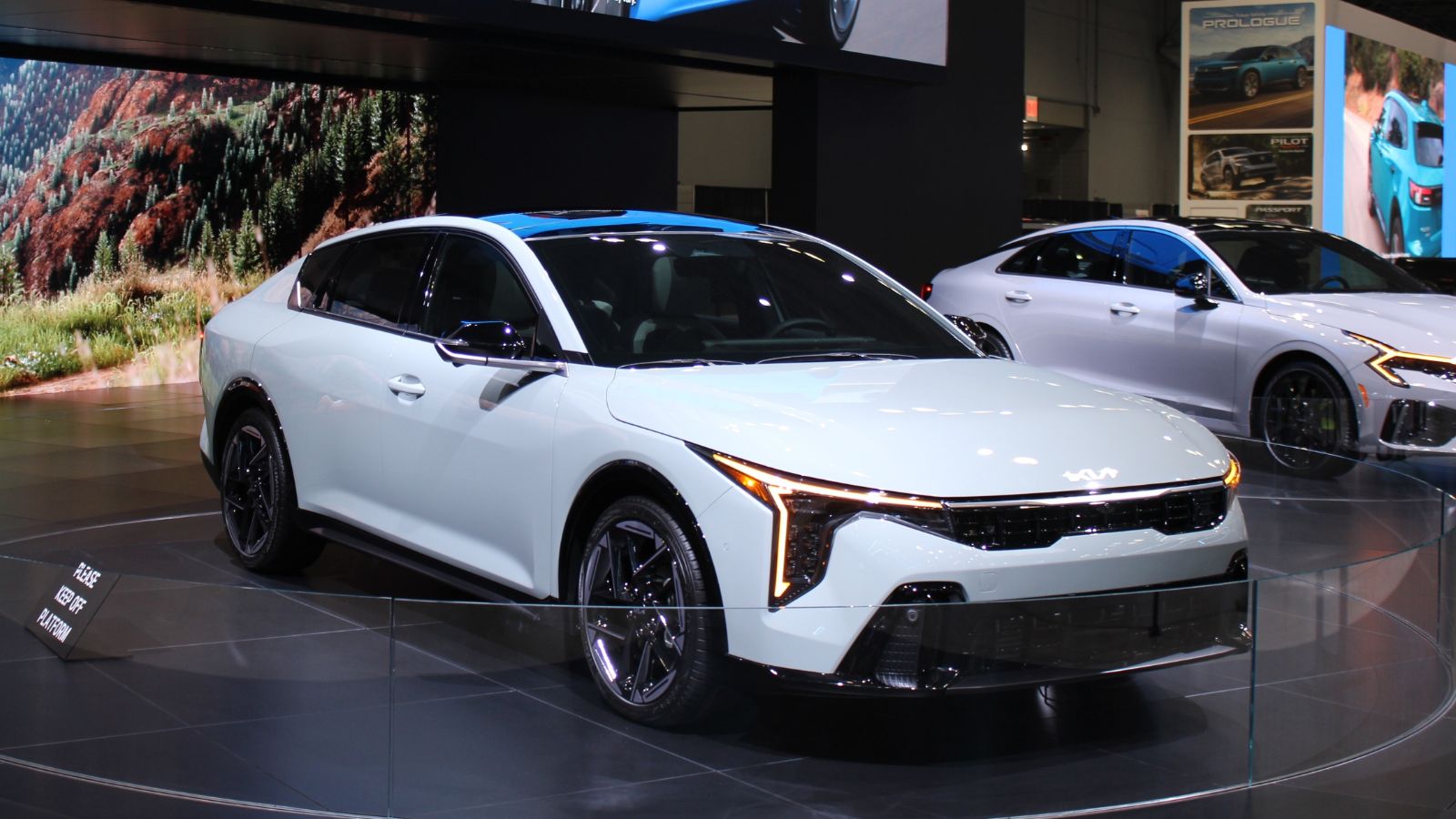
Width communicates stability and authority. A vehicle with wheels set close to the outer edges, pronounced fenders, and a strong line over the rear haunches can appear more powerful even when its engine output is modest. Recent design research describes wide stances, long hoods, short overhangs, and assertive shoulder lines as cues that can communicate power, luxury, and elegance.
The Kia K4 provides a mainstream example. Kia calls it the widest car in its compact segment and uses that width with a fastback roofline to create a form that appears closer to a midsize sedan. The visual effect is intensified by vertical lighting and 18-inch wheels on higher trims. Unlike decorative trim, stance is built into the basic architecture, so it is harder for the eye to dismiss as an add-on. A car that looks broad and settled on the road tends to photograph well from low front-three-quarter angles, the same perspective commonly used in luxury advertising. That presentation can make the price seem higher than the specifications justify.
Clean Surfaces and Tight Panel Breaks
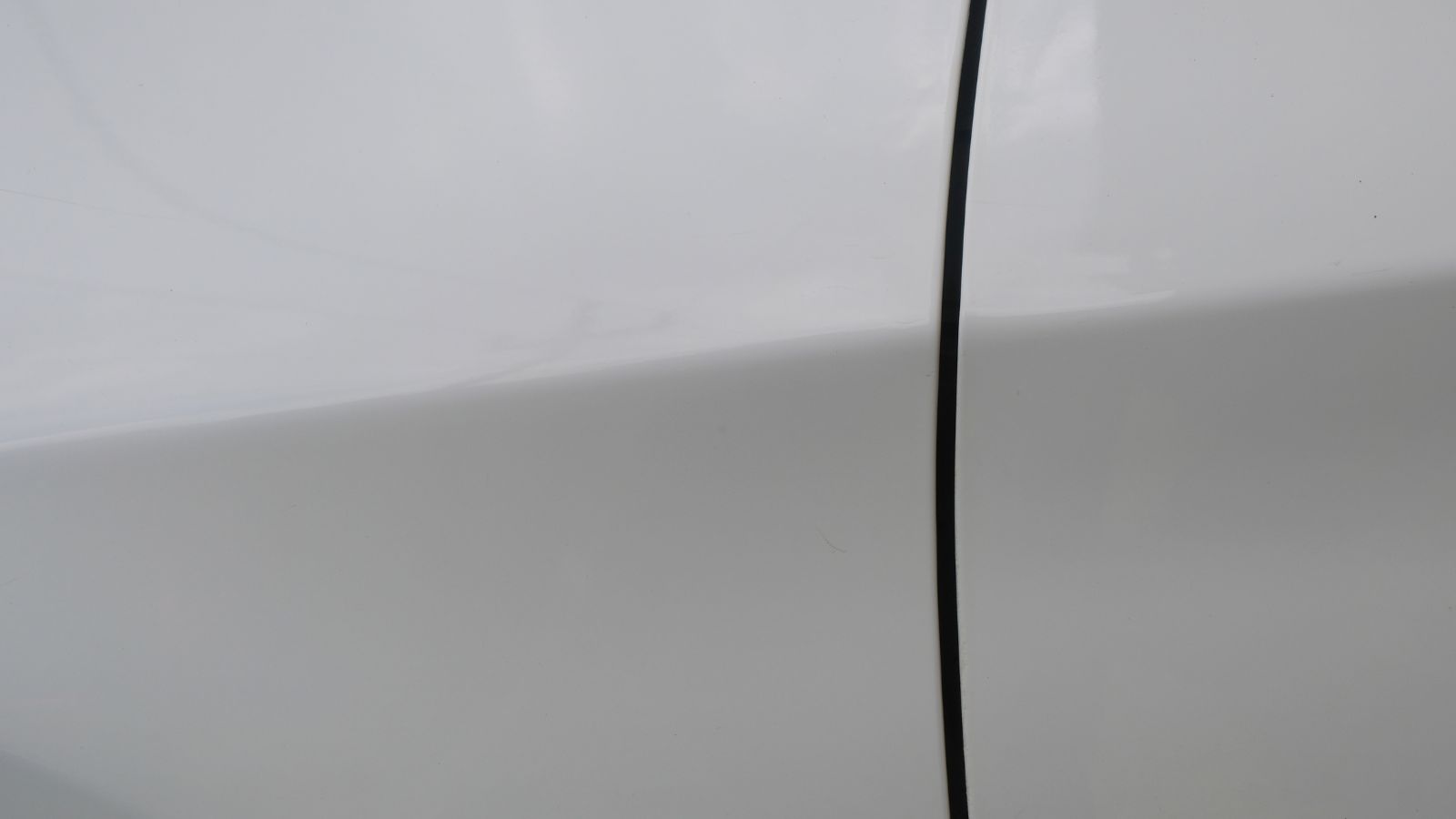
Luxury design is often less about adding decoration than removing distractions. Clean door skins, controlled reflections, narrow shut lines, and well-aligned panels make a body appear as though it was carved from one piece. Research into perceived automotive quality identifies gap and flush measurements around body split lines as important design attributes because uneven alignment can undermine the impression of careful manufacturing.
Premium brands make this philosophy explicit. Range Rover describes the Velar through reductionism, taut surfaces, and minimal visual complexity. Hyundai used a clamshell-style hood on the IONIQ 5 partly to reduce visible panel gaps and create a cleaner front end. Mainstream vehicles that adopt the same approach can look unexpectedly expensive, even when the underlying materials are conventional steel and plastic. The effect is subtle but cumulative: fewer random creases, consistent gaps, and reflections that continue smoothly across adjacent panels all suggest precision. People may not consciously measure those details, yet they often notice when the overall body looks calm, solid, and carefully assembled.
A Floating Roof Created by Dark Pillars
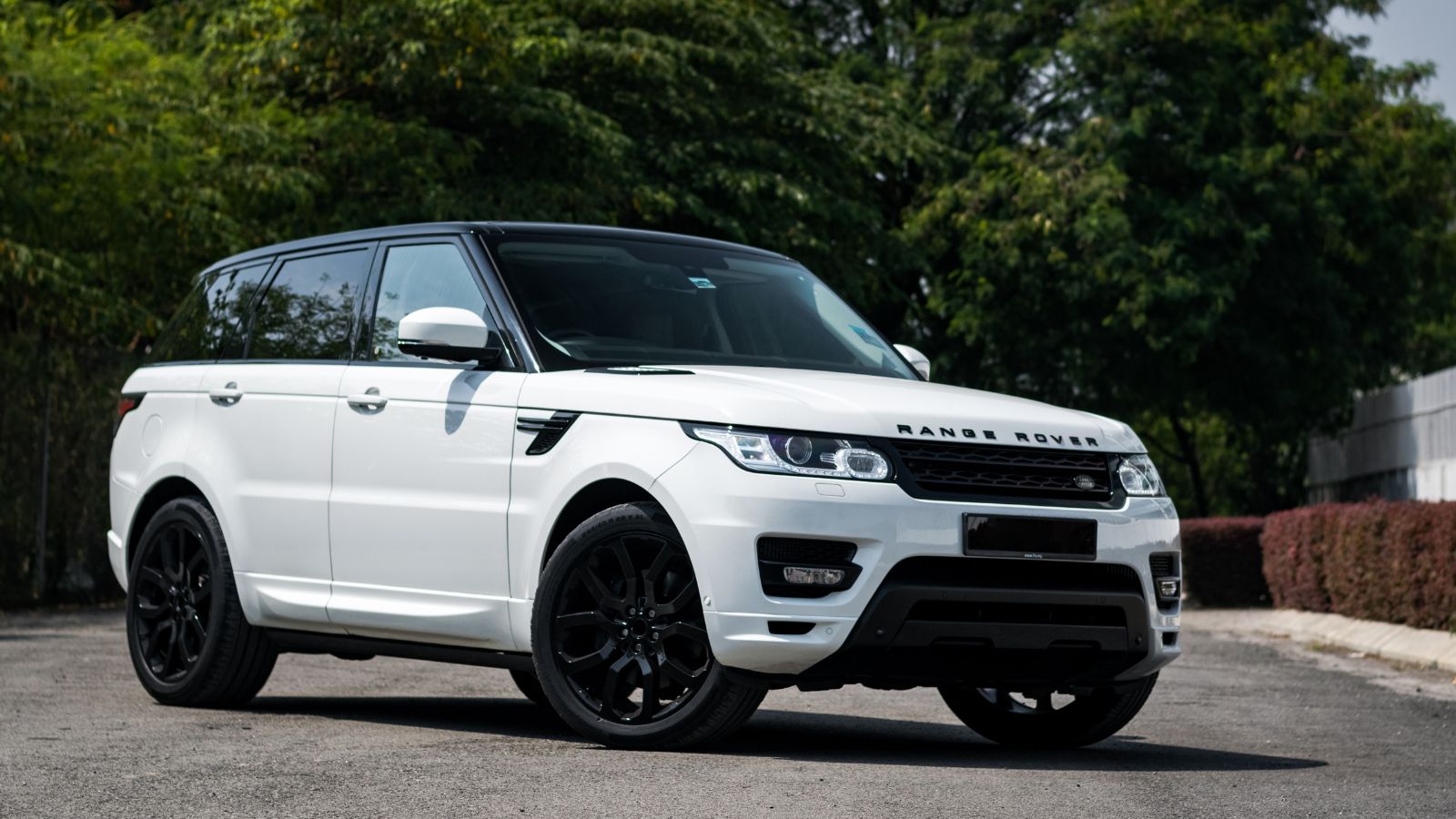
Darkened pillars can make the roof appear to hover above the body. When combined with tinted rear glass, a contrasting roof, and a swept-up window line, the cabin becomes one continuous dark band. Nissan has used this “floating roof” treatment prominently on vehicles such as the Murano, pairing blacked-out pillars with privacy glass and an available panoramic roof.
The technique is now widespread because it changes the apparent structure of a vehicle without changing the metal underneath. A tall crossover can look lower, while a thick rear pillar can seem lighter and more sculptural. The eye reads the dark glass and trim as empty space, which makes the roof look thinner than it really is. That visual sophistication once stood out on premium concepts and luxury SUVs; today it can help an affordable crossover look more dramatic from the side. The treatment is particularly effective in photographs, where the dark band simplifies the silhouette and hides some of the practical bulk required for passenger space and crash protection.
Sporty Rear Details
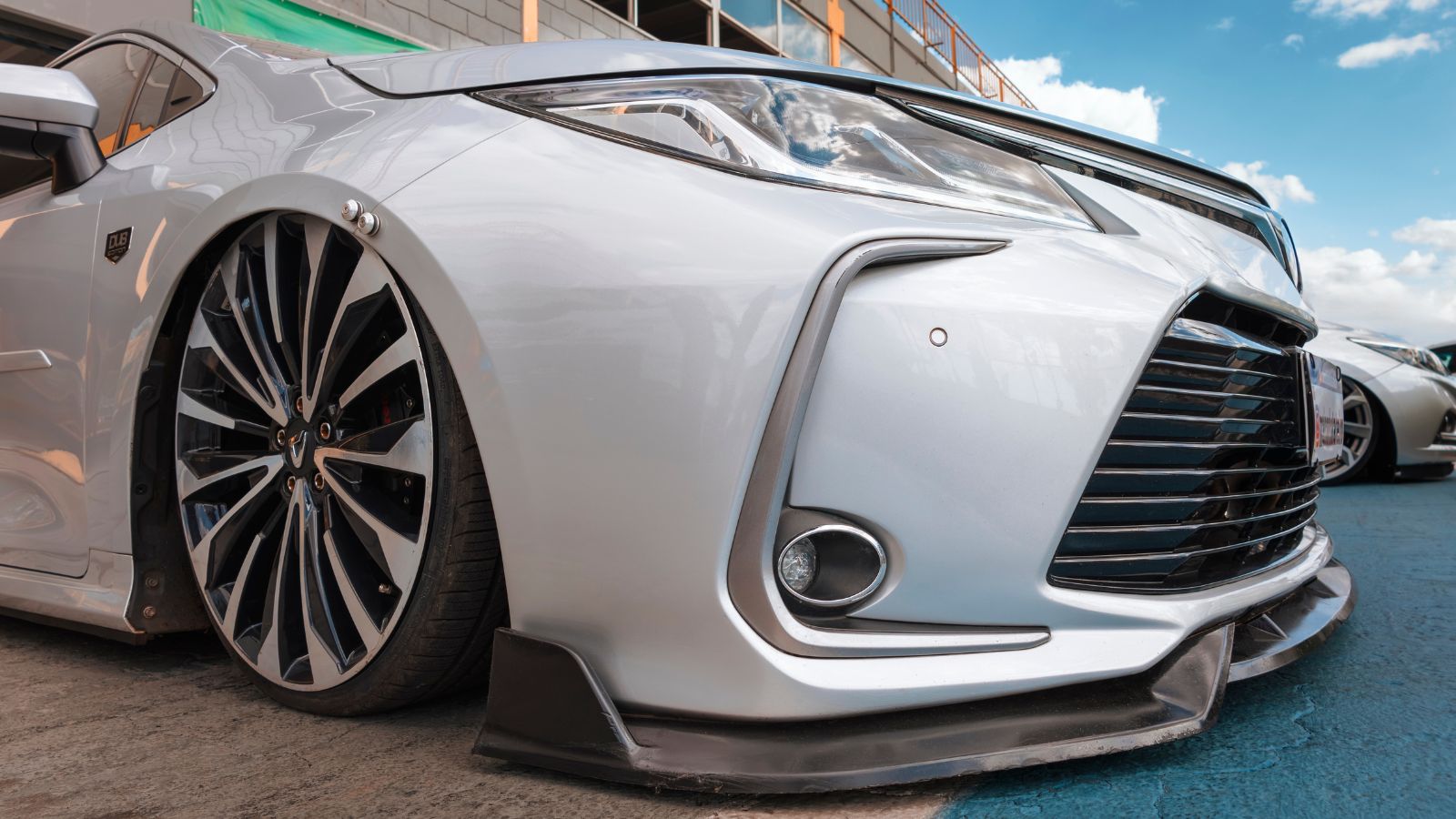
A rear diffuser, small spoiler, dark lower bumper, or exposed dual exhaust can make a normal sedan appear connected to a performance model. These elements originated with functional aerodynamic and exhaust requirements, but many modern applications are primarily visual. Their value lies in suggesting that the vehicle has more power and engineering depth than a plain rear bumper would imply.
Toyota openly uses this language on the Camry. Sport grades receive side rockers, canards, a rear spoiler, diffuser-style detailing, and an exposed dual-tip exhaust, all intended to create a racing-inspired impression. Because the XSE also carries the largest wheels and more aggressive trim, the rear details complete a consistent story rather than looking like isolated accessories. A passerby may not know whether the diffuser produces measurable downforce or whether the exhaust changes performance, but the association is immediate. When the pieces are proportioned well and integrated cleanly, they can make an everyday family car look like a costly factory-tuned variant.
22 Things Canadians Do to Their Cars in Spring That Mechanics Hate

Spring brings relief to many Canadian drivers after months of snow, freezing temperatures, and icy roads that put serious strain on vehicles. As temperatures rise across the country, drivers begin washing cars, switching tires, and preparing vehicles for warmer weather and upcoming road trips. However, mechanics across Canada notice the same mistakes every spring when drivers attempt to recover from winter damage. Road salt, potholes, and harsh winter driving conditions often leave vehicles with hidden problems that drivers ignore. Some spring habits even create new mechanical issues that could have been avoided with proper maintenance. Here are 22 things Canadians do to their cars in spring that mechanics hate.