Big wheels once seemed like an automatic upgrade, but the priorities of everyday drivers are changing. Expensive pothole repairs, firmer rides, rising tire prices, and the range sensitivity of electric vehicles have made wheel diameter a practical decision rather than a purely visual one. When a vehicle is fitted with a properly approved smaller wheel and a taller tire that preserves the correct overall diameter, the result can be more comfortable, durable, and efficient without sacrificing the capability most motorists actually use.
The choice still requires careful attention to brake clearance, load ratings, speed ratings, offset, and manufacturer guidance. Done correctly, however, downsizing can make a vehicle better suited to real roads and real budgets. These 12 reasons explain why some drivers are intentionally choosing more sidewall and less alloy.
More Sidewall Means More Cushion
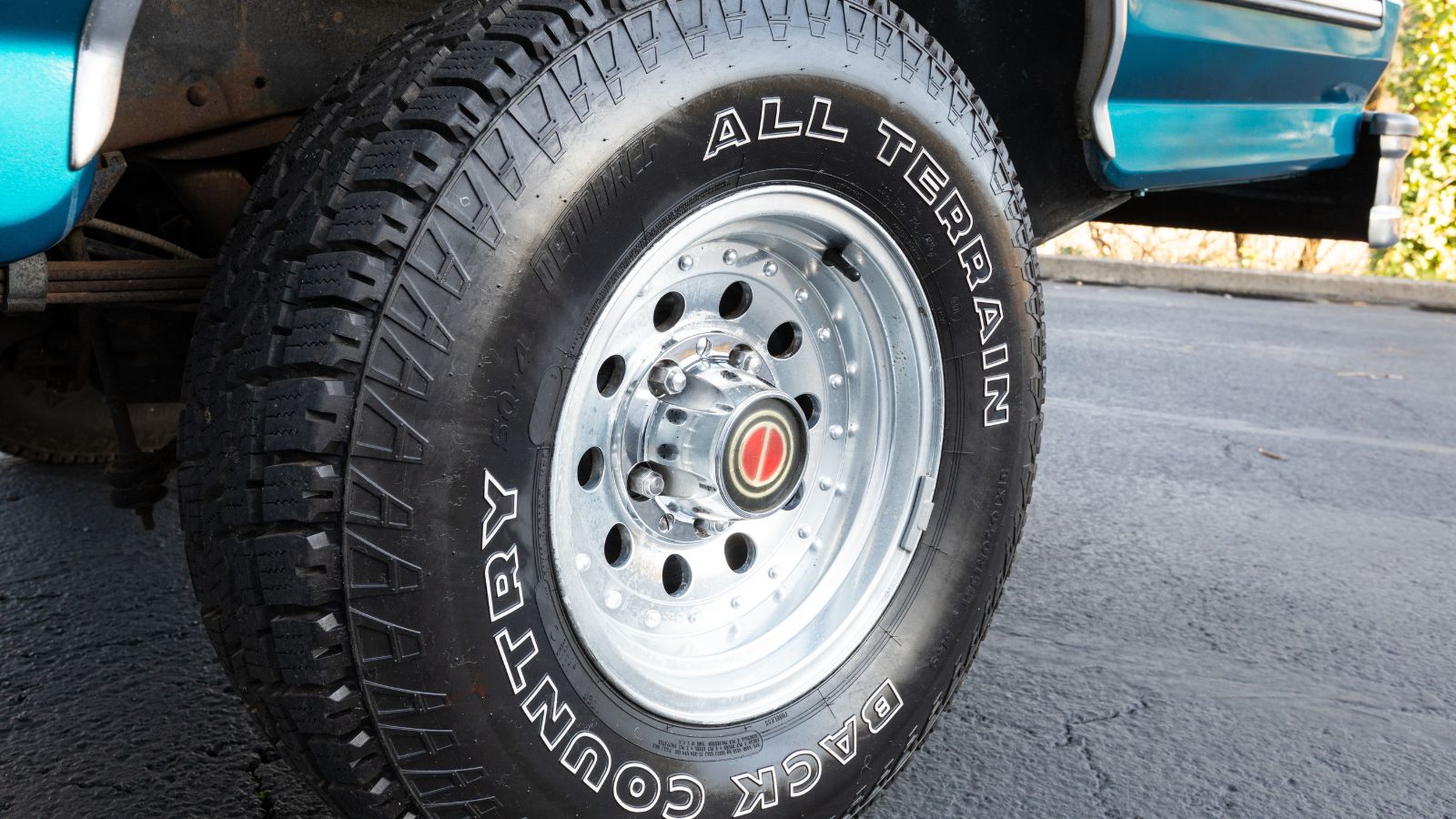
For years, large alloy wheels have been marketed as shorthand for performance and prestige. Yet more drivers are discovering that the smaller factory-approved option can make an ordinary commute feel noticeably calmer. When overall tire diameter stays nearly the same, downsizing the metal wheel allows a tire with a taller sidewall. That extra band of air and flexible rubber becomes part of the vehicle’s first line of suspension, helping soften sharp joints, broken pavement, and small road imperfections before the impact reaches the cabin.
The difference can be substantial even when two tires have similar overall diameters. A 215/65R16 tire has a calculated sidewall height of about 140 millimetres, while a 235/40R19 has only about 94 millimetres. That is roughly 46 millimetres more cushioning on each side of the smaller wheel. The result is not luxury-car isolation by itself, because springs, dampers, tire construction, and inflation pressure still matter. However, for commuters who spend far more time crossing patched roads than attacking corners, the comfort gain can feel more valuable than the visual drama of a larger rim.
Better Odds Against Potholes
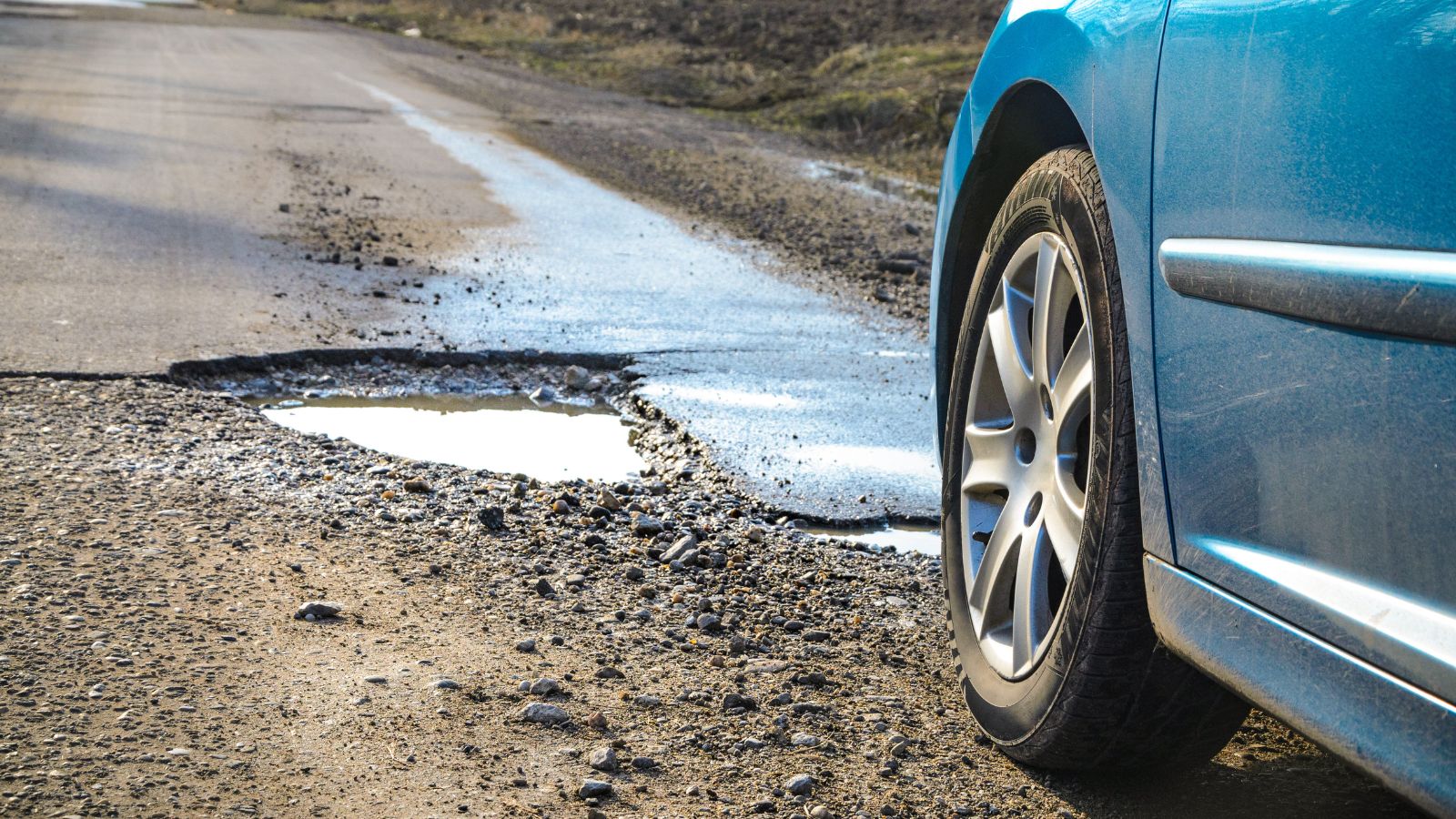
A pothole does not care how expensive a wheel looks. When a low-profile tire strikes a sharp-edged hole, there is less sidewall available to compress before the impact reaches the rim. That raises the chance of a bent or cracked wheel, a sidewall bubble, or a sudden loss of air. Smaller wheels paired with appropriately taller tires provide more space for the tire to absorb the blow, which is why drivers in cities with rough roads often treat downsizing as a form of mechanical insurance rather than a cosmetic retreat.
The financial risk is not theoretical. AAA reported that one in 10 American drivers suffered pothole damage serious enough to require repair in 2021, with an average bill of nearly US$600 and an estimated national cost of US$26.5 billion. A taller sidewall cannot make a car pothole-proof, and underinflation can still leave any tire vulnerable. Even so, the additional cushion may turn a harsh impact into an unpleasant thump instead of a ruined wheel-and-tire assembly. For someone who has already replaced a 20-inch rim after one invisible crater, choosing an 18-inch setup can become an easy decision.
Tire Replacement Becomes Easier to Manage
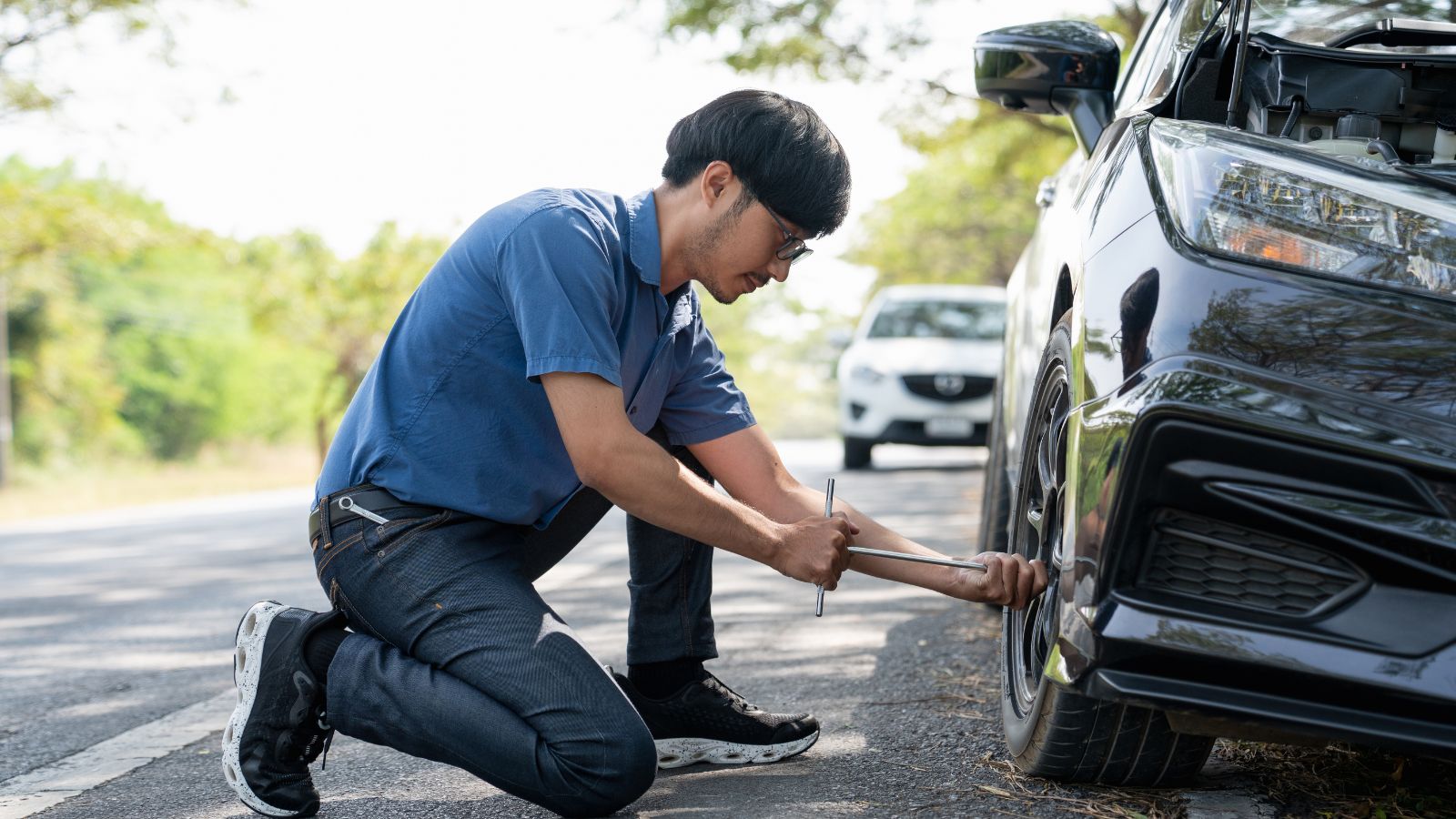
Smaller wheels can also simplify the recurring expense that arrives every time a set of tires wears out. Large-diameter tires are often wider, lower-profile, performance-oriented, or built in less common specifications. Those traits can narrow the choice of affordable touring tires and make replacement more painful, especially when a vehicle uses different sizes at the front and rear. A smaller approved wheel may open access to a broader group of mainstream tire models, including comfort-focused, all-weather, and winter choices.
The savings depend on the vehicle and market, so there is no universal price gap. Still, tire replacement is already a meaningful household cost: Consumer Reports found that members paid an average of US$212 for their most recent tire, plus a median installation charge of US$31 per tire among those who paid installation fees. Wheel design can affect long-term value too. Tesla, for example, specifies equal-size front and rear tires on several Model Y wheel packages, but its 21-inch setup uses wider rear tires. Staggered arrangements limit front-to-rear rotation, which can reduce flexibility in managing wear. Drivers choosing smaller, square setups are often buying easier maintenance as much as cheaper rubber.
Less Rotating and Unsprung Mass
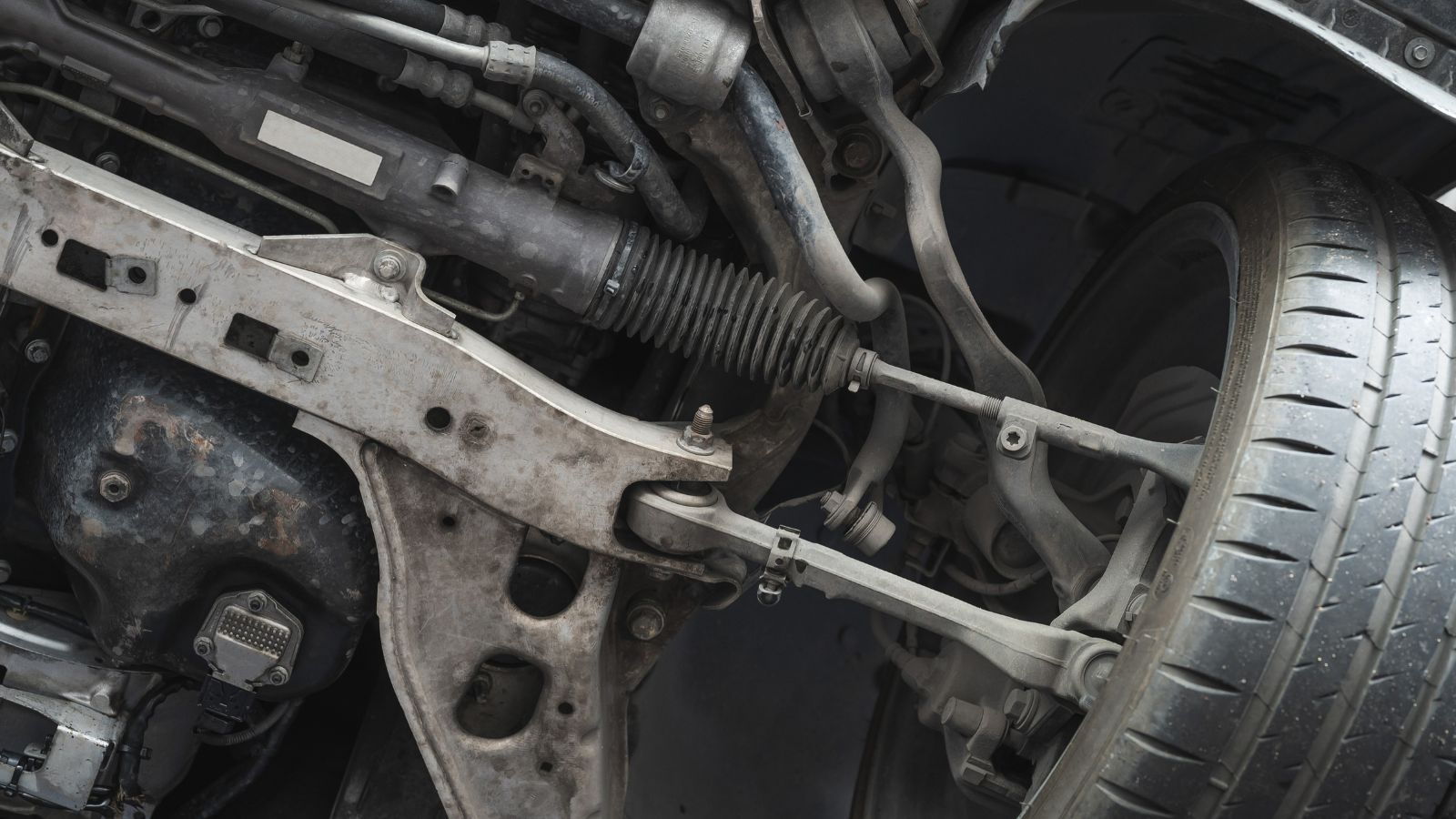
Wheel diameter does not automatically determine weight, because a forged large wheel may be lighter than a poorly made small one. In typical factory lineups, however, moving to a larger wheel often adds metal, width, and tire mass. Much of that weight is unsprung or rotating mass, meaning it moves with the wheel rather than being fully supported by the vehicle’s suspension. Engineers work hard to reduce mass in this area because heavier wheel assemblies are more difficult for the suspension to control over rapid bumps.
Research on vehicle vibration consistently shows why this matters. Increased unsprung mass can worsen ride comfort and transmit more disturbance into the body, particularly over higher-frequency road inputs. Rotational mass also has to be accelerated every time the vehicle pulls away and slowed every time it brakes. The real-world effect varies with wheel construction, tire weight, gearing, and driving conditions, so dramatic claims should be treated cautiously. Nevertheless, a carefully selected smaller and lighter wheel can make steering feel more responsive, help the suspension follow uneven pavement, and give the car a less heavy-footed character. Drivers often describe the improvement not as faster, but as more willing and settled.
Bigger Is Not Always Quicker
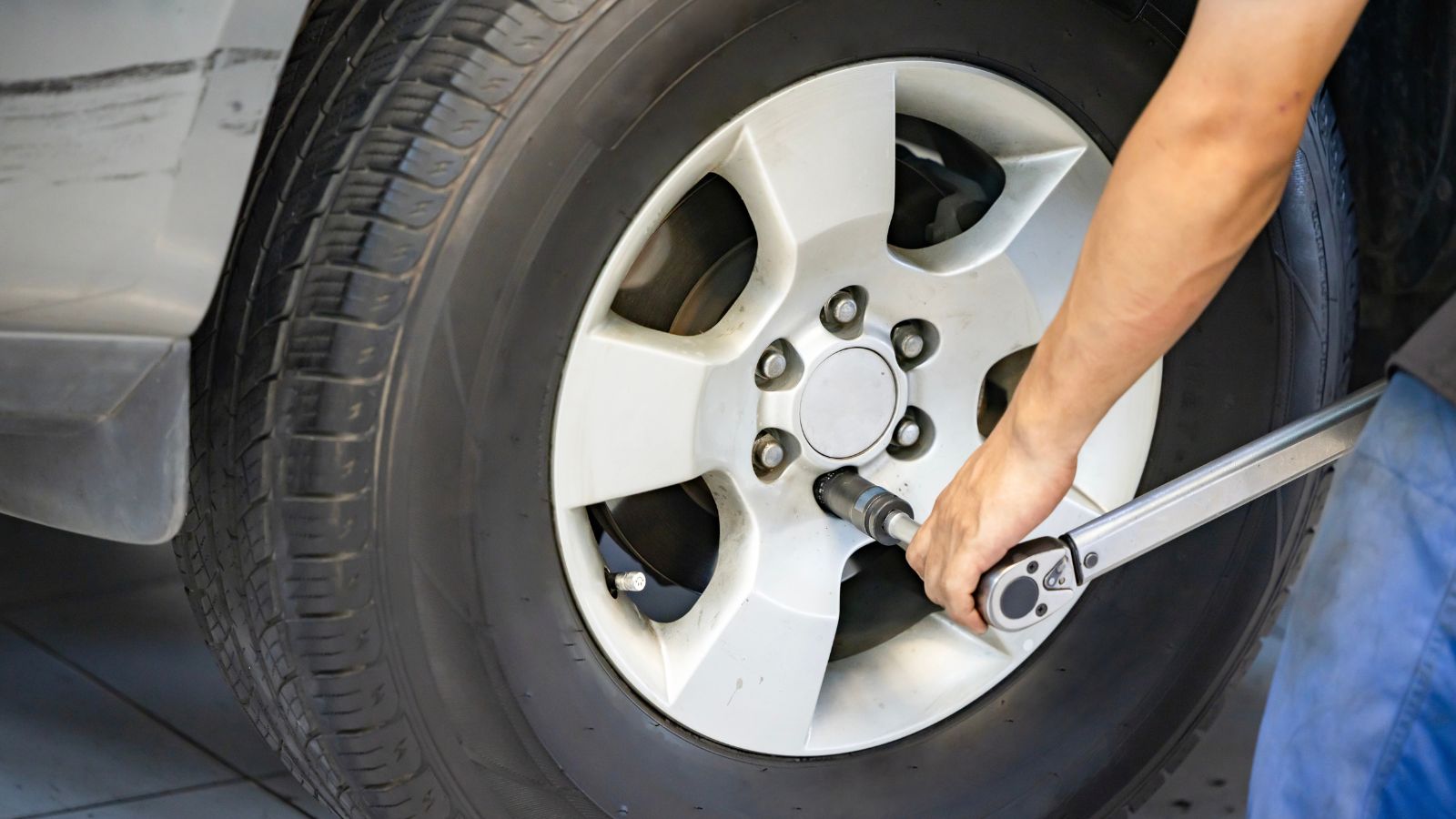
The appeal of smaller wheels is not limited to subjective comfort. Controlled testing has shown that wheel-and-tire upsizing can affect measurable performance. In a widely cited Car and Driver test using a Volkswagen Golf, the publication compared setups ranging from 15 to 19 inches. Moving from the smallest to the largest package produced a 10 percent reduction in fuel economy and a four percent deterioration in zero-to-60-mph acceleration, even though the larger tires generally offered more cornering grip.
That experiment should not be treated as a rule that applies identically to every vehicle. The tested packages changed weight, width, tire model, and other variables along with diameter. It does, however, illustrate why some drivers reject the assumption that bigger wheels automatically make a car quicker. Added rotational inertia and rolling resistance can blunt acceleration, while the extra grip may be irrelevant during normal commuting. A driver who rarely approaches the tire’s cornering limit may prefer the smaller setup’s lower effort and better efficiency. On a modestly powered hatchback or crossover, shedding several kilograms from each wheel assembly can be more noticeable in everyday starts and stops than adding another inch of visual presence.
EV Range Can Improve
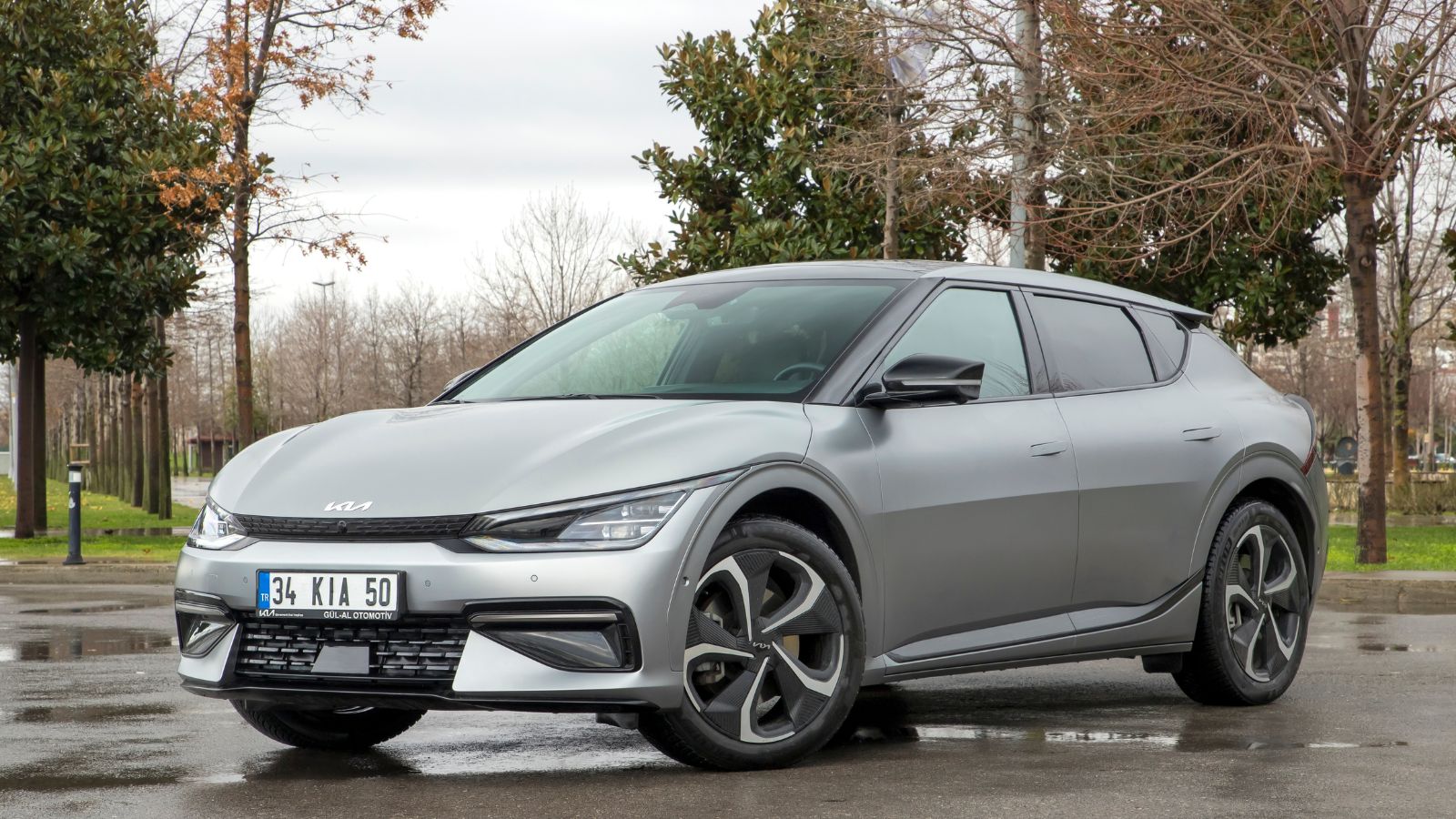
Electric-vehicle owners have an additional reason to study wheel size: every efficiency loss can appear as reduced driving range. Larger wheels are frequently paired with wider tires, more open wheel designs, and performance compounds. Those choices can increase aerodynamic drag, rolling resistance, or mass. BMW’s own guidance notes that larger-diameter wheels require more energy to accelerate and maintain speed, while Tesla highlights an 18-inch aerodynamic wheel on the Model Y configuration associated with its headline range figure.
Wheel size is only one part of the equation. Tire compound, tread depth, inflation pressure, temperature, speed, and wheel aerodynamics can outweigh diameter alone. Tesla’s service information even notes that a newer tire specification can improve estimated range by up to 10 miles compared with an earlier version in the same size, showing how much tire engineering matters. Still, a smaller aerodynamic wheel with an efficiency-focused tire is often the sensible combination for an EV used on long trips. For a driver regularly arriving at a charger with a narrow reserve, a few percentage points of efficiency can be more useful than a showroom-style wheel upgrade.
Winter Tires Suit Practical Sizing
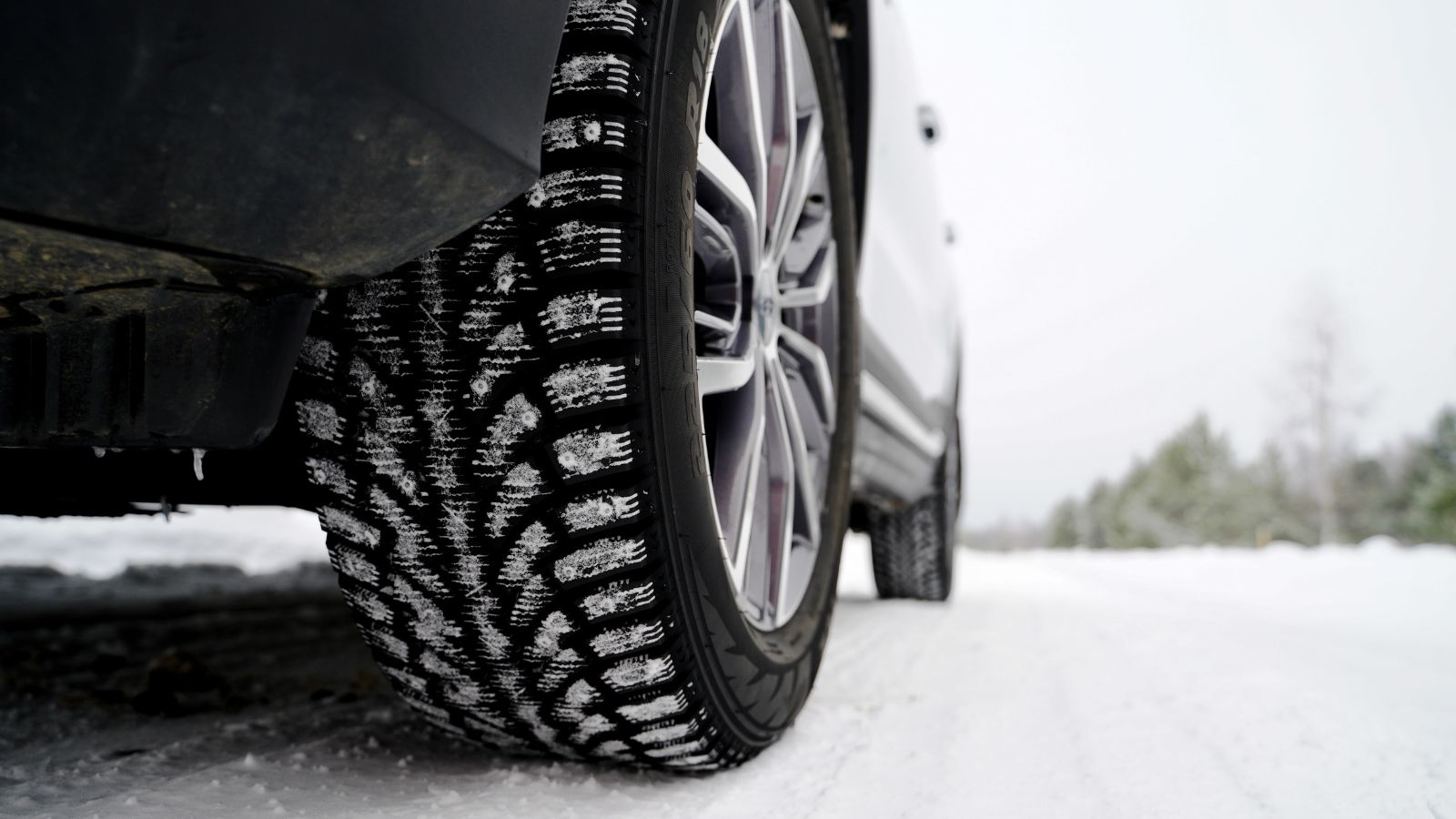
Winter is one of the clearest cases for deliberate downsizing. Many drivers install a smaller wheel with a taller, sometimes narrower winter tire while preserving the vehicle’s overall tire diameter. This approach can reduce the cost of a dedicated winter package, increase sidewall protection against frozen potholes, and improve performance in loose snow or slush. Nokian Tyres has explained that narrow tires can work better in extreme winter conditions because they produce higher surface pressure and can cut through loose material more effectively.
Width is not a magic answer, and a high-quality winter tire matters far more than simply choosing the narrowest size available. Ice grip depends heavily on rubber compound, tread design, siping, temperature, and whether the tire meets recognized winter-performance standards. The smaller wheel must also clear the brakes and carry the correct load. Even with those cautions, “minus sizing” remains popular in snowy regions because it aligns the equipment with actual seasonal needs. A driver may keep attractive 19-inch wheels for summer, then use durable 17-inch wheels through salt, ruts, and freeze-thaw damage without feeling that winter has become a four-month wheel-protection exercise.
Softer Steering Can Be Better Steering

Large, low-profile tires can sharpen initial steering response because their shorter sidewalls generally flex less under cornering loads. That characteristic is valuable on a sports car, a track day, or a vehicle engineered around very high cornering forces. The compromise is that sharper does not always mean better for ordinary road use. A more compliant tire can provide progressive feedback, absorb mid-corner bumps, and make the car easier to place on imperfect pavement without constantly sending small impacts through the steering wheel.
Continental describes low-profile sizes as offering enhanced cornering stability and steering response, while higher-profile sizes are associated with greater shock absorption and comfort. That is the central trade-off. Drivers choosing smaller wheels are often deciding that predictable, forgiving behaviour matters more than immediate turn-in. Modern vehicles already generate levels of grip that are difficult to use legally on public roads, particularly when fitted with quality tires. For a family sedan, crossover, or daily-driven performance model, the smaller option may still provide ample braking and cornering capability. The change is less about abandoning handling and more about choosing a broader operating window for rain, bumps, long trips, and routine commuting.
Rough Roads Become Less Intimidating
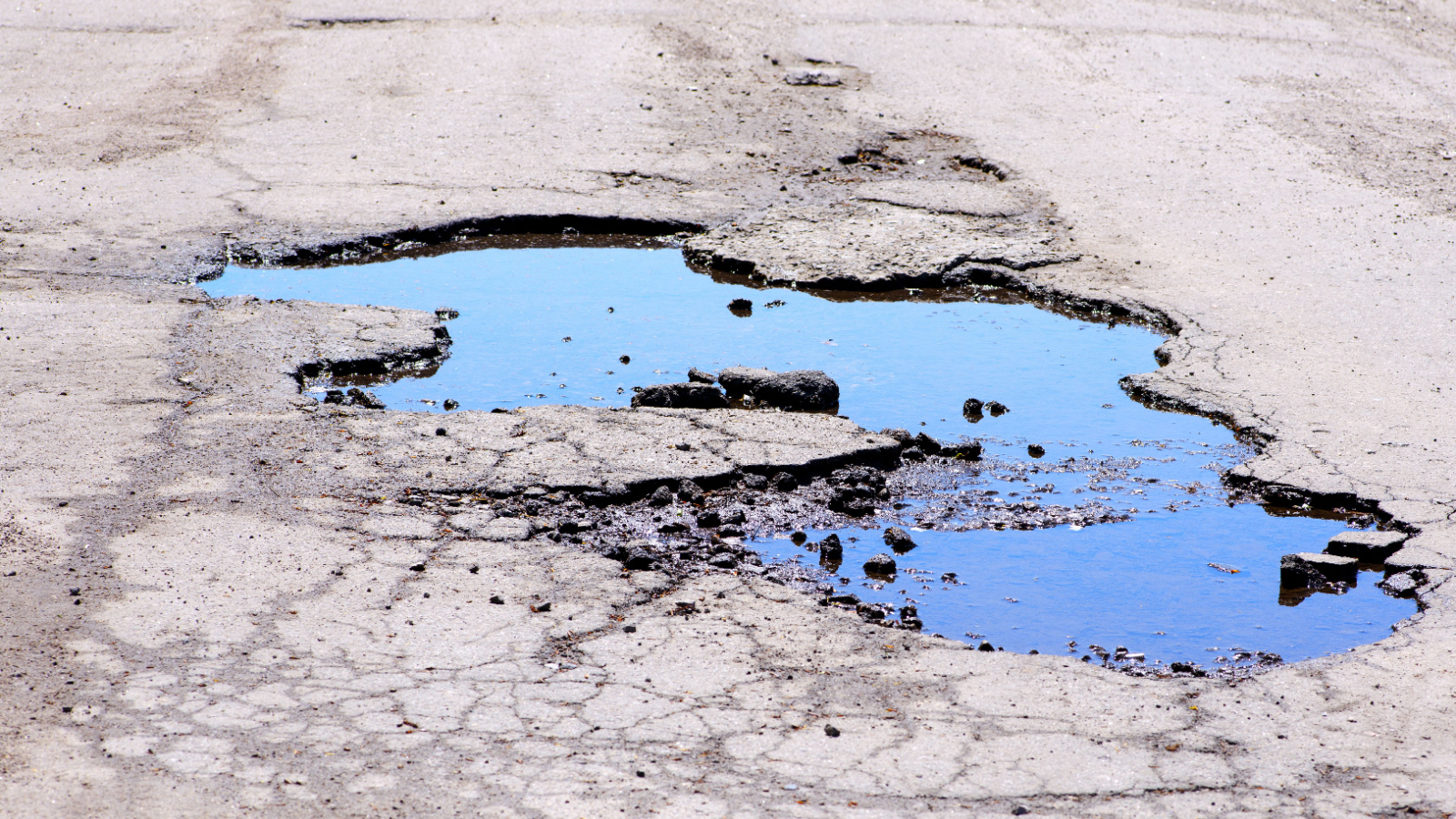
Daily driving exposes wheels to hazards that rarely appear in glossy advertisements: broken utility covers, concrete parking stops, gravel shoulders, construction plates, and curb edges. A taller tire sidewall gives the wheel more physical separation from many of those threats. It can also make a vehicle feel less nervous on unpaved access roads or rough rural routes, where a stiff low-profile tire may skip across corrugations instead of conforming as easily to the surface.
This is one reason smaller wheels remain common on vehicles designed for fleet duty, winter service, or genuine off-pavement travel. The goal is not merely comfort; it is keeping the tire and wheel functioning after repeated impacts. Tire pressure remains critical, because too little pressure can allow the sidewall to pinch against the rim, while too much can reduce compliance. Load rating and construction are equally important. Still, drivers who regularly visit campsites, farms, job sites, or poorly maintained neighbourhood streets may gain more from sidewall volume than from an extra inch or two of alloy. The setup can make the vehicle feel less precious, which often means it gets used more confidently for the work and travel it was purchased to do.
The Cabin Can Feel More Refined
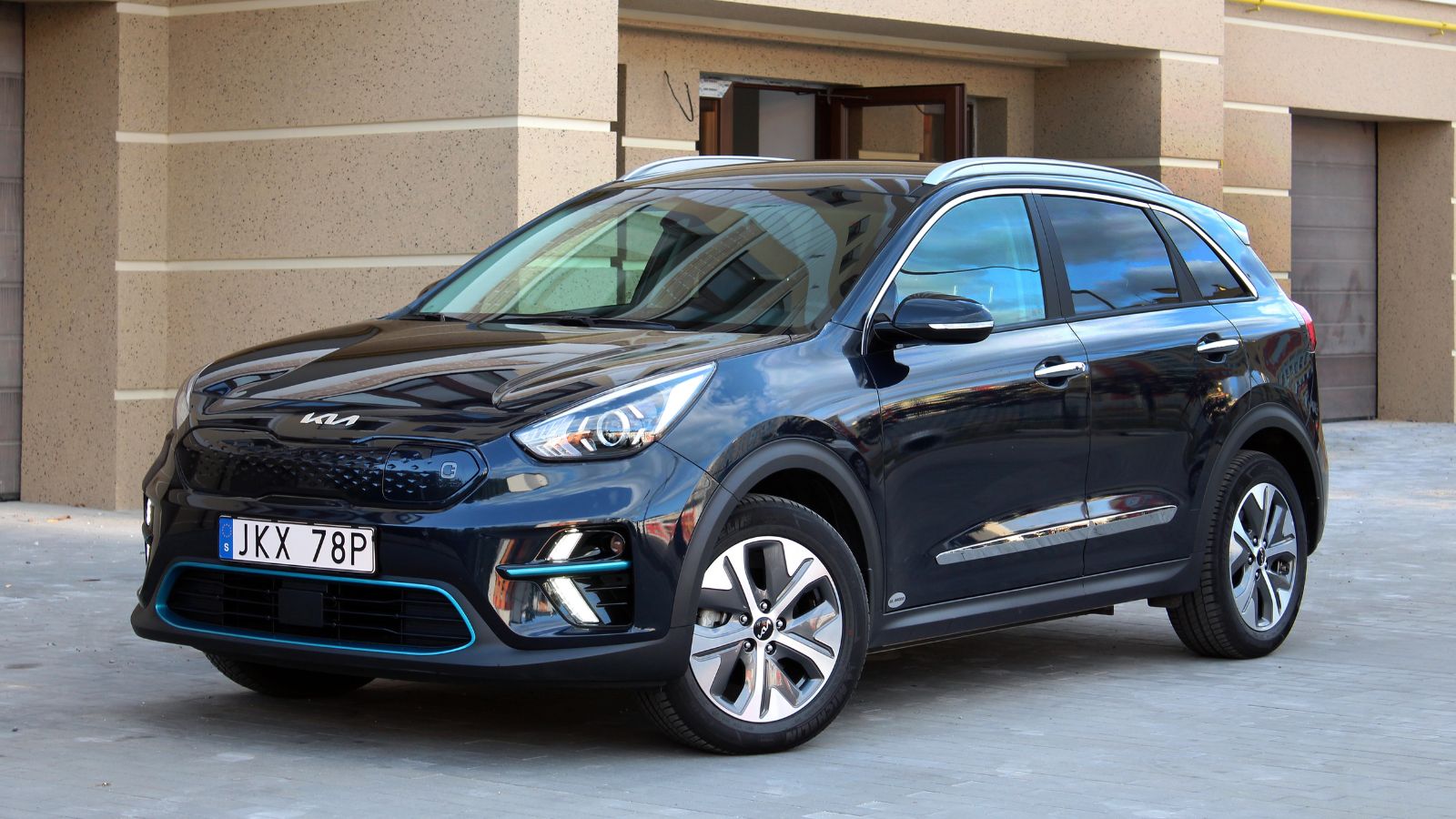
The quieter character sometimes associated with smaller wheels is not guaranteed, but the logic is understandable. Road noise and vibration are influenced by tread pattern, rubber compound, tire cavity resonance, pavement texture, wheel mass, and suspension tuning. A taller sidewall can reduce the harshness of certain impacts, while a comfort-oriented touring tire may generate less pattern noise than a wide, aggressive performance tire. The combined change can make highway travel feel less busy even when a sound meter shows only a modest difference.
Manufacturers acknowledge that tire specifications are engineered around several competing goals, including ride comfort, noise, rolling resistance, handling, and software integration. That means two tires with identical dimensions can behave very differently. Downsizing works best when the driver also chooses a tire designed for refinement rather than assuming that diameter alone will silence the cabin. The benefit is often felt during long, repetitive journeys: fewer sharp jolts, less steering tremor, and a more relaxed impression over coarse pavement. For commuters covering hundreds of kilometres each week, that reduction in fatigue can matter more than the appearance of a thin strip of rubber around a large wheel.
Proper Fitment Matters More Than Fashion
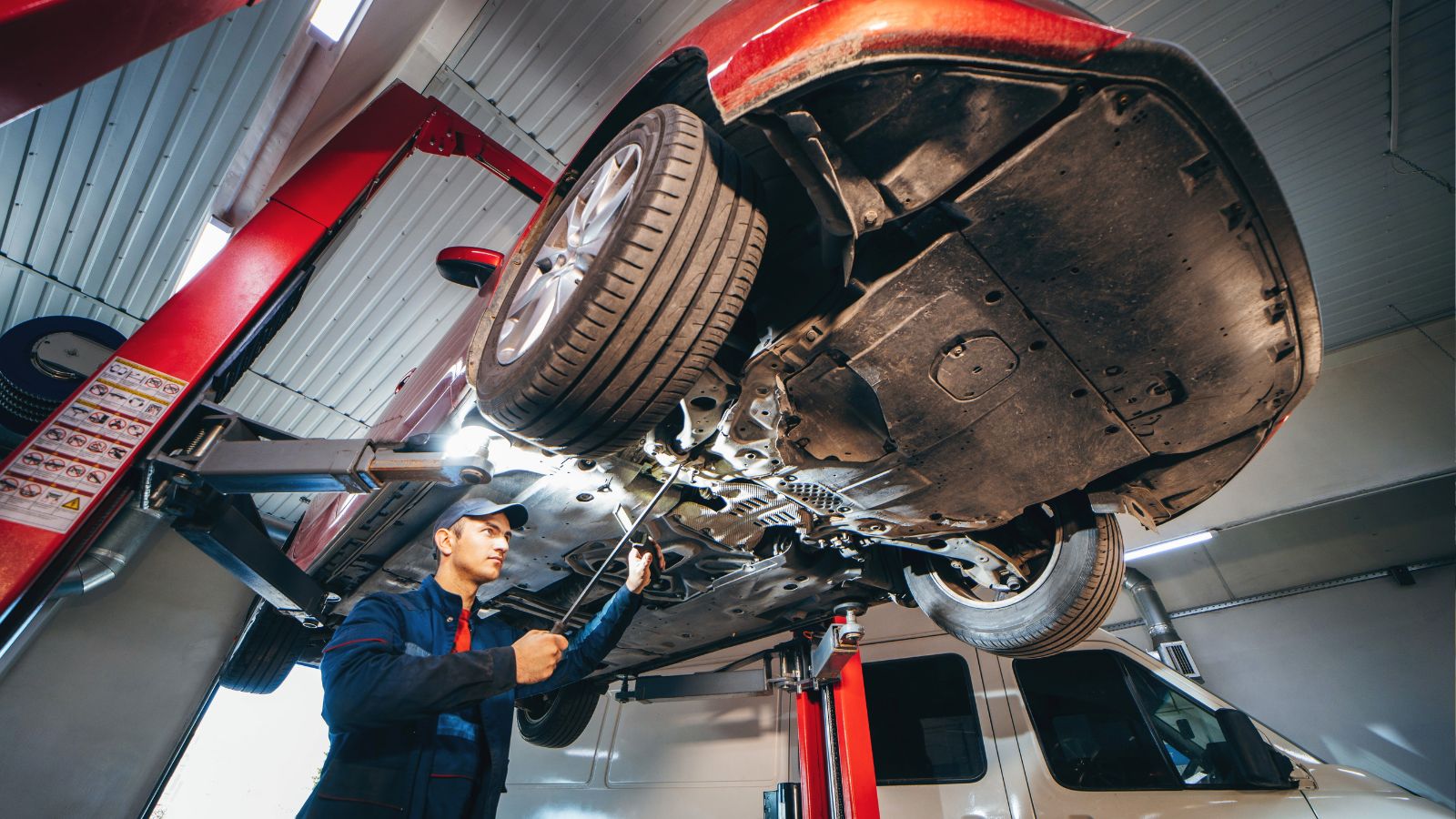
Successful downsizing is an engineering exercise, not simply a matter of buying the smallest wheel that bolts onto the hub. The replacement wheel must clear the brake calipers, match the correct bolt pattern and offset, and provide adequate load capacity. The tire must meet or exceed the vehicle manufacturer’s required load and speed ratings. Most importantly, the new wheel-and-tire package should keep the overall rolling diameter close to the approved specification so speedometer readings, gearing, ground clearance, and electronic systems remain within their intended range.
Tire Rack’s fitment guidance calls for checking brake-caliper clearance and recommends several millimetres of space, while its sizing information emphasizes maintaining overall tire diameter. Michelin and NHTSA guidance likewise stress correct load ratings, speed ratings, and vehicle-recommended inflation pressure. Some modern vehicles also require a tire-configuration or tire-pressure-monitoring reset after a change. These details explain why an approved factory smaller size is usually the safest starting point. A professional fitment check is especially important on performance trims, which may have larger brakes than visually similar base models. The right conversion should look uneventful on paper because every clearance, rating, and dimension has already been confirmed.
It Is a Priority Shift, Not a Downgrade
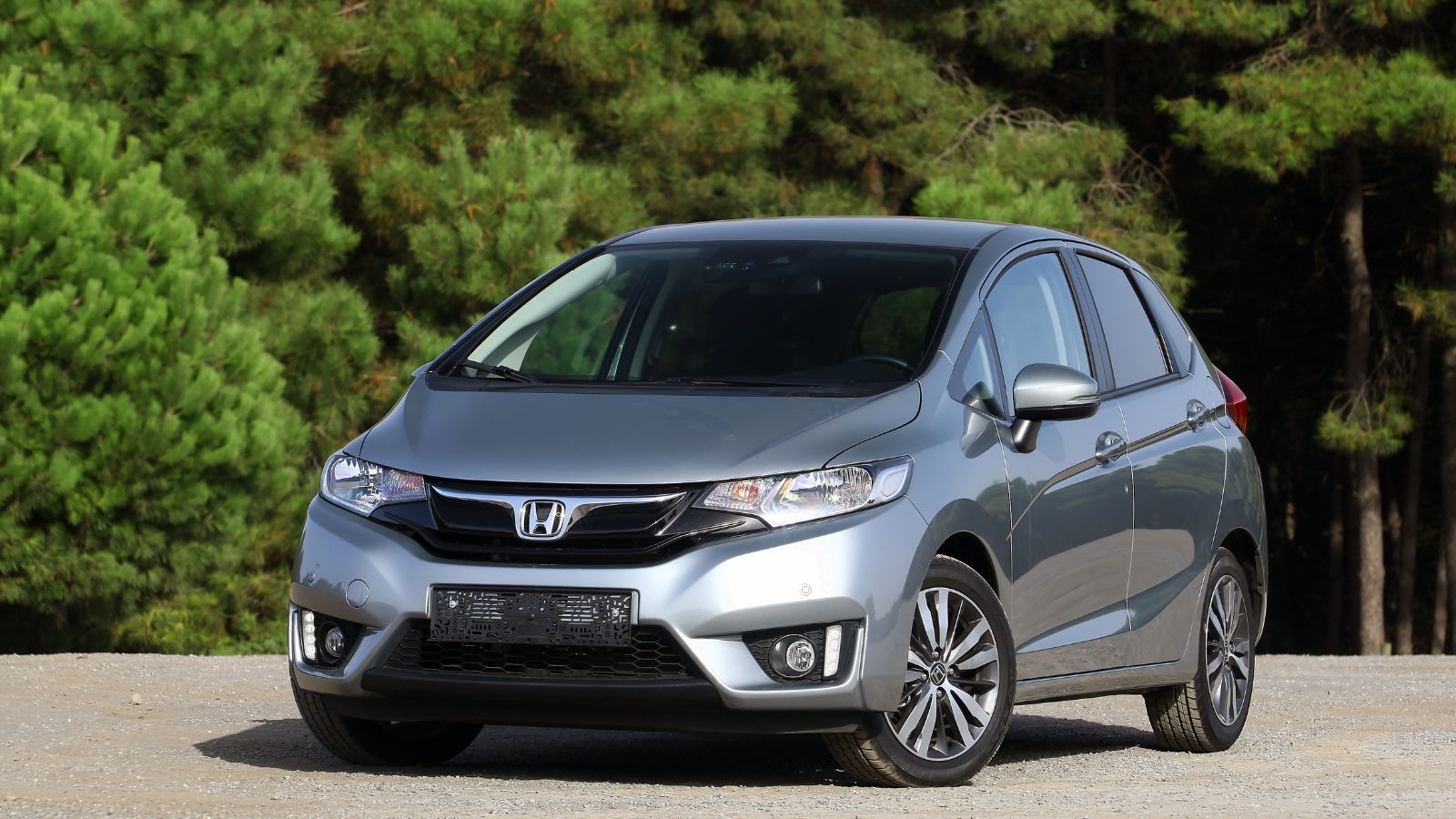
Choosing smaller wheels is ultimately a decision about priorities. Large wheels can deliver a more dramatic stance, room for larger brakes, and crisper steering response. They may be entirely appropriate on a high-performance model designed around them. Smaller wheels appeal to drivers whose real-world checklist is different: smoother ride quality, lower replacement risk, better winter practicality, easier tire rotation, and potentially improved fuel or electrical efficiency. In that context, downsizing is not a downgrade. It is a deliberate rebalancing of the vehicle.
The best choice is often already hidden in the manufacturer’s own specifications. Many vehicles are sold with several approved wheel sizes, allowing an owner to select the smallest package that clears the brakes and retains the required ratings. Tesla’s Model Y documentation, for example, lists factory wheels from 18 through 21 inches, demonstrating how widely one vehicle’s priorities can be tuned. The sensible target is not “as small as possible,” but “small enough to deliver the desired benefits without compromising safety or compatibility.” For a growing number of drivers, that means choosing more tire, less wheel, and fewer expensive surprises.
22 Things Canadians Do to Their Cars in Spring That Mechanics Hate

Spring brings relief to many Canadian drivers after months of snow, freezing temperatures, and icy roads that put serious strain on vehicles. As temperatures rise across the country, drivers begin washing cars, switching tires, and preparing vehicles for warmer weather and upcoming road trips. However, mechanics across Canada notice the same mistakes every spring when drivers attempt to recover from winter damage. Road salt, potholes, and harsh winter driving conditions often leave vehicles with hidden problems that drivers ignore. Some spring habits even create new mechanical issues that could have been avoided with proper maintenance. Here are 22 things Canadians do to their cars in spring that mechanics hate.