


























A vehicle can feel perfectly normal while one overlooked maintenance habit quietly adds resistance to every trip: routinely driving on underinflated tires. The engine may not sound strained, yet it must supply more energy to keep the car moving at the same speed because softer tires flex more and waste energy as heat. That small penalty can raise fuel use, shorten tread life, and become more serious when speed, cargo, or hot weather enter the picture. These 12 points explain why low tire pressure makes an engine work harder than necessary, why dashboard warnings do not solve the problem, and how a simple pressure-check routine prevents an expensive habit from becoming normal.
The Habit Hides in Plain Sight
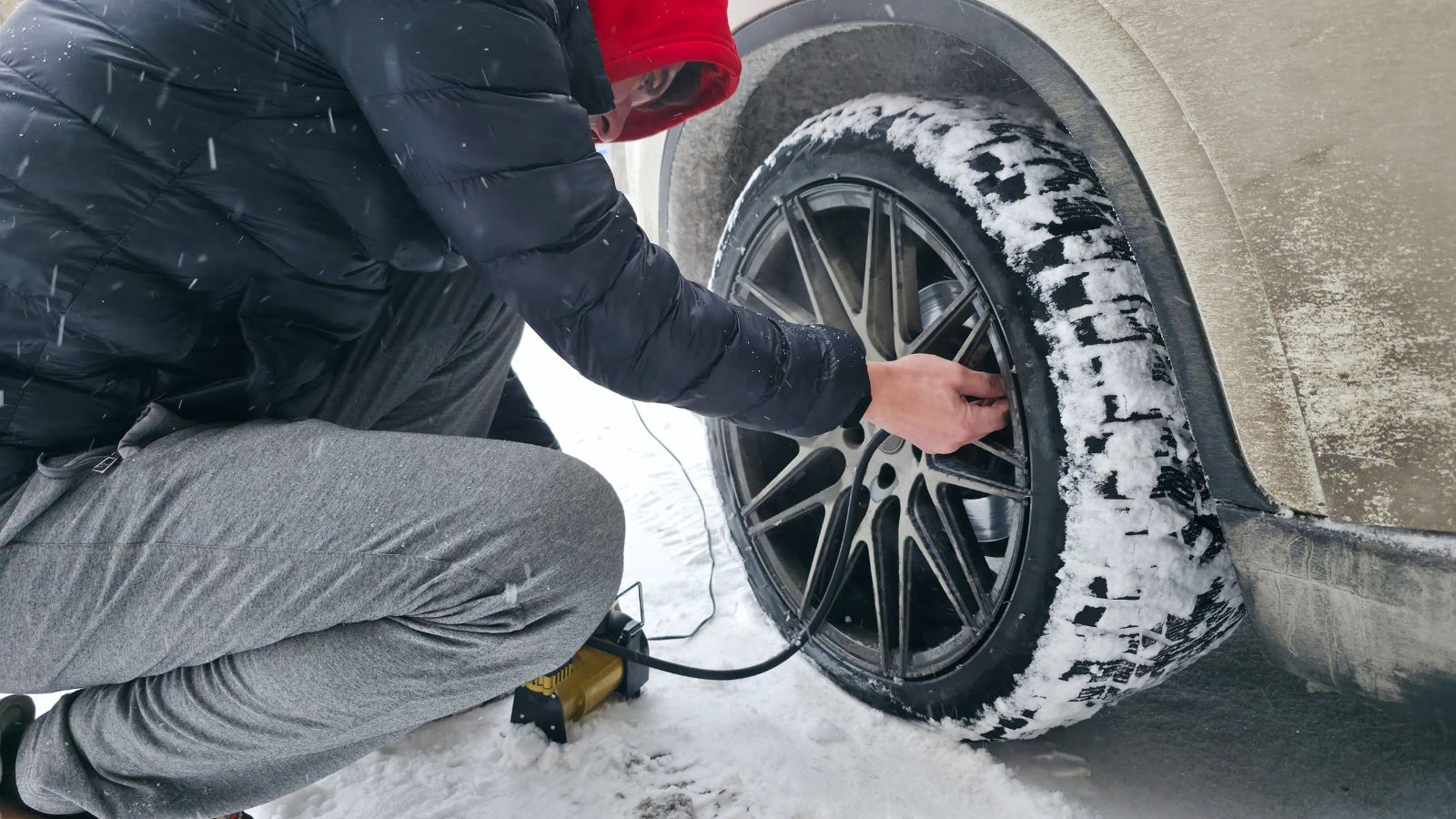
The bad habit is not dramatic acceleration or an occasional high-rev merge. It is treating tire pressure as something that matters only when a tire looks flat or a warning light appears. Transport Canada notes that the air inside a properly inflated tire supports about 95% of the vehicle’s weight. When that pressure falls, the tire still carries the load, but it does so with more deformation and less efficiency. Because the change develops gradually, the driver often adapts to the heavier feel without recognizing it.
A commuter may notice nothing more than slightly dull steering or a car that seems less eager to coast. The engine, however, is pushing against extra rolling resistance on every block. That does not mean underinflation instantly harms a healthy engine; modern powertrains routinely adjust to changing loads. It means the engine must produce more useful output—and usually consume more fuel—to accomplish the same trip. The habit is costly precisely because it feels ordinary rather than urgent.
Low Pressure Turns Motion Into Heat

A tire is designed to flex, but it is supposed to flex within a controlled range. When pressure is too low, the sidewall bends farther as the contact patch enters and leaves the road. Transport Canada explains that this excessive bending builds heat inside the tire. Energy that should help move the vehicle forward is instead absorbed by repeated deformation and released as heat, much like the warmth felt after repeatedly bending a piece of rubber.
That lost energy has to be replaced by the powertrain. On a level road at a steady speed, the driver may hold the accelerator slightly farther down without realizing it. On a mild incline, an automatic transmission may downshift sooner or a hybrid may call for more engine assistance. The sensation can be subtle, but the physics is continuous: each revolution demands extra work. This is why rolling resistance matters even when the engine itself is well maintained, the oil is fresh, and the air filter is clean. The tires can quietly cancel part of that efficiency.
The Engine Pays the Energy Bill
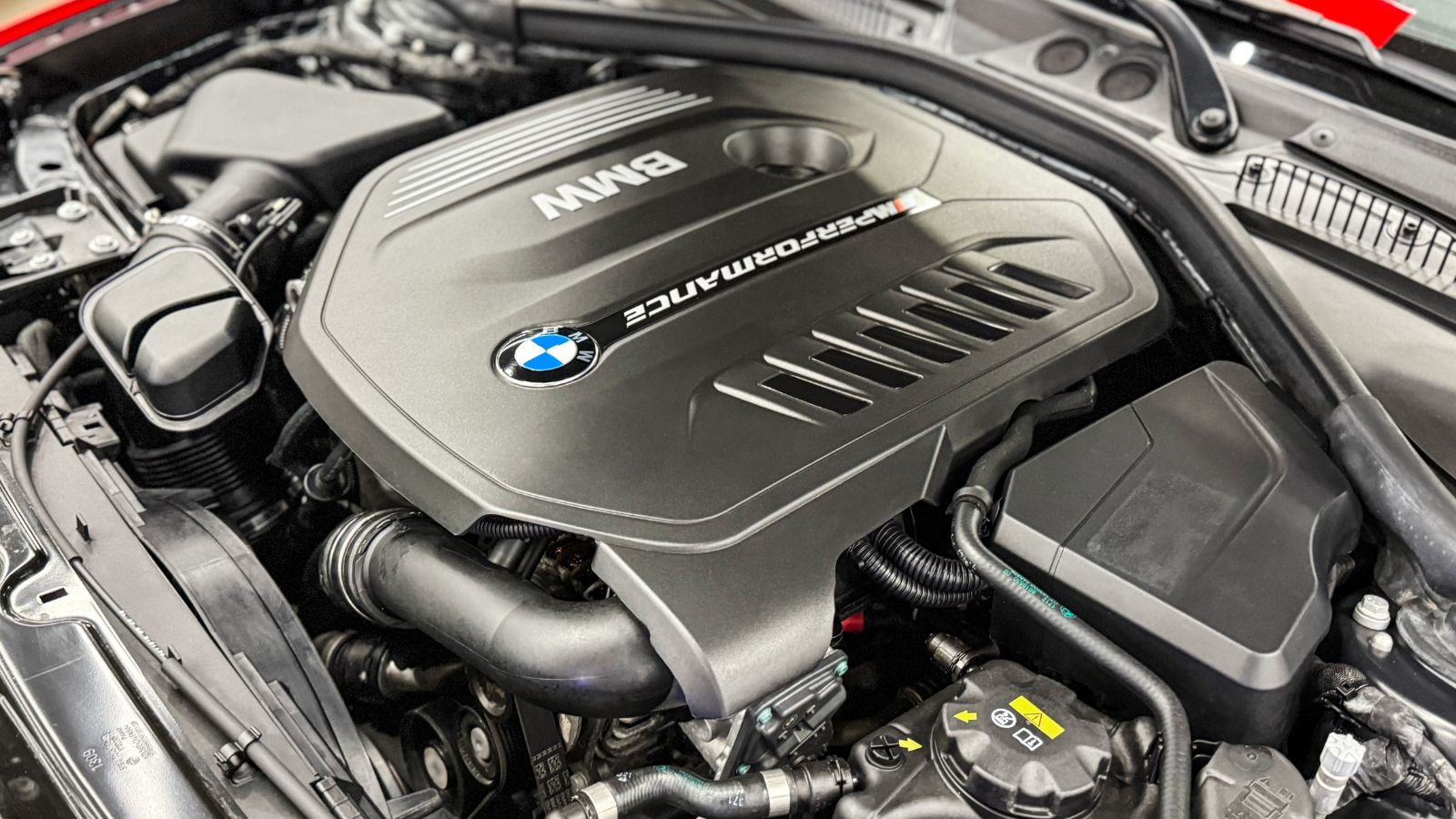
Rolling resistance is one of the forces a moving vehicle must overcome, along with aerodynamic drag, climbing grades, and acceleration. NHTSA explains that reducing tire rolling resistance can improve fuel economy; it estimates that a 10% reduction in rolling resistance can produce roughly a 1% to 2% improvement in vehicle fuel economy. Underinflation moves in the opposite direction by allowing greater tire deflection, so the engine must deliver additional energy at the wheels to hold the same road speed.
The effect is easiest to picture with two identical cars travelling side by side. One has tires set to the vehicle manufacturer’s cold-pressure specification, while the other is several pounds low all around. Their engines may turn at similar speeds, but the second car needs more throttle over the same route because its tires consume more energy. The extra demand is not usually dramatic enough to feel like towing a trailer. It is a steady background load—small at any instant, yet repeated through thousands of tire revolutions on every journey.
A Few PSI Can Become a Fuel Penalty
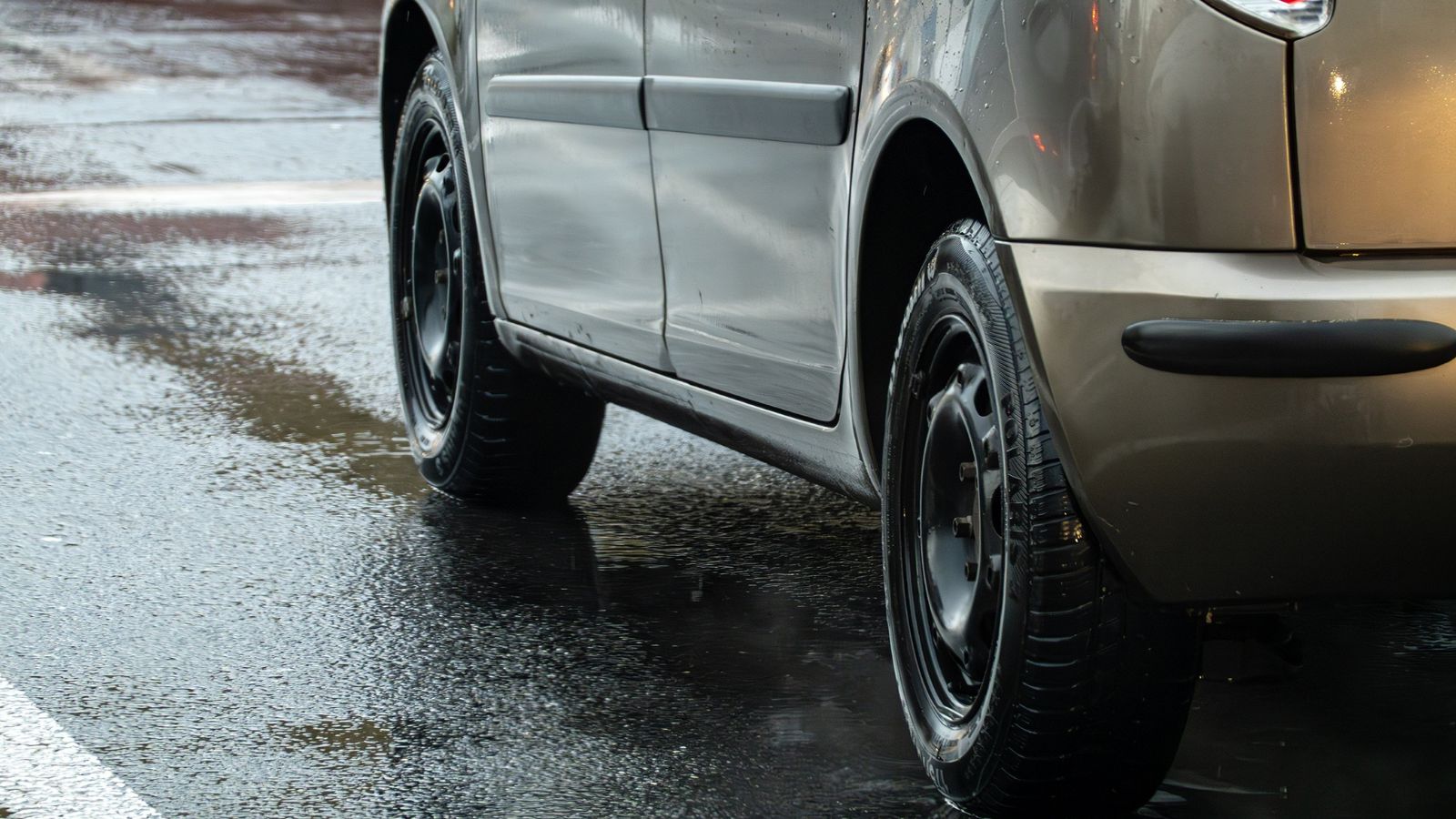
The fuel penalty from low pressure varies with the vehicle, tires, speed, temperature, and degree of underinflation, so no single percentage describes every trip. Still, government estimates show that the effect is measurable. The U.S. Department of Energy says maintaining proper pressure can improve gas mileage by about 0.6% on average and by as much as 3% in some cases. Transport Canada offers a more severe example: one tire underinflated by 56 kPa, or 8 psi, can increase a vehicle’s fuel consumption by 4%.
Those percentages can disappear inside normal week-to-week mileage variation, which is why the habit survives. A driver may blame traffic, winter fuel, air conditioning, or short trips while low pressure contributes in the background. Consider a household that fills the tank every week. Even a modest efficiency loss is paid repeatedly, long after the few minutes needed for a pressure check have been skipped. The engine is not failing; it is simply being asked to burn more fuel to overcome avoidable resistance.
TPMS Is a Warning, Not a Maintenance Plan
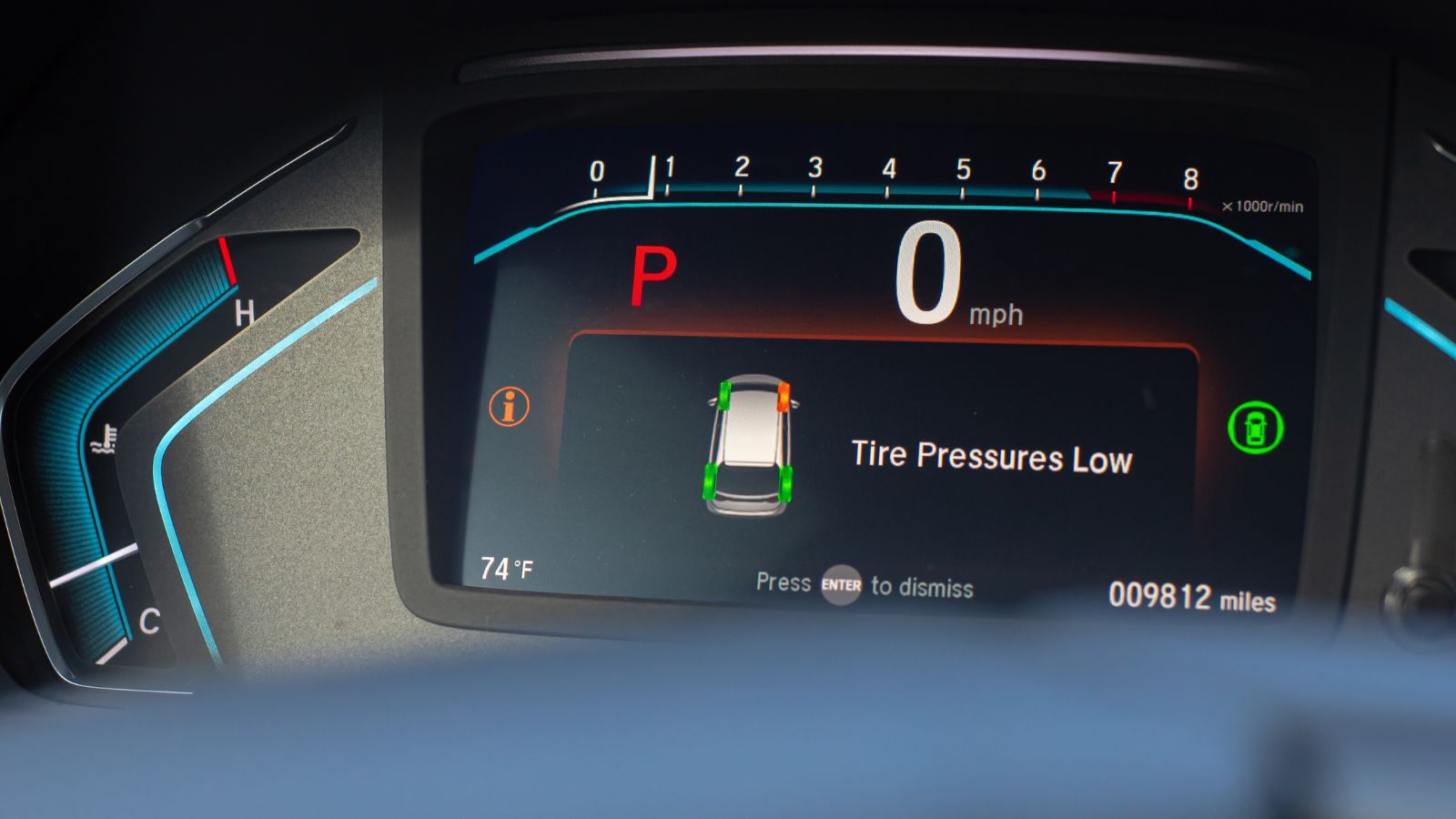
Tire-pressure monitoring systems are valuable, but they are often misunderstood as automatic maintenance. Many systems are designed to warn only after a tire is significantly underinflated. Under the U.S. federal standard, the warning must activate when pressure reaches 25% below the vehicle manufacturer’s recommended cold pressure, or another minimum threshold specified by the rule. A tire can therefore be meaningfully low—and already wasting energy—before the dashboard symbol appears.
The difference matters in everyday driving. A tire specified at 36 psi could lose several pounds without crossing a 25% warning point. The car may continue to steer normally while the engine works against extra resistance. Indirect systems can also infer pressure from wheel-speed differences rather than display an exact reading, while direct systems depend on functioning sensors. Transport Canada and NHTSA both advise continuing monthly manual checks even when TPMS is fitted. The light is best treated like a smoke alarm: essential when danger develops, but not a substitute for routine prevention.
Looking at the Tire Is Not Enough
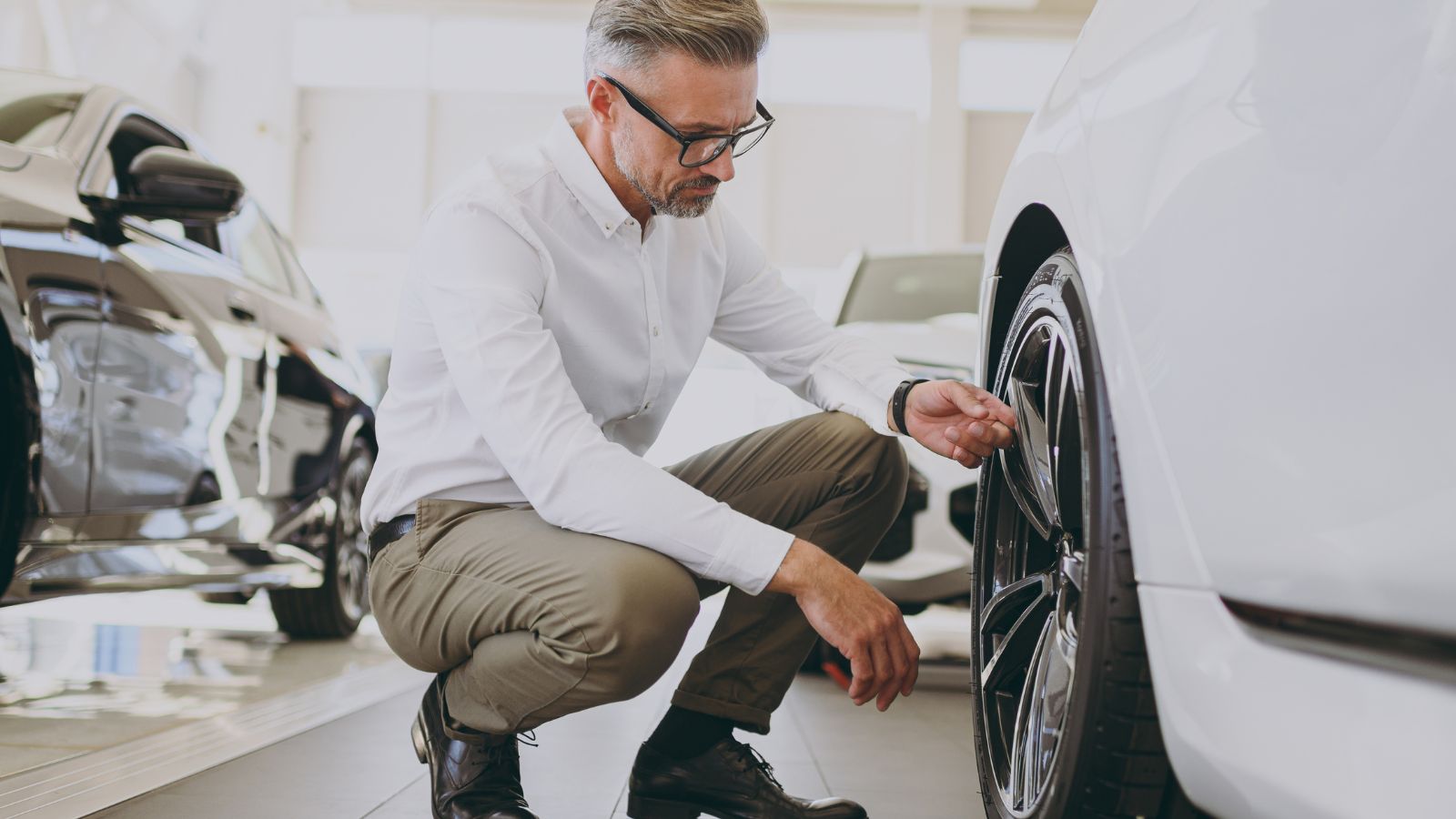
Modern radial tires can hide substantial pressure loss because their sidewalls do not always look obviously collapsed. Transport Canada states that a tire may appear normal while being underinflated by as much as 20%. In a separate summer safety message, the agency said as many as half of tires on the road were either underinflated or overinflated and emphasized that appearance alone could not reliably reveal the problem. A visual walk-around remains useful for spotting cuts, bulges, or a severely flat tire, but it cannot measure pressure.
This explains a familiar driveway mistake. A driver crouches beside the car, presses a thumb against the sidewall, decides the tire feels firm, and leaves. Passenger-vehicle pressures are too high for a hand test to distinguish a few missing psi with useful accuracy. A small digital or pencil gauge provides an actual number in seconds. The difference between guessing and measuring is the difference between hoping the engine is not wasting energy and knowing the tires are set correctly.
Highway Speed Makes the Problem Hotter
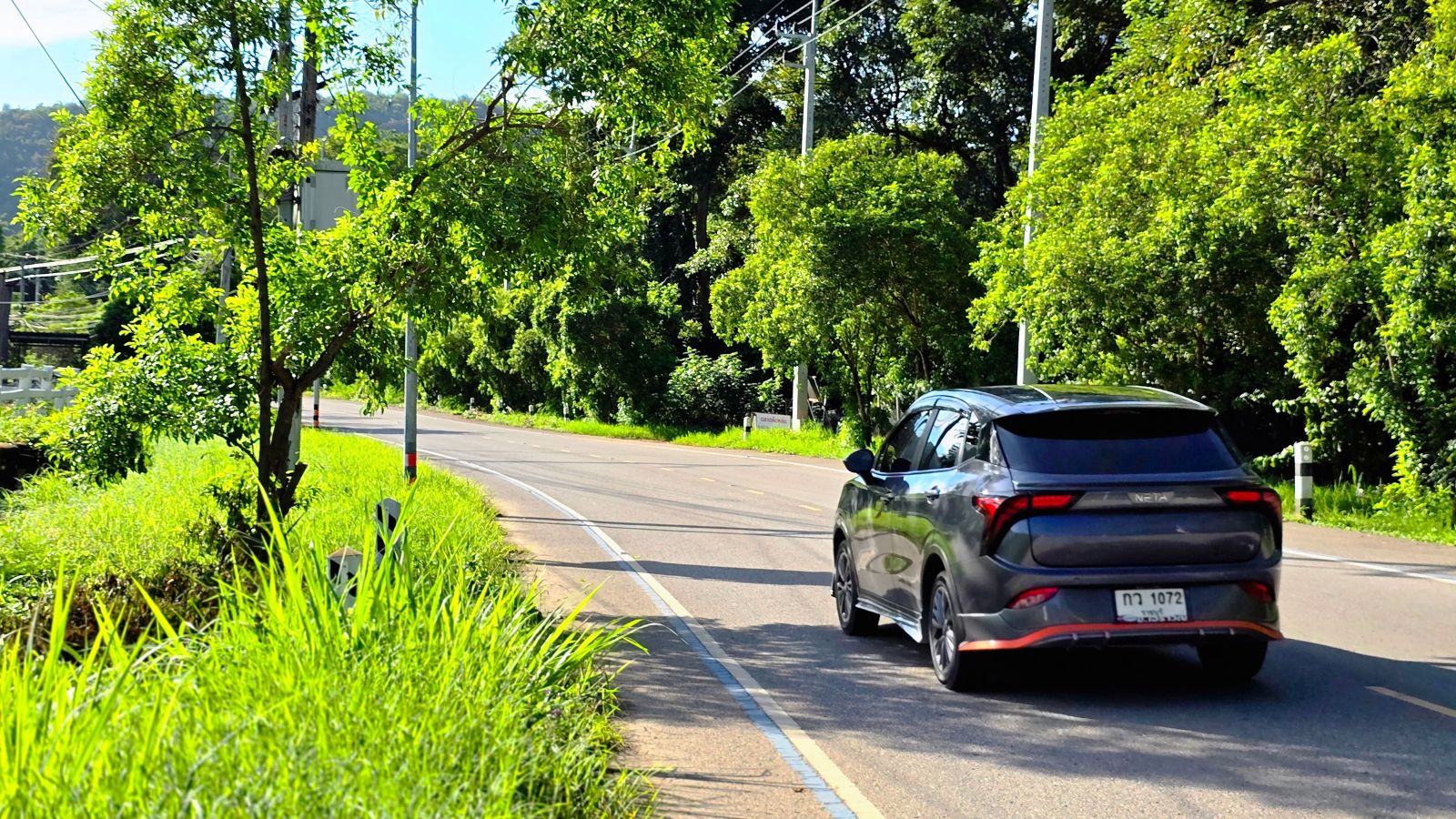
Underinflation becomes more concerning when speed and temperature rise. Each rotation flexes the tire, so highway travel produces many deformation cycles in a short time. Transport Canada warns that an underinflated or overloaded tire at highway speed on a warm summer day creates conditions associated with tire failure. The same extra flex that increases rolling resistance also generates internal heat, and sustained heat can damage tire components that are not visible from outside.
A family road trip illustrates how several ordinary choices can combine. The vehicle is loaded with passengers and luggage, the tires have not been checked since spring, and the first two hours are spent at highway speed in hot weather. The engine must overcome the added vehicle weight and the avoidable drag from soft tires, while the tires themselves endure more stress. Proper pressure cannot eliminate every road hazard or blowout risk, but it removes one preventable factor. Checking before a long, fast trip protects both efficiency and the tire’s ability to carry its load safely.
Tread Life Disappears at the Edges
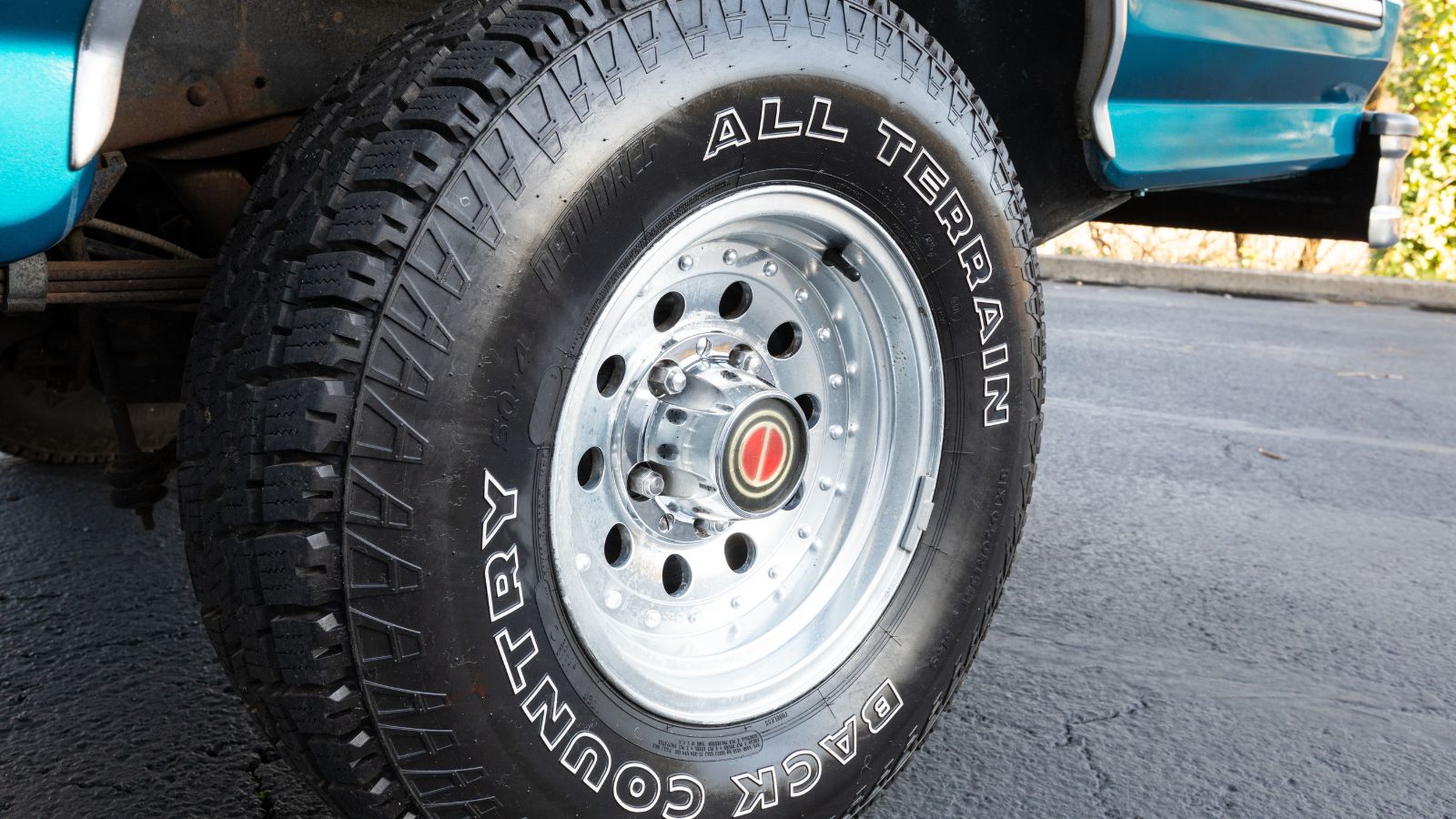
Low pressure does not only cost fuel. It also changes how the tread meets the road and can accelerate irregular wear, particularly toward the shoulders of the tire. Transport Canada estimates that operating with one tire 8 psi low can reduce that tire’s life by 15,000 kilometres. NHTSA similarly reports that proper inflation can extend average tire life by about 4,700 miles. Exact wear patterns vary with alignment, rotation, suspension condition, driving style, and tire design, but pressure remains a major controllable factor.
The financial irony is easy to miss. A driver may postpone buying a modest tire gauge or skip a free air pump, then replace a set of tires earlier than expected. Meanwhile, the engine has spent those kilometres supplying extra energy to deform the same tires. Uneven shoulder wear can also become the first visible clue that the habit has been present for months. By the time the tread pattern looks wrong, much of the lost rubber—and the fuel used to overcome added resistance—cannot be recovered.
Heavy Loads Expose Weak Pressure
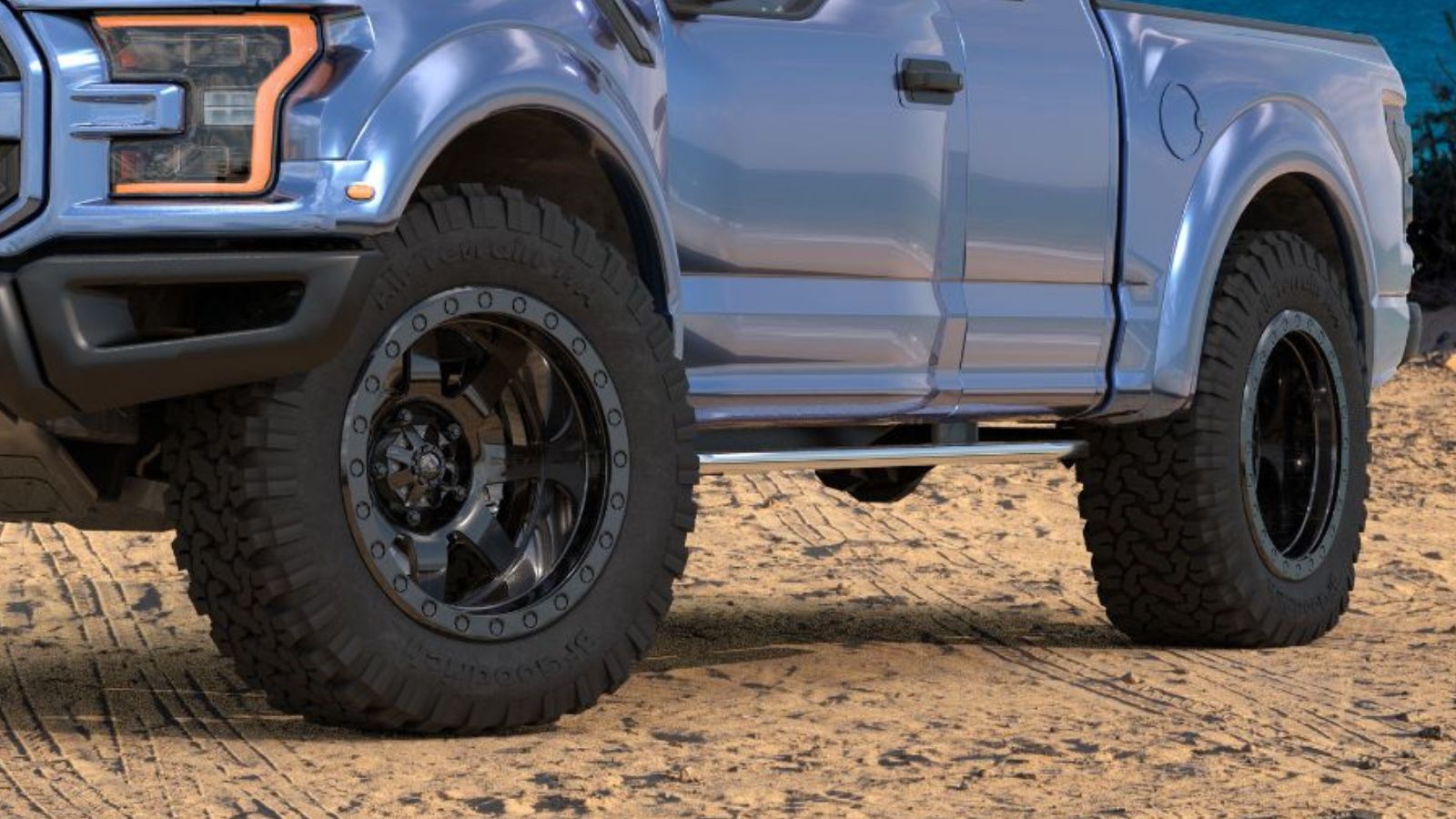
Tire pressure is central to load-carrying capacity. When a vehicle is packed for a move, loaded with building supplies, or towing a trailer, each tire must support more weight while controlling heat and deformation. The U.S. Tire Manufacturers Association advises checking pressure before carrying heavy loads or towing, and Transport Canada warns against combining underinflation with overloading. The engine already has to work harder to move the additional mass; soft tires add another layer of resistance at exactly the wrong time.
Imagine an SUV carrying five adults, camping equipment, and a cargo box. The driver may expect slower acceleration because of the weight, yet overlook the fact that tires several psi low make the powertrain work harder still. The correct response is not to inflate blindly to the maximum number moulded on the sidewall. Load guidance belongs in the owner’s manual and vehicle placard, and some vehicles specify different front and rear pressures or additional instructions for heavy use. Pressure should be verified before departure, not after heat from the trip has raised the reading.
Weather Can Undo Last Month’s Check
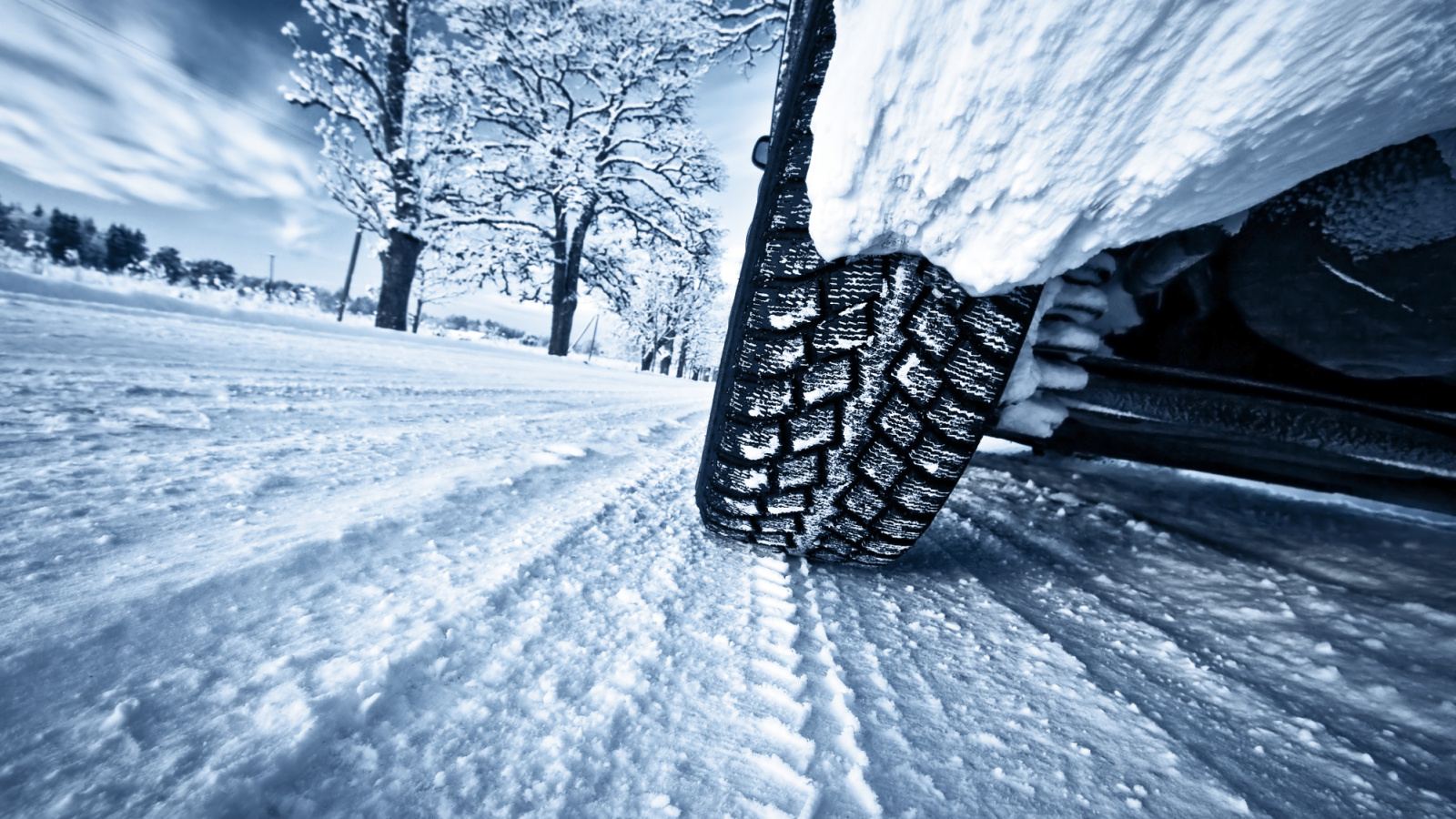
Tire pressure changes with ambient temperature even when no puncture exists. Transport Canada says pressure falls by about 1 psi for every 5°C drop in temperature, while the U.S. Tire Manufacturers Association gives a comparable range of roughly 1 to 2 psi for each 10°F change. That means a tire set correctly during a warm afternoon can read noticeably low after the first cold night of the season. The rubber did not suddenly fail; the air inside contracted as it cooled.
Natural air loss adds another reason the habit develops. Transport Canada notes that tires may lose about 2 psi per month through permeability. A driver who checked in early autumn could therefore reach winter with pressure reduced by both gradual leakage and falling temperature. The engine then faces higher rolling resistance during a season when cold starts, cabin heating, and dense air may already reduce efficiency. Monthly checks are not excessive maintenance; they are a practical response to pressure that changes even when the vehicle sits undisturbed.
The Sidewall Number Is Not the Target

One of the most persistent mistakes is inflating a tire to the pressure moulded on its sidewall. That figure generally identifies the pressure associated with the tire’s maximum rated load, not the pressure selected by the vehicle manufacturer for that specific car. NHTSA directs drivers to the Tire and Loading Information label on the driver’s door edge or doorjamb, while Transport Canada notes that the label may also appear on a door post, glove box, or fuel door. The owner’s manual is the fallback.
Measurement conditions matter just as much as the target number. NHTSA defines a cold tire as one that has not been driven for at least three hours. Transport Canada also allows a very short trip—no more than about 2 kilometres—for a cold reading. Driving warms the tire and raises pressure, so bleeding a warm tire down to the cold specification can leave it underinflated after it cools. The correct routine begins with the placard, a reliable gauge, and tires that have had time to cool.
Five Minutes a Month Breaks the Habit
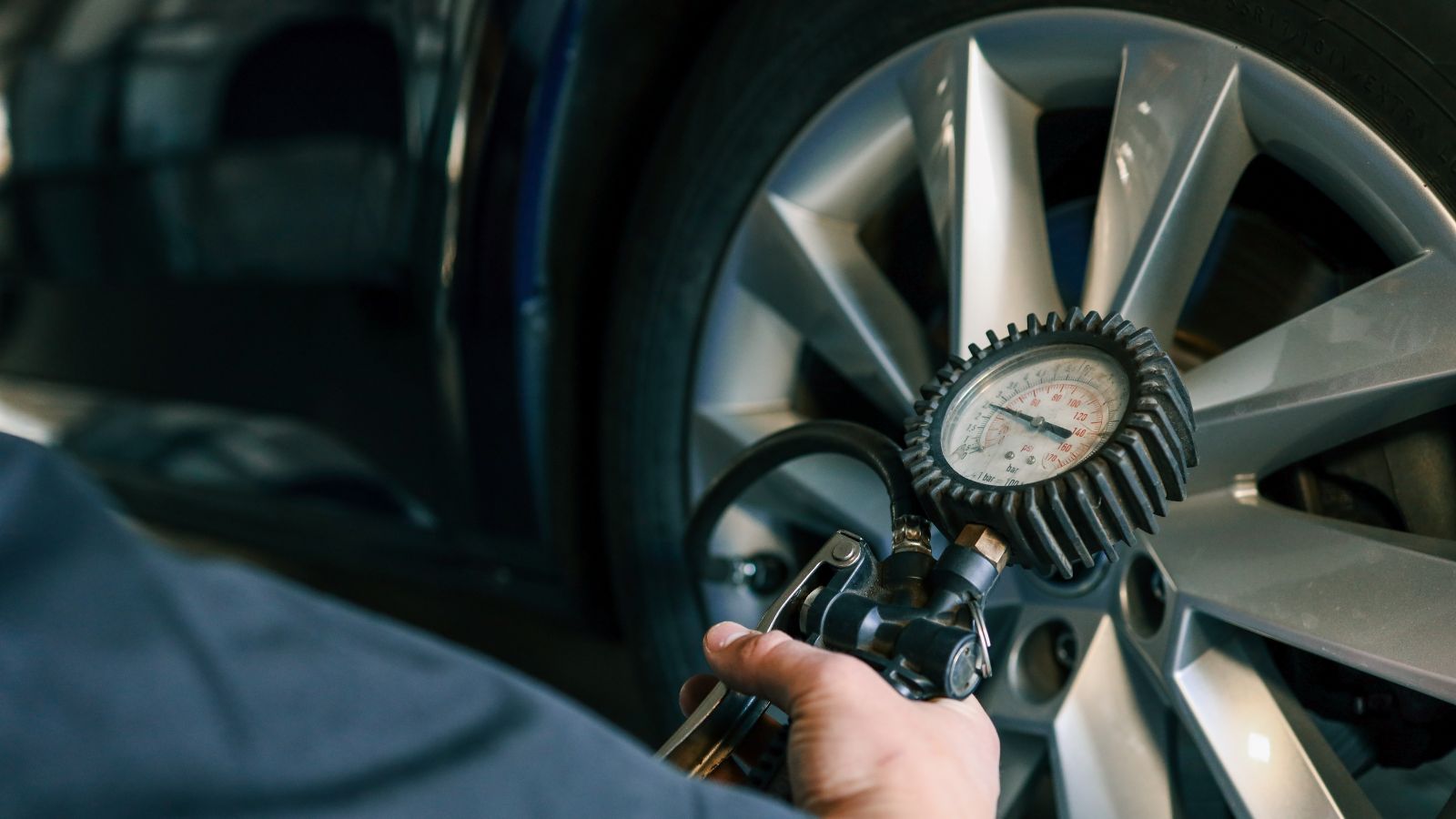
The solution is deliberately simple: check all tires with a gauge at least once a month, when they are cold, and repeat the check before long trips, heavy loads, or towing. Include the spare, because it can lose pressure while remaining out of sight for years. Record the front and rear specifications from the placard in a phone note, add or release air as needed, and measure again rather than trusting the air pump’s preset display. Transport Canada notes that a good-quality handheld gauge may be more accurate than gauges attached to some service-station pumps.
This small ritual changes the engine’s workload without changing how the car is driven. Correct pressure restores the tire shape intended by the vehicle manufacturer, limits unnecessary flex, and reduces avoidable rolling resistance. It also creates an opportunity to notice a nail, damaged valve, unusual wear, or a tire that repeatedly loses more air than the others. The goal is not perfection to a fraction of a psi; it is ending the habit of waiting for visible sag, poor fuel economy, or a warning light before paying attention.
19 Used Cars Canadians Should Avoid in 2026 (Based on Owner Complaints)

Buying a used car in Canada can feel safe until repair bills start stacking up. Owner complaints tell a different story than glossy listings. Transmission failures, electrical problems, and weak winter reliability show up again and again in consumer reports. Many of these issues appear after warranties expire, when owners least expect them. Some vehicles look affordable upfront, but become expensive to keep on the road. Others struggle in cold weather, urban driving, or long highway commutes. Here are 19 used cars Canadians should avoid in 2026 (based on owner complaints).
19 Used Cars Canadians Should Avoid in 2026 (Based on Owner Complaints)