
























The most expensive part of a vehicle deal often arrives after the test drive, after the trade-in talk, and after the monthly payment has already been made to feel manageable. That is the moment when “just one more thing” starts appearing on the worksheet. Canadian buyers know the feeling well enough that a national survey commissioned by Car Help Canada found more than 40 per cent of recent buyers said dealer add-ons were required as a condition of sale. That frustration is not just about money. It is about the sense that the real negotiation ended before the real bill did.
These 17 add-ons stand out because they are the ones most likely to leave buyers feeling cornered, upsold, or quietly worn down at signing. Some can make sense in the right situation. Many do not. Almost all become infuriating when they are bundled, rushed, or presented as though they were part of the car instead of extra profit built around it.
Administration and documentation fees

Administration fees are among the oldest tricks in the dealership playbook because they sound official, routine, and difficult to challenge. The label does a lot of work: paperwork fee, doc fee, admin fee, file fee, compliance fee. None of those names changes the basic reality that every dealer has to process paperwork to sell a car. Buyers tend to feel stung because the charge rarely improves the vehicle, adds no meaningful protection, and often appears as a line item that seems designed to look mandatory rather than negotiable.
The irritation gets worse when the fee is separated from an advertised price. In Ontario and Alberta, regulators say administration charges belong in the all-in advertised price, not stacked on later as a surprise. That is why buyers bristle when the number suddenly appears near the finish line. On some Canadian buying guides, the example figures are large enough to be memorable on their own. Once a charge starts looking more like hidden margin than service, the feeling of being played arrives fast.
Freight, PDI, and levy recoveries

Freight and pre-delivery inspection are real costs in the auto business, which is exactly why they are so effective as late-stage add-ons. They sound concrete. They sound factory-linked. They sound like the kind of charges nobody can question. Yet when a buyer has already been shown a price, seeing freight, PDI, tire levies, or recovery fees reappear at signing feels less like transparency and more like the price being rebuilt piece by piece. The car has not changed, but the number has.
That reaction is grounded in how Canadian pricing rules work in some jurisdictions. OMVIC says freight, PDI, and administration fees should already be inside an advertised all-in price. Alberta’s regulator says much the same. So when those items are added after a consumer thinks comparison shopping is over, the emotional hit is larger than the dollar amount. It tells the buyer that the first price was not really the price. Once that happens, trust tends to collapse even if the deal technically survives.
Market adjustment fees

Few dealership charges spark resentment faster than a market adjustment fee because it is the add-on that admits, more or less openly, that the price is rising simply because the seller thinks it can. There is no coating, warranty, or maintenance promise attached to it. No new feature appears on the vehicle. The buyer is just being asked to pay more because demand is high, supply is tight, or the car happens to be desirable that week. Even when a market adjustment is disclosed, it still lands hard.
Canadian regulators and consumer advocates have been explicit about the danger zone here. Alberta warns that extra costs are sometimes described as market adjustment fees, and the federal Competition Bureau flags any mandatory charge that makes the original advertised price unattainable. One Alberta buyer complaint highlighted a mandatory assurance package plus a market-adjustment charge that added more than $5,000 over the website price. That kind of surcharge leaves buyers feeling less like customers and more like targets who happened to show up after wanting the wrong vehicle at the wrong time.
Extended warranties

Extended warranties are one of the few dealer extras that can be worth real money in the right case, which is why they are so often used to justify an aggressive upsell. Luxury models, complicated vehicles, and cars with weaker reliability records can make extra coverage rational. The problem is not that extended warranties always fail buyers. The problem is how often they are sold in a blur, rolled into the monthly payment, and presented as a vague promise rather than a contract full of exclusions, claim rules, and provider details.
That is where the feeling of being played starts. OMVIC says buyers should receive clear information about coverage, duration, who pays for repairs, and what is excluded. The APA goes further, noting that factory-backed plans can make sense in some cases, while third-party warranty markups can be extreme. It has reported manufacturer markups around 35 per cent, but private warranty markups as high as 300 per cent. A buyer who says yes because the payment only rises a little each month may not realize how much of that price is coverage and how much is pure dealership profit.
Prepaid maintenance and service plans
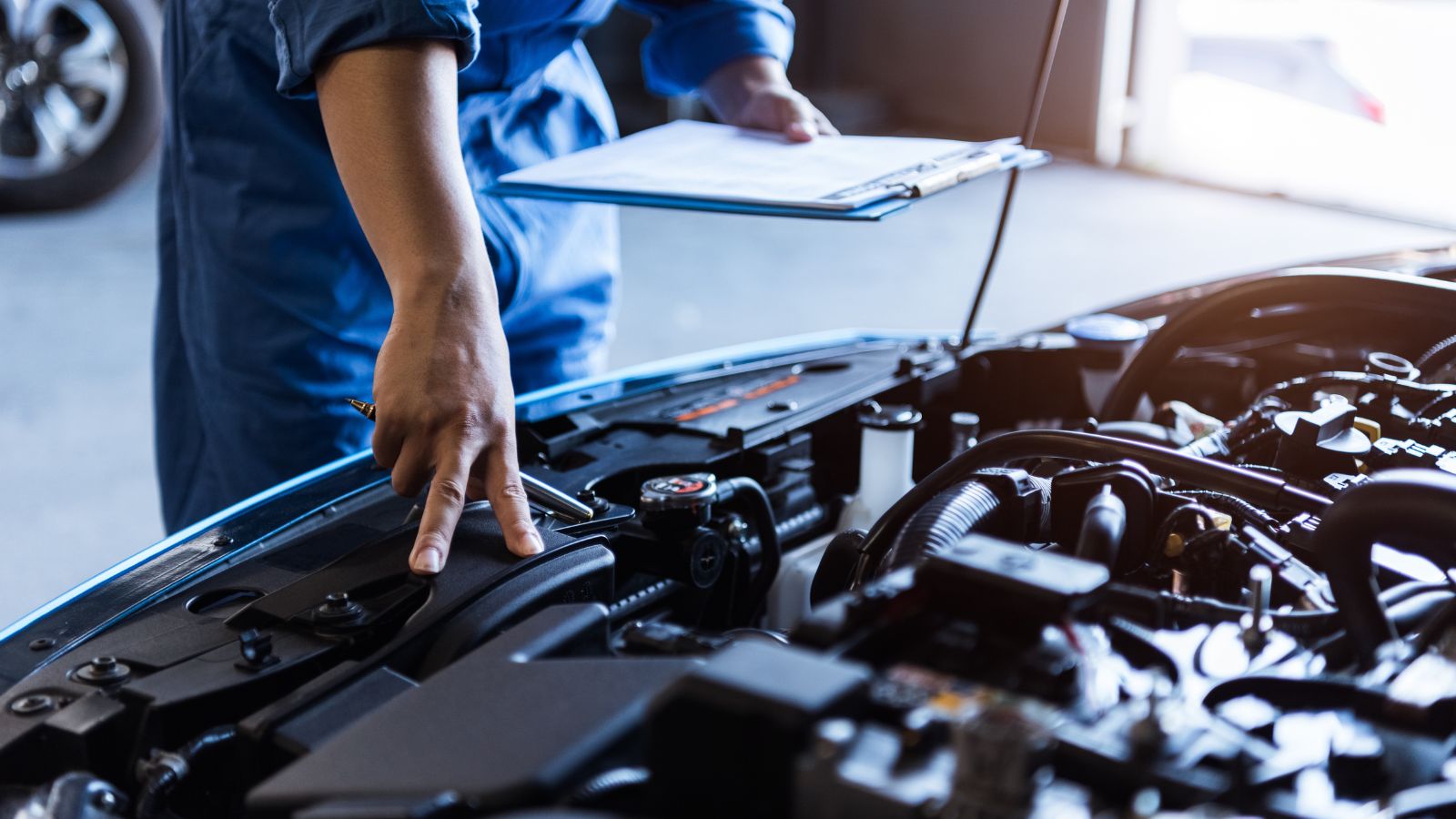
Prepaid maintenance plans sound safe, tidy, and strangely adult. They promise predictable ownership, one less thing to think about, and the soothing idea that future oil changes, inspections, and routine service have already been handled. In a finance office, that pitch can be very effective, especially when the vehicle is new and the buyer wants to feel responsible rather than reckless. Dealers know that. That is why service plans often arrive at exactly the moment when decision fatigue is highest and resistance is lowest.
What buyers later resent is the mismatch between the sales pitch and the actual usefulness. A mandatory assurance package cited in one Alberta complaint included lifetime oil changes, which is the kind of perk that sounds terrific until the consumer realizes it may tie them to one store and one set of rules. OMVIC has also reminded dealers that service plans are contracts with refund and cancellation terms that must be honoured. The sting is not always that the plan is worthless. It is that the plan may have been added before the buyer had a fair chance to decide whether it fit their actual driving life.
GAP insurance

Guaranteed Asset Protection, or GAP insurance, is one of the more emotionally persuasive extras in the showroom because the underlying fear is real. Cars depreciate quickly. Loans and leases do not. If a financed or leased vehicle is stolen or written off early in the term, the owner can end up owing more than the insurer pays out. Dealers know that scenario sounds alarming, so GAP is often positioned not as an optional product but as a kind of financial seat belt no sensible person would skip.
Sometimes that pitch is fair. Sometimes it is opportunistic. TD notes that GAP typically starts around a few hundred dollars and is meant to cover the shortfall between what the vehicle is worth and what remains owed. But buyers feel played when the product is sold as automatic rather than situational, or when nobody compares it with insurer-based alternatives such as depreciation waivers or replacement-cost endorsements. In those moments, the buyer is not really choosing a protection strategy. They are reacting to a fear scenario while trying to finish a deal before the pen hits the contract.
Credit or loan insurance

Credit or loan insurance is one of the least understood products sold around vehicle financing, which makes it one of the easiest to oversell. It is typically pitched as payment protection for life events such as job loss, disability, critical illness, or death. In theory, that sounds prudent. In practice, many buyers barely distinguish it from the loan itself. Because it is offered in the same sitting, at the same desk, with the same stack of documents, it can feel less like a separate insurance decision and more like part of the approval process.
That is exactly what Canadian regulators try to prevent. FCAC says credit and loan insurance is a separate, optional product and that federally regulated institutions must obtain express consent before providing it. Buyers also have a right to information about charges, term, and cancellation. The emotional problem is obvious: once a person has spent an hour getting a deal approved, anything framed as “extra security” can feel hard to refuse. Later, when premiums show up and exclusions become clearer, what felt like responsible planning can look a lot more like a pressure-assisted add-on.
Rustproofing and undercoating

Rustproofing has deep Canadian emotional power because winter roads make corrosion feel like a personal threat rather than a theoretical maintenance issue. Salt, slush, freeze-thaw cycles, and long ownership horizons make the pitch easy to understand. Dealers lean on that instinct hard. A buyer sitting in February does not need a long lecture to imagine a future full of bubbling paint and expensive repairs. That fear gives rustproofing one major advantage over flashier upsells: it sounds practical.
Even so, buyers often feel burned by how it is bundled and explained. OMVIC treats rustproofing as optional, not mandatory. In one Alberta enforcement case, a buyer alleged that undercoat and rust protection were already on the vehicle, not properly itemized, and not clearly presented as optional. That complaint captures the emotional core of the problem. Plenty of Canadians might choose rust protection after comparing methods and providers. Far fewer like being told it is already on the car, already in the package, and effectively already their problem. The difference between informed prevention and high-pressure bundling is the difference between peace of mind and resentment.
Electronic rust modules
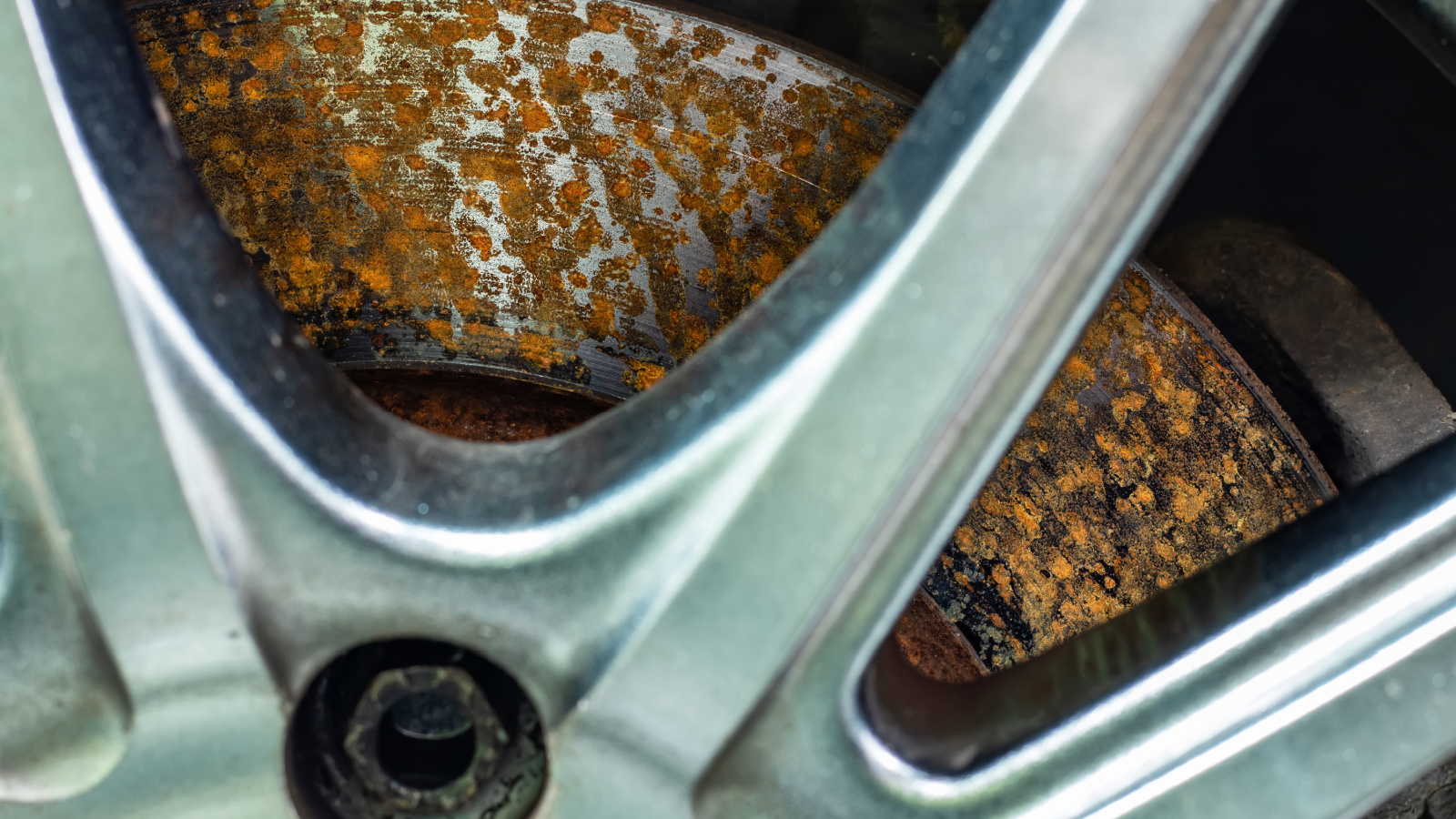
Electronic rust protection modules are the kind of add-on that sounds more scientific the longer the explanation goes. That makes them very effective in the finance office, where technical language can substitute for evidence and a small black box can be made to feel like an invisible shield against Canadian winters. Buyers are rarely in a position to verify those claims on the spot. They just hear “advanced,” “electronic,” and “protection,” then watch the price settle into the loan like it has always belonged there.
Consumer advocates have been blunt about why these modules anger people. The APA cited electronic rust-protection devices among add-ons with almost no real value to consumers and said many such products are largely dealer profit. On one 2026 Hyundai Tucson example in Ontario, the APA listed an electronic rust module at $1,199, down from a stated regular price of $1,899. Numbers like that explain the resentment immediately. Even buyers who are open to paying for protection feel duped when a gadget with uncertain value is marketed like a technological necessity and priced like a major component.
Paint protection film
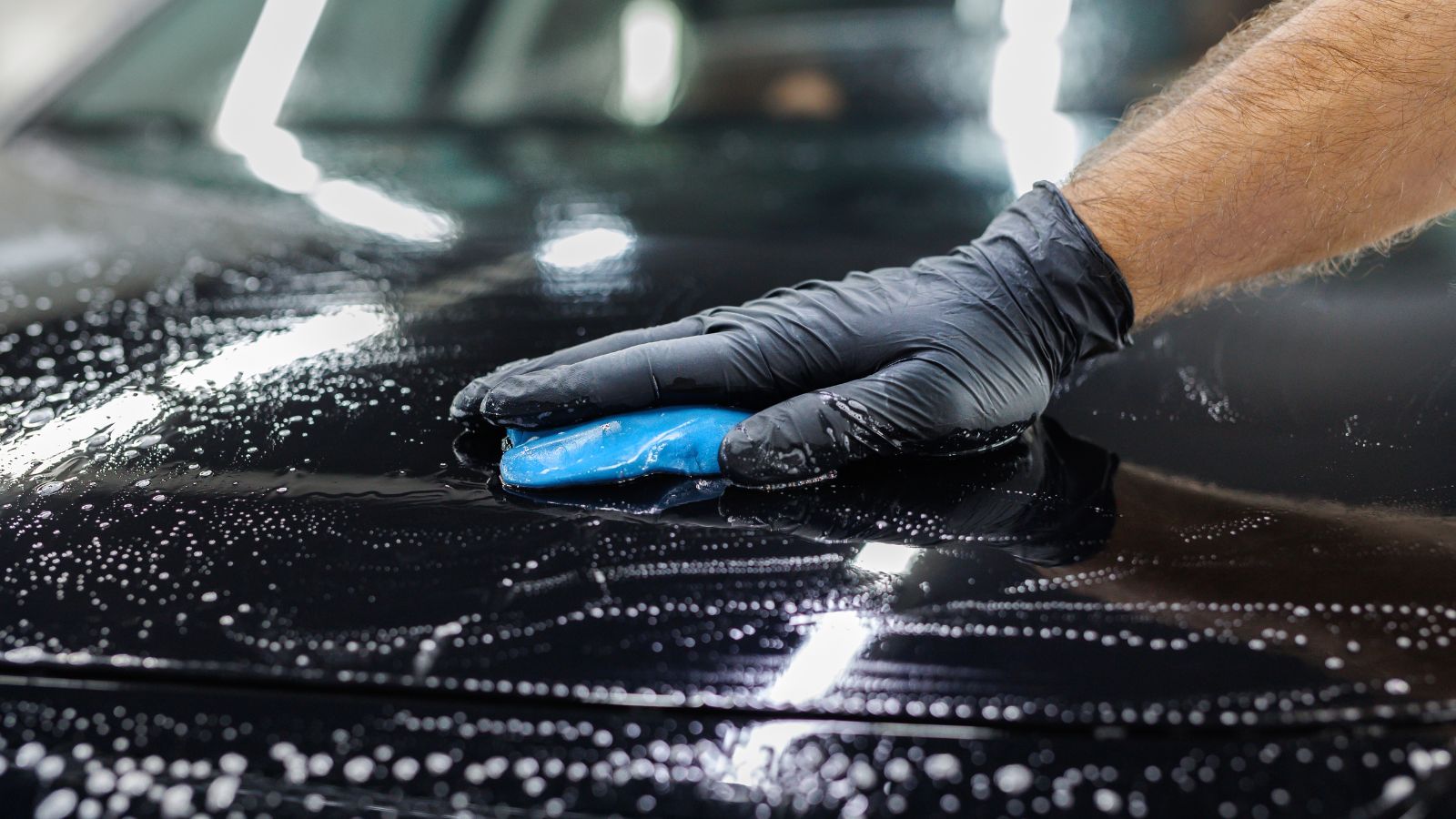
Paint protection film is more complicated than many dealer extras because the product itself is real and can be useful. A carefully installed film on high-impact areas can help guard against chips and road rash, especially for drivers who spend a lot of time on highways or in winter conditions. That is precisely why the dealership version can be so persuasive. Unlike vague protection packages, this one sounds tangible. Buyers can picture gravel hits, salt spray, and blasted front bumpers, then decide they would rather pay once than repaint later.
Where the feeling of being played creeps in is price and timing. The APA has called an $1,800 quote for paint protection film “outrageous” in one case and says dealer add-ons can carry markups of 200 to 400 per cent. That does not mean film never makes sense. It means mandatory finance-office film is not the same thing as thoughtfully shopping for film from a specialized installer. Buyers resent paying luxury pricing for something they never had time to compare, especially when it arrives inside a package that also contains completely different products they never asked for.
Ceramic coating
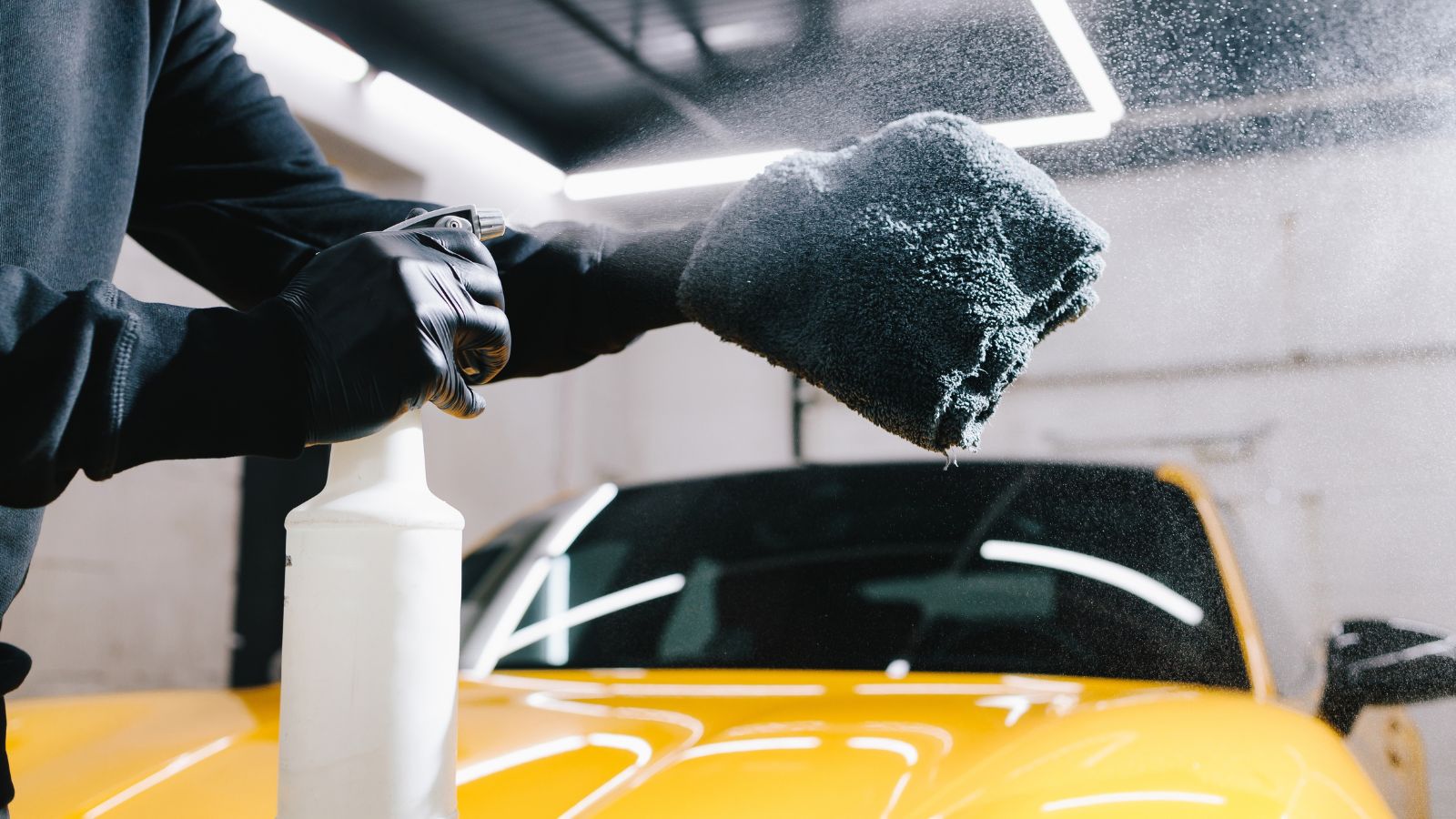
Ceramic coating has become a modern favorite because it sounds premium, durable, and almost futuristic. It also photographs beautifully in brochures. That makes it a perfect finance-office product: shiny, aspirational, and easy to describe in broad, flattering terms. Transport Canada’s EV affordability rules list ceramic coating among optional packages and options, which shows how normal this upsell has become. It is not fringe. It is part of the modern add-on menu, right alongside tint, etching, and paint-and-fabric treatments.
But normal does not mean well explained. In the Alberta Hyundai penalty decision, ceramic coating appeared in a long list of products the buyer said were preloaded without proper itemized pricing or a clear understanding that they were optional. That is why ceramic coating so often leaves a bad taste. The real complaint is rarely about gloss. It is about opacity. When a product is sold in a hurry, bundled with unrelated extras, and wrapped in vague promises instead of precise terms, even a legitimate service can feel like a luxury tax imposed at the worst possible moment.
Fabric and leather protection

Fabric and leather protection lives in the sweet spot of dealer psychology: cheap enough to seem harmless, vague enough to sound useful, and easy enough to bury inside a monthly payment. The pitch is familiar. Coffee spills, hockey gear, wet dogs, french fries, kids, muddy boots. In Canada, that script writes itself. Transport Canada’s EV affordability guidance even lists paint and fabric protection treatment as a common optional package, and consumer advocates have long identified upholstery protection as a standard showroom upsell.
The reason it often feels manipulative is that buyers are not usually shown much evidence beyond the fear of future mess. In the Alberta case involving a Hyundai Tucson, “interior protection” was part of a pile of bundled extras the buyer said were not properly itemized. That detail matters because it shows how these products are often sold: not as a careful stand-alone choice, but as one more box already checked. Once the charge is blended into a larger financing number, many buyers stop debating value. They just keep moving, then later wonder why a stain-prevention promise cost so much to obtain.
VIN etching and anti-theft etching
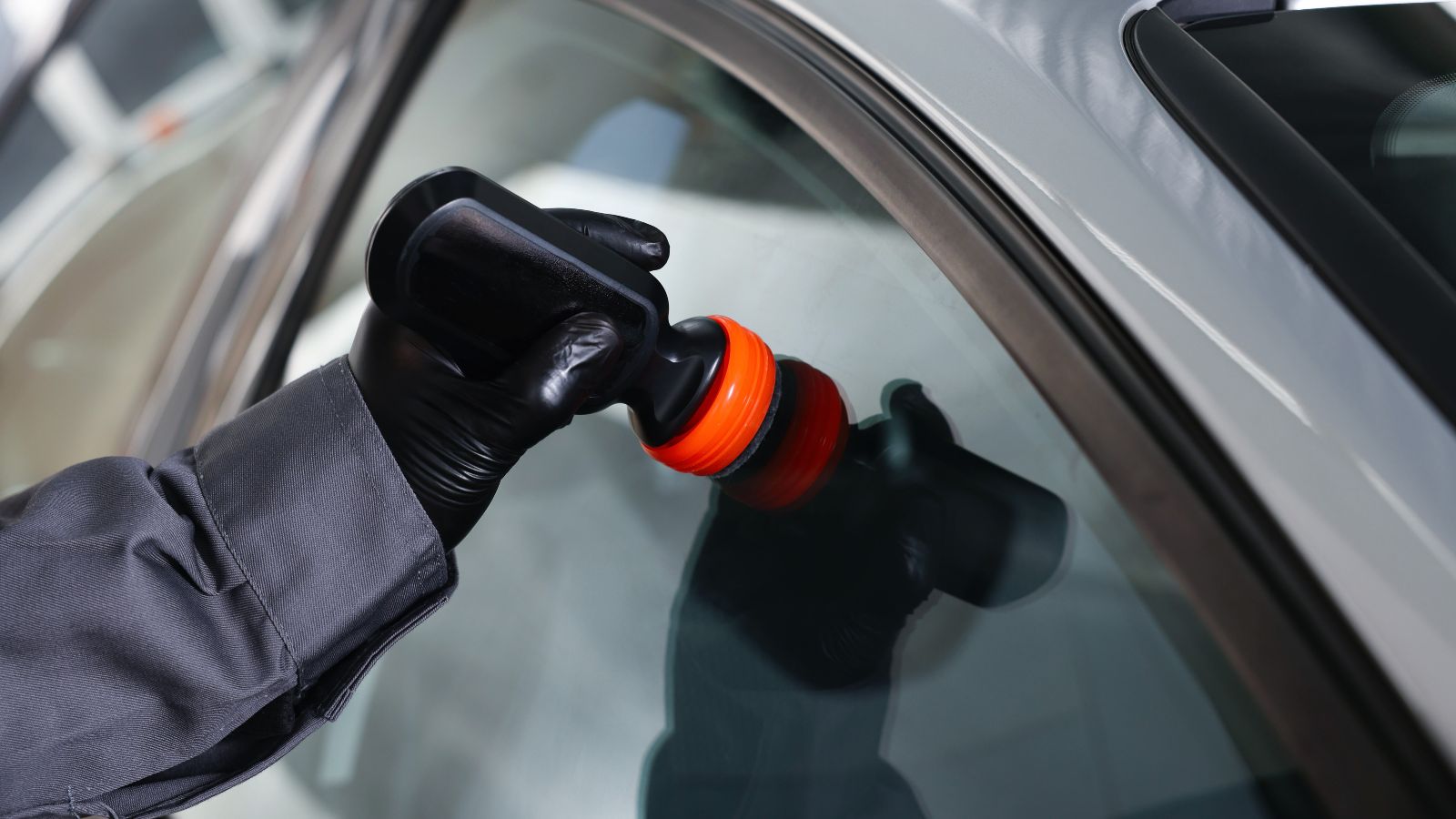
VIN etching and related anti-theft packages are powerful because they borrow the urgency of Canada’s real vehicle theft problem. Glass etching, tracking numbers, theft-deterrent branding, and top-up protection plans all sound like sensible responses to a country that has spent years talking about stolen SUVs, organized crime, and insurer losses. Transport Canada lists VIN etching and alarm or TAG-type systems among optional add-ons in its EV guidance, which shows how firmly these products have entered the mainstream sales toolkit.
Still, the gap between legitimate theft concerns and questionable dealer products is exactly why buyers get frustrated. The APA has grouped window etching and anti-theft protection among add-ons with little real value to consumers, and one APA-linked dealer example listed vehicle anti-theft etching at $188. At the same time, Canada’s theft problem is serious enough that Équité says Canadians still bear about $900 million a year in theft-related costs, and the APA says some Ontario insurers offer 5 to 30 per cent discounts on comprehensive coverage for approved anti-theft systems such as TAG. That contrast matters. Real anti-theft value may exist, but not every etched-window line item earns the trust it tries to borrow.
Nitrogen-filled tires
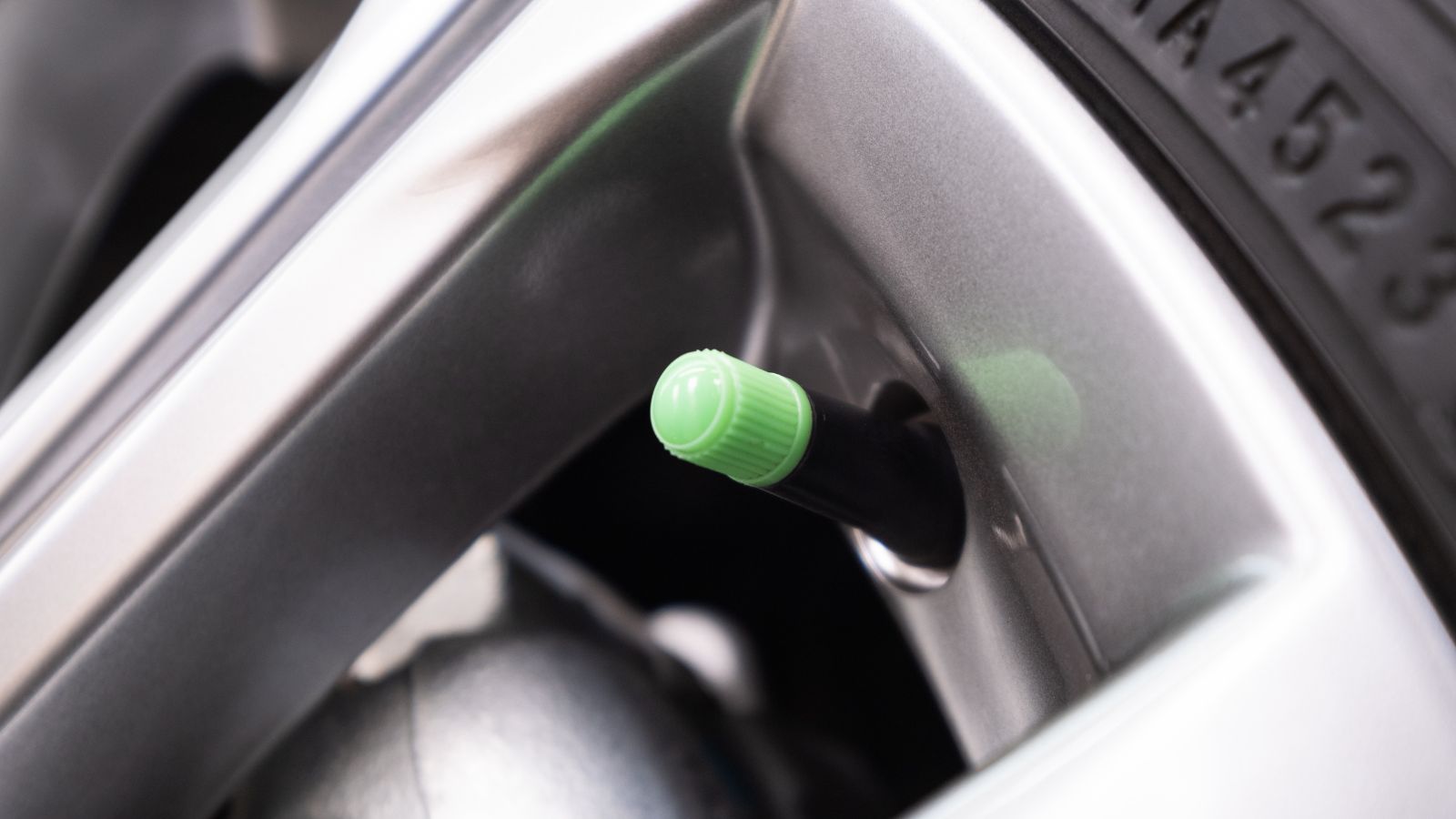
Nitrogen tire fills are a classic “sounds smart, costs little, sells easily” add-on. Dealers pitch them as a cleaner, more stable alternative to regular air, and the theory is not entirely empty. The APA notes that nitrogen can help maintain tire pressure more consistently because it leaks more slowly and is less affected by temperature swings. In a vacuum, that sounds like a sensible little upgrade, particularly in a country where a freezing morning can trigger a tire-pressure warning before the coffee has cooled.
The problem is that the real-world advantage is usually too modest to justify the sales drama. APA says nitrogen can cost up to $5 per tire and that to get the full benefit, the tires may need to be purged and refilled more than once. It also notes that topping off a low tire with regular air effectively wipes out the point of paying extra in the first place. Its advice for most people is blunt: skip the nitrogen and buy a tire gauge. That is why buyers feel played. They are sold a technical edge that disappears the moment ordinary life gets involved.
Wheel-and-tire protection
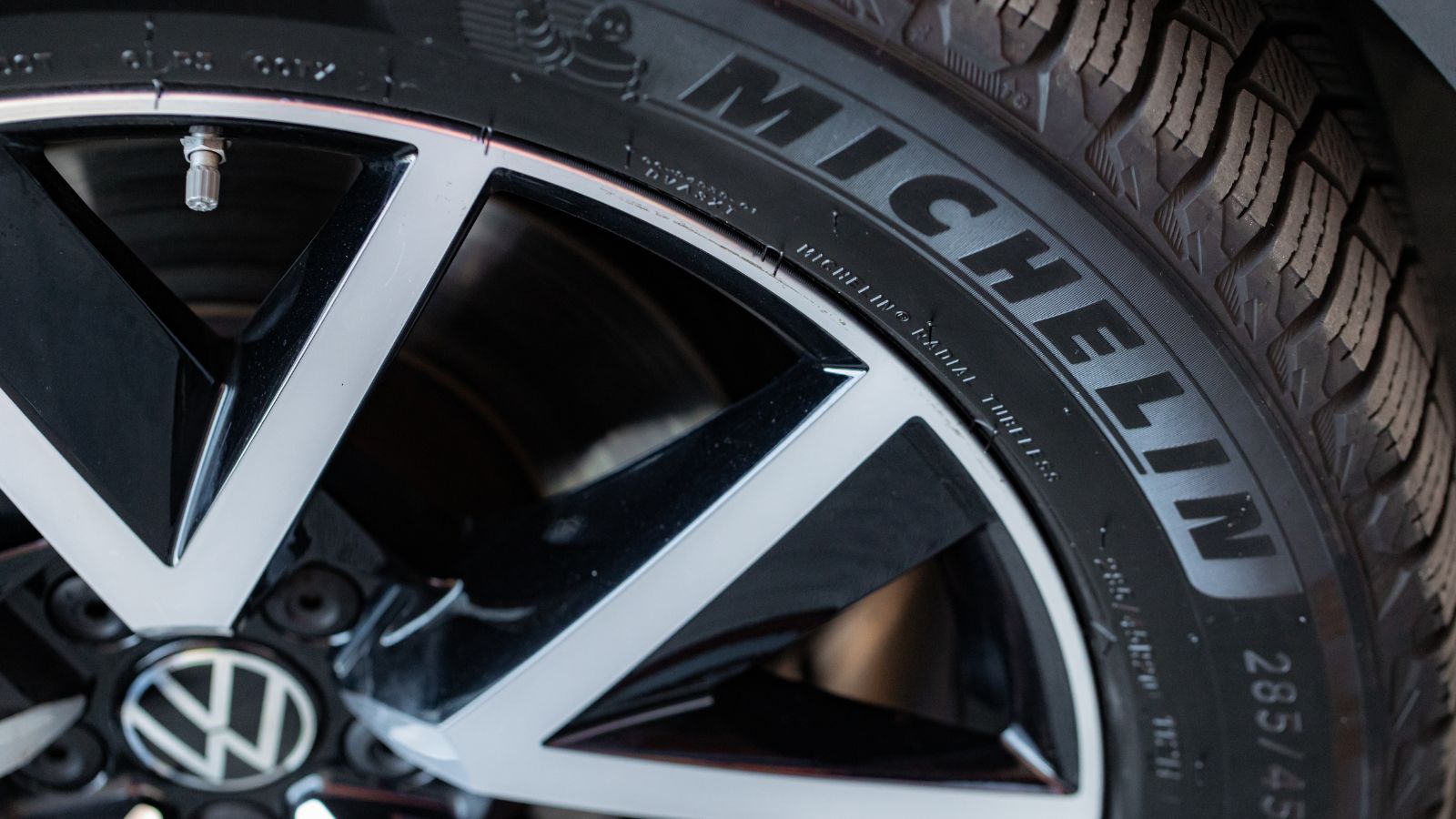
Wheel-and-tire protection is one of the hardest extras to dismiss outright because the risk it targets is so easy to imagine. Canadian roads offer a full menu of potholes, rough shoulders, curbs hidden by slush, and winter damage that can make a wheel-and-tire plan sound almost inevitable. The APA describes these plans as coverage for damage caused by potholes or curb impacts, and Transport Canada specifically names wheel-and-tire protection as an excluded add-on in its EV affordability guidance. In other words, this is not a niche gimmick. It is a common upsell.
That does not make it automatically smart. Buyers often feel played because the product is sold at peak emotional vulnerability: after a large purchase, when the thought of one more expensive problem feels unbearable. The contract may be narrower than the pitch, and the buyer may never have had time to compare the plan with their actual driving habits, wheel size, or replacement costs. A person who deliberately shops for road-hazard coverage may be satisfied. A person who buys it because the pen was already in hand and the pothole story sounded scary often remembers the feeling very differently.
Key-fob protection

Key-fob protection is a small product with an outsized talent for sneaking into expensive deals. It is usually framed as insurance to replace a lost or damaged key fob, which sounds sensible in a world of push-button starts and increasingly expensive electronics. Because the product is narrow and easy to explain in one sentence, it often arrives as a quick yes-or-no question near the end of the paperwork, right when a buyer is most likely to stop asking for details and start nodding.
Consumer advocates have singled it out for that reason. The APA lists key-fob protection among the add-ons that often have little real value to consumers and serve mainly as dealer profit. That does not mean nobody will ever use it. It means the risk is narrow, the benefit is limited, and the sales environment is doing most of the work. Buyers later feel played because the charge seemed minor in the room and strangely flimsy after the fact. It is the kind of product that survives not because people crave it, but because fatigue makes it easier to accept than to examine.
Accessory and subscription bundles
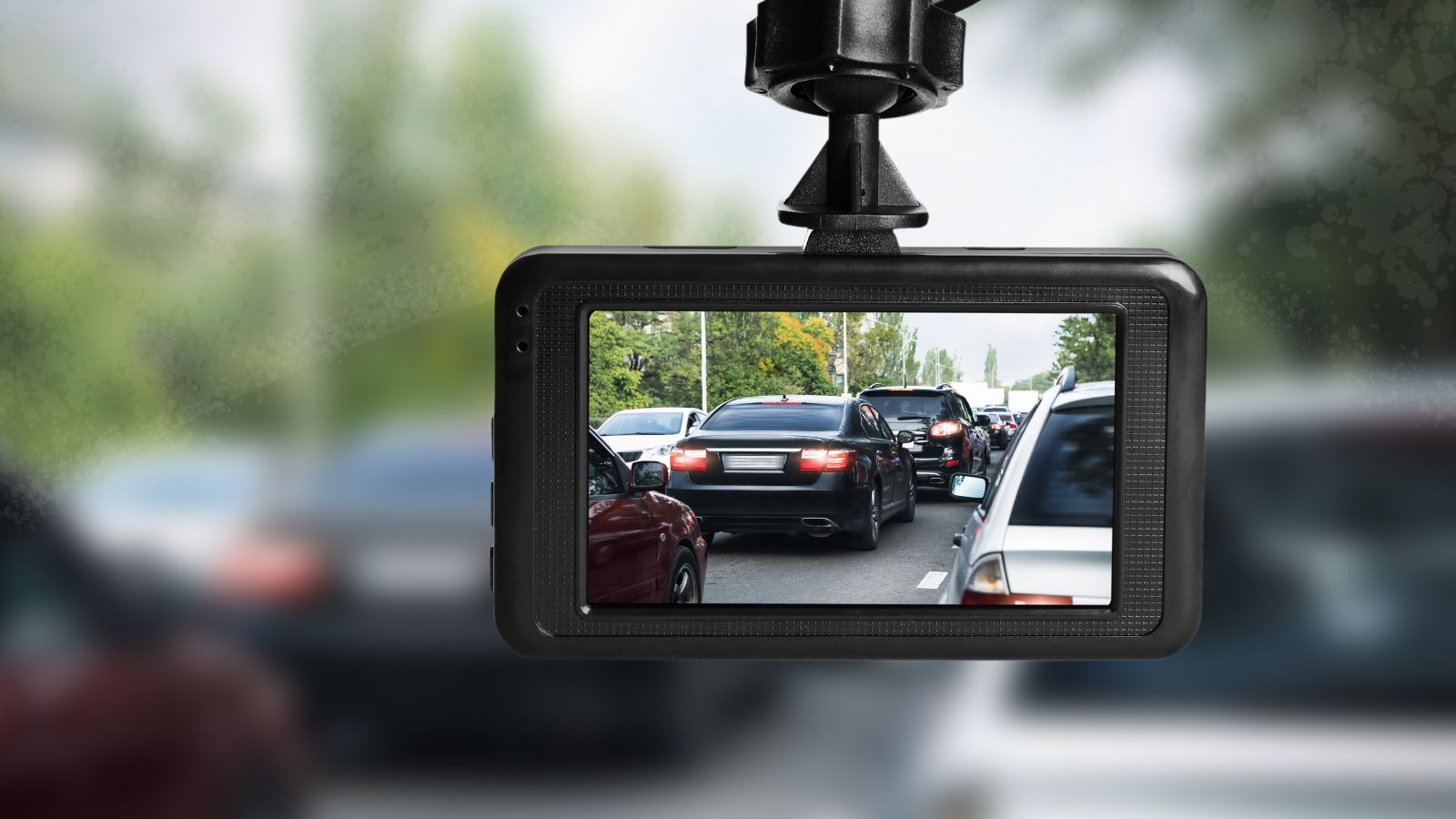
If there is one category that most reliably makes buyers feel trapped, it is the bundle. Floor mats, mud flaps, wheel locks, tint, dash cams, cargo liners, etching, alarms, tracking subscriptions, theft-deterrent plans, and climate packages can all be mashed together into a single mandatory-looking line. Transport Canada’s guidance treats many of these items as optional accessories, add-ons, packages, or subscriptions. Alberta’s regulator says pre-installed products and security services meant to be charged must be built into the advertised price. In plain language, choice should still be choice.
Bundles destroy that feeling. The APA has described mandatory packages containing paint protection film, mud flaps, and wheel locks, and it documented cases involving a so-called winter package and even used-car detailing charges for vehicles already advertised as ready to go. In the Alberta Hyundai complaint, the buyer alleged the vehicle already carried undercoat, interior protection, rust protection, ceramic coating, 3M protection, windshield insurance, WeatherTech mats, and a $2,495 climate package. That is the moment buyers stop hearing “added value” and start hearing “take it or lose the car.” Once the add-on becomes inseparable from the deal, resentment is almost guaranteed.
22 Things Canadians Do to Their Cars in Spring That Mechanics Hate
Spring brings relief to many Canadian drivers after months of snow, freezing temperatures, and icy roads that put serious strain on vehicles. As temperatures rise across the country, drivers begin washing cars, switching tires, and preparing vehicles for warmer weather and upcoming road trips. However, mechanics across Canada notice the same mistakes every spring when drivers attempt to recover from winter damage. Road salt, potholes, and harsh winter driving conditions often leave vehicles with hidden problems that drivers ignore. Some spring habits even create new mechanical issues that could have been avoided with proper maintenance. Here are 22 things Canadians do to their cars in spring that mechanics hate.