























A drive-mode dial can look like evidence of sophistication: Eco for thrift, Sport for excitement, Snow for winter, and several terrain settings for everything beyond pavement. The appeal often fades once daily ownership begins. Drivers may discover that the names are inconsistent, the differences are subtle, useful settings reset after every restart, and specialized modes cannot compensate for poor tires or unsuitable speed.
In some vehicles, changing a mode also alters steering, transmission behaviour, suspension, climate control, regenerative braking, displays, and stability systems, making a simple choice feel surprisingly consequential. These 12 reasons explain why a feature designed to provide flexibility can instead create confusion, distraction, unnecessary compromise, and the nagging sense that Normal mode was all the vehicle really needed.
Too Many Choices at the Wrong Moment
Drive modes create a decision at moments when attention should remain on traffic, road conditions, and vehicle control. Choosing among Normal, Eco, Comfort, Sport, Snow, Slippery, Sand, Mud/Ruts, Tow/Haul, and Custom may require remembering what each setting changes, whether it remains active, and whether the current surface matches the label. That mental work is modest while parked, but less welcome when rain intensifies or a driver reaches unfamiliar gravel.
Research on in-vehicle systems shows why added interaction matters. A AAA Foundation study of 30 vehicles found that all tested infotainment interaction methods produced driver demand, with large differences among models. NHTSA defines distraction broadly as anything that diverts attention from safe driving, including adjustments to entertainment or navigation systems. A mode dial is simpler than programming navigation, but burying drive settings in menus or asking drivers to interpret several similar choices adds avoidable workload at the wrong time.
The Labels Are Not Universal
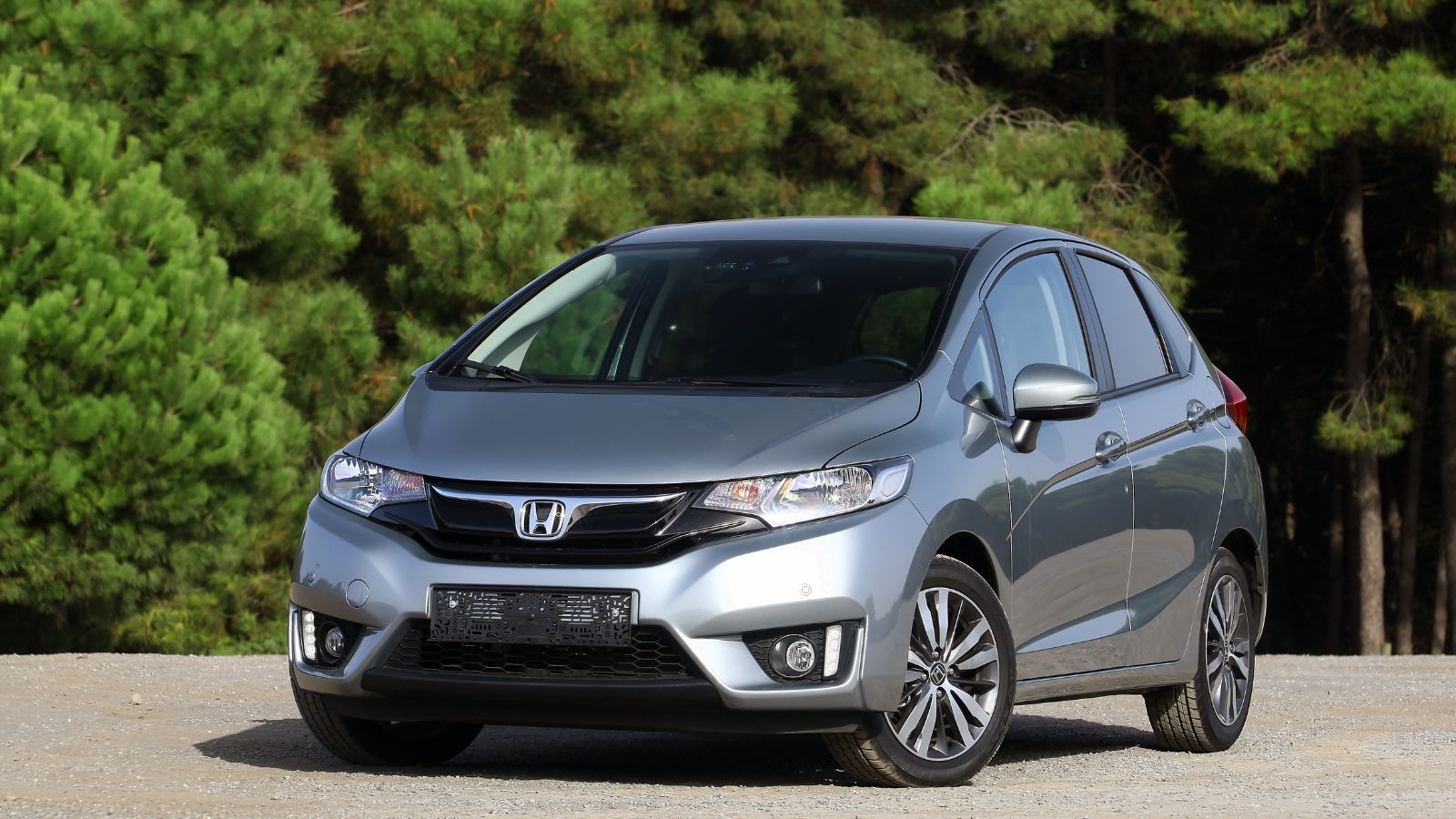
The vocabulary sounds universal, yet drive-mode labels do not describe one standardized industry function. Ford’s Slippery mode can alter throttle response, transmission behaviour, and traction-control intervention. Hyundai’s Snow mode may redistribute motor power and reset regenerative braking. Toyota describes Sport mode through changes to throttle, transmission shifting, and steering assistance. Another manufacturer may use Comfort, Dynamic, Individual, Terrain, or Smart for overlapping combinations of the same systems.
This inconsistency frustrates households that change vehicles, renters, and buyers moving between brands. A driver who learned that “Snow” softens acceleration in one vehicle may find a similarly named setting also changes all-wheel-drive behaviour or regeneration in another. Even within one brand, available modes and their effects vary by model, powertrain, trim, and market. The result is a feature that rarely transfers cleanly from experience. Owners expecting intuitive labels discover that understanding the dial requires reading the manual, rather than relying on language.
Sport Mode May Only Feel More Powerful
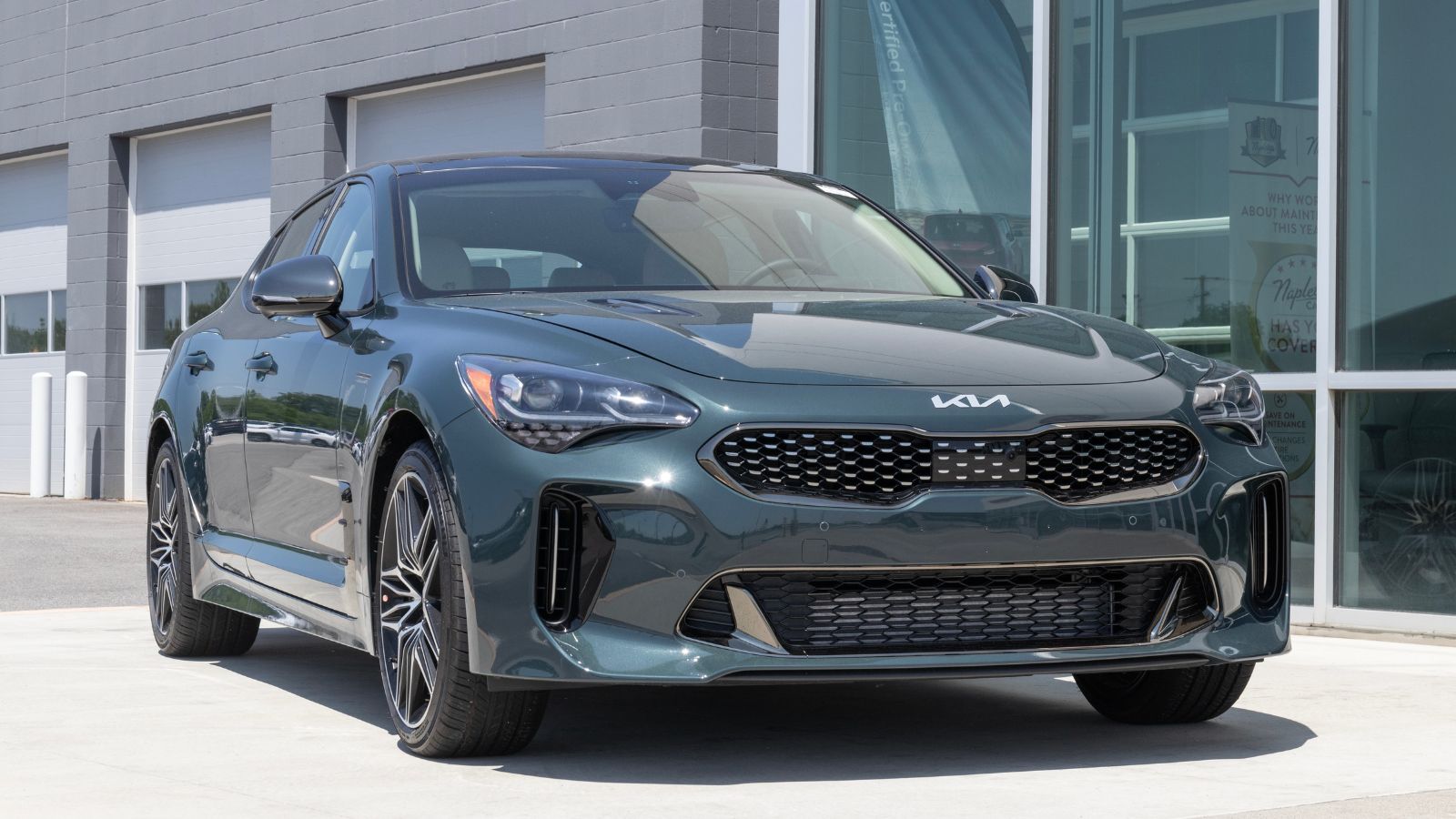
Sport mode can make a vehicle feel dramatically quicker without increasing its rated engine or motor output. Manufacturers commonly sharpen accelerator response, hold lower gears longer, change transmission lockup, reduce steering assistance, or firm adaptive dampers. The first centimetre of pedal travel may therefore command more torque than in Normal mode, creating strong response even though rated output has not changed.
That distinction matters after the novelty wears off. In traffic, a touchier pedal can make smooth departures harder, encourage unnecessary surges, and leave passengers wondering why the vehicle feels restless. The driver may also hear higher engine speeds because the transmission delays upshifts. Toyota states that Sport mode changes transmission, throttle, and electric-power-steering control parameters, while Hyundai warns that Sport can produce a firmer ride and lower efficiency. Buyers attracted by the promise of a second personality sometimes realize they received altered calibration, not a different level of performance.
Eco Mode Is Not an Automatic Discount
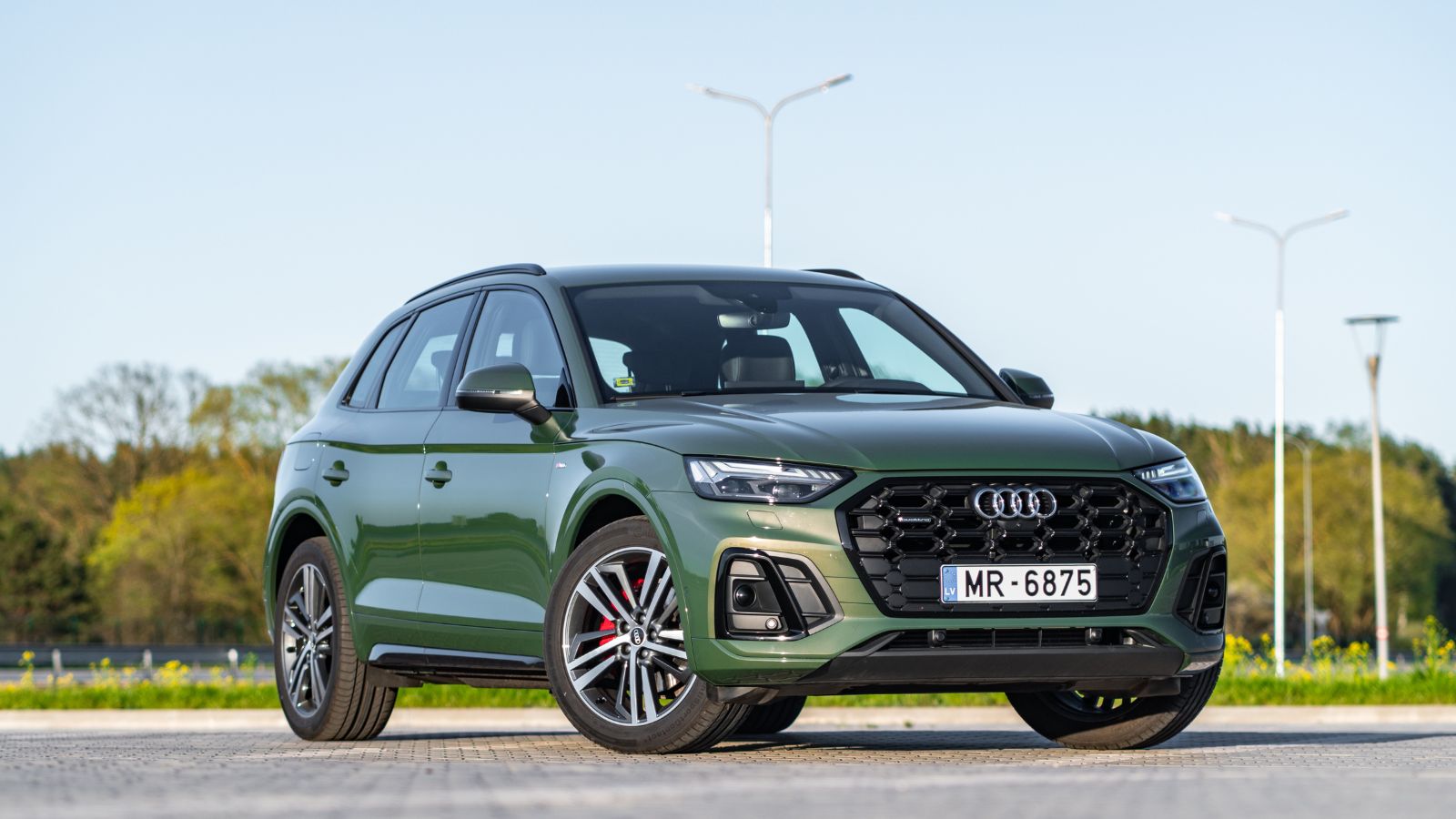
Eco mode sounds like an automatic discount at the fuel pump, but its benefits depend heavily on how and where the vehicle is driven. Typical calibrations soften accelerator response, encourage earlier upshifts, adjust cruise-control behaviour, or reduce climate-system output. These changes can make efficient driving easier, yet they cannot cancel hard acceleration, high speed, heavy loads, steep grades, cold weather, or idling.
Government fuel-economy guidance shows how large the human factor can be. Aggressive driving can reduce gasoline mileage by roughly 15 to 30 percent at highway speeds and 10 to 40 percent in stop-and-go conditions. Driver-feedback devices, by comparison, have produced average improvements of about 3 percent in cited field research. Consumer Reports also found no city fuel-economy advantage from Eco mode in recent testing. An owner who tolerates duller response or weaker air conditioning may therefore see little change at the pump, especially if driving habits remain unchanged.
The Vehicle May Forget the Preferred Setting
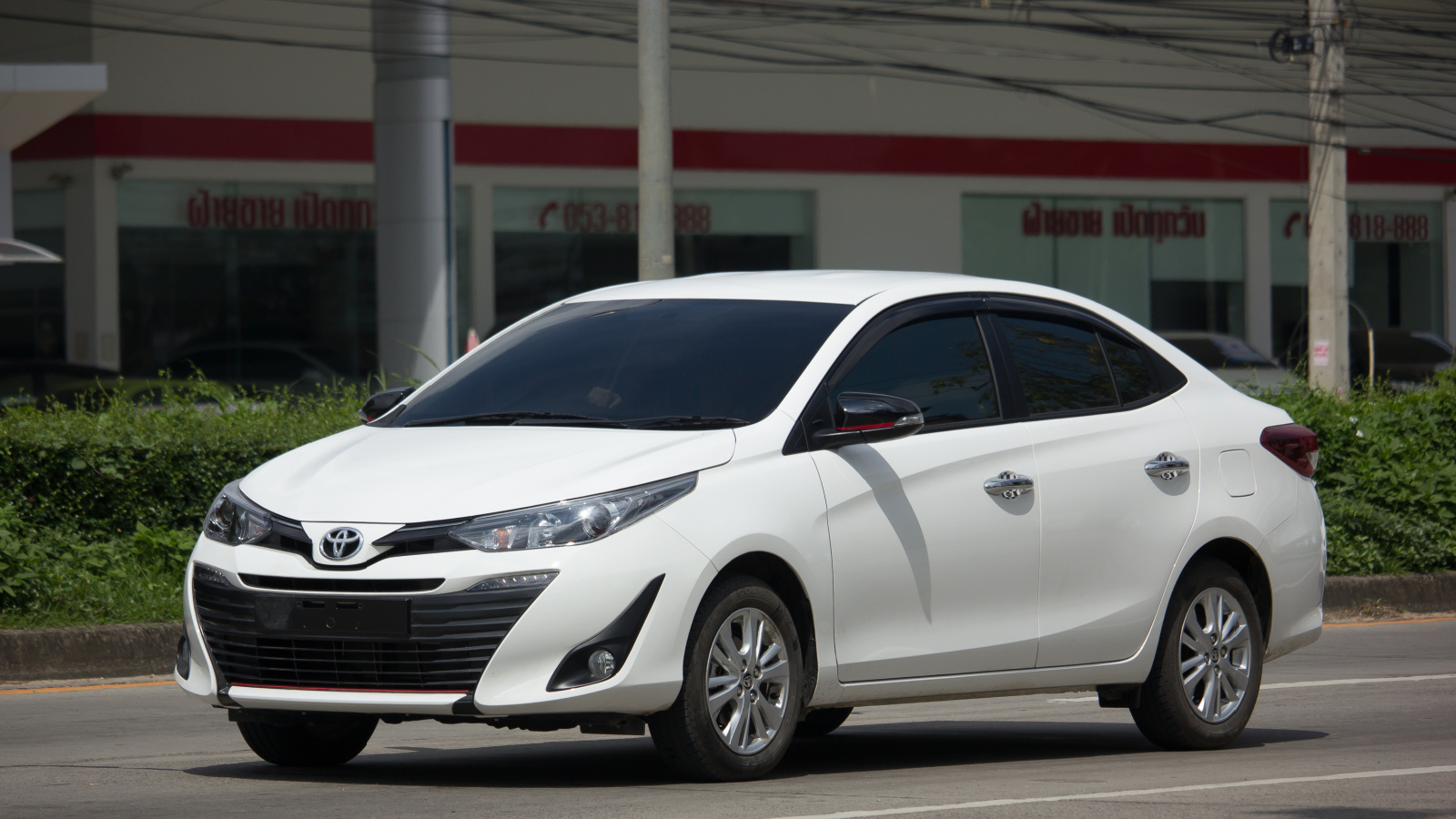
A preferred mode may vanish when the vehicle is switched off. Automakers often return certain settings to Normal after a restart, while other modes remain stored. The logic can vary in the same vehicle: one Hyundai electric model retains Eco, but resets Sport, Snow, and its customizable My Drive setting to Normal. Ford documentation likewise notes that some vehicles default to Normal after shutdown.
This behaviour can turn a useful feature into a daily ritual. A commuter who prefers softer Eco response must check whether the car remembered it. Someone approaching an unplowed driveway may have to reselect Snow after stopping. A driver who configured steering and powertrain preferences may find that the custom arrangement is not active next trip. The resetting is often intentional, reflecting efficiency, emissions, or safety priorities, but owners experience it as friction. Instead of adapting once, they repeatedly manage that choice and simply stop bothering.
Snow Mode Cannot Replace Winter Tires
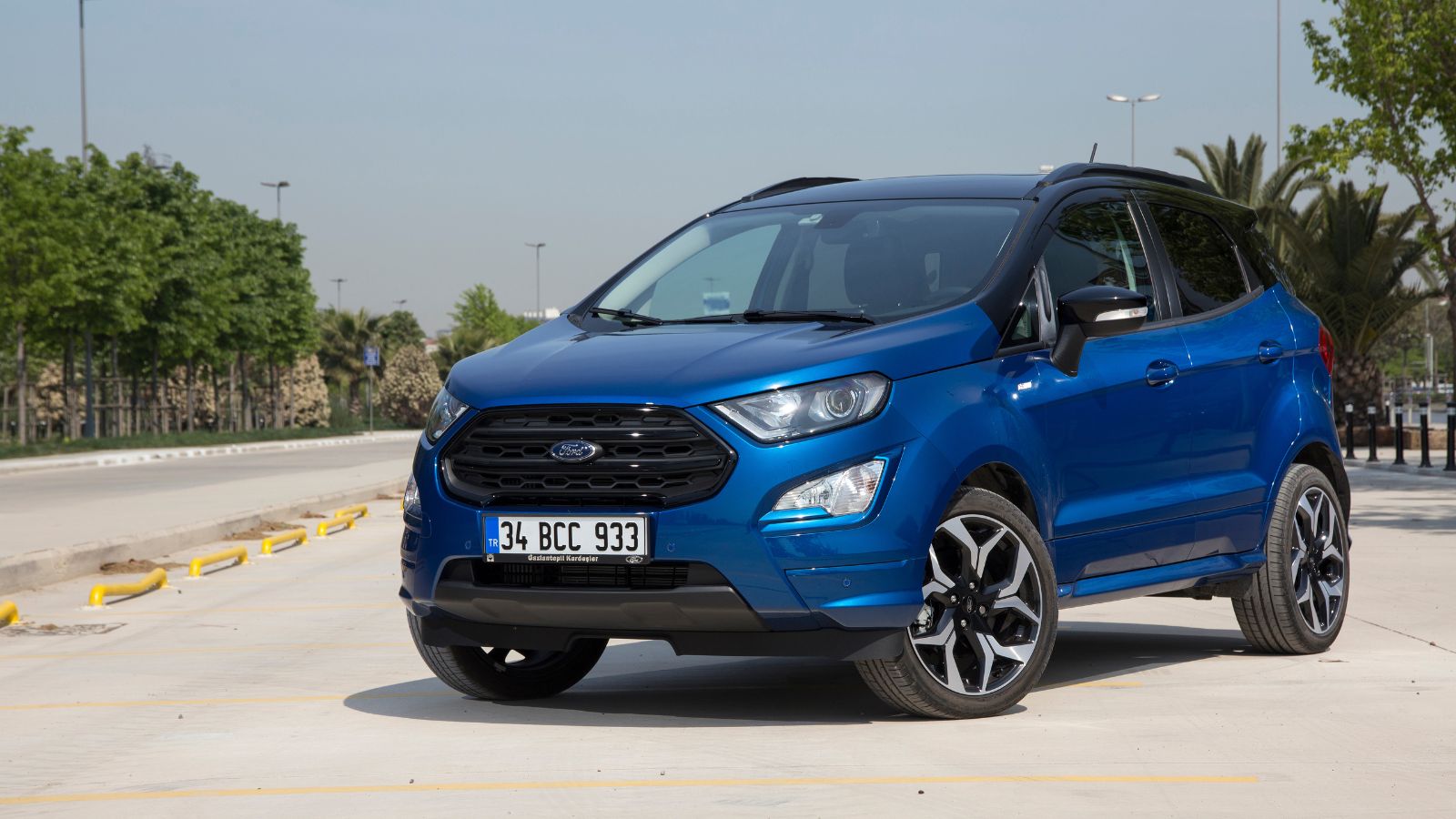
Snow mode can help manage wheel torque, throttle response, shifting, or regenerative braking, but it cannot create grip that the tires lack. Every acceleration, steering, and braking command still depends on the contact patches between rubber and road. A smoother launch may reduce wheelspin, yet stopping distance and cornering ability remain constrained by tire compound, tread depth, temperature, and surface conditions.
Transport Canada recommends winter tires on all wheel positions in cold, snowy, or icy conditions. In one agency test involving a 21-passenger minibus on snow, fitting winter tires at all six wheel positions shortened the average stop by 5.6 metres compared with all-season tires on the front and winter tires on the rear. That vehicle also completed a high-speed slalom that the mixed-tire configuration could not. Drivers who paid extra for Snow, Slippery, or Ice settings sometimes regret assuming software could substitute for proper tires and conservative speed.
Terrain Modes Require More Knowledge Than Expected
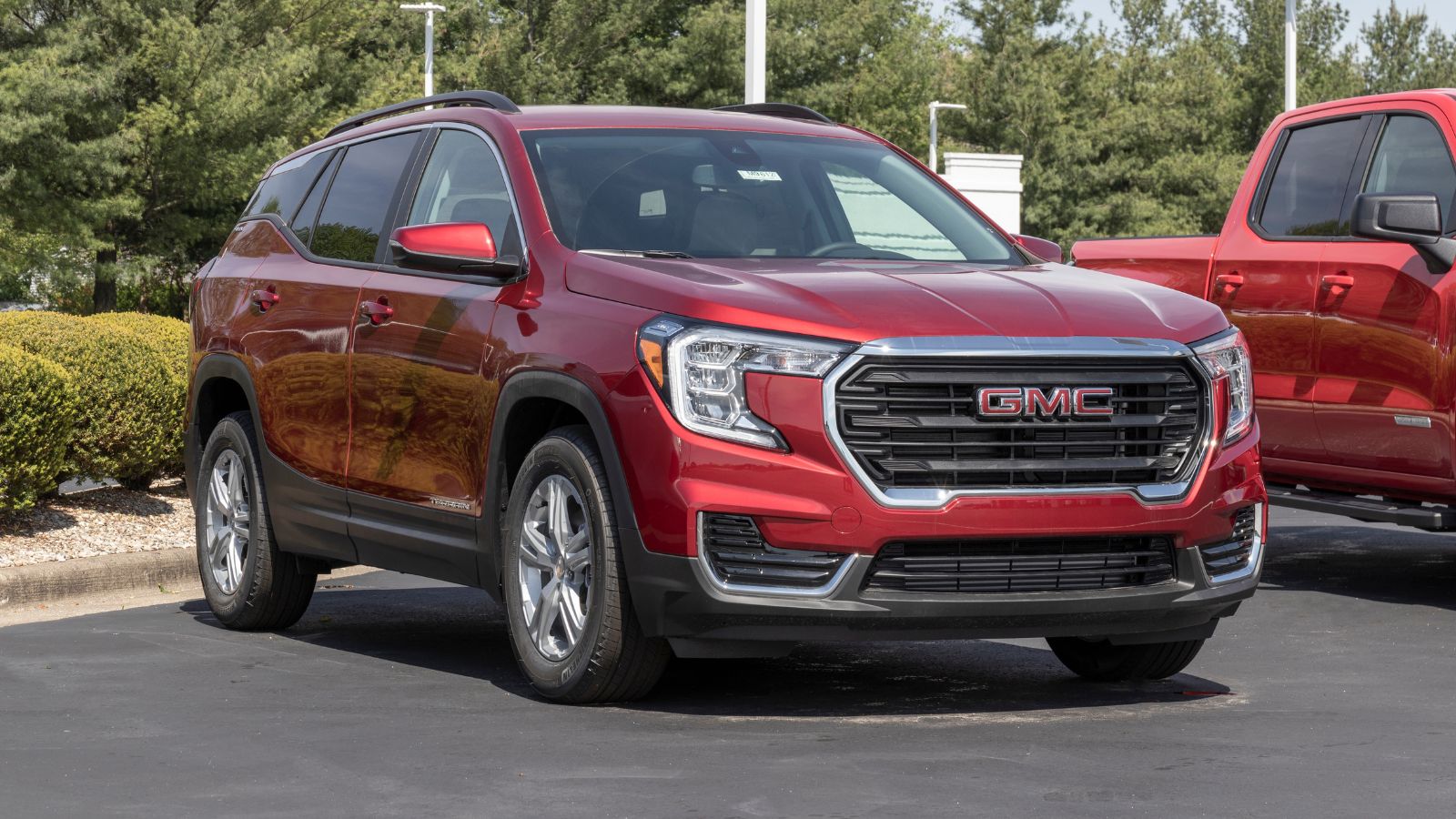
Terrain modes are not colourful themes for adventurous driving. They can change throttle mapping, gear selection, traction control, stability control, differential behaviour, four-wheel-drive engagement, steering effort, and camera displays. Each calibration is intended for a narrow surface. Selecting the wrong one may produce excessive wheelspin, delayed shifting, heavy steering, or driveline stress rather than extra security.
Ford’s guidance for the Everest is revealing. Mud/Ruts mode permits some wheel slip to clear tread, while Sand mode aims to maintain momentum. The company warns that both should not be used on hard-packed surfaces because driveline damage could result. Its four-wheel-drive low range requires it to be stopped with the transmission in neutral, and its rear differential lock operates within speed limits. Such details are manageable for experienced off-road drivers, but they undermine the idea that a dial makes difficult terrain easy. Some owners discover they bought capability that demands more knowledge.
Customization Can Become Homework
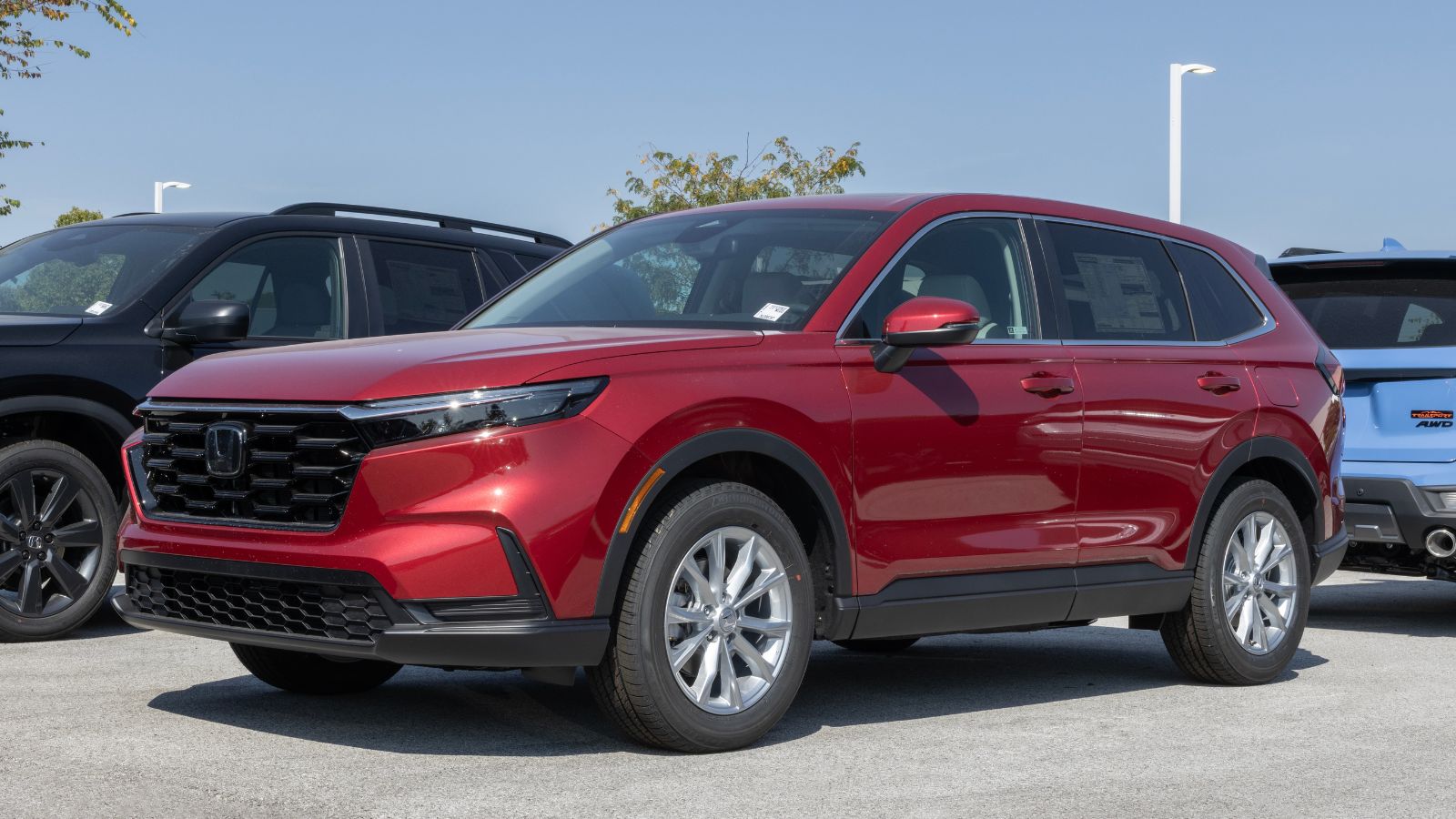
Custom modes promise the best of every setting: perhaps a relaxed powertrain, heavier steering, softer suspension, and a display. In practice, those combinations become homework. Hyundai’s My Drive system requires owners to enter the infotainment setup menu and choose separate motor and steering calibrations. BMW’s My Modes can coordinate the drivetrain, suspension, lighting, sound, and displays, turning one selection into a cabin configuration.
Enthusiasts may appreciate that control, but drivers can struggle to remember what changed or why it feels different. A family member may borrow the car and inherit a sharp throttle with heavy steering. An update may rearrange menus or alter how settings appear. Some configurations also reset after restart, removing the convenience customization promised. The irony is that a system designed around personal preferences can require experimentation, menu navigation and explanation. Many owners eventually create one acceptable setup—or return to Normal—and ignore the remaining possibilities.
Screen-Based Selection Adds Distraction
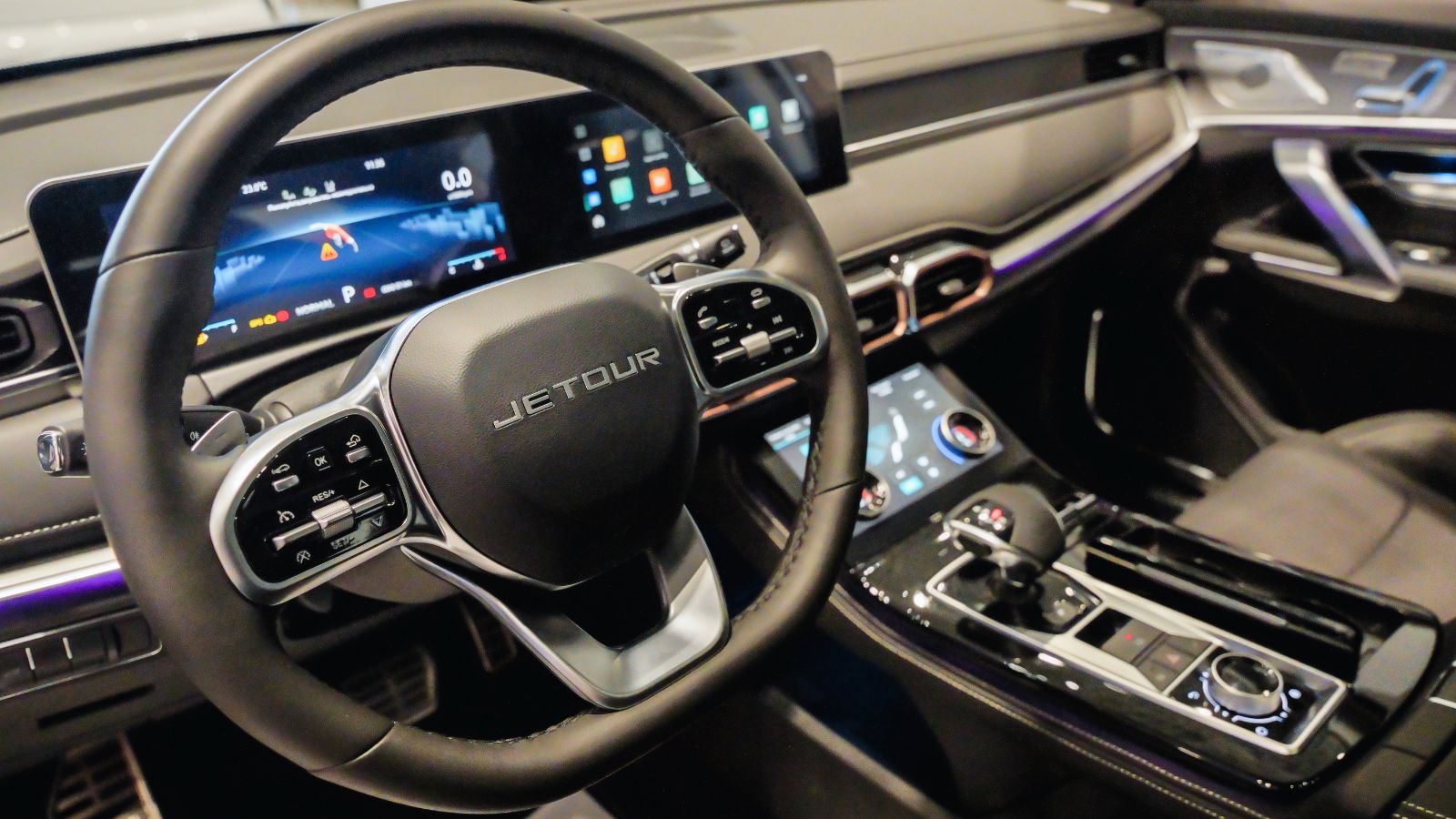
The location of the mode control can matter as much as the number of modes. A marked rotary dial can be operated by touch once learned. A setting hidden under Vehicle, Controls, Driving, or Dynamics on a screen demands visual confirmation. Some systems show explanatory pop-ups, animated graphics, or secondary choices after selection, prolonging the interaction.
Research need not test drive modes specifically to identify the risk. The AAA Foundation found that interactions with centre-stack displays, voice systems, and console controls all imposed driver demand, and 23 of the 30 vehicles studied generated high or very high overall demand during infotainment tasks. NHTSA says any activity pulling attention away from safe driving is a potential distraction. Changing a mode before moving is harmless; searching for it in traffic is different. Buyers expecting a convenient shortcut sometimes regret discovering that a useful chassis or traction setting lives several menu taps deep.
Electric Vehicles Add Range Anxiety to the Choice
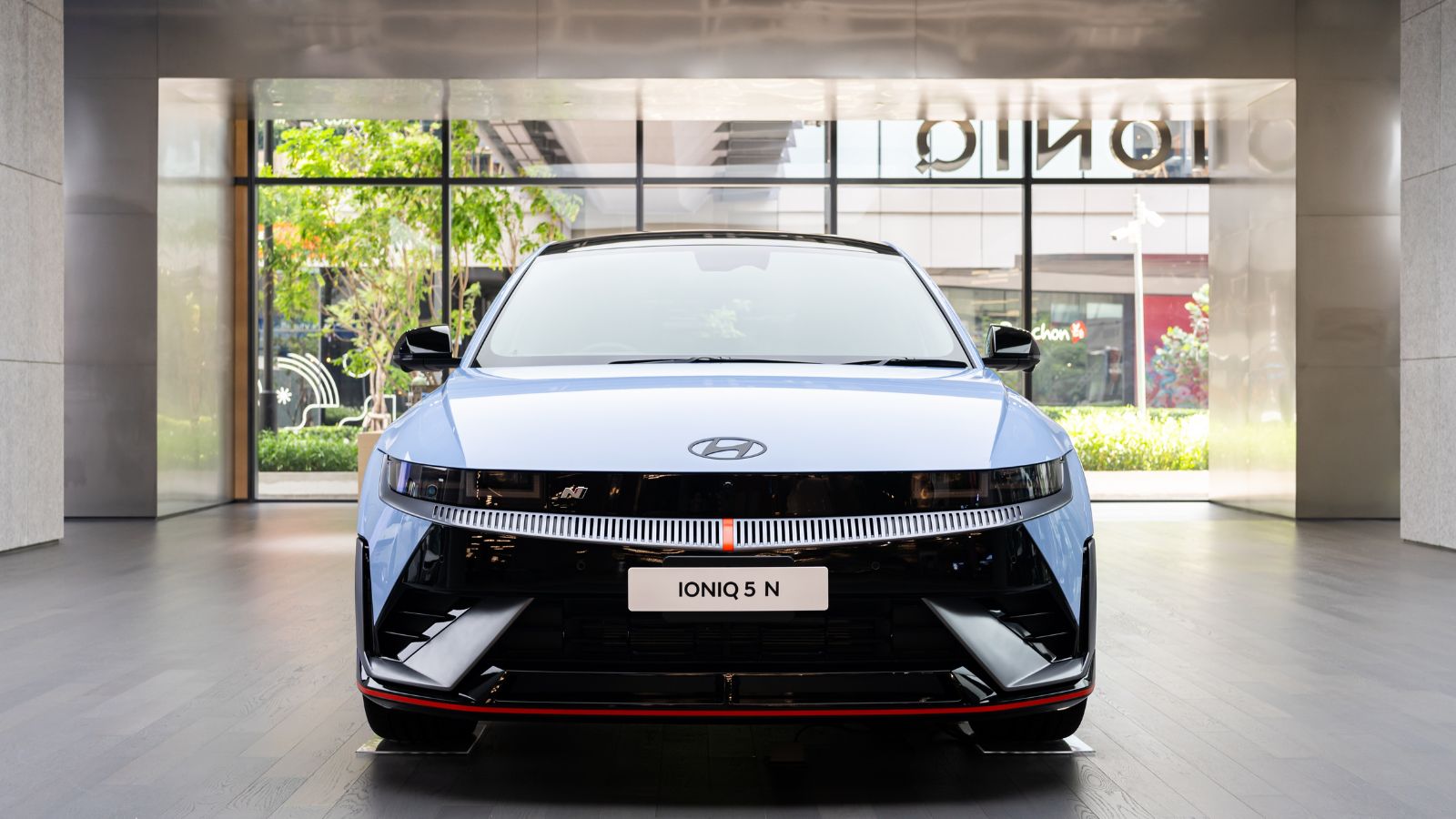
Electric vehicles can make mode selection feel more consequential because efficiency, cabin comfort, regenerative braking, and range are linked. An Eco setting may soften acceleration or limit air-conditioning performance, while Snow mode may change torque distribution and reset regeneration. Sport can increase responsiveness while reducing energy efficiency. The selection may seem to determine whether the charge covers the trip.
Range calculation is already complex. The U.S. Department of Energy notes that extreme temperatures reduce electric driving range because energy is required to heat or cool the cabin. Rapid acceleration, heavy loads, hills, and highway speeds can also reduce range. Manufacturers add preconditioning, heat pumps, and efficiency displays to help, but modes create another variable that drivers may feel compelled to monitor constantly. Owners may switch settings with every change in weather or battery percentage, then regret buying a vehicle that makes an ordinary commute feel like constant energy management.
The Ride Can Become Needlessly Harsh
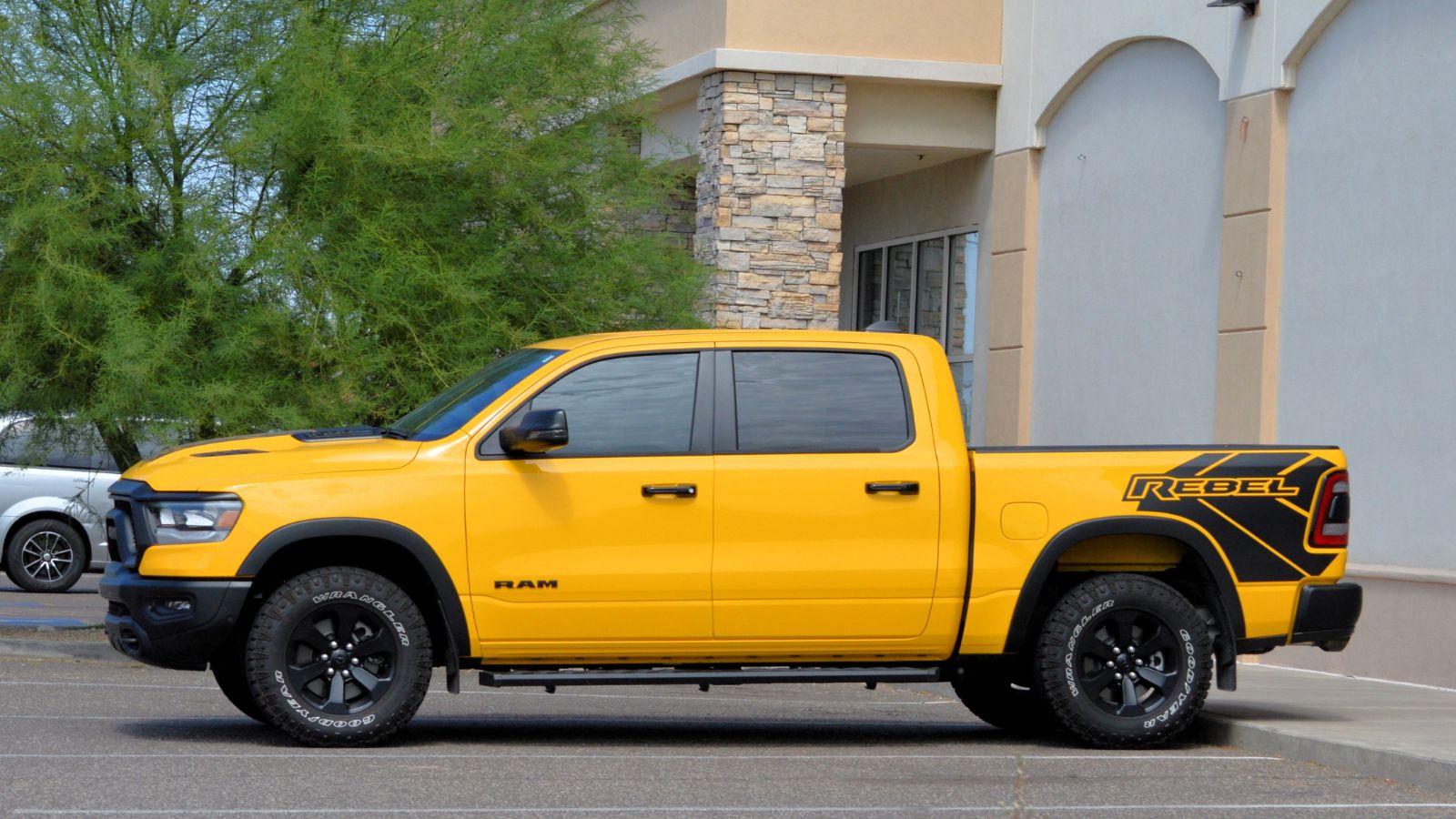
Aggressive modes can undermine the qualities that made a vehicle appealing. Sport settings may hold gears, sharpen accelerator response, add steering weight, firm adaptive suspension, or increase sound. On smooth roads, those changes can feel engaging. On broken pavement, in traffic, or with children aboard, the same calibration can produce head toss, abrupt acceleration, and constant engine noise.
Hyundai explicitly describes Sport as providing a sporty but firm ride and warns that energy or fuel efficiency may decrease. Ford’s Tow/Haul mode increases steering weight and revises shift timing to support heavy loads and engine braking—useful when towing, unnecessary on an empty school run. The problem is not that these calibrations fail; it is that they work only in the circumstances they were designed for. Owners imagining frequent transformations between luxury cruiser and performance machine may discover that comfort-oriented Normal mode is better for most ordinary everyday real trips.
Most Modes May Eventually Go Unused

The final regret is paying for complexity that becomes invisible. Drive modes are often bundled with higher trims, adaptive hardware, or off-road packages. In a showroom, cycling through animated gauges and colourful terrain icons can make a vehicle feel advanced. Months later, many owners settle into Normal because it starts automatically, behaves predictably, and needs no explanation.
Industry research shows unused technology is common. J.D. Power reported in 2021 that, for more than one-third of advanced technologies studied, fewer than half of owners had used the feature in the first 90 days. Its 2025 study highlighted usability problems caused by complex infotainment systems and features buried in menus. Those findings do not measure drive-mode use directly, but they describe the same ownership pattern: capability has little value when people cannot find it, understand it, or see a reason to activate it. Simplicity can feel more premium than technological abundance.
22 Things Canadians Do to Their Cars in Spring That Mechanics Hate

Spring brings relief to many Canadian drivers after months of snow, freezing temperatures, and icy roads that put serious strain on vehicles. As temperatures rise across the country, drivers begin washing cars, switching tires, and preparing vehicles for warmer weather and upcoming road trips. However, mechanics across Canada notice the same mistakes every spring when drivers attempt to recover from winter damage. Road salt, potholes, and harsh winter driving conditions often leave vehicles with hidden problems that drivers ignore. Some spring habits even create new mechanical issues that could have been avoided with proper maintenance. Here are 22 things Canadians do to their cars in spring that mechanics hate.