New cars in Canada look smarter, safer, and more connected than ever. They park themselves, brake for you, and sync with your phone in seconds. That progress comes with a tradeoff. Repairs that once took hours now require software scans and special tools. A small fender bender can trigger sensor recalibration. Even replacing a windshield can mean reprogramming cameras. Before buying your next vehicle, it helps to know what is under the surface. Here are 23 features that are making new cars harder (and pricier) to repair in Canada.
Advanced Driver Assistance Systems Sensors
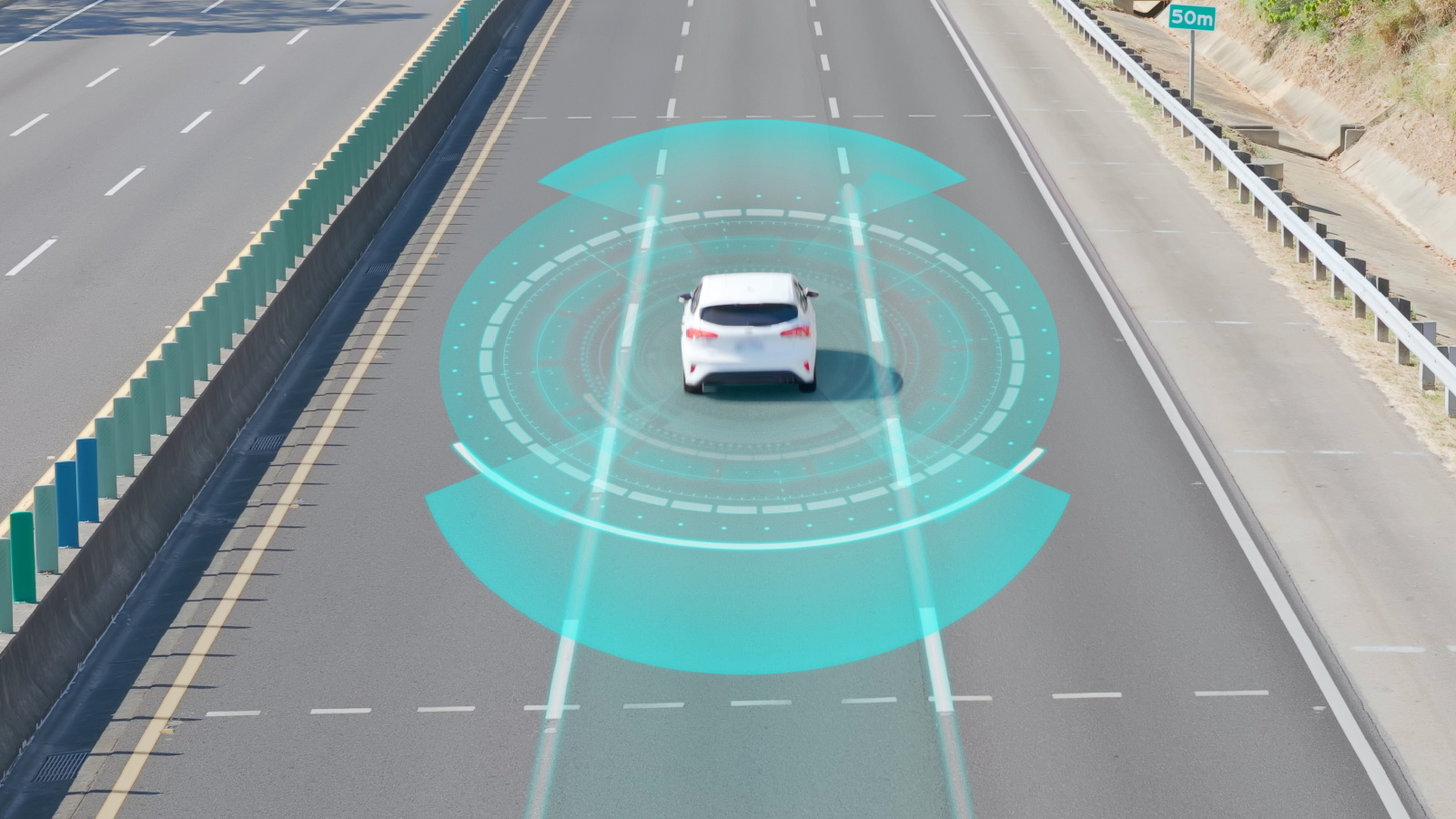
Modern vehicles rely on radar, cameras, and ultrasonic sensors for safety features. These systems monitor lanes, distance, and blind spots constantly. When a bumper or mirror gets damaged, the sensors often need replacement. Even a minor collision can knock them out of alignment. After repairs, shops must recalibrate them using specialized equipment. That process takes time and training. Not every independent garage has the required tools. In Canada, harsh winters can also affect sensor performance. Snow and ice buildup complicate diagnostics. The result is higher labour costs and more complex repair procedures for what once seemed minor body damage.
Adaptive LED and Matrix Headlights
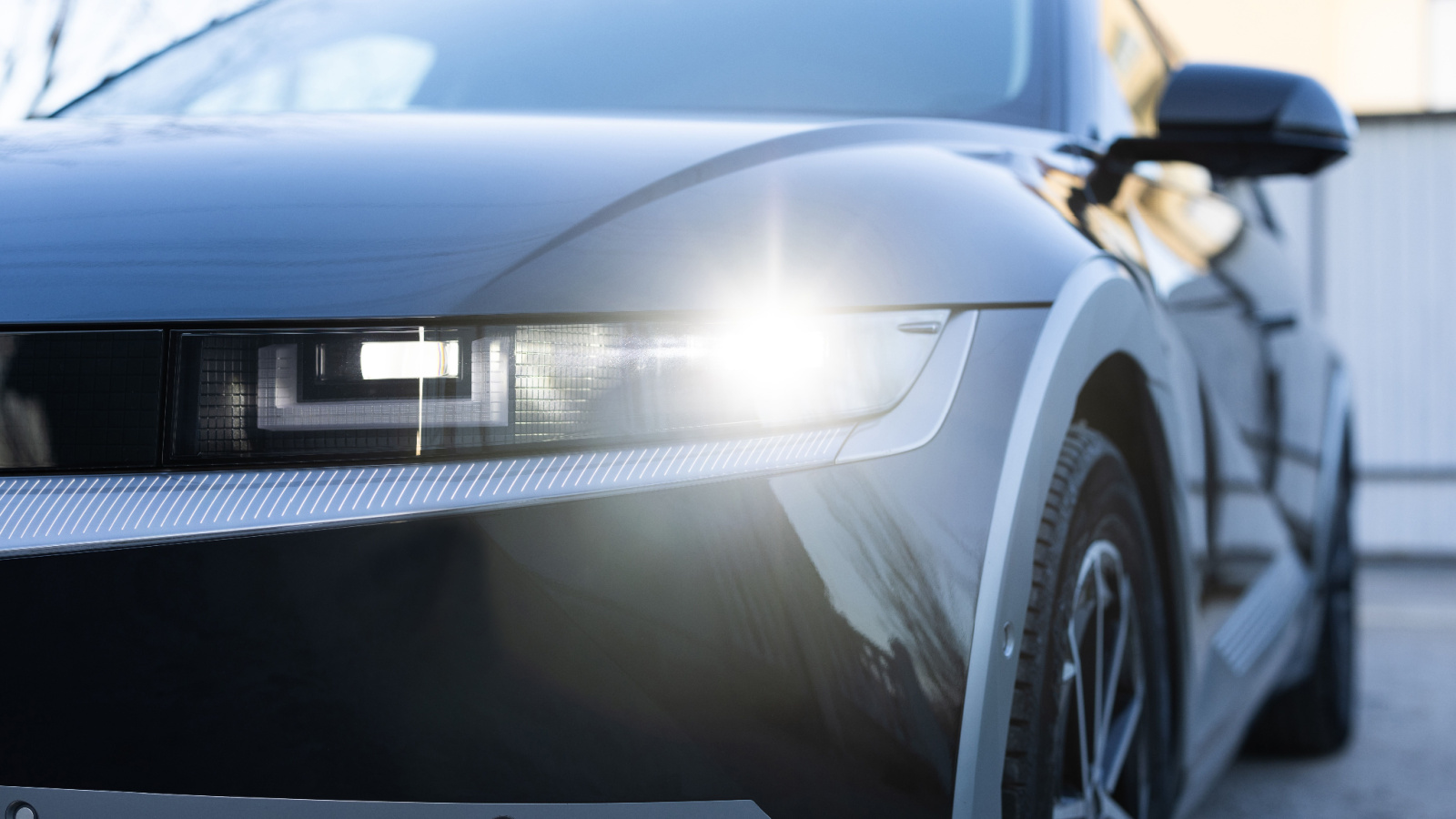
Headlights are no longer simple bulbs behind plastic covers. Many new cars use adaptive LED or matrix lighting systems. These lights adjust brightness and direction automatically. They improve visibility on dark Canadian highways. When damaged, they cannot be fixed with a simple bulb swap. Entire headlight units often need replacement. These assemblies can cost thousands of dollars. They also require programming to communicate with the vehicle’s electronics. Even minor front-end accidents can destroy them. Insurance claims often rise because of this single component. Drivers may be surprised at how expensive modern lighting repairs have become.
Large Touchscreen Infotainment Systems

Many dashboards are dominated by large touchscreens. Climate controls, navigation, and audio functions run through one display. If the screen cracks or fails, multiple systems stop working. Replacing the unit is rarely cheap. Parts are costly, and programming is required after installation. In some cases, features are locked behind software subscriptions. That adds confusion during repairs. Canadian winters can also stress electronics with temperature swings. A failing infotainment system can affect backup cameras and vehicle settings. What used to be a simple radio replacement is now a multi-system repair job with higher labour charges.
Integrated Bumper Designs
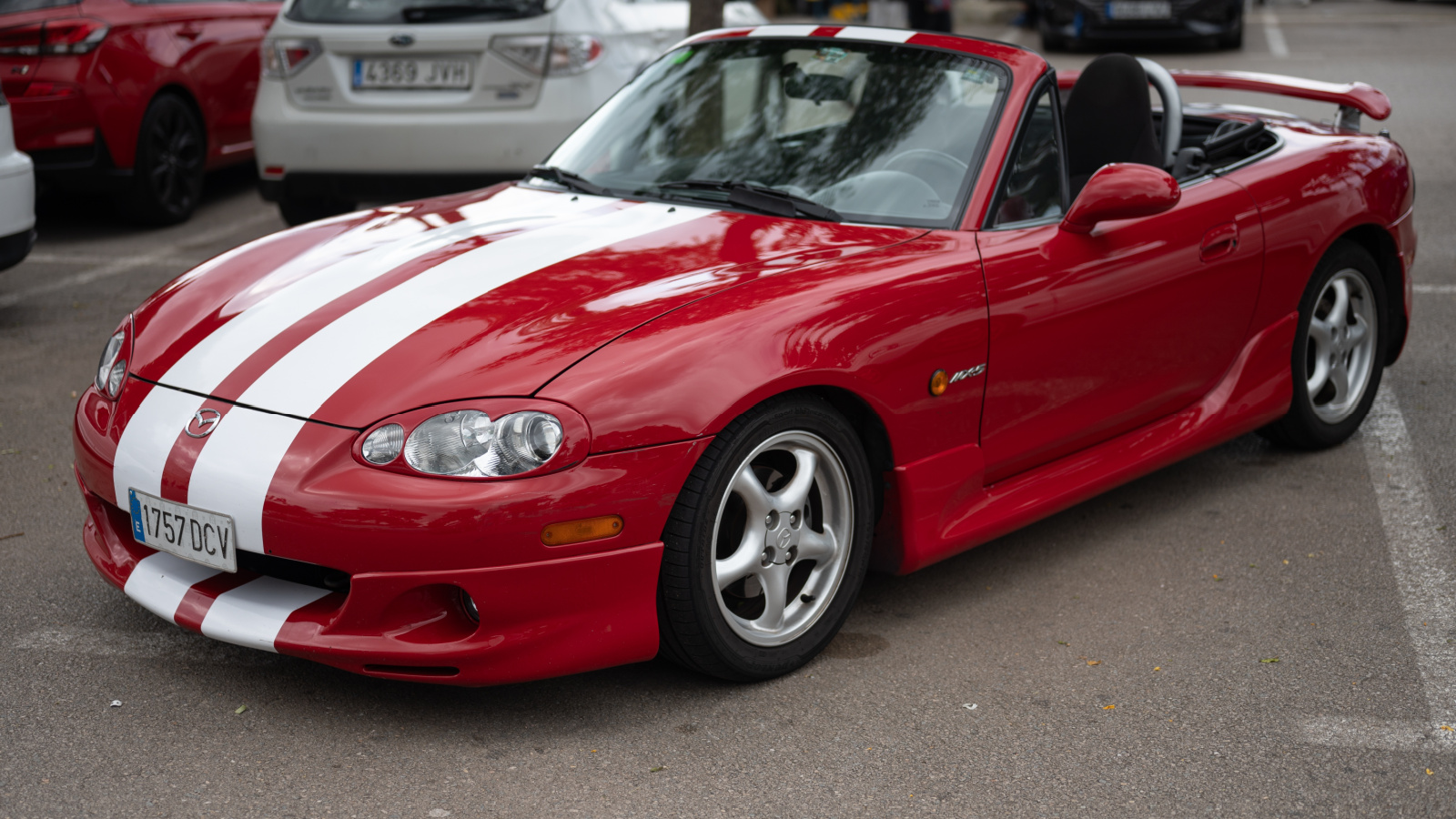
Older bumpers were separate, replaceable pieces. New vehicles often integrate bumpers with sensors and styling elements. They house parking sensors, cameras, and radar modules. Even a low-speed impact can damage several components at once. Repairs involve more than repainting plastic. Technicians must inspect wiring and recalibrate safety systems. Parts costs increase because assemblies are larger and more complex. Paint matching modern finishes adds another layer of expense. In snowy regions, minor sliding accidents are common. That makes integrated bumper repairs a frequent and costly issue for Canadian drivers each winter.
Electric Parking Brakes
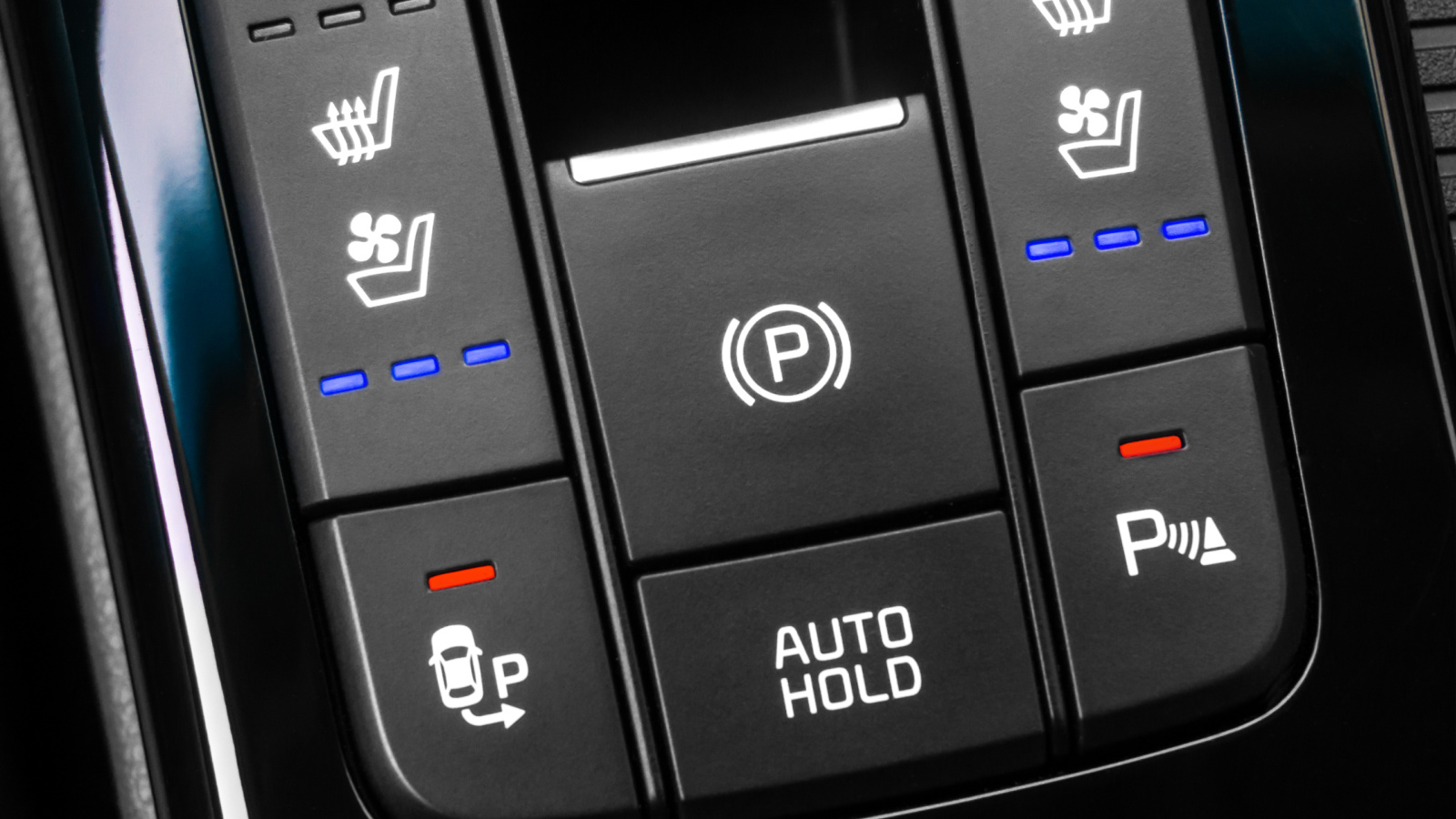
Traditional handbrakes were mechanical and simple. Electric parking brakes rely on motors and electronic controls. When brake pads are replaced, the system must be reset electronically. Special diagnostic tools are required for this procedure. If the motor fails, the repair cost climbs quickly. Some vehicles prevent brake service without proper software access. Independent shops may need subscriptions to manufacturer systems. Canadian road salt can accelerate wear on electronic components. That creates an added risk of failure over time. What once involved a cable adjustment now requires electronic troubleshooting and more specialized labour in the repair bay.
Keyless Entry and Push Button Start Systems
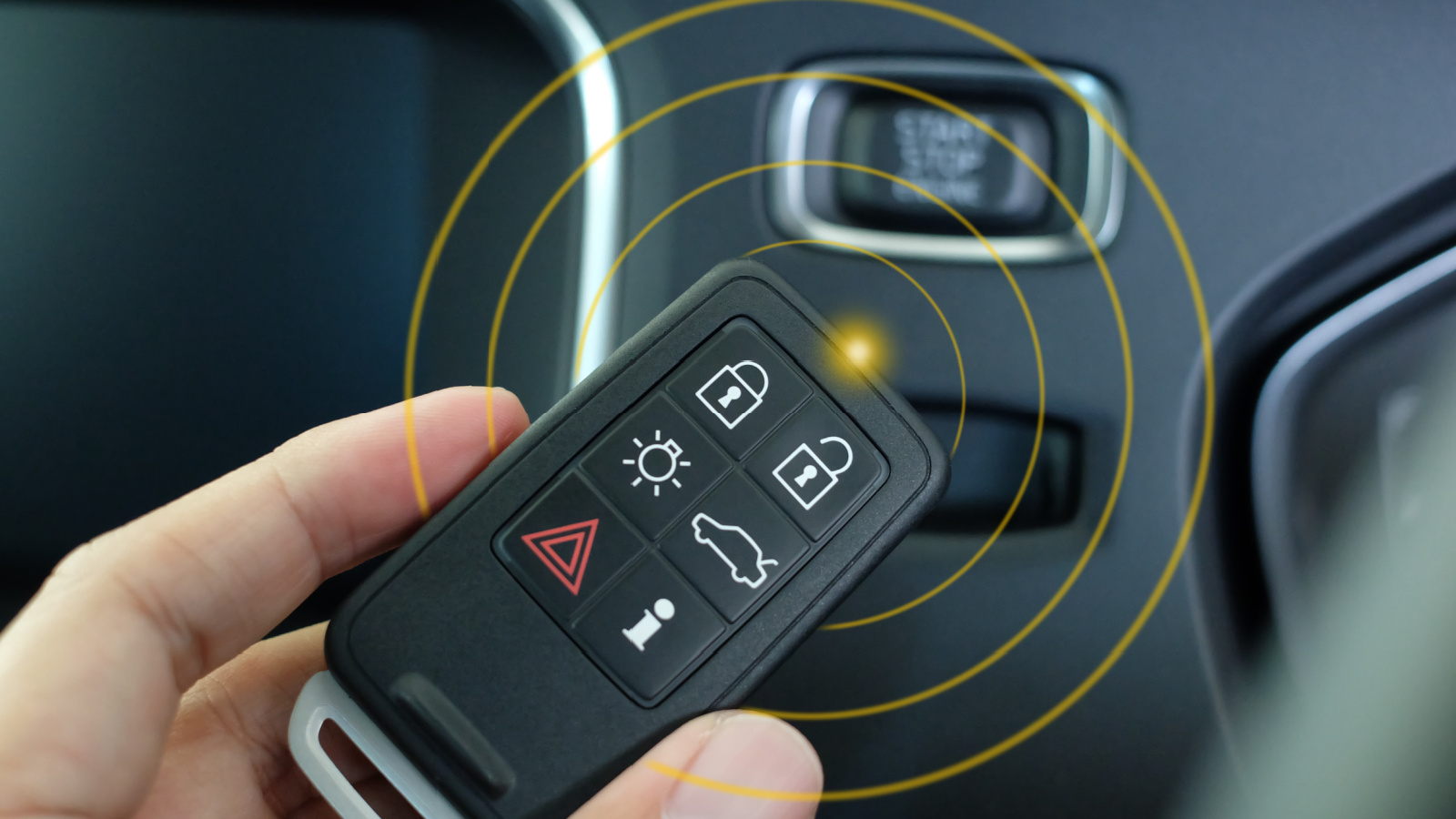
Keyless systems add convenience but increase complexity. Cars use encrypted signals between the key fob and the vehicle. When these systems fail, diagnosis can be tricky. Replacement fobs must be programmed specifically to the car. That often requires dealership-level equipment. Theft concerns have also led to added security layers. These layers complicate repairs and replacements. In cold climates, battery issues in fobs are common. Drivers may face unexpected towing bills. Compared to traditional keys, keyless systems introduce higher parts costs and programming fees that add up during what should be simple fixes.
Turbocharged Smaller Engines
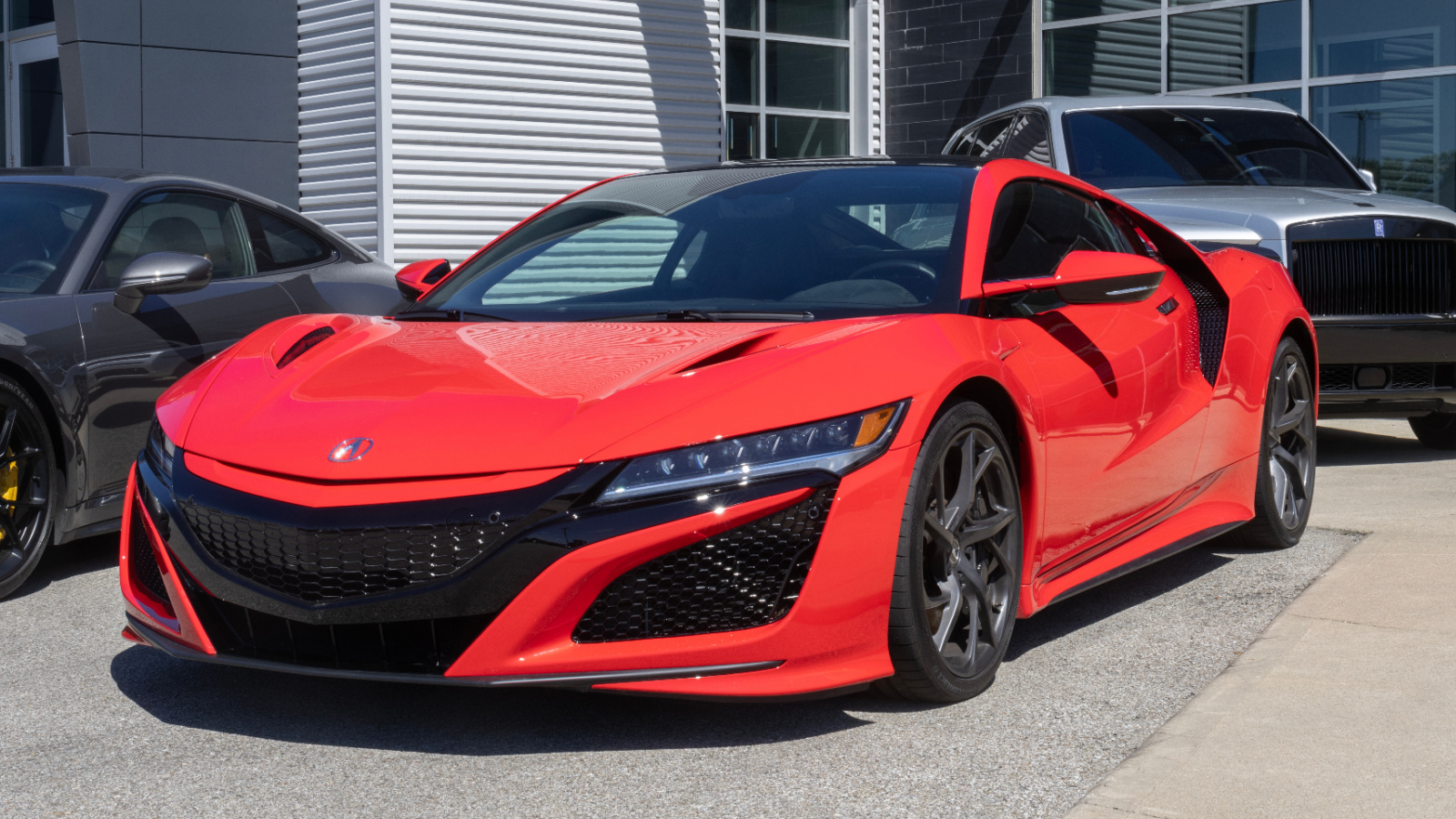
Many automakers use smaller turbocharged engines for fuel efficiency. These engines operate at higher pressures and temperatures. More components mean more potential failure points. Turbochargers themselves are expensive to replace. Cooling and lubrication systems must function perfectly. If maintenance is skipped, repair costs rise sharply. In Canada, cold starts place extra strain on turbo systems. Replacement parts are often model-specific. Labour time increases due to tight engine packaging. Compared to older naturally aspirated engines, these setups demand more precise service and can lead to higher long-term repair expenses for everyday drivers.
Hybrid Powertrains
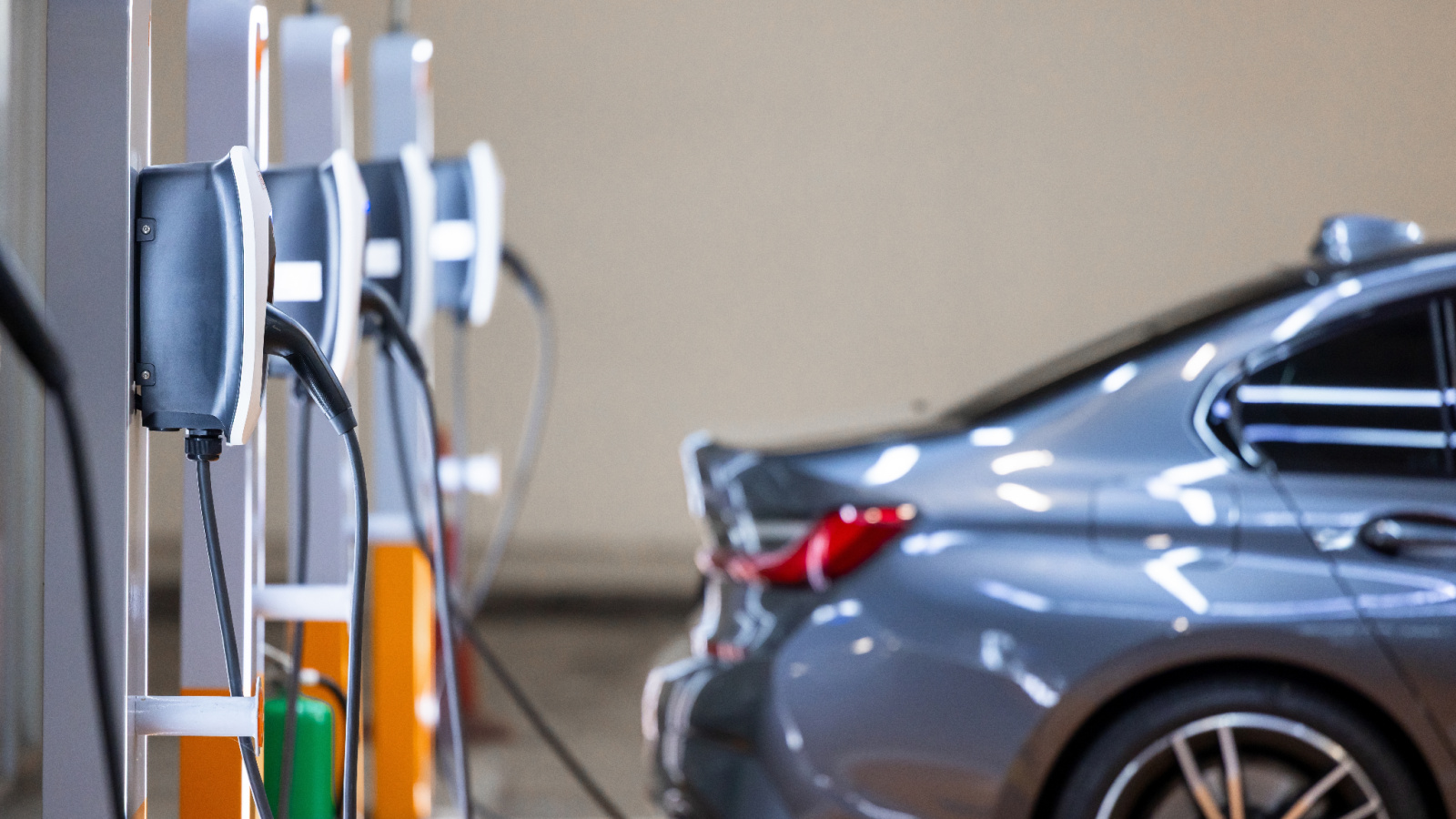
Hybrid vehicles combine gasoline engines with electric motors. They use high-voltage battery packs and complex control systems. Repairs require technicians trained in high voltage safety. Specialized gloves and tools are mandatory. Battery replacement can cost thousands of dollars. Even diagnosing issues takes extra time. In Canada, extreme temperatures affect battery performance. Cooling systems for hybrid batteries add further complexity. While hybrids save fuel, repair costs can offset those savings if problems arise. Independent shops may hesitate to work on them. That can limit consumer choice and push more repairs toward dealership service departments.
Fully Electric Vehicle Battery Packs
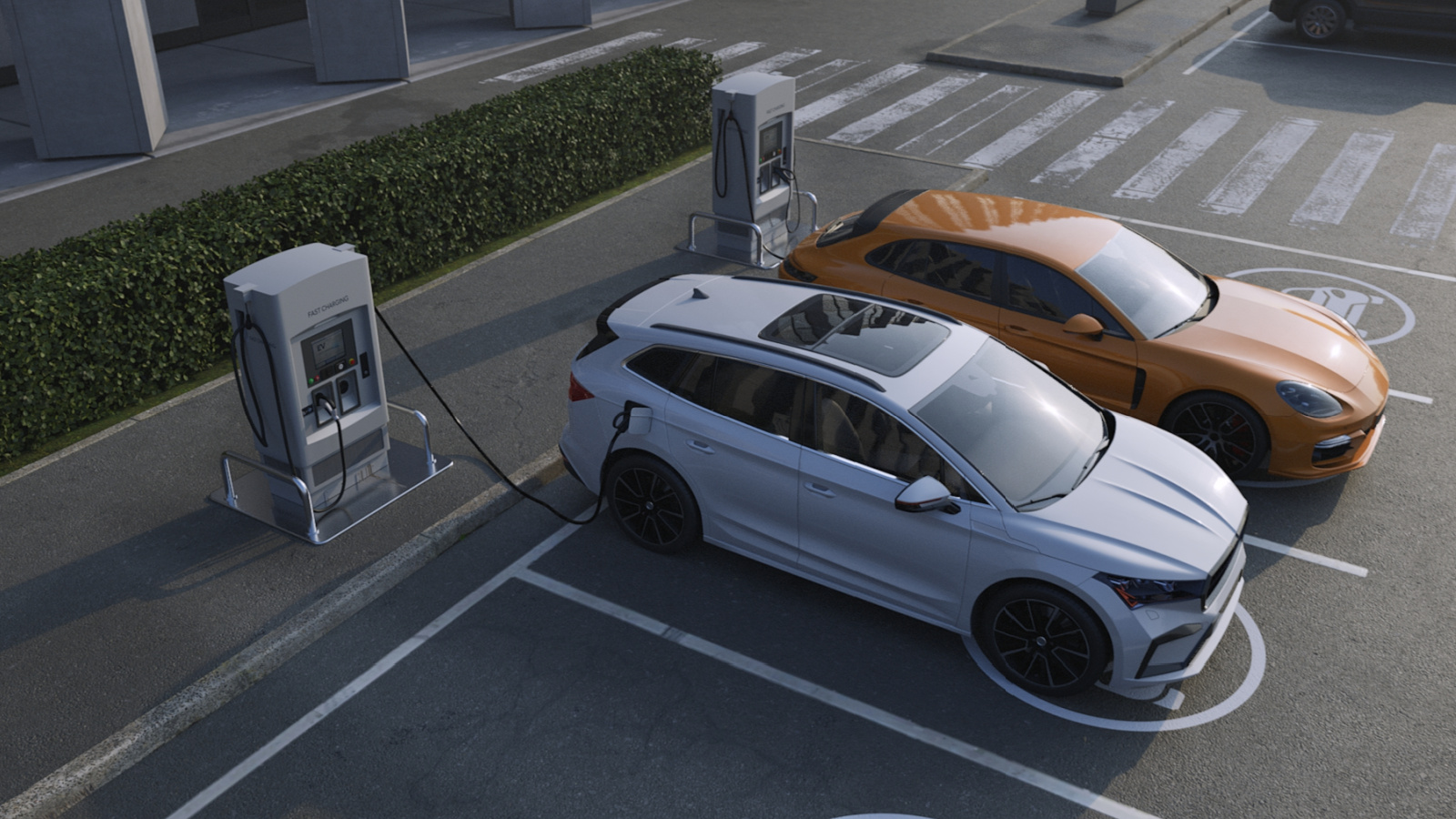
Electric vehicles rely entirely on large battery packs. These packs are mounted under the vehicle floor. If damaged in a collision, replacement costs can be very high. Even minor structural damage may affect the battery housing. Safety concerns require careful inspection. In Canada, cold weather reduces battery efficiency. Repairs involving battery systems demand certified technicians. Charging systems and onboard converters add more components to service. Insurance companies often write off vehicles with battery damage. As EV adoption grows, repair networks are still expanding. That keeps labour rates and wait times elevated across many provinces.
Over-the-Air Software Updates
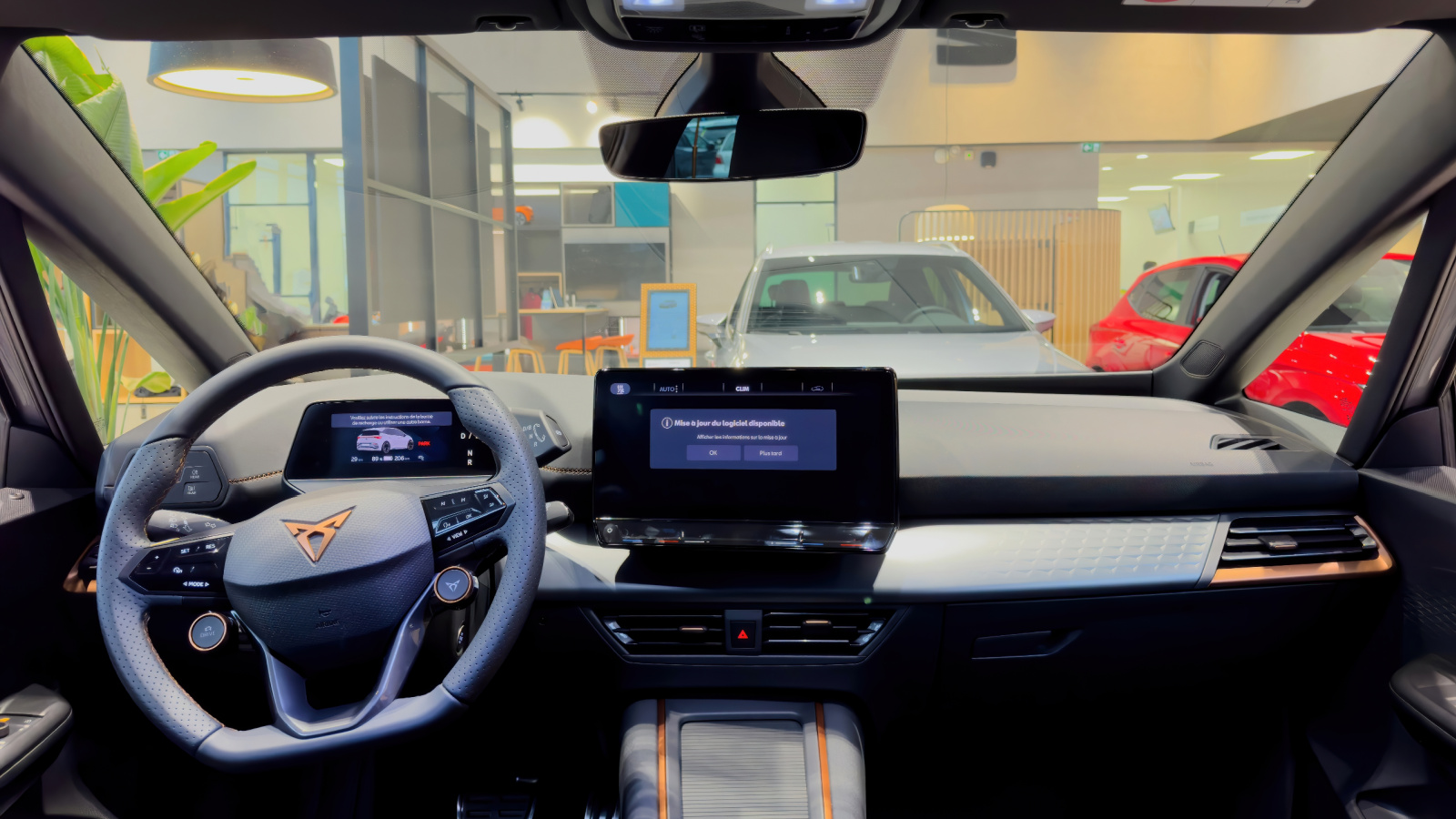
Vehicles now receive updates through wireless connections. Software controls many core systems. If a glitch appears, repairs may involve reprogramming rather than replacing parts. However, software faults can be difficult to trace. Shops need up-to-date subscriptions and equipment. A failed update can immobilize the vehicle. Owners may need dealership intervention. In rural Canadian areas, connectivity can complicate matters. Diagnosing electronic faults often takes longer than mechanical repairs. While updates promise convenience, they introduce new failure points that add uncertainty and labour costs when vehicles behave unpredictably.
Complex Emissions Control Systems
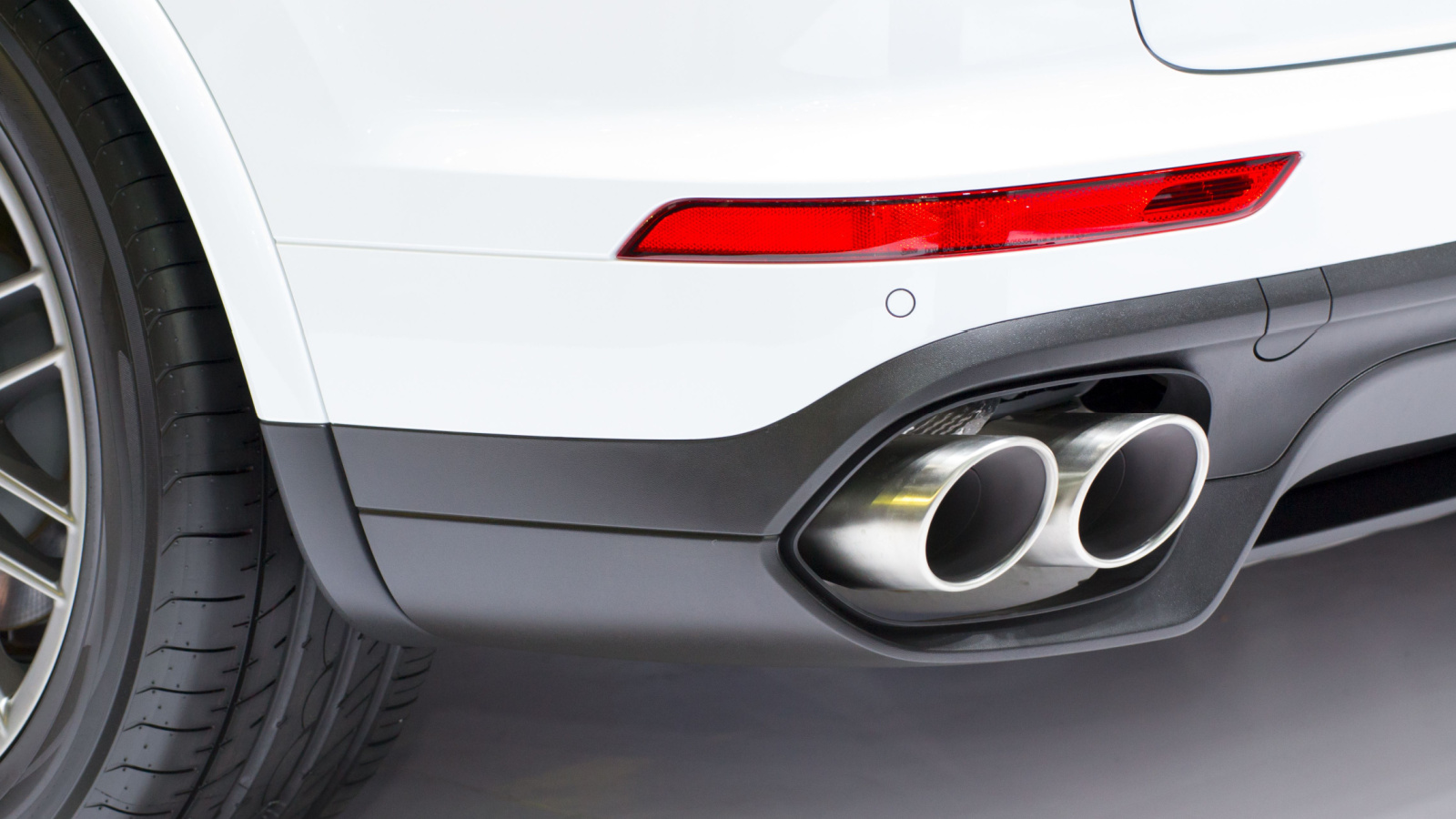
Modern emissions systems are far more complicated than older setups. They include particulate filters, multiple sensors, and advanced catalytic converters. These components aim to meet strict environmental rules. When one part fails, warning lights appear quickly. Diagnosing the exact issue can take time. Replacement parts are expensive and often model-specific. Short winter trips in Canada can clog filters more easily. Drivers who mainly commute short distances may face more frequent issues. Repairs often require specialized scanners. Compared to past decades, emissions systems now represent a significant share of repair bills.
Sealed Transmission Units
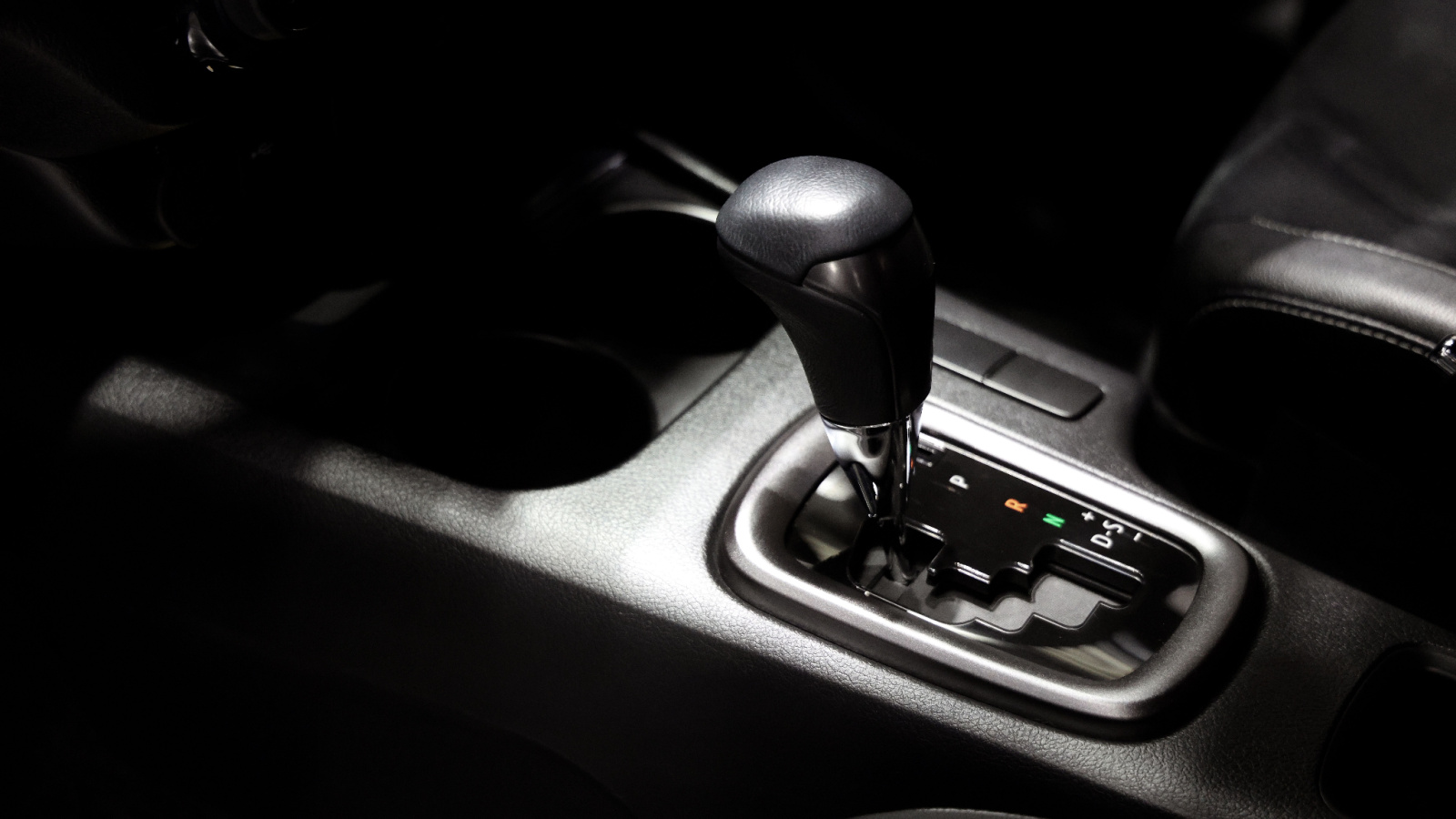
Many new transmissions are sealed and lack dipsticks. Manufacturers claim this reduces maintenance needs. In reality, it limits easy checks by owners. Diagnosing transmission problems becomes more technical. Fluid changes may require special pumps and procedures. If internal damage occurs, replacement is common. Rebuilding options are limited for some models. Labour hours are high due to compact engine bays. In Canada, cold weather can stress transmission components. The sealed design means fewer simple fixes. What once involved topping up fluid now demands professional service and higher costs.
Panoramic Sunroofs

Large glass roofs have become popular in many vehicles. They improve cabin light and resale appeal. When damaged, repairs can be costly. Replacement involves removing interior trim and recalibrating motors. Leaks are also more common in harsh climates. Snow accumulation adds weight and strain. If drainage systems clog, water damage can occur. Glass panels are expensive and often special-order items. Insurance claims frequently rise because of them. Compared to solid roofs, panoramic systems introduce more moving parts and potential points of failure that increase long-term repair risk.
Advanced Paint Finishes
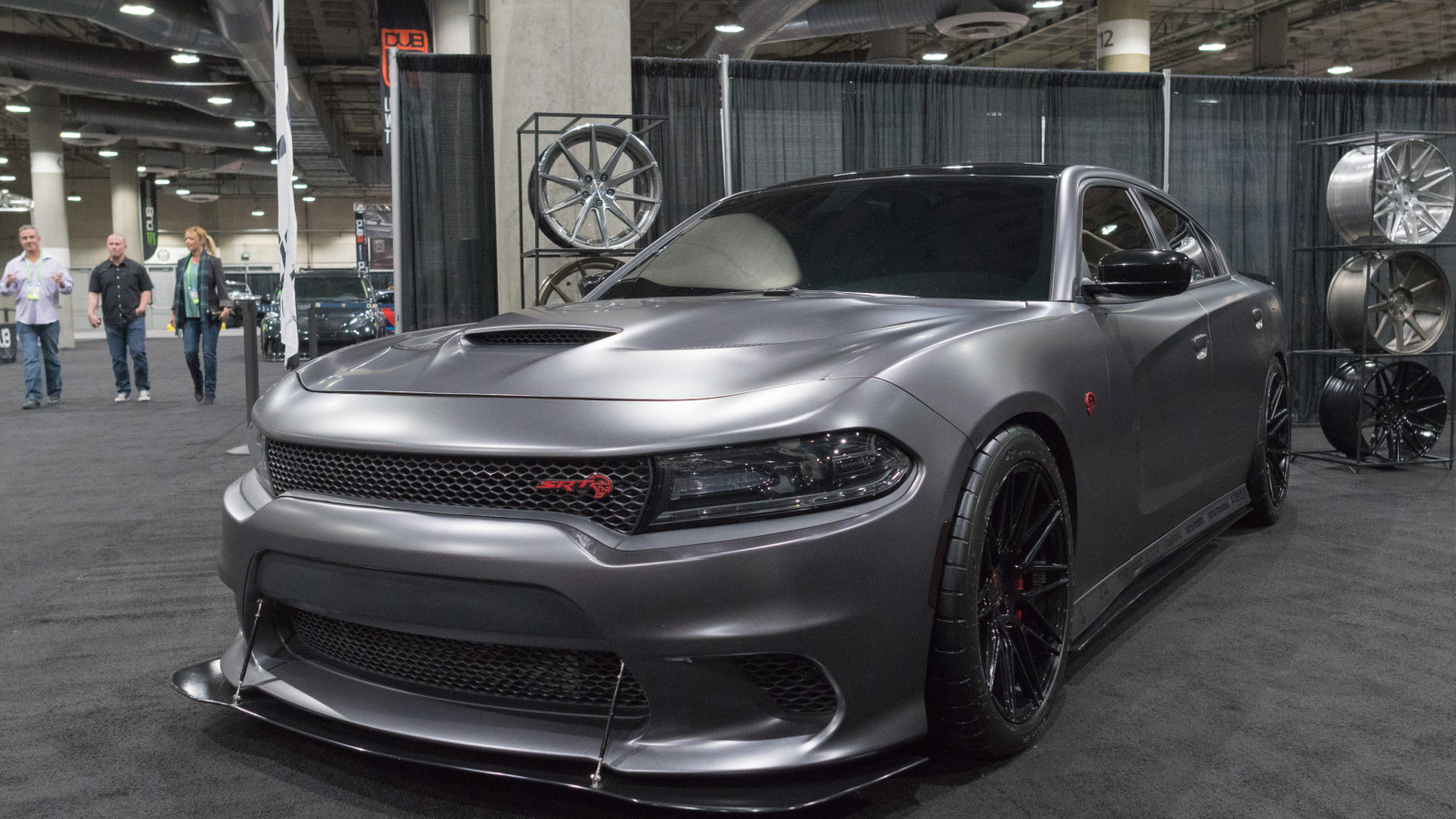
Modern paint options include metallic, pearl, and matte finishes. These finishes look striking but complicate repairs. Matching color requires careful blending across panels. Matte paint cannot be polished like traditional finishes. That limits repair techniques. Special materials increase material costs. Even minor scratches may require full panel repainting. In Canada, road salt and gravel cause frequent paint damage. Body shops spend more time achieving proper matches. Insurance premiums reflect this reality. Compared to older solid colours, advanced finishes raise both labour hours and material expenses during routine bodywork repairs.
Aluminum Body Panels
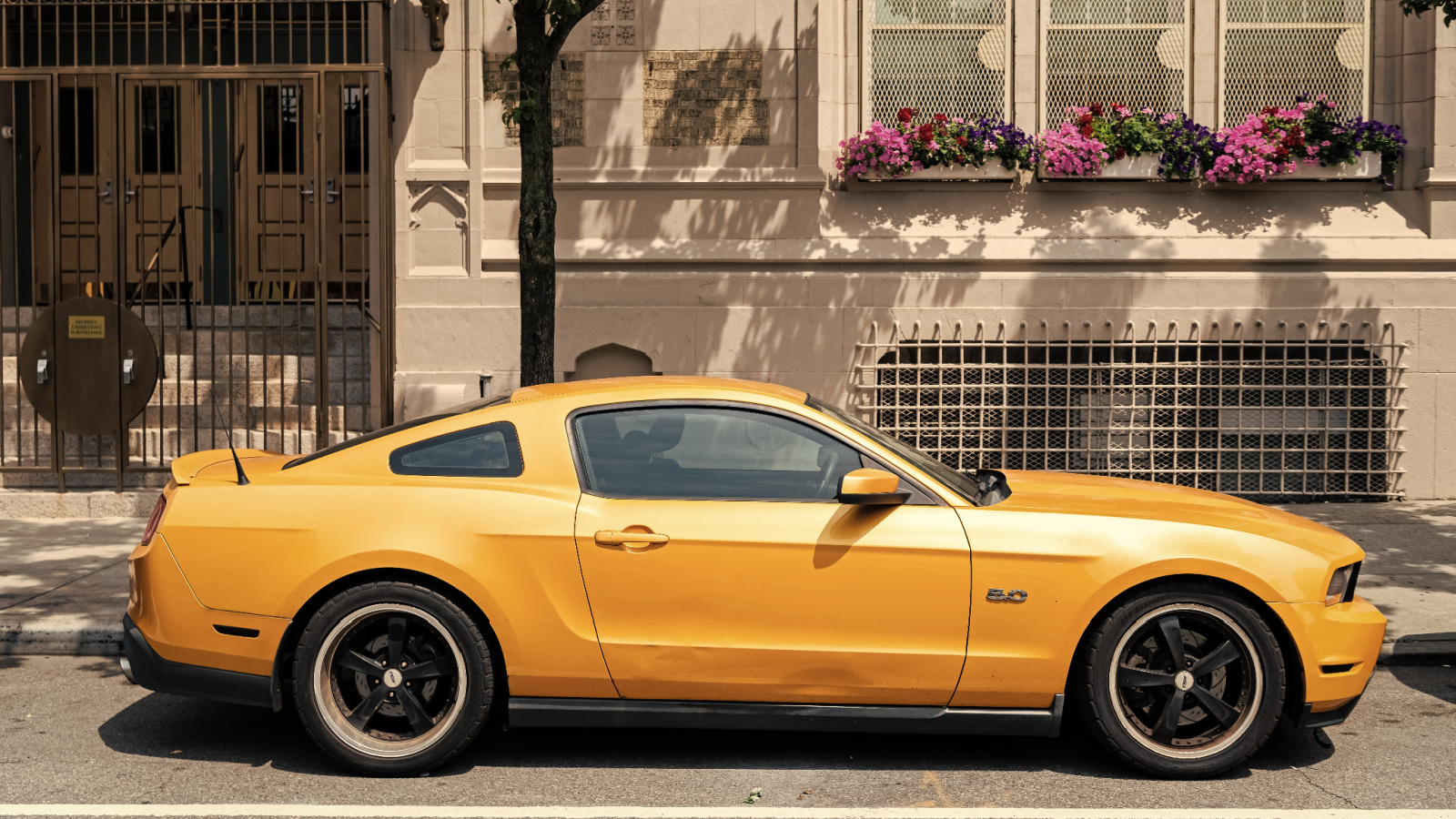
Some manufacturers use aluminum to reduce vehicle weight. Aluminum resists rust but behaves differently from steel. Repairing it requires specific tools and training. Not all body shops are equipped for aluminum work. Mixing aluminum and steel tools can cause contamination. That leads to corrosion problems. Replacement panels are often more expensive. Labour time increases because repairs are more delicate. In snowy Canadian climates, corrosion concerns remain relevant. Insurance companies sometimes direct vehicles to certified facilities. This specialization can limit competition and push repair costs higher for consumers.
Active Suspension Systems
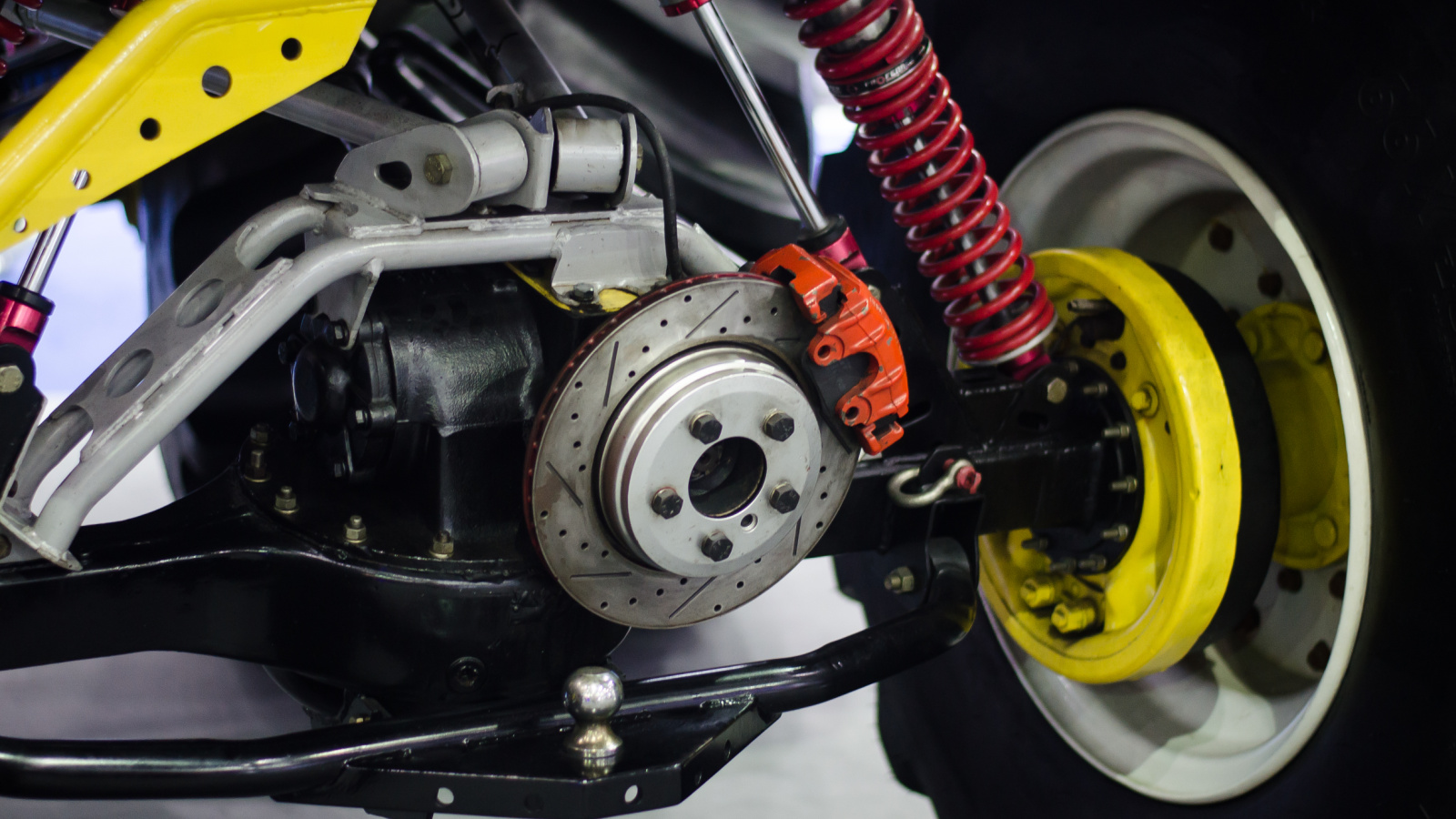
Active suspension adjusts ride height and firmness automatically. Air suspension systems use compressors and air bags. When components fail, repairs can be expensive. A single air strut may cost thousands of dollars. Diagnosis requires scanning electronic control modules. Canadian winters can accelerate wear on air lines and seals. Salt exposure worsens corrosion. If the compressor fails, the vehicle may become undrivable. Compared to traditional springs and shocks, active systems contain more parts. That increases the likelihood of failure and the overall expense of keeping the vehicle comfortable.
Digital Instrument Clusters
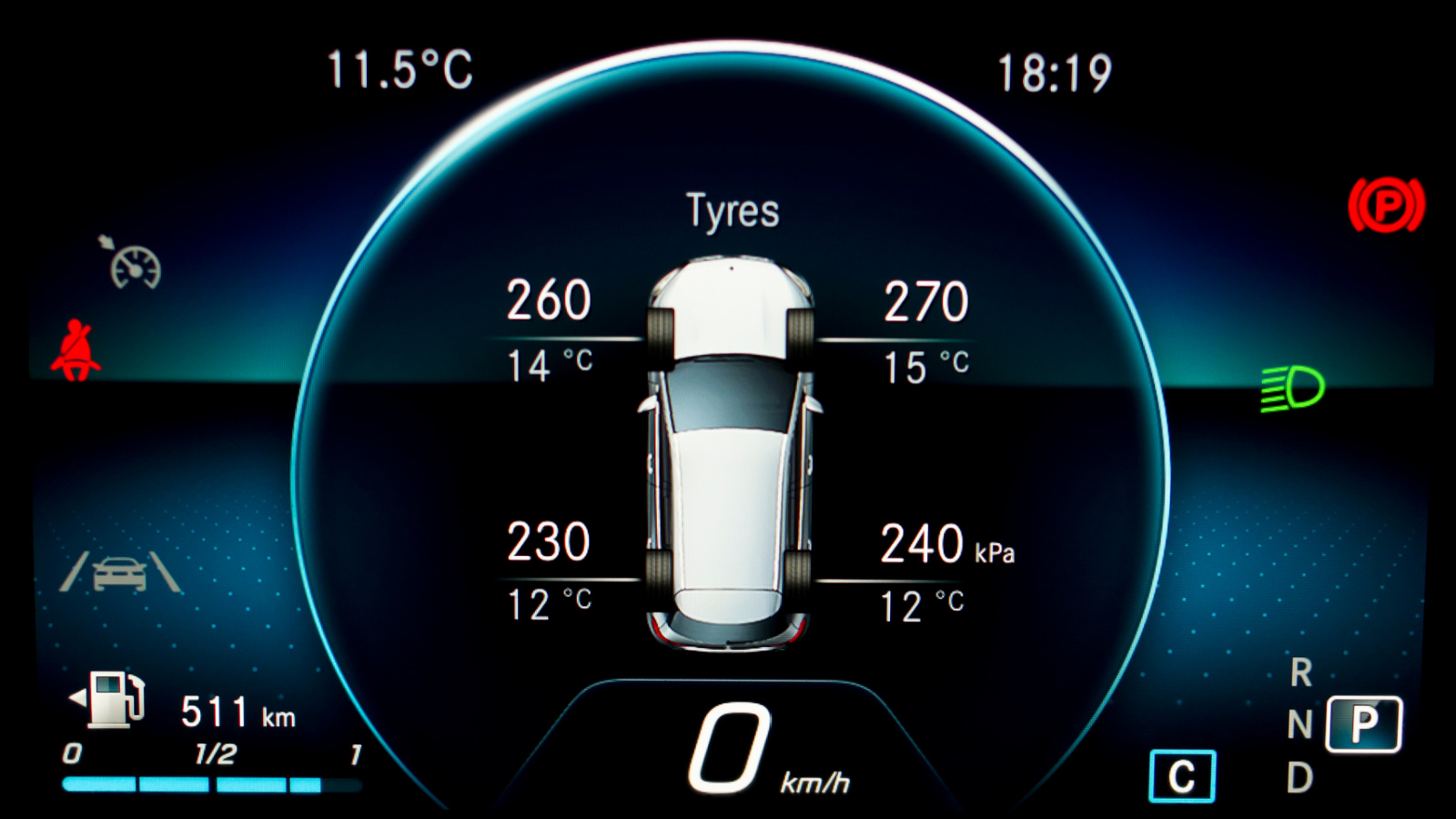
Traditional gauges used mechanical components. Digital clusters rely on screens and software. If the display fails, drivers lose critical information. Replacement units are costly and often VIN-coded. Programming is required before installation. A faulty cluster can trigger warning lights across the system. Cold temperatures may affect screen performance. Repairs are rarely simple. Instead of replacing a single gauge, owners replace an entire module. Labour and parts costs reflect that complexity. The move to digital displays has reduced physical parts but increased reliance on expensive electronic components.
Embedded Telematics Systems

Many vehicles include built-in telematics for emergency services. These systems track vehicle data and location. They require cellular connectivity and internal antennas. When modules fail, diagnostics can be time-consuming. Replacement parts must be programmed to the vehicle. Subscription-based services add another layer of cost. In remote Canadian areas, connectivity may be inconsistent. Repairs sometimes involve updating multiple control units. What was once optional equipment is now standard. That expands the number of electronic modules in each car, raising the overall cost of maintenance and troubleshooting.
Electronic Steering Systems
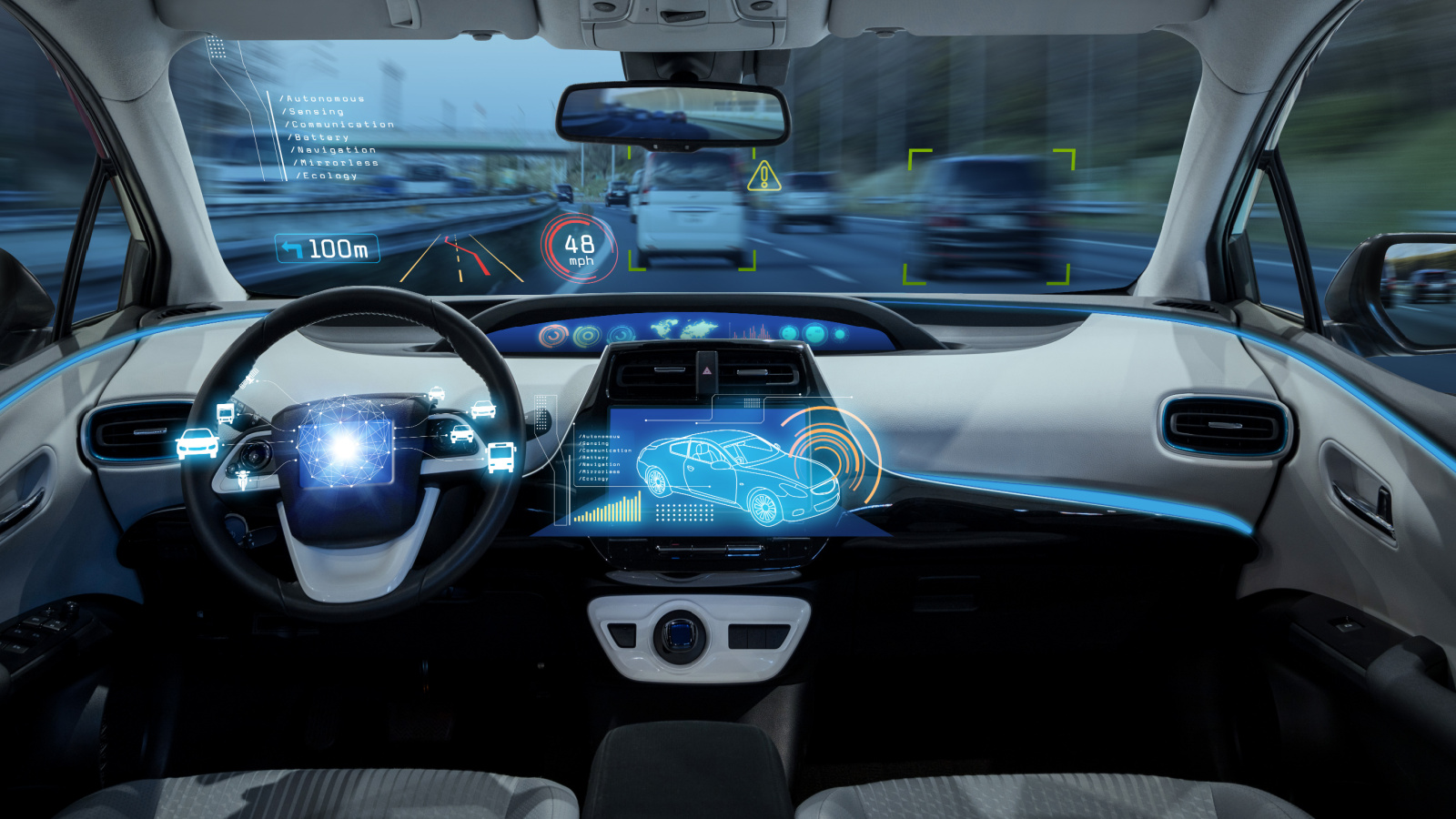
Electric power steering replaces hydraulic systems in many cars. It improves efficiency and reduces fuel use. However, failure often means replacing the entire steering rack. Individual components are rarely serviceable. Diagnosis requires electronic scanning tools. Steering modules communicate with other safety systems. If one-part malfunctions, warning lights appear. Canadian potholes can stress steering components. Repair bills may exceed those of older hydraulic systems. While electric steering removes fluid leaks, it introduces electronic vulnerabilities. Owners face higher costs when problems arise compared to simpler past designs.
Start Stop Engine Technology
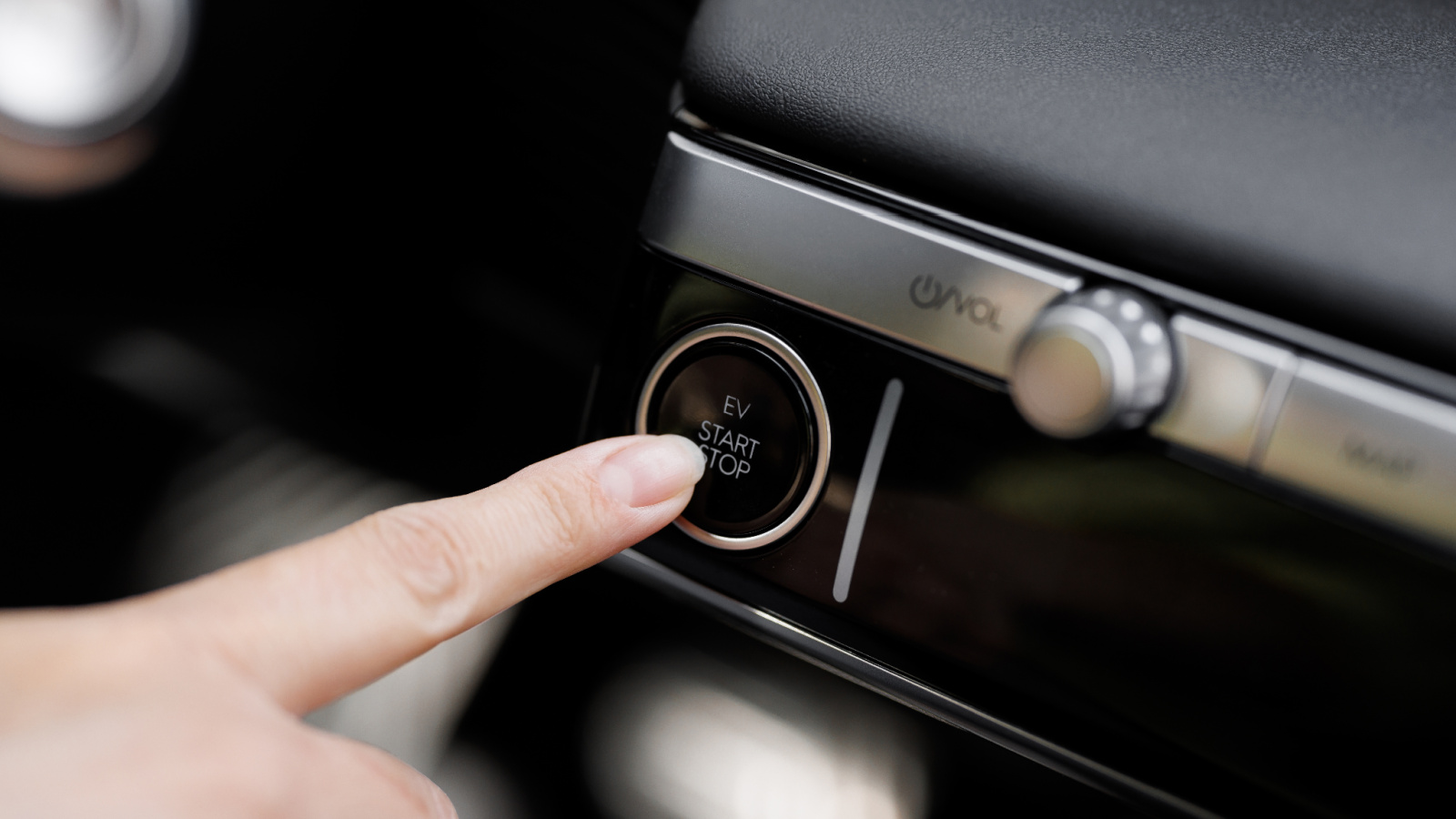
Start-stop systems shut the engine off at traffic lights. They rely on reinforced starters and batteries. These components cost more than standard parts. Battery replacements are often specific to the system. Programming may be required after installation. In cold Canadian winters, frequent cycling adds strain. Drivers who disable the feature may still face wear. If sensors malfunction, warning lights appear. Diagnosis can take time. What seems like a fuel-saving feature adds complexity under the hood. Repairs often involve more than swapping a simple battery.
Heated and Ventilated Seat Systems
Heated seats are common in Canada. Ventilated seats are increasingly popular as well. These systems use heating elements, fans, and sensors. When they fail, seats may need removal. Upholstery work increases labour costs. Replacement elements can be expensive. Wiring runs through tight spaces. Diagnosing electrical faults is time-consuming. Winter use accelerates wear on heating components. Compared to manual seat designs, powered and climate-controlled seats have more failure points. Comfort features may feel minor, but their repair costs can surprise owners.
Advanced Security and Anti-Theft Modules
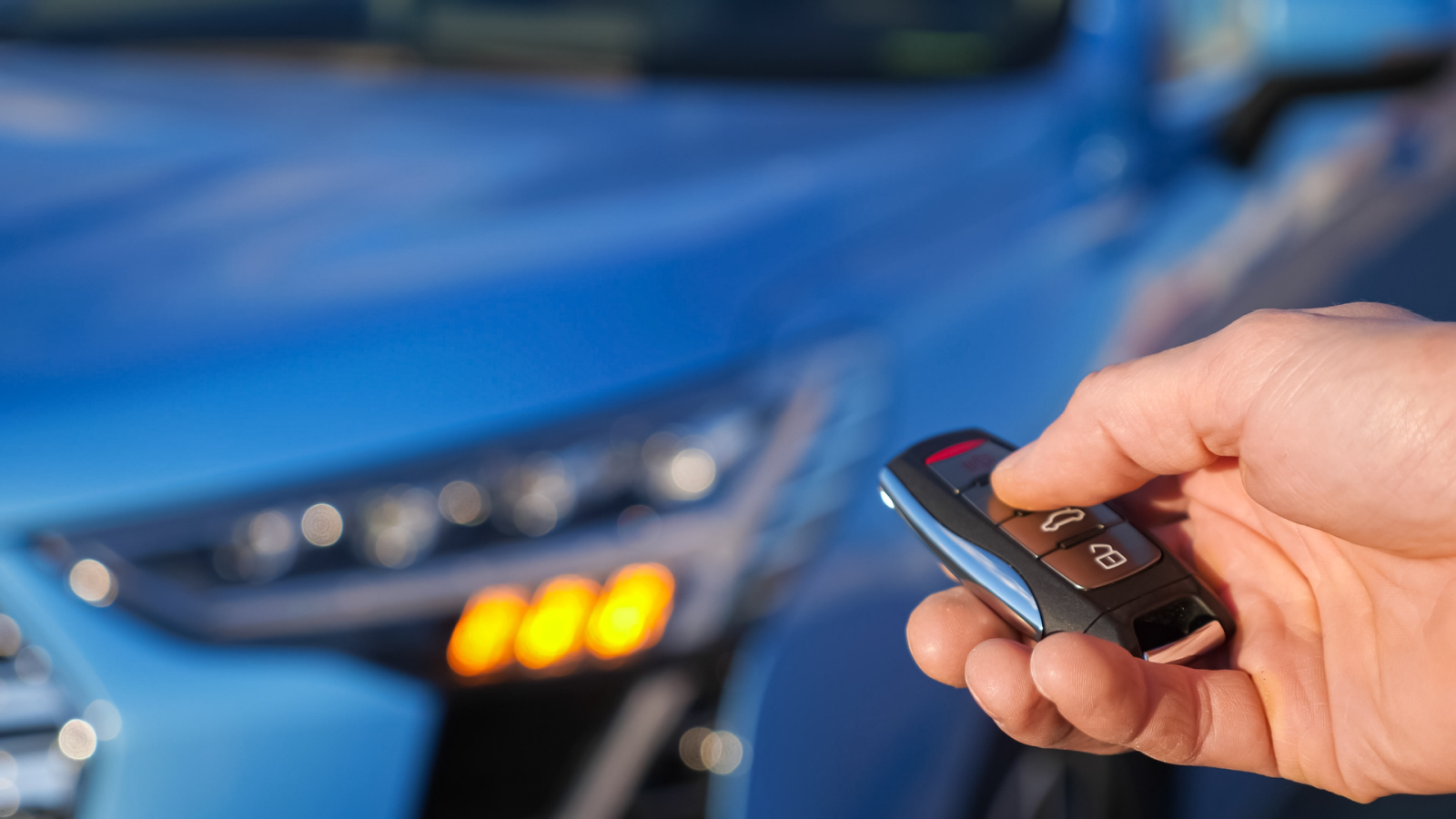
Modern anti-theft systems include immobilizers and encrypted modules. These systems protect vehicles from theft. When issues arise, reprogramming keys may be required. Replacing modules can be costly. Security protocols restrict access to diagnostic tools. Independent repair shops may face barriers. That limits consumer choice. In Canada, rising theft rates have led to more complex systems. While protection improves, repair difficulty increases. Owners dealing with faulty security modules often must visit authorized service centers. This specialization typically comes with higher service fees.
Extensive Wiring and Control Modules
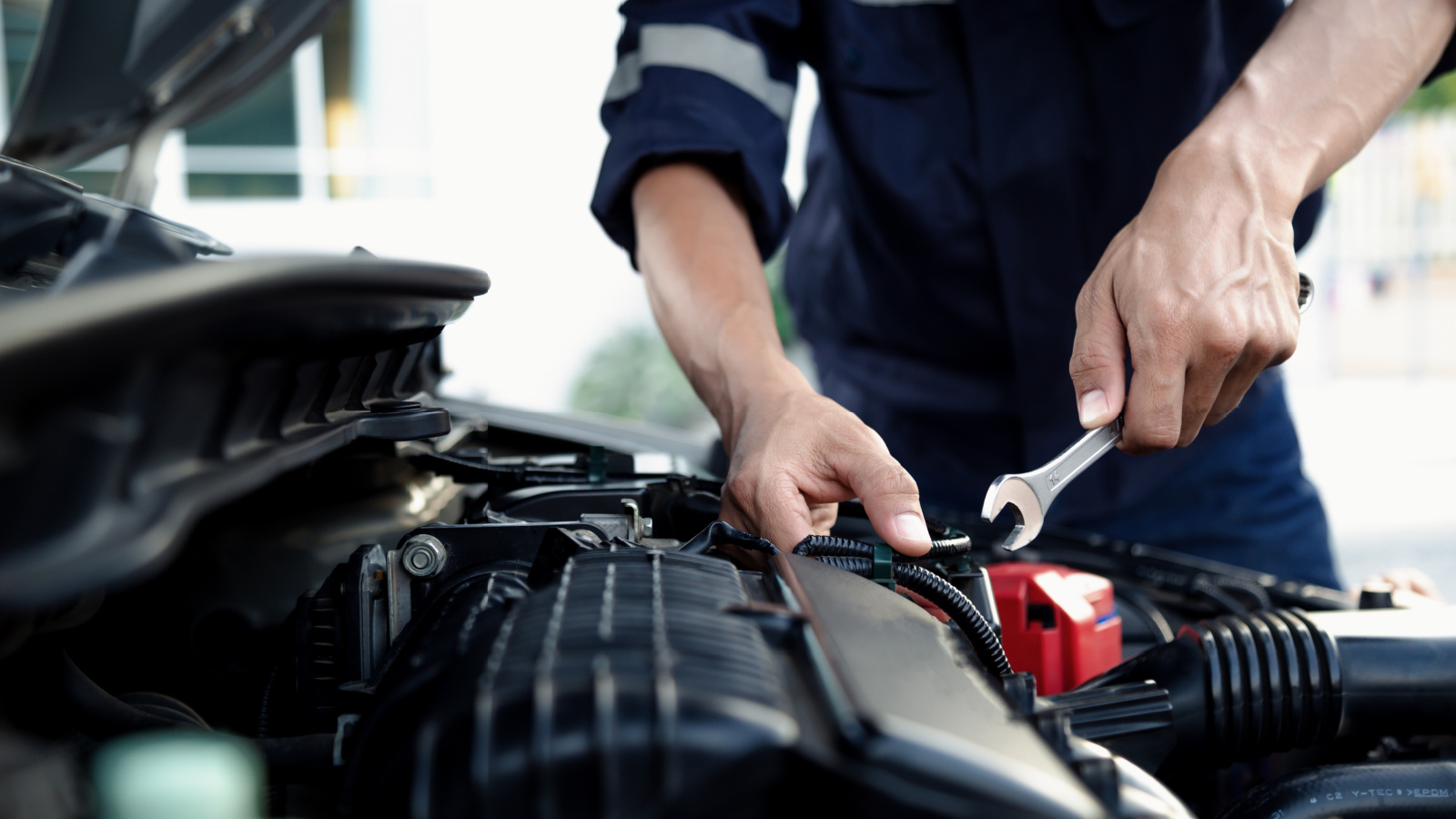
Today’s vehicles contain dozens of control modules. Wiring harnesses connect nearly every function. A fault in one module can affect several systems. Diagnosing electrical problems is rarely straightforward. Technicians must trace signals across networks. Labour hours increase quickly. Replacement harnesses are expensive and time-consuming to install. Canadian weather can cause corrosion at connectors. Rodents sometimes damage wiring in winter storage. Compared to older cars with simpler circuits, modern vehicles depend heavily on electronics. That reliance makes troubleshooting slower and repair bills larger.