


























Parking garages can create a false sense of protection: concrete walls, gates, cameras, and covered spaces make a vehicle feel tucked away. The most damaging mistake is assuming that any open space is equally safe. In reality, theft risk, crash exposure, flood damage, and vandalism can change from one level to another.
This breakdown covers 12 practical garage-parking decisions that can affect a vehicle’s safety, from lighting and sightlines to valuables, keys, ramps, and water-prone lower levels. A few extra seconds before walking away can separate a routine stop from a police report, an insurance claim, or an expensive repair.
Assuming the Garage Itself Is Enough Protection
The biggest mistake is treating a parking garage as automatically secure. A gate, ticket machine, or concrete structure may feel reassuring, but garages still contain many of the same risks found in open lots: unattended vehicles, distracted drivers, isolated corners, poor lighting, blind spots, and easy opportunities for theft. Federal data has repeatedly identified parking/drop lots/garages as one of the most common location categories for reported motor vehicle theft, which shows that “covered” does not always mean “protected.”
The practical risk is that drivers stop paying attention once they pull under a roof. A car left in a dark corner with a laptop bag visible on the seat is not safer simply because it sits indoors. A stronger approach is to judge the space before parking: lighting, foot traffic, camera coverage, exit visibility, and how easily someone could approach the vehicle unnoticed.
Parking in the Darkest Available Corner
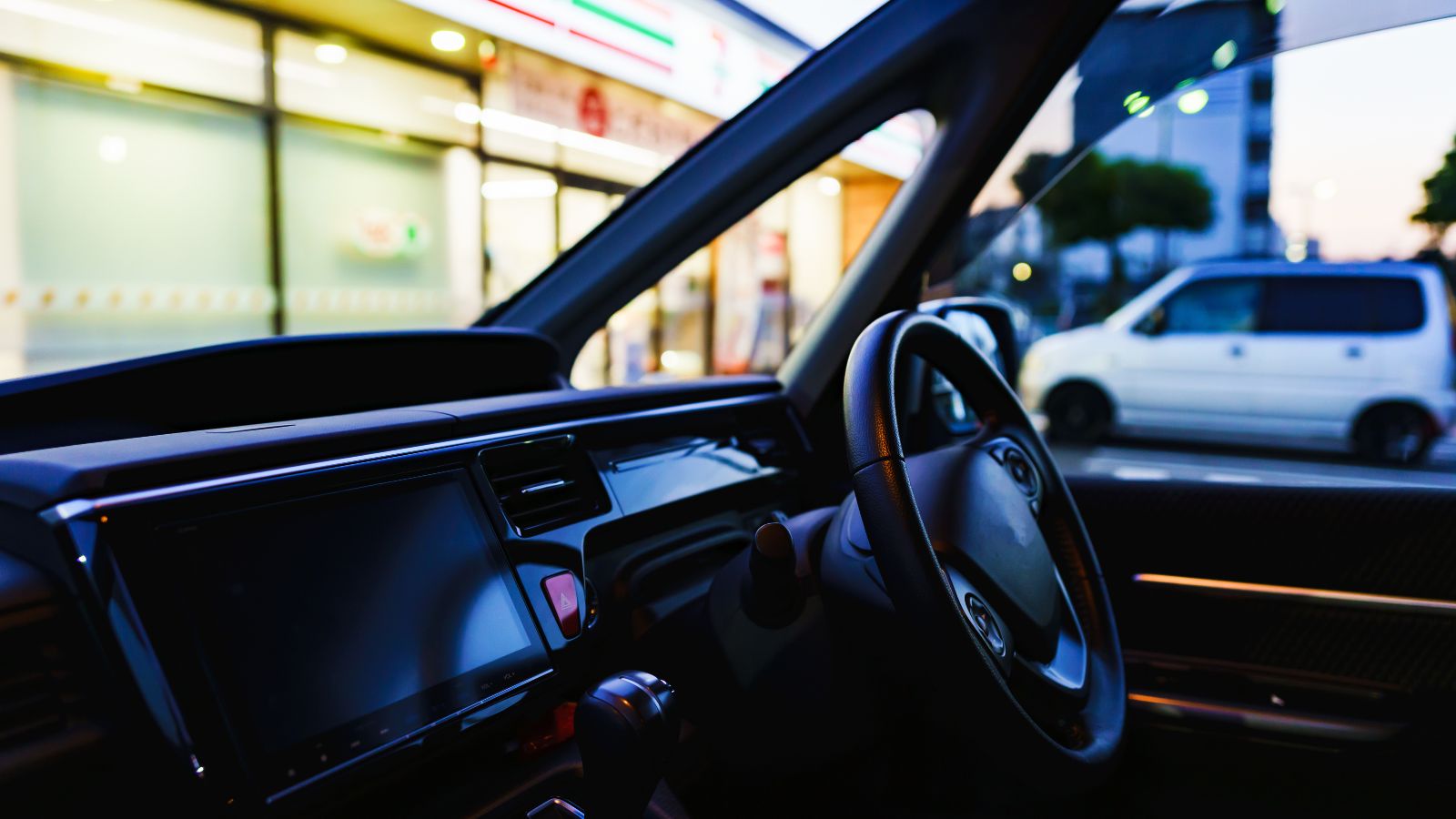
Poor lighting is one of the clearest warning signs in any garage. Darkness makes it harder for cameras to capture useful detail, harder for pedestrians to notice suspicious activity, and easier for someone to test door handles without drawing attention. Crime-prevention research on parking facilities has long emphasized lighting as a major security feature because visibility changes both offender behavior and driver perception of safety.
A common example is the driver who picks the far corner because it has more empty spaces and fewer door dings. That may feel convenient, but the trade-off can be costly. A better space is usually near steady lighting, elevators, attendants, storefront entrances, or regular pedestrian movement. Even if the walk is slightly longer, a visible vehicle is often a less attractive target than one tucked behind a column in shadow.
Leaving Valuables Visible From Outside
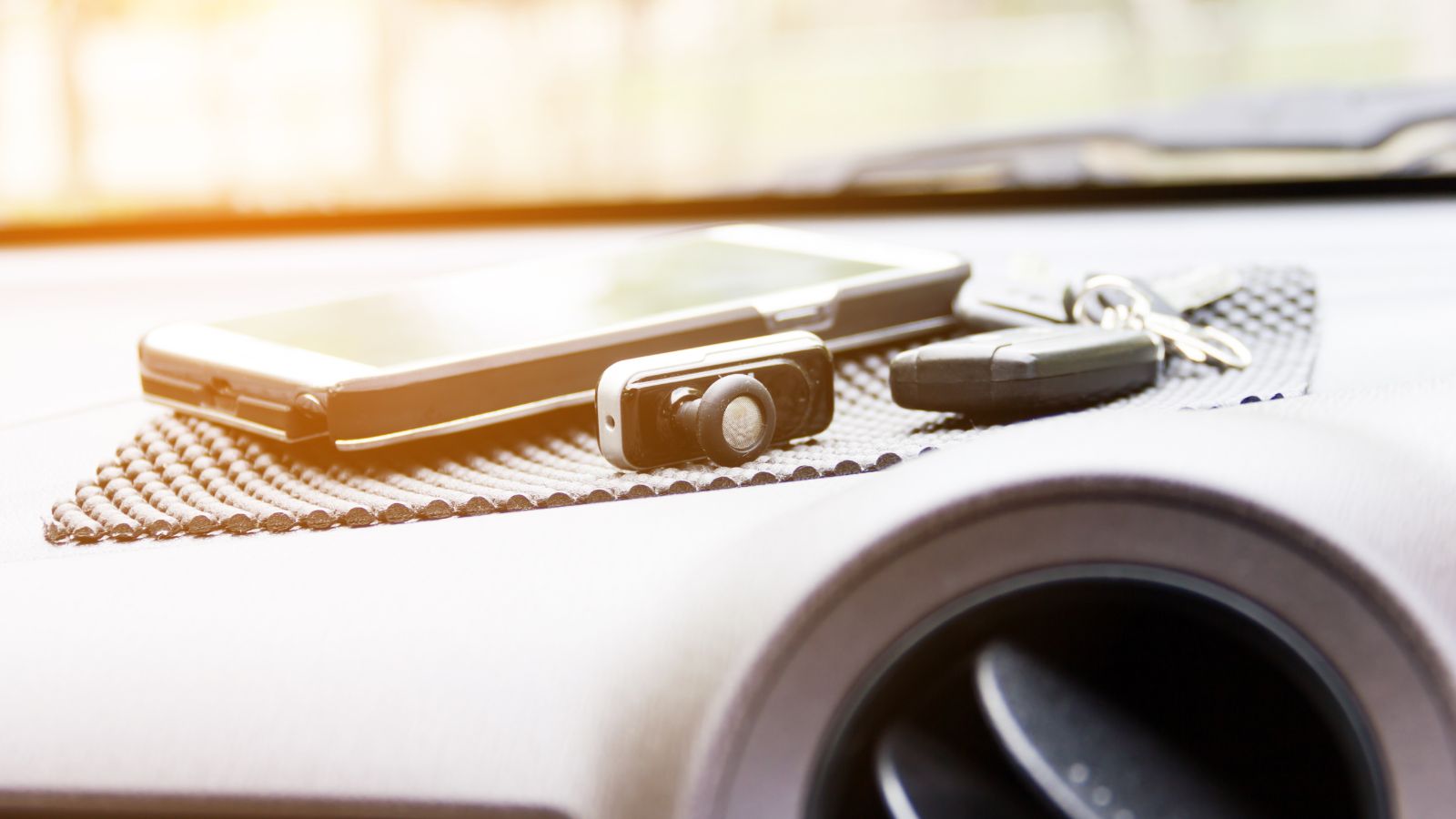
Visible property can turn a parked car into an invitation. Bags, electronics, charging cables, backpacks, coins, sunglasses, tools, and even an empty laptop sleeve may suggest that something worth stealing is inside. Vehicle-theft prevention agencies repeatedly advise hiding valuables because thieves do not always know whether a bag is empty before breaking glass to check.
The timing matters too. Moving a purse or laptop into the trunk after arriving can still be risky if someone nearby is watching. A commuter who transfers a work bag into the cargo area in full view may believe the item is hidden, while a thief has just been shown where to look. The safest habit is to remove valuables before leaving home or place them out of sight before reaching the garage.
Forgetting the Final Lock-and-Window Check
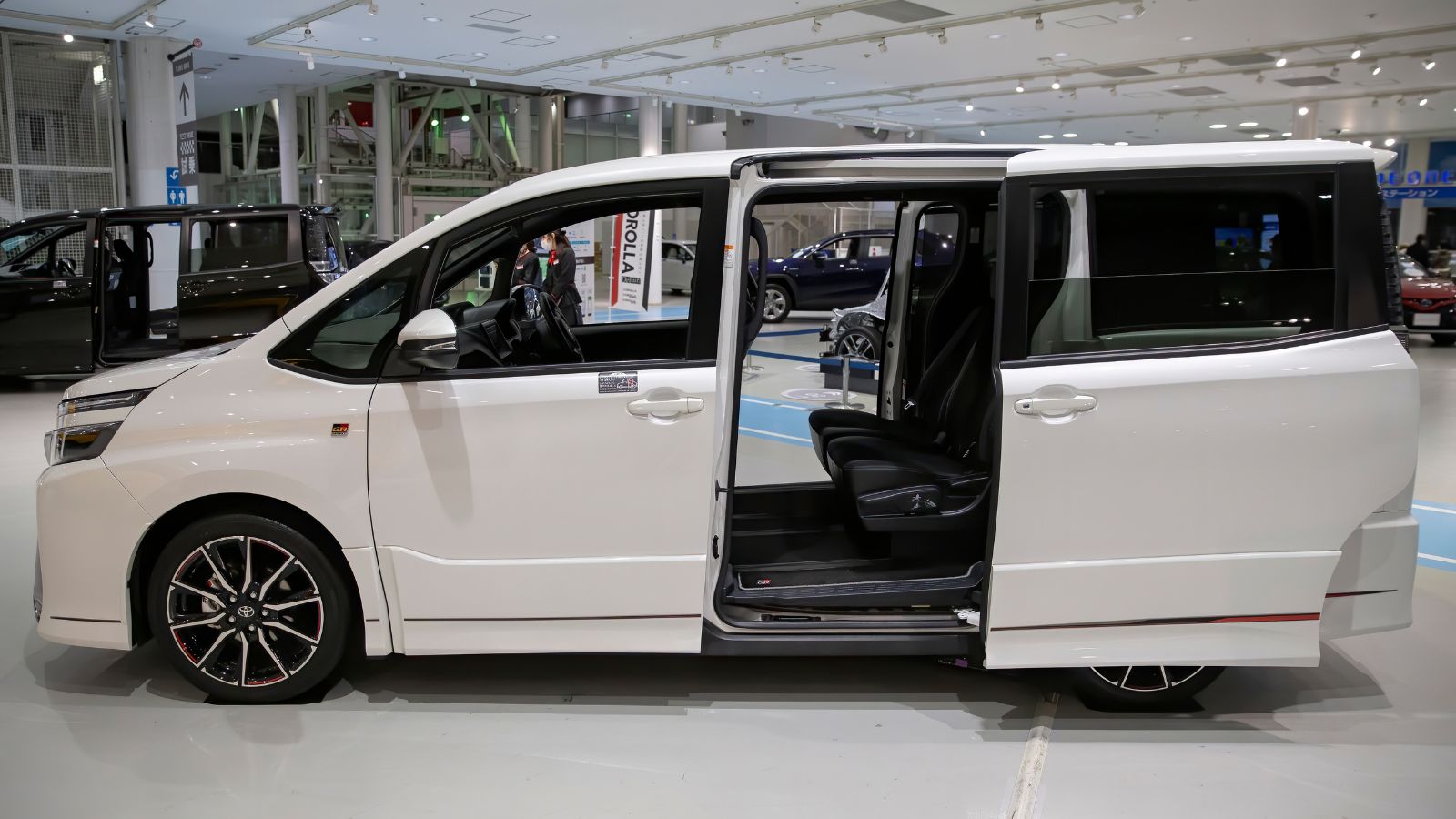
Many car break-ins do not require advanced tools. Some offenders simply walk through parking areas testing handles until one opens. A door left unlocked for “just a minute” can be enough time for someone to take documents, electronics, sunglasses, keys, or anything stored in the console. A slightly open window can also provide access or make forced entry easier.
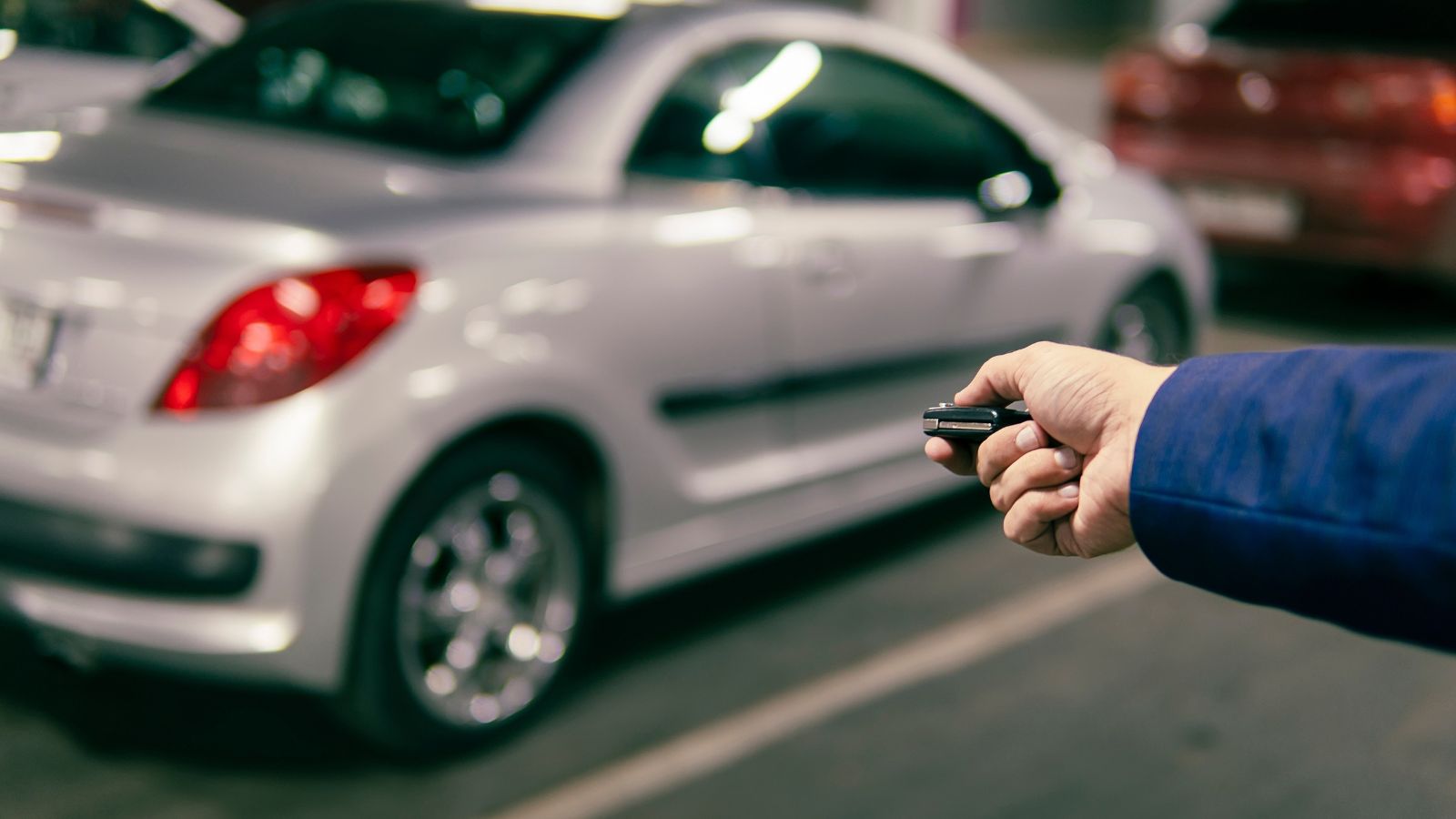
Modern vehicles sometimes add confusion because drivers assume the car locked automatically. Loud garages, weak key-fob batteries, or a rushed exit can make it easy to miss the confirmation beep or light flash. Before leaving, the simple routine still matters: windows fully up, sunroof closed, doors locked, and valuables removed or hidden. The habit takes seconds but closes off the easiest path into the vehicle.
Leaving Keys or a Fob Inside the Vehicle
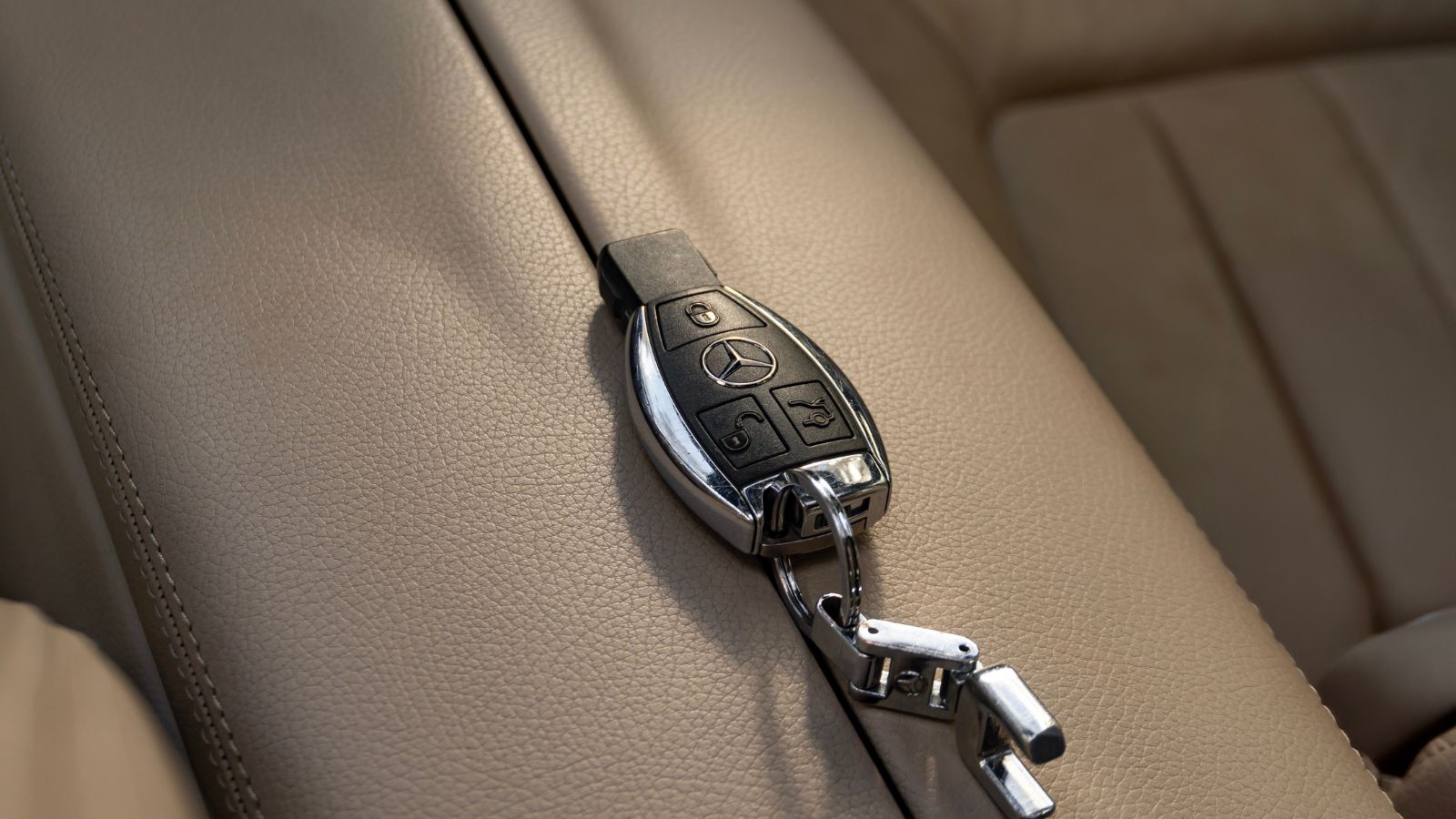
Leaving keys, spare keys, valet keys, or a fob inside the car is one of the most avoidable mistakes. Theft-prevention guidance consistently warns against leaving keys in or on a vehicle, because a thief does not need to defeat the ignition if the key is already available. That includes keys hidden in the console, tucked into a gym bag, or left in a cupholder during a quick errand.
The risk becomes greater in parking garages where people come and go quickly. A thief may only need a brief opening: an unlocked door, a visible bag, or a vehicle left running while the driver pays, loads items, or returns a cart. Even advanced anti-theft technology is weakened when the key is present. The safest rule is simple: the key or fob leaves with the driver every time.
Choosing a Spot With Poor Sightlines
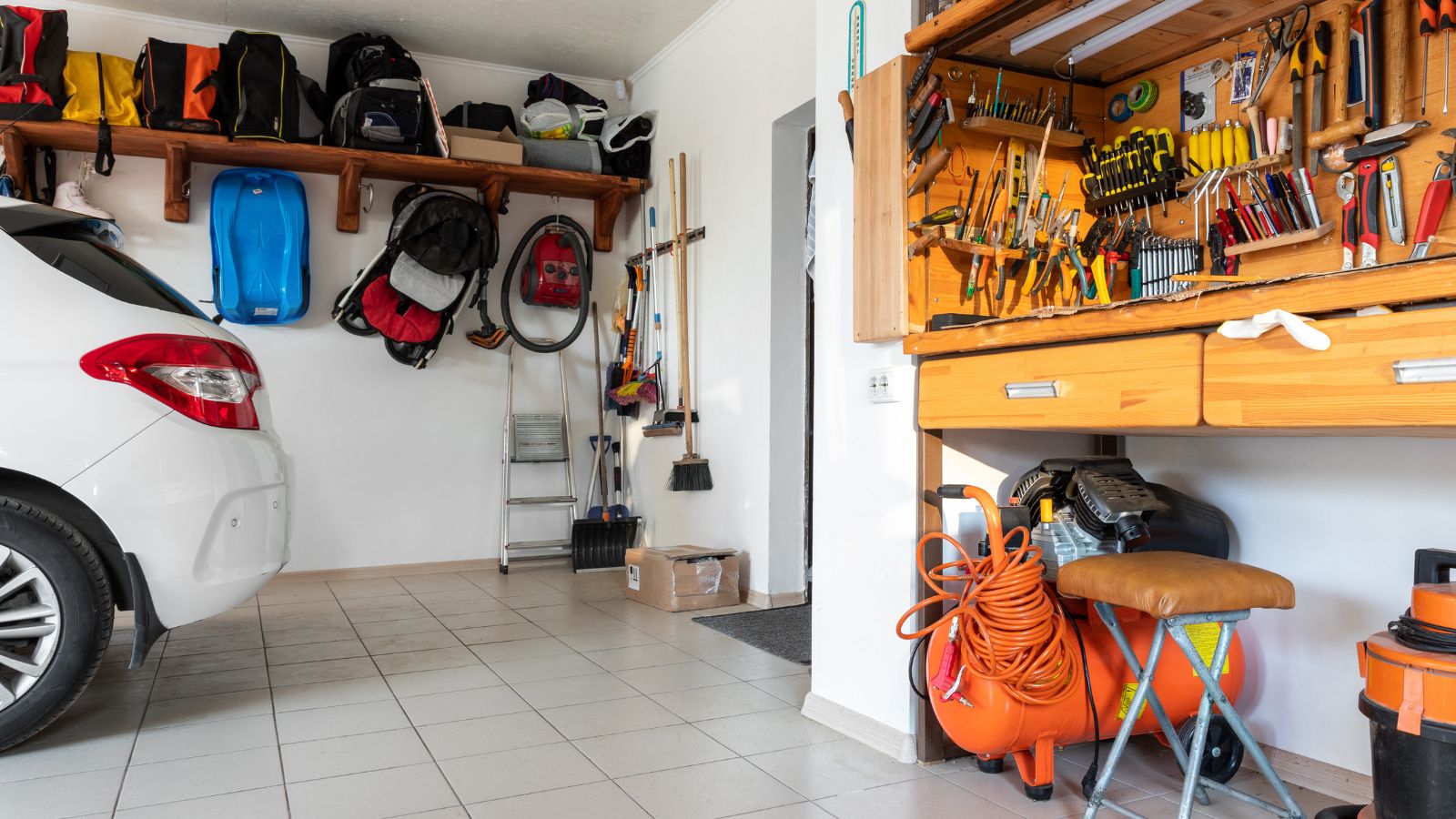
Garages are full of visual obstructions: pillars, stairwells, elevator cores, ramps, storage rooms, signs, parked vans, and tight corners. These features can block the view of a vehicle from attendants, other drivers, pedestrians, and surveillance cameras. Crime-prevention design research notes that enclosed, multilevel garages generally provide less natural surveillance than open single-level lots.
The safer choice is not always the closest space. A spot with clear sightlines from a main lane, elevator lobby, or well-used walkway may be more protective than a hidden space near a stairwell. This matters especially at night or during quiet periods. If a driver cannot easily see the vehicle from common areas, others probably cannot either—and that reduced visibility may make damage or theft less likely to be noticed quickly.
Parking Too Close to Pillars, Ramps, and Tight Turns
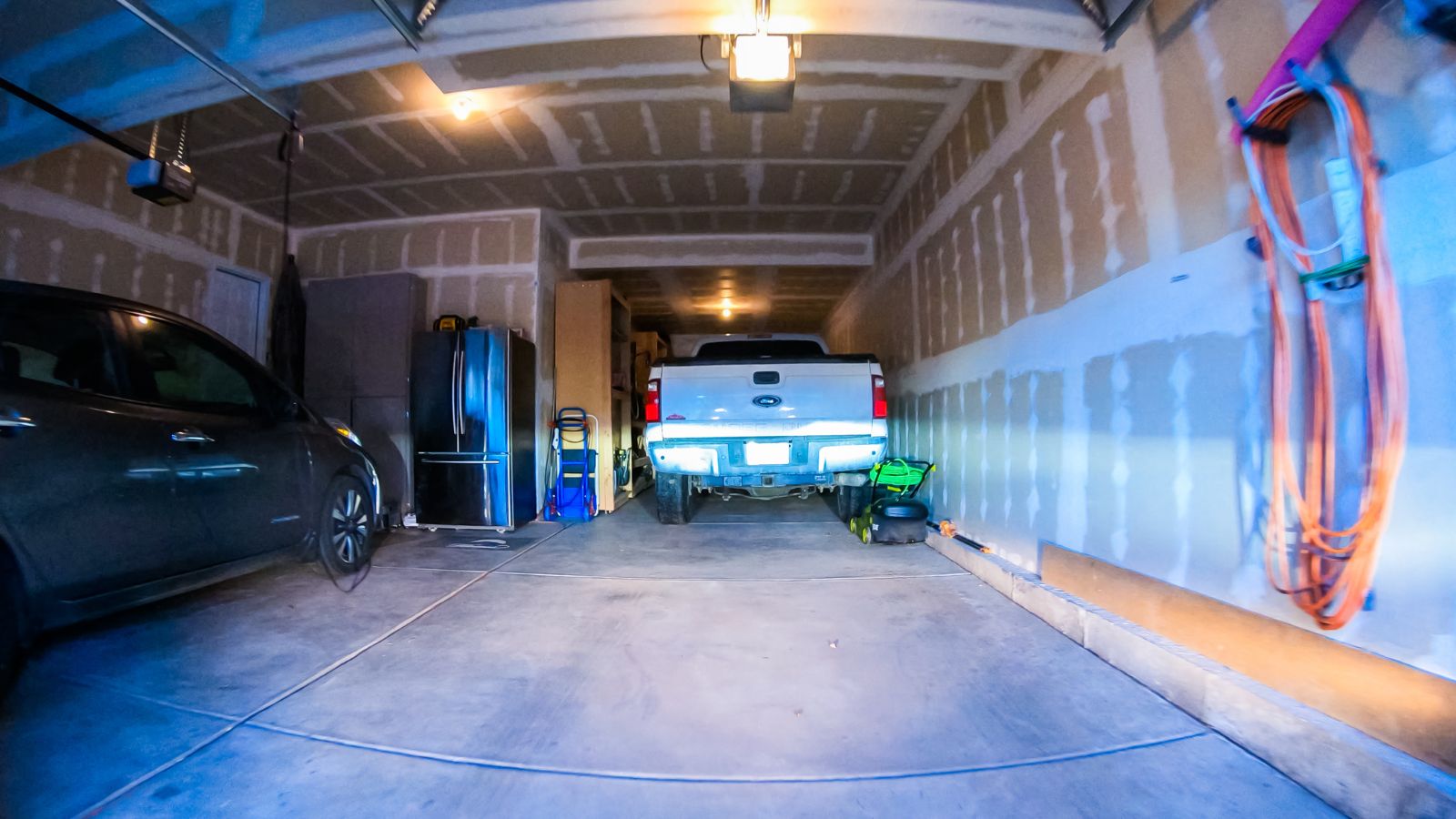
Not every parking-garage risk involves theft. Concrete pillars, narrow ramps, low walls, and tight turning lanes can create expensive body damage at very low speeds. Safety organizations note that tens of thousands of crashes occur each year in parking lots and garage structures, and even minor backing collisions can create surprisingly large repair bills because modern bumpers, sensors, cameras, and liftgates are costly to replace.
A driver who squeezes beside a pillar to avoid walking farther may return to find a scrape, mirror damage, or a tight exit angle. The risk is even higher near ramps where drivers turn wide or cut corners. A slightly less convenient space with more clearance can protect paint, wheels, mirrors, parking sensors, and the surrounding vehicles.
Backing Blindly Into Cross-Traffic
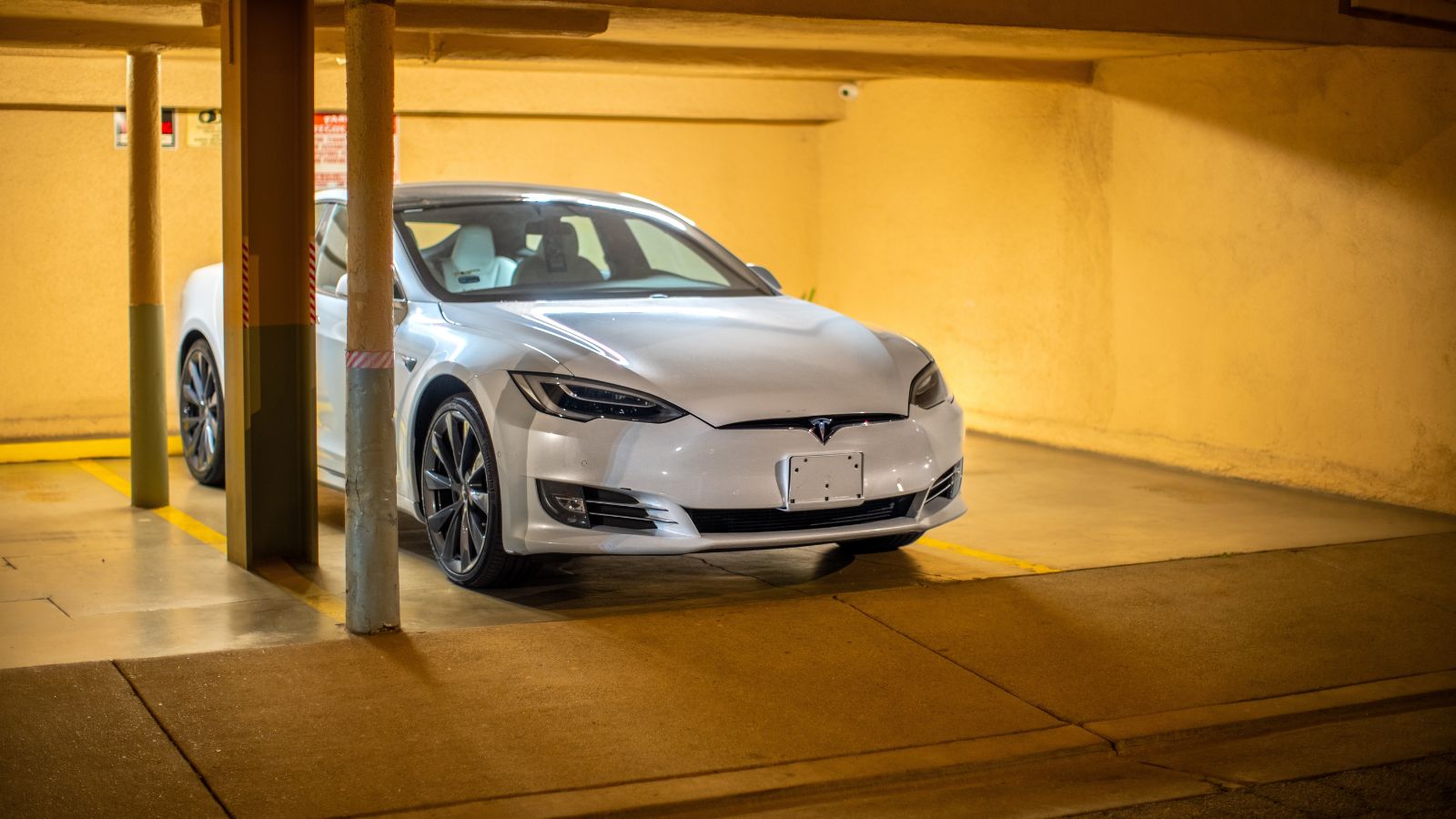
Backing out of a garage space can be deceptively dangerous. Drivers often reverse between large SUVs, pillars, or vans with limited side visibility while other vehicles move through the aisle. Research and safety guidance on parking-lot collisions highlight backing crashes as a major concern, and rear cross-traffic alert or rear automatic braking can reduce some backing-related crashes—but technology does not remove the need to look carefully.
A practical example is the crowded shopping-garage lane where one driver backs out while another accelerates toward an open space. Both may be moving slowly, yet the damage can still include bumper covers, sensors, lights, and insurance claims. Pull-through parking, when allowed and safe, can reduce the need to reverse into traffic later. When backing is unavoidable, a slow pause and full scan matter.
Ignoring Access Control and Exit Patterns
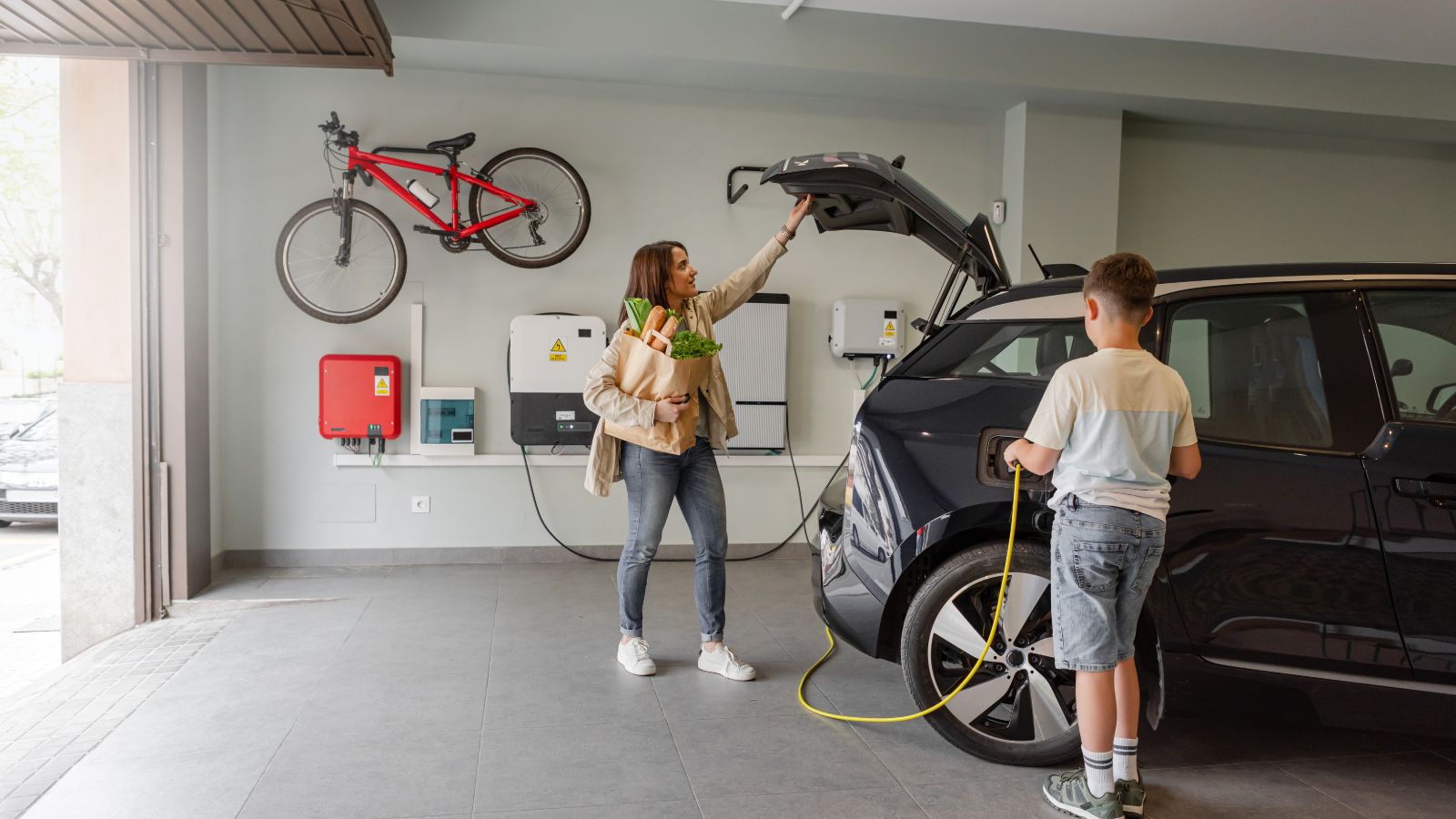
Access control can make a major difference in parking-garage risk. Garages with attendants, working gates, controlled pedestrian entrances, monitored cameras, and clear exit procedures can make theft more difficult. Crime-prevention research has found that barriers, secure perimeters, attendants, surveillance, and lighting work best as a package rather than as isolated features.
Drivers can apply the same thinking when choosing where to park. A space near a functioning entrance, visible payment area, or staffed booth may offer more passive protection than a remote level with broken doors and open stairwell access. The warning sign is a garage where anyone can walk in unnoticed, roam multiple levels, and exit without passing a monitored point. Convenience should not outweigh basic access awareness.
Leaving Personal Documents or Garage Openers Behind
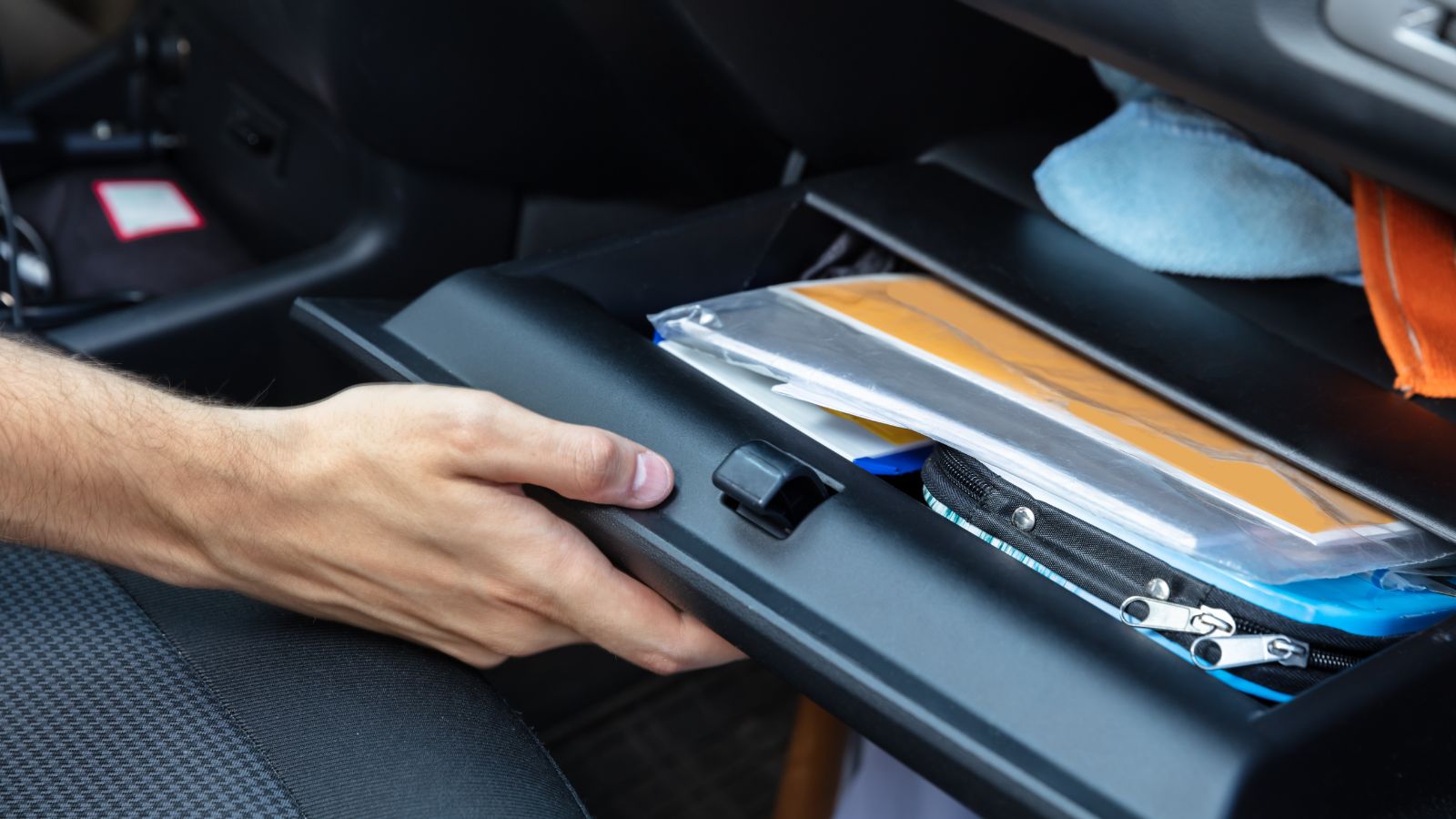
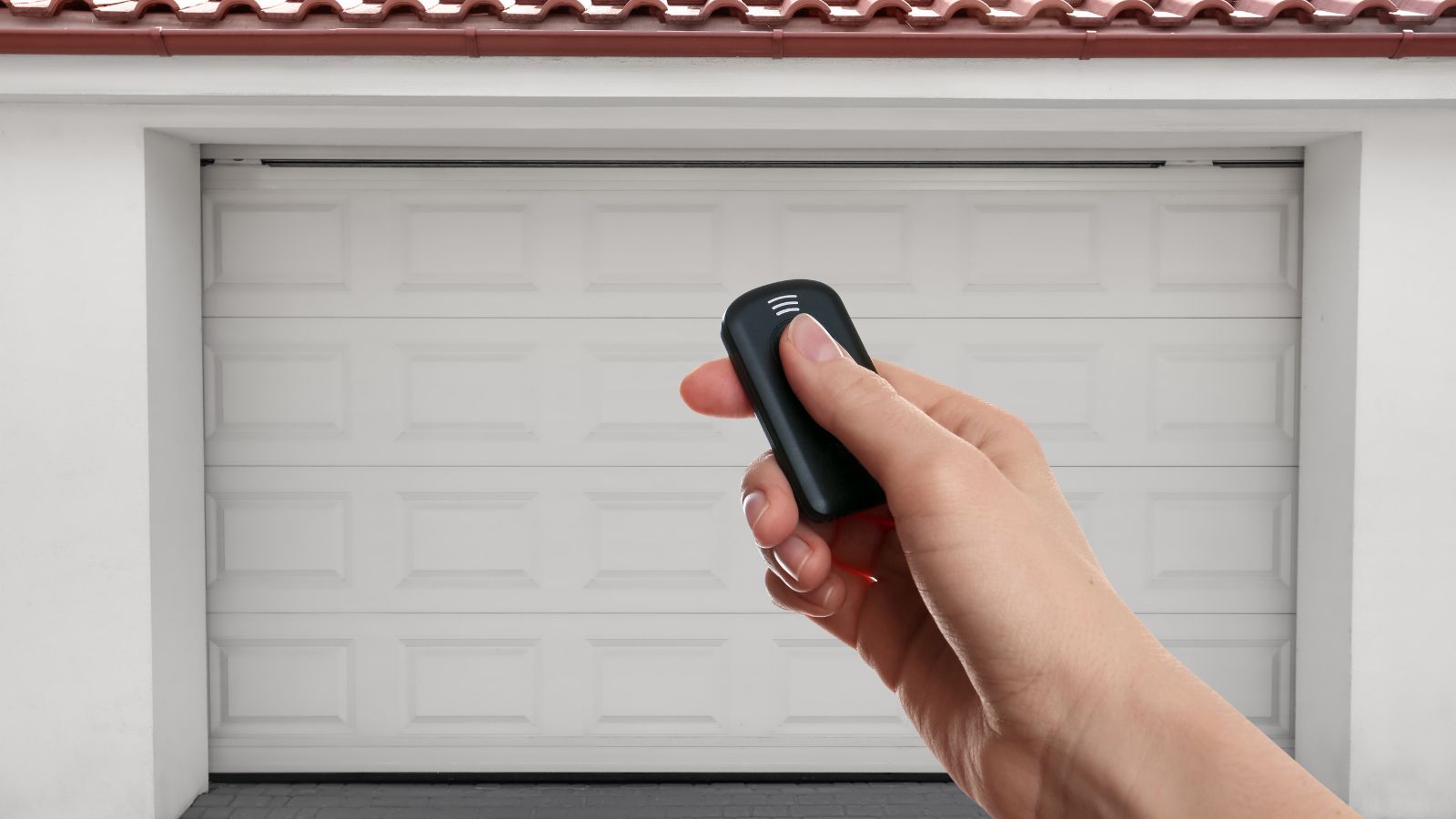
A vehicle can expose more than the items visible on the seats. Registration papers, insurance cards, mail, work badges, parking permits, spare house keys, and garage-door openers can create additional risk if stolen. Police crime-prevention guidance often recommends carrying registration and insurance documents rather than leaving unnecessary personal identification in the vehicle, and avoiding visible garage-door openers.
The concern is not only the car itself. A stolen document may contain an address, while an opener may provide access to a home garage if paired with other information. Even when laws or local practices require certain documents to be available, drivers can reduce exposure by carrying copies where allowed, using a locked compartment, and removing anything that reveals more personal information than necessary.
Parking on Lower Levels During Heavy Rain
Covered parking does not always mean dry parking. Lower levels and underground garages can be vulnerable when storms overwhelm drains, sewer systems, or surrounding streets. Floodwater can damage electrical components, sensors, wiring, brakes, interiors, and high-voltage systems in hybrids and electric vehicles. Some flood damage may not show up immediately because corrosion and electrical faults can develop over time.
A driver who routinely parks on the lowest level may not think about weather until water is already rising. During heavy rain warnings, a higher level or above-ground space can be the safer choice, even if it is less convenient. This is especially important for vehicles with low air intakes, expensive electronics, or battery systems. Water damage can turn a normal parking decision into a total-loss claim.
Leaving the Car Unchecked for Long Periods

Long-term parking creates a different kind of risk. A car left for days or weeks in the same garage space may become easier to observe, target, or ignore. Commuter lots, airport garages, residential towers, and storage levels can all create predictable patterns. A vehicle that gathers dust, stays in one place, or has a flat tire may signal that no one is checking it regularly.
The practical fix is periodic attention. Before a trip, remove valuables, photograph the vehicle’s condition, note the level and space number, lock everything, and avoid isolated areas when better spaces are available. For extended parking, a staffed or monitored facility is often worth considering. A car does not need to be abandoned to look neglected; it only needs to appear unattended long enough for trouble to find it.
22 Things Canadians Do to Their Cars in Spring That Mechanics Hate

Spring brings relief to many Canadian drivers after months of snow, freezing temperatures, and icy roads that put serious strain on vehicles. As temperatures rise across the country, drivers begin washing cars, switching tires, and preparing vehicles for warmer weather and upcoming road trips. However, mechanics across Canada notice the same mistakes every spring when drivers attempt to recover from winter damage. Road salt, potholes, and harsh winter driving conditions often leave vehicles with hidden problems that drivers ignore. Some spring habits even create new mechanical issues that could have been avoided with proper maintenance. Here are 22 things Canadians do to their cars in spring that mechanics hate.