

























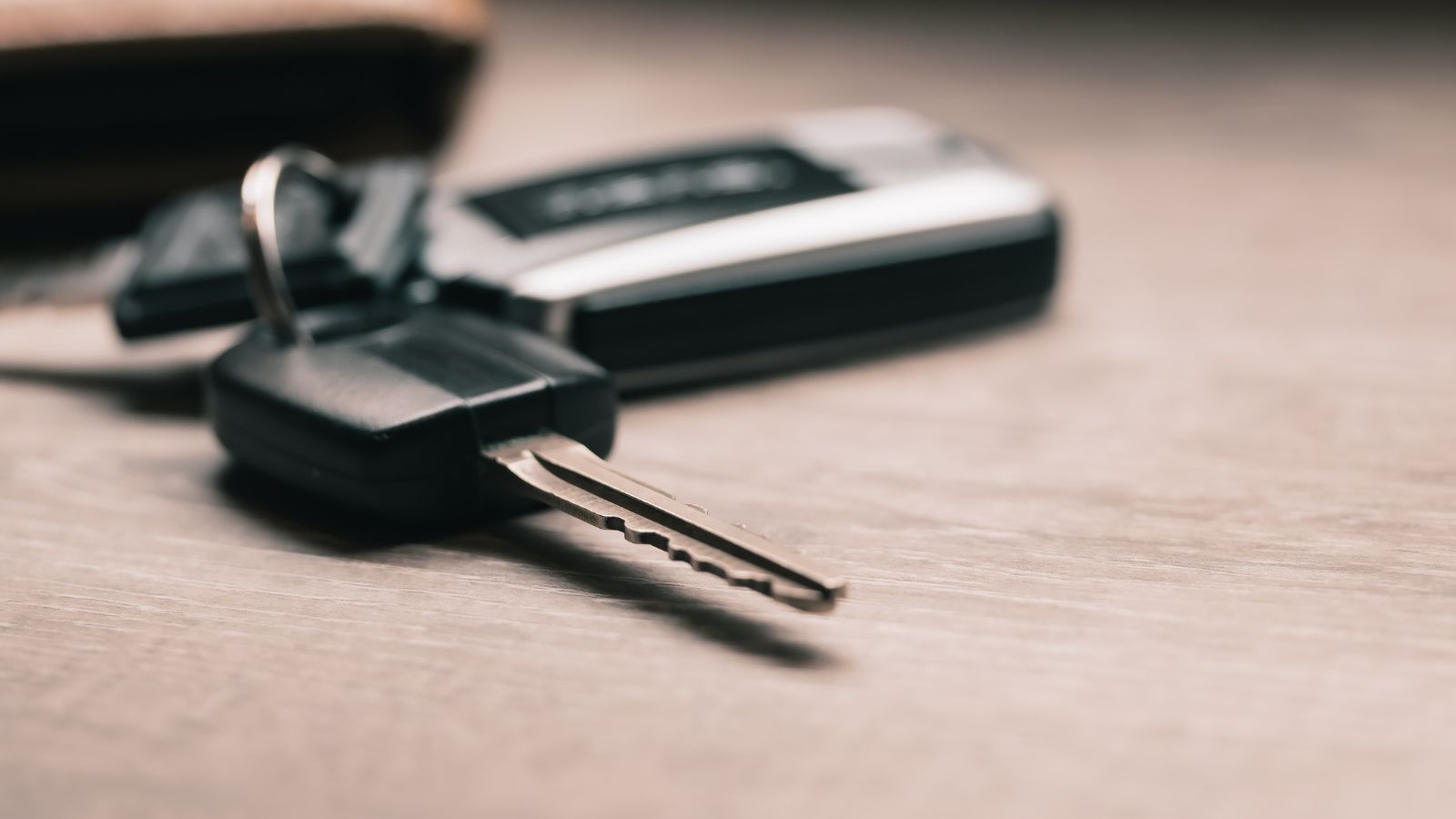
A car key no longer has to be in a thief’s hand to put a vehicle at risk. With many newer vehicles using smart fobs, push-button starts, and passive entry systems, one ordinary habit has become more important: leaving the key fob in a convenient spot near the front door, window, garage wall, or handbag by the entrance.
That small routine can make a vehicle easier to target because some keyless systems are designed to respond when the fob appears nearby. Across Canada, auto theft remains costly even as national numbers have started improving. These 12 sections explain how one everyday car-key habit can quietly increase risk, why thieves look for easy signals and predictable routines, and what safer storage habits can change.
Leaving the Fob on the Hall Table
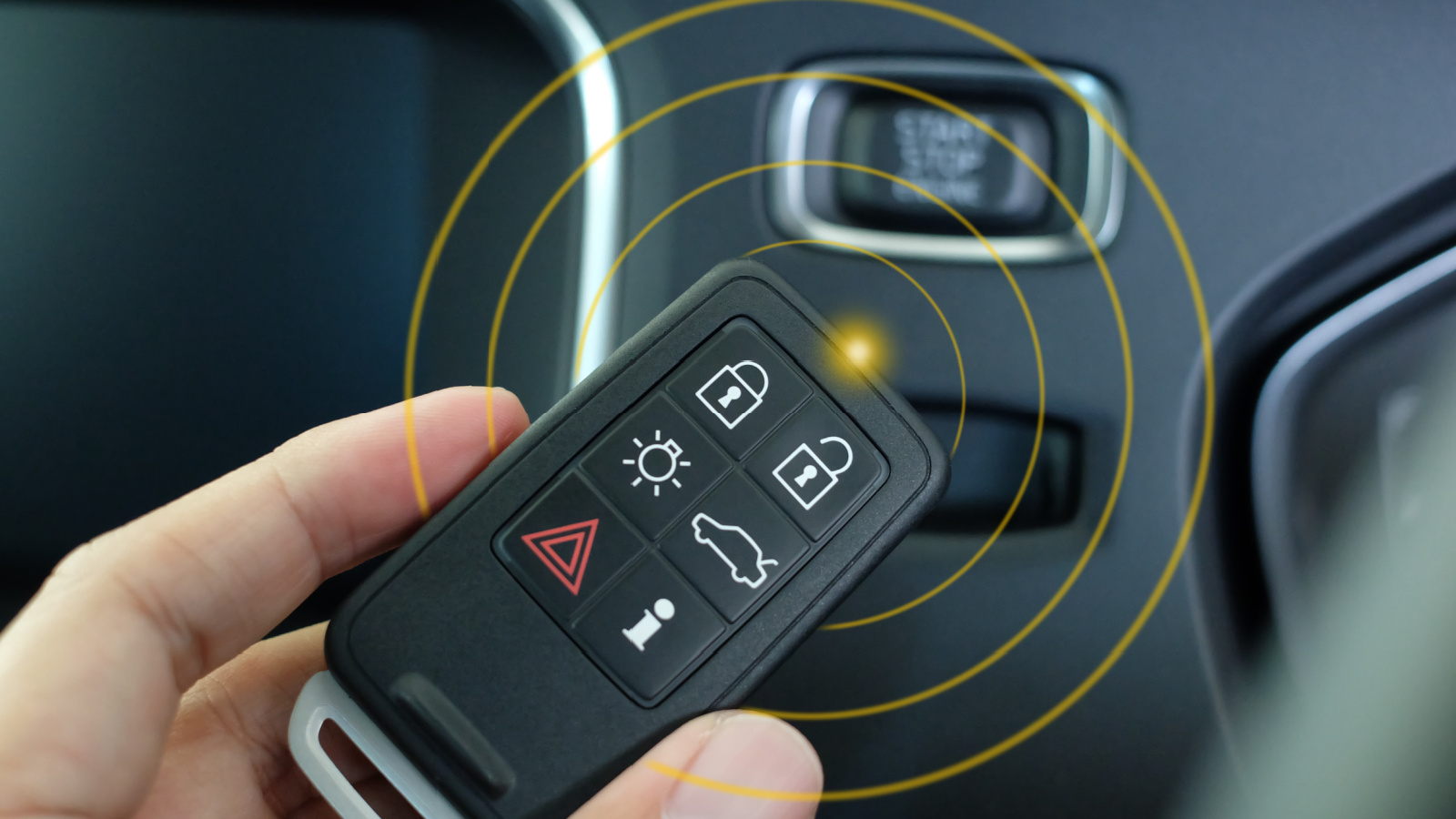
For many households, the hall table is where everything lands: mail, sunglasses, a dog leash, and the car keys. That convenience can become a weakness when the vehicle uses a smart key or passive entry system. The fob may still communicate wirelessly even when it is not being pressed, and criminals do not necessarily need to break a window or force a lock to benefit from that signal.
The risk is especially relevant when the vehicle is parked close to the home, such as in a driveway, carport, or attached garage. A key fob kept near the front door can be closer to the outside world than the owner realizes. The habit feels harmless because the keys are technically inside, yet the vehicle may still be exposed to signal-based theft attempts. A safer routine starts by moving the fob farther inside the home.
Treating Keyless Entry Like an Ordinary Remote
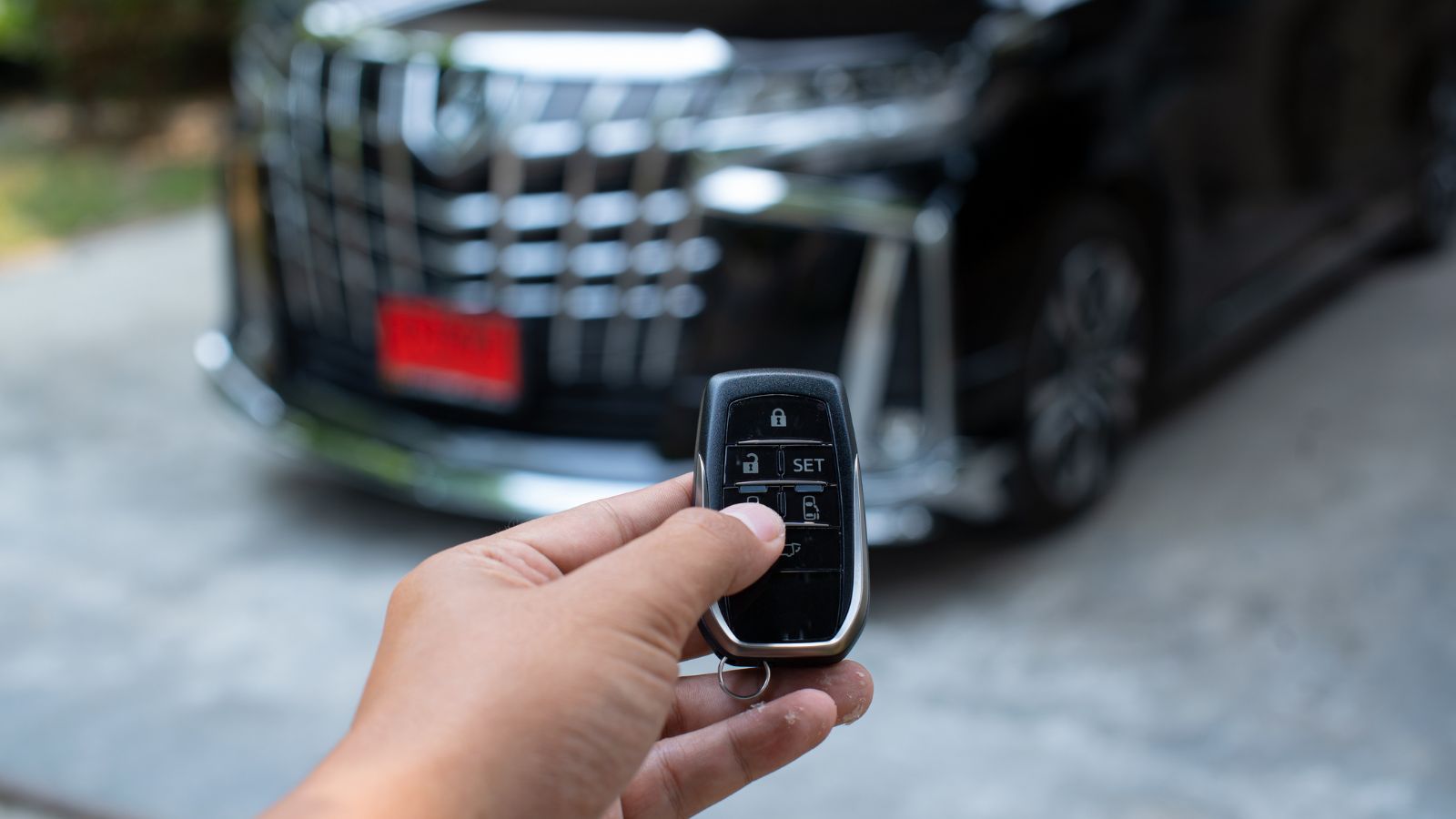
A traditional remote usually requires a button press to lock or unlock a vehicle. Passive keyless systems are different because they are built for convenience. When the fob is nearby, the vehicle may recognize it without the driver taking it out of a pocket or bag. That design is useful during a snowy grocery run, but it also changes the security equation.
The mistake is assuming every fob behaves like an older remote. Many drivers press lock, hear the chirp, and believe the job is done. In reality, the vehicle may still be listening for the fob’s presence. Security researchers have shown that keyless entry systems can struggle to distinguish a legitimate nearby fob from a relayed signal. That does not mean every vehicle is equally vulnerable, but it does mean storage habits matter more than they did with metal keys.
Forgetting the Spare Fob Still Matters
The main key fob usually gets attention because it is used every day. The spare often gets tossed into a kitchen drawer, coat pocket, backpack, or desk organizer and then forgotten. For a household with a keyless vehicle, that spare can be just as important as the everyday fob. If it is stored near an exterior wall or entrance, it may create the same kind of exposure.
Spare keys also matter when a vehicle changes hands. Used-car buyers may receive one fob and assume the story ends there, even though previous owners, family members, or dealers may once have had others. Police and security guidance often recommends reprogramming keys for used vehicles when there is uncertainty. It is not a dramatic precaution; it is basic control over who has electronic access. A spare key should be stored, shielded, and accounted for with the same care as the primary one.
Trusting a Faraday Pouch Without Testing It
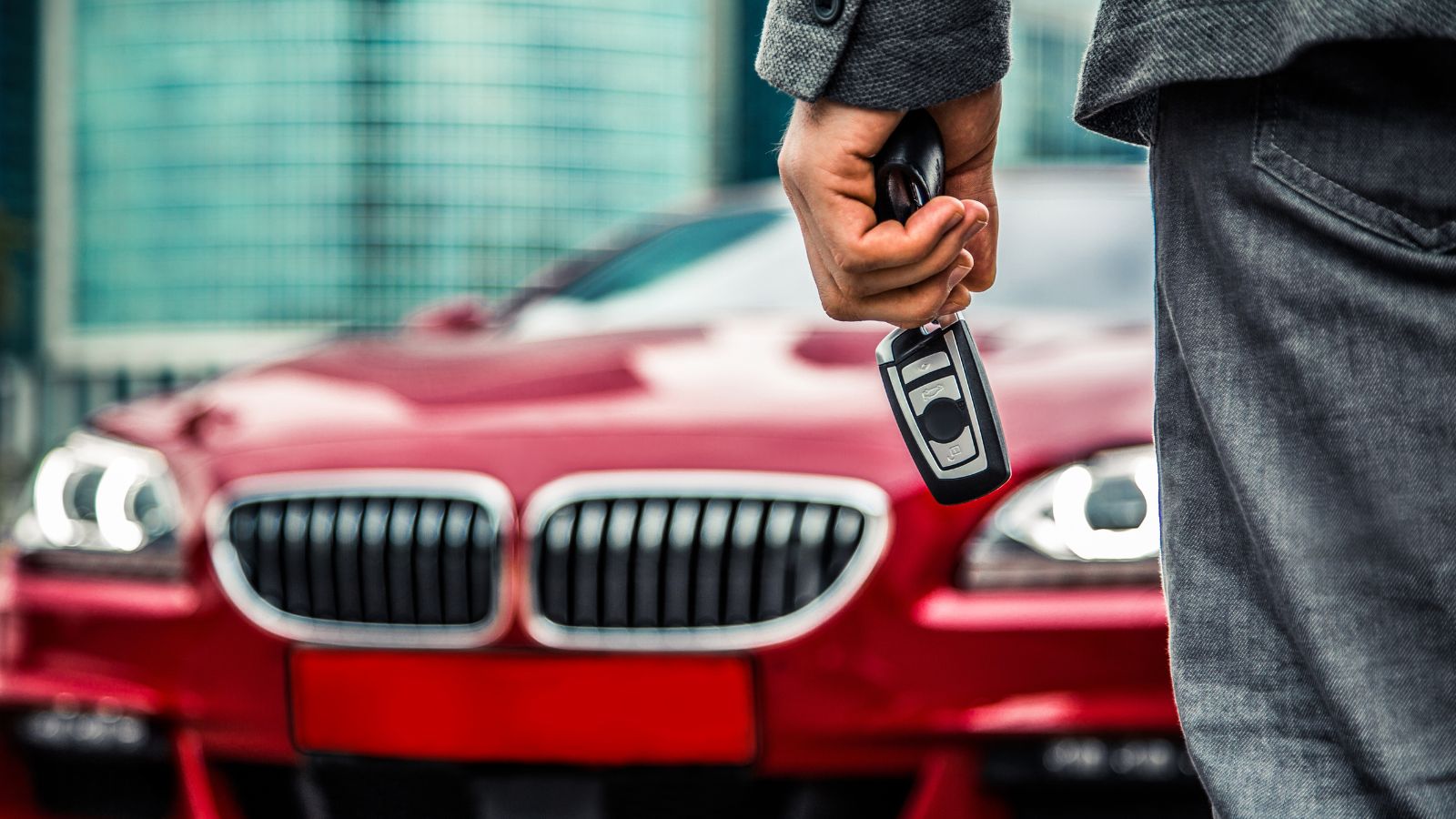
Faraday pouches and signal-blocking boxes have become common anti-theft suggestions for keyless vehicles. They are designed to block wireless signals between the key fob and the vehicle. In some Canadian communities, the issue has become serious enough that municipalities have distributed protective key-fob bags as one tool to help residents reduce theft risk.
The habit that can weaken this protection is treating the pouch like a magic container. Pouches can wear out, be left unsealed, or fail to block signals if the key is placed in the wrong compartment. A practical test is simple: put the key inside the pouch, close it properly, and approach the vehicle. If the doors still respond automatically, the pouch is not doing its job. The point is not to buy the fanciest accessory, but to make sure the chosen protection actually works.
Keeping Keys Near Windows, Garages, or Exterior Walls
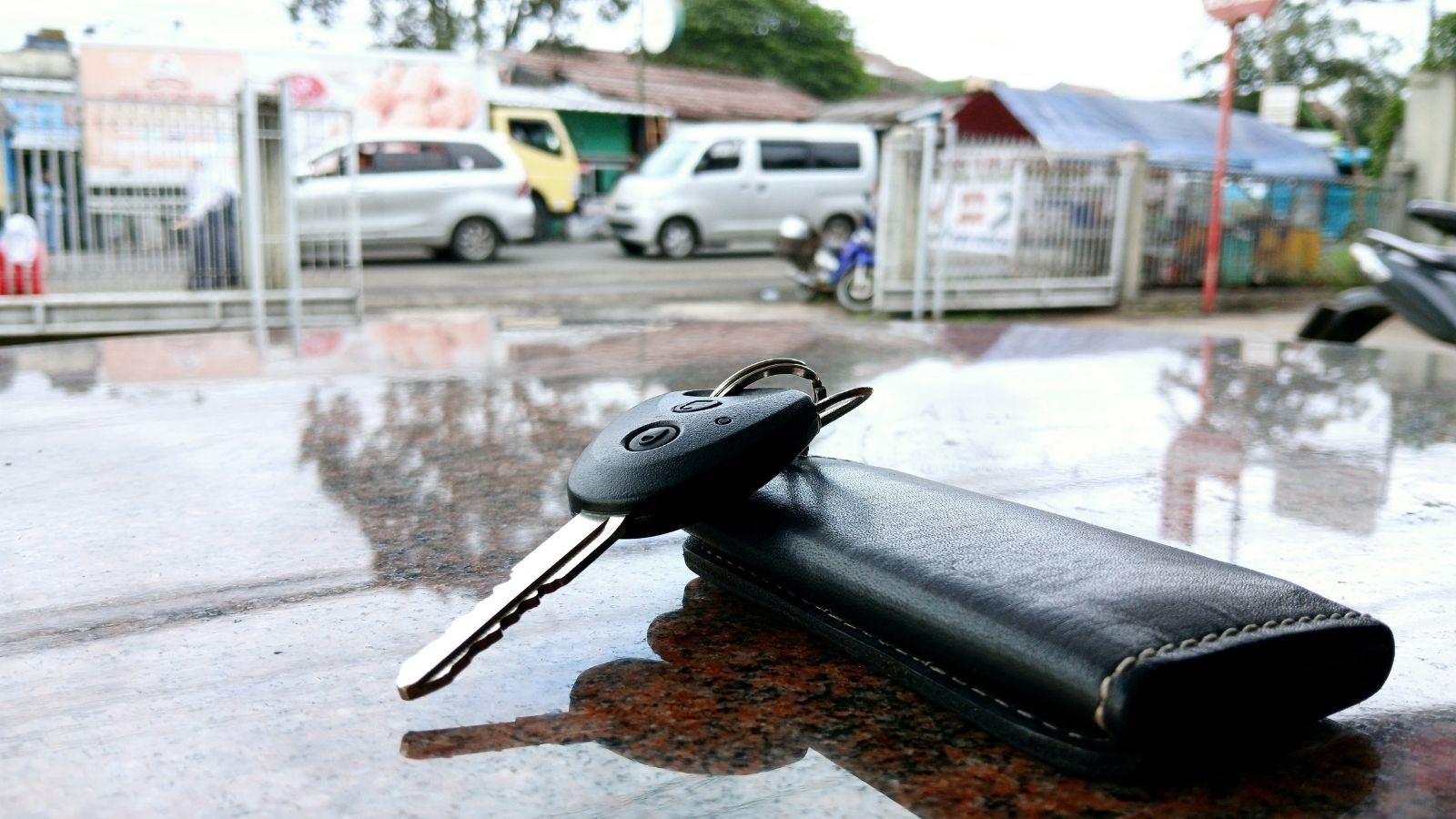
A key bowl beside a window or garage entry may feel less exposed than a front hallway, but it can still be too close to the home’s edge. The distance between the fob and the vehicle matters because relay-style theft depends on making the vehicle believe the key is nearby. A key sitting deep inside the home creates more separation than one sitting a few feet from brick, glass, or a garage door.
This matters in Canadian suburbs where driveways often place vehicles close to front rooms, mudrooms, or attached garages. A family may think the SUV is safe because the door is locked and the keys are indoors, while the fob is actually resting near the shortest path to the vehicle. Moving keys to an interior room, closed cabinet, or tested signal-blocking container can make the routine less convenient for thieves without adding much inconvenience for the driver.
Assuming a Locked Door Ends the Risk
Locking the vehicle is still essential, but with keyless systems it is not the whole story. Some stolen vehicles show little obvious damage because the theft did not rely on smashing glass or forcing a lock. That can make the incident feel especially unsettling: the vehicle was locked, the keys were inside the house, and yet it disappeared from the driveway.
This is why relying on the lock button alone can be misleading. Modern vehicle theft can involve electronic access, reprogramming attempts, and other methods that bypass the old image of a thief with a screwdriver. A locked vehicle should be treated as one layer, not the final defence. The better habit is to combine locking with smart key storage, a visible deterrent, secure parking, and attention to where the fob sleeps overnight.
Ignoring the Fob’s Sleep or Disable Setting
Some newer fobs and vehicles include settings that reduce signal exposure when the key is not being used. Depending on the make and model, a fob may have a sleep mode, motion-sensing feature, or a way to temporarily disable passive unlocking. These features are not universal, and the method can vary widely, which is why the owner’s manual or dealer guidance matters.
The habit that creates risk is never checking whether those settings exist. Many drivers spend time learning infotainment menus but never look at the security options. A fob that can stop transmitting when idle may reduce the chance that it becomes useful to someone outside the home. It does not replace careful storage, but it can add another layer. For vehicles targeted frequently in a region, a few minutes with the manual may be more valuable than another accessory.
Leaving Keys in Bags by the Door
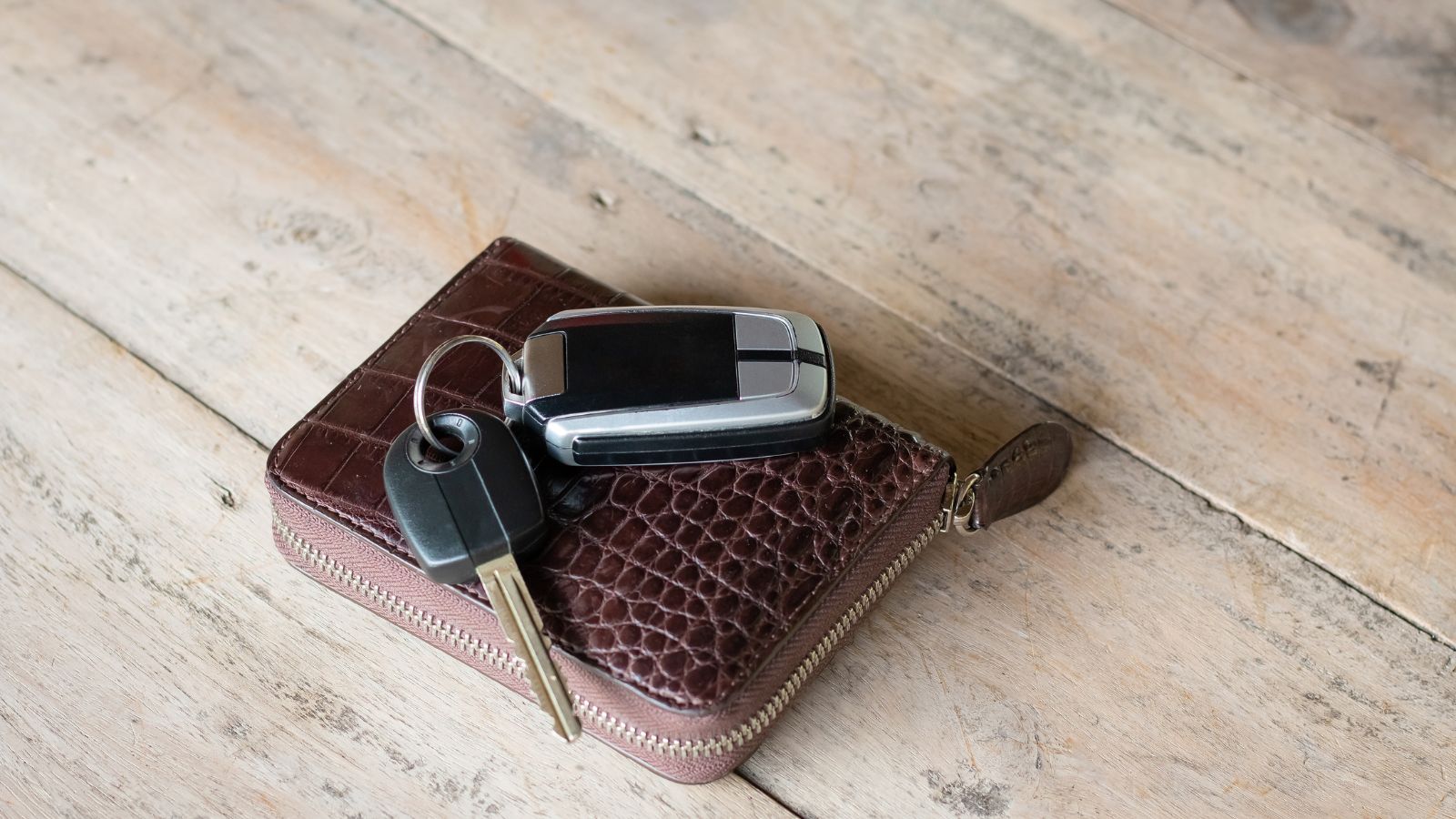
Keys are often not left loose on a table; they are left in a purse, work bag, gym bag, or coat pocket near the door. That routine is easy during weekday mornings, but it can create the same problem as a visible key hook. If the fob is near the home’s perimeter, the vehicle may still be easier to target even though the keys are technically out of sight.
There is also a practical human factor. Bags near the door are predictable. They are where people keep wallets, IDs, house keys, and sometimes vehicle ownership documents. If a break-in occurs, a thief may not need to search far. A safer habit is to separate the car fob from the entryway routine. Keeping it in a shielded pouch in an interior location can reduce both signal exposure and the chance that a quick grab turns into a vehicle theft.
Leaving Vehicle Documents With the Keys or in the Car
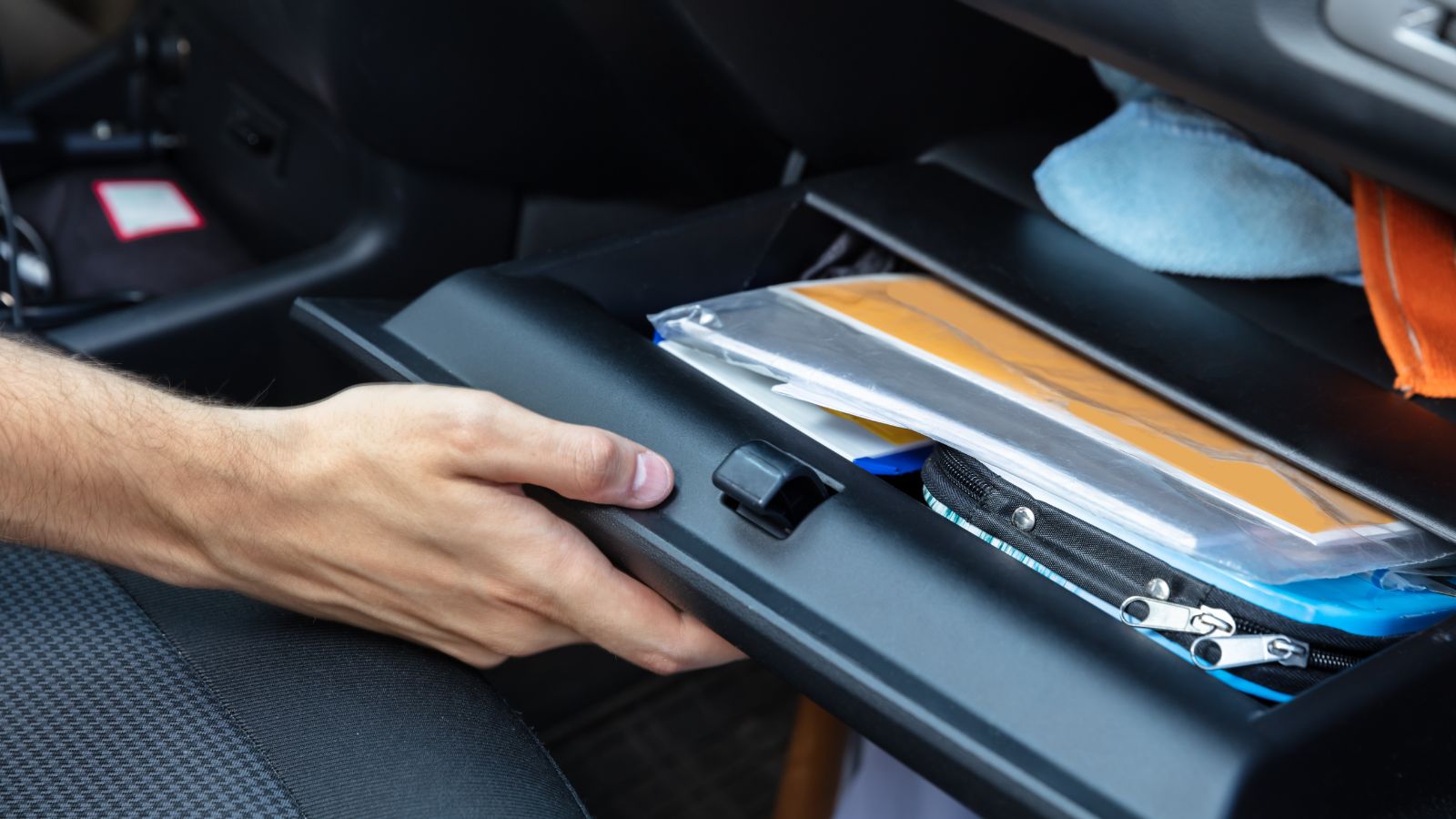
The car key habit can create a second problem when ownership papers, insurance slips, garage remotes, or address-linked documents are stored nearby or left in the vehicle. Thieves are often looking for the quickest path from access to profit. Documents can make resale fraud, identity misuse, or recovery complications more likely, depending on what is taken.
Canadian insurance and police guidance regularly advises drivers not to leave personal identification or valuables in vehicles. That advice also applies to the key zone inside the home. A tidy entry table with keys, wallet, and vehicle paperwork may look organized, but it concentrates risk in one place. Keeping documents separate, minimizing what stays inside the vehicle, and recording vehicle details in a safe place can help if a theft happens despite prevention efforts.
Depending on One Deterrent Instead of Layers
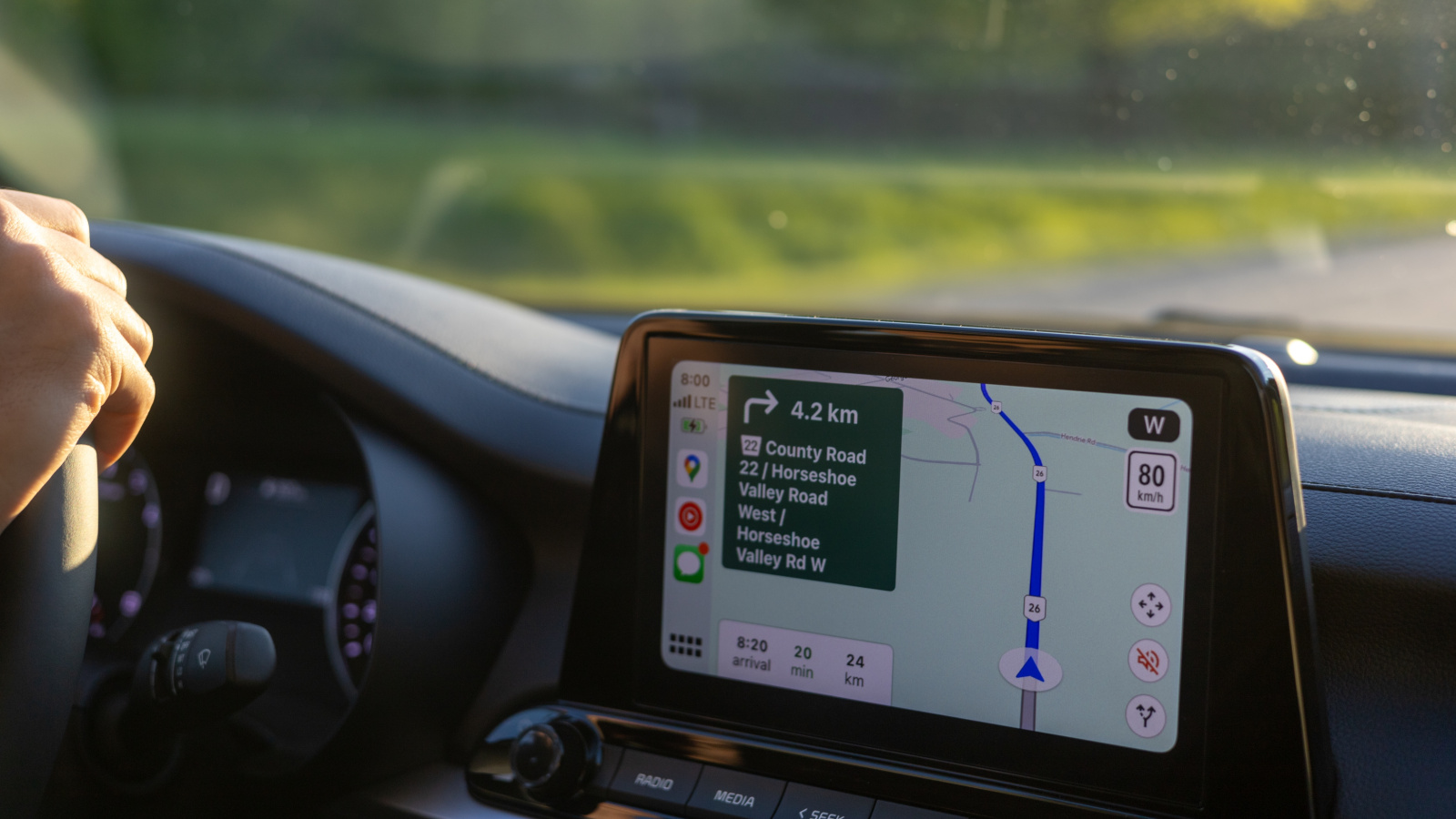
A Faraday pouch helps with one kind of risk, but it does not protect against every theft method. A steering wheel lock may discourage some thieves, but it does not change the fob’s signal. A GPS tracker may help after a theft, but it does not stop the vehicle from leaving the driveway. The strongest approach is layered because vehicle theft itself is layered.
Insurance and police sources often recommend combining several measures: secure key storage, physical deterrents, immobilizers, tracking systems, lighting, cameras, and safer parking where possible. The advantage is not that every layer is unbeatable. It is that each one adds time, uncertainty, and effort. A thief looking for an easy target may move on when a vehicle has a shielded fob, a visible wheel lock, and a driveway camera instead of just a locked door.
Overlooking Reprogramming and Diagnostic-Port Risks
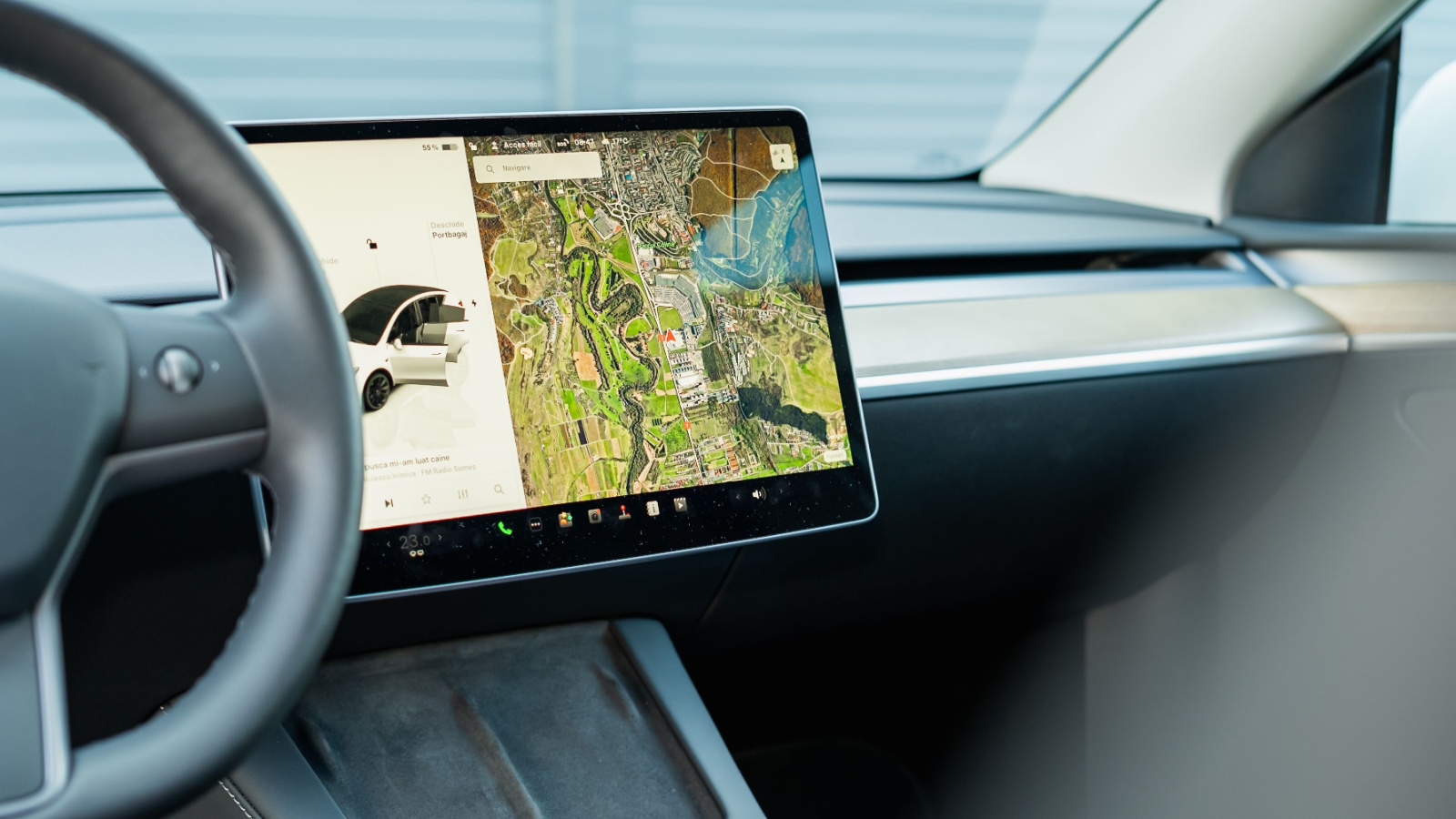
Key fob relay theft gets much of the attention, but it is not the only electronic risk. Some thefts involve attempts to access vehicle systems and program a new key. That is why police prevention advice sometimes mentions protecting the onboard diagnostic port, especially for high-end vehicles with keyless entry and push-button start.
This point matters because a driver may store the fob properly and still assume the vehicle is fully protected. In reality, modern theft can involve multiple tactics, and criminals adjust when one method becomes harder. Devices that restrict access to the diagnostic port, aftermarket immobilizers, and professional security upgrades can make the vehicle less straightforward to take. The key habit still matters, but it should sit inside a wider plan that considers how thieves may target the vehicle after they get near it.
Waiting Until Theft Happens to Change the Routine
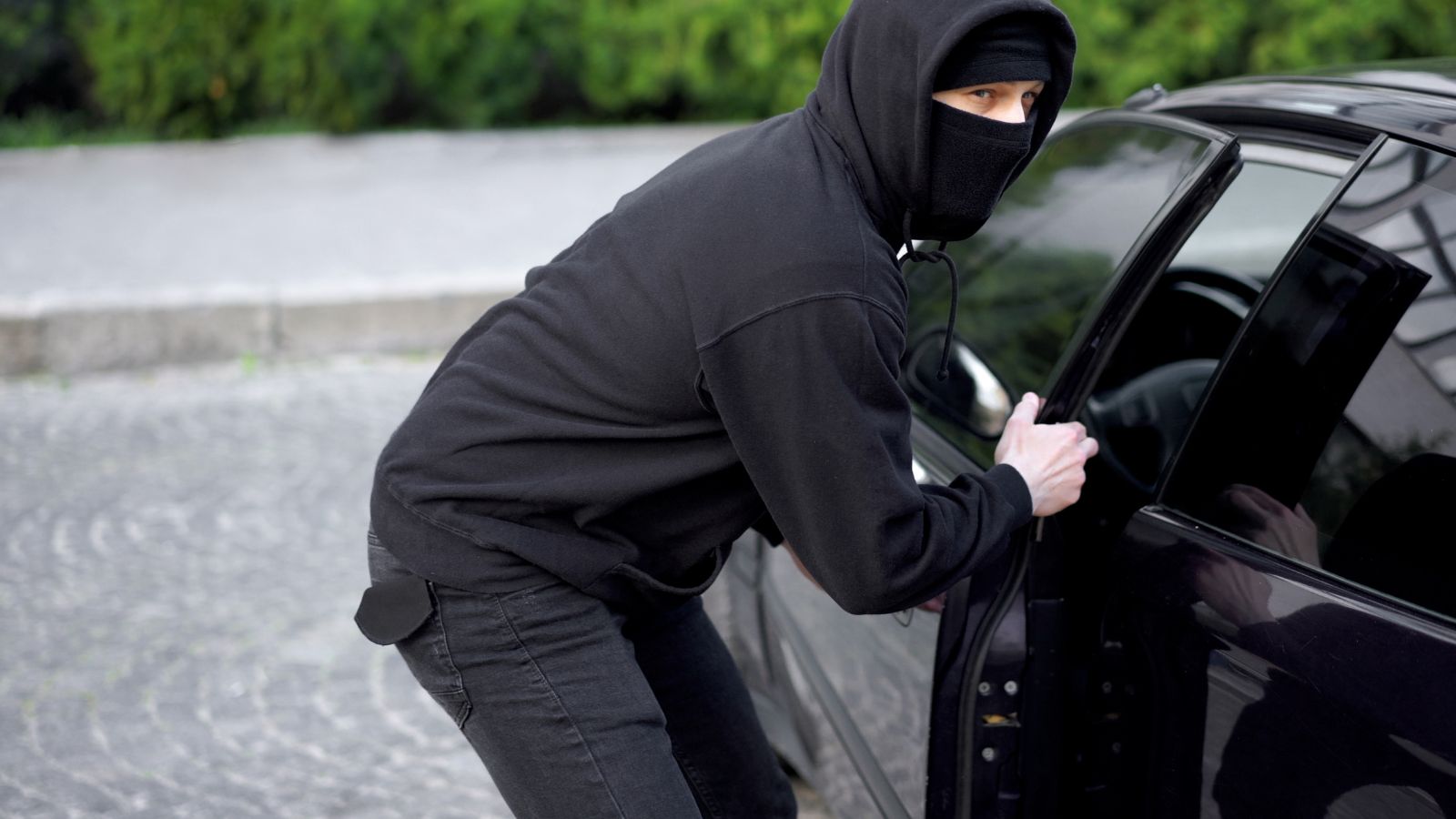
The most expensive time to rethink key storage is after a vehicle disappears. A theft can interrupt work, school drop-offs, medical appointments, and family routines long before an insurance claim is settled. National data shows vehicle theft has carried enormous claim costs in Canada, with newer and higher-value vehicles often creating stronger incentives for thieves.
A better routine is simple and repeatable: lock the vehicle, bring in all fobs, store them away from exterior walls and windows, use a tested signal-blocking container if the vehicle has passive entry, and layer visible deterrents where possible. None of these steps guarantees protection, but together they make the vehicle less convenient to steal. The car key habit is small, but in the world of keyless vehicles, small routines can make a meaningful difference.
22 Things Canadians Do to Their Cars in Spring That Mechanics Hate

Spring brings relief to many Canadian drivers after months of snow, freezing temperatures, and icy roads that put serious strain on vehicles. As temperatures rise across the country, drivers begin washing cars, switching tires, and preparing vehicles for warmer weather and upcoming road trips. However, mechanics across Canada notice the same mistakes every spring when drivers attempt to recover from winter damage. Road salt, potholes, and harsh winter driving conditions often leave vehicles with hidden problems that drivers ignore. Some spring habits even create new mechanical issues that could have been avoided with proper maintenance. Here are 22 things Canadians do to their cars in spring that mechanics hate.