


























The era of “bigger is always better” is starting to look more complicated on Canadian roads. Full-size pickups and SUVs still dominate sales, but a growing number of households are reconsidering how much vehicle they truly need for daily life. The shift is not a sudden rejection of comfort, safety, or winter confidence. It is more of a practical reset shaped by prices, fuel bills, parking, insurance, changing commutes, and smaller households.
These 12 reasons show why smaller vehicles, especially compact cars, hatchbacks, subcompact SUVs, and compact crossovers, are becoming more appealing again for some Canadians who want transportation that fits both the driveway and the budget.
Purchase Prices Have Made “Enough Vehicle” More Appealing

A smaller vehicle often begins with a smaller transaction price, and that matters when new and used vehicles remain expensive. Canadian shoppers have been seeing average new-vehicle prices above the level many households once associated with luxury models, while used prices have also stayed elevated compared with pre-pandemic expectations. That makes “just enough vehicle” feel less like settling and more like discipline.
For a commuter in Mississauga, Halifax, or Surrey, the difference between a compact crossover and a three-row SUV can affect taxes, financing, insurance, fuel, and depreciation. A smaller vehicle may not carry a hockey team or tow a camper, but it can still handle groceries, child seats, winter tires, and weekend bags. For many buyers, that everyday usefulness is now more persuasive than extra unused capacity.
Financing Costs Have Changed the Monthly-Payment Conversation

Vehicle affordability is not only about the sticker price. Financing can turn a slightly larger purchase into years of heavier monthly obligations, especially when buyers stretch loan terms to keep payments manageable. Even after rate cuts from earlier highs, borrowing costs remain a serious part of the decision for households already balancing rent, mortgages, groceries, and childcare.
That reality pushes some Canadians toward smaller models because every thousand dollars financed has a long tail. A buyer comparing a compact hatchback with a larger SUV may notice that the smaller vehicle leaves more room for winter tires, insurance deductibles, maintenance, and emergency savings. The appeal is psychological as much as financial: a right-sized payment can make ownership feel less fragile when unexpected bills arrive.
Fuel Volatility Has Put Efficiency Back in Focus

Gas prices have reminded drivers that fuel economy is not an abstract number printed on a window sticker. When gasoline rises quickly, larger and heavier vehicles become more expensive to live with almost immediately. Smaller vehicles, hybrids, and efficient compact crossovers give owners a way to reduce exposure to that volatility without giving up personal transportation entirely.
The difference is especially noticeable for drivers with predictable routines: suburban commutes, school drop-offs, delivery work, or long highway drives between smaller communities. A few litres saved per 100 kilometres may not sound dramatic during one fill-up, but it becomes meaningful over a year. In a country where many households still depend on a car, efficiency has become a form of budgeting rather than just an environmental preference.
Compact SUVs Offer a Middle Ground
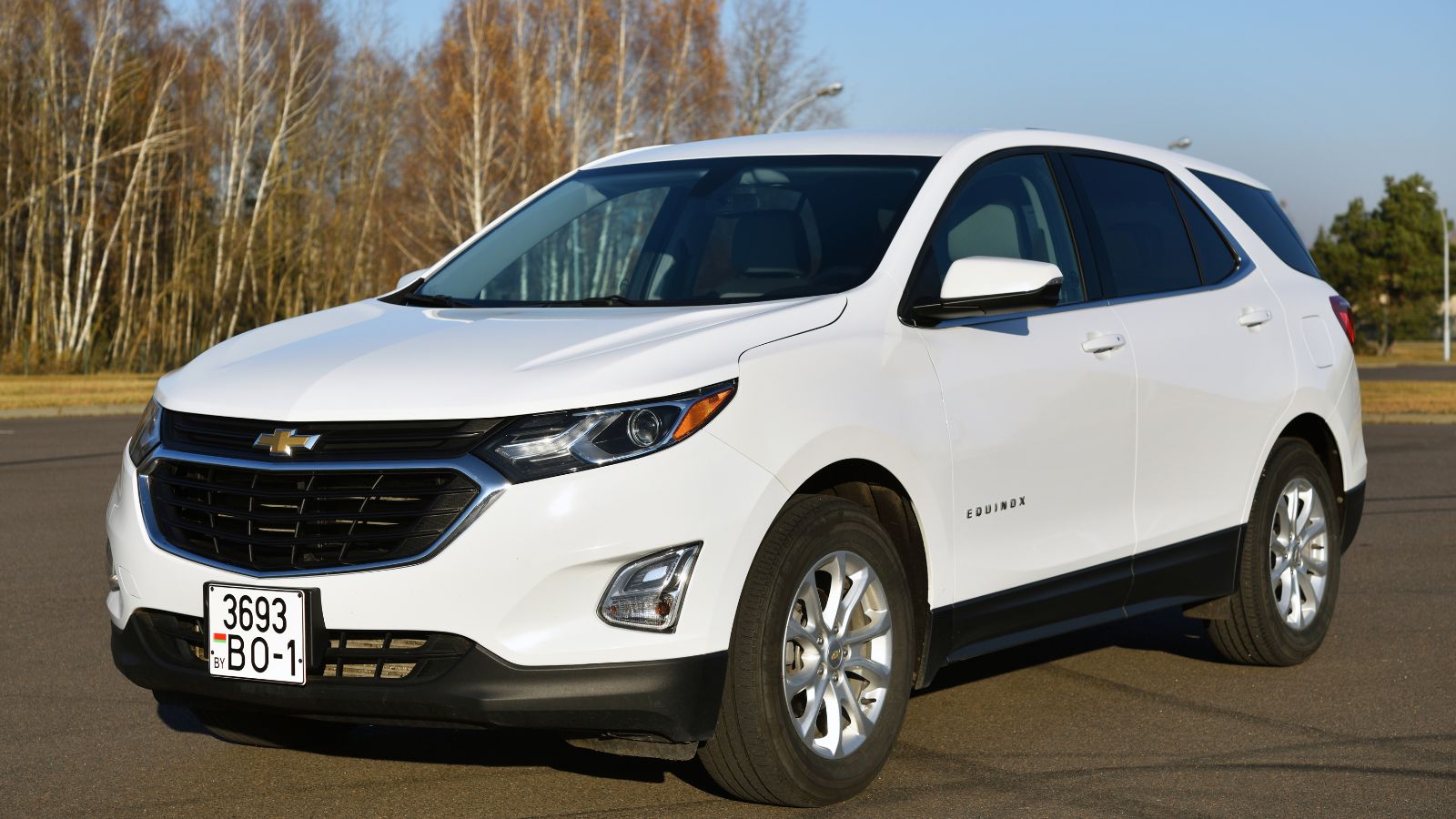
Some Canadians are not returning to tiny cars so much as moving away from oversized vehicles. Compact and subcompact SUVs have become the compromise: higher seating, available all-wheel drive, flexible cargo space, and easier parking than a full-size SUV or pickup. This explains why smaller utility vehicles can grow even while traditional passenger cars remain under pressure.
The compact SUV is often the family’s “reasonable middle child.” It feels more winter-ready than a low-slung sedan, more city-friendly than a truck, and more affordable than a luxury crossover. Models in this category can still handle Costco runs, strollers, pets, and cottage-weekend luggage. For buyers who want practicality without the footprint of a large vehicle, the smaller SUV has become the modern replacement for the old family sedan.
Insurance and Repair Costs Are Getting Harder to Ignore

Insurance premiums are affected by many factors, including driving record, location, theft risk, repair complexity, vehicle value, and parts costs. As vehicles become more expensive and more technologically complex, claims can cost more, and those costs eventually show up in premiums. Smaller vehicles are not automatically cheap to insure, but lower purchase prices and simpler trims can sometimes help.
The repair side also matters. A bumper that once absorbed a low-speed scrape may now contain sensors, cameras, radar units, wiring, and calibration requirements. A family choosing between a loaded large SUV and a modest compact model may think beyond comfort and ask what happens after a parking-lot bump. In that moment, fewer expensive components and a lower replacement value can make a smaller vehicle feel less financially risky.
City Driving Makes Smaller Footprints Feel Practical

Canada is a large country, but many Canadians live, work, and park in dense urban or suburban environments. In Toronto, Montréal, Vancouver, Ottawa, Calgary, and other busy regions, the daily challenge is often not wilderness capability but squeezing through traffic, navigating underground garages, and finding curbside parking without stress. Smaller vehicles simply fit that reality better.
The case becomes stronger when commutes are short or mixed with transit, walking, and cycling. A compact car or small crossover can feel easier to place in narrow condo garages, older neighbourhood driveways, school pickup zones, and crowded grocery-store lots. For drivers who rarely tow or haul, the convenience of a smaller footprint shows up every single day, not just during the purchase decision.
Smaller Households Need Less Vehicle

Canada’s households have changed. More people live alone, more couples live without children at home, and many families are smaller than previous generations. A vehicle built around maximum passenger and cargo space may not match the way a household actually functions most weeks. Empty seats and unused cargo room still cost money to buy, fuel, insure, and maintain.
For a retired couple in Victoria, a single professional in Ottawa, or parents whose children have moved out, downsizing a vehicle can feel like updating the home to match real life. The large SUV that once made sense for road trips, sports gear, and school schedules may now spend most days carrying one person and a laptop bag. Smaller vehicles fit the quieter, leaner rhythm of many modern households.
Changed Commuting Patterns Have Reduced the Need for Bigger Daily Drivers
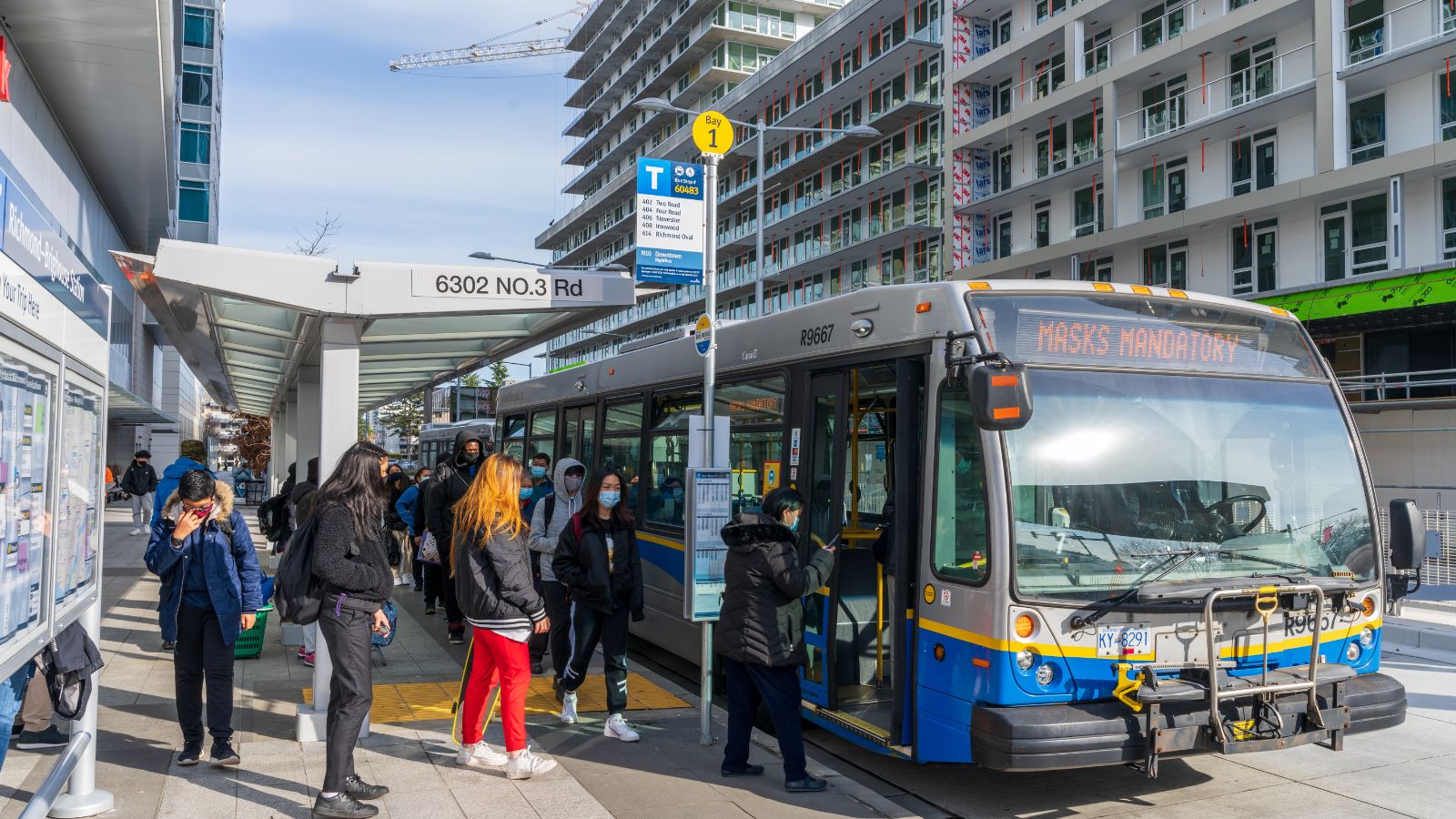
Commuting has rebounded since the height of pandemic restrictions, but work routines are still different for many Canadians. Hybrid schedules, occasional office days, and more flexible errands can make a large daily driver harder to justify. When a vehicle is used mostly for short trips, appointments, and two or three office commutes a week, fuel economy and easy parking become more valuable.
This does not mean Canadians are giving up vehicles. Car travel remains the dominant commuting mode. The shift is more subtle: some buyers are asking whether the family’s largest possible vehicle should also be the default vehicle for every small task. A smaller second vehicle, compact crossover, or efficient hatchback can cover the ordinary trips while leaving bigger hauling needs to rentals, borrowing, delivery services, or occasional alternatives.
Environmental Concerns Are Reaching the Driveway
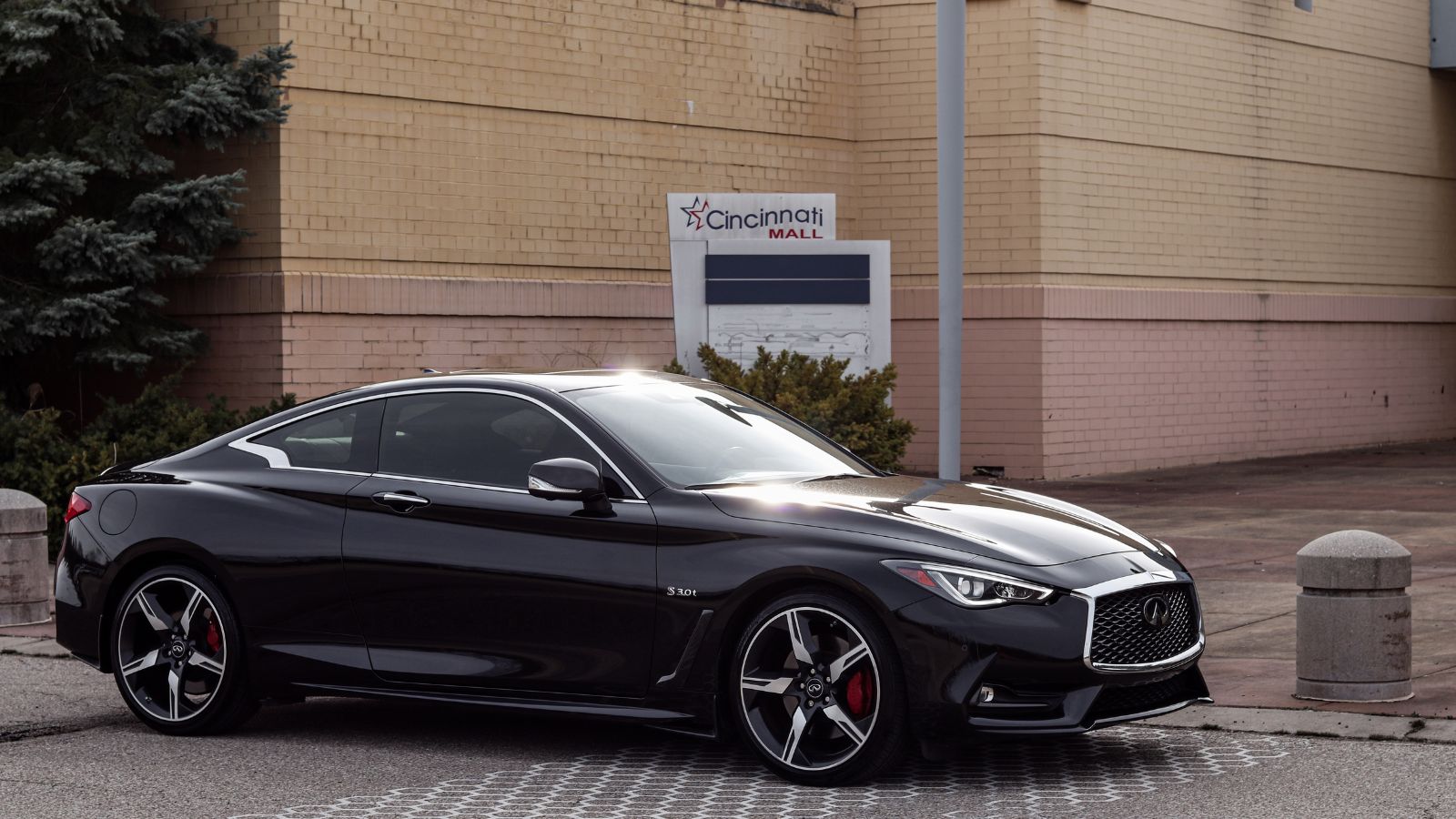
Some buyers are connecting vehicle size with emissions more directly than before. Larger vehicles generally require more energy to move, and Canada’s shift toward light trucks and SUVs has had consequences for transportation emissions. For Canadians trying to reduce household emissions without eliminating car ownership, choosing a smaller gasoline vehicle, hybrid, plug-in hybrid, or EV can be a practical step.
This motivation is often paired with cost savings rather than treated as a standalone virtue. A driver may want lower fuel bills, easier parking, and a smaller carbon footprint all at once. That combination makes efficient small vehicles appealing to people who are not necessarily activists but are tired of paying extra to move unused weight through traffic. In that sense, environmental awareness and household budgeting are starting to overlap.
Safety Conversations Are Becoming More Nuanced

For years, larger vehicles were marketed around the feeling of protection. Many buyers still value that, especially on highways and in winter. But the safety conversation has broadened. Road-safety groups have raised concerns about the height, weight, and visibility of large pickups and SUVs, particularly around pedestrians, cyclists, and children in driveways or parking lots.
A smaller vehicle can give some drivers better sightlines, easier low-speed manoeuvring, and less anxiety in tight spaces. This does not make every small vehicle safer in every crash, and safety ratings still depend on design, structure, tires, driver behaviour, and technology. Still, more Canadians are recognizing that “safe” is not only about mass. It is also about visibility, stopping distance, predictability, and fitting the environment where the vehicle is used most.
Smaller EVs and Hybrids Are Making More Sense
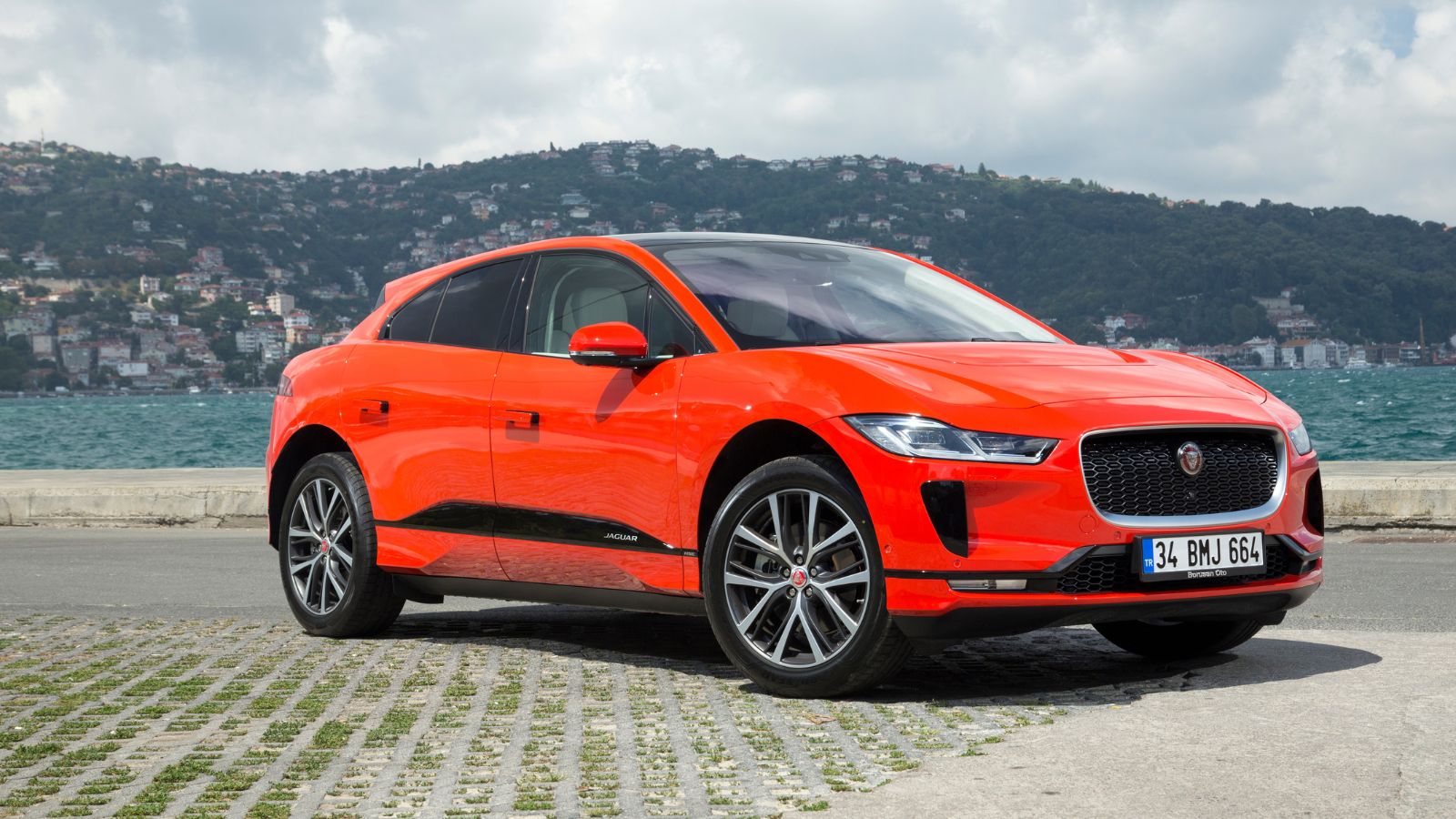
Electrified vehicles have made size even more important. Bigger EVs need larger batteries, which can add cost and weight. Smaller EVs, plug-in hybrids, and regular hybrids can make electrification feel more attainable, especially when incentives are tied to affordability and transaction-price limits. For buyers who mainly commute, charge at home, or drive predictable routes, a smaller electrified vehicle can be a better match than a large premium EV.
The same logic applies to hybrids. A compact hybrid sedan or crossover can deliver strong fuel savings without requiring charging access, which matters for apartment and condo residents. Many Canadians want lower operating costs but are not ready for a costly, oversized electric SUV. Smaller electrified options give that group a more practical bridge between old habits and new technology.
Technology Is No Longer Reserved for Big Vehicles

A decade ago, stepping down to a small vehicle often meant giving up comfort and features. That gap has narrowed. Many compact models now offer heated seats, advanced driver-assistance features, large screens, smartphone integration, adaptive cruise control, and available all-wheel drive. The smaller vehicle no longer feels as stripped-down as it once did.
This changes the emotional side of downsizing. A buyer can move from a larger older SUV into a newer compact model and still gain safety alerts, better fuel efficiency, modern infotainment, and easier manoeuvrability. For someone trading in a bulky vehicle from the 2010s, the smaller replacement may actually feel more advanced. That makes the decision easier: less size does not necessarily mean less comfort, convenience, or confidence.
Total Cost of Ownership Is Winning Over Image

The return to smaller vehicles is not only about saving money at the dealership. It is about the full ownership picture: purchase price, financing, fuel, insurance, maintenance, tires, repairs, depreciation, and parking. Once all of those costs are considered together, the prestige or perceived security of a bigger vehicle can lose some of its shine.
This is where the decision becomes quietly personal. A smaller vehicle may mean a lower payment, fewer stressful fill-ups, cheaper winter tires, and an easier time finding parking after work. It may also mean keeping more money available for travel, housing, children, retirement, or debt repayment. For some Canadians, buying smaller again is not a retreat from ambition. It is a decision to make the vehicle serve the household, not the other way around.
22 Things Canadians Do to Their Cars in Spring That Mechanics Hate

Spring brings relief to many Canadian drivers after months of snow, freezing temperatures, and icy roads that put serious strain on vehicles. As temperatures rise across the country, drivers begin washing cars, switching tires, and preparing vehicles for warmer weather and upcoming road trips. However, mechanics across Canada notice the same mistakes every spring when drivers attempt to recover from winter damage. Road salt, potholes, and harsh winter driving conditions often leave vehicles with hidden problems that drivers ignore. Some spring habits even create new mechanical issues that could have been avoided with proper maintenance. Here are 22 things Canadians do to their cars in spring that mechanics hate.