


























A newer vehicle can look cleaner, safer, and more efficient, yet the repair bay often tells a different story. What once required a wrench, a replacement part, and a short test drive may now require software access, calibration targets, diagnostic subscriptions, and brand-specific procedures. This shift does not mean older cars were always better built or cheaper to own, but it does explain why many routine repairs feel less straightforward than they used to.
Twelve reasons show how modern vehicle design has changed the repair experience: sensors, software, electrification, lightweight materials, connected systems, and tighter manufacturer procedures all play a role. The result is a car that can prevent crashes more effectively, communicate more data, and deliver better performance, while also demanding more specialized care when something goes wrong.
Sensors Turn Small Repairs Into Precision Work
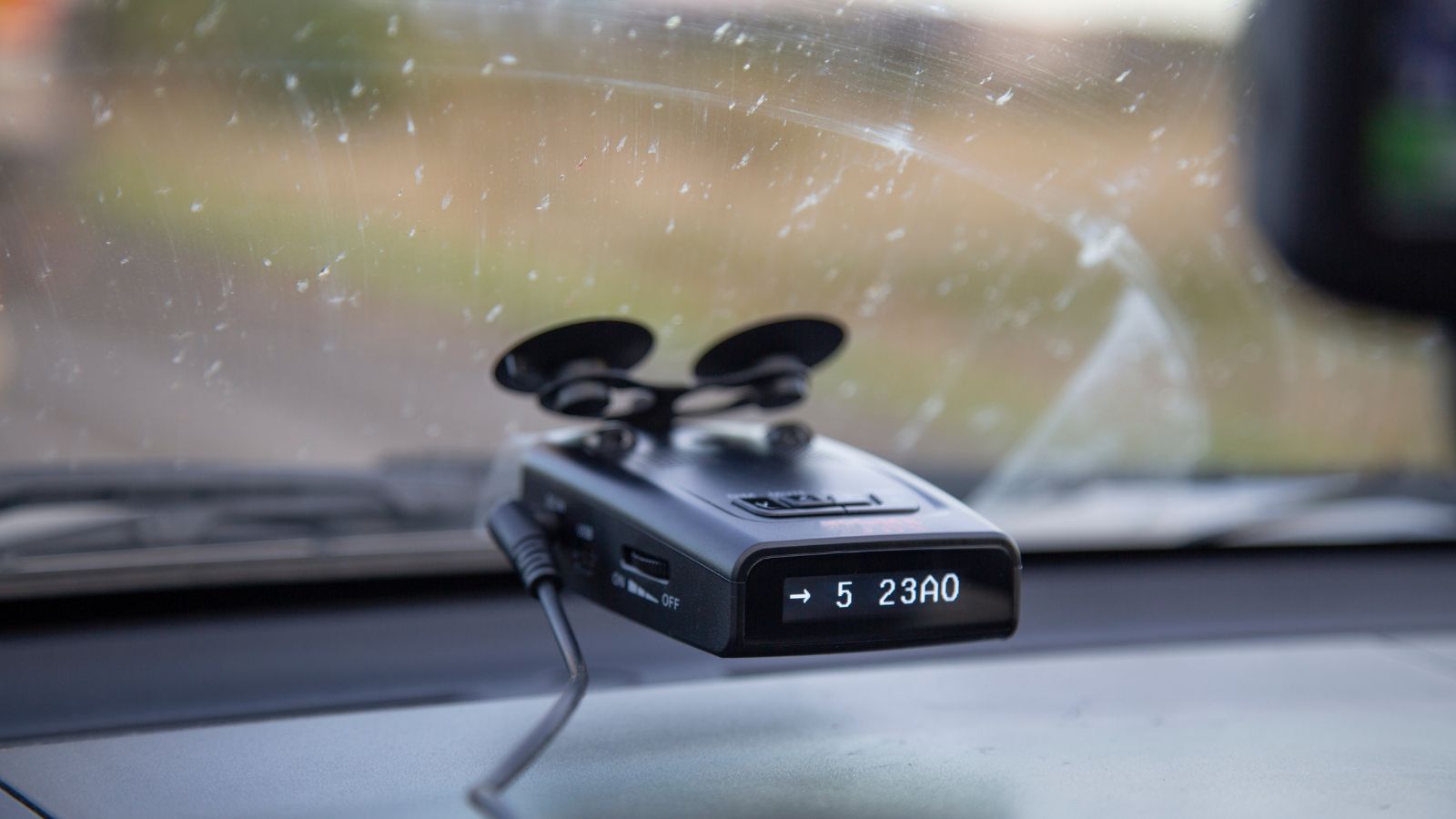
Many newer cars rely on cameras, radar units, ultrasonic sensors, and control modules to support automatic emergency braking, blind-spot warning, lane assistance, parking aids, and adaptive cruise control. These components are often placed in areas that older vehicles treated as simple bodywork: bumpers, grilles, windshields, mirrors, and liftgates. A low-speed parking scrape that once meant paint and plastic repair can now involve checking whether a sensor bracket moved by a few millimetres.
That tiny shift matters because safety systems depend on accurate aim. A camera behind the windshield or radar unit in the bumper may need recalibration after glass replacement, collision repair, suspension work, or panel alignment. A customer expecting a quick repair can be surprised when the shop explains that the car must be scanned, calibrated, and road-tested before it is considered safe to return. The repair is no longer just cosmetic; it affects how the vehicle sees the road.
Software Now Decides Whether a Repair Is Finished
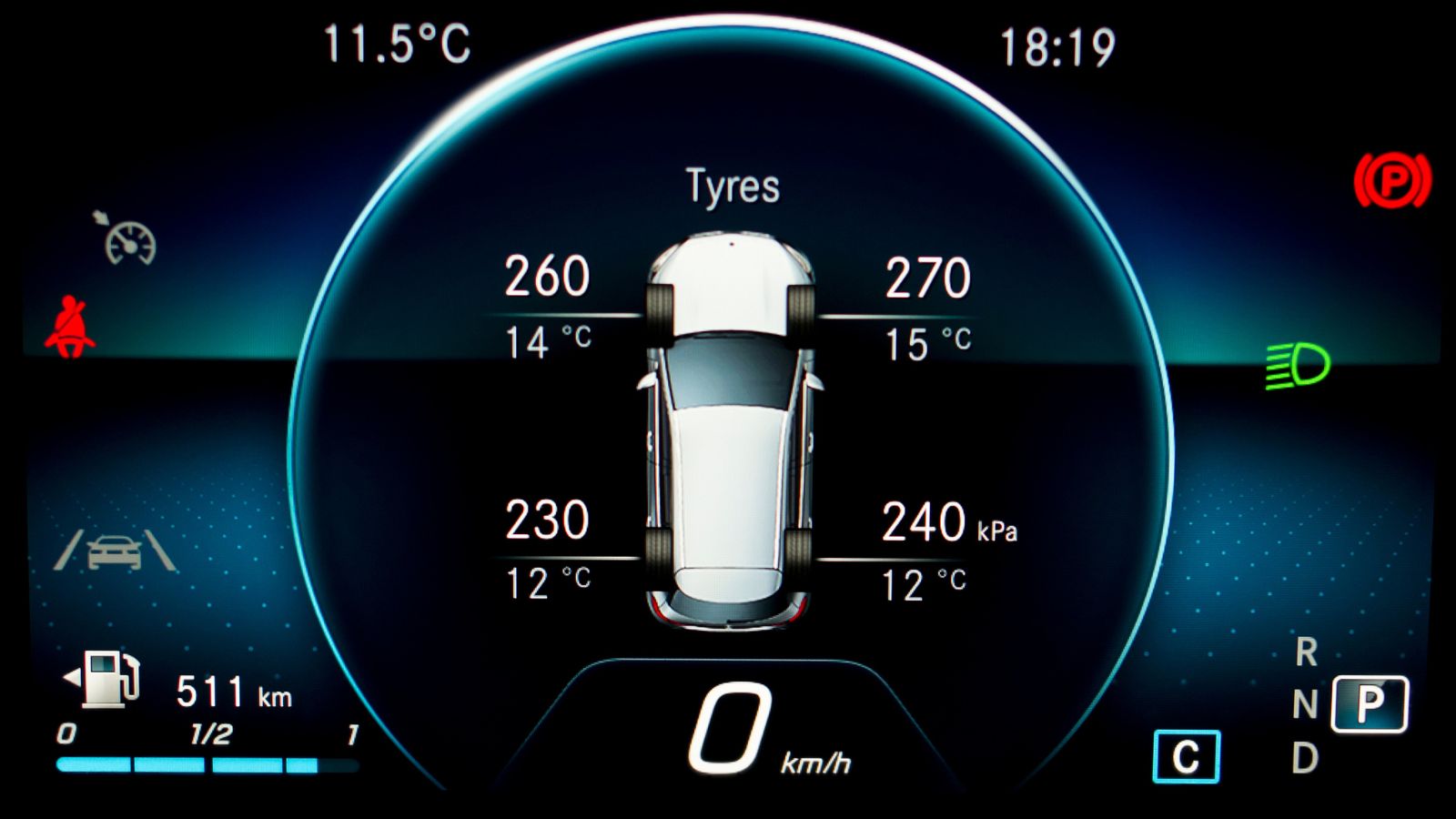
Older vehicles certainly had electronics, but many common repairs remained mostly mechanical. Newer models depend on networks of electronic control units that communicate constantly. Replacing a battery, module, headlight, door component, or sensor may not be complete until the vehicle’s software recognizes the part, stores the correct configuration, and clears system faults.
This creates a new bottleneck for repair shops. A technician may be able to physically install a component, yet still need manufacturer repair information, scan-tool access, security authorization, or programming capability to finish the job. In practical terms, a perfectly installed part can still leave warning lights on if the vehicle has not been coded or initialized correctly. That is why some repairs migrate from the lift to a laptop before the keys go back to the owner.
Over-the-Air Updates Blur the Line Between Repair and Software Support

Connected vehicles can receive software updates without visiting a service bay, which can be useful when automakers fix bugs, improve features, or address certain recalls digitally. The trade-off is that repair status can become less visible to independent shops and owners. A fault may depend not only on hardware condition but also on software version, update history, and communication with manufacturer servers.
This can make diagnosis feel less direct than it was with older models. A drivability complaint might involve a sensor, a calibration file, an update that failed, or an interaction between systems. When a car’s behaviour changes after an update, the issue may not leave the kind of obvious mechanical clue that a worn belt or leaking hose would. For drivers, the experience can feel like owning a phone on wheels; for technicians, it means repair now includes digital version control.
Electric Vehicles Add High-Voltage Safety Steps

Electric vehicles remove many traditional maintenance items, such as oil changes, exhaust parts, spark plugs, and some transmission components. However, they introduce high-voltage systems that require strict procedures. Collision work, cooling-system service, battery diagnostics, and underbody damage checks can involve de-energizing the vehicle, confirming isolation, inspecting battery enclosures, and following manufacturer safety rules before ordinary-looking work can begin.
That extra caution is not optional. A damaged battery case, coolant leak near electrical components, or compromised high-voltage cable can create safety risks that do not exist in the same way on older gas-powered cars. Repair shops must invest in insulated tools, protective equipment, battery-handling procedures, and technician training. Even when the final fix is modest, the inspection and safety process may be longer, more documented, and more expensive than owners expect.
Lightweight Materials Are Harder to Treat Like Ordinary Steel
Modern vehicles use more advanced high-strength steel, aluminum, magnesium, composites, and bonded structures to reduce weight while maintaining crash performance. These materials help automakers meet efficiency and safety goals, but they change the repair decision. A panel that looks repairable may have limits on heating, straightening, sectioning, welding, or drilling, depending on its material and location in the structure.
This is where older repair habits can become risky. Traditional body repair often relied on technician judgment, heat, pulling, and welding. Newer vehicles may require adhesive bonding, rivets, specific weld types, corrosion protection steps, or complete part replacement. A B-pillar, rocker panel, or battery tray is not just metal; it is part of a crash-energy system. If repaired incorrectly, it may not behave as designed in a future crash, even if the vehicle looks fine from the outside.
Calibration Can Follow Repairs That Used to Be Routine
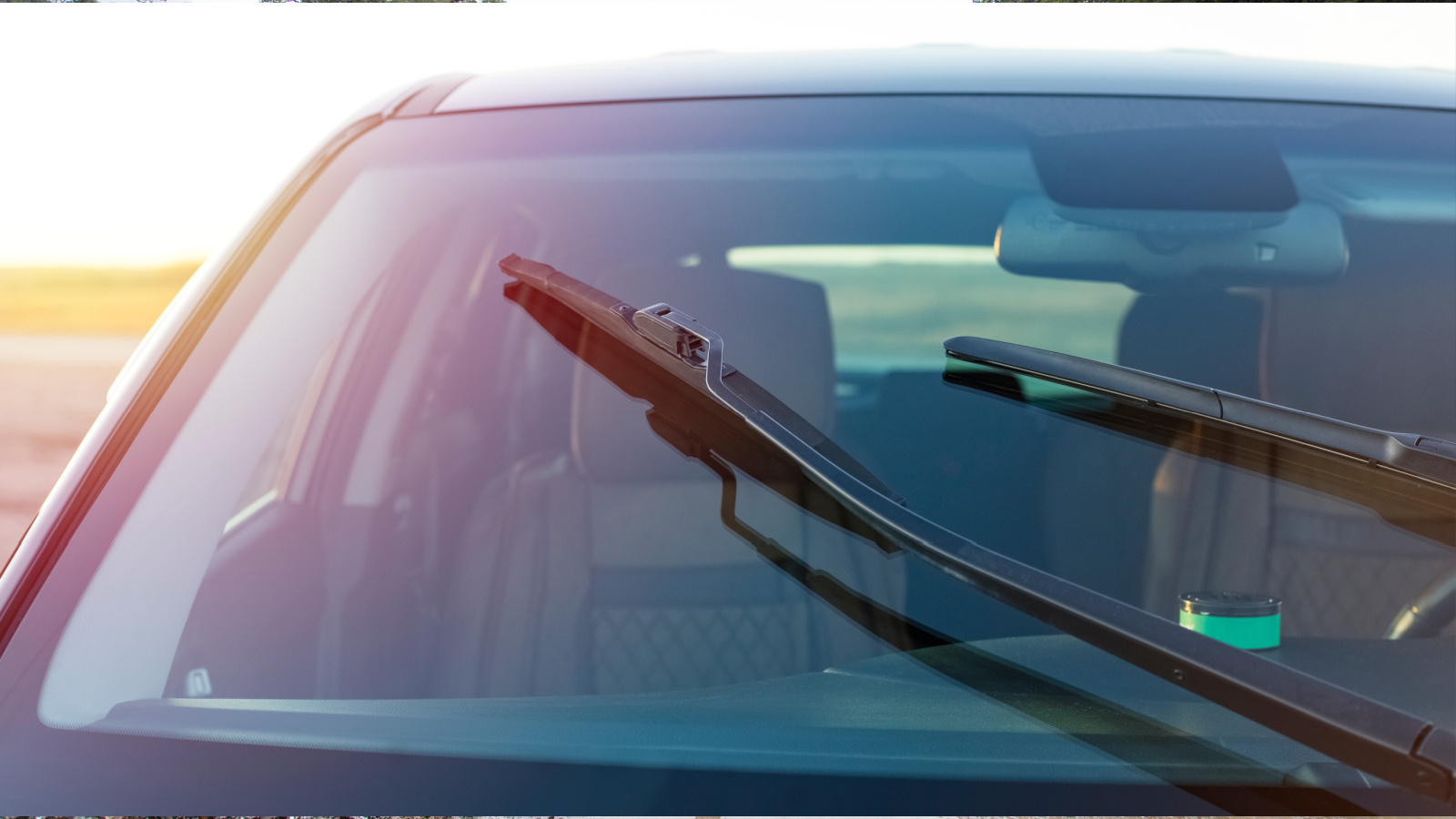
A windshield replacement once centered on glass fit, sealing, and leak prevention. Now, a camera mounted near the rearview mirror may also need recalibration. A wheel alignment once focused on tire wear and steering feel; now, it can affect lane-keeping systems. Even a bumper repair can disturb radar units used for adaptive cruise control or emergency braking.
This adds time because calibration is a controlled process. Some vehicles require static calibration in a shop using targets placed at precise distances. Others require dynamic calibration on specific road conditions at certain speeds. A technician may need a clean shop space, level floor, scan equipment, approved targets, and careful documentation. For the owner, this can make a familiar repair feel unusually formal. For the shop, it means a simple service can become a safety-system procedure.
Parts Are Often Integrated Into Expensive Assemblies

Older cars often had simpler, separate components. A mirror was largely a mirror, a bumper was mostly a bumper, and a headlight was primarily a lamp. Many newer parts combine cameras, heaters, motors, sensors, turn signals, memory functions, blind-spot indicators, and control electronics into a single assembly. When one feature is damaged, the whole unit may need replacement.
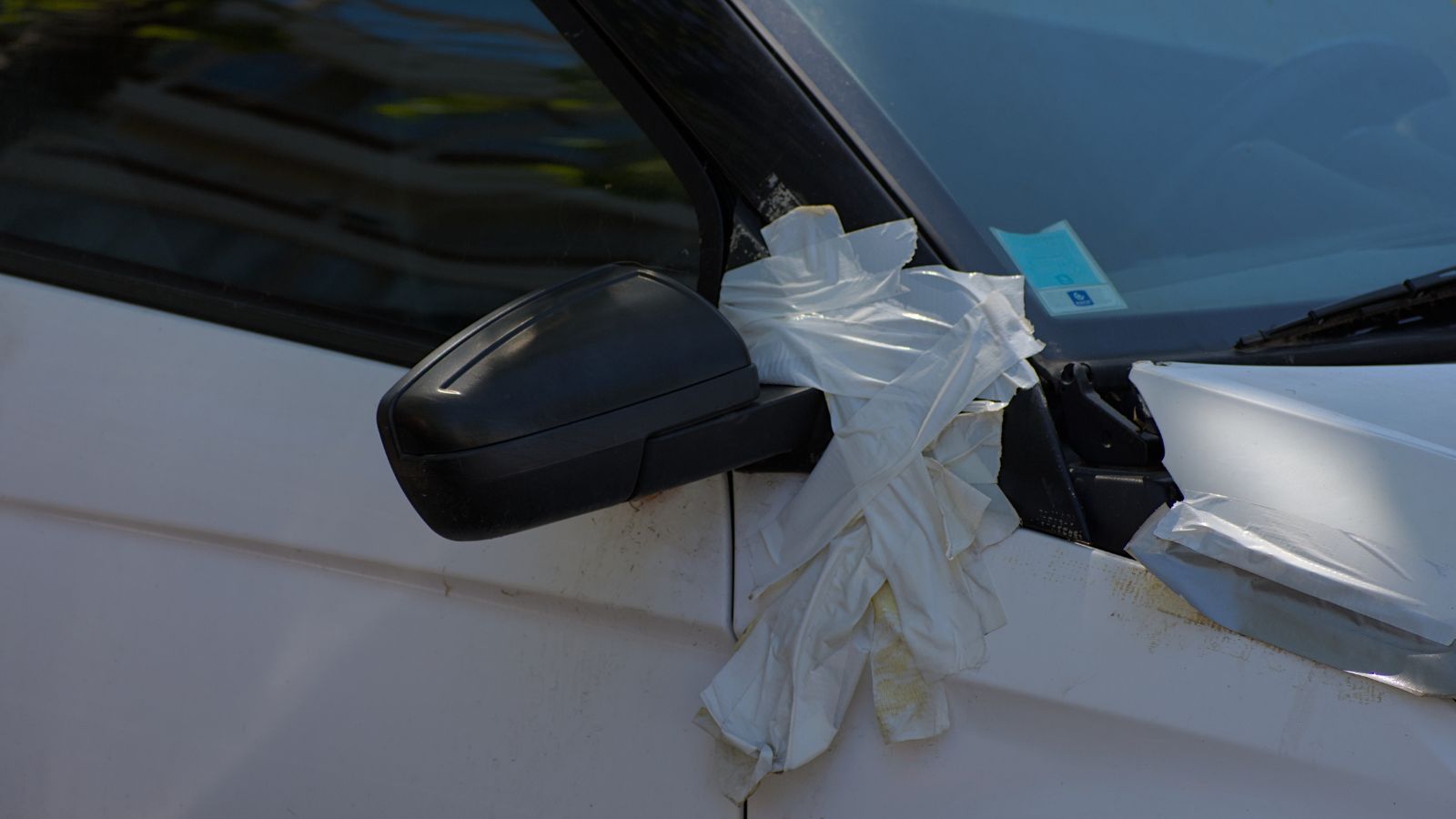
This is why a clipped side mirror can produce a surprisingly large estimate. The broken outer shell may be only part of the story. Inside the assembly may be a camera tied to a 360-degree view system, a blind-spot warning indicator, a power-fold motor, and a heating element. The repair may also require programming or calibration afterward. The result feels disproportionate: a small visible impact can damage a component that carries several hidden functions.
Pre-Repair and Post-Repair Scans Are Becoming Normal
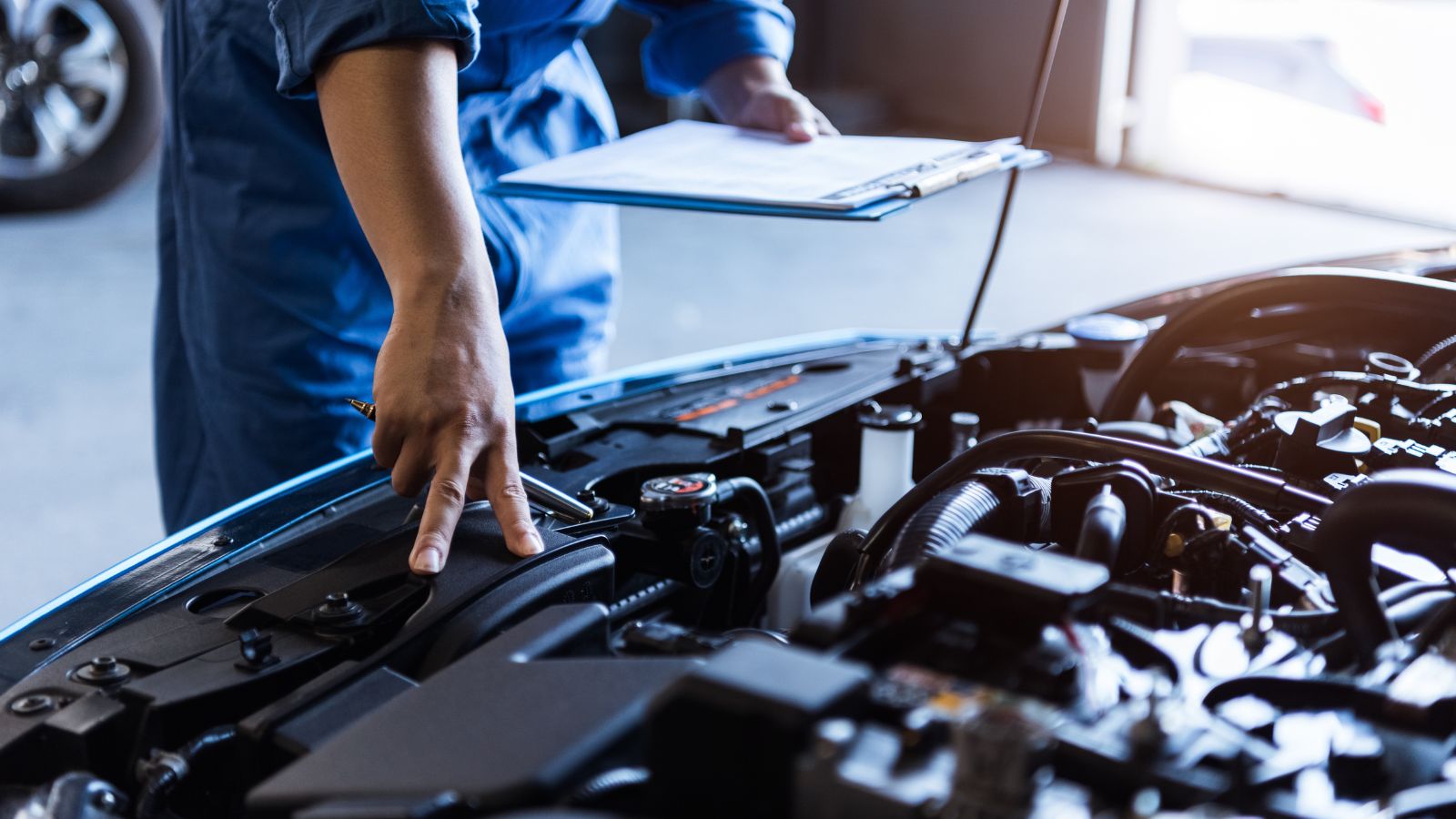
A warning light is no longer the only clue that a vehicle has a problem. Modern cars can store fault codes in modules that do not always display a dashboard alert. After a collision, a shop may scan the vehicle before repairs to identify hidden faults, then scan again afterward to confirm that systems are communicating properly. This is especially important when restraint systems, driver-assistance features, lighting modules, parking sensors, or networked components are involved.
Older cars could often be evaluated with a visual inspection and a road test. Newer ones need digital confirmation. A bumper may fit perfectly, but a parking sensor can still be offline. A repaired wheel area may look normal, but a stability-control module may still show a stored fault. The scan does not replace skilled inspection, but it adds a layer of evidence that repairs were completed correctly.
Cybersecurity Gateways Add Another Layer of Access
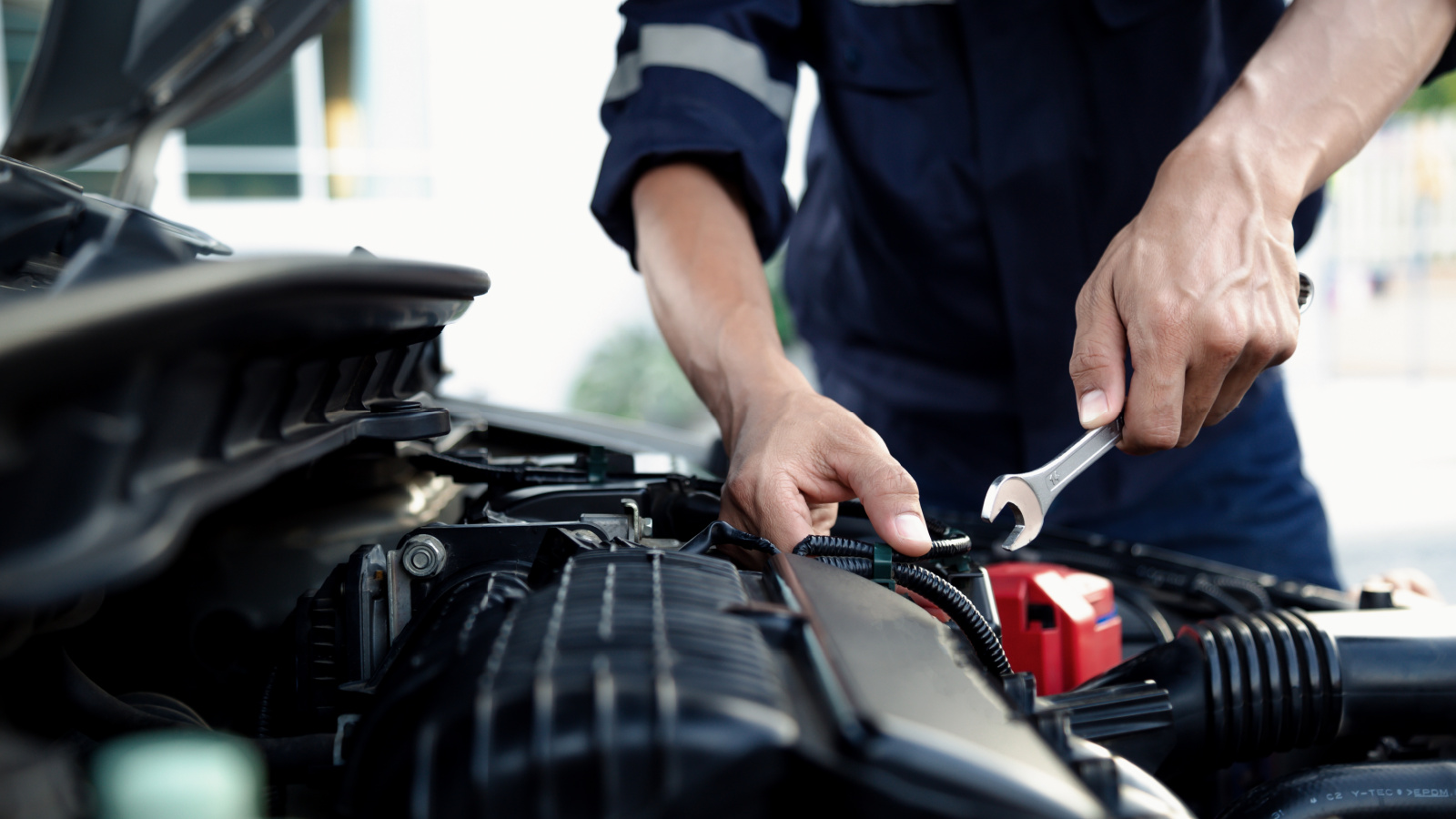
As cars have become connected, automakers have added security protections to prevent unauthorized access to vehicle networks. That makes sense because diagnostic tools can do powerful things, including clearing faults, activating components, programming modules, and in some cases changing safety-critical settings. The same access that helps a technician can also create risk if misused.
The complication is that security protections can slow legitimate repair. A shop may need to authenticate through a manufacturer portal, use approved tools, maintain subscriptions, or document technician credentials before certain functions unlock. This can affect independent shops most sharply, especially smaller ones that service many brands. The old expectation of plugging in a generic scanner and having full access is fading. Newer vehicles increasingly require both mechanical skill and digital authorization.
Parts Availability Can Be More Specific Than Owners Expect
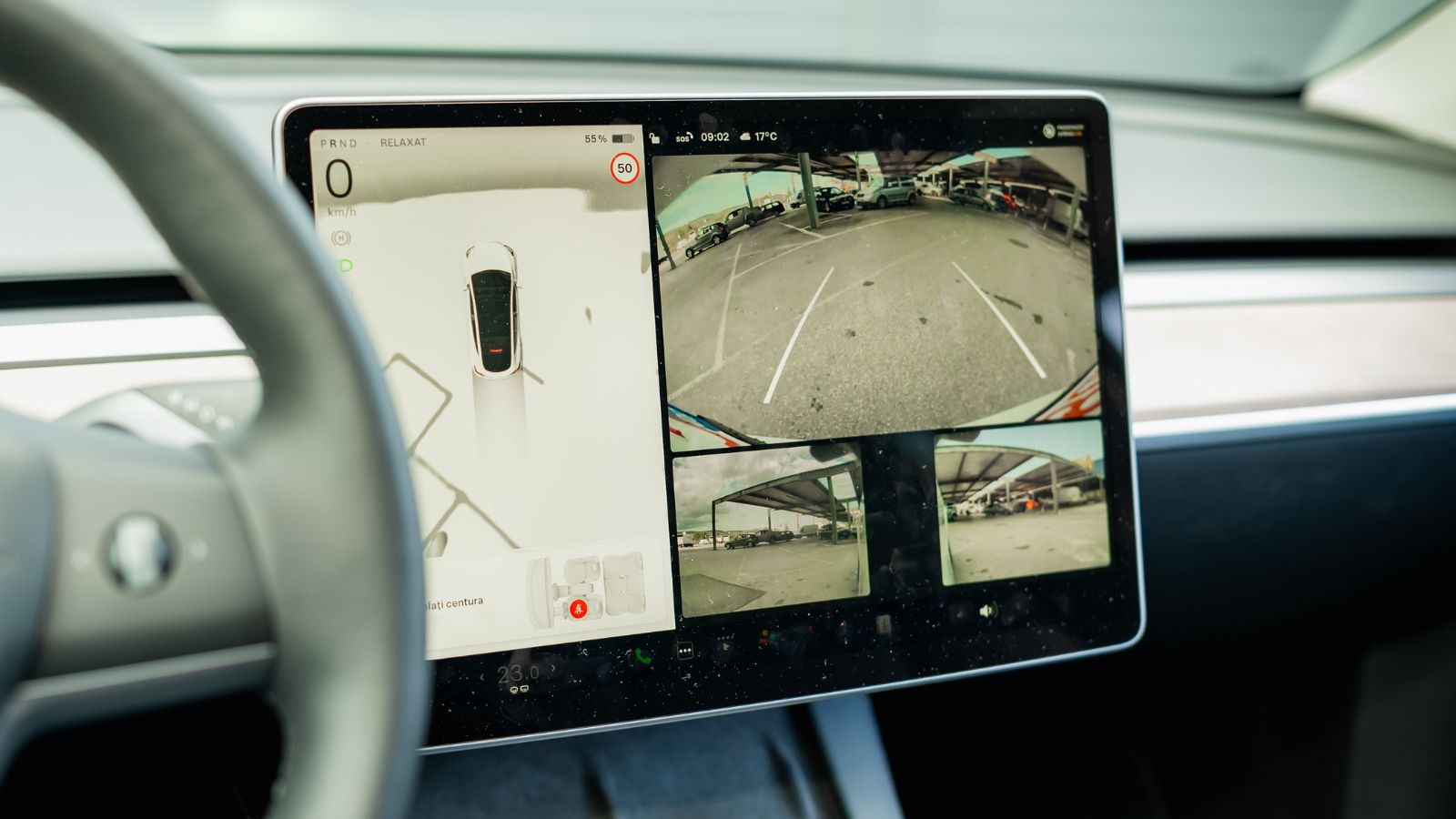
A modern replacement part may need to match not just the make and model, but the trim, production date, software level, driver-assistance package, market region, and option code. Two vehicles that look nearly identical on a lot may use different sensors, headlights, harnesses, brackets, or control modules. That specificity can delay repairs when the correct part is backordered or when a shop must confirm compatibility before installation.
This is especially frustrating after a minor collision. An owner may see a cracked grille or damaged lamp and expect a quick swap. The repairer may have to verify whether the part includes radar provisions, camera mounts, adaptive lighting, heating elements, or calibration requirements. Ordering the wrong version can waste days. Older vehicles could still suffer from parts shortages, but modern option complexity increases the chance that “almost the same part” is not close enough.
Infotainment Problems Can Behave Like Computer Problems
Modern cabins rely heavily on screens, phone integration, wireless charging, Bluetooth, navigation, apps, voice control, and cloud-connected services. These features may not stop the vehicle from driving, but they shape how owners experience reliability. A frozen screen, failed phone connection, blank camera display, or update glitch can send a car to the shop even when the engine and brakes are fine.
The repair path can be awkward because the cause may be software, hardware, compatibility, signal quality, or user settings. A technician might have to check update history, reset modules, test phones, verify subscriptions, or reproduce an intermittent fault. Older cars had their own electrical headaches, but fewer everyday functions depended on a central screen. In many newer models, a software issue can affect climate controls, cameras, audio, navigation, and vehicle settings all at once.
The Skill and Equipment Gap Keeps Growing

Modern vehicle repair increasingly demands scan tools, calibration equipment, subscription databases, insulated EV tools, structural measuring systems, OEM procedures, and ongoing training. A well-run shop can adapt, but the investment is significant. That is one reason a repair that older models handled locally and quickly may now be referred to a dealership, calibration centre, glass specialist, EV-certified facility, or brand-certified collision shop.
This does not mean older cars are automatically cheaper or safer to keep. Rust, worn parts, outdated safety equipment, and poor maintenance can make them expensive in different ways. The difference is that older models often expose their problems more plainly. Newer cars hide more intelligence inside sensors, software, networks, and sealed assemblies. Repairing them properly is less about guessing and more about following the exact technical path the vehicle requires.
22 Things Canadians Do to Their Cars in Spring That Mechanics Hate

Spring brings relief to many Canadian drivers after months of snow, freezing temperatures, and icy roads that put serious strain on vehicles. As temperatures rise across the country, drivers begin washing cars, switching tires, and preparing vehicles for warmer weather and upcoming road trips. However, mechanics across Canada notice the same mistakes every spring when drivers attempt to recover from winter damage. Road salt, potholes, and harsh winter driving conditions often leave vehicles with hidden problems that drivers ignore. Some spring habits even create new mechanical issues that could have been avoided with proper maintenance. Here are 22 things Canadians do to their cars in spring that mechanics hate.