





















• About
  • Contact
AutoIgloo
  • News & Trends
    27 Things Canadian Drivers Should Do Before Pothole Season Destroys Their Suspension

    15 Signs Your Vehicle Is Becoming Too Expensive to Keep

    19 Things to Photograph Immediately After a Car Accident

    19 Things to Photograph Immediately After a Car Accident

    18 Auto Repairs Canadians Keep Putting Off Until the Bill Gets Ugly

    Washington’s 50% American-Made Auto Demand Crosses a Red Line for Canada

    9 Auto Brands Canadians Are Watching Much More Closely Right Now

    Toyota Canada Says Electrified Vehicles Are Now Nearly 70% of Its Q2 Sales

    25 EV Charging Mistakes Canadians Make in March (That Wreck Range)

    Ottawa Orders New Study on Whether Canada’s EV Grid Can Handle the Next Wave of Chargers

    9 Auto Brands Canadians Are Watching Much More Closely Right Now

    Subaru Cuts Canadian Solterra EV by $4,500 as Dealers Chase Nervous Buyers

  • Car Reviews
    21 Cars Canadians Are Starting to Regret Buying

    Why Some Drivers Regret Buying Big Wheels and Low-Profile Tires

    17 Vehicles That Are Quietly Getting Crushed by Insurance Costs in Canada

    Why So Many Drivers Are Nervous About Chinese-Made EV Batteries

    20 Used SUVs Canadians Should Think Twice About Buying

    20 Used SUVs Canadians Should Think Twice About Buying

    15 Vehicles That Are Starting to Feel Like a Bad Deal Around May Long Weekend

    15 Vehicles That Are Starting to Feel Like a Bad Deal Around May Long Weekend

    15 Vehicles That Are Starting to Scare Off Canadian Buyers

    15 Vehicles That Are Starting to Scare Off Canadian Buyers

    25 Vehicles That Make the Most Sense for Canadian Families in 2026

    16 Vehicles That Suddenly Look Smart for a Canadian Summer Road Trip

  • Buying Guides
    19 Things That Can Make Your Car Insurance Claim Get Denied

    Why Your Car Payment Is Only the Beginning of the Real Cost

    23 Features That Are Making New Cars Harder (and Pricier) to Repair in Canada

    21 Used Car Features That Can Become Expensive Problems Later

    17 Car Scams Canadians Should Watch for Before Sending a Deposit

    Why Car Dealership Trade-In Offers Can Change After You Arrive

    19 Things That Can Make Your Car Insurance Claim Get Denied

    20 Questions to Ask Before Letting a Car Dealership Run Your Credit

    20 Signs a Used Car Was Abused Before It Hit the Lot

    22 Signs a Car Has Been in a Serious Crash Even if the Report Looks Clean

    20 Signs a Used Car Was Abused Before It Hit the Lot

    20 Signs a Used Car Was Abused Before It Hit the Lot

  • Comparisons
    Canada’s Auto Fight Gets Uglier as BYD Threatens to Sue Trump Administration

    Tesla Vs. BYD: Are Chinese EV’s Actually Better for Canadians?

    17 Vehicles That Are Quietly Getting Crushed by Insurance Costs in Canada

    Why So Many Drivers Are Nervous About Chinese-Made EV Batteries

    20 Used SUVs Canadians Should Think Twice About Buying

    20 Used SUVs Canadians Should Think Twice About Buying

    16 Cars That Are a Nightmare to Repair Because Parts Are Backordered

    23 Cars Canadians Love That Have One Deal-Breaker Flaw

    21 Vehicles Insurance Companies Are Quietly Flagging as “High Risk” in Canada (2026 Update)

    19 Vehicles Canadians Regret Leasing (And the Ones They Don’t)

    Why the Next Wave of Chinese EVs Could Force Canada’s Biggest Price War Yet

    Why the Next Wave of Chinese EVs Could Force Canada’s Biggest Price War Yet

  • EVs & Hybrids
    17 SUVs That Are Losing Their Appeal Fast in Canada

    GM Canada Says EV Sales Jumped More Than 30% as CUSMA Uncertainty Hangs Over Showrooms

    9 Auto Brands Canadians Are Watching Much More Closely Right Now

    Toyota Canada Says Electrified Vehicles Are Now Nearly 70% of Its Q2 Sales

    25 EV Charging Mistakes Canadians Make in March (That Wreck Range)

    Ottawa Orders New Study on Whether Canada’s EV Grid Can Handle the Next Wave of Chargers

    23 Features That Are Making New Cars Harder (and Pricier) to Repair in Canada

    Why the Cheapest EVs May Not Be the Best Deal After Three Winters

    Canada’s Auto Fight Gets Uglier as BYD Threatens to Sue Trump Administration

    Tesla Vs. BYD: Are Chinese EV’s Actually Better for Canadians?

    15 Cars That Are Becoming Harder to Resell in Canada

    Used EV prices jump as affordable vehicles disappear

  • More
    • Pricing & Deals
    • Winter Driving
    • Ownership & Maintenance
No Result
View All Result
AutoIgloo
  • News & Trends
    27 Things Canadian Drivers Should Do Before Pothole Season Destroys Their Suspension

    15 Signs Your Vehicle Is Becoming Too Expensive to Keep

    19 Things to Photograph Immediately After a Car Accident

    19 Things to Photograph Immediately After a Car Accident

    18 Auto Repairs Canadians Keep Putting Off Until the Bill Gets Ugly

    Washington’s 50% American-Made Auto Demand Crosses a Red Line for Canada

    9 Auto Brands Canadians Are Watching Much More Closely Right Now

    Toyota Canada Says Electrified Vehicles Are Now Nearly 70% of Its Q2 Sales

    25 EV Charging Mistakes Canadians Make in March (That Wreck Range)

    Ottawa Orders New Study on Whether Canada’s EV Grid Can Handle the Next Wave of Chargers

    9 Auto Brands Canadians Are Watching Much More Closely Right Now

    Subaru Cuts Canadian Solterra EV by $4,500 as Dealers Chase Nervous Buyers

  • Car Reviews
    21 Cars Canadians Are Starting to Regret Buying

    Why Some Drivers Regret Buying Big Wheels and Low-Profile Tires

    17 Vehicles That Are Quietly Getting Crushed by Insurance Costs in Canada

    Why So Many Drivers Are Nervous About Chinese-Made EV Batteries

    20 Used SUVs Canadians Should Think Twice About Buying

    20 Used SUVs Canadians Should Think Twice About Buying

    15 Vehicles That Are Starting to Feel Like a Bad Deal Around May Long Weekend

    15 Vehicles That Are Starting to Feel Like a Bad Deal Around May Long Weekend

    15 Vehicles That Are Starting to Scare Off Canadian Buyers

    15 Vehicles That Are Starting to Scare Off Canadian Buyers

    25 Vehicles That Make the Most Sense for Canadian Families in 2026

    16 Vehicles That Suddenly Look Smart for a Canadian Summer Road Trip

  • Buying Guides
    19 Things That Can Make Your Car Insurance Claim Get Denied

    Why Your Car Payment Is Only the Beginning of the Real Cost

    23 Features That Are Making New Cars Harder (and Pricier) to Repair in Canada

    21 Used Car Features That Can Become Expensive Problems Later

    17 Car Scams Canadians Should Watch for Before Sending a Deposit

    Why Car Dealership Trade-In Offers Can Change After You Arrive

    19 Things That Can Make Your Car Insurance Claim Get Denied

    20 Questions to Ask Before Letting a Car Dealership Run Your Credit

    20 Signs a Used Car Was Abused Before It Hit the Lot

    22 Signs a Car Has Been in a Serious Crash Even if the Report Looks Clean

    20 Signs a Used Car Was Abused Before It Hit the Lot

    20 Signs a Used Car Was Abused Before It Hit the Lot

  • Comparisons
    Canada’s Auto Fight Gets Uglier as BYD Threatens to Sue Trump Administration

    Tesla Vs. BYD: Are Chinese EV’s Actually Better for Canadians?

    17 Vehicles That Are Quietly Getting Crushed by Insurance Costs in Canada

    Why So Many Drivers Are Nervous About Chinese-Made EV Batteries

    20 Used SUVs Canadians Should Think Twice About Buying

    20 Used SUVs Canadians Should Think Twice About Buying

    16 Cars That Are a Nightmare to Repair Because Parts Are Backordered

    23 Cars Canadians Love That Have One Deal-Breaker Flaw

    21 Vehicles Insurance Companies Are Quietly Flagging as “High Risk” in Canada (2026 Update)

    19 Vehicles Canadians Regret Leasing (And the Ones They Don’t)

    Why the Next Wave of Chinese EVs Could Force Canada’s Biggest Price War Yet

    Why the Next Wave of Chinese EVs Could Force Canada’s Biggest Price War Yet

  • EVs & Hybrids
    17 SUVs That Are Losing Their Appeal Fast in Canada

    GM Canada Says EV Sales Jumped More Than 30% as CUSMA Uncertainty Hangs Over Showrooms

    9 Auto Brands Canadians Are Watching Much More Closely Right Now

    Toyota Canada Says Electrified Vehicles Are Now Nearly 70% of Its Q2 Sales

    25 EV Charging Mistakes Canadians Make in March (That Wreck Range)

    Ottawa Orders New Study on Whether Canada’s EV Grid Can Handle the Next Wave of Chargers

    23 Features That Are Making New Cars Harder (and Pricier) to Repair in Canada

    Why the Cheapest EVs May Not Be the Best Deal After Three Winters

    Canada’s Auto Fight Gets Uglier as BYD Threatens to Sue Trump Administration

    Tesla Vs. BYD: Are Chinese EV’s Actually Better for Canadians?

    15 Cars That Are Becoming Harder to Resell in Canada

    Used EV prices jump as affordable vehicles disappear

  • More
    • Pricing & Deals
    • Winter Driving
    • Ownership & Maintenance
No Result
View All Result
AutoIgloo
No Result
View All Result

Home » News & Trends

The Common Highway Mistake That Causes Traffic Jams for Everyone

Nate Brewer by Nate Brewer
June 30, 2026
Reading Time: 6 mins read
A A
Photo Credit: Shutterstock

Photo Credit: Shutterstock

465
SHARES
1.5k
VIEWS
Share on FacebookShare on Twitter

Highway congestion often feels like a mystery: no crash, no construction crew, no visible reason for traffic to crawl. Yet one everyday driving mistake can turn a smooth highway into a rolling slowdown: driving too close and reacting too sharply. A single unnecessary brake tap can ripple backward through traffic, forcing dozens of drivers to slow, stop, and restart. A closer look at 12 highway habits shows how tailgating, abrupt braking, poor merging, and impatient lane changes combine to create jams that seem to come from nowhere.

Tailgating Turns One Brake Tap Into a Chain Reaction
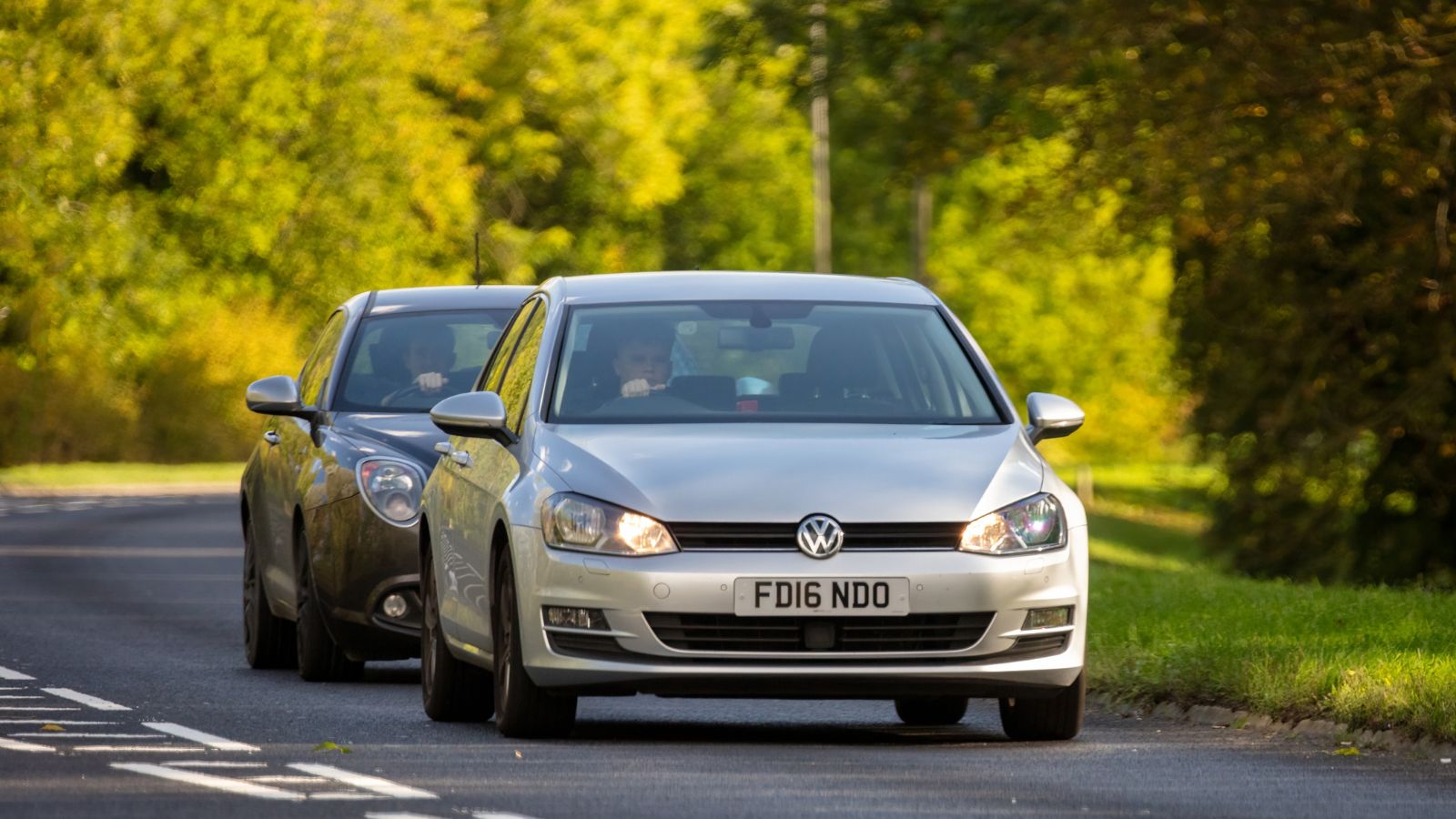
Photo Credit: Shutterstock

Tailgating feels efficient to some drivers because the gap ahead looks “unused.” In traffic flow, that empty space is actually a safety buffer and a shock absorber. When one driver brakes suddenly, the next driver has less time to react, often braking harder than the first vehicle did. A small speed drop can become a larger one a few cars behind.

This is why a highway can slow down even when nothing is blocking the road. The first driver may only touch the brake for a moment. Ten vehicles later, someone may need to brake firmly. Twenty vehicles later, traffic can be stopping. The mistake is not only being close; it is leaving no room for smooth adjustments.

Phantom Jams Can Form Without a Crash
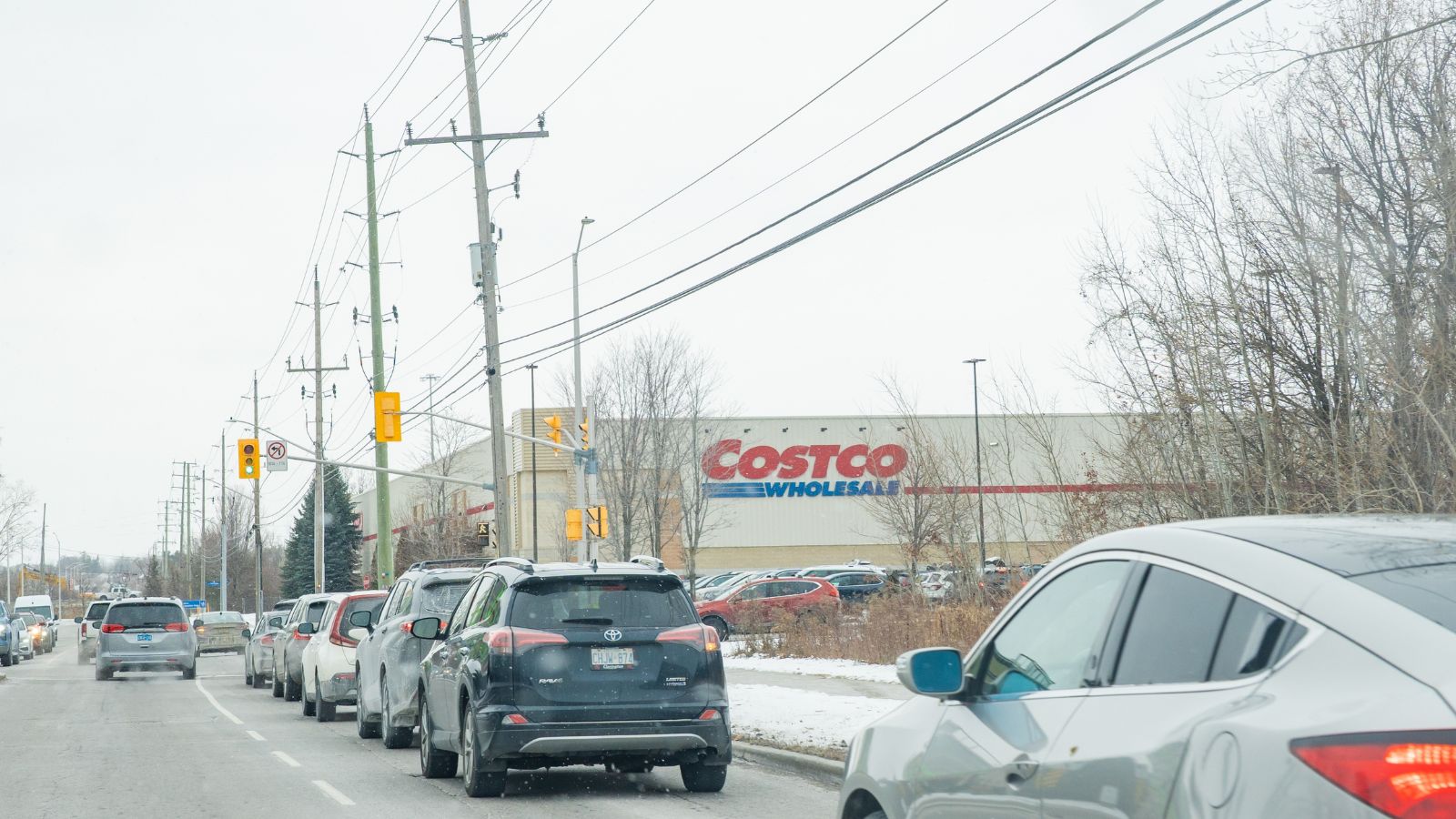
Photo Credit: Shutterstock

Transportation researchers have shown that traffic jams can appear even without a visible bottleneck. In a well-known experiment, drivers circulated on a closed loop and were asked to maintain steady movement. Even under those controlled conditions, small differences in speed and spacing eventually produced stop-and-go waves.

That finding explains a familiar highway frustration: traffic slows to a crawl, then suddenly clears with no obvious cause. The cause may have already moved on. One brake tap, one short gap, or one delayed reaction can start a wave that travels backward through the line of vehicles. By the time drivers reach the slowdown, the original trigger is long gone.

Brake Waves Travel Backward Through Traffic
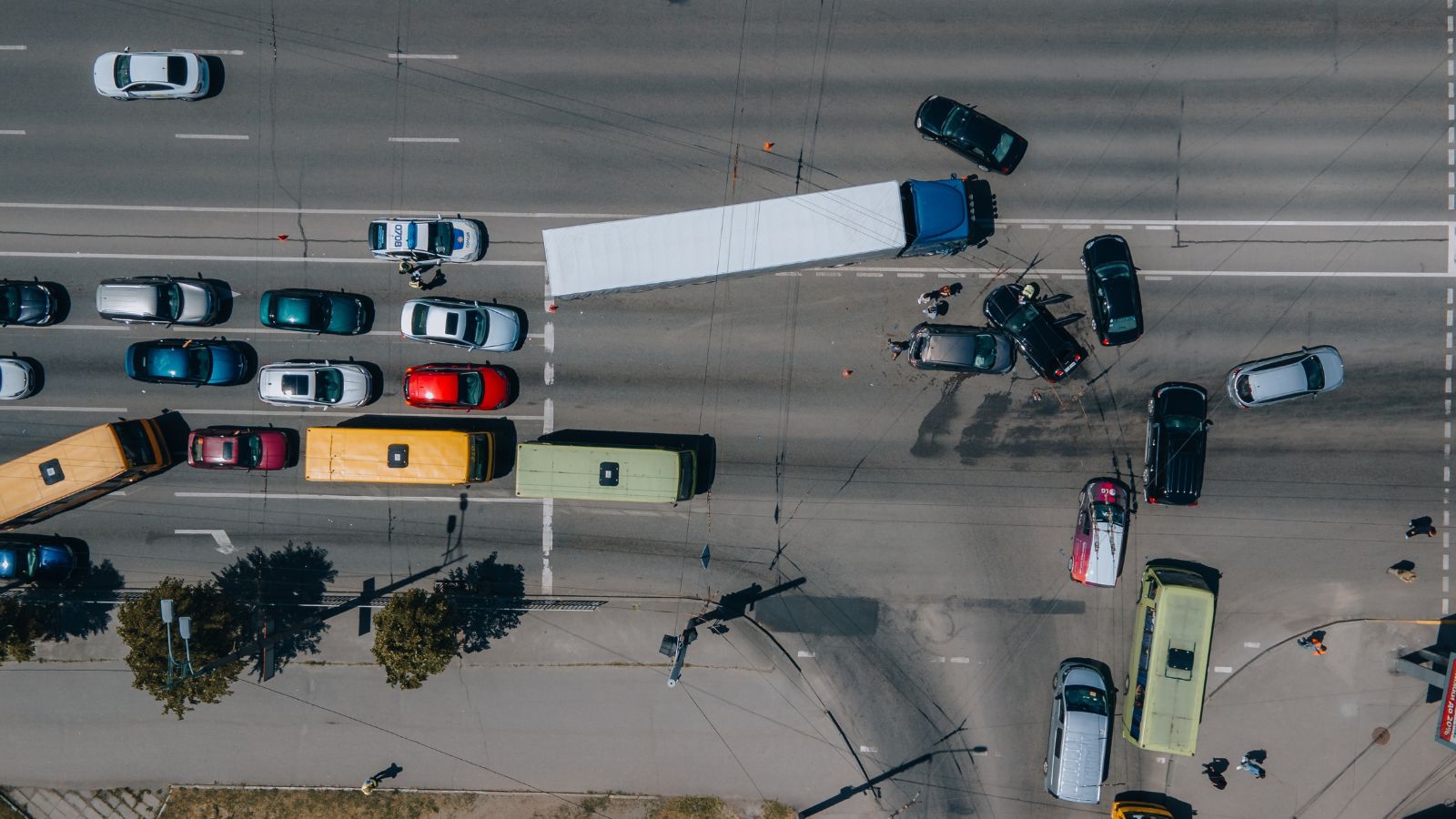
Photo Credit: Shutterstock

Cars move forward, but traffic waves often move backward. When a driver slows, the vehicle behind responds a moment later, then the next one, and so on. Each reaction can be slightly delayed and slightly stronger. The wave travels upstream, away from the original disturbance, even while every vehicle is still moving forward.

This backward movement is why a driver can enter a jam without ever seeing the reason it began. The congestion is less like a pileup and more like a ripple on water. Once a braking wave forms in dense traffic, it can keep moving through the pack until enough drivers leave space and stop amplifying it.

Short Gaps Leave No Time to React Smoothly
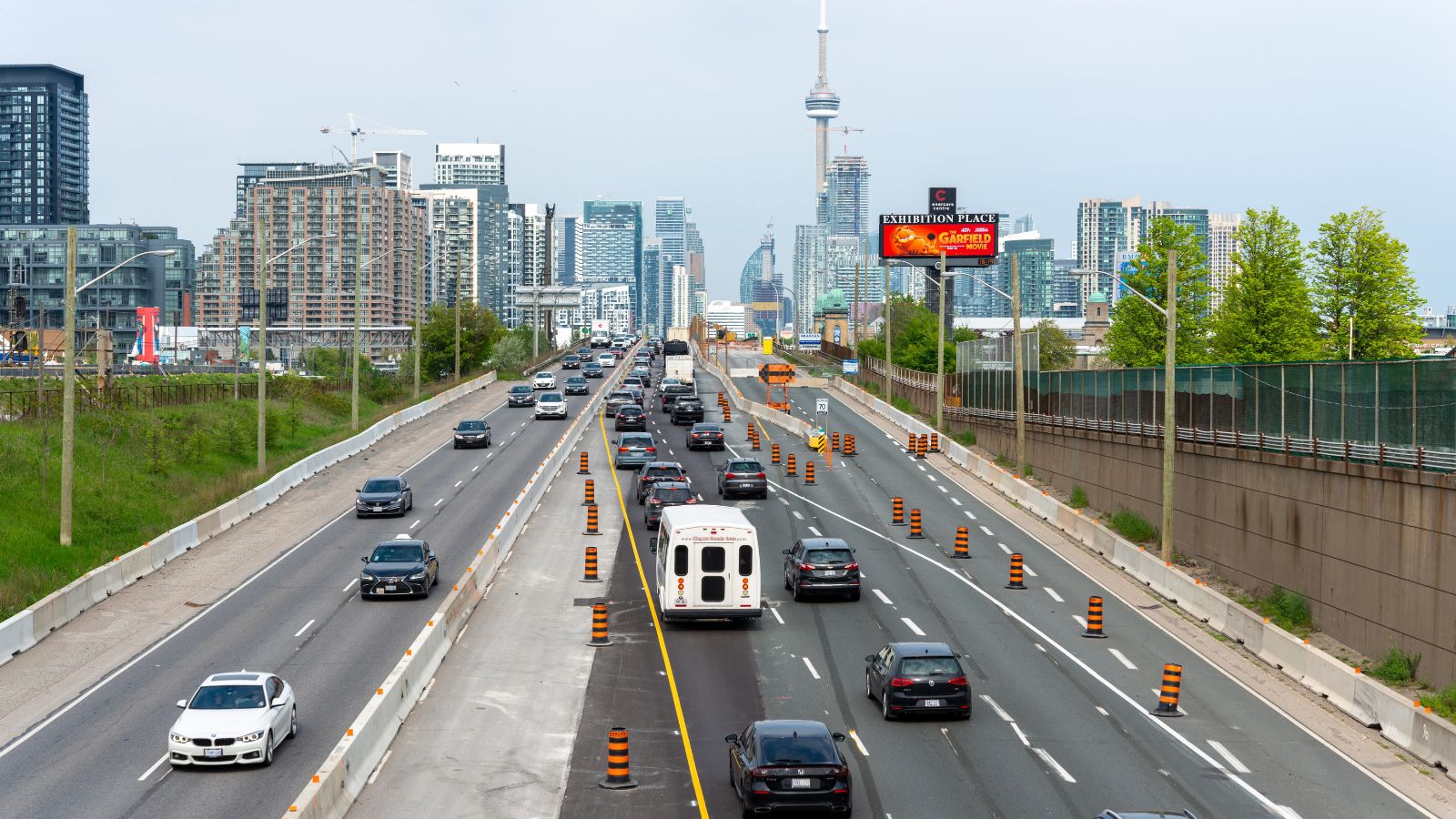
Photo Credit: Shutterstock

Safe following distance is not just about avoiding a collision. It also gives traffic room to breathe. Driver handbooks commonly recommend at least a two-second gap in normal conditions, with more space when roads are wet, visibility is poor, or traffic is unpredictable. That gap lets drivers ease off the accelerator instead of jumping onto the brake pedal.

The difference matters. A driver with space can respond to slowing traffic by coasting. A tailgater usually has only one option: brake quickly. That sudden brake light forces the next driver to react. In heavy traffic, dozens of tiny emergencies can be created by vehicles that are technically moving but packed too tightly to move smoothly.

Hard Braking Wastes Fuel as Well as Time
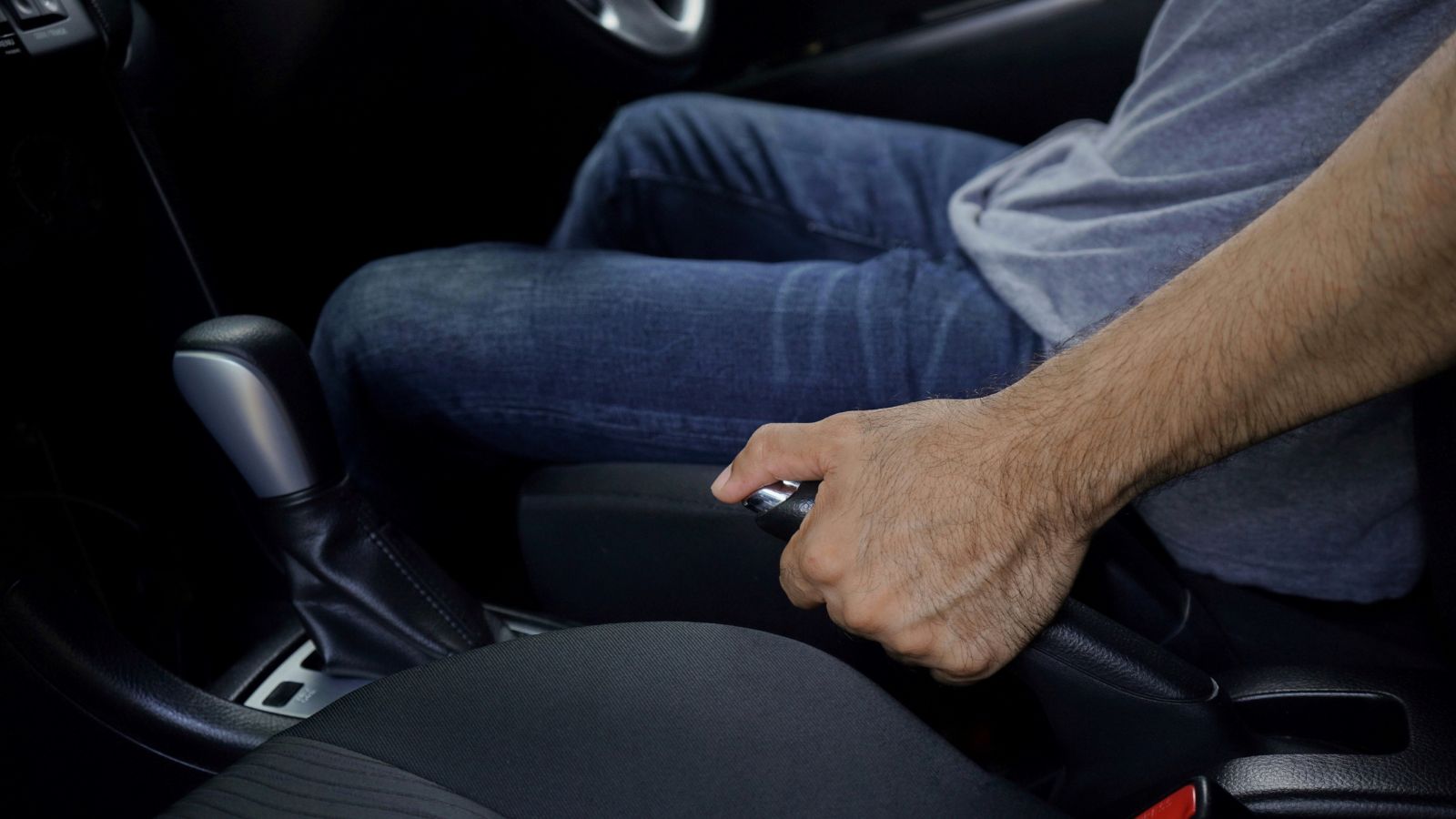
Photo Credit: Shutterstock

Stop-and-go traffic does more than test patience. Rapid acceleration and hard braking waste energy, especially when vehicles repeatedly slow and speed up. The U.S. Department of Energy notes that aggressive driving can significantly reduce fuel economy at highway speeds and in stop-and-go conditions.

That means the same mistake that creates a jam can also make the trip more expensive. A driver who accelerates hard into a shrinking gap may gain only a few metres before braking again. Behind that vehicle, others repeat the pattern. The whole lane becomes less efficient, with more fuel burned, more brake wear, and no meaningful time saved.

Merging Gets Worse When Drivers Guard Gaps
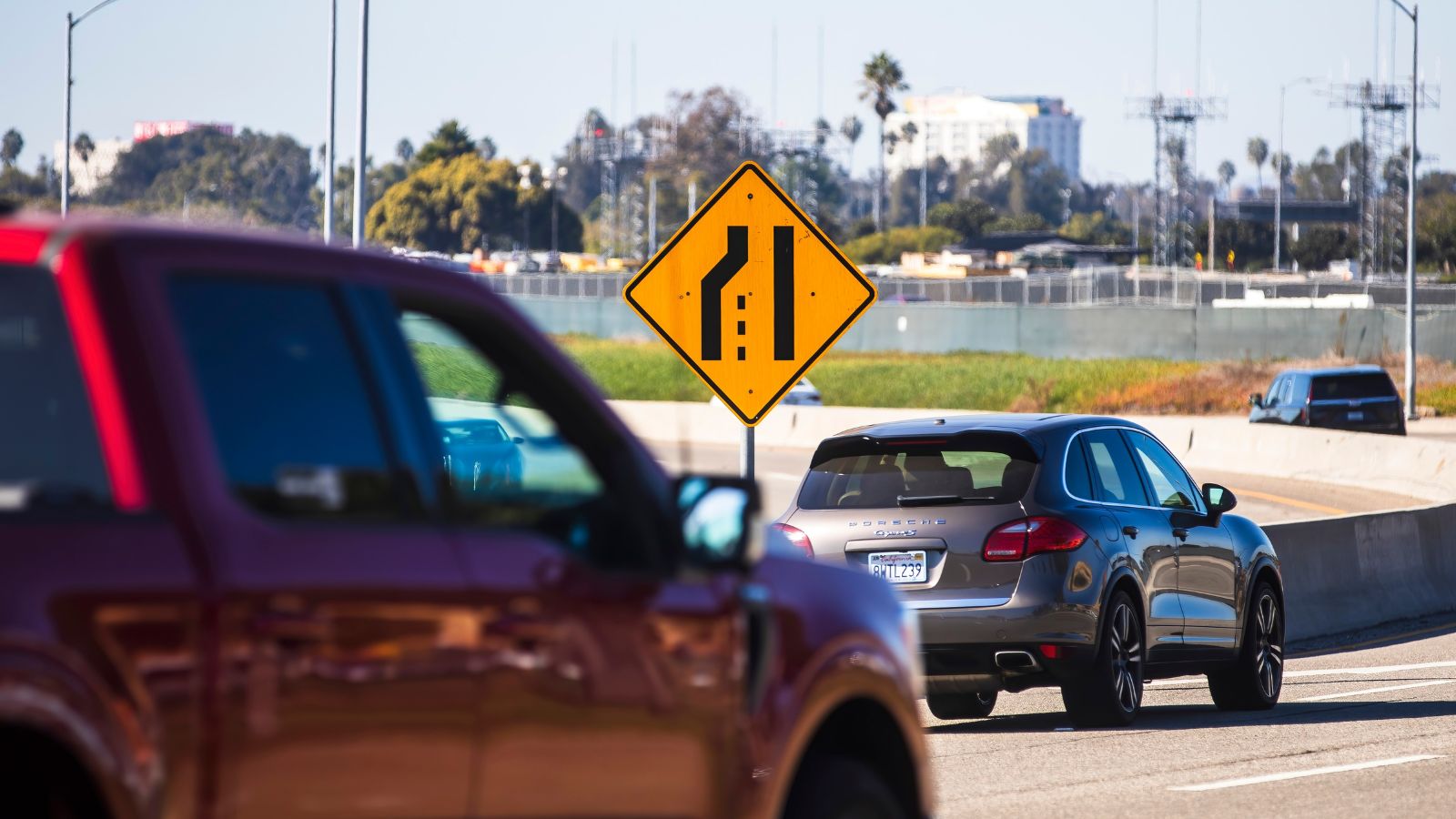
Photo Credit: Shutterstock

Merge zones reveal how short gaps can punish everyone. When drivers refuse to leave room, merging traffic must slow sharply, squeeze in late, or stop at the end of the ramp. Each of those choices can disturb the main traffic stream. The mainline drivers then brake, and the slowdown spreads beyond the merge point.

Traffic engineers identify merging and weaving areas as common bottlenecks because many drivers are making decisions in a short space. One courteous, predictable gap can help traffic blend smoothly. A wall of closely packed vehicles has the opposite effect. It turns a normal lane change into a negotiation at highway speed.

The Zipper Merge Works Better Than Early Panic
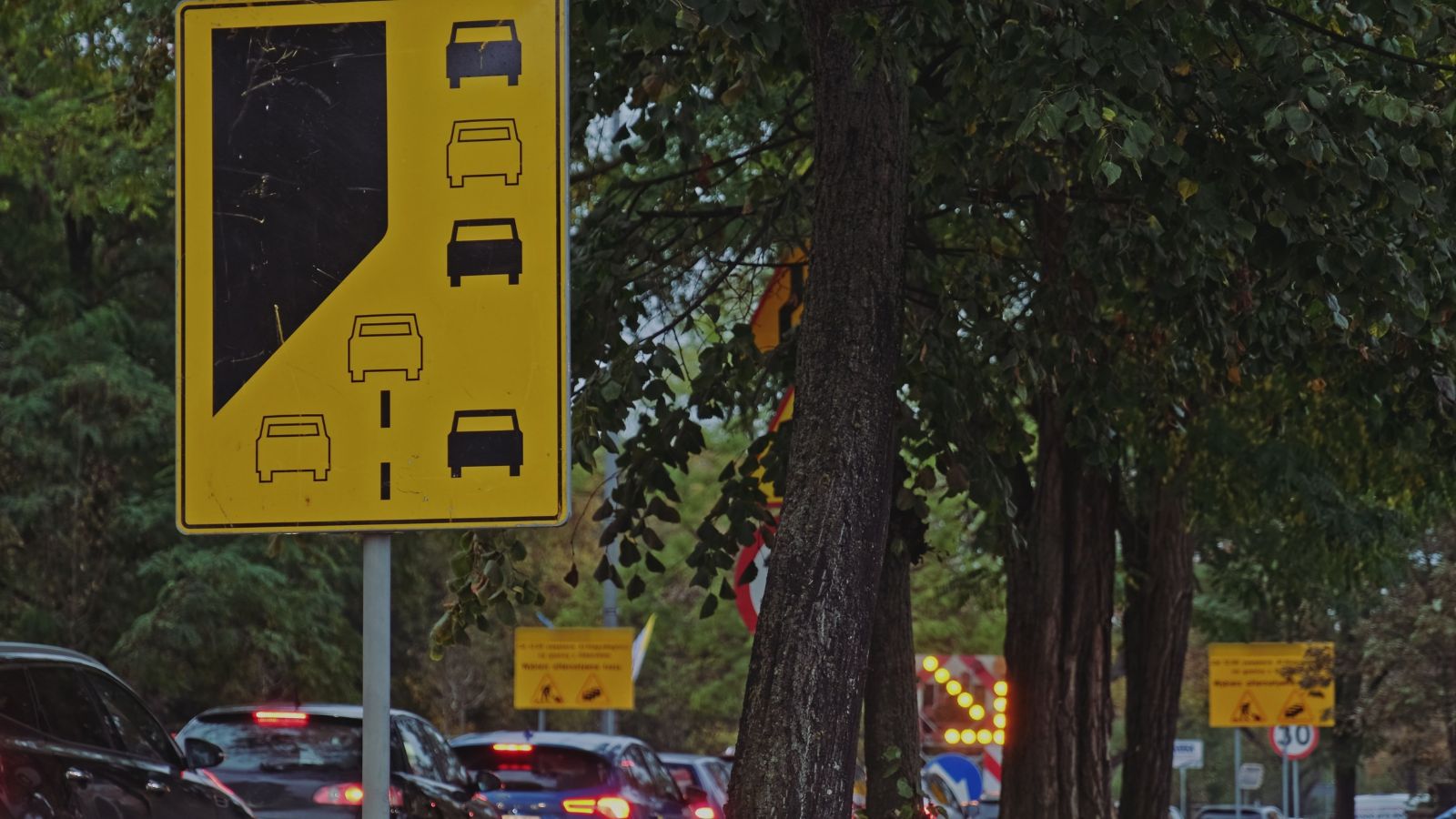
Photo Credit: Shutterstock

In heavy, slow traffic near a lane closure, the zipper merge often feels rude to drivers who move over early. Yet transportation agencies promote it because it uses both lanes until the merge point, then alternates vehicles into the open lane. This reduces long, uneven queues and keeps the merge more orderly.

The common mistake is treating the closing lane as a moral failure instead of road space designed to be used. When everyone piles into one lane too soon, the backup stretches farther and encourages aggressive passing. When both lanes move at similar speeds and vehicles take turns, the conflict is reduced and the queue can be shorter.

Lane Hopping Can Make a Slowdown Last Longer
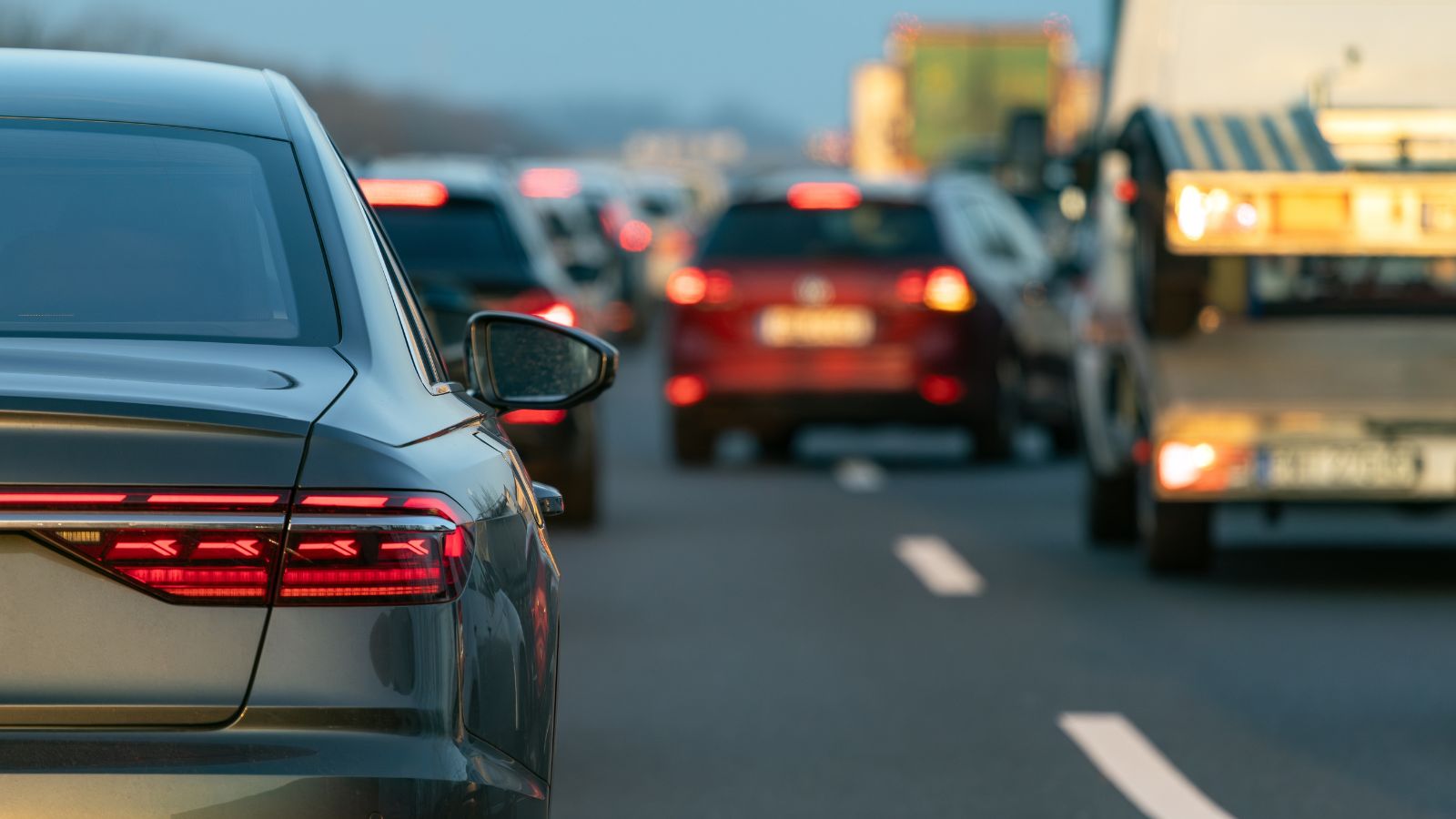
Photo Credit: Shutterstock

Changing lanes to gain a few car lengths may feel productive, but frequent lane changes disturb both lanes. The driver moving over often slows to fit a gap. The driver behind in the target lane brakes. The vehicle left behind may accelerate. These small disruptions can create uneven speeds across the highway.

In dense traffic, lane hopping rarely produces a meaningful advantage because every lane is affected by the same bottleneck ahead. A driver may pass three vehicles, then brake behind a new cluster. Meanwhile, the lane change has forced others to adjust. The result is more turbulence, more brake lights, and a slowdown that lasts longer than it needed to.

Left Lane Pressure Can Spread the Problem
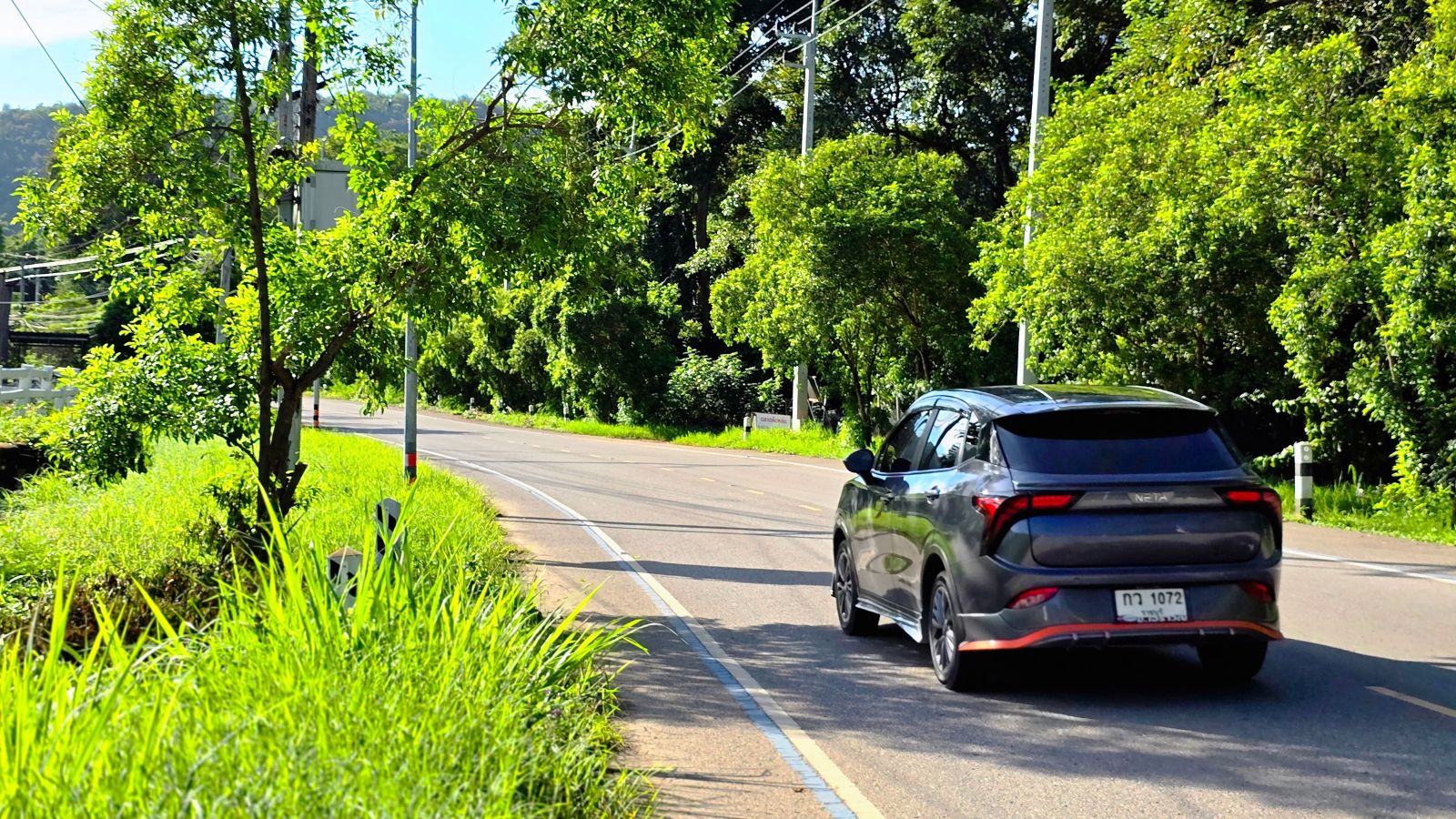
Photo Credit: Shutterstock

The left lane is widely treated as the passing lane on many highways, and slow cruising there can frustrate faster traffic. That frustration often produces tailgating, abrupt braking, and unsafe passing on the right. A single vehicle holding the lane may not create a full jam alone, but it can increase speed differences and encourage weaving.

The better habit is predictable lane discipline. Passing, then returning to an appropriate lane, reduces pressure behind and helps faster traffic move without sudden lane changes. This is not an argument for speeding. It is a reminder that large speed differences and blocked passing lanes can make highway flow more unstable.

Rubbernecking Adds a Second Invisible Bottleneck
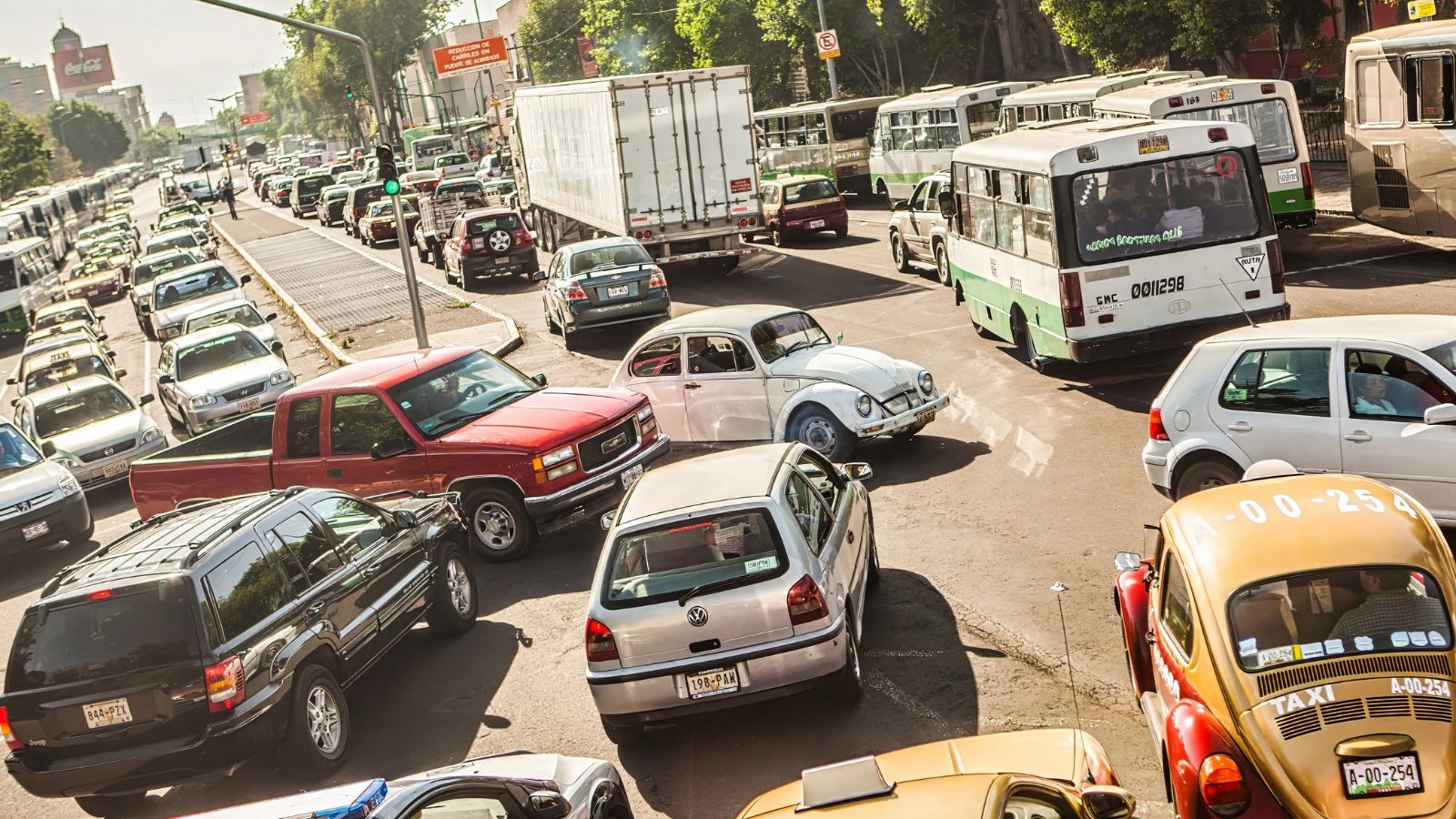
Photo Credit: Shutterstock

Even when a crash or police stop is safely off to the shoulder, traffic can slow because drivers look over instead of keeping their eyes forward. This behaviour, often called rubbernecking, creates an extra bottleneck. One driver eases off the accelerator to stare, and the vehicles behind copy the slowdown without knowing why.

The risk is not only delay. Incident-management research shows that crashes and queues can lead to secondary crashes. A driver who looks away for a few seconds may miss a stopped vehicle ahead. On a busy highway, curiosity can turn a cleared shoulder incident into a fresh wave of braking across multiple lanes.

Speeding Into Congestion Does Not Save Time
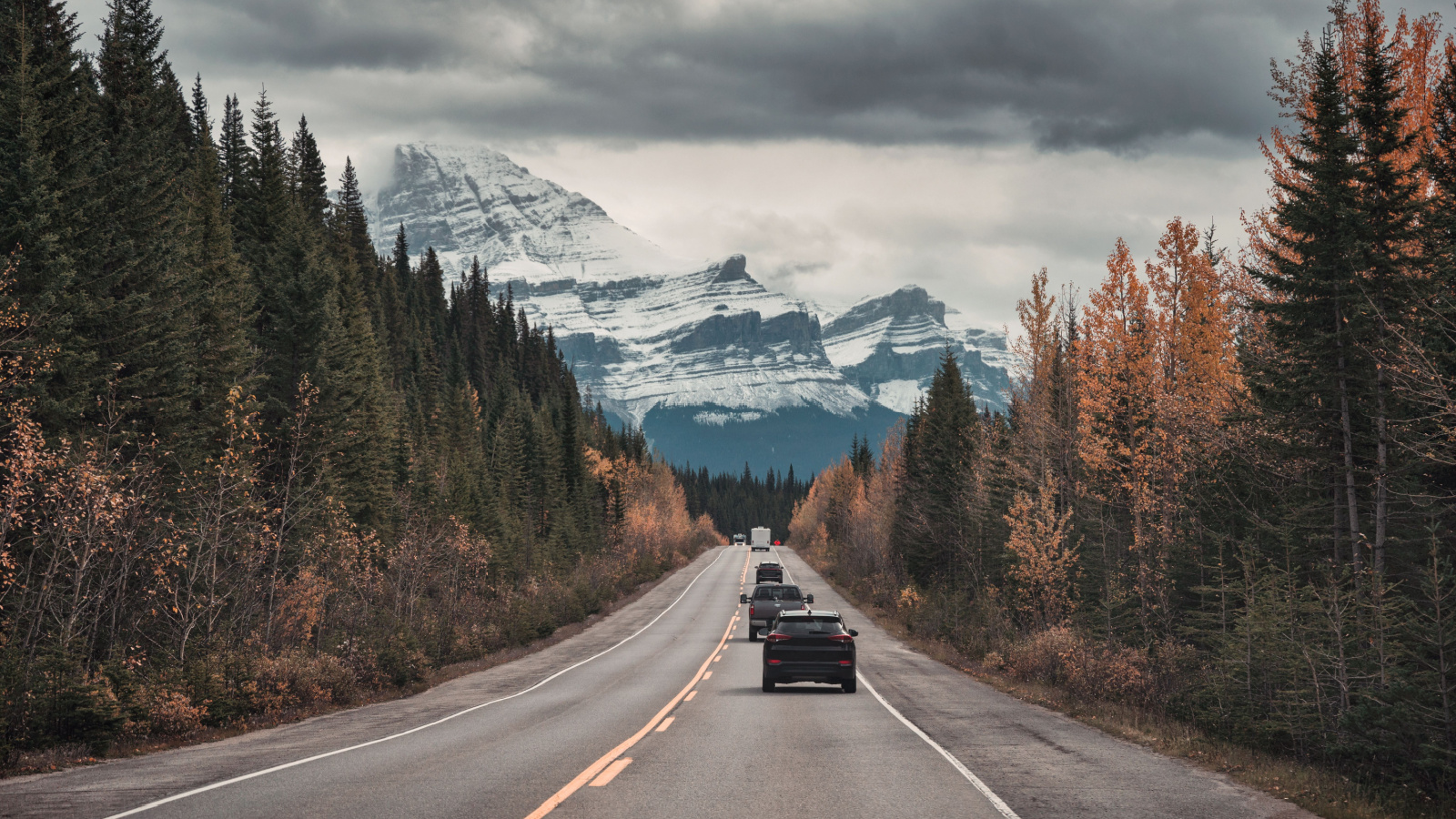
Image Credit: Shutterstock

When traffic is already dense, rushing into the next pocket of space rarely helps. The faster vehicle reaches the slowdown sooner, brakes harder, and sends another signal backward. This is why a lane can feel like it is constantly surging and collapsing: acceleration is easy, but coordinated recovery from braking is slow.

Speed harmonization programs work from the opposite idea. By lowering speeds before a bottleneck or queue, variable speed systems try to reduce speed differences and smooth traffic flow. The lesson for individual drivers is similar. A steady approach to congestion is usually better than charging toward brake lights and forcing everyone behind to react.

One Smooth Driver Can Help a Whole Lane
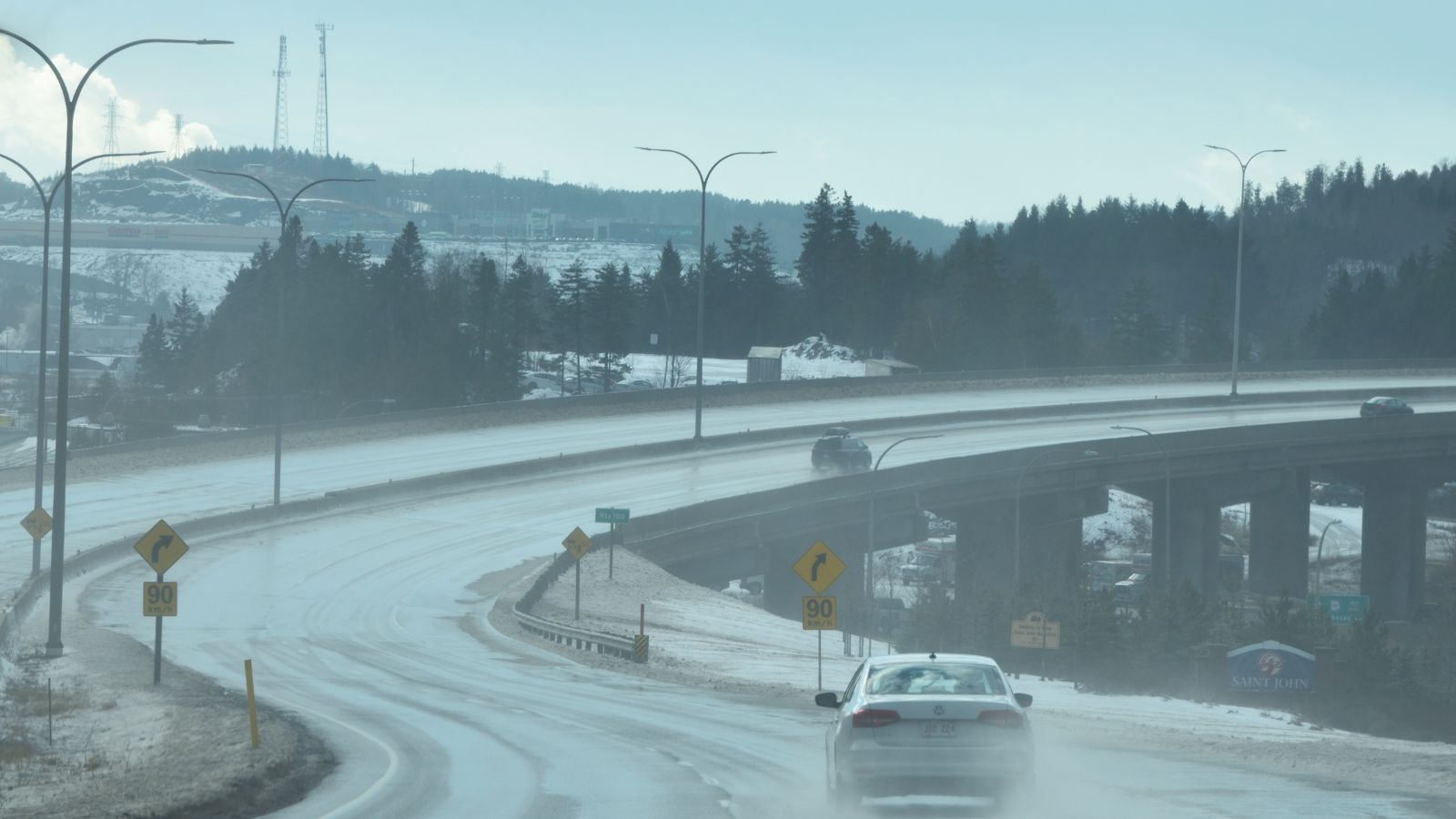
Image Credit: Shutterstock

The solution does not require perfection from every motorist. A single driver who leaves space, coasts early, and avoids unnecessary braking can absorb part of a traffic wave. Instead of passing the disturbance backward, that driver softens it. The effect may be invisible, but it can make the vehicles behind move more steadily.

This is why the common highway mistake matters so much. Tailgating feels personal, but its consequences are shared. One short gap becomes one hard brake. One hard brake becomes a wave. Enough waves become a jam. The calmest driver on the road may not be the slowest; often, that driver is helping everyone arrive with fewer stops.

22 Things Canadians Do to Their Cars in Spring That Mechanics Hate
Image Credit: Shutterstock

Spring brings relief to many Canadian drivers after months of snow, freezing temperatures, and icy roads that put serious strain on vehicles. As temperatures rise across the country, drivers begin washing cars, switching tires, and preparing vehicles for warmer weather and upcoming road trips. However, mechanics across Canada notice the same mistakes every spring when drivers attempt to recover from winter damage. Road salt, potholes, and harsh winter driving conditions often leave vehicles with hidden problems that drivers ignore. Some spring habits even create new mechanical issues that could have been avoided with proper maintenance. Here are 22 things Canadians do to their cars in spring that mechanics hate.

Recommended.

19 Things That Make a Vehicle Terrible for Canadian Winters

Why Some New Cars Are Harder to Repair Than Older Models

June 30, 2026
18 Cars With Parts Prices So Wild They’re Becoming Hard to Own in Canada

24 Vehicles With Rust Problems Canadians Keep Complaining About

April 1, 2026

Trending.

9 Auto Brands Canadians Are Watching Much More Closely Right Now

Toyota Canada Says Electrified Vehicles Are Now Nearly 70% of Its Q2 Sales

July 7, 2026
16 Used SUVs That Suddenly Don’t Look Like Smart Buys in Canada

Toyota Adds U.S. RAV4 Production as Demand Overwhelms Dealers

June 29, 2026
9 Auto Brands Canadians Are Watching Much More Closely Right Now

Unifor Opens Auto Talks With Ford as 5,000 Canadian Workers Face Tariff Pressure

June 22, 2026
16 Cars That Could Be Hit Hardest by Canada’s New Price Pressures

20 Cars Canadians Love Buying but Hate Owning Long Term

June 24, 2026
9 Auto Brands Canadians Are Watching Much More Closely Right Now

Toyota Says Electrified Vehicles Now Make Up 64% of Its Canadian Sales

June 18, 2026
  • About
  • Contact
  • Privacy Policy
  • Disclaimer
  • Editorial Policies
  • Terms and Conditions
A Revir Media Group Website

2026 Autoigloo - © All rights reserved

No Result
View All Result
  • News & Trends
  • Car Reviews
  • Buying Guides
  • Comparisons
  • EVs & Hybrids
  • More
    • Pricing & Deals
    • Winter Driving
    • Ownership & Maintenance

2026 Autoigloo - © All rights reserved

This website uses cookies. By continuing to use this website you are giving consent to cookies being used. Visit our Privacy and Cookie Policy.


