


























Inside a parked vehicle, a small item can become a big liability. Break-ins often happen quickly, and the target is not always an expensive laptop or designer bag. Sometimes it is a few coins, a visible charging cord, a garage opener, or a document with a home address. Even locked vehicles can look tempting when personal belongings are left in sight.
These 17 items deserve a last check before the doors lock, especially in driveways, parking garages, trailheads, shopping centres, hotel lots, and street parking areas. Removing them lowers the chance of losing money, exposing personal information, inviting a home burglary, or dealing with a difficult insurance claim after a smashed window.
Wallets and Purses
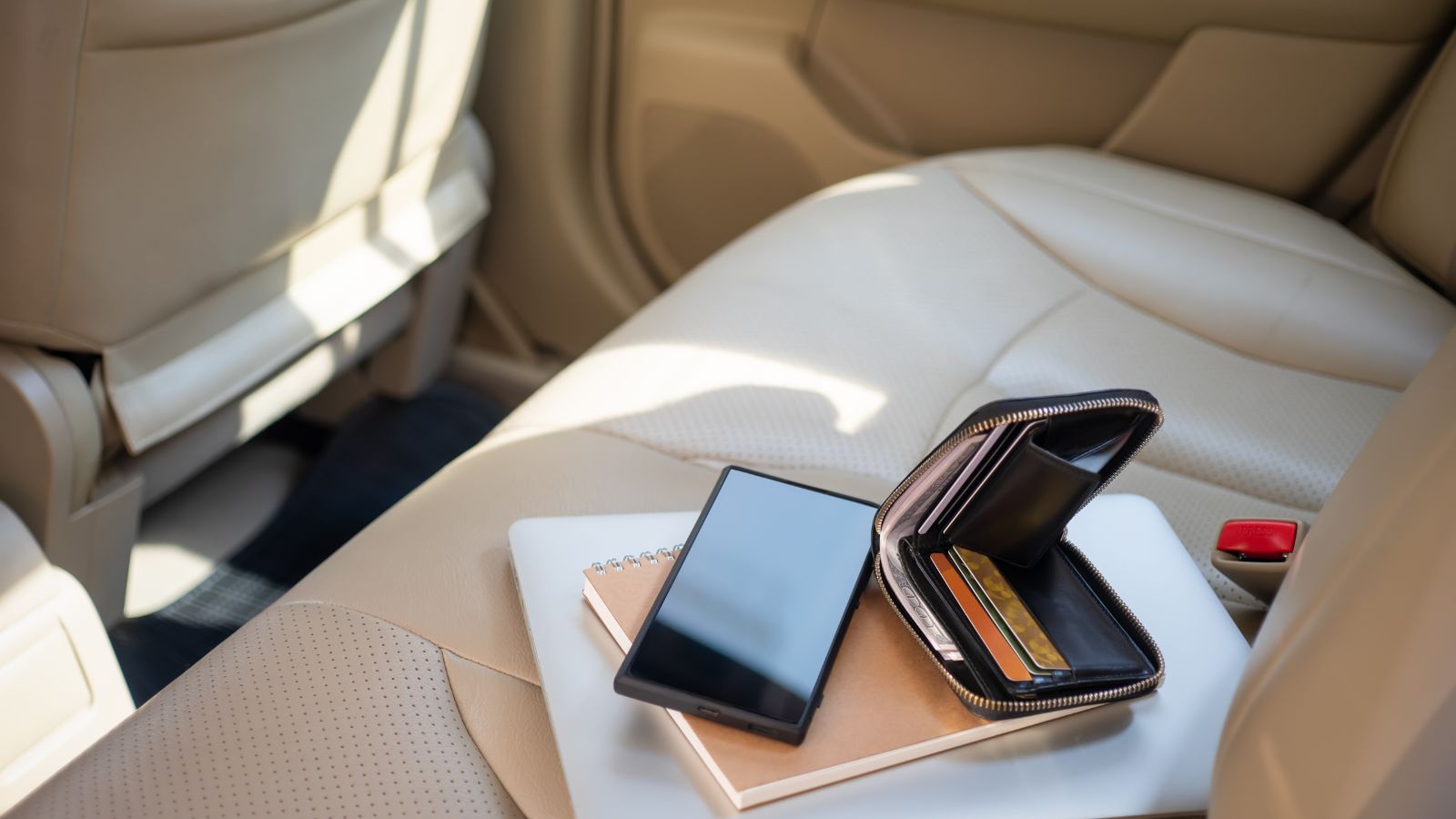
A wallet or purse is one of the easiest items for a thief to understand from outside the glass. It signals cash, cards, identification, and possibly house keys, all in one small package. Even when tucked under a seat or placed in the glove box, it can still be found during a fast search after a window is broken.
The real loss is often bigger than the item itself. Replacing cards, freezing accounts, reporting ID theft, and restoring a driver’s licence can take far longer than replacing a broken window. A purse left in the passenger footwell during a quick coffee stop may look harmless, but to someone testing door handles, it can be enough reason to act.
Spare Keys and Key Fobs
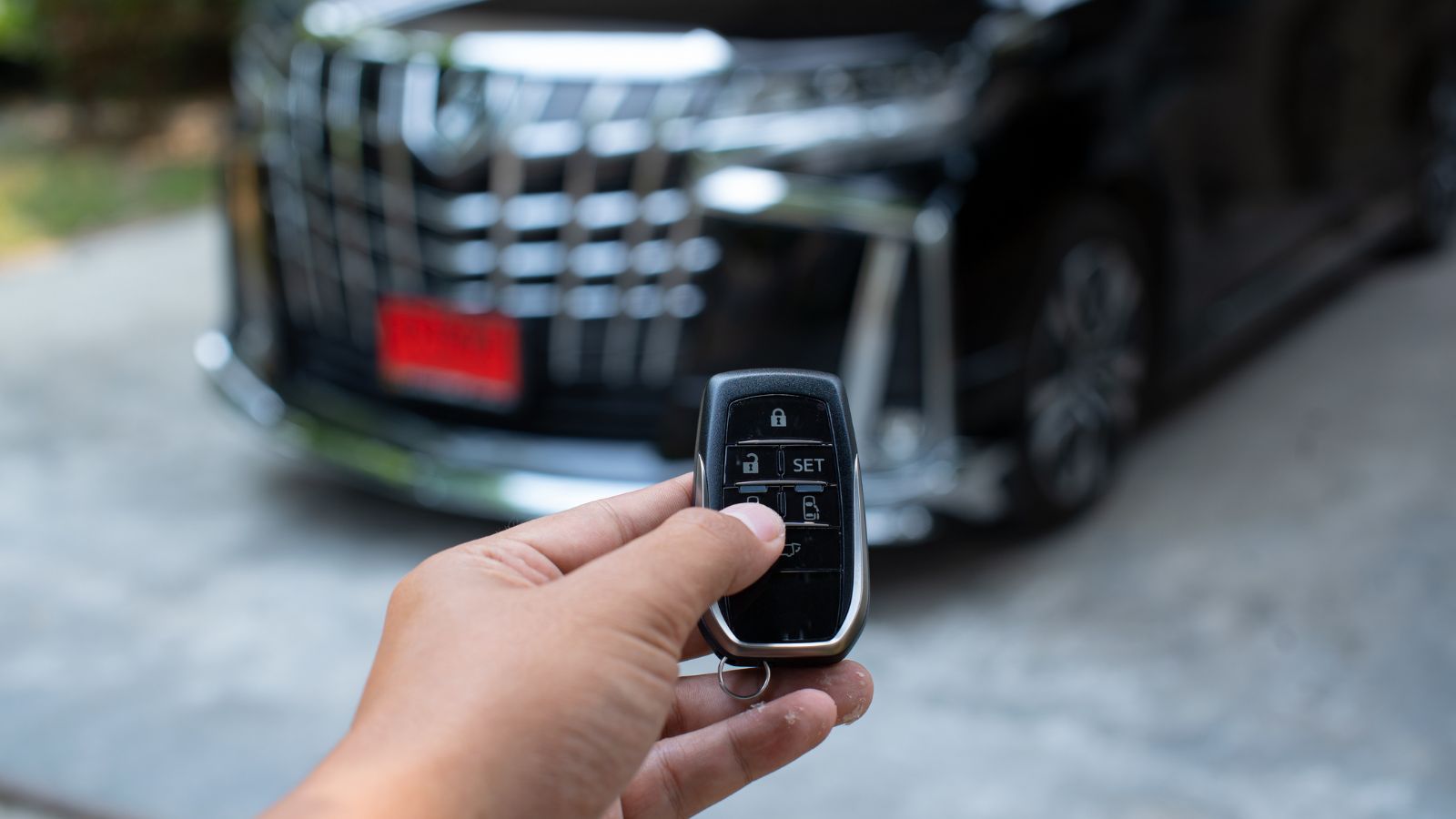
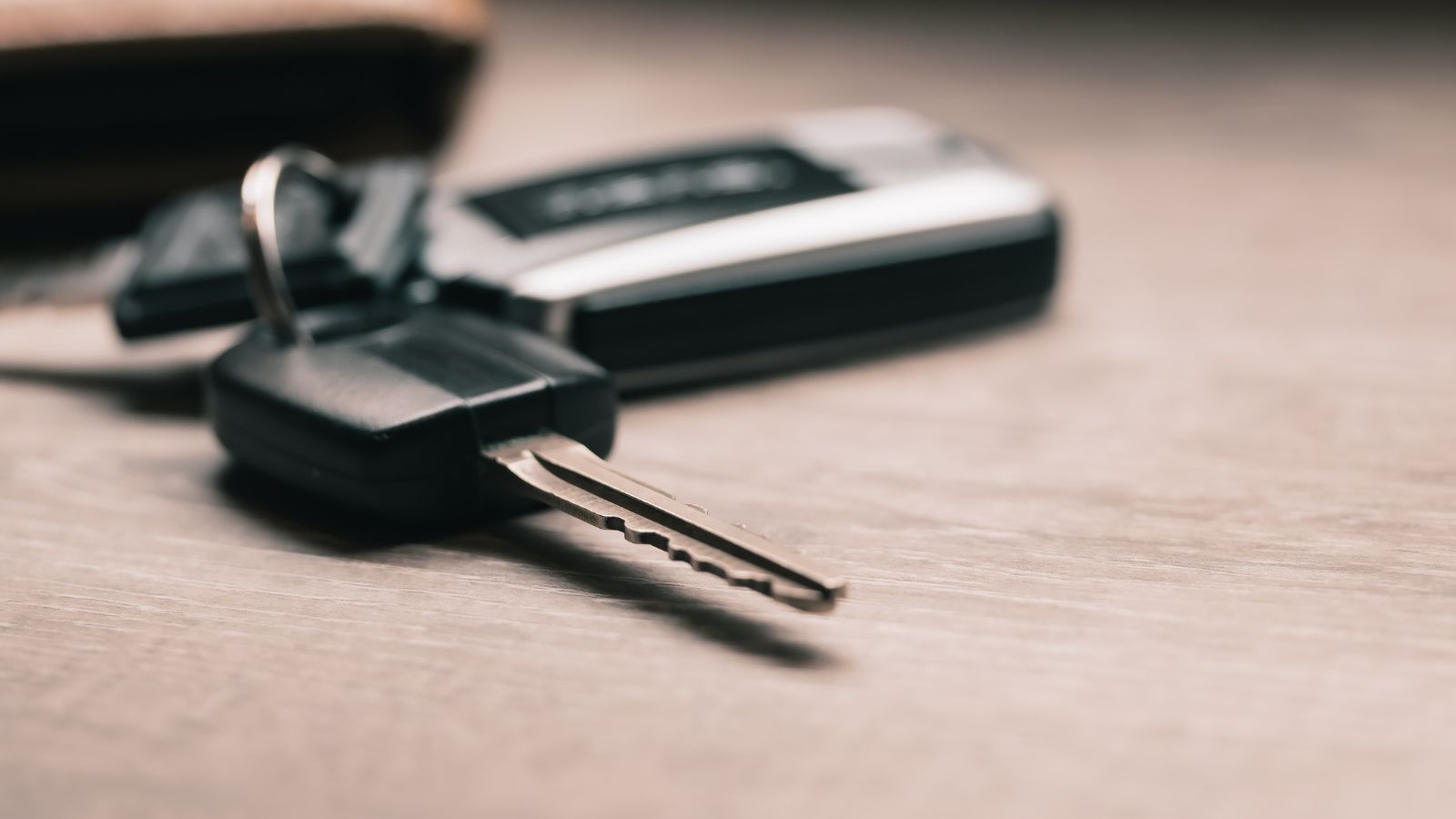
A spare key left in the console can turn a break-in into a full vehicle theft. Even a hidden valet key, emergency key blade, or extra fob may give thieves a second opportunity after they enter the car. Many theft-prevention campaigns repeat the same simple rule: take the key every time.
Key fobs deserve extra care because modern keyless systems can introduce new risks. Some vehicles can unlock or start when the fob is nearby, and relay-style theft methods attempt to trick the car into thinking the key is close. A fob left in a cupholder, gym bag, or centre console removes that barrier completely and can make the vehicle much easier to steal.
Phones, Tablets, and Chargers
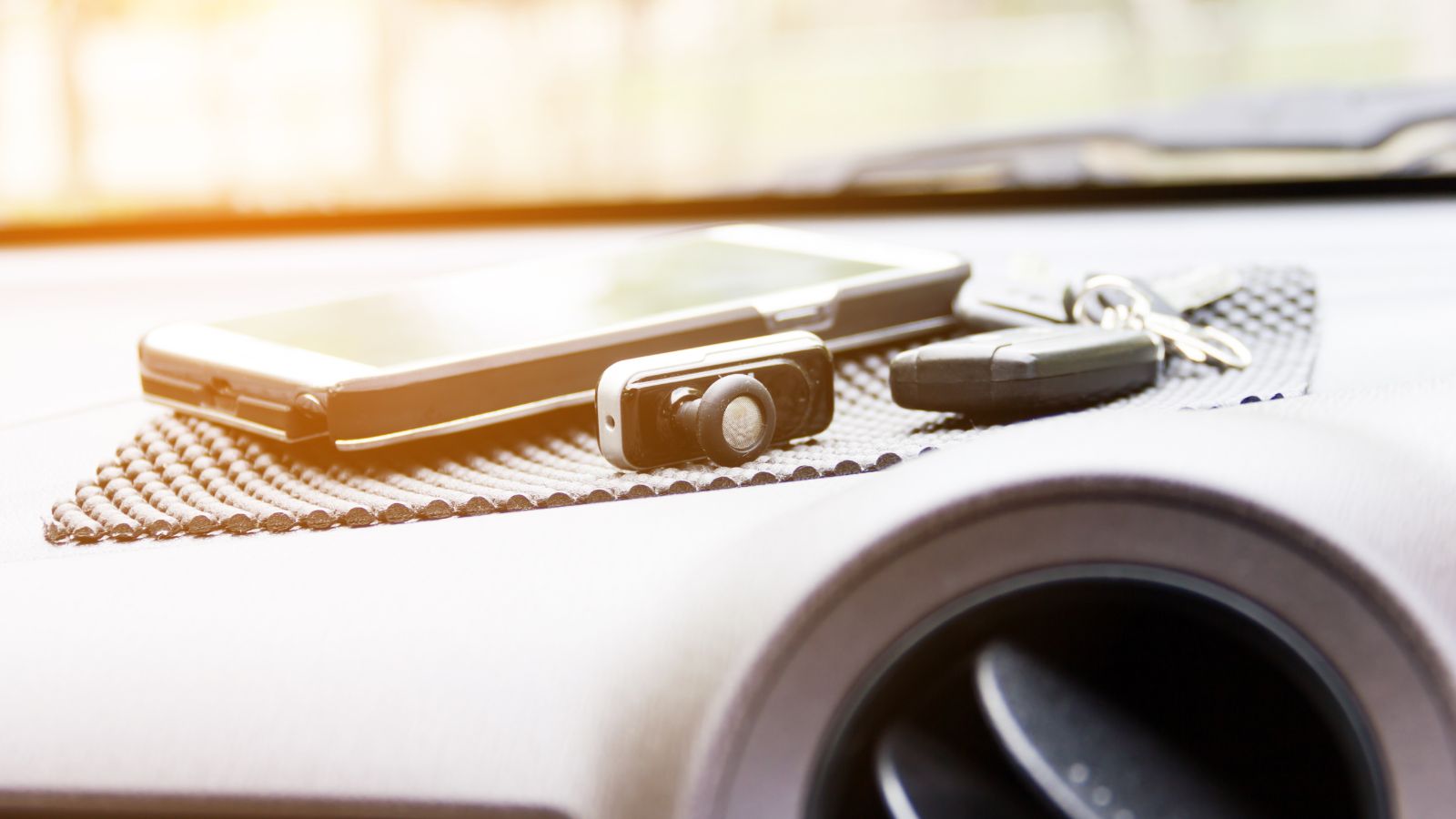
Phones and tablets are tempting because they are valuable, portable, and easy to resell. They also carry personal data, photos, payment apps, messages, work accounts, and saved passwords. A locked screen helps, but it does not make a device harmless when it disappears into the wrong hands.
Even a charging cord can create trouble. Some police prevention guidance notes that visible electronic accessories may suggest a device is hidden nearby. A thief may not know whether the phone is under the seat, in the glove box, or already gone, but a cord on the console can still encourage a search. Removing the device and hiding the accessories lowers both the visible temptation and the data risk.
Laptops and Work Devices
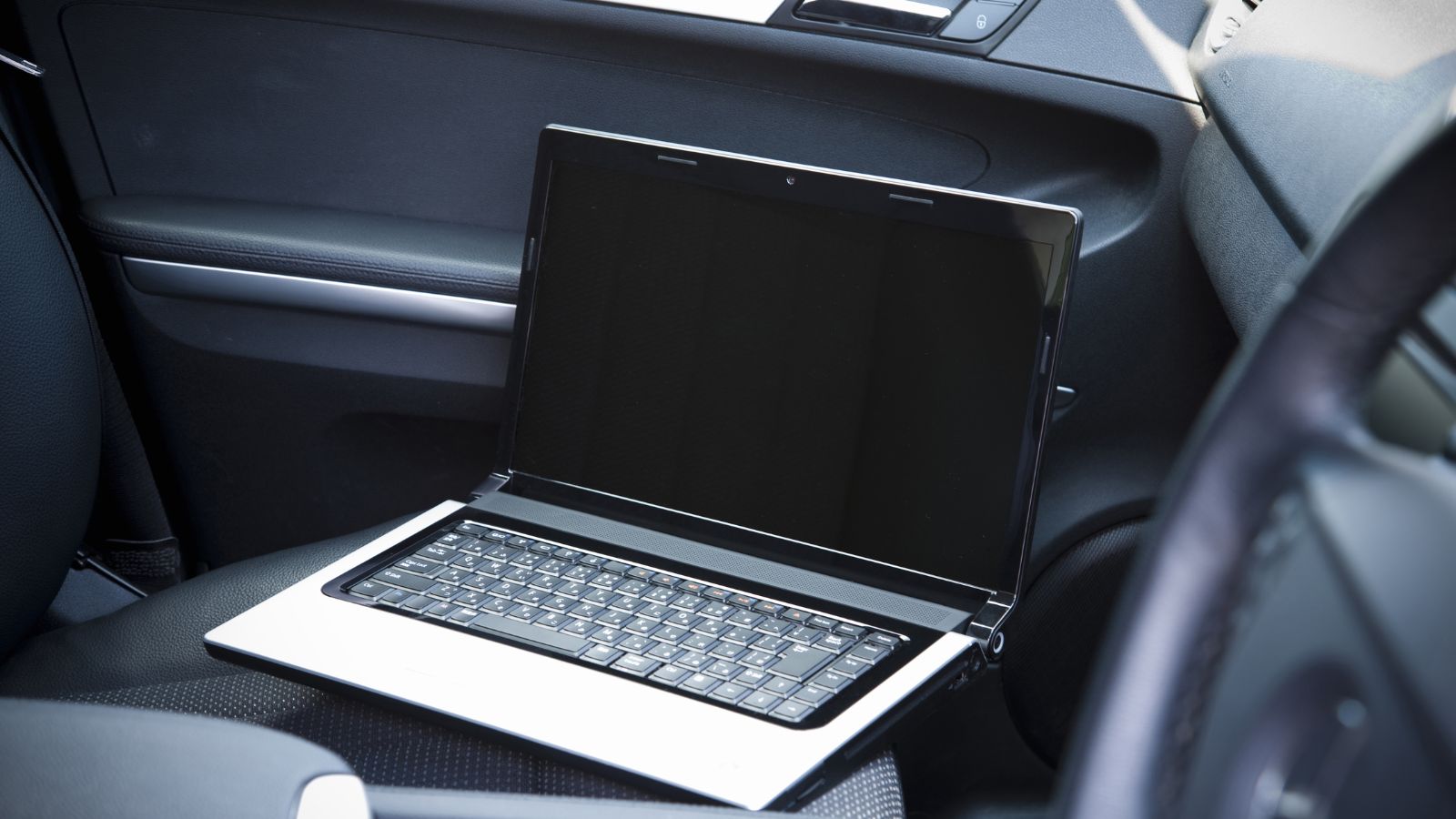
A laptop left in a vehicle is rarely just a laptop. It may contain business files, client information, tax documents, saved browser sessions, cloud access, or confidential workplace data. For someone who works from cafés, job sites, campuses, or shared offices, leaving a computer in the car can create a security problem that reaches far beyond the replacement cost.
There is also a practical insurance issue. Auto insurance often covers damage to the vehicle itself, such as a broken window, but personal belongings stolen from inside may fall under homeowners, renters, or separate device coverage instead. That can mean deductibles, coverage limits, paperwork, and delays. Taking the laptop inside is still the cleanest solution.
Backpacks, Gym Bags, and Briefcases
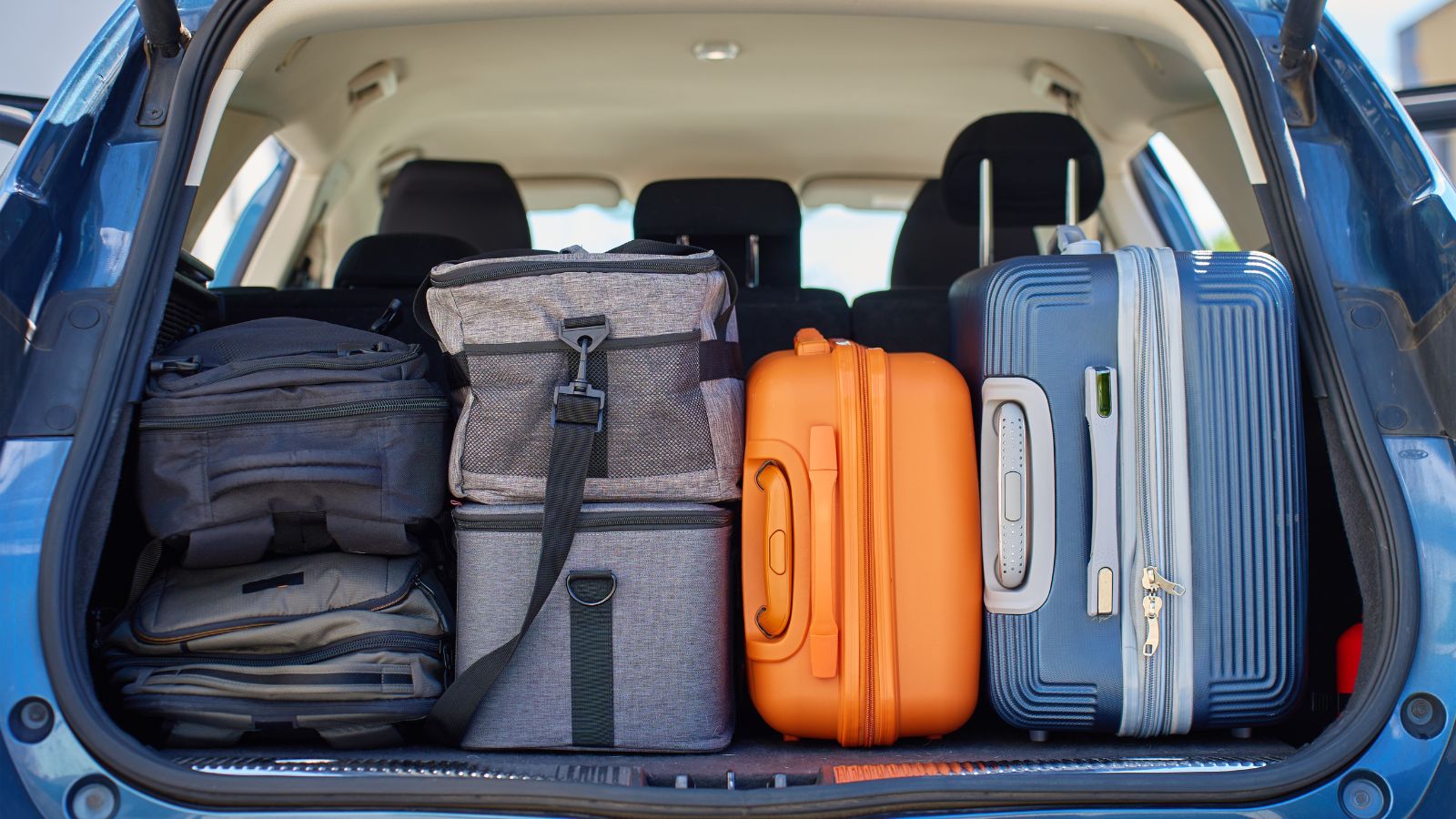
A backpack does not have to look expensive to attract attention. Thieves know bags can hide wallets, laptops, headphones, watches, keys, cash, medication, and work badges. A plain black bag on the back seat may be empty, but from outside the vehicle it can look like a mystery worth opening.
Gym bags create the same problem. Many people tuck jewellery, earbuds, spare keys, cards, and watches into a side pocket before a workout. Briefcases can be even more revealing because they suggest work equipment or documents. The safest habit is to treat every bag as valuable from a thief’s point of view, even when it only contains shoes and a towel.
Cash and Loose Change
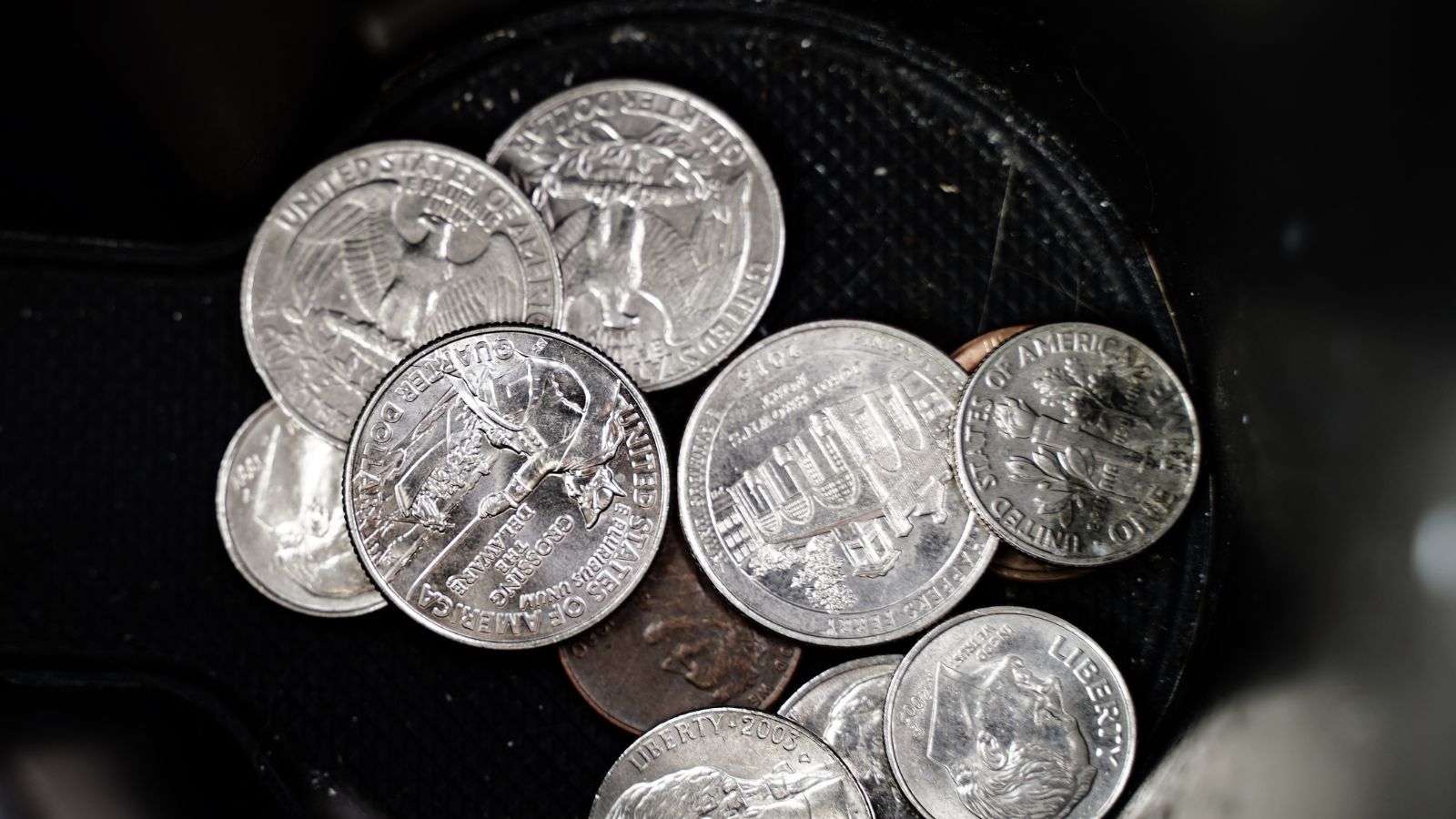
Loose change sounds minor until it becomes the reason for a broken window. Police agencies often warn that thieves may break into vehicles for very small rewards, including coins. A cupholder full of change, a visible $5 bill, or a few coins in the console can make a car look worth checking.
The frustrating part is the imbalance. The money taken may be worth less than lunch, while the damage can cost hundreds of dollars and hours of inconvenience. Parking lots near beaches, trails, gyms, and apartment buildings are especially vulnerable because thieves expect people to leave small belongings behind. Removing cash and cleaning out the console sends a better signal: there is nothing easy to grab.
Credit, Debit, and Gift Cards
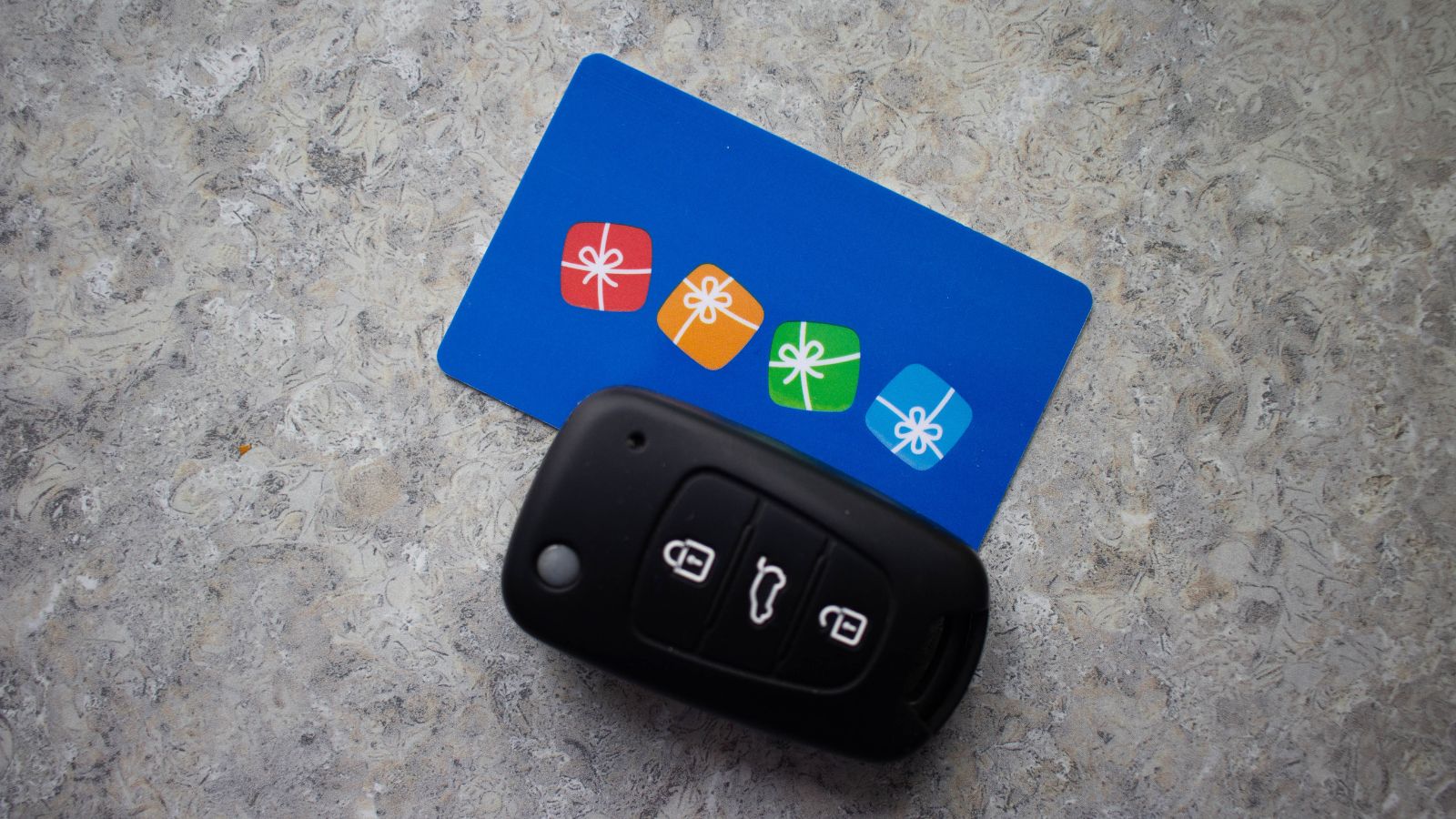
Cards left in the car can move quickly from a small theft to a financial headache. A thief does not need a full wallet to create damage; a single debit card, credit card, prepaid card, or store gift card can be useful immediately. Tap payments and online purchases make fast misuse easier when cards are not reported promptly.
Timing matters after a card is lost or stolen. Consumer protection guidance emphasizes reporting the loss right away, because responsibility for unauthorized transactions can depend on how quickly the cardholder acts. The better approach is prevention: avoid leaving cards in centre consoles, visor organizers, glove compartments, or gym bags that stay in the vehicle.
Driver’s Licence, Passport, and ID Cards
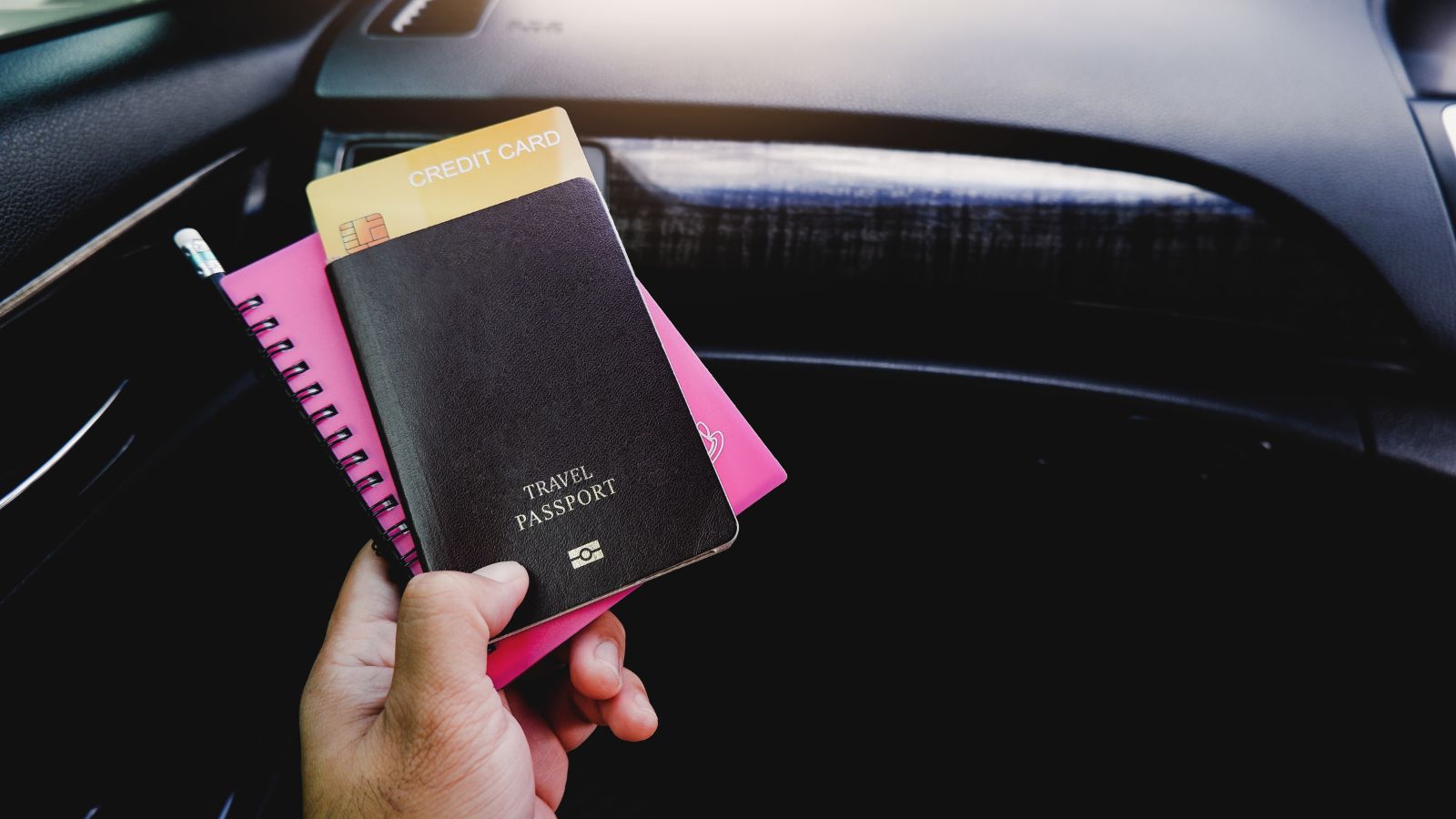
Government identification is especially risky because it connects a name, face, address, date of birth, and official document number. A thief who steals a licence or passport may not use it immediately, but the information can still support identity fraud or other scams. Losing ID also complicates everyday tasks such as travel, banking, and replacing other documents.
A vehicle can become a weak storage spot for convenience items. Some people keep an old passport, health card, student card, membership badge, or spare licence copy in the glove compartment “just in case.” That convenience can backfire. Personal ID belongs in a wallet, secure travel pouch, or locked home storage, not in a parked car.
Vehicle Registration and Insurance Papers
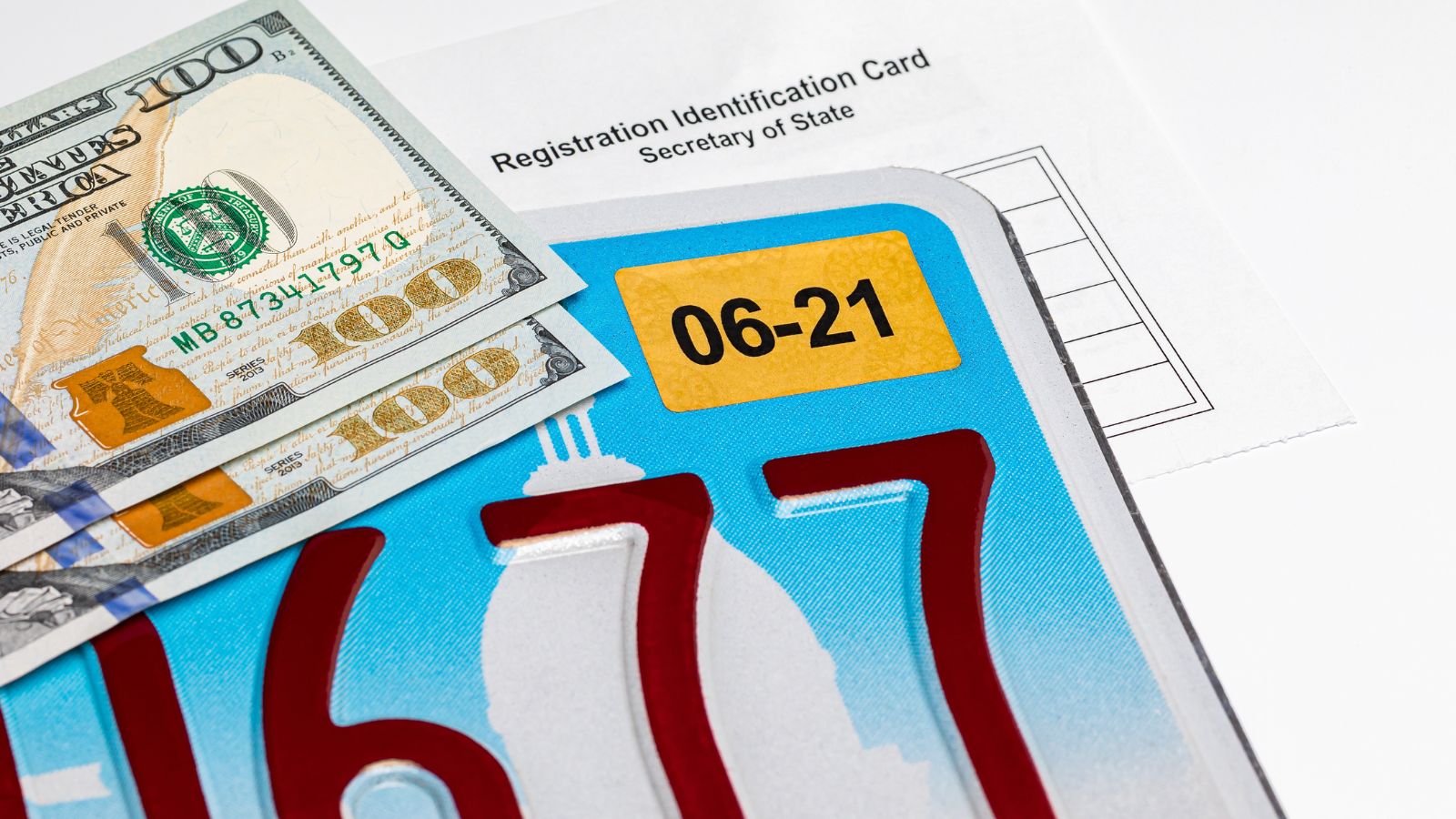
Registration and insurance documents may seem like normal glove-box items, but they can expose personal information. Depending on the jurisdiction and document type, they may show a home address, vehicle identification details, policy information, or ownership records. Those details can be useful to thieves after a break-in.
Some police services recommend carrying these documents personally, using photocopies where allowed, or using digital proof of insurance when permitted. The key is to follow local legal requirements while avoiding unnecessary originals in the vehicle. A thief who steals a registration document may learn where the owner lives, what vehicle is involved, and which documents may help impersonate the owner later.
Mail, Packages, and Checkbooks
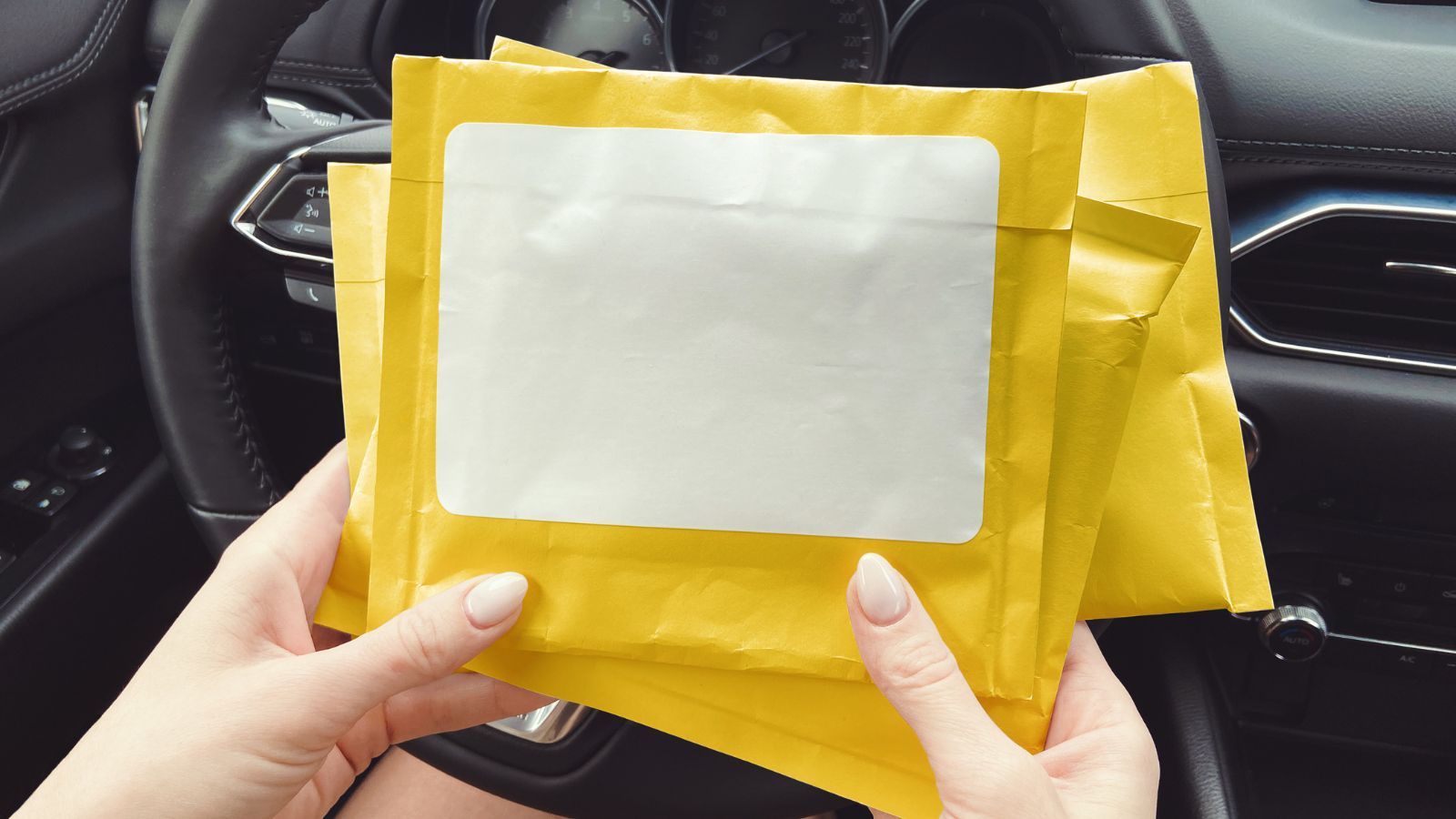
Mail can reveal more than people expect. Envelopes may show names, addresses, account numbers, medical providers, government agencies, financial institutions, or employer details. A package label may expose a home address, phone number, or purchasing pattern. When mail is left on a seat, it gives a thief information as well as a physical item.
Checkbooks are even more sensitive. They contain bank routing and account numbers, and blank checks can create fraud problems quickly. A stack of unopened mail picked up after work or a checkbook tucked in the console can turn a vehicle break-in into weeks of account monitoring. Mail should go indoors, and checkbooks should never live in a car.
Garage Door Openers
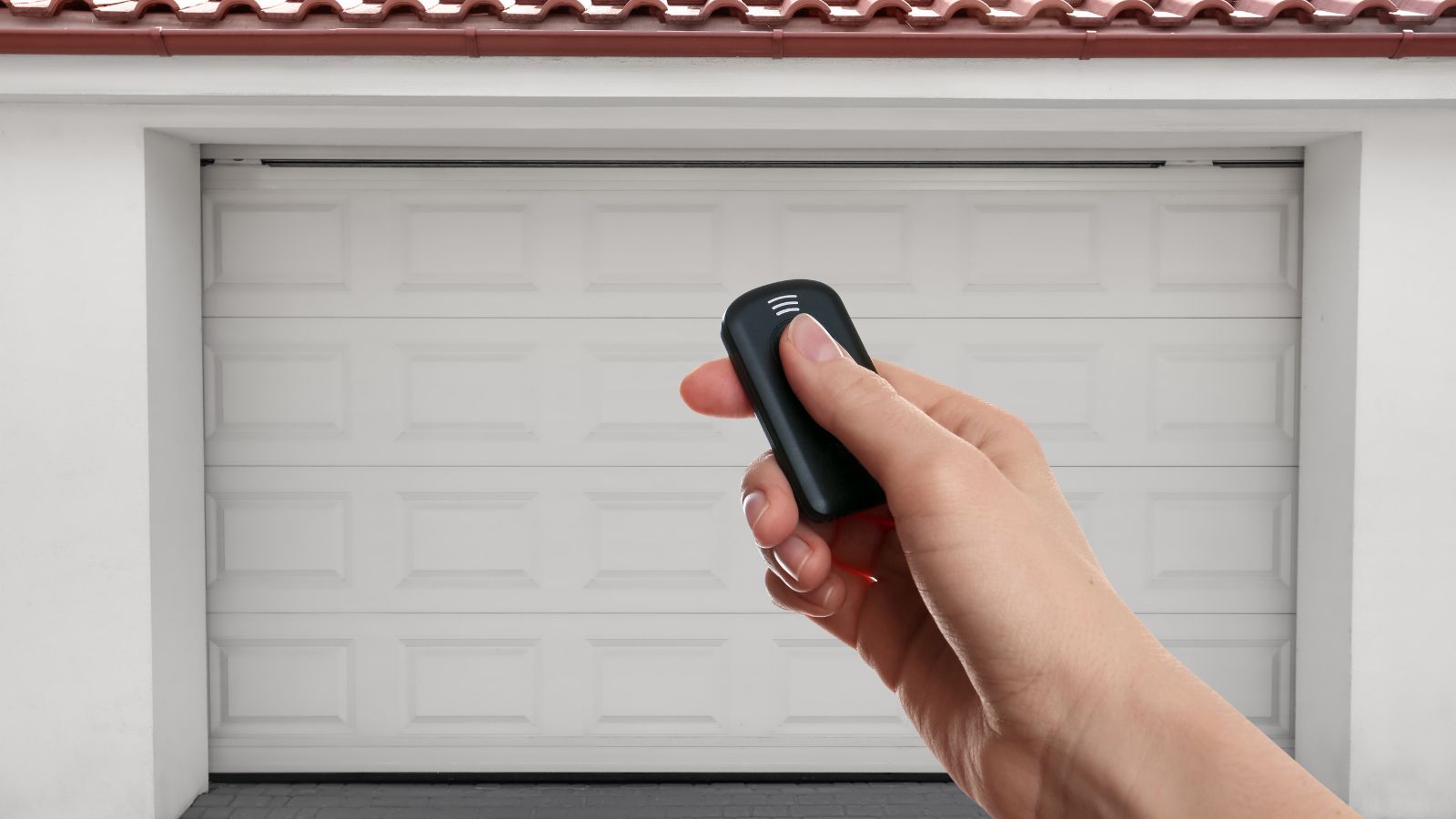
A garage door opener is small, familiar, and easy to overlook. It may not look valuable, but in the wrong hands it can become access to a home, garage, tools, bikes, storage bins, and sometimes an interior door. The risk grows when registration papers or mail in the same vehicle reveal the home address.
This is why many police agencies specifically name garage openers in vehicle break-in advice. A thief who finds one may not need to guess much. If a vehicle is parked outside overnight, at an airport lot, or in a public garage, the opener should be removed or carried separately. A keypad, smart garage app, or detachable opener can reduce the habit of leaving it clipped to the visor.
House Keys and Access Fobs
House keys, condo fobs, office badges, and building access cards can extend a car break-in into other spaces. The key itself may not identify the door, but if it is stolen with a driver’s licence, registration, mail, or work badge, the connection becomes much clearer. That combination can create a serious personal security problem.
Access fobs are also easy to underestimate. A parking garage fob, apartment entry tag, workplace card, or storage locker key can help someone get past the first locked door. Keys should leave with the driver, not stay on a spare ring in the console. If keys are stolen with identifying documents, locks, fobs, or access permissions may need to be changed quickly.
GPS Units, Dash Cams, and Mounts
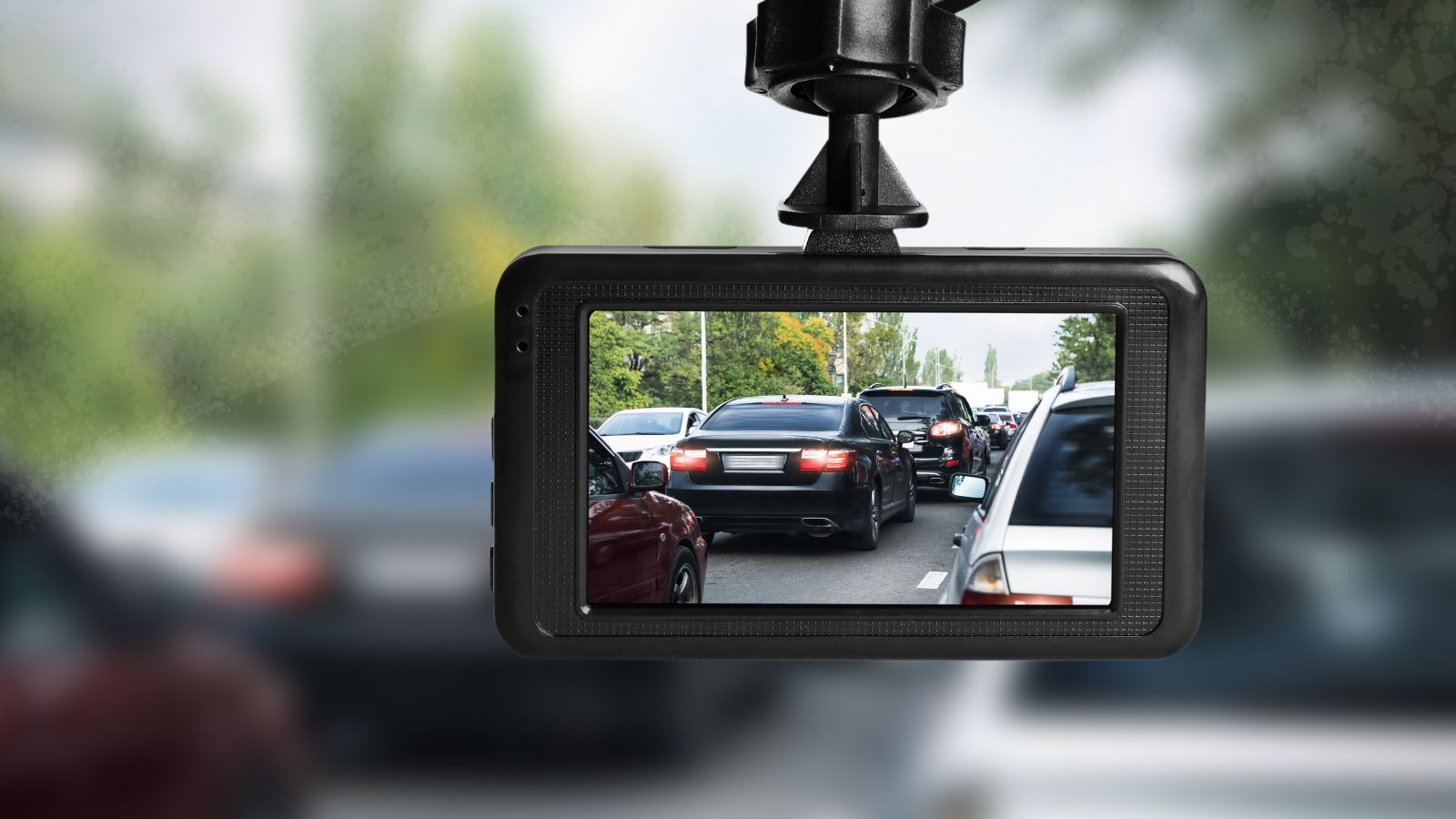
Portable GPS units and dash cameras are obvious targets because they are visible, useful, and easy to remove. Even when the device is detached, the mount, suction mark, cable, or dashboard cradle can advertise that electronics may be hidden in the glove box. Some police guidance even recommends wiping suction marks from the windshield.
Navigation devices can also reveal patterns. Saved home addresses, recent destinations, job sites, children’s activities, or vacation routes can provide more information than expected. Built-in systems are harder to remove, but portable units, memory cards, and dash cams should not be left hanging in plain sight. A clean windshield and empty dashboard make the vehicle look less rewarding.
Shopping Bags and Recent Purchases
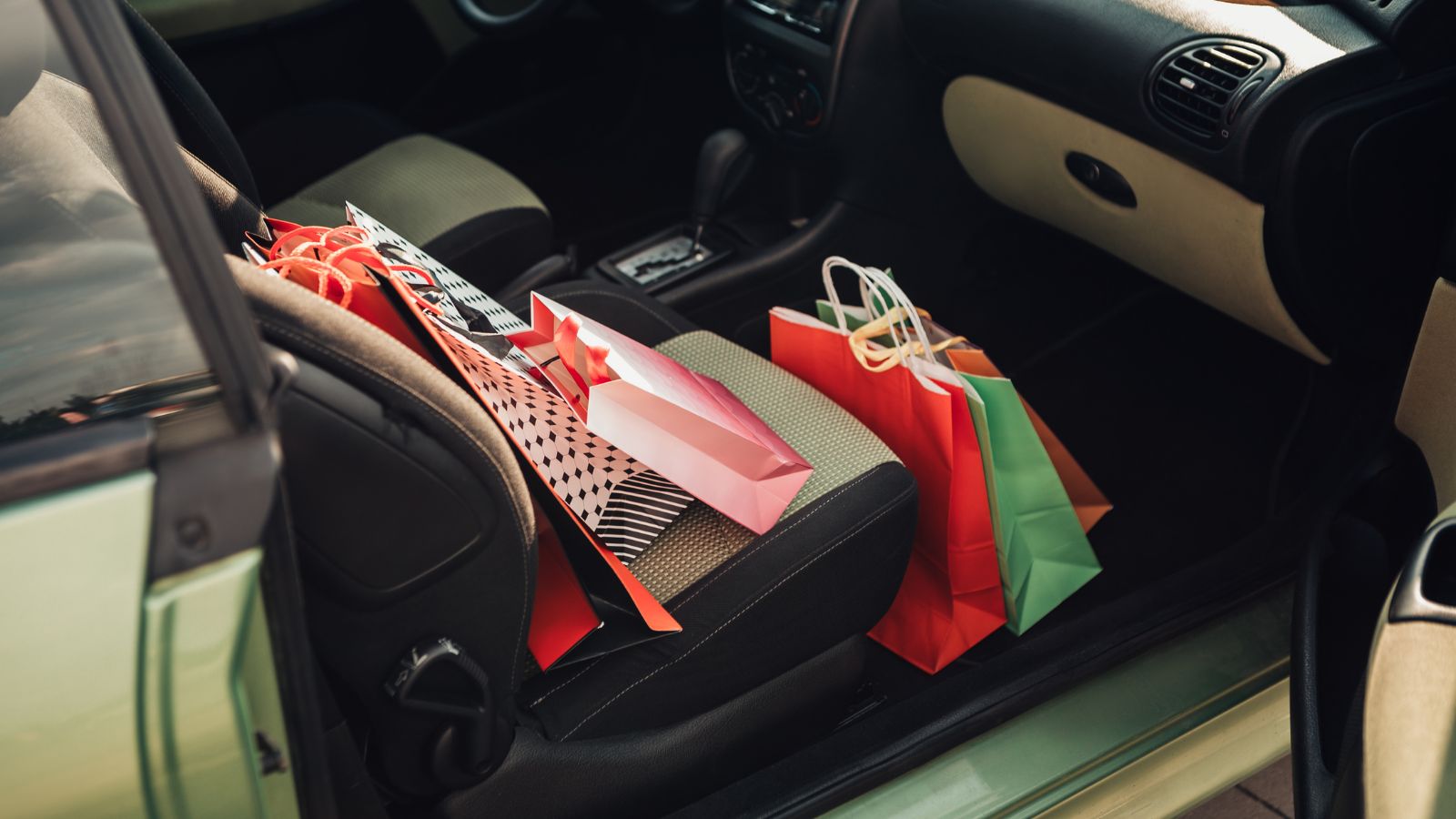
Shopping bags are visual bait. A thief cannot tell whether a bag contains designer shoes, pharmacy items, electronics, or a cheap return, but the possibility may be enough. Bags from malls, big-box stores, electronics shops, and pharmacies are especially suggestive because they imply recent purchases that may still be packaged and easy to resell.
Receipts inside the bag can add another layer of exposure. They may show store locations, partial card details, loyalty numbers, or return information. During errands, the better habit is to put purchases in the trunk before arriving at the next stop, not after parking where others can watch. For longer stops, bringing purchases indoors is safer than treating the car as temporary storage.
Jewellery, Sunglasses, and Clothing
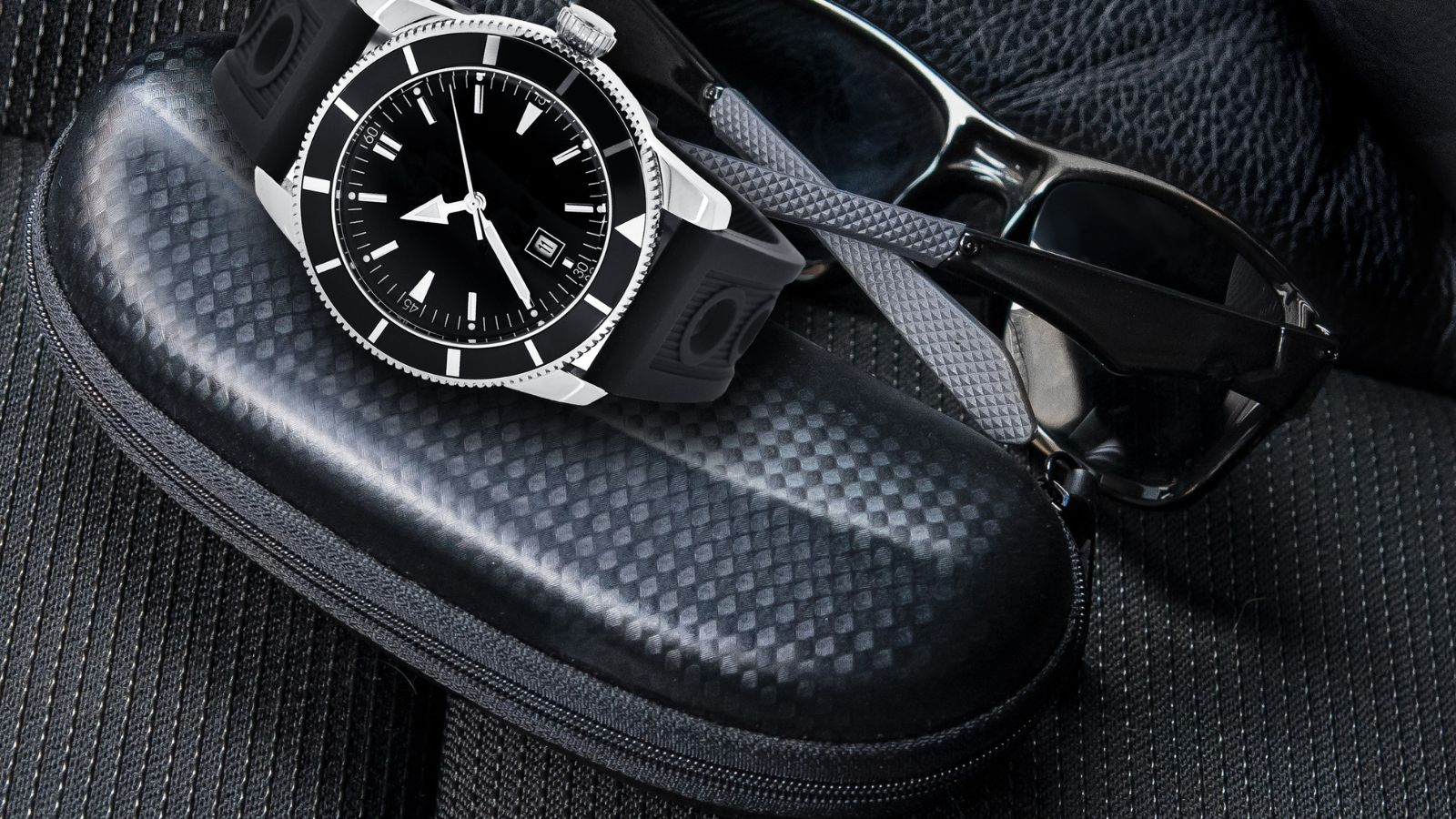
Jewellery and sunglasses are small, visible, and easy to pocket. Even costume jewellery may look valuable through a window, and branded sunglasses can be stolen in seconds. A ring placed in a cupholder before a gym session or sunglasses left on the dashboard can create an unnecessary invitation.
Clothing can also attract attention, especially jackets, sports gear, uniforms, or branded outerwear that might hide a wallet or badge. Police prevention lists often include clothing and sunglasses among common stolen items because they are easy to grab and easy to sell or use. The safest rule is simple: if it looks wearable, branded, or potentially valuable, it should not be left visible.
Tools and Work Equipment
Tools are a major loss because they are not just possessions; they are often someone’s livelihood. Power tools, tool bags, diagnostic equipment, ladders, meters, and specialty kits can be costly to replace and difficult to recover. A work truck or van parked overnight may be especially attractive if it signals trade equipment inside.
For contractors, technicians, and anyone carrying equipment between job sites, removal is best when practical. When tools must remain in the vehicle, police guidance recommends locking external toolboxes, securing equipment out of sight, recording serial numbers, photographing tools, and marking them. Those steps may not stop every theft, but they reduce opportunity and improve the chance of documentation after a loss.
Firearms and Other Weapons
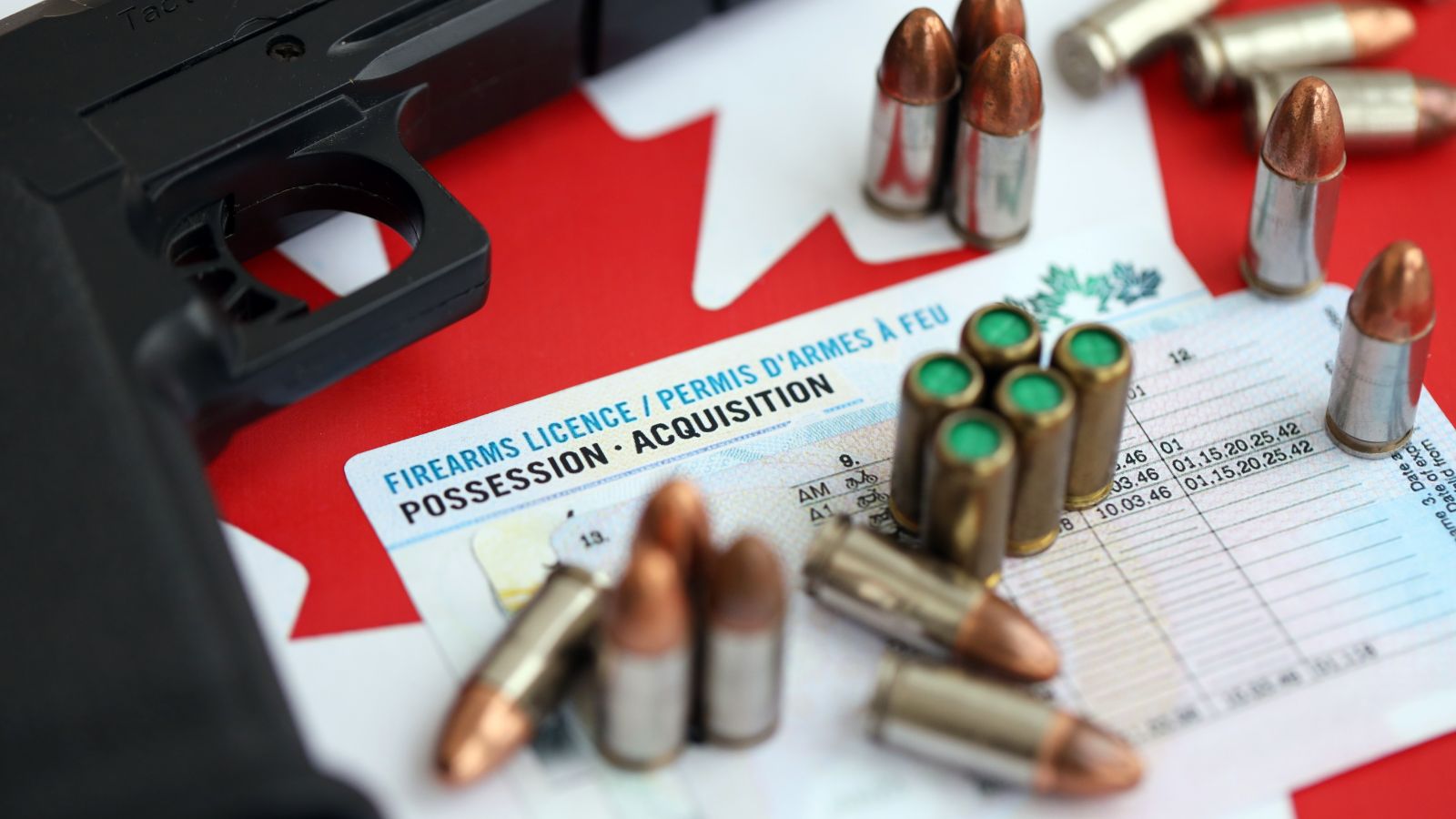
A firearm stolen from a vehicle is a uniquely serious risk because the loss does not end with the break-in. Research on gun theft has found that thefts from vehicles have become a growing source of stolen firearms in some jurisdictions. Once stolen, a weapon may be difficult to recover and may create legal, safety, and community consequences.
Where firearms are legally transported, they should be removed from the vehicle whenever possible and stored according to local law. If temporary vehicle storage is unavoidable, a locked, secured container is far safer than a glove box, console, door pocket, or bag. Knives, batons, and other weapons should be treated with the same caution: a parked car is not a secure storage locker.
22 Things Canadians Do to Their Cars in Spring That Mechanics Hate
Spring brings relief to many Canadian drivers after months of snow, freezing temperatures, and icy roads that put serious strain on vehicles. As temperatures rise across the country, drivers begin washing cars, switching tires, and preparing vehicles for warmer weather and upcoming road trips. However, mechanics across Canada notice the same mistakes every spring when drivers attempt to recover from winter damage. Road salt, potholes, and harsh winter driving conditions often leave vehicles with hidden problems that drivers ignore. Some spring habits even create new mechanical issues that could have been avoided with proper maintenance. Here are 22 things Canadians do to their cars in spring that mechanics hate.