





















• About
  • Contact
AutoIgloo
  • News & Trends
    27 Things Canadian Drivers Should Do Before Pothole Season Destroys Their Suspension

    15 Signs Your Vehicle Is Becoming Too Expensive to Keep

    19 Things to Photograph Immediately After a Car Accident

    19 Things to Photograph Immediately After a Car Accident

    18 Auto Repairs Canadians Keep Putting Off Until the Bill Gets Ugly

    Washington’s 50% American-Made Auto Demand Crosses a Red Line for Canada

    9 Auto Brands Canadians Are Watching Much More Closely Right Now

    Toyota Canada Says Electrified Vehicles Are Now Nearly 70% of Its Q2 Sales

    25 EV Charging Mistakes Canadians Make in March (That Wreck Range)

    Ottawa Orders New Study on Whether Canada’s EV Grid Can Handle the Next Wave of Chargers

    9 Auto Brands Canadians Are Watching Much More Closely Right Now

    Subaru Cuts Canadian Solterra EV by $4,500 as Dealers Chase Nervous Buyers

  • Car Reviews
    21 Cars Canadians Are Starting to Regret Buying

    Why Some Drivers Regret Buying Big Wheels and Low-Profile Tires

    17 Vehicles That Are Quietly Getting Crushed by Insurance Costs in Canada

    Why So Many Drivers Are Nervous About Chinese-Made EV Batteries

    20 Used SUVs Canadians Should Think Twice About Buying

    20 Used SUVs Canadians Should Think Twice About Buying

    15 Vehicles That Are Starting to Feel Like a Bad Deal Around May Long Weekend

    15 Vehicles That Are Starting to Feel Like a Bad Deal Around May Long Weekend

    15 Vehicles That Are Starting to Scare Off Canadian Buyers

    15 Vehicles That Are Starting to Scare Off Canadian Buyers

    25 Vehicles That Make the Most Sense for Canadian Families in 2026

    16 Vehicles That Suddenly Look Smart for a Canadian Summer Road Trip

  • Buying Guides
    19 Things That Can Make Your Car Insurance Claim Get Denied

    Why Your Car Payment Is Only the Beginning of the Real Cost

    23 Features That Are Making New Cars Harder (and Pricier) to Repair in Canada

    21 Used Car Features That Can Become Expensive Problems Later

    17 Car Scams Canadians Should Watch for Before Sending a Deposit

    Why Car Dealership Trade-In Offers Can Change After You Arrive

    19 Things That Can Make Your Car Insurance Claim Get Denied

    20 Questions to Ask Before Letting a Car Dealership Run Your Credit

    20 Signs a Used Car Was Abused Before It Hit the Lot

    22 Signs a Car Has Been in a Serious Crash Even if the Report Looks Clean

    20 Signs a Used Car Was Abused Before It Hit the Lot

    20 Signs a Used Car Was Abused Before It Hit the Lot

  • Comparisons
    Canada’s Auto Fight Gets Uglier as BYD Threatens to Sue Trump Administration

    Tesla Vs. BYD: Are Chinese EV’s Actually Better for Canadians?

    17 Vehicles That Are Quietly Getting Crushed by Insurance Costs in Canada

    Why So Many Drivers Are Nervous About Chinese-Made EV Batteries

    20 Used SUVs Canadians Should Think Twice About Buying

    20 Used SUVs Canadians Should Think Twice About Buying

    16 Cars That Are a Nightmare to Repair Because Parts Are Backordered

    23 Cars Canadians Love That Have One Deal-Breaker Flaw

    21 Vehicles Insurance Companies Are Quietly Flagging as “High Risk” in Canada (2026 Update)

    19 Vehicles Canadians Regret Leasing (And the Ones They Don’t)

    Why the Next Wave of Chinese EVs Could Force Canada’s Biggest Price War Yet

    Why the Next Wave of Chinese EVs Could Force Canada’s Biggest Price War Yet

  • EVs & Hybrids
    17 SUVs That Are Losing Their Appeal Fast in Canada

    GM Canada Says EV Sales Jumped More Than 30% as CUSMA Uncertainty Hangs Over Showrooms

    9 Auto Brands Canadians Are Watching Much More Closely Right Now

    Toyota Canada Says Electrified Vehicles Are Now Nearly 70% of Its Q2 Sales

    25 EV Charging Mistakes Canadians Make in March (That Wreck Range)

    Ottawa Orders New Study on Whether Canada’s EV Grid Can Handle the Next Wave of Chargers

    23 Features That Are Making New Cars Harder (and Pricier) to Repair in Canada

    Why the Cheapest EVs May Not Be the Best Deal After Three Winters

    Canada’s Auto Fight Gets Uglier as BYD Threatens to Sue Trump Administration

    Tesla Vs. BYD: Are Chinese EV’s Actually Better for Canadians?

    15 Cars That Are Becoming Harder to Resell in Canada

    Used EV prices jump as affordable vehicles disappear

  • More
    • Pricing & Deals
    • Winter Driving
    • Ownership & Maintenance
No Result
View All Result
AutoIgloo
  • News & Trends
    27 Things Canadian Drivers Should Do Before Pothole Season Destroys Their Suspension

    15 Signs Your Vehicle Is Becoming Too Expensive to Keep

    19 Things to Photograph Immediately After a Car Accident

    19 Things to Photograph Immediately After a Car Accident

    18 Auto Repairs Canadians Keep Putting Off Until the Bill Gets Ugly

    Washington’s 50% American-Made Auto Demand Crosses a Red Line for Canada

    9 Auto Brands Canadians Are Watching Much More Closely Right Now

    Toyota Canada Says Electrified Vehicles Are Now Nearly 70% of Its Q2 Sales

    25 EV Charging Mistakes Canadians Make in March (That Wreck Range)

    Ottawa Orders New Study on Whether Canada’s EV Grid Can Handle the Next Wave of Chargers

    9 Auto Brands Canadians Are Watching Much More Closely Right Now

    Subaru Cuts Canadian Solterra EV by $4,500 as Dealers Chase Nervous Buyers

  • Car Reviews
    21 Cars Canadians Are Starting to Regret Buying

    Why Some Drivers Regret Buying Big Wheels and Low-Profile Tires

    17 Vehicles That Are Quietly Getting Crushed by Insurance Costs in Canada

    Why So Many Drivers Are Nervous About Chinese-Made EV Batteries

    20 Used SUVs Canadians Should Think Twice About Buying

    20 Used SUVs Canadians Should Think Twice About Buying

    15 Vehicles That Are Starting to Feel Like a Bad Deal Around May Long Weekend

    15 Vehicles That Are Starting to Feel Like a Bad Deal Around May Long Weekend

    15 Vehicles That Are Starting to Scare Off Canadian Buyers

    15 Vehicles That Are Starting to Scare Off Canadian Buyers

    25 Vehicles That Make the Most Sense for Canadian Families in 2026

    16 Vehicles That Suddenly Look Smart for a Canadian Summer Road Trip

  • Buying Guides
    19 Things That Can Make Your Car Insurance Claim Get Denied

    Why Your Car Payment Is Only the Beginning of the Real Cost

    23 Features That Are Making New Cars Harder (and Pricier) to Repair in Canada

    21 Used Car Features That Can Become Expensive Problems Later

    17 Car Scams Canadians Should Watch for Before Sending a Deposit

    Why Car Dealership Trade-In Offers Can Change After You Arrive

    19 Things That Can Make Your Car Insurance Claim Get Denied

    20 Questions to Ask Before Letting a Car Dealership Run Your Credit

    20 Signs a Used Car Was Abused Before It Hit the Lot

    22 Signs a Car Has Been in a Serious Crash Even if the Report Looks Clean

    20 Signs a Used Car Was Abused Before It Hit the Lot

    20 Signs a Used Car Was Abused Before It Hit the Lot

  • Comparisons
    Canada’s Auto Fight Gets Uglier as BYD Threatens to Sue Trump Administration

    Tesla Vs. BYD: Are Chinese EV’s Actually Better for Canadians?

    17 Vehicles That Are Quietly Getting Crushed by Insurance Costs in Canada

    Why So Many Drivers Are Nervous About Chinese-Made EV Batteries

    20 Used SUVs Canadians Should Think Twice About Buying

    20 Used SUVs Canadians Should Think Twice About Buying

    16 Cars That Are a Nightmare to Repair Because Parts Are Backordered

    23 Cars Canadians Love That Have One Deal-Breaker Flaw

    21 Vehicles Insurance Companies Are Quietly Flagging as “High Risk” in Canada (2026 Update)

    19 Vehicles Canadians Regret Leasing (And the Ones They Don’t)

    Why the Next Wave of Chinese EVs Could Force Canada’s Biggest Price War Yet

    Why the Next Wave of Chinese EVs Could Force Canada’s Biggest Price War Yet

  • EVs & Hybrids
    17 SUVs That Are Losing Their Appeal Fast in Canada

    GM Canada Says EV Sales Jumped More Than 30% as CUSMA Uncertainty Hangs Over Showrooms

    9 Auto Brands Canadians Are Watching Much More Closely Right Now

    Toyota Canada Says Electrified Vehicles Are Now Nearly 70% of Its Q2 Sales

    25 EV Charging Mistakes Canadians Make in March (That Wreck Range)

    Ottawa Orders New Study on Whether Canada’s EV Grid Can Handle the Next Wave of Chargers

    23 Features That Are Making New Cars Harder (and Pricier) to Repair in Canada

    Why the Cheapest EVs May Not Be the Best Deal After Three Winters

    Canada’s Auto Fight Gets Uglier as BYD Threatens to Sue Trump Administration

    Tesla Vs. BYD: Are Chinese EV’s Actually Better for Canadians?

    15 Cars That Are Becoming Harder to Resell in Canada

    Used EV prices jump as affordable vehicles disappear

  • More
    • Pricing & Deals
    • Winter Driving
    • Ownership & Maintenance
No Result
View All Result
AutoIgloo
No Result
View All Result

Home » Winter Driving (Canada)

The Simple Winter Habit That Can Save a Car Battery From Dying Early

Nate Brewer by Nate Brewer
June 18, 2026
Reading Time: 6 mins read
A A
Photo Credit: Shutterstock

Photo Credit: Shutterstock

465
SHARES
1.5k
VIEWS
Share on FacebookShare on Twitter

Winter has a way of exposing every weak point in a vehicle, and few failures feel as immediate as a battery that gives only a click on a freezing morning. Cold weather reduces available battery power while the engine demands more energy to turn over, creating the perfect conditions for early failure. The simple habit that makes the biggest difference is keeping the battery properly charged through winter, especially when a vehicle sits for days or only makes short trips. These 10 sections explain why that habit works, how it protects the battery, and what small routines can prevent an expensive surprise before the next cold snap.

Keep the Battery Charged Before the Deep Cold Arrives
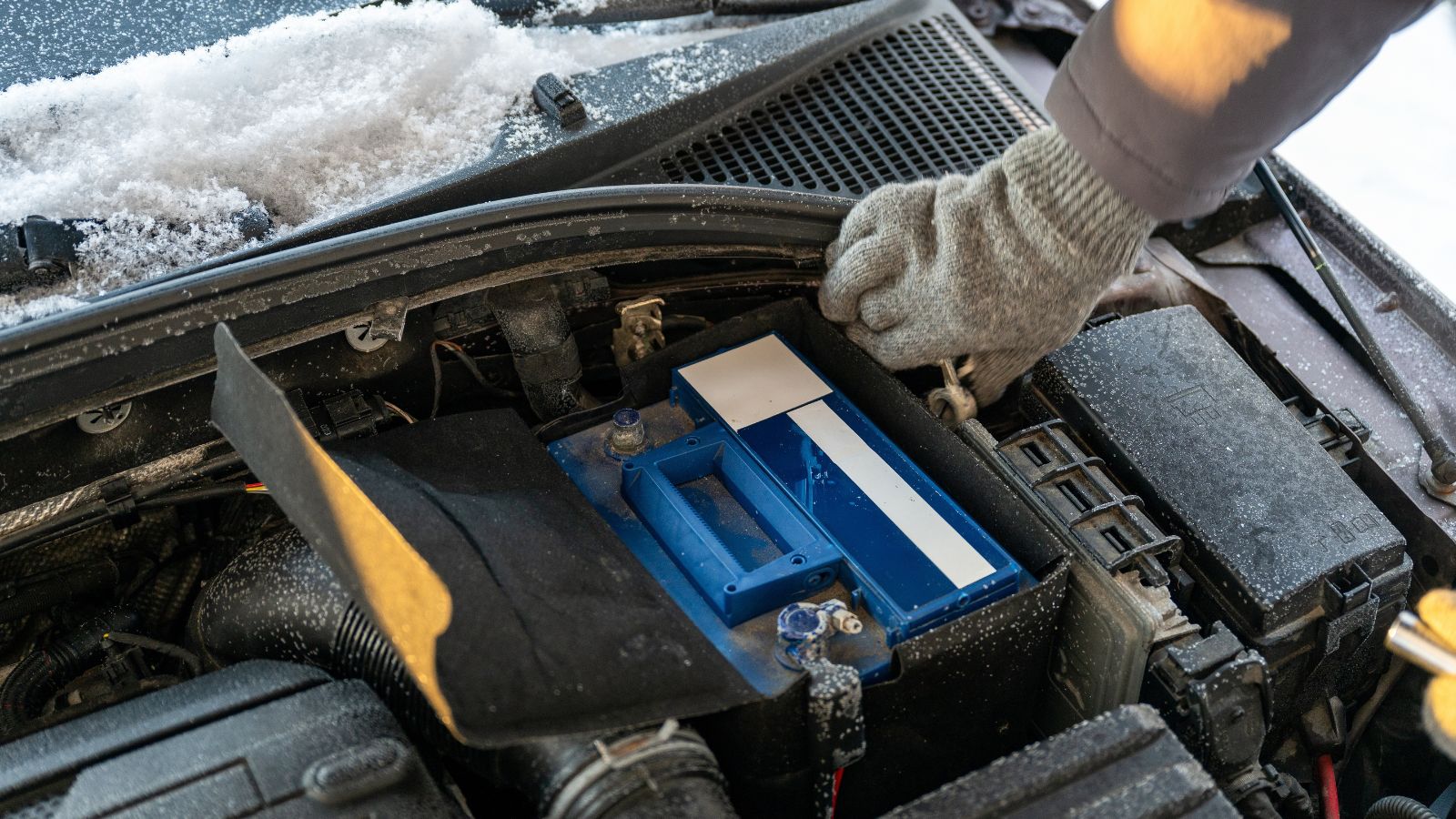
Photo Credit: Shutterstock

A car battery does not enter winter as a blank slate. If it is already undercharged in November, the first hard freeze can turn a small weakness into a no-start morning. Cold temperatures slow the chemical reactions inside a lead-acid battery, which means less usable power is available right when the starter motor needs more effort to crank thickened oil and cold engine parts. A fully charged battery has a much better chance of surviving that strain.

The habit is simple: make sure the battery is fully charged before winter settles in, then keep it from slipping into a low-charge state. This matters most for vehicles that sit outside, older cars with aging batteries, and drivers who rely on short urban trips. A battery that starts the season strong is not guaranteed to last forever, but it is far less likely to be pushed over the edge by one icy morning.

Take a Longer Drive Instead of Only Short Errands

Photo Credit: Shutterstock

Short trips feel harmless, but they can quietly drain a winter battery over time. Starting the engine takes a burst of energy from the battery, and the alternator needs time to replace that charge. When a vehicle only travels a few blocks to school, work, or the grocery store, the battery may never recover fully. Add heated seats, rear defrosters, headlights, blower fans, and phone chargers, and the electrical load becomes even heavier.

A useful winter habit is building in a longer drive every few days when the vehicle is used mostly for errands. Even a 15- to 20-minute drive can help more than repeated five-minute trips, especially if unnecessary electrical accessories are switched off once the cabin is comfortable. The point is not wasting fuel for no reason; it is preventing a slow charge deficit from becoming a dead battery after several cold starts.

Use a Smart Maintainer When the Car Sits
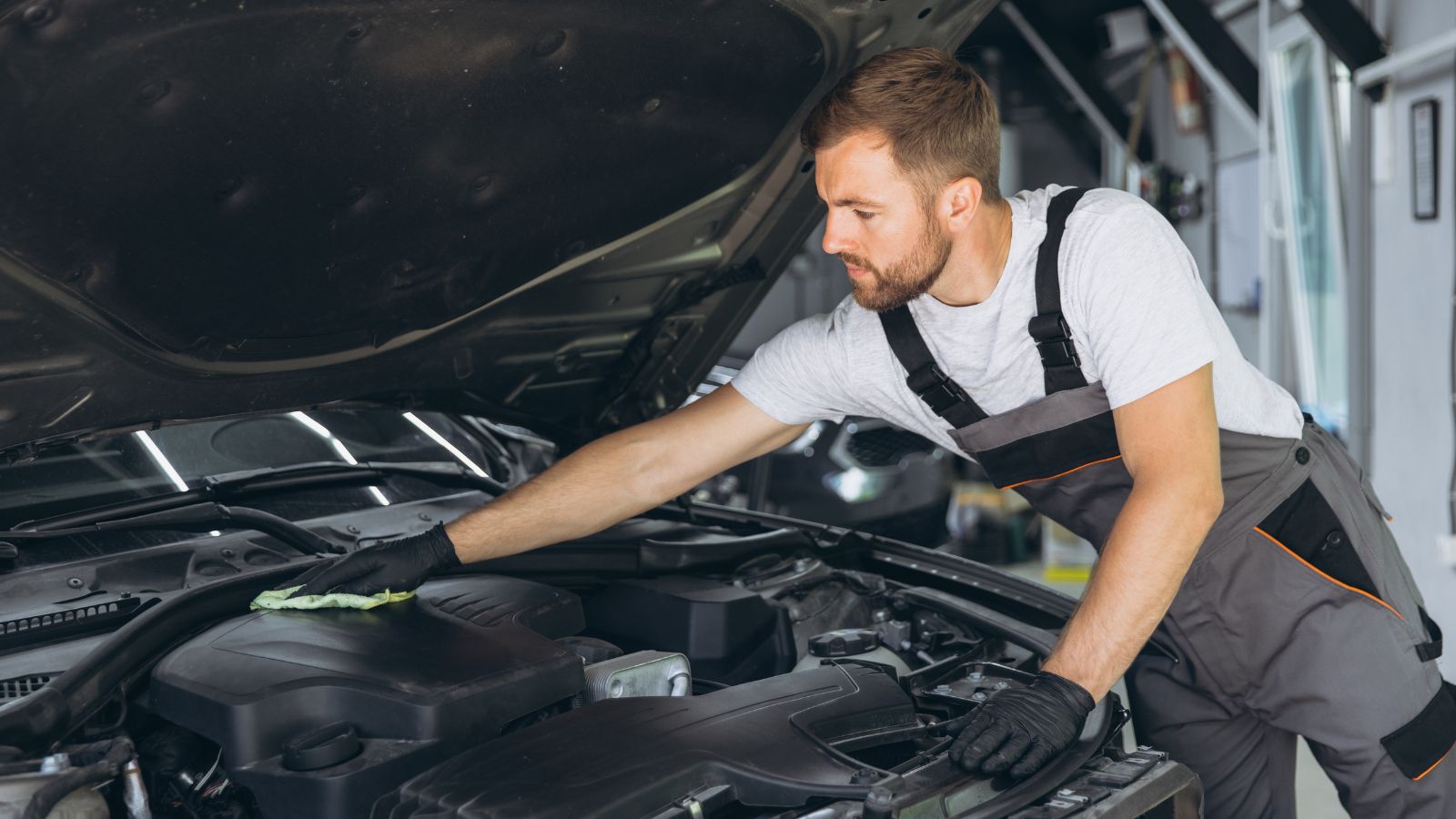
For vehicles that sit for long stretches, a smart battery maintainer can be the difference between a reliable start and a frozen driveway headache. Modern vehicles continue to draw small amounts of power while parked because clocks, alarms, keyless-entry systems, and control modules remain active. That draw is usually modest, but over a week or two in winter, it can pull a marginal battery low enough to struggle.

A maintainer is different from old-fashioned guesswork with a charger. Good maintainers are designed to keep a 12-volt battery topped up without constantly overcharging it. This is especially useful for second cars, seasonal vehicles, work-from-home commuters, and anyone who parks for extended periods. The habit is not complicated: when the vehicle will sit, connect a compatible maintainer according to the owner’s manual and charger instructions.

Check the Terminals Before Blaming the Battery
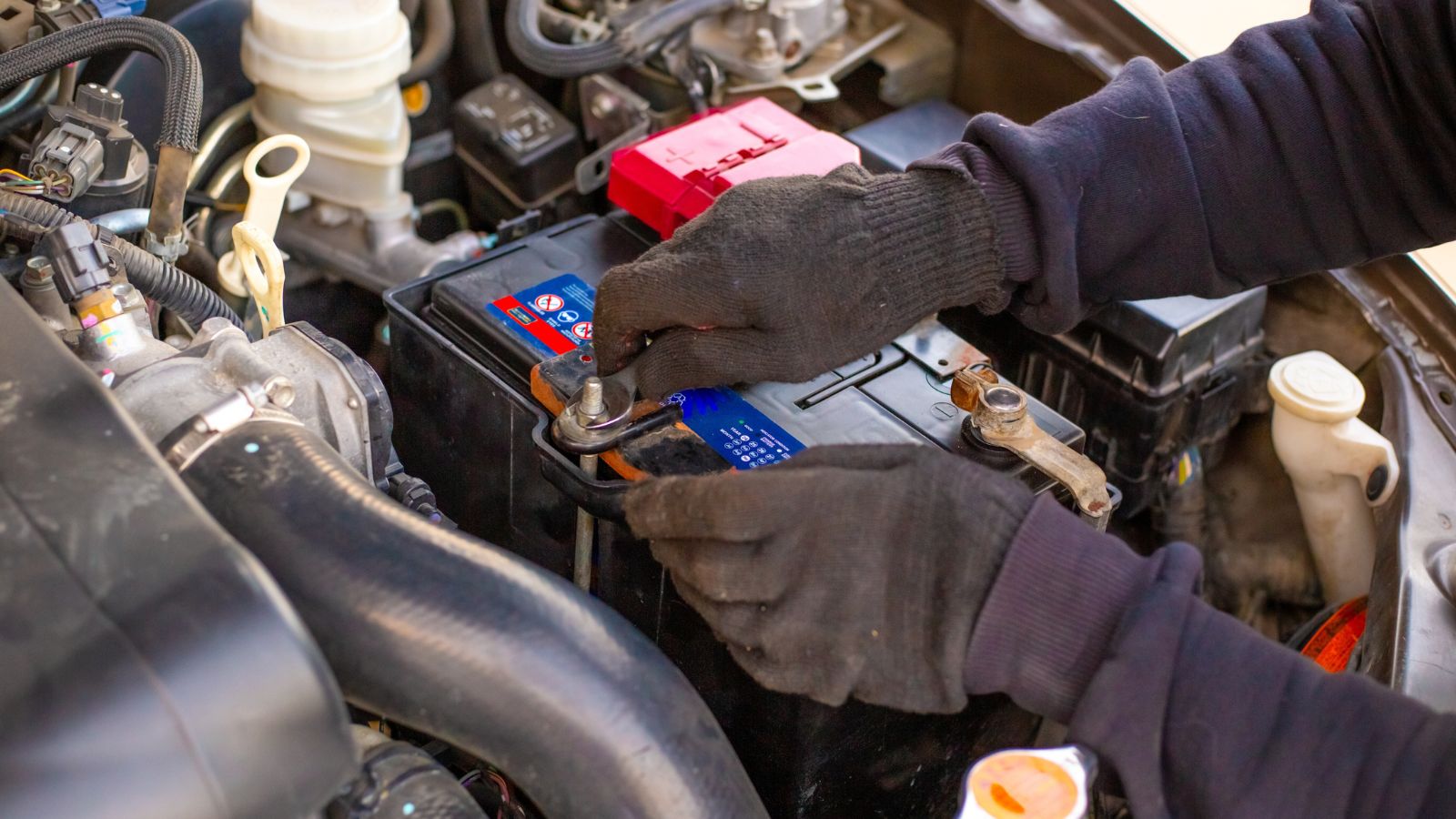
Image Credit: Shutterstock

A battery can have enough power and still fail to deliver it properly if the terminals are dirty, loose, or corroded. Corrosion increases electrical resistance, which can reduce both starting power and charging efficiency. In winter, road salt, moisture, and temperature swings can make connection problems more noticeable. A driver may hear slow cranking and assume the battery is dying, when the real issue is a poor connection.

A quick visual check can prevent that mistake. White, blue, or greenish buildup around the terminals is a warning sign, as are cables that move when lightly touched. Cleaning battery terminals should be done carefully with proper eye and hand protection, and many drivers may prefer a mechanic if they are unsure. The habit is simple: inspect the terminals during winter fill-ups or washer-fluid top-ups, before a weak connection becomes a roadside problem.

Test an Older Battery Before It Gets Tested by Weather
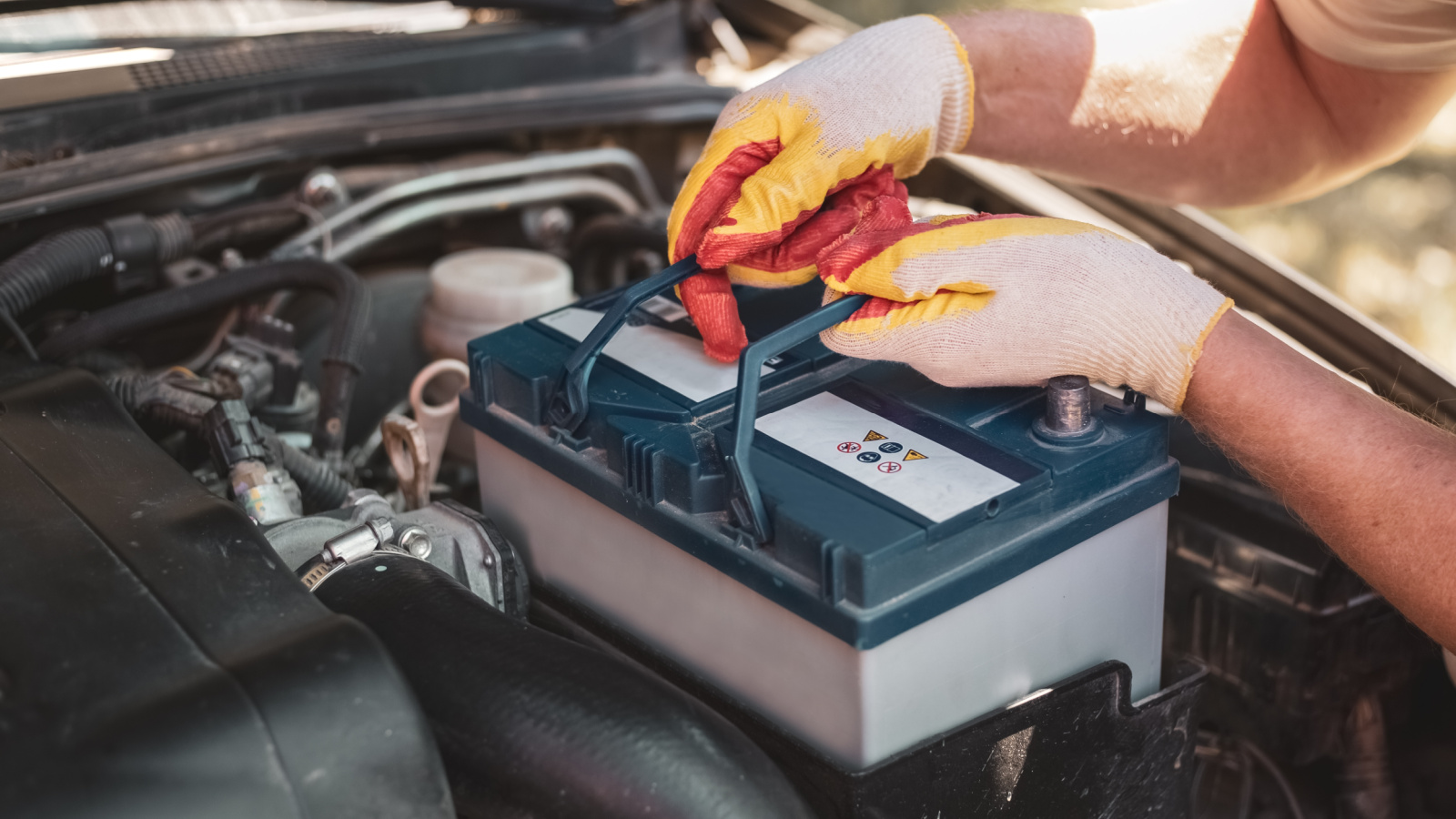
Photo Credit: Shutterstock

Many batteries fail without much drama until the first serious cold snap reveals the truth. A battery that started the car easily in mild weather can struggle badly once temperatures drop. That is why testing matters before the worst weather arrives, especially when the battery is more than three years old or the vehicle has already shown slow-cranking symptoms. A basic test can show whether the battery is healthy, weak, or near replacement.

This habit saves more than inconvenience. It can prevent towing costs, missed work, and risky jump-start attempts in unsafe locations. Auto shops, battery retailers, and roadside-assistance providers often offer battery and charging-system checks. A test also helps separate a weak battery from alternator or cable problems. In winter, the best time to discover a failing battery is while the car still starts in the driveway.

Park With Temperature in Mind When Possible
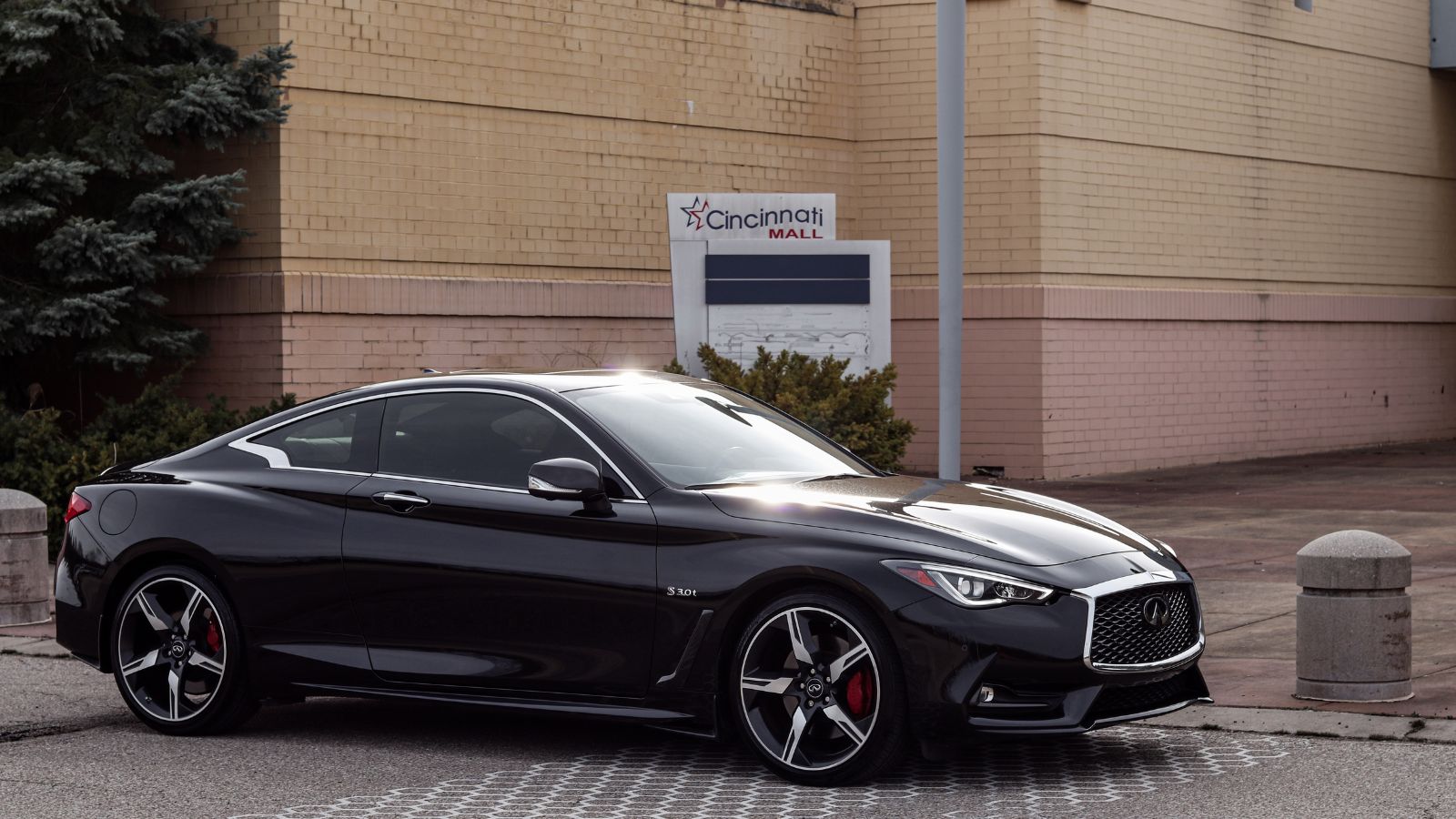
Photo Credit: Shutterstock

Parking location cannot fix a failing battery, but it can reduce stress on a good one. A garage, carport, sheltered driveway, or even a spot protected from wind can keep the vehicle slightly warmer than open exposure. That small difference can matter on nights when temperatures plunge below freezing. Cold reduces a battery’s available cranking power, while the engine simultaneously becomes harder to turn.

This habit is especially useful during predicted cold snaps. Parking nose-in near a building, avoiding exposed hilltop spaces, or using a garage when available can help the battery face less severe overnight conditions. It is not a substitute for charging, testing, or replacing a weak battery, but it supports the same goal: reducing the amount of energy required on the first start of the day.

Turn Off Accessories Before Shutting the Engine Down
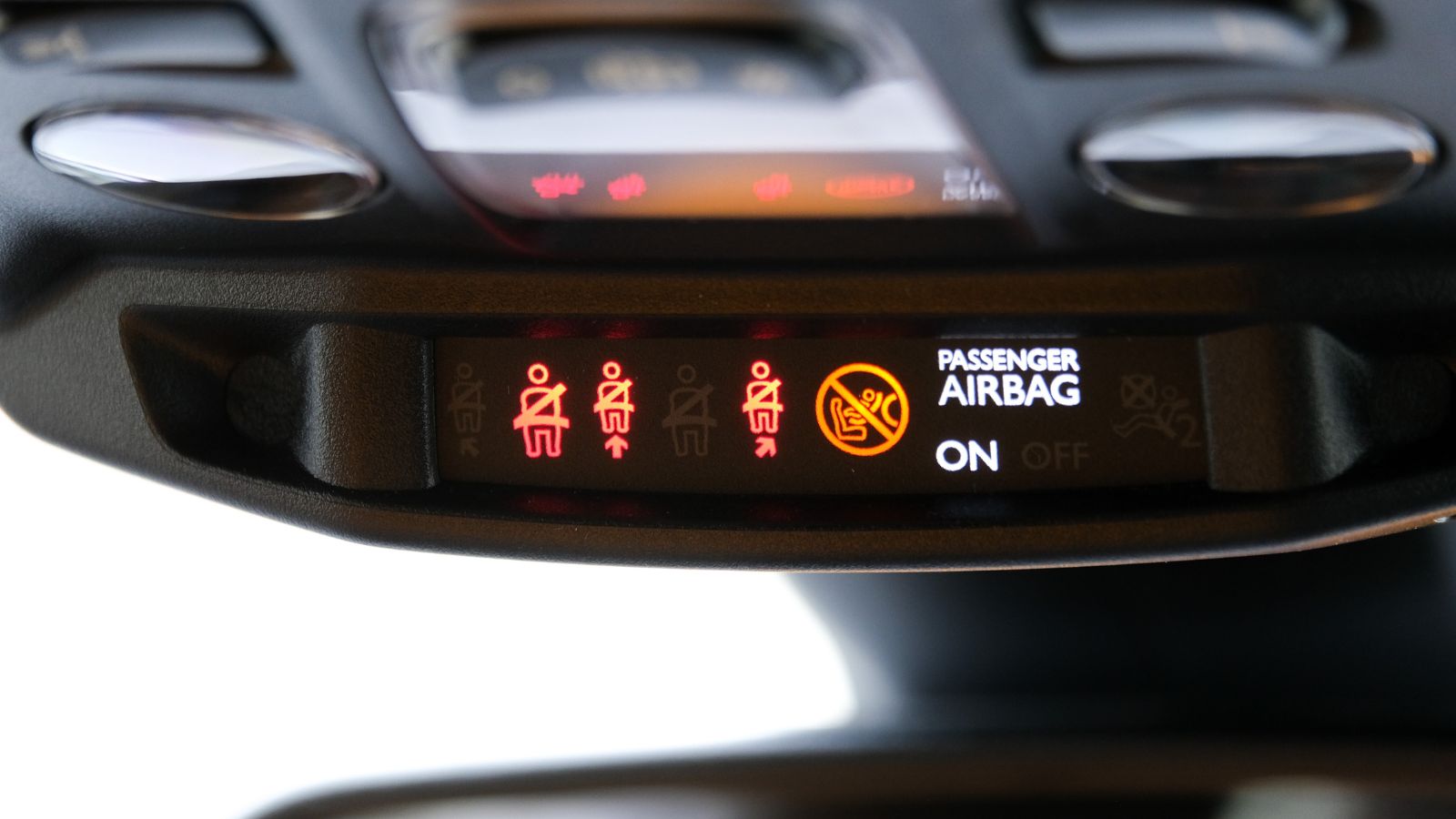
Photo Credit: Shutterstock

Winter driving often means heavy electrical demand. Defrosters, heated mirrors, heated seats, wipers, lights, fans, and infotainment systems may all run at once. If these accessories are left on when the engine is shut off, they can place extra demand on the battery during the next start. Many modern vehicles manage these loads automatically, but older models and some accessories may still create avoidable strain.

A helpful winter routine is to switch off unnecessary electrical loads before turning off the engine, especially after a short trip. That means lowering the fan, turning off heated seats, unplugging accessories, and making sure lights are not left on. It takes only a few seconds, but it helps the next cold start begin with fewer demands competing for battery power. Small habits matter because winter battery trouble is often cumulative.

Watch for Parasitic Drains That Become Worse in Winter
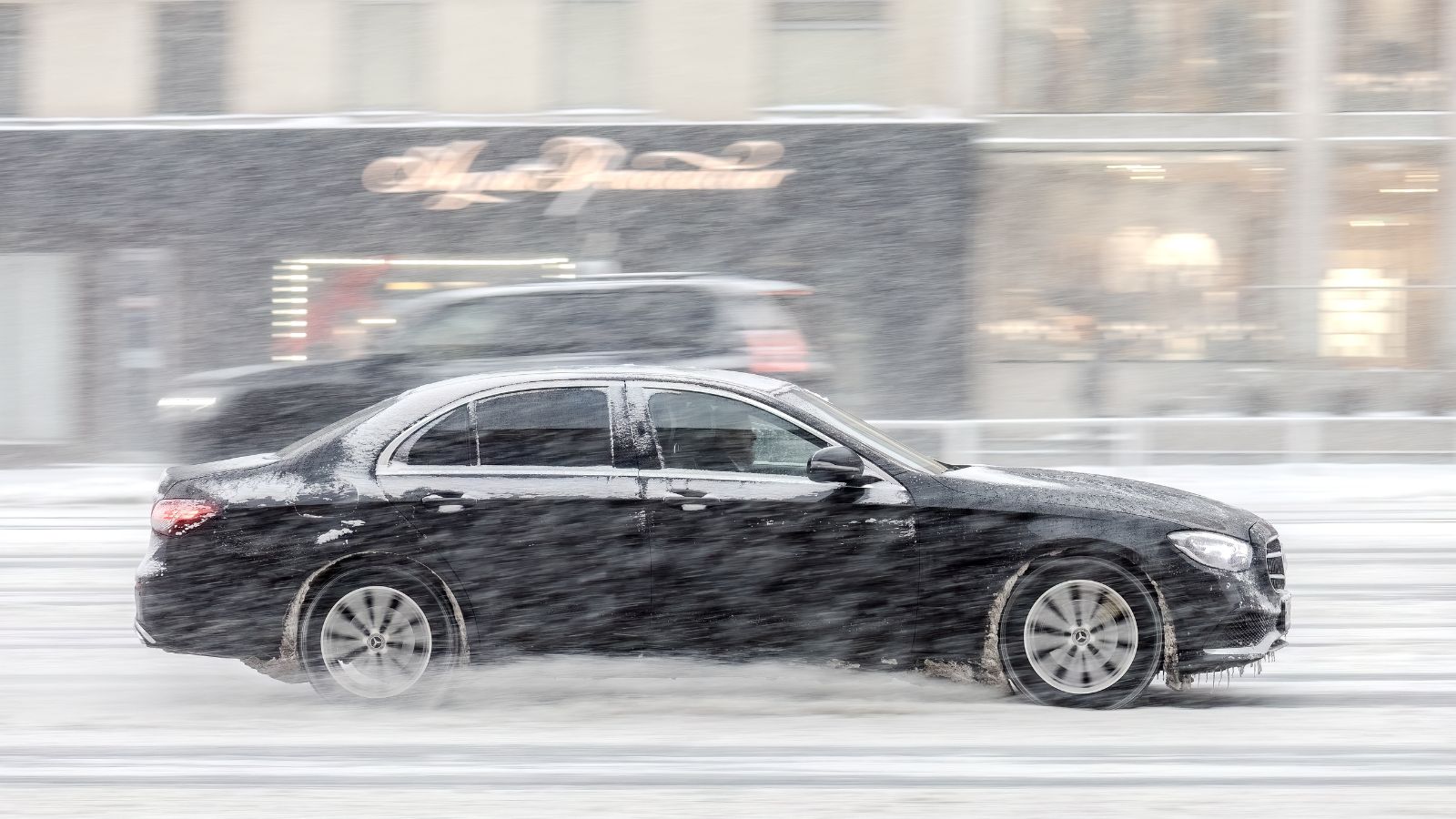
Image Credit: Shutterstock

A parasitic drain is a small electrical draw that continues when the vehicle is off. Some draw is normal, but a faulty light, relay, aftermarket stereo, dash camera, alarm system, or poorly installed accessory can drain the battery faster than expected. In warm weather, the problem may go unnoticed because the battery has more reserve power. In winter, the same drain can leave the vehicle unable to start after one or two nights.

The practical habit is noticing patterns. If the battery dies after sitting but works fine after a jump and longer drive, something may be pulling power while parked. A glove-box light that never turns off, a trunk light stuck on, or an accessory plugged into an always-live outlet can be easy to miss. Repeated jump-starts are a warning sign, not a solution. The cause should be diagnosed before the battery is damaged by deep discharges.

Avoid Repeated Deep Discharges

Image Credit: Shutterstock

Starting batteries are built to deliver short, powerful bursts of current, not to be drained deeply again and again. When a battery is repeatedly run down by lights, long storage, or parasitic draw, its lifespan can shorten. Deep discharge can also make winter failure more likely because the battery returns to service weaker than before. One accidental drain may be recoverable, but repeated drains are a serious warning.

This is where the simple charging habit becomes protective. Keeping the battery topped up, using a maintainer during storage, and fixing electrical drains all reduce the chance of deep discharge. Jump-starting may get the car moving, but it does not always restore the battery to full health. After a full drain, a proper recharge and battery test are smarter than assuming the alternator will solve everything on the next short commute.

Replace Weak Batteries Before Winter Makes the Decision
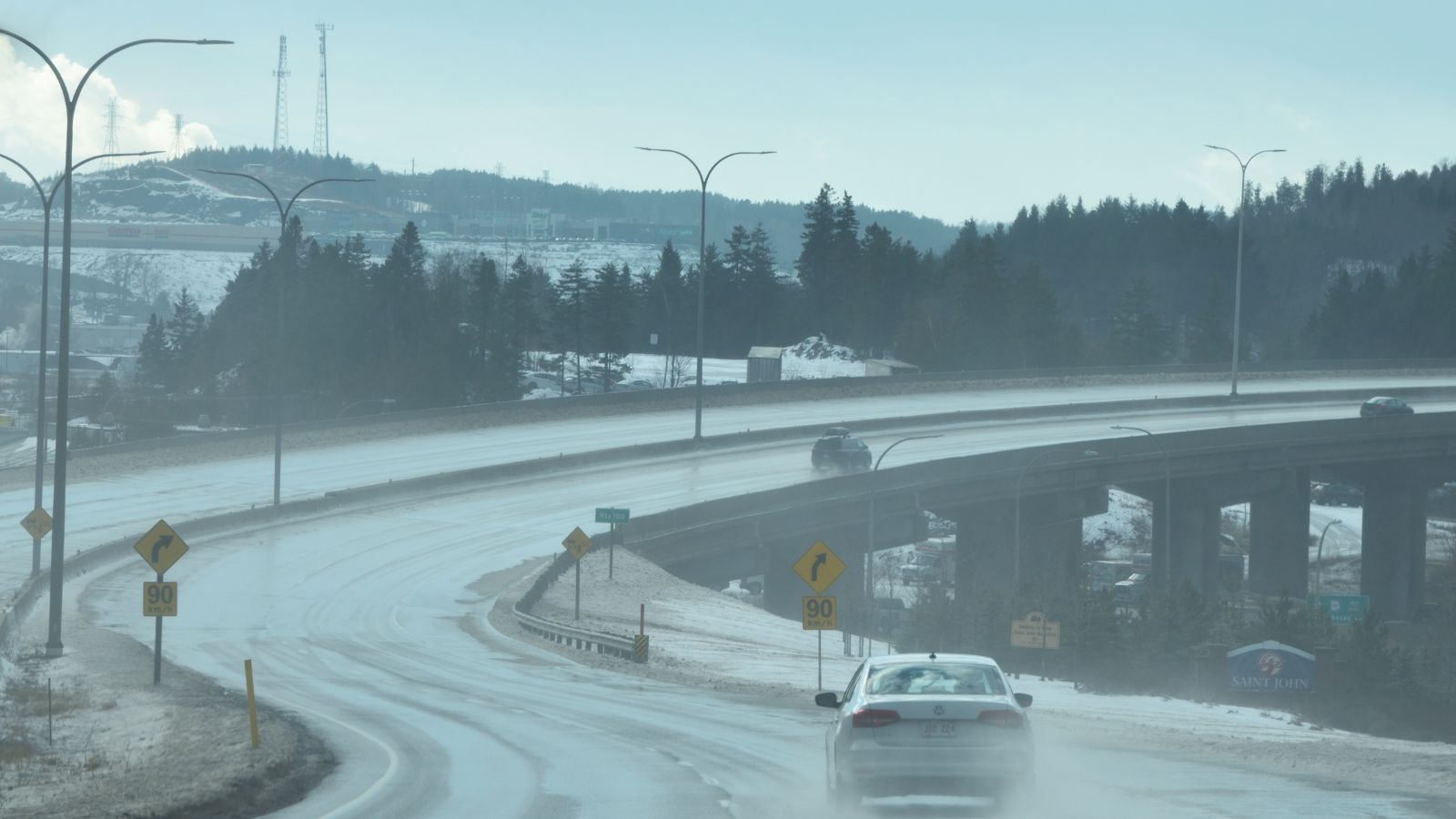
Image Credit: Shutterstock

Charging habits can extend battery life, but they cannot rescue every battery. If testing shows poor capacity, if the case is swollen, if terminals are damaged, or if slow cranking keeps returning, replacement may be the safer choice. Winter is hard on marginal batteries because lower temperatures reduce available power and increase starting demand. A battery that is barely adequate in autumn may become unreliable in January.

The habit is knowing when maintenance has reached its limit. Replacing a weak battery before the coldest stretch is usually less stressful than waiting for failure in a parking lot, school drop-off lane, or late-night driveway. Drivers in colder regions should also pay attention to cold-cranking amps and choose a battery that meets the vehicle maker’s requirements. A strong, properly charged battery remains one of the simplest forms of winter preparedness.

22 Things Canadians Do to Their Cars in Spring That Mechanics Hate

Image Credit: Shutterstock

Spring brings relief to many Canadian drivers after months of snow, freezing temperatures, and icy roads that put serious strain on vehicles. As temperatures rise across the country, drivers begin washing cars, switching tires, and preparing vehicles for warmer weather and upcoming road trips. However, mechanics across Canada notice the same mistakes every spring when drivers attempt to recover from winter damage. Road salt, potholes, and harsh winter driving conditions often leave vehicles with hidden problems that drivers ignore. Some spring habits even create new mechanical issues that could have been avoided with proper maintenance. Here are 22 things Canadians do to their cars in spring that mechanics hate.


Recommended.

14 Simple Anti-Theft Upgrades That Can Lower Your Insurance in Canada (2026 Edition)

14 Simple Anti-Theft Upgrades That Can Lower Your Insurance in Canada (2026 Edition)

March 20, 2026
15 Vehicles That Are Starting to Scare Off Canadian Buyers

GM Bets on Ontario Trucks Even as Canada-U.S. Auto Tensions Simmer

May 21, 2026

Trending.

9 Auto Brands Canadians Are Watching Much More Closely Right Now

Toyota Canada Says Electrified Vehicles Are Now Nearly 70% of Its Q2 Sales

July 7, 2026
16 Used SUVs That Suddenly Don’t Look Like Smart Buys in Canada

Toyota Adds U.S. RAV4 Production as Demand Overwhelms Dealers

June 29, 2026
9 Auto Brands Canadians Are Watching Much More Closely Right Now

Unifor Opens Auto Talks With Ford as 5,000 Canadian Workers Face Tariff Pressure

June 22, 2026
16 Cars That Could Be Hit Hardest by Canada’s New Price Pressures

20 Cars Canadians Love Buying but Hate Owning Long Term

June 24, 2026
9 Auto Brands Canadians Are Watching Much More Closely Right Now

Toyota Says Electrified Vehicles Now Make Up 64% of Its Canadian Sales

June 18, 2026
  • About
  • Contact
  • Privacy Policy
  • Disclaimer
  • Editorial Policies
  • Terms and Conditions
A Revir Media Group Website

2026 Autoigloo - © All rights reserved

No Result
View All Result
  • News & Trends
  • Car Reviews
  • Buying Guides
  • Comparisons
  • EVs & Hybrids
  • More
    • Pricing & Deals
    • Winter Driving
    • Ownership & Maintenance

2026 Autoigloo - © All rights reserved

This website uses cookies. By continuing to use this website you are giving consent to cookies being used. Visit our Privacy and Cookie Policy.


