A cheap lease can feel like a tidy shortcut into a newer vehicle: lower monthly payments, a fresh warranty, and fewer worries about long-term ownership. Yet the lowest advertised payment rarely tells the whole financial story. Leasing shifts many costs into fine print, end-of-term conditions, mileage rules, insurance requirements, and penalties that can appear years after the first signature.
Here are 18 reasons a bargain lease can turn into an expensive trap, especially when the deal is judged by the payment alone instead of the full contract.
Low Monthly Payments Can Hide a Bigger Total Cost

A low lease payment often works because the agreement spreads depreciation, rent charges, fees, and taxes in a way that looks gentler than financing. The number in bold type may be easy to compare, but it may not include the full amount due at signing, the acquisition fee, registration costs, required insurance, or lease-end charges. A driver may feel comfortable with a $299 payment, only to discover that thousands were needed upfront.
This is why payment-only shopping can be misleading. A lease is built around the vehicle’s capitalized cost, expected residual value, term length, and rent charge. Changing any of those inputs can make the monthly figure look attractive while leaving the overall cost less appealing. The smartest comparison is not “Can this payment fit?” but “What will this lease cost from the first dollar to the last?”
Big Due-at-Signing Amounts Make the Deal Look Cheaper Than It Is
Some lease specials advertise a low monthly payment while requiring a large amount at signing. That upfront cash may include the first payment, taxes, title, registration, security deposit, acquisition fee, and a capitalized cost reduction. The monthly payment looks smaller because part of the cost has simply been moved to the beginning of the deal.
This can create a false sense of savings. A $249 lease with $4,000 due at signing may be more expensive than a $360 lease with little upfront money, depending on the term. There is also risk in putting a large down payment into a lease. If the vehicle is totaled or stolen early, gap protection may help with the lease balance, but it generally does not reimburse upfront payments already made.
Mileage Limits Can Turn Normal Driving Into a Penalty
Most leases include annual mileage limits, commonly around 10,000 to 15,000 miles. That may sound reasonable when signing, but life rarely follows a tidy driving forecast. A longer commute, family obligations, weekend travel, or a move farther from work can push mileage beyond the contract limit faster than expected.
The cost adds up because excess mileage is usually charged per mile at the end of the lease. Even a modest overage can become painful. At 25 cents per mile, an extra 5,000 miles would mean $1,250 due when the vehicle is returned. Drivers who underestimate usage often do not feel the problem month to month. The bill arrives later, when the car is being inspected and the lease is already ending.
Wear-and-Tear Rules Can Be Stricter Than Everyday Life
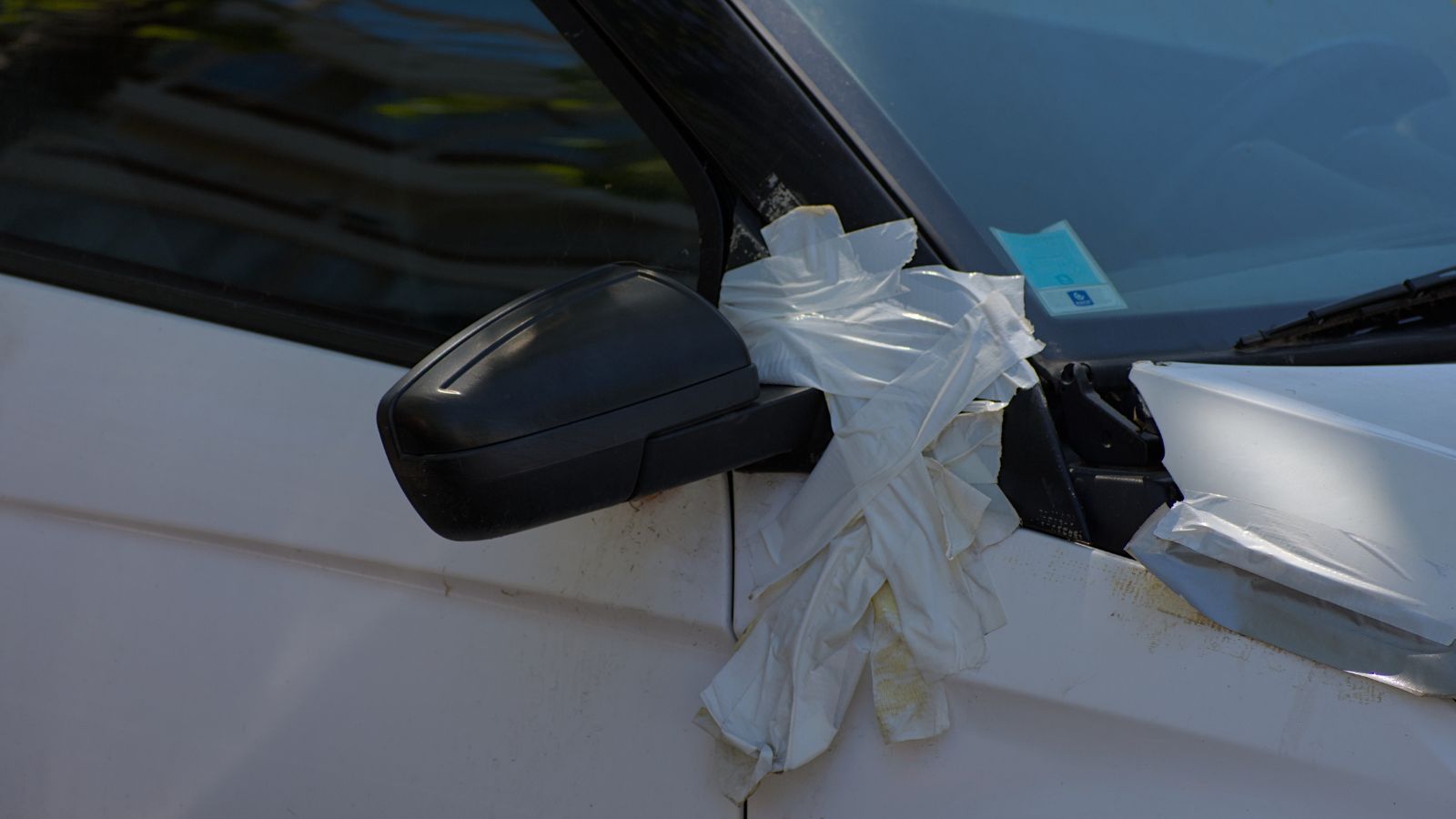
A leased vehicle does not have to be returned in showroom condition, but it usually must meet the leasing company’s definition of acceptable wear. That definition may be stricter than what many drivers consider normal. Scraped bumpers, dented doors, cracked windshields, stained seats, damaged wheels, missing keys, or mismatched tires can all trigger charges.
The frustrating part is that these costs often appear near the end of the contract, when the driver is already preparing to move on. A small parking-lot scrape that felt harmless for two years may suddenly become an invoice item. Families with children, pets, tight garages, street parking, or harsh winter driving conditions can be especially exposed. The cheaper the lease felt at the start, the more surprising these return charges can feel later.
Early Termination Can Be Shockingly Expensive
Leases are built around a fixed term, and getting out early is rarely simple. A job loss, relocation, divorce, illness, growing family, or change in commuting needs can make the vehicle unsuitable before the contract ends. Unfortunately, ending a lease early can involve substantial charges, remaining payments, taxes, and other settlement costs.
This is one reason a cheap lease can become a trap even when the monthly payment is manageable. The agreement may be affordable only if life stays predictable for the full term. If the driver needs flexibility, a low payment may not compensate for the cost of exiting early. Some leases can be transferred, bought out, or traded, but those options depend on the contract, market value, lender rules, and timing.
The Money Factor Can Make Financing Costs Hard to See

Auto loans usually display an annual percentage rate, which makes borrowing costs easier to compare. Leases often use a money factor instead. This figure can look tiny because it is written as a decimal, but it still represents the rent charge built into the lease payment. Without converting or comparing it, a shopper may not realize how expensive the financing portion is.
That lack of clarity can work against consumers. A lease may appear cheap because the monthly payment is low, while the rent charge is less obvious than a traditional loan interest rate. Dealers may also focus the conversation on the monthly amount rather than the money factor, vehicle price, residual value, and total payments. A deal that feels simple can become expensive when the hidden cost of money is ignored.
A High Residual Value Can Lower Payments but Create a Costly Buyout

Residual value is the estimated value of the vehicle at the end of the lease. A higher residual value usually lowers monthly payments because the lessee is paying for less expected depreciation during the term. That can make the lease look like a bargain on paper.
The problem appears when the driver wants to buy the vehicle at lease end. A high residual can mean a high purchase option price, even if the market has shifted or comparable used vehicles are selling for less. Someone who grows attached to the car may face an uncomfortable choice: overpay to keep it, walk away with no ownership stake, or start another cycle of payments. The cheap monthly lease may have simply postponed the bigger decision.
Acquisition and Disposition Fees Add Costs at Both Ends

Many leases include an acquisition fee at the beginning and a disposition fee at the end. The acquisition fee helps cover the leasing company’s administrative costs for setting up the contract. The disposition fee is commonly charged when the vehicle is returned, often to help prepare it for resale.
These charges may not be huge individually, but they matter because they sit outside the headline payment. A shopper comparing two lease offers may overlook a few hundred dollars at signing and another few hundred dollars at turn-in. Add registration costs, documentation charges, taxes, and inspection-related costs, and the “cheap” lease becomes less clean than advertised. The trap is not always one massive fee; often it is a stack of smaller ones.
Required Insurance Can Raise the Real Monthly Cost

Leasing companies usually require more than the legal minimum insurance because they still own the vehicle. Comprehensive and collision coverage are typically required, and the contract may specify liability limits that exceed state minimums. For drivers used to carrying basic coverage on an older owned vehicle, the insurance jump can erase much of the monthly lease savings.
The effect can be especially noticeable for younger drivers, urban drivers, people with prior claims, or those leasing vehicles with expensive parts and sensors. A low lease payment on a stylish crossover or electric vehicle may look manageable until the insurance quote arrives. The payment belongs to the lease company, but the insurance burden belongs to the driver.
Gap Coverage May Not Protect Every Dollar Paid

Gap coverage can be important in a lease because it helps cover the difference between the vehicle’s insured value and the remaining lease balance if the car is totaled or stolen. Since vehicles often depreciate quickly early in the term, that protection can prevent a major financial shock.
However, gap coverage is not the same as a refund policy. It may not reimburse the down payment, prior monthly payments, overdue amounts, tickets, taxes, or certain fees. A driver who puts thousands down to make a lease look cheap may lose that money if the vehicle is written off early. The lease balance may be handled, but the cash used to reduce the payment is still gone. That makes large upfront payments especially risky.
Maintenance Rules Can Create Surprise Charges
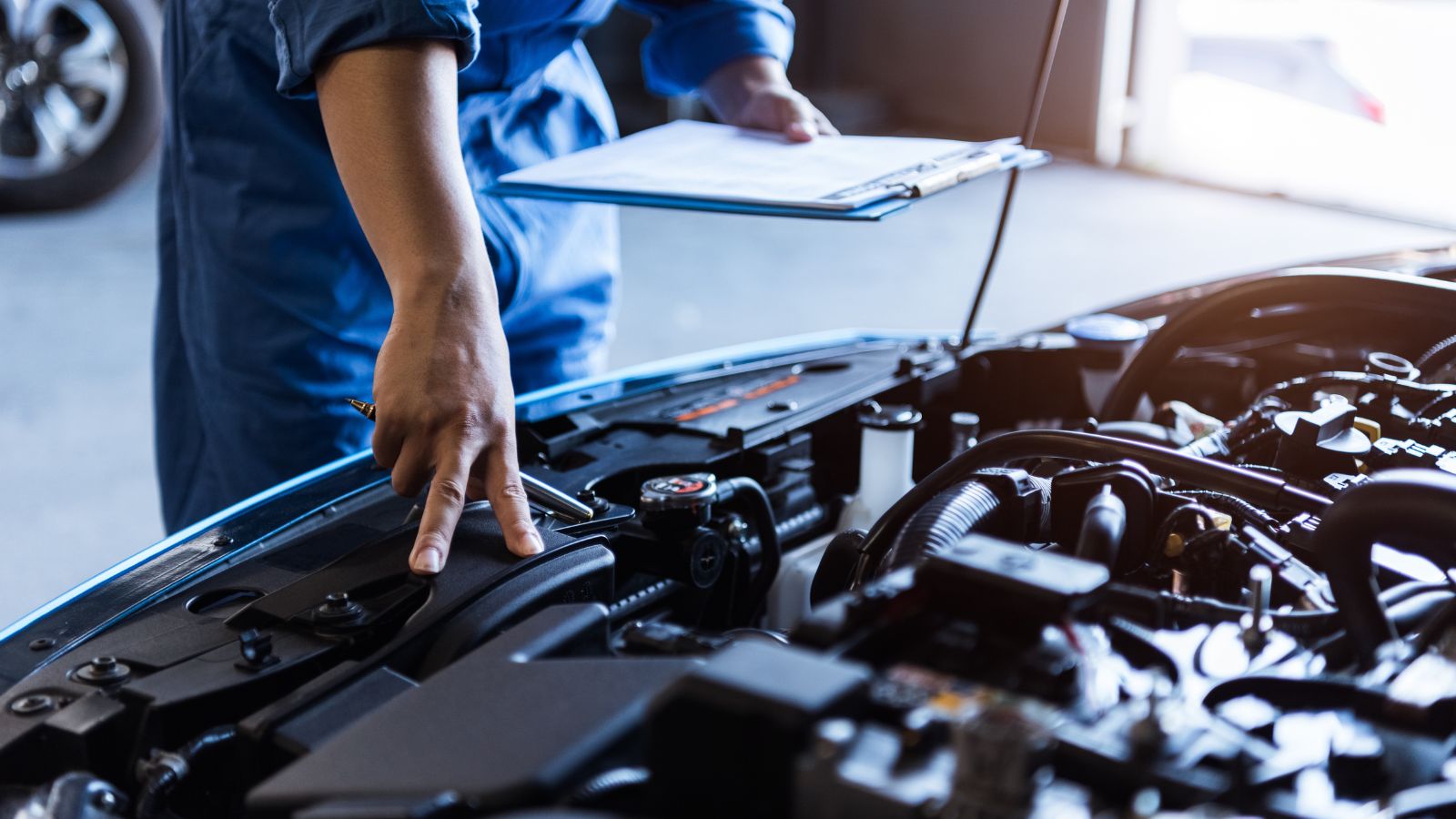
Leased vehicles usually must be maintained according to the manufacturer’s schedule. Oil changes, tire rotations, brake servicing, fluid checks, recall work, and required inspections may all need documentation. Skipping maintenance can create problems at return time, particularly if the leasing company believes neglect reduced the vehicle’s value.
A low-payment lease may feel predictable because the vehicle is newer and often under warranty. Still, warranty coverage does not mean maintenance is free. Tires, brakes, wiper blades, alignments, and scheduled services can remain the driver’s responsibility unless a maintenance package is included. Even then, the details matter. Missing receipts or using the wrong tires can turn ordinary upkeep into a lease-end dispute.
Tire and Wheel Costs Can Be Easy to Underestimate
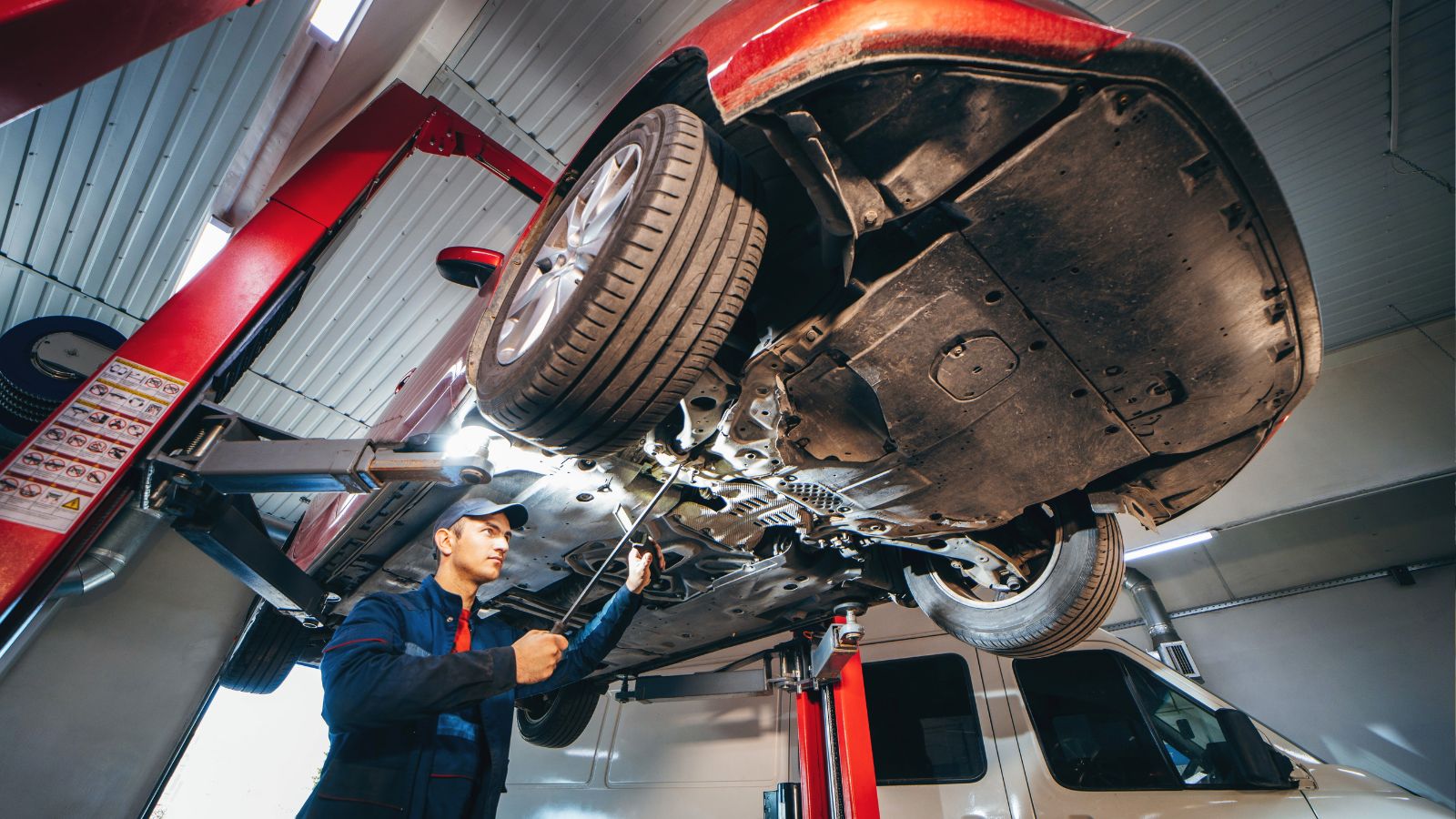
Tires are one of the most common overlooked costs in a lease. The vehicle may need to be returned with tires that meet minimum tread-depth requirements, match the correct size and rating, and are in acceptable condition. Performance cars, luxury SUVs, trucks, and electric vehicles can use expensive tires that wear faster than expected.
Wheel damage can also be costly. Curb rash, bent rims, cracked wheels, and missing center caps may be treated as excess wear rather than normal use. A driver who parallel parks daily or deals with pothole-heavy roads may face higher risk. The monthly lease payment rarely reflects these realities. A cheap deal on a vehicle with large alloy wheels can become expensive when four replacement tires or wheel repairs are needed before turn-in.
Modifications Can Become a Costly Mistake

Leasing is not the same as owning. The vehicle typically must be returned in a condition acceptable to the leasing company, which makes modifications risky. Window tint, suspension changes, aftermarket wheels, performance tuning, decals, audio upgrades, roof racks, tow equipment, or interior alterations can all create issues if they are not approved or properly reversed.
Even harmless-looking changes can cost money. Removing a wrap may reveal paint damage. Aftermarket wheels may need to be swapped back. A hardwired accessory may leave marks or electrical concerns. The driver might spend money installing the upgrades, then spend more restoring the vehicle before return. For people who like personalizing cars, a cheap lease can become restrictive and expensive.
Fees for Tickets, Tolls, and Administrative Handling Can Add Up
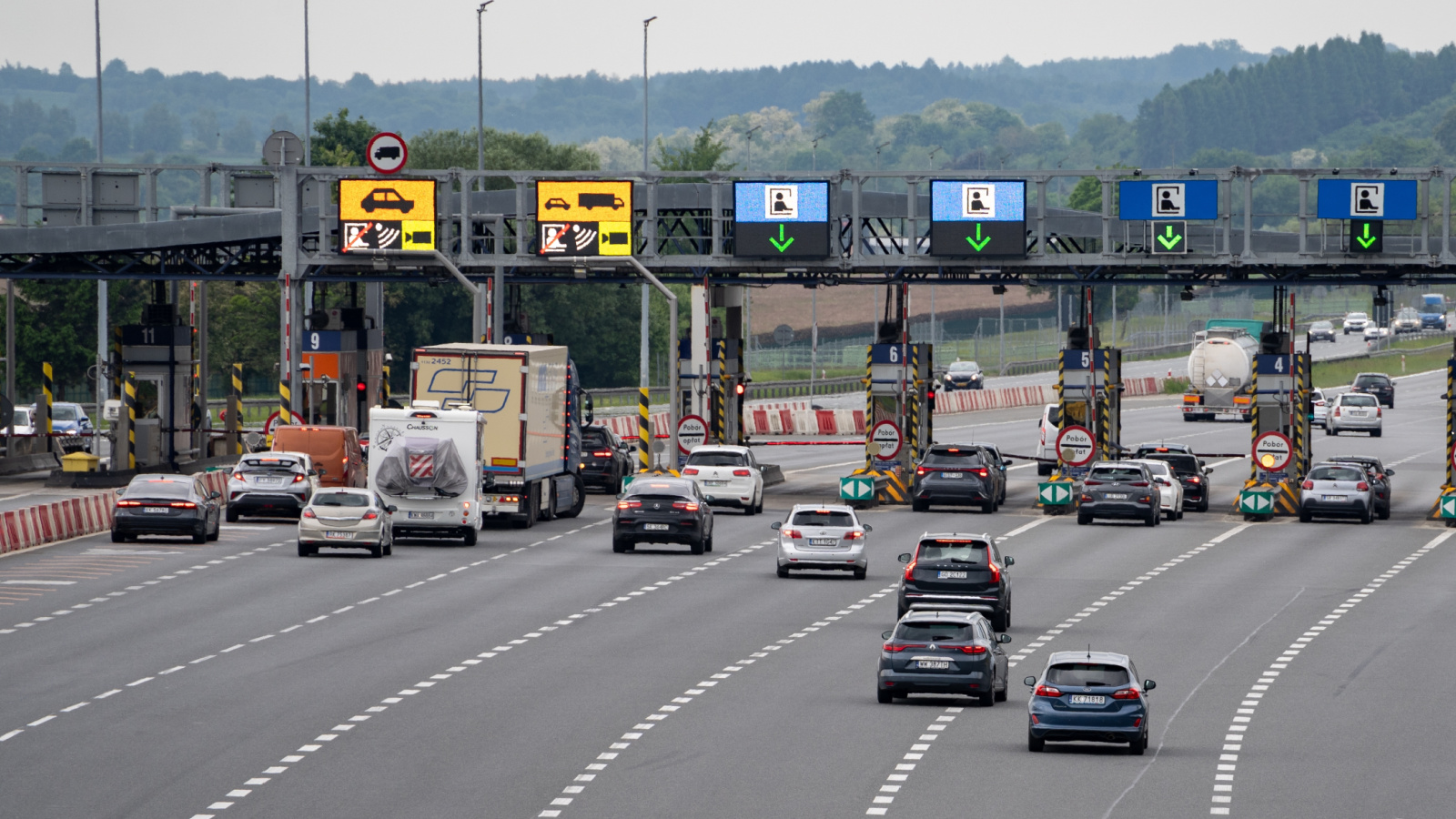
Because the leasing company owns the vehicle, unpaid tolls, parking tickets, camera violations, and registration-related notices may be routed through the lessor. Some companies charge administrative fees for processing these items, even when the underlying fine is paid. The driver may end up paying the ticket plus a handling charge.
This can be especially irritating in cities with automated toll roads, red-light cameras, street parking rules, and congestion-related charges. A single toll mistake may not be financially devastating, but repeated notices can build into a steady leak. The cheapest lease payment does not account for the administrative structure behind the vehicle’s legal ownership. In practice, the car may be driven by one person while paperwork still flows through another entity.
Rolling Negative Equity Into a Lease Can Hide Old Debt
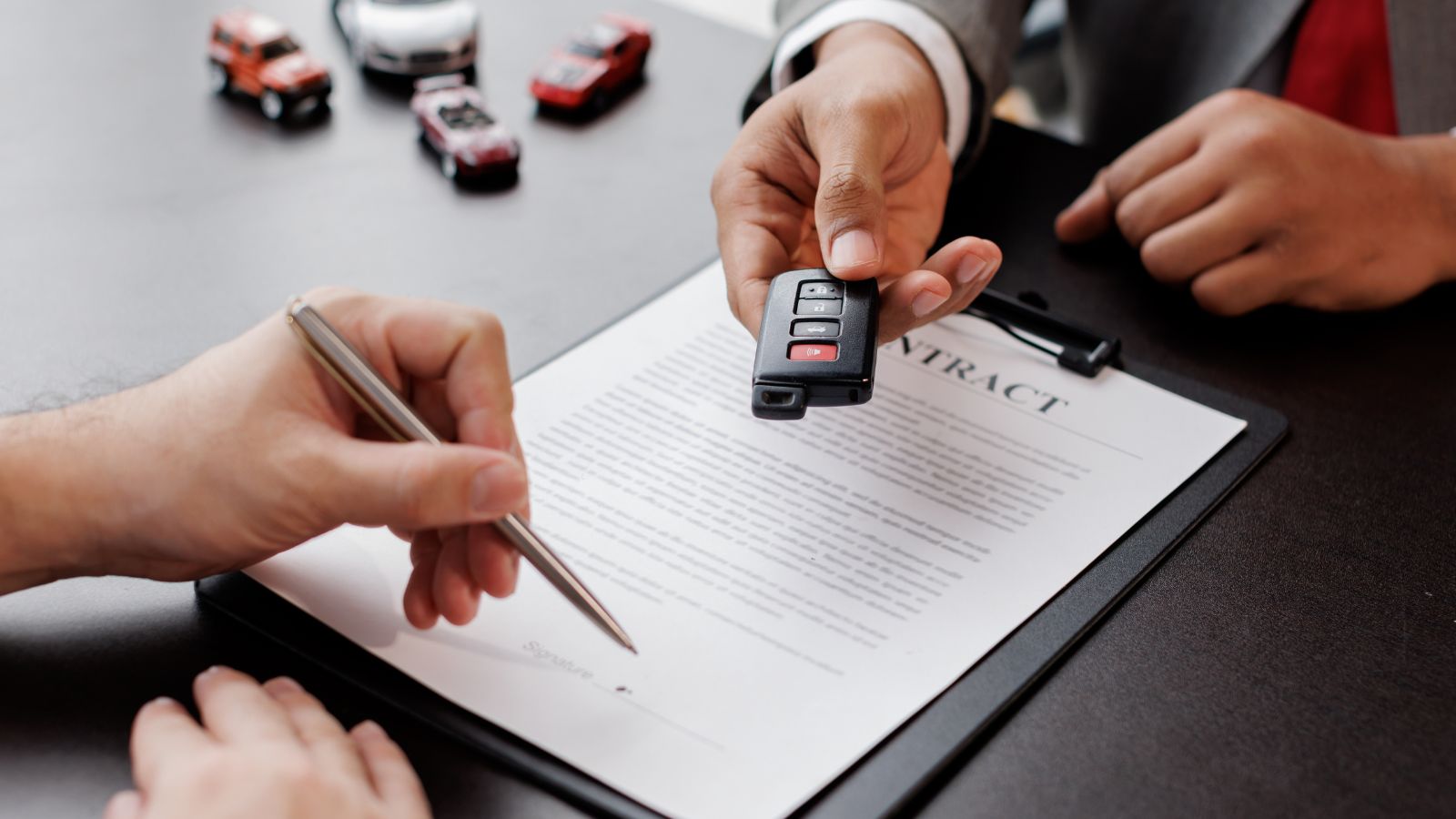
Some drivers enter a lease while still owing more on their current vehicle than it is worth. That negative equity can sometimes be rolled into the new lease. The payment may still look acceptable if the term is stretched, incentives are applied, or the vehicle has a strong residual value. But old debt has not disappeared; it has been repackaged.
This can make a cheap lease especially dangerous. The driver is paying for the new vehicle’s depreciation while also carrying debt from the previous one. If financial stress returns before the lease ends, there may be fewer good options. Rolling negative equity forward can create a cycle where each “affordable” deal quietly carries the cost of past decisions into the next contract.
Lease-End Purchase Options Can Be Less Flexible Than Expected
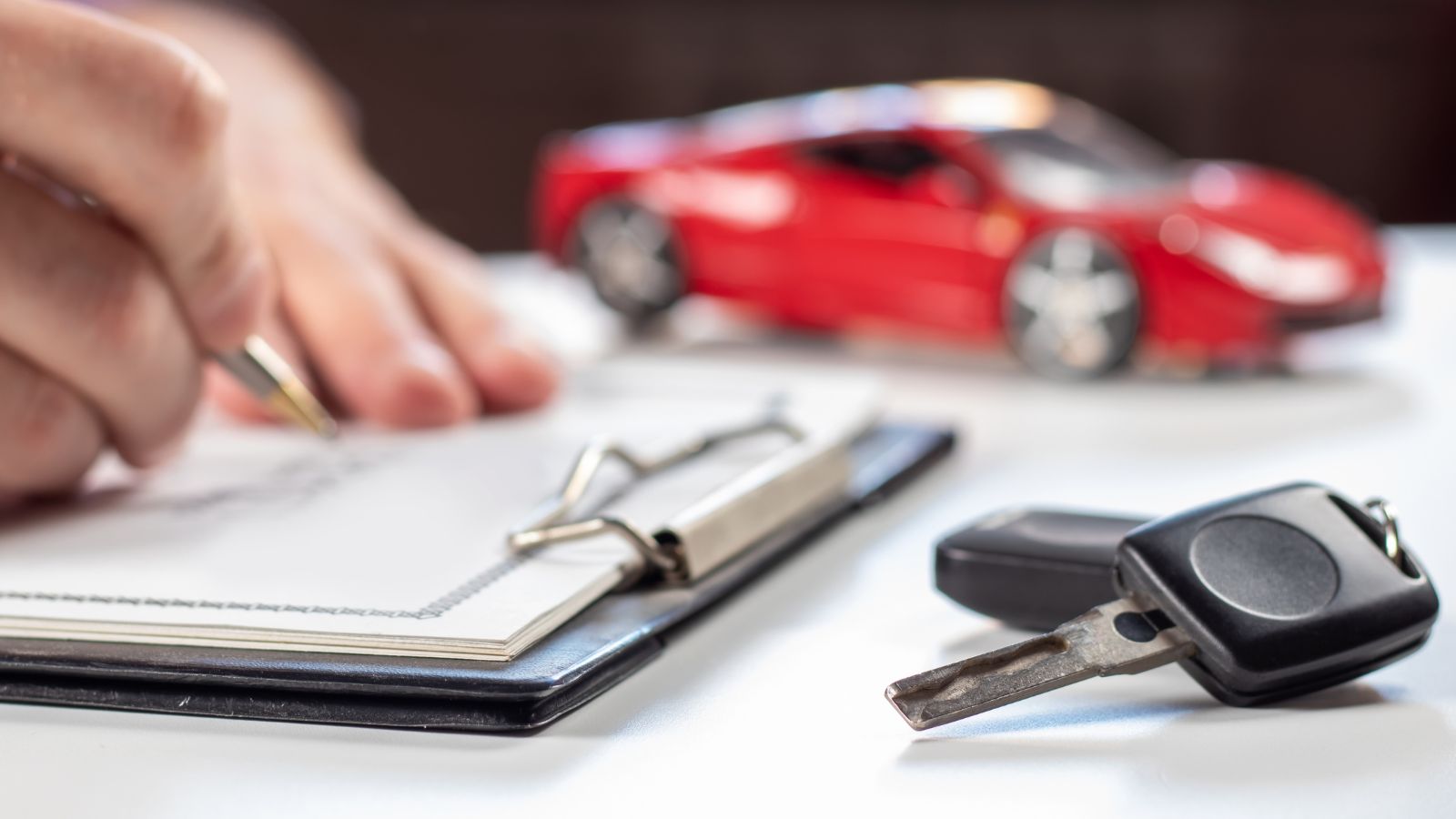
Many leases include an option to buy the vehicle at the end for a predetermined amount. That can be useful if the car has been reliable, mileage is low, and market prices are high. But the option is not always the bargain drivers imagine when signing.
The buyout may include the residual value, purchase option fees, taxes, title costs, registration, inspection costs, and financing charges if the driver needs a loan. Some lenders or dealers may also set rules about how the buyout is processed. A person who assumed the lease would become an easy path to ownership may discover that keeping the car requires a new round of paperwork and costs. The cheap lease was only the first chapter.
Promotional Deals May Apply Only to Ideal Buyers
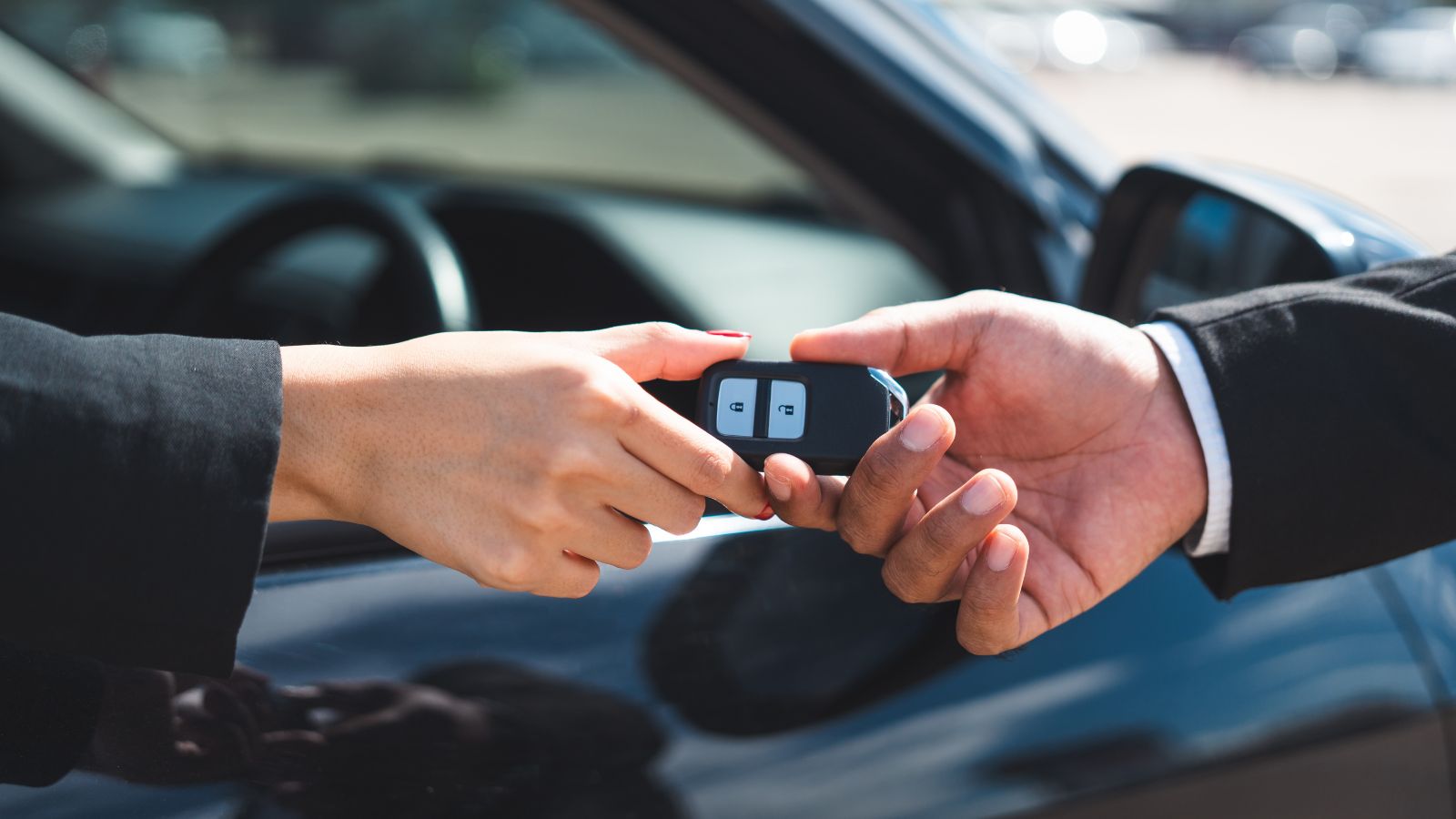
Advertised lease specials often assume strong credit, specific trims, limited inventory, loyalty eligibility, military or college incentives, and a set mileage allowance. They may exclude taxes, title, registration, dealer fees, or optional equipment. The payment that drew attention may not be available to every shopper who walks into the showroom.
This can create a bait-and-switch feeling even when the fine print technically disclosed the limits. A driver may arrive expecting the advertised payment and leave with a higher monthly cost, larger upfront amount, or different vehicle. Cheap lease offers are often built with narrow assumptions. When real credit profiles, local taxes, dealer add-ons, and inventory constraints enter the room, the deal can look very different.
Short Terms Can Keep Drivers in Endless Payment Cycles

A short lease can be appealing because it keeps the driver in newer vehicles and may reduce repair anxiety. The downside is that it can normalize permanent payments. At the end of each lease, there is no owned vehicle to keep driving without payments. The driver must lease again, buy the vehicle, finance something else, or find transportation another way.
This is where the cheap lease becomes a lifestyle trap. The monthly cost may be lower than financing, but it never builds equity in a vehicle. Over many years, repeated leasing can mean paying continuously for access rather than ownership. For some households, that trade-off is acceptable. For others, the low monthly payment hides the long-term cost of never reaching a payment-free period.
22 Things Canadians Do to Their Cars in Spring That Mechanics Hate
Spring brings relief to many Canadian drivers after months of snow, freezing temperatures, and icy roads that put serious strain on vehicles. As temperatures rise across the country, drivers begin washing cars, switching tires, and preparing vehicles for warmer weather and upcoming road trips. However, mechanics across Canada notice the same mistakes every spring when drivers attempt to recover from winter damage. Road salt, potholes, and harsh winter driving conditions often leave vehicles with hidden problems that drivers ignore. Some spring habits even create new mechanical issues that could have been avoided with proper maintenance. Here are 22 things Canadians do to their cars in spring that mechanics hate.