

























Car theft has become sophisticated enough that police often look beyond the obvious missing plate or smashed window. A vehicle may draw attention because small details do not match: the plate, the driver’s story, the condition of the locks, or even the way the car is being driven. Not every suspicious detail means a car is stolen, but several together can make an ordinary traffic stop feel far more serious.
These 17 things can make a car look stolen to police, especially when they line up with known theft patterns such as plate swapping, VIN tampering, fake documents, or hurried attempts to hide damage. The goal is not to create fear, but to show how easily neglect, paperwork gaps, or bad repairs can create the wrong impression on the road.
Missing or Removed License Plates
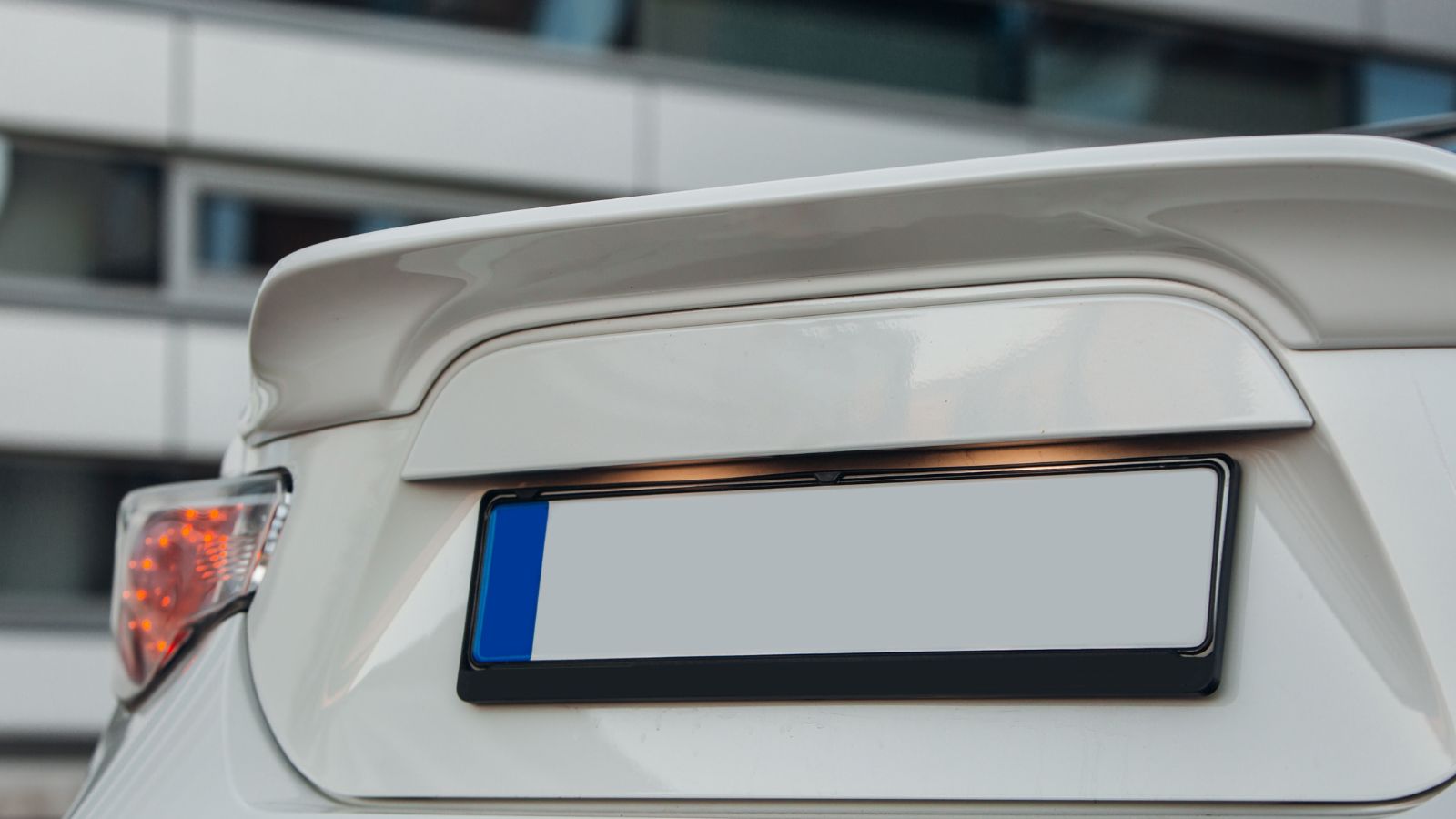
A car with no front or rear plate can stand out quickly, especially in places where plates are required on both ends of the vehicle. Police do not need to assume theft to become curious; missing plates can also suggest expired registration, improper transfer, unpaid toll avoidance, or a vehicle that has recently been stripped after a theft. Even a temporary plate that is damaged, unreadable, or taped inside a dark window may invite a closer look.
The issue becomes sharper when the car otherwise looks road-ready. A commuter sedan with clean tires, a working exhaust, and no obvious reason to be plate-free can seem inconsistent. One example is a driver who removes a plate to repaint a bumper and forgets to reinstall it. That innocent mistake can resemble a stolen vehicle being moved before proper identification is attached again.
Plates That Do Not Match the Vehicle
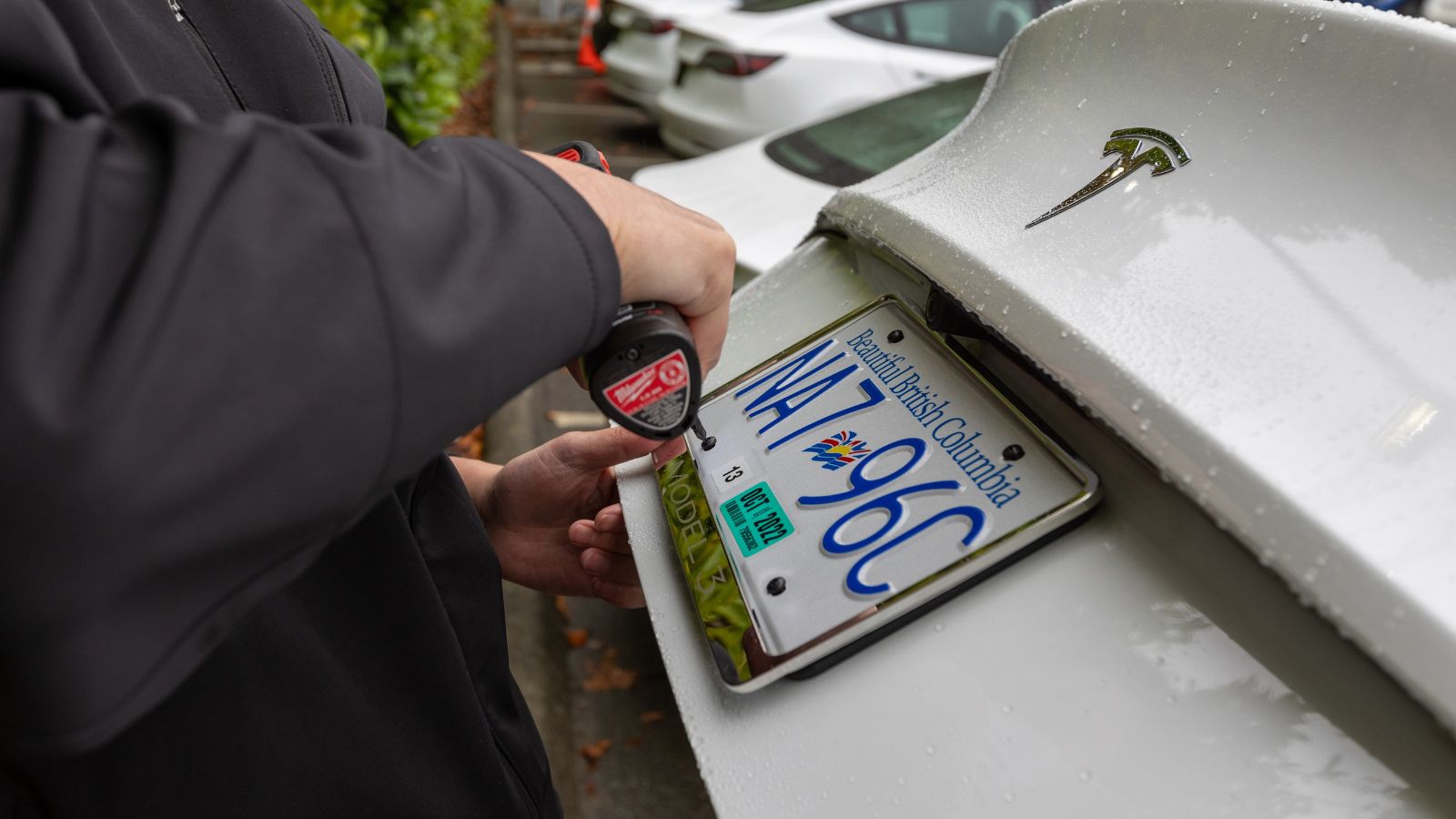
A license plate registered to a different make, model, color, or body style is one of the clearest reasons a car may look stolen. Police and plate-reading systems can compare a plate return with the vehicle in front of them. If a plate comes back to a Toyota sedan but is mounted on a black pickup, the mismatch can immediately raise concern.
Plate swapping is a known tactic because it can delay detection. A stolen vehicle may be fitted with plates taken from another car, sometimes one of a similar color or model to avoid quick suspicion. The problem is that ordinary drivers can also get caught in the mess if their plates were stolen and they did not notice. A quick walkaround before driving can prevent an awkward roadside explanation later.
A Covered, Altered, or Hard-to-Read Plate

A plate does not have to be missing to create suspicion. Dark covers, bent corners, heavy mud, peeling characters, tinted shields, or decorative frames that block letters can make a vehicle harder to identify. Because license plates are central to traffic enforcement and stolen-vehicle checks, anything that interferes with readability may attract police attention.
The human side is common: a driver buys a smoked plate cover because it looks cleaner on a dark vehicle, or a trailer hitch blocks part of the plate without anyone thinking much of it. To police, however, obscured numbers can look intentional, especially late at night or near a reported theft area. A plate should be visible, properly mounted, and readable from a reasonable distance.
A Damaged Ignition or Exposed Steering Column
A broken ignition area can make a vehicle look stolen even when the owner has a perfectly valid explanation. Older theft methods often involved forcing the steering column, damaging the ignition cylinder, or bypassing the key mechanism. When police see dangling plastic, missing column covers, scraped metal, or tools near the driver’s seat, the visual impression can be strong.
There are innocent explanations, such as a failed ignition switch, a botched repair, or damage from a previous theft attempt that has not yet been fully fixed. Still, driving around with the steering column open is likely to invite questions. Receipts, repair notes, and proof of ownership can help, but the better solution is to repair the damage quickly so the vehicle no longer resembles a recently stolen car.
Broken Windows or Fresh Glass Inside

A smashed side window, taped plastic, or glittering safety glass on the seats can make police wonder whether the vehicle was stolen or recently broken into. Many thefts begin with forced entry, and fresh glass fragments can suggest the damage happened before the current driver had lawful control of the car. Even if the engine starts normally, the damage can look suspicious.
The timing matters. A car being driven calmly to a glass shop at noon may not raise the same concern as one moving quickly through a quiet neighborhood at 2 a.m. Still, a broken window should be treated as more than a cosmetic problem. A driver with a recent police report, insurance claim number, or repair appointment has a clearer explanation if stopped.
Mismatched VIN Plates or Signs of VIN Tampering

The Vehicle Identification Number is the car’s fingerprint. A VIN that appears scratched, replaced, loose, painted over, or different from the number on the registration can make a vehicle look stolen very quickly. Police know stolen cars may be “re-VINed” or cloned so they appear to belong to a legitimate vehicle record.
VIN tampering can also result from sloppy collision repair, dashboard replacement, windshield work, or imported parts, but it is still serious. A driver who buys a used vehicle without checking the VIN in multiple locations can inherit a problem without knowing it. Before buying, it is wise to compare the dashboard VIN, door-jamb label, title, insurance paperwork, and service records. Small inconsistencies can become major roadside complications.
Registration That Does Not Match the Driver’s Story
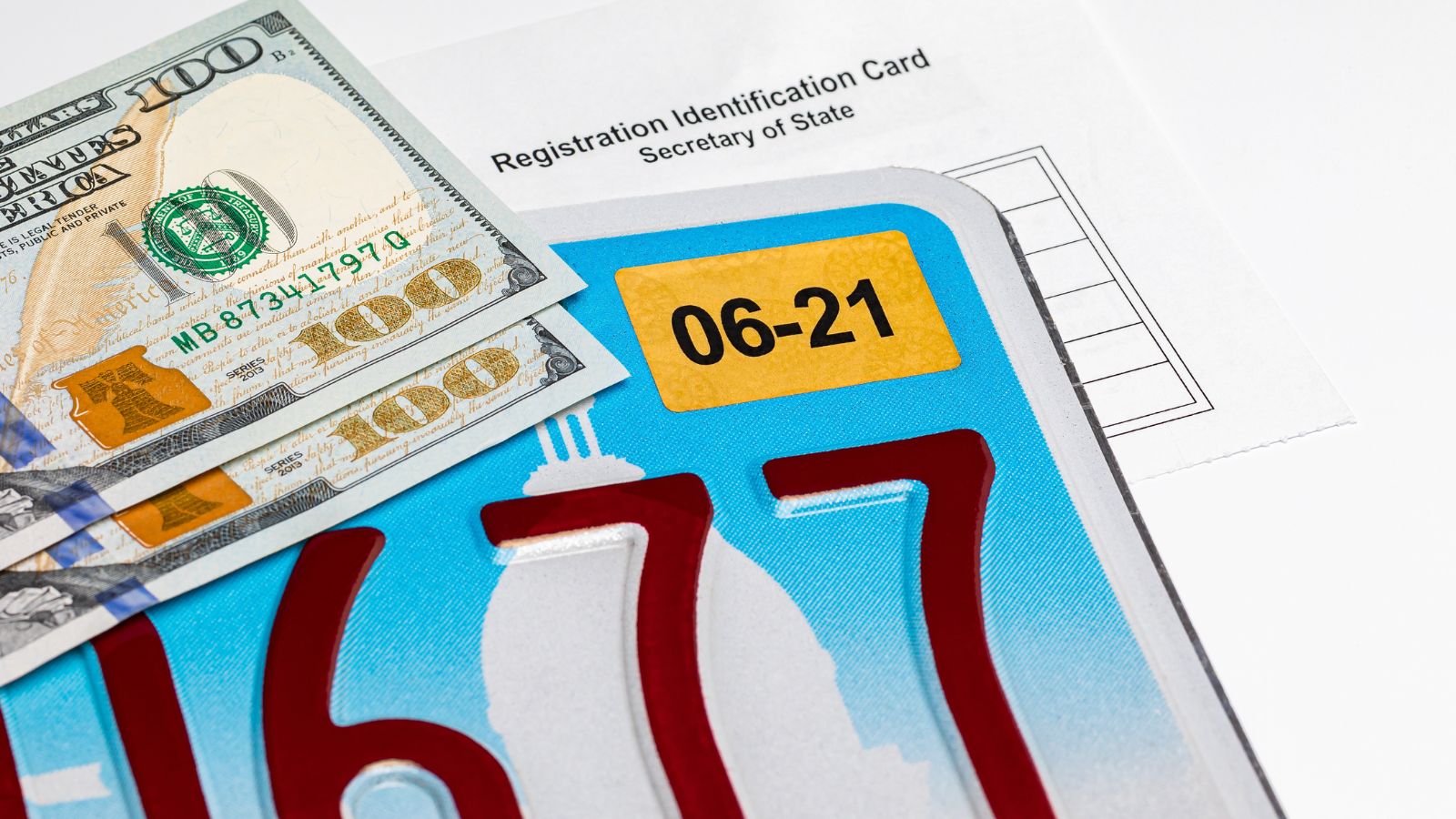
Police may become suspicious when the driver’s explanation does not fit the paperwork. A person driving a car registered to someone else is not unusual; family members, employees, mechanics, and friends do it every day. The concern starts when the driver cannot explain who owns the vehicle, where it came from, or why they have it.
A simple example is borrowing a cousin’s car and forgetting the insurance card at home. That can be harmless, but if the car was reported stolen or the owner cannot be reached, the situation changes. Drivers using a borrowed vehicle should know the owner’s name, carry valid documents where required, and avoid vague answers such as “a friend gave it to me” when the vehicle’s legal connection is easy to clarify.
No Proof of Ownership After a Recent Purchase
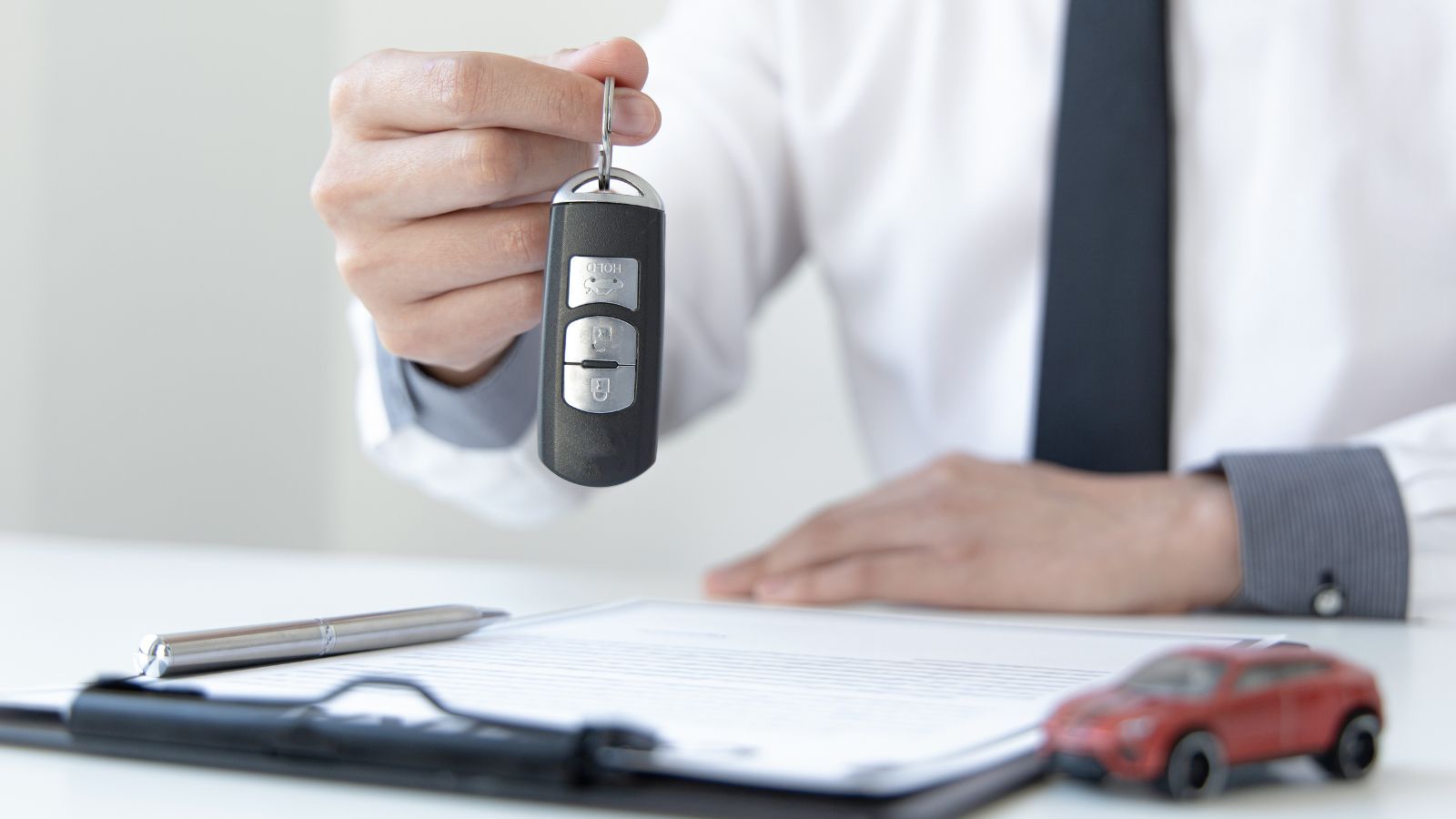
A newly purchased used car can look suspicious when the buyer has no title, bill of sale, transfer receipt, temporary registration, or insurance documents. Police encounter stolen vehicles that are sold with fake paperwork, especially through private listings. A low-price deal may feel exciting, but weak documentation can make the vehicle look questionable before the buyer even gets home.
The risk is highest when the seller insists on cash, avoids meeting at a registration office, or says the paperwork will come later. A legitimate buyer should keep a bill of sale, seller information, proof of payment, and any inspection or registration documents together until the transfer is complete. A glovebox full of unrelated papers is less convincing than a clean, consistent ownership trail.
Temporary Tags That Look Fake or Improperly Displayed

Temporary tags can be completely legitimate, but they are also widely abused in some areas. A paper tag with blurry printing, incorrect dates, missing dealer information, altered numbers, or poor placement can look like an attempt to avoid detection. Police may pay special attention when a temporary tag does not match the vehicle or appears reused.
A real buyer might simply tape the tag too low in the rear window, where tint or glare makes it unreadable. Another may keep using an expired temporary permit after delays in registration. Those choices can create the same appearance as deliberate concealment. The safest approach is to display temporary tags exactly as required, protect them from weather, and replace them promptly when permanent plates arrive.
Driving a Car With Obvious Theft-Recovery Damage

A recovered stolen car can remain visually suspicious long after it is back with its owner. Missing trim, punched locks, damaged door handles, loose interior panels, cut wires, and scraped ignition parts may all tell the story of a theft. Until repaired, those details may also make the car look like it is still in the wrong hands.
This is especially true when the damage appears fresh and the driver has no documents showing the car was recovered or released by police. Insurance repairs can take weeks, and some owners keep driving because they need transportation. Keeping recovery paperwork, claim details, and repair estimates in the car can help explain the damage. Still, visible theft-recovery damage is one of those details that naturally draws law-enforcement attention.
Tools, Blank Keys, or Lock Devices in Plain View

Tools in a car are not illegal by themselves. Mechanics, contractors, tow operators, and hobbyists carry them all the time. The concern comes from context: screwdrivers, pry tools, shaved keys, key programmers, lock-pick style tools, or loose ignition parts scattered near the driver’s seat can look suspicious in a vehicle that already has damaged locks or missing plates.
An innocent driver may have just bought tools, helped someone move, or left work equipment in the back seat. But police often evaluate the whole picture, not one object. A tool bag in a contractor’s truck feels different from loose tools on the floor of a late-model car with a broken window. Keeping tools organized and away from the ignition area can reduce misunderstandings.
A Vehicle Running With No Key or a Strange Starting Method
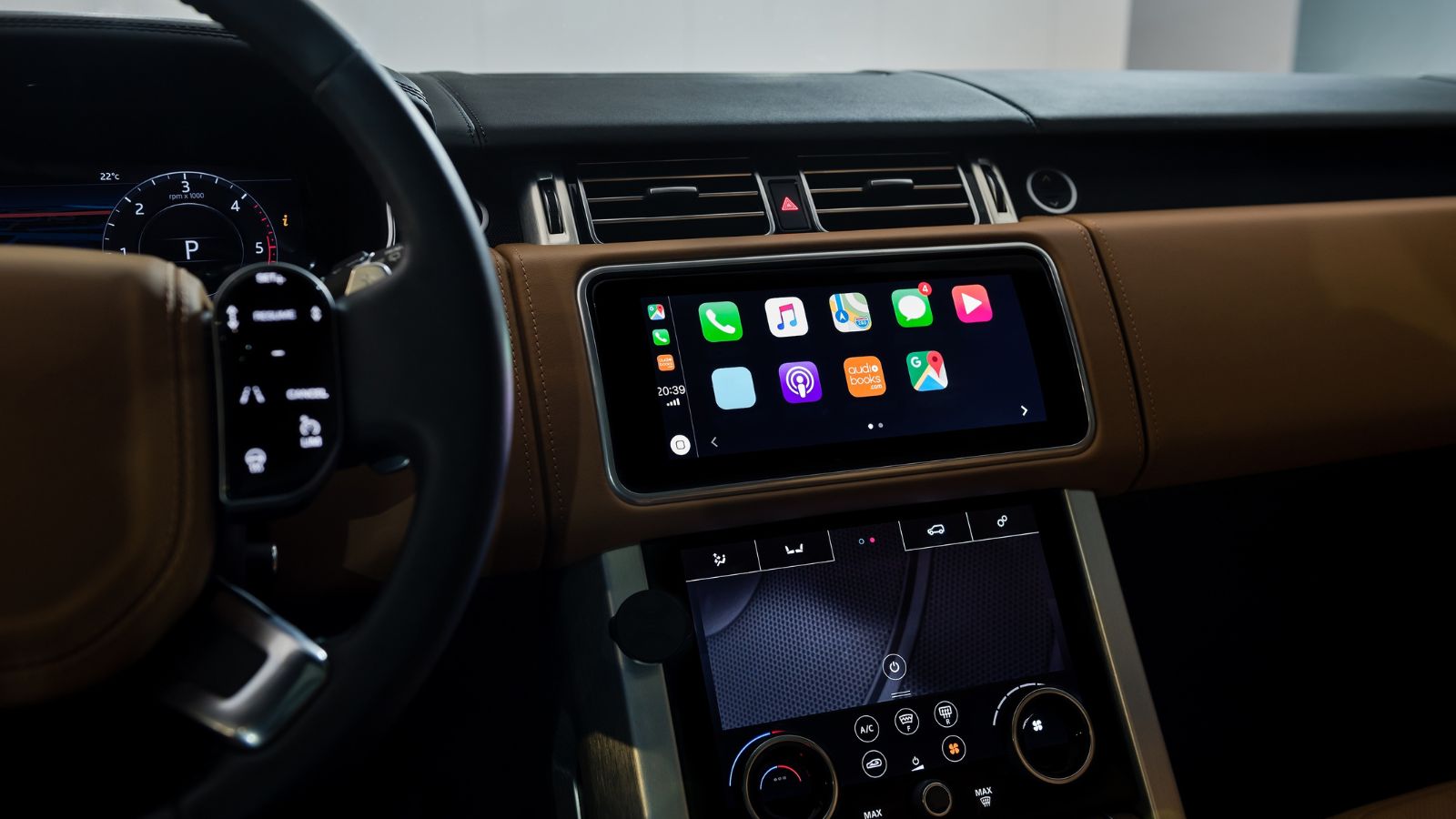
Modern vehicles are not supposed to start in mysterious ways. If a car is running without a visible key, starts with a screwdriver, requires wires to be touched together, or has an aftermarket push-button setup that looks unfinished, police may see a theft indicator. This is especially true when the steering column or dashboard also appears damaged.
There are legal explanations. Some older cars have worn ignition cylinders, race builds may use custom switches, and remote-start systems can confuse people unfamiliar with the vehicle. Even so, a vehicle that looks improvised from the driver’s seat can create immediate concern. Clean installation, documentation for aftermarket work, and repair records can help distinguish a quirky setup from a bypassed ignition.
Recently Changed Color, Wrap, or Body Panels
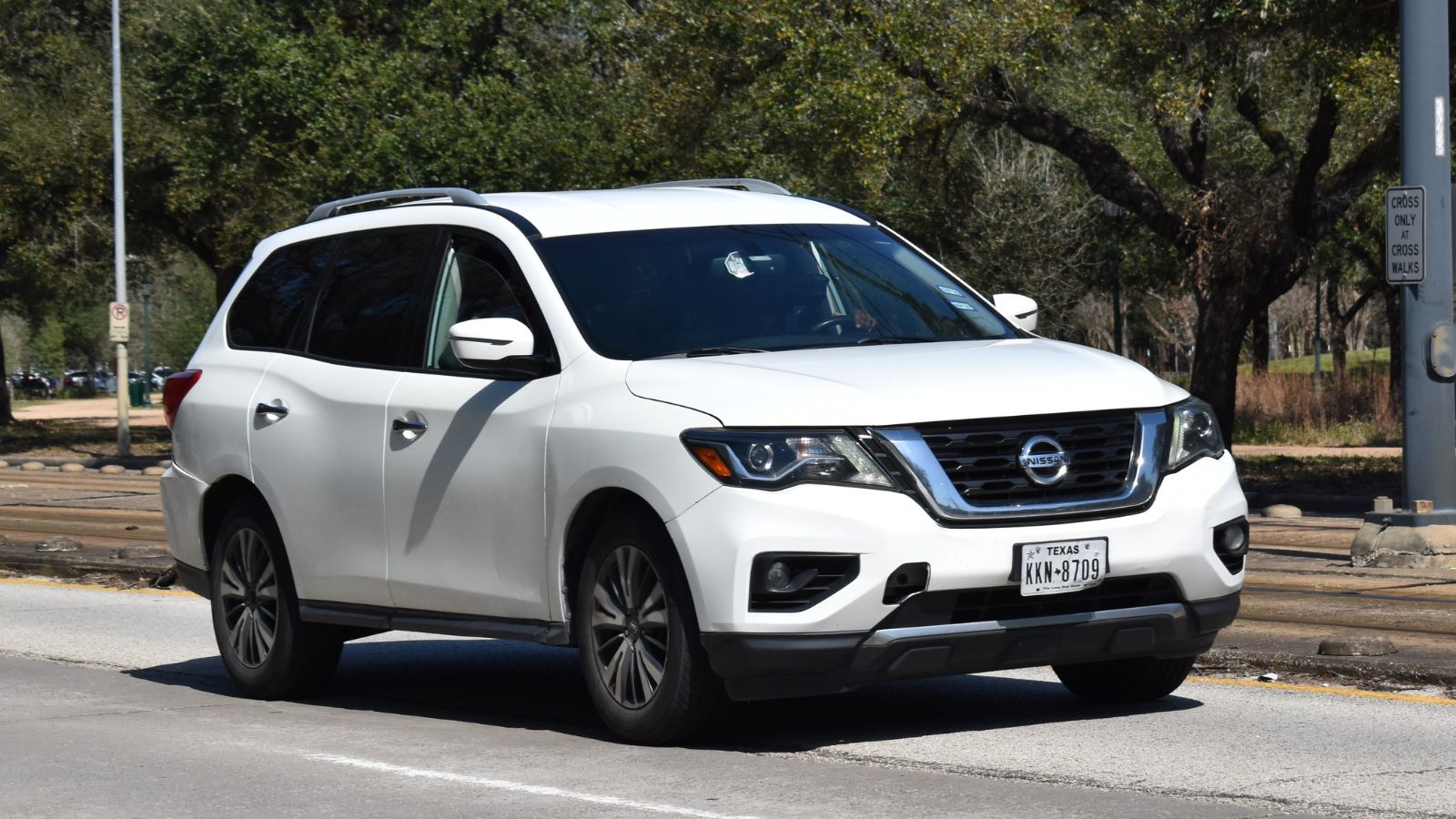
A car with a mismatched hood, different-colored doors, fresh wrap patches, removed badges, or hurried paintwork may look like someone is trying to change its identity. Stolen vehicles are sometimes altered to make them harder to recognize from witness descriptions, camera footage, or insurance records. Police may notice when the registration says one color but the car appears to be another.
Ordinary repairs can create the same look. A driver may replace a damaged silver door with a black junkyard panel and delay repainting it. A partial vinyl wrap may also make registration records look outdated. The issue is not cosmetic taste; it is identity consistency. Updating records where required and keeping repair invoices can make a mismatched vehicle easier to explain.
Driving Behavior That Looks Like Evasion

A car can look stolen because of how it is driven. Sudden turns after seeing a patrol car, repeated lane changes, lights-off driving at night, racing through residential streets, or abandoning a normal route can suggest the driver is trying to avoid attention. Police often notice behavior before they notice paperwork.
Nervous driving can happen for harmless reasons. Someone may be lost, late, anxious, or worried about a minor ticket. But erratic movement in a vehicle with damaged plates or a broken window changes the picture. A calm, predictable driving style reduces suspicion. If stopped, clear answers and visible hands are more helpful than overexplaining. The car may not be stolen, but evasive-looking behavior can make police treat it as higher risk.
Parking in Odd Places With the Engine Running

A vehicle sitting behind a closed business, in a dark lot, near an alley, or outside a driveway with the engine running can draw attention. Police may connect that scene with theft, prowling, getaway driving, or vehicle dumping. The suspicion grows if the driver leaves quickly when a patrol car appears.
There are many innocent explanations: waiting for a friend, warming the cabin, using navigation, or taking a phone call. Still, location and timing matter. A clean family SUV idling outside a school pickup zone feels routine; the same SUV idling behind a warehouse after midnight may not. Drivers can reduce confusion by parking legally, using well-lit areas, and avoiding long idling in places that naturally look concealed.
A Car Reported Stolen but Later Recovered Without Updated Records
Sometimes a car looks stolen because a database still says it is stolen. If a vehicle was recovered, returned, or reported in error, records may not update instantly across every system. Police relying on plate or VIN checks may receive a stolen-vehicle alert even when the current driver is the rightful owner.
This can be frightening because the driver may believe everything was resolved. Anyone whose vehicle was recovered after a theft should confirm that the police report, insurance file, and registration status have been updated. Keeping recovery paperwork for a while is sensible. A database hit does not prove the current driver stole the car, but it can lead to a serious stop until officers verify the record.
A Price, Purchase Story, or Seller Trail That Sounds Too Good to Be True

Police do not usually stop a car because of its purchase price, but a suspicious ownership story can matter during an investigation. Stolen vehicles are sometimes sold quickly through private marketplaces with fake titles, cloned VINs, or pressure to pay cash. If a driver says a nearly new truck was bought far below market value from a stranger with no paperwork, that explanation may raise questions.
This often hurts honest buyers most. A person may think they found a rare deal, only to discover the VIN belongs to a different vehicle or the title has been altered. A believable ownership trail includes seller identification, matching VINs, payment records, and registration transfer steps. Without those, even a well-kept car can start to look like stolen property.
22 Things Canadians Do to Their Cars in Spring That Mechanics Hate

Spring brings relief to many Canadian drivers after months of snow, freezing temperatures, and icy roads that put serious strain on vehicles. As temperatures rise across the country, drivers begin washing cars, switching tires, and preparing vehicles for warmer weather and upcoming road trips. However, mechanics across Canada notice the same mistakes every spring when drivers attempt to recover from winter damage. Road salt, potholes, and harsh winter driving conditions often leave vehicles with hidden problems that drivers ignore. Some spring habits even create new mechanical issues that could have been avoided with proper maintenance. Here are 22 things Canadians do to their cars in spring that mechanics hate.