


























Canadian trade-in conversations are getting tougher as prices settle, incentives shift, and shoppers become more selective about long-term ownership costs. A model that once felt easy to justify can look less convincing when a dealer starts adjusting for battery age, luxury-brand depreciation, recall history, repair exposure, or a crowded used market.
These 17 vehicles are not necessarily bad vehicles. Many are comfortable, capable, fast, efficient, or well-equipped. The issue is that trade-in value depends on what the next buyer is willing to pay, and in Canada that calculation is changing quickly. When used prices soften and buyers compare everything against proven resale leaders, certain vehicles become harder to defend at appraisal time.
Nissan Leaf
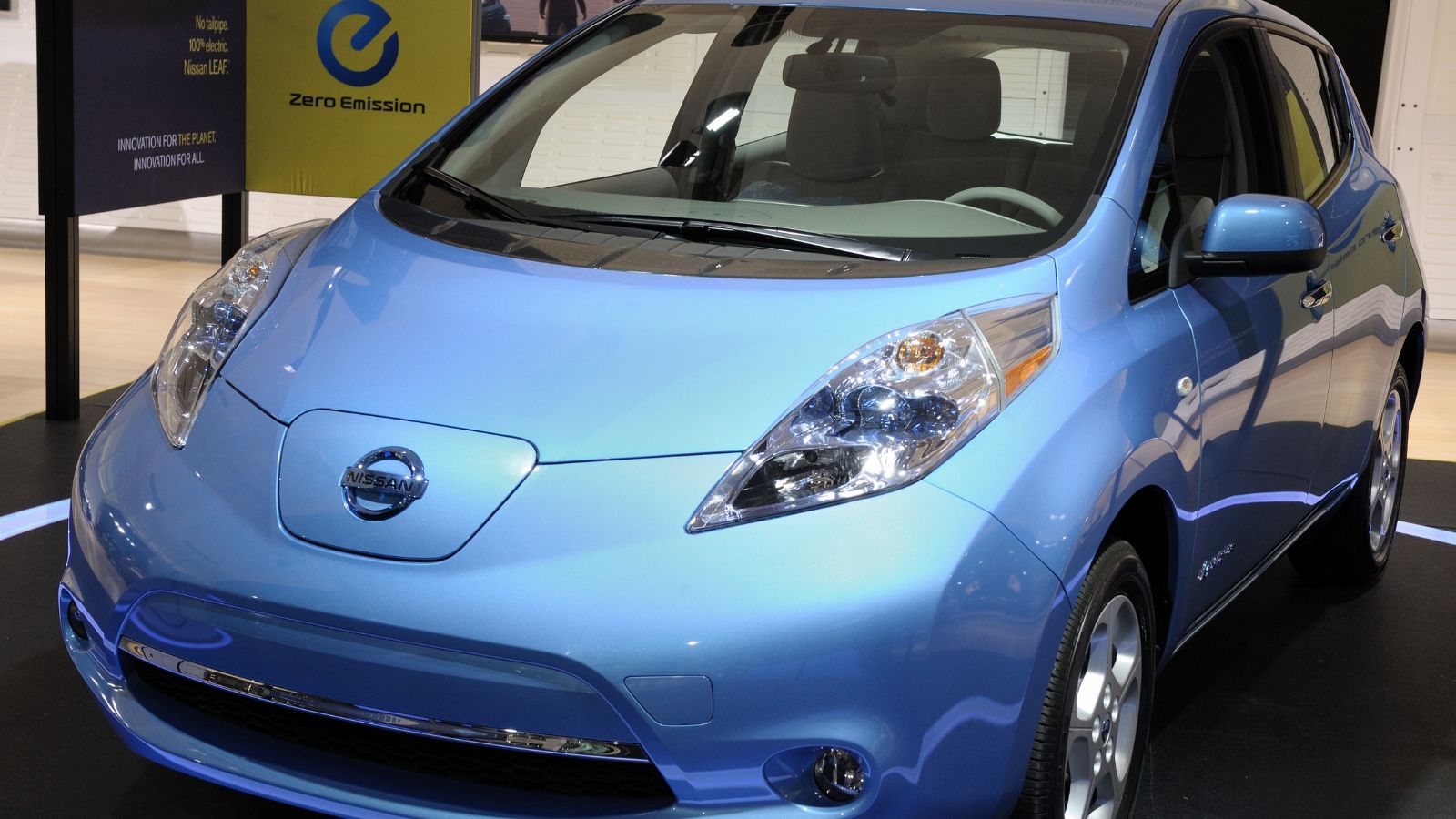
The Nissan Leaf has long been one of Canada’s most recognizable used EVs, especially for drivers who wanted affordable electric commuting without luxury pricing. That familiarity helps, but it also creates a problem at trade-in time: there are many older Leafs on the market, and buyers know exactly what to question. Range, battery health, winter performance, and charging compatibility all become part of the appraisal conversation.
The Leaf’s depreciation story has become especially difficult because newer EVs offer longer range, faster charging, and more modern battery management. Even when a used Leaf is reliable for short urban trips, a dealer has to think about how easily it can be resold. A shopper comparing a Leaf with newer electric crossovers may see the older Nissan as a compromise unless the price is low enough to make sense.
Volkswagen ID.4
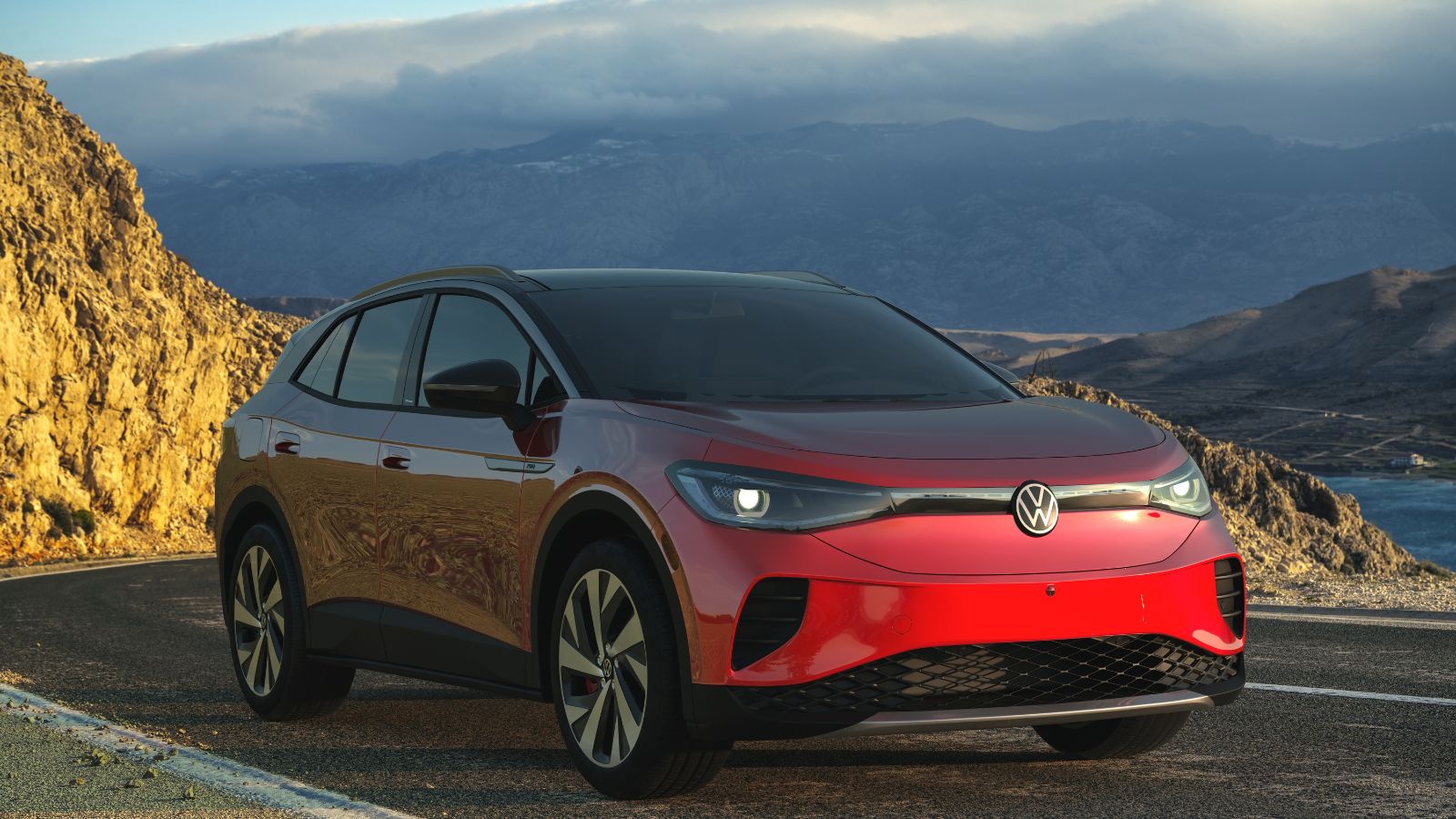
The Volkswagen ID.4 entered the market as a mainstream electric SUV with the right shape for Canadian families: practical, roomy, and more approachable than luxury EVs. At trade-in time, however, the model can face pressure from a fast-moving EV market where prices, incentives, and expectations keep changing. Buyers often want more range, improved software, and stronger confidence around long-term battery value.
The challenge for ID.4 owners is that used EV shoppers have become more educated. A vehicle that looked competitive when new may now be measured against newer models with quicker charging, better cold-weather efficiency, or aggressive new-car discounts. If a dealer expects used EV prices to stay under pressure, the trade-in offer may reflect that caution. The ID.4 can still be a useful family EV, but usefulness does not always translate into strong appraisal leverage.
Tesla Model S
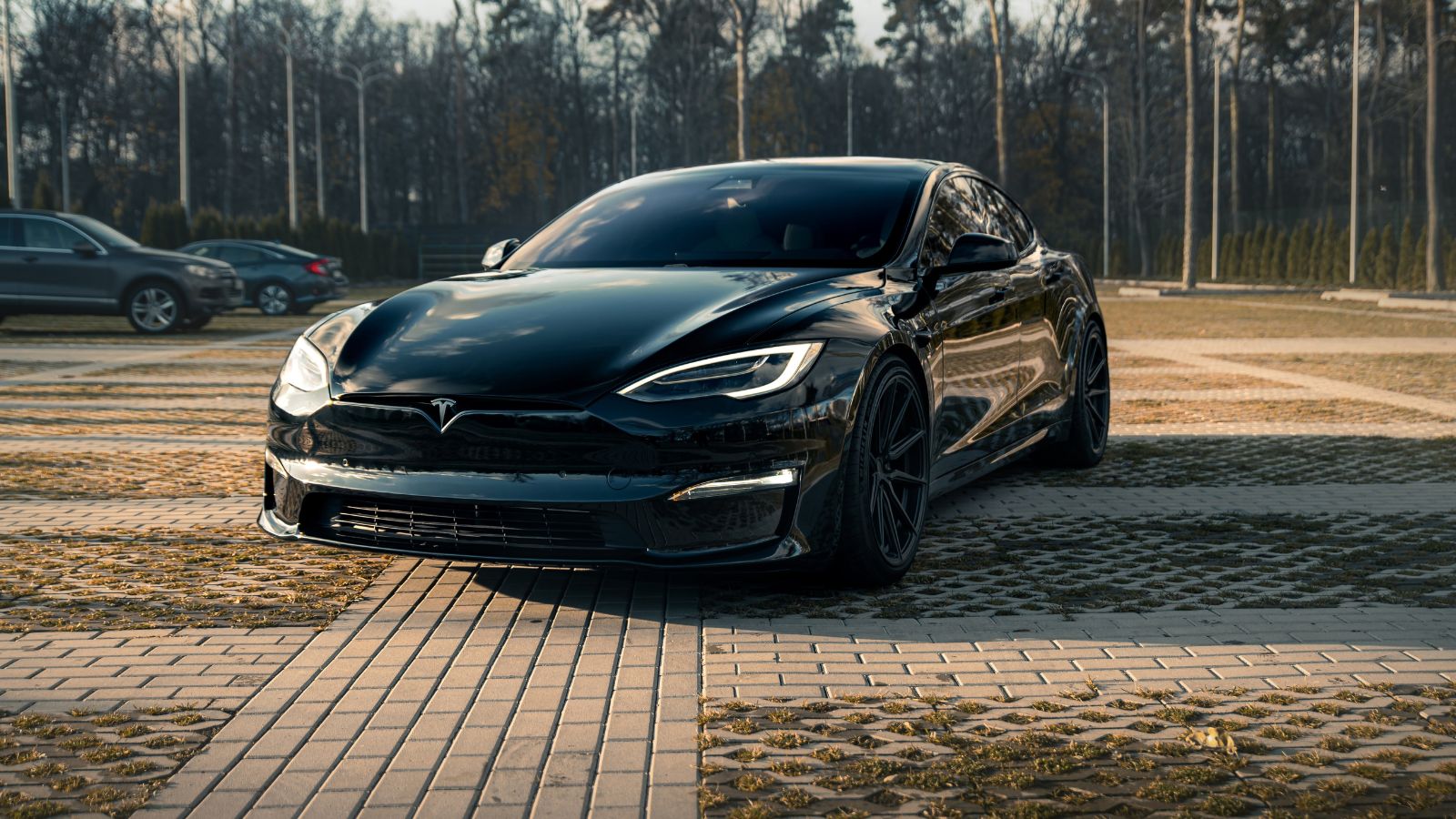
The Tesla Model S once had a near-mythic resale aura because it represented long-range electric performance before many rivals caught up. That advantage has narrowed. Older examples now compete not only with newer Teslas but also with electric sedans and crossovers from brands that have improved range, interiors, warranty coverage, and charging access. The badge still matters, but it no longer guarantees an easy trade-in discussion.
High original pricing can also work against the Model S. Expensive vehicles have farther to fall, and used buyers often become cautious when repair costs, battery condition, screen issues, suspension components, and out-of-warranty exposure enter the picture. A clean, well-maintained Model S can still attract attention, but dealers may appraise it with a wide safety margin because the next buyer will likely demand reassurance and a meaningful discount.
Infiniti QX80
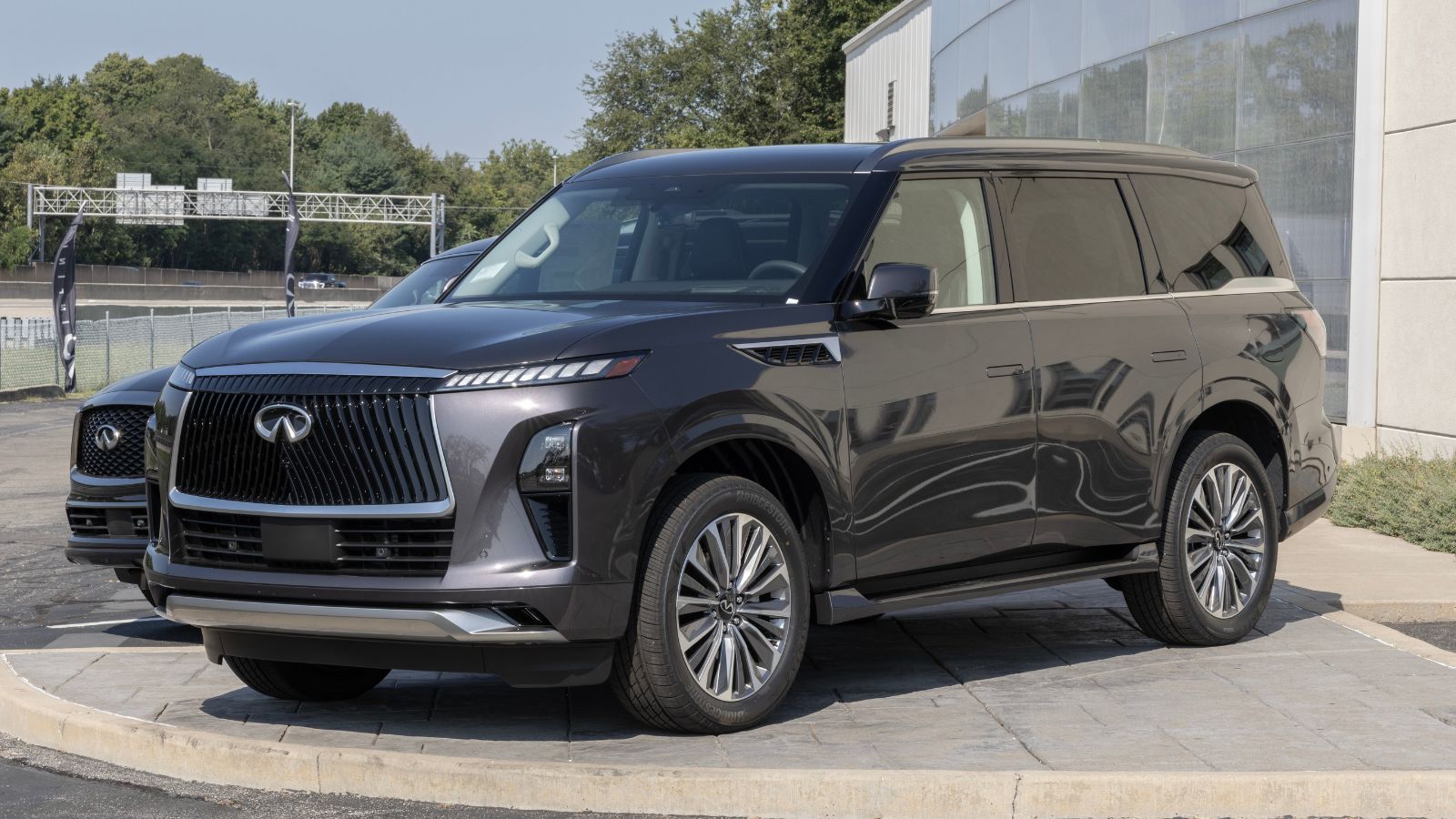
The Infiniti QX80 brings size, power, and luxury presence, but those strengths can turn into liabilities when a trade-in manager starts thinking about fuel costs and resale demand. Large luxury SUVs appeal to a specific buyer, and that buyer often has plenty of alternatives. In a market where many households are watching monthly payments and operating costs, a thirsty full-size luxury SUV can be harder to move.
The QX80 also faces the classic luxury-depreciation problem: the features that made it expensive when new may not carry the same value in the used market. Leather, chrome, big wheels, and a strong V8 can impress, but buyers also factor in maintenance, tire prices, insurance, and fuel. At appraisal time, the question is not whether the QX80 feels substantial. The question is whether enough Canadian shoppers still want that much vehicle at the right price.
Land Rover Range Rover
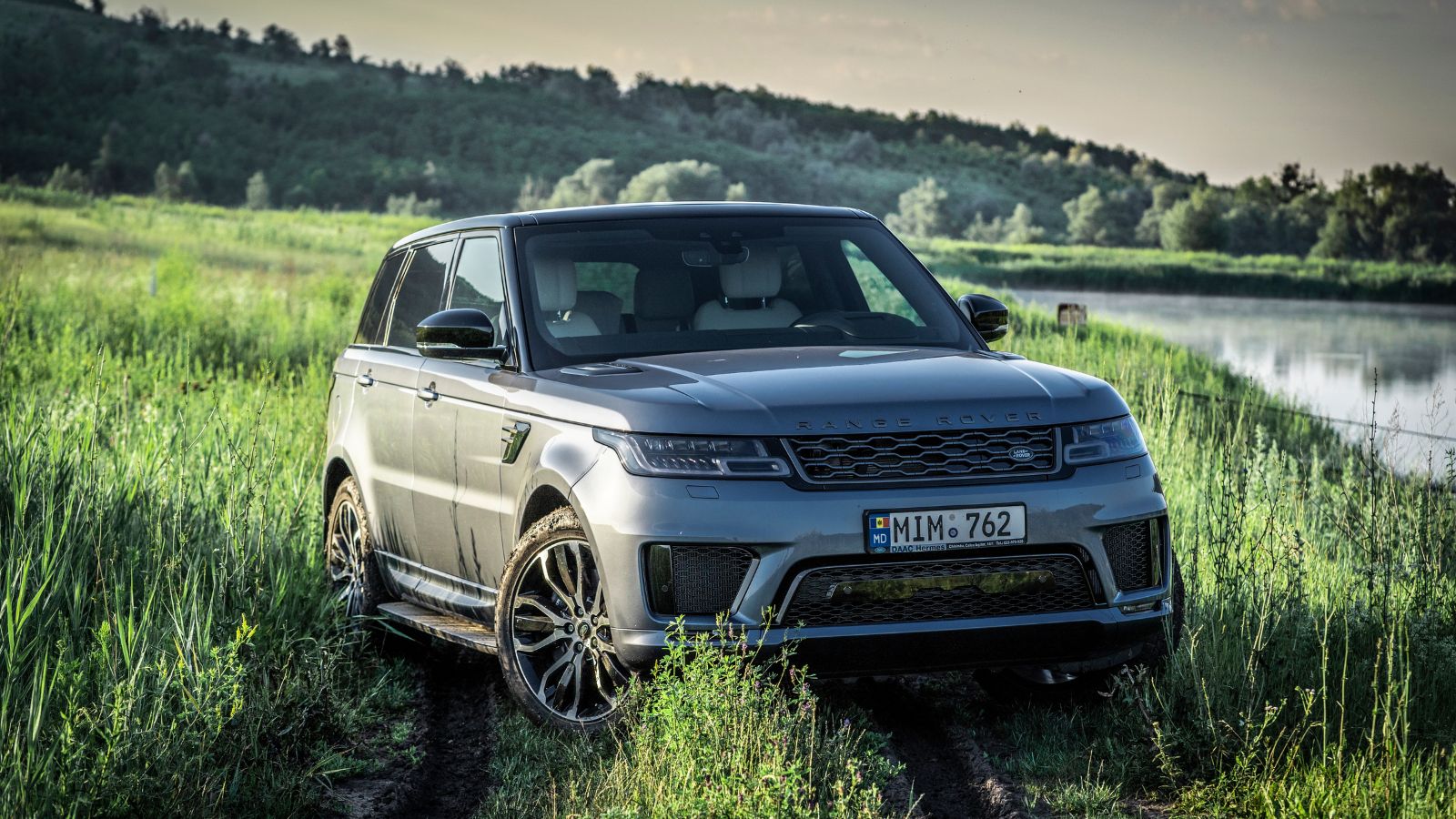
The Range Rover remains one of the most recognizable luxury SUVs on Canadian roads, and its image can still make a driveway feel special. Trade-in time is different. Dealers know that used luxury SUV buyers can be selective, especially when ownership costs are high and reliability perceptions are mixed. The Range Rover’s prestige may open the conversation, but it rarely eliminates the risk premium built into an offer.
Another issue is the gap between emotional appeal and practical resale math. A Range Rover can be comfortable, powerful, and beautifully finished, yet the next buyer may be worried about repair bills once factory coverage is gone. When a vehicle has a high original price and a reputation for expensive maintenance, small cosmetic or mechanical concerns can have an outsized effect. That makes it harder for owners to argue for a top-dollar trade-in.
BMW 7 Series
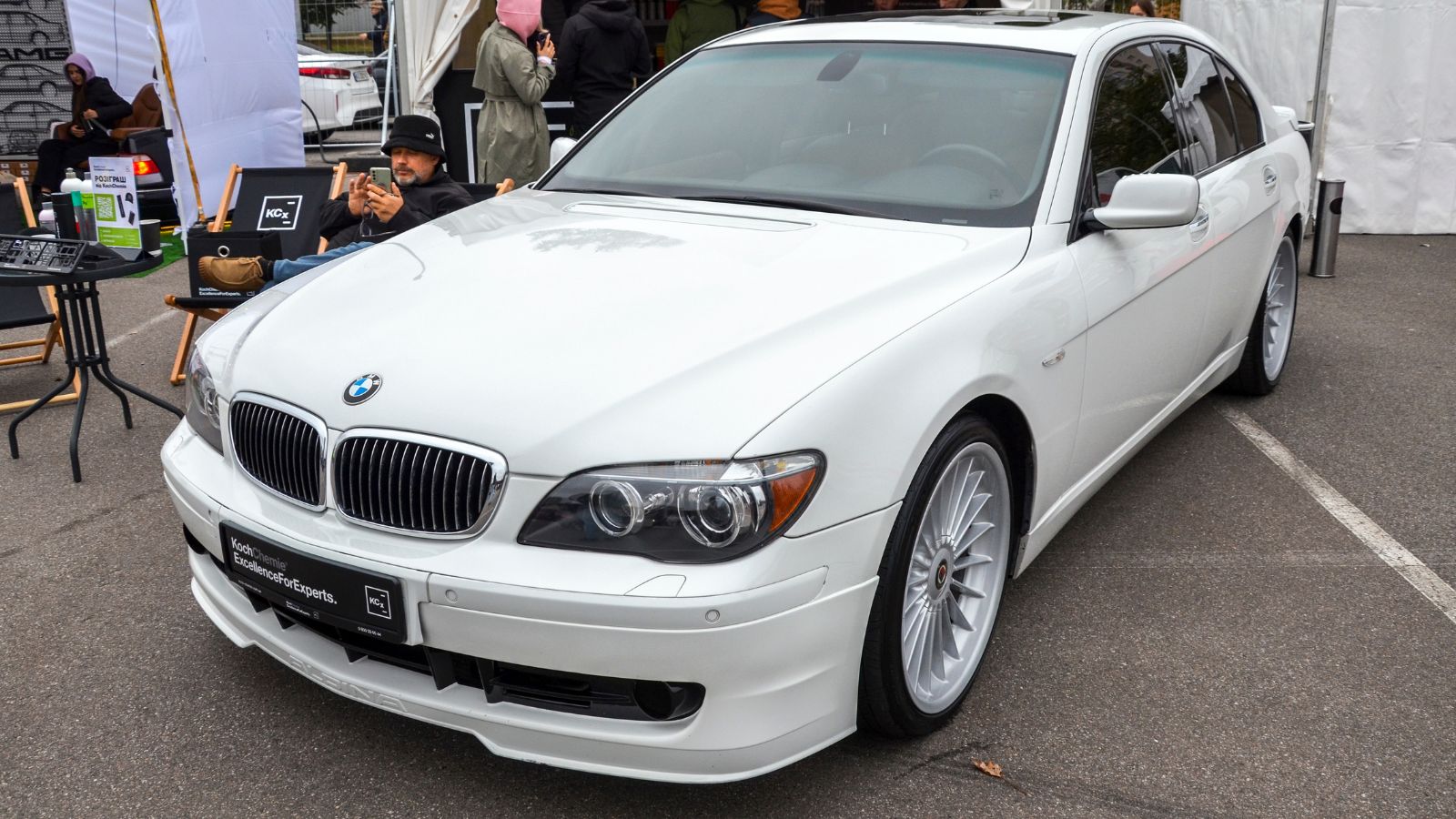
The BMW 7 Series is a showcase sedan, often packed with technology, comfort features, advanced suspension hardware, and powerful engines. That is exactly why it can become difficult at trade-in time. Luxury flagship sedans tend to depreciate heavily because the used market does not always reward complexity. A second owner may admire the equipment but still worry about the cost of keeping everything working.
The Canadian market also favours SUVs and crossovers more strongly than large sedans. That makes the 7 Series a narrower resale proposition even before maintenance costs enter the discussion. Dealers understand that a buyer for a used flagship sedan may expect a dramatic discount from the original MSRP. The result can feel harsh for owners who remember the vehicle’s new-car price, but trade-in value follows current demand rather than past prestige.
Tesla Model X
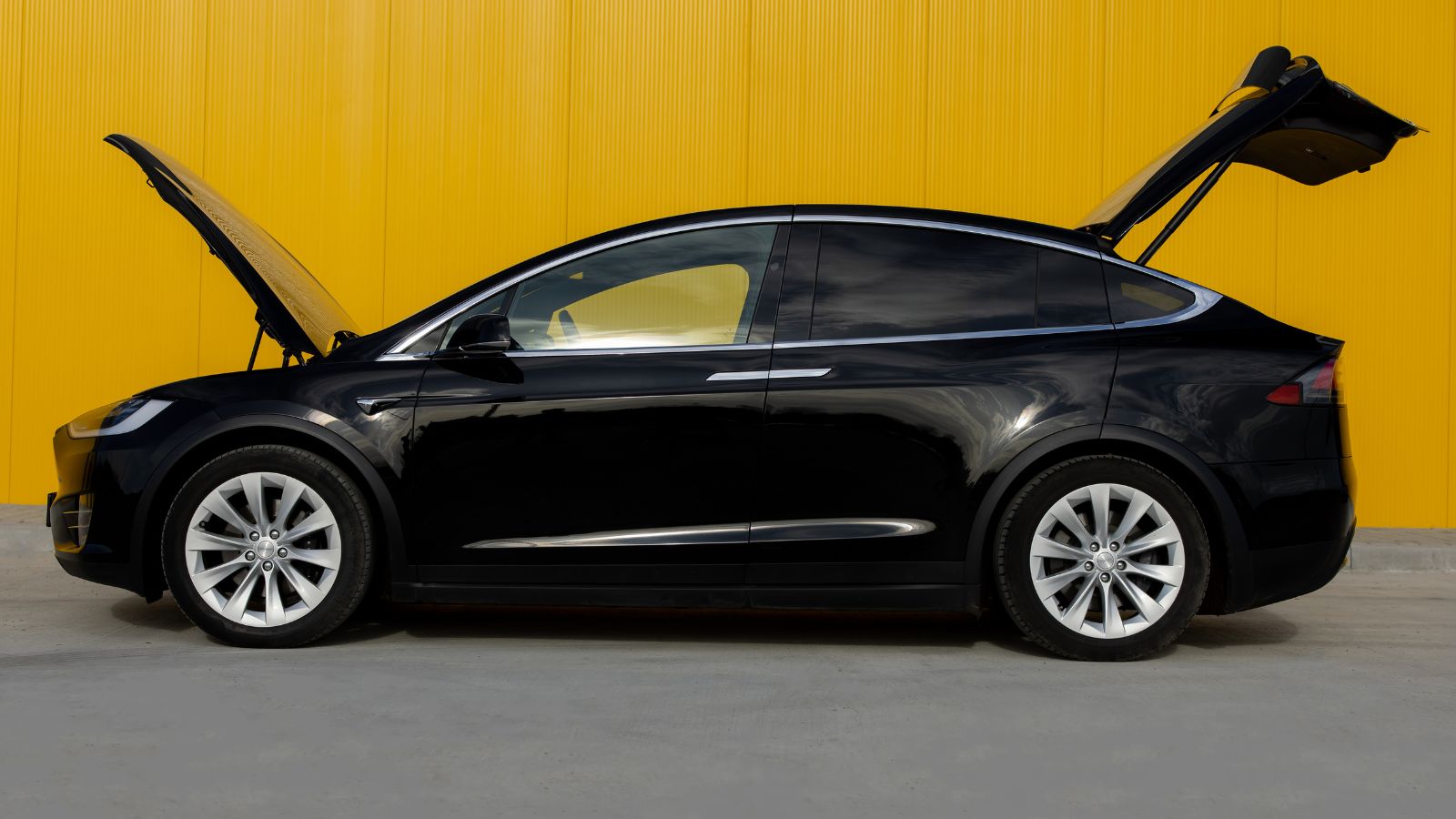
The Tesla Model X has always stood out because of its acceleration, range, technology, and dramatic falcon-wing rear doors. Those same doors can become part of the trade-in debate. A dealer appraising a used Model X has to consider whether future buyers will see the design as special or as a complicated item that could be expensive to repair. In resale, novelty can cut both ways.
Like the Model S, the Model X also faces pressure from newer EVs and from Tesla’s own changing pricing strategy over the years. Large electric SUVs are no longer rare, and used shoppers now have more choices. A well-kept Model X still has real appeal, especially for families who want space and performance, but the appraisal may reflect caution around battery age, warranty status, repair exposure, and the speed at which EV pricing expectations have shifted.
Ford Mustang Mach-E
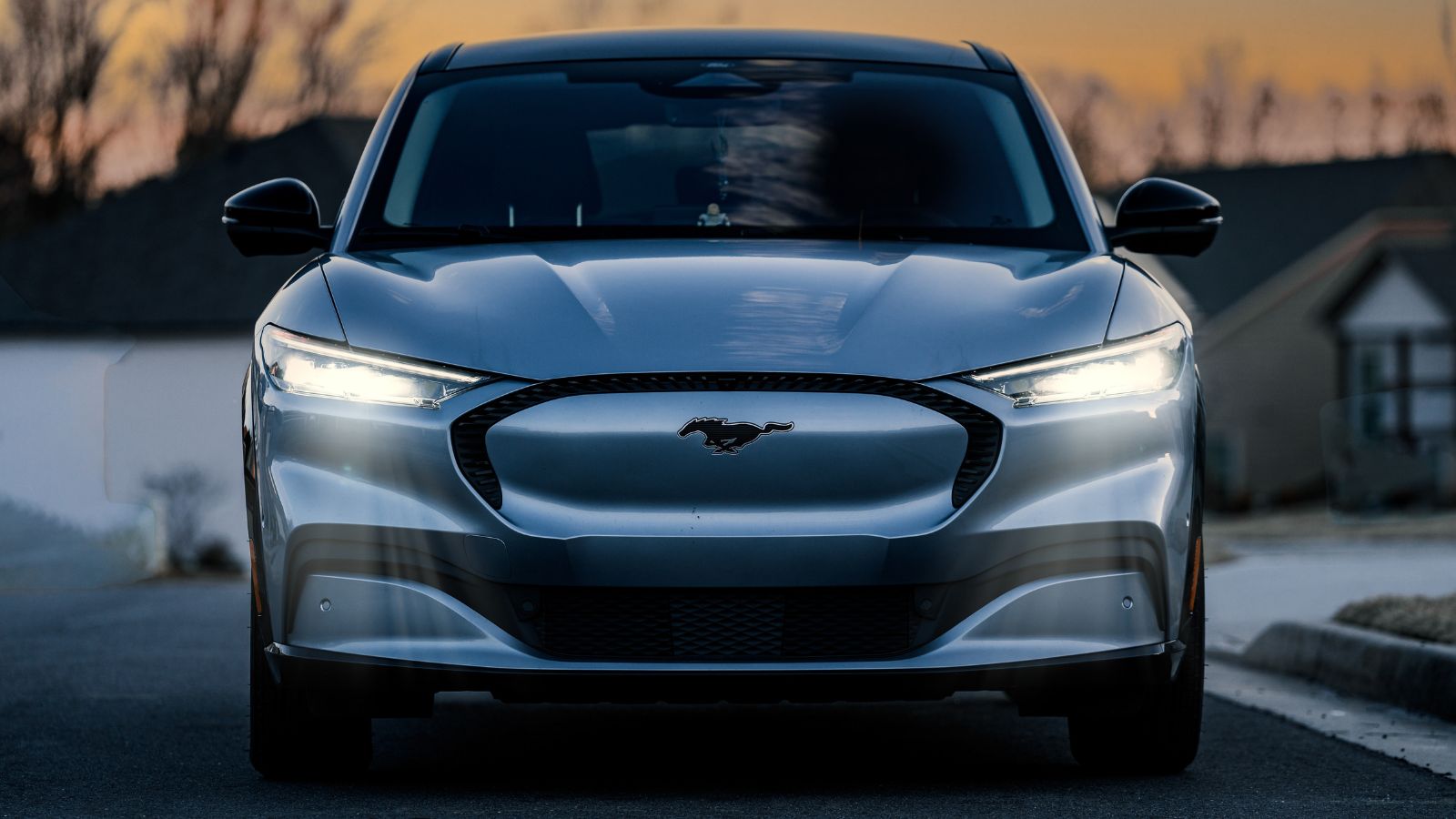
The Ford Mustang Mach-E helped make electric SUVs feel more mainstream, especially for buyers who wanted style without moving into a luxury brand. Its trade-in challenge comes from timing. EV pricing has changed quickly, and newer versions can arrive with better equipment, improved cold-weather features, or sharper pricing. That can make an earlier Mach-E feel less protected on the used market than owners expected.
Canadian buyers also tend to ask practical questions about EVs: winter range, charging access, battery warranty, software updates, and total monthly cost. If a dealer thinks the next shopper will compare a used Mach-E against discounted new inventory or a growing supply of used EVs, the trade-in offer may be conservative. The Mach-E is still a compelling vehicle, but the used market may treat it more like a rapidly evolving tech product than a traditional SUV.
BMW 5 Series Hybrid
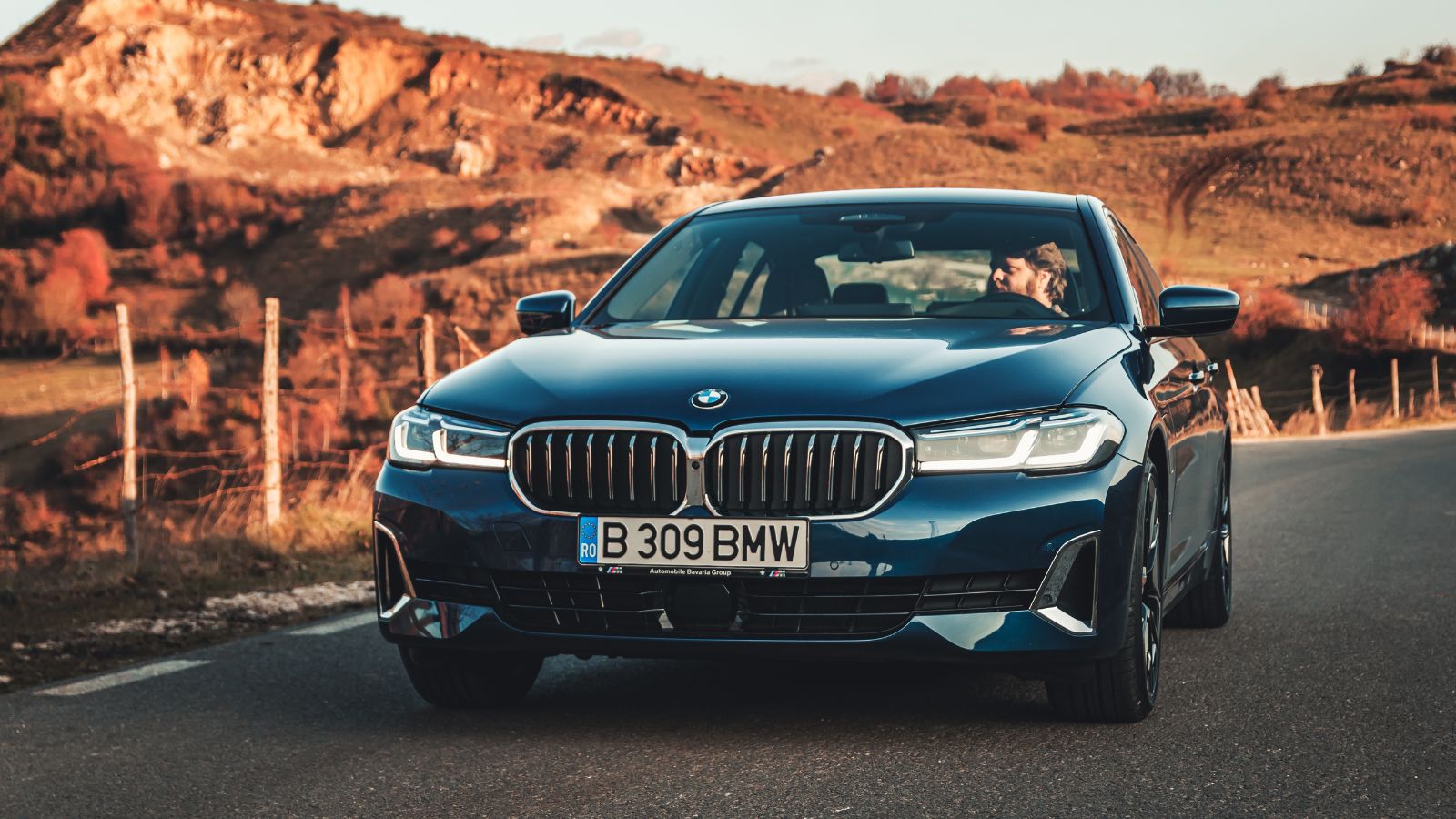
The BMW 5 Series Hybrid can look like a smart compromise: premium comfort, lower fuel use, and the refinement of a midsize luxury sedan. At trade-in time, that compromise can be harder to explain. Some used buyers want a simple gasoline luxury sedan, while others want a full EV. A plug-in or hybrid luxury sedan can end up caught between audiences unless its price is especially attractive.
Complexity is the other issue. Hybrid systems, luxury electronics, turbocharged engines, and premium-brand repair costs all sit in the background of the appraisal. Even if the vehicle has been well maintained, a dealer has to consider how a buyer will react to an older electrified BMW after warranty coverage weakens. The vehicle may drive beautifully, but the resale conversation often focuses less on driving feel and more on risk, cost, and market demand.
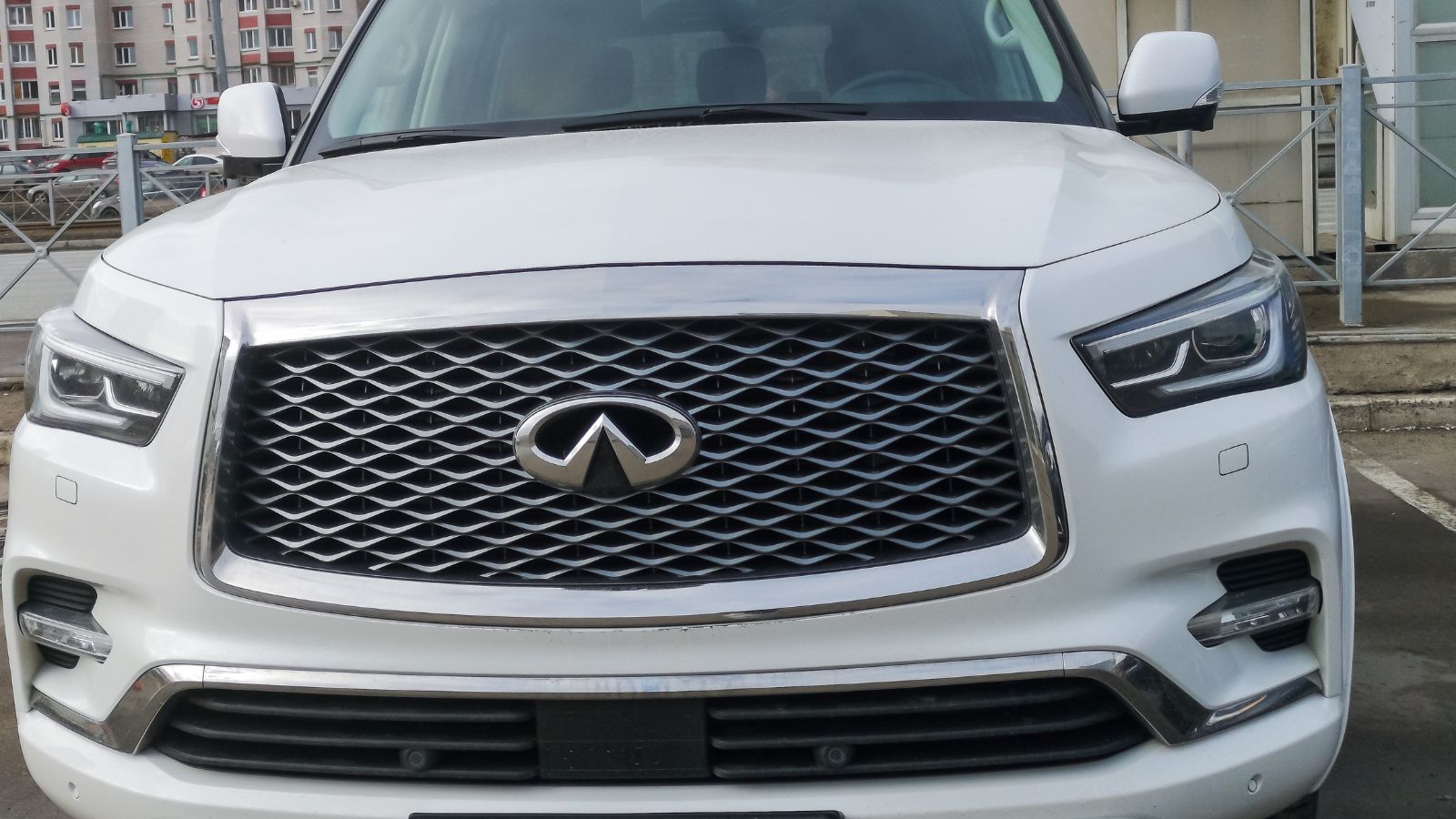
The Infiniti QX60 is a comfortable family SUV with three rows and a premium badge, which sounds like a strong used-market formula. The problem is competition. Canadian shoppers looking for a used three-row SUV can compare it with mainstream models from Toyota, Honda, Hyundai, Kia, Mazda, and Subaru, often with lower ownership-cost expectations. That makes the Infiniti badge helpful but not always decisive.
Trade-in value can also suffer when a vehicle sits between mainstream and luxury identities. A QX60 may not command the same cachet as a German luxury SUV, yet it can still carry premium-brand maintenance expectations. Families shopping used often care more about reliability, fuel economy, cargo space, and predictable ownership costs than soft-touch trim. If the dealer senses a narrow buyer pool, the appraisal may come in lower than the owner hoped.
Jaguar I-Pace
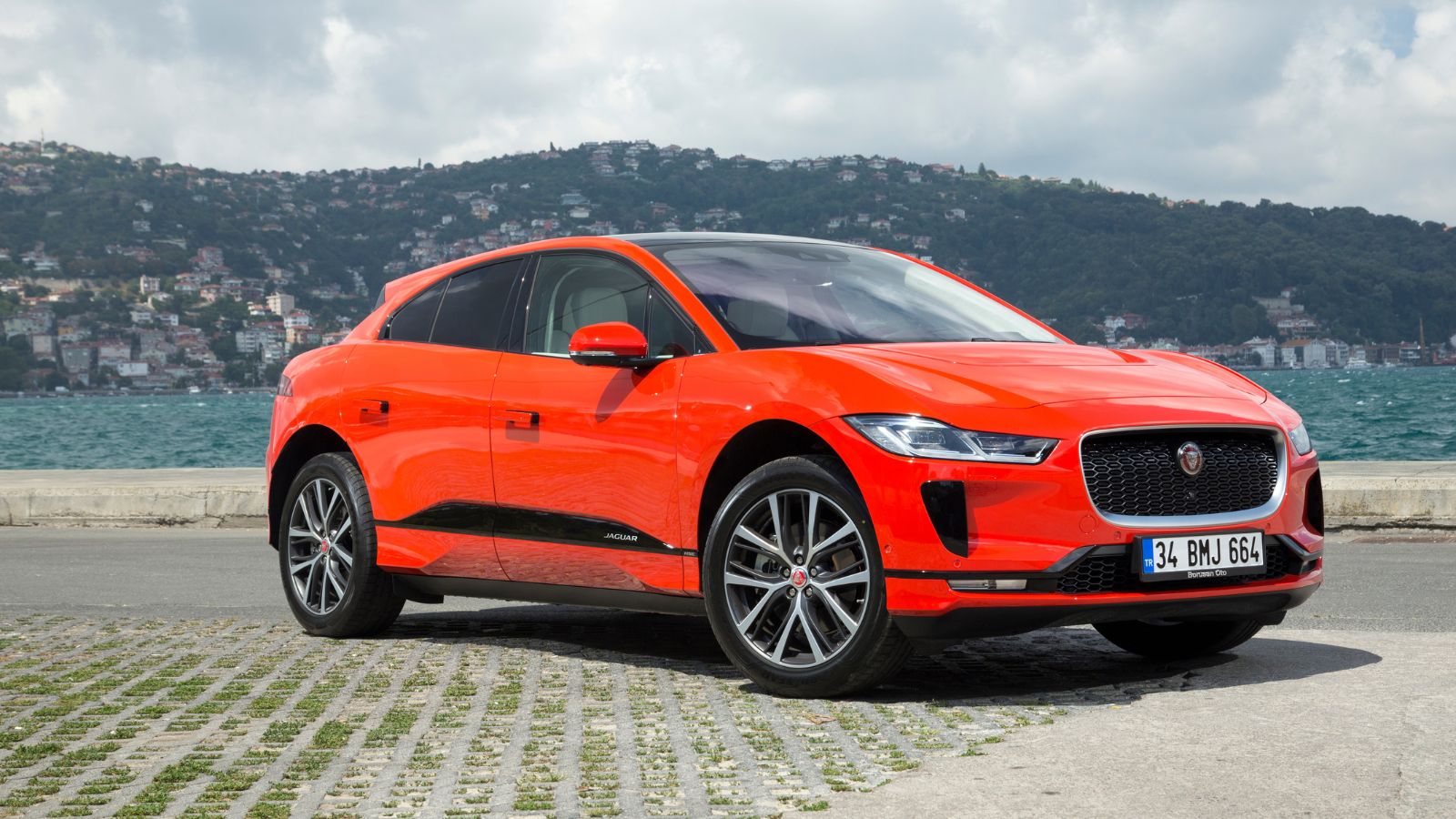
The Jaguar I-Pace has real enthusiast appeal. It was quick, stylish, and early to the luxury electric SUV space. At trade-in time, however, being early is not always an advantage. EV technology has moved rapidly, and used buyers now compare charging speed, range, software support, battery confidence, and brand direction. An older luxury EV can feel expensive to own even when its used price looks tempting.
The I-Pace also faces a perception problem because Jaguar’s product strategy has shifted dramatically. When a model becomes less central to a brand’s future, buyers may wonder about parts availability, dealer familiarity, software support, and long-term resale depth. None of that means the I-Pace is undesirable, but it gives appraisers reasons to be careful. A vehicle can be beautiful and enjoyable while still being difficult to defend at trade-in time.
Audi Q8 e-tron
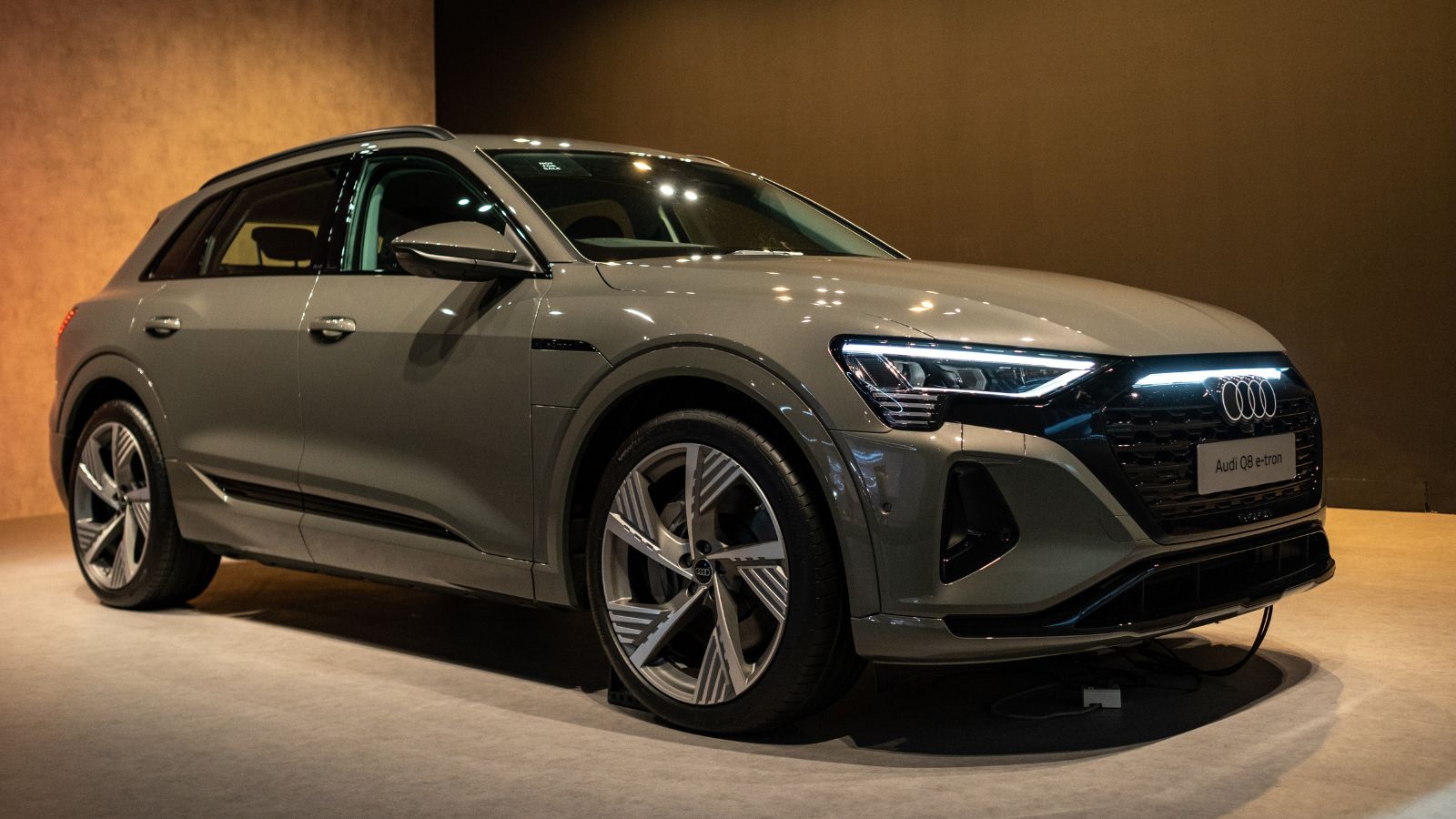
The Audi Q8 e-tron offers the kind of cabin quality and quiet road manners that made Audi’s electric SUVs feel polished from the start. The problem is that luxury EV buyers now have more choices, and the market has become less forgiving toward expensive electric vehicles with uncertain resale trajectories. When a dealer prices a trade-in, the next buyer’s doubts matter as much as the current owner’s experience.
Production and product-cycle uncertainty can add another layer of pressure. A used Q8 e-tron may be comfortable and capable, but shoppers may compare it with newer EVs offering more range, newer platforms, and stronger charging performance. Luxury EV depreciation can be steep because technology ages quickly and original MSRPs were high. For owners, that means the vehicle’s premium feel may not fully protect its value when the appraisal sheet comes out.
Chrysler Pacifica Plug-In Hybrid
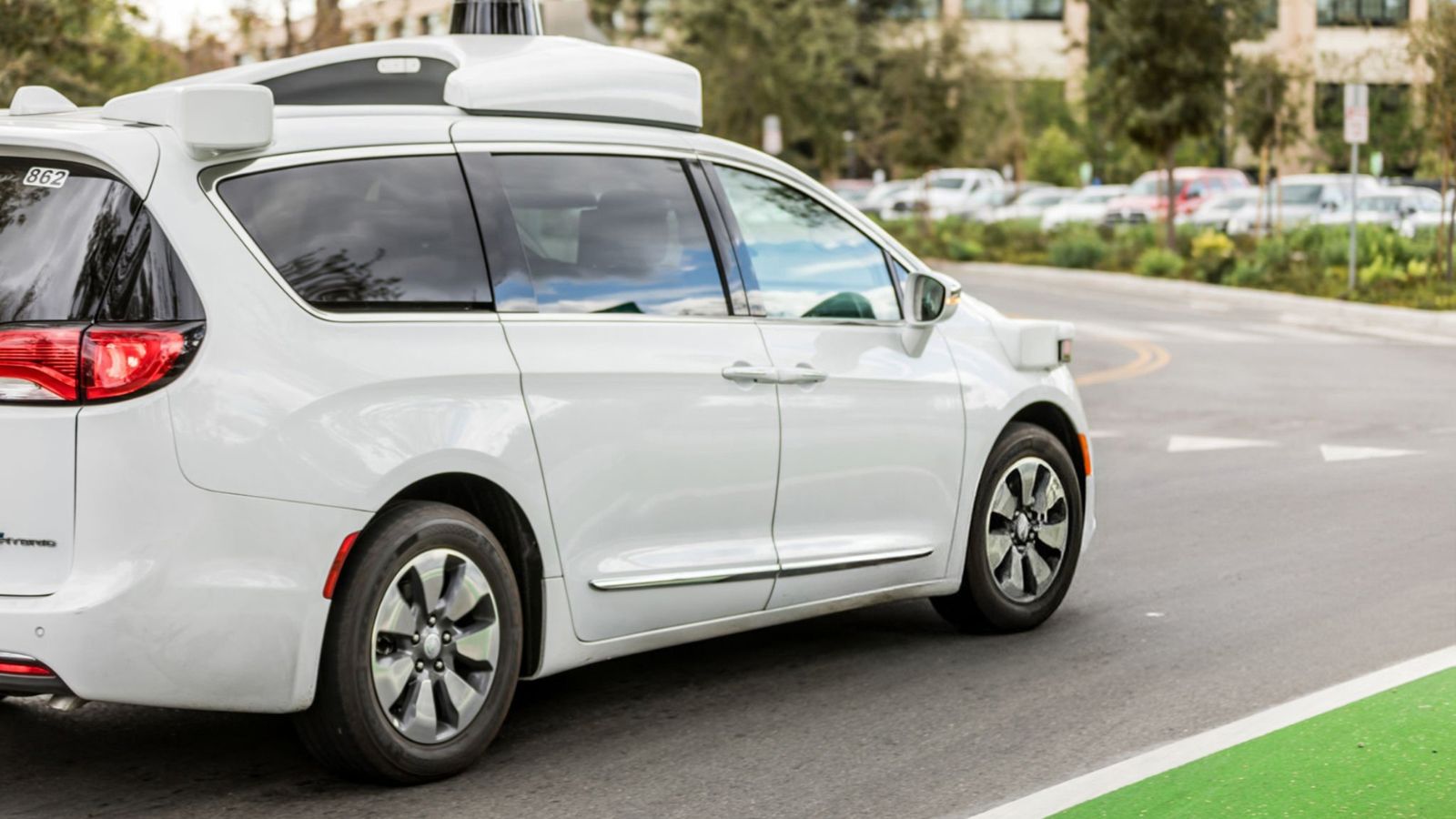
The Chrysler Pacifica Plug-In Hybrid has one of the most practical formulas in the market: minivan space, electric commuting ability, and family-friendly packaging. That practicality helps, but trade-in time can become complicated when plug-in hybrid battery concerns and recall history enter the conversation. Families want confidence, and dealers know that safety-related questions can slow down resale.
A Pacifica Plug-In Hybrid with complete service records and resolved recall work will be easier to defend than one with gaps. Still, the buyer pool may be cautious because minivan shoppers often prioritize reliability and predictability above almost everything else. If a vehicle is expected to carry children, cargo, road-trip luggage, and daily errands, uncertainty carries a real cost. That can make the Pacifica PHEV’s value more sensitive to documentation than owners may expect.
Jeep Grand Cherokee 4xe
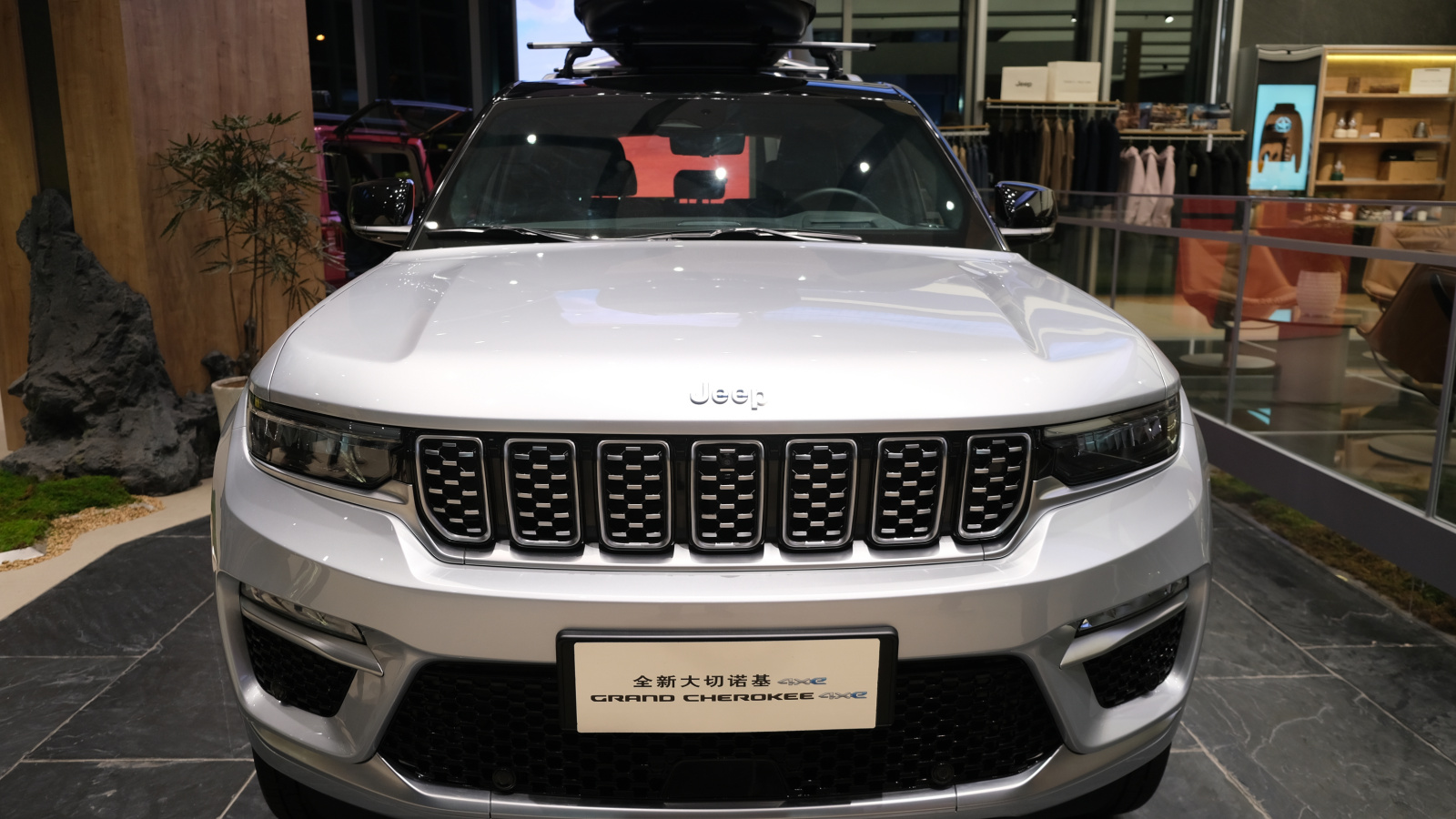
The Jeep Grand Cherokee 4xe blends a popular SUV name with plug-in hybrid capability, which should be a strong Canadian combination. It offers the promise of electric driving for short trips and gasoline flexibility for longer ones. The trade-in issue is that plug-in hybrid complexity can make buyers cautious, especially when recall concerns involve high-voltage components. A dealer may love the badge but still discount for risk.
The Grand Cherokee name has strong recognition, yet the 4xe version asks the used buyer to accept more technology than a conventional gasoline model. That means battery condition, charging habits, software updates, and recall completion can all become part of the negotiation. For an owner, the argument may be that the SUV delivers capability and efficiency. For the appraiser, the question is whether the next buyer will pay enough to justify that confidence.
Hyundai Kona Electric
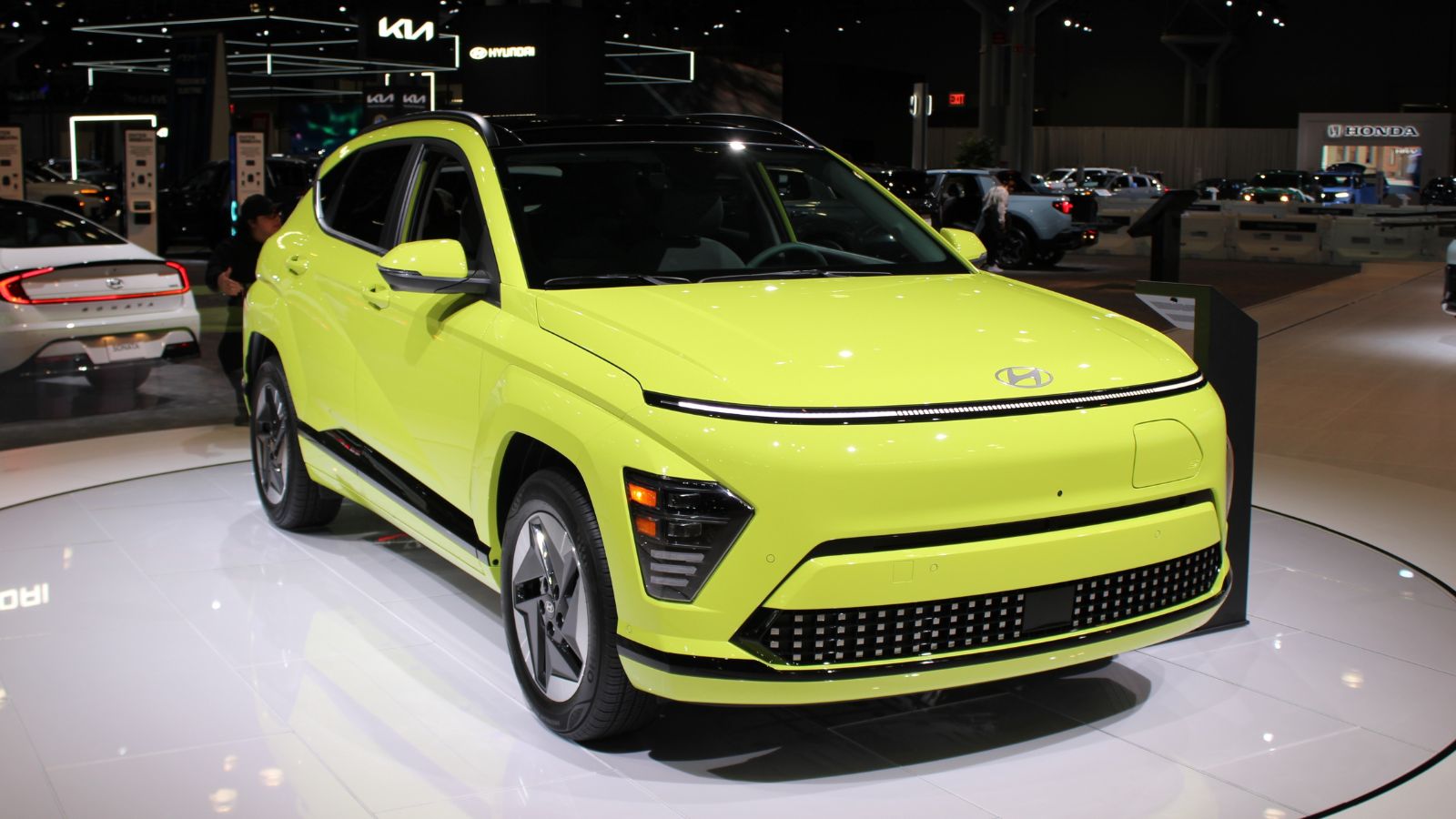
The Hyundai Kona Electric has been a sensible choice for Canadians wanting a small EV with useful range and lower running costs. Its trade-in challenge comes from the maturing used-EV market. As more electric crossovers arrive, a subcompact EV must compete not only on range but also on space, charging speed, warranty status, and price. The Kona Electric can feel efficient, but it is still small.
That size matters during appraisal. A buyer who wants an EV as the household’s only vehicle may prefer more cargo space and rear-seat room. A buyer who only needs a commuter may expect a bargain. The Kona Electric therefore risks being squeezed between bigger used EVs and cheaper older ones. Strong Hyundai warranty coverage helps, but once the vehicle ages, battery health and market pricing become more important than the original purchase logic.
Chevrolet Bolt EV
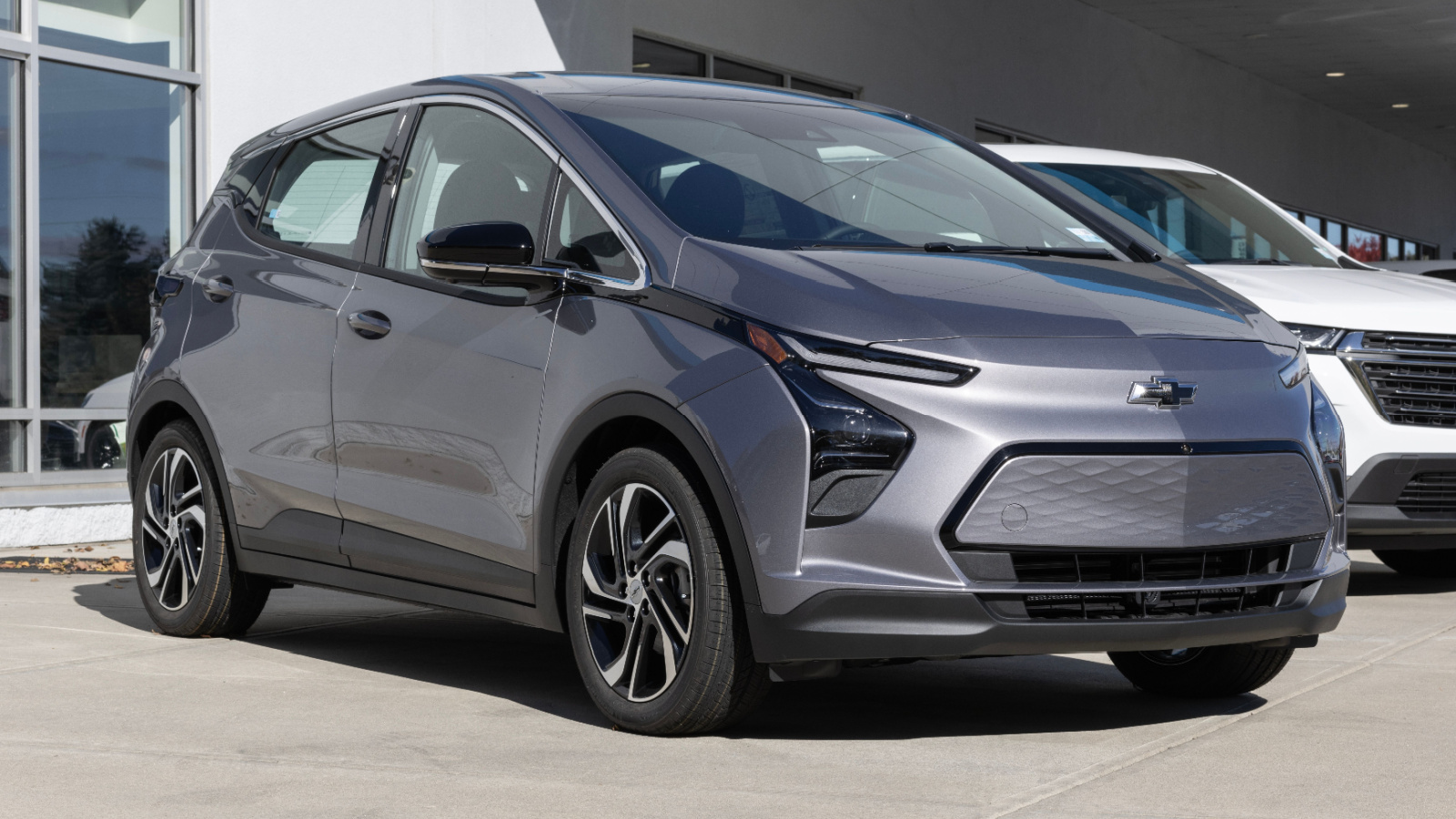
The Chevrolet Bolt EV has a complicated resale story. On one hand, it is one of the more affordable long-range used EVs and has strong appeal for commuters. On the other hand, the model’s high-profile battery recall history remains part of the used-market conversation. Even repaired vehicles can face extra questions from shoppers who remember headlines about battery fire risk and charging limits.
That creates a strange trade-in dynamic. A Bolt with verified recall completion and good battery documentation can be easier to defend, especially if the price is right. But appraisers still have to assume that some buyers will ask detailed questions before committing. The Bolt’s value is also affected by the broader trend of falling used EV prices. It may be a smart used purchase for some Canadians, but that does not always mean a strong trade-in result for the seller.
Maserati Levante
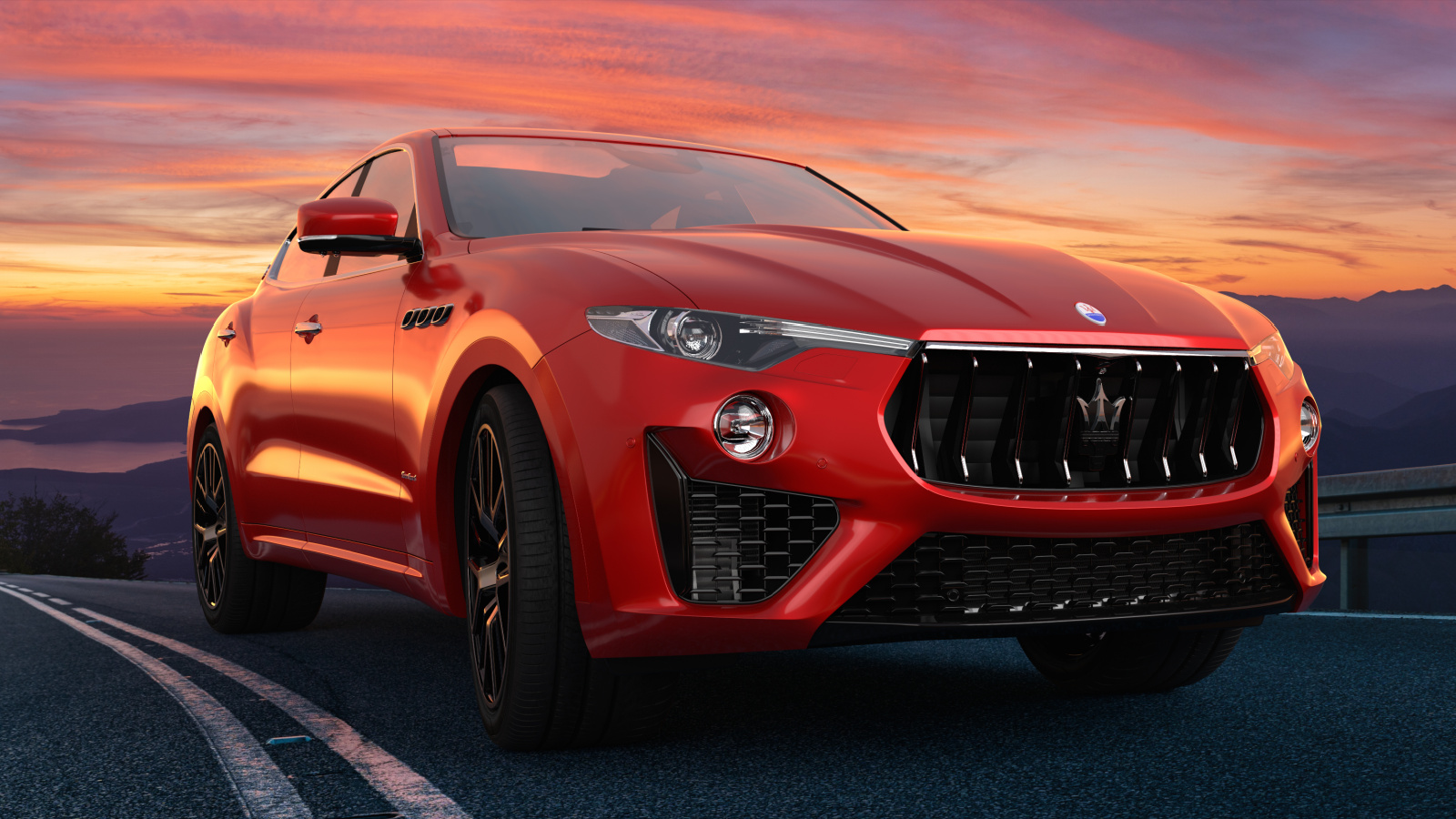
The Maserati Levante has the sound, badge, and styling to feel special, especially compared with more common luxury SUVs. Trade-in time can be less flattering. Maserati’s smaller dealer network, expensive parts, and niche buyer base can make dealers cautious. A vehicle that feels distinctive in the driveway may look harder to retail than a more familiar Lexus, Porsche, Mercedes-Benz, or BMW SUV.
The Levante also faces the same problem as many high-priced luxury vehicles: the used buyer wants the glamour without the original cost. That pushes prices down sharply as vehicles age. Maintenance history becomes crucial because even small issues can make a buyer nervous. For owners, the emotional defence is easy; the Levante feels rare and characterful. For appraisers, the practical defence is harder because resale depends on how many buyers will take on that ownership risk.
22 Things Canadians Do to Their Cars in Spring That Mechanics Hate

Spring brings relief to many Canadian drivers after months of snow, freezing temperatures, and icy roads that put serious strain on vehicles. As temperatures rise across the country, drivers begin washing cars, switching tires, and preparing vehicles for warmer weather and upcoming road trips. However, mechanics across Canada notice the same mistakes every spring when drivers attempt to recover from winter damage. Road salt, potholes, and harsh winter driving conditions often leave vehicles with hidden problems that drivers ignore. Some spring habits even create new mechanical issues that could have been avoided with proper maintenance. Here are 22 things Canadians do to their cars in spring that mechanics hate.