


























Across Canada, the 2026 car market has entered an awkward middle ground: prices are easing, monthly payments remain heavy, EV incentives and charging expectations keep shifting, and owners are paying closer attention to resale values. Some vehicles still make sense for the right household, yet trade-in conversations are starting earlier than expected when real-world costs, winter range, insurance, recalls, depreciation, or changing family needs begin to outweigh the original excitement.
The shift touches 16 cars, crossovers, pickups, and plug-in models that may be showing more early trade-out pressure in 2026. The pattern is not always about a bad vehicle. Often, it is about a market that moved faster than owners planned.
Tesla Model 3
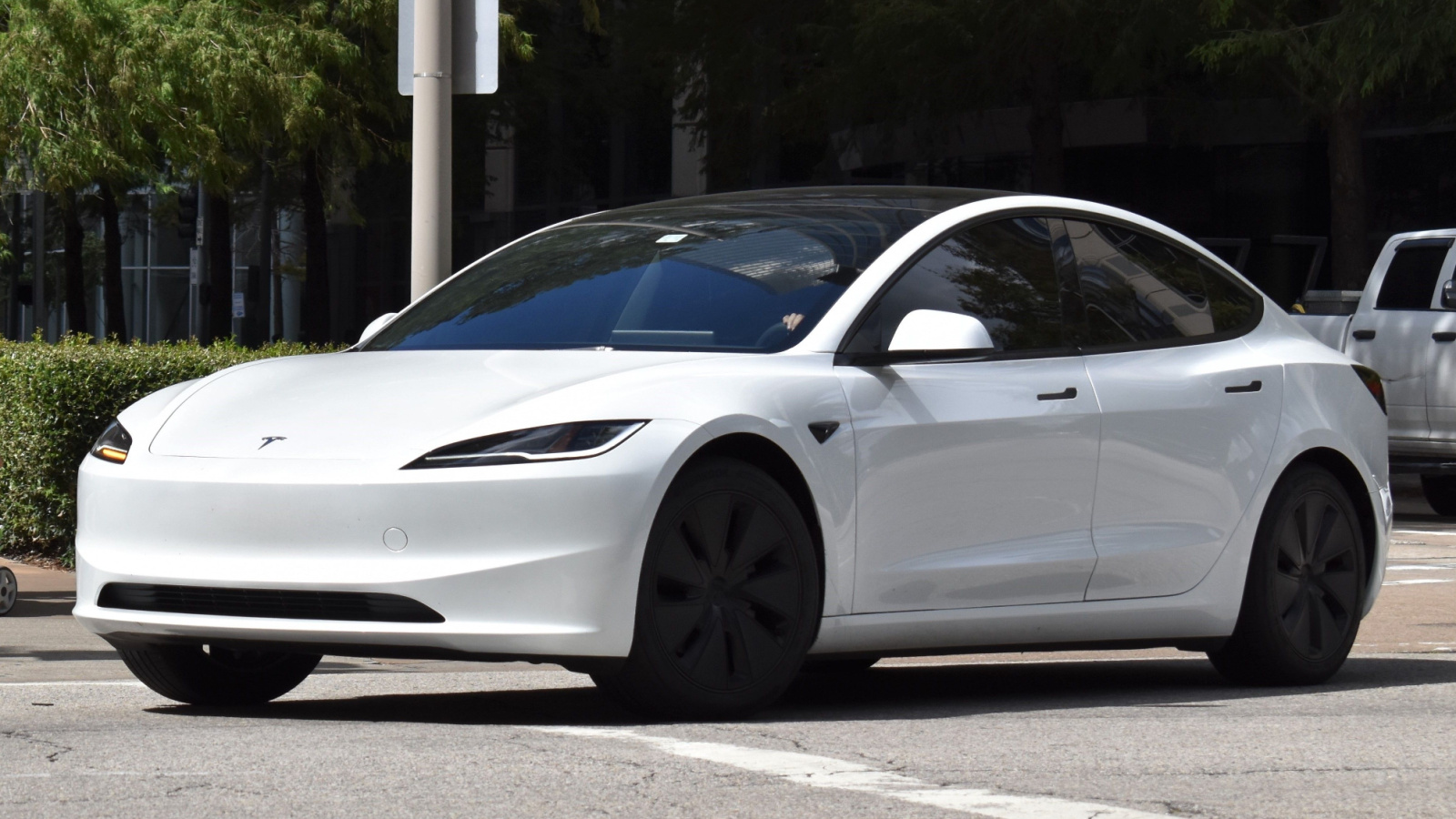
The Tesla Model 3 remains one of the most recognizable electric cars in Canada, but its resale story has become more complicated. Owners who bought during higher-price periods have watched newer pricing, incentive changes, and a growing used EV supply reshape expectations. A fresh lower-priced Model 3 trim in Canada can make an older used example feel less special, especially when buyers compare monthly payments rather than sticker history.
That creates a trade-out dilemma. Some owners still love the low running costs and charging network, yet others are discovering that fast-changing EV pricing can make equity disappear quickly. Add in repair concerns, insurance quotes, and evolving public opinion around the brand, and the Model 3 becomes a car some Canadians may move out of sooner than planned—not because it stopped being useful, but because the ownership math changed underneath it.
Tesla Model Y
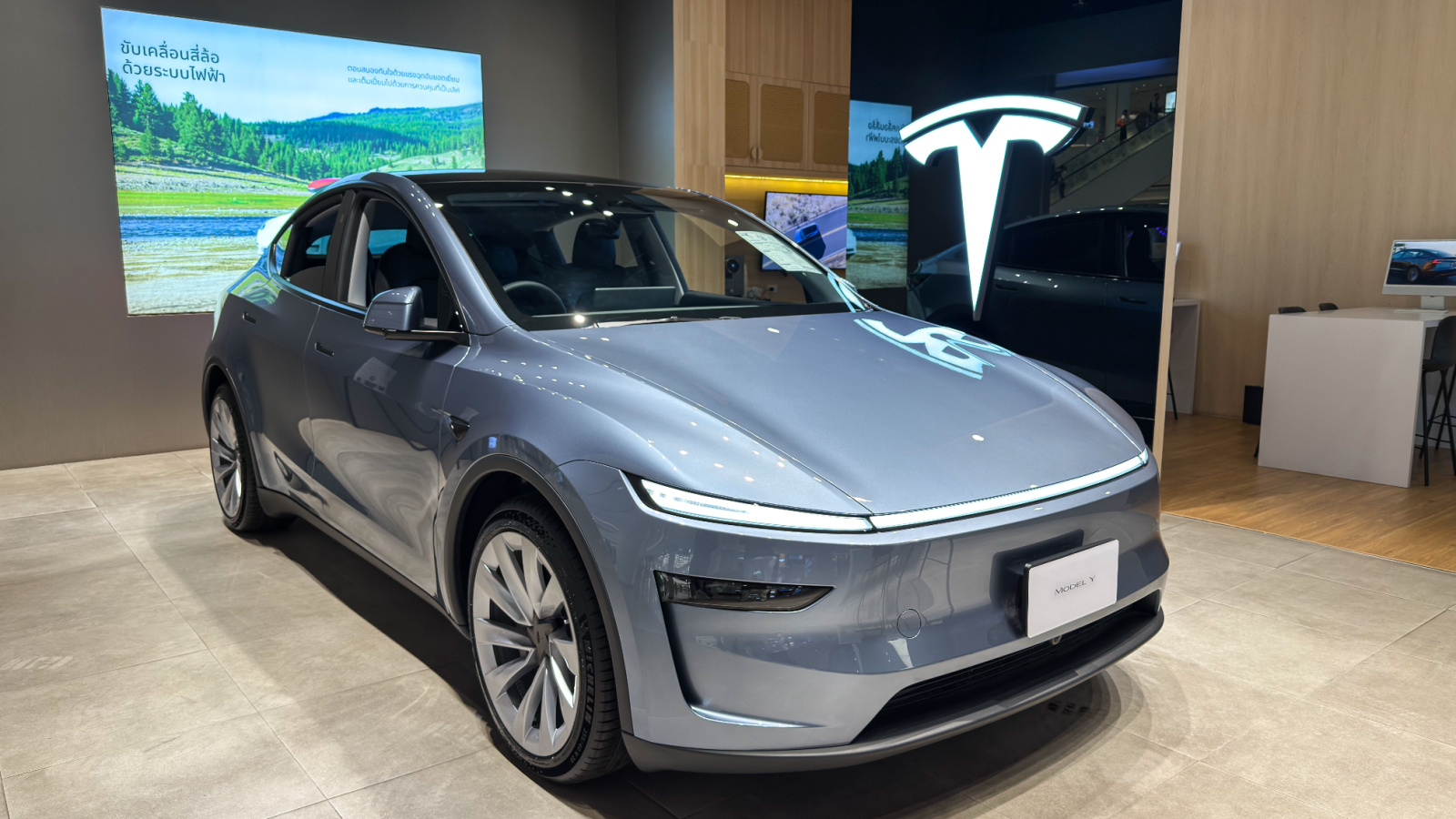
The Model Y has been a Canadian favourite for families wanting an electric crossover, but the same forces affecting the Model 3 are hitting it from a different angle. It is practical, quick, and easy to live with in many urban areas, yet owners who stretched for higher trims may now face a used market with more competing EV crossovers and stronger price sensitivity.
For households that bought the Model Y as a long-term family vehicle, the pressure often appears when priorities shift. A growing family may want more cargo flexibility, while a rural commuter may become more aware of winter range and charging gaps. The newer and refreshed versions also make earlier models feel less current. When a vehicle is both expensive and widely available used, trade-in timing becomes less emotional and more strategic.
Kia EV6
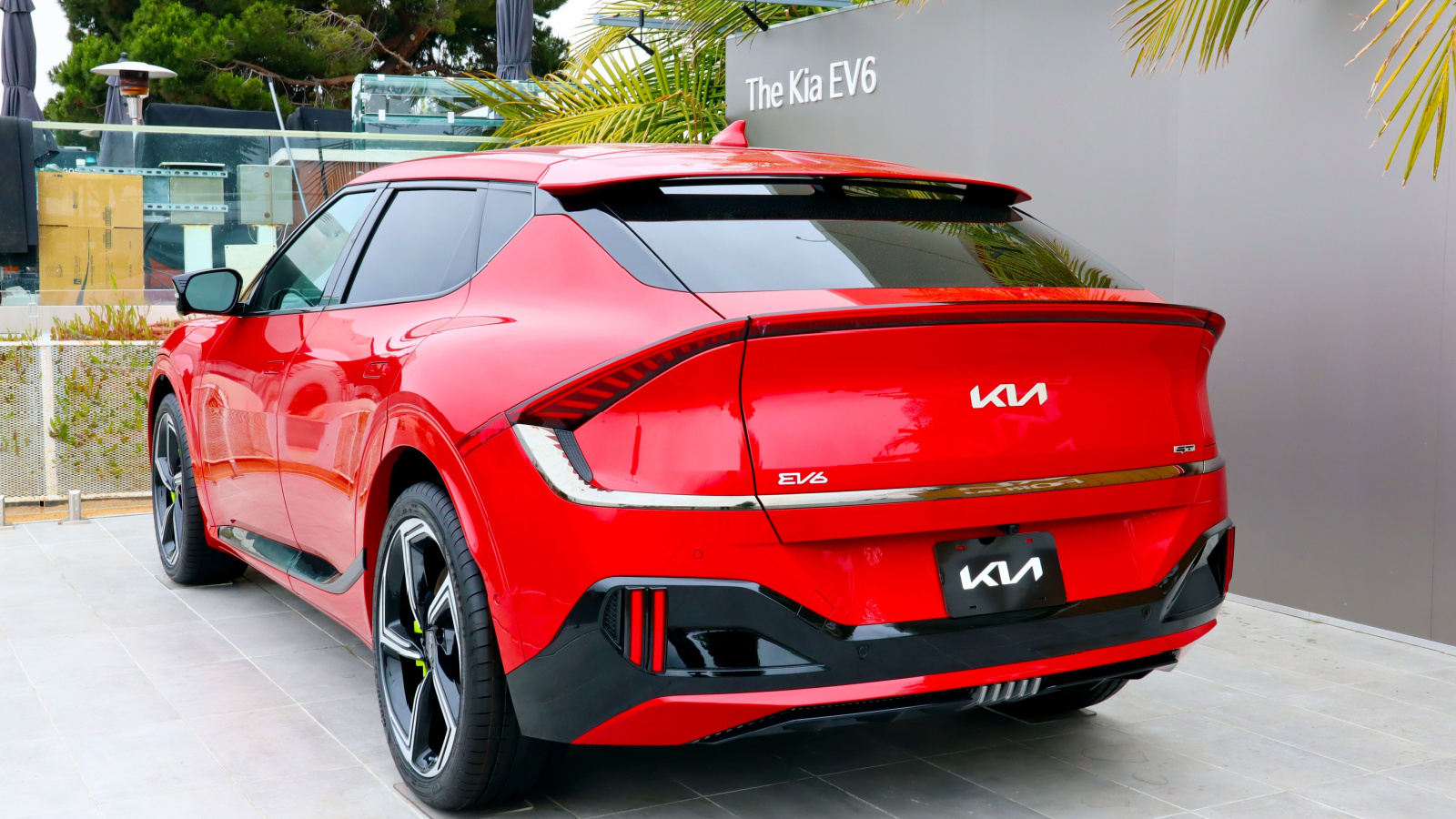
The Kia EV6 shares much of the Ioniq 5’s appeal: quick charging, distinctive styling, and strong performance. Yet it also faces a narrower Canadian buyer pool than more conventional compact SUVs. Its sporty shape, lower roofline, and EV-specific resale uncertainty can make trade-in decisions more urgent when owners start comparing it against hybrids, used Teslas, or newer electric crossovers.
Reliability perception matters here. Consumer-focused reliability rankings and ICCU-related concerns have made some shoppers more cautious with certain EVs, even when warranty coverage and dealer fixes exist. For an owner who planned to keep an EV6 for years, the market’s sudden focus on battery health, charging history, and warranty status can feel stressful. Some may decide that trading sooner protects value before the used EV field gets even more crowded.
Ford Mustang Mach-E
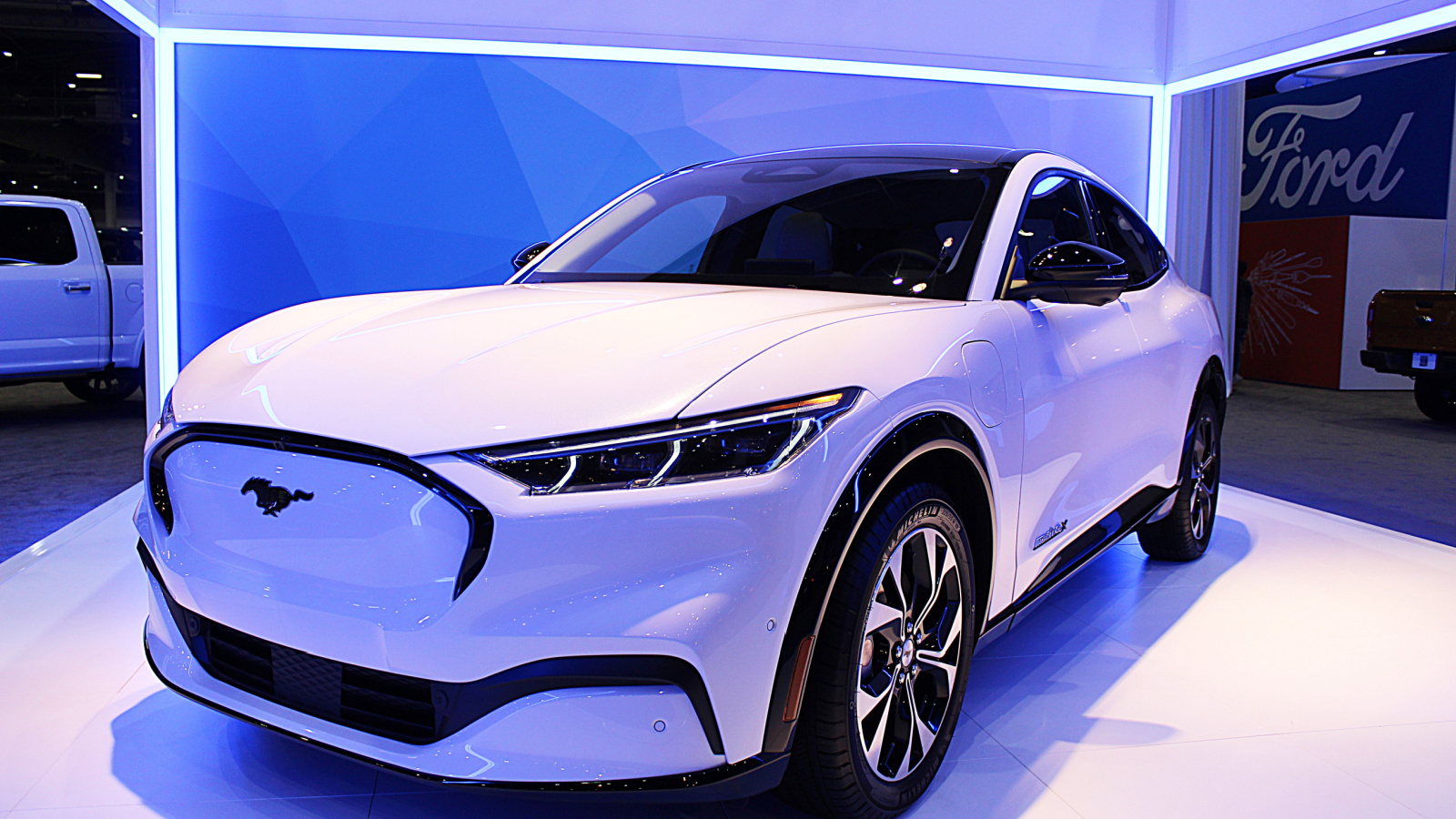
The Mustang Mach-E brought Ford buyers into the EV era with familiar branding and crossover practicality, but its ownership story has not been simple. Some Canadian owners have had to weigh software updates, battery-related recall history, and changing EV resale expectations against the fun of driving it. A vehicle that once felt like a bold future-facing purchase can feel more exposed when the used market starts discounting EVs aggressively.
It also sits in a tricky space. It is not as inexpensive as a small EV, not as rugged as a truck, and not as universally understood as a gas SUV. That can make dealer trade-in offers feel conservative. Owners who expected Mustang-like desirability may be surprised when appraisals focus instead on range, battery condition, and recall completion. For some, that is enough to trade before values soften further.
Chevrolet Bolt EUV
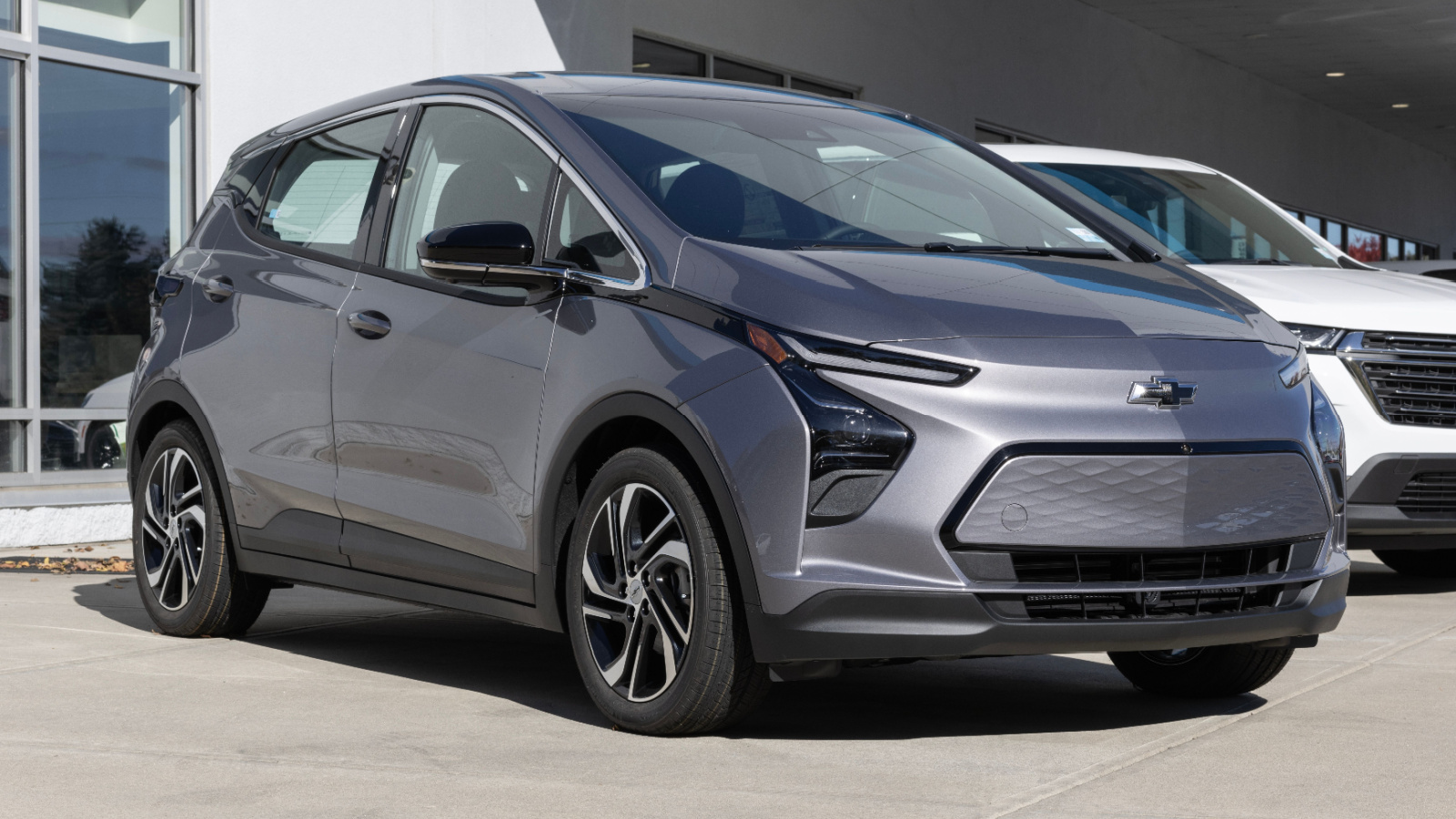
The Chevrolet Bolt EUV has a strong practical argument: compact size, useful range, and relatively affordable used pricing. Yet affordability cuts both ways. When a model becomes known as a used EV bargain, current owners can find their trade-in expectations pulled down. The Bolt’s past battery-fire recall story also continues to shape buyer questions, even after repairs and official processes addressed the issue.
For Canadians who mostly drive in cities, the Bolt EUV can still be an efficient daily vehicle. The problem is that 2026 shoppers have more choices than they did a few years ago. Newer EVs charge faster, feel more modern, and offer more crossover-like space. Owners who want a fresher cabin, faster road-trip charging, or a stronger resale path may decide the Bolt EUV has served its purpose earlier than originally expected.
Nissan Leaf
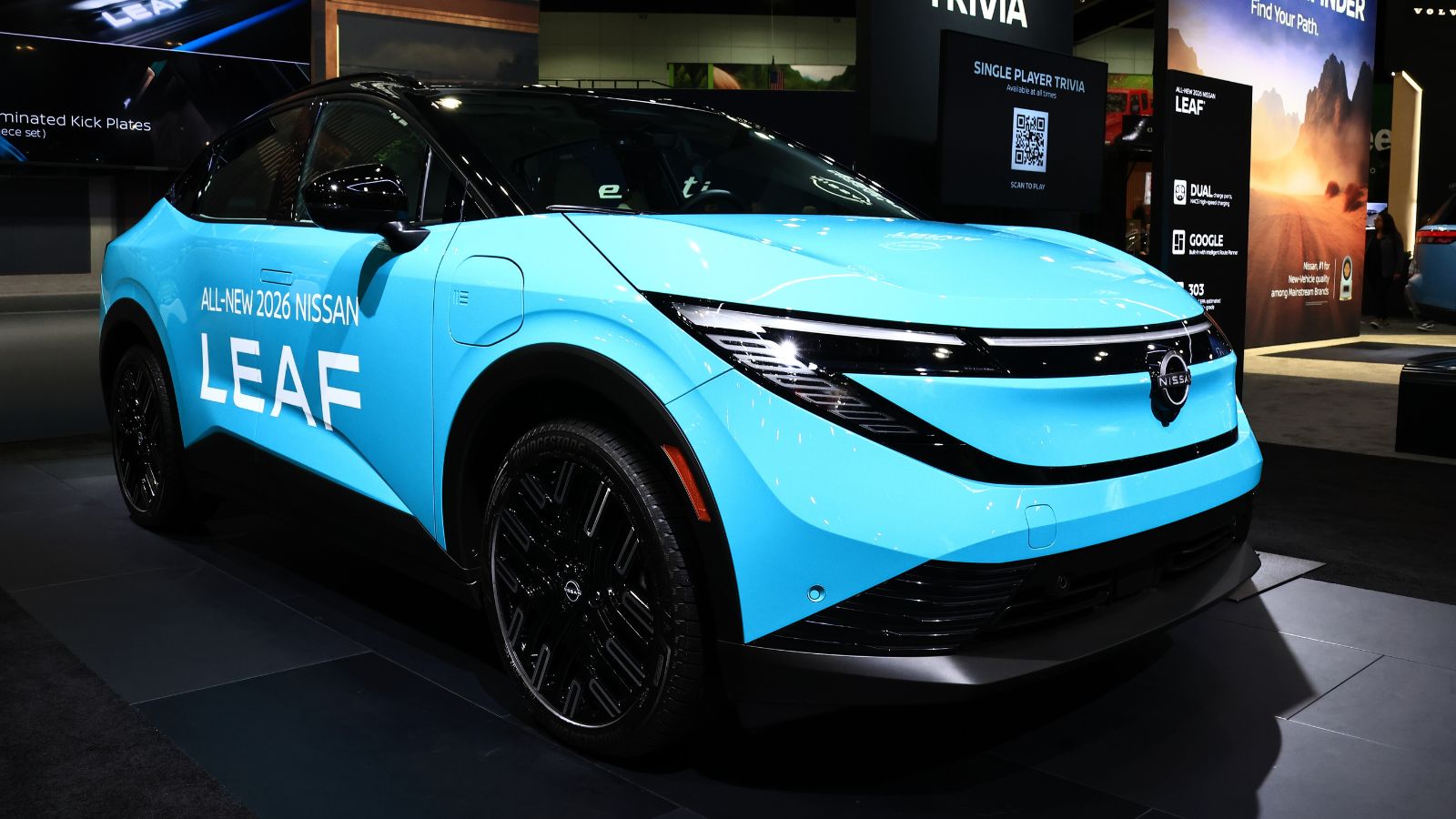
The Nissan Leaf helped normalize electric driving, but in 2026 it looks increasingly like an older-generation EV. Its smaller footprint and approachable used price can still work for short commutes, yet many Canadians now compare EVs through range, charging speed, battery cooling, and road-trip flexibility. Against newer choices, the Leaf’s limitations become easier to notice.
That gap can push owners toward early trade-ins. A household that once used a Leaf as a second car may now consider a used hybrid, a longer-range EV, or a more versatile compact SUV. Depreciation studies often show EVs among the hardest-hit segments, and older EV technology can feel especially vulnerable. For owners who want to avoid being caught with a harder-to-sell battery-electric car, trading while demand still exists can feel sensible.
Volkswagen ID.4
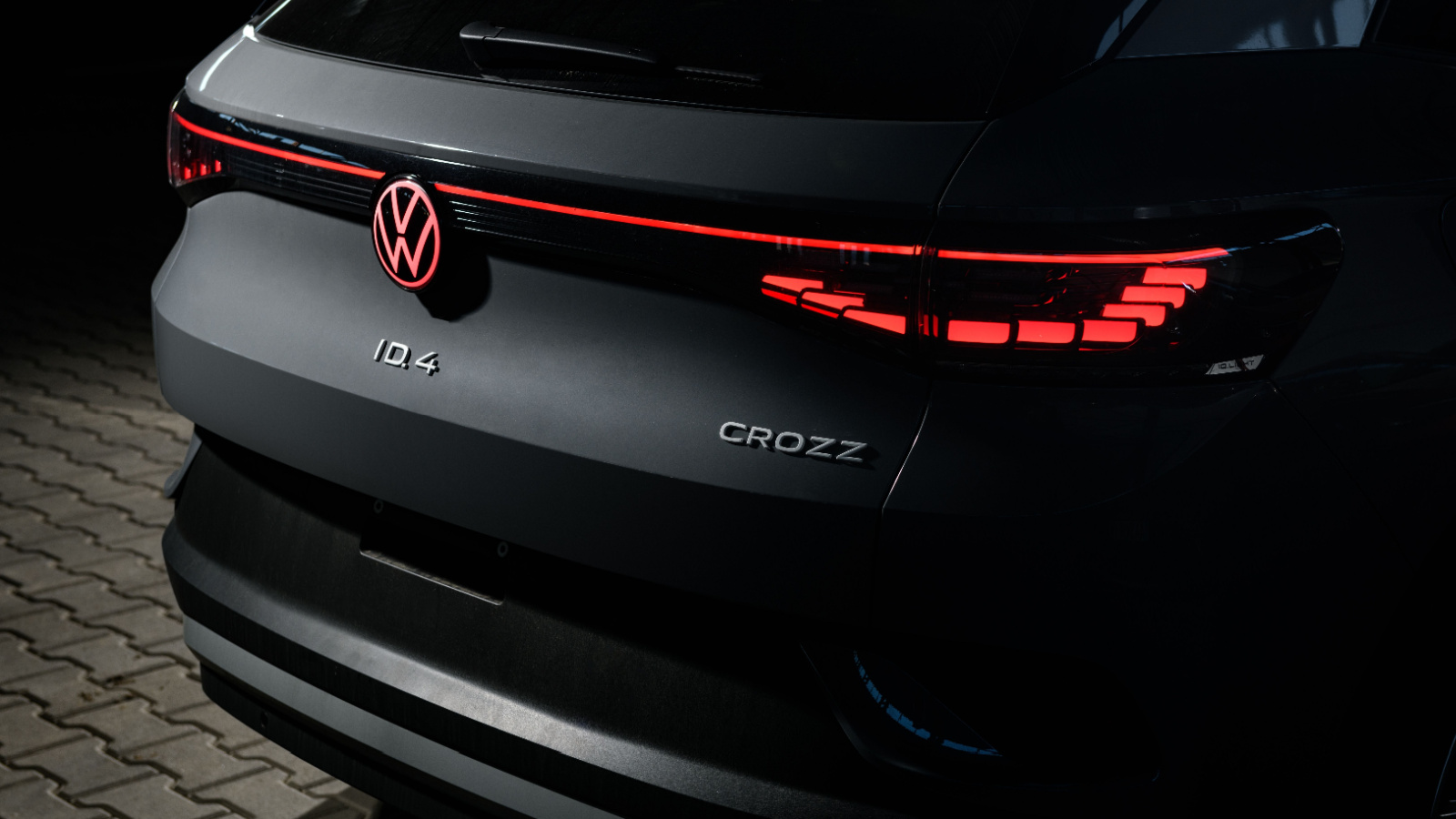
The Volkswagen ID.4 gives Canadians a familiar compact-SUV format with electric power, but it competes in one of the most crowded parts of the market. Buyers can cross-shop it against Tesla, Hyundai, Kia, Ford, and a growing number of newer EVs. That makes resale confidence more fragile, particularly when software updates, charging expectations, and incentives remain part of the conversation.
The ID.4’s trade-out pressure may come from the gap between what owners expected and how quickly the EV market matured. A pleasant, practical EV can still lose attention if rivals charge faster, market more aggressively, or discount harder. For owners who bought when supply was tight, a calmer 2026 market can feel like a reset. Some may trade out to capture remaining value before newer electric crossovers make earlier ID.4s look less competitive.
Jeep Wrangler 4xe

The Jeep Wrangler 4xe became a popular way to combine plug-in capability with off-road image, but it is also a complicated vehicle to own. It carries Wrangler compromises—road noise, fuel use when the battery is depleted, and truck-like manners—while adding plug-in hybrid complexity. For some Canadian owners, the novelty of electric commuting may fade once winter, charging habits, and recall headlines enter the picture.
The 4xe’s resale story is shaped by confidence. Battery-related recalls and plug-in hybrid reliability concerns can make used buyers more cautious, even though many owners enjoy the vehicle. A Wrangler usually benefits from strong brand loyalty, but the 4xe asks buyers to trust both Jeep ruggedness and electrified hardware. Owners who sense that used shoppers are hesitating may trade sooner than planned to avoid a steeper value adjustment.
Jeep Grand Cherokee 4xe
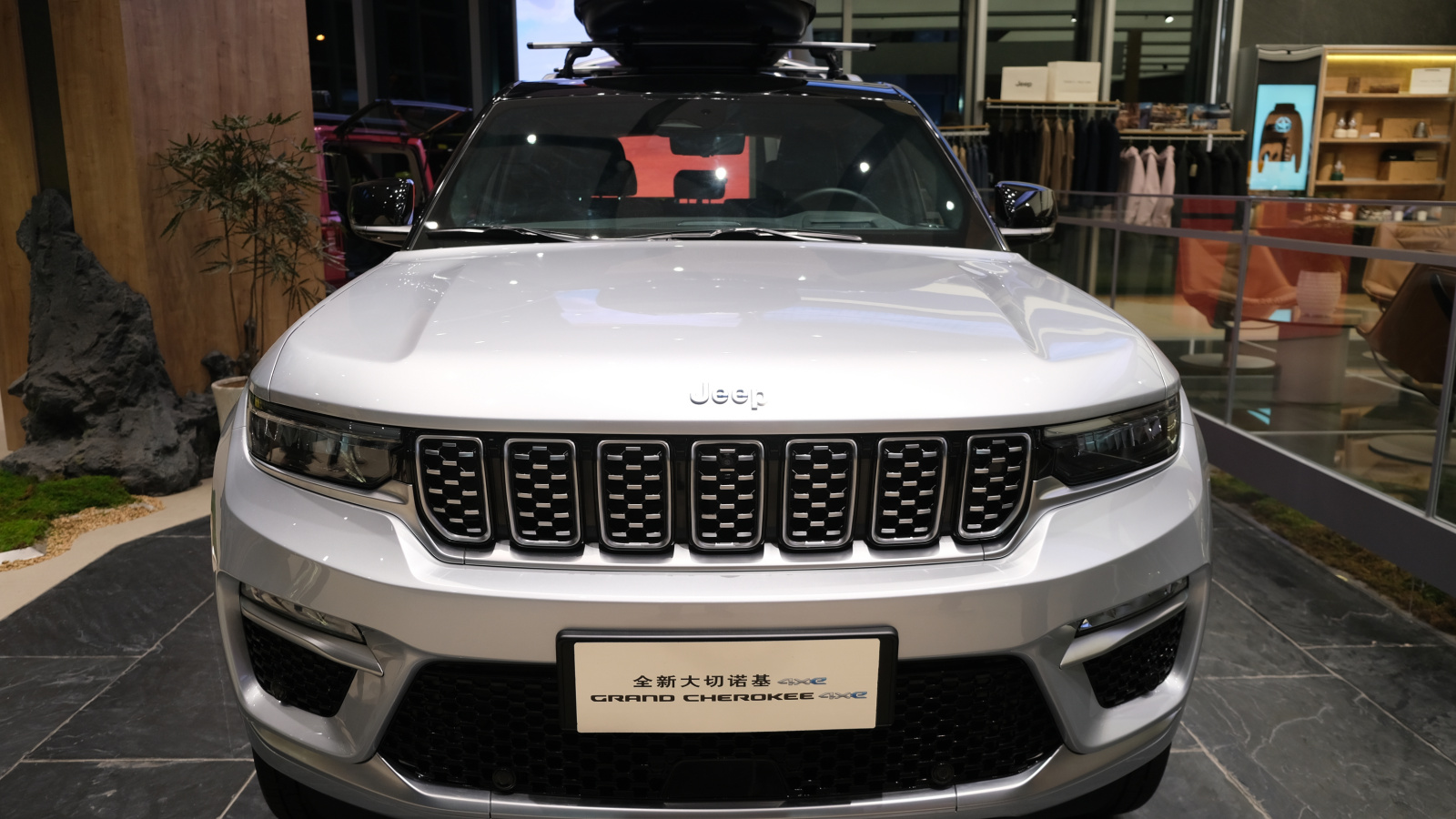
The Grand Cherokee 4xe appeals to families wanting comfort, power, and some electric driving without going fully EV. The challenge is that it occupies a high-price, high-complexity zone. Once fuel savings, charging habits, insurance, and depreciation are calculated, some owners may wonder whether a conventional hybrid or gas SUV would have been simpler.
Trade-out pressure can build when luxury expectations meet ownership friction. A premium plug-in SUV must feel effortless, especially in Canadian winters and during long highway trips. When recall concerns or battery-related warnings appear in the broader Jeep plug-in conversation, shoppers become more careful. For owners, that caution can translate into lower trade-in confidence. The Grand Cherokee 4xe may still fit some households well, but it is a vehicle where early exits can become tempting.
Chrysler Pacifica Plug-In Hybrid
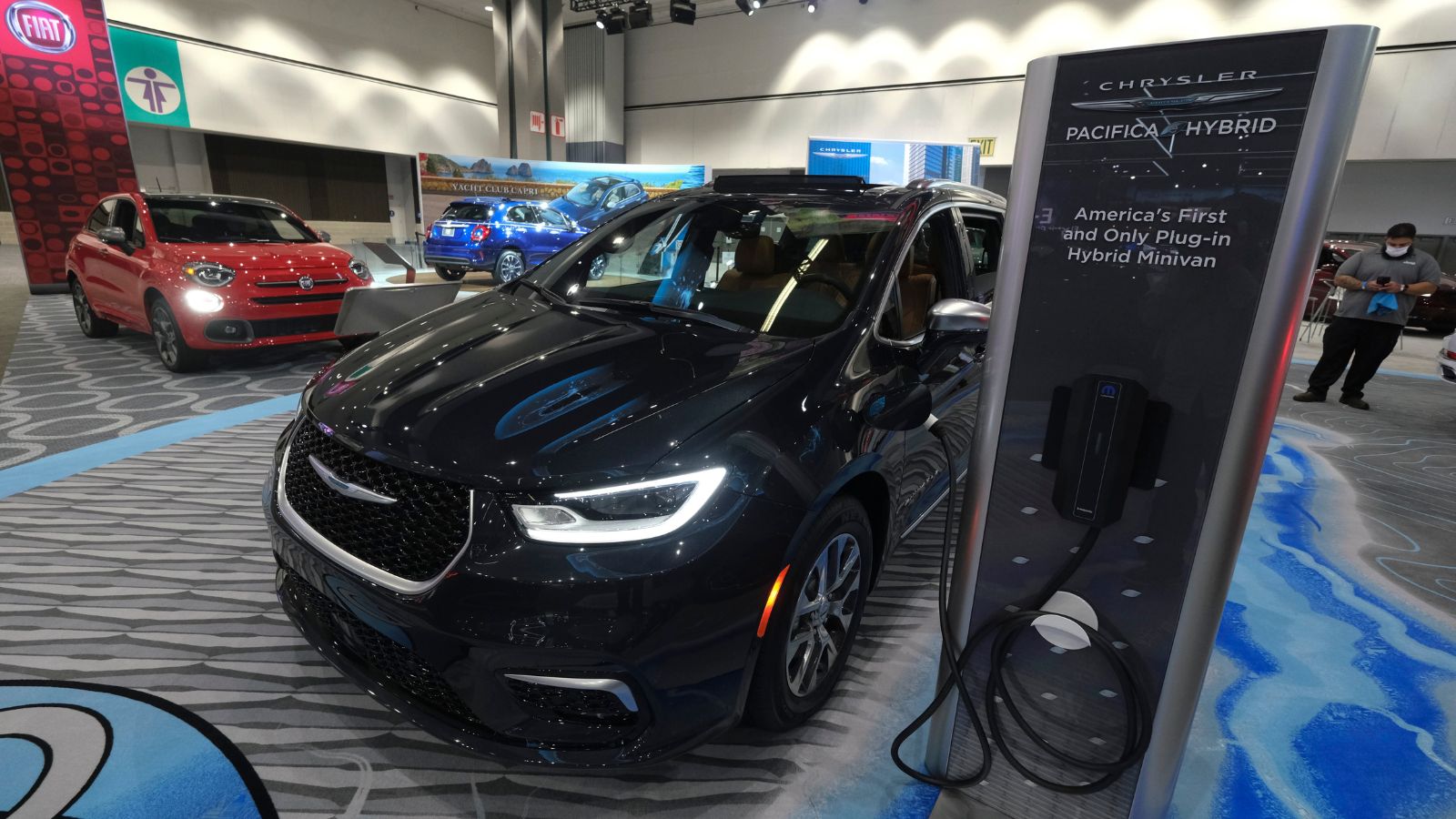
The Chrysler Pacifica Plug-In Hybrid has a rare advantage: it is one of the few plug-in minivans available, making it attractive to families with school runs and predictable daily driving. Yet family vehicles are judged harshly when reliability questions arise. A minivan that carries children, groceries, pets, and vacation gear has to feel dependable above all else.
That is why Pacifica plug-in owners may become sensitive to repair histories, recall discussions, and reliability rankings. Even if the fuel savings are real, downtime or uncertainty can quickly outweigh the appeal of electric commuting. In 2026, with some families rethinking debt, insurance, and maintenance costs, a complicated plug-in minivan can become a trade-out candidate. Some owners may move back to a simpler gas minivan, while others may choose a hybrid SUV instead.
Ford F-150 Lightning
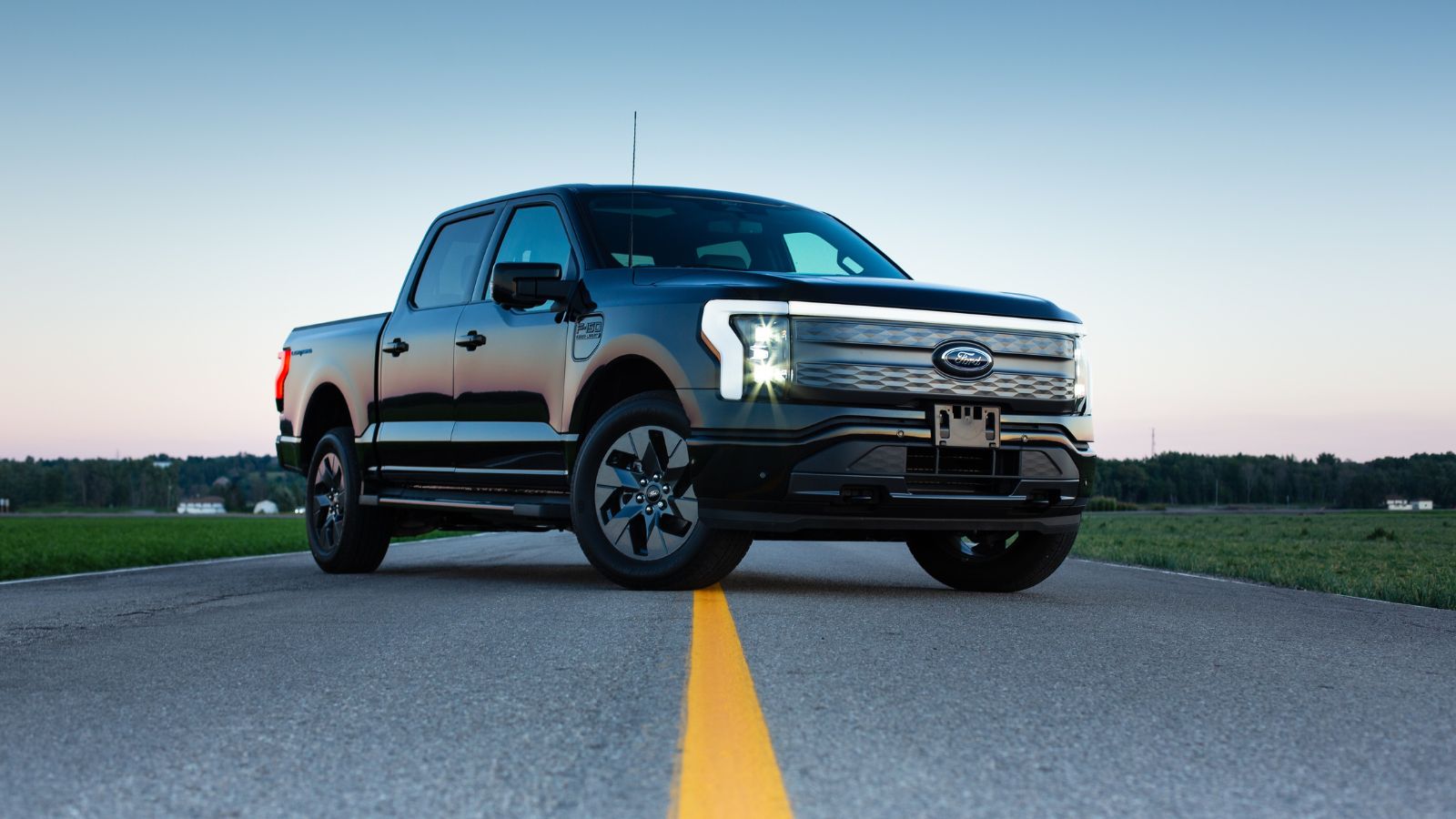
The F-150 Lightning promised familiar pickup capability with electric torque, but Canadian truck owners often judge vehicles by towing, winter range, rural charging, and jobsite reliability. Those are demanding conditions. A truck that works beautifully for commuting or local hauling can feel less convincing when trailers, cold weather, and long distances enter the equation.
Trade-out pressure may come from expectation mismatch. Traditional F-150 owners are used to predictable refuelling and broad resale demand. Electric pickups still face a smaller used-buyer pool, and shoppers often ask tougher questions about battery health and towing range. For owners who bought early, the Lightning can remain impressive but less universally practical than expected. Some may trade into a hybrid or gas truck while pickup demand remains stronger than EV-truck confidence.
Ram 1500
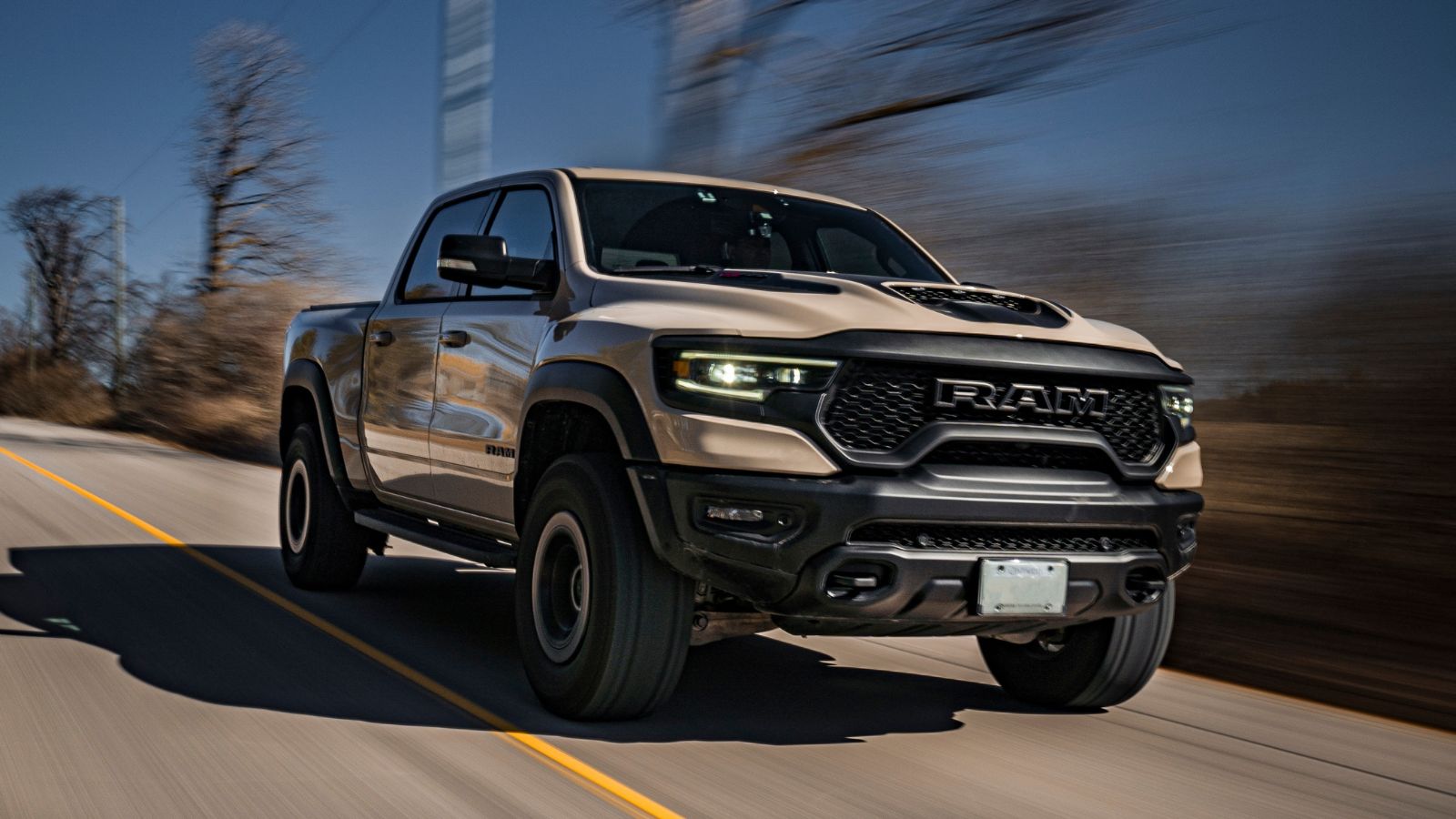
The Ram 1500 remains a comfortable and capable full-size pickup, but the Canadian market is unforgiving when payments, fuel costs, and insurance stay high. Large pickups can be easy to justify for work or towing, yet harder to carry when they mostly commute empty. As affordability pressures continue, some owners may decide the monthly cost no longer matches daily use.
The trade-out decision often appears at renewal time. A buyer who accepted a big payment during a hot market may now see smaller SUVs, hybrids, or older trucks as more practical. Pickup values can hold better than many EVs, but that also gives owners a reason to act while the truck still has equity. For households trimming budgets in 2026, the Ram 1500 may be one of the first big-ticket vehicles reconsidered.
Nissan Rogue
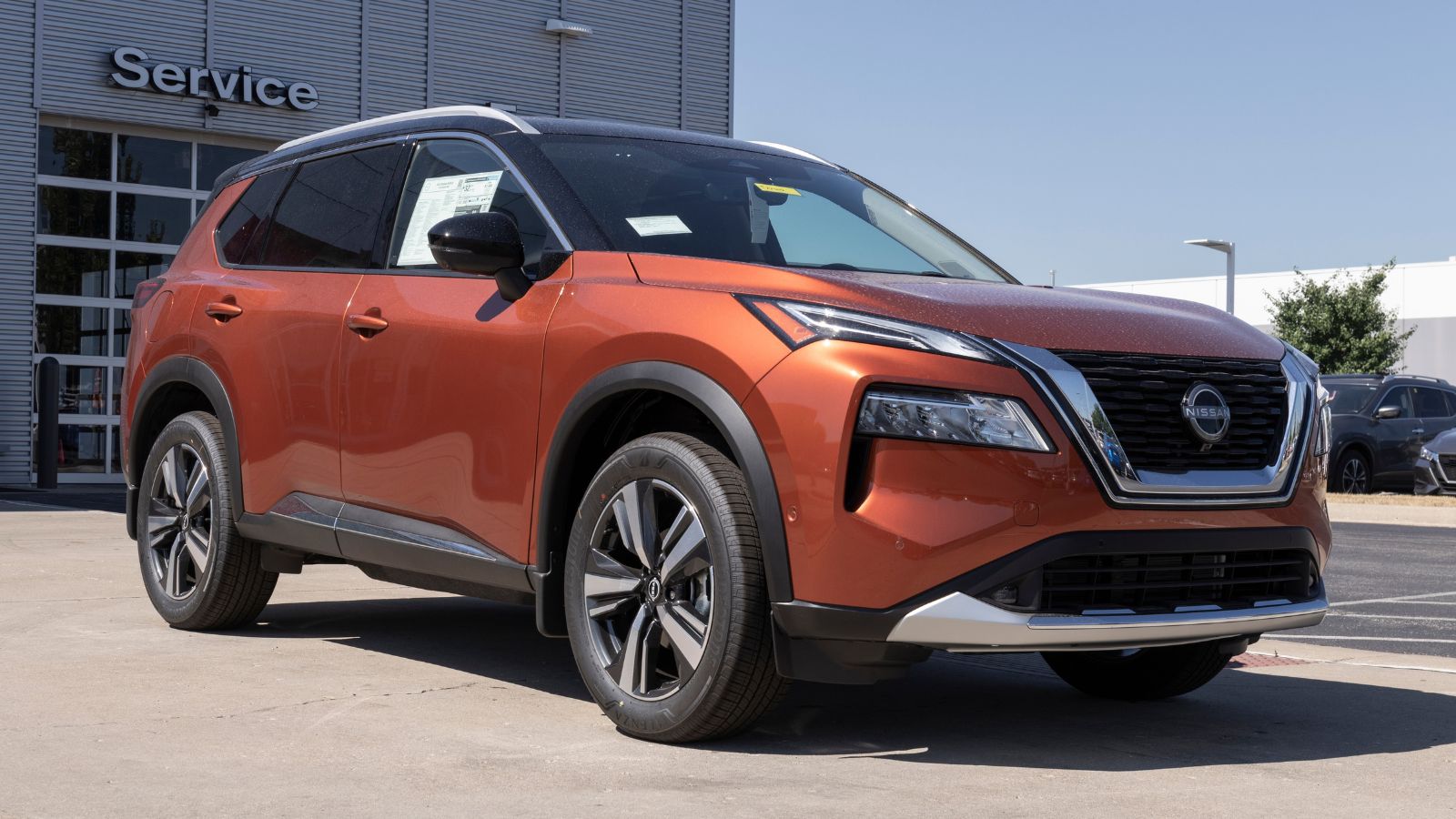
The Nissan Rogue is a common Canadian compact SUV, which helps with familiarity but can hurt trade-in excitement. When a model is widely available, buyers and dealers have plenty of comparisons. Owners who expected strong value may face a more ordinary appraisal if inventory is plentiful, mileage is high, or newer rivals offer hybrid options and more advanced driver-assistance features.
The Rogue’s pressure is less dramatic than an EV depreciation story, but it can be just as practical. Families may trade out because they want better fuel economy, more cargo room, or a hybrid powertrain. Others may be responding to the broader compact-SUV market, where competition is intense and shoppers quickly notice incentives. In 2026, a mainstream SUV that once felt like a safe default may be traded earlier simply because alternatives look more efficient or better equipped.
BMW 3 Series
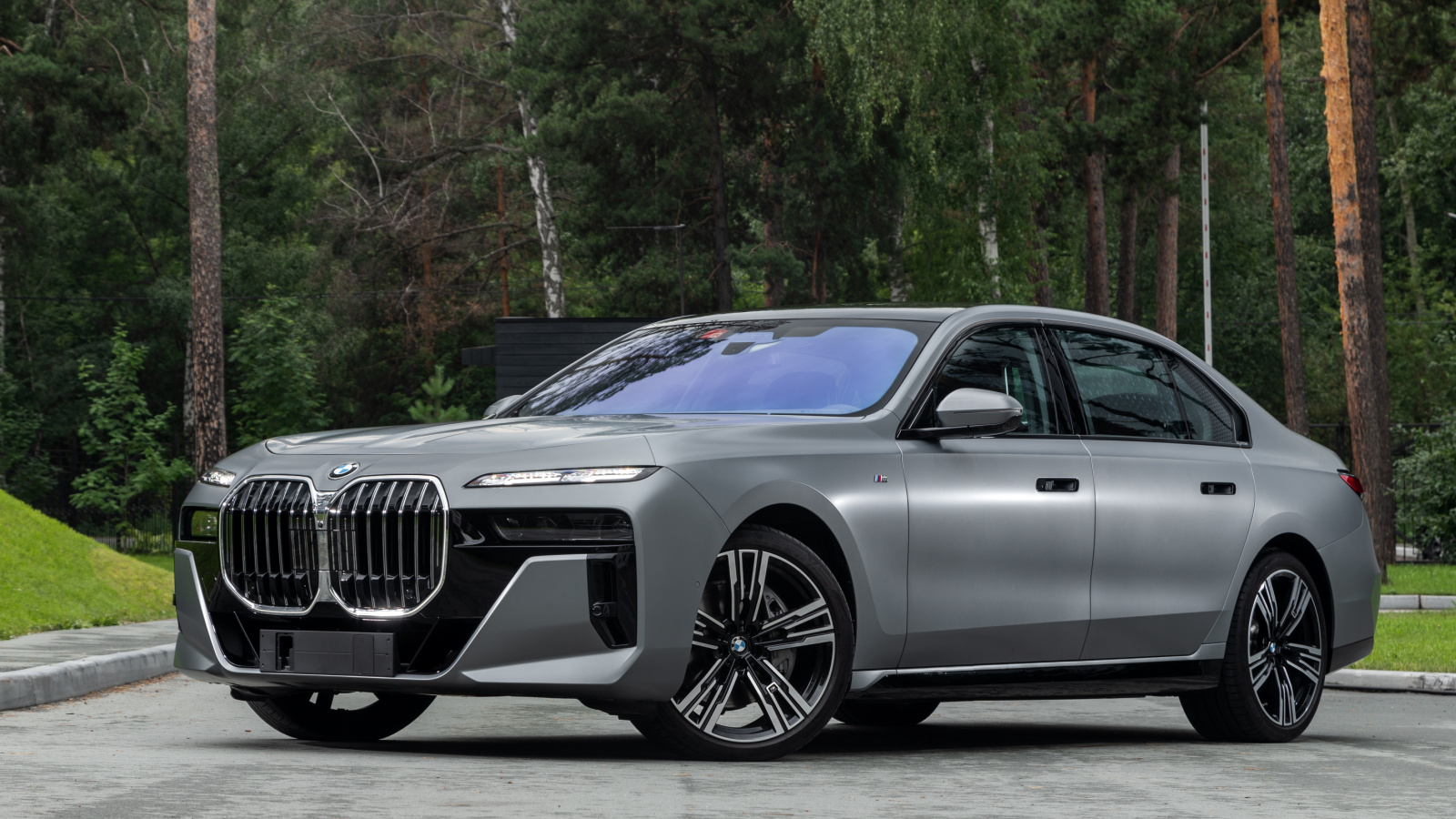
The BMW 3 Series is not disappearing from Canadian driveways, but premium sedans face a tougher ownership equation in 2026. SUVs dominate new-vehicle sales, and luxury cars can carry higher insurance, tire, brake, and maintenance costs. A sedan that felt rewarding at purchase can become less appealing when monthly budgets tighten or family needs shift.
Trade-out pressure often comes from the second or third year of ownership, when warranty timelines, depreciation, and service costs become more visible. The 3 Series still delivers strong driving feel, but used shoppers may be selective about mileage, options, and maintenance records. Owners who sense that luxury-sedan demand is narrower than SUV demand may choose to trade into a compact luxury crossover, hybrid, or less expensive mainstream vehicle before costs stack up.
22 Things Canadians Do to Their Cars in Spring That Mechanics Hate

Spring brings relief to many Canadian drivers after months of snow, freezing temperatures, and icy roads that put serious strain on vehicles. As temperatures rise across the country, drivers begin washing cars, switching tires, and preparing vehicles for warmer weather and upcoming road trips. However, mechanics across Canada notice the same mistakes every spring when drivers attempt to recover from winter damage. Road salt, potholes, and harsh winter driving conditions often leave vehicles with hidden problems that drivers ignore. Some spring habits even create new mechanical issues that could have been avoided with proper maintenance. Here are 22 things Canadians do to their cars in spring that mechanics hate.