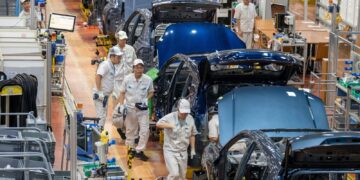
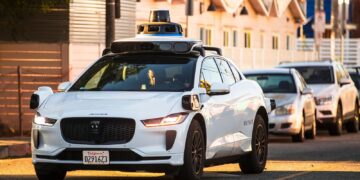



















Driver-assist features promise safer driving and fewer accidents. That sounds great until repair bills arrive. Modern cars rely on cameras, sensors, and radar units for everyday functions. Even small damage can throw systems off. A minor fender bender may now require calibration, software checks, and expensive parts. Owners often expect savings from fewer accidents. Instead, they face rising maintenance costs tied to delicate technology. These systems are helpful but far from cheap to fix. Some vehicles stand out for repair complaints tied to these features. Here are 25 cars with driver-assist tech that’s causing more repairs than it prevents.
Toyota RAV4
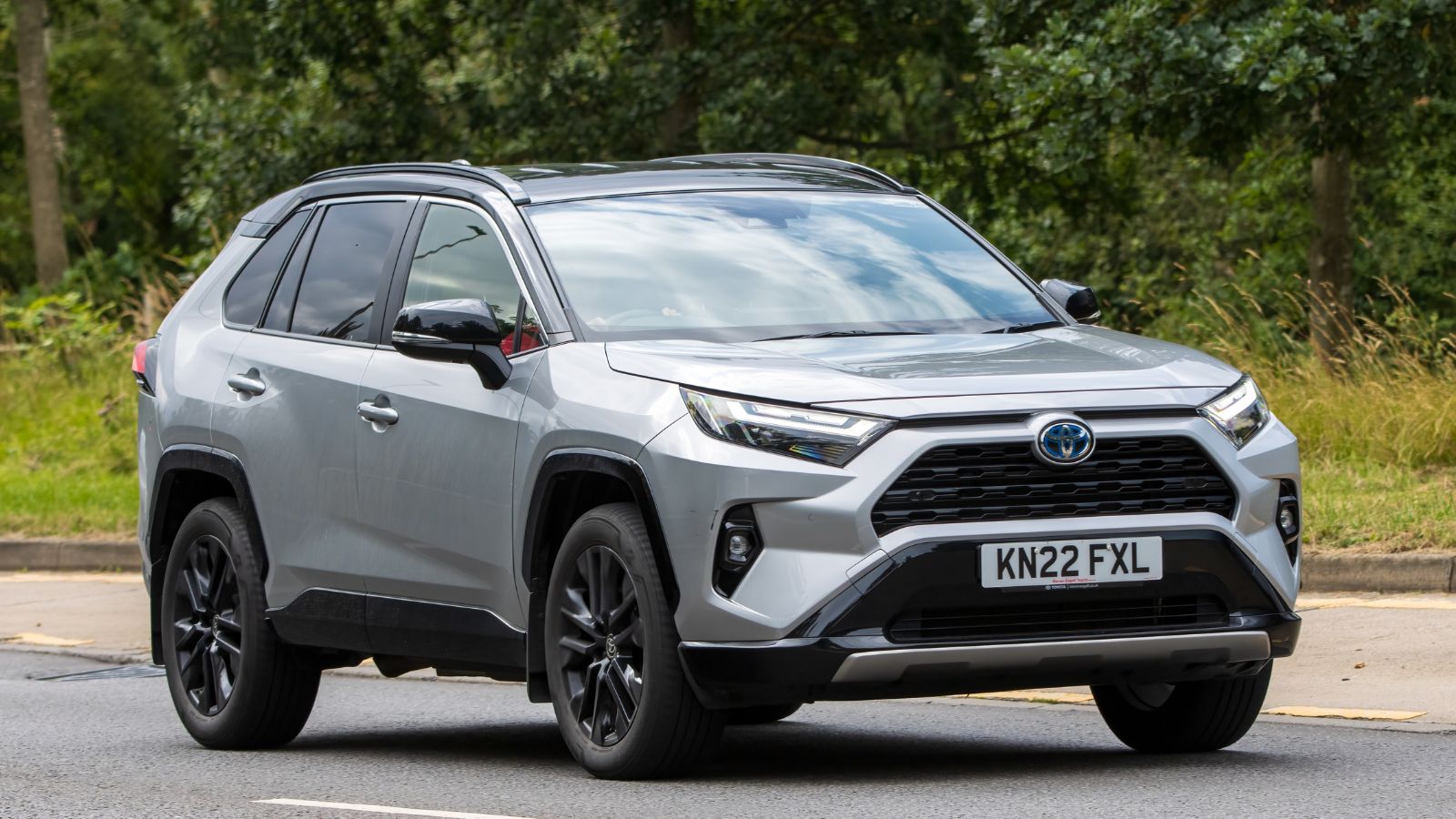
The Toyota RAV4 uses a wide network of sensors to enable its safety features. These include adaptive cruise control and lane assist. A simple windshield crack can disrupt forward-facing cameras. Replacement costs rise due to recalibration needs. Even bumper damage affects radar alignment. Repair shops often need special tools for proper setup. Insurance claims for minor incidents have increased. Owners report higher bills after low-speed collisions. The system works well when intact. Problems begin once something shifts out of place. Drivers expecting low ownership costs feel surprised. Maintenance is no longer as simple as it was with older RAV4 models.
Honda CR-V
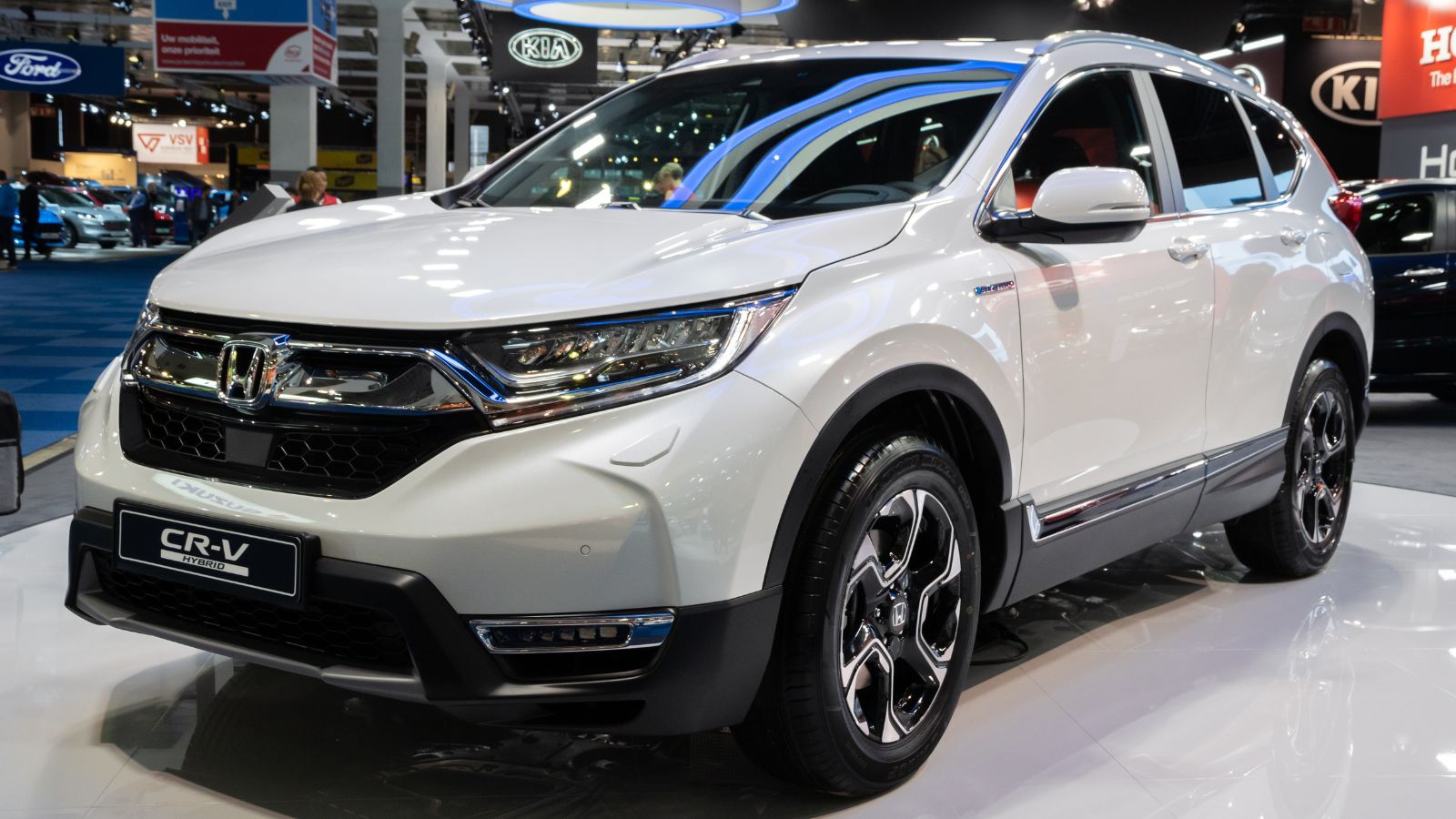
The Honda CR-V relies on Honda Sensing technology. This system includes cameras mounted near the windshield. Replacing glass now involves calibration procedures. That adds time and cost to basic repairs. Sensors in the front grille are also vulnerable. A minor bump can misalign them easily. Drivers report warning lights after small impacts. Repairs often require dealership visits. Independent garages may lack proper tools. Insurance premiums reflect these higher repair risks. While the system improves driving comfort, it complicates maintenance. Owners notice the difference quickly after their first repair experience.
Tesla Model 3
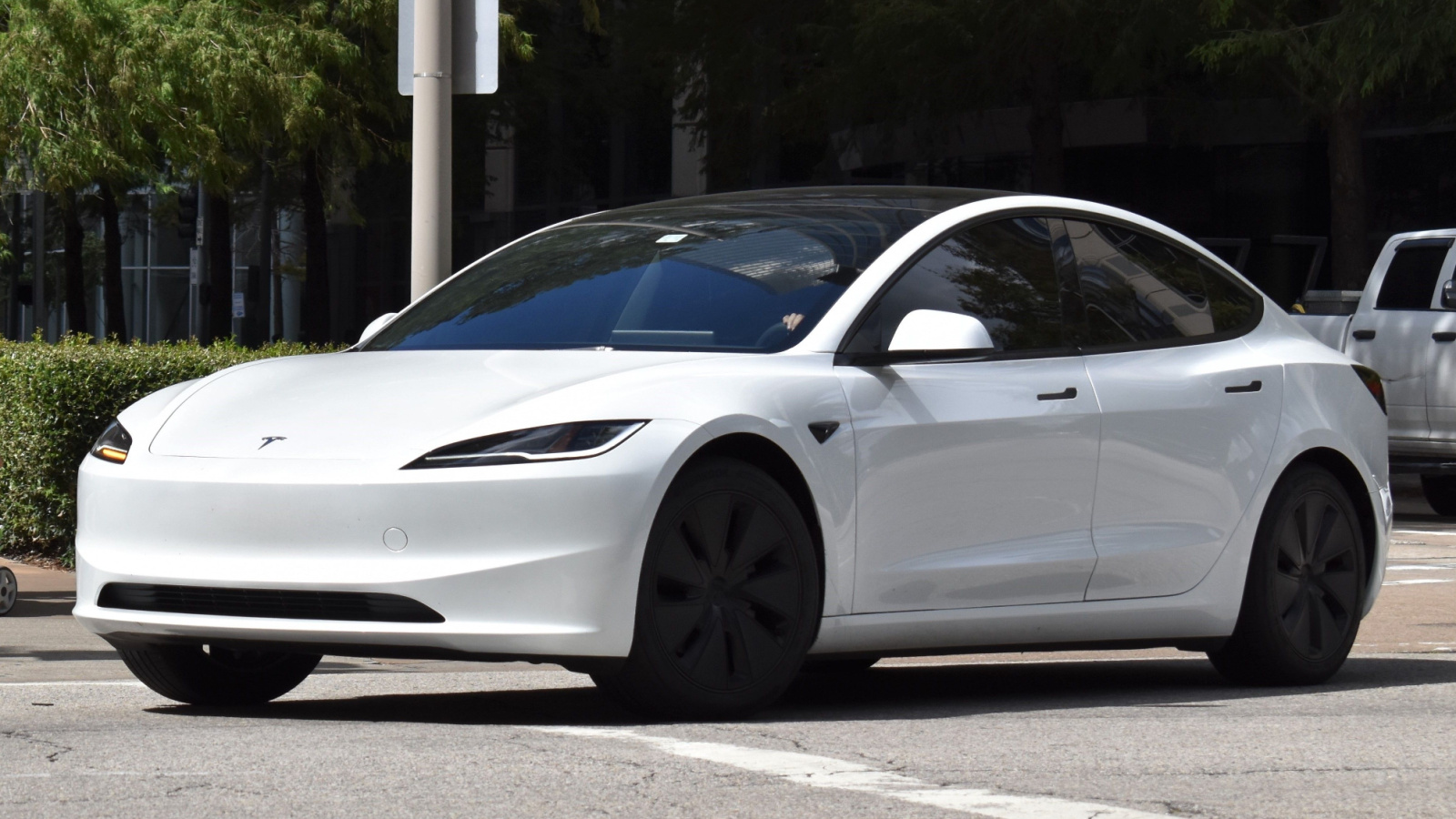
The Tesla Model 3 depends heavily on cameras for Autopilot features. There are no traditional radar sensors in newer models. Even minor panel damage can affect camera angles. Repairs often require software recalibration afterward. Tesla parts can also take time to source. Labor costs are higher due to specialized work. Owners report delays after accidents. Insurance claims tend to be expensive. The system performs well on highways. However, repair complexity offsets some benefits. Drivers appreciate the technology but question long-term costs. Small incidents rarely stay small when repairs begin.
Ford F-150
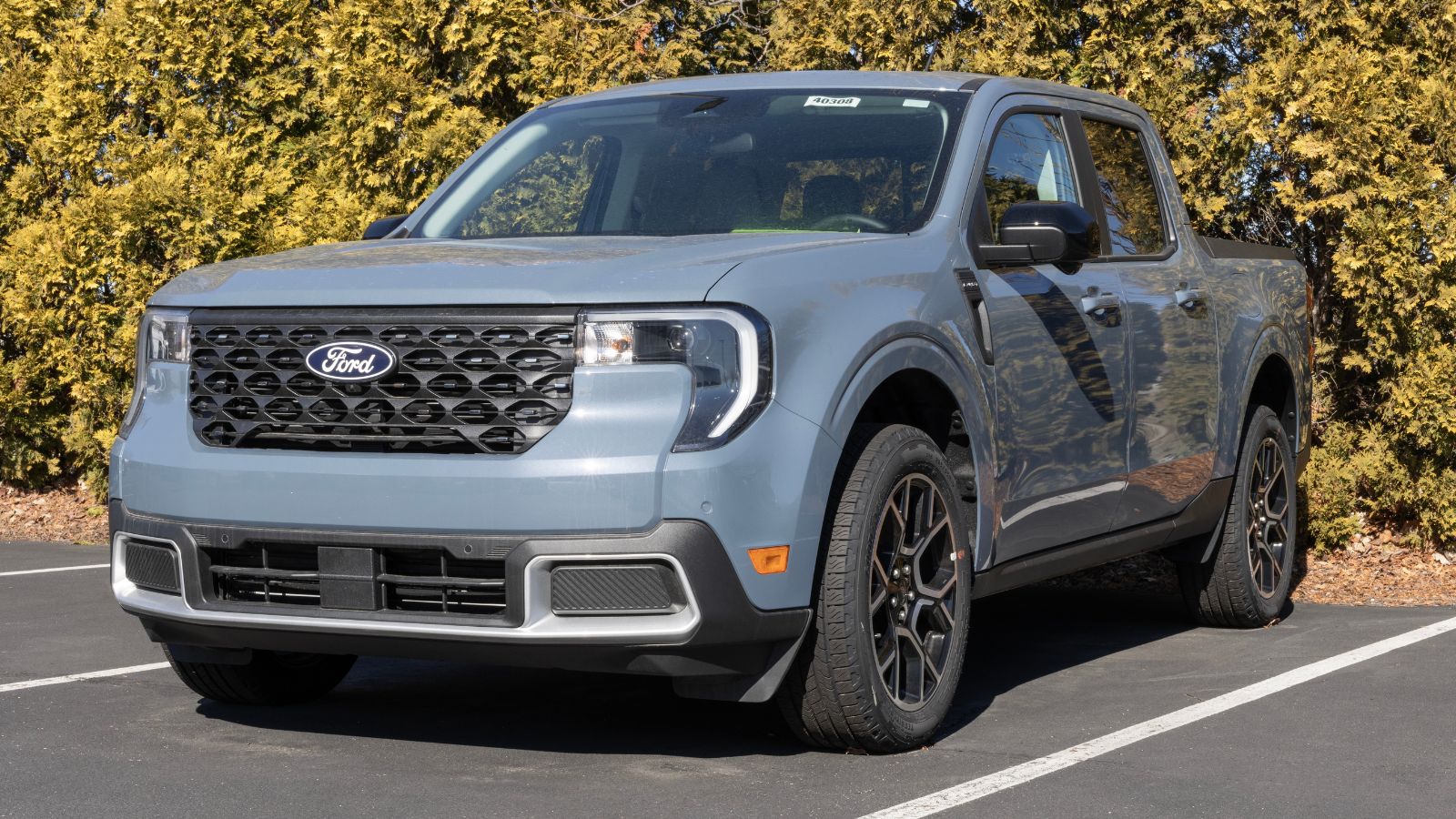
The Ford F-150 includes driver-assist systems in many trims. Features like lane keeping rely on multiple sensors. These components are exposed, such as bumpers. Truck use increases the risk of damage. Off-road driving adds another layer of concern. Repairs often involve recalibration and part replacement. Costs rise quickly after minor impacts. Owners using the truck for work feel the burden. Downtime also affects productivity. The system adds convenience during highway drives. Still, maintenance becomes more involved than expected. Traditional truck durability feels reduced with added tech.
BMW 3 Series
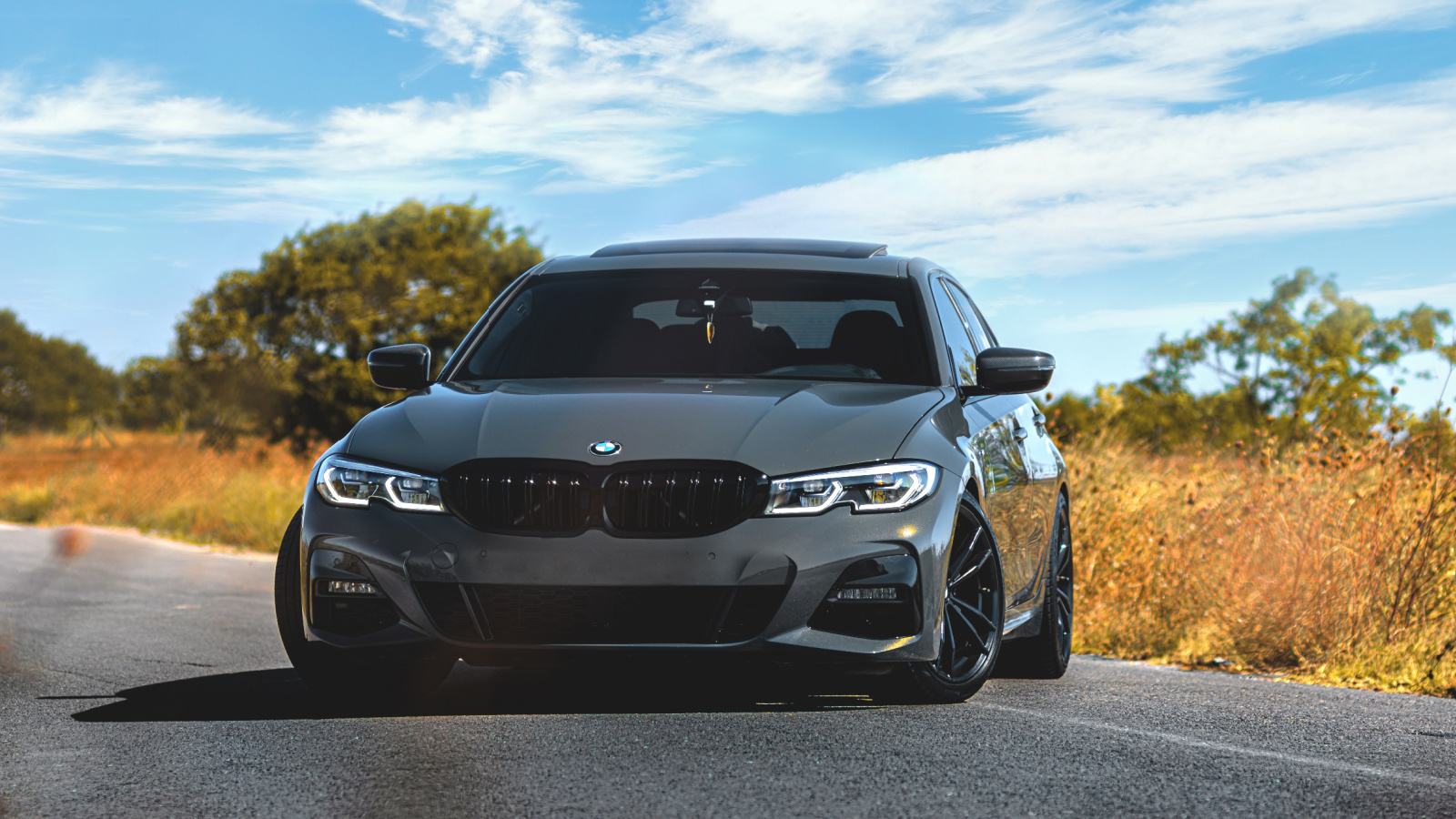
The BMW 3 Series features advanced driver-assist systems. These include parking sensors and adaptive cruise control. Parts are precise and expensive to replace. Even small scratches can affect sensor readings. Calibration requires specialized equipment. Labor costs at dealerships remain high. Owners report large bills after parking mishaps. Insurance premiums reflect these repair costs. The system improves urban driving comfort. However, maintenance adds a financial layer. Drivers enjoy the experience but remain cautious. Repair complexity feels higher than that of older models.
Mercedes-Benz C-Class
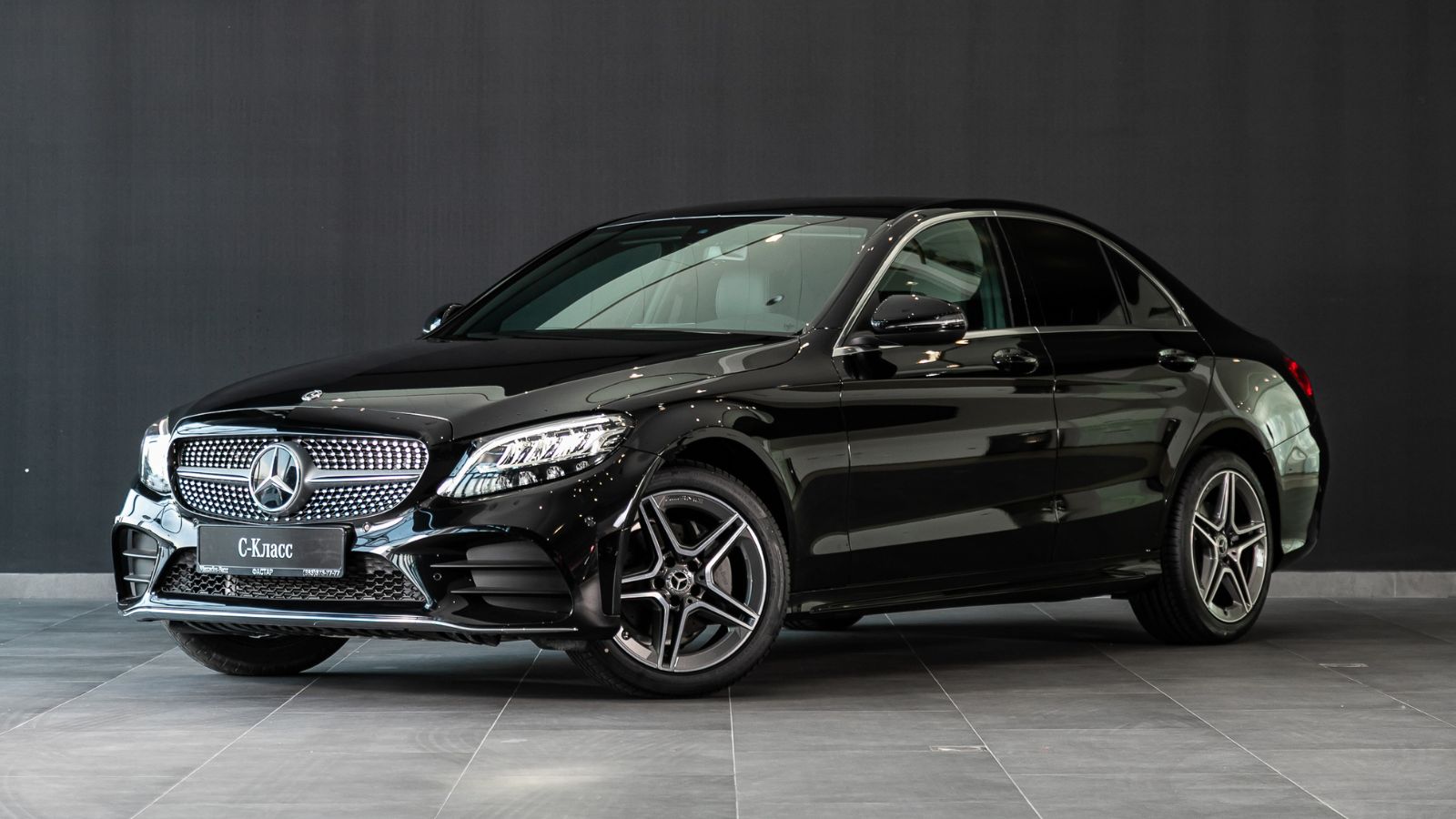
The Mercedes-Benz C-Class includes many safety technologies. Cameras and radar units sit throughout the vehicle. These systems require precise alignment to function correctly. A minor accident can disrupt everything. Repairs involve recalibration and software updates. Costs climb quickly due to luxury parts pricing. Owners report frustration with repair timelines. Even routine fixes take longer. The system offers a refined driving experience. Still, maintenance becomes more demanding. Drivers must budget for unexpected expenses. Technology adds convenience but reduces simplicity.
Hyundai Tucson
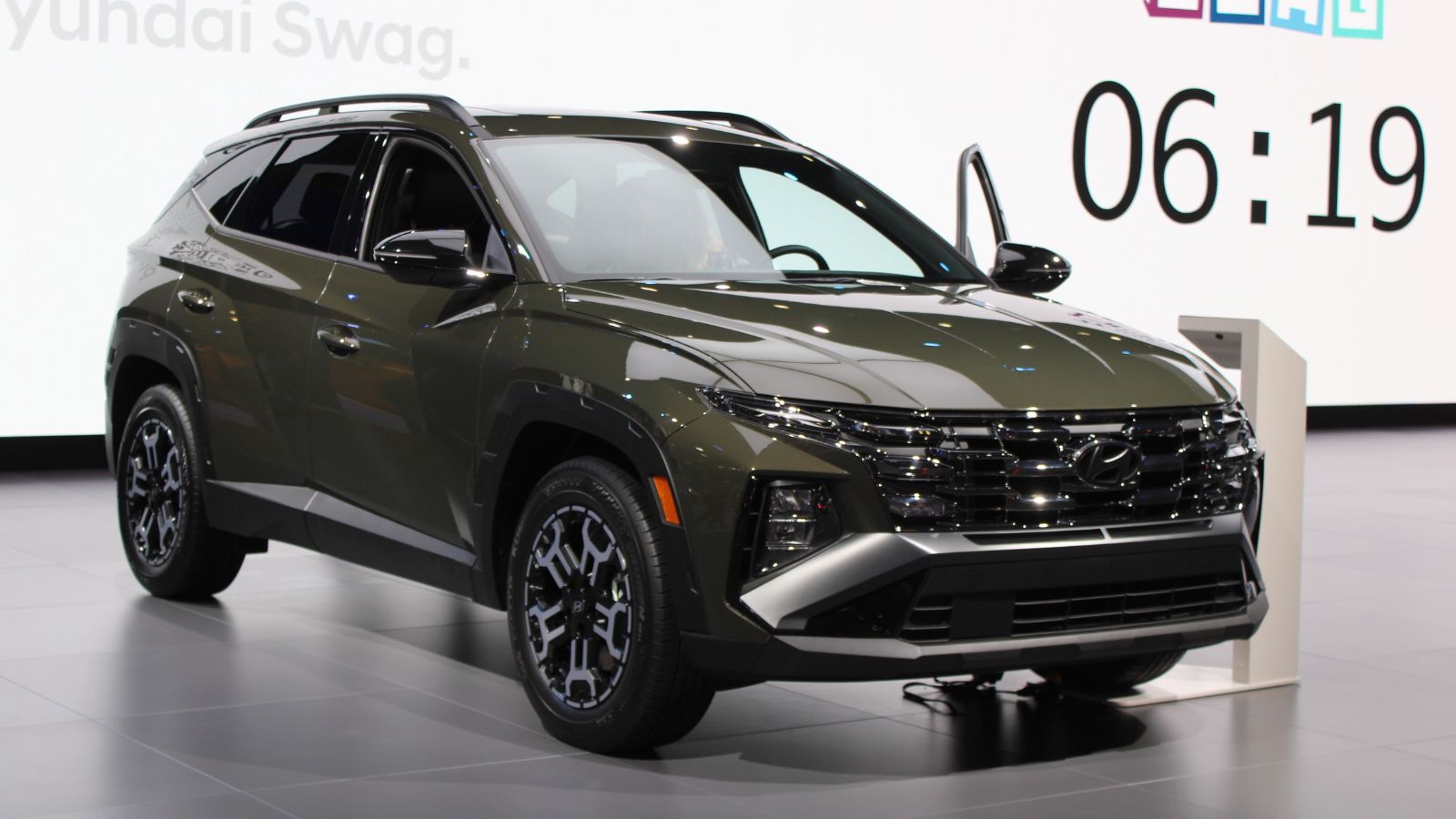
The Hyundai Tucson offers strong value with many features. Driver-assist systems come standard in many trims. Cameras and sensors are integrated into key areas. Damage to bumpers or windshields affects performance. Calibration is required after repairs. This adds to the overall costs. Owners often expect affordable maintenance. Reality differs once repairs are needed. Insurance claims show rising expenses. The system works well under normal conditions. However, repairs feel more complex than expected. The added tech changes the ownership experience.
Kia Sportage
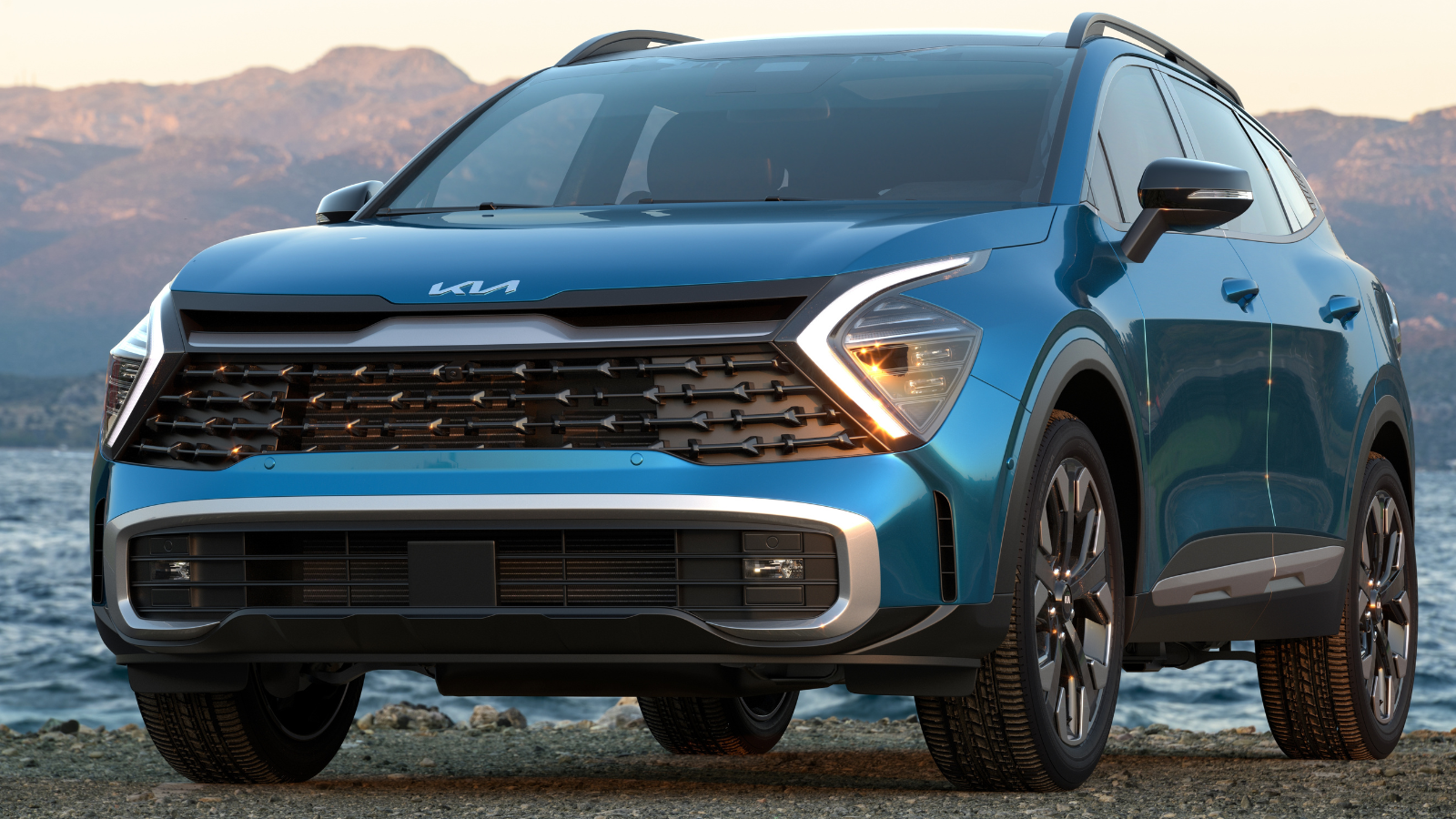
The Kia Sportage includes advanced safety features. These systems rely on multiple external sensors. Even a parking lot scrape can cause issues. Drivers report warning messages after minor incidents. Repairs require recalibration tools. Not all workshops have access to these tools. This leads to dealership visits. Costs increase due to specialized labor. Insurance rates reflect this trend. The system improves daily driving comfort. However, repair costs offset some benefits. Owners notice higher expenses over time.
Nissan Rogue
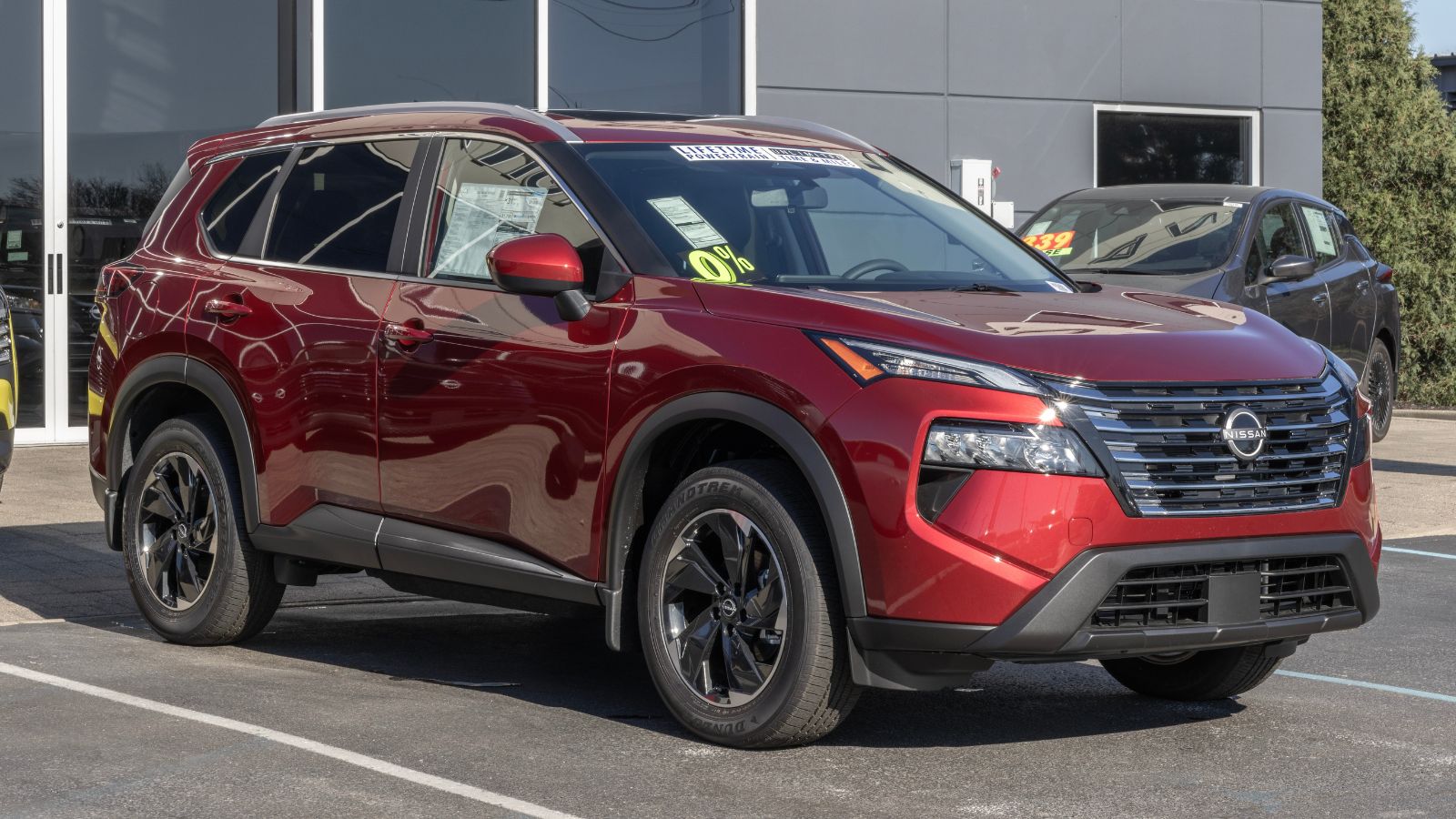
The Nissan Rogue uses ProPILOT Assist for semi-autonomous driving. Cameras and radar units are essential for this system. Damage to the front or rear areas affects functionality. Repairs involve recalibration and system checks. Owners report higher-than-expected costs. Even minor collisions lead to expensive fixes. Insurance claims have risen for this model. The system performs well on highways. Still, maintenance becomes more demanding. Drivers must consider long-term costs. The added tech brings both comfort and complexity.
Subaru Outback
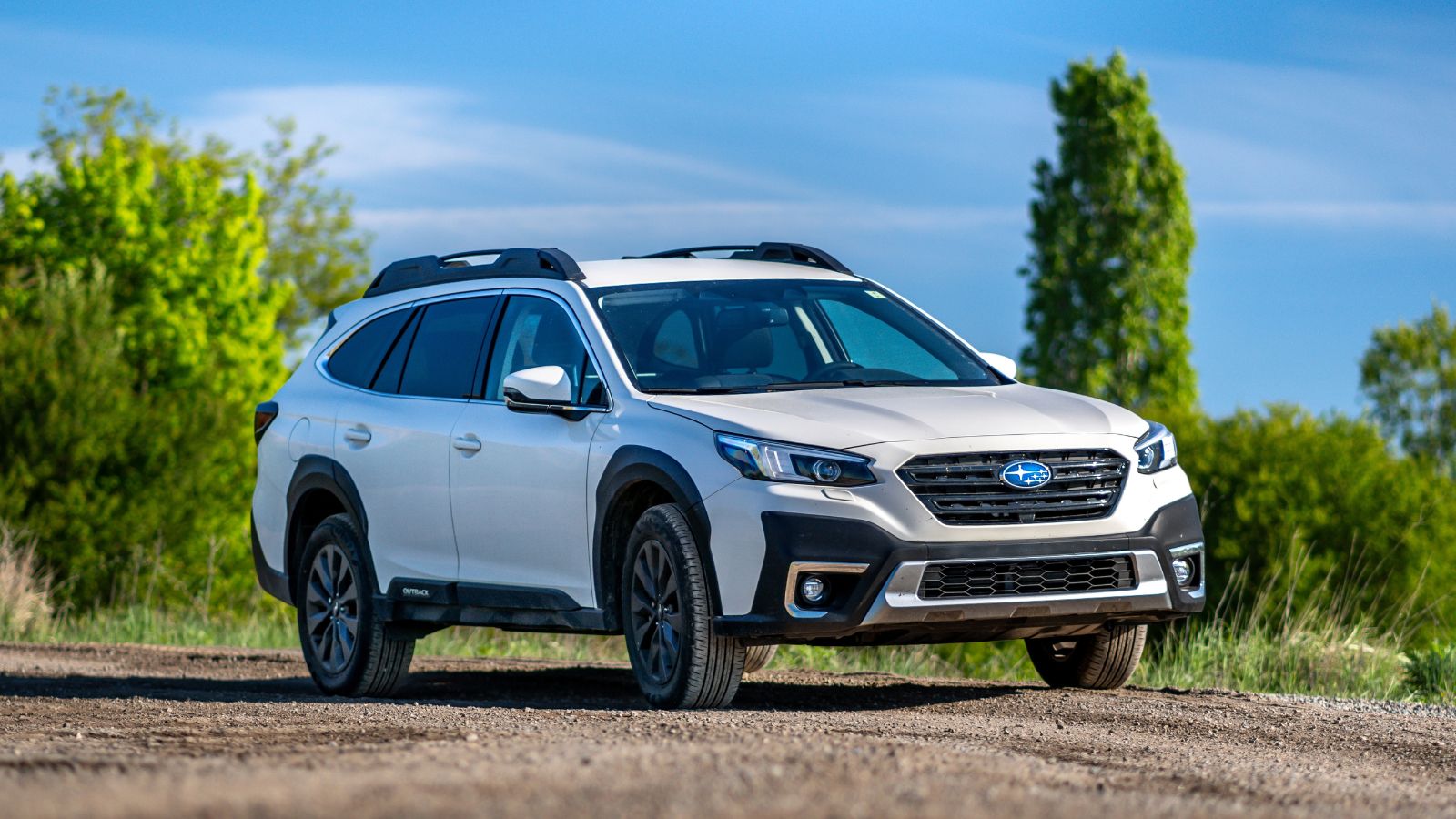
The Subaru Outback features EyeSight driver-assist technology. Cameras mounted near the windshield handle key functions. Replacing glass requires precise recalibration. This adds cost and time. Owners report issues after minor windshield damage. Repairs must follow strict procedures. Independent shops may not offer these services. Dealership visits increase overall expenses. The system improves safety in many situations. However, maintenance feels less straightforward. Drivers notice higher repair bills compared to older models.
Volkswagen Tiguan
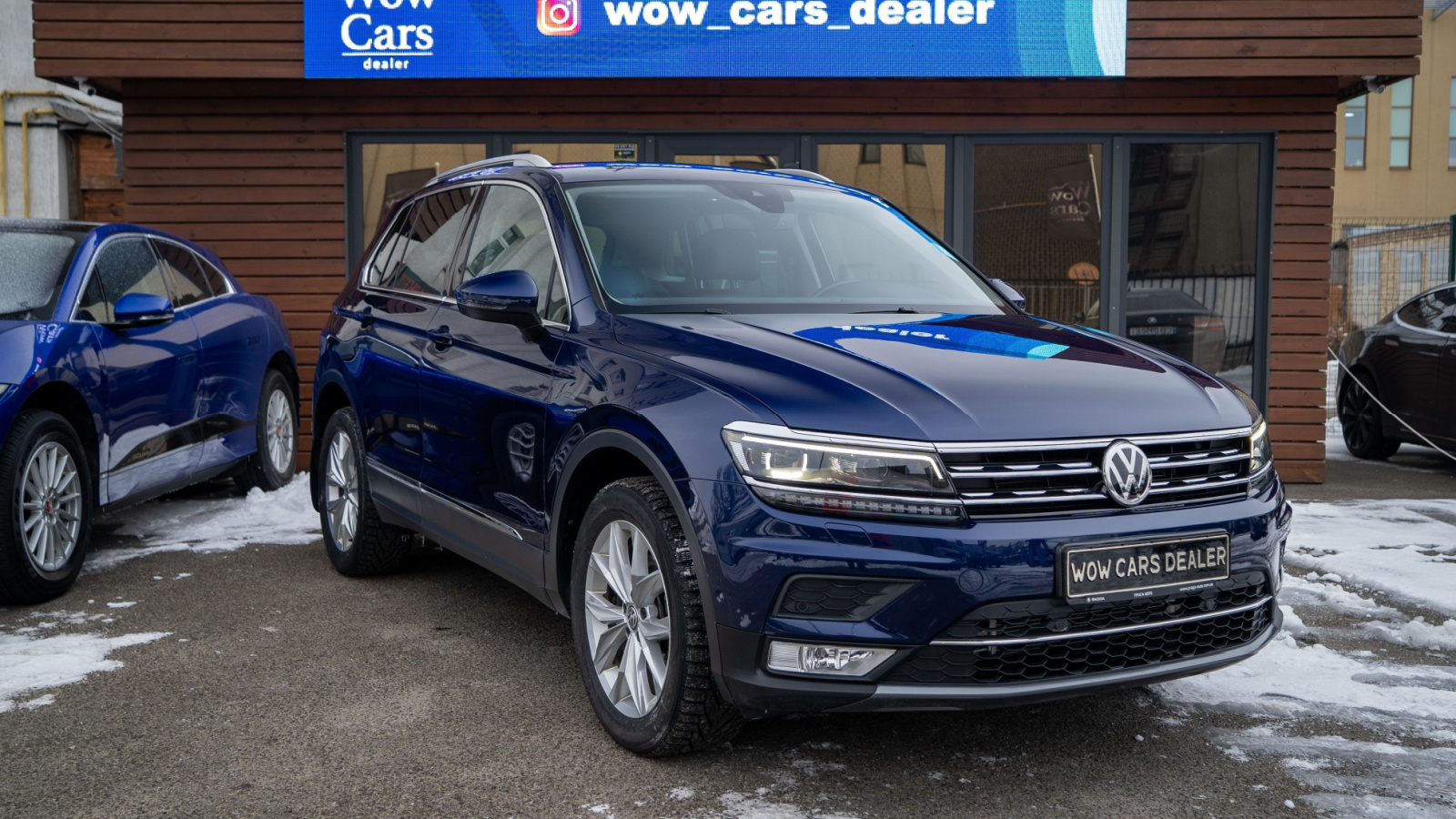
The Volkswagen Tiguan includes multiple driver-assist features. These systems rely on radar and camera inputs. Sensors are placed in vulnerable areas. Even small impacts can cause misalignment. Repairs involve calibration and software adjustments. Costs rise quickly for simple fixes. Owners report frustration with repair complexity. Insurance premiums reflect these challenges. The system works well in daily driving. Still, maintenance becomes more involved. Drivers must prepare for higher expenses.
Audi A4
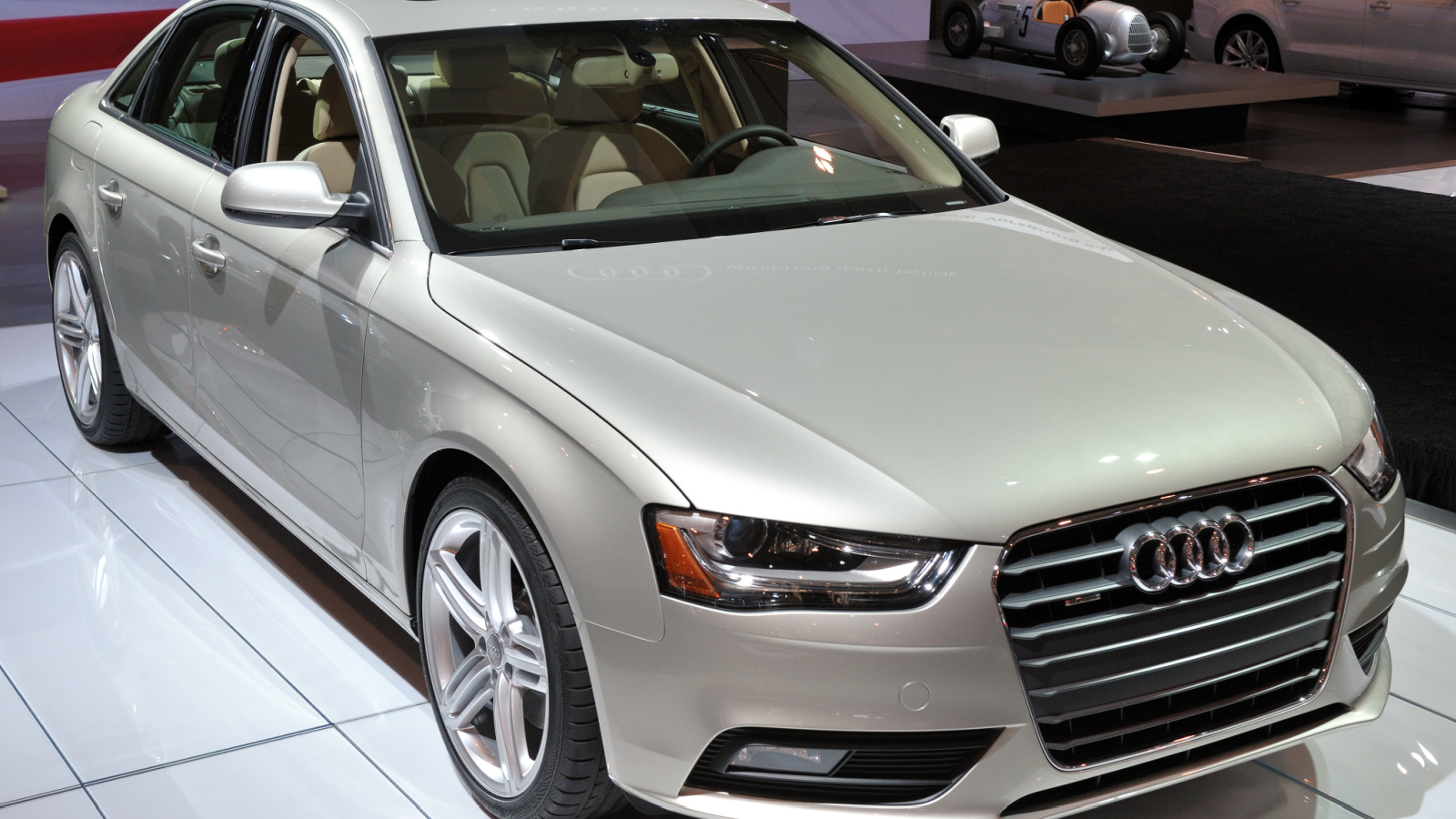
The Audi A4 packs several driver-assist features that rely on precise calibration. Systems like adaptive cruise control depend on sensors placed within the grille and body panels. Even a small impact can shift alignment. That leads to warning lights and reduced functionality. Repairs require dealership-level tools and trained technicians. Costs rise quickly due to premium parts pricing. Owners often feel surprised after minor accidents. Insurance claims also reflect higher repair costs. The system improves the ease of daily driving. However, maintenance becomes more technical and expensive over time.
Chevrolet Equinox
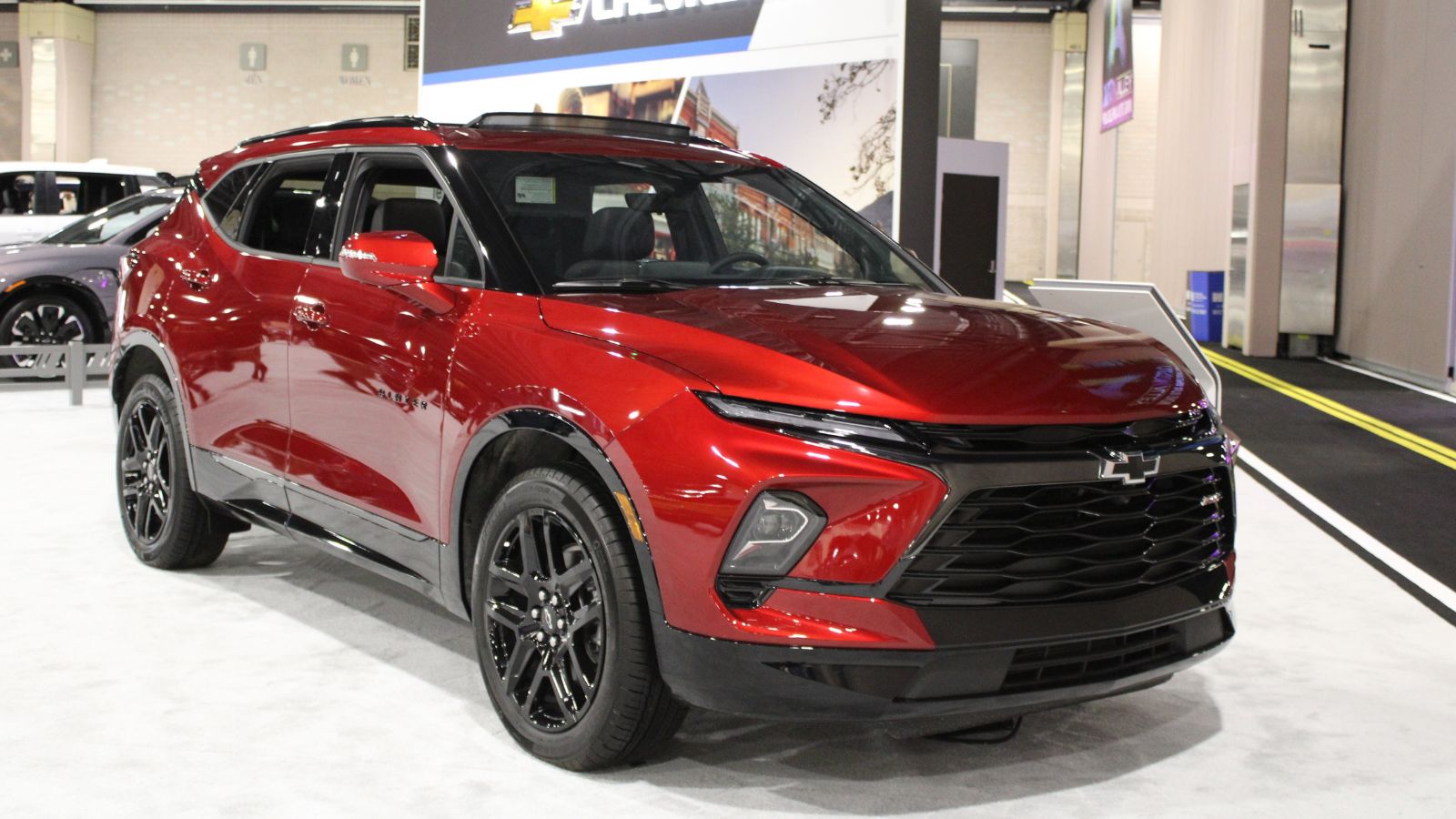
The Chevrolet Equinox offers driver-assist features across many trims. Cameras and radar units handle key safety functions. A simple windshield crack can interrupt these systems. Replacing the glass now includes calibration steps. That increases repair time and cost. Bumper damage can also affect radar alignment. Owners report higher bills after low-speed incidents. Insurance premiums have adjusted to match these trends. The system works well in normal driving conditions. Still, repairs feel more involved than expected. Many drivers notice the difference after their first repair experience.
Mazda CX-5
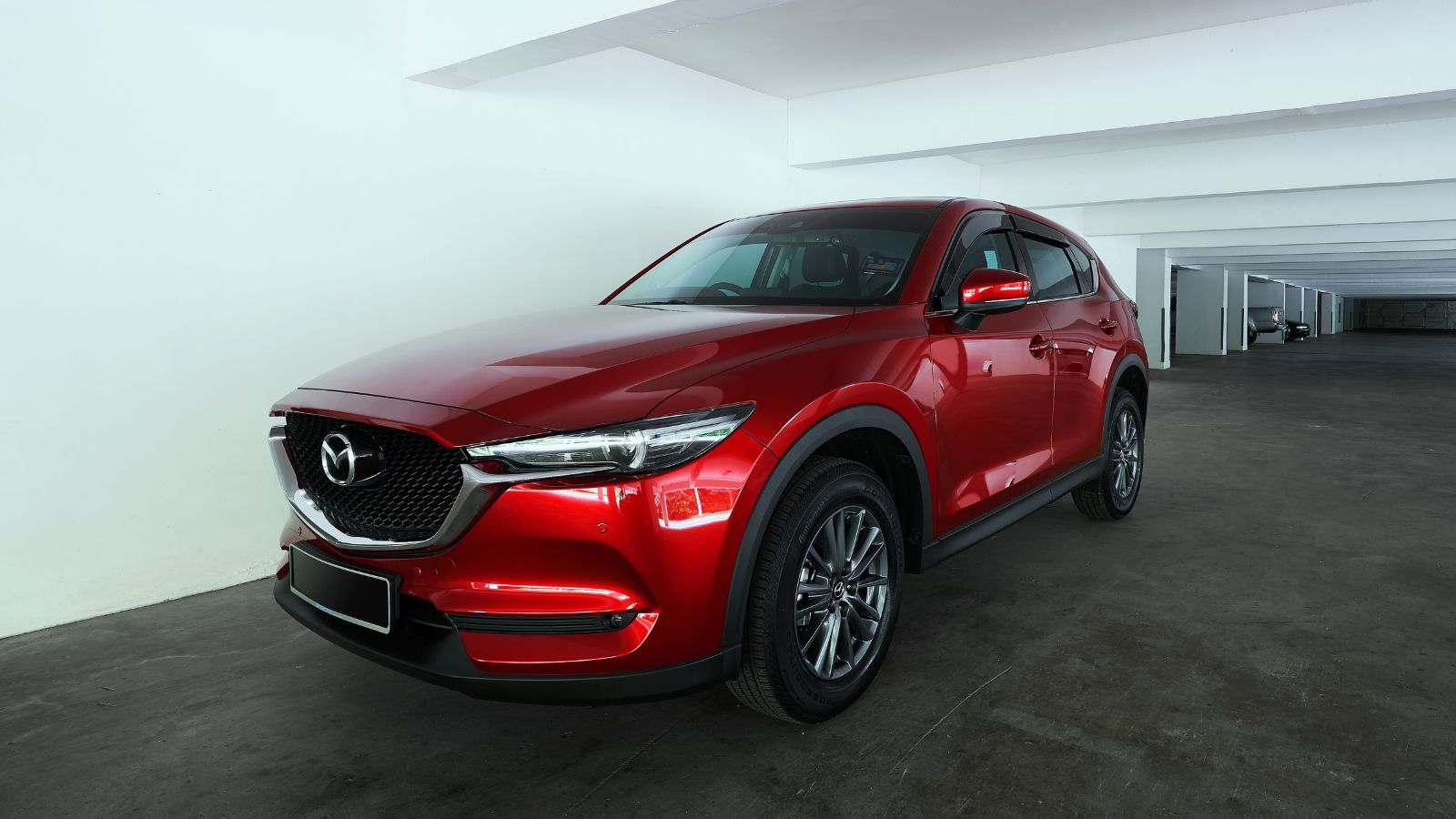
The Mazda CX-5 uses i-Activsense technology to support safety features. Cameras and sensors monitor the surroundings constantly. Damage to these components affects accuracy right away. Even minor incidents can trigger warning alerts. Repairs require recalibration using specialized tools. Not every shop offers this service. Owners often visit dealerships instead. Costs rise due to labor and equipment needs. Insurance claims reflect these higher expenses. The system improves awareness on the road. However, maintenance becomes more demanding than older models. Drivers must factor in these added ownership costs.
Volvo XC60
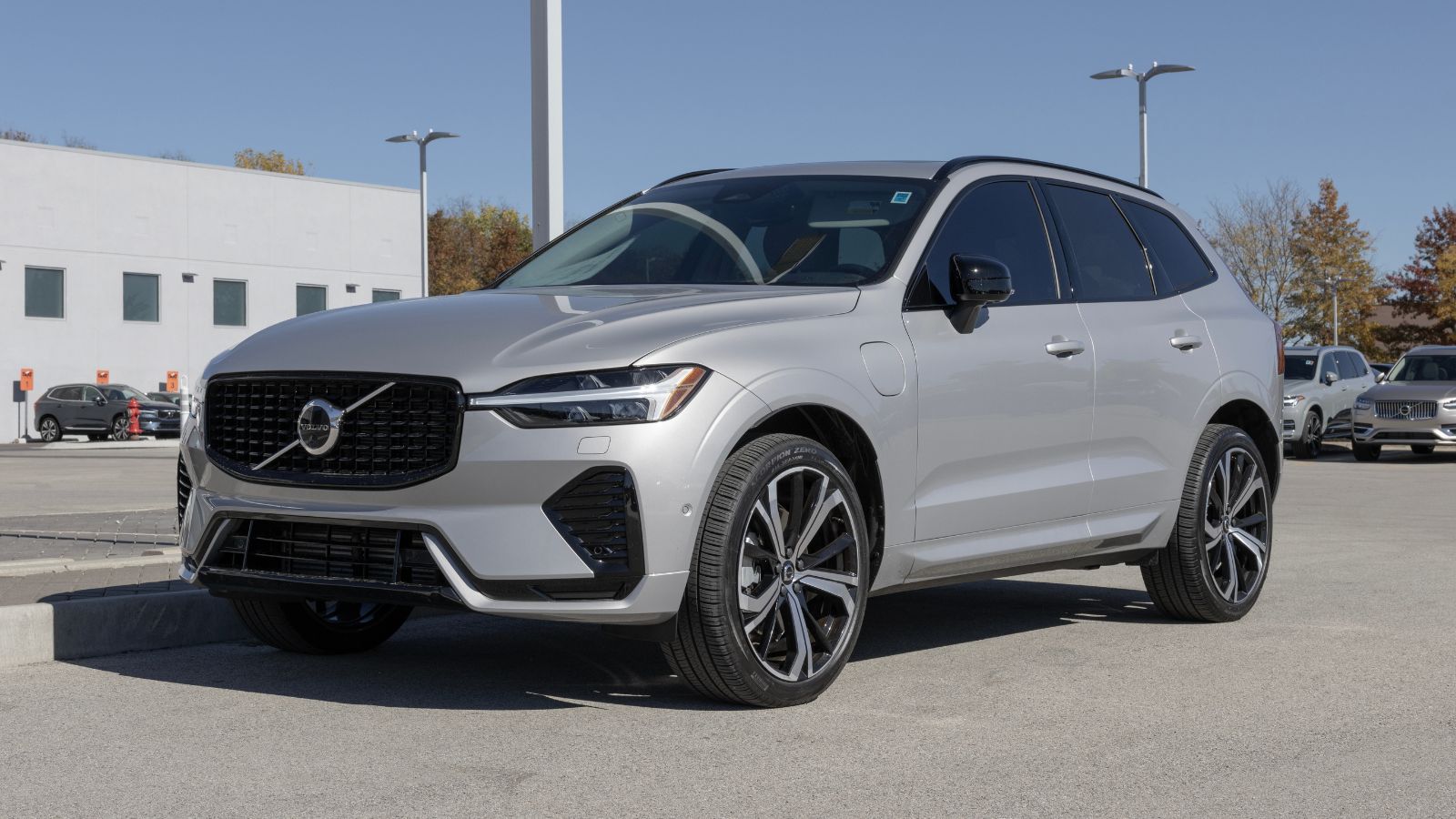
The Volvo XC60 focuses strongly on safety technology. Multiple sensors work together to prevent accidents. These systems are sensitive to even slight misalignment. A small collision can disrupt several functions. Repairs involve careful recalibration and testing. Parts are expensive due to the brand’s premium positioning. Owners report high repair bills after minor damage. Insurance companies account for these costs. The system performs well when intact. Still, maintenance becomes more complex. Drivers must prepare for higher long-term costs associated with these advanced features.
Jeep Grand Cherokee
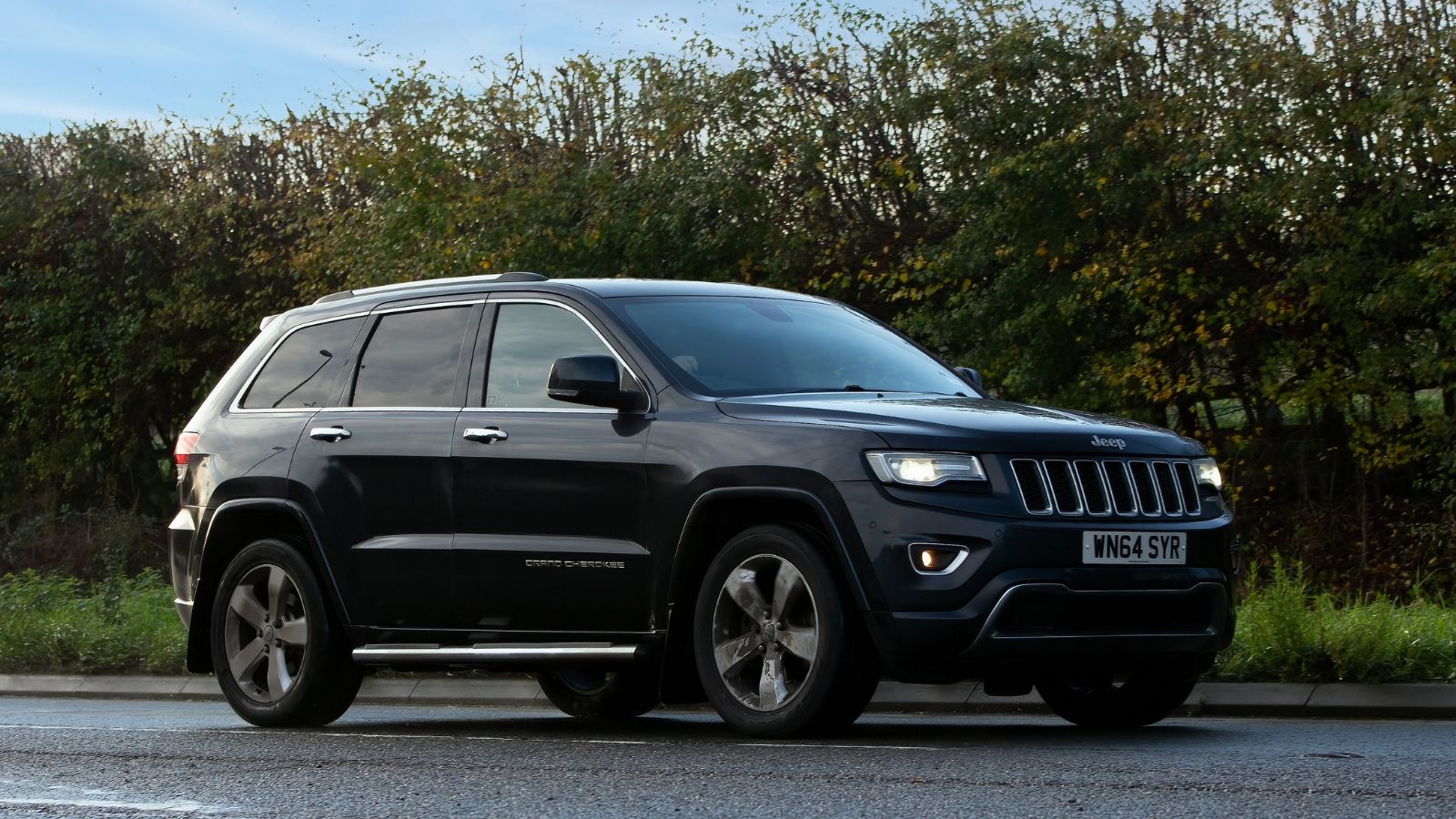
The Jeep Grand Cherokee combines rugged capability with modern tech. Driver-assist systems rely on sensors placed around the vehicle. Off-road use increases the risk of damage. Even small impacts can misalign key components. Repairs require recalibration and part replacement. Costs rise quickly, especially after trial use. Owners report higher-than-expected maintenance expenses. Insurance claims reflect this pattern. The system helps during highway driving. However, durability feels reduced with added tech. Drivers notice the trade-off between capability and repair complexity over time.
Lexus RX

The Lexus RX includes a suite of driver-assist features under its safety system. Cameras and radar units support everyday driving functions. These components require exact positioning to work correctly. Minor damage can affect their accuracy. Repairs involve recalibration and sometimes full replacement. Costs are higher due to premium parts pricing. Owners incur expensive repairs after minor incidents. Insurance premiums reflect these repair trends. The system improves comfort during long drives. Still, maintenance becomes more technical. Drivers must plan for higher repair costs over time.
Acura RDX
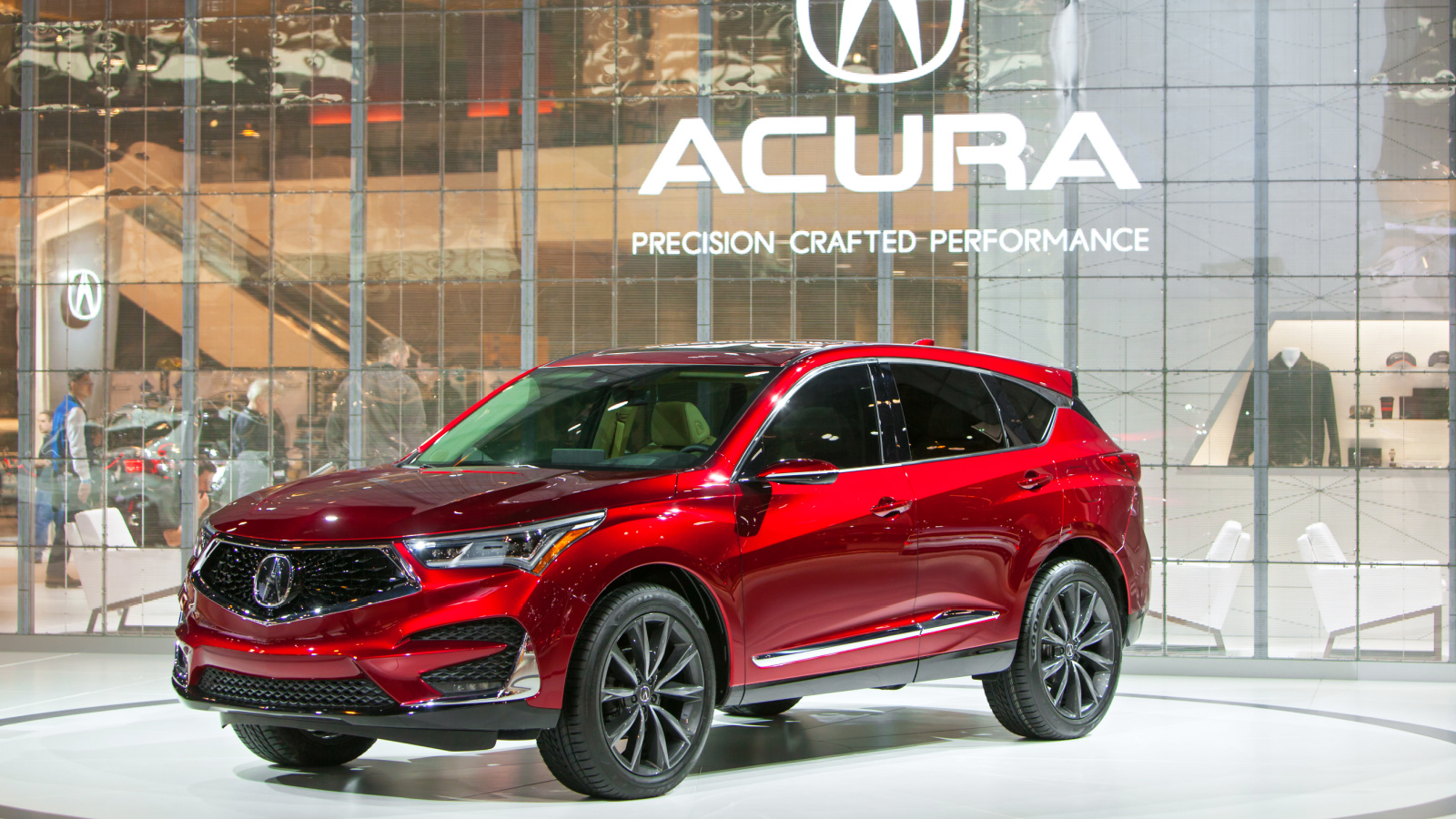
The Acura RDX features advanced safety systems to support the driver. Cameras and sensors are built into key areas. Even slight damage can impact performance. Drivers may notice alerts after minor collisions. Repairs require calibration procedures using specialized tools. Not all repair shops can handle this work. Dealership visits often become necessary. Costs rise due to labor and equipment needs. Insurance claims show increasing expenses. The system adds convenience during daily driving. However, maintenance becomes more complex than expected. Owners often adjust their expectations quickly.
Ford Explorer
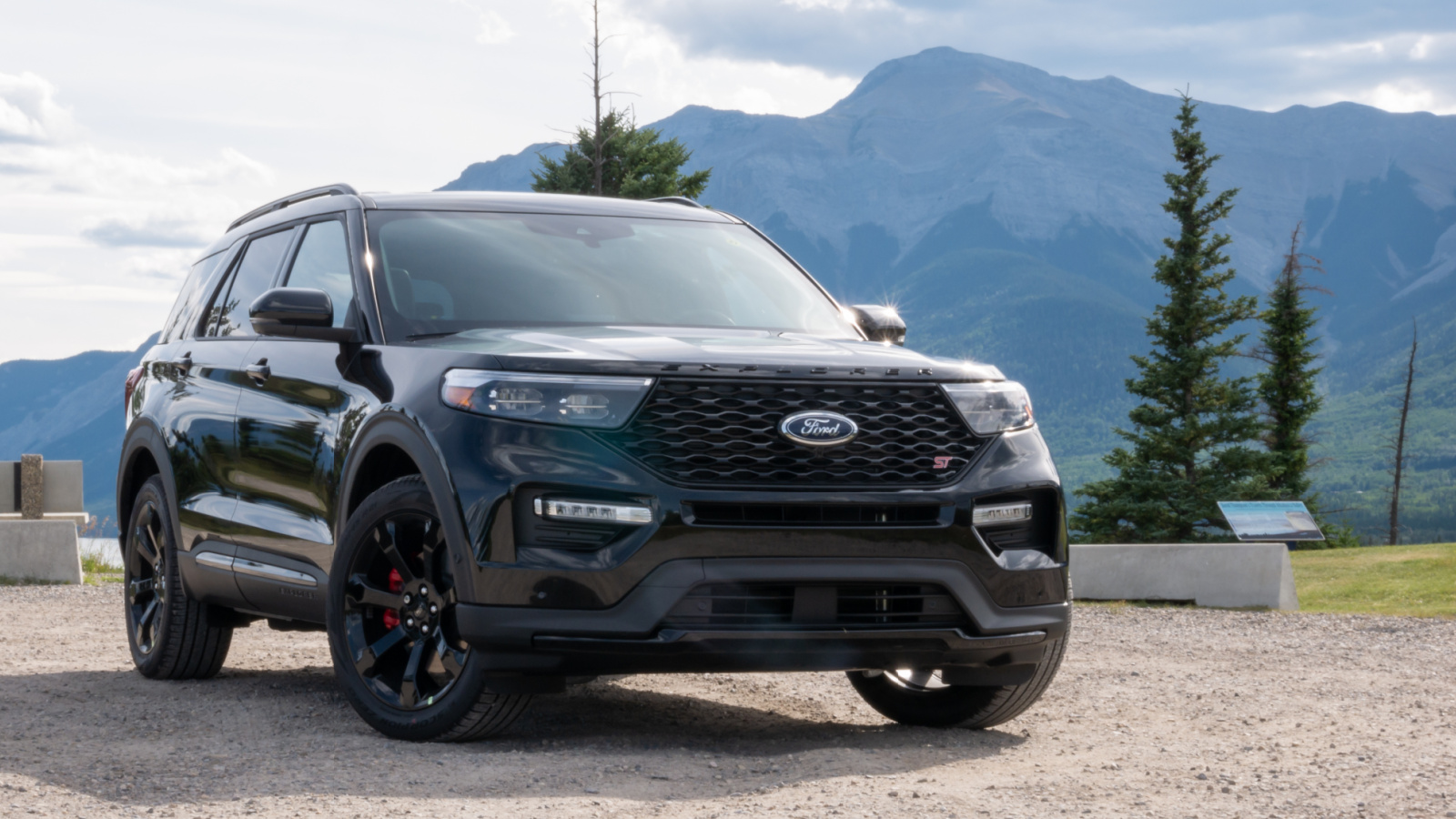
The Ford Explorer includes a range of driver-assist features. Sensors are placed throughout the vehicle’s exterior. Damage to the bumpers can easily affect radar alignment. Even low-speed collisions lead to system warnings. Repairs involve recalibration and software checks. Costs increase due to added complexity. Owners report higher bills than expected. Insurance premiums reflect these risks. The system works well for long trips. Still, maintenance becomes more demanding. Drivers must consider these expenses when evaluating overall ownership costs and long-term reliability expectations.
Hyundai Palisade
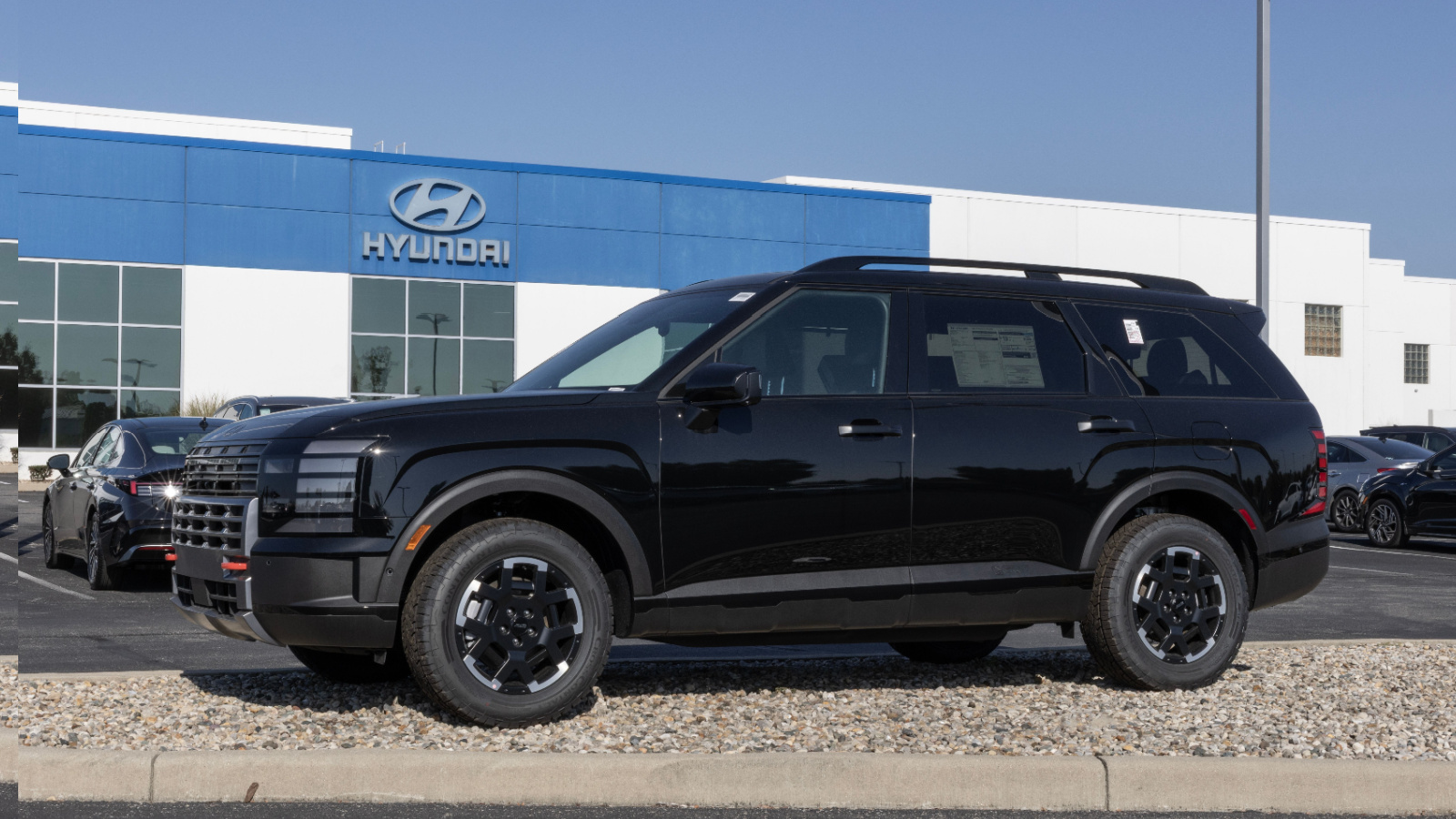
The Hyundai Palisade offers many safety features as standard equipment. Cameras and sensors track surroundings in real time. Damage to these components affects system accuracy. Even small repairs require calibration procedures. This adds to both time and cost. Owners often expect affordable maintenance. However, repair bills suggest otherwise. Insurance claims show rising expenses for minor incidents. The system improves comfort during family trips. Still, maintenance becomes more involved than expected. Drivers must account for these costs when planning long-term ownership and budgeting.
Kia Telluride
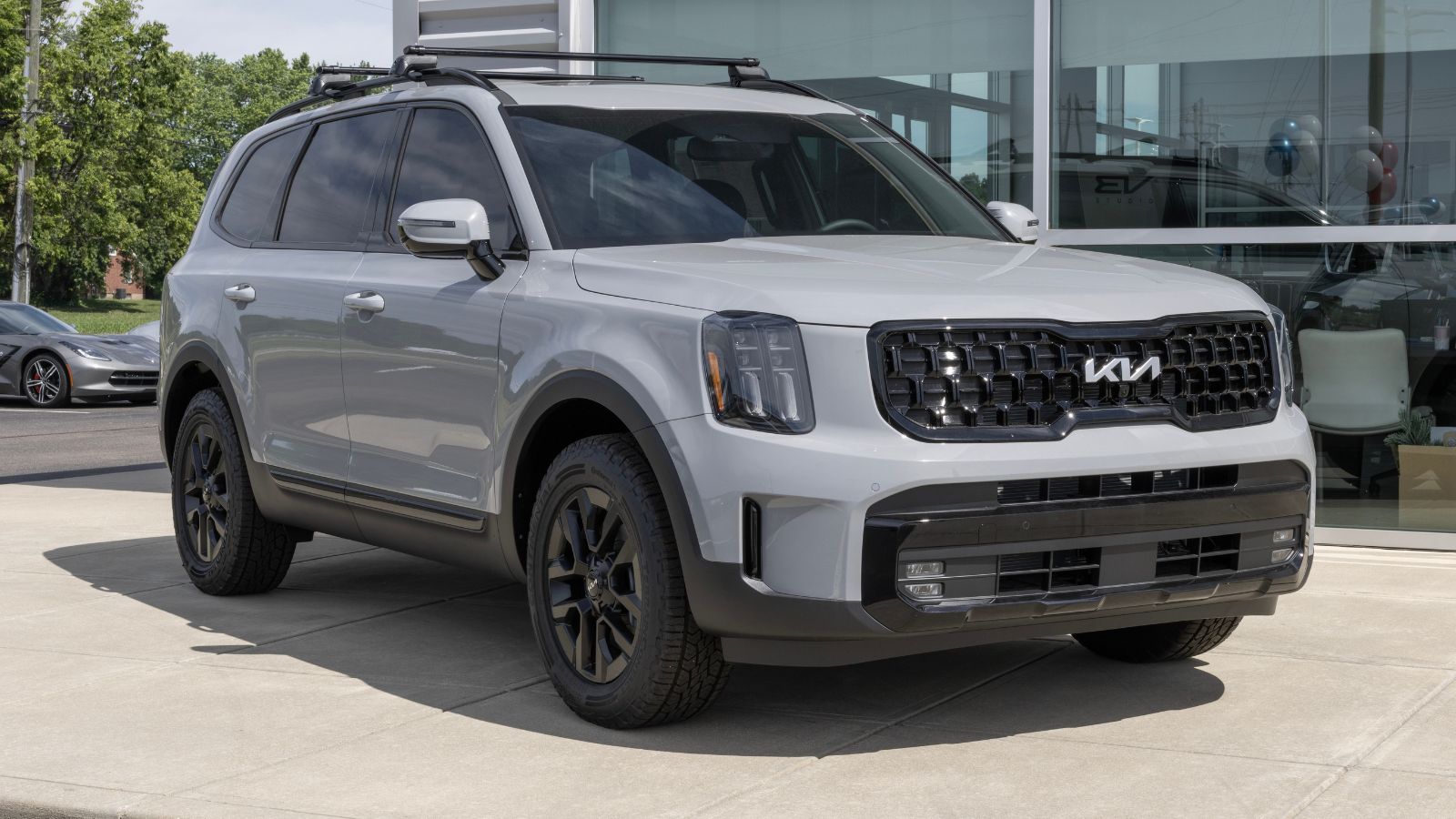
The Kia Telluride includes advanced driver-assist technology across trims. Sensors and cameras are integrated into the design. These components are sensitive to small shifts. Minor impacts can affect system performance. Repairs involve recalibration and sometimes replacement parts. Costs rise quickly after simple incidents. Owners report higher repair expenses than expected. Insurance premiums reflect these trends. The system improves daily driving comfort. However, maintenance becomes more complex. Drivers must balance convenience with the added cost of keeping these systems functioning properly over time.
Nissan Altima
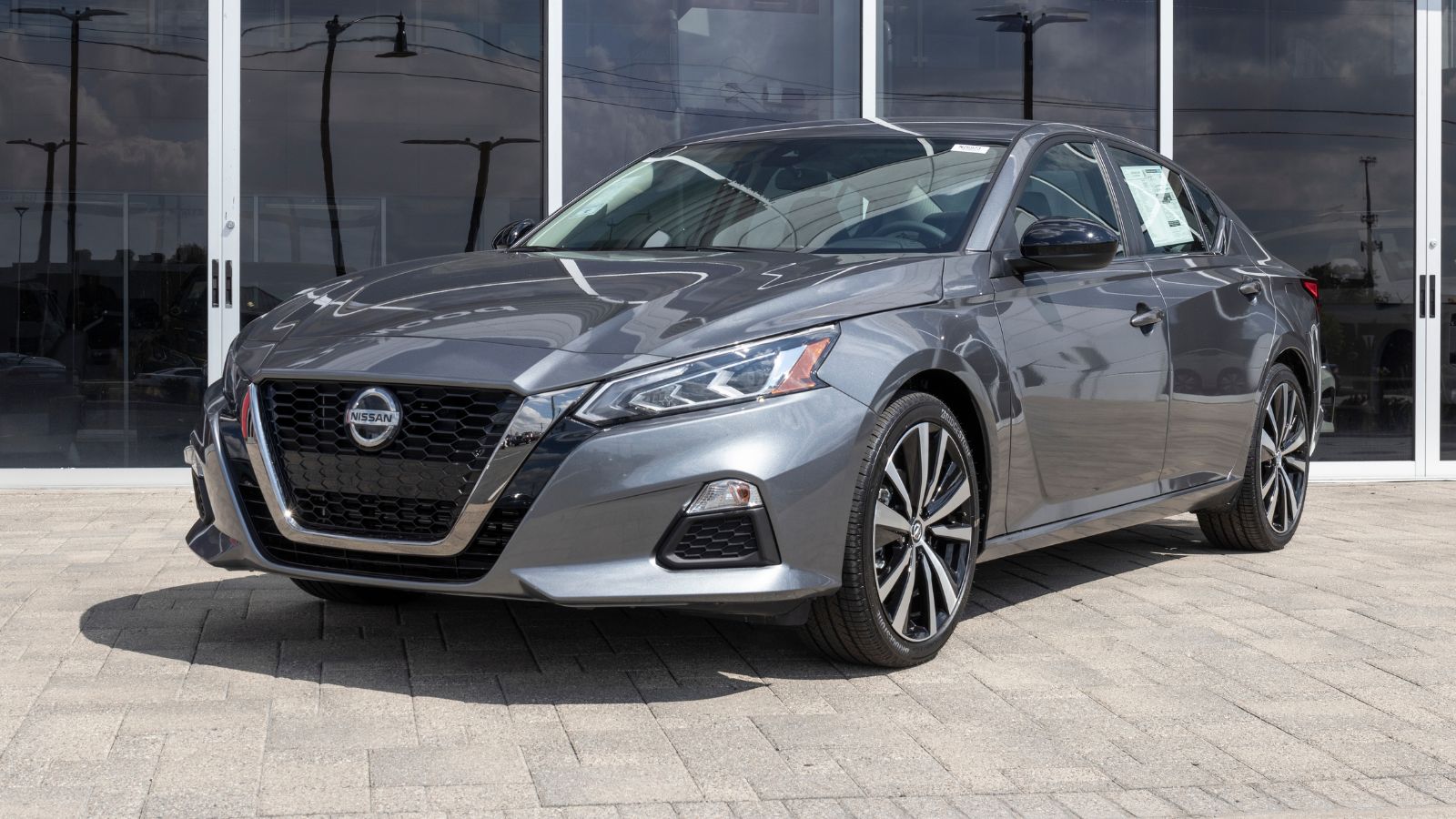
The Nissan Altima features driver-assist systems in most versions. Cameras and sensors support safety functions. Damage to these components affects performance immediately. Even a minor collision can trigger warning alerts. Repairs require calibration using specific tools. This increases both cost and repair time. Owners report higher bills than expected. Insurance claims show similar patterns. The system improves the ease of everyday driving. Still, maintenance becomes more technical. Drivers must consider these added expenses when evaluating long-term ownership and the real cost of modern safety features.
Toyota Camry
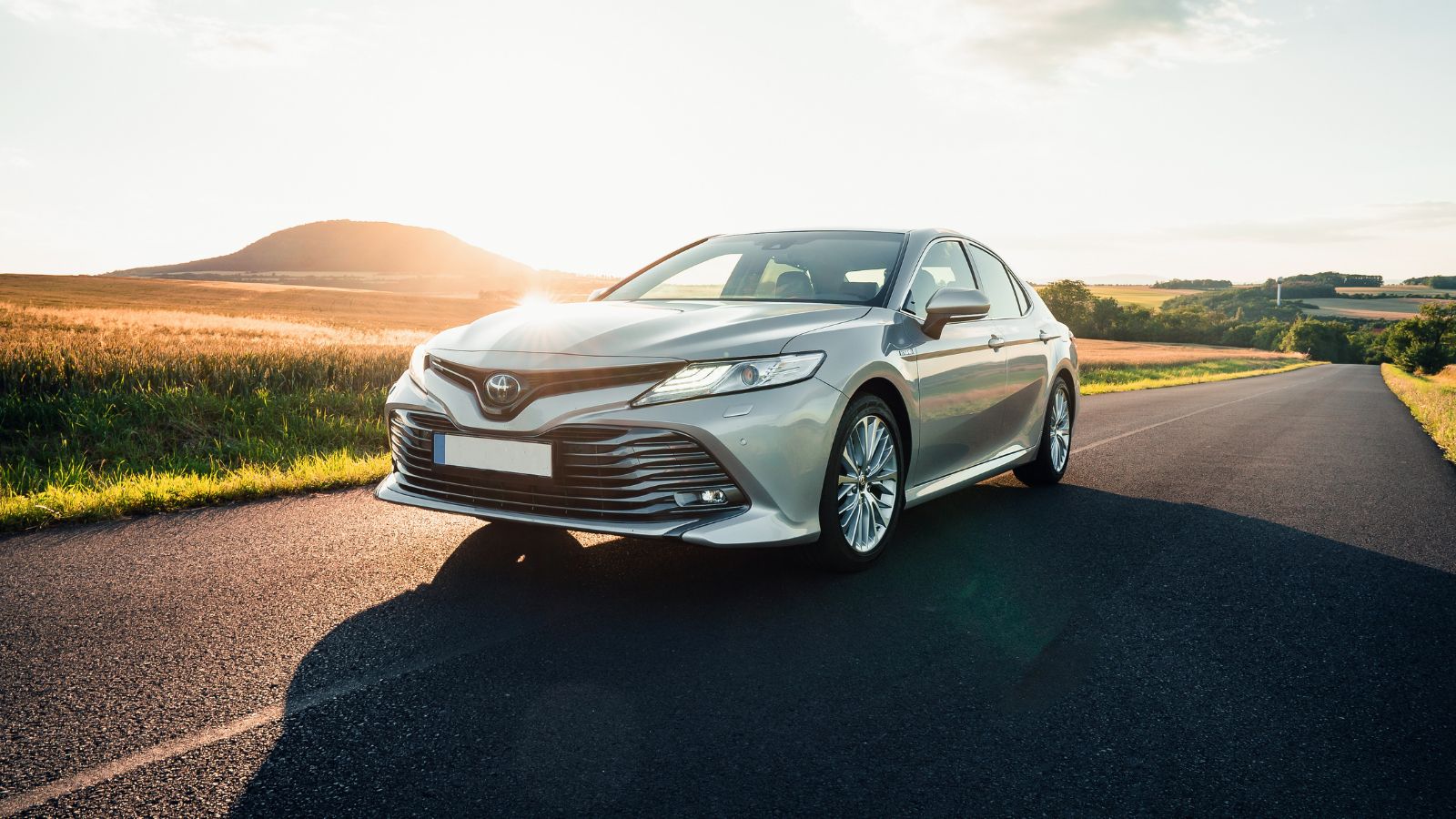
The Toyota Camry includes a full suite of driver-assist features. Cameras and radar units support key functions. These components require proper alignment to work well. Even small damage can disrupt the system. Repairs involve recalibration and detailed checks. Costs rise due to added complexity. Owners report higher expenses after minor accidents. Insurance premiums reflect these repair trends. The system improves safety during daily commutes. However, maintenance becomes less straightforward. Drivers must adjust expectations compared to older, simpler versions of the Camry.
Honda Accord
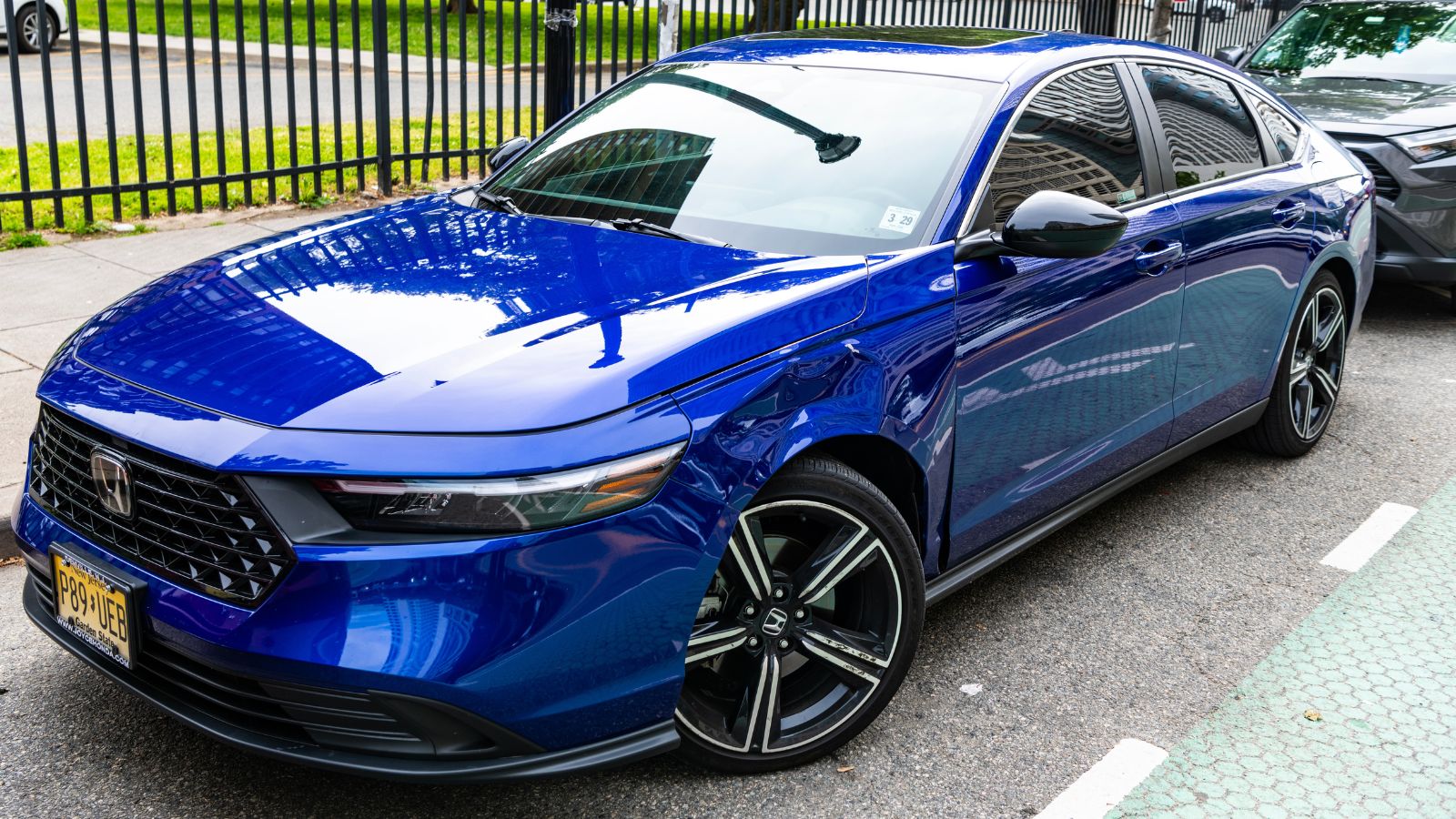
The Honda Accord relies on its safety system for driver support. Cameras and sensors handle multiple tasks. Damage to these components quickly affects accuracy. Even minor incidents can cause system warnings. Repairs require calibration procedures with specialized tools. This adds to the overall costs. Owners report higher repair bills than expected. Insurance claims reflect these trends. The system improves comfort and awareness. Still, maintenance becomes more complex. Drivers must factor in these expenses when planning ownership and long-term use of modern safety-equipped vehicles.
Chevrolet Silverado
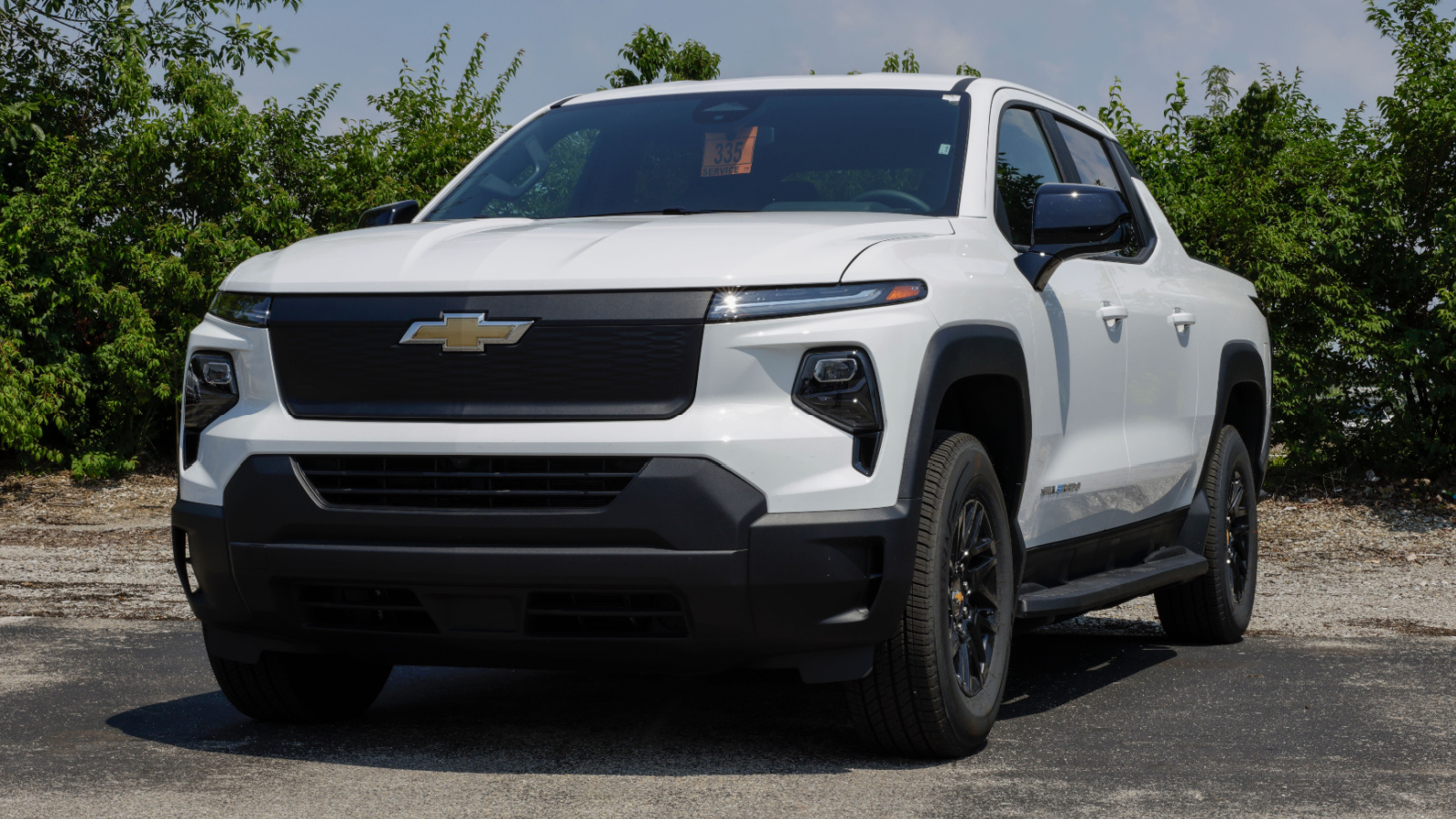
The Chevrolet Silverado includes driver-assist features in many trims. Sensors are placed in exposed areas like bumpers. Truck use increases the risk of damage. Even minor impacts can misalign these components. Repairs involve recalibration and part replacement. Costs rise quickly after simple incidents. Owners report higher maintenance expenses. Insurance premiums reflect these risks. The system adds convenience during highway driving. However, maintenance becomes more demanding. Drivers must balance work utility with the added complexity of keeping advanced safety systems functioning properly.
22 Things Canadians Do to Their Cars in Spring That Mechanics Hate
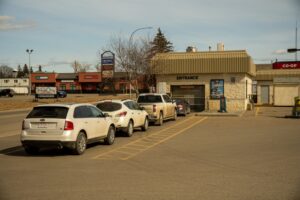
Spring brings relief to many Canadian drivers after months of snow, freezing temperatures, and icy roads that put serious strain on vehicles. As temperatures rise across the country, drivers begin washing cars, switching tires, and preparing vehicles for warmer weather and upcoming road trips. However, mechanics across Canada notice the same mistakes every spring when drivers attempt to recover from winter damage. Road salt, potholes, and harsh winter driving conditions often leave vehicles with hidden problems that drivers ignore. Some spring habits even create new mechanical issues that could have been avoided with proper maintenance. Here are 22 things Canadians do to their cars in spring that mechanics hate.