


























Vehicle paint quality matters more in Canada due to harsh weather conditions. Road salt, gravel, and temperature changes can wear down paint faster. Some vehicles show signs of chipping or peeling earlier than expected. These issues may not appear immediately, yet they become visible over time. Repairing paint damage can also add to long-term ownership costs. Tracking common problem models helps in making better buying decisions. It also helps current owners take preventive steps. Knowing which vehicles are more affected gives better clarity. Here are 22 vehicles with paint that chips too easily in Canadian conditions.
Nissan Rogue (2014–2016)
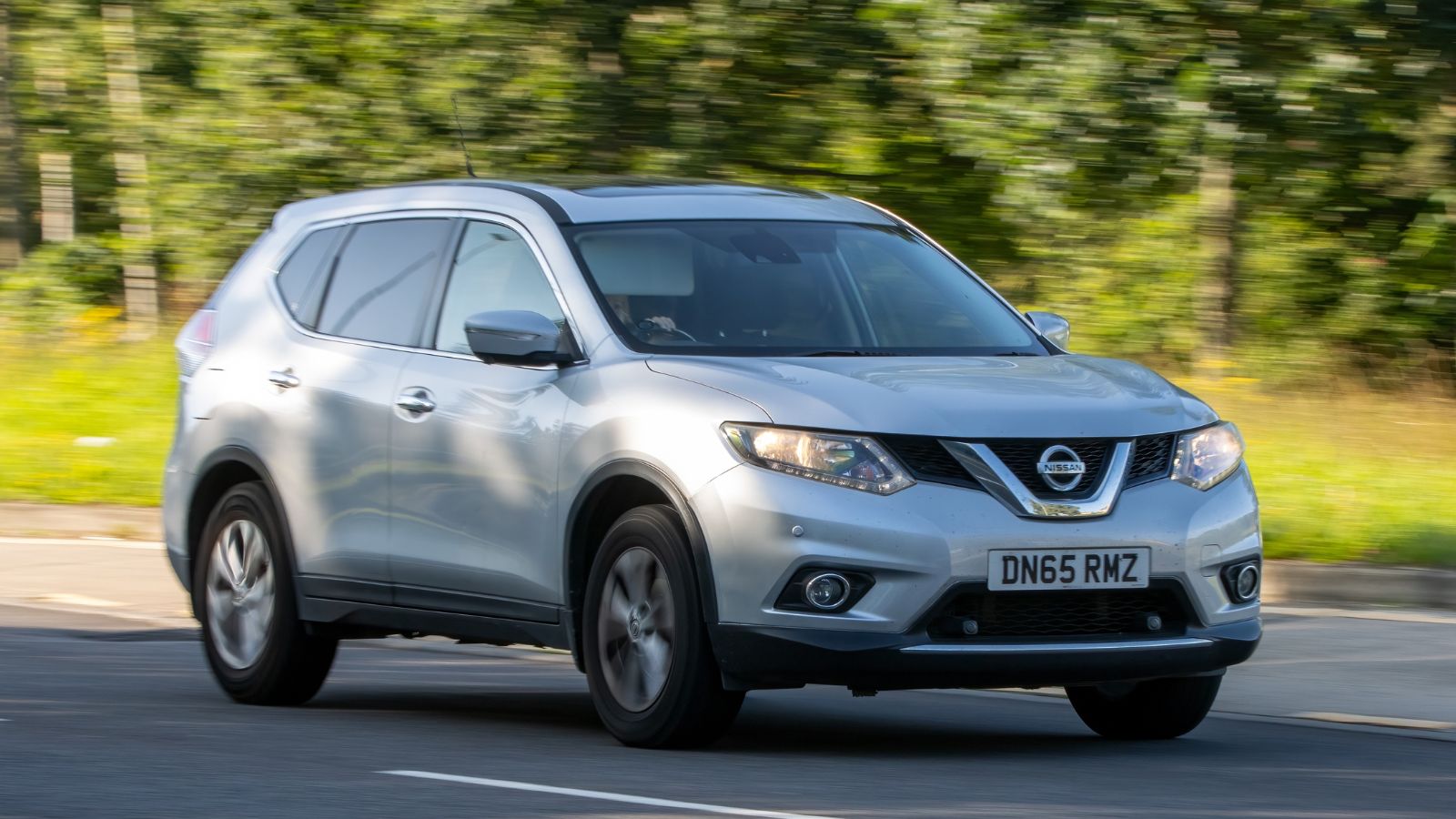
Nissan Rogues from these years have been linked to noticeable paint chipping. Many owners have observed small chips appearing earlier than expected. These often show up on the hood, doors, and around wheel areas. In Canadian conditions, road salt and loose gravel can worsen this problem. Lighter paint colours tend to show damage more clearly over time. Some cases also include clear coat wear, which makes the surface more vulnerable. Once chipping starts, it can spread if not addressed quickly. Regular washing and protective coatings may slow the damage. However, they may not fully prevent it. Tracking early signs helps in reducing long-term repair costs. For many owners, repainting becomes necessary sooner than expected. This model shows how environmental factors can affect paint durability.
Nissan Altima (2013–2018)
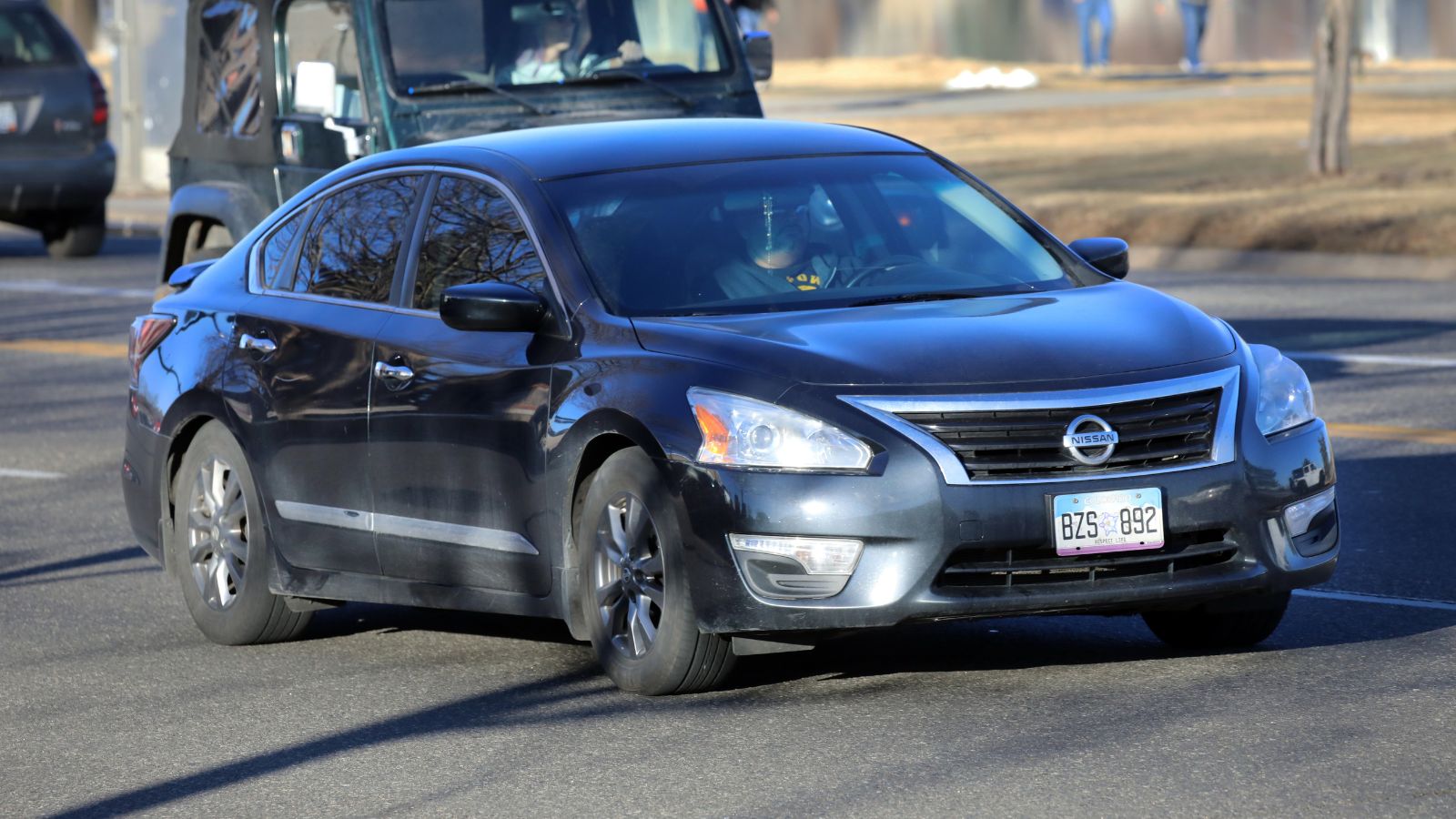
Over the years, the Nissan Altima has faced repeated concerns about paint quality. Owners have reported peeling, fading, and surface damage across multiple panels. The issue often begins with the clear coat wearing down. Once this layer weakens, paint becomes more prone to chipping or peeling. In Canada, cold temperatures and road salt can speed up this process. Damage is commonly seen on the roof, hood, and trunk areas. Even normal driving conditions can lead to visible wear over time. Regular maintenance can help, yet it may not fully stop the issue. Tracking paint condition early allows quicker action. Some owners opt for protective films or coatings. However, repainting may still be required in severe cases. This model reflects concerns about long-term paint durability.
Nissan Sentra (2013–2019)
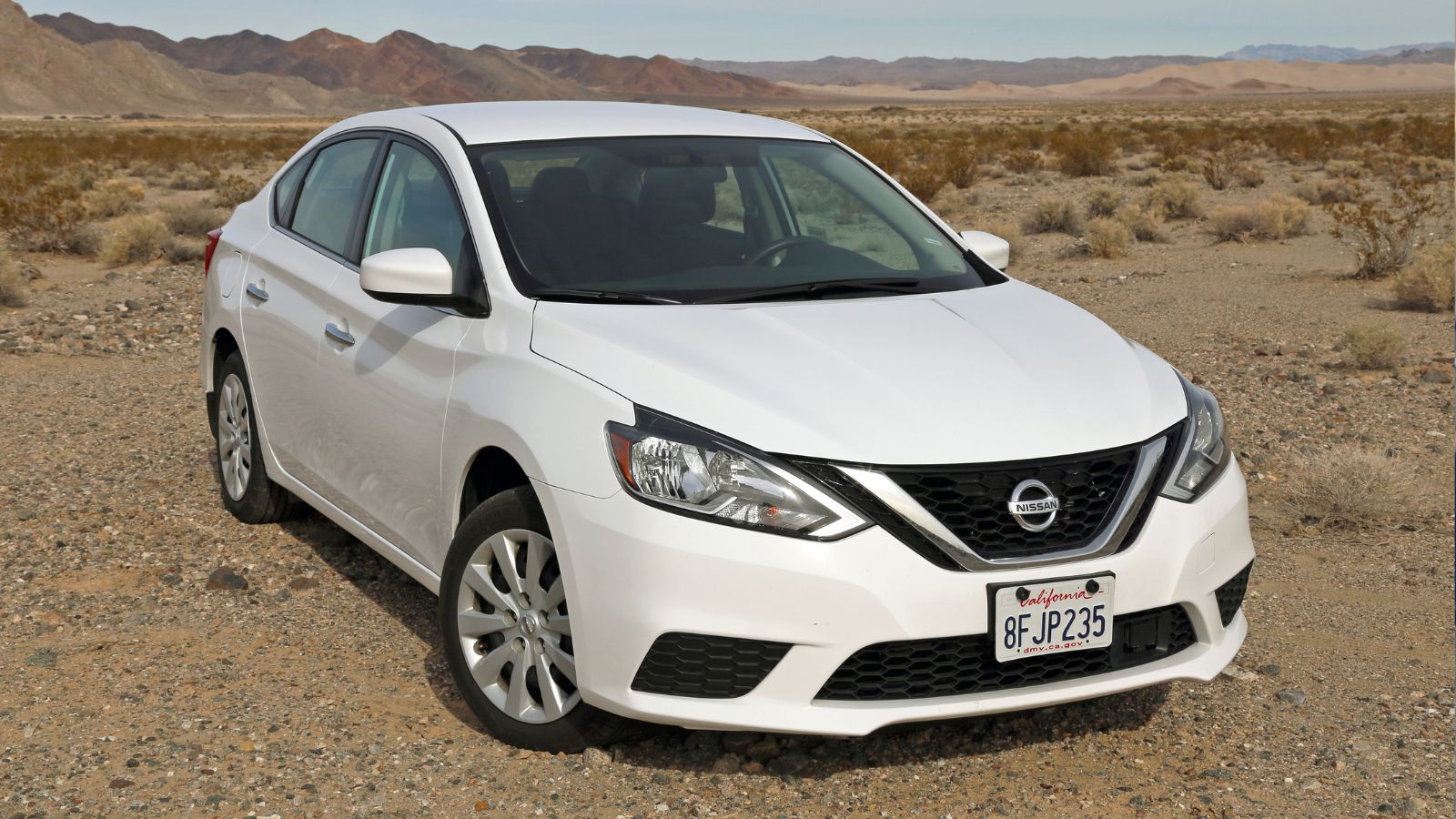
The Nissan Sentra has also been associated with paint chipping and peeling concerns. Many owners notice issues developing without clear external damage. Paint may begin to lift or chip on the hood, roof, and side panels. Canadian driving conditions can increase this risk. Gravel roads and winter salt can weaken paint layers over time. Once small chips appear, they may expand if left untreated. This can expose underlying metal, leading to further damage. Regular inspection helps in identifying early signs. Some drivers apply protective coatings to reduce impact. However, these measures may only slow the process. Repair costs can increase if repainting becomes necessary. This model highlights how paint quality can be affected under harsh weather conditions.
Nissan Murano (2015–2019)
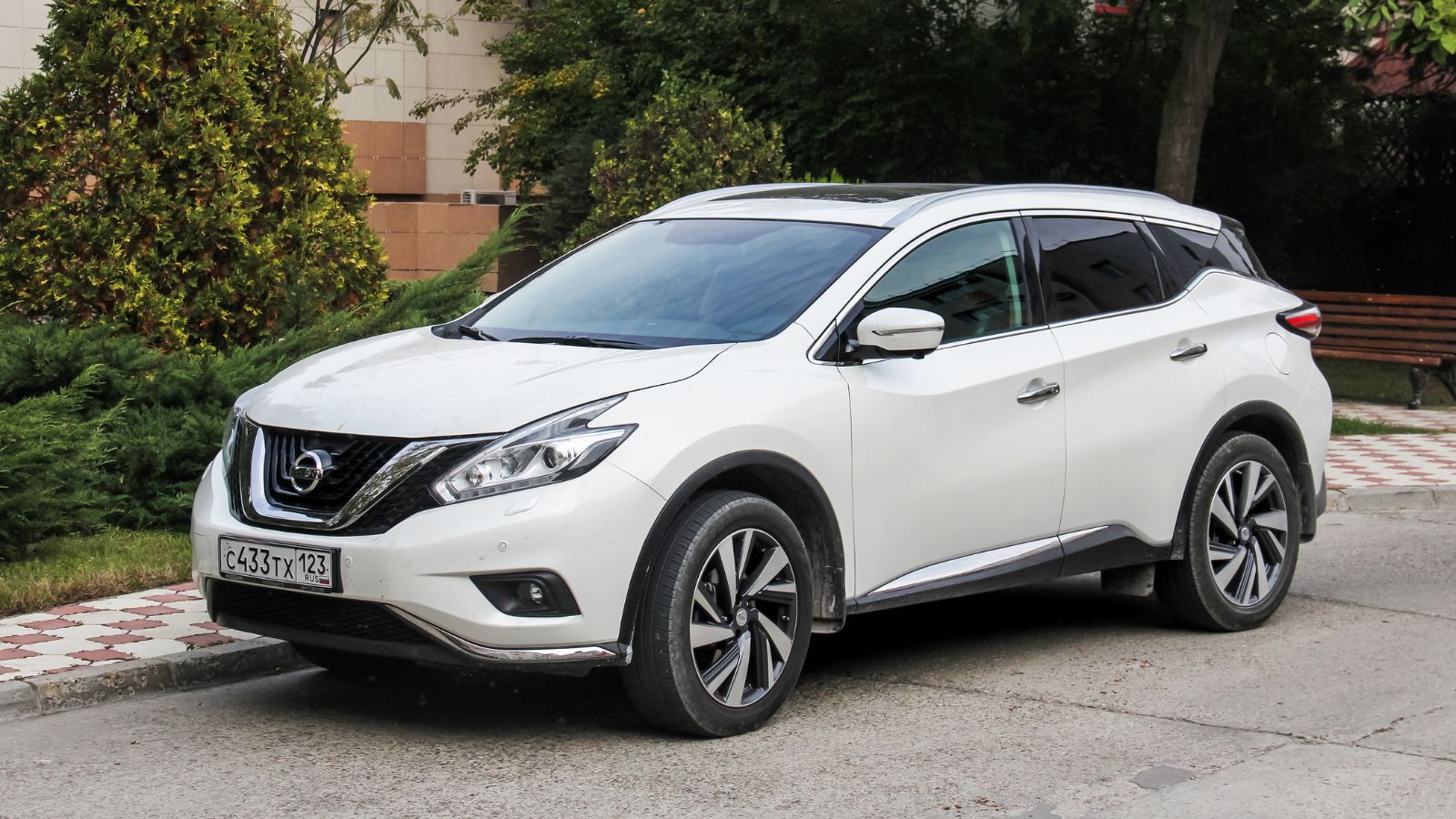
Nissan Muranos from these years have shown signs of paint durability issues. Owners have reported chipping and flaking appearing earlier than expected. These issues are often visible on the hood, doors, and roof areas. Canadian winters can make the problem more noticeable. Salt, ice, and temperature changes can weaken paint adhesion. Over time, small chips may turn into larger peeling sections. Regularly tracking paint condition helps manage damage. Protective treatments may reduce exposure to harsh elements. However, they may not fully prevent wear. Some owners report needing repainting within a few years. This increases overall maintenance costs. The Murano reflects how environmental conditions can affect paint performance.
Infiniti Q50 (2014–2019)
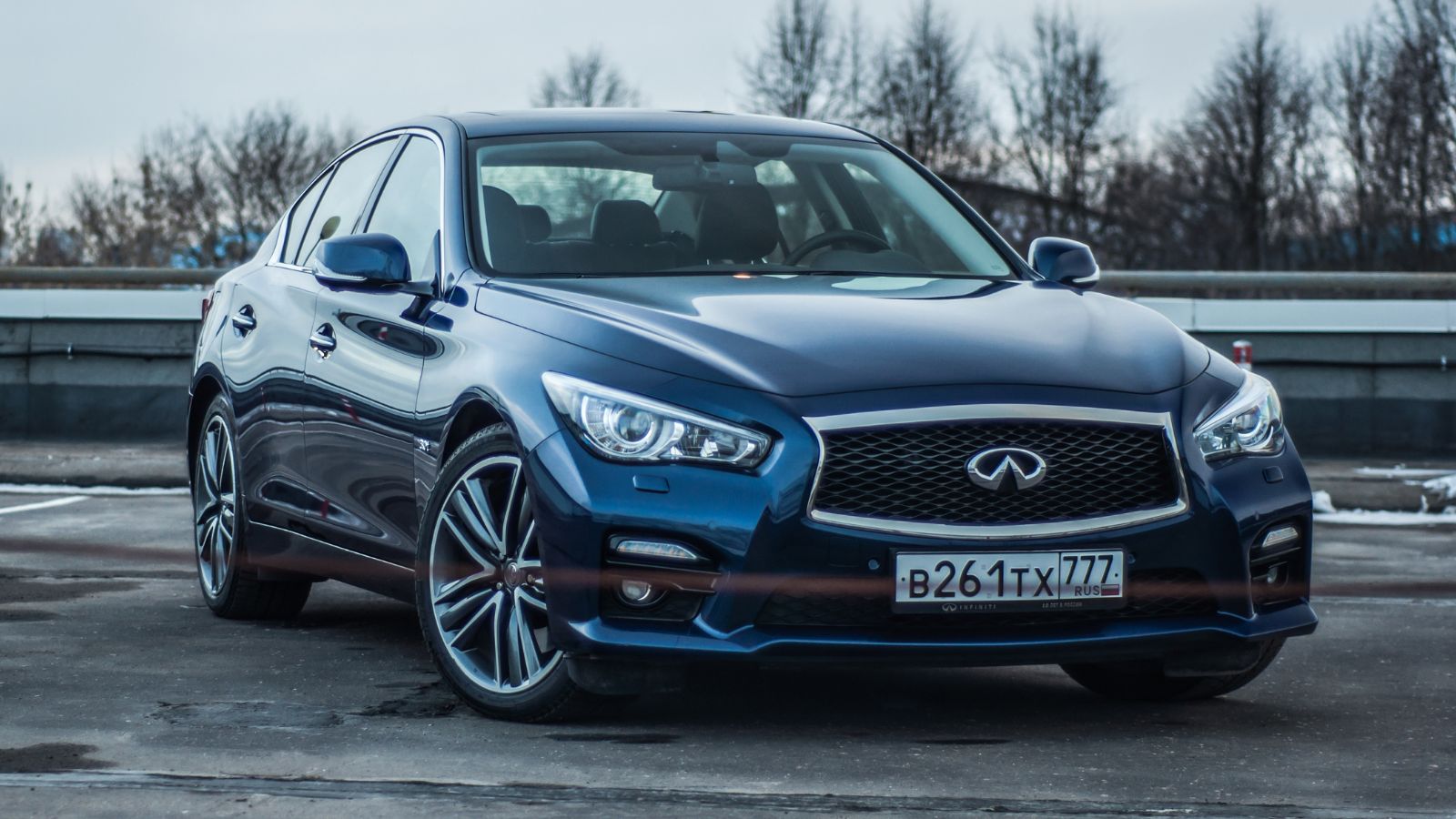
The Infiniti Q50, despite its premium positioning, has also faced paint-related concerns. Owners have reported chipping, peeling, and surface wear across different panels. These issues may appear within a few years of ownership. In Canada, road conditions can make the damage more visible. Salt and debris can compromise paint with weaker adhesion. Dark colours may show fading, while lighter colours reveal peeling more clearly. Tracking paint condition helps in taking early action. Protective films or coatings may offer some support. However, they may not fully stop the issue. Repairing paint on luxury vehicles can be costly. This model shows that higher pricing does not always guarantee better paint durability.
Hyundai Elantra (2014–2019)

Hyundai Elantras from these years have been reported to have paint peeling and chipping. In some cases, paint lifts in larger sections rather than in small chips. This can make the issue more noticeable over time. White paint variants appear more commonly affected. Canadian weather conditions can increase the impact. Cold temperatures and salt exposure weaken the paint surface. Once peeling starts, it may spread across panels if not treated. Tracking early signs like bubbling or cracking helps in reducing damage. Some owners choose protective coatings to slow the process. However, repainting may still be required in severe cases. This model highlights concerns about paint durability under regular use.
Hyundai Sonata (2014–2018)
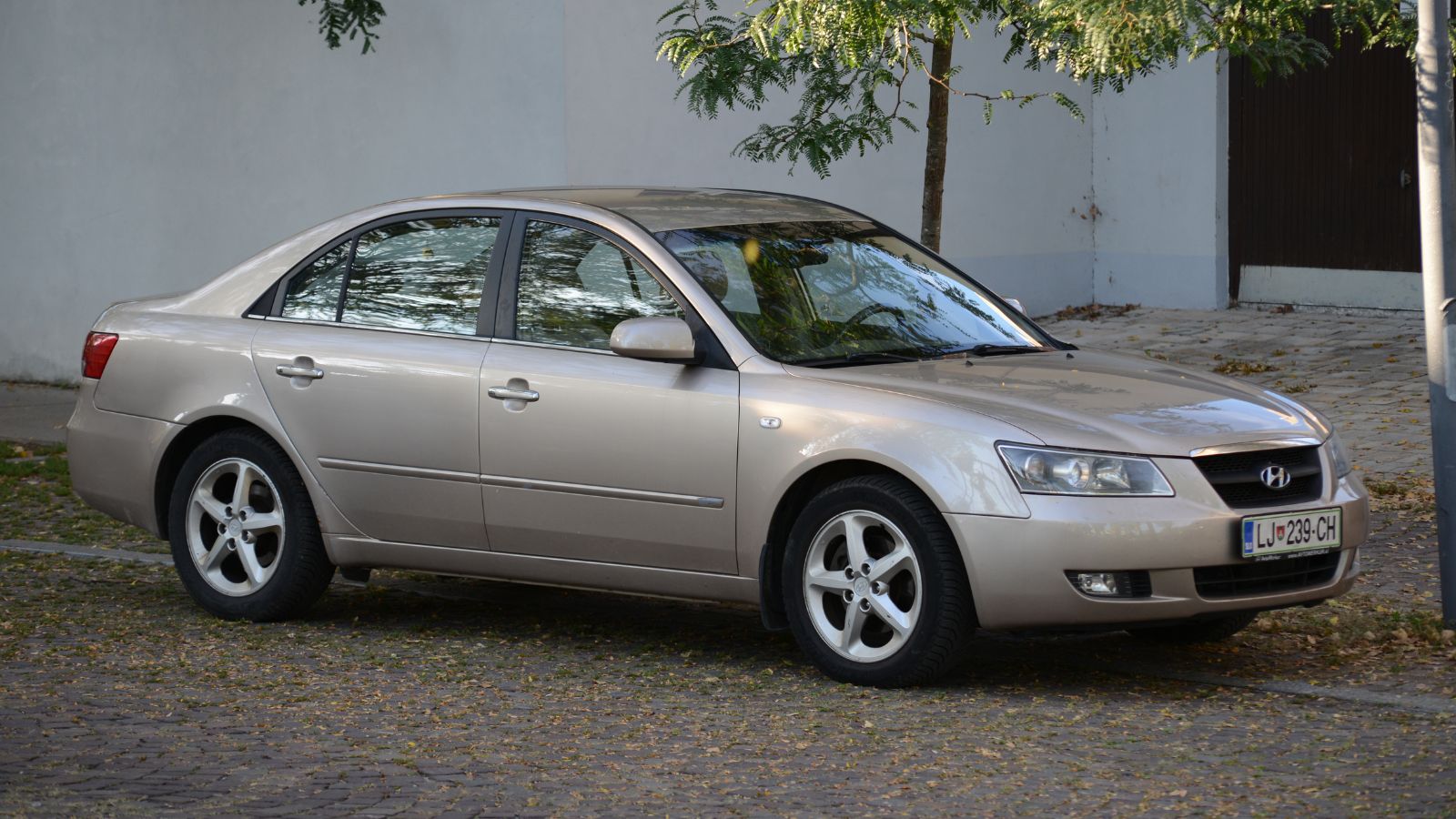
The Hyundai Sonata from these years has shown signs of paint peeling and surface wear. Many owners have reported issues starting with the clear coat. Once this layer weakens, paint becomes more prone to chipping. In Canada, winter conditions can speed up this process. Salt, ice, and road debris increase surface damage over time. Common problem areas include the hood, roof, and trunk. Lighter colours may show peeling more clearly. Tracking early signs like fading or bubbling helps in managing damage. Protective coatings may offer some support, yet they may not fully prevent wear. Some owners have required repainting within a few years. This model highlights how paint durability can vary under harsh conditions.
Hyundai Santa Fe Sport (2017–2018)
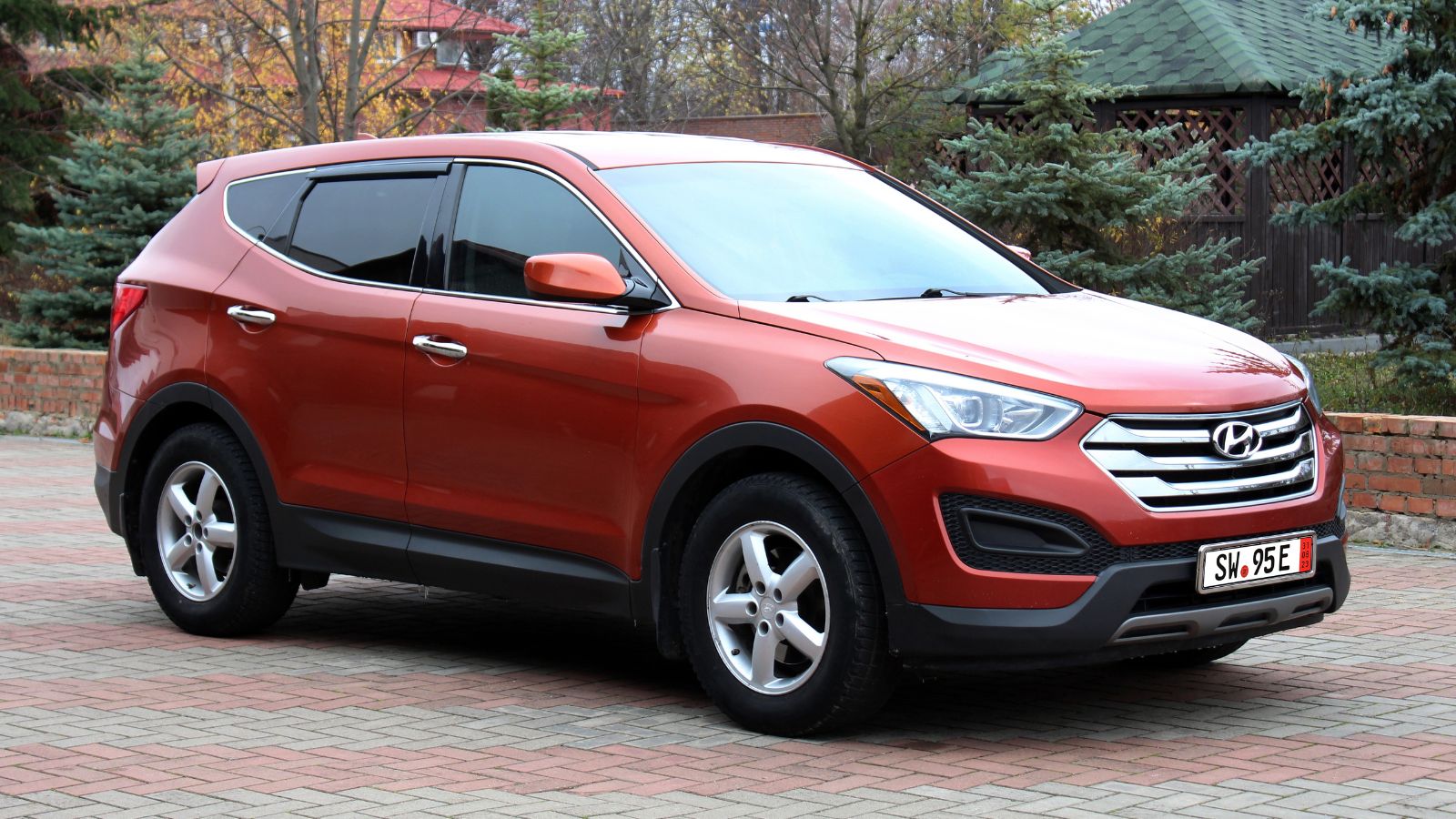
The Hyundai Santa Fe Sport has also faced paint-related concerns in these model years. Owners have reported chipping and peeling on exposed surfaces. These issues often appear on the front panels and the roof. Canadian driving conditions can make the damage more visible. Gravel roads and winter salt increase the risk of paint wear. Once chips form, they may expand if not addressed. Tracking paint condition helps in identifying problems early. Protective films can reduce impact in high-contact areas. However, they may not cover all surfaces. Some owners have faced higher repair costs due to repainting needs. This model shows how paint quality can be affected by environmental factors.
Ford Explorer (2014–2020)
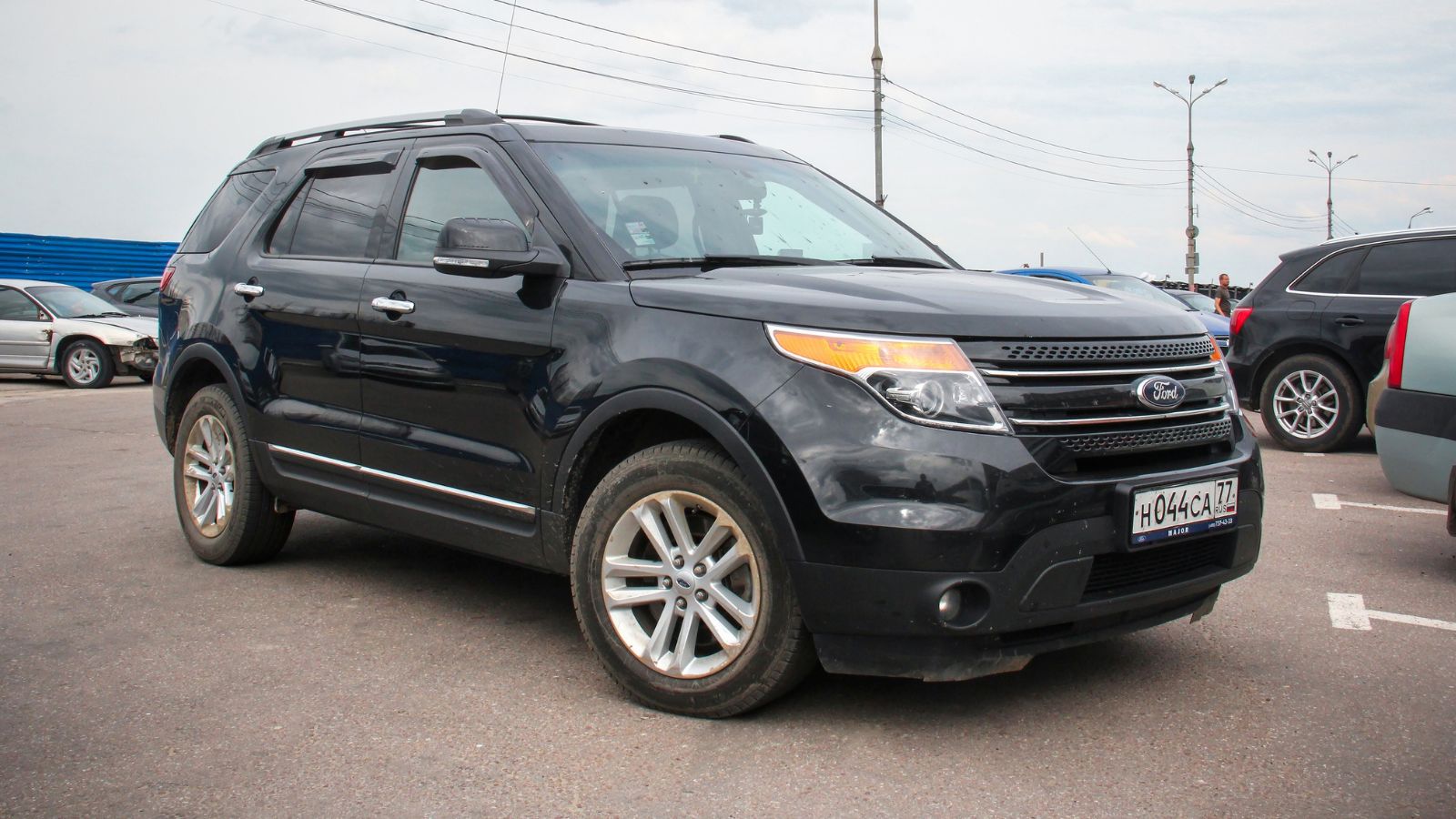
The Ford Explorer has been linked to paint chipping and bubbling issues in several model years. Owners have noticed damage appearing on the hood, doors, and rear panels. The problem often begins with small chips that expand over time. In Canada, freeze-and-thaw cycles can further weaken paint layers. Salt exposure also contributes to faster wear. Tracking these issues early helps in limiting the spread. Some drivers use protective coatings to reduce damage. However, long-term durability may still be affected. Repairing larger areas can become costly. This model reflects concerns about paint performance in changing weather conditions.
Ford Mustang (2014–2020)
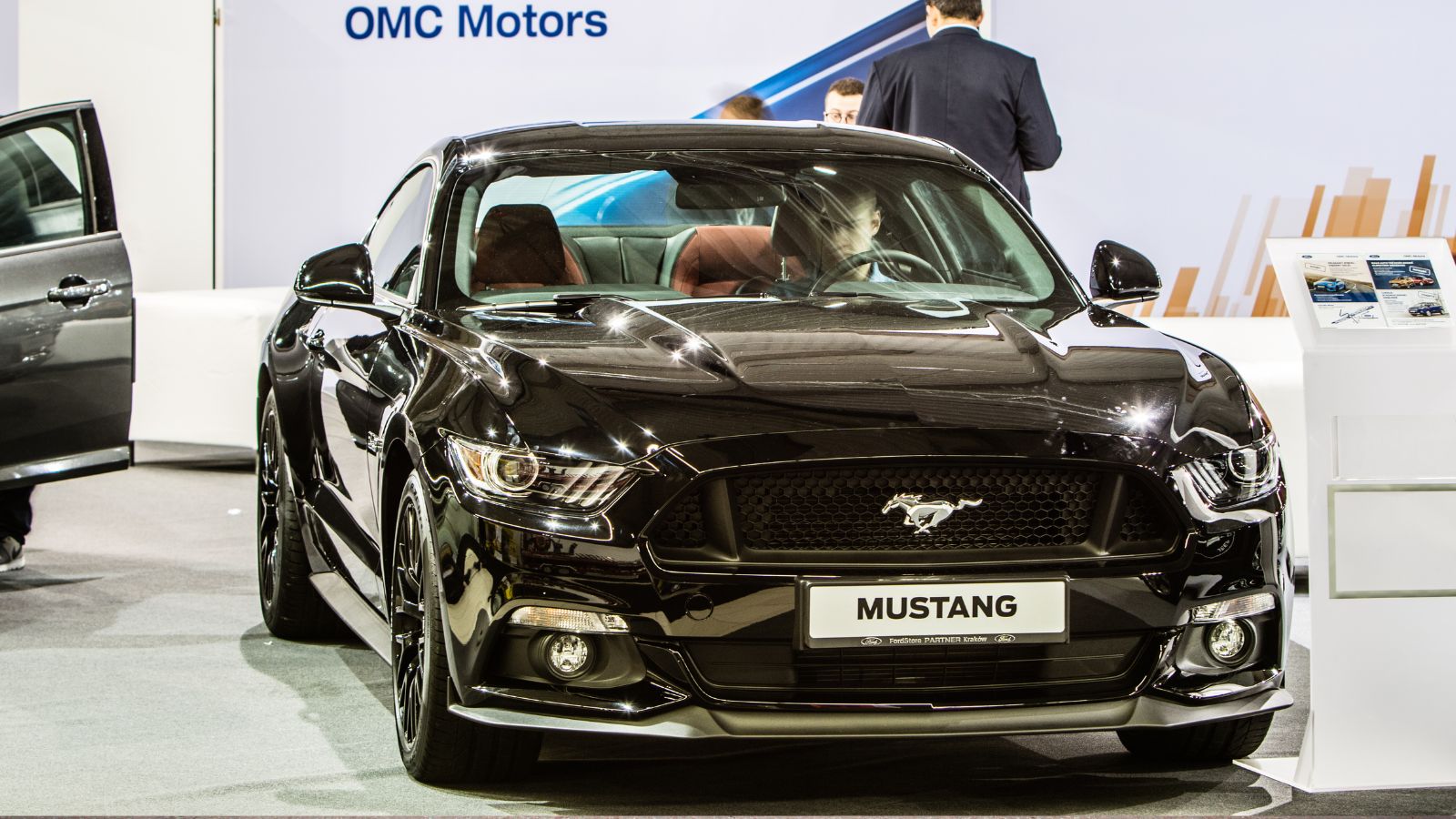
Ford Mustangs from these years have also been reported to have paint chipping and fading. Performance vehicles often face more exposure to road debris. This can increase the risk of surface damage. In Canada, winter conditions add extra stress on paint quality. Chips may appear on the front bumper, hood, and side panels. Dark colours may show fading, while lighter colours reveal chips more clearly. Tracking paint condition helps in taking early action. Protective wraps are commonly used by some owners. However, they may not prevent all damage. Repair costs can be higher due to finish requirements. This model shows how usage and environment can affect paint durability.
Ford Taurus (2014)
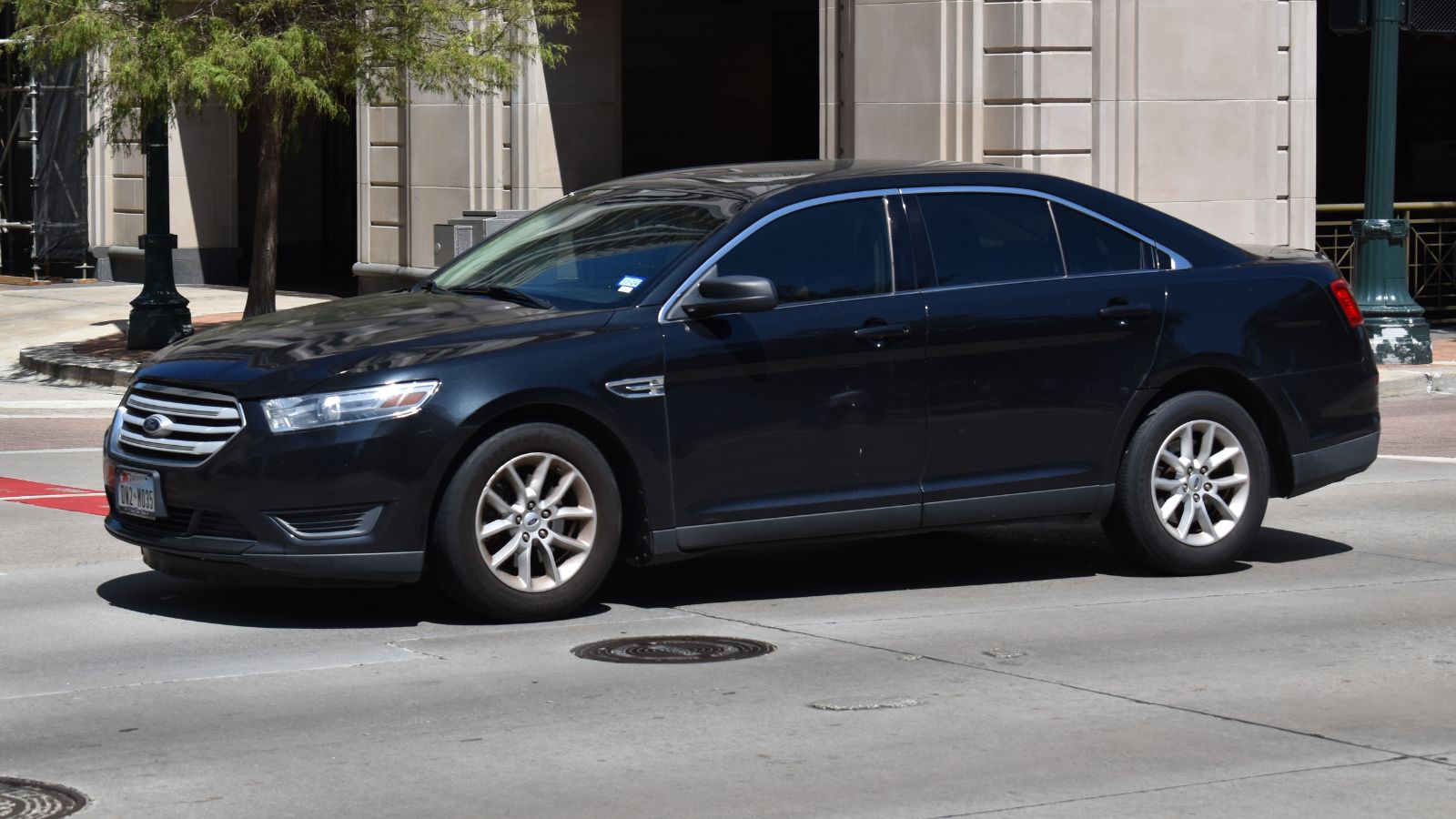
The 2014 Ford Taurus has also been associated with paint durability concerns. Owners have reported chipping and peeling across various panels. These issues may appear without major impact or scratches. Canadian weather conditions can make the damage worse over time. Cold temperatures and salt exposure weaken paint adhesion. Small chips may expand if not treated early. Tracking paint condition helps in reducing long-term issues. Protective treatments may slow the process. However, repainting may still be required in some cases. This model highlights the importance of monitoring paint wear regularly.
Chevrolet Suburban (2015–2016)
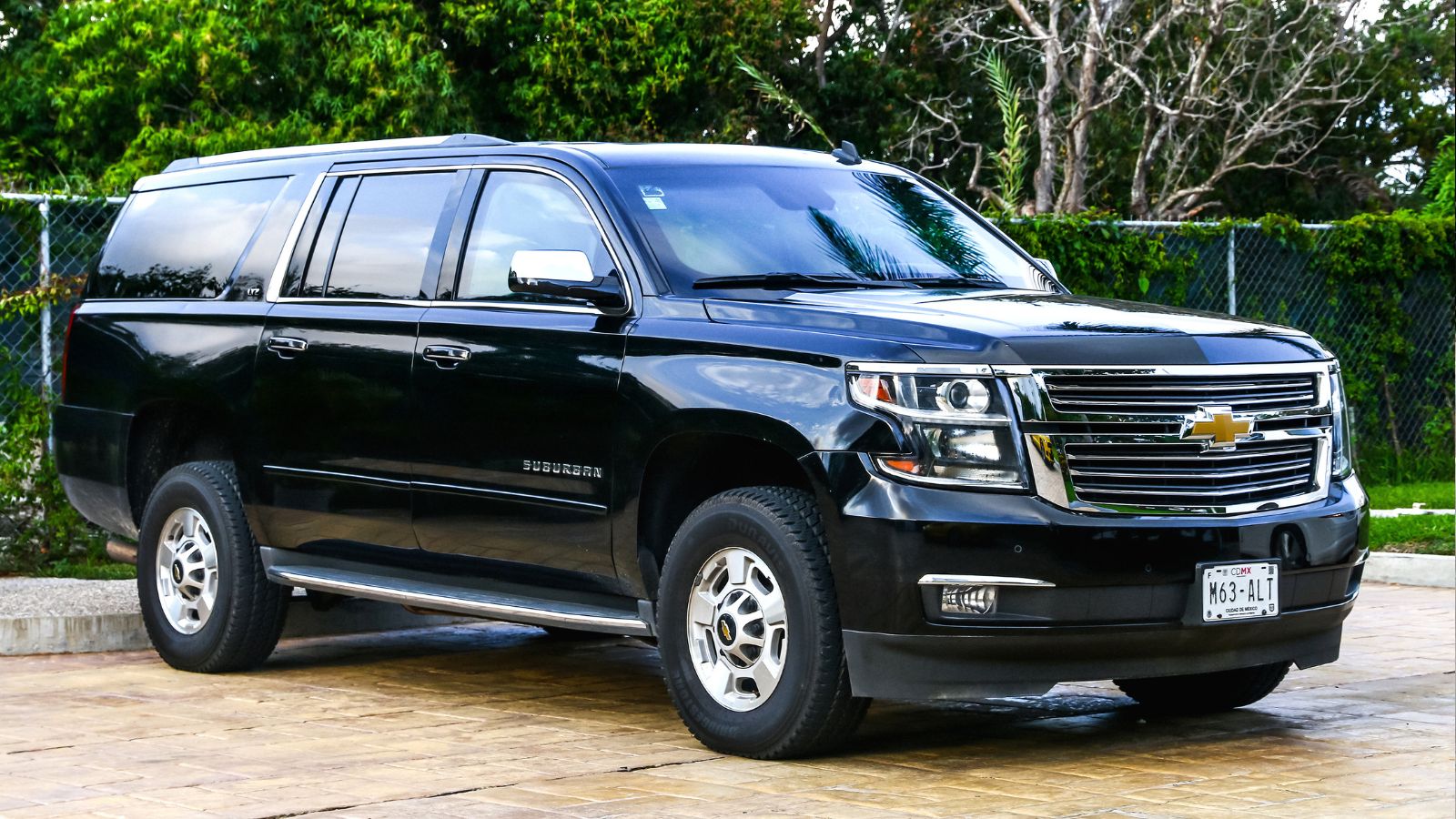
The Chevrolet Suburban from these years has shown signs of paint chipping and surface wear. Large vehicles often face more exposure to road debris. This increases the risk of paint damage, especially on lower panels. In Canada, salt and gravel can accelerate this process. Owners have reported issues with the doors, hood, and rear sections. Tracking paint condition helps in identifying early damage. Protective coatings may reduce exposure in some areas. However, they may not fully prevent wear. Repairing large panels can be costly. This model illustrates how vehicle size and the environment can affect paint durability.
Toyota Tundra (2022–2023)
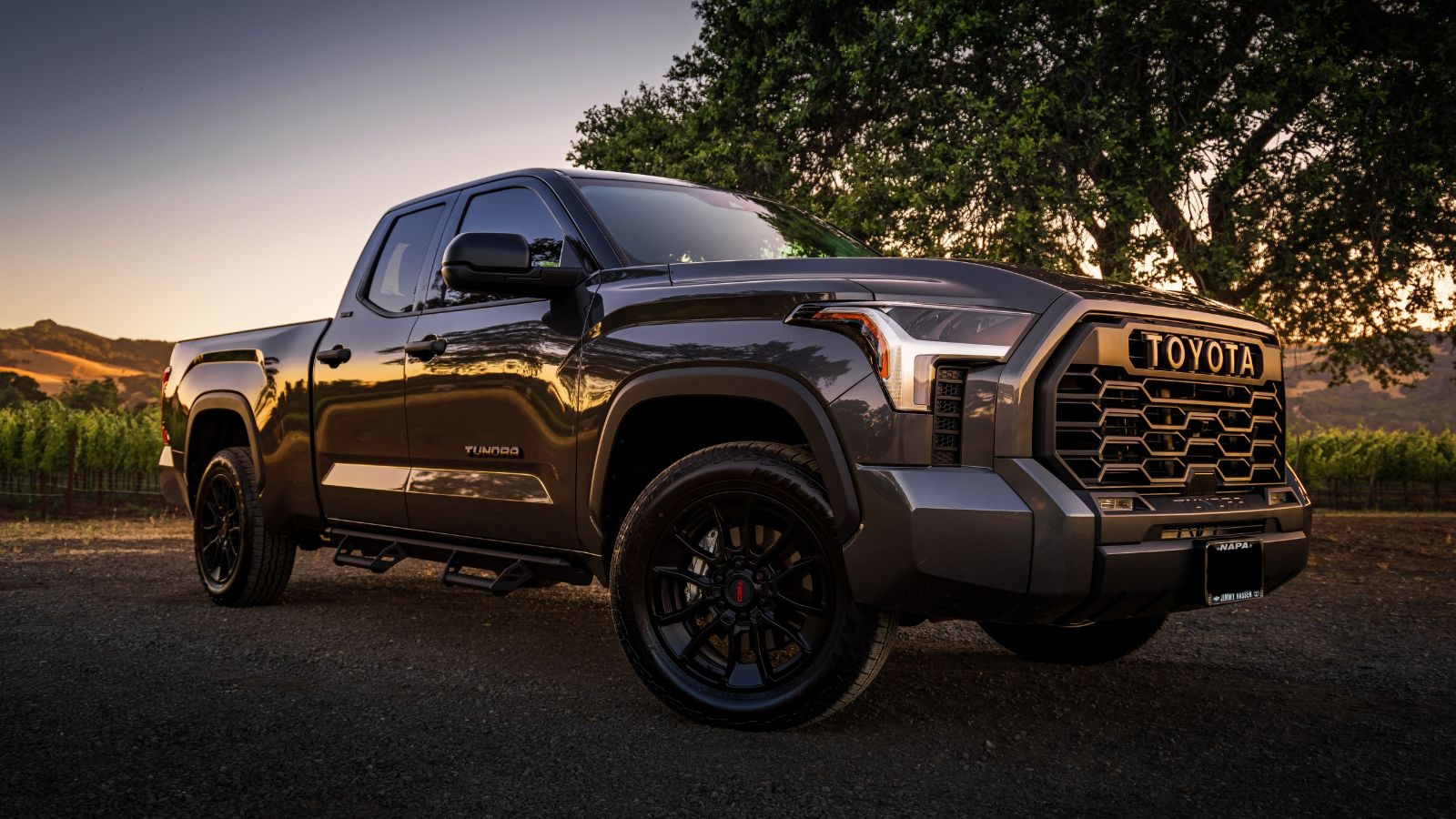
The Toyota Tundra in these newer model years has also seen concerns about paint chipping. Some owners have reported chips appearing earlier than expected. These are often visible on the hood and front panels. In Canada, gravel and road salt can increase the impact. Even normal driving conditions may lead to noticeable wear. Tracking paint condition early helps in managing damage. Protective films are often used to reduce exposure. However, they add to overall costs. Some cases have required touch-ups within a short period. This model shows that even newer vehicles can face paint durability concerns under certain conditions.
Toyota Highlander (White Paint Years)
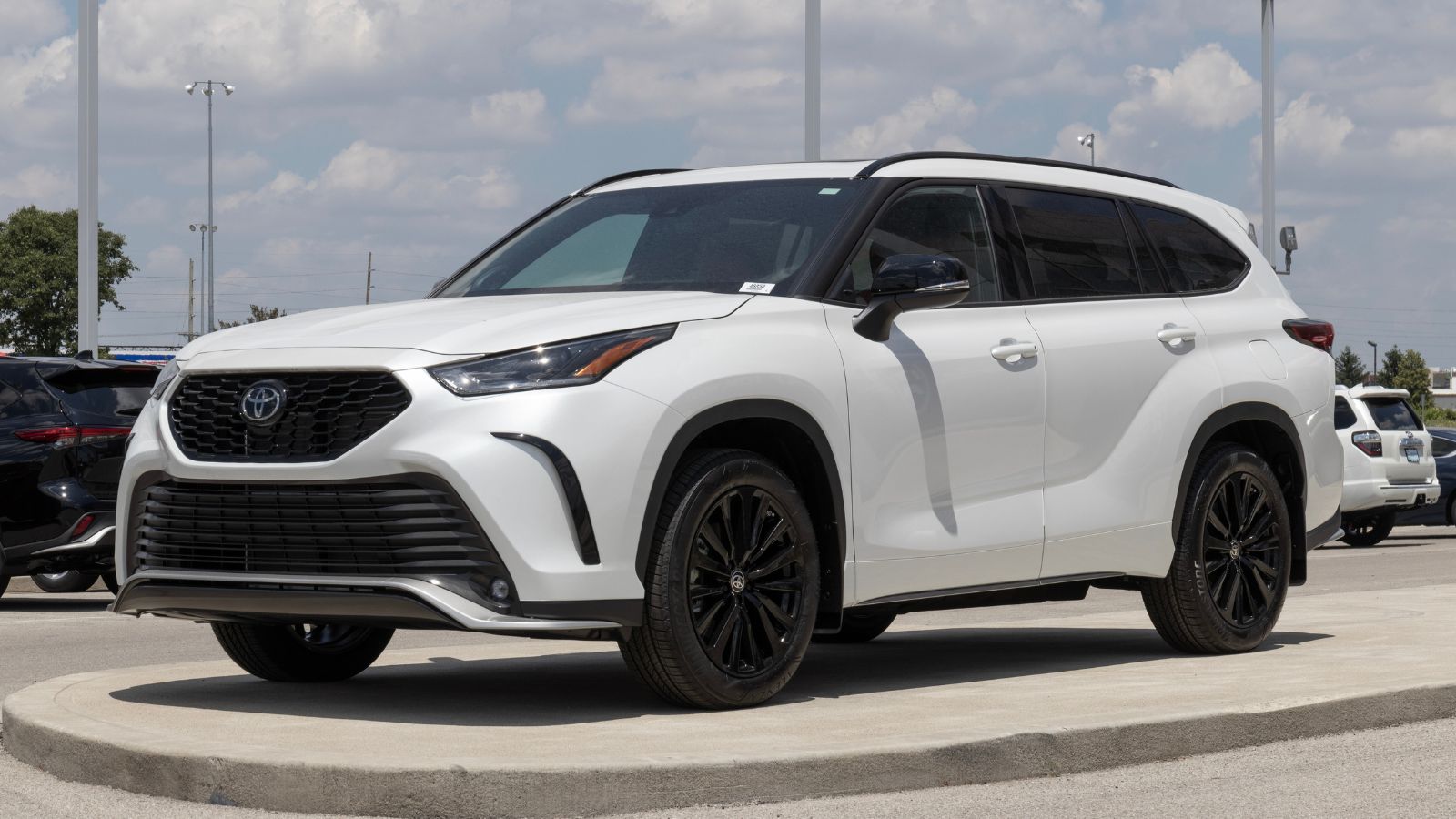
Certain Toyota Highlander models with white paint have shown signs of peeling and chipping over time. The issue often starts with the clear coat weakening, which exposes the base layer. Once this happens, paint may lift in patches rather than in small chips. In Canada, temperature changes and road salt can accelerate damage. Affected areas often include the roof, hood, and door panels. Tracking early signs like fading or flaking helps in managing repairs. Some owners use protective coatings to slow the process. However, long-term durability may still be affected. Repainting larger sections can become costly. This issue highlights how specific paint colours may react differently under harsh weather conditions.
Tesla Model X (2018, 2022)
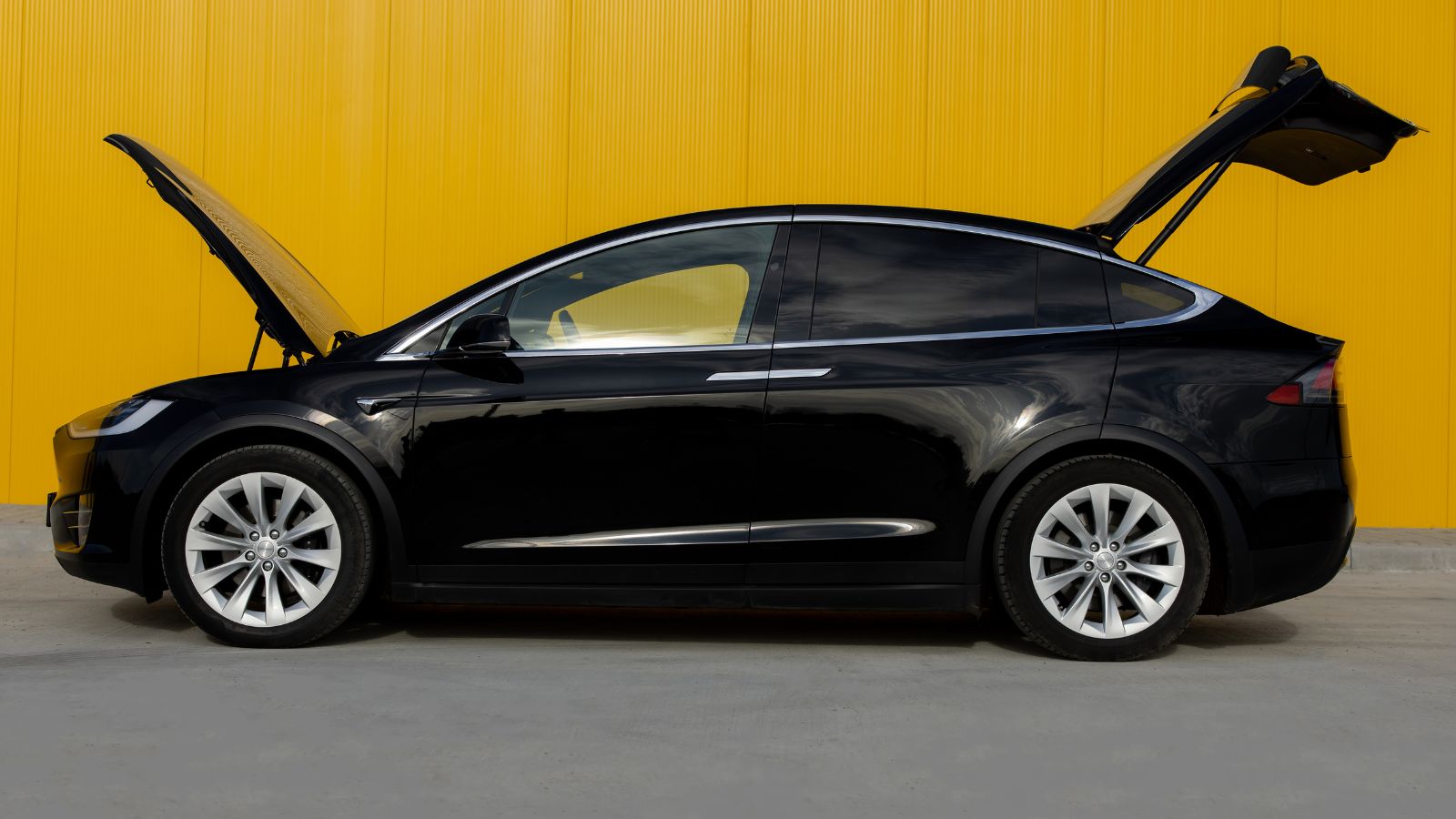
The Tesla Model X has received attention for paint chipping concerns in certain years. Owners have reported thin paint layers that chip more easily under normal driving. Front panels and lower sections are commonly affected. In Canada, gravel roads and winter salt can increase this impact. Even minor debris can leave visible marks on the surface. Tracking paint condition early helps in limiting the spread. Many owners choose paint protection films to reduce damage. While effective, this adds to the overall ownership cost. Repairing chipped areas can also be expensive due to the finish quality. This model shows how paint thickness can influence durability over time.
Mercedes-Benz GLK (2014–2015)
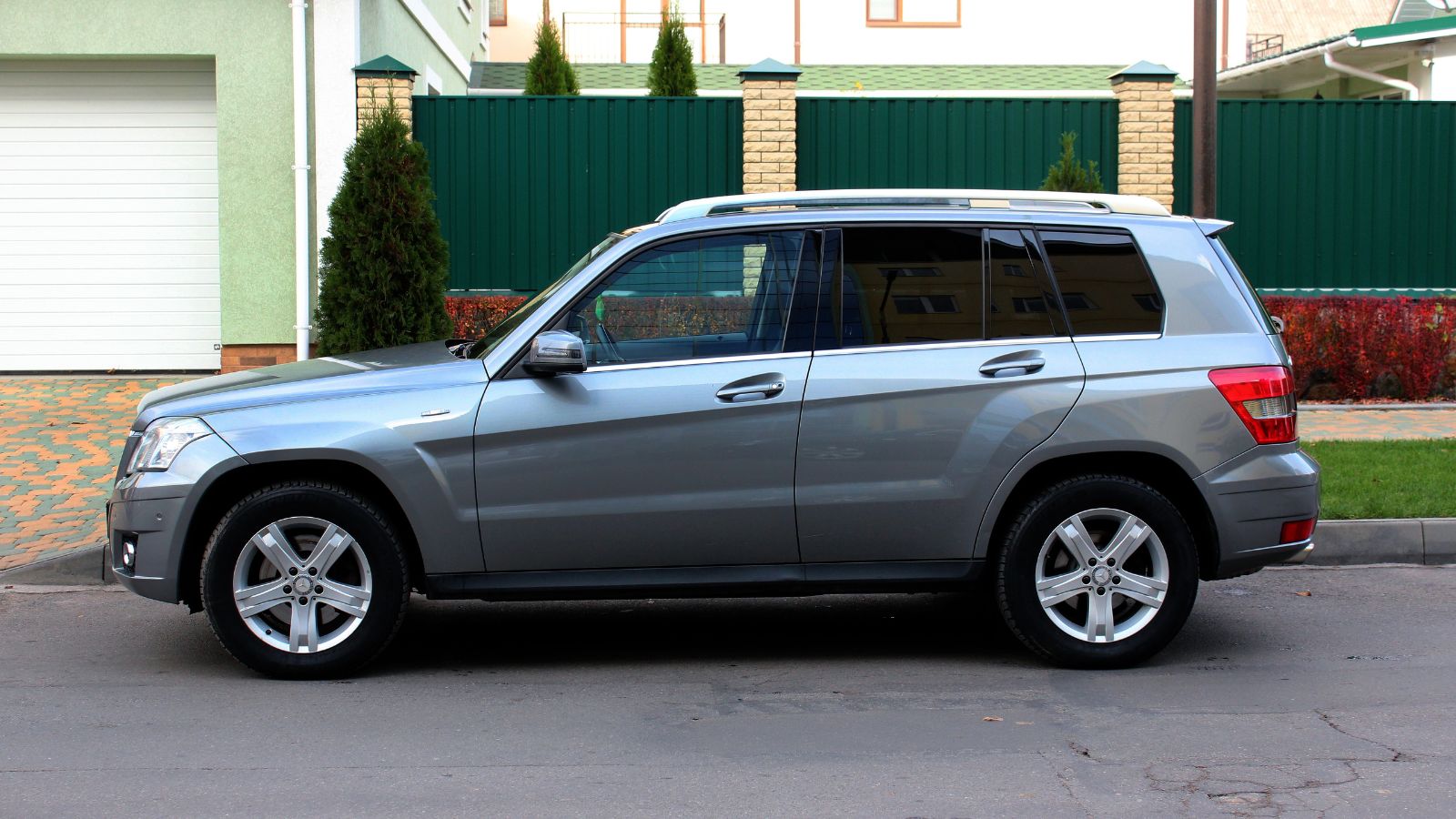
Mercedes-Benz GLK models from these years have also faced paint durability concerns. Owners have noted chipping and bubbling on various panels. These issues may appear earlier than expected for a premium vehicle. In Canada, harsh winters can make the problem more noticeable. Salt and moisture can weaken paint adhesion over time. Common areas include the hood, roof, and door edges. Tracking paint condition helps in identifying early damage. Protective coatings may offer some support, yet they may not fully prevent wear. Repair costs can be higher due to premium finish standards. This model highlights that luxury branding does not always guarantee stronger paint performance.
Hyundai Genesis (2015)
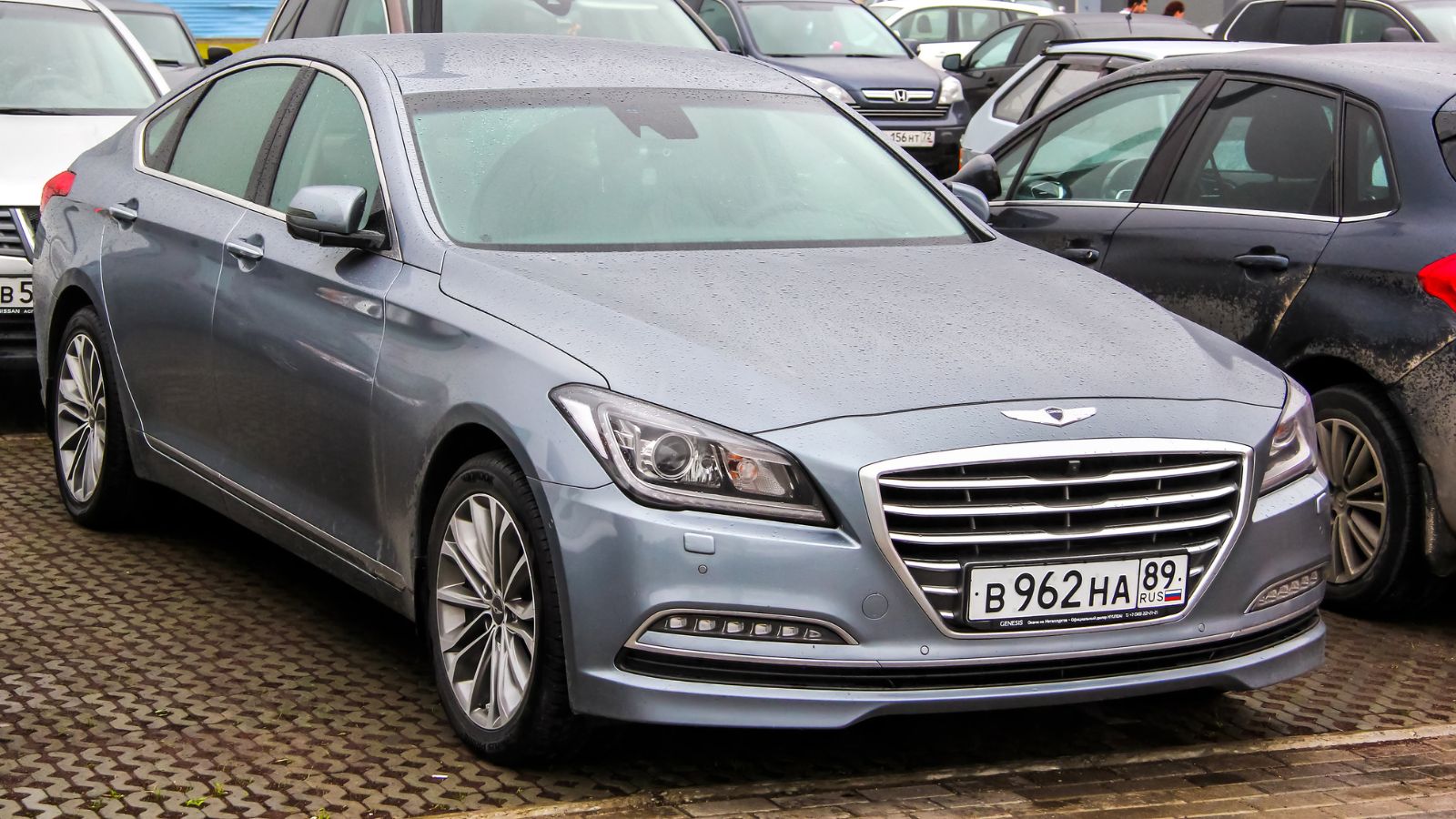
Reports indicate paint peeling and surface wear on the Hyundai Genesis this model year. Owners have noticed issues such as bubbling and flaking across panels. These problems often begin with the clear coat breaking down. In Canadian conditions, temperature changes and salt exposure can increase damage. Affected areas may include the hood, roof, and trunk. Tracking early signs helps in reducing long-term impact. Some owners use protective treatments to slow deterioration. However, repainting may still be required in severe cases. This model reflects how environmental conditions can affect paint quality over time.
Hyundai Elantra GT (2015–2018)
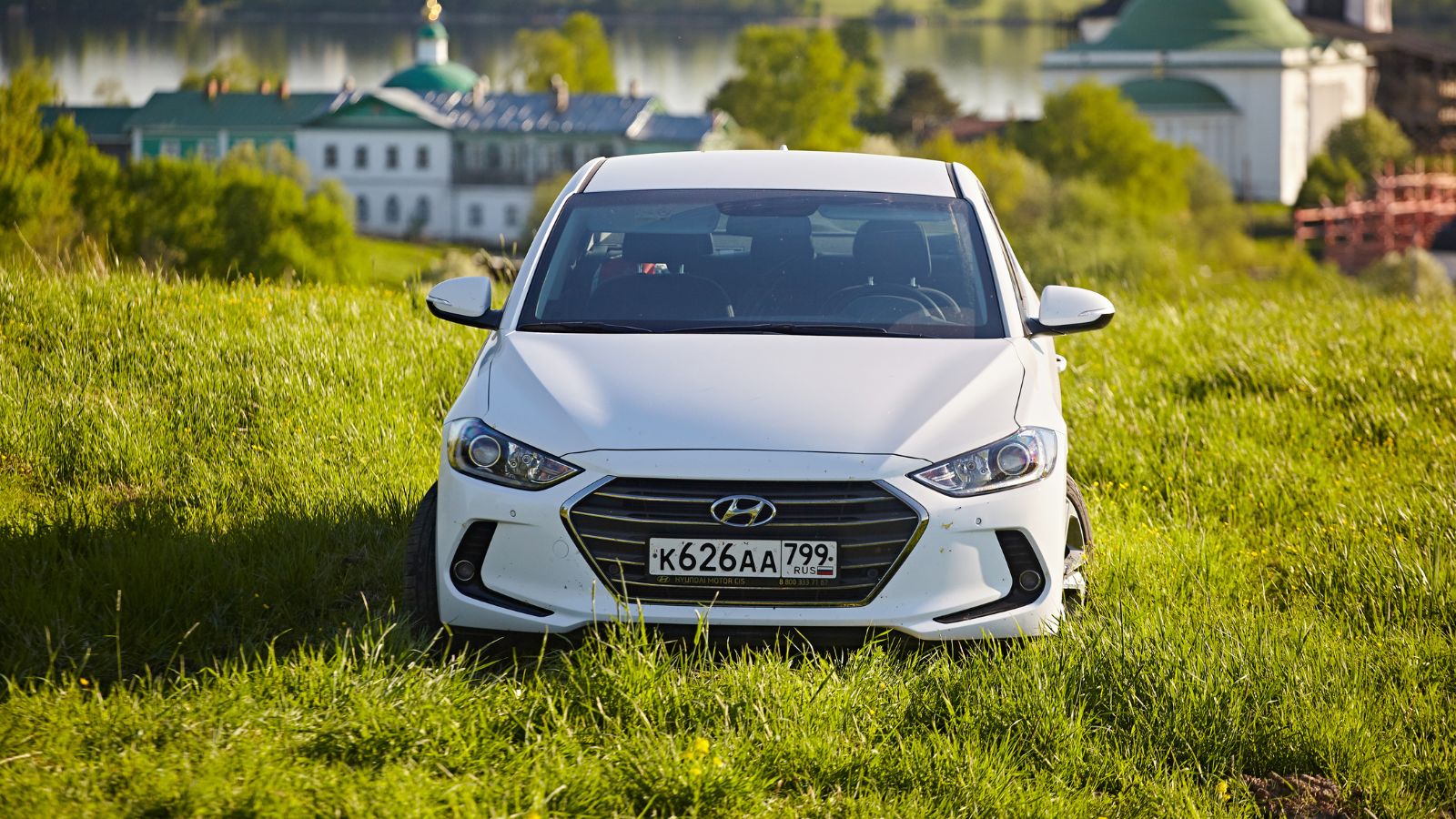
The Hyundai Elantra GT has also been associated with paint chipping and peeling concerns. Owners have reported issues appearing without major external damage. Paint may begin to lift or chip on exposed surfaces, such as the hood and roof. In Canada, gravel and winter salt can increase wear. Once damage starts, it may spread if not addressed early. Tracking paint condition helps in taking timely action. Protective coatings may reduce exposure to harsh elements. However, they may not fully prevent issues. Repair costs can increase if large areas are affected. This model highlights ongoing concerns about paint durability in certain compact vehicles.
Nissan Kicks (2018–present)

Reports indicate the Nissan Kicks has experienced paint chipping, especially on front-facing panels. Owners have noticed small chips forming under normal driving conditions. In Canada, gravel roads and winter salt can increase surface wear. The paint layer may appear thinner in some cases, making it more vulnerable. Common areas include the hood, bumper, and side panels. Tracking early signs helps in preventing further spread. Protective films are often used to reduce exposure. However, they add to overall maintenance costs. Some owners have required touch-ups sooner than expected. This model highlights how daily driving conditions can affect paint durability over time.
Nissan Frontier (2010–present)
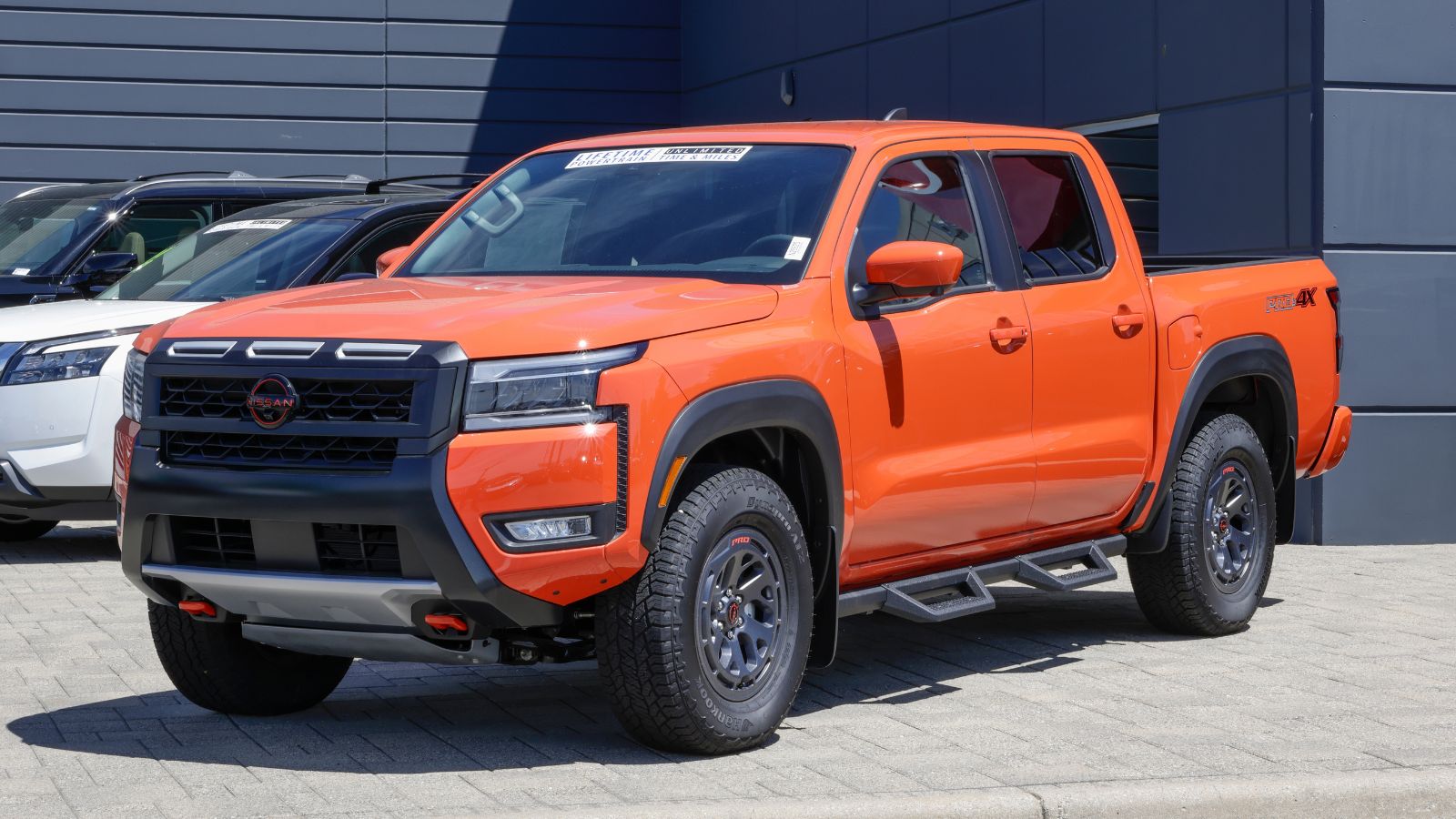
The Nissan Frontier has also faced concerns related to paint chipping and fading. Owners have reported issues appearing across multiple model years. The problem often starts with small chips that expand over time. In Canada, off-road use and rough terrain can increase damage. Salt and debris can further weaken paint layers. Common areas include the hood, doors, and lower panels. Regularly tracking paint condition helps identify early damage. Protective coatings may slow wear, yet they may not fully prevent it. Repair costs can rise if repainting becomes necessary. This model reflects how usage conditions can impact long-term paint performance.
Infiniti QX80 (2010–present)

The Infiniti QX80 has also been linked to paint durability concerns across several years. Despite its premium positioning, some owners report chipping and surface wear. Large vehicle size can increase exposure to road debris. In Canadian conditions, salt and gravel can worsen the issue. Paint damage is often visible on the hood, doors, and rear sections. Tracking early signs helps in managing repairs more effectively. Protective treatments may reduce exposure, yet they may not eliminate the problem. Repairing large panels can be expensive. This model shows that even high-end vehicles can face paint challenges under harsh conditions.
Infiniti Q30 (2017–2019)
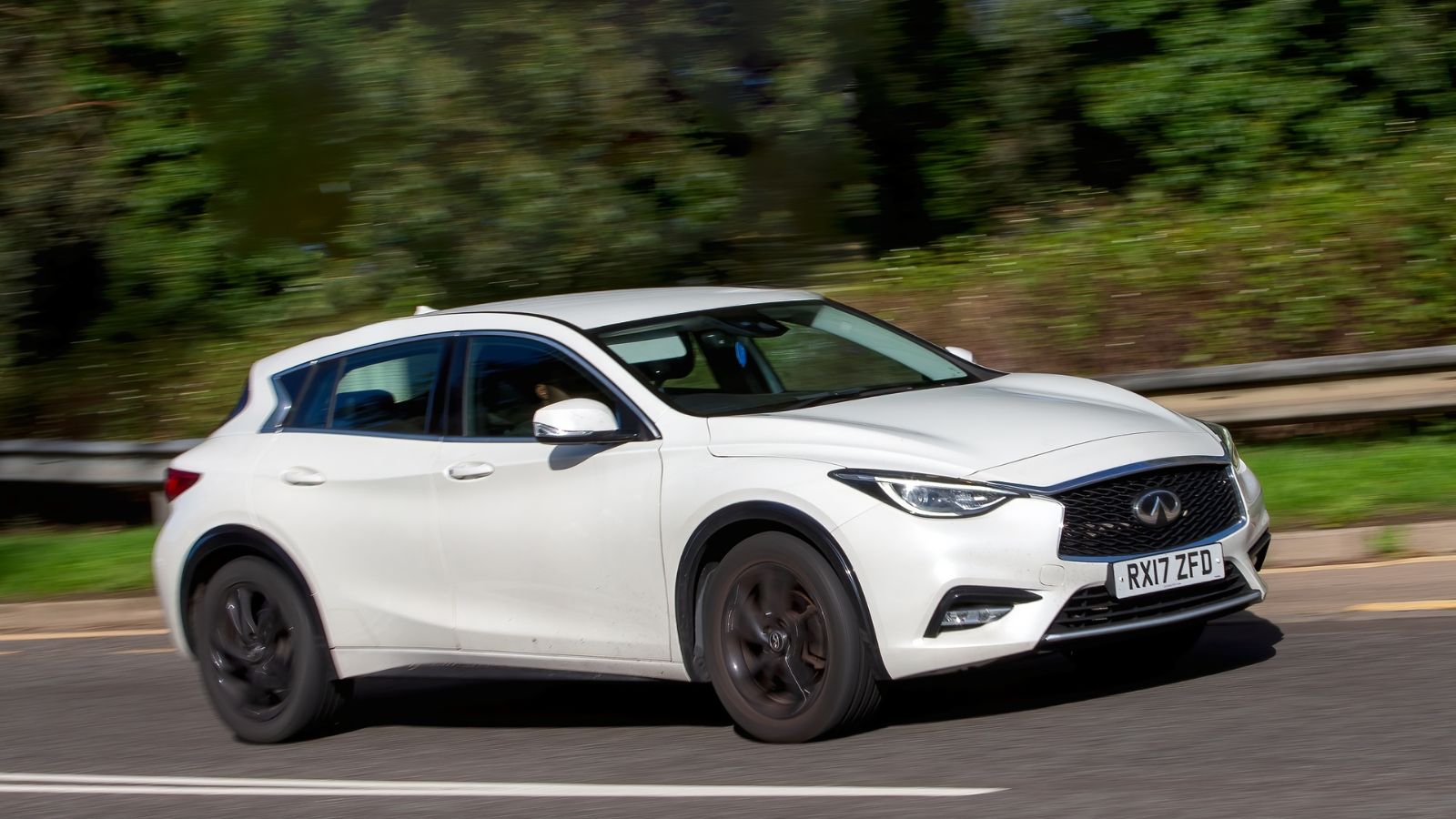
The Infiniti Q30 has also seen reports of paint chipping and peeling in recent years. Owners have noticed damage appearing earlier than expected. The issue may begin with small chips that grow over time. In Canada, temperature changes and road salt can accelerate wear. Common areas include the hood, roof, and side panels. Tracking paint condition helps in taking early action. Protective films or coatings may reduce impact. However, they may not fully prevent damage. Repairing affected areas can increase ownership costs. This model highlights how environmental factors can affect paint durability, even in compact luxury vehicles.
22 Things Canadians Do to Their Cars in Spring That Mechanics Hate
Spring brings relief to many Canadian drivers after months of snow, freezing temperatures, and icy roads that put serious strain on vehicles. As temperatures rise across the country, drivers begin washing cars, switching tires, and preparing vehicles for warmer weather and upcoming road trips. However, mechanics across Canada notice the same mistakes every spring when drivers attempt to recover from winter damage. Road salt, potholes, and harsh winter driving conditions often leave vehicles with hidden problems that drivers ignore. Some spring habits even create new mechanical issues that could have been avoided with proper maintenance. Here are 22 things Canadians do to their cars in spring that mechanics hate.