


























A road test often feels simple on paper: drive safely, follow the rules, and stay calm. In reality, it is a concentrated check of habits that must work under pressure, with an examiner watching every mirror glance, stop, signal, lane choice, and speed adjustment. Across Canada, road tests vary by province, but the same patterns keep showing up because safe driving principles are consistent from coast to coast.
Here are 19 reasons new drivers fail their road test in Canada, from small habits that pile up to serious mistakes that can end the attempt immediately. Most failures are not caused by one dramatic moment. They often come from ordinary driving tasks done a little too late, too casually, or without enough visible awareness.
Missed Shoulder Checks
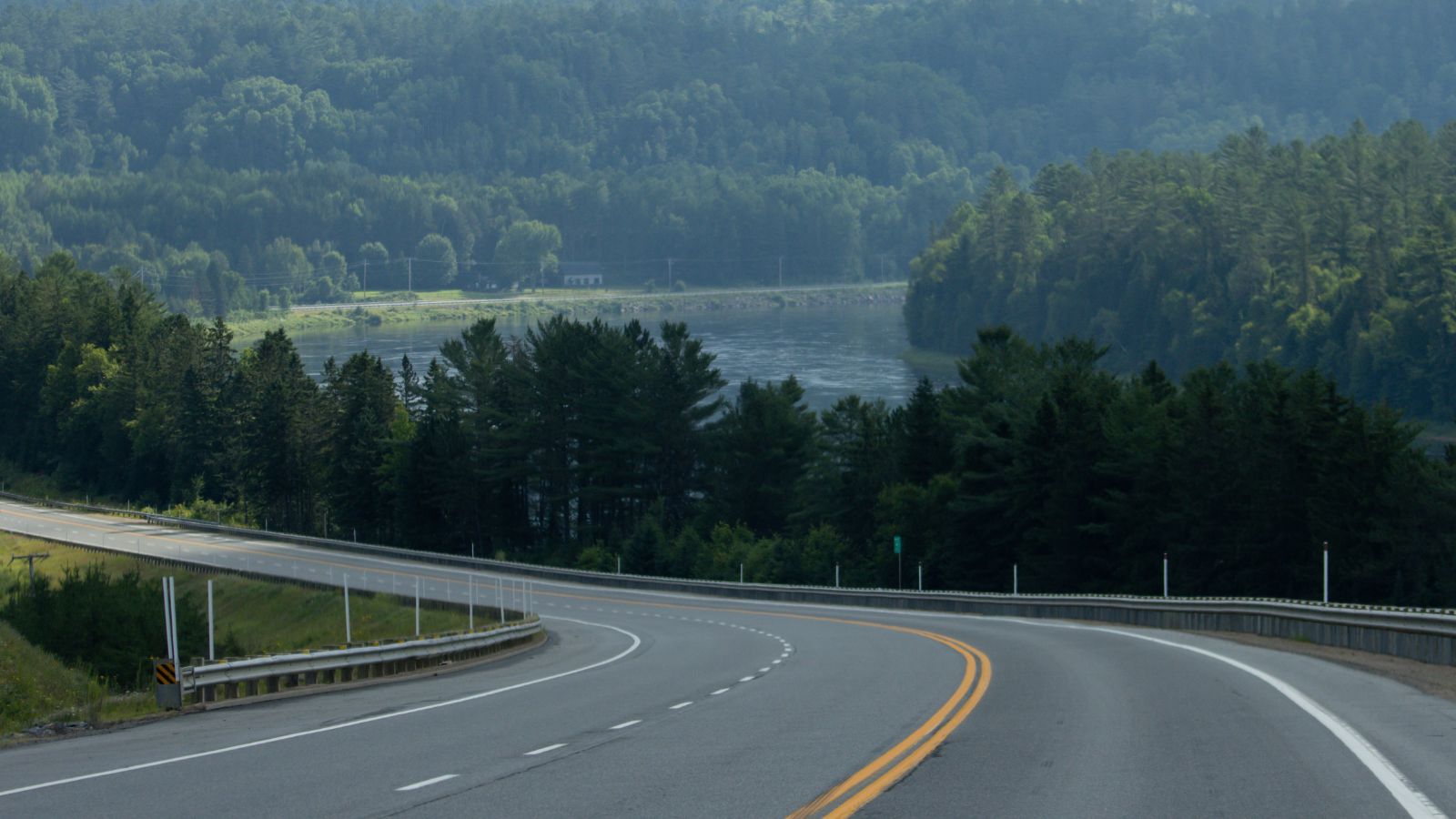
Shoulder checks are one of the most common weak spots for new drivers because mirrors can create a false sense of security. A learner may glance into the side mirror, see nothing obvious, and begin changing lanes without turning their head. On a Canadian road test, that can be a serious problem, especially when cyclists, pedestrians, or smaller vehicles may sit in blind spots. Examiners are not only looking for whether the road is clear; they are watching whether the driver proves it is clear.
This mistake often appears during right turns, lane changes, merging, and pulling away from the curb. A nervous driver may perform one good shoulder check early in the test, then forget later when traffic gets busy. In cities with painted bike lanes or heavy pedestrian activity, a missed shoulder check can look especially risky. Even when nothing dangerous happens, the examiner may see the missing head movement as evidence that the driver’s observation habit is not reliable enough for solo driving.
Weak Mirror Scanning
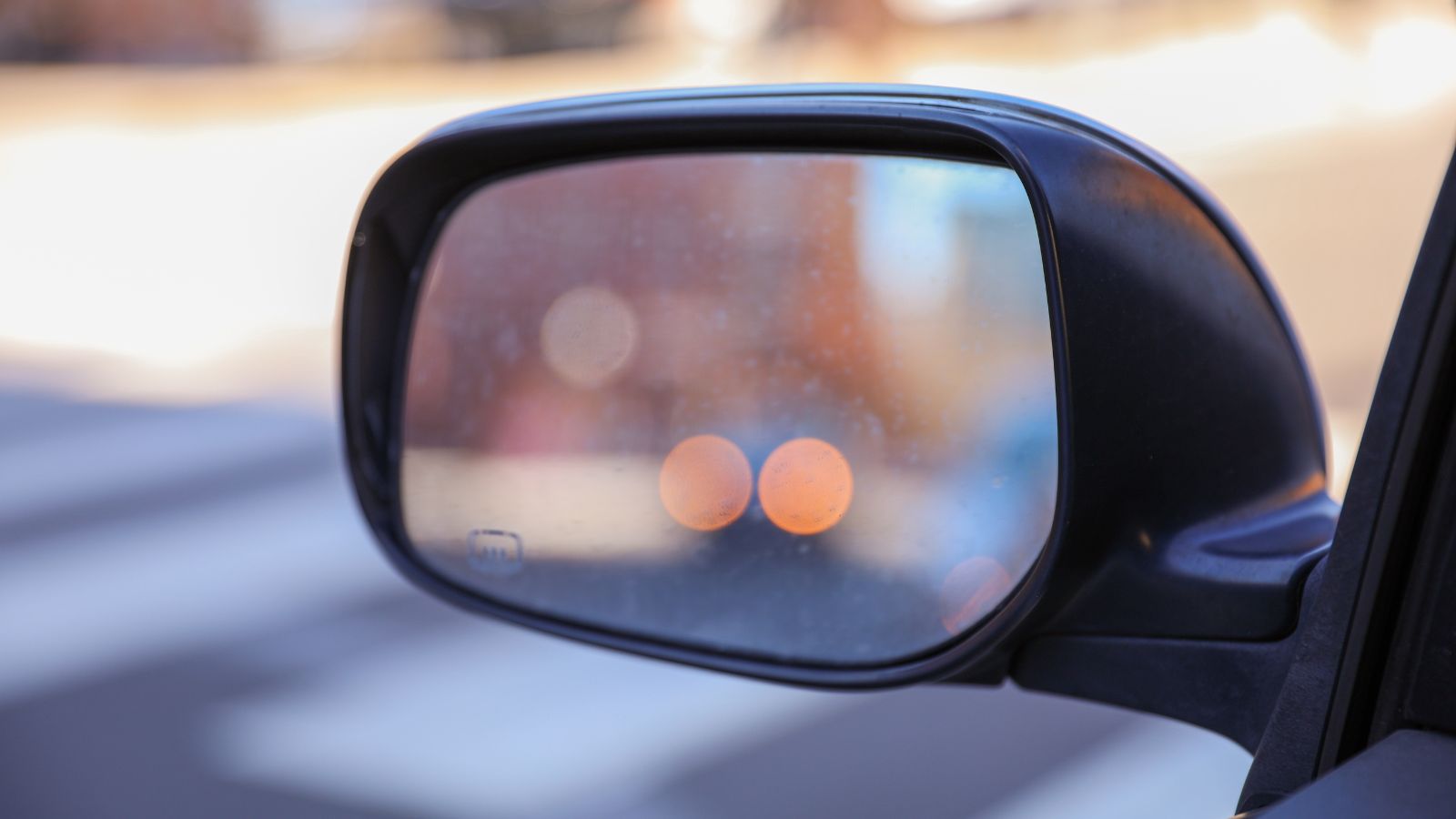
Many new drivers use mirrors only when they are about to turn or change lanes, but road tests expect a broader habit of constant awareness. Mirror checks show that the driver understands what is happening behind and beside the vehicle, not just what is directly ahead. Ontario’s official driver guidance, for example, encourages regular mirror checks and blind-spot awareness while driving along. That matters because road conditions can change quickly: a vehicle may approach from behind, a cyclist may appear along the curb, or traffic may slow unexpectedly.
Weak mirror scanning often shows up as delayed reactions. A driver may brake too late because they did not notice a tailgater, or hesitate during a lane change because they did not build a mental picture of surrounding traffic. Examiners can usually tell when mirror checks are performative rather than useful. A quick eye flick every few minutes is not the same as actively scanning. Strong candidates make mirror checks look natural, visible, and connected to their decisions.
Rolling Through Stop Signs
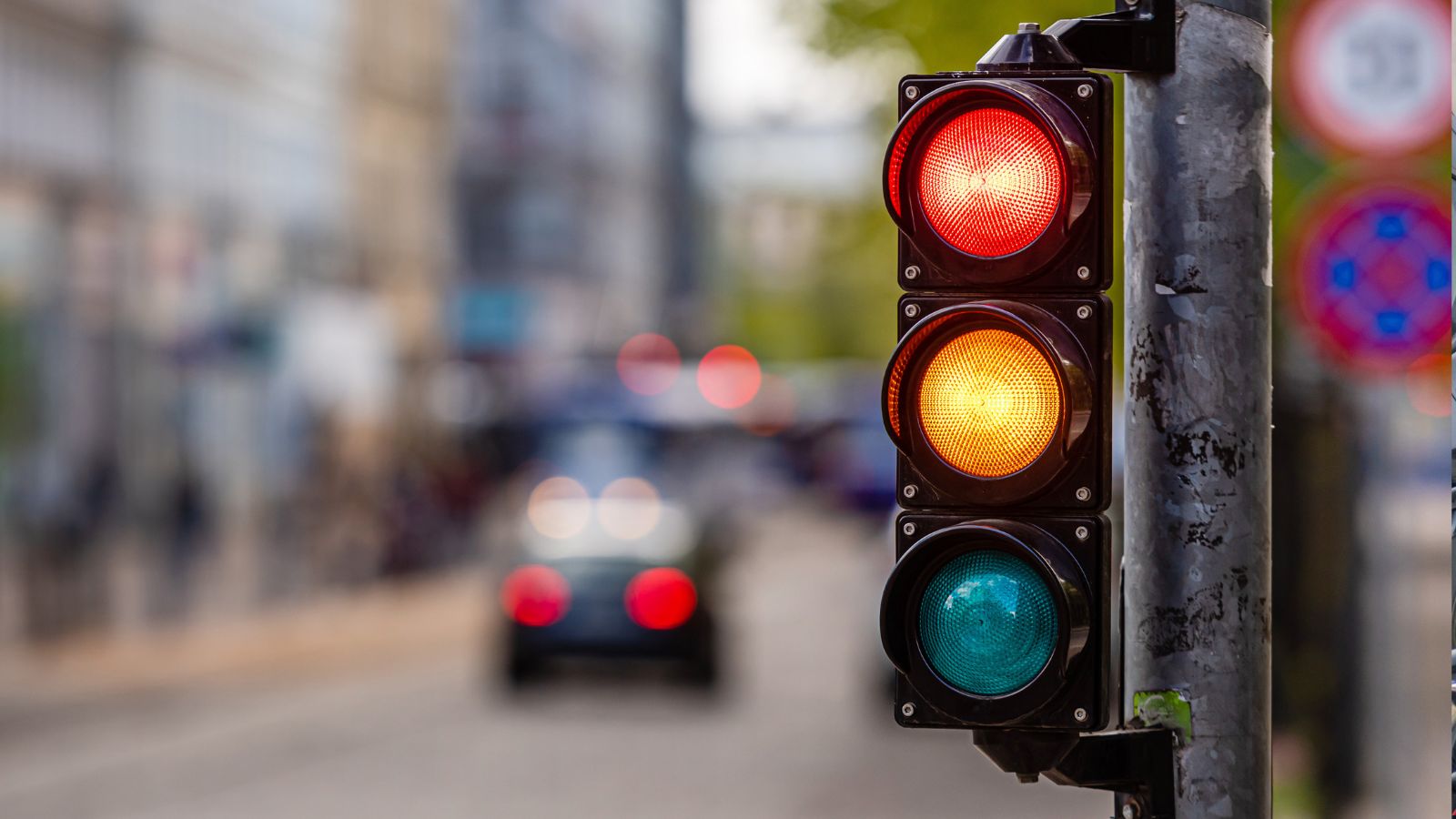
A rolling stop is one of the classic road-test failures because it turns a clear rule into a judgement problem. Stop signs require a complete stop, not a slow crawl that feels close enough. The vehicle should settle fully, usually before the stop line, crosswalk, or edge of the intersection, depending on what is present. New drivers sometimes underestimate how visible a rolling stop is from the passenger seat, where the examiner can feel the vehicle never fully pause.
This mistake is common in quiet residential areas, where the road seems empty and the driver’s confidence rises too quickly. A candidate may approach a four-way stop, see no traffic, and keep creeping while checking left and right. The examiner may mark that as failing to stop where required, especially if pedestrians or cross traffic could have been affected. A complete stop also creates time to scan properly. Without it, the driver is often rushing two tasks at once: stopping and deciding.
Driving Too Fast for the Limit
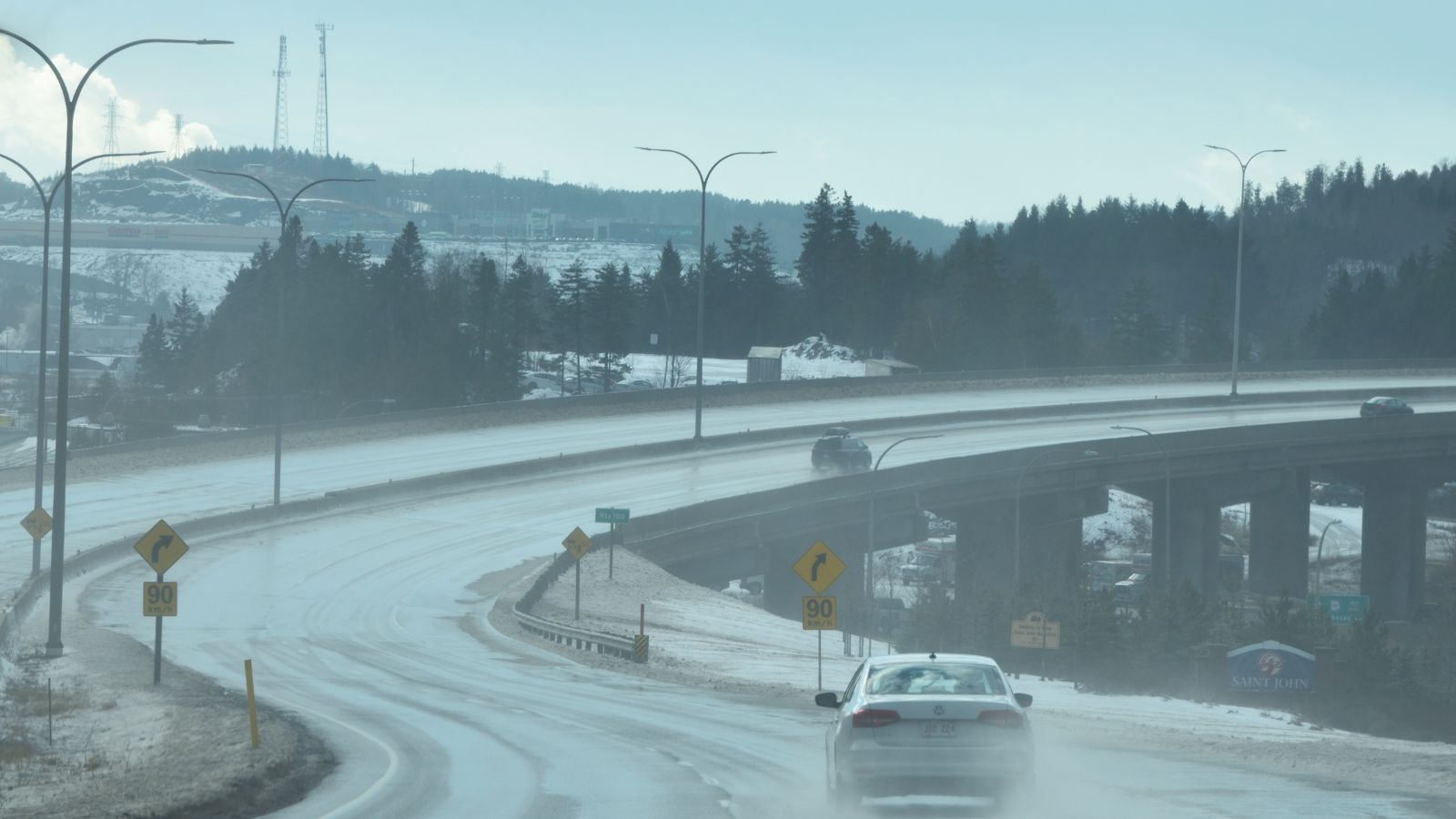
Speed errors can sink a road test quickly because they suggest the driver is not processing signs, road conditions, or risk. The issue is not only racing far above the limit. A few kilometres per hour over can become serious in school zones, playground zones, construction areas, or downhill stretches where speed creeps up without the driver noticing. ICBC has warned that speed maintenance is a key road-test issue, particularly where limits change suddenly.
The most difficult part for new drivers is that test routes often include varied zones on purpose. A candidate may move from a 50 km/h urban road into a 30 km/h school zone, then back to a faster arterial road within minutes. Missing one sign can make the whole drive look less controlled. Examiners want to see speed matched to posted limits and conditions, not guessed from surrounding traffic. A driver who notices the sign, eases off early, and holds a steady speed sends a much stronger safety signal.
Driving Too Slowly or Hesitating
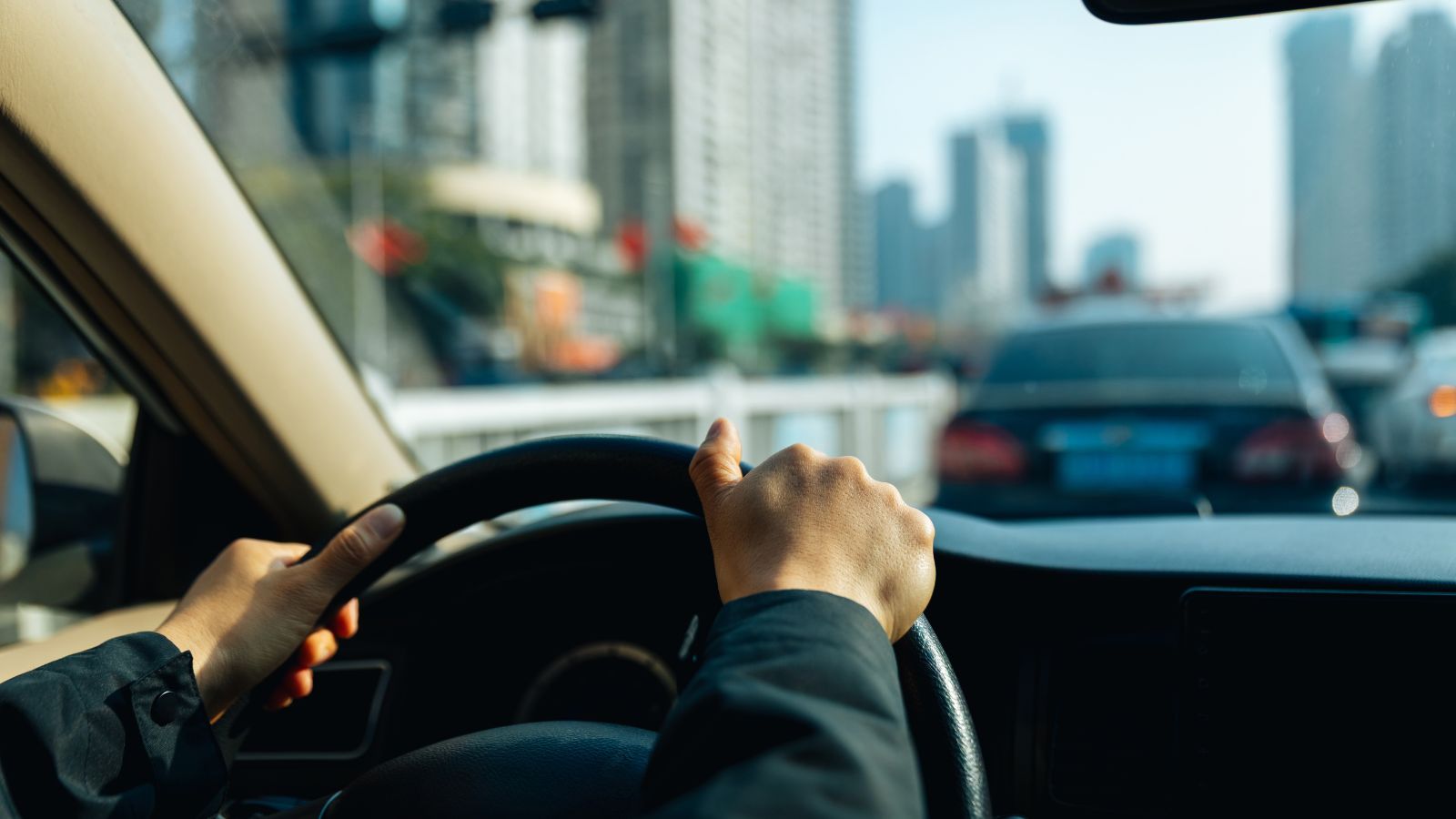
New drivers sometimes believe that slower always means safer. On a road test, driving far below the speed appropriate for conditions can create its own danger. It may frustrate drivers behind, interfere with traffic flow, or suggest the candidate cannot make decisions confidently. Alberta road-test guidance lists obstructing traffic as a possible automatic failure, including driving too slowly for conditions or failing to proceed when the driver has the right of way and traffic is affected.
This often happens at four-way stops, left turns, and lane changes. A candidate sees a safe gap but freezes, waits too long, then creates confusion for everyone else. The examiner is not asking for aggression; they are looking for calm, predictable movement. A hesitant driver may also invite other road users to make risky assumptions, such as waving them through or cutting around them. The better approach is measured decisiveness: scan, judge the gap, proceed smoothly, and avoid turning caution into obstruction.
Failing to Yield Properly
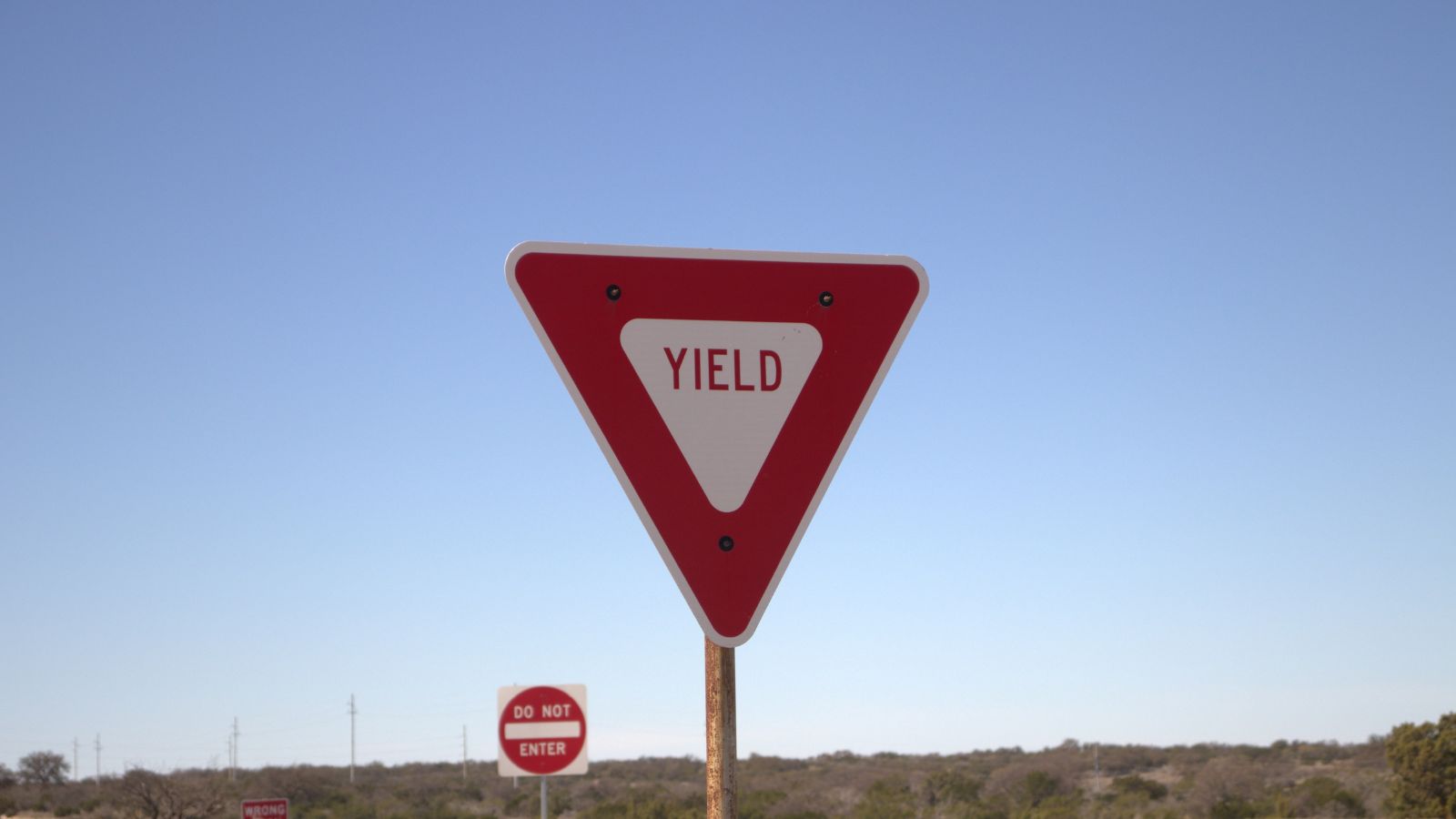
Right-of-way mistakes are serious because they can place another road user directly in conflict with the test vehicle. Yielding properly means understanding who has priority and acting early enough that nobody has to brake, swerve, or guess. Saskatchewan’s road-test information lists failure to yield to vehicles and pedestrians among reasons a driver can fail. This includes yield signs, left turns across traffic, uncontrolled intersections, crosswalks, and driveway exits.
A common example is a new driver turning left at a green light while an oncoming vehicle is closer than expected. Another is entering traffic from a side street and forcing a through driver to slow down. Pedestrians create another layer of risk, especially at marked crossings where a nervous driver may focus on vehicles and miss someone stepping off the curb. Examiners look for judgement, not just rule memorization. A successful driver makes yielding clear, early, and calm enough that others do not need to react defensively.
Unsafe Lane Changes

Lane changes test several skills at once: mirror use, shoulder checks, signalling, speed matching, lane position, and judgement of gaps. That makes them a frequent source of road-test trouble. A driver may do some parts correctly but fail the sequence. For example, signalling without checking the blind spot, drifting before the signal, or slowing sharply while entering a faster lane can all make the manoeuvre unsafe.
New drivers also struggle when traffic is moving quickly and the examiner gives an instruction such as “change lanes when safe.” The wording matters. It is not a command to move immediately; it is a request to find a safe opportunity. A candidate who forces the lane change because they feel rushed may create a dangerous situation. On the other hand, waiting forever when clear gaps appear can show poor confidence. Good lane changes are boring in the best way: signal, check mirrors, shoulder check, maintain speed, move smoothly, cancel signal.
Poor Merging Technique
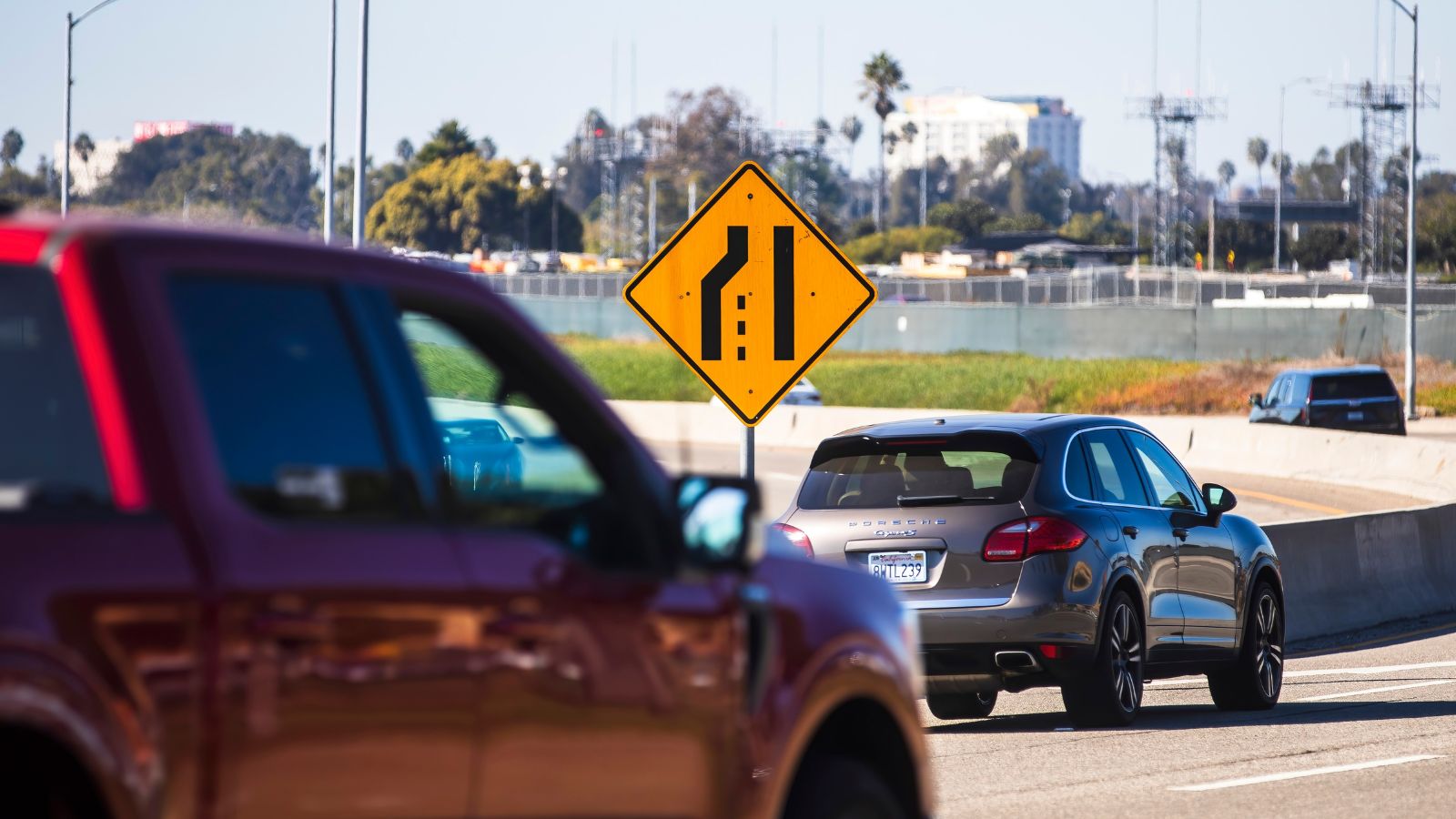
Merging onto a busier road or highway can expose whether a new driver understands traffic flow. The mistake may be entering too slowly, stopping unnecessarily at the end of an acceleration lane, or cutting into traffic without enough space. In provinces where higher-speed roads may be part of an advanced test, poor merging can become a major issue because other drivers have less time to react.
The human side of this mistake is easy to understand. New drivers often feel exposed during merging because vehicles are approaching quickly from behind. That anxiety can lead to either freezing or rushing. Examiners want to see controlled acceleration, early scanning, proper signalling, and a merge into a safe gap without forcing traffic to brake. A strong merge feels planned rather than improvised. The driver has already checked the mirrors, spotted the opening, adjusted speed, and entered the lane as part of traffic rather than as an interruption.
Not Scanning Intersections
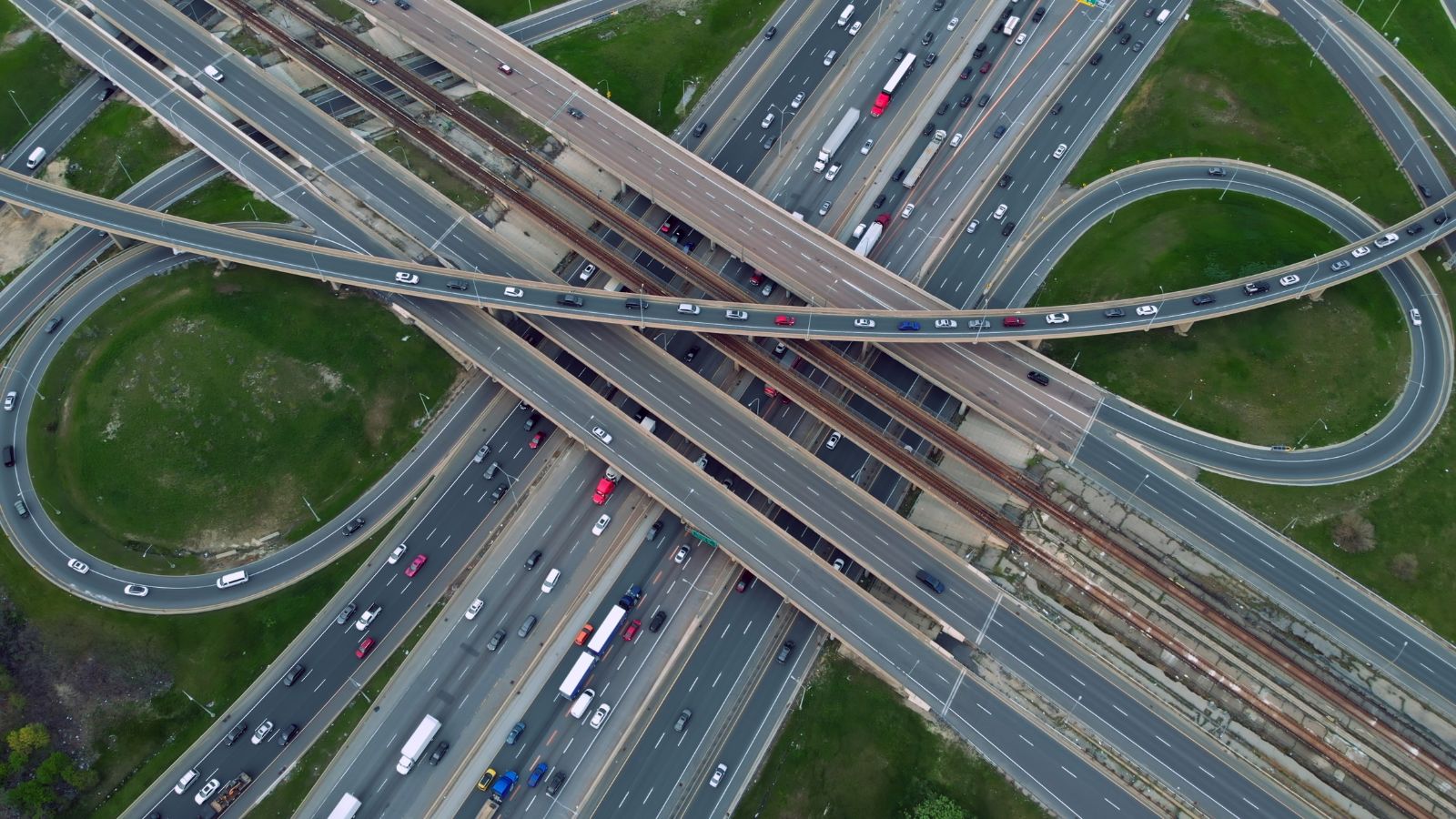
Intersections are among the most demanding places on a road test because hazards can come from every direction. A green light does not remove the need to scan. Drivers still need to look left, centre, right, and ahead for red-light runners, turning vehicles, pedestrians, cyclists, emergency vehicles, and blocked crosswalks. Ontario’s driver guidance emphasizes checking traffic in all directions before going into an intersection, a habit that examiners can see from the passenger seat.
This failure often happens when the driver becomes too focused on the signal. The light turns green, the candidate accelerates immediately, and the examiner sees no visible head movement. Another common mistake is entering an intersection before there is enough room on the other side, leaving the vehicle stuck if traffic stops. Strong candidates treat intersections as active risk zones. Even when they have the right of way, they scan before entering and keep checking while moving through.
Turning Into the Wrong Lane
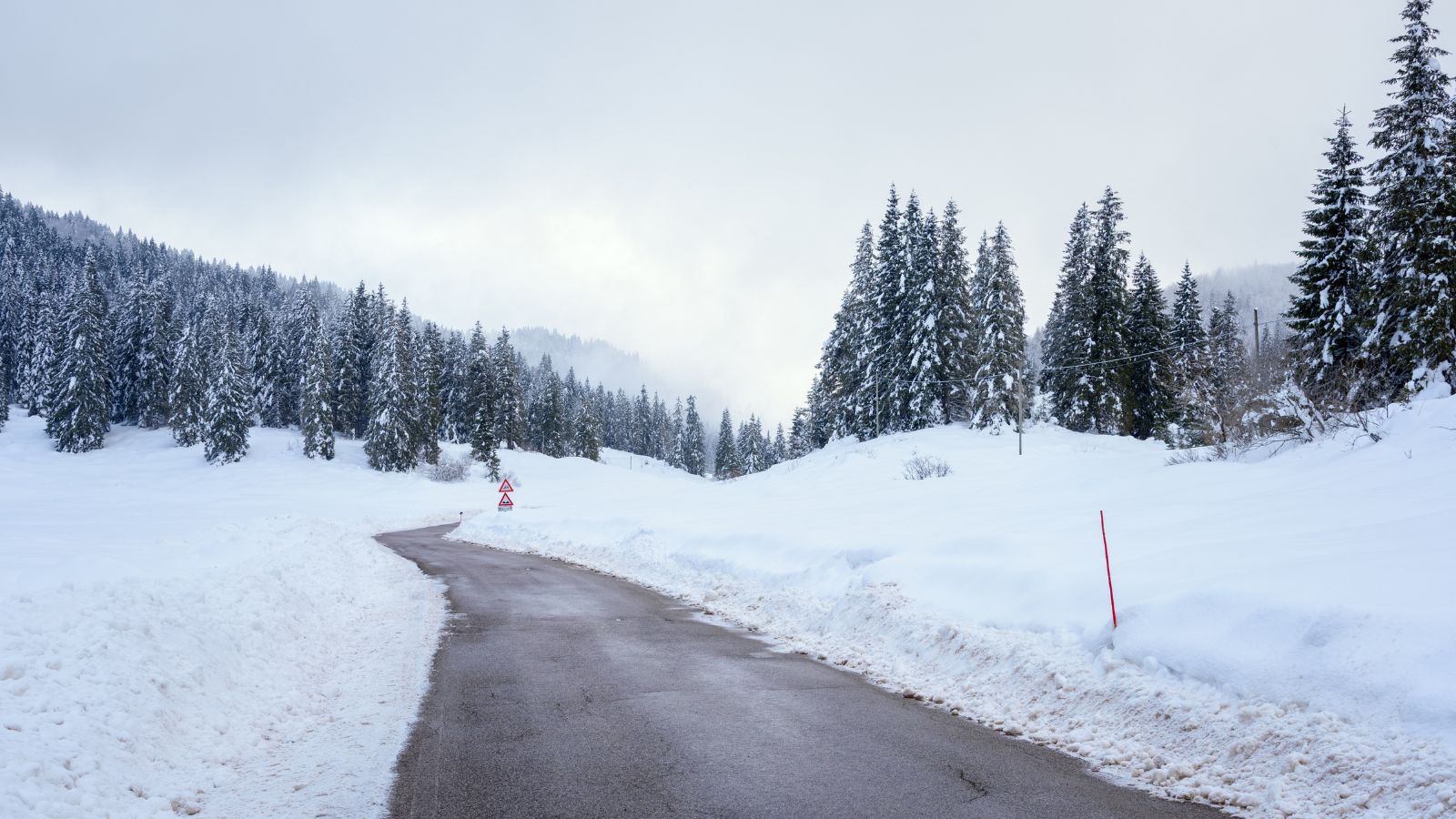
Turns look simple until lane choice enters the picture. A right turn should usually finish in the nearest safe lane, and a left turn must be completed according to the layout, markings, and local rules. New drivers sometimes swing wide, cut corners, cross lane markings, or finish in a lane that does not match their starting position. This can confuse nearby drivers and create side-swipe risk.
This mistake is especially common at larger intersections with multiple turning lanes. A candidate may begin in the correct lane but drift halfway through the turn because they are looking too far ahead or steering too late. Another example is cutting a right turn so tightly that the vehicle crosses near the curb or startles a cyclist. Examiners look for control, lane discipline, and awareness of pavement markings. A clean turn is not just about steering; it shows that the driver can read the intersection before committing.
Poor Parking Manoeuvres

Parallel parking, hill parking, reverse parking, and three-point turns can cause road-test failures because they reveal vehicle control at low speed. A driver does not usually fail for needing a small correction, but repeated uncertainty, unsafe backing, hitting the curb hard, failing to secure the vehicle, or forgetting to observe can add up quickly. SGI notes that Class 5 road tests include normal driving tasks and manoeuvres such as a highway turn-about.
Parking errors often begin before the wheels move. The driver forgets to check mirrors and blind spots, backs without looking over the proper shoulder, or focuses so hard on the curb that they ignore passing traffic. Hill parking adds another detail: wheel direction and parking brake habits matter because the vehicle must be left safely if it rolls. Examiners are not expecting perfection worthy of a driving-school diagram. They are looking for safe control, observation, correction, and awareness of other road users while manoeuvring.
Following Too Closely
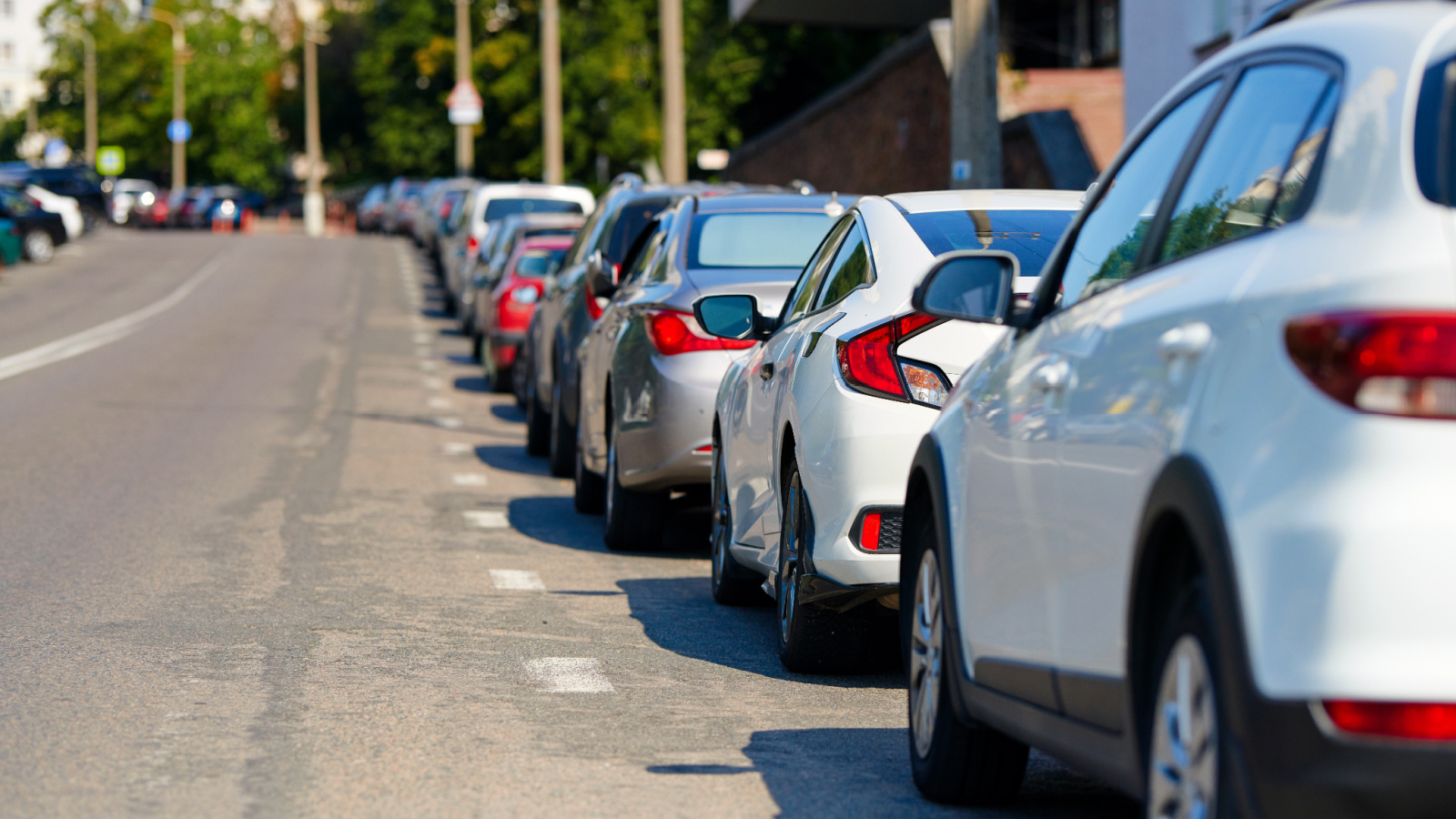
Following distance is easy to overlook during a test because new drivers are concentrating on route instructions, signs, and lane position. Yet tailgating is a clear safety concern. It reduces reaction time and makes smooth braking harder, especially in rain, snow, or stop-and-go traffic. Alberta driver-test advice identifies following too closely as a mistake to avoid, and provincial demerit systems commonly treat it as a safety offence.
A typical road-test example happens on a busy arterial road. The candidate matches the vehicle ahead but forgets to leave a buffer. When traffic slows, the candidate brakes sharply, making the ride feel tense and reactive. Examiners notice that pattern because safe drivers manage space before they need it. A proper gap also helps with visibility; the farther back a driver is, the better they can see signs, brake lights, pedestrians, and lane changes ahead. Space is not wasted road. It is reaction time stored in advance.
Late or Missing Signals
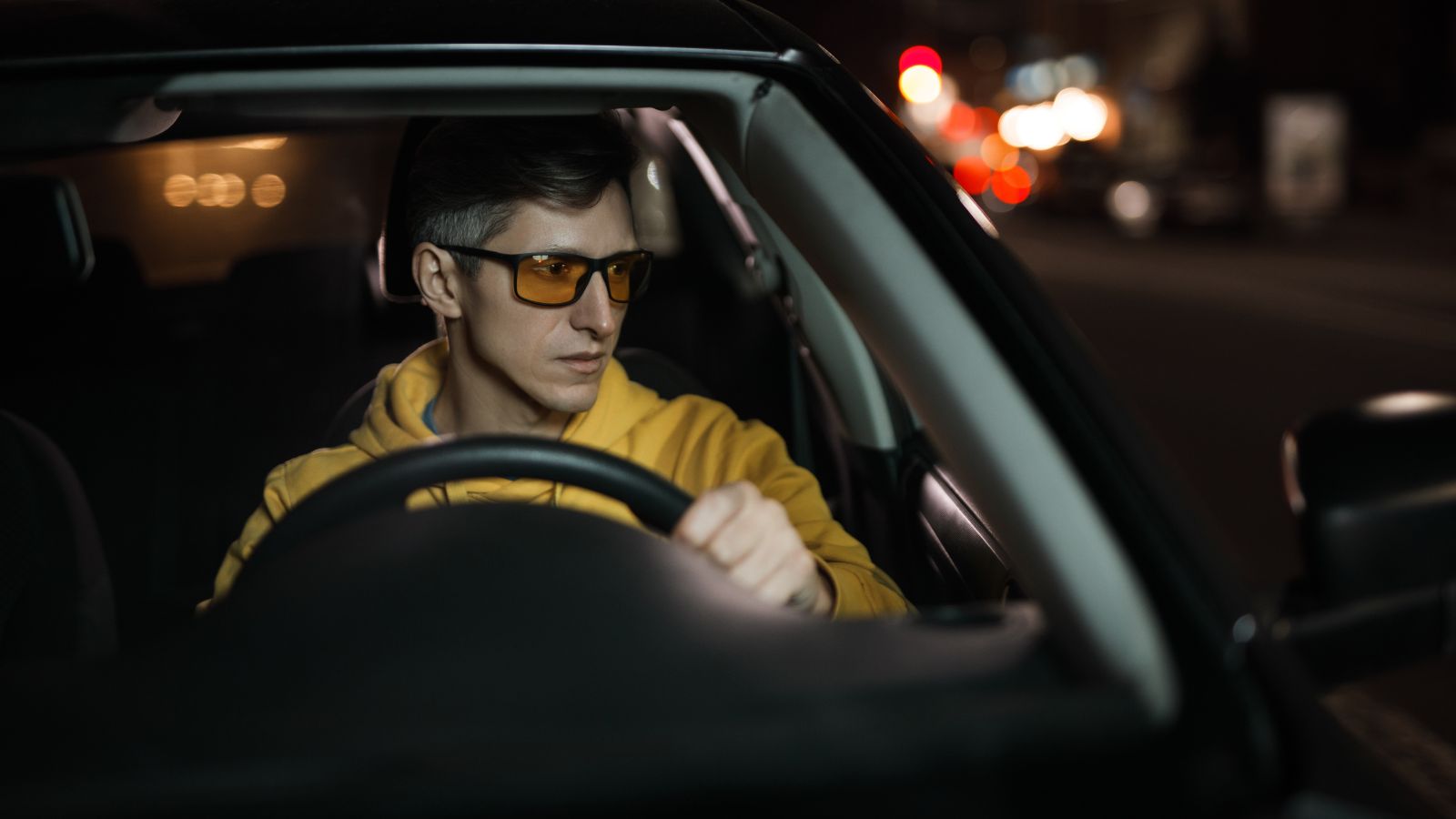
Signals are one of the simplest tools on the vehicle, but they are also one of the easiest to misuse under pressure. A missing signal can surprise other road users, while a late signal gives them too little time to respond. A signal left on after a lane change or turn can create confusion by suggesting the driver intends to move again. Examiners watch for signalling because it shows communication, not just technical compliance.
The most common problem is timing. A new driver may signal after already braking for a turn, which gives the vehicle behind less warning. Another may signal correctly for a lane change but forget to cancel it, making the next block unpredictable. In parking manoeuvres, candidates sometimes skip signals entirely because the speed is low. That is risky thinking. Road tests reward predictable behaviour. A good signal says, “Here is the plan,” before the vehicle’s movement makes the plan obvious.
Drifting or Poor Lane Position
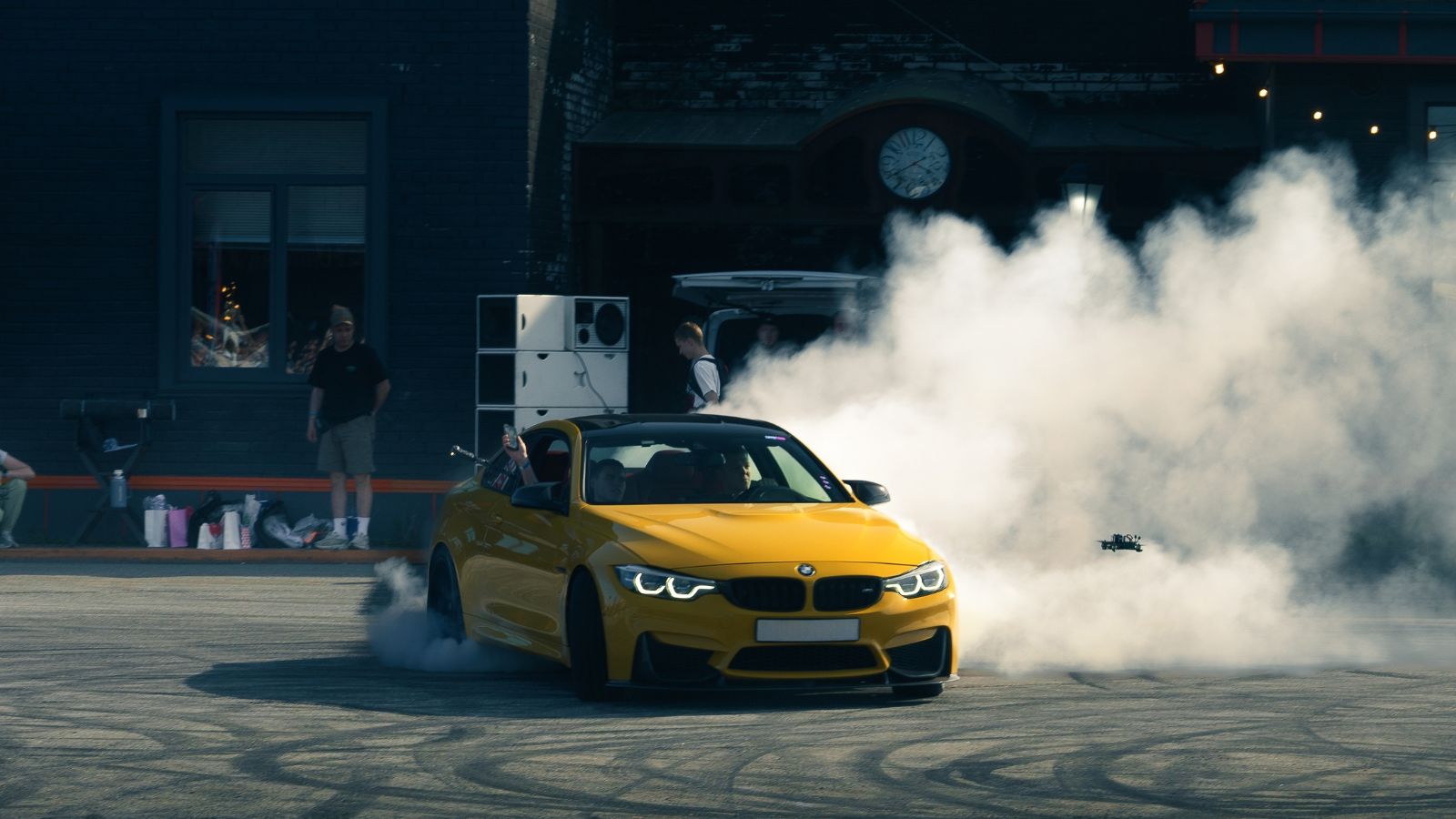
Lane position tells an examiner a lot about a driver’s comfort with the vehicle. Drifting toward the centre line, hugging parked cars, riding too close to the curb, or straddling lane markings can suggest weak steering control or poor spatial awareness. This becomes more concerning on narrow streets, near cyclists, or beside parked vehicles where an opening door can suddenly become a hazard.
New drivers often drift because their eyes are fixed too close to the hood instead of looking farther down the road. Others overcorrect after noticing they are off-centre, creating a weaving pattern. The issue may seem minor at first, but repeated lane-position errors can accumulate. A candidate may be obeying the speed limit and signalling correctly, yet still appear unsafe because the vehicle never feels settled in its lane. Strong lane discipline is quiet evidence of control. The vehicle tracks smoothly, leaves sensible space, and avoids sudden steering corrections.
Ignoring Weather and Road Conditions
Canada’s driving environment can change dramatically by province, season, and even hour. Rain, slush, ice, fog, glare, and road spray all affect visibility and traction. A road test may not be cancelled just because conditions are imperfect, so drivers must adjust. Ontario guidance advises slowing down when visibility is reduced, and Saskatchewan’s handbook notes that weather can affect traction, visibility, and vehicle control.
The road-test mistake is assuming the posted speed is always the target. In poor weather, the safe speed may be lower than the limit. A candidate who drives at normal dry-road speed through heavy rain may look less aware, even if they are technically under the posted limit. Conditions also affect braking distance and following space. Examiners want to see that the driver notices the environment and adapts without panic. Smooth steering, earlier braking, wider space, and careful scanning show that the candidate understands Canadian roads as they are, not just as they appear in practice diagrams.
Getting Distracted Inside the Vehicle
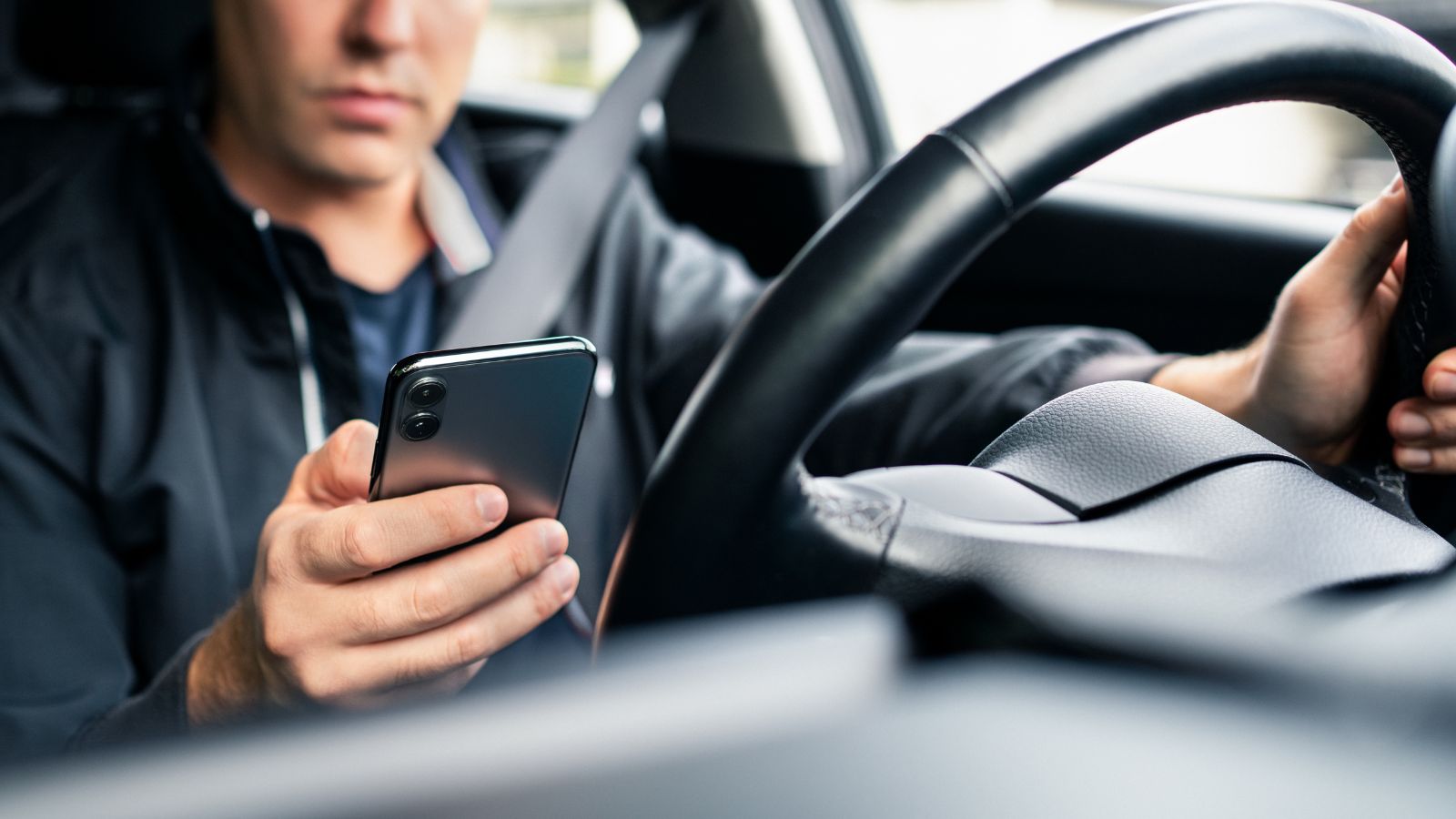
Distraction during a road test can be obvious, such as touching a phone, or subtle, such as fiddling with climate controls, staring at the dashboard, or letting nerves pull attention away from traffic. Alberta road-test advice is blunt about distraction: a ringing phone can distract a driver, and answering it during a test can lead to failure. Even hands-free behaviour can be inappropriate in the test environment because the candidate’s full attention should be on driving.
New drivers sometimes underestimate how little distraction it takes to change the quality of a drive. Looking down for two seconds near an intersection can mean missing a pedestrian, a signal change, or a vehicle braking ahead. The examiner does not need to see a crash risk develop to mark the behaviour as unsafe. A well-prepared candidate sets the cabin before leaving: phone away, mirrors adjusted, seat set, defroster understood, and unnecessary controls left alone. The safest road test is not multitasked.
Bringing an Unfit Vehicle
Some road tests fail before the driving even begins because the vehicle does not meet requirements. In Ontario, DriveTest says the examiner performs a basic vehicle check and may declare the test out-of-order if the vehicle does not meet standards. Problems can include defective lights, unsafe tires, horn issues, windshield concerns, missing plates, or other safety-related defects. This can be especially frustrating because the candidate may have practised well but never gets a chance to show it.
Borrowed vehicles create extra risk because the test-taker may not know the car’s quirks. A brake light could be out, the registration documents may be missing, or a dashboard warning light may appear at the wrong moment. The practical lesson is simple: the vehicle is part of the test preparation. A full check the day before can prevent a wasted appointment fee and a disappointing reschedule. Safe driving starts with a vehicle that is legally and mechanically ready to be examined.
Panicking After One Mistake
A road test does not always collapse because of the first error. It often collapses because the driver keeps thinking about it. SGI’s guidance for supervising new drivers notes that mistakes can happen during a road test and that focusing on one mistake can lead to more errors. This is a major human factor: a candidate misses a mirror check, feels embarrassed, then starts rushing, braking sharply, or forgetting routine steps.
Examiners are trained to evaluate the whole drive, including how a driver recovers. A small correction, a slightly wide turn, or a moment of hesitation may not be fatal if the candidate returns to safe, steady driving. The danger is emotional snowballing. New drivers who replay the error in their head stop processing the road in real time. The best recovery is boring: breathe, keep scanning, follow the next instruction, and drive the current block. Composure is a safety skill, not just a personality trait.
Misreading Pedestrians and Cyclists
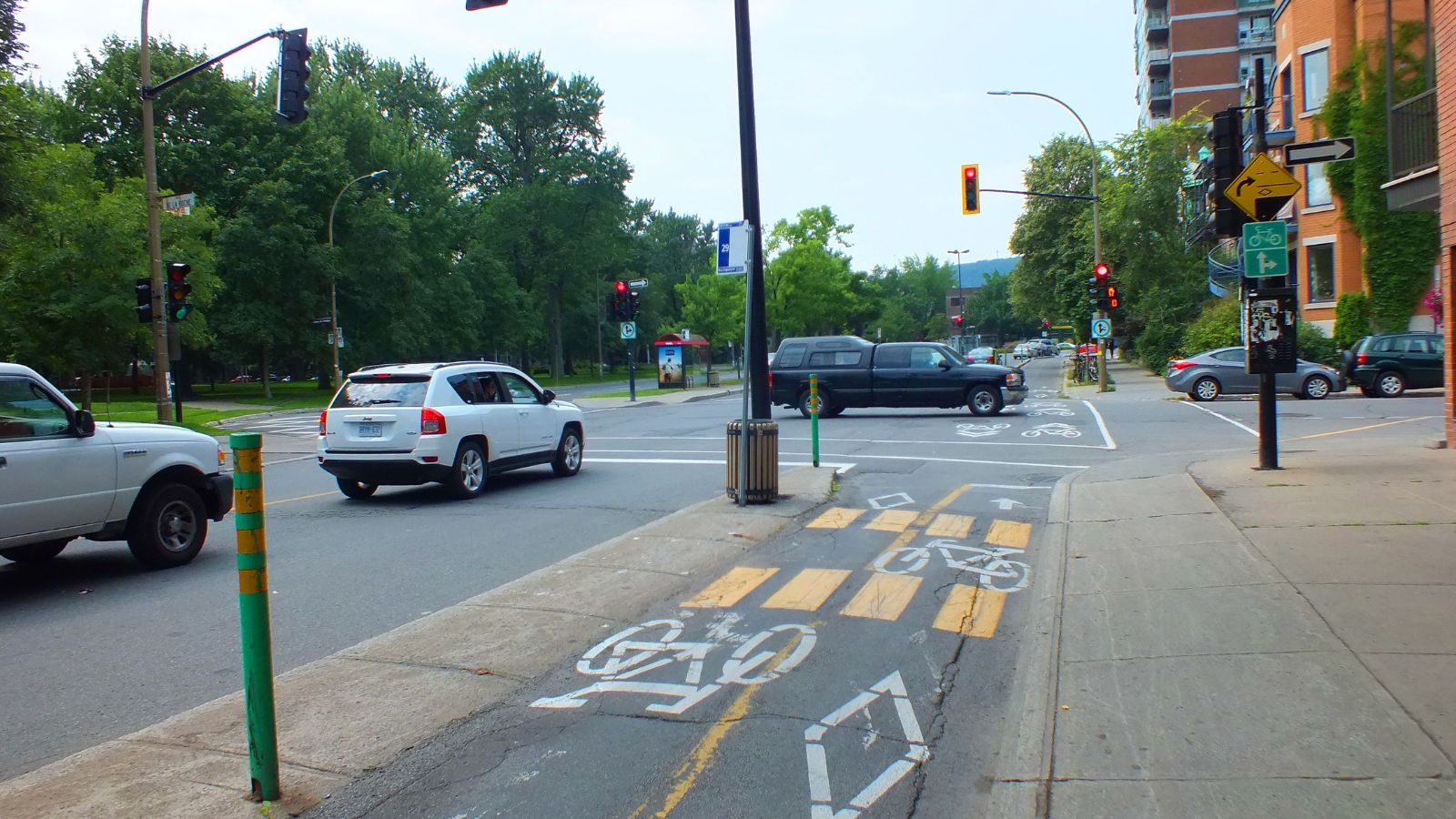
Pedestrians and cyclists can turn an ordinary road-test route into a complex judgement exercise. Crosswalks, school areas, bus stops, bike lanes, and right turns all demand careful observation. Saskatchewan’s road-test fail criteria include failure to yield to pedestrians, and Ontario’s guidance reminds drivers to check mirrors and blind spots before changing direction. These rules are especially important in dense neighbourhoods where vulnerable road users may be close to the vehicle.
A common failure pattern happens during a right turn. The driver checks vehicle traffic, sees a gap, and begins turning without looking for a cyclist approaching from behind or a pedestrian stepping into the crosswalk. Another appears when a driver stops too far into a crosswalk, forcing pedestrians to walk around the vehicle. Examiners treat these moments seriously because the risk is not theoretical. A safe candidate makes vulnerable road users visible in their routine: scan sidewalks, check bike lanes, stop behind lines, and never rush a turn through a crosswalk.
22 Things Canadians Do to Their Cars in Spring That Mechanics Hate
Spring brings relief to many Canadian drivers after months of snow, freezing temperatures, and icy roads that put serious strain on vehicles. As temperatures rise across the country, drivers begin washing cars, switching tires, and preparing vehicles for warmer weather and upcoming road trips. However, mechanics across Canada notice the same mistakes every spring when drivers attempt to recover from winter damage. Road salt, potholes, and harsh winter driving conditions often leave vehicles with hidden problems that drivers ignore. Some spring habits even create new mechanical issues that could have been avoided with proper maintenance. Here are 22 things Canadians do to their cars in spring that mechanics hate.