





















Driving depends on a quiet form of cooperation. Strangers moving several thousand pounds of machinery at highway speeds have to trust signals, spacing, lane position, and countless small clues about what surrounding motorists plan to do next. When those clues disappear—or suggest aggression—that trust can vanish almost immediately.
Recent road-safety research shows how common the problem has become. A 2025 AAA Foundation study found that 96% of surveyed U.S. drivers acknowledged at least one aggressive-driving or road-rage behaviour during the previous year. Not every irritating habit is equally dangerous, but unpredictability makes traffic harder for everyone to read. These 19 driving habits are especially effective at making nearby motorists give a vehicle extra room, hesitate before merging beside it, or simply assume trouble may be coming.
Tailgating Another Vehicle
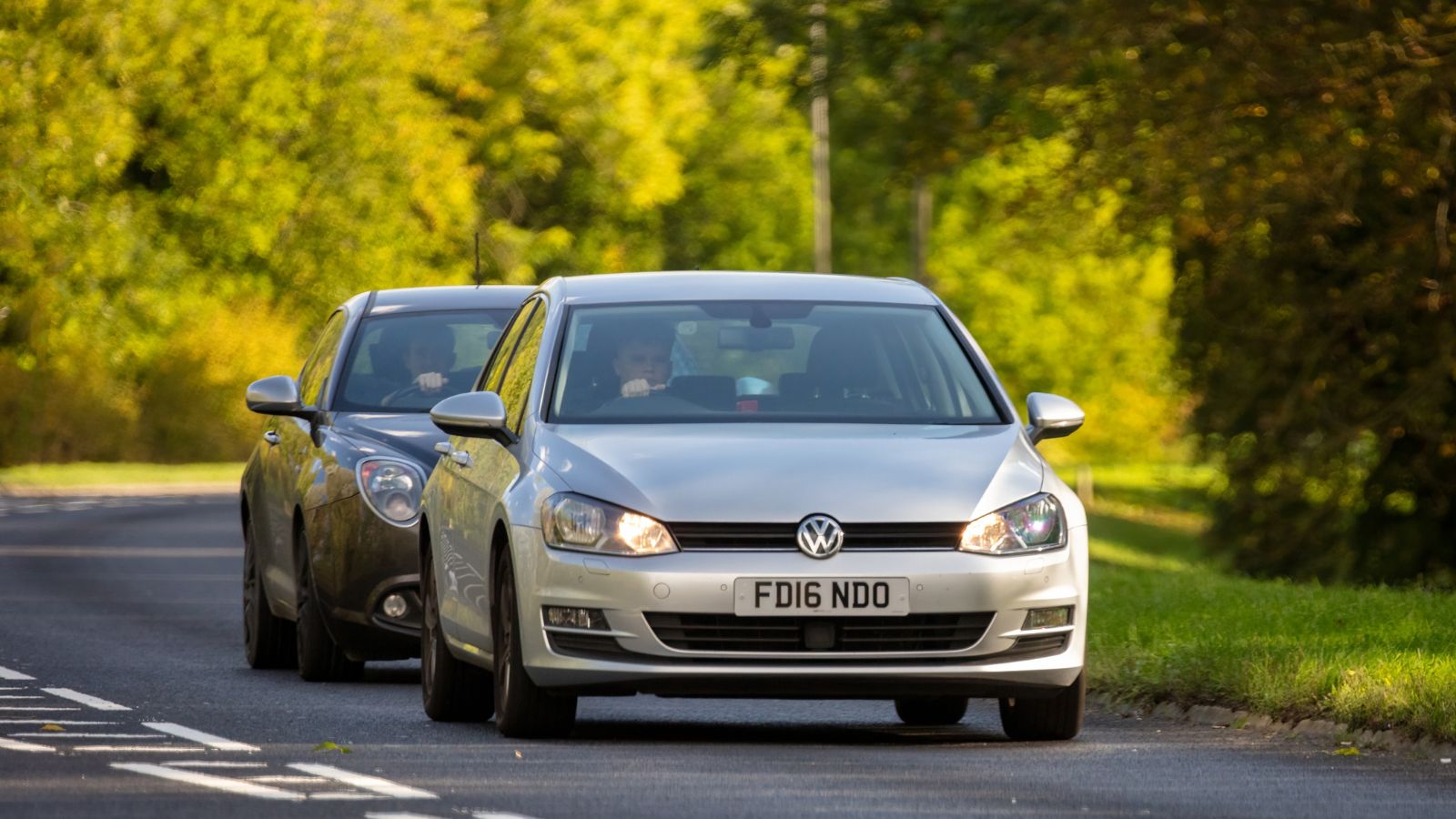
Nothing communicates impatience quite like a vehicle sitting only a few metres from the bumper ahead. Even when the tailgating driver believes everything is under control, the person in front has no way of knowing whether that driver is alert, distracted, angry, or simply underestimating stopping distance. The result is immediate uncertainty. A routine slowdown suddenly feels as though it could become a rear-end collision.
Ontario’s driver guidance recommends a minimum two-second following distance in ideal conditions, with additional space needed in bad weather or other difficult circumstances. Tailgating removes exactly that safety cushion. It also appears repeatedly in aggressive-driving research: an earlier AAA Foundation study found that roughly half of U.S. drivers surveyed admitted deliberately following another vehicle too closely at least once during the previous year. A driver who hangs back communicates patience and control. One who fills the rear-view mirror communicates the opposite, even before anything dangerous actually happens.
Skipping Turn Signals
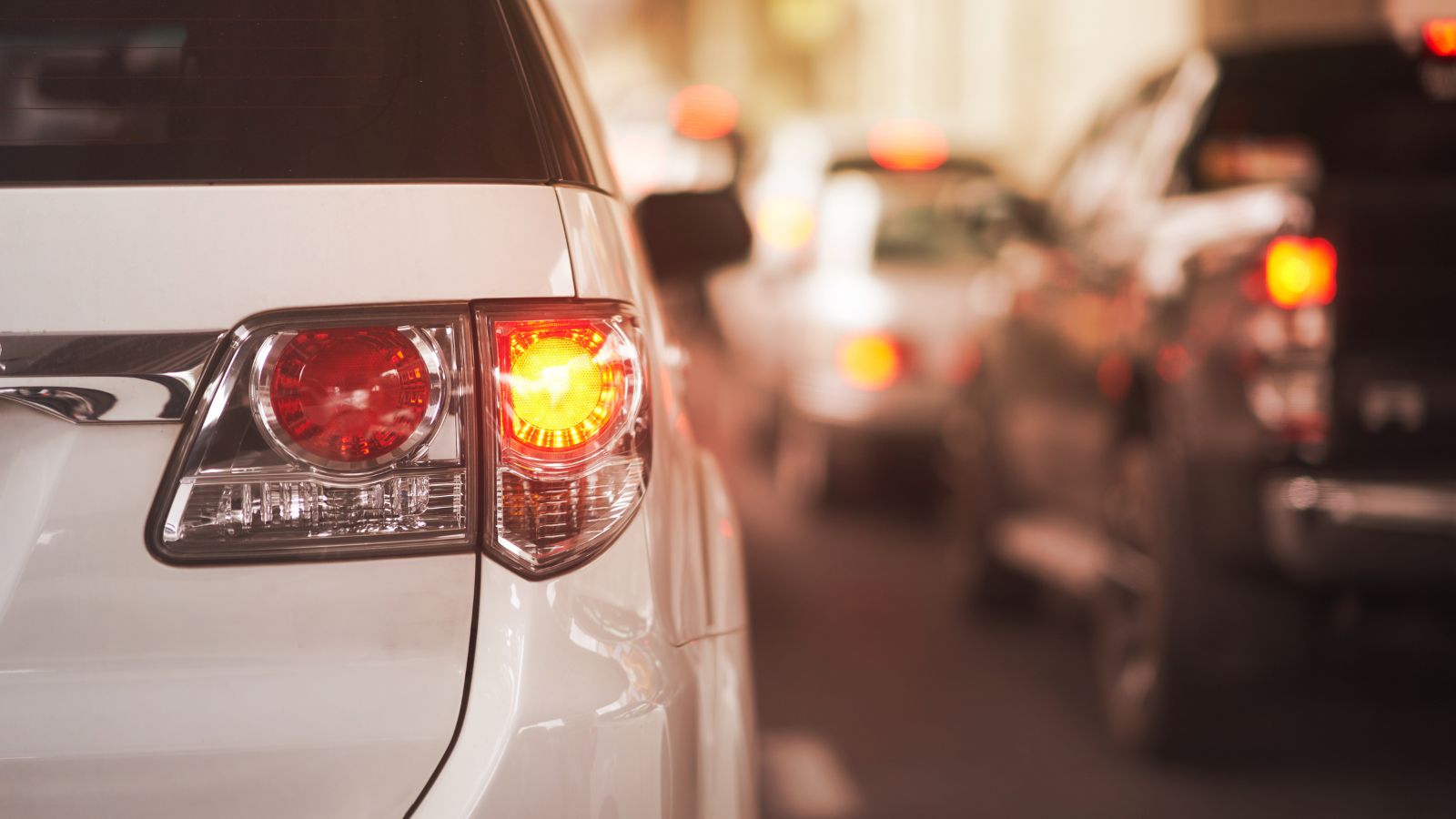
A turn signal is a remarkably small device carrying an important message: this vehicle is about to do something different. When the signal never appears, surrounding motorists have to discover that intention through movement alone. A car suddenly drifting left may be changing lanes, avoiding debris, losing concentration, or correcting its position. Until another driver knows which explanation is correct, caution usually replaces trust.
Research using naturalistic highway-driving data has found substantial inconsistency in signalling. A 2023 study reported that drivers activated the signal before a lane change in about 60% of observed cases, activated it only after beginning the manoeuvre in another 33%, and failed to use it in 7%. Ontario guidance specifically tells drivers to signal before changing lanes and to give surrounding traffic enough time to react. Signalling does not grant the right-of-way, but it removes ambiguity. A driver who repeatedly changes direction without communicating forces everyone nearby to become a detective at precisely the moment they should be concentrating on traffic.
Weaving From Lane to Lane

One lane change may be perfectly ordinary. Five rapid lane changes in a kilometre tell a very different story. A weaving driver constantly changes the geometry around nearby vehicles, appearing in blind spots, closing gaps and forcing other motorists to reconsider where that car will be a few seconds later. Even people who are not directly affected often begin creating extra space around it.
Ontario’s driver handbook specifically advises motorists to avoid unnecessary lane changes and weaving, noting that doing so increases collision risk, particularly in heavy traffic or poor weather. Research on freeway weaving areas likewise treats frequent lane changes as a significant source of traffic conflict. The AAA Foundation’s current Traffic Safety Culture Index groups rapid lane changes and close following among aggressive-driving behaviours. None of this means every multi-lane manoeuvre is reckless. Sometimes traffic requires several changes. What destroys confidence is the repeated hunt for tiny advantages—left, right, left again—because everyone else must continuously predict what the weaving driver will try next.
Speeding Up When Someone Tries to Pass
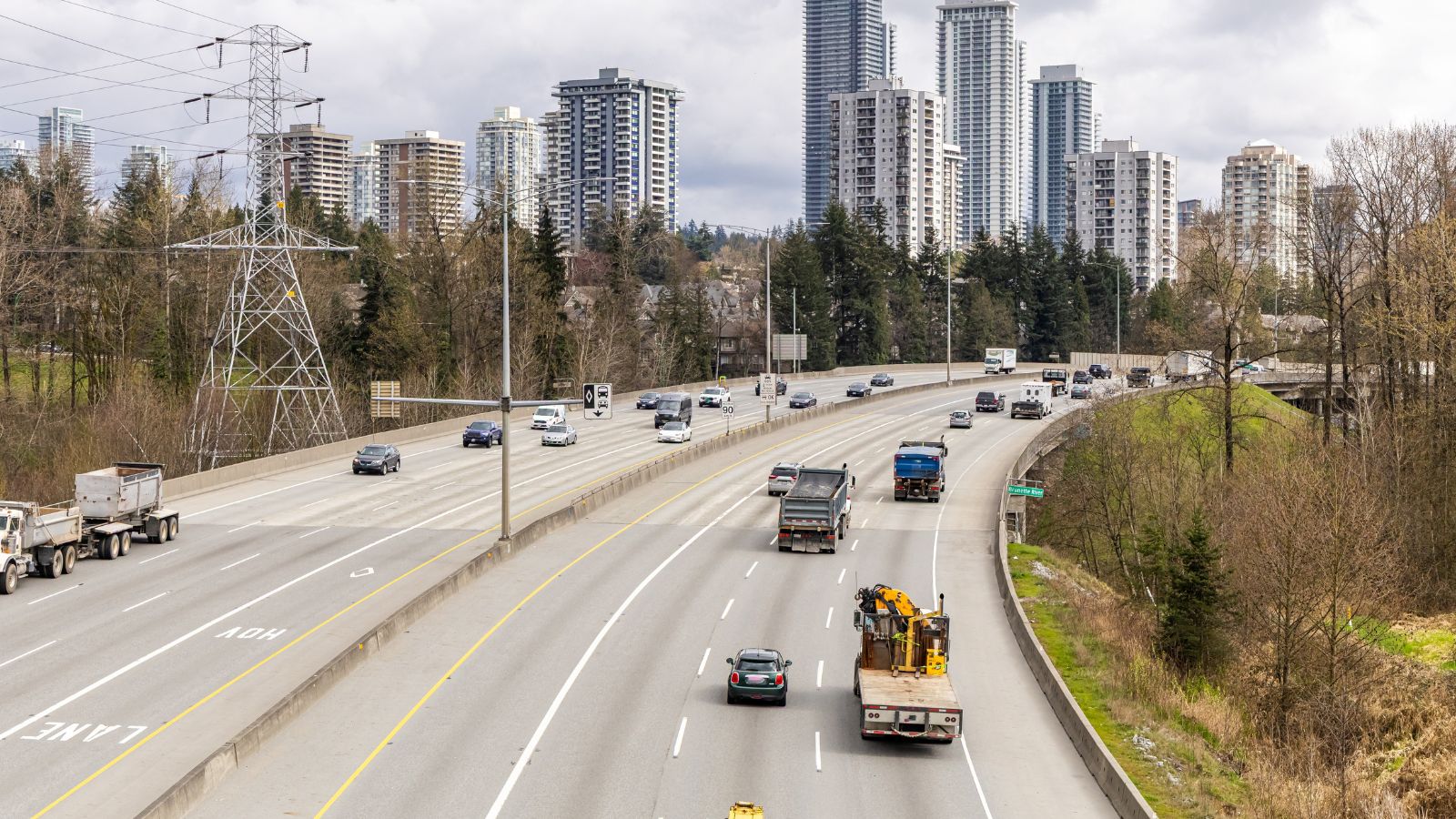
A driver travelling at a steady pace may barely notice another vehicle approaching from behind. But if the slower vehicle suddenly accelerates the moment someone attempts to pass, the situation changes from normal traffic movement into what can look like a competition. The passing driver now has less distance to complete the manoeuvre, while approaching traffic or an upcoming lane reduction may suddenly become more relevant.
Road-safety guidance consistently discourages turning ordinary traffic into a contest. Ontario specifically identifies driving to prevent another vehicle from passing among dangerous aggressive-driving behaviours. Its guidance on road rage also tells motorists not to compete or retaliate against other drivers. The safest response to being passed is usually boring: maintain a predictable speed and allow the other vehicle to complete the manoeuvre safely. Deliberately closing the opportunity sends a very different message. Other motorists cannot know whether the behaviour will stop with acceleration or escalate into blocking, tailgating, cutting off, or another retaliatory move, so trust disappears quickly.
Cutting In With Almost No Gap
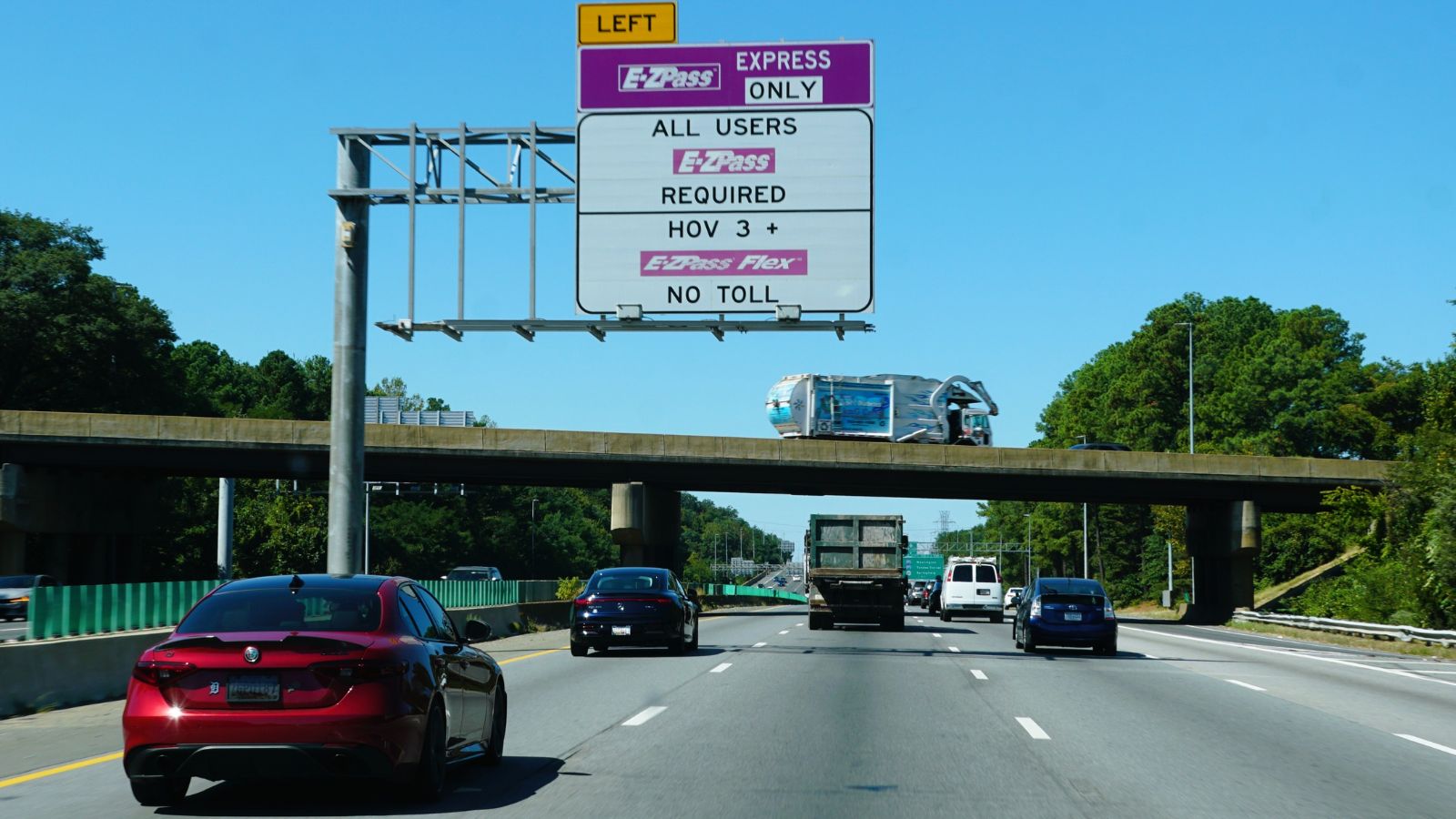
A lane change can be technically completed without being comfortably completed. The difference becomes obvious when a vehicle squeezes into a gap so small that the driver behind immediately has to brake. From inside the merging vehicle, the move may feel efficient. From behind, it feels like someone else just decided how much stopping distance another driver is allowed to have.
Ontario’s driver handbook warns against sudden lane changes and cutting in front of other vehicles. It advises drivers to check mirrors and blind spots, signal, confirm that no vehicle is approaching too quickly, and steer gradually into the new lane. Research on freeway weaving sections similarly finds that lane-changing conflicts become an important safety issue where vehicles interact closely. The social problem is just as significant as the mechanical one: cutting in transfers risk to somebody else. Drivers who leave a generous gap communicate that they have seen surrounding traffic and accounted for it. Drivers who repeatedly occupy whatever space physically fits their vehicle can quickly look as though everyone else is expected to compensate.
Brake-Checking

Few actions change the mood of a drive as quickly as deliberate, unnecessary braking in front of another vehicle. A brake-check can be intended as a warning to a tailgater, an expression of irritation, or an attempt to force somebody to back away. To the driver behind, however, the intention matters much less than the possibility of suddenly running out of stopping distance.
AAA Foundation research into aggressive driving found that drivers themselves identify sudden retaliatory braking and brake-checking among behaviours associated with aggression. Ontario’s guidance offers a very different model for dealing with a close follower: avoid quick changes, maintain control and reduce speed gradually when necessary rather than trying to teach the other driver a lesson. That distinction matters. A brake light should normally communicate a genuine need to slow down. When it becomes a weapon in an argument, the shared language of traffic stops working. Even motorists who did nothing to provoke the incident may give both vehicles a wide berth because they cannot predict how the confrontation will escalate.
Camping in the Left Lane
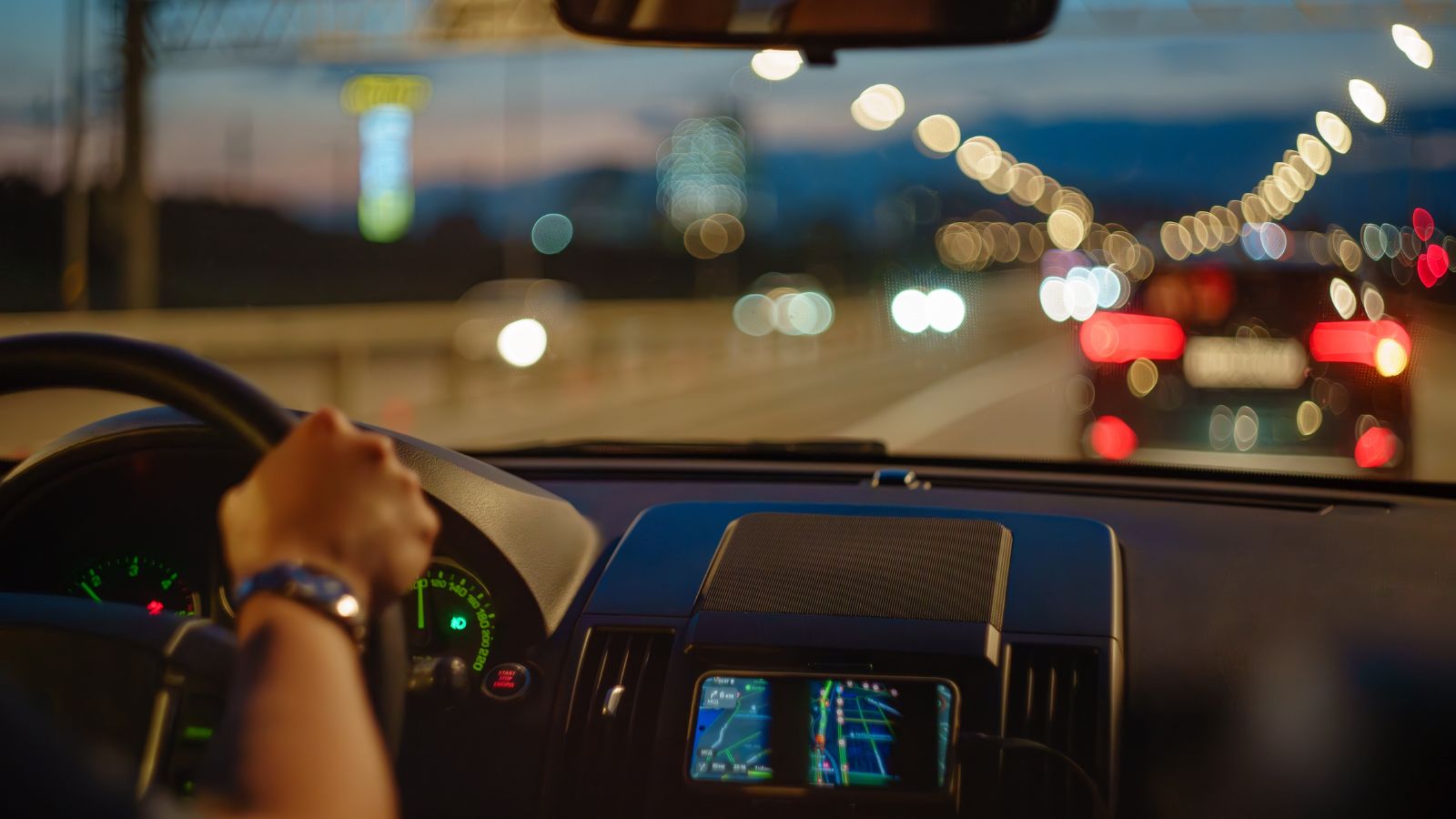
A vehicle can be travelling legally and still create a long line of frustrated motorists behind it. On multi-lane freeways, this often happens when someone enters the far-left lane and simply stays there while faster traffic accumulates. The resulting distrust is not necessarily about speed. It is about whether the driver is watching mirrors, understanding traffic flow, or intentionally preventing others from passing.
Ontario’s freeway guidance says traffic should generally keep right and use left lanes for passing. It specifically advises drivers using the far-left lane to pass slower traffic not to remain there afterward. A driver who moves over when the pass is finished communicates awareness of the vehicles behind. One who remains planted in the lane while several cars begin passing on the right can appear oblivious or confrontational. The situation may then encourage additional lane changes around the slower vehicle, adding complexity to the traffic stream. Predictability improves when lanes have understandable purposes, and trust suffers when one driver seems determined to ignore that informal choreography.
Constantly Changing Speed
Following someone whose speed drifts up and down can be surprisingly exhausting. One moment the gap opens; seconds later it disappears. The vehicle slows on a mild bend, accelerates when the road straightens, drops speed again for no visible reason and then accelerates as soon as someone tries to pass. Drivers behind begin watching the brake lights more intensely because maintaining a stable following distance becomes harder.
Ontario’s freeway guidance describes a safe driver as travelling at a steady speed while looking ahead and anticipating developing conditions. Its testing standards similarly emphasize smooth acceleration, gradual braking and blending with surrounding traffic. A steady speed does not mean blindly maintaining one number regardless of weather, congestion or hazards. Safe drivers constantly adjust when conditions require it. What worries other motorists is speed variation without an obvious reason. It can suggest distraction, uncertainty, fatigue or poor situational awareness. When another driver cannot distinguish among those possibilities, the sensible reaction is usually to increase the gap and avoid travelling directly beside the erratic vehicle.
Entering a Freeway Too Slowly
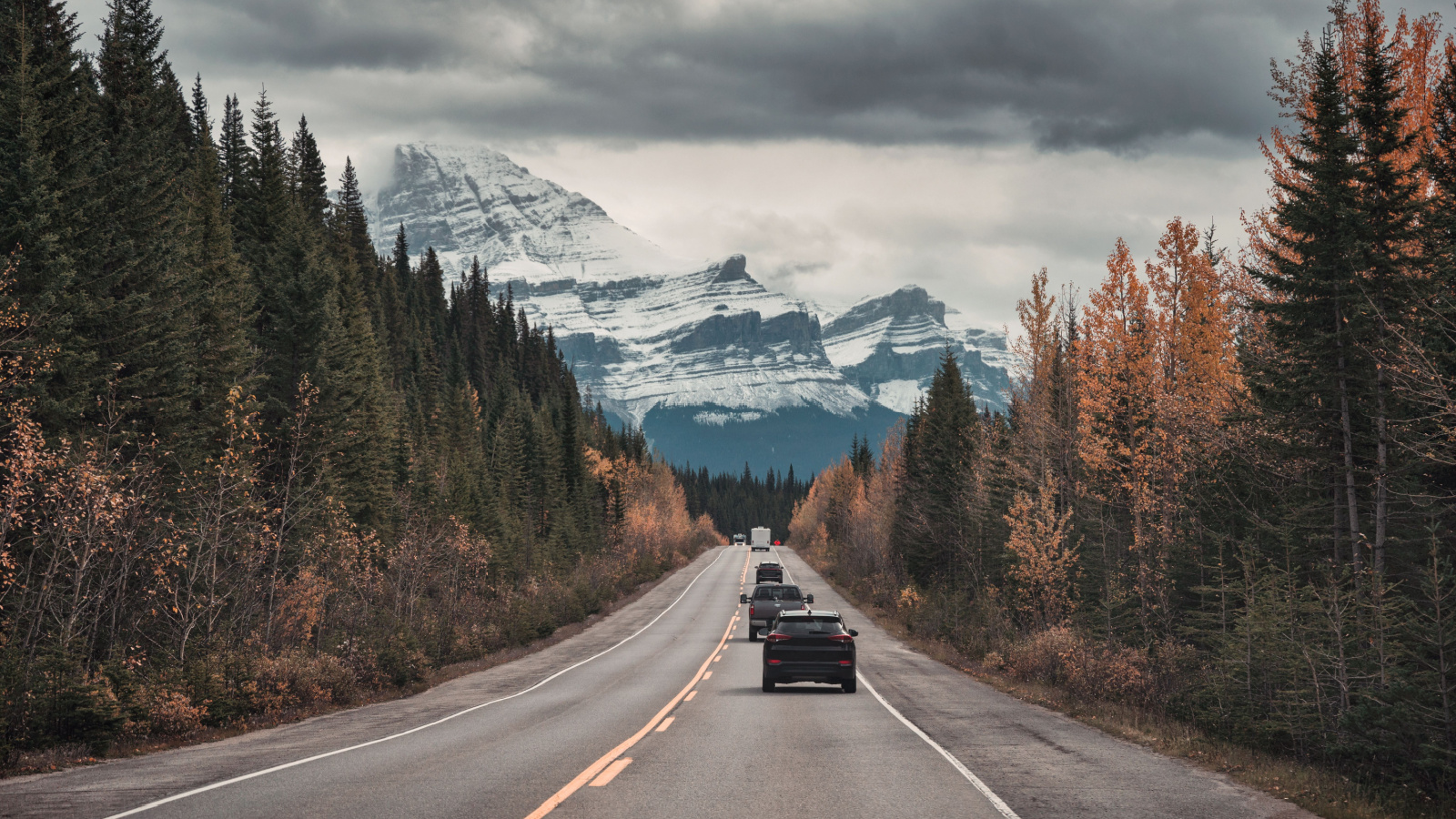
Acceleration lanes exist for a reason. A vehicle joining 100-km/h traffic at dramatically lower speed forces everyone involved to solve a difficult spacing problem in very little time. The merging driver may be waiting for what feels like a perfectly safe opening, while freeway traffic sees a slow-moving obstacle approaching the lane boundary with the end of the ramp getting closer.
Ontario’s driver handbook instructs motorists to use the acceleration lane to increase speed until it matches freeway traffic, then signal and merge smoothly. The ministry’s road-test standards similarly emphasize controlling speed so the vehicle blends with the flow. None of that requires exceeding the speed limit or accelerating recklessly. It means minimizing unnecessary speed differences between vehicles that are about to share a lane. A driver who reaches an appropriate speed early is easier to accommodate because others can judge where the merge will happen. Someone who hesitates, brakes or nearly stops on an otherwise clear acceleration lane becomes much harder to read—and motorists already on the freeway may immediately start preparing for an unpredictable entry.
Refusing to Cooperate at a Merge

Merges reveal how much driving depends on cooperation. One vehicle needs space; another has the ability to provide it. Trouble begins when motorists deliberately close gaps, race one another to the narrowing point, or treat the end of a lane as a contest that somebody must win. Even a minor act of resistance can cause several vehicles behind to brake and rearrange themselves.
The correct merging strategy depends on traffic conditions. Federal Highway Administration material notes that zipper-style merging—using both lanes until the merge point and alternating—is particularly useful in congested lane reductions, where it can produce more predictable behaviour and shorter queues. Higher-speed, free-flowing conditions may call for earlier merging instead. The important element is consistency rather than ideology. Ontario also encourages freeway drivers to make room for merging vehicles when it can be done safely. A driver who clearly adjusts to traffic conditions is easy to work with. One who accelerates solely to prevent another vehicle from entering signals that cooperation may not be part of the plan.
Treating Yellow and Red Lights as Suggestions
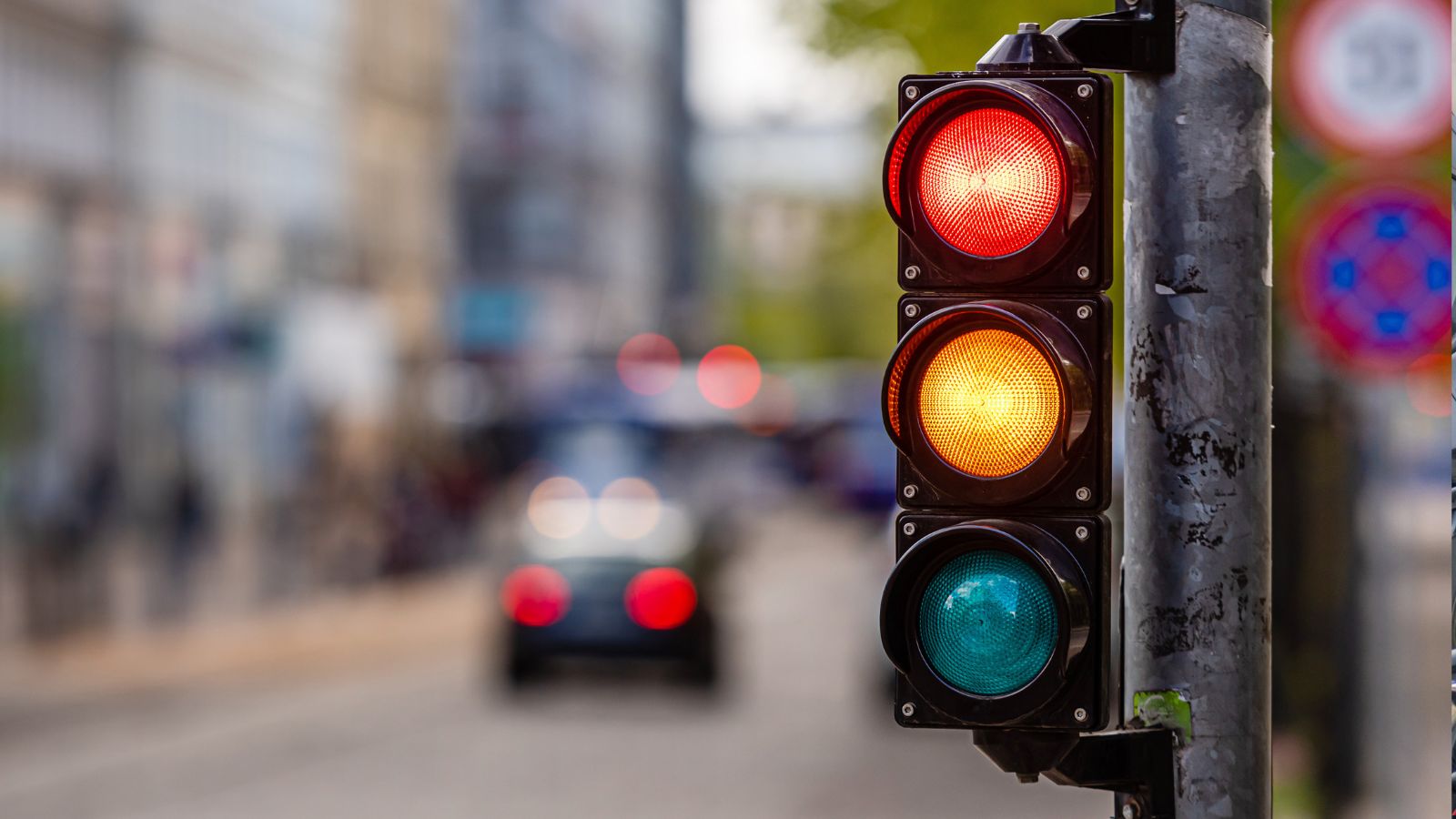
When a light turns yellow, drivers nearby begin making decisions based on an expectation that traffic will either stop safely or clear the intersection. A vehicle that suddenly accelerates toward the changing signal disrupts those expectations. Cross traffic may be preparing to move, pedestrians may be watching their signal, and another driver may already have decided that the approaching car is stopping.
Ontario’s traffic-light rules state that a yellow light means red is about to appear and drivers must stop when they can do so safely. Red requires a complete stop. Transport Canada has reported that disobeying traffic-control devices was associated with a measurable share of road fatalities in its analysis of aggressive-driving factors. AAA’s 2025 Traffic Safety Culture Index also found that most surveyed drivers regarded running a red light as very or extremely dangerous. The trust problem begins before the violation is complete. Once other motorists see a driver accelerate toward one marginal light, they have little reason to assume that the same driver will respect the next one.
Rolling Through Stop Signs
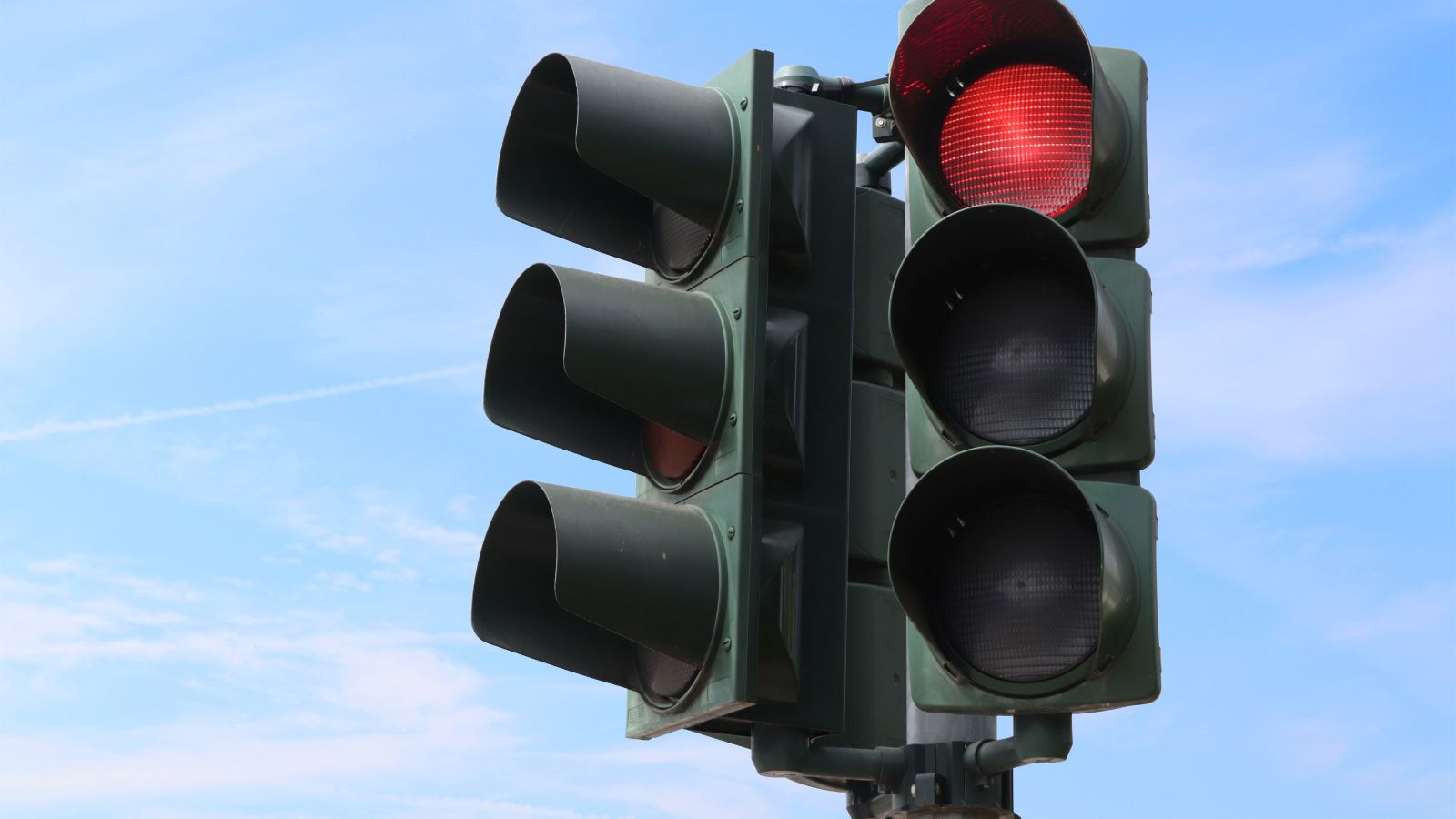
A rolling stop often feels harmless to the person performing it, especially on an empty residential street. To somebody approaching from another direction, however, the vehicle that never quite stops becomes an unanswered question. Is the driver slowing enough to yield, or is the car about to continue through? That uncertainty can cause the other motorist, cyclist or pedestrian to hesitate even when the right-of-way should be clear.
Ontario’s rules require drivers to come to a complete stop at stop signs and red traffic lights, using the marked stop line or the appropriate crosswalk or intersection boundary when no line is present. The requirement is partly about creating time to look. A genuine stop gives the driver an opportunity to assess vehicles, cyclists and pedestrians before proceeding. It also sends a visible signal to everyone else that the intersection’s rules are being recognized. Rolling through repeatedly does the reverse. After watching one incomplete stop, nearby motorists may reasonably assume that the next yield, pedestrian crossing or right-of-way decision could also be treated casually.
Creeping Into Crosswalks

Some drivers technically stop at a red light but continue inching forward until the nose of the vehicle occupies part of the crosswalk. To someone inside the car, the movement may simply be an attempt to see around a parked vehicle or prepare for a turn. To a pedestrian, cyclist or driver watching from another direction, a vehicle that will not remain stopped can feel as though it may launch into the intersection at any moment.
Ontario guidance is explicit about stopping positions: where a stop line exists, vehicles should stop behind it; without one, drivers use the crosswalk or other designated boundary. Pedestrians who are lawfully crossing retain the right-of-way. Those markings therefore do more than organize pavement—they give different road users predictable areas in which to operate. A vehicle repeatedly edging beyond its space blurs that boundary. Even if the driver ultimately yields, people walking past the front bumper may not know that in advance. Trust is much easier to maintain when a stopped vehicle actually looks stopped.
Looking at a Phone in Motion
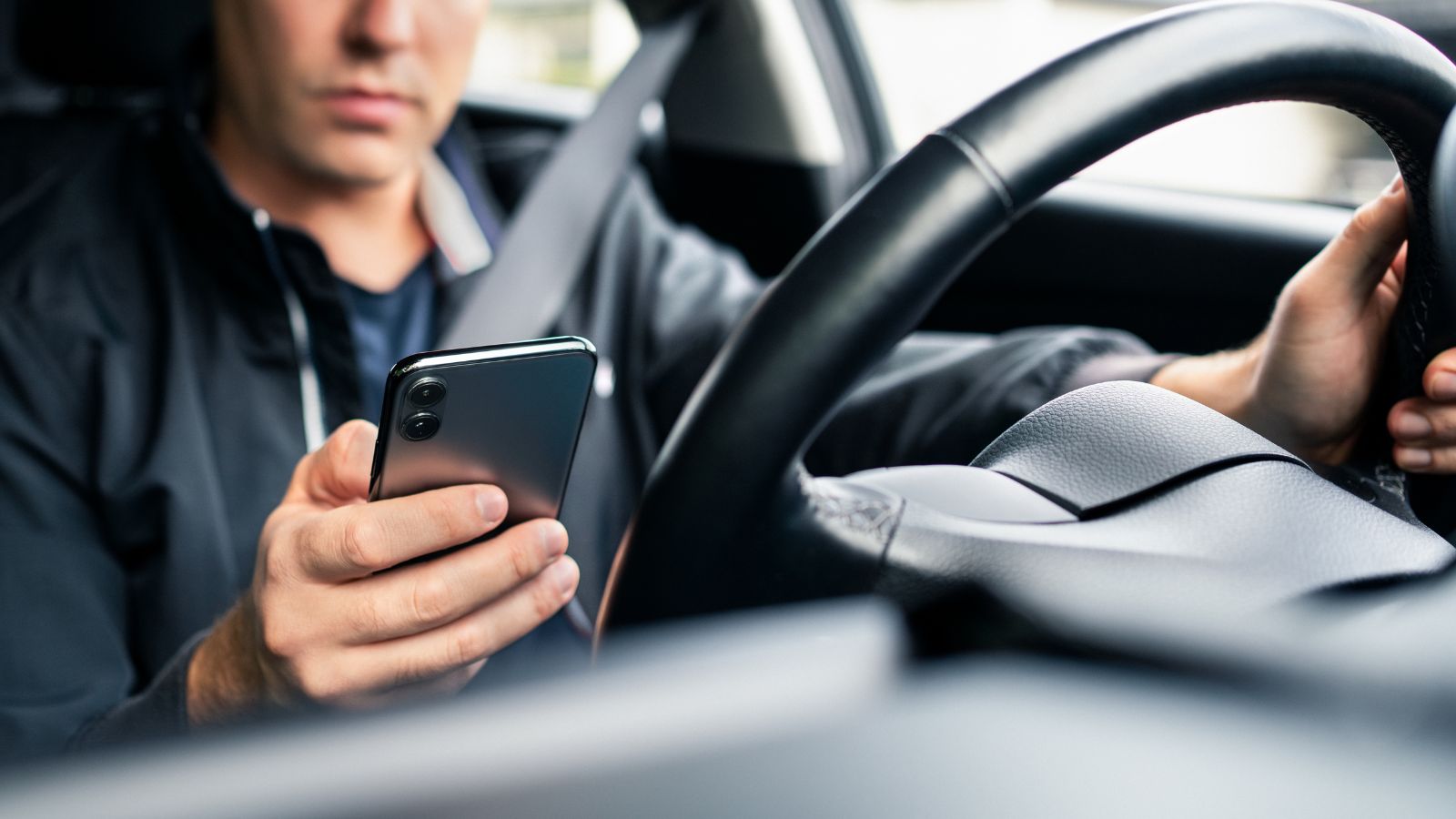
The distinctive downward glance of a driver using a phone is visible from surprisingly far away. Nearby motorists may notice a car drifting within its lane, reacting late when traffic moves, or maintaining an unusual gap. Once the phone itself becomes visible, many drivers stop assuming that small mistakes are harmless. They begin leaving additional room because they cannot count on the distracted motorist noticing the next change in traffic.
The concern is supported by substantial collision data. Transport Canada reported that distraction was a contributing factor in an estimated 17.8% of fatal collisions in 2023, based on data available from participating provinces and territories. It also warns that taking attention away from the driving task reduces awareness and slows responses to critical events. In the United States, NHTSA reported 3,208 deaths in crashes involving distracted drivers in 2024. A single glance does not prove that a driver will crash, but it tells surrounding motorists something important: for that moment, the road did not have the driver’s full attention.
Leaving High Beams On Around Traffic
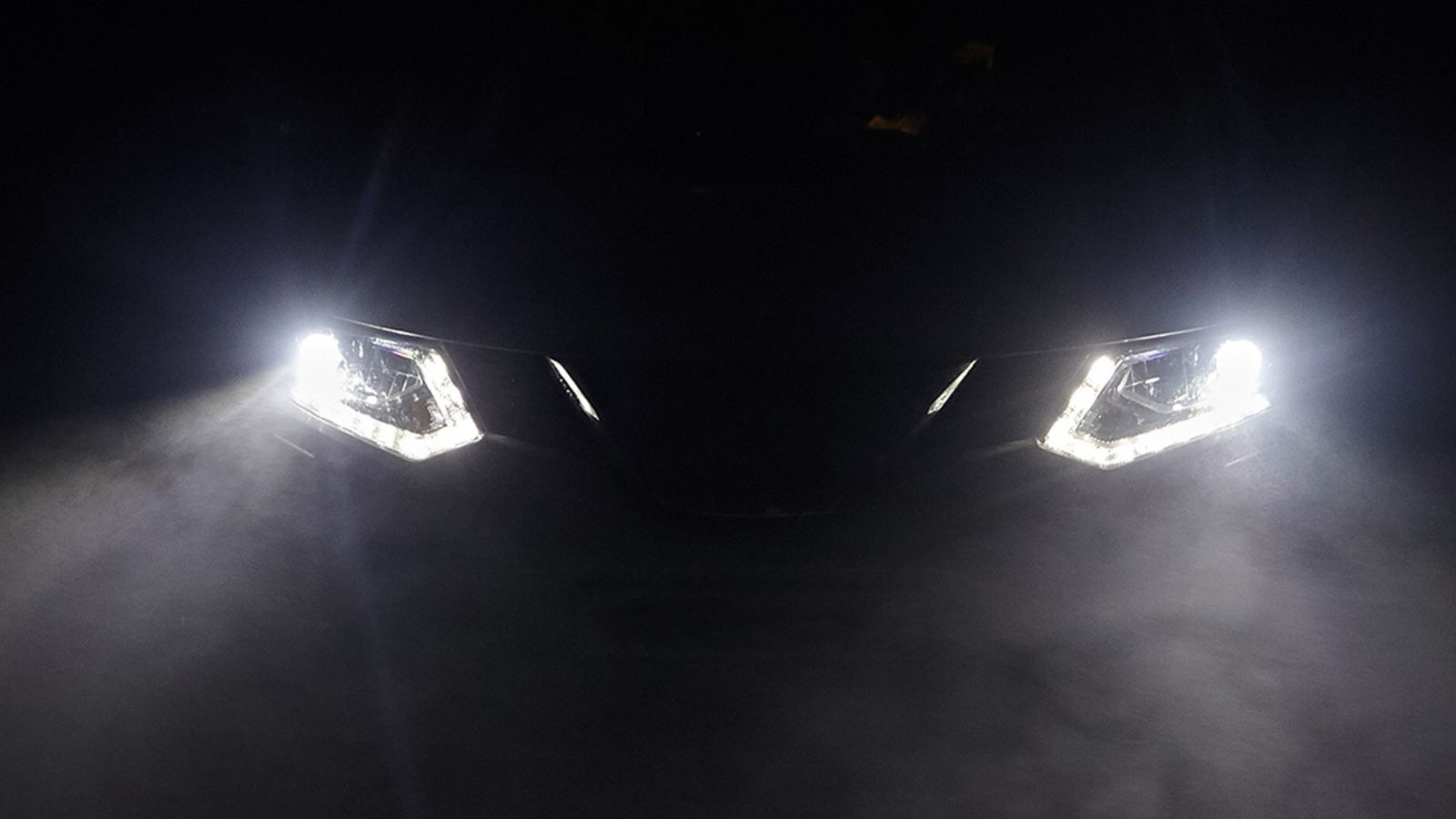
Bright headlights are useful on a dark empty road. The same light becomes a problem when it pours directly into the eyes of oncoming drivers or reflects from the mirrors of a vehicle ahead. A driver who fails to dip high beams can quickly create the impression that other road users are simply not being considered—or that the driver has not noticed them at all.
NHTSA’s research on headlighting describes the central tradeoff clearly: headlights must provide visibility while limiting glare. Low beams are designed to reduce intensity in areas where oncoming or preceding motorists could be dazzled, while high beams are intended primarily for distance illumination when a vehicle is not meeting or closely following other traffic. Research reviewed by the agency notes that glare can reduce the visibility of objects by scattering light within the eye and can also cause significant discomfort. From a trust perspective, the problem is straightforward. If another driver does not respond to an obvious approaching vehicle by lowering the beams, motorists may wonder what else that driver has failed to notice.
Using the Horn as Punishment
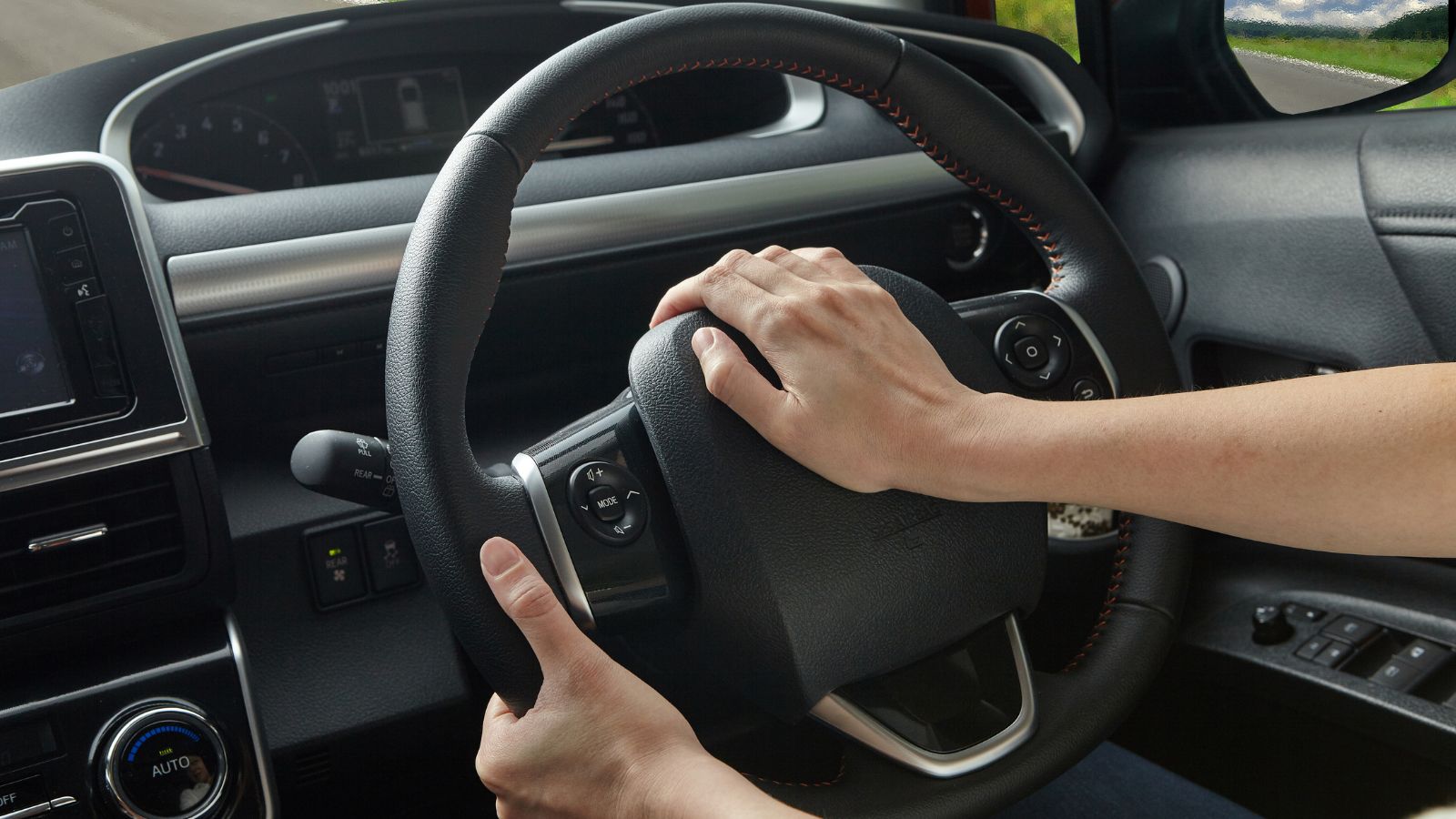
A horn is most useful when it carries one simple message: pay attention, because something requires immediate awareness. That meaning becomes less reliable when a driver holds the horn through minor delays, blasts someone for merging, or uses repeated honks to express anger. Nearby motorists may not know whether there is an actual hazard or merely an argument unfolding.
Ontario’s guidance on aggressive driving specifically recommends avoiding unnecessary horn use and notes that a light tap is usually sufficient when attention genuinely needs to be attracted. AAA Foundation research has also documented annoyance-based honking as a common aggressive behaviour; in its earlier national study, 44.5% of surveyed U.S. drivers admitted honking to show anger or annoyance at least once in the previous year. The practical issue extends beyond etiquette. Traffic works best when signals have consistent meanings. Brake lights mean slowing, indicators mean turning, and horns should mean attention. When the horn becomes an emotional outlet, everyone nearby must decide whether to ignore it or prepare for a genuine danger.
Failing to Yield Right-of-Way
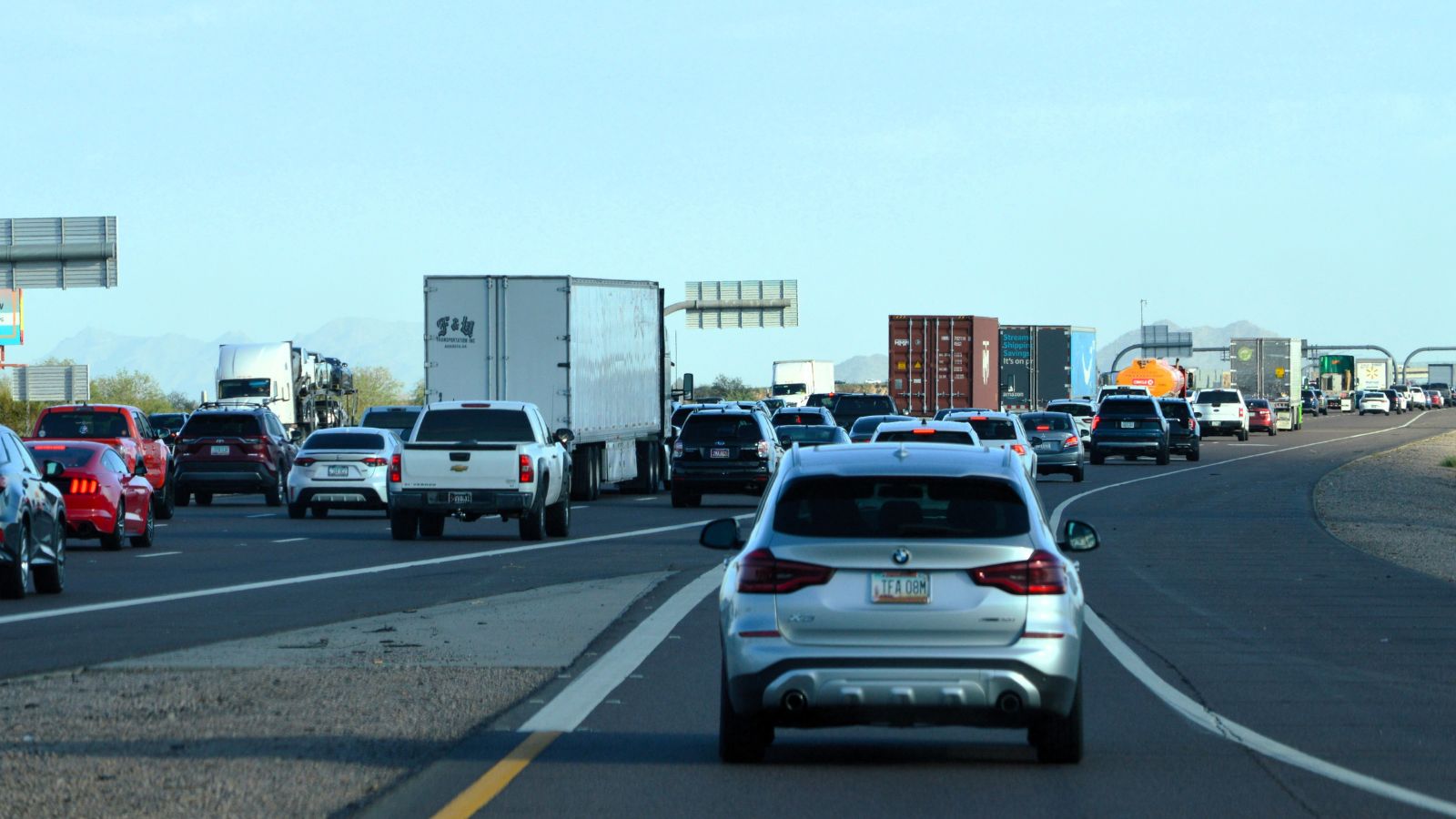
Few behaviours create distrust faster than making another road user wonder whether a driver intends to yield. It might happen during a left turn across traffic, while entering a roundabout, at a pedestrian crossing, or when a vehicle noses into a lane despite another driver clearly having priority. The affected motorist often brakes even when technically entitled to continue, because being correct about right-of-way offers little comfort during a collision.
Transport Canada’s road-safety analysis found that failure to yield the right-of-way contributed to roughly 10% of fatalities in the period examined in its Road Safety in Canada reporting, with many of those incidents occurring in multiple-vehicle crashes. Ontario’s defensive-driving guidance takes a practical approach: if there is doubt, allowing the other road user to proceed can prevent a conflict. Good driving therefore goes beyond knowing who has priority. It involves making the decision visible. Slowing clearly, leaving space and waiting create confidence. Creeping forward or forcing another motorist to guess does exactly the opposite.
Diving Across Multiple Lanes for an Exit
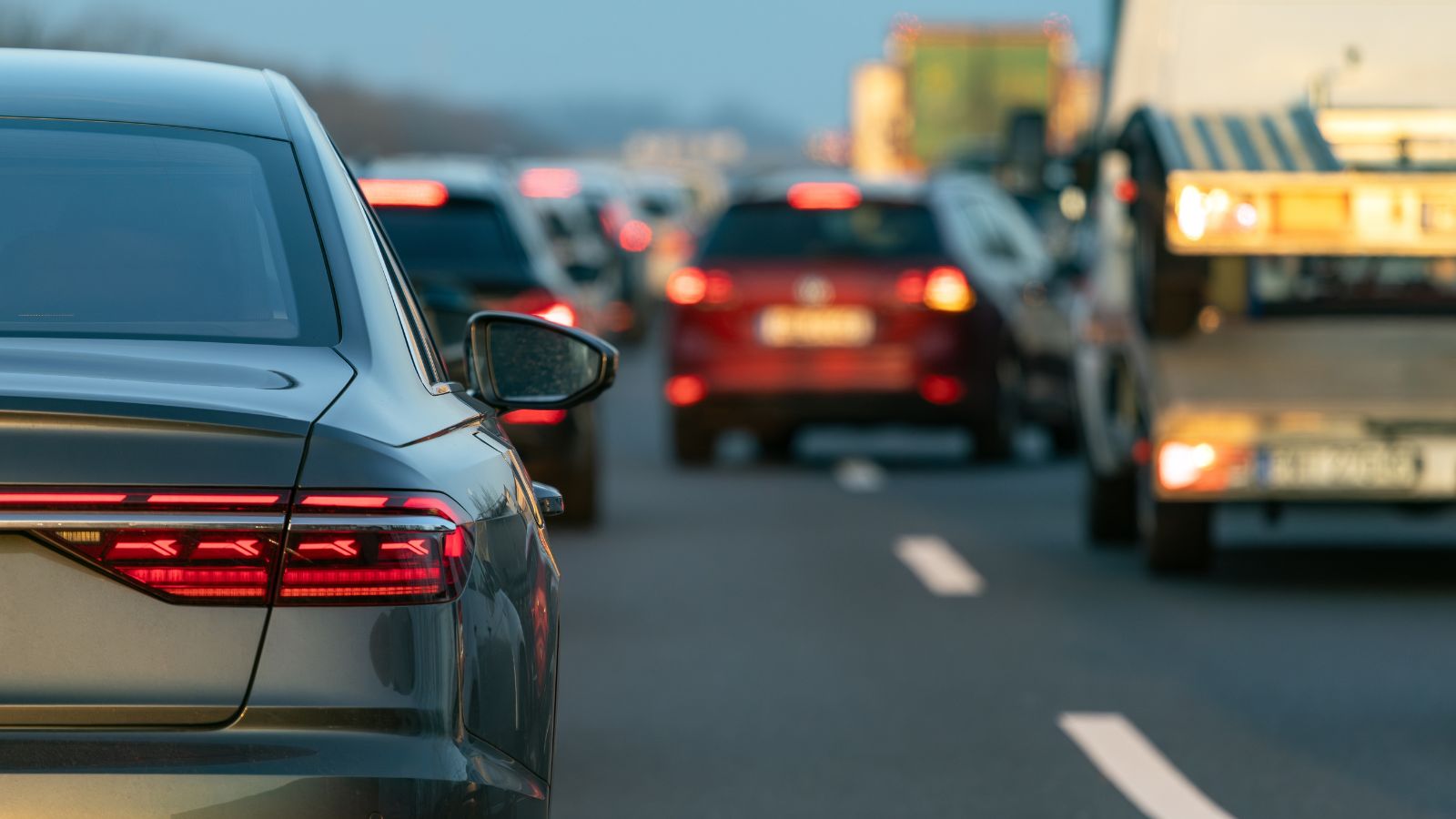
Almost everyone has realized too late that an exit is approaching. What happens next says a great deal about a driver’s priorities. One option is to continue to the next exit and correct the route. The other is to cross two or three lanes abruptly, squeeze through disappearing gaps and enter the off-ramp at the last possible second. The second choice instantly makes surrounding drivers wonder whether destination matters more to that motorist than traffic around them.
Ontario’s freeway guidance encourages drivers to prepare for exits in advance, signal before entering the exit lane and make the move smoothly. It also warns against crossing solid markings to change lanes where prohibited. Research on weaving sections of expressways shows why late multi-lane movements deserve caution: areas where vehicles must merge and diverge already contain frequent lane-changing conflicts, and traffic risk increases as those interactions become compressed. Missing an exit is inconvenient. An abrupt correction spreads that inconvenience—and its risk—to everyone nearby. Predictable drivers accept the navigation mistake rather than making strangers absorb it.
Driving While Too Tired to Hold a Steady Line
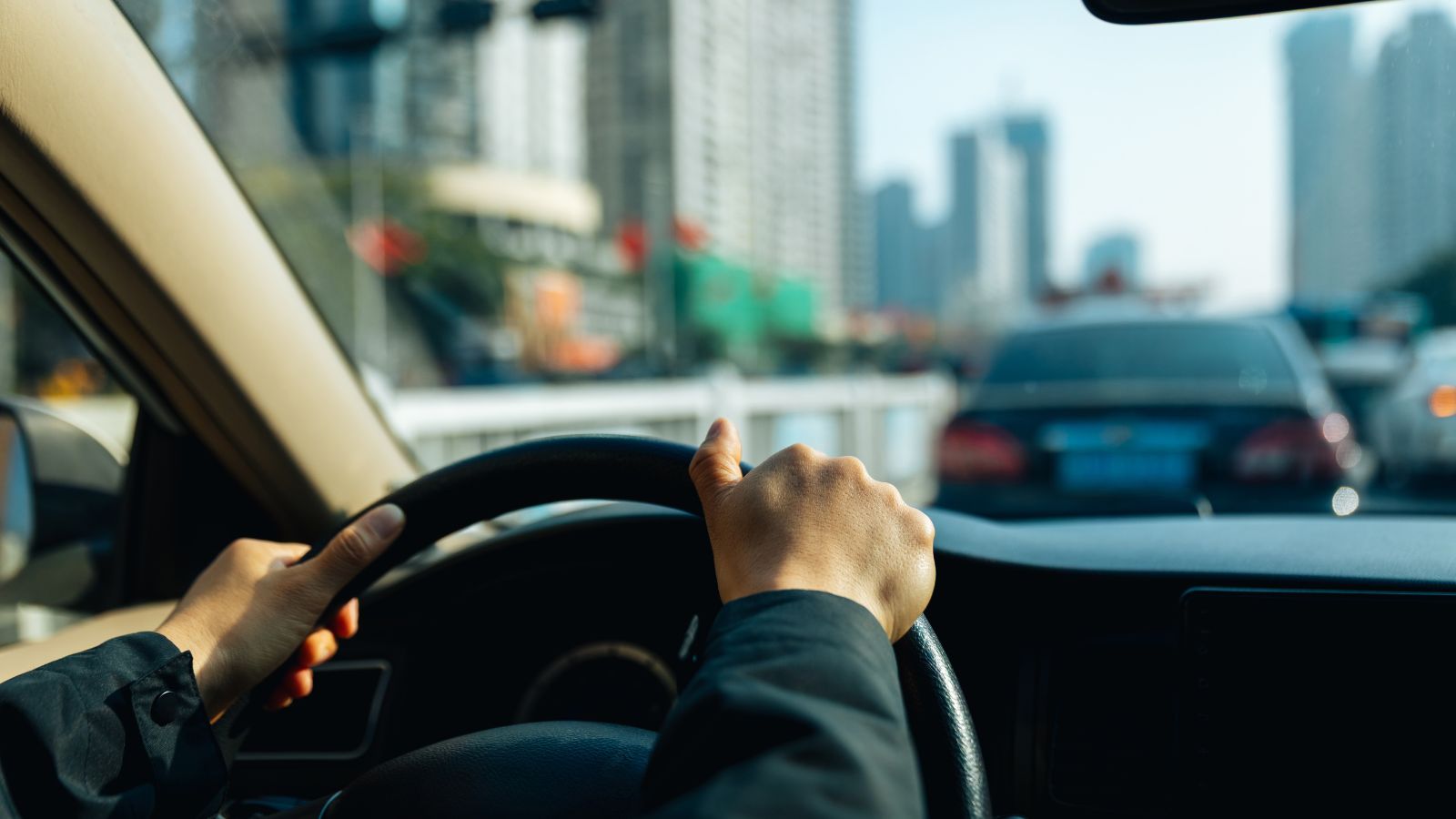
A vehicle that repeatedly touches lane markings, drifts toward the shoulder and then snaps back toward the centre can make nearby motorists deeply uncomfortable. The driver might be looking at a navigation screen or adjusting something inside the vehicle, but fatigue is another possibility. Because drivers alongside cannot determine the cause, most will avoid lingering beside the wandering vehicle.
Drowsy driving remains difficult to measure because fatigue often leaves no obvious evidence after a collision. Transport Canada’s 2023 statistics nevertheless listed fatigue as a reported factor in 3.3% of fatal collisions in the available national data. NHTSA has similarly cautioned that official numbers likely cannot capture every fatigue-related crash. AAA Foundation research has found lane drifting to be a common feature in drowsy-driving crashes, while its 2025 Traffic Safety Culture Index reported that 20% of surveyed U.S. drivers acknowledged driving while seriously drowsy during the previous 30 days. A steady lane position communicates awareness. Repeated drifting tells everyone nearby to expect the unexpected.
19 Used Cars Canadians Should Avoid in 2026 (Based on Owner Complaints)

Buying a used car in Canada can feel safe until repair bills start stacking up. Owner complaints tell a different story than glossy listings. Transmission failures, electrical problems, and weak winter reliability show up again and again in consumer reports. Many of these issues appear after warranties expire, when owners least expect them. Some vehicles look affordable upfront, but become expensive to keep on the road. Others struggle in cold weather, urban driving, or long highway commutes. Here are 19 used cars Canadians should avoid in 2026 (based on owner complaints).
19 Used Cars Canadians Should Avoid in 2026 (Based on Owner Complaints)