

























Canadian buyers have become more careful about what happens after the excitement of delivery day. Higher financing costs, winter driving demands, insurance pressure, repair complexity, charging realities, and resale uncertainty can turn a seemingly smart purchase into a frustrating ownership story sooner than expected.
These 18 vehicles stand out because each carries at least one practical concern that can matter quickly in Canada: expensive repairs, complicated electrified drivetrains, depreciation risk, theft exposure, recall history, limited service convenience, or a mismatch between advertised appeal and everyday use.
Jeep Grand Cherokee 4xe
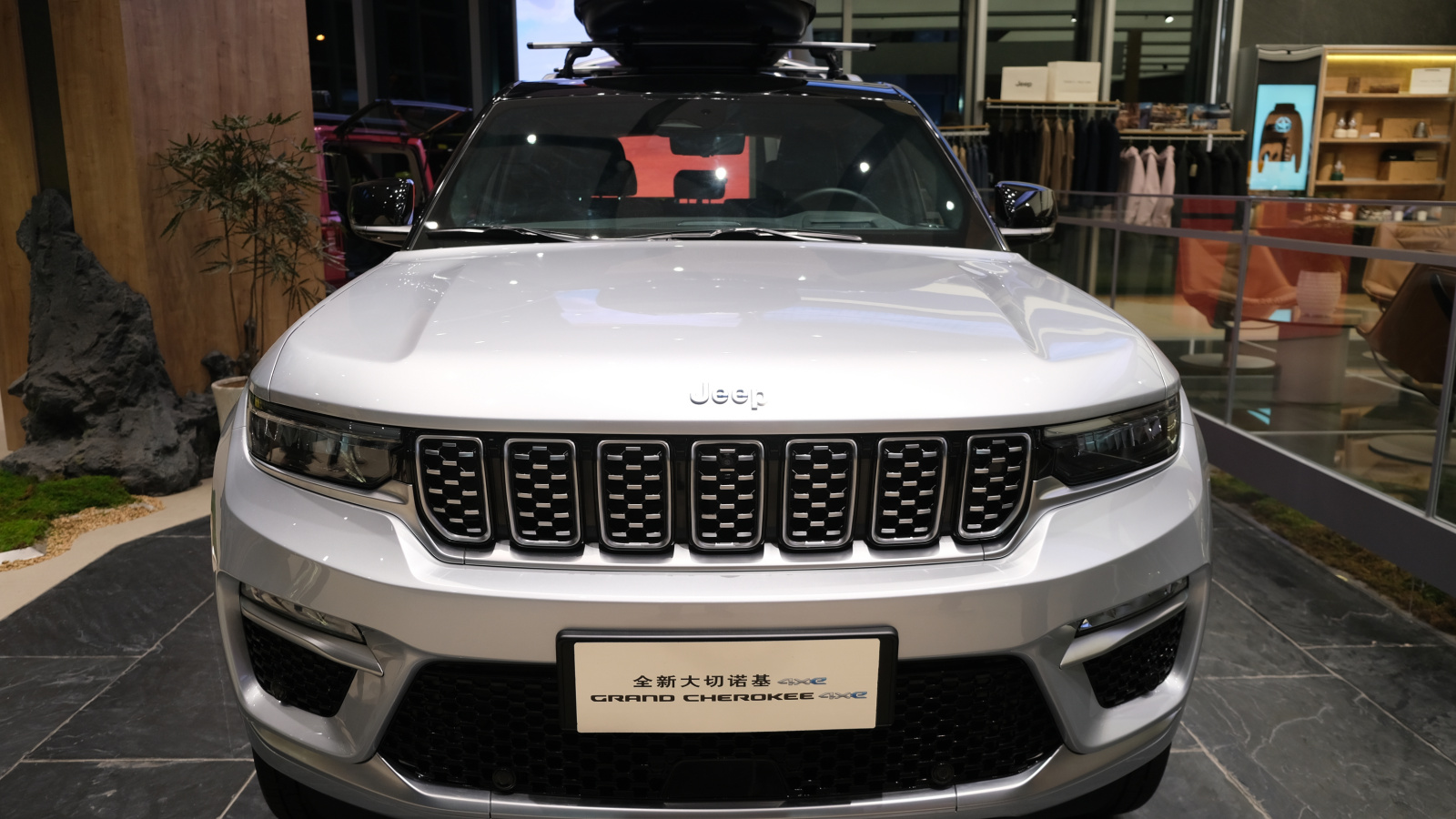
The Jeep Grand Cherokee 4xe can look like the ideal compromise: upscale SUV comfort, plug-in efficiency, and genuine four-wheel-drive capability. In Canada, however, that mix can become complicated fast. The plug-in hybrid system adds cost, weight, and complexity, while buyers still face the realities of fuel use once the battery is depleted. A family expecting major fuel savings may feel disappointed if most trips are highway-heavy, winter-heavy, or made without consistent home charging.
The bigger concern is confidence. Grand Cherokee 4xe models have been tied to high-voltage battery fire-risk recalls in Canada, including guidance affecting certain vehicles while parked. Even when recall repairs are available, the inconvenience can sour ownership early. Add Jeep’s weaker brand reliability reputation in recent Consumer Reports rankings, and the remorse risk becomes clearer: the vehicle promises rugged luxury, but the ownership experience can feel more stressful than the brochure suggests.
Chrysler Pacifica Hybrid
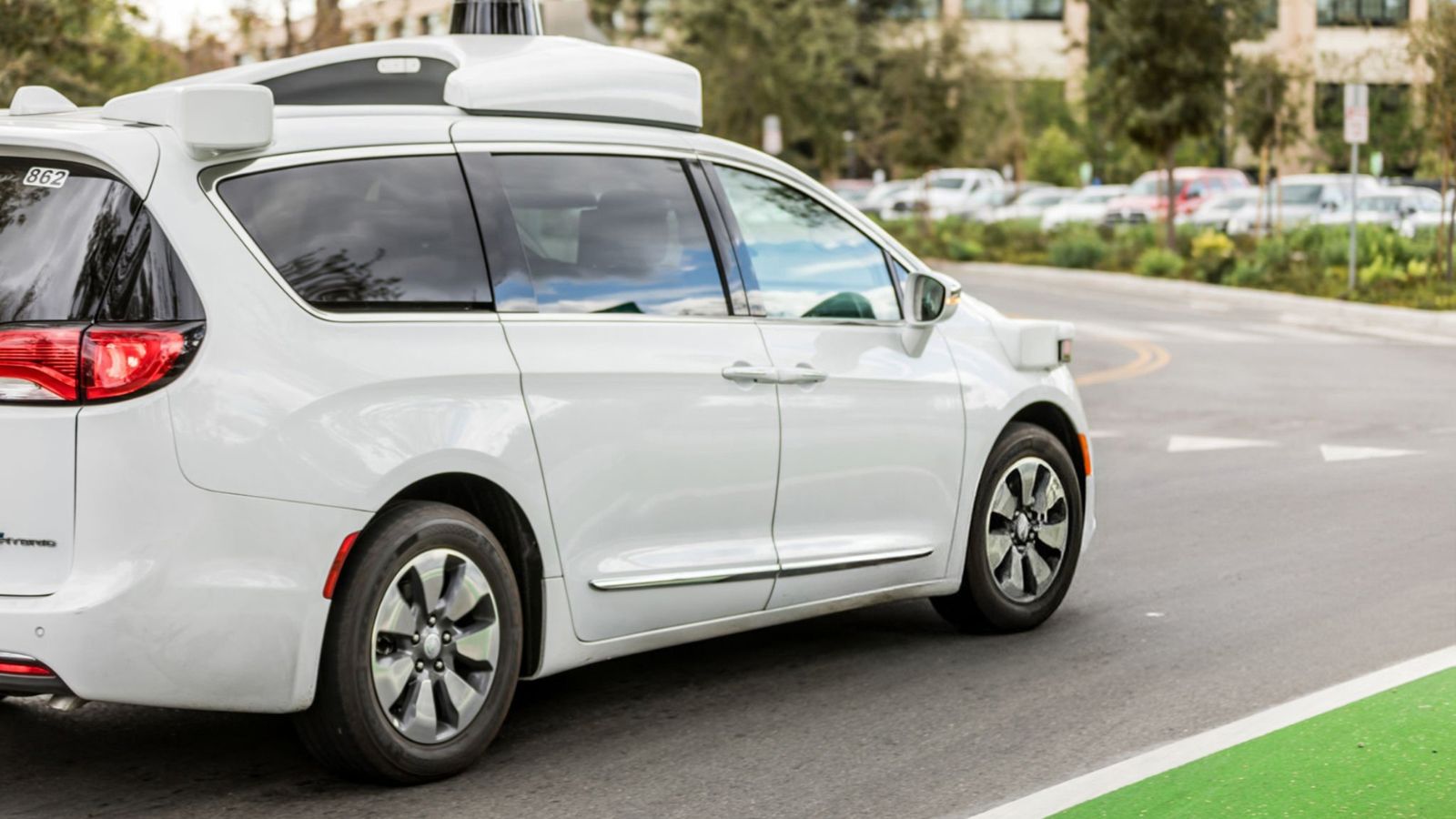
The Chrysler Pacifica Hybrid has a strong practical pitch: sliding doors, three-row space, and plug-in electric driving for errands. For Canadian families juggling school runs, hockey gear, groceries, and long winter drives, it can seem like one of the few electrified minivans that genuinely makes sense. The trouble is that a family vehicle has very little room for downtime, and complicated plug-in systems can raise anxiety when reliability becomes inconsistent.
Consumer Reports has repeatedly flagged the Pacifica Hybrid among lower-reliability vehicles, which matters because minivans are often bought for dependability as much as comfort. Canadian buyers may also find that real-world winter range is less impressive than expected, especially if cabin heat and short trips dominate daily use. A buyer may love the quiet electric drive at first, then grow frustrated if service visits, charging habits, or winter efficiency reduce the savings that helped justify the higher purchase price.
Nissan Rogue 1.5L VC-Turbo
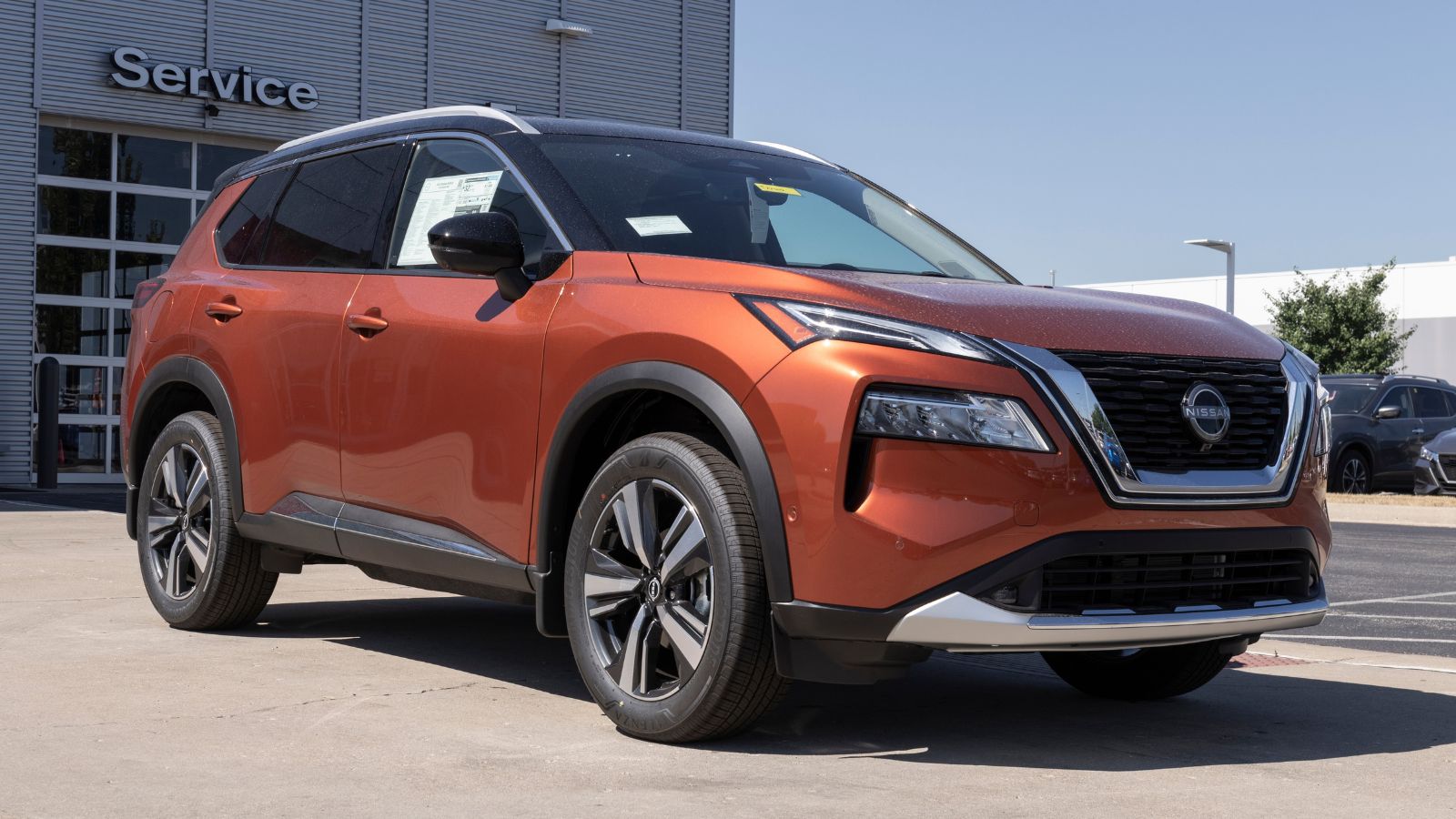
The Nissan Rogue is a Canadian staple because it hits the sweet spot: compact SUV size, decent fuel economy, family-friendly cargo space, and a familiar dealer network. The 1.5-litre VC-Turbo engine adds an engineering twist meant to balance power and efficiency. On paper, that makes the Rogue feel modern and clever. In real life, buyers tend to care more about whether the engine feels trustworthy over years of commuting, road trips, and winter starts.
That is where remorse can arrive early. Transport Canada listed recalls affecting certain Rogue models equipped with the 1.5-litre variable-compression engine, including concerns where engine failure could cause loss of power or increase fire risk. Even if repairs are handled at no cost, shoppers may worry about long-term durability, resale perception, and whether a future buyer will hesitate. A Rogue still offers value, but the VC-Turbo issue can make ownership feel less simple than expected.
Volkswagen Taos
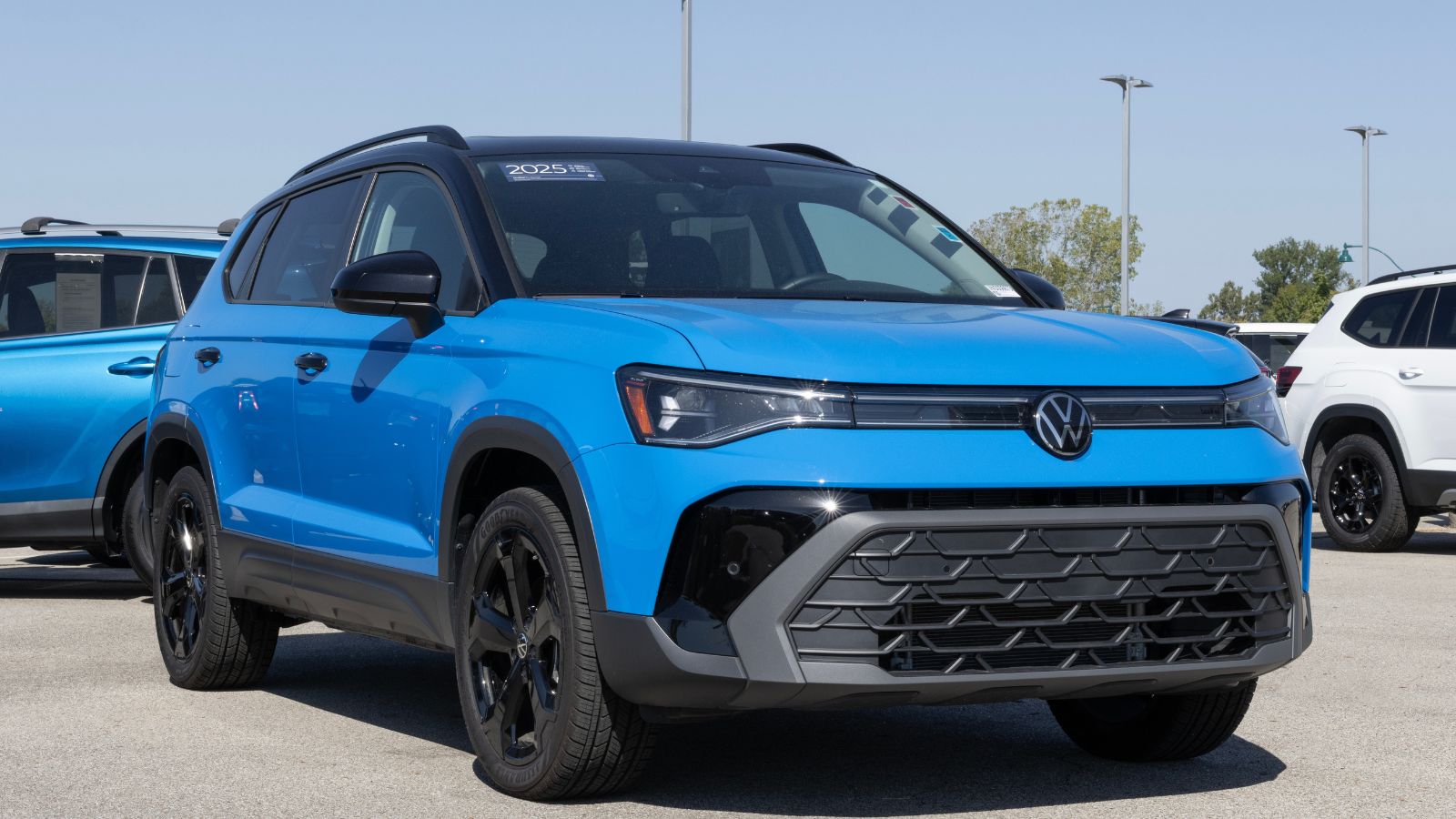
The Volkswagen Taos appeals to buyers who want a small SUV with a European feel, tidy dimensions, and better interior space than its footprint suggests. In crowded Canadian cities, that combination is attractive. It feels more refined than some budget crossovers and often presents well on a test drive, especially for buyers moving out of older compact cars.
The remorse risk comes from early ownership friction. Transport Canada has listed multiple fuel-system-related recalls affecting certain Taos vehicles, including fuel leak concerns and, in some cases, stalling risk tied to the fuel delivery system. Small SUVs are often bought for convenience, but repeated service visits can erase that sense of ease. Volkswagen parts and labour can also feel pricier than shoppers expect in the mainstream segment. A Taos may still suit the right buyer, but it can disappoint anyone expecting appliance-like simplicity.
Ford Mustang Mach-E
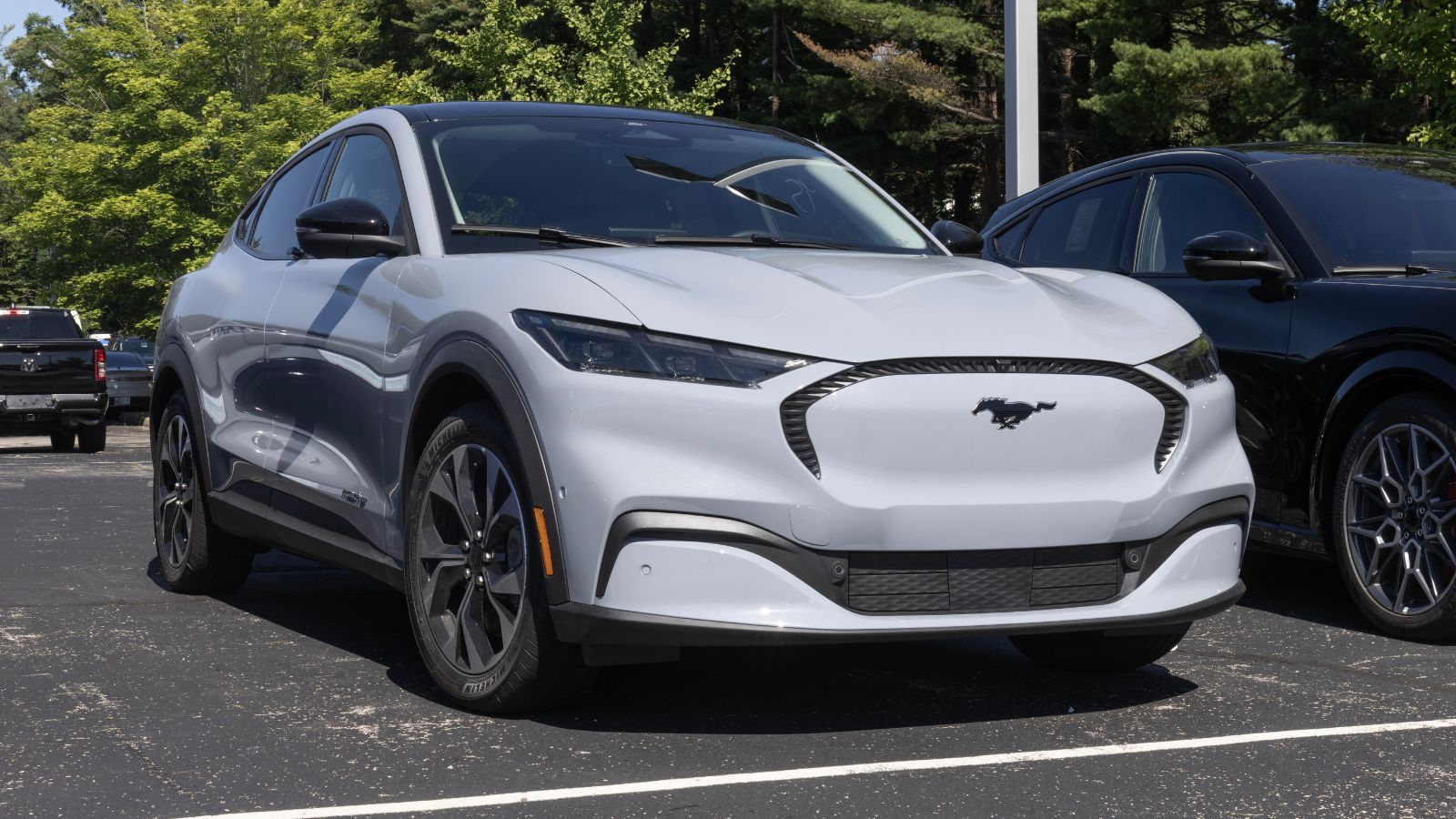
The Ford Mustang Mach-E can be exciting at first. It brings quick acceleration, a recognizable badge, modern styling, and access to EV incentives in some markets depending on timing and eligibility. For Canadian buyers tired of gas prices, it can feel like a bold but practical upgrade. The cabin is roomy, the driving experience is smooth, and the performance trims are genuinely quick.
The catch is that EV expectations can collide with Canadian realities. CAA’s winter EV testing found notable range reductions in cold weather, and the Mach-E has had high-voltage battery contactor recalls affecting certain extended-range and GT models. A driver who expected seamless road trips may become frustrated by winter range planning, charger availability, or service scheduling for specialized repairs. The Mach-E is not a bad EV, but it can trigger remorse when buyers treat it like a simple gas-SUV replacement without adjusting habits.
Hyundai Ioniq 5
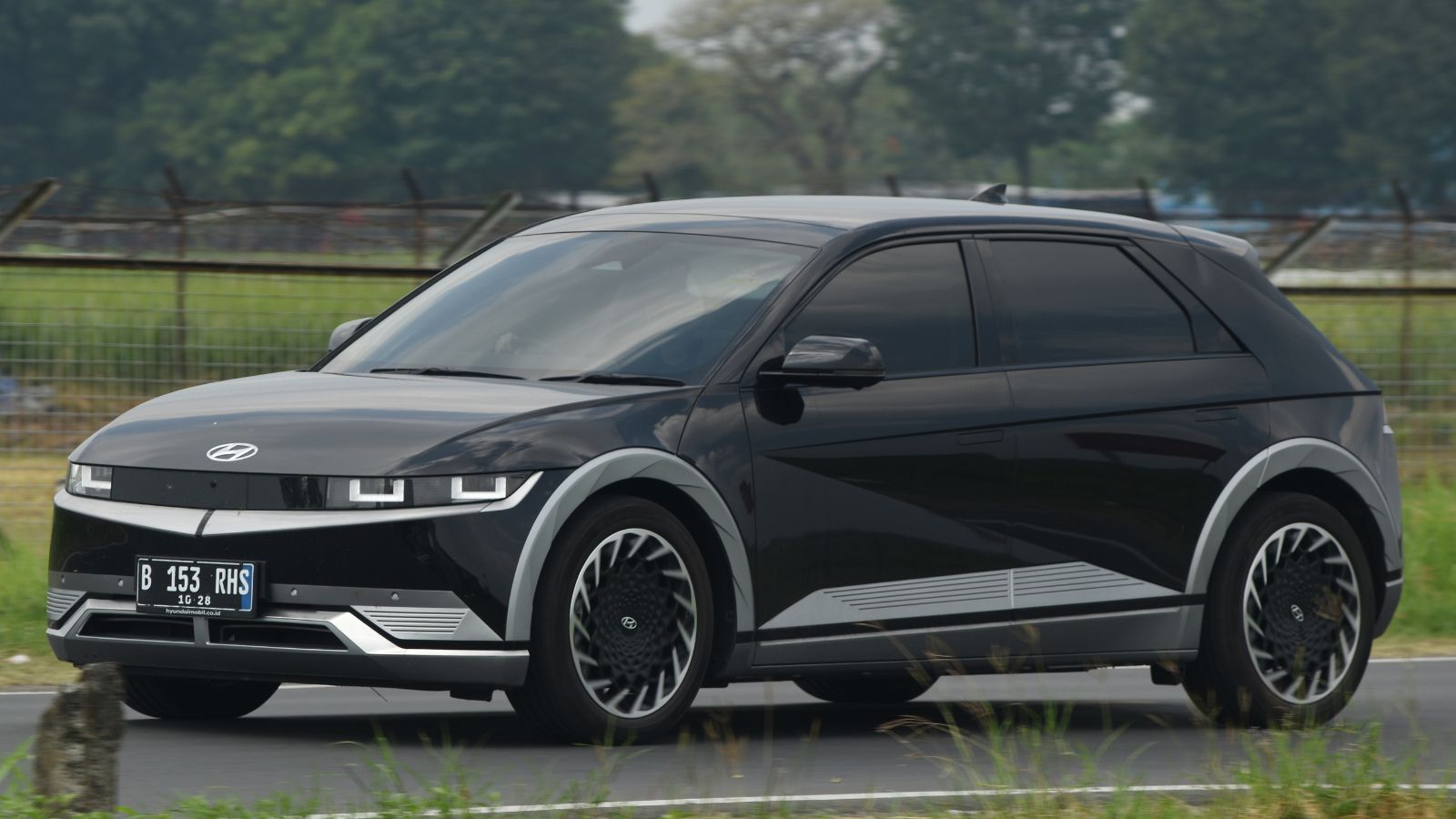
The Hyundai Ioniq 5 has earned attention for its futuristic design, spacious cabin, fast-charging capability, and strong value compared with some luxury EVs. It feels special in a way many mainstream crossovers do not. For Canadians with home charging and predictable commutes, it can be a satisfying vehicle that makes gas stations feel unnecessary.
Still, the ownership picture is not effortless. Hyundai and related Genesis EVs have faced recalls involving Integrated Charging Control Unit concerns, with the risk of 12-volt battery charging problems and reduced drive power. Canadian winter can also reduce EV range, and fast charging is not equally convenient across every province or route. The Ioniq 5’s early charm may fade for buyers who rely heavily on public charging, lack indoor parking, or expected the same cold-weather flexibility as a gasoline crossover. Its strengths are real, but so are its lifestyle demands.
Kia EV6
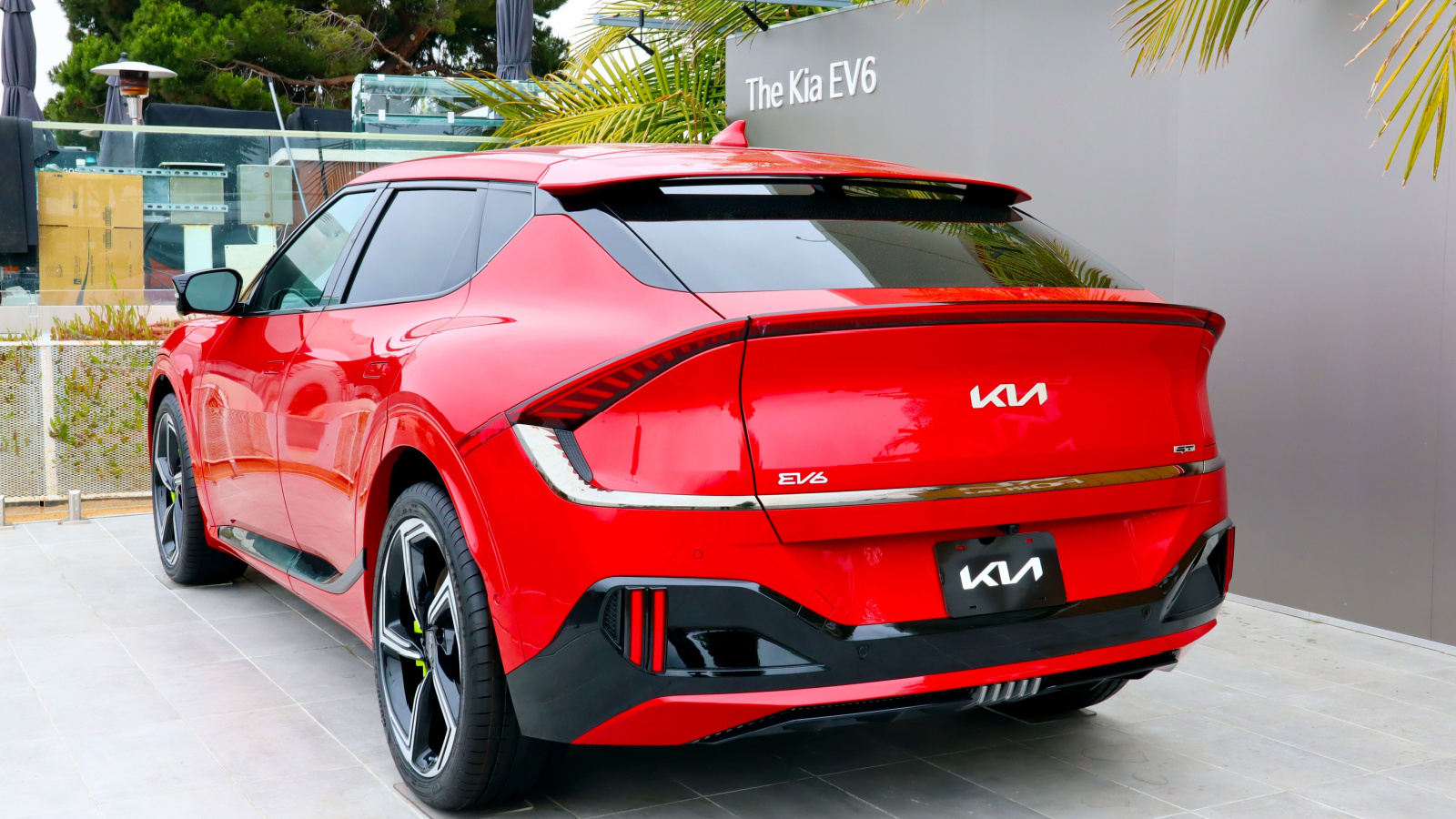
The Kia EV6 shares much of the Ioniq 5’s appeal: sharp styling, strong acceleration, fast-charging capability, and a cabin that feels more premium than many older Kia models. It can feel like a smart way to get advanced EV technology without stepping into a luxury showroom. For drivers with home charging, it can be impressively low-effort day to day.
Remorse can surface when expectations outrun infrastructure and reliability confidence. Consumer Reports has listed the EV6 among less reliable recent vehicles, and EV repairs often require dealer-level expertise rather than a quick visit to any independent shop. Canadian buyers also have to weigh cold-weather range loss, insurance costs, tire wear from heavy EV weight, and resale uncertainty as incentives and used-EV prices shift. The EV6 can be excellent for the right household, but it is less forgiving for buyers who need maximum predictability.
Kia EV9
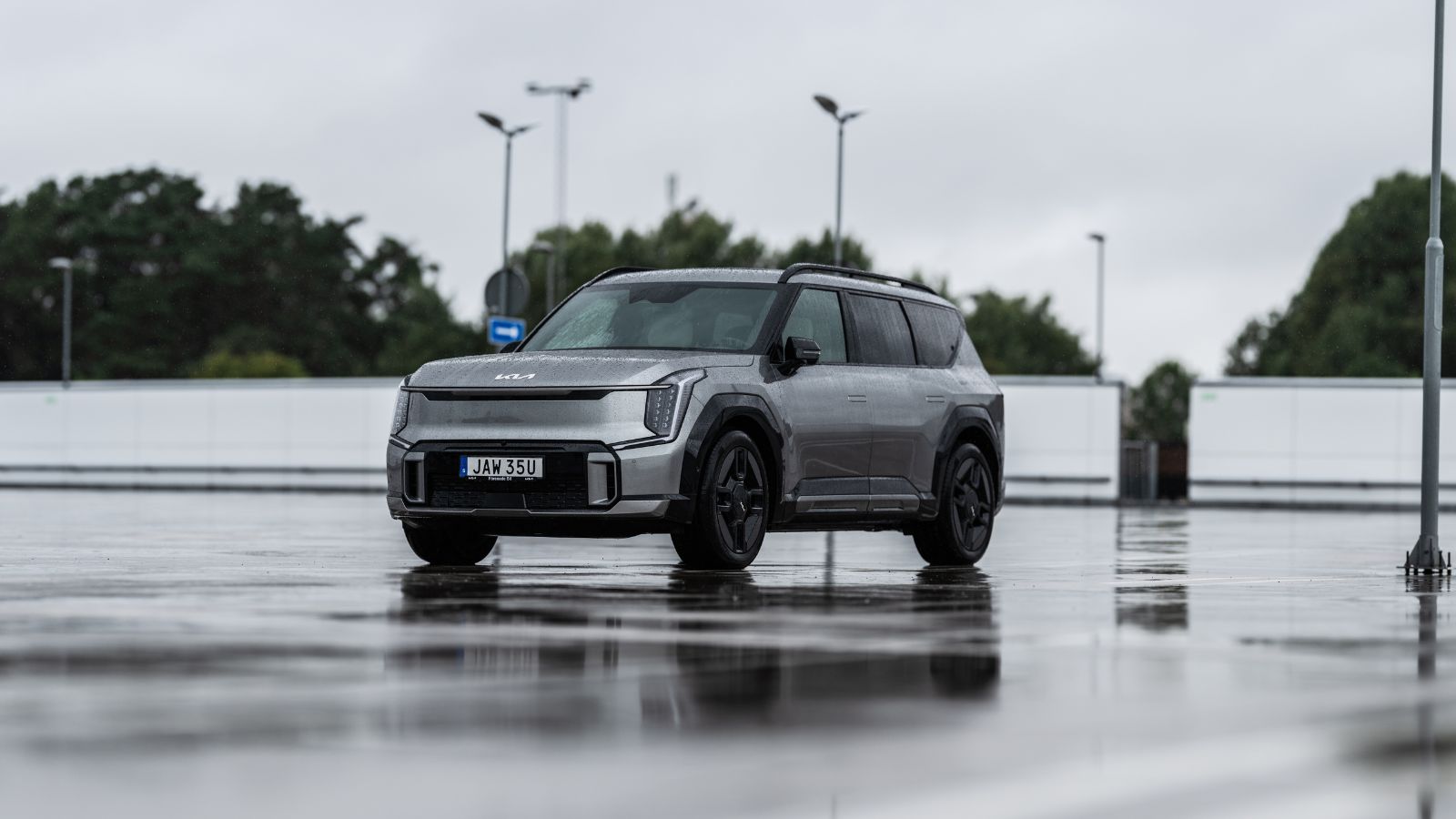
The Kia EV9 looks like a breakthrough: a three-row electric SUV with bold design, family space, and a far lower badge barrier than many luxury EVs. For Canadian families wanting to move away from gasoline without shrinking into a compact crossover, the EV9 can feel like the long-awaited solution. Its first impression is strong because it makes electrification feel practical and spacious.
The concern is that large three-row EVs are still expensive, heavy, and highly dependent on charging access. Consumer Reports has flagged the EV9 among lower-reliability models, and that matters because family SUVs are often expected to function without drama. In winter, range loss can feel more consequential when the vehicle is loaded with passengers, luggage, and climate-control demand. A buyer may admire the EV9’s technology, then rethink the decision if public charging, depreciation, insurance, or early service needs complicate family routines.
Honda Prologue
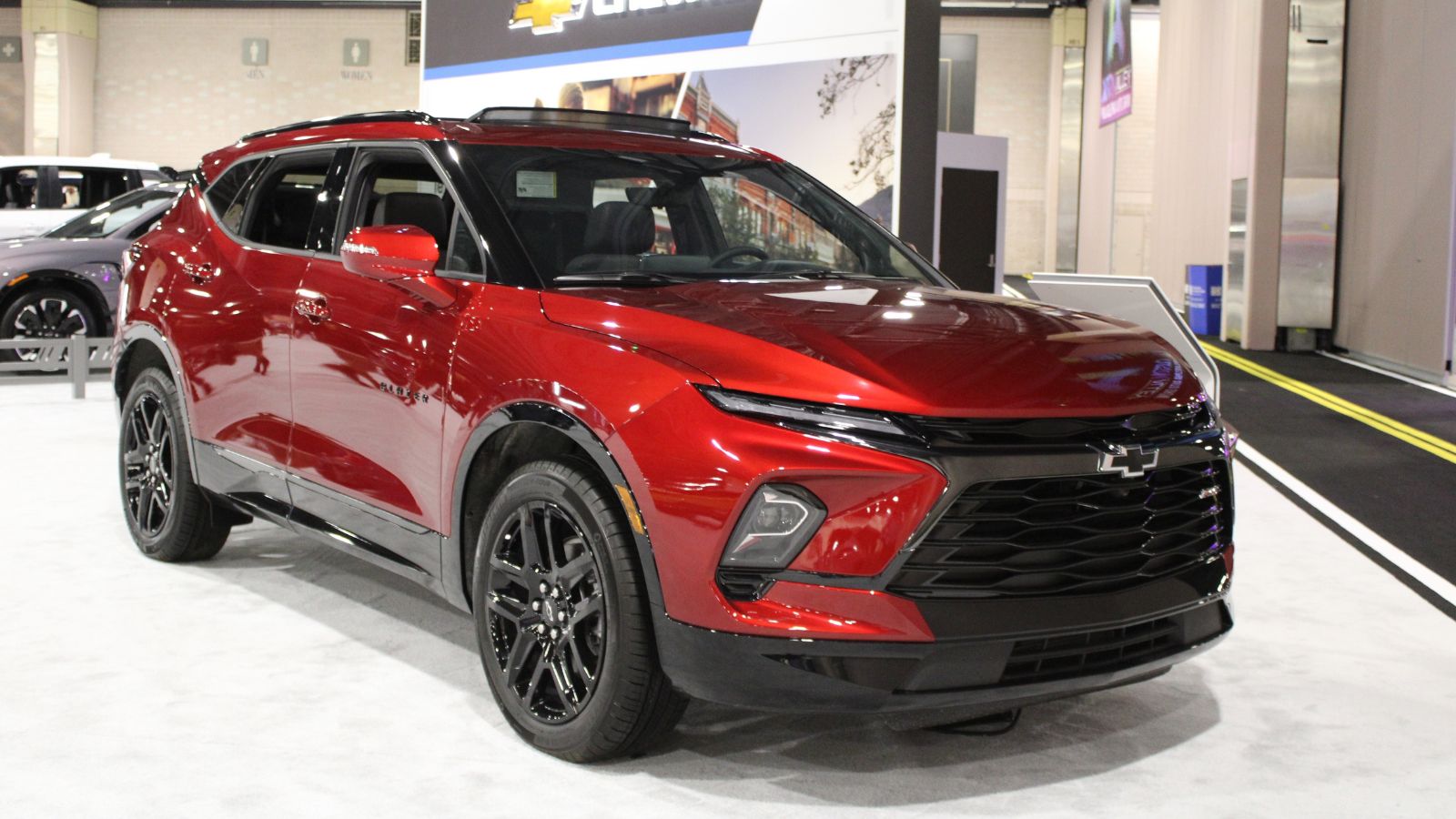
The Honda Prologue benefits from Honda’s reputation, which can be powerful in Canada. Many buyers associate the badge with durability, sensible engineering, and strong resale values. The Prologue’s clean design and EV packaging may attract people who trust Honda but want to leave gasoline behind. That makes the initial purchase feel reassuring.
The complication is that the Prologue is not a traditional Honda underneath in the way many shoppers assume. It was developed using General Motors’ Ultium EV platform, meaning service experience, parts familiarity, and long-term ownership patterns may not match what Civic, CR-V, or Accord owners expect. Consumer Reports has also listed the Prologue among lower-reliability vehicles. That gap between badge expectation and platform reality can create quick remorse. Buyers expecting classic Honda simplicity may instead discover the learning curve of a newer, more complex EV ecosystem.
Chevrolet Blazer EV
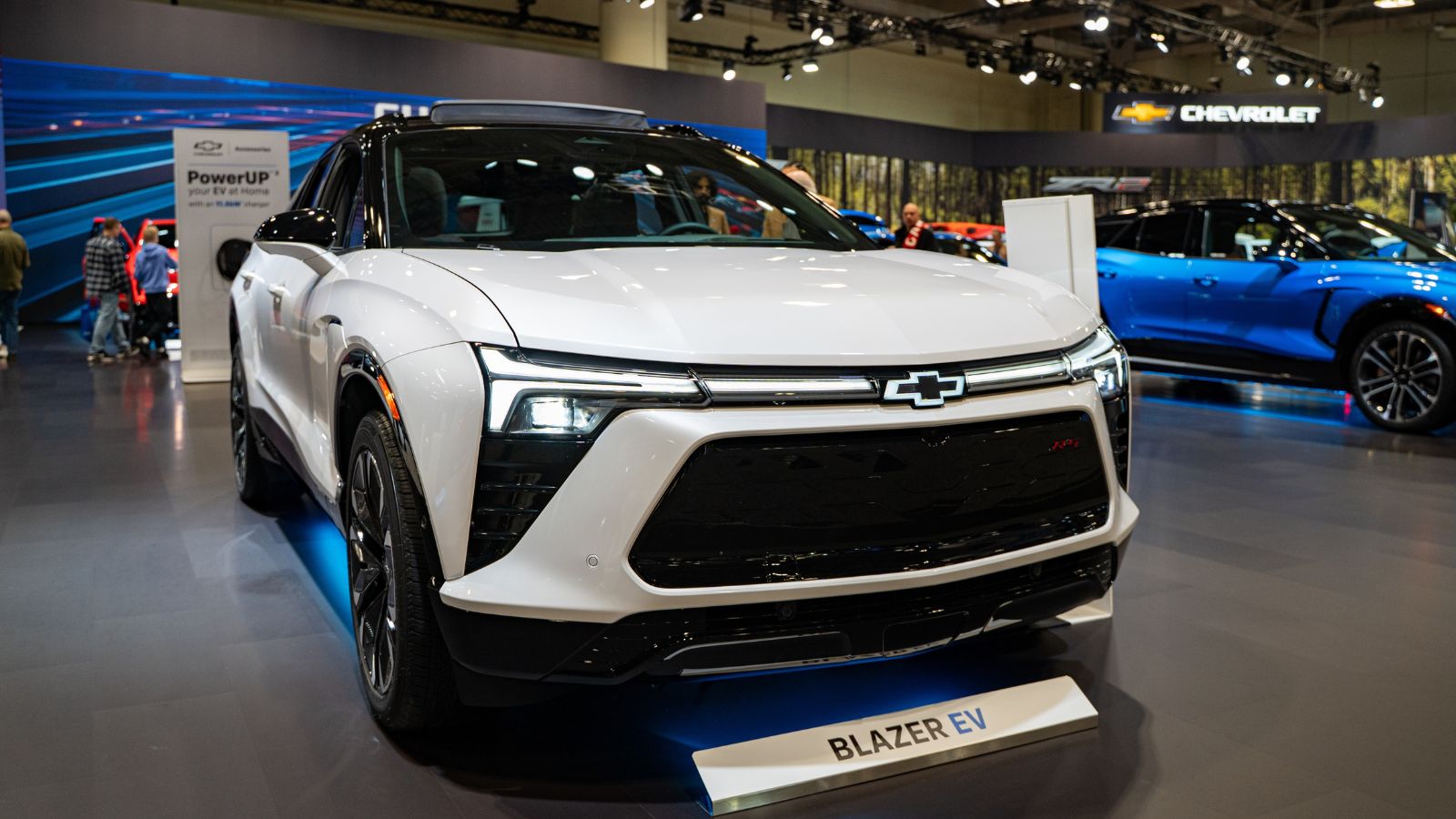
The Chevrolet Blazer EV has the right ingredients for attention: sporty styling, a familiar SUV name, and the promise of electric performance from a mainstream dealer network. It can look especially tempting to Canadians who want an EV but do not want a Tesla or a compact hatchback. The Blazer badge suggests practicality, even if the EV version is a very different machine from older gasoline Blazers.
Remorse risk comes from launch turbulence and pricing expectations. Early Blazer EV coverage included software-related concerns, and newer EVs can be sensitive to glitches that affect screens, charging, driver-assistance features, or usability. Canadian buyers also have to calculate winter range, charging access, and depreciation in a market where used EV values have moved unpredictably. A Blazer EV may improve over time, but early adopters can feel like unpaid testers when technology issues appear soon after purchase.
Tesla Model Y
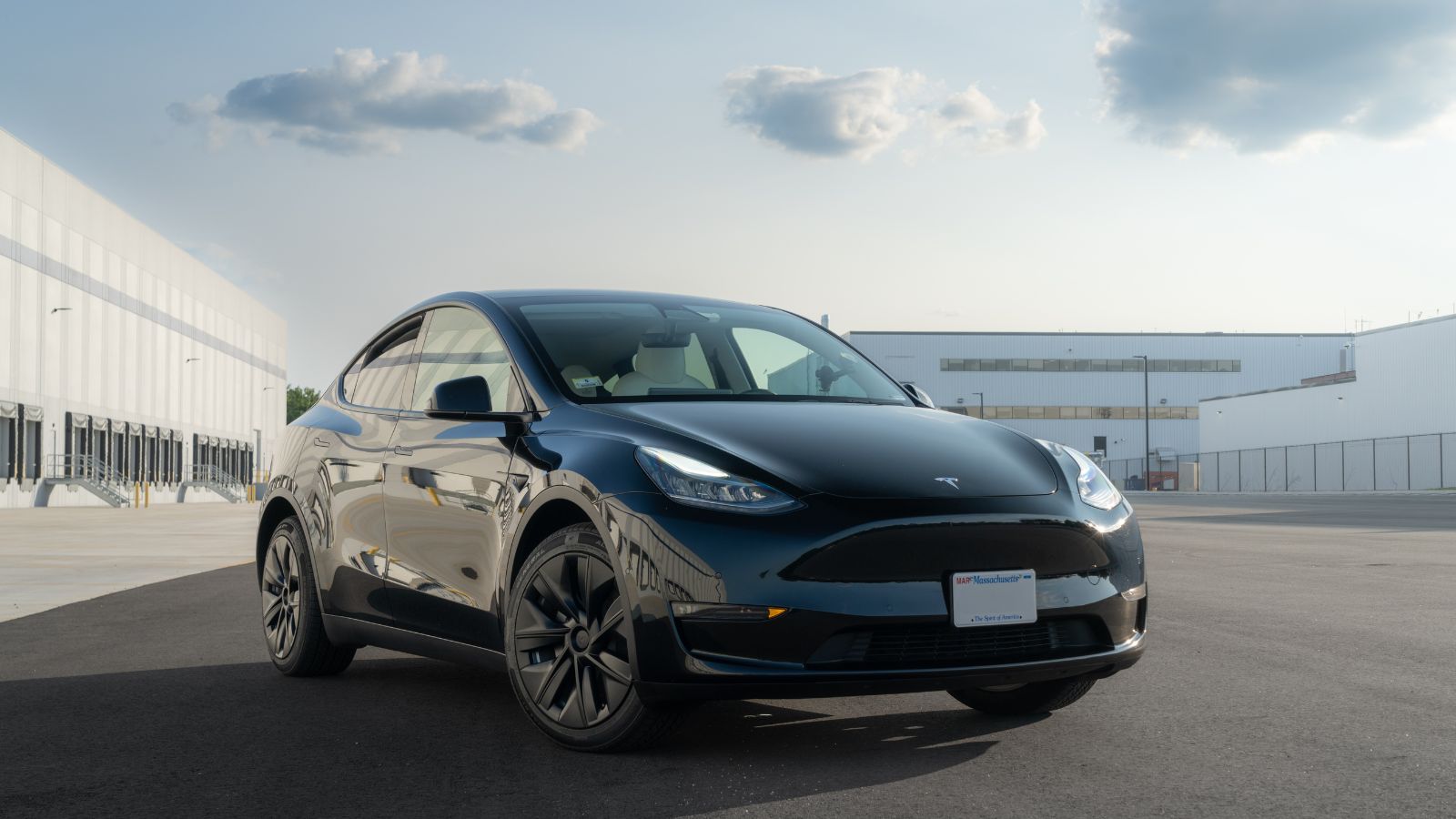
The Tesla Model Y remains one of the most visible EVs on Canadian roads. It offers strong charging-network access, quick acceleration, over-the-air updates, and a minimalist interior that many buyers find refreshing. For households with home charging, it can deliver a smooth and convenient ownership experience. Its popularity also means plenty of online support and owner knowledge.
Buyer’s remorse can still arrive quickly if the purchase was driven by hype rather than fit. Tesla pricing has changed frequently in recent years, affecting resale confidence. Canada also froze certain Tesla rebate payments and moved to exclude Tesla from future federal rebate programs during a tariff dispute, adding uncertainty around incentive expectations. Some buyers dislike the sparse controls, road noise, service model, or insurance quotes. The Model Y can be very good, but it is not universally easy to live with.
Rivian R1T
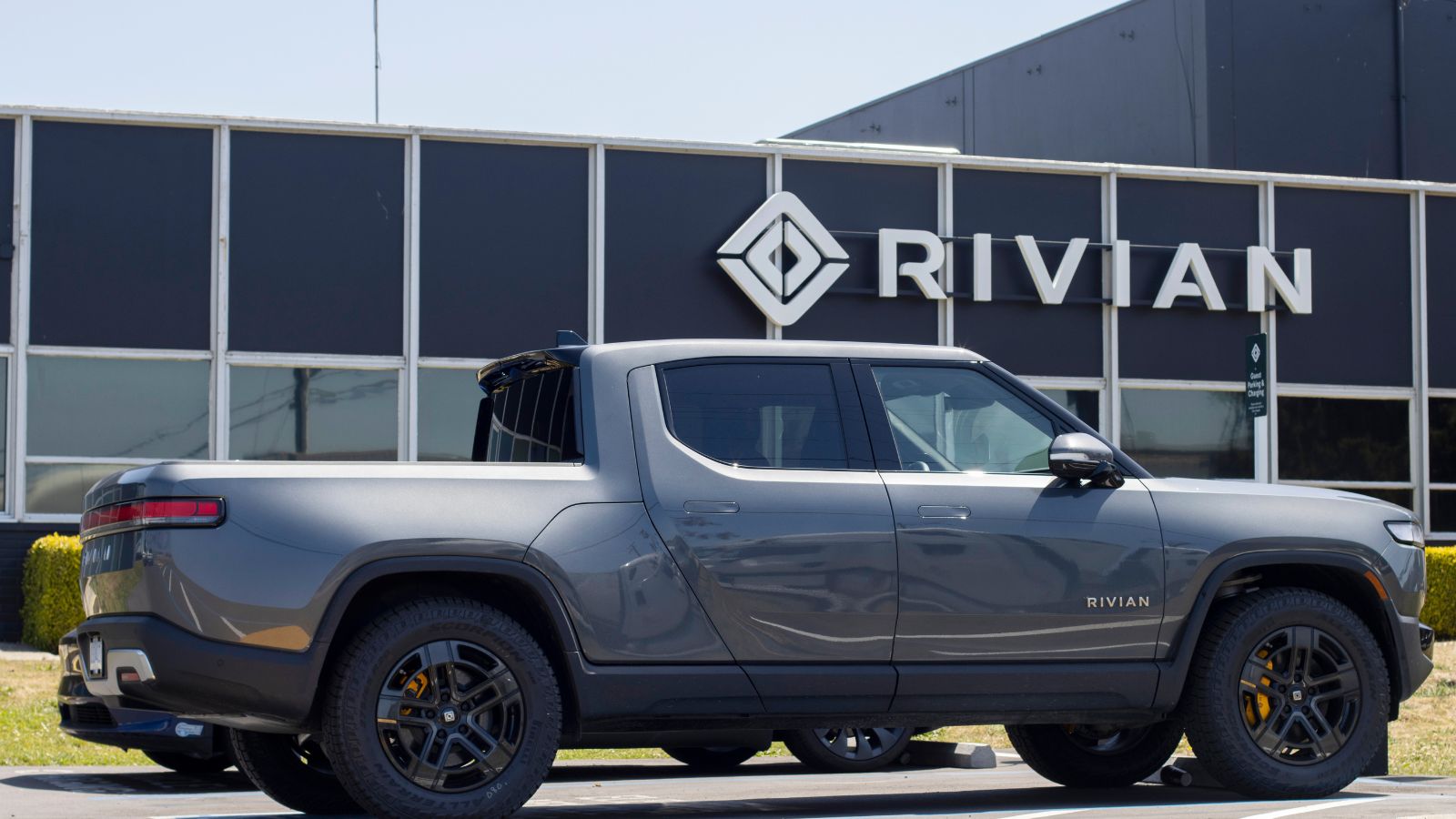
The Rivian R1T is one of the most interesting electric trucks available, combining adventure branding, strong performance, clever storage, and a premium cabin. It can feel tailor-made for Canadians who want an EV but also want cottage-road credibility, camping capability, and serious presence. As a lifestyle vehicle, it makes a memorable first impression.
The practical side is more complicated. Rivian remains a younger automaker with a smaller service footprint than legacy brands, which can matter in a country as geographically spread out as Canada. Consumer Reports has placed Rivian among lower-scoring brands for reliability, and the R1T’s size, weight, tires, electronics, and collision-repair complexity can make ownership expensive. Buyers who expected pickup practicality may find themselves managing EV range, service logistics, and premium repair costs. The truck is impressive, but it asks owners to accept early-adopter risk.
Rivian R1S
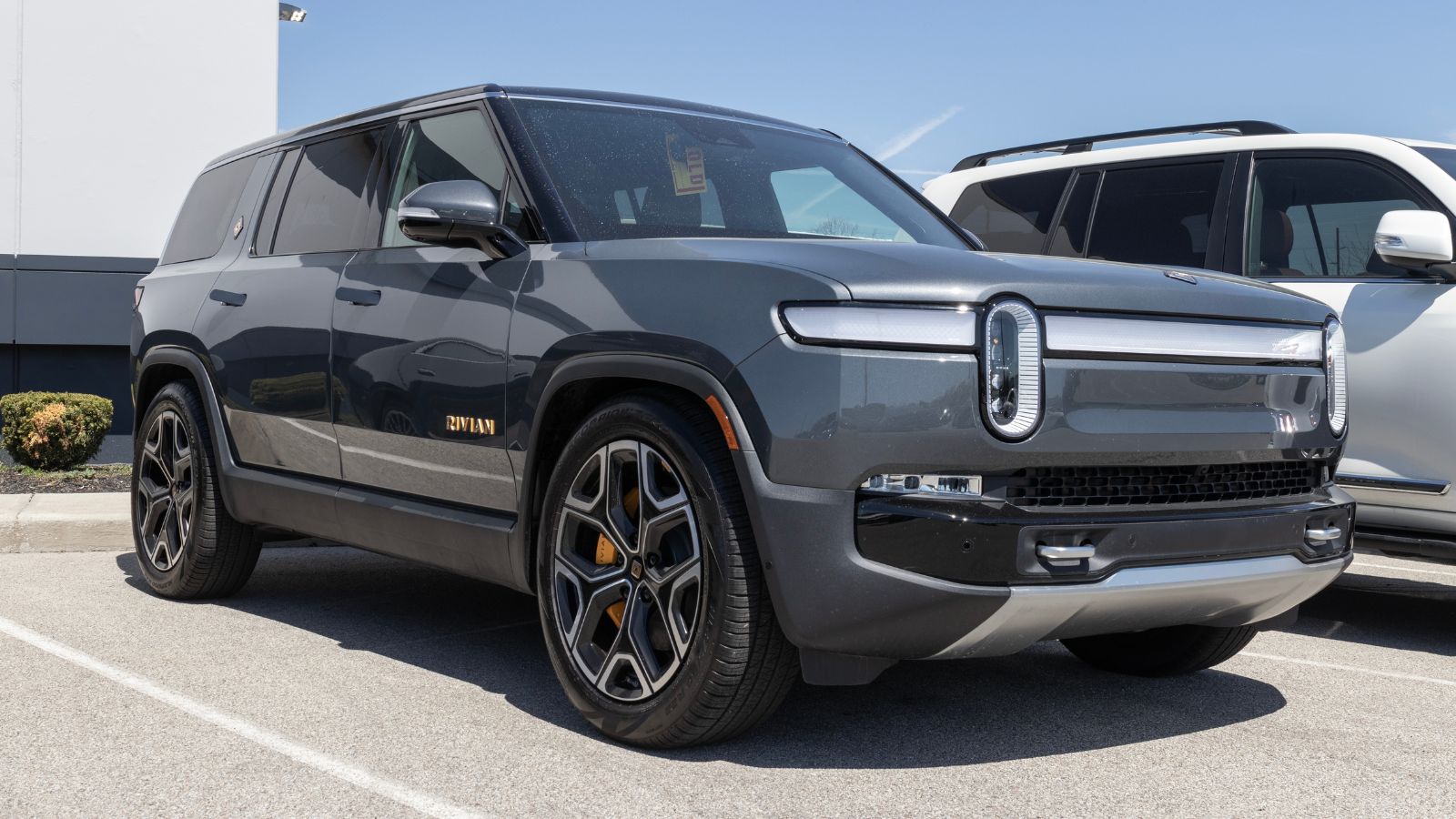
The Rivian R1S takes much of the R1T’s appeal and wraps it in a three-row SUV body. It looks adventurous, feels upscale, and offers performance that can make traditional luxury SUVs seem old-fashioned. For Canadian families who want something electric, rugged, and different from the usual German or Japanese choices, it has obvious emotional appeal.
The remorse risk is similar but potentially sharper because family SUVs must be dependable. A smaller service network can become a bigger issue when the vehicle is the household’s main people-mover. Reliability concerns around Rivian models also weigh more heavily when buyers are paying premium prices. Add winter range loss, expensive tires, advanced suspension components, and insurance uncertainty, and the ownership case becomes more demanding. The R1S can feel special, but special can become stressful when repair access or resale confidence is less predictable.
Ford F-150 Lightning
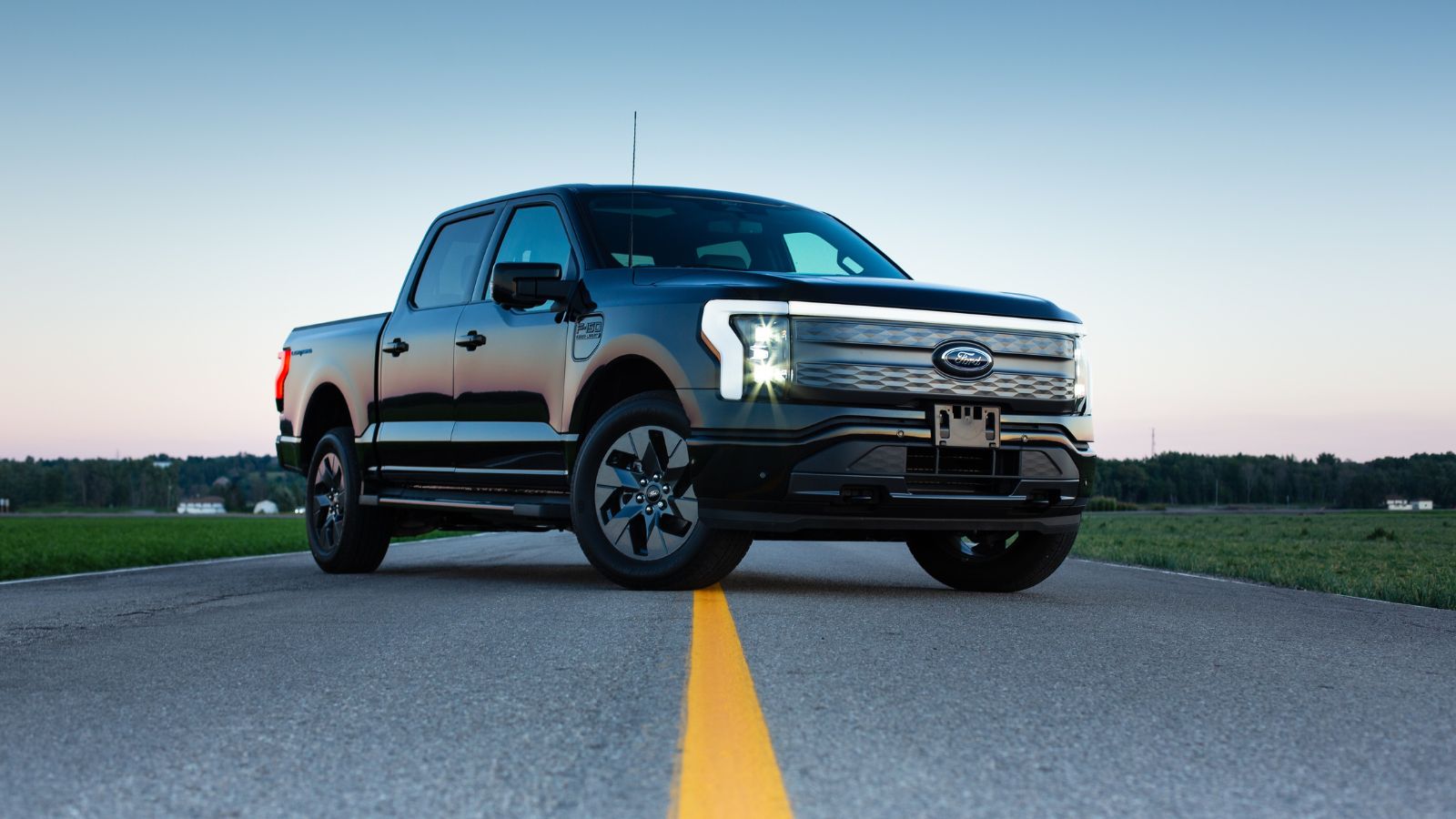
The Ford F-150 Lightning can seem like the perfect Canadian answer: the familiar F-Series shape with electric torque, home-power capability, and no gasoline bill. For truck buyers who mostly commute, tow occasionally, and have home charging, it can be a compelling machine. The quiet cabin and instant power often surprise people coming from conventional pickups.
The problem is that electric trucks face tougher expectations than electric cars. Towing, cold weather, payload, highway speeds, and cabin heating can all affect range. For buyers who use trucks for work, remote travel, or winter hauling, range planning can become a real inconvenience. Resale values for EVs have also been volatile, and large battery repairs are not a casual expense. The Lightning is innovative, but remorse can set in when a buyer realizes the electric version does not behave like a gasoline F-150 under every Canadian use case.
Ram 1500
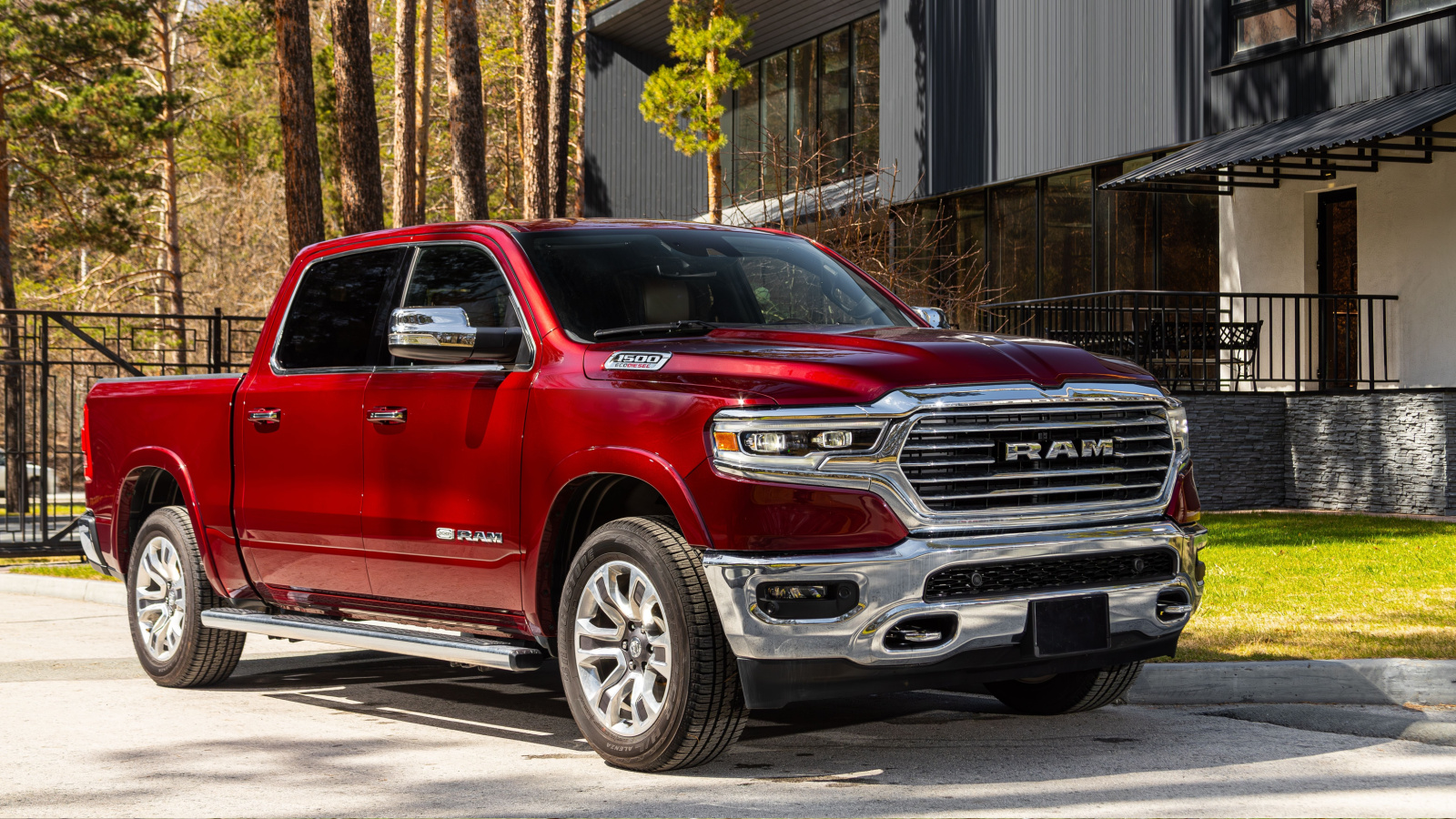
The Ram 1500 has long attracted Canadian truck buyers with a comfortable cabin, strong towing image, and available V8 power in many used examples. It can feel more luxurious than some rivals, and the ride quality has been a selling point for drivers who use their truck as both work tool and family vehicle. That comfort can make the test drive persuasive.
Ownership can become less charming once fuel, theft exposure, insurance, tires, and maintenance enter the picture. Ram 1500 models have appeared among commonly stolen vehicles in Canada, and theft exposure can affect insurance frustration even when a truck is never stolen. Large pickups also cost more to fuel and repair than many buyers expect, especially with higher trim levels loaded with electronics. A Ram can be satisfying, but it can also punish buyers who underestimate the total cost of running a full-size truck.
Honda CR-V
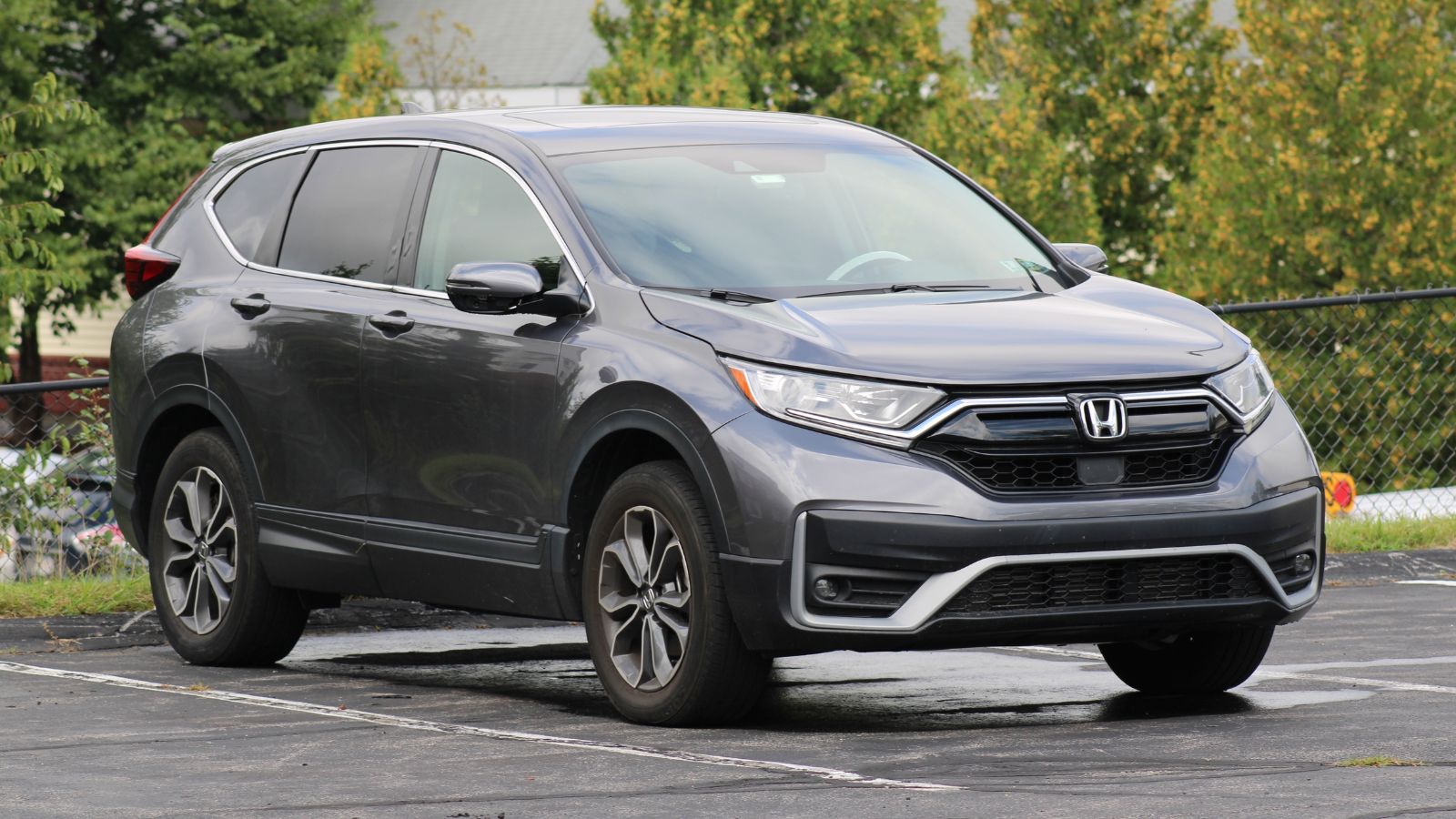
The Honda CR-V may seem like a surprising remorse candidate because it is one of Canada’s most trusted compact SUVs. Its reputation for practicality, fuel economy, and resale strength is well earned. Many buyers choose it precisely because it feels like the safe decision, especially for commuting families that want space without moving into a larger SUV.
The issue is not basic quality; it is ownership exposure. The CR-V has ranked among Canada’s most stolen vehicles, and theft risk has become a serious ownership factor in several provinces. Insurance premiums, anti-theft device requirements, driveway anxiety, and resale concerns can all affect the experience. A buyer who stretched the budget for a dependable Honda may become frustrated by costs unrelated to mechanical reliability. The CR-V remains a sensible SUV, but in high-theft regions, the stress can arrive much faster than expected.
Lexus RX
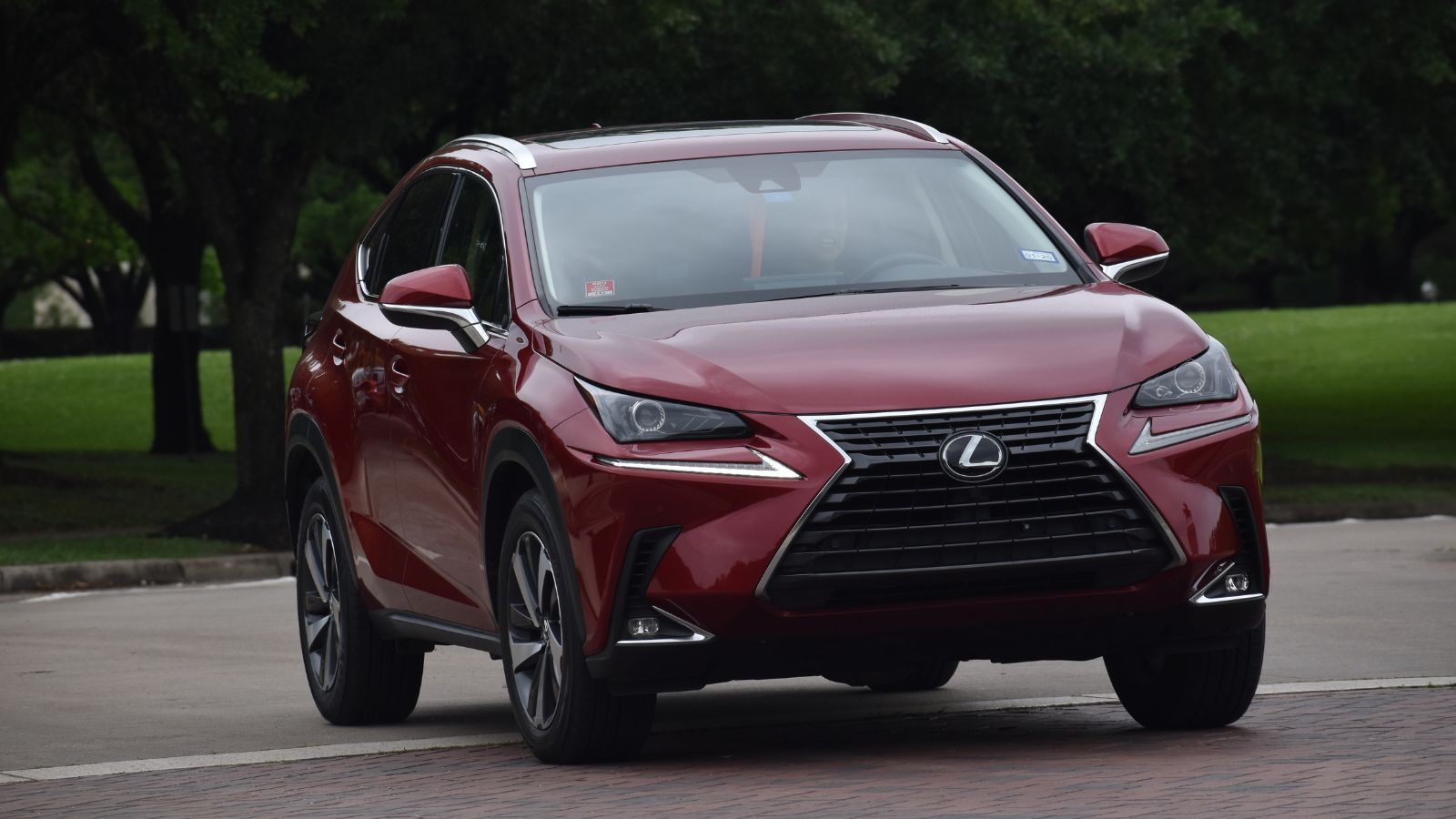
The Lexus RX has a reputation for comfort, long-term durability, and strong resale value. That reputation makes it a default luxury SUV choice for many Canadian buyers who want premium features without German maintenance anxiety. On paper, it looks like the opposite of buyer’s remorse: refined, reliable, and easy to recommend.
The problem is desirability cuts both ways. The Lexus RX has also appeared near the top of Canada’s most stolen vehicle lists, with a notably high theft rate for certain model years. That can turn a relaxing luxury purchase into a source of daily concern, especially in theft-heavy urban areas. Insurance costs, tracking-device requirements, parking precautions, and replacement delays can all change the emotional math. The RX is not a poor vehicle; it is a strong vehicle with a risk profile that buyers may not fully price in.
Mercedes-Benz EQE SUV
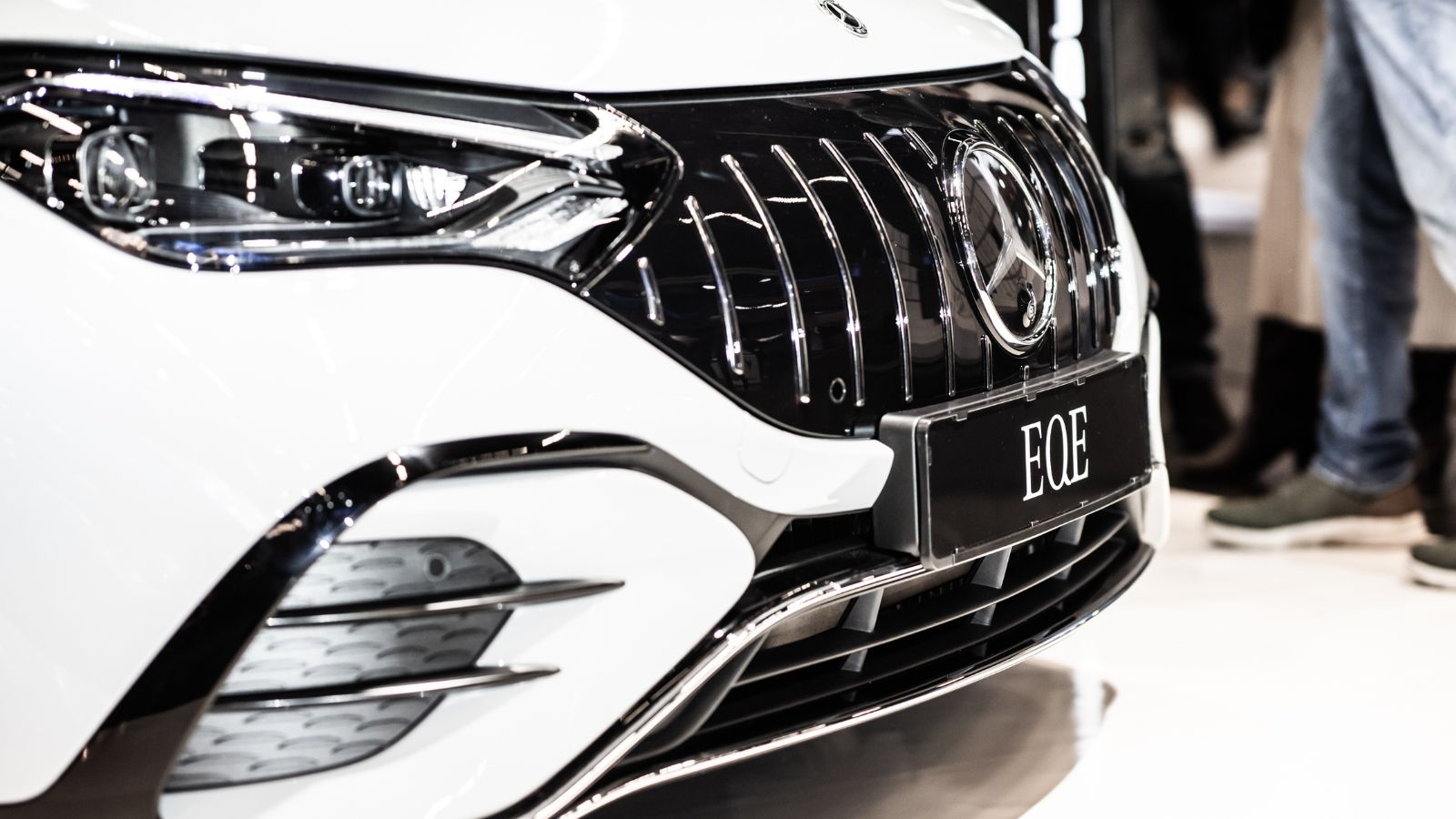
The Mercedes-Benz EQE SUV promises quiet luxury, advanced technology, and electric prestige. It attracts buyers who want a premium EV without sacrificing comfort or badge status. The cabin can feel serene, and the technology-heavy interface gives it the futuristic feel expected from a high-end electric Mercedes.
Remorse can develop when depreciation and complexity become more visible. Luxury EVs often face steep used-market adjustments because new incentives, battery concerns, fast-changing technology, and high original MSRPs can pressure resale values. Mercedes repairs, tires, wheels, sensors, and bodywork are rarely cheap, and EV-specific diagnostics narrow service options. In Canada, winter range and charging convenience add another layer. The EQE SUV may be satisfying for a lease customer with predictable use, but a long-term buyer could quickly question the financial exposure.
Maserati Grecale
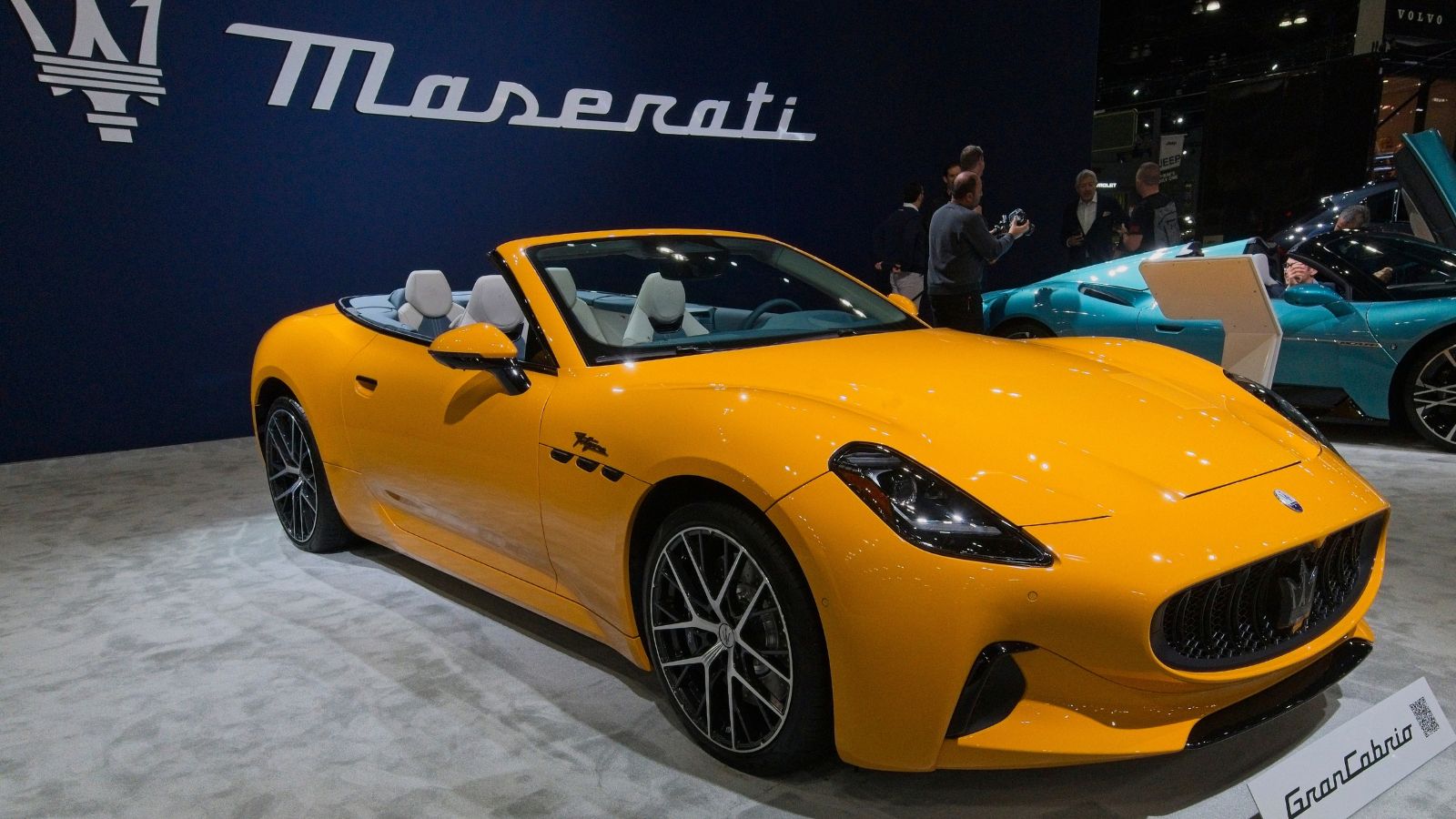
The Maserati Grecale sells emotion first: Italian branding, sharp styling, exclusivity, and a sense of occasion that mainstream luxury SUVs cannot easily copy. For buyers tired of seeing the same German SUVs everywhere, it can feel refreshing. The test drive and showroom experience may make the decision feel more personal than practical.
That emotion can fade when resale and maintenance enter the conversation. Maserati models have historically struggled with depreciation compared with stronger value-retention brands, and niche luxury vehicles can be harder to service or resell in smaller Canadian markets. Parts availability, specialized labour, tire costs, and insurance can all surprise buyers who focused mainly on monthly payments. The Grecale can be enjoyable, but it is not the safest financial bet. Remorse often begins when the buyer realizes exclusivity can also mean a smaller pool of future buyers.
22 Things Canadians Do to Their Cars in Spring That Mechanics Hate

Spring brings relief to many Canadian drivers after months of snow, freezing temperatures, and icy roads that put serious strain on vehicles. As temperatures rise across the country, drivers begin washing cars, switching tires, and preparing vehicles for warmer weather and upcoming road trips. However, mechanics across Canada notice the same mistakes every spring when drivers attempt to recover from winter damage. Road salt, potholes, and harsh winter driving conditions often leave vehicles with hidden problems that drivers ignore. Some spring habits even create new mechanical issues that could have been avoided with proper maintenance. Here are 22 things Canadians do to their cars in spring that mechanics hate.