

























A vehicle remembers how it has been treated. Long after a rushed commute, a hard curb strike, or an aggressive stop has been forgotten, the evidence may remain in its tires, brakes, steering, transmission, and bodywork. Experienced mechanics learn to recognize these patterns quickly, although no single defect can prove that someone is a poor driver.
These 18 clues often reveal habits such as harsh braking, careless parking, neglected warnings, improper shifting, overloading, and repeatedly striking road hazards. Some problems are mainly expensive, while others can reduce control, visibility, or braking performance. Mechanics also consider mileage, road conditions, maintenance history, component quality, and vehicle design before reaching conclusions. What attracts their attention is usually not one isolated scratch or worn part, but a collection of damage that tells a consistent story.
Feathered or One-Sided Tire Wear

A mechanic can learn a surprising amount by running a hand across the tire tread. Feathered tread blocks feel smooth in one direction and sharp in the other, while wear concentrated along one edge can point toward incorrect wheel alignment. Aggressive cornering, frequent curb contact, worn suspension parts, and long periods of driving with poor alignment can all contribute. Uneven wear is especially revealing when one front tire looks dramatically different from the tire beside it.
Consider a car that has relatively new tires but arrives with the inner shoulders nearly bald. The owner may believe the tires were defective, yet an alignment check can reveal excessive toe or camber. Mechanics do not automatically blame the driver because potholes and component wear can produce the same result. However, repeatedly replacing tires without correcting a pull, crooked steering wheel, or known alignment problem suggests that warning signs have been ignored. Government safety guidance recommends checking uneven tread because it may indicate that rotation or wheel alignment is required.
Tires That Are Consistently Underinflated
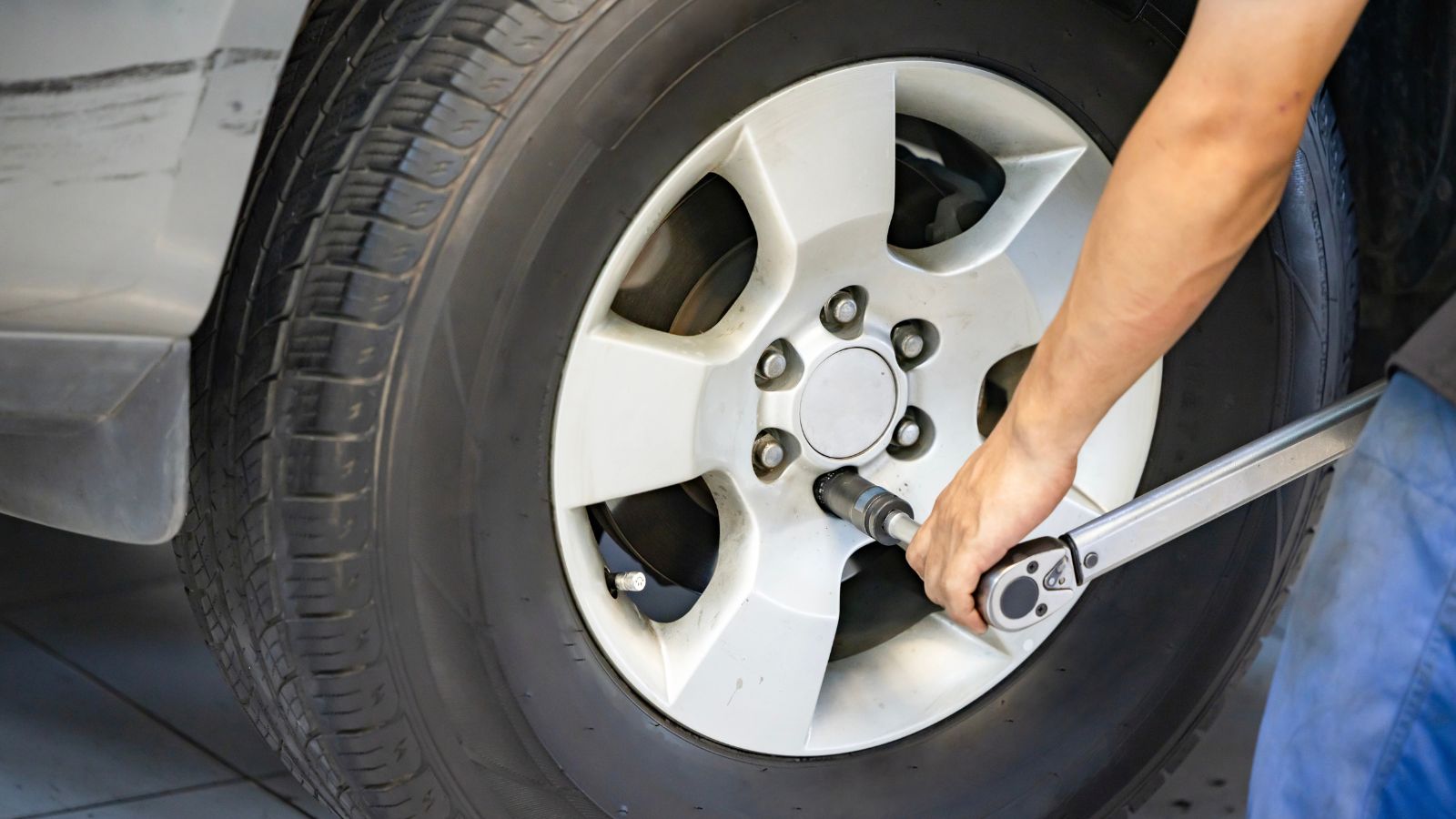
Chronically soft tires are difficult to hide from an experienced technician. The sidewalls may appear overly flexed, both shoulders of the tread can wear faster than the centre, and the tire-pressure monitoring light may have been glowing for weeks. Underinflation also creates additional heat as the tire deforms while rolling. That combination can shorten tire life and increase the possibility of a failure, particularly during high-speed or heavily loaded driving.
Mechanics often become concerned when all four tires are far below the pressure listed on the vehicle placard. A single low tire could have a puncture, but several neglected tires usually point to a missing maintenance habit. Tire-pressure monitoring systems are helpful, yet they generally provide a warning only after pressure has dropped significantly. A simple monthly gauge check can expose the problem earlier. A driver who repeatedly leaves the shop with corrected pressures and returns months later with the same condition is effectively asking the tires to absorb the consequences of inattention.
Centre-Worn Tread From Too Much Pressure
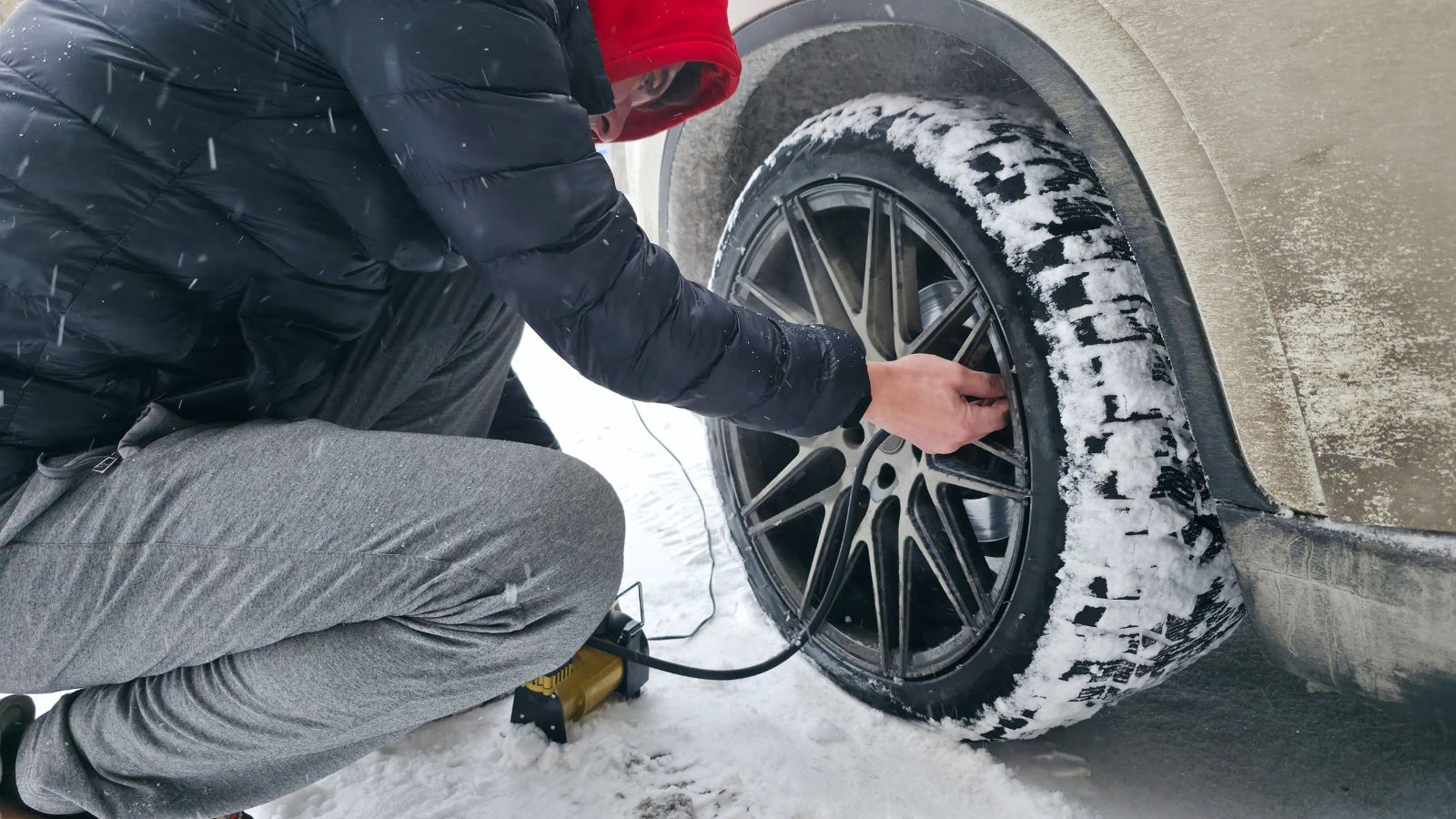
Too little air is not the only pressure problem mechanics encounter. Tires operated with excessive pressure can develop disproportionately heavy wear through the centre of the tread. The rounded profile reduces the amount of tread carrying the load near the shoulders, making the middle portion do more work. Incorrect pressure can also make the ride harsher and leave the tire less able to absorb sharp bumps.
This often happens when drivers inflate every tire to the maximum figure moulded into the sidewall. That figure represents a tire-related limit, not necessarily the pressure recommended for the vehicle. The correct cold pressure is normally printed on a placard near the driver’s door or listed in the owner’s manual. Mechanics may also see overinflation after someone tries to cure a fuel-economy problem by adding unnecessary air. One isolated mistake is easily corrected, but four centre-worn tires suggest that an incorrect practice continued for thousands of kilometres. The expensive part is that pressure correction cannot restore tread that has already disappeared.
Curb Rash and Bent Wheel Rims
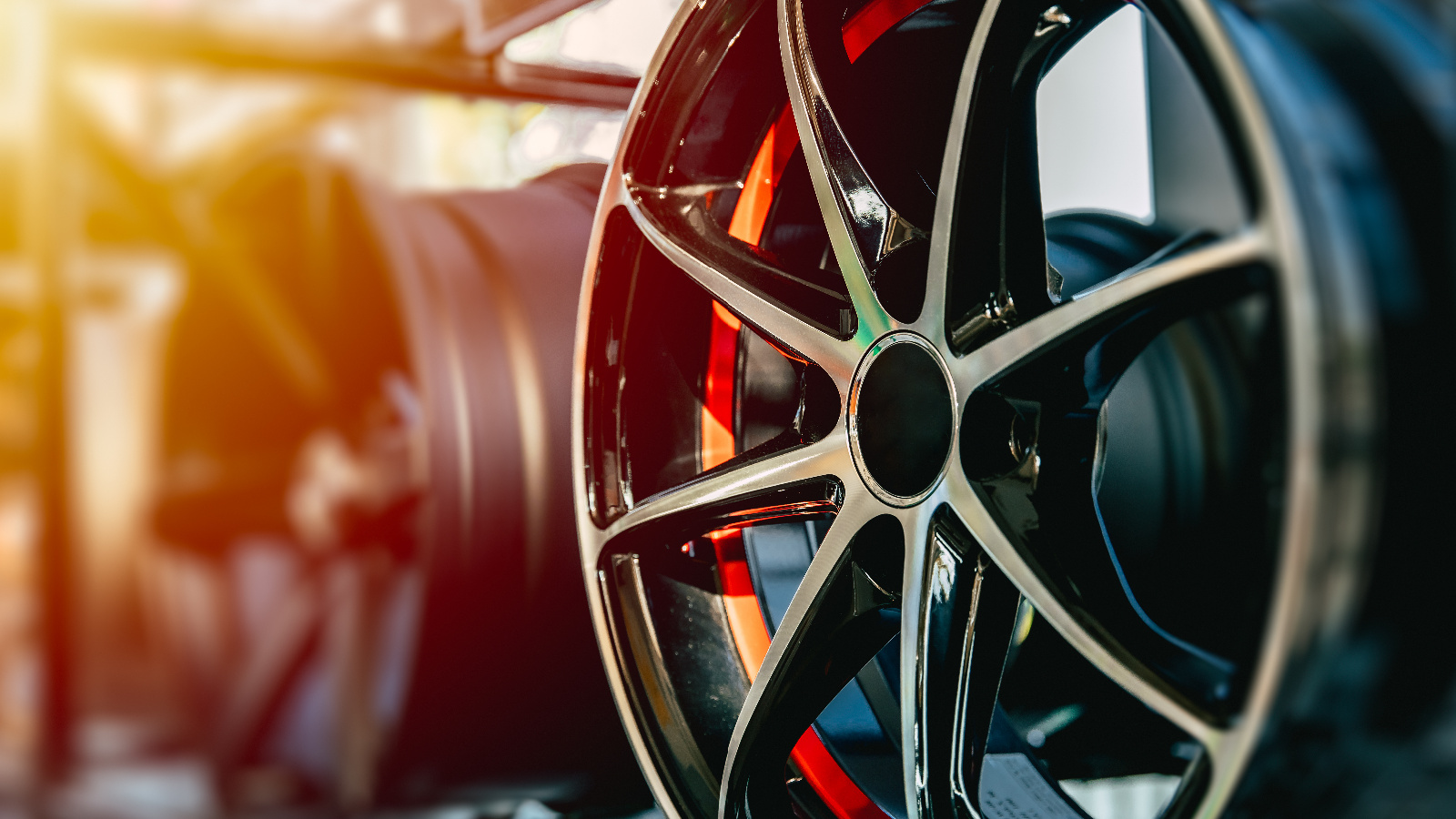
A few light marks on a wheel are common, especially in cities with narrow parking spaces. Mechanics become more suspicious when every rim carries deep circular scrapes, chunks are missing from the finish, or the inner barrel is visibly bent. Repeated curb contact can damage more than appearance. A strong strike can disturb alignment, damage a tire, dislodge balancing weights, or deform the wheel enough to create vibration.
The classic shop example is a customer reporting that the steering wheel suddenly shakes at highway speed. Once the vehicle is raised, the technician discovers a visibly distorted wheel and fresh impact marks. Potholes can produce identical damage, so the location and pattern matter. Damage along the outer face commonly suggests curb contact, while a dent on the inner barrel may be more consistent with a road impact. Mechanics are cautious about assigning blame, but several freshly scarred wheels combined with damaged sidewalls and a misaligned front end often indicate hurried parking or poor awareness of the vehicle’s position.
Sidewall Bulges, Cuts, and Impact Scars
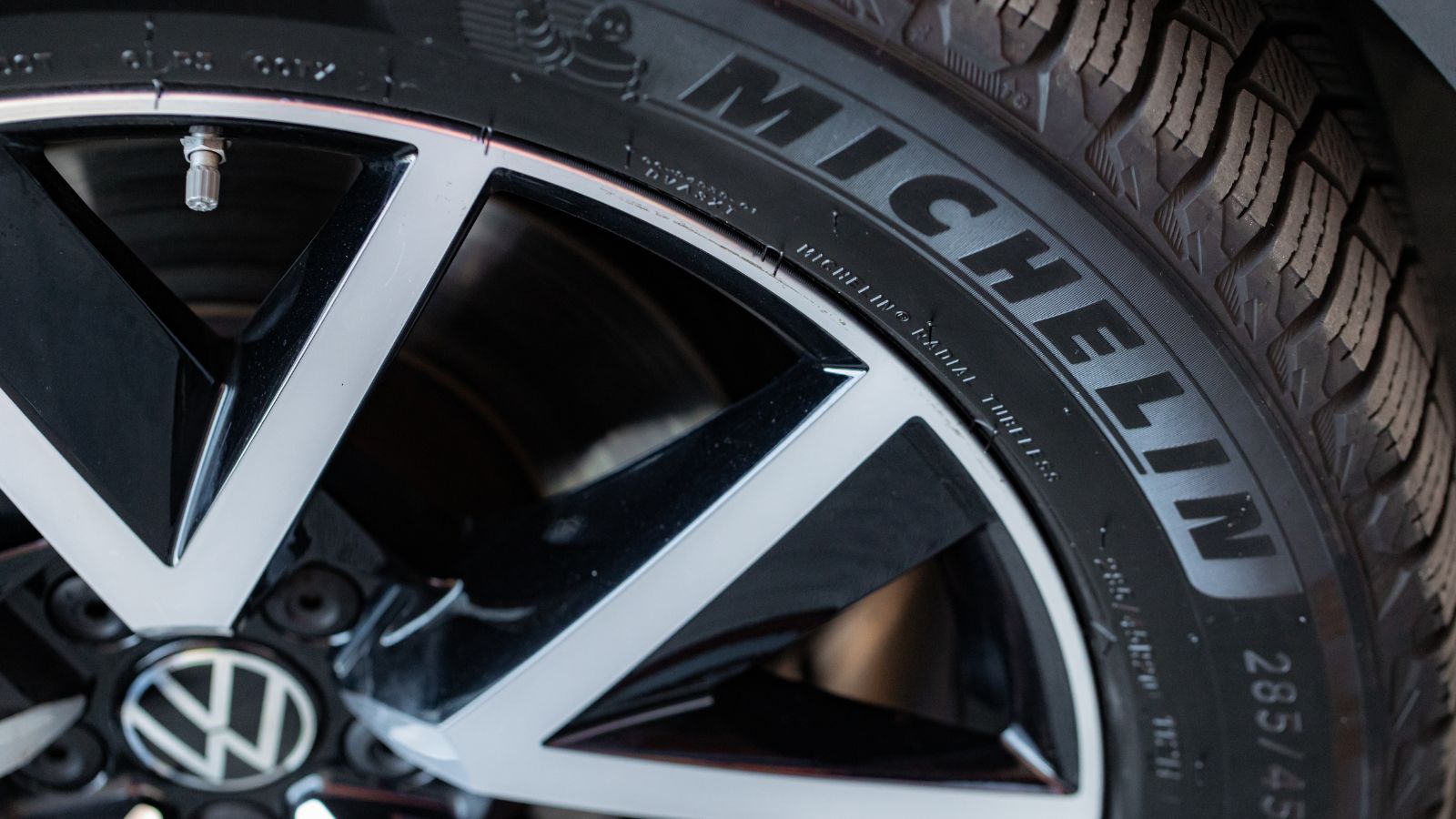
Tire sidewalls receive close attention because they cannot be repaired in the same way as a straightforward puncture in the tread area. A bubble or bulge can indicate that internal cords were damaged by an impact, allowing air pressure to push the rubber outward. Cuts, exposed reinforcement, deep abrasions, and pinched-looking marks near the rim also suggest contact with curbs, potholes, or other hard edges.
A mechanic may spot the danger before the owner notices any change in handling. For example, a small bulge on the inner sidewall can remain hidden while the vehicle is on the ground. Once it is on a lift, the deformation becomes obvious. National safety guidance notes that striking a pothole or bumping a curb can cause sudden pressure loss. Tire manufacturers treat bubbles and significant sidewall damage as conditions requiring professional evaluation and commonly replacement. When similar impact scars appear on several tires, mechanics start thinking less about a single unlucky pothole and more about repeated close encounters with curbs and broken pavement.
Brake Pads That Disappear Too Quickly
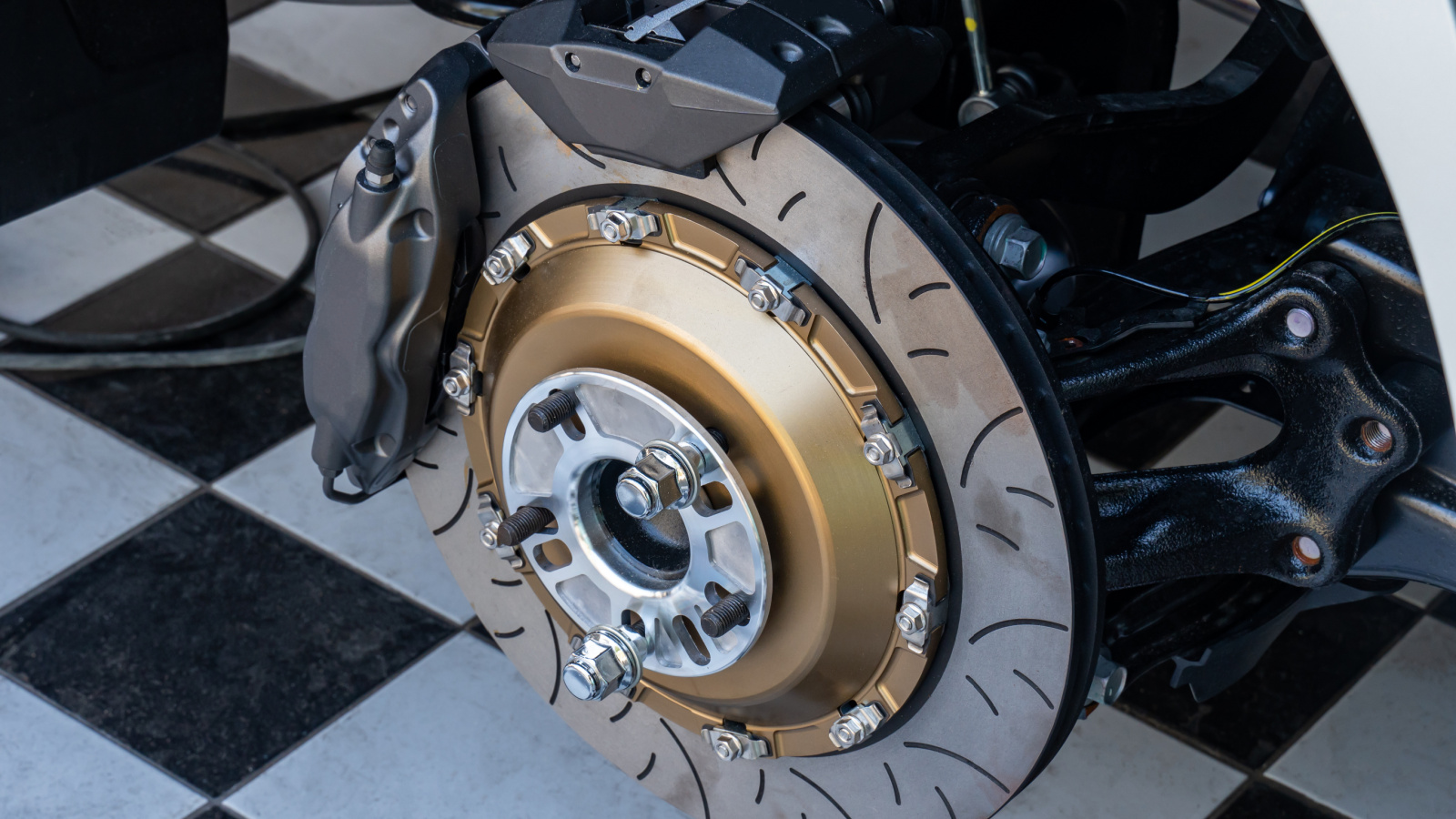
Brake pads are designed to wear, so their condition alone does not identify an aggressive driver. Vehicle weight, pad material, traffic density, terrain, regenerative braking, and mechanical faults all influence service life. What catches a mechanic’s attention is a pattern: recently installed pads are already thin, the wheels are coated in heavy brake dust, and the driver reports frequent emergency-style stops despite mostly ordinary commuting.
Late braking converts more of the vehicle’s motion into heat over a shorter period. Tailgating can intensify the problem because it leaves less space for gradual deceleration. A technician may ask about driving conditions before assuming abuse, since a delivery vehicle in city traffic naturally works its brakes harder than a highway commuter. Still, repeated rapid pad consumption without a sticking caliper or other defect often points toward driving technique. AAA advises more frequent brake inspections for aggressive drivers, while government efficiency research defines rapid acceleration and braking as aggressive behaviour that can also reduce fuel economy substantially.
Heat-Marked Rotors and a Burnt Brake Smell
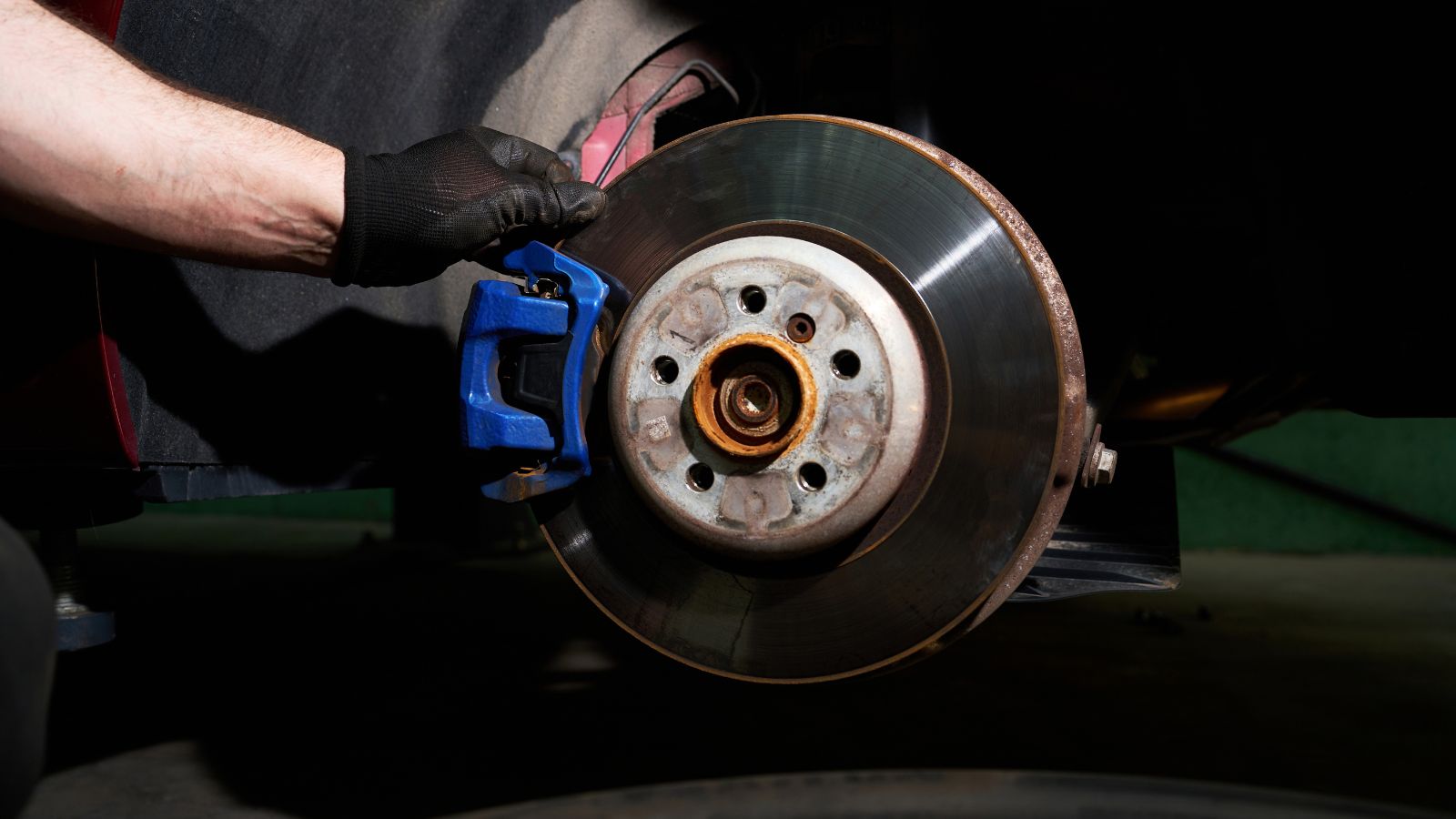
Brake rotors can preserve evidence of extreme heat. Mechanics may find blue or dark patches, glazing, surface cracking, or areas where pad material has transferred unevenly. A sharp burnt smell after a short test drive is another warning. Heat damage can result from a binding caliper or incorrectly adjusted parking brake, but it can also develop after repeated hard stops, riding the brakes downhill, or continuing to drive when the system is already overheating.
The diagnosis depends on whether one wheel or the entire system is affected. One unusually hot wheel often points toward a mechanical fault. Similar heat damage at multiple wheels may suggest demanding use or poor braking technique. Commercial-vehicle inspection guidance treats severely overheated brakes and significant heat cracks seriously because deterioration can progress. A mechanic hearing that the vehicle was driven down a long grade with constant pedal pressure will usually recommend a full inspection rather than simply replacing pads. Selecting a lower gear where appropriate and allowing brakes to cool can prevent a routine descent from becoming an expensive repair.
A Clutch That Smells Burnt or Slips
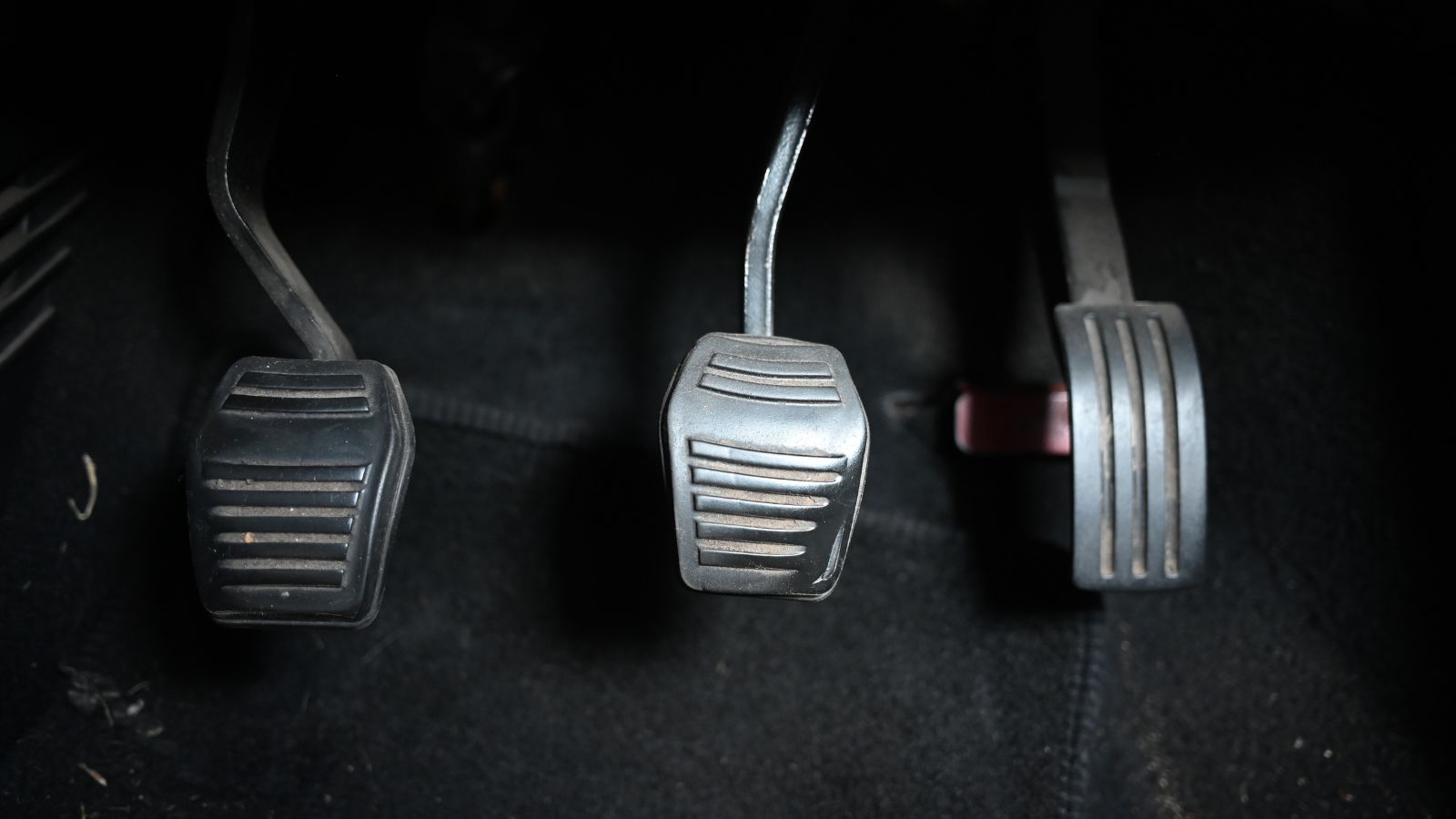
Manual-transmission cars reveal driver technique especially clearly. A clutch that engages unusually high, slips when the engine is placed under load, shudders during takeoff, or produces a hot friction smell may have endured excessive slipping. Normal use eventually wears every clutch, but resting a foot on the pedal, balancing the car on a hill with the clutch, or using excessive engine speed during takeoff can accelerate that process.
Ford owner guidance specifically warns against driving with a foot resting on the clutch pedal or using the clutch to hold a vehicle stationary on a hill. Those practices reduce clutch life. Mechanics often hear the revealing explanation before testing the car: the driver says the engine speed rises during acceleration but the vehicle does not gain speed proportionally. A worn clutch can produce that symptom because engine power is no longer being transferred efficiently. Mileage still matters—a clutch in a high-mileage vehicle may simply be worn out—but a relatively new clutch with severe heat damage often tells a less flattering story about how it was operated.
Reluctant, Noisy, or Rough Gear Changes
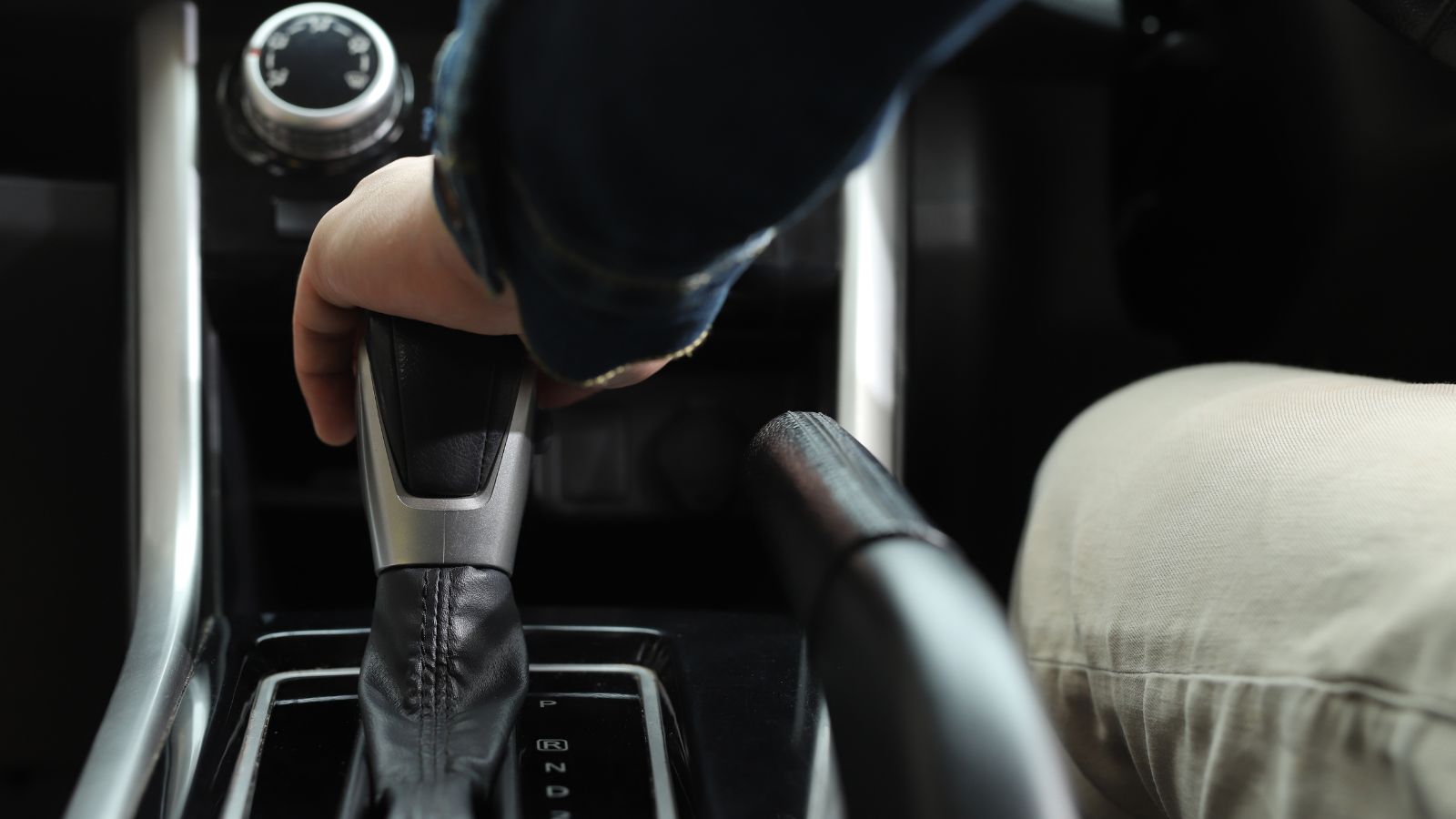
A manual gearbox that crunches during shifts may lead a mechanic to inspect the clutch operation and transmission components. Failing to push the clutch pedal fully to the floor can keep the engine partially connected to the gearbox during a shift. Manufacturer guidance warns that incomplete clutch-pedal travel can increase shifting effort, prematurely wear components, or damage the transmission. Resting a hand heavily on the gear lever can also place unnecessary pressure on parts of some shift mechanisms.
Automatic transmissions can suffer from a different bad habit: changing between Drive and Reverse before the car has stopped. Many owner manuals instruct drivers to come to a complete stop because selecting Park, Neutral, or Reverse while moving can cause internal damage. Modern electronic controls may block the worst commands, but not every vehicle provides the same protection. When a customer describes a loud clunk followed by delayed engagement, mechanics will ask exactly when the shift occurred. One accidental mistake may cause no lasting harm. Repeated direction changes while the vehicle is rolling, however, can eventually produce an expensive pattern of wear.
A Heavy Clunk When Leaving Park

Some automatic cars produce a noticeable clunk when shifted out of Park on a hill. The sound can occur when the vehicle’s weight has been allowed to settle against the transmission’s parking mechanism instead of being held by the parking brake. It does not automatically mean the transmission is damaged, but it tells a mechanic something about the driver’s parking routine.
Many manufacturer instructions recommend setting the parking brake when leaving a vehicle, and some manuals specifically advise applying it before selecting Park on an incline. A careful sequence is to stop with the foot brake, apply the parking brake, allow it to hold the vehicle, and then select Park as directed by the manufacturer. Drivers who rely entirely on the transmission may notice that the selector becomes difficult to move after parking on a steep grade. Mechanics recognize this complaint immediately. The parking mechanism is a safety device, but repeatedly loading it with the full weight of the vehicle is unnecessary when a functioning parking brake is available to share the job.
A Crooked Steering Wheel on a Straight Road

During a short road test, mechanics notice whether the steering wheel sits level while the vehicle travels straight. An off-centre wheel, persistent pull, or need for constant correction can indicate alignment problems, uneven tire pressure, tire defects, or worn steering and suspension components. Drivers sometimes adapt gradually and stop noticing the issue, even as the tires continue to wear unevenly.
Alignment can be disturbed by potholes, rough roads, curbs, collisions, and aggressive driving. AAA notes that these forces can affect the suspension geometry and steering. A mechanic will check tire pressure and condition before adjusting anything because an alignment machine cannot compensate for a damaged tire or loose component. The behaviour that raises concern is not necessarily causing the initial misalignment; roads can be brutal. It is continuing to drive for months after the steering wheel becomes crooked or the car begins pulling. By the time the vehicle reaches the shop, a relatively simple alignment problem may have consumed an otherwise usable set of tires.
Cupped Tires and Tired Suspension Parts
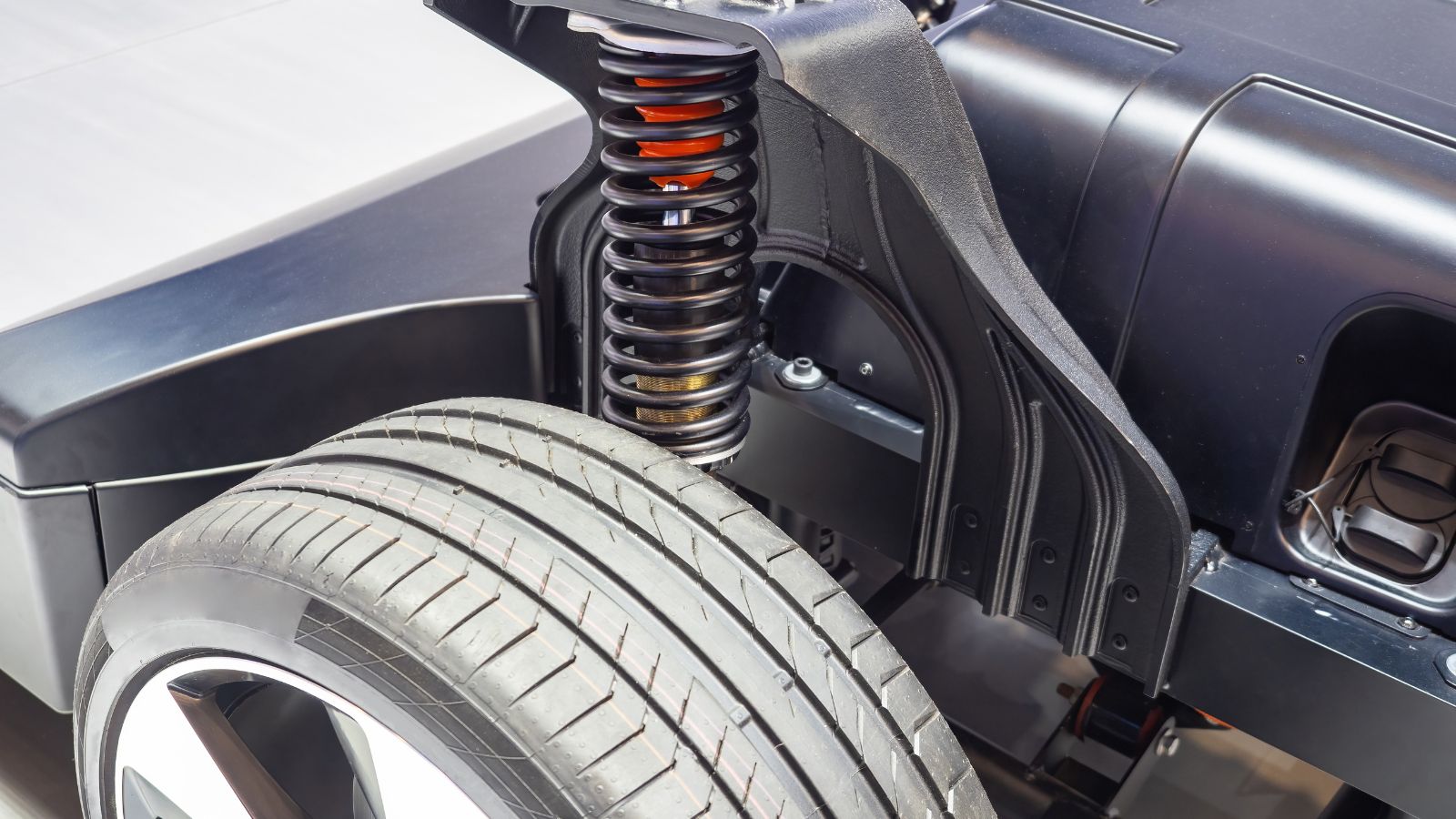
Cupping creates a distinctive scalloped pattern around a tire, almost as though small scoops were removed from the tread at regular intervals. Mechanics recognize it by sight and by running a hand around the tire. The pattern can be associated with worn shocks or struts, imbalance, alignment problems, damaged suspension components, or a combination of these factors. It may also create humming, vibration, or a rough ride.
Poor driving does not directly cause every worn shock absorber. Components age, and potholes can damage even a carefully driven car. The stronger clue is a combination of repeated impact damage, neglected noises, badly cupped tires, and a driver who admits the car has been bouncing for months. AAA reports that hard pothole impacts can damage wheels, tires, alignment, steering, shocks, and other suspension parts, with higher-speed impacts increasing the chance of serious damage. Once cupping is advanced, fixing the suspension does not restore the tire. The repair may therefore require both mechanical work and tire replacement—an expensive result of postponing an inspection.
A Vehicle That Is Regularly Overloaded

A heavily loaded vehicle often announces itself before it enters the workshop. The rear may sit unusually low, the tires may appear compressed, and the suspension can strike its bump stops over ordinary road imperfections. Inside, cargo may be stacked above seatbacks or packed without restraint. Mechanics compare these observations with the load information printed on the vehicle placard, which accounts for passengers and cargo rather than cargo alone.
Overloading increases stress and heat in tires and can affect braking, suspension, stability, and steering. The risk is not limited to commercial trucks. A small crossover filled with passengers, luggage, roof cargo, and a trailer tongue load can exceed its rating more easily than expected. Mechanics may find accelerated rear-tire wear, weakened springs, overheated brakes, or damaged wheel bearings after repeated overloading. One holiday trip does not make someone a bad driver, particularly when the limits were misunderstood. Continuing to operate the vehicle while it visibly sags, handles poorly, or carries more than its rated capacity demonstrates a more serious disregard for the machine’s limits.
Warning Lights That Have Clearly Been Ignored

Few things concern a mechanic faster than a dashboard glowing with warning lights while the owner says, “They have been on for months.” Some lights indicate relatively minor emissions faults, while others involve anti-lock brakes, stability control, steering, airbags, oil pressure, charging, coolant temperature, or brake fluid. The colour, symbol, vehicle behaviour, and manufacturer instructions determine how urgently each warning should be treated.
Inspectors specifically check warning lamps for systems such as ABS, electronic stability control, electronic parking brakes, brake fluid, and power steering. A light does not always mean the entire system has failed, but it means the vehicle has detected a condition that deserves diagnosis. Mechanics often encounter cars where tape has been placed over a warning light or the driver has learned to ignore a persistent chime. That response removes information rather than fixing the fault. A responsible driver checks the manual and arranges service based on the warning’s severity. Ignoring an oil-pressure or overheating warning can turn a manageable fault into major engine damage within a remarkably short distance.
Oil and Fluid Levels That Barely Register
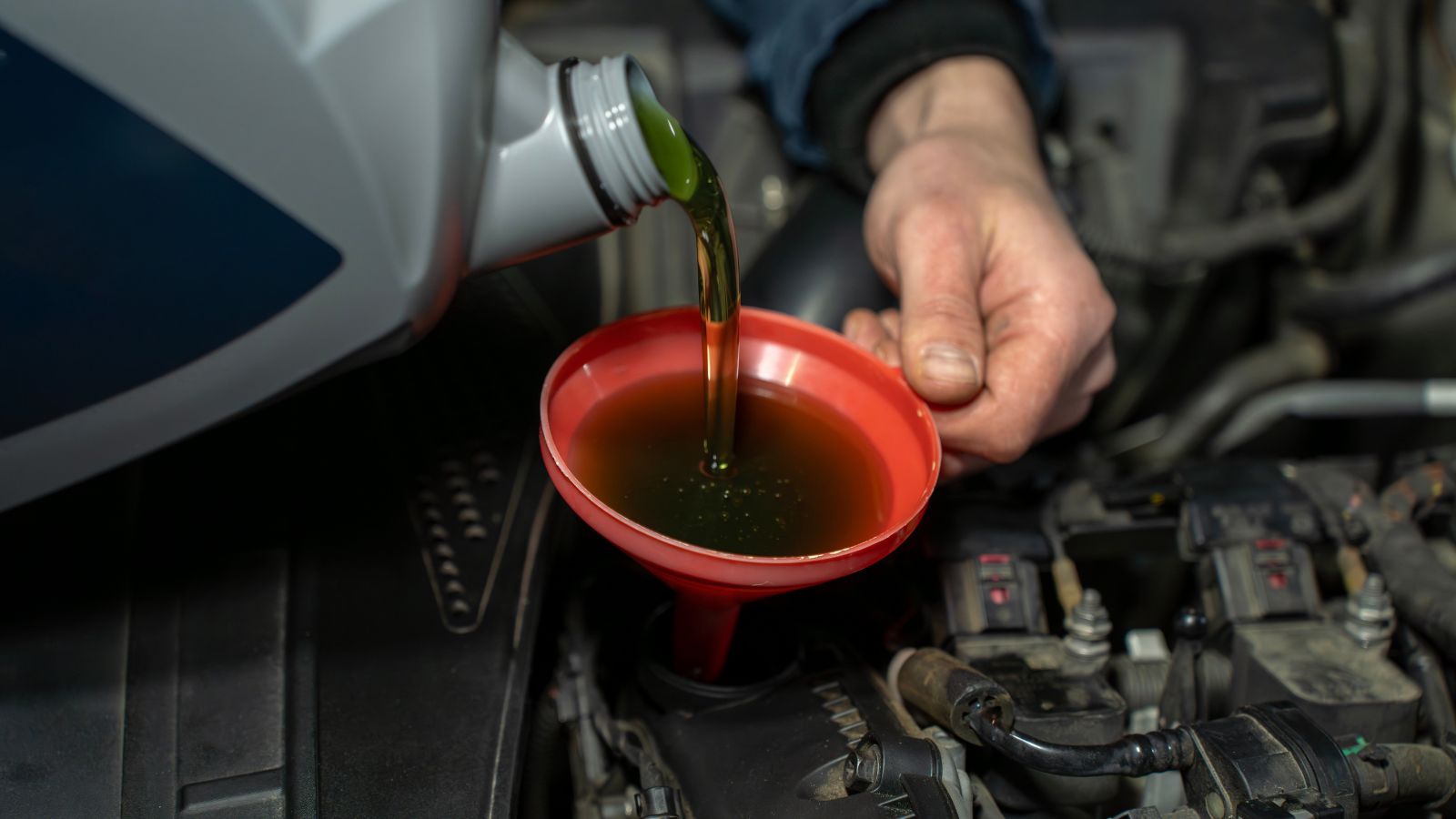
Opening the bonnet can reveal another form of poor vehicle care. A dipstick that shows almost no oil, an empty washer reservoir, or neglected coolant and brake-fluid levels tells a mechanic that basic checks may not be happening. Leaks and component failures can lower fluids unexpectedly, so technicians first identify where the fluid went. The driver’s responsibility is noticing the warning signs and responding before damage spreads.
Engine oil lubricates, cools, and helps clean internal components. AAA warns that operating a car with insufficient oil can cause serious engine damage and recommends regular level checks. Mechanics may also find thick deposits under the oil cap, a service reminder far overdue, or a filter with no reliable replacement history. Those conditions are not necessarily evidence of bad driving technique, but they do indicate poor stewardship. The human example is familiar: a driver arrives because the engine has become noisy, only to reveal that the oil warning appeared several weeks earlier. By then, simply adding oil may not reverse wear that has already occurred.
Worn Wipers, Dirty Glass, and Misaligned Mirrors
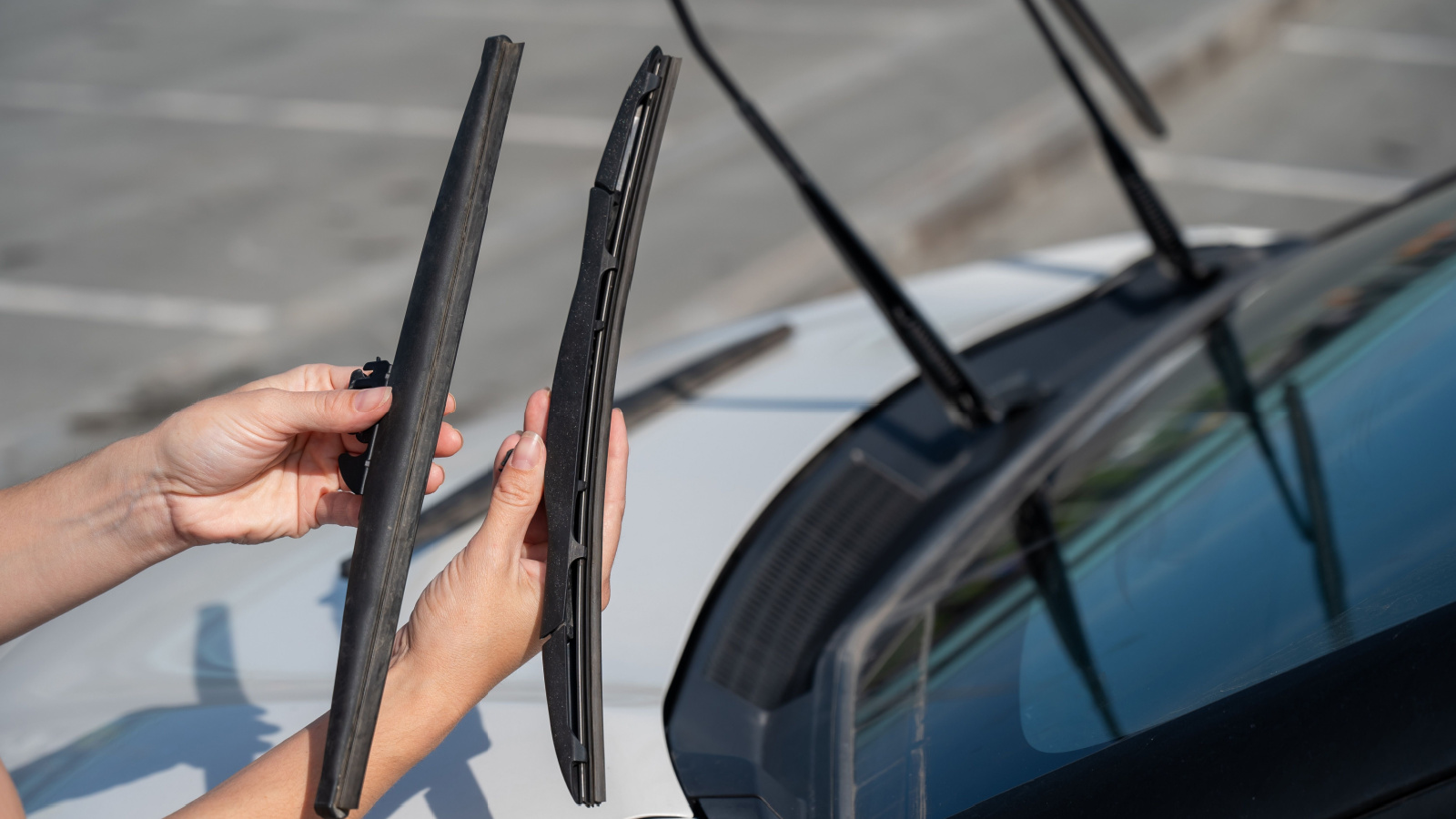
Mechanics notice whether a driver has given themselves a clear view of the road. Split wiper blades, an empty washer bottle, greasy interior glass, heavily damaged mirrors, and objects blocking the windows are basic problems that can remain visible before the vehicle reaches a lift. They suggest that the driver has become comfortable operating with reduced visibility.
Government vehicle-check guidance requires wipers and washers to work and treats secure, properly aligned mirrors and unobstructed glass as important roadworthiness items. A common example is a rear window completely hidden by cargo while both side mirrors are dirty or folded incorrectly. Another is a windscreen that smears badly during rain because hardened blades have not been replaced. None of these defects proves aggressive driving, but they reveal a willingness to accept avoidable risk. Visibility problems are often inexpensive to correct compared with brakes or suspension. That makes prolonged neglect particularly noticeable to mechanics, who know that seeing hazards early is one of the simplest ways to avoid sudden steering and braking.
Loose Mats and Clutter Around the Pedals

Before beginning a road test, a careful mechanic checks the driver’s footwell. Stacked floor mats, loose bottles, tools, toys, and other objects can migrate toward the pedals. An incompatible or unsecured mat may interfere with accelerator or brake movement. This is not a theoretical concern: major safety recalls have addressed mats capable of trapping accelerator pedals and making a vehicle difficult to slow.
Clutter also reveals how distractions accumulate. A bottle rolling under the brake pedal may have been harmless for months—until the exact moment full pedal travel is needed. Mechanics may remove an obstruction before driving the car and advise the owner to secure only the correctly fitted mat using its retainers. The problem is especially telling when several mats have been placed on top of one another to protect the carpet. Keeping a spotless interior is not a requirement for safe driving, but the area around the pedals is different. Anything that can restrict a control belongs elsewhere, regardless of how convenient the footwell may seem for temporary storage.
Scraped Bumpers and Hanging Underbody Panels

Body scars are not always evidence of carelessness. Parking-lot impacts, road debris, vandalism, and previous owners can leave dents and scratches. Mechanics pay closer attention when damage forms a repeated pattern: both bumper corners are deeply scuffed, mirror housings are cracked, wheel-arch liners are loose, and the undertray has been torn away. Together, these marks suggest frequent contact with curbs, posts, parking barriers, or steep entrances.
Loose body components can become more than cosmetic. Vehicle-inspection guidance treats bumpers, undertrays, spoilers, mirror housings, and other panels as safety concerns when they are insecure, likely to detach, or capable of causing injury. Missing or displaced underbody shielding may also expose components that the shield was designed to protect. A driver who reports “a little scraping noise” may be dragging a large plastic panel beneath the car. Mechanics recognize that one parking mistake happens to almost everyone. The stronger warning is accumulated damage that has repeatedly been ignored until fasteners fail, panels hang near tires, or sharp edges remain exposed.
22 Things Canadians Do to Their Cars in Spring That Mechanics Hate

Spring brings relief to many Canadian drivers after months of snow, freezing temperatures, and icy roads that put serious strain on vehicles. As temperatures rise across the country, drivers begin washing cars, switching tires, and preparing vehicles for warmer weather and upcoming road trips. However, mechanics across Canada notice the same mistakes every spring when drivers attempt to recover from winter damage. Road salt, potholes, and harsh winter driving conditions often leave vehicles with hidden problems that drivers ignore. Some spring habits even create new mechanical issues that could have been avoided with proper maintenance. Here are 22 things Canadians do to their cars in spring that mechanics hate.