

























Editor’s note: the most recent full model-by-model rankings published nationally are based on 2024 theft data. Because no official Canada-wide top-22 table has been released, this piece uses the 22 distinct vehicle nameplates that appeared across the national and regional top-10 rankings tied to that latest full-year data.
Auto theft in Canada no longer looks like a niche insurance problem. It has become a national crime story with local consequences: missing family SUVs, work trucks that vanish overnight, rising claims costs, and criminal networks that keep adapting faster than most drivers expect. The latest full-year model rankings show a market that is still heavily tilted toward high-demand SUVs and pickups, even as overall theft volumes have started to come down from the worst recent peaks.
Taken together, the national list and the regional rankings for Ontario, Alberta, Quebec, and Atlantic Canada surface 22 vehicle nameplates that kept showing up again and again. Some are obvious targets because of resale value. Others stand out because they are everywhere, easy to move, easy to part out, or attractive to organized theft rings looking for a predictable payday.
Toyota RAV4
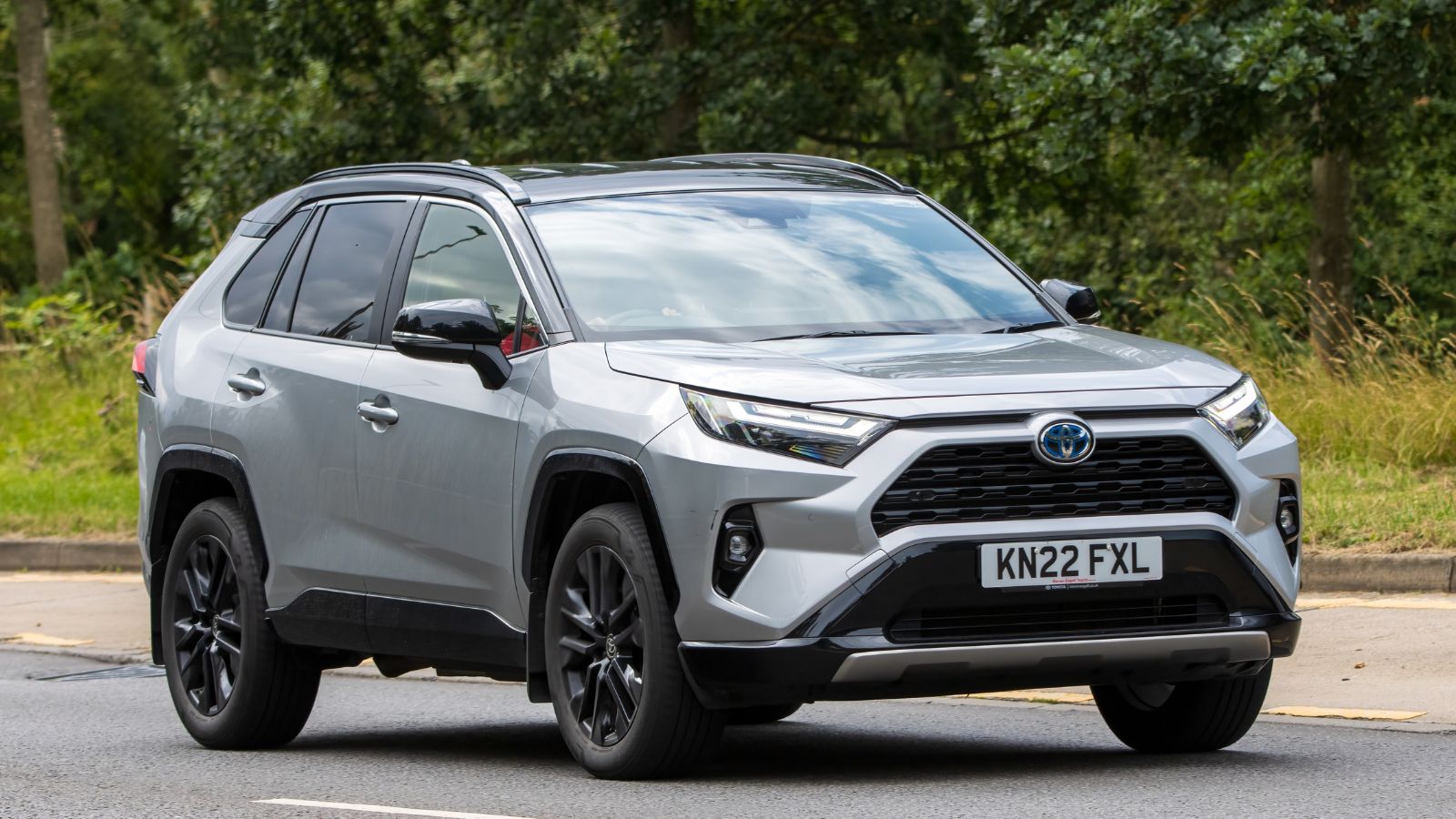
The Toyota RAV4 sits at the center of the current Canadian theft picture. In the latest national ranking, it took the top spot, and it also led Quebec’s list by a wide margin. That combination matters because it shows the RAV4 is not just a big-volume target in one province. It is a broadly desirable vehicle in exactly the parts of the country where organized auto theft networks have been most active. When a model is common, valuable, and easy to resell or ship, thieves do not need to be creative.
That helps explain why the RAV4 keeps coming up in official warnings. It is a practical family vehicle with strong resale demand, which makes it attractive in both legal and illegal markets. In a Canadian driveway, it can look like an ordinary crossover. In a theft network, it can look like inventory. That gap between how familiar it feels to owners and how valuable it looks to criminals is a big part of the story.
Dodge Ram 1500 Series
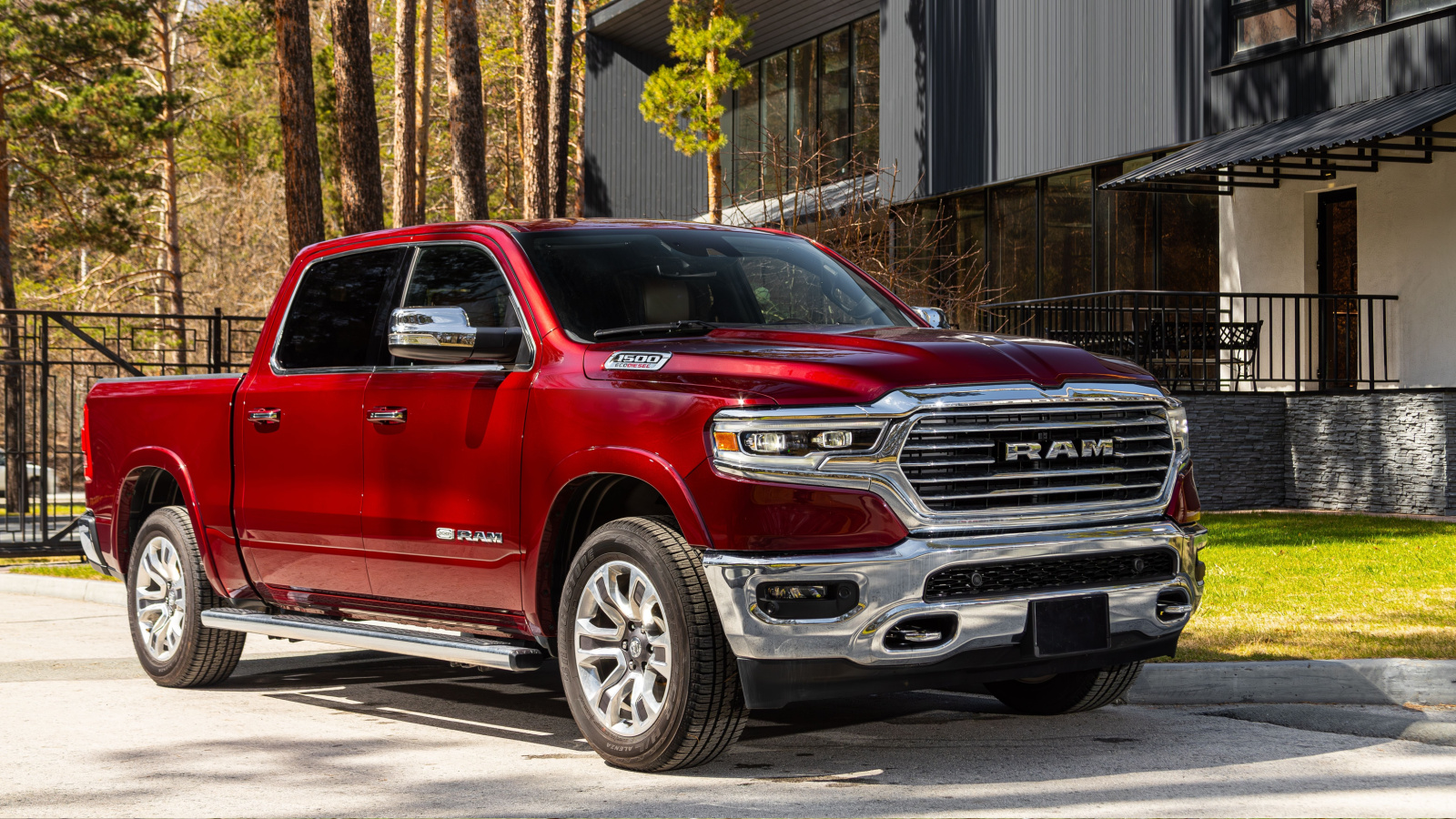
The Ram 1500 is the clearest sign that pickups are still central to vehicle theft in Canada. It ranked second nationally, second in Ontario, first in Alberta, and first in Atlantic Canada. Few vehicles show that kind of reach across provinces with very different driving habits. In other words, this is not only a big-city problem or a port-city problem. The Ram’s theft profile stretches from suburban Ontario to truck-heavy western and eastern markets.
Part of the reason is simple: there are a lot of them, and they are useful. A full-size pickup can appeal to thieves for resale, parts, or export, and it also blends into everyday traffic in a way many luxury vehicles cannot. That ordinary appearance can be a strange advantage. A stolen Ram does not necessarily stand out at first glance, especially in regions where pickups are woven into daily work and family life.
Honda CR-V
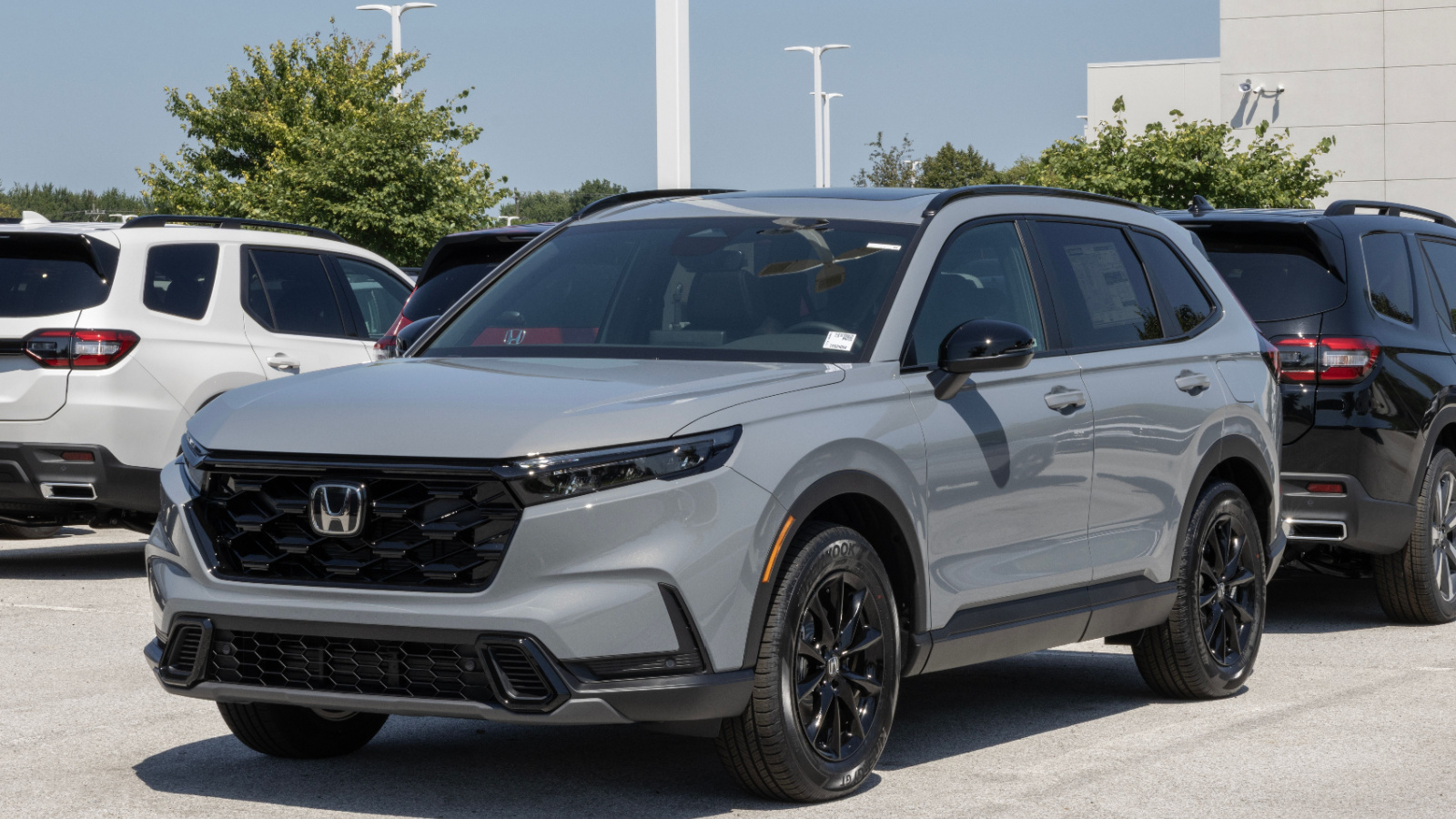
The Honda CR-V remains one of the most persistent targets in the country. It ranked third nationally, first in Ontario, second in Quebec, and still appeared on Atlantic Canada’s top-10 list. That is a remarkable geographic spread for a compact SUV. Even when another model grabs the national headline, the CR-V keeps reappearing in the data, which suggests this is not a brief spike. It is a durable pattern.
That persistence makes the CR-V especially notable. It is not a rare luxury vehicle or a niche truck with a specialized market. It is one of the most normal vehicles on Canadian roads, which is precisely why its theft numbers can stay stubbornly high. A model that is easy to spot in a school pickup lane, condo lot, or commuter driveway is also easy for thieves to identify, source, and move through a broad secondary market.
Ford F150 Series
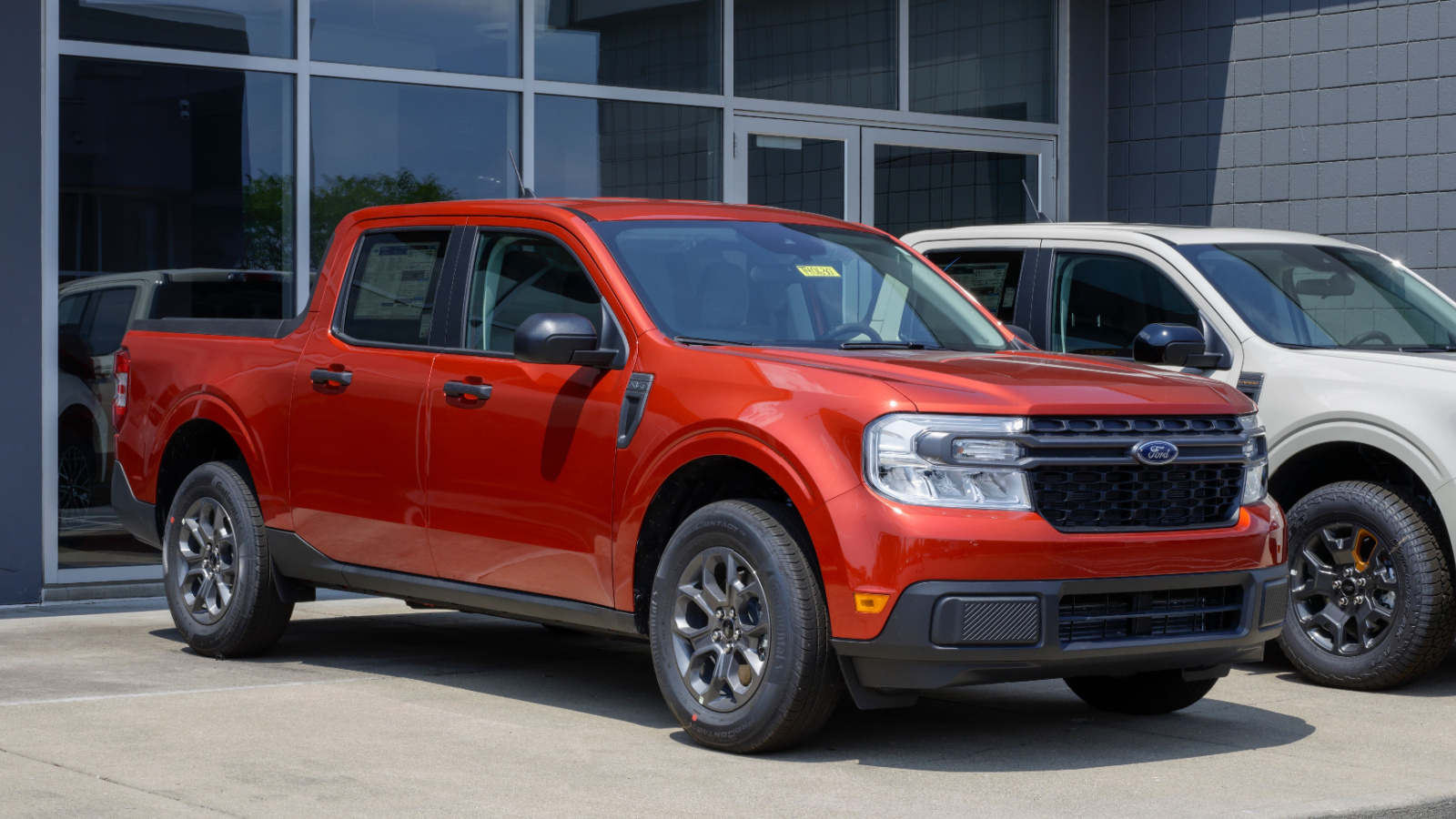
The Ford F-150 remains one of Canada’s defining vehicles, and the theft rankings show that popularity comes with risk. It placed fourth nationally, fifth in Ontario, ninth in Quebec, and appeared high on both Alberta and Atlantic Canada’s lists. Very few vehicles bridge rural, suburban, commercial, and personal use as completely as the F-150 does. That wide footprint makes it one of the easiest trucks for criminals to target without attracting much immediate attention.
There is also a practical criminal logic at work. High-volume vehicles tend to support strong demand for replacement parts and resale, and full-size pickups can carry more value than many small cars. The F-150 is also common enough that one more in traffic does not necessarily raise suspicion. For owners, that familiarity can feel reassuring. In theft data, though, familiarity often turns into visibility, and visibility can turn into opportunity.
Honda Civic
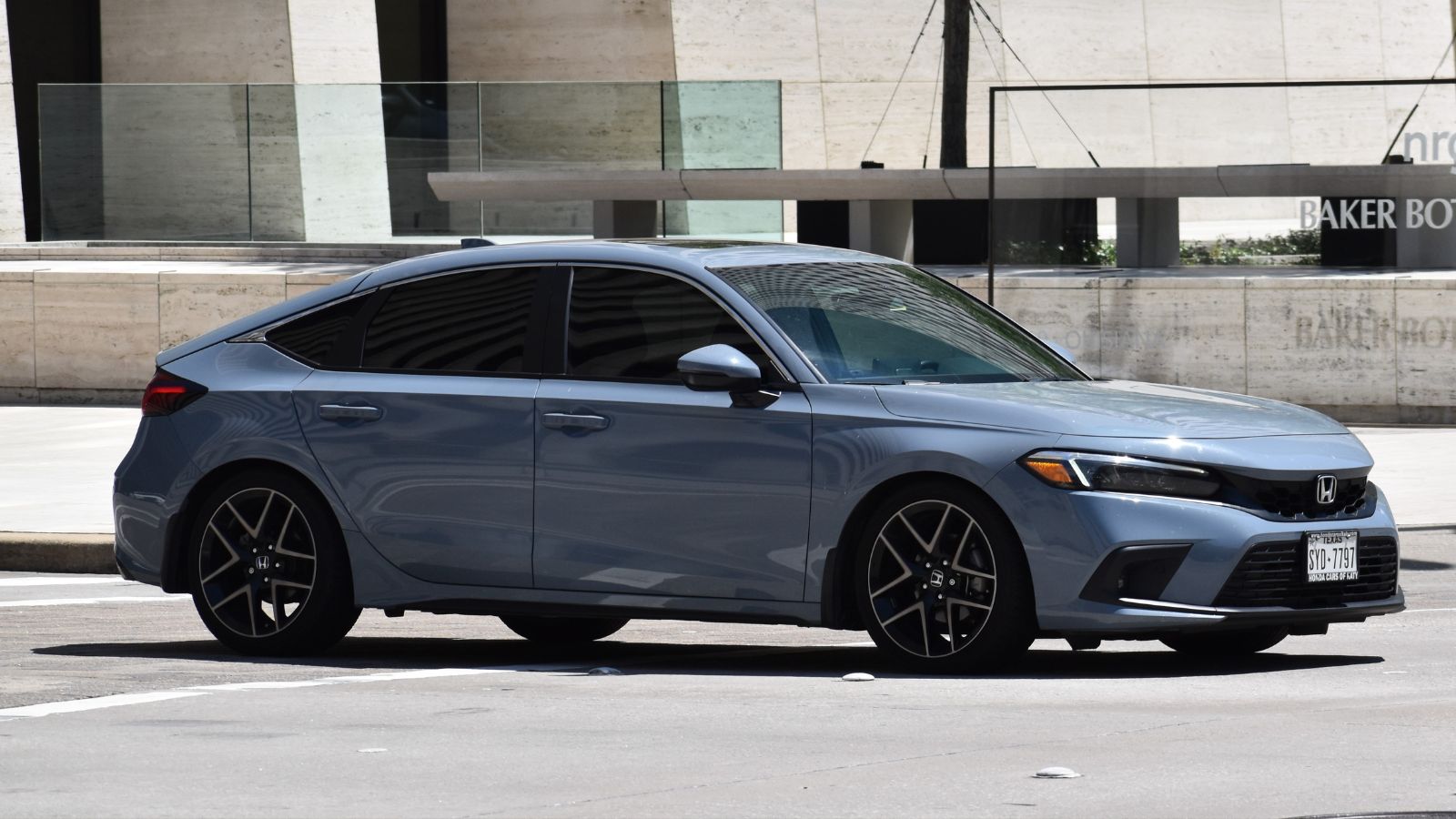
The Honda Civic has been on Canadian theft lists for so long that it almost feels built into the country’s automotive folklore. Yet the current data shows it is still far from a legacy problem. It ranked fifth nationally, third in Ontario, third in Quebec, and fourth in Atlantic Canada. That matters because the Civic is not only enduring as a target, it is staying relevant across several distinct regional theft markets at once.
Its appeal is different from that of a luxury SUV or a new pickup. The Civic’s strength lies in how common, recognizable, and liquid it is. It is a vehicle with enormous circulation, a wide owner base, and plenty of parts demand. That makes it a practical target in a way that is almost boring until the theft numbers are laid out. In the rankings, the Civic is a reminder that ordinary vehicles can still power extraordinary theft totals.
Jeep Wrangler
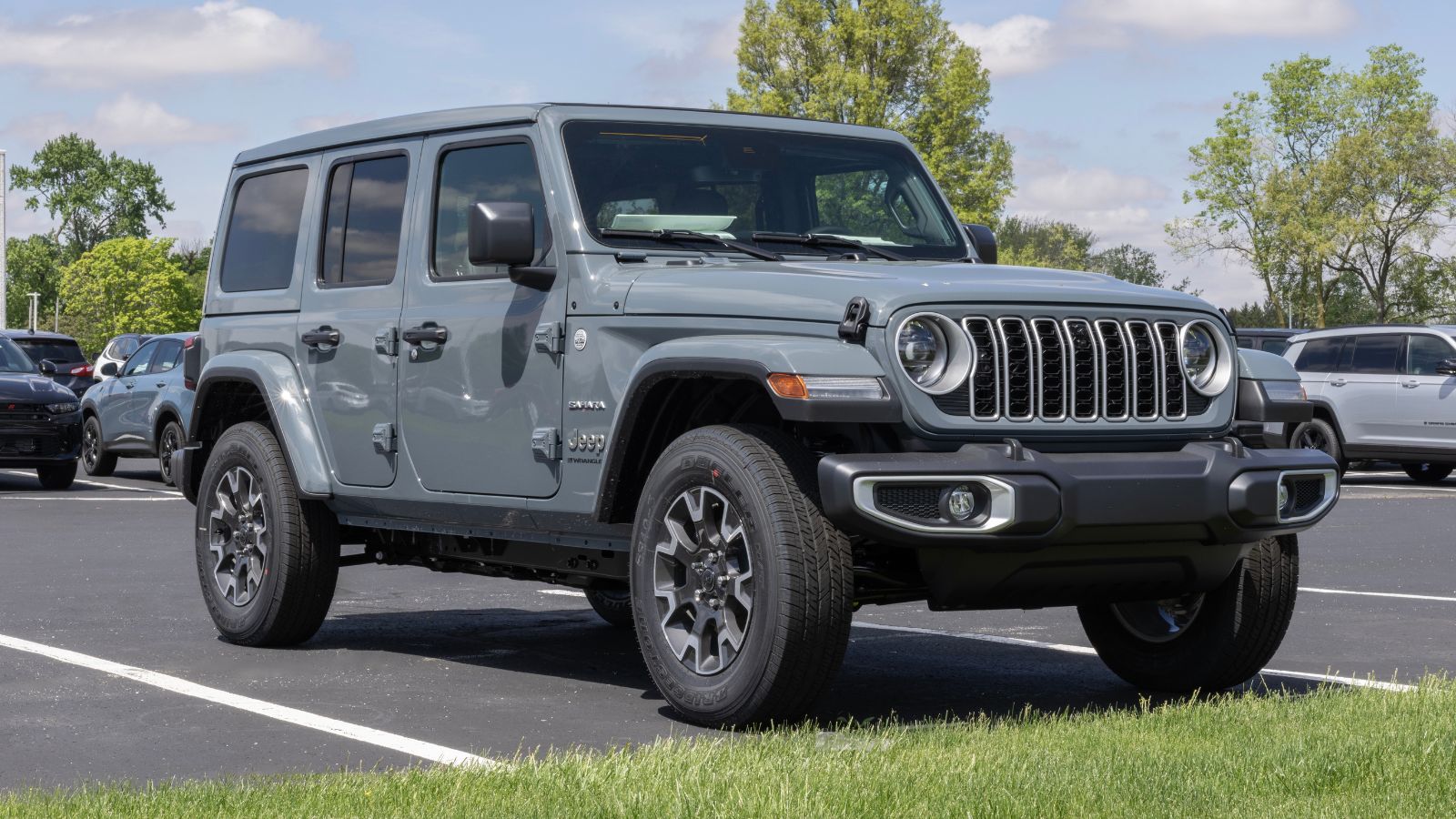
The Jeep Wrangler is one of the more striking entries because it combines lifestyle appeal with serious theft volume. It ranked sixth nationally, fourth in Ontario, and fourth in Quebec. That puts it well beyond novelty status in the theft data. The Wrangler is not just admired; it is actively pursued. A vehicle associated with recreation, customization, and enthusiast culture has also become a reliable target in multiple provinces.
That makes the Wrangler feel different from the typical family crossover story. It carries a strong image, and strong images often translate into durable resale appeal. Even people who are not immersed in car culture know what a Wrangler is meant to project. In a theft economy, that kind of instant recognizability can matter. The same qualities that make it aspirational in a showroom or on a trail can also make it appealing to thieves looking for a model that is easy to move.
Chevrolet/GMC Silverado/Sierra 1500 Series
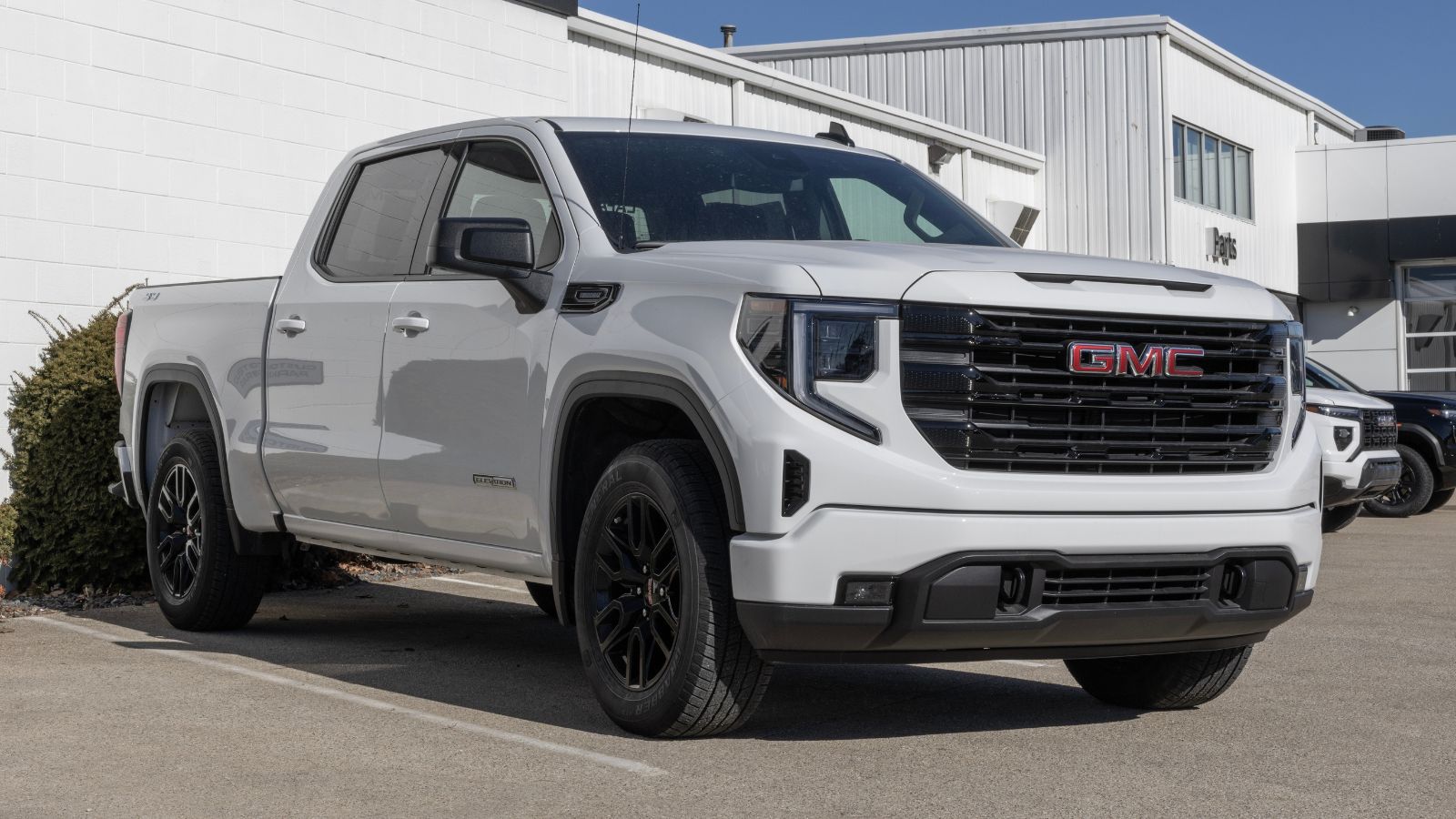
The Silverado/Sierra 1500 family continues to post serious theft numbers, especially outside central Canada’s SUV-heavy narrative. It ranked seventh nationally, second in Alberta, second in Atlantic Canada, and also remained a top Alberta target in multiple generations. That spread matters because it shows the theft risk is tied not just to one hot model year, but to a long-running truck platform with deep roots in Canadian work and family use.
This is where pickup theft becomes more than a headline about organized crime. For many households and small businesses, a truck like this is equipment as much as transportation. Losing one is not only an inconvenience; it can interrupt a job, a contract, or a winter routine. That human cost is easy to miss in ranking tables. But the persistence of the Silverado/Sierra line suggests thieves understand exactly how valuable these trucks are to the people who own them.
Toyota Highlander
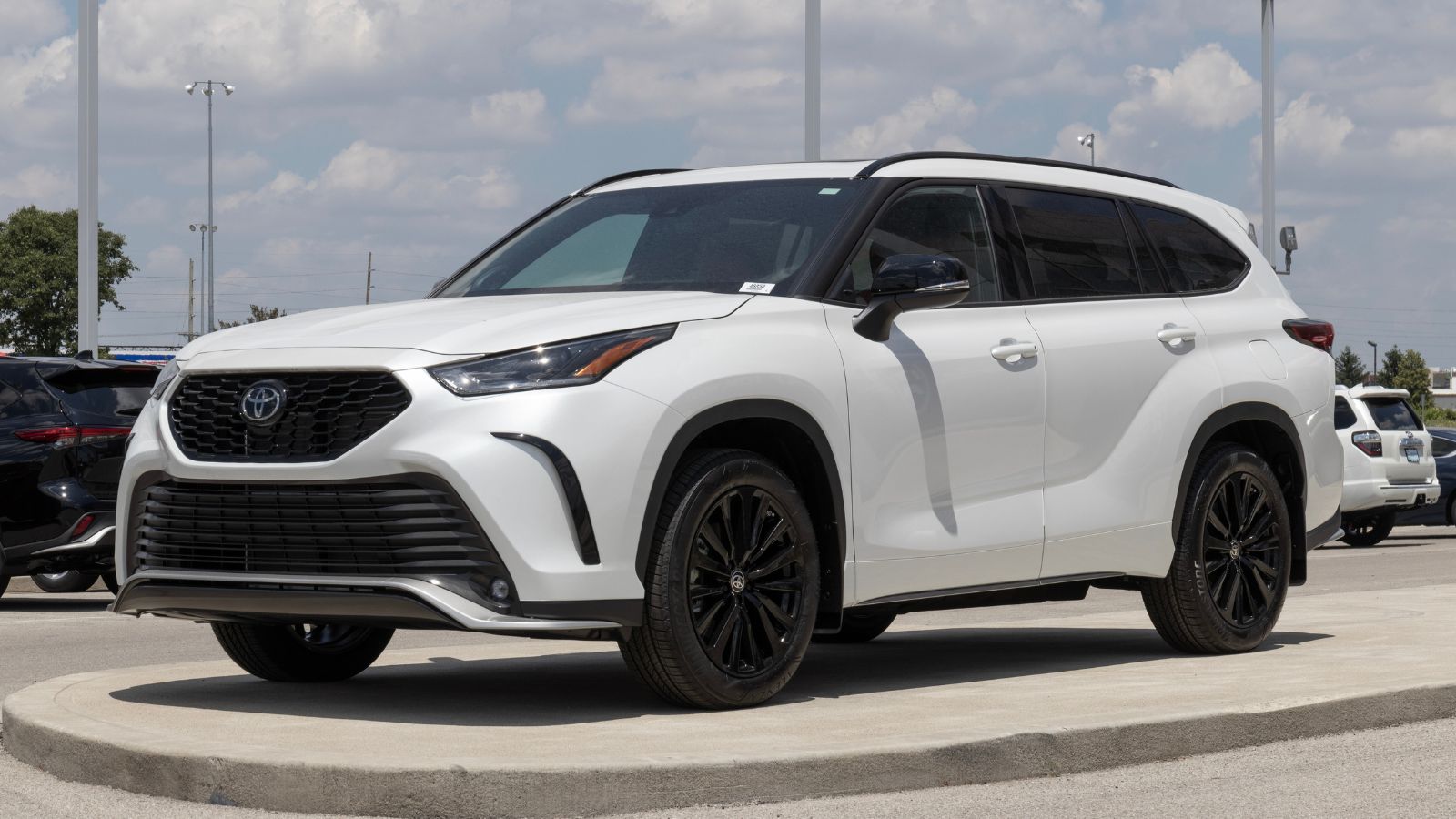
The Toyota Highlander may no longer sit at the very top nationally, but it is still one of the clearest examples of how sticky theft patterns can be. It ranked eighth in Canada overall, ninth in Ontario, and fifth in Quebec. Only a short time ago, it was the headline vehicle in national auto-theft coverage. The fact that it remains high on the lists even after being surpassed says a lot about how long certain models stay attractive to thieves.
That staying power reflects the Highlander’s place in the market. It is a trusted family SUV, well known, broadly owned, and valuable enough to matter. It does not need flash to become a target. In some ways, its appeal is its predictability. A model that families keep buying, insurers keep seeing, and thieves keep recognizing becomes part of a cycle that can last longer than many owners would expect from a mainstream three-row SUV.
Toyota Tundra
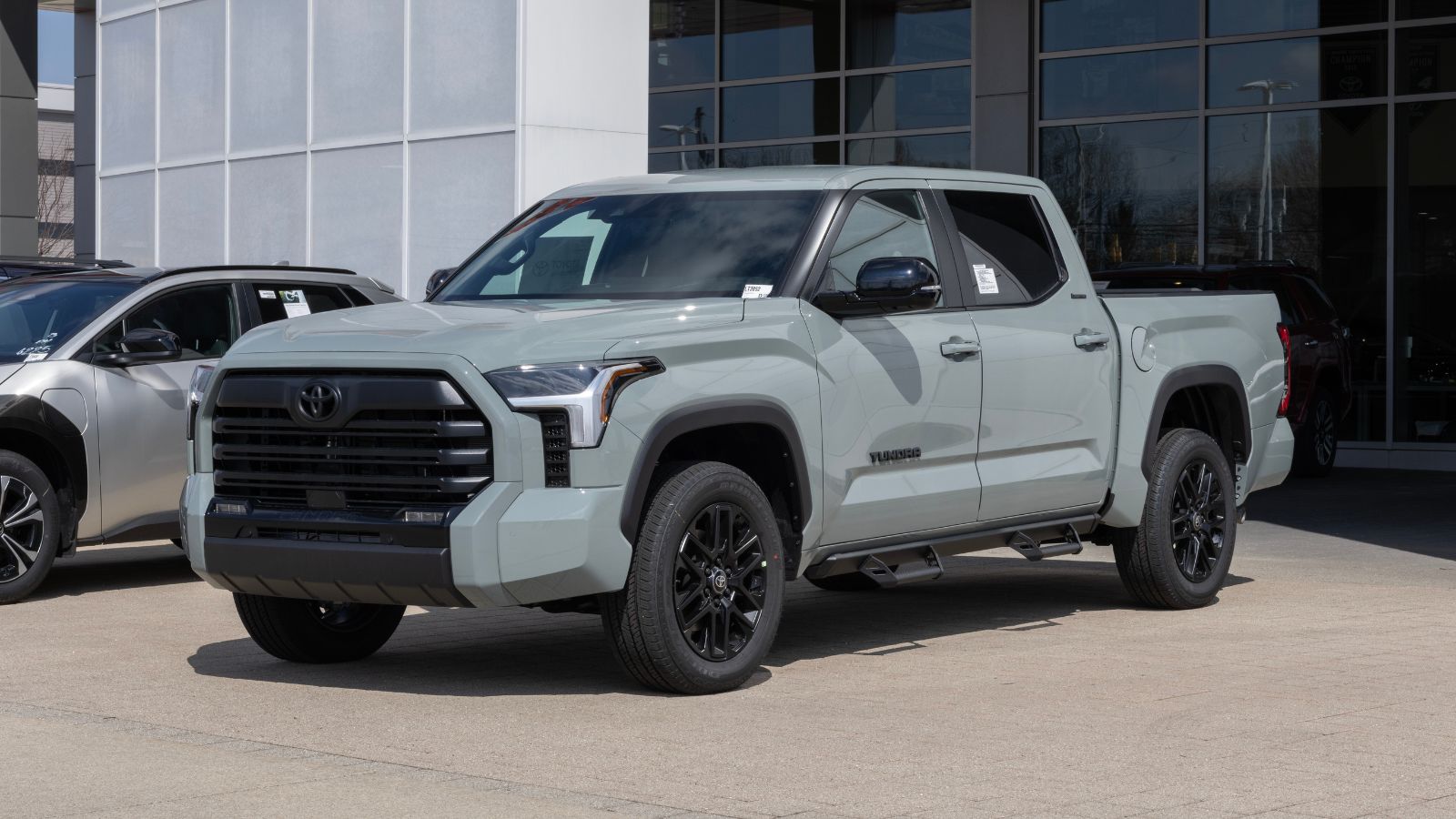
The Toyota Tundra is one of the strongest reminders that thieves are watching newer, higher-value trucks closely. It ranked ninth nationally and sixth in Ontario. That is notable because the Tundra is not nearly as common as some domestic full-size pickups, yet it still cracked the upper tier of the theft rankings. When a less common truck shows up that high, it usually points to concentrated demand rather than mere ubiquity.
That demand likely reflects the Tundra’s market position. It carries Toyota’s reputation in a full-size truck category where reliability and resale value matter a great deal. A vehicle does not need to dominate sales to attract organized theft; it just needs to be desirable enough to justify the effort. The Tundra fits that logic. It is expensive, useful, and recognizable, which can make it attractive far beyond the driveway it disappeared from.
Lexus RX Series
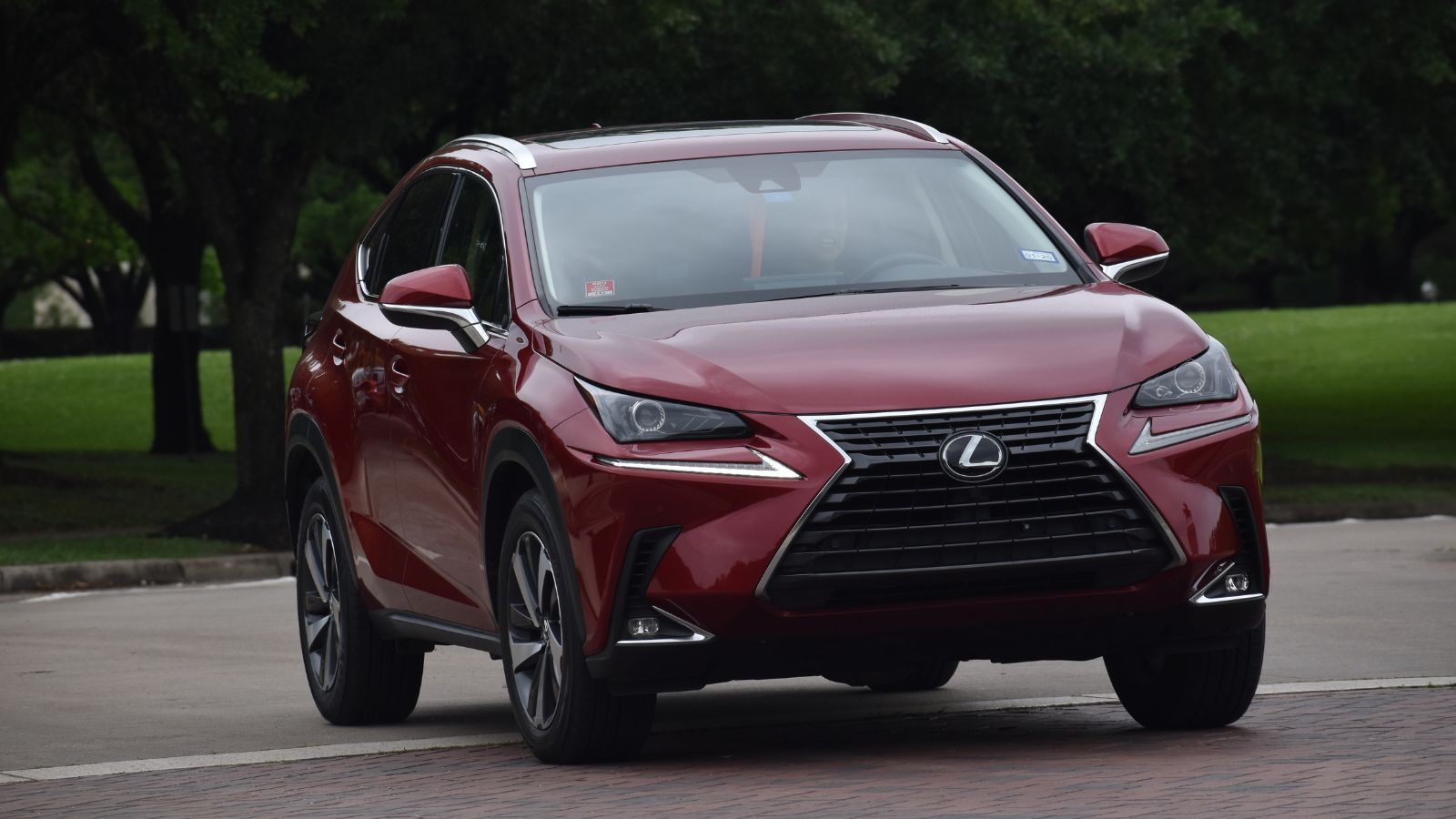
The Lexus RX blends luxury branding with crossover practicality, and that mix has made it a stubborn target. It ranked tenth nationally and seventh in Ontario, while older official provincial data had already shown just how intensely certain RX generations were being hit. The current placement still tells an important story: this is not an obscure luxury theft issue. It is a mainstream Canadian theft problem wrapped in premium packaging.
The RX also illustrates why luxury SUVs remain especially vulnerable. They can offer higher margins for thieves than mainstream crossovers while still being familiar enough to circulate without much attention. That gives them a kind of dual advantage in illegal markets. For owners, the RX often feels like a rational upgrade rather than an exotic purchase. For theft networks, that same balance of prestige and practicality can make it one of the cleaner bets on the board.
Land Rover Range Rover Series
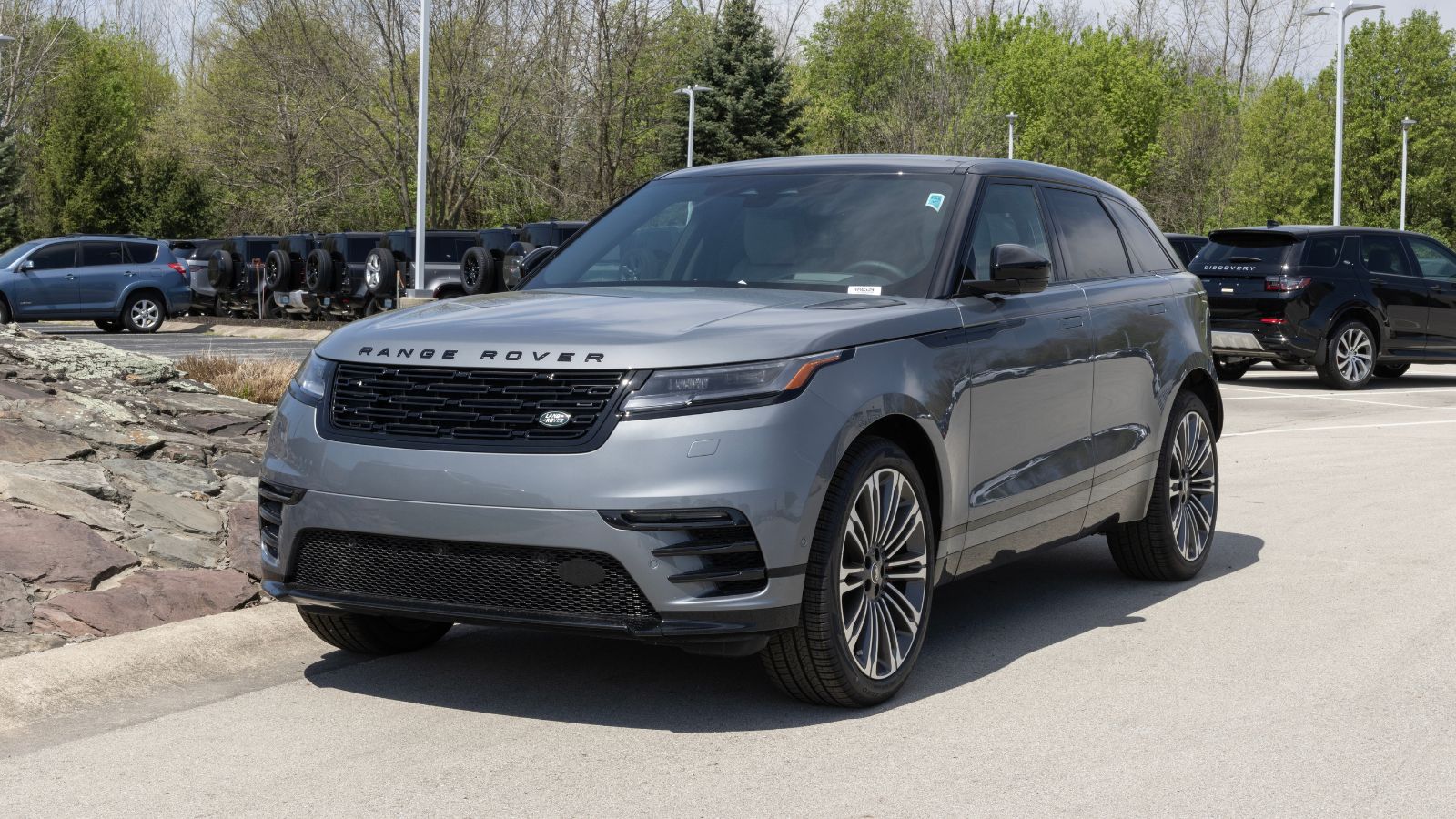
The Range Rover family appears only on Ontario’s latest top-10 list, but its position there is hard to dismiss. It ranked tenth in the province, showing that even in a field crowded with mainstream trucks and crossovers, prestige SUVs still hold a place. Ontario’s theft market is large enough that making the top 10 there is significant on its own. A model does not need national breadth to be a major target in Canada’s biggest provincial market.
What makes the Range Rover stand out is the contrast between volume and visibility. It is not as common as a CR-V or F-150, which means its appearance on the list says less about sheer ubiquity and more about concentrated desirability. That is often how premium theft stories work. A smaller installed base does not protect a vehicle if its value, image, and resale potential are strong enough to keep drawing attention from organized theft crews.
Chevrolet/GMC Silverado/Sierra 2500 Series
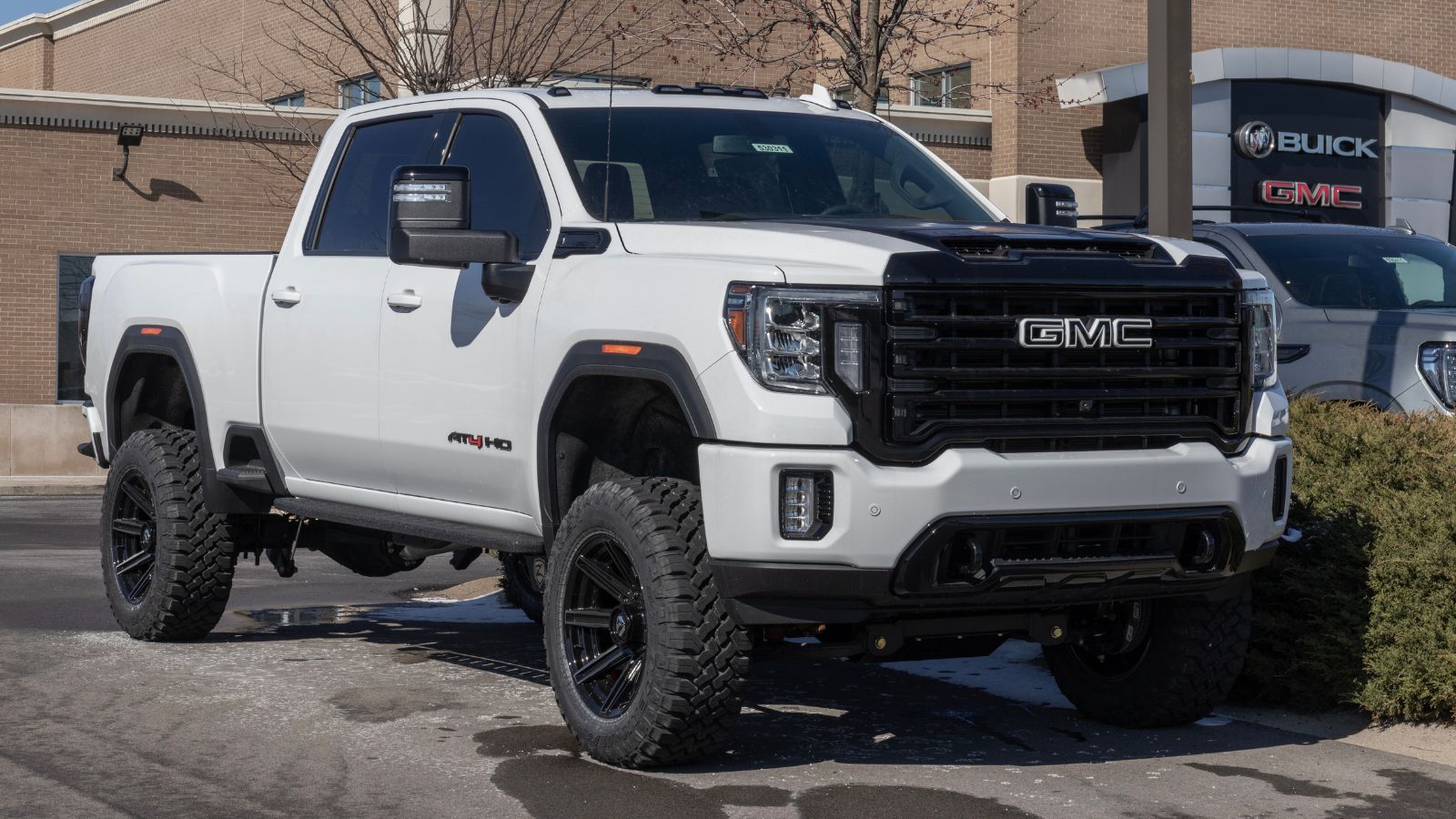
The heavy-duty Silverado/Sierra 2500 family did not make the national top 10, but it ranked third in Alberta, which is enough to put it firmly in the broader Canadian picture. Alberta’s list leans hard toward trucks, and a three-quarter-ton pickup is exactly the kind of vehicle that carries both utility and value. It is not just personal transport. It can be a work asset, a towing machine, or a core piece of equipment for someone who depends on it every day.
That is part of why these thefts land differently. Losing a heavy-duty truck can mean more than losing a vehicle payment already made. It can mean lost job time, scrambled logistics, and a harder insurance conversation because the truck served several roles at once. The 2500’s place in Alberta’s rankings underlines an important truth: in truck-heavy markets, the theft problem follows where real economic usefulness lives.
Ford F350 Series
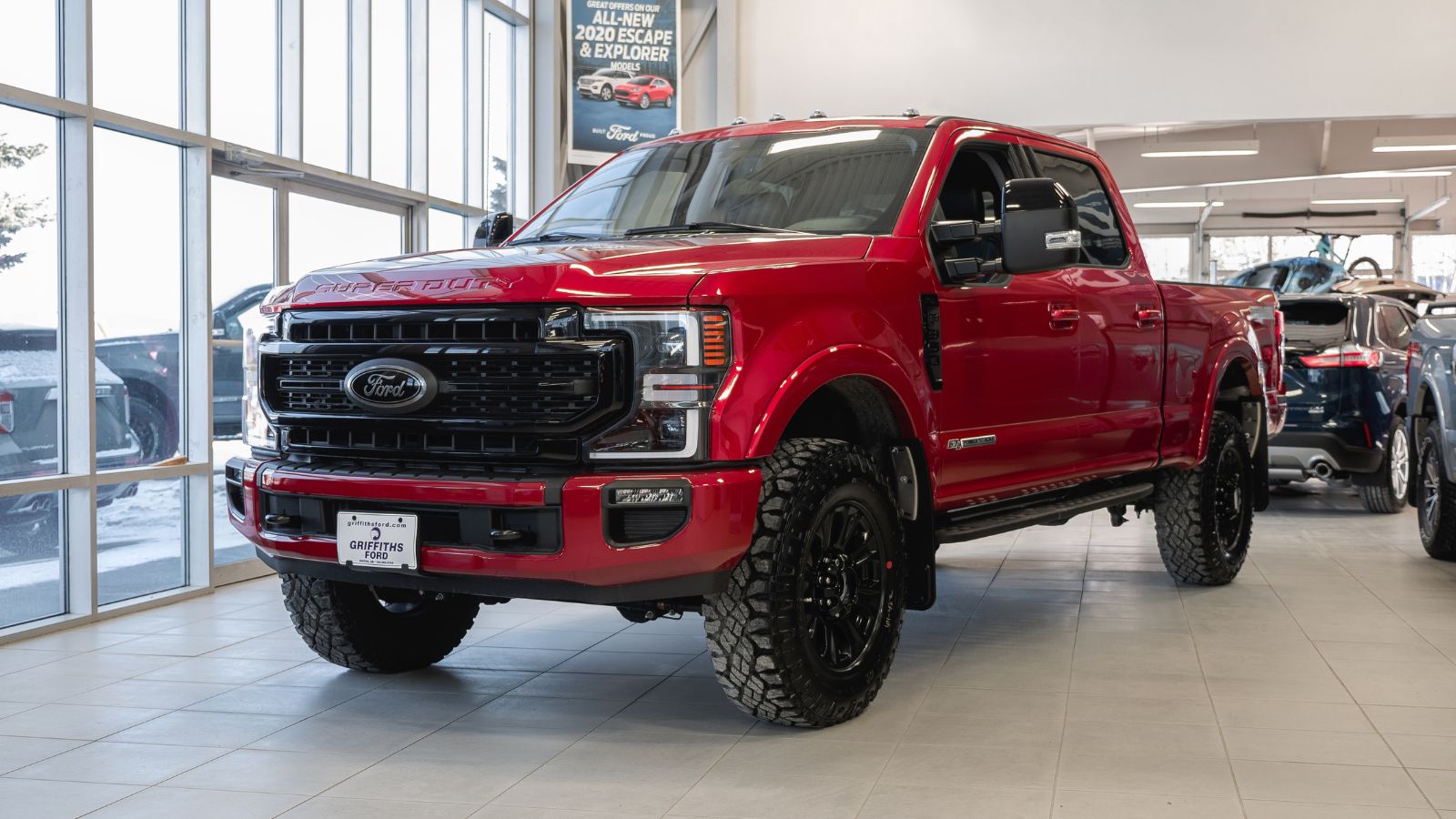
The Ford F-350 ranked fifth in Alberta, and that alone is enough to make it one of the most important region-specific names in the broader Canadian theft landscape. Heavy-duty pickups occupy a different tier from commuter vehicles. They are expensive, capable, and closely tied to trades, towing, and commercial use. When one shows up prominently in the data, it suggests thieves are not just chasing passenger convenience; they are also tracking machinery with serious value.
There is a practical harshness to that kind of theft. A stolen heavy-duty truck can hit a contractor or business owner where it hurts most: scheduling, equipment transport, and revenue. Even for private owners, it is not easily replaced. The F-350’s Alberta ranking reinforces how provincial theft patterns can diverge from the national headlines. In some places, the biggest risk is not the suburban crossover at all. It is the truck built for harder work.
Jeep Grand Cherokee
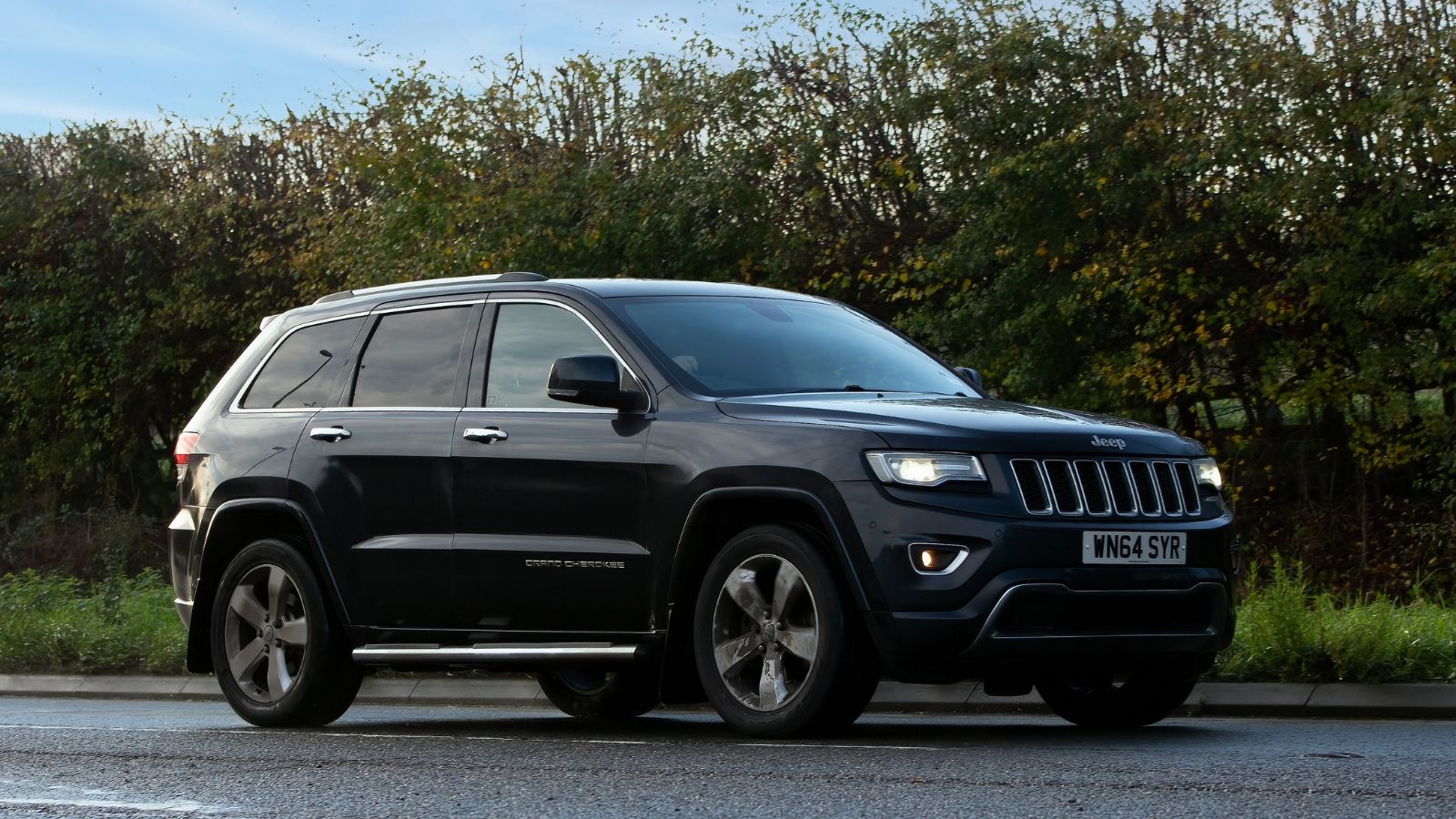
The Jeep Grand Cherokee did not crack the latest national top 10, but it ranked seventh in Alberta, which keeps it firmly on the radar. That placement matters because Alberta’s list is dominated by pickups. For an SUV to break into that field, it has to be doing more than just benefiting from overall popularity. It has to be especially appealing in its own right, whether for resale, parts demand, or broader desirability.
The Grand Cherokee has long occupied that middle ground between everyday utility and upscale image. It is not as premium as a Range Rover, but it often carries more status than a basic family crossover. That can be enough to make it a profitable target without making it too conspicuous. In theft terms, that balance can be powerful. A vehicle that feels aspirational but still familiar can move through the market with fewer questions than something flashier.
Chevrolet/GMC/Pontiac Equinox/Terrain/Torrent Series
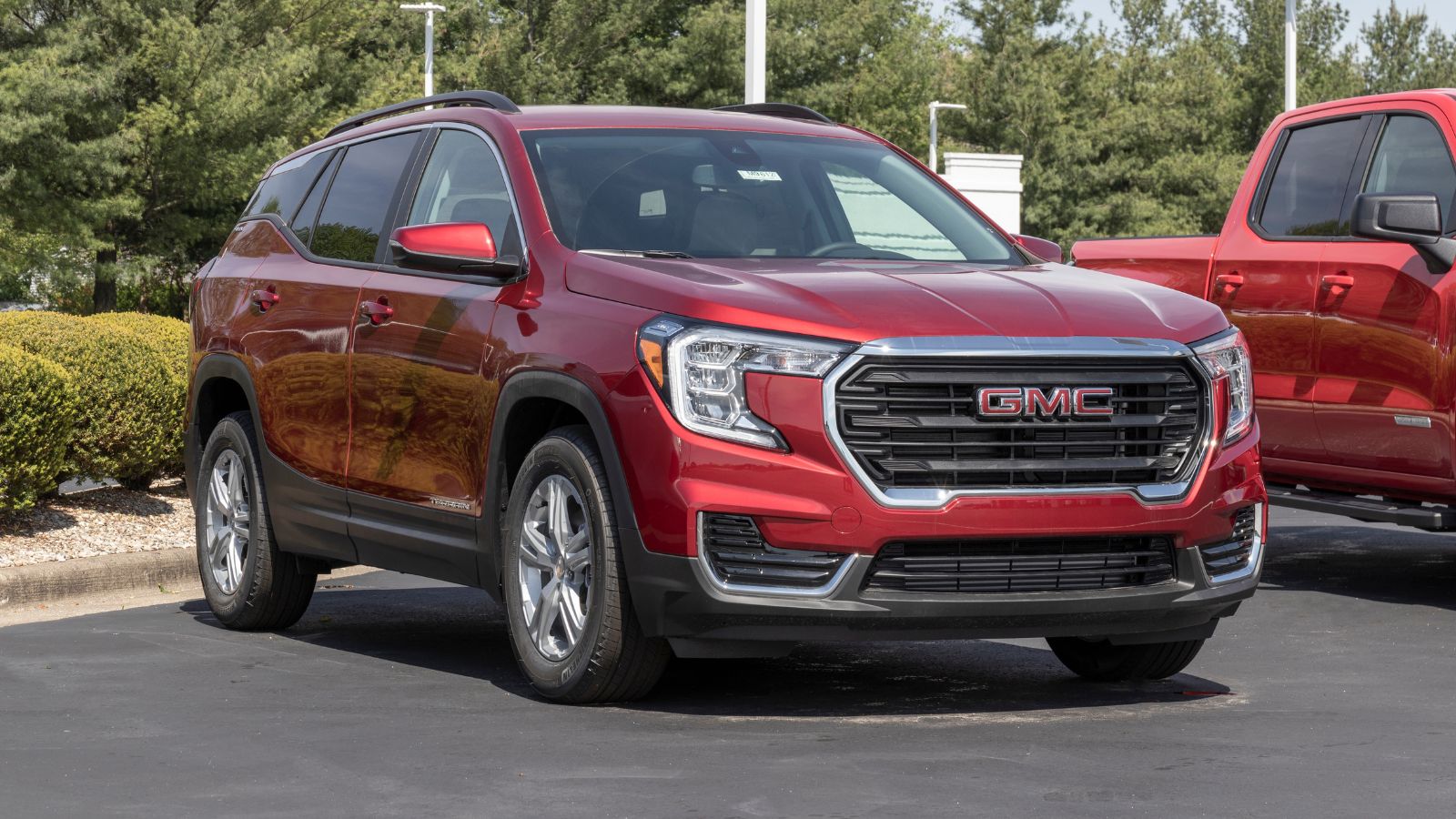
This GM crossover family was specific to Alberta’s top 10, where it ranked ninth. That grouped listing is important because it captures platform-level demand rather than a single nameplate. When several related vehicles are bundled together in theft data, it usually reflects how thieves and resale markets think in practical terms. Shared components, interchangeable parts ecosystems, and recognizable mechanical families can matter as much as the badge on the tailgate.
That makes this entry a useful reminder that not every theft story is driven by glamour or sheer national volume. Sometimes the most vulnerable vehicles are the ones with deep parts networks and years of quiet popularity. The Equinox, Terrain, and older Torrent fit that description well. They are ordinary enough to disappear into traffic, but common enough to matter. In a theft economy, that mix can produce a surprisingly durable demand profile.
Ford/Lincoln/Mercury Escape/Corsair/MKC/Mariner Series
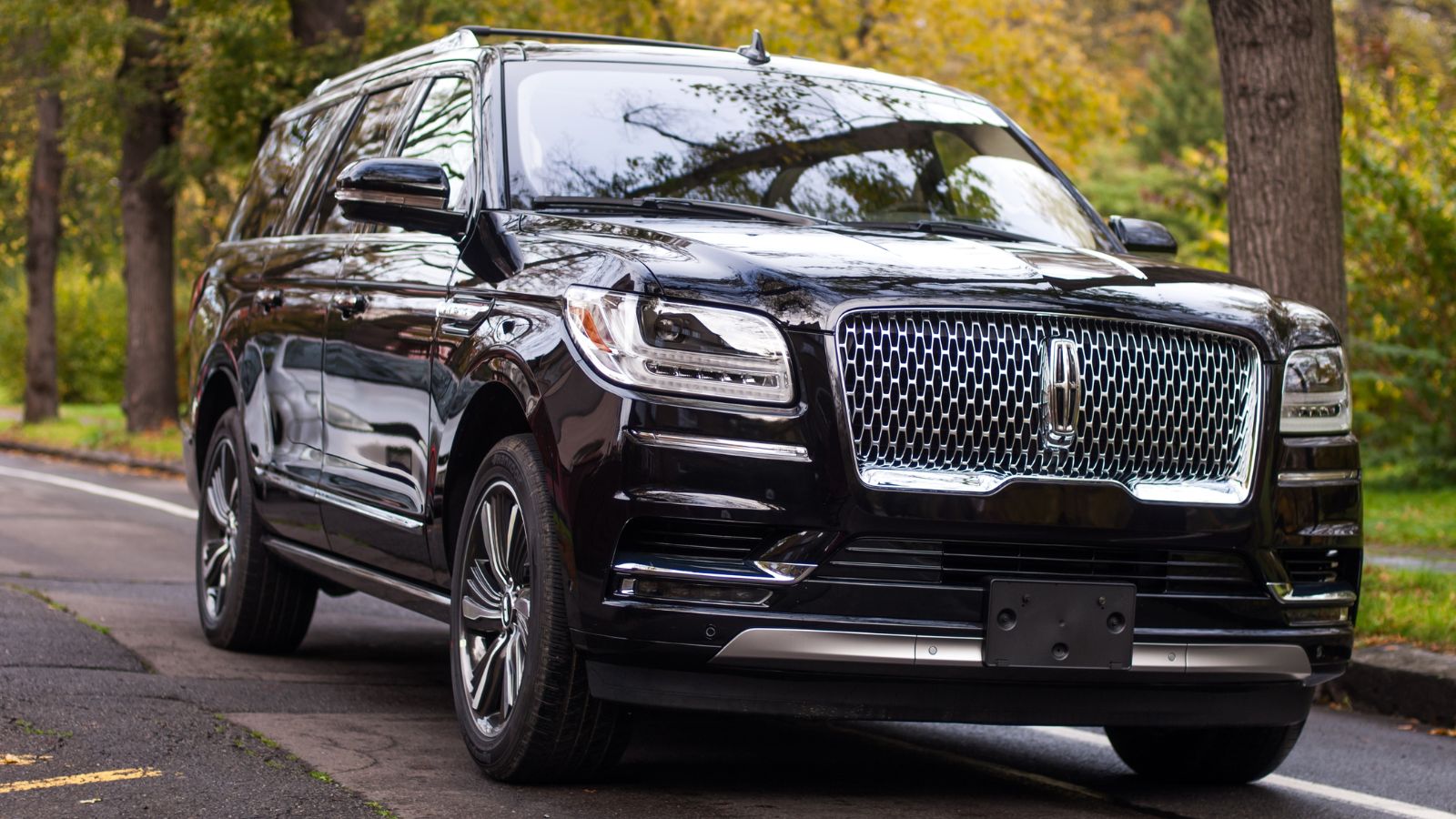
This grouped Ford-family crossover entry ranked tenth in Alberta and seventh in Atlantic Canada, which gives it a wider footprint than it might first appear. These are not all identical vehicles, but they are close enough in platform terms for theft data to treat them as a family. That is revealing. It suggests the risk is not tied only to a single badge or trim line. It is tied to a broader ecosystem of recognizable crossovers and their components.
For owners, that kind of grouped risk can be easy to miss because each nameplate feels slightly different in the marketplace. A Lincoln-badged version feels more premium; an Escape feels more everyday. But theft data can flatten those distinctions when the underlying value proposition is similar. That is why platform families matter. A vehicle can inherit theft risk from a wider mechanical network, even when its individual branding suggests a different place in the market.
Mazda CX-5
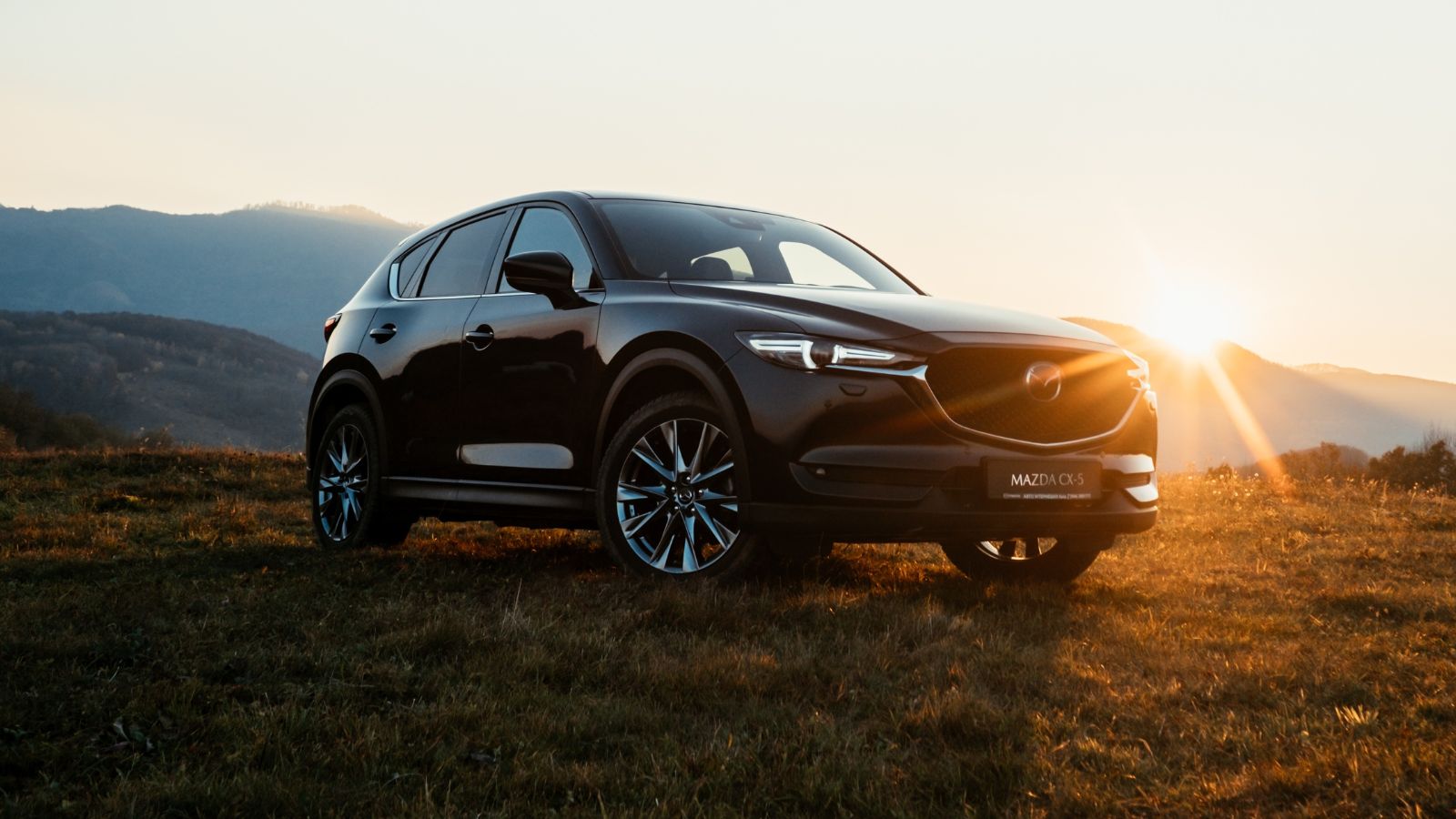
The Mazda CX-5 appeared only on Quebec’s top-10 list, where it ranked sixth, but that is enough to make it notable. Quebec’s ranking is especially important because the province remains central to Canada’s auto-theft conversation. A vehicle that rises into that list is not there by accident. The CX-5 may not draw as many headlines as a RAV4 or CR-V, but its place in Quebec’s data shows that thieves are not limiting themselves to the most obvious compact SUV names.
The CX-5 also reflects how theft patterns can widen once a body style proves consistently profitable. Compact crossovers dominate consumer demand, so it makes sense that criminals would broaden the pool beyond the biggest sellers alone. A Mazda product may feel like a slightly less predictable choice to mainstream buyers, yet the theft data shows predictability is not always the point. Desirability plus enough supply can be more than enough.
Hyundai Tucson
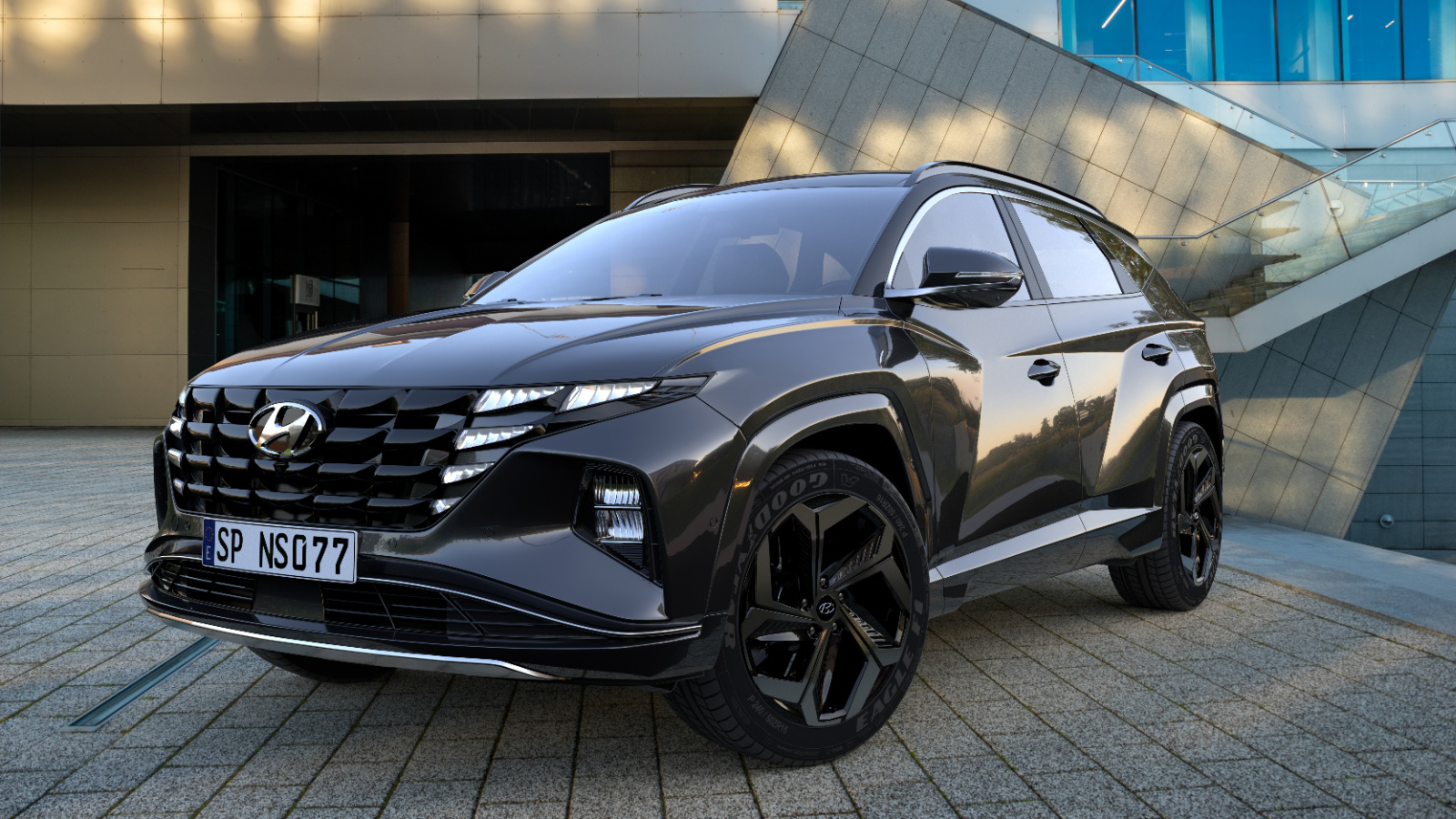
The Hyundai Tucson ranked seventh in Quebec, making it another region-specific crossover that still deserves national attention. Its presence helps show how theft trends move outward from the most famous targets into vehicles that share similar size, utility, and everyday appeal. The Tucson is not a fringe model. It is a well-known compact SUV that fits neatly into the same urban and suburban environments where many thefts occur.
That familiarity is part of what makes its ranking interesting. A vehicle does not need a luxury badge or record-setting national volume to become vulnerable. It only needs to be wanted by enough people in enough places. The Tucson’s Quebec placement suggests thieves are tracking demand in a broader way than many drivers assume. Once a crossover format becomes hot, adjacent models can start climbing lists even if they rarely dominate public conversation.
Toyota C-HR
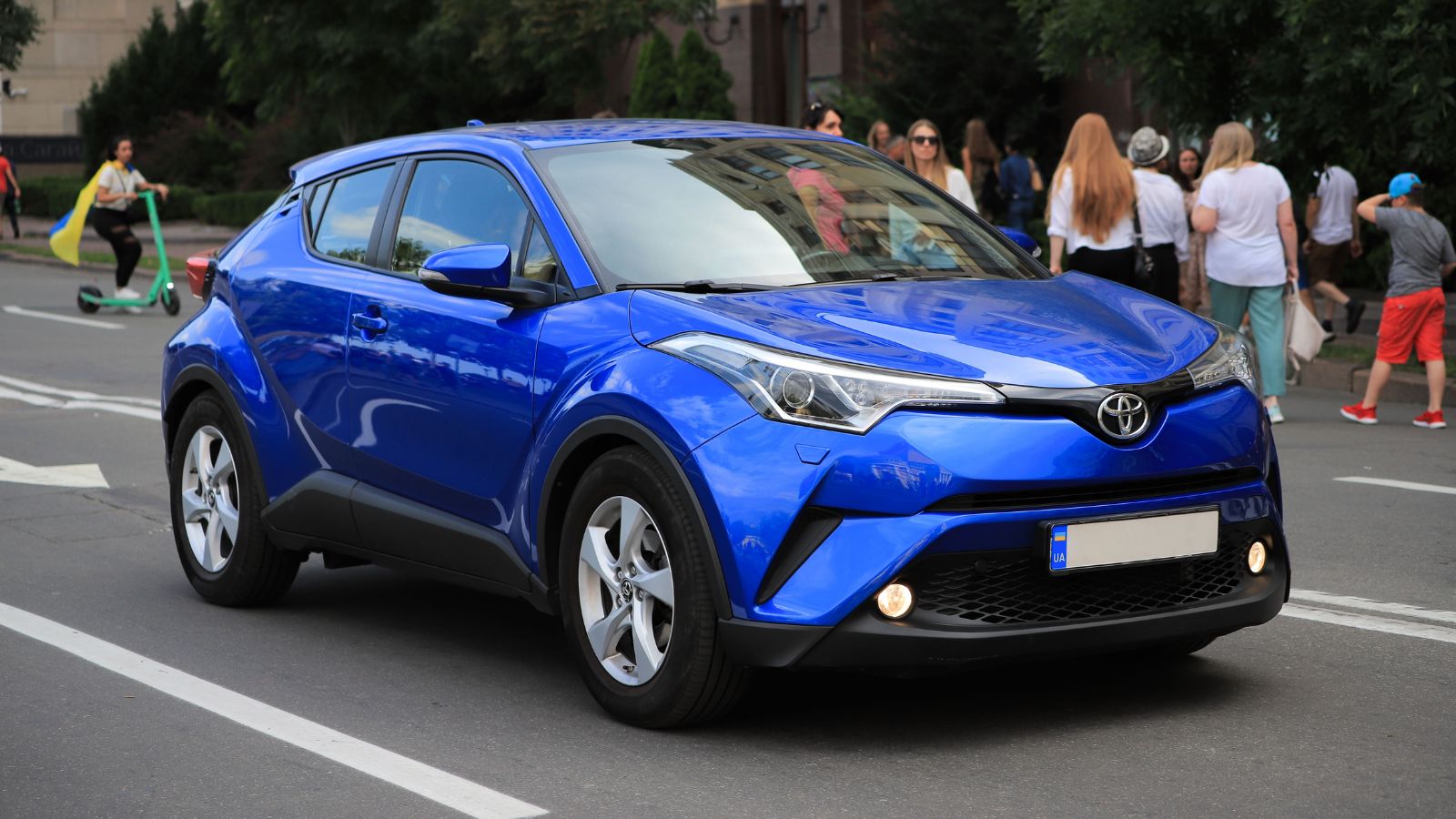
The Toyota C-HR closes Quebec’s top 10, and its inclusion says something important about the reach of Toyota demand in theft markets. It is a smaller, more distinctive vehicle than the RAV4 or Highlander, yet it still made the provincial list. That suggests the Toyota badge itself remains a meaningful part of the theft equation, especially when paired with a modern crossover body style and a strong reputation for resale appeal.
The C-HR also shows that visibility does not always depend on size. Its styling made it stand out when new, and standing out in the marketplace can cut both ways. A model that is easy for buyers to remember can also be easy for criminals to identify. Quebec’s data does not place it near the very top, but simply appearing there is enough to underline how broad the pool of vulnerable crossovers has become.
Hyundai Elantra
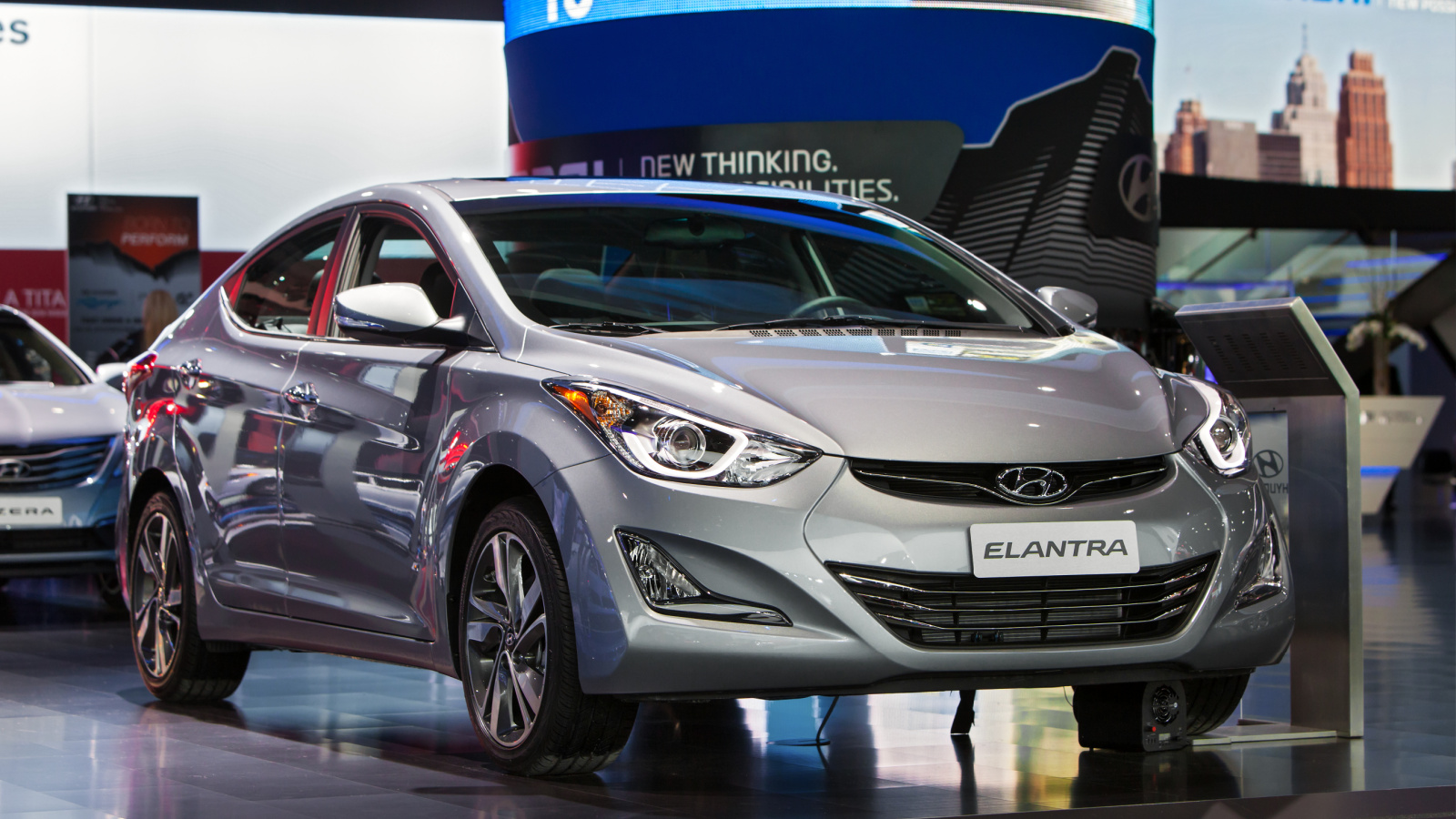
The Hyundai Elantra appeared on Atlantic Canada’s list, where it ranked sixth. That matters because Atlantic theft patterns look different from Ontario’s or Quebec’s. The region’s top 10 includes more older-model practical vehicles, and the Elantra fits that pattern. It is a familiar compact car, widely used, relatively affordable, and common enough to matter. In other words, it reflects a theft market that is not centered exclusively on newer premium SUVs.
That makes the Elantra a useful corrective to the idea that only high-end or high-tech vehicles are at risk. In some regions, practicality and numbers still matter a lot. A compact sedan can become attractive simply because it is common, easy to blend in, and supported by steady parts demand. The Atlantic ranking suggests exactly that. Not every theft story is driven by the same criminal logic, and regional data makes that impossible to ignore.
Toyota Corolla
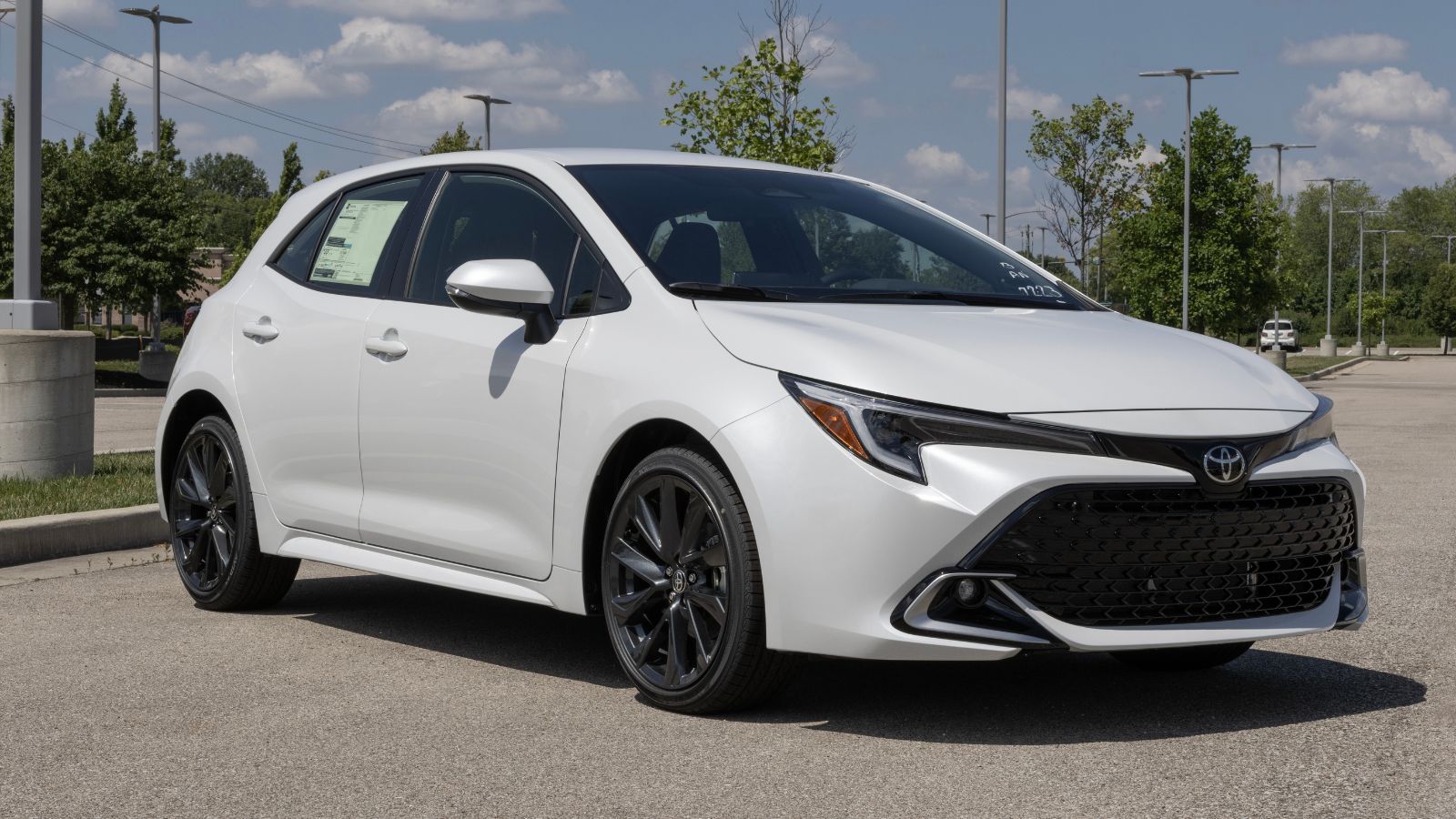
The Toyota Corolla ranked eighth in Atlantic Canada, and its inclusion almost feels inevitable once the logic of regional theft becomes clear. Few vehicles are more familiar, more widespread, or more deeply embedded in Canadian daily life. That ubiquity is usually treated as a strength. In theft data, though, it can become a vulnerability. A vehicle that is everywhere can be easier to move quietly, especially when older model years are involved.
The Corolla’s place on the list is also a reminder that reliability has a shadow side in illegal markets. Vehicles that last a long time tend to build large owner bases and healthy replacement-part demand. That creates value beyond the initial sale. No one would confuse the Corolla with a luxury theft magnet, but Atlantic data shows that modest, proven cars can still earn a place in the country’s broader theft conversation.
Hyundai Santa Fe
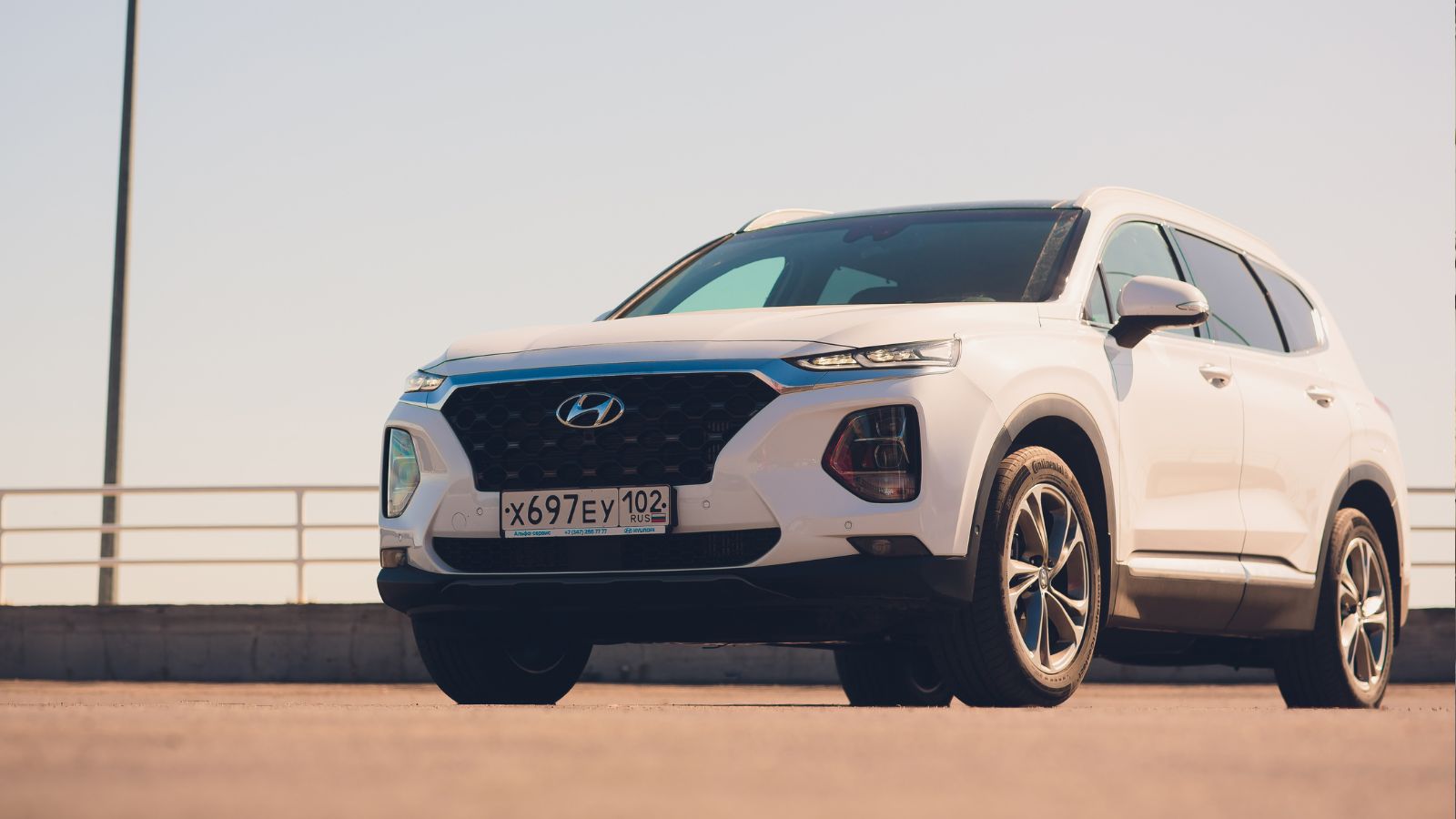
The Hyundai Santa Fe rounded out Atlantic Canada’s top 10, ranking ninth. Like the Tucson in Quebec, it shows how crossover theft risk extends well beyond the models that dominate national headlines. The Santa Fe is a practical family vehicle with a long presence in Canadian neighborhoods, which makes it the kind of SUV that can be overlooked in public conversation while still appearing clearly in real theft data.
Its ranking also reinforces how regional lists widen the story. A national top 10 can make the theft problem look concentrated around a few giant models, but regional tables reveal the deeper bench. The Santa Fe is part of that deeper bench. It may not be the face of Canada’s theft crisis, yet its presence in Atlantic Canada shows how broad the targeting of everyday family vehicles has become across the country.
22 Things Canadians Do to Their Cars in Spring That Mechanics Hate

Spring brings relief to many Canadian drivers after months of snow, freezing temperatures, and icy roads that put serious strain on vehicles. As temperatures rise across the country, drivers begin washing cars, switching tires, and preparing vehicles for warmer weather and upcoming road trips. However, mechanics across Canada notice the same mistakes every spring when drivers attempt to recover from winter damage. Road salt, potholes, and harsh winter driving conditions often leave vehicles with hidden problems that drivers ignore. Some spring habits even create new mechanical issues that could have been avoided with proper maintenance. Here are 22 things Canadians do to their cars in spring that mechanics hate.