


























A used vehicle can look polished on a dealer lot while still carrying years of evidence about how it was driven, parked, maintained, and repaired. Some clues are cosmetic, while others appear only during a careful test drive or mechanical inspection. None should automatically condemn a vehicle, because age, road conditions, and ordinary wear can produce similar symptoms.
The real concern emerges when several warning signs appear together. These 18 signs can help reveal whether a previous owner regularly hit curbs, ignored maintenance, drove aggressively, overheated mechanical components, or repaired damage without addressing its underlying cause. They are best treated as prompts for closer investigation rather than proof of abuse.
Mismatched Paint and Uneven Body Gaps

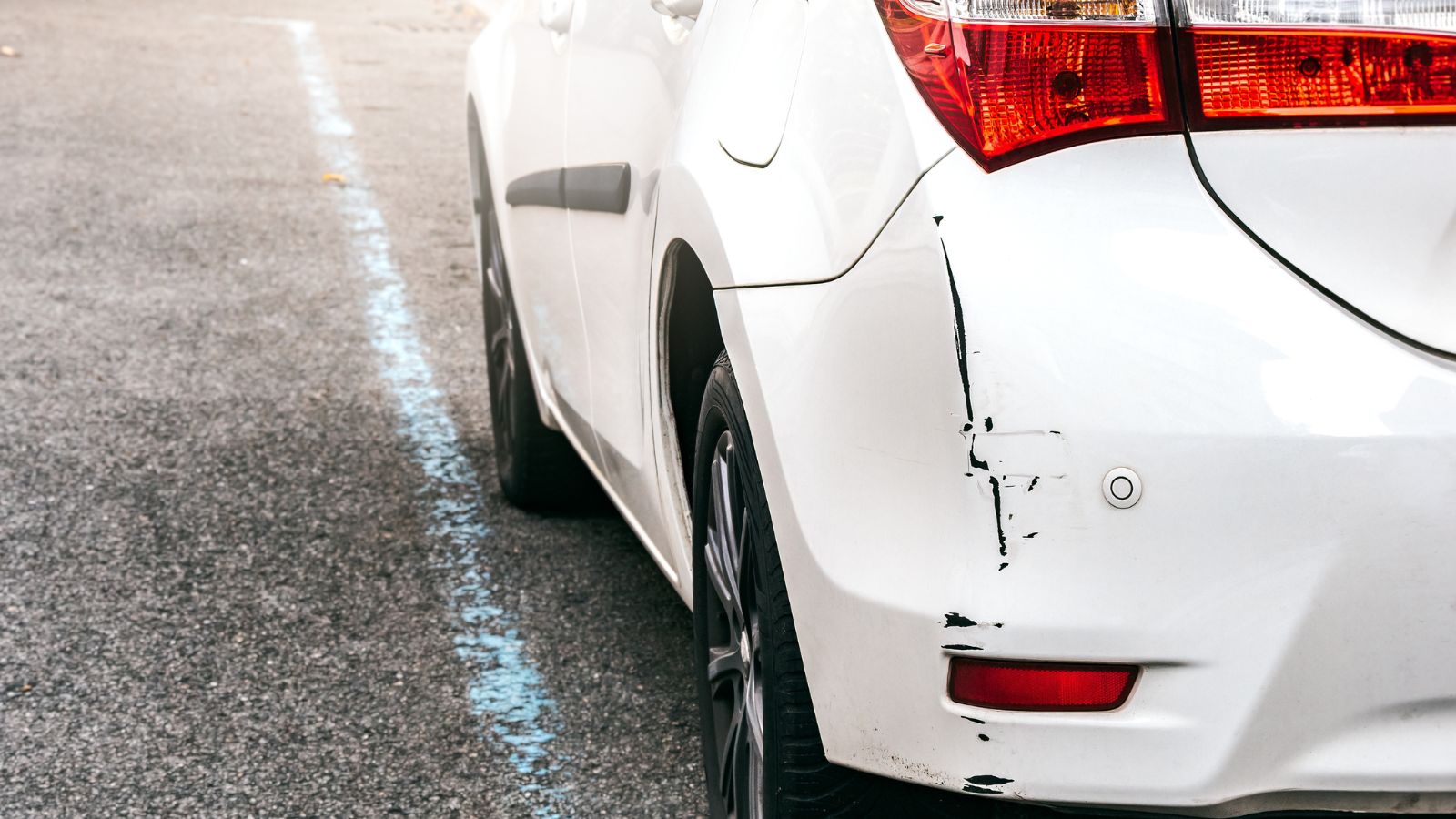
One of the easiest places to begin is with the bodywork. Factory paint should generally have a consistent colour, gloss, and texture across adjoining panels. A door that looks slightly darker than the rear quarter panel, rough paint inside a door jamb, overspray beneath the hood, or unusually uneven gaps around the hood and trunk can indicate that panels were repaired or replaced. CARFAX specifically recommends inspecting paint consistency, overspray, and panel gaps when checking for previous collision damage.
A repaired panel does not automatically mean a vehicle was mistreated. Minor parking damage happens to carefully owned cars as well. The concern rises when several clues appear together—for example, a repainted front fender beside a headlight that sits crooked and a hood that requires extra force to close. Structural damage can sometimes remain underneath attractive cosmetic work. That is why suspicious bodywork deserves closer examination by a qualified technician rather than an assumption that fresh paint has solved everything.
Wheels Covered in Curb Rash or Impact Damage

A few marks on an alloy wheel are common after years of parallel parking, but repeated deep gouges around several rims tell a different story. They suggest that the wheels have made frequent contact with curbs or other hard objects. More seriously, a wheel can become bent or cracked after a significant pothole or curb strike. Michelin advises having alignment and balancing checked after substantial impacts because the same incident can affect the wheel, tire, and suspension geometry.
Look beyond cosmetic scratches. A pronounced vibration during the test drive, a visibly distorted rim, a tire bulge near a damaged wheel, or multiple wheels carrying heavy impact scars deserves investigation. Internal tire damage can exist even when the outside appears relatively normal. A buyer encountering four pristine wheels on an older vehicle should not automatically assume gentle ownership either; replacement wheels may simply be hiding the originals’ history. The condition needs to be considered alongside tires, alignment, suspension, and maintenance records.
Tires With Strange or Uneven Wear Patterns
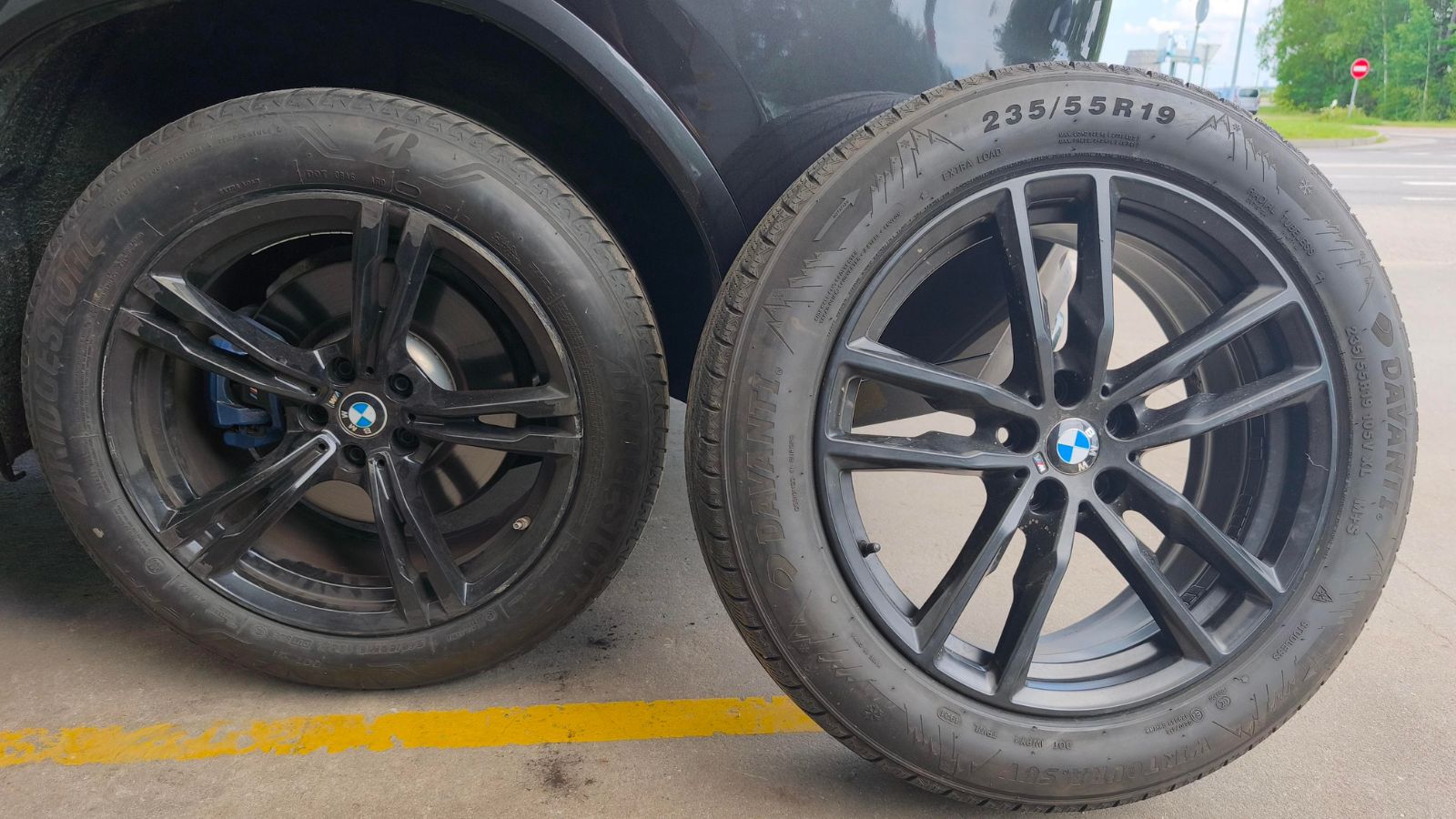
Tires can preserve a remarkably detailed record of mechanical condition. One edge worn much faster than the other can point toward alignment trouble, while cupping or scalloping can occur with wheel imbalance or worn suspension components. NHTSA recommends paying attention to uneven tread because wheel alignment and rotation directly affect tire life. Its guidance also notes that tires should be replaced once tread reaches 2/32 of an inch.
Uneven wear does not reveal exactly why an alignment problem developed. Ordinary suspension wear can eventually change geometry. However, pothole impacts, curb strikes, damaged wheels, and neglected suspension repairs can produce similar symptoms. A nearly bald inside shoulder hidden beneath otherwise respectable-looking tread is especially easy to miss without turning the steering wheel and inspecting the full width of each front tire. If the wear pattern appears on relatively new tires, buyers should ask why. Replacing the rubber without correcting the mechanical cause simply allows the next set to wear abnormally too.
A Patchwork Set of Tires With Very Different Tread Depths

Four unrelated tires are not definitive evidence of rough ownership, because a puncture or road hazard can legitimately force an isolated replacement. Still, dramatically different tread depths, ages, brands, or designs can suggest a history of piecemeal repairs rather than planned maintenance. That becomes particularly important on certain all-wheel-drive vehicles, where manufacturers may specify tight limits on differences in rolling circumference.
Tire Rack notes that mismatched rolling diameters can force differentials or couplings in an AWD or four-wheel-drive system to compensate continuously, potentially creating additional driveline strain. Manufacturer requirements vary, so the owner’s manual should control the decision rather than a universal rule. Look at the four-digit tire date codes as well as tread depth. One nearly new tire paired with three much older, heavily worn examples should prompt questions about what happened to the missing tire. Combined with wheel damage or alignment problems, a mismatched set may reveal a vehicle that received repairs only after something failed rather than consistent preventive care.
Brakes That Vibrate or Show Heavy Heat Damage
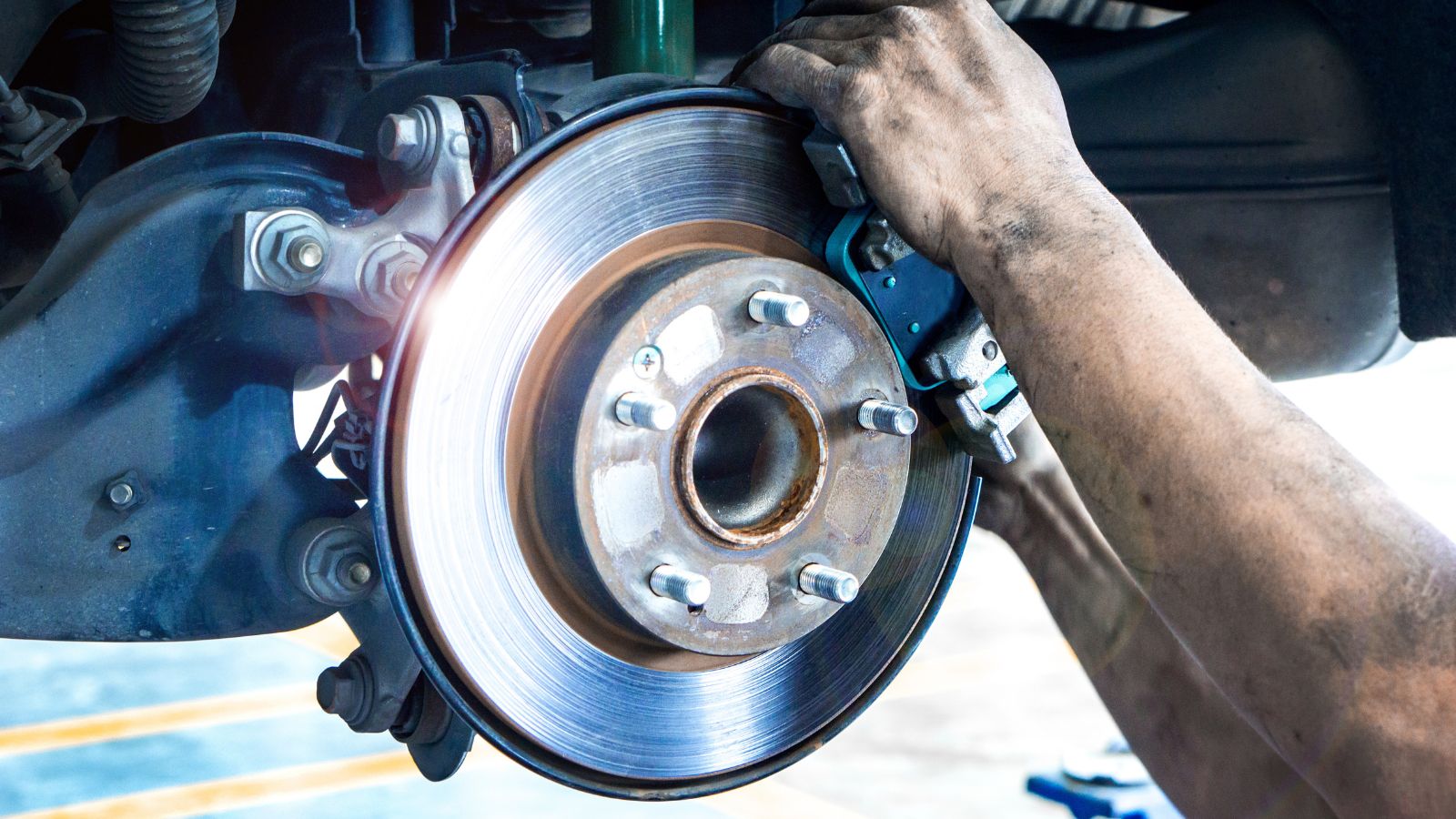
Brakes are designed to turn the vehicle’s kinetic energy into heat, so wear is unavoidable. What deserves attention is evidence of unusually severe heat exposure. During a test drive, pulsation through the pedal or steering wheel while braking may indicate rotor thickness variation or other brake-related problems. Manufacturer service information published through NHTSA identifies blue spots, hard spots, cracking, and other heat damage as conditions technicians examine when diagnosing brake judder.
Driving style can influence brake wear considerably, although mechanical defects such as dragging calipers can produce similar symptoms. Frequent hard stops, sustained downhill braking, or demanding performance driving create more heat than gentle use. Brembo recommends inspection when braking produces vibration, unusual noise, cracks, deep grooves, or signs of overheating. On a used vehicle, a combination of recently replaced front brakes, deeply worn rear components, discoloured rotors, and a seller unable to explain the work deserves professional assessment. Brakes should be judged by actual condition, not simply by whether the pads appear relatively new.
A Suspension That Clunks, Bounces, or Feels Loose
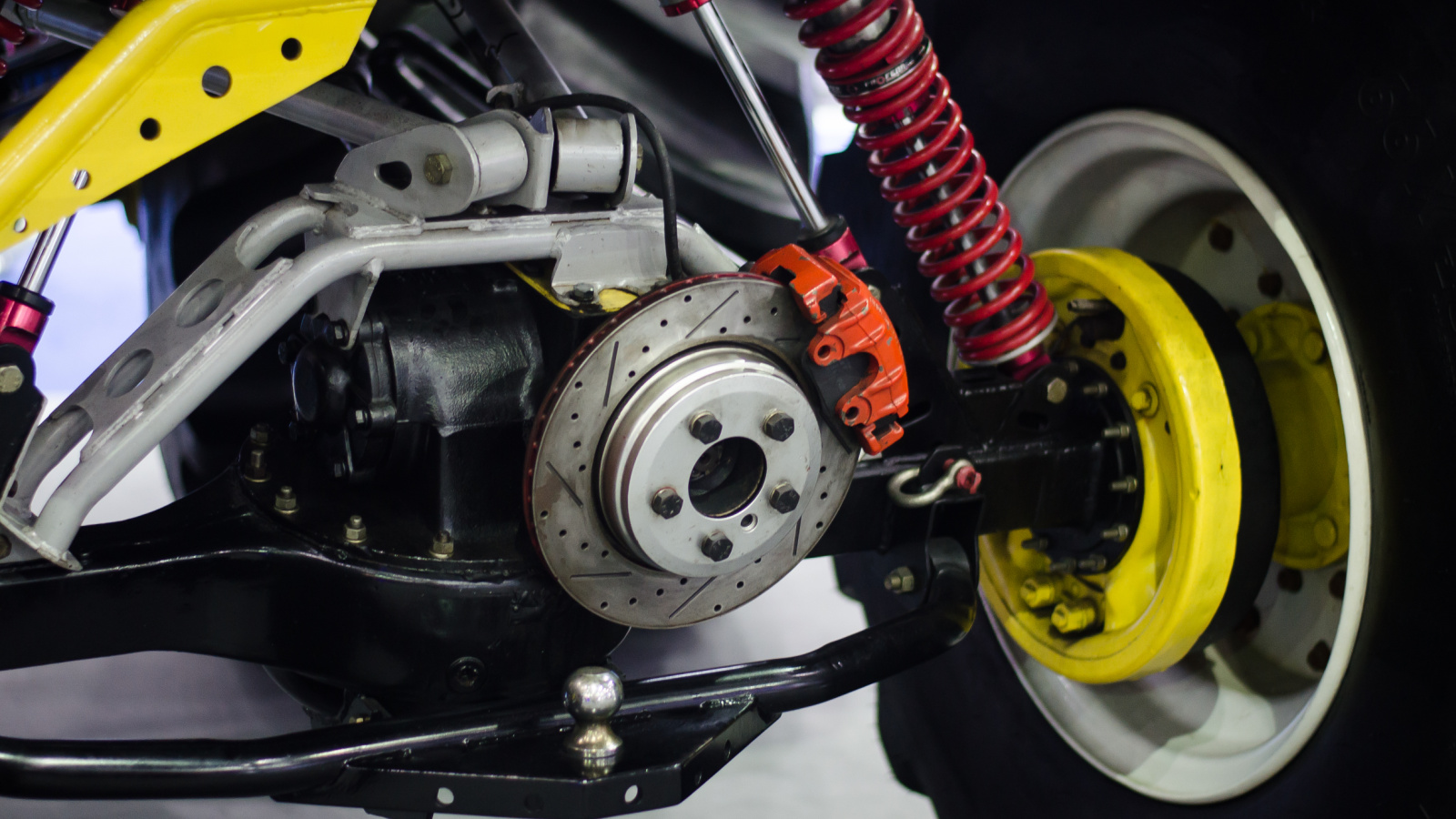
A healthy suspension should control the body after bumps rather than allowing repeated bouncing. Worn shocks and struts can produce excessive movement, nose-diving under braking, body roll, uneven tire wear, and poor stability. Clunking or rattling can also indicate worn or damaged suspension components. These symptoms matter because harsh impacts are capable of accelerating damage beyond what ordinary mileage alone might suggest.
Monroe notes that repeated pothole encounters can cause premature wear to shocks and struts, while a particularly harsh curb or pothole impact can bend components and alter alignment geometry. A used vehicle that feels surprisingly loose for its mileage therefore deserves more than a quick bounce test in the parking lot. Drive it over different surfaces at sensible speeds and listen with the stereo switched off. A single noise could have a straightforward cause, but clunks combined with leaking dampers, crooked tire wear, damaged wheels, or inconsistent ride height can reveal a vehicle that has absorbed substantial punishment without receiving corresponding suspension repairs.
The Steering Pulls or the Wheel Sits Crooked

On a reasonably flat, straight road, a vehicle should not require constant correction to remain on course. A steering wheel that sits noticeably off-centre while the car travels straight, or a vehicle that persistently pulls toward one side, warrants an alignment and suspension inspection. Michelin identifies pulling and uneven tire wear as common symptoms of poor alignment, while AAA notes that potholes, rough roads, curb strikes, aggressive driving, and worn suspension components can all disturb alignment.
Road crown, tire pressure, tire construction, and other factors can also influence steering, so pulling is not proof that an owner repeatedly hit things. The pattern matters. A crooked steering wheel accompanied by a freshly replaced front tire, curb-damaged rim, and clunk from one corner raises considerably more concern. Buyers should also remember that simply performing an alignment may not fix a bent or badly worn component. A pre-purchase inspection can determine whether the angles merely need adjustment or whether the suspension contains damage that must be repaired first.
Scrapes, Dents, or Missing Panels Underneath
The underside often reveals treatment that freshly polished paint cannot hide. Deep scratches across protective panels, crushed exhaust sections, dents in the floor pan, damaged fuel-tank protection, or a missing engine splash shield can indicate contact with curbs, rocks, road debris, or other obstacles. Consumer Reports recommends looking beneath a used vehicle for leaks, structural dents, CV-joint problems, unusual repairs, and evidence of previous collision damage.
Plastic under-engine panels deserve attention even though they may appear unimportant. AAA notes that these panels can protect components from water, salt, dirt, snow, and road debris, while also managing airflow on some models. Of course, a missing shield can result from careless servicing rather than rough driving, which is why context matters. A scraped shield alone is modest evidence. A gouged oil pan, bent exhaust, damaged jacking points, and battered suspension components together suggest much harder use. Vehicles advertised as having never left paved roads deserve particular scrutiny when their undersides appear extensively scarred.
Sludge, Very Low Oil, or Signs Oil Changes Were Neglected
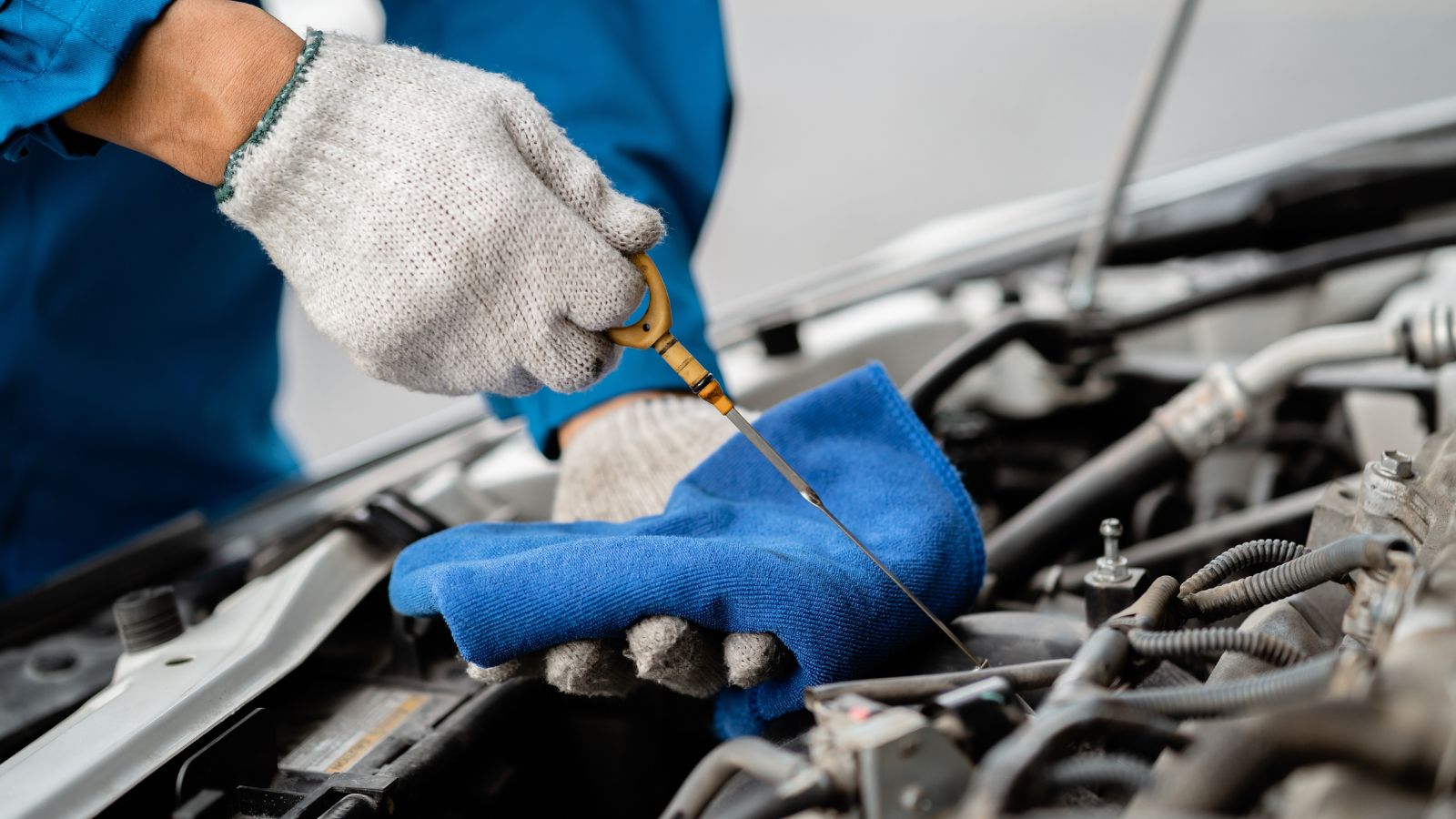
Few maintenance items reveal ownership habits as clearly as engine oil. Extended oil-change intervals can allow contaminants to accumulate and contribute to sludge formation. AAA explains that deteriorated oil becomes less effective at lubricating, cleaning, and cooling the engine, while accumulated debris can restrict oil circulation and accelerate internal wear. Consumer Reports has similarly emphasized the importance of following manufacturer-recommended oil-change schedules.
A prospective buyer should not judge oil health purely by colour because engine oil can darken normally in service. More concerning clues include a level below the safe range, thick deposits visible beneath the oil cap, gritty contamination, persistent low-oil warnings, or maintenance records containing long unexplained gaps. An engine bay that has just been professionally cleaned can also make visual diagnosis harder. Ask for dated service documentation showing mileage at oil changes. A high-mileage vehicle with consistent servicing can be a safer proposition than a lower-mileage example whose previous owner repeatedly stretched basic maintenance until warning lights appeared.
The Transmission Slips, Hesitates, or Shifts Harshly
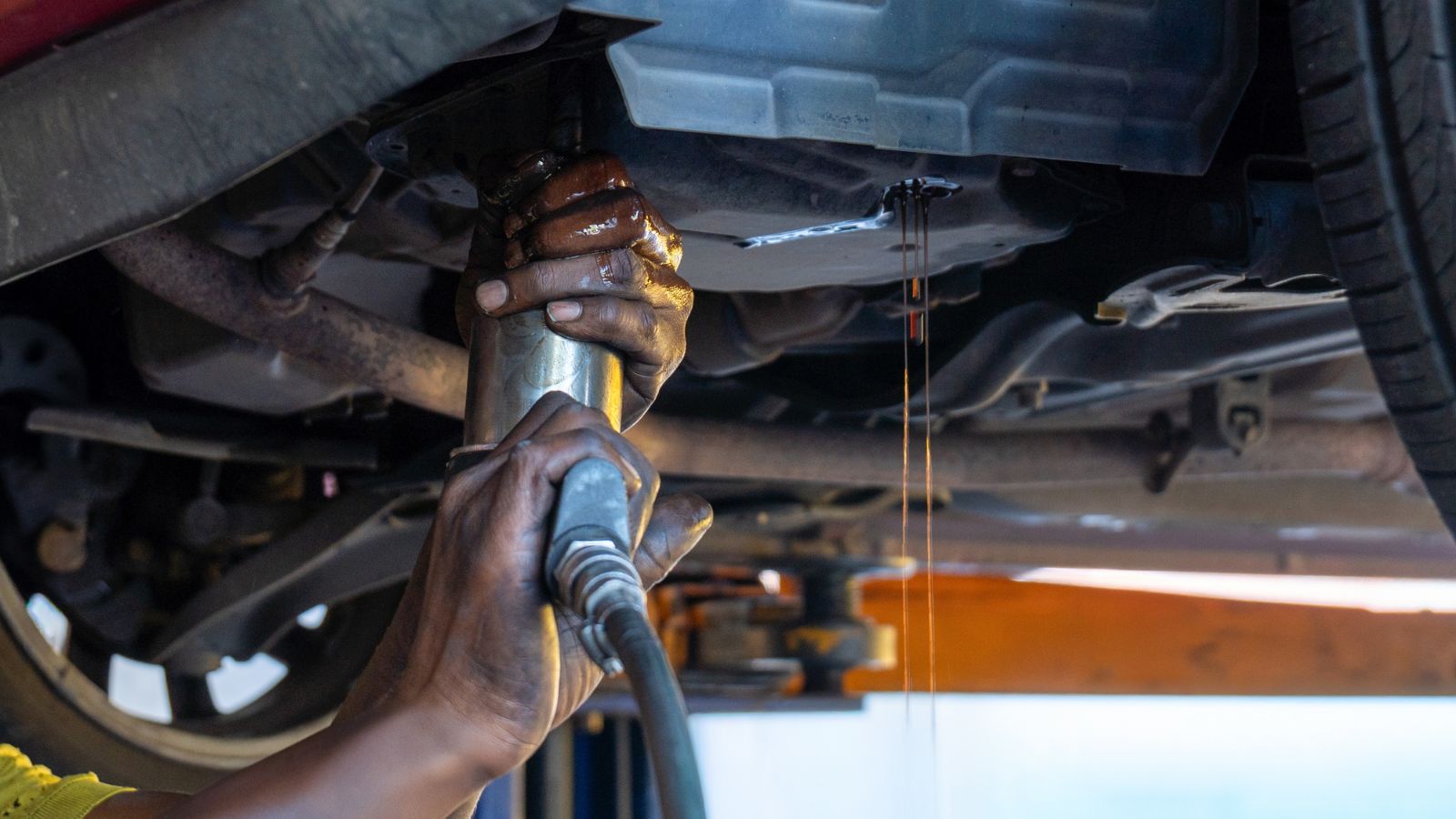
An automatic transmission should generally deliver predictable shifts appropriate to its design. Pronounced hesitation when selecting drive, repeated harsh shifts, unexpected surging, or engine speed rising without corresponding acceleration can signal transmission trouble. AAA lists unusual shifting and slipping as important warning symptoms and explains that causes can include low or contaminated fluid, worn internal parts, solenoid problems, or other mechanical faults.
Heat also matters. Automatic transmission fluid lubricates, transfers hydraulic pressure, and helps control temperature. AAA notes that dark or black deteriorated fluid requires attention, while a burnt smell can indicate more serious problems. Towing and heavy loads may raise transmission temperatures, making service history particularly relevant on trucks and SUVs. No buyer should conclude that a rough shift proves someone drove aggressively; software issues and component defects can produce similar behaviour. But hesitation, burnt-smelling fluid, evidence of towing, and missing maintenance records together justify a specialist inspection before money changes hands. Transmission repairs can quickly turn an apparently inexpensive used vehicle into an expensive one.
A Manual Clutch Slips or Smells Burnt
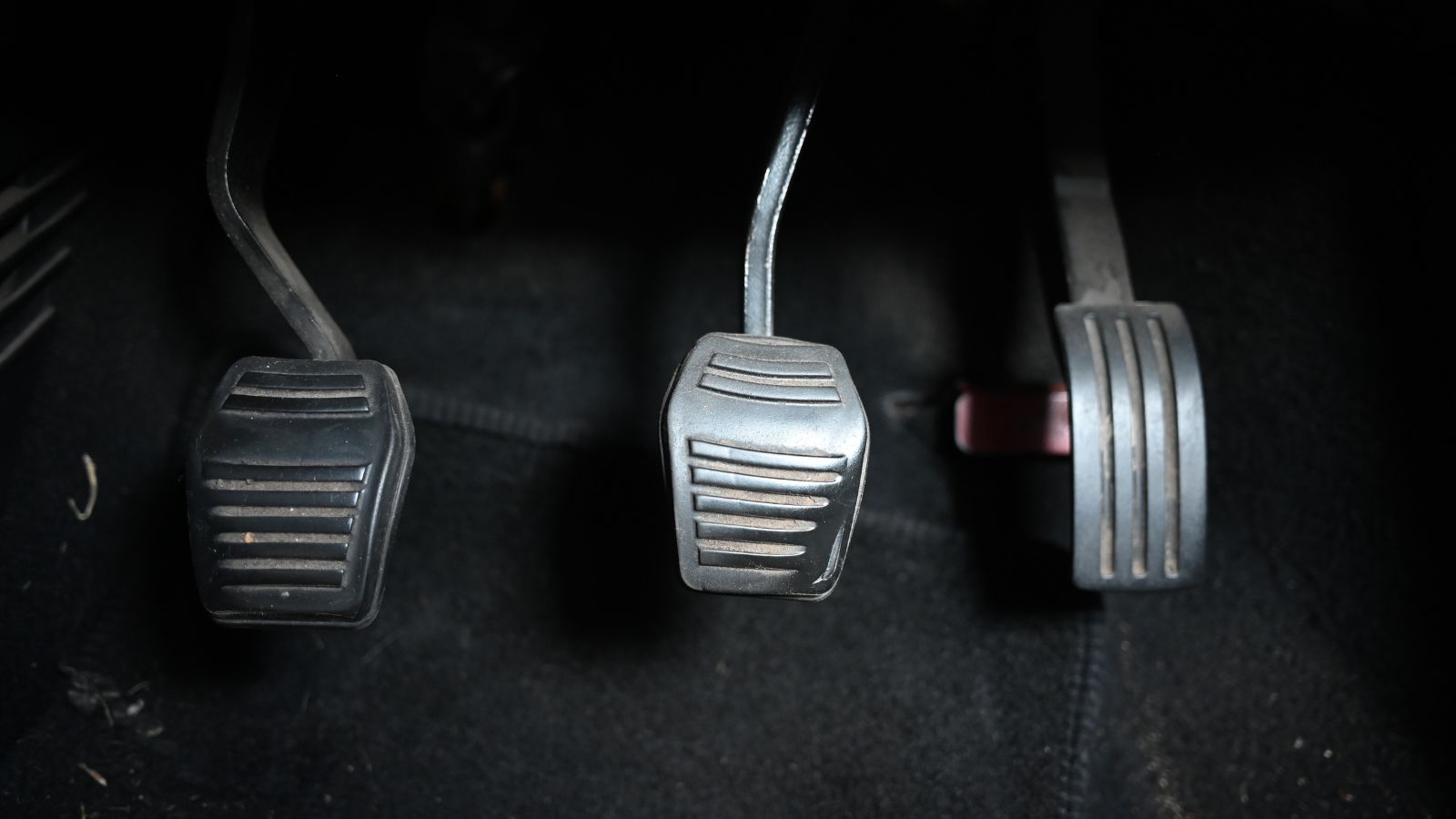
Manual transmissions give previous driving habits plenty of opportunity to leave evidence. A worn clutch may allow engine revolutions to climb sharply without an equivalent increase in vehicle speed, particularly during acceleration in a higher gear or when climbing. Other warning signs can include difficulty engaging gears, juddering, abnormal noises, or a burning smell. RAC identifies clutch slipping as a common symptom of clutch wear and notes that driving style can contribute to premature deterioration.
Holding a clutch around its biting point for extended periods generates heat, while poor clutch control can repeatedly shock the drivetrain. RAC also warns that holding the clutch near the bite point while moving can overheat and wear the clutch. However, pedal feel varies greatly between models, so a high engagement point by itself should not condemn a vehicle. The stronger warning is a combination of slipping under load, poor engagement, burning odour, gearbox noise, and no record of clutch replacement. A manual car with relatively modest mileage displaying several of those symptoms deserves careful investigation.
The Engine Knocks, Rattles, Smokes, or Starts Poorly

A seller who has already warmed the vehicle before every viewing may simply be trying to make the experience pleasant, but buyers lose valuable information when they never observe a cold start. Starting behaviour can expose noises, smoke, rough idle, and other problems that become less obvious once everything reaches operating temperature. AAA recommends listening for unusual engine noises during a used-car test drive and paying attention to knocks, rattles, odors, and abnormal exhaust.
Visible smoke also deserves investigation. Some water vapour during cold weather can be normal, but persistent blue, black, or thick white exhaust can indicate engine, fuel, emissions, or cooling-system problems. An occasional noise is not evidence that an owner abused an engine, especially on designs known for particular startup sounds. Nevertheless, loud knocking combined with low oil, heavy deposits, poor service records, or persistent smoke changes the picture considerably. Arrange for the vehicle to remain cold before inspection and allow a mechanic to determine whether any sounds are normal characteristics or symptoms of costly internal wear.
There Are Clues the Engine Has Been Overheated
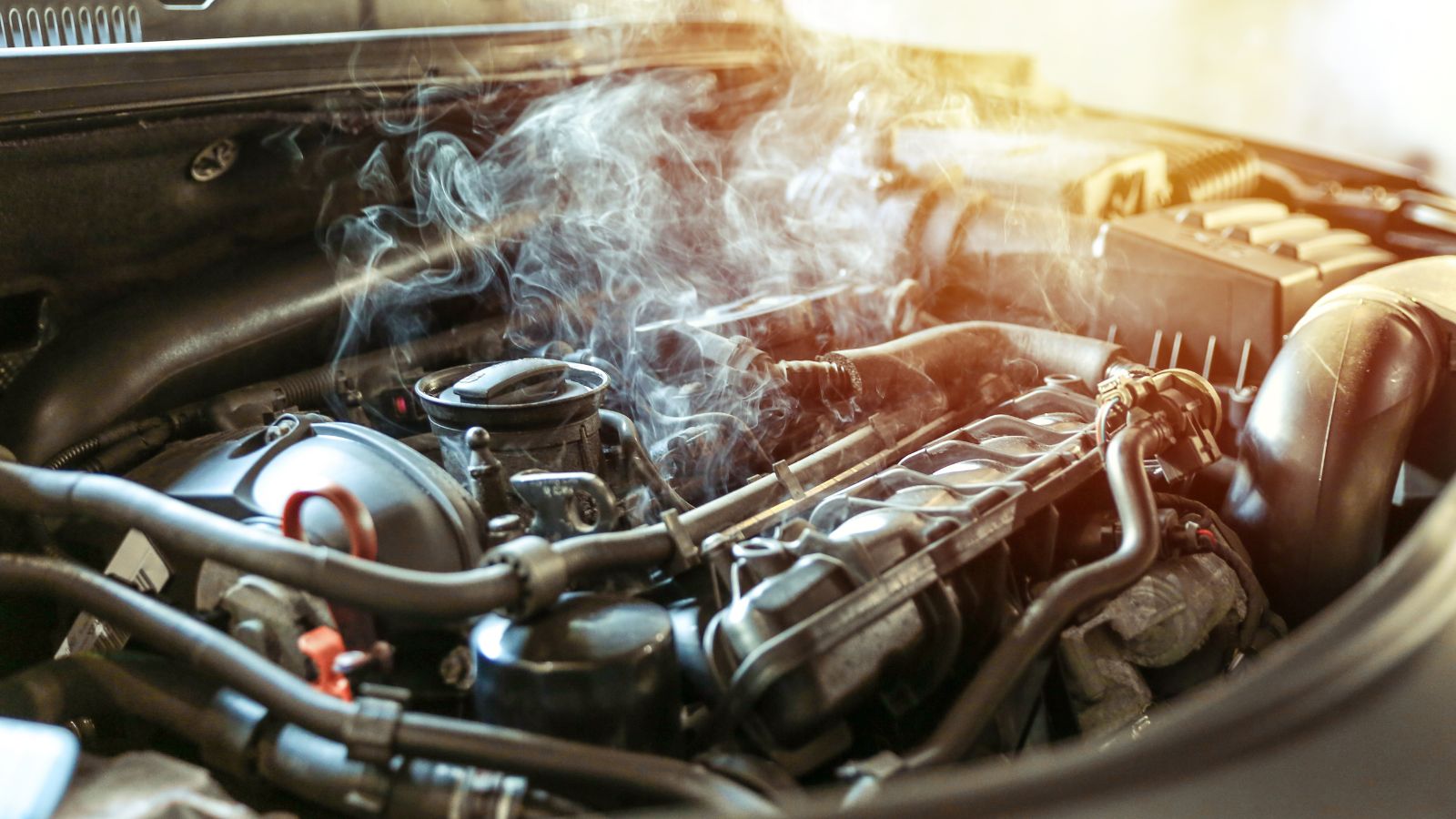
Cooling-system problems deserve special attention because severe overheating can damage far more than a radiator or hose. Consumer Reports notes that overheating can cause serious internal engine damage, while AAA warns that continued operation at excessive temperature can damage gaskets and potentially warp or crack engine components. A vehicle that has repeatedly been driven while hot may therefore carry consequences long after the original leak was repaired.
Look for unexplained coolant loss, residue around hoses or the radiator, damaged wiring from excessive heat, leaking coolant, or oil contaminated with coolant. Consumer Reports advises that gray or foamy oil or water droplets can point toward major problems such as a damaged head gasket or cracked block. None of those observations should be diagnosed by sight alone, and a cooling-system leak may have been caught early with no lasting harm. The real concern is evidence that an owner ignored temperature warnings and continued driving. A pressure test, cooling-system inspection, and appropriate engine tests can provide much stronger answers than appearance alone.
Interior Wear Does Not Match the Claimed Mileage

Mileage tells only part of a vehicle’s story. The places touched on every trip—the steering wheel, driver’s seat, pedals, shifter, buttons, and door pull—provide a second reference point. Consumer Reports notes that a low-mileage car should not normally have heavily worn pedal rubber and that excessive pedal or seat wear can indicate substantial use. AAA similarly advises buyers to watch for inconsistencies between recorded mileage and wear on seats, steering wheels, or pedals.
There is no universal formula linking a scuffed steering wheel to a particular odometer reading. A driver’s clothing, body size, work environment, and cleaning products can dramatically affect wear. Replacement parts can also make an old interior appear newer. What matters is consistency. A vehicle showing 45,000 kilometres yet carrying a collapsed driver’s bolster, polished-smooth pedals, worn control labels, and a shiny steering wheel deserves a careful history check. Compare odometer entries on service invoices and vehicle-history reports rather than relying exclusively on the dashboard number or the seller’s explanation.
Seat Belts or Airbag Clues Suggest a Previous Serious Impact

The restraint system can contain evidence that cosmetic repairs miss. Consumer Reports advises inspecting seat belts for fraying or fibers damaged by friction because certain patterns can indicate that belts were heavily loaded during a previous frontal crash. An airbag warning light that remains illuminated also demands investigation. NHTSA explains that airbags are single-use devices and recommends replacement after deployment.
This is not merely an appearance issue. NHTSA has warned used-car buyers about dangerous substandard replacement airbag inflators and encourages buyers to learn a vehicle’s history when previous crash repairs are possible. During inspection, verify that dashboard warning lamps illuminate during their normal startup checks and then behave as specified by the manufacturer. Look at belt webbing, buckles, steering-wheel trim, dashboard seams, and surrounding panels. A replaced airbag is not automatically a reason to reject a correctly repaired vehicle, but unexplained restraint-system irregularities combined with mismatched bodywork or missing collision documentation justify a thorough professional inspection before purchase.
A Tire Has a Persistent Flat Spot From Severe Braking
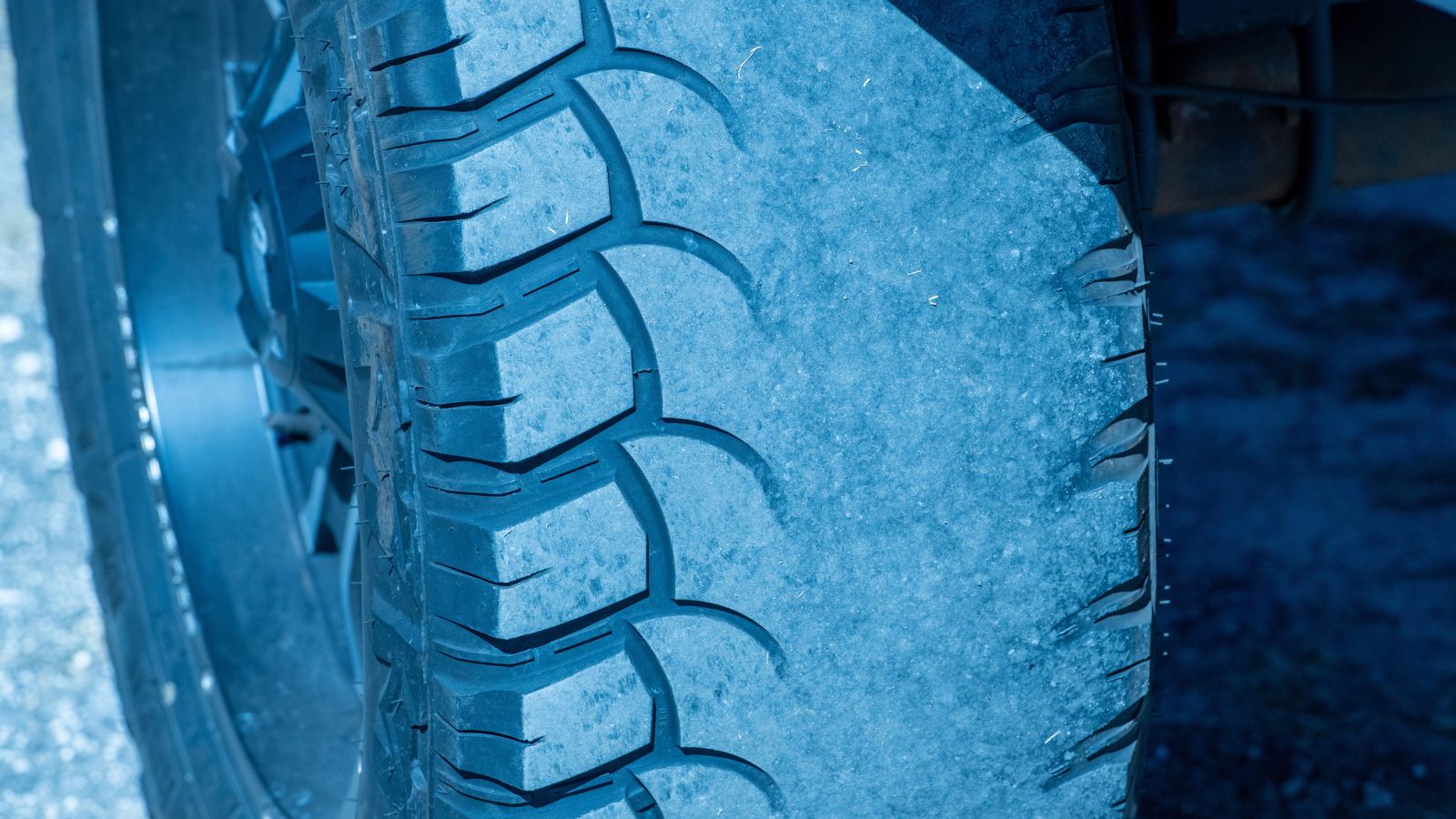
Not every rhythmic tire vibration indicates abuse. Tires can temporarily develop flat spots after sitting, especially in colder conditions, and Michelin notes that this type commonly diminishes after the tires warm during driving. A different form of flat spotting, however, can occur when a wheel locks during severe braking and scrubs one portion of the tread against the pavement. Modern anti-lock braking systems make this less common, but it remains a useful clue when present.
Michelin and tire-safety information published through NHTSA both identify hard braking or sliding as potential causes of localized tread flat spots. The result may be visible abnormal wear accompanied by a repeating vibration or thumping that changes frequency with road speed. That still does not reveal why the emergency stop occurred; even the gentlest driver may have to brake hard once. The significance increases if several tires show unusual wear, brake components have obvious heat damage, and other signs point toward aggressive use. A tire professional can distinguish permanent damage from harmless temporary flat spotting.
Diagnostic Monitors Suggest Trouble Codes Were Recently Cleared
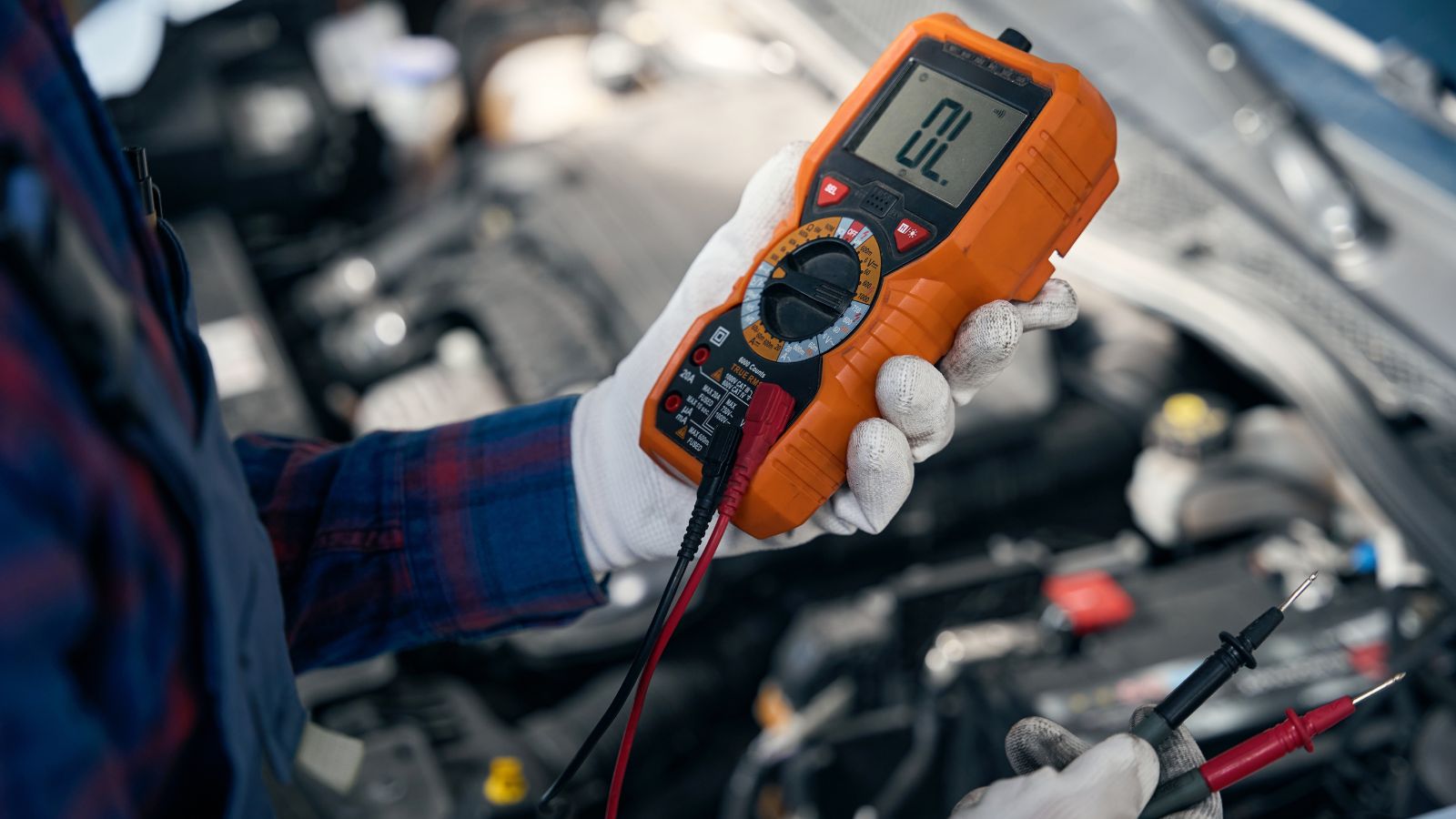
A dashboard with no warning lights looks reassuring, but it is worth checking what the vehicle’s computer remembers. OBD-II systems use readiness monitors to determine whether emissions-related systems have completed their self-tests. EPA guidance explains that clearing diagnostic trouble codes also resets readiness information, leaving monitors in a “not ready” condition until the vehicle completes the required operating cycles.
There are entirely legitimate reasons for this status. A battery may have been disconnected or replaced, or a technician may have recently completed a genuine repair and cleared the codes afterward. EPA guidance also recognizes that clearing codes can temporarily hide faults before inspection, which is one reason readiness monitoring exists. A basic scan before purchasing a compatible vehicle can therefore add useful context. Several unset monitors immediately after a seller claims the vehicle has had no recent battery work or repairs should prompt questions, not accusations. Ask what was serviced and have a mechanic scan for stored, pending, and applicable permanent trouble codes before deciding whether the explanation fits.
The Maintenance History Has Large and Unexplained Gaps
The most revealing sign may not be physically attached to the vehicle at all. Organized maintenance records provide evidence that oil changes, brake work, fluid servicing, inspections, and larger repairs happened when expected. Consumer Reports recommends comparing service documentation with the manufacturer’s maintenance schedule, while the U.S. Federal Trade Commission recommends obtaining a vehicle-history report and arranging an independent mechanical inspection before buying a used vehicle.
Missing receipts do not prove neglect. Owners move, shops close, and many records never reach commercial history databases. Vehicle-history reports themselves can miss unreported crashes and mechanical problems. What should raise concern is a combination of missing documentation and physical evidence of deferred care: badly worn tires, overdue fluids, warning lights, oil leaks, or unexplained replacement components. A vehicle with incomplete history can still be an excellent purchase after a thorough inspection. Conversely, an attractive history report should never substitute for one. The safest decision comes from comparing paperwork, physical condition, computer diagnostics, and an independent technician’s findings.
19 Used Cars Canadians Should Avoid in 2026 (Based on Owner Complaints)

Buying a used car in Canada can feel safe until repair bills start stacking up. Owner complaints tell a different story than glossy listings. Transmission failures, electrical problems, and weak winter reliability show up again and again in consumer reports. Many of these issues appear after warranties expire, when owners least expect them. Some vehicles look affordable upfront, but become expensive to keep on the road. Others struggle in cold weather, urban driving, or long highway commutes. Here are 19 used cars Canadians should avoid in 2026 (based on owner complaints).
19 Used Cars Canadians Should Avoid in 2026 (Based on Owner Complaints)