


























Vehicle affordability now gets tested less by sticker shock than by what happens after the paperwork is signed. With new-vehicle transaction prices still hovering around the high-$40,000 range and average financed new-vehicle payments recently pushing into the mid-$700s, a deal that looks manageable in the showroom can age badly once real-life costs pile on. The danger usually shows up in small concessions: a longer term, a thinner down payment, a rate that seems survivable, or a budget that leaves no room for repairs, insurance, or fuel.
These 17 signs capture the moments when a vehicle payment stops being a tidy monthly number and starts becoming a source of pressure. Taken together, they show how financing, ownership costs, and timing can quietly turn a “comfortable” payment into one that hurts far more than expected.
The Loan Term Has Stretched So Far That It’s Doing All the Work

A vehicle payment often starts looking affordable the moment the term gets pushed out into the 72- to 84-month range. That is one of the clearest signs that the budget is being saved by time rather than by real affordability. The monthly number may drop enough to feel reasonable, but the borrower stays exposed longer, pays more interest, and builds equity much more slowly. That becomes dangerous when the vehicle loses value faster than the balance falls, which is common in the early years.
A buyer who needs seven years to make the payment look normal is not necessarily buying a bad vehicle, but the math is already flashing yellow. Picture a shopper who could not make a 60-month term work, then accepts an 84-month contract because it trims the payment by a few hundred dollars. That difference feels helpful on day one, yet it often creates a loan that lingers long after the excitement of the purchase is gone. If the deal only works because the calendar got stretched, the payment is already closer to painful than it looks.
The Conversation Keeps Coming Back to Monthly Payment, Not Total Cost
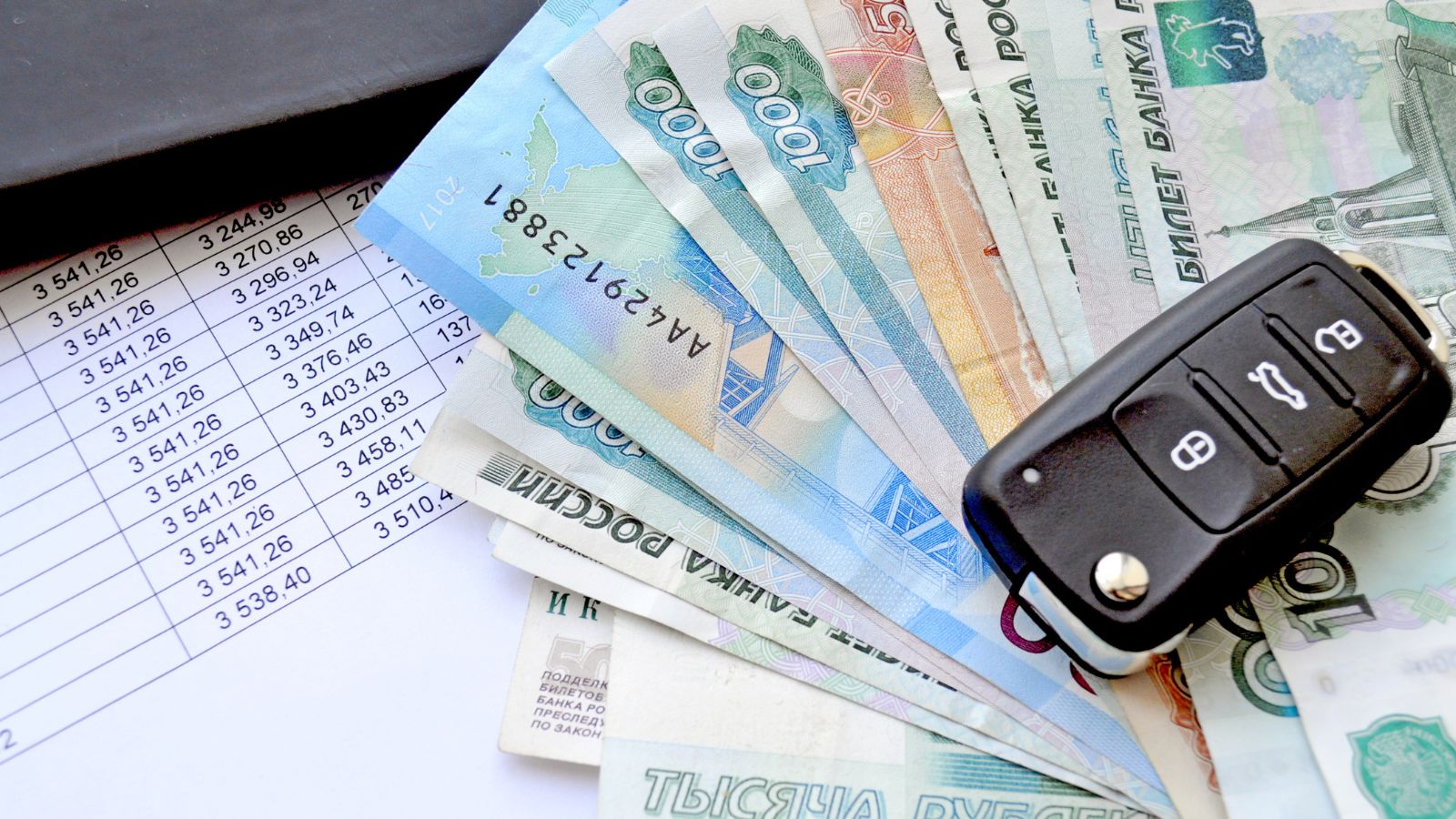
One of the oldest warning signs in auto finance is when the whole deal gets framed around a single question: “What payment are you trying to stay under?” That sounds practical, but it can hide the pieces that actually decide whether the loan is healthy. A lower payment can come from a longer term, more money financed, or optional products folded into the contract. In other words, the monthly figure can improve even while the overall deal gets worse.
This is how buyers end up feeling blindsided a few months later. The payment may land exactly where they wanted, but the loan can still be packed with taxes, fees, insurance costs, and add-ons that were never treated as the main story. A shopper might feel good about landing below a target number, only to realize later that the total amount financed is much larger than expected. When the discussion avoids APR, loan length, and total cost, the payment is being dressed up rather than honestly measured.
The Down Payment Keeps Shrinking Just to Make the Deal Go Through

A shrinking down payment is often presented as convenience, but it can also be a sign that the vehicle is already pushing past what the budget should carry. Putting less down means borrowing more, and borrowing more tends to raise the monthly payment, increase interest costs, and leave the buyer with less equity from the start. It also weakens the buffer against depreciation, which matters most in the first years of ownership.
Imagine a buyer who planned to put down a healthy amount, then decides to keep more cash in the bank and finance the difference instead. That may feel like flexibility, but it can quietly move the loan from manageable to fragile. The payment rises, the balance stays higher for longer, and the odds of going underwater increase. When the deal only works after the down payment gets trimmed back again and again, that is usually not a clever financing move. It is a signal that the vehicle price and the buyer’s actual comfort zone are drifting apart.
The APR Is High Enough to Change the Entire Deal

A vehicle payment can hurt more than expected even when the sticker price seems fine, simply because the APR is doing more damage than the buyer realizes. Interest has a way of hiding in plain sight. A borrower may accept a rate that sounds only modestly above average, then discover over time that the payment is carrying far more financing cost than vehicle value. The higher the rate, the less room there is for anything else in the household budget.
This gets even more serious when the rate is elevated because of weaker credit or limited shopping around. A buyer with strong credit and a buyer with strained credit can finance similar vehicles and walk away with radically different long-term costs. In practice, that means two people can “afford” the same car on paper while only one of them has a payment that stays tolerable. If the APR looks high before insurance, fuel, or maintenance ever enter the picture, the loan is already loaded against the borrower.
The Used-Car Price Looks Better, but the Rate Is Still in Double Digits

Used vehicles often feel like the safer financial choice, and many times they are. But the payment can still sting harder than expected when the rate on the used-car loan is much steeper than the buyer assumed. A lower sticker price does not automatically create a lower-cost deal. If the APR is high enough, the financing can eat away much of the savings that made the used vehicle appealing in the first place.
That is why some used-car buyers end up with payments that feel too close to new-car territory. The shock usually arrives later, after the buyer has mentally anchored on the cheaper purchase price and stopped thinking about the rate. A shopper might feel disciplined for skipping a new model, only to realize that the financing terms kept the monthly obligation stubbornly high anyway. When a “budget” used vehicle still comes with a double-digit rate, the payment often carries more stress than the buyer expected from a supposedly lower-cost choice.
There’s Old Debt From the Last Vehicle Hiding Inside the New Loan
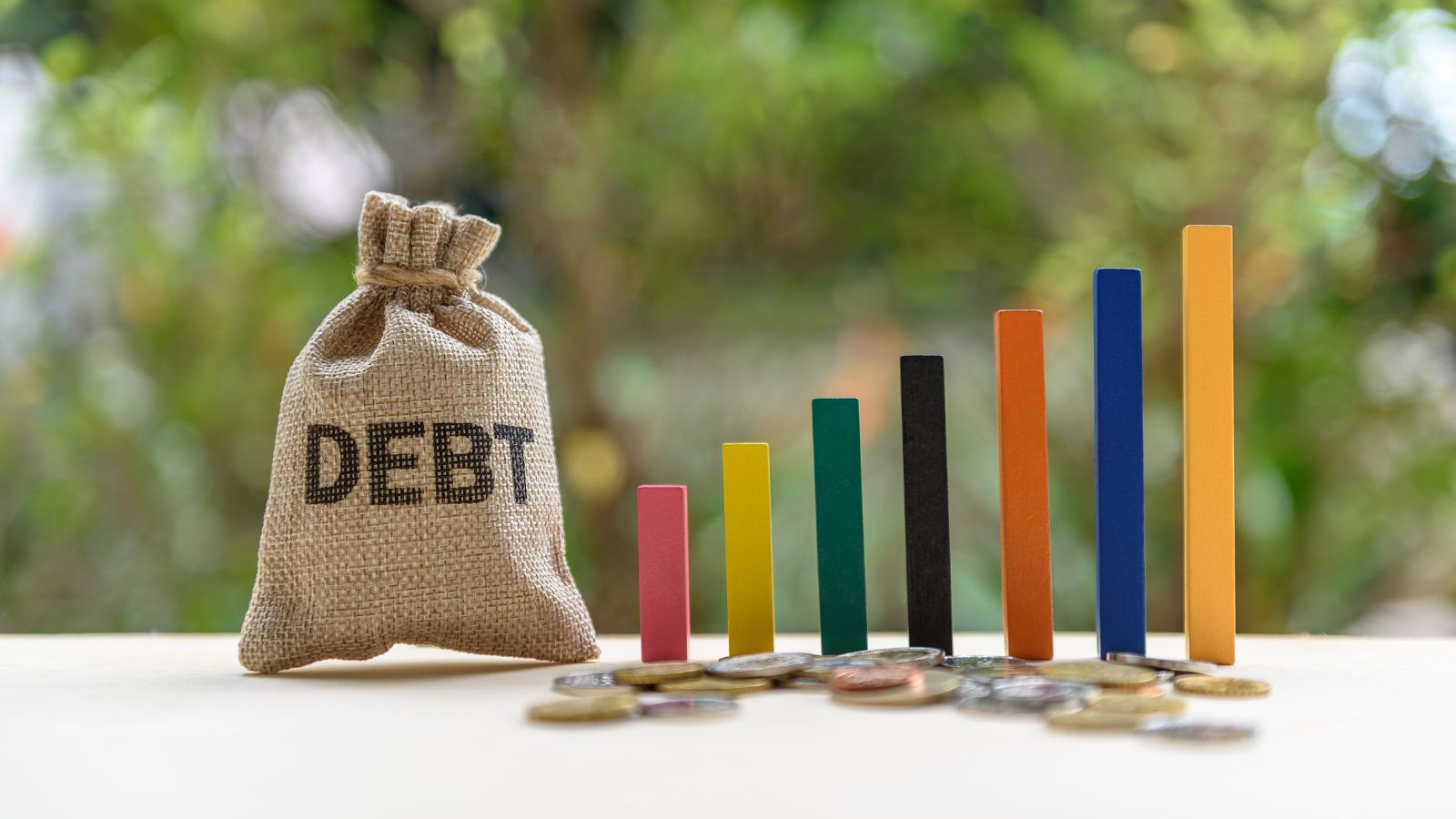
Few signs are louder than a payment that includes debt from a vehicle the buyer no longer owns. Rolling negative equity into a new loan is one of the fastest ways to make a fresh payment feel unfairly heavy. The borrower is not just paying for today’s vehicle; part of the bill is covering yesterday’s shortfall. That instantly raises the amount financed and makes the new loan more expensive before the new car has even had time to depreciate.
This is how some buyers end up trapped in a pattern that gets harder to escape each time. A person trades early, discovers the old balance exceeds the trade-in value, then allows the difference to be folded into the next loan because the dealer can “make the numbers work.” The payment may still look survivable, but it is supporting two problems at once. Once negative equity is embedded in the next contract, the borrower has less flexibility, less equity, and less margin for surprise costs. A payment built on rollover debt almost always hurts more than it first appears.
Optional Add-Ons Have Been Folded Into the Financing

A payment gets more dangerous when it quietly starts financing things that are not the vehicle itself. Extended warranties, GAP coverage, wheel-and-tire packages, credit insurance, prepaid maintenance, and other products may be useful in some situations, but they also enlarge the loan. Because they are often bundled into the financing, the buyer may barely notice the full cost. The extra charge gets diluted into the monthly number, where it feels smaller than it really is.
That is why add-ons are so effective at disguising pain. An extra few hundred or few thousand dollars sounds substantial when discussed directly, but looks less intimidating when spread across years of payments. A buyer may leave believing they improved protection and barely changed the budget, when in reality they increased both the amount financed and the interest paid on top of it. If the contract keeps growing through optional products, the payment is no longer just buying transportation. It is carrying a stack of extras that can make the loan feel much heavier with time.
Fees and Taxes Are Still Appearing Late in the Process
A payment that looks fine before the final paperwork is rarely the same payment after every fee is included. Dealer documentation charges, registration costs, title fees, taxes, and other required expenses can materially change the loan. The problem is not that these costs exist; it is that they often arrive too late in the buyer’s mental math. By the time the true total is clear, the shopper may already feel committed to the vehicle and more willing to absorb a bigger payment than planned.
This is where many buyers confuse a near-finished negotiation with a finished one. They agree on a price, relax, and then watch the deal expand through mandatory charges and ongoing ownership costs tied to registration or taxes. A payment that was barely acceptable can become uncomfortable with only a modest upward nudge. When the all-in number is still moving late in the purchase, that is not a detail to brush aside. It is a warning that the payment was never as settled or as safe as it first seemed.
Nobody Priced Out Insurance Before the Vehicle Was Chosen

Insurance is one of the easiest ways for a vehicle payment to hurt more than expected because it sits outside the loan while still behaving like part of the real monthly cost. Many buyers focus intensely on financing and barely check insurance until the vehicle is already chosen. That can be a costly mistake. Certain models, trims, repair costs, theft risks, and driver profiles can make premiums jump far more than expected, turning a manageable payment into an uncomfortable all-in ownership bill.
A buyer might compare two vehicles with similar loan payments and assume they cost about the same to live with. Then the insurance quote arrives and completely changes the picture. That is especially common with vehicles that have expensive parts, high repair costs, or performance-oriented branding. Once that premium is locked in, the household does not experience it as a separate academic expense. It simply feels like the car is draining more money every month than it was supposed to. When insurance is an afterthought, the payment often becomes a bigger burden than the contract alone suggested.
The Vehicle Jumped a Size Class, and the Price Jumped With It
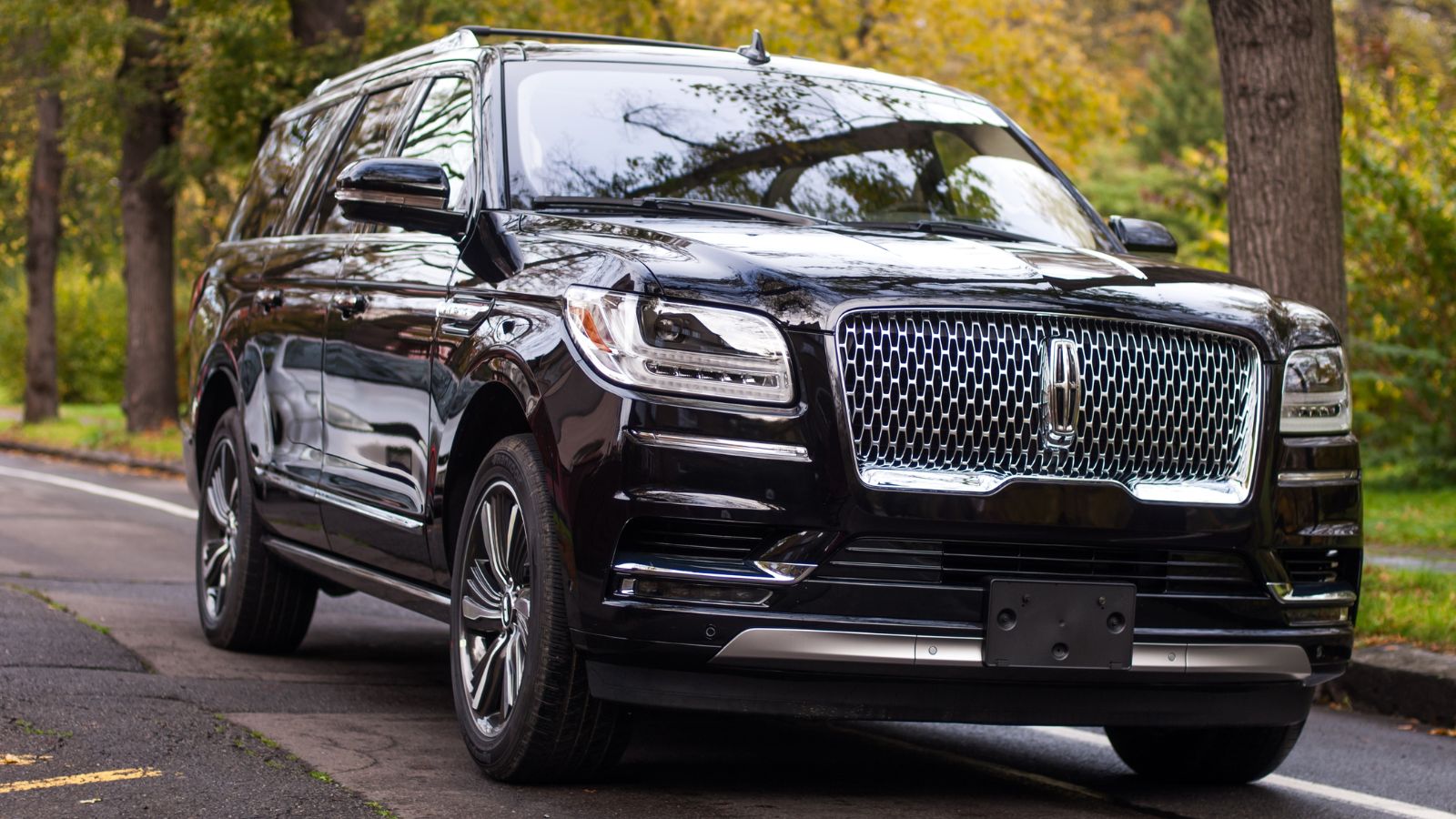
Sometimes the clearest sign of future payment pain is not the financing structure but the vehicle choice itself. Moving from a compact SUV to a midsize SUV, or from a sensible crossover to a full-size pickup, can change the total cost far more than shoppers expect. That shift is often rationalized through comfort, versatility, or a slightly nicer trim, but the price ladder in today’s market is steep. A small step up in class can mean a very large step up in monthly obligation.
This matters because buyers often judge the upgrade emotionally rather than mathematically. The bigger vehicle may feel only one category better, but the payment reflects thousands and sometimes tens of thousands of dollars more in transaction price. A shopper who says, “It’s only a little more vehicle,” may be walking into a much bigger financing commitment than that phrase implies. When the budget stretches because the purchase quietly moved into a pricier segment, the payment tends to feel sharper after the novelty wears off and the monthly withdrawal becomes routine.
The Payment Is Brushing Against the Four-Figure Zone

A payment near $1,000 can start feeling strangely normal in a market where high prices and long terms have become common. That normalization is its own warning sign. When buyers hear that large monthly payments are increasingly common, some begin treating them as evidence that the payment must be reasonable. But popular does not mean comfortable. A payment can be widely accepted in the market and still be punishing in a household budget.
The emotional trap is easy to understand. A borrower sees that many people are financing vehicles at historically high monthly amounts and decides the number must simply reflect the new normal. Yet the real question is not whether others are doing it; it is whether the payment leaves breathing room after rent, groceries, insurance, fuel, and savings. A four-figure payment can feel tolerable during a stable stretch, then become suffocating when anything shifts. When a buyer has to talk themselves into the idea that “everyone pays this now,” the payment is already flirting with regret.
There’s No Cushion Left for Repairs, Bills, or a Bad Month
A vehicle payment is more likely to hurt than expected when it fits only in a best-case version of the budget. If the loan leaves no room for an unexpected repair, a temporary income dip, or a higher-than-usual bill, then the payment is not truly affordable. It is merely surviving under ideal conditions. The trouble with ideal conditions is that they do not last very long in real life.
This is why a “doable” payment can feel oppressive within a few months. A tire gets ruined, a deductible comes due, a medical bill lands, or overtime dries up. Suddenly the car is not just another bill; it is the bill that made everything else harder to absorb. Picture a household that could handle the payment only as long as nothing broke and every paycheck arrived on time. That loan may have looked disciplined on paper, but it was actually fragile from the start. When there is no margin for surprise, the payment is already positioned to hurt.
The Vehicle Will Lose Value Faster Than the Loan Balance Falls

Depreciation does not show up as a monthly bill, which is exactly why it catches buyers off guard. The vehicle can feel affordable because the payment is fixed and predictable, while the underlying asset is losing value in the background. When the loan balance declines slowly and the vehicle’s value falls quickly, the buyer’s options narrow. Selling, trading, or getting out of the loan becomes harder, and the payment starts feeling heavier because it is attached to something with less and less financial flexibility.
This problem is most severe when the loan is long, the down payment is modest, or the buyer trades frequently. In those situations, the borrower can spend years making payments without building meaningful equity. The danger is not abstract. It affects real decisions: whether the owner can switch vehicles, respond to a job change, or absorb a total loss without financial fallout. A payment backed by strong equity feels different from a payment backed by fast depreciation and thin ownership stake. When the balance lags behind the car’s falling value, the loan becomes harder to live with.
The Vehicle Is Cheap to Buy but Expensive to Keep Running
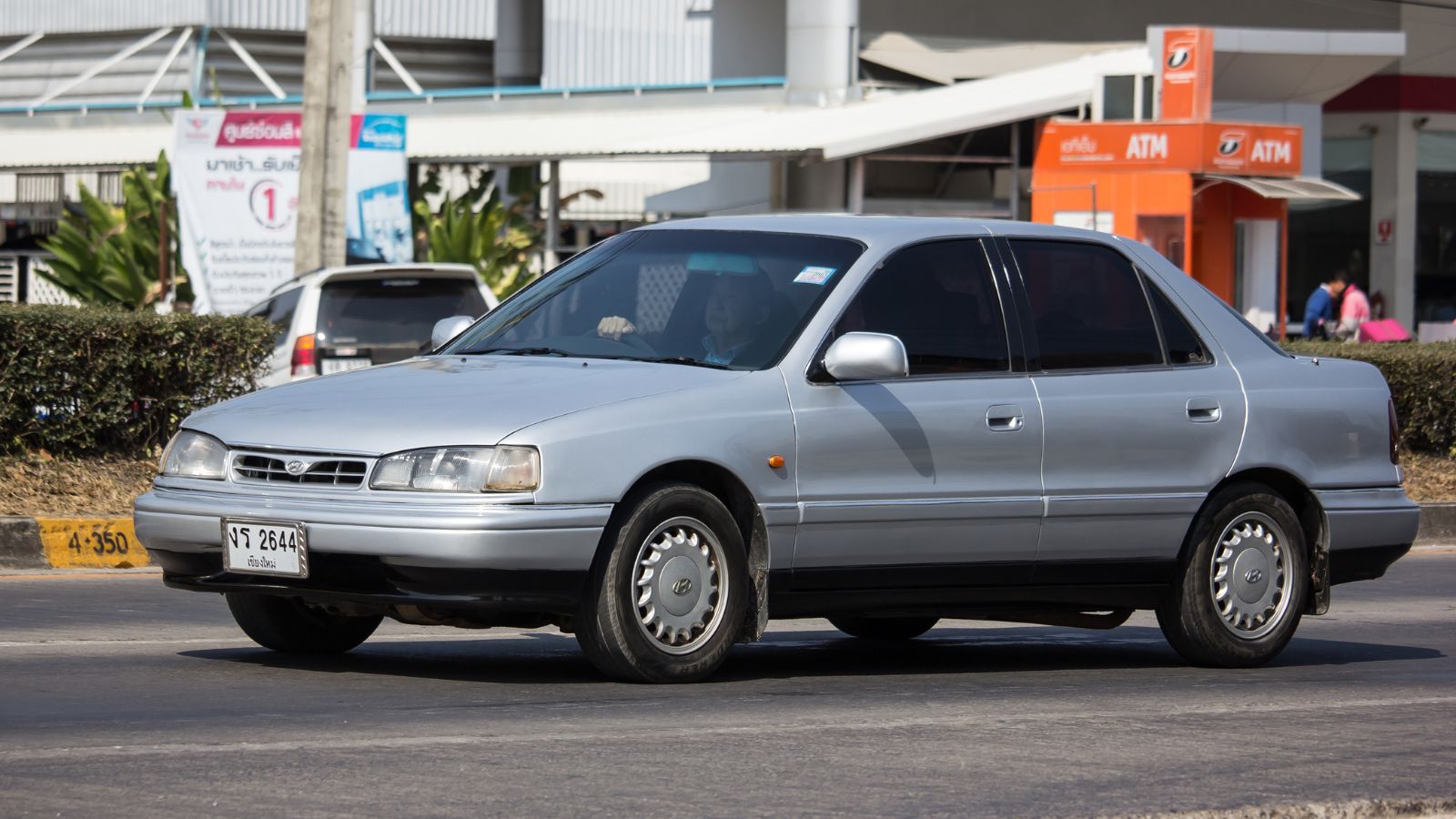
A lower purchase price can be misleading if the vehicle is older, less dependable, or closer to the point where repair frequency rises. Buyers often treat the cheaper vehicle as the conservative choice and ignore the ownership burden that comes with age, mileage, or a weak reliability profile. That is how a modest payment can still produce a stressful ownership experience. The loan may be smaller, but the monthly budget keeps getting nicked by maintenance, wear items, and repair visits.
This tends to feel especially unfair because the buyer believes they were being prudent. They skipped the pricier model, accepted a less glamorous car, and still ended up with a payment-plus-repair cycle that feels relentless. Once that happens, the true cost of the vehicle is no longer just the financing. It is the financing combined with downtime, service bills, and the low-grade anxiety of wondering what breaks next. When the vehicle’s age or dependability record suggests more problems ahead, even a lower monthly payment can become a painful bargain.
The Commute and the Vehicle’s Fuel Habit Don’t Match
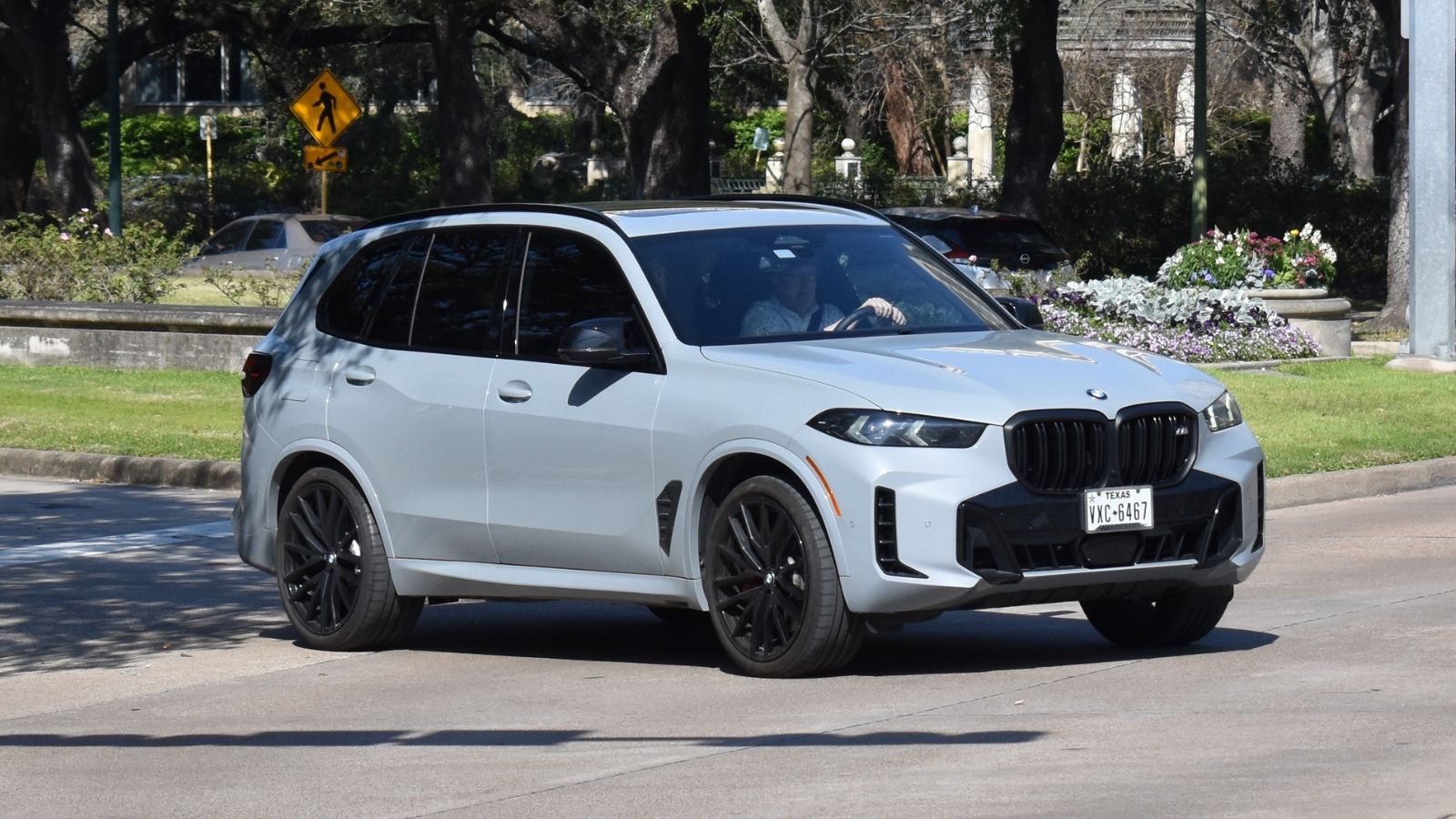
A vehicle payment often hurts more than expected when the model fits the buyer’s taste better than it fits the buyer’s mileage. A long commute can turn mediocre fuel economy into a steady financial leak. That leak is easy to underestimate because it arrives in smaller bursts at the pump rather than as one clear monthly bill. Over time, though, it can change how affordable the entire vehicle feels, especially when gas prices climb or driving volume increases.
A buyer who drives a short distance may barely notice the difference between one vehicle and another. A buyer covering serious weekly mileage will notice it fast. That is why the same payment can feel manageable in one household and oppressive in another. The cost is not limited to fuel, either; more driving also accelerates maintenance and tire wear. When a vehicle with higher operating costs is paired with a long commute, the problem is rarely obvious on signing day. It shows up later, in the rhythm of repeated fill-ups and service visits that make the payment feel only part of the real bill.
The Buyer Already Expects to Trade Out Early

A payment becomes riskier the moment the buyer is already talking about getting out of the vehicle before much equity has been built. That mindset matters because auto loans are usually least forgiving early on, when the balance is still high and depreciation has done much of its work. If the buyer is thinking about the next trade before settling into the current loan, the odds of negative equity rise sharply. The next purchase can then inherit the financial mistakes of the current one.
This is how a payment that seems manageable turns into a cycle that never really resets. A shopper may say they will keep the vehicle “for a couple of years” and then move on, but the loan structure may be built for six, seven, or even more years. Those timelines do not match. Trading out early can mean bringing leftover balance forward, paying more interest overall, and losing the chance to let the payment gradually become easier. When the exit plan depends on leaving before the loan has truly matured, the payment is already more dangerous than it appears.
The Backup Plan Is a Future Refinance That Hasn’t Happened Yet
Refinancing can help some borrowers, but it is a shaky foundation for deciding whether a payment is affordable today. If the deal only feels safe because the buyer assumes they can refinance later, that is a sign the original payment may already be too aggressive. Future refinancing depends on rates, credit, vehicle value, lender appetite, and timing. None of those is guaranteed to cooperate when the borrower needs relief.
This warning sign is easy to miss because refinancing stories can sound reassuring. Buyers hear that others lowered rates or cut monthly payments later on and begin treating that outcome like part of the purchase plan. But relief that arrives later is not the same as a solid deal now. A better loan down the road can be a bonus; it should not be the thing holding together a budget from day one. When the initial payment works only if tomorrow’s market becomes kinder, the contract is already leaning on hope instead of durability.
22 Things Canadians Do to Their Cars in Spring That Mechanics Hate

Spring brings relief to many Canadian drivers after months of snow, freezing temperatures, and icy roads that put serious strain on vehicles. As temperatures rise across the country, drivers begin washing cars, switching tires, and preparing vehicles for warmer weather and upcoming road trips. However, mechanics across Canada notice the same mistakes every spring when drivers attempt to recover from winter damage. Road salt, potholes, and harsh winter driving conditions often leave vehicles with hidden problems that drivers ignore. Some spring habits even create new mechanical issues that could have been avoided with proper maintenance. Here are 22 things Canadians do to their cars in spring that mechanics hate.