
























A vehicle can advertise an impressive horsepower figure and still feel strangely reluctant when the accelerator is pressed. That disconnect is not unusual because peak engine output is only one part of how quickly a vehicle responds in everyday driving. Weight, gearing, torque delivery, electronic calibration, heat, altitude, tires, and basic maintenance can all change the way power reaches the road.
These 17 reasons explain why a strong specification sheet does not always translate into crisp acceleration. Some are normal engineering trade-offs designed for comfort, efficiency, emissions, or traction, while others can point to developing mechanical problems. Understanding the difference helps separate a vehicle that is simply tuned to feel relaxed from one that may need inspection or service.
Power-to-Weight Ratio Can Hide the Horsepower

Horsepower matters, but the amount of mass each horsepower must move matters just as much. A 300-horsepower compact coupe and a 300-horsepower three-row SUV can feel completely different because the heavier vehicle must accelerate more body structure, passengers, cargo, larger brakes, and often a more substantial driveline. Engineers therefore look beyond engine output and consider tractive effort relative to vehicle weight when evaluating acceleration performance.
That is why some modestly powered cars feel eager while much stronger vehicles feel merely adequate. Added equipment can widen the gap further. Panoramic roofs, larger batteries in hybrids, four-wheel-drive hardware, towing packages, and luxury features can push curb weight upward without changing the advertised horsepower. A vehicle may still post a respectable full-throttle acceleration time, yet feel less lively in stop-and-go traffic because every small change in speed requires moving substantial mass. Peak horsepower cannot erase that basic physics in routine real-world driving conditions.
Peak Horsepower May Arrive Too High in the Rev Range
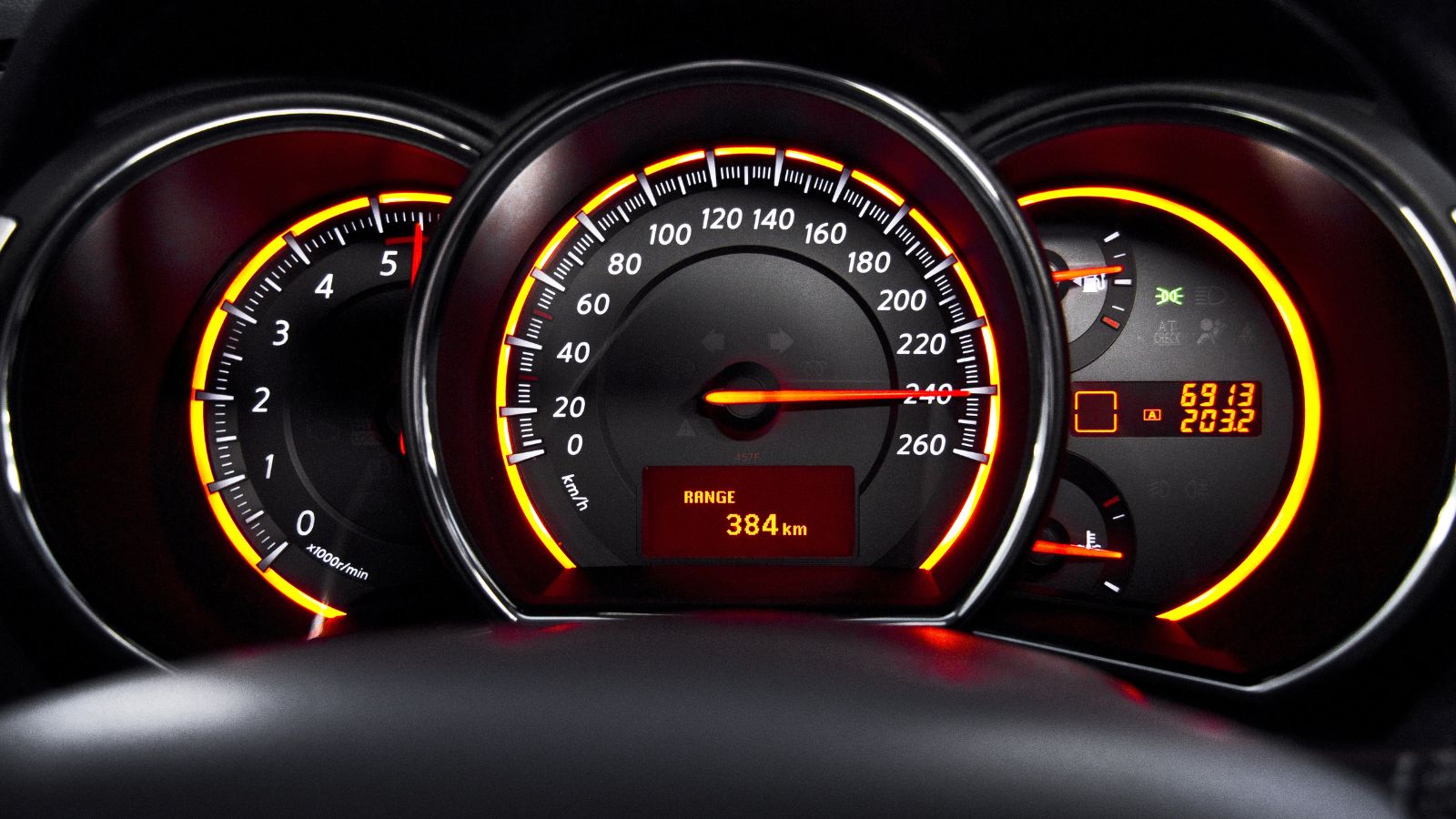
The headline horsepower number represents the engine’s maximum output at a particular speed, not the power available every time the accelerator is touched. If the engine reaches its strongest horsepower near the top of the tachometer, driving at 1,500 to 3,000 rpm may feel comparatively soft. What matters in those moments is the torque and power actually available at the current engine speed, then multiplied through the transmission.
This explains why two engines with similar peak horsepower can feel different around town. An engine with a broad torque plateau may respond strongly without a downshift, while another may need several thousand additional rpm before it wakes up. Performance-oriented drivers often describe this as needing to “get into the power band.” The vehicle is not necessarily underperforming; its strongest output may simply live higher in the rev range than daily driving normally uses, making the impressive peak figure harder to access.
Tall Gearing Can Trade Punch for Efficiency
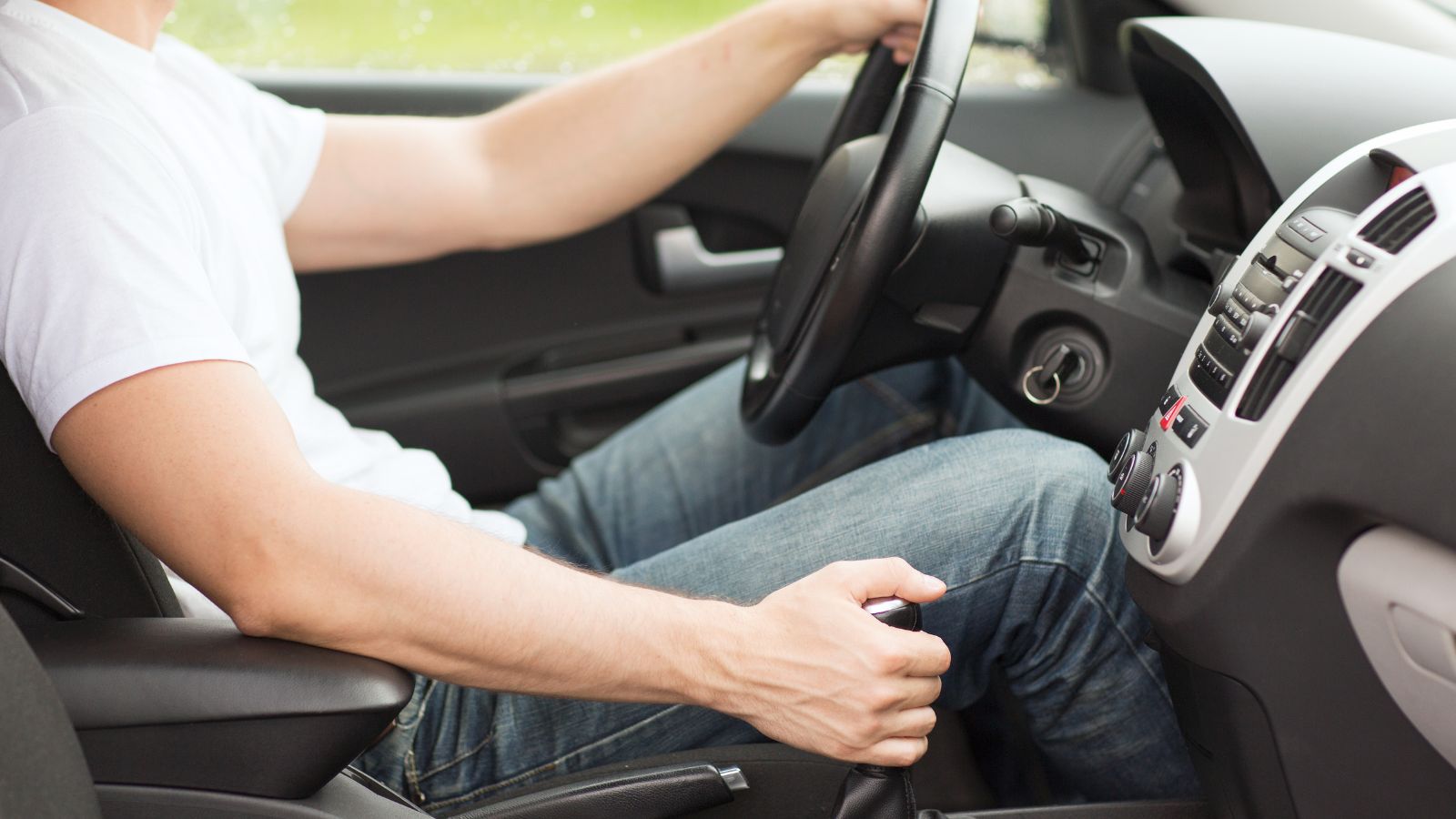
Gear ratios determine how engine torque is multiplied before reaching the driven wheels. Taller gearing lowers engine speed at a road speed, reducing noise and fuel consumption, but it also provides less torque multiplication than a shorter gear. A powerful engine paired with economy-minded ratios can feel subdued until the transmission selects a lower gear or road speed rises enough to place the engine in a stronger part of its power curve.
Automatic transmissions add another layer as their shift schedules are calibrated around competing goals. In relaxed mode, the gearbox may upshift early and resist downshifting to keep revs low. A deeper accelerator input can transform the vehicle by commanding one or two lower gears. That contrast often makes owners think the engine is lazy when the real issue is gearing and shift strategy. Sport mode feels quicker even though maximum engine horsepower has not changed at all, either.
Turbo Lag Can Delay the Strongest Torque
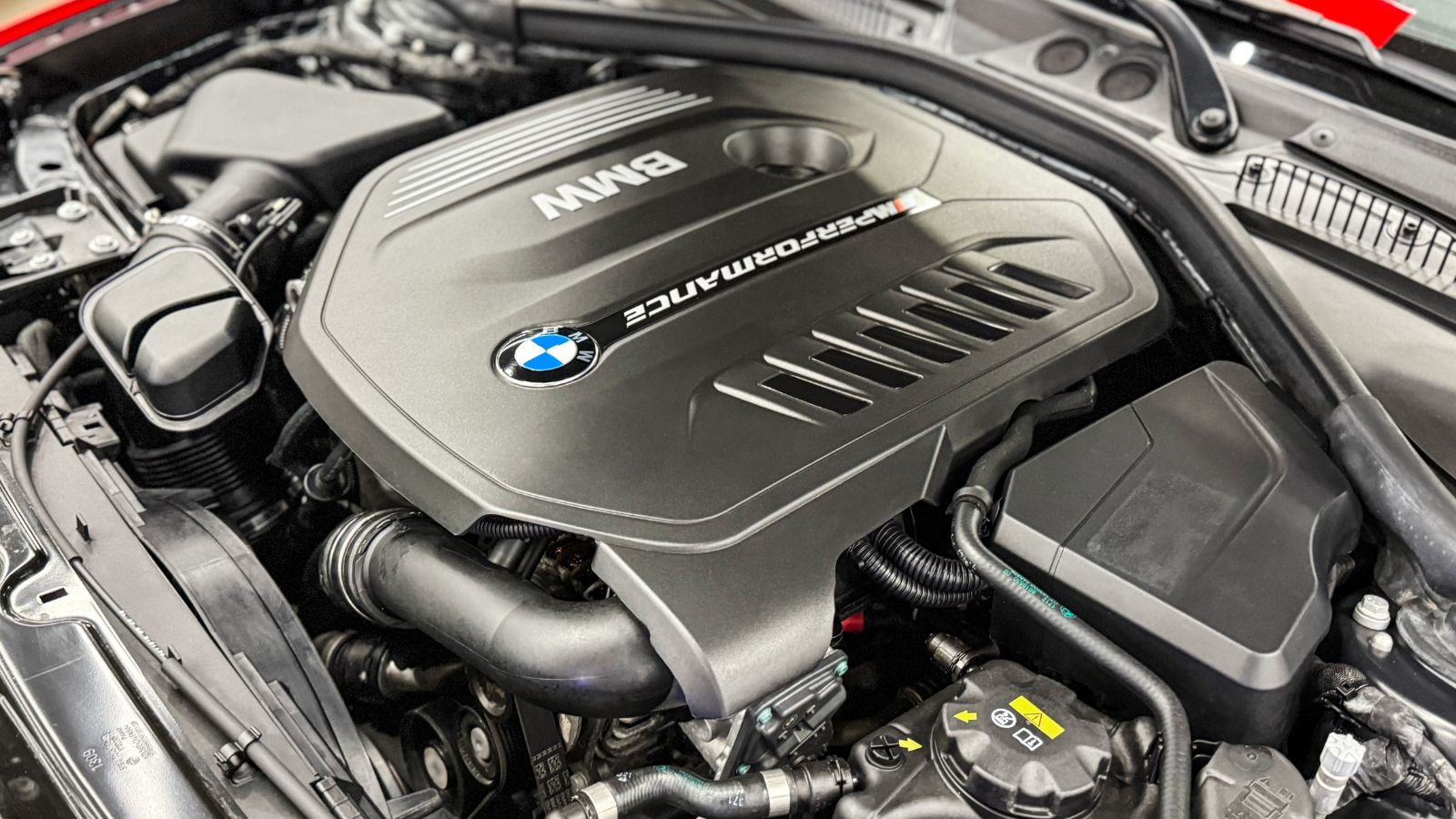
Turbocharging allows a small engine to produce substantial power, but the turbocharger cannot always deliver boost instantly. Exhaust flow must accelerate the turbine, which drives the compressor forcing additional air into the engine. The delay between a throttle input and a meaningful rise in boosted torque is called turbo lag. Modern turbo systems have reduced it, but they have not made transient response identical in every engine.
The effect is still noticeable at low engine speed or after the driver suddenly asks for full acceleration. The vehicle may initially feel ordinary, then surge as boost builds and the torque curve rises. Turbo sizing, exhaust flow, transmission gear, engine calibration, and operating conditions all influence the sensation. Some high-output turbo engines are designed to deliver their most dramatic performance once airflow is established, so an impressive peak horsepower figure can coexist with a softer first moment after the pedal goes down.
Electronic Throttle Mapping Can Soften Pedal Response
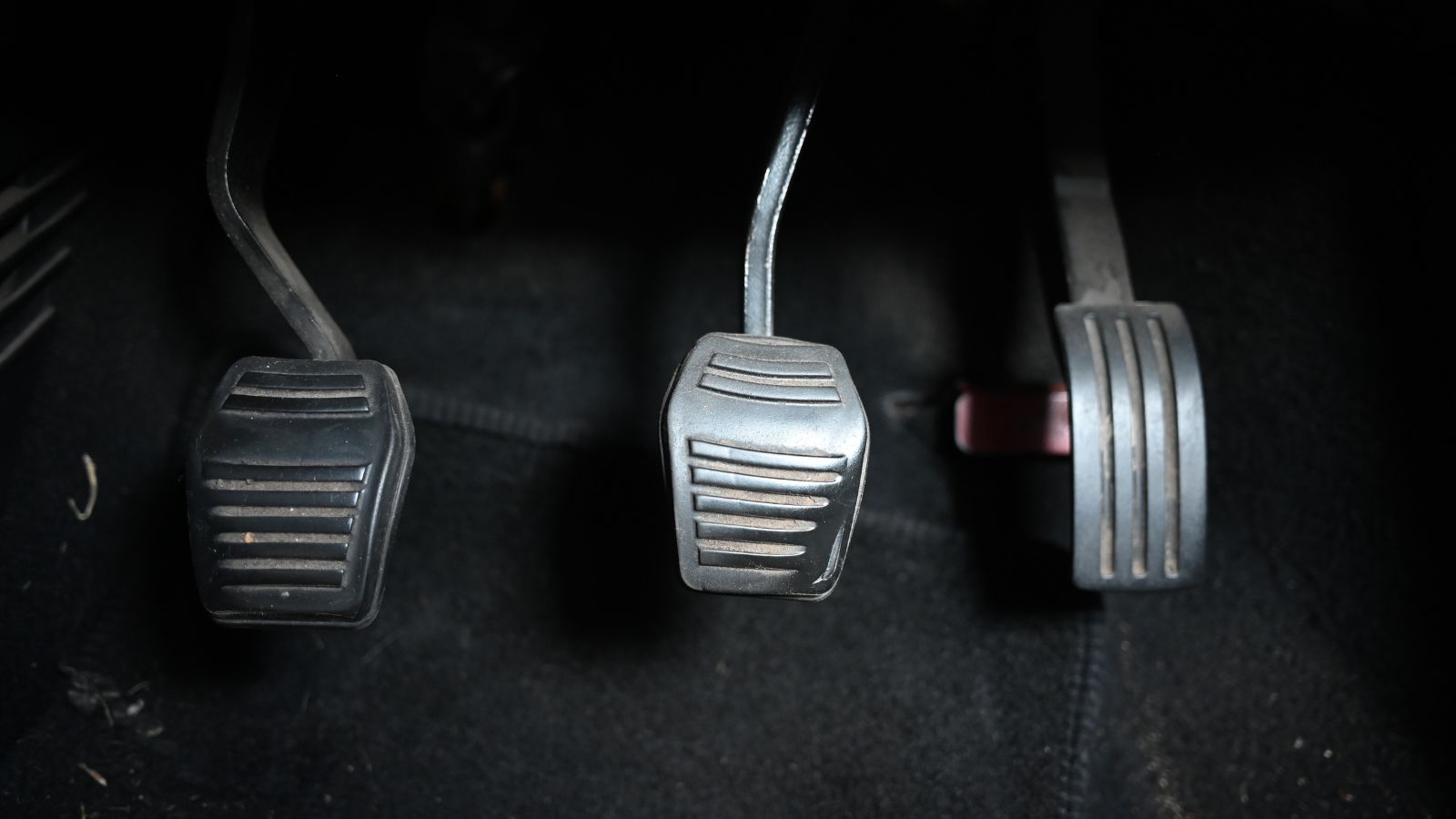
In modern vehicles, the accelerator pedal does not mechanically pull the throttle open. Pedal movement is converted to an electronic request, and the engine control system decides how much throttle opening and torque to provide after considering conditions and other systems. That gives manufacturers freedom to tune pedal response. A gentle calibration can make the first half of pedal travel feel muted even when the engine is capable of strong output.
This explains why drive modes can change a vehicle’s personality without adding horsepower. A sport setting may request more torque for the same pedal position, while an eco setting may spread the response over a longer pedal movement to encourage smoother driving. Stability control, cruise systems, and powertrain protection can also influence the final torque request. The result is that perceived quickness depends partly on software. A lazy-feeling pedal does not automatically mean the engine is weak or malfunctioning.
Traction and Stability Control Can Cut Power
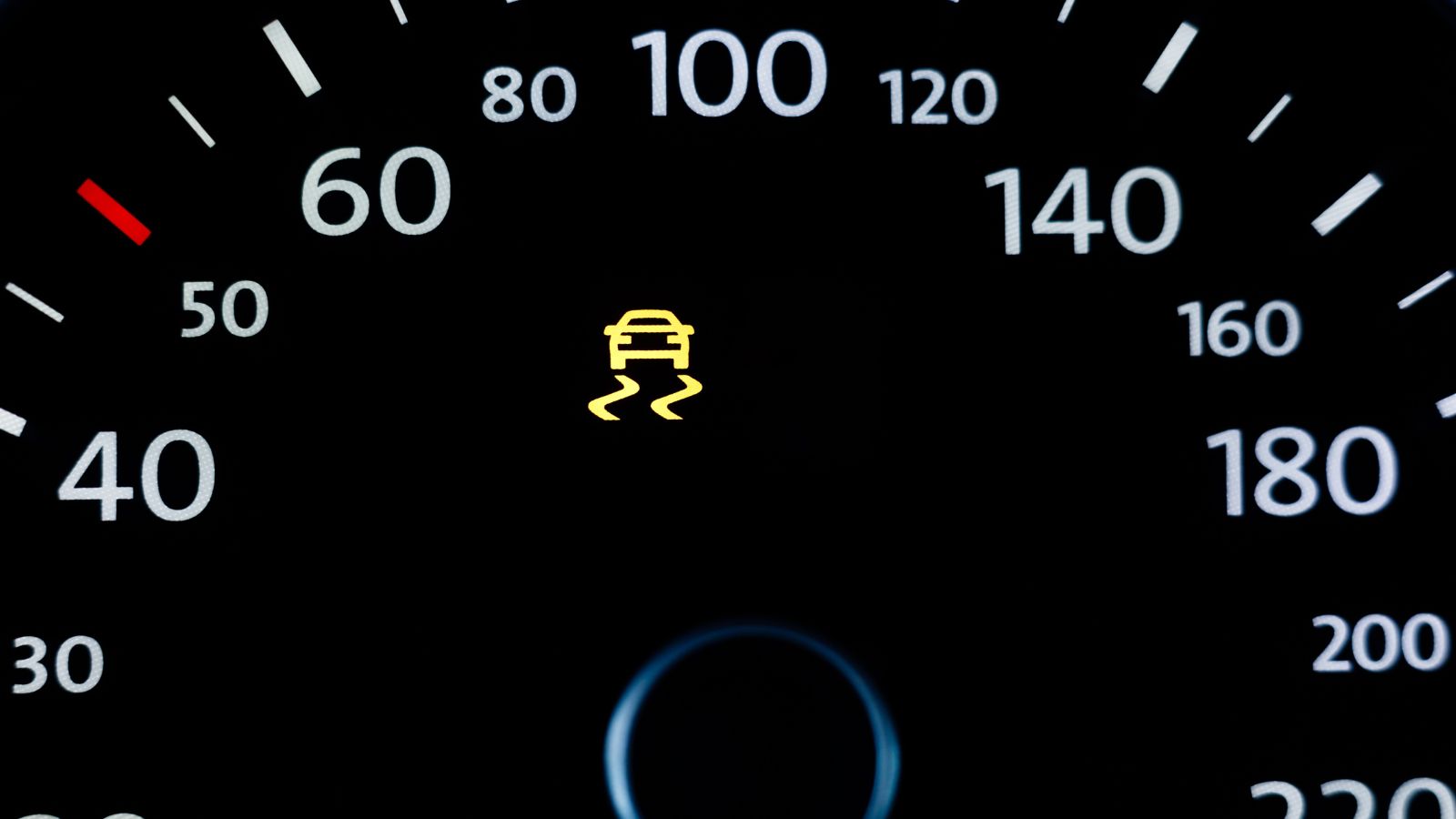
A strong engine cannot accelerate effectively if the tires cannot use the available torque. Modern traction and stability systems monitor wheel speeds and vehicle motion, then intervene when they detect excessive slip or a developing loss of control. Bosch describes electronic stability control as capable of reducing engine power and, when necessary, braking individual wheels. Those interventions can make the accelerator feel unresponsive even though the engine has plenty of potential output.
The effect is noticeable on wet pavement, snow, loose gravel, uneven roads, or when accelerating hard while turning. A traction indicator may flash while the system trims torque to keep the vehicle stable. High-powered front-wheel-drive models can encounter the limitation even on dry pavement because the front tires must handle steering and acceleration together. In these situations, more horsepower is not the immediate solution; available tire grip and the control system’s safety strategy are setting the usable limit.
Heat Soak Can Reduce Repeatable Performance
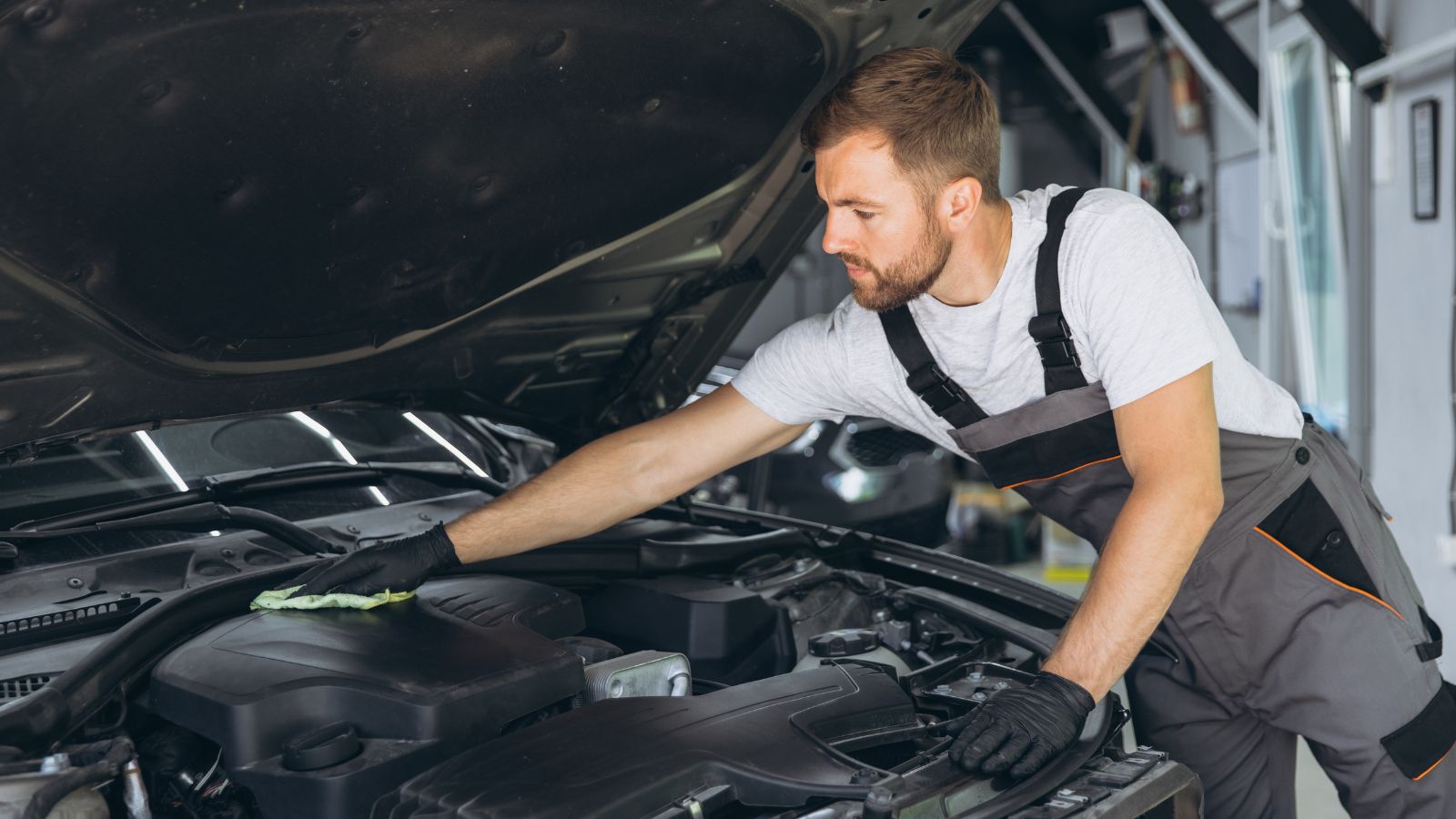
An engine may feel strong on the first hard acceleration and softer after several pulls, particularly in a turbocharged vehicle on a hot day. Compressing intake air raises temperature, and hot air is less dense than cooler air. Intercoolers remove much heat before air reaches the cylinders, but repeated high-load operation can progressively heat the intercooler itself. Once the intercooler becomes heat soaked, charge-air temperatures can climb noticeably.
Engine management systems may respond to high intake temperatures by reducing ignition timing, boost, or other parameters to protect the engine and control knock. Garrett has published dyno testing showing how intercooler heat saturation can correspond with lower output during repeated runs. This helps explain why a vehicle can meet its advertised horsepower under standardized conditions yet feel less urgent in summer traffic, after repeated acceleration, or on a hot track. Peak power and sustained power are not always the same thing.
Altitude Can Take Away Available Engine Power
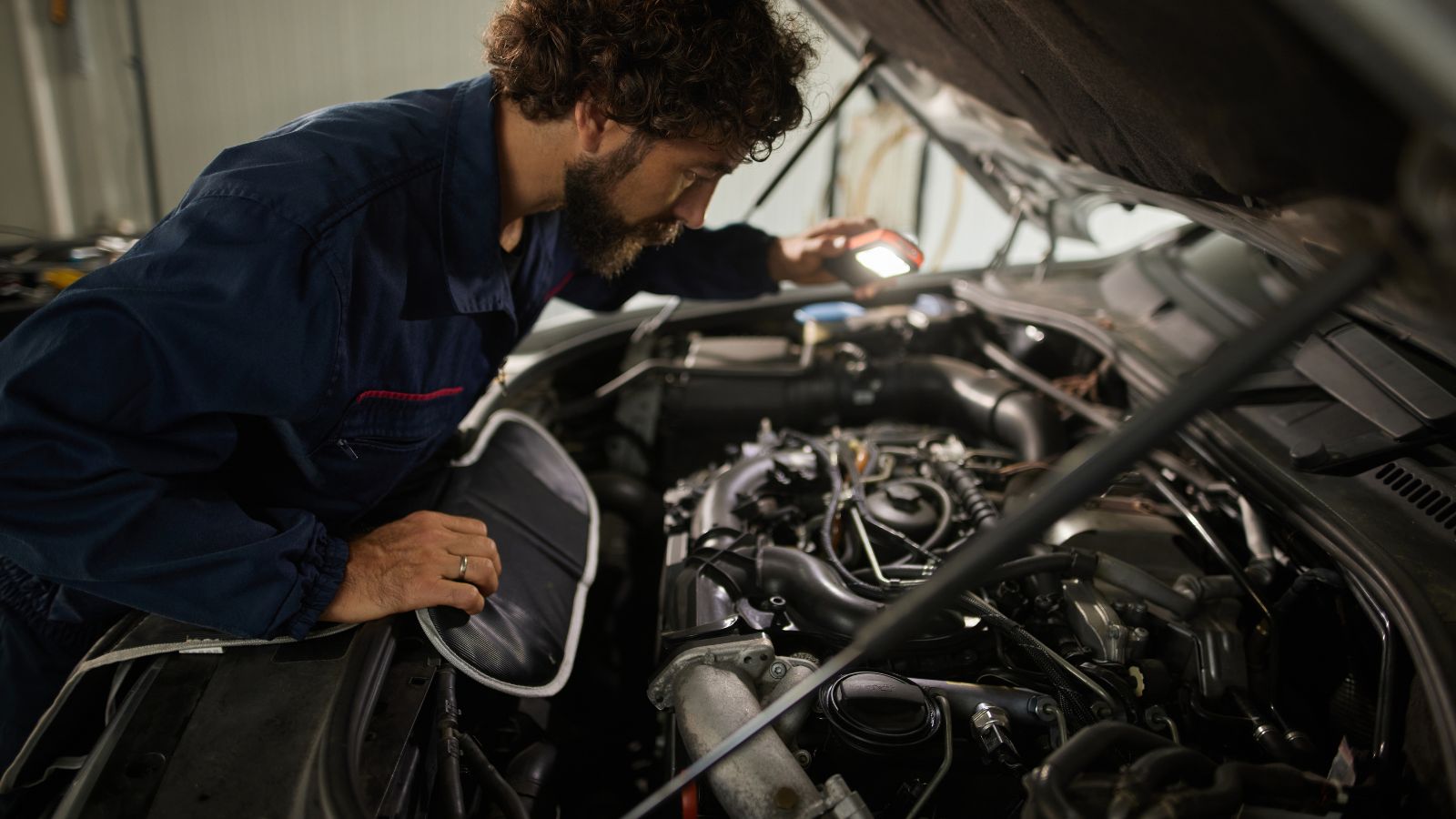
A horsepower rating is established under reference conditions, but the atmosphere changes with elevation. At higher altitude, air pressure and density decrease, so a naturally aspirated engine draws less oxygen into its cylinders each intake cycle. With less oxygen, it cannot burn the same amount of fuel efficiently, and power falls. The difference can be obvious during mountain driving even when the engine is healthy.
Garrett uses a rule of thumb of roughly three percent power loss per 1,000 feet of elevation for a naturally aspirated combustion engine. Turbocharging can compensate for some loss by compressing additional air, although the turbo must work harder with altitude and may eventually reach its operating limits. A vehicle that feels strong near sea level can therefore feel distinctly flatter in a high-elevation city or mountain pass. The horsepower badge has not changed, but the amount of oxygen available to create that power has.
Wrong Octane Can Trigger Protective Timing Changes
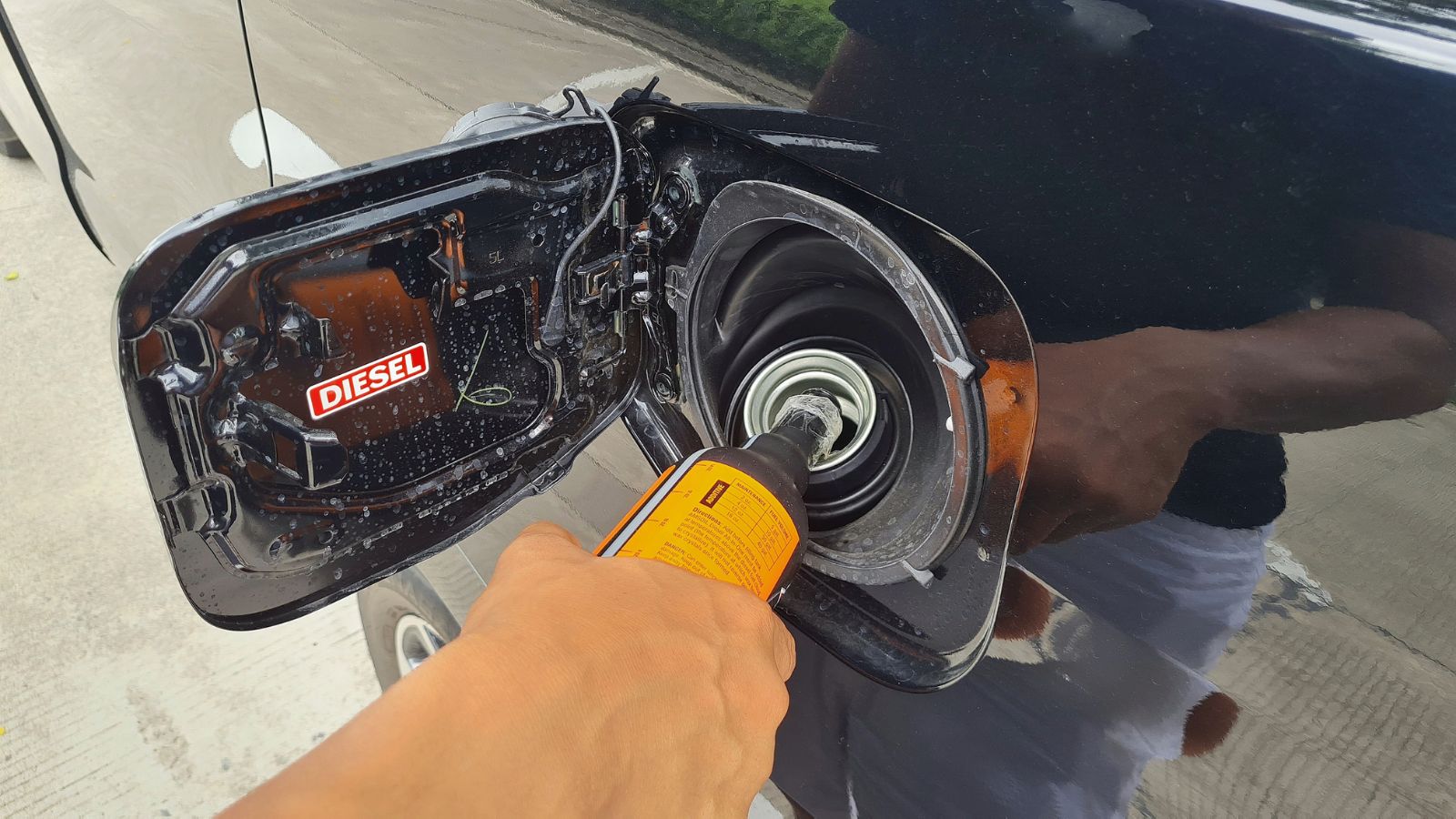
Octane does not create horsepower, but using fuel below the level an engine is designed or calibrated for can reduce the power the engine is willing to produce. Higher-octane gasoline resists knock, an abnormal combustion event that becomes more likely under high load, high temperature, or aggressive ignition timing. Engines use knock sensors and electronic controls to protect themselves when conditions move toward detonation.
AAA research notes that engine-management systems can respond to knock by retarding ignition timing and, in some cases, adding fuel. Those protective changes can reduce both performance and efficiency. The effect is most relevant when a manufacturer requires or recommends premium fuel and the engine is operating under demanding conditions. Conversely, filling a regular-fuel engine with expensive premium generally does not create extra power if the calibration cannot use the additional knock resistance. The owner’s manual remains the correct guide, particularly for turbocharged or high-compression engines.
A Clogged Air Filter Can Restrict Full-Power Breathing
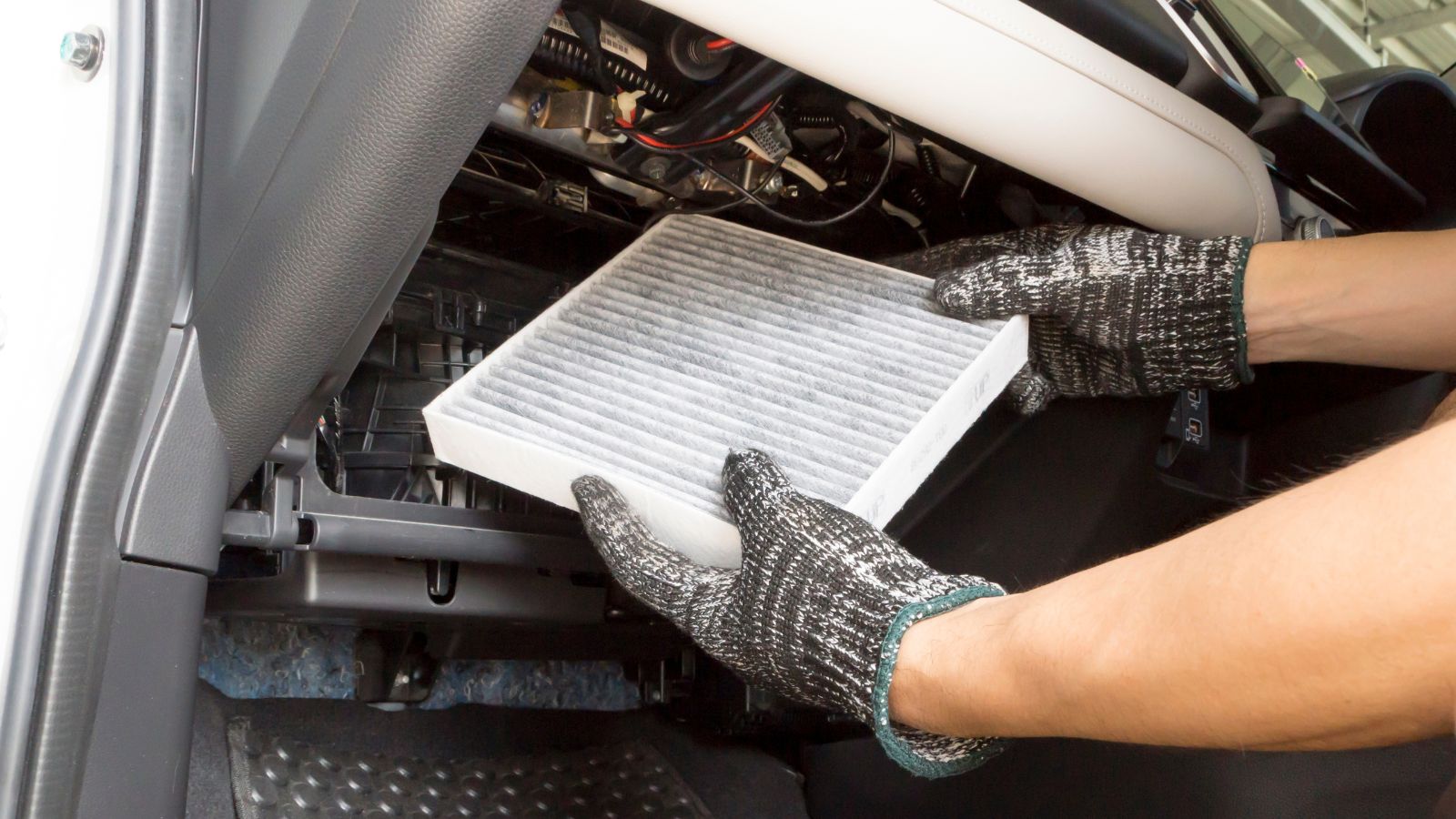
Modern engine controls can compensate for airflow changes in normal driving, which is why a dirty air filter does not always cause a dramatic fuel-economy penalty. Under full load, a severely restricted filter can become a bottleneck. The engine needs substantial air to produce maximum output, and excessive intake restriction can prevent it from breathing as freely as expected.
Research presented by Oak Ridge National Laboratory for the Department of Energy found that clogged intake filters had no measurable fuel-economy effect on the modern gasoline and diesel vehicles tested, but full-power acceleration was reduced for all of them. That distinction is useful because a vehicle may cruise normally and still feel weak when merging or passing. Air-filter condition is a simple item worth checking when acceleration has gradually deteriorated. Replacing a filter unnecessarily will not create bonus horsepower, but restoring badly restricted airflow can recover performance being lost under load.
Worn Spark Plugs Can Turn Horsepower Into Misfires
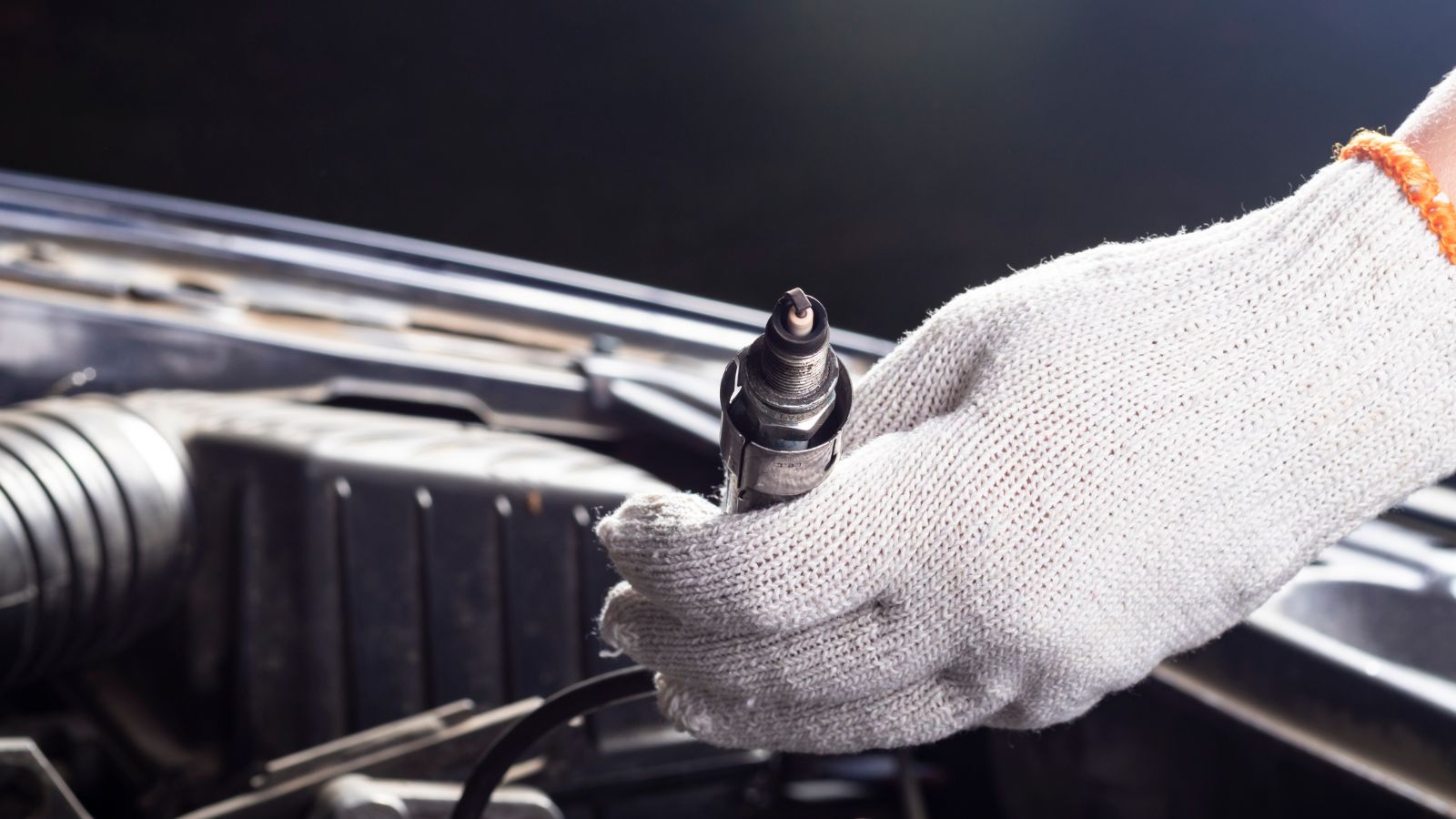
A gasoline engine produces intended power when each cylinder burns the air-fuel mixture reliably. Spark plugs must create strong sparks at the right moment, and their electrodes wear or accumulate deposits. As the gap changes or fouling increases, ignition can become inconsistent. The result may be hesitation, rough running, misfires, or poor acceleration despite an impressive original horsepower rating.
The problem often becomes more noticeable under load because cylinder pressures rise during hard acceleration, making reliable ignition more demanding. Champion lists poor acceleration and engine misfires among symptoms associated with worn or fouled spark plugs. A driver may notice a slight stumble when climbing a hill, passing, or accelerating from low speed long before the vehicle feels seriously broken. Coils, wiring, and other ignition components can produce similar symptoms, so diagnosis matters. When combustion is inconsistent, the engine cannot convert its designed airflow and fuel supply into smooth, usable torque.
Fuel Delivery Problems Can Starve the Engine Under Load
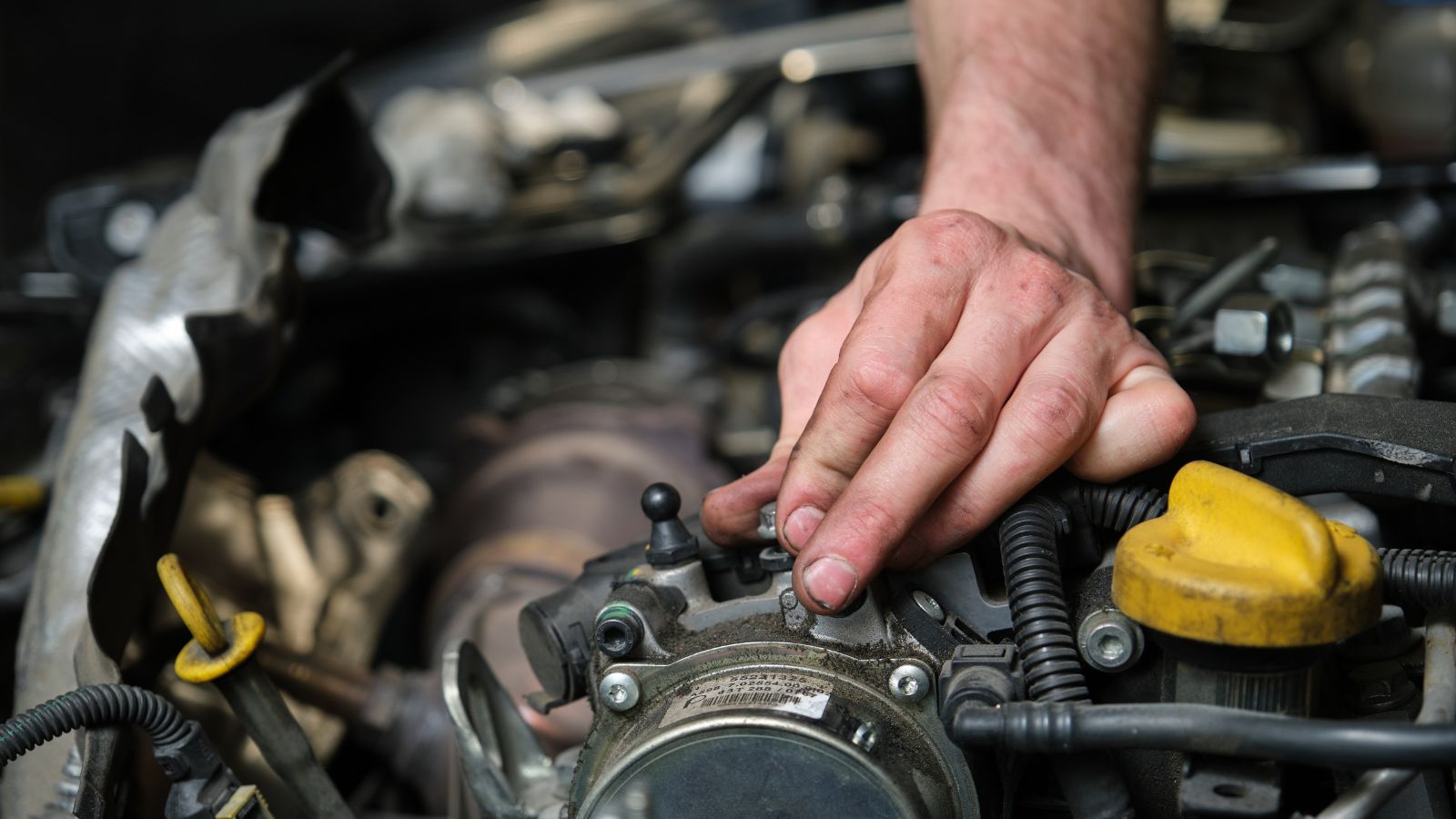
Producing high horsepower requires enough fuel delivered at the correct pressure and with the correct spray pattern as demand rises. A clogged injector, restricted filter, weak pump, or pressure-control problem may supply enough fuel for light cruising but fall short during hard acceleration. That makes the vehicle feel normal in traffic yet flat or hesitant when the driver asks for full output.
Delphi notes that clogged injector filters can restrict fuel flow and reduce performance, while blocked fuel filtration in high-demand conditions can cause pressure to drop. Fuel-injection faults can also produce misfires, poor acceleration, difficult starting, warning lights, or reduced economy. Because several unrelated problems cause similar symptoms, replacing parts without testing can become expensive. Proper diagnosis may involve scanning fault codes, checking commanded and actual fuel pressure, examining fuel trims, or testing injector operation. Adequate horsepower depends on adequate fuel delivery at the moment that horsepower is requested.
A Restricted Catalytic Converter Can Choke Exhaust Flow
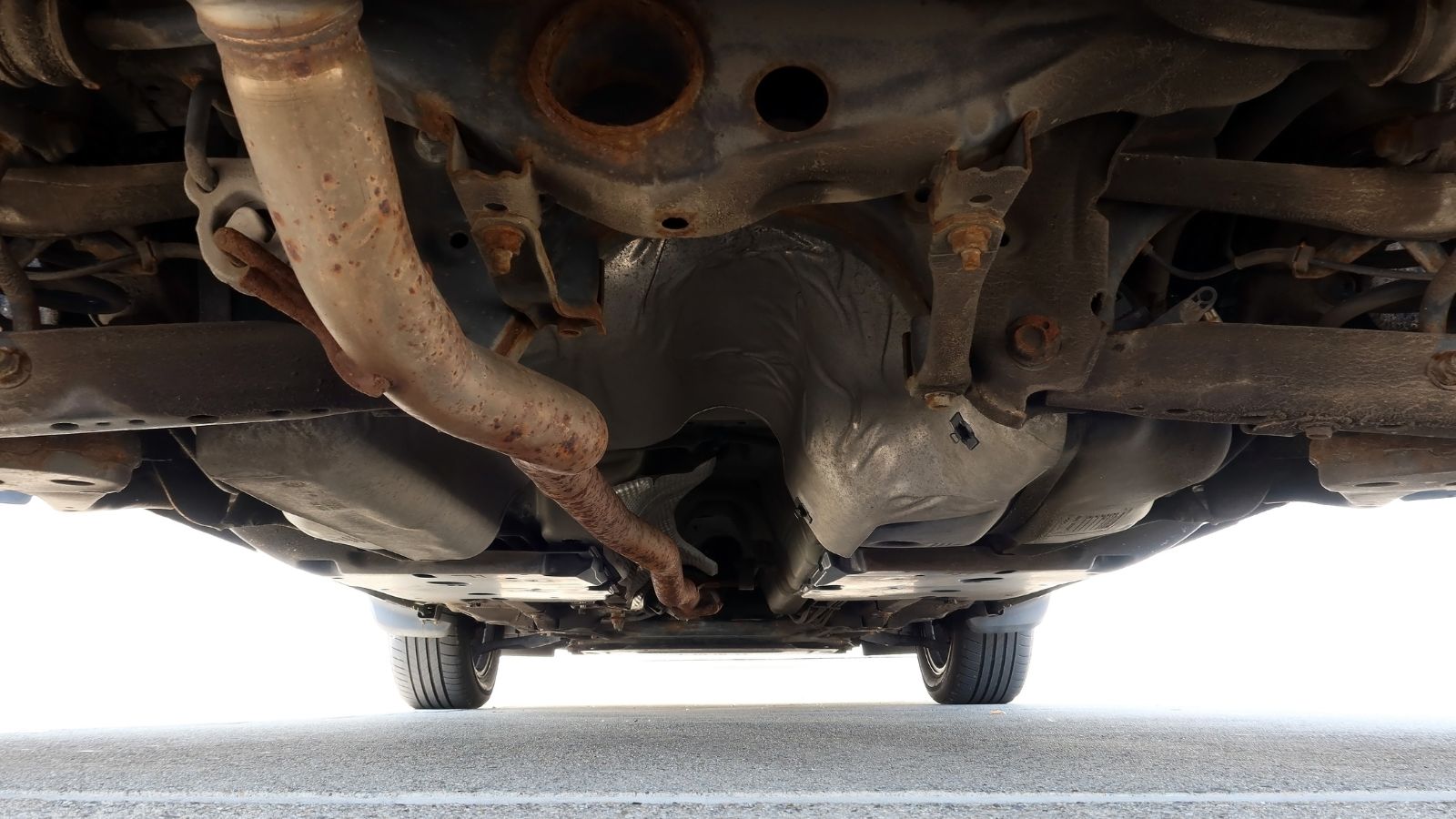
Engines must move gases out as effectively as they draw fresh charge in. A catalytic converter that is damaged, melted, contaminated, or restricted can create excessive exhaust backpressure. When exhaust gases cannot leave the cylinders efficiently, the engine struggles to fill them with a fresh charge on the next cycle. The result can be a progressive loss of power that is obvious as engine speed and load increase.
Walker Exhaust identifies a restricted catalytic converter as a cause of decreased or sluggish engine performance, and a failing converter may also bring delayed acceleration, stalling, misfires, or poor fuel economy. Because catalytic converters often fail for an underlying reason, replacing the converter without finding the cause can cause another failure. Misfires, oil consumption, coolant contamination, or incorrect fueling can damage the catalyst. A vehicle with ample rated horsepower can therefore feel strangled when its exhaust path is no longer flowing properly.
Dragging Brakes Can Quietly Fight the Engine
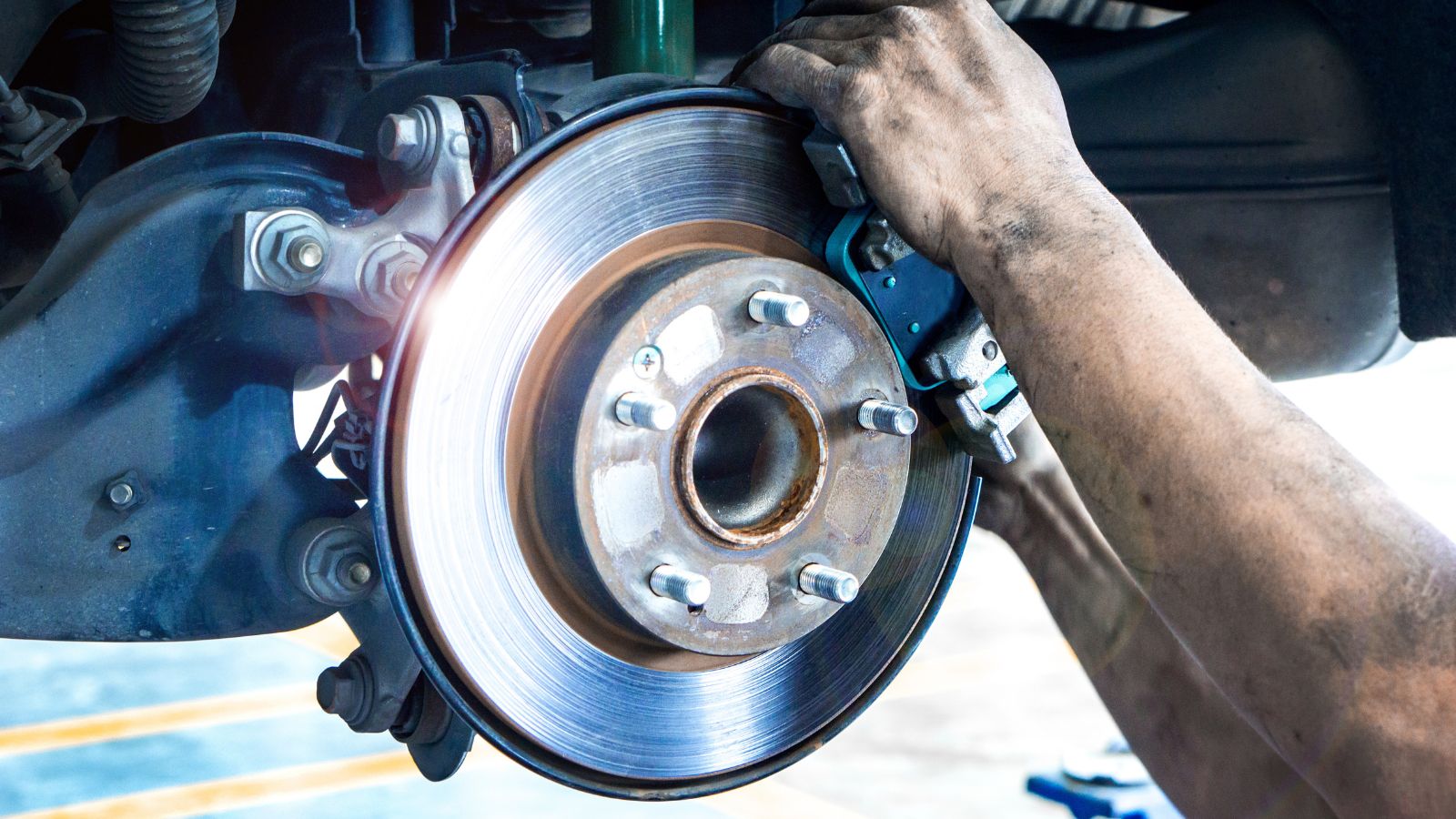
Sluggishness does not always originate in the engine. A sticking caliper, seized slide pin, parking-brake fault, or pad that stays against a rotor can create a resisting force. The engine then has to spend some output overcoming the brakes before any remaining force can accelerate the vehicle. Mild drag may be subtle enough that the driver notices slightly slower response or worse fuel economy.
Brembo describes residual brake torque as resistance created when pads and discs remain in contact during non-braking phases, noting that the friction slows acceleration and increases energy consumption. Abnormal brake drag may also produce a hot-wheel smell, pulling, unusual wheel temperatures, or accelerated pad wear. A vehicle that suddenly feels heavy after brake service deserves inspection rather than more throttle. Driving with a seriously dragging brake can generate substantial heat and potentially damage pads, rotors, bearings, or nearby components, so the symptom should not be ignored.
Low Tire Pressure Raises the Resistance to Motion
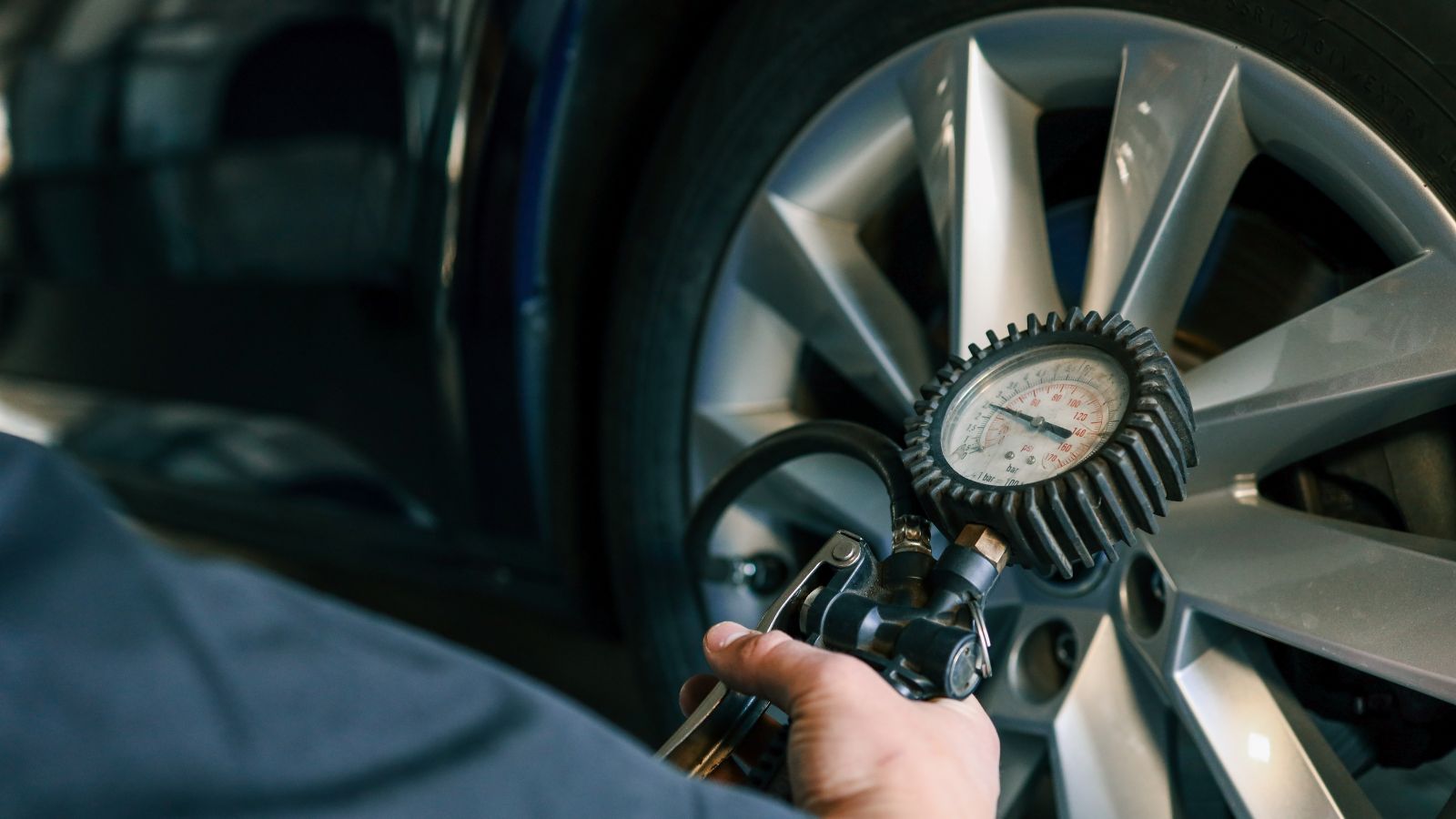
Tires deform where they meet the road, and energy used to flex the rubber and structure is lost as heat. When pressure is too low, deformation increases and rolling resistance rises. That means the powertrain must use more energy to keep the vehicle moving. The change may feel modest in a powerful car, but several underinflated tires can make response seem heavier while increasing fuel consumption.
NHTSA explains that low tire pressure increases rolling resistance and that properly inflated tires are important for safety, durability, and fuel use. The agency notes that tire-pressure monitoring systems typically warn only after a tire is significantly underinflated, so a warning light is not a substitute for checks. Pressure should be compared with the vehicle manufacturer’s cold-tire specification on the door label, not the maximum number molded into the tire sidewall. Correct inflation cannot add horsepower, but it reduces unnecessary resistance that consumes it.
Heavy Wheels and Tires Can Blunt Acceleration
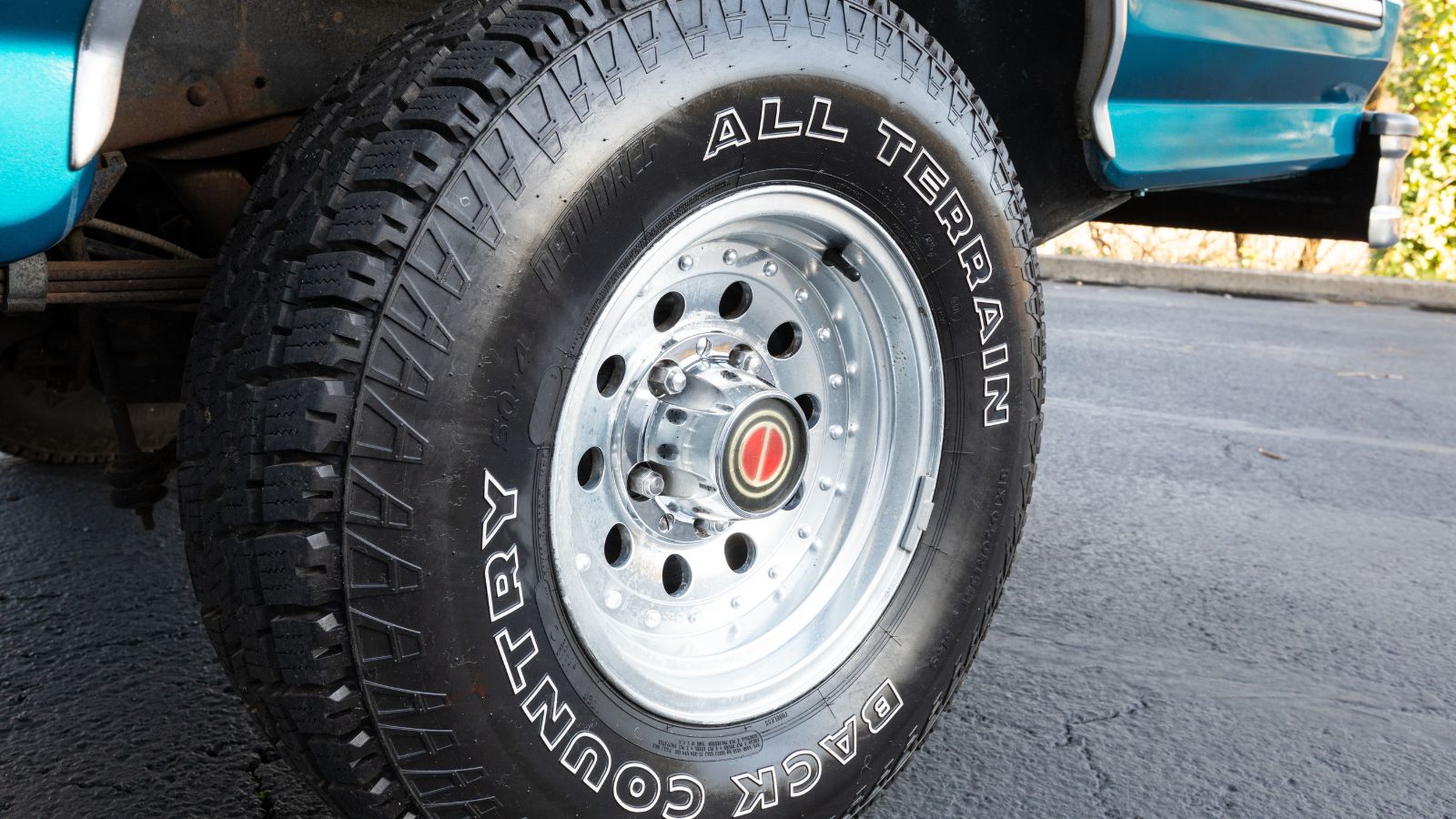
Large wheels may sharpen appearance, but extra rotating mass can hurt acceleration. A wheel and tire must move forward while also spinning faster as road speed rises. Mass located farther from the wheel’s rotational axis increases its moment of inertia, meaning more torque is required to achieve the same angular acceleration. The effect depends on weight, diameter, gearing, tire construction, and vehicle.
Engineering literature on vehicle mass properties notes that rotational mass carries an additional acceleration penalty because it must be accelerated both translationally and rotationally. SAE research has also discussed how larger rims can raise weight and polar moment of inertia when mass is concentrated farther from the center. This does not mean every large-wheel package makes a car dramatically slower; performance wheels can be quite light. But an especially heavy aftermarket wheel-and-tire setup can make a previously eager vehicle feel less responsive without changing engine horsepower at all.
Advertised Engine Horsepower Is Not Wheel Horsepower
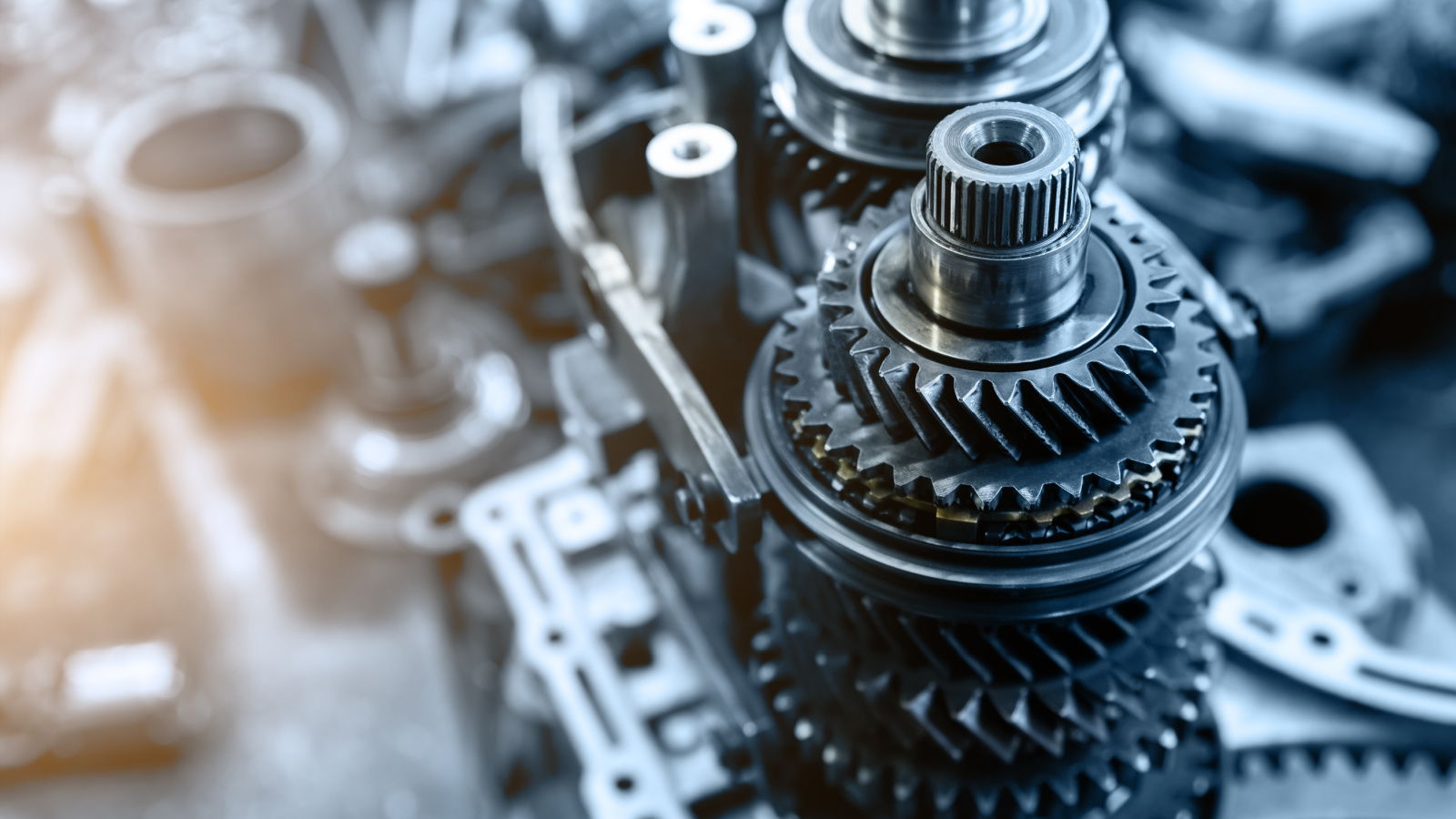
The horsepower printed in a brochure is an engine power rating measured under a test procedure, not a guarantee that the same number reaches the pavement. SAE J1349 provides a standardized method for determining net engine power and torque. After the crankshaft produces it, power must travel through the transmission, differential, driveshafts or half-shafts, bearings, and other components before becoming tractive force at the tires.
Drivelines have mechanical and hydraulic losses, and the size of those losses varies with architecture and operating condition. SAE research on complete powertrains specifically examines friction and efficiency losses between engine and wheels, while AWD studies consider additional components and drag. This is one reason chassis-dynamometer readings are normally lower than advertised engine ratings, although the exact difference should not be reduced to a universal percentage. A high engine horsepower number can therefore coexist with less impressive wheel output, especially in a heavy, complex driveline.
19 Used Cars Canadians Should Avoid in 2026 (Based on Owner Complaints)

Buying a used car in Canada can feel safe until repair bills start stacking up. Owner complaints tell a different story than glossy listings. Transmission failures, electrical problems, and weak winter reliability show up again and again in consumer reports. Many of these issues appear after warranties expire, when owners least expect them. Some vehicles look affordable upfront, but become expensive to keep on the road. Others struggle in cold weather, urban driving, or long highway commutes. Here are 19 used cars Canadians should avoid in 2026 (based on owner complaints).
19 Used Cars Canadians Should Avoid in 2026 (Based on Owner Complaints)