























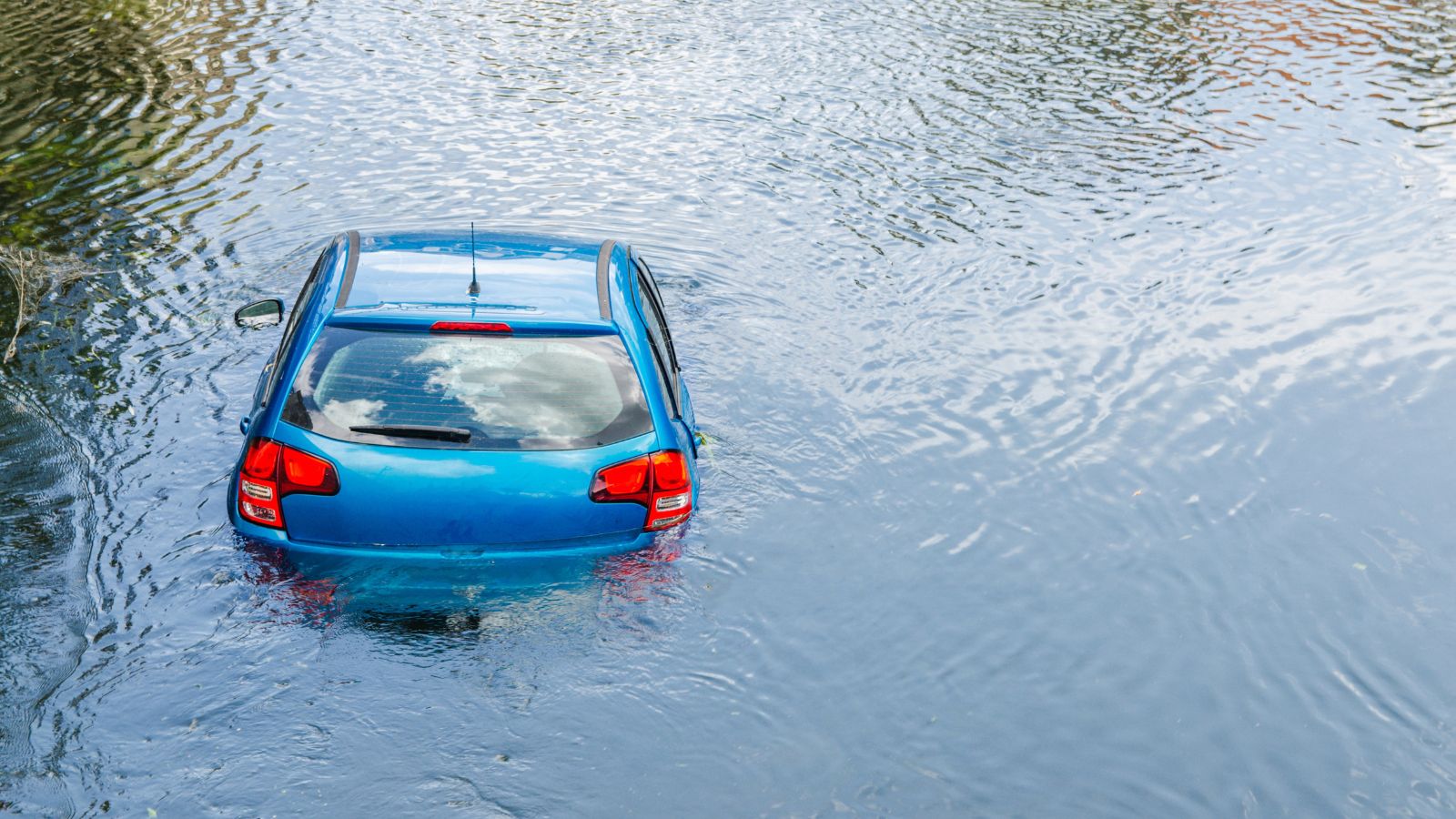
Cape Breton’s latest flood emergency has turned an everyday insurance choice into a costly question for vehicle owners. After intense rainfall washed out roads, damaged bridges and disrupted travel across Inverness, Richmond and Victoria counties, the Insurance Bureau of Canada reminded residents that flood damage to cars is typically covered when comprehensive or all-perils insurance has been purchased. The catch is significant: that protection is optional, not part of the basic physical-damage coverage every driver automatically carries.
That distinction can determine whether a submerged or water-damaged vehicle becomes an insured loss or a major household expense. With extreme-weather claims becoming more costly across Canada, the Cape Breton flooding is also a timely reminder that the details buried in an auto policy can matter as much as the vehicle parked in the driveway.
When 100–200 mm of Rain Turns Roads Into Hazards
Cape Breton’s flooding was not a routine stretch of bad weather. Environment Canada warned that 100 to 200 millimetres of rain could fall across the island, with localized rainfall rates reaching 20 millimetres an hour or more. Officials warned that roads could become impassable and critical infrastructure could be damaged. By September 5, Inverness, Richmond and Victoria counties had declared a state of local emergency as crews dealt with widespread flooding, road washouts and transportation disruptions.
For drivers, those conditions create risks even when a vehicle never moves. Water can rise around a parked car in a driveway, garage or roadside space, while washed-out approaches and damaged culverts can make recovery difficult. Municipal officials urged residents to avoid unnecessary travel, partly because a road that appears passable may be undermined beneath the water. The insurance question often comes only after the water recedes and the vehicle can finally be inspected.
Why Comprehensive Coverage Matters
The key protection is found in Section C of Nova Scotia’s standard automobile policy, which deals with loss of or damage to the insured vehicle. Comprehensive coverage protects against direct and accidental damage from causes other than collision or upset. The province’s standard policy wording specifically includes rising water among the kinds of losses treated as comprehensive perils, alongside hazards such as fire, theft, windstorm and hail.
IBC’s guidance after the Cape Breton flooding matches that wording. It says vehicle flood damage is typically covered when comprehensive or all-perils coverage has been purchased. All-perils is broader physical-damage protection, while comprehensive excludes collision and upset. The practical point is simple: a vehicle damaged because floodwater rose around it generally falls into a different insurance category than one damaged in a crash. Coverage still depends on the contract, deductible, exclusions and circumstances, so policyholders should confirm the exact wording with their insurer.
The Gap in a Legally Insured Vehicle
The insurance gap appears because comprehensive coverage is optional in Nova Scotia. The province’s auto-insurance framework requires protections such as third-party liability, accident benefits and uninsured or unidentified automobile coverage, but Section C physical-damage protection for the policyholder’s vehicle is not mandatory. A driver can therefore be legally insured to operate a vehicle while still lacking protection against flood damage to that vehicle.
That distinction may surprise owners who think an insurance policy means the car itself is covered against losses. Liability coverage is designed around legal responsibility for injury or property damage caused to others; it is not a substitute for comprehensive protection on the insured vehicle. For an older car with a low market value, some owners intentionally drop optional physical-damage coverage to reduce premiums. A flood exposes the trade-off: savings from carrying less coverage can be overwhelmed by the cost of replacing a vehicle after water damage.
Parked Cars Can Still Be Covered
One useful part of IBC’s Cape Breton guidance is that the location of the vehicle does not change the basic flood-coverage principle. IBC says flood damage is typically covered under comprehensive or all-perils insurance whether the vehicle was parked on the street, in a driveway or in a garage. That matters during a fast-moving storm, when many vehicles are damaged without being driven into floodwater.
The protection is tied to the insured peril and policy wording, not simply to whether the driver was behind the wheel. A car sitting at home can still suffer extensive damage as water rises into the cabin, electrical systems or engine compartment. Location can affect the facts an adjuster reviews, including how the water reached the vehicle and whether other damage occurred. Owners should avoid assuming that “parked” means automatically covered or excluded. The policy and the purchased Section C coverage remain the starting point.
When Flood Damage Becomes a Total Loss
Flood damage can move quickly from a repair question to a total-loss question because modern vehicles contain electrical modules, wiring, sensors and safety systems throughout the cabin. IBC says an insurer may declare a vehicle a total loss when major damage cannot be repaired safely or when repair costs exceed the vehicle’s value before the loss. A settlement is then provided according to the policy and valuation process rather than authorizing repairs.
Canada also uses vehicle-branding rules to keep seriously flood-damaged cars off the road. IBC’s VIN Verify guidance says a vehicle flooded to the level of the bottom of the dashboard must be branded non-repairable. The reason is not merely cosmetic damage: water exposure can affect electronic components and create mould and other safety concerns. For owners, that means a car that looks salvageable after the water drains away may face a different technical and insurance outcome once inspected.
What to Do Before a Claim Gets Complicated
IBC advises affected residents to start the claims process as soon as it is safe. The first step is documentation: photograph the damage, note what happened and preserve records. For an auto claim, details such as the date, time, location, weather conditions and damage can help establish what occurred. Policyholders should then contact their insurance representative or insurer’s claims department and provide accurate information.
The insurer will review the policy, determine whether the loss is covered and assign an adjuster when a claim proceeds. IBC also recommends keeping receipts connected to cleanup and maintaining detailed notes throughout the process. After a widespread disaster, those records can become important because households may be dealing with insurers, towing companies and repair facilities at once. Owners should not authorize major repairs or dispose of important evidence without discussing next steps with the insurer, unless damaged material presents an immediate safety or health hazard.
Deductibles and Transportation Costs Still Matter
Even when flood damage is covered, the result can depend on more than the word “comprehensive.” Policyholders should check the deductible attached to their coverage, because the deductible is normally the amount applied before the insurer pays an eligible loss. IBC also advises reviewing coverage limits, exclusions, replacement values and other policy conditions when deciding how a claim will proceed.
Optional endorsements can matter as well. IBC notes that loss-of-use coverage can pay for a rental car or other transportation while an insured vehicle is being repaired, while replacement-cost coverage may protect qualifying newer vehicles against depreciation for a specified period. Those benefits are separate from basic comprehensive protection and are not automatically present in every policy. In flood recovery, that difference can affect daily life almost as much as the damage, especially in rural communities where a vehicle may be essential for work, groceries, medical appointments or reaching services.
Disaster Assistance Is Not a Backstop for Every Loss
For households without the right auto coverage, disaster assistance should not be assumed to fill the gap. Nova Scotia’s Disaster Financial Assistance program is specifically designed to help with eligible disaster losses that are not covered by insurance, but the province explicitly says the program does not replace private insurance. It also does not pay for items that could have been insured or for an insurance deductible.
That rule is important in a flood because “uninsured loss” does not automatically mean “government-covered loss.” Eligibility depends on whether the province declares the event eligible for assistance and whether the applicant and loss meet program criteria. The Cape Breton emergency puts two systems side by side: private insurance responds according to the policy a driver purchased, while disaster assistance is a separate program with limits. Vehicle owners should not delay contacting their insurer while waiting to see if government assistance becomes available.
The Bigger Cost of Severe Weather
The Cape Breton flooding arrives against a much larger rise in insured severe-weather losses across Canada. Catastrophe Indices and Quantification data cited by IBC put insured damage from severe weather above $2.4 billion in 2025, making it the tenth-costliest year on record. The previous year was far worse: after adjustment, IBC lists 2024 losses at about $9.4 billion, the highest annual total in its historical table.
The longer-term trend is also striking. IBC says catastrophic weather and wildfire losses totalled about $14 billion, inflation-adjusted, from 2006 through 2015, compared with roughly $37 billion from 2016 through 2025. Average claim counts nearly doubled over the same period. Those figures include many types of property loss, not only flooded automobiles, but they help explain why coverage details are receiving more attention. Weather-related damage has become a recurring financial risk for households, insurers and governments rather than an occasional exceptional event.
What Drivers Should Check Before the Next Storm
For drivers outside the flood zone, the lesson is to review the policy before a warning is issued. The declarations page should show whether comprehensive, collision or all-perils coverage is included and what deductible applies. IBC’s guidance is clear that water damage to a vehicle is usually covered only when the relevant optional physical-damage protection has been purchased. A broker or insurer can clarify wording before a claim is needed.
The second lesson is about safety rather than insurance. Environment Canada warned Cape Breton residents not to drive through flooded roads, and municipal officials repeated that message as washouts spread. Insurance can help pay for damaged property, but it cannot make a submerged roadway safe. Checking road conditions, respecting barricades and avoiding travel can prevent a question from becoming an emergency. Cape Breton’s flooding shows why both parts matter: understanding a policy protects finances, while respecting flood warnings protects people.