


























Summer has a way of exposing whether a car’s image matches daily reality. A vehicle that looks exciting in April can feel less glamorous once fuel bills rise, insurance quotes sharpen, charging stops stretch longer, or weekend practicality starts to matter.
In Canada, where ownership costs vary widely by province, weather, theft exposure, and resale trends, “cool” is no longer just about styling or speed. These 16 cars and SUVs still have appeal, but each could lose some shine quickly this summer as buyers weigh image against cost, convenience, reliability concerns, and real-world usability.
Honda Civic Type R
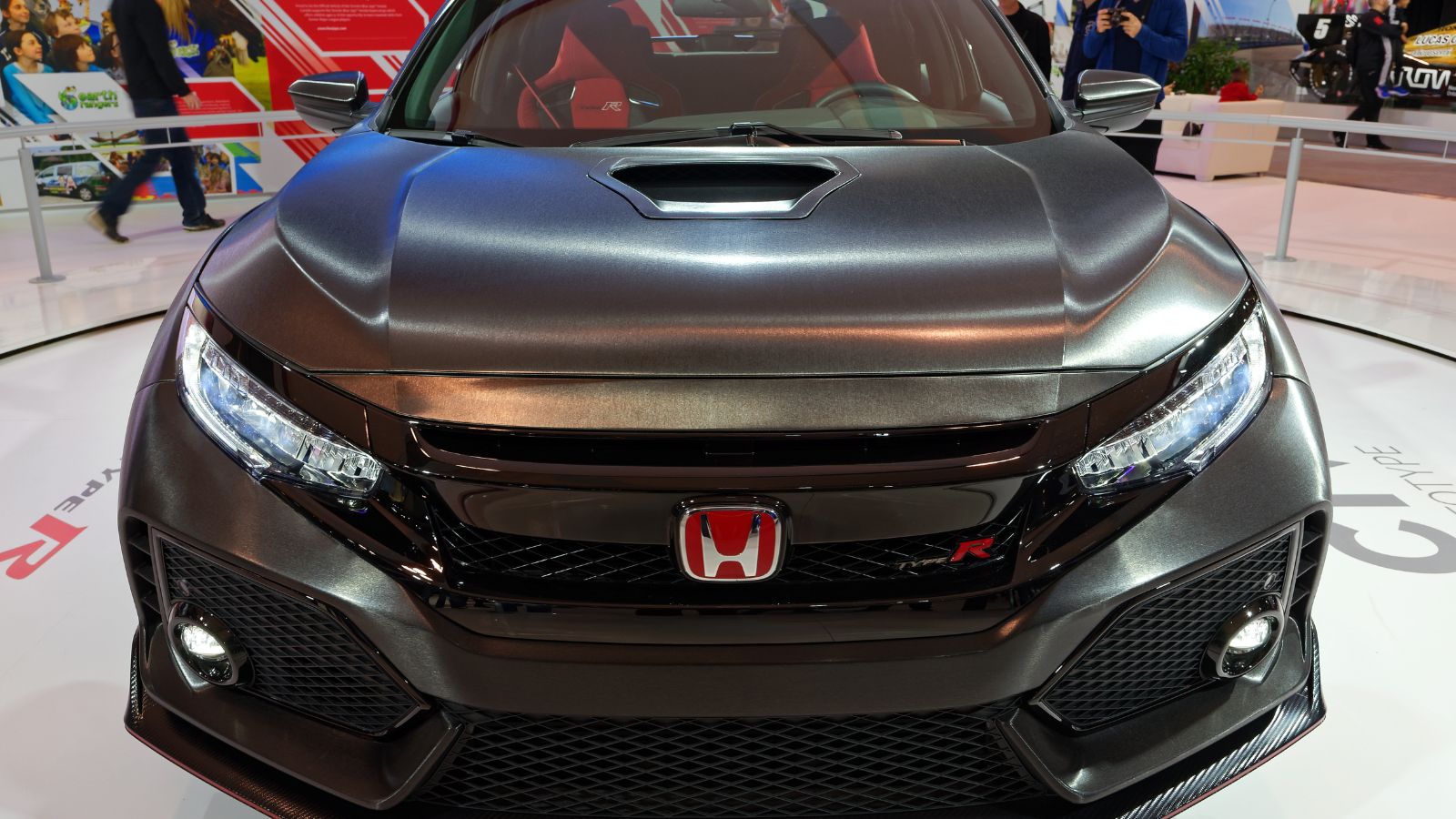
The Honda Civic Type R still carries serious enthusiast credibility. Its manual gearbox, sharp handling, and motorsport-inspired look make it one of the most desirable performance hatchbacks on the road. In Canada, though, its halo effect can fade when buyers remember that the Civic nameplate is not just popular with drivers. It has also appeared on national stolen-vehicle lists, and that visibility can affect how some shoppers think about parking, insurance, and long-term ownership risk.
The Type R’s bigger issue is expectation. It looks like a compact car, but it is priced and treated like a specialty performance machine. Summer road trips can turn exciting until premium tires, brake wear, and insurance quotes enter the conversation. A driver who imagined a practical hot hatch may discover that the cool factor depends heavily on having secure parking, a realistic maintenance budget, and tolerance for constant attention.
Tesla Cybertruck
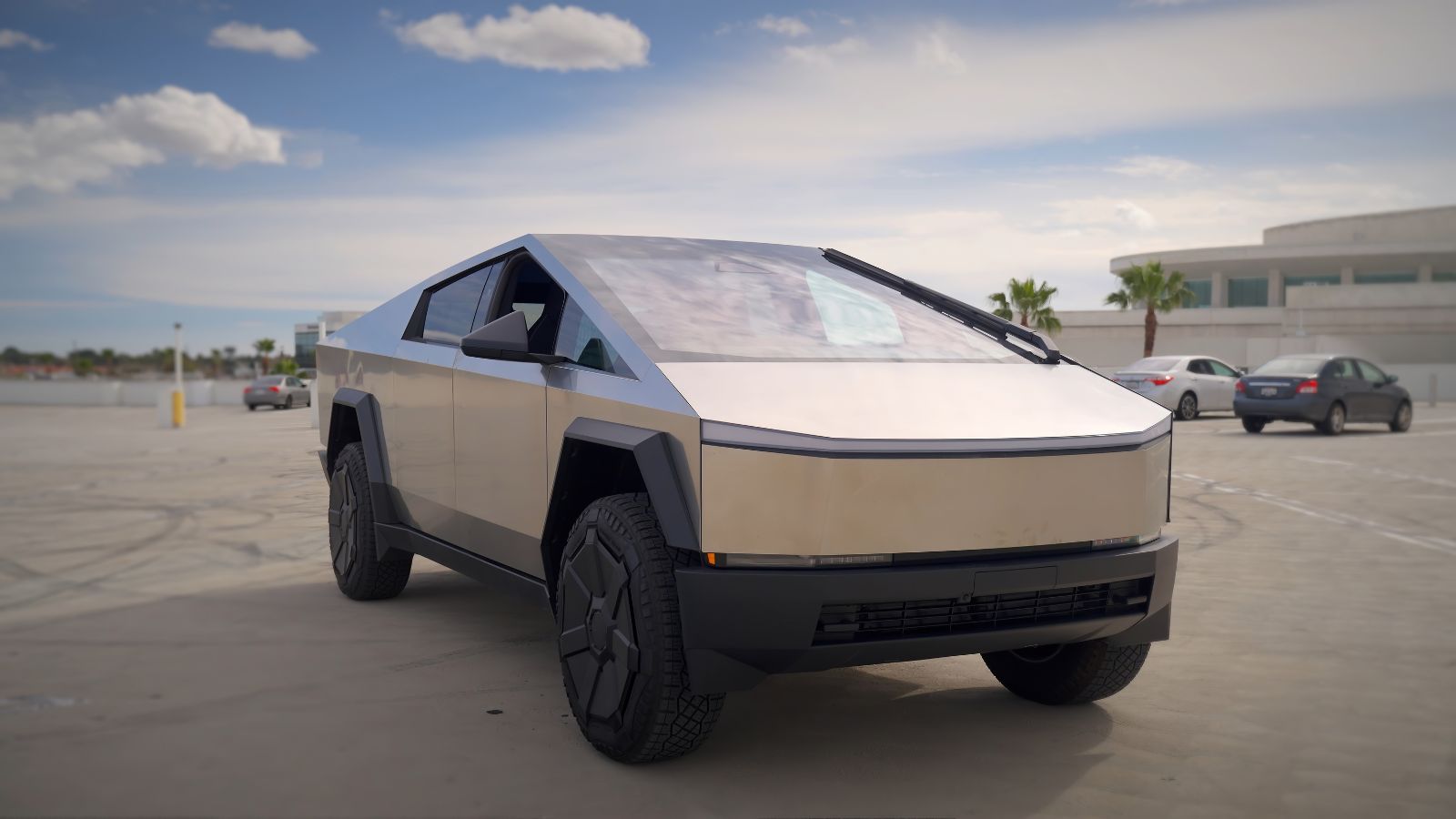
The Tesla Cybertruck is almost impossible to ignore, which is exactly why it may cool off quickly. Its stainless-steel body and angular shape make it a rolling spectacle, but novelty can become a burden when the vehicle attracts constant questions, photos, and judgment. In Canadian cities where parking spaces are tight and winter road grime lingers into spring, its size and finish can feel less futuristic and more demanding than expected.
Recall headlines add another complication. Transport Canada posted a Cybertruck recall involving exterior stainless-steel trim panels that could loosen and detach, creating a road hazard. That kind of news matters for a vehicle sold largely on bold engineering confidence. By summer, the Cybertruck may still look like the wildest thing at the charging station, but cool can evaporate fast when ownership feels like a public beta test.
Ford Bronco
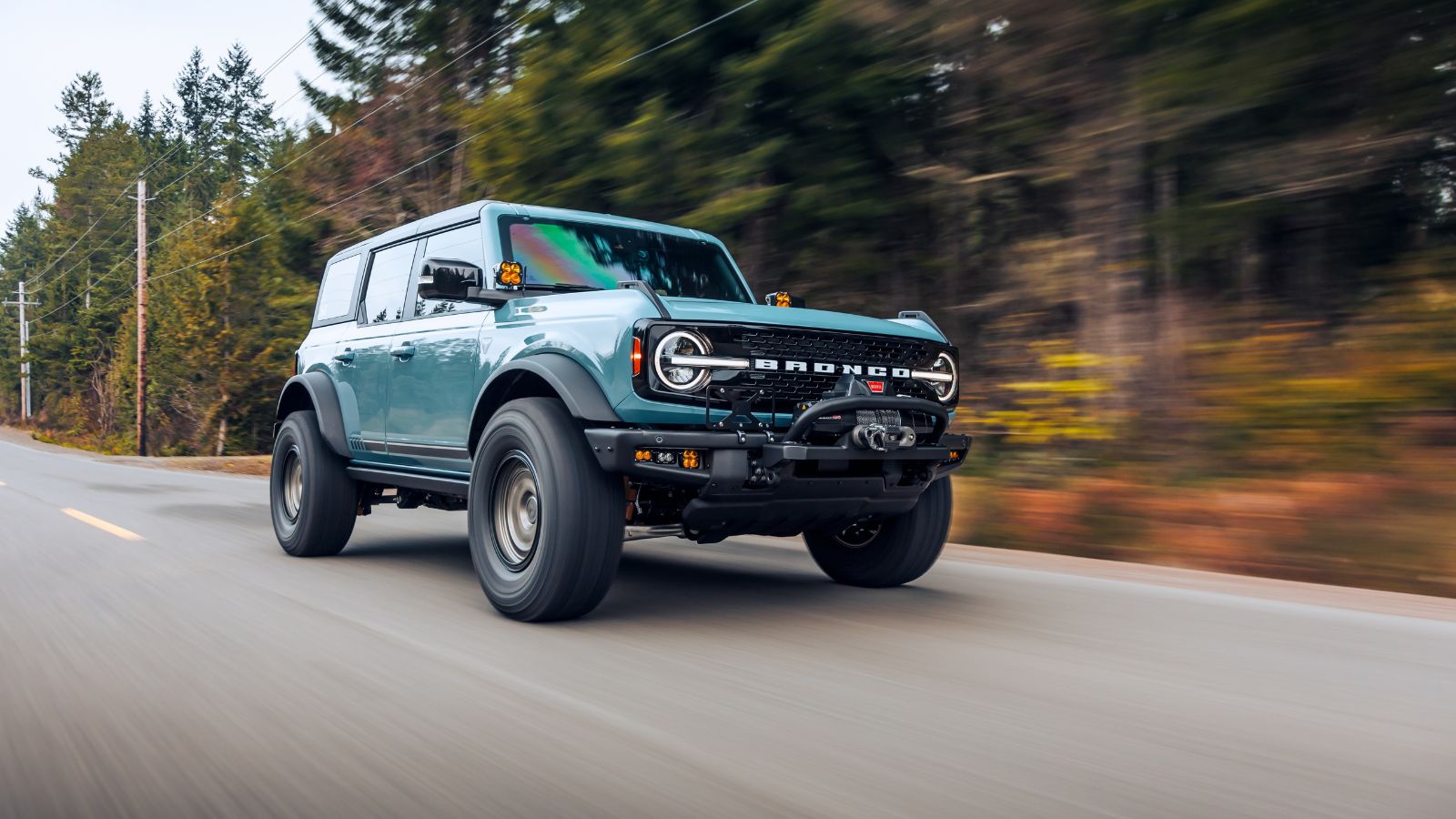
The Ford Bronco has the beach-trail image many automakers spend years trying to manufacture. Removable roof panels, upright styling, and off-road hardware make it feel tailor-made for cottage roads and national-park photos. Yet Canada’s summer driving often includes long highway stretches, construction zones, and crowded urban parking lots rather than dramatic rock crawling. In those settings, wind noise, fuel use, and ride compromise can become harder to romanticize.
The Bronco’s shine can also be dulled by reliability perception. Consumer Reports has criticized the Bronco for long stopping distances and underwhelming fuel economy, while recall history around Ford products keeps some buyers cautious. The result is a vehicle that still looks cool outside a campsite but can feel expensive and overbuilt during weekday commuting. For owners who rarely leave pavement, the adventure image may wear thin quickly.
Jeep Wrangler
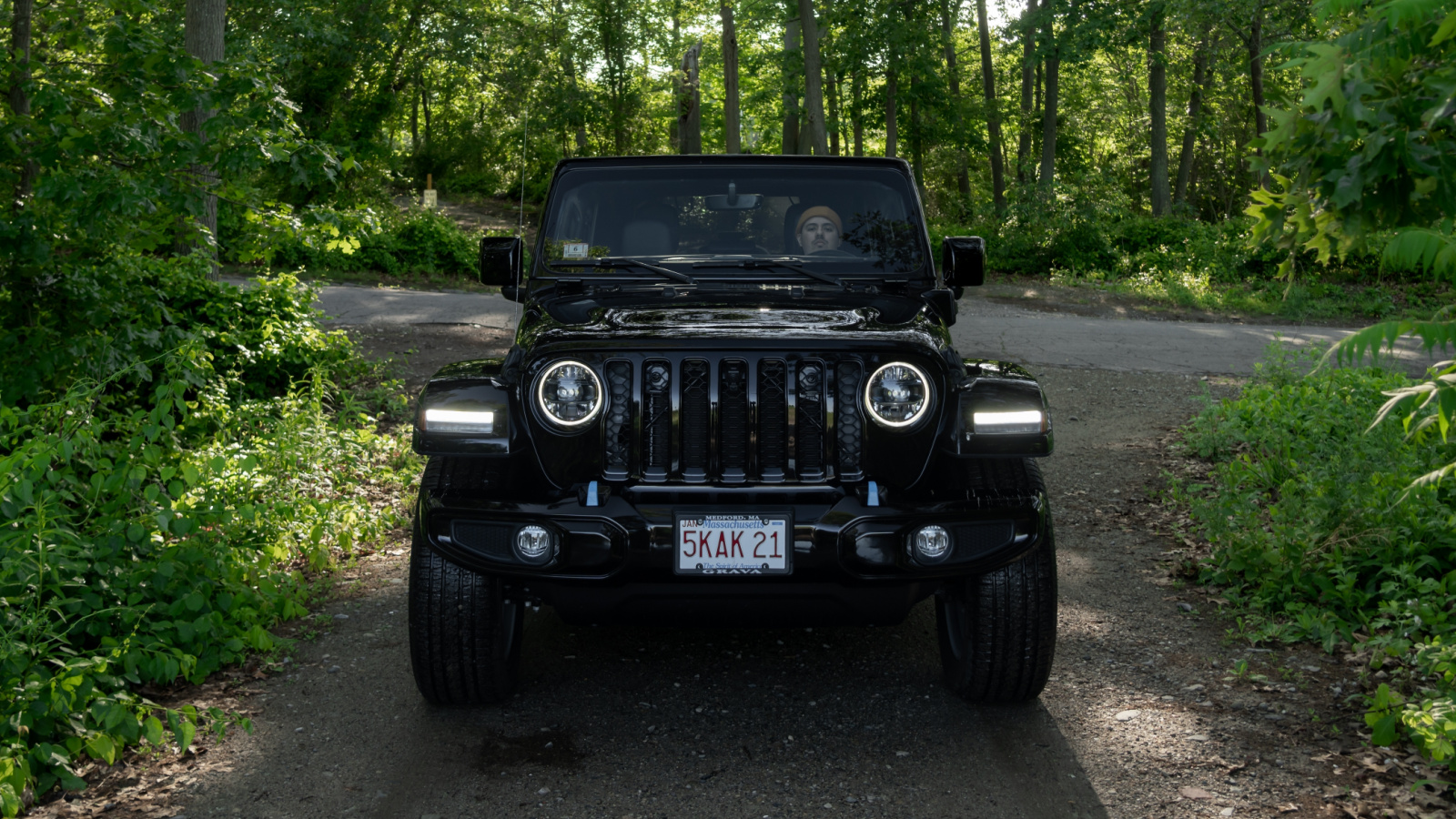
The Jeep Wrangler may be the original summer-image vehicle: doors off, roof open, lake road ahead. Few modern vehicles have such a strong identity. That identity is also why buyers sometimes forgive compromises they would reject in anything else. The problem is that summer exposes those compromises more often. Highway noise, limited cargo security, stiff ride quality, and fuel consumption become harder to ignore when the vehicle is used for family trips instead of weekend trail runs.
Wrangler ownership can also involve a mismatch between fantasy and routine. The image suggests freedom; the reality may include expensive tires, frequent fuel stops, and awkward packing for longer drives. Consumer reliability rankings have generally favoured brands such as Lexus, Subaru, Toyota, Honda, and BMW, while Jeep has not been the default benchmark for low-drama ownership. The Wrangler remains iconic, but icons can still feel tiring.
Dodge Charger
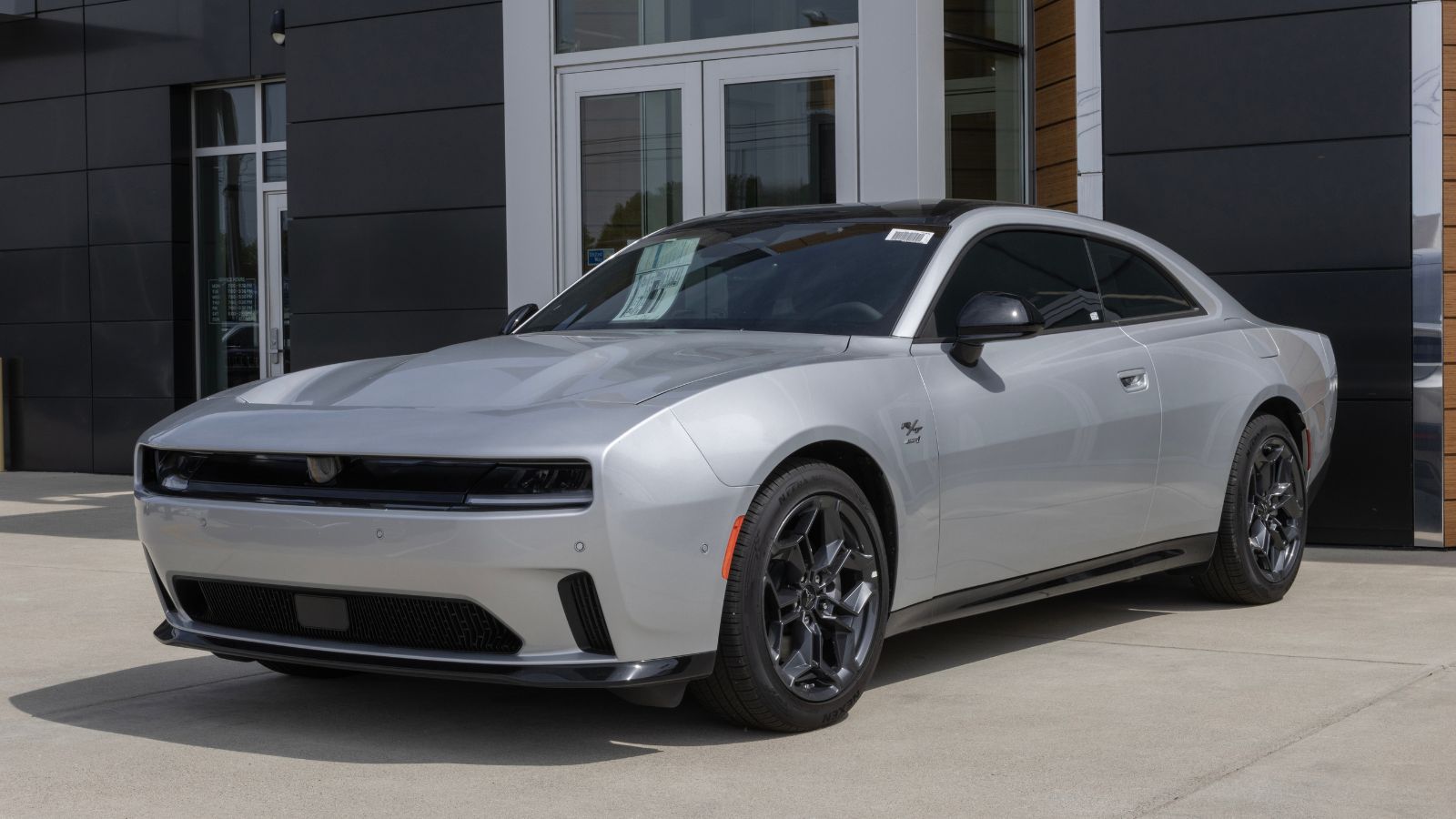
The Dodge Charger has muscle-car presence, and the new-generation model keeps the drama alive with aggressive styling and available all-wheel drive. For many Canadian drivers, that sounds like a rare combination: year-round traction with summer-night attitude. The catch is that muscle-car cool has become more complicated as fuel prices, insurance costs, and changing performance-car tastes reshape the market.
The 2026 Charger’s gasoline versions still lean into power rather than thrift, and Canadian dealer fuel-economy listings show consumption figures that can look steep beside hybrids and compact crossovers. That matters when gasoline prices are volatile and long-distance summer driving becomes part of the budget. A Charger may still turn heads in a parking lot, but the image can fade when the monthly fuel bill feels as loud as the exhaust note.
Ford Mustang GT
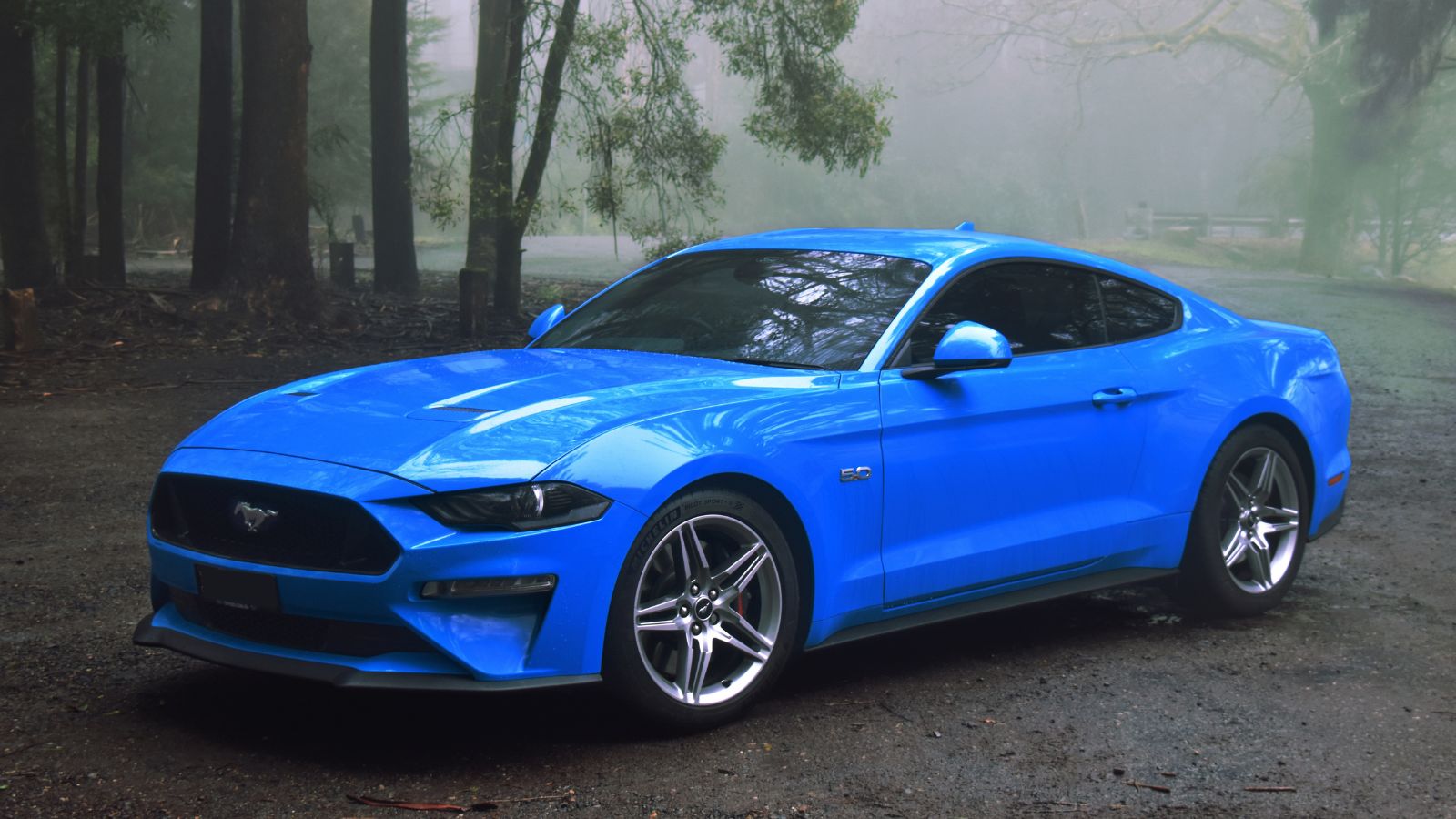
The Ford Mustang GT remains one of the most recognizable performance cars on sale. A V8 coupe with rear-wheel drive still carries emotional pull, especially during warm months when open roads and car meets are back in season. In Canada, however, cool can be seasonal in the most literal sense. A Mustang GT feels natural in July, but buyers know the ownership year includes rain, snow, storage decisions, and higher running costs.
Fuel economy is one of the pressure points. Consumer Reports measured the Mustang GT at about 20 mpg overall, which is reasonable for a V8 but far from relaxed in a summer of elevated fuel concerns. Tire costs, insurance, and depreciation on performance trims can also cut into the romance. The Mustang’s cool factor is real, but it depends on whether buyers want a lifestyle car or a daily transportation tool.
Toyota GR86
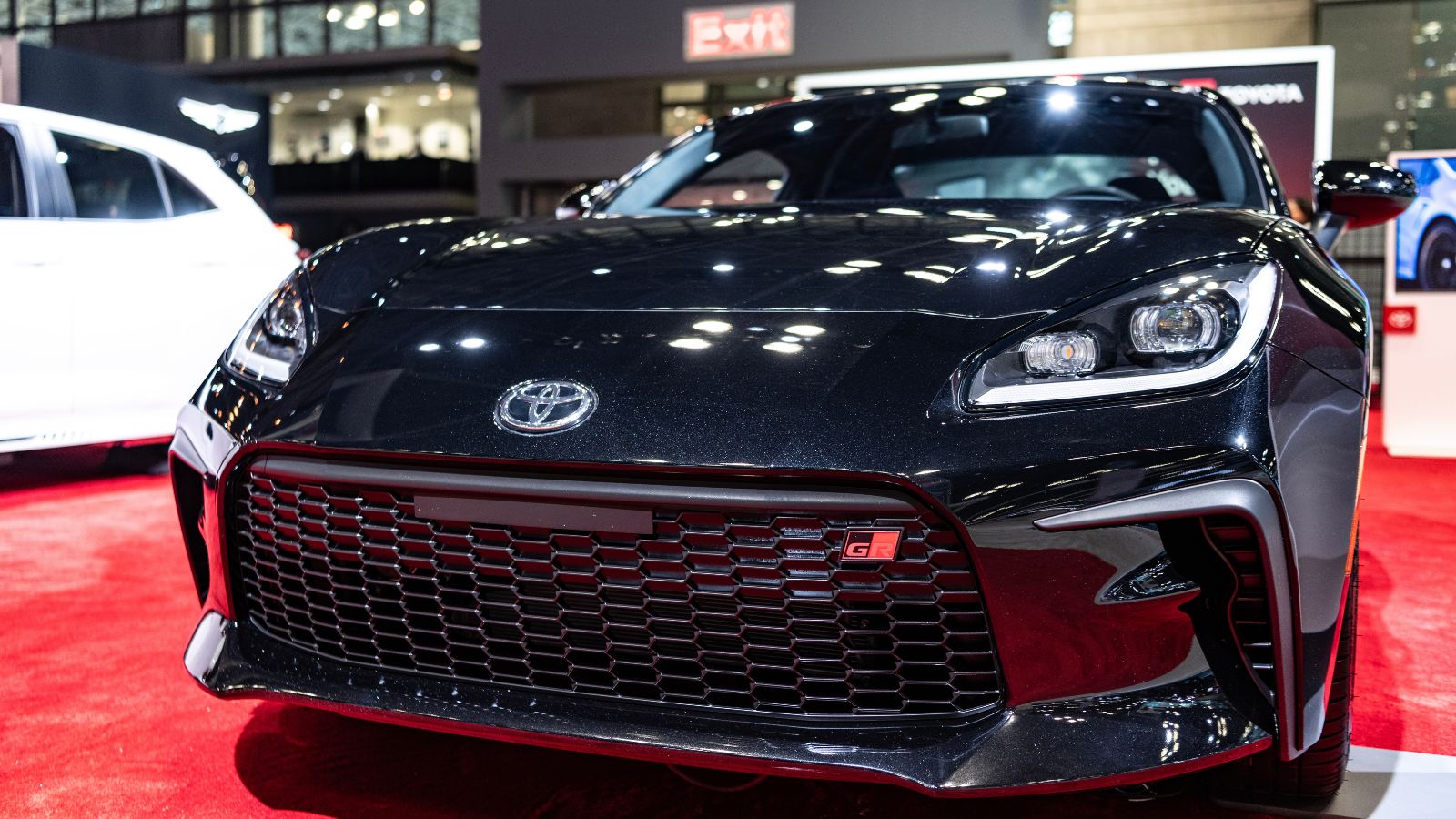
The Toyota GR86 has the kind of purity enthusiasts say they want: rear-wheel drive, light weight, a manual option, and honest handling. It is also relatively attainable compared with many performance cars. That combination makes it easy to admire from a distance. In Canadian daily life, though, the GR86 can lose shine when owners encounter rough pavement, limited cargo room, rear seats best suited for bags, and winter-tire realities.
Its fuel economy can surprise shoppers who expect a small coupe to sip fuel. Canadian dealer listings for the 2026 GR86 show a combined estimate around 10.6 L/100 km for the manual, which puts it closer to larger vehicles than some buyers may assume. The GR86 is still a driver’s car, but summer cool can fade when a weekend toy has to justify itself as practical transportation.
Subaru BRZ
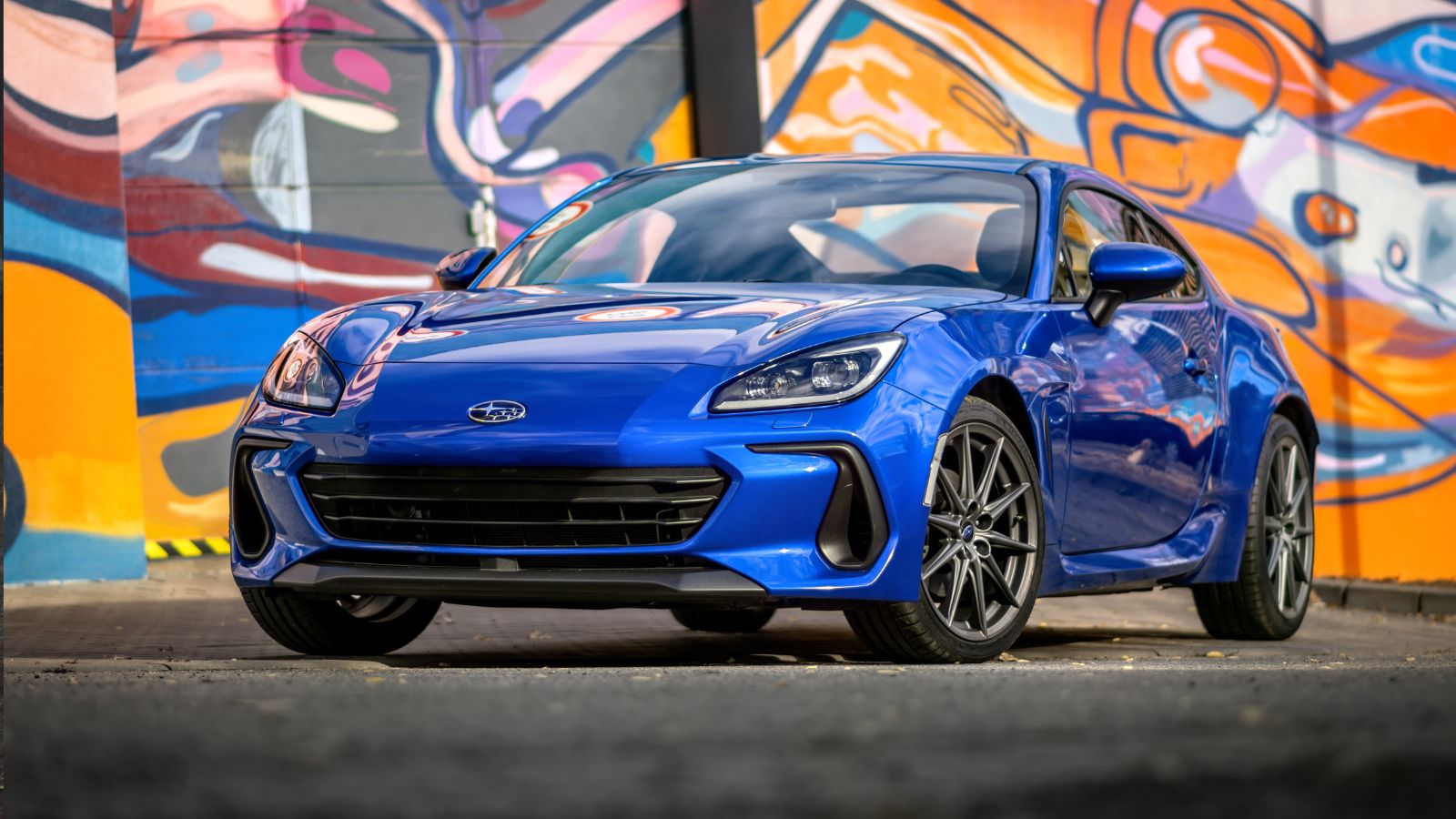
The Subaru BRZ shares much of the GR86’s appeal: balance, steering feel, and a focus on driver involvement rather than screen-heavy luxury. It has earned praise from enthusiast publications for preserving a simple sports-car formula. That simplicity is part of the charm, but it also creates tension in Canada. A low-slung rear-drive coupe can feel magical on a dry back road and less charming on broken city pavement or during sudden prairie storms.
The BRZ’s cool factor may also be hurt by comparison shopping. When the mechanically similar Toyota GR86 undercuts it on price in some markets, buyers may wonder what exactly the Subaru badge adds. Sports-car shoppers are often emotional, but they are not immune to value calculations. If summer brings more fuel-cost anxiety and resale caution, the BRZ’s charm may have to work harder than usual.
Mazda MX-5 Miata
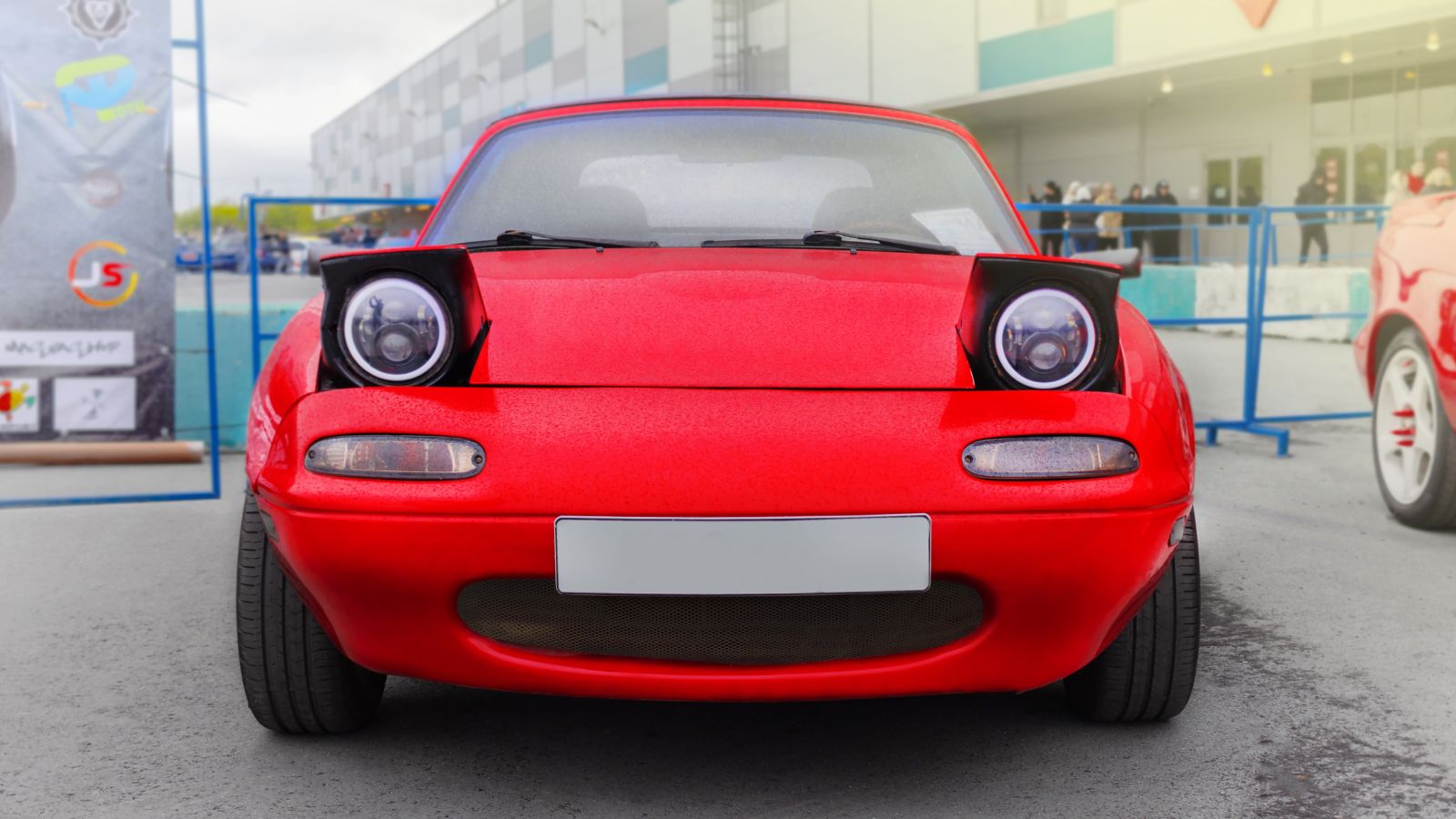
The Mazda MX-5 Miata is one of the easiest cars to love in warm weather. It is light, simple, and joyful in a way few modern cars manage. That makes it a summer icon, especially on coastal roads, mountain passes, and quiet rural highways. Yet the same traits that make it special also limit its usefulness. It has two seats, a tiny trunk, and little tolerance for overpacking.
Edmunds lists the Miata’s trunk at just 4.6 cubic feet, which can make even a short getaway feel like a packing puzzle. Mazda Canada also notes that official fuel-consumption values are based on approved EnerGuide testing, while real-world consumption varies with driving conditions. The Miata is still deeply cool, but it can lose points quickly when the summer plan involves luggage, pets, passengers, or unpredictable weather.
Mini Cooper SE
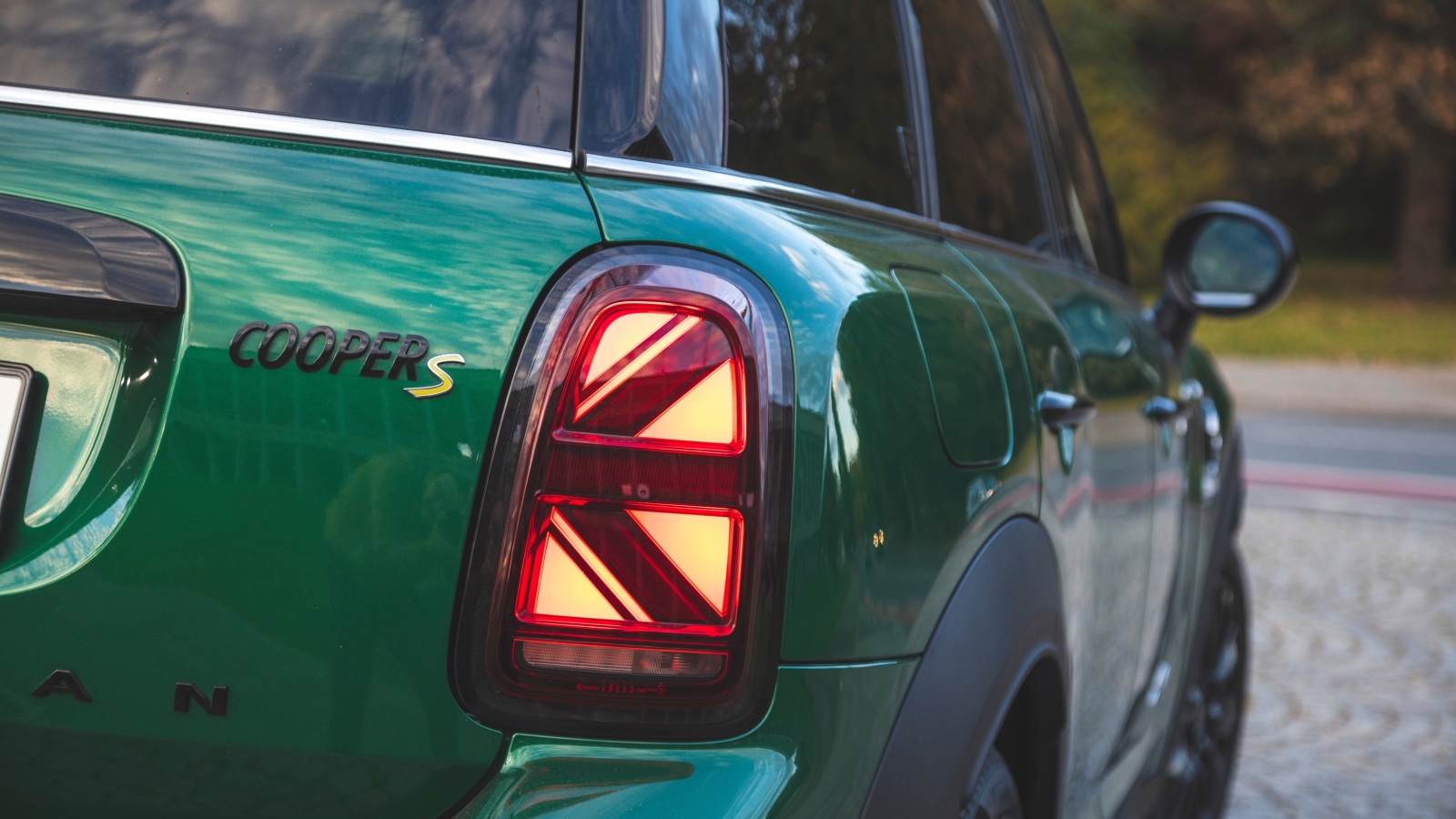
The Mini Cooper SE has urban charm, quick acceleration, and a design that still feels more personal than many small EVs. Around town, it can seem like an ideal summer car: easy to park, fun to steer, and distinctive without being huge. The challenge is that Canadian summer driving often stretches beyond the city. Cottage trips, highway detours, and crowded fast chargers can make range and charging speed feel more important than style.
The newer Mini Cooper Electric offers improved range compared with earlier versions, but reviews still describe it as better suited to shorter urban use than effortless long-distance travel. That distinction matters in Canada, where distances can be large even within a single province. The Mini’s cool factor is strongest when life stays compact. Once summer travel gets ambitious, its fashionable personality may feel less convincing.
Hyundai Ioniq 5
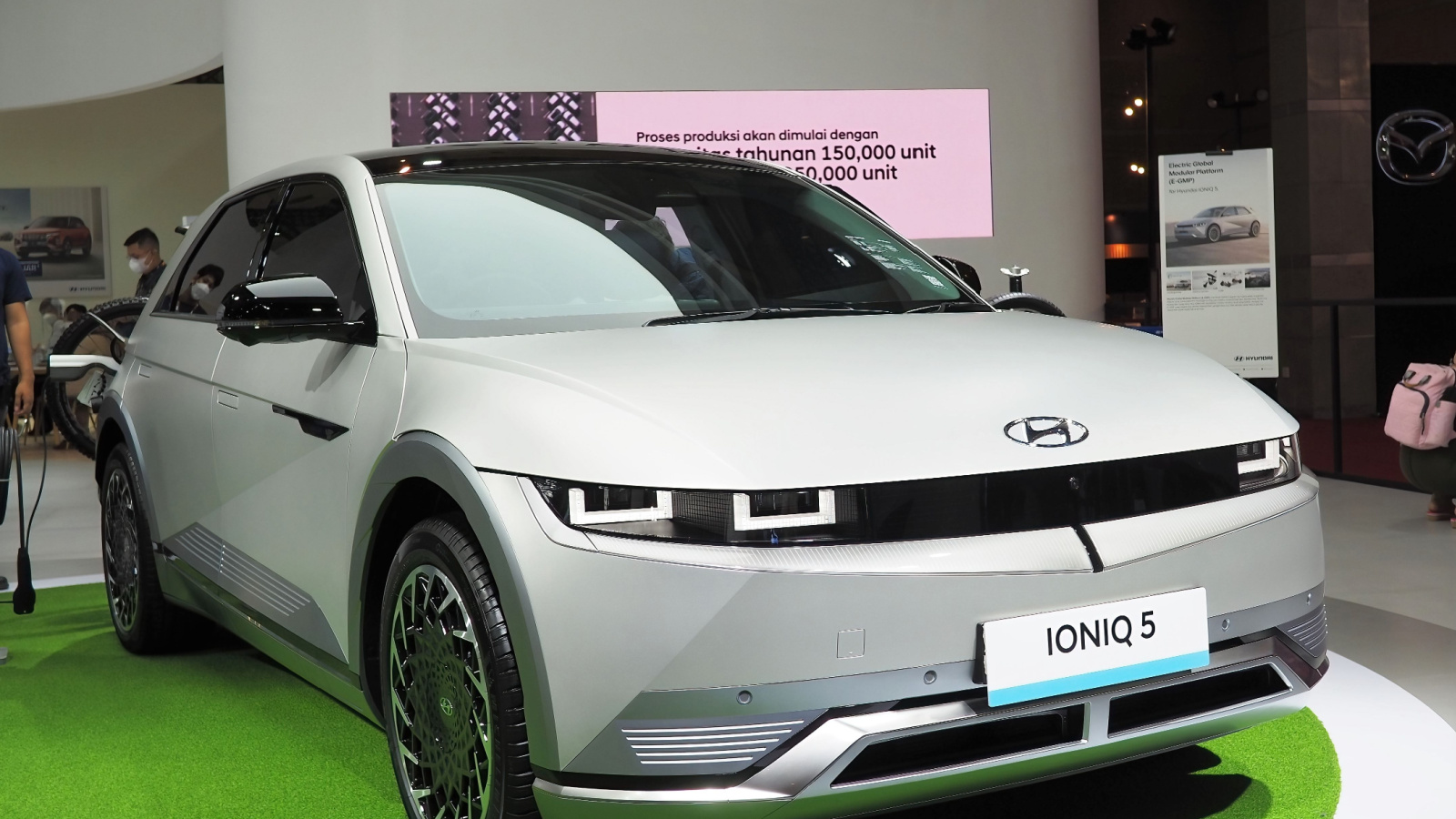
The Hyundai Ioniq 5 was one of the EVs that made electric driving look genuinely exciting. Its retro-futuristic design, spacious cabin, and fast-charging capability helped it stand out from anonymous crossovers. In Canada, however, the EV market has shifted quickly. Incentive changes, charging availability, and used-EV price pressure can all affect how shoppers view a once-hot model.
The Ioniq 5 still has strong fundamentals, but cool can fade when resale values become a bigger part of the conversation. EV depreciation has been a recurring concern as battery technology, incentives, and supply change quickly. Buyers who paid peak prices may feel exposed if newer deals appear or used inventory grows. A stylish EV can still impress at the curb, but summer road-trip math may make some owners less enthusiastic.
Ford Mustang Mach-E
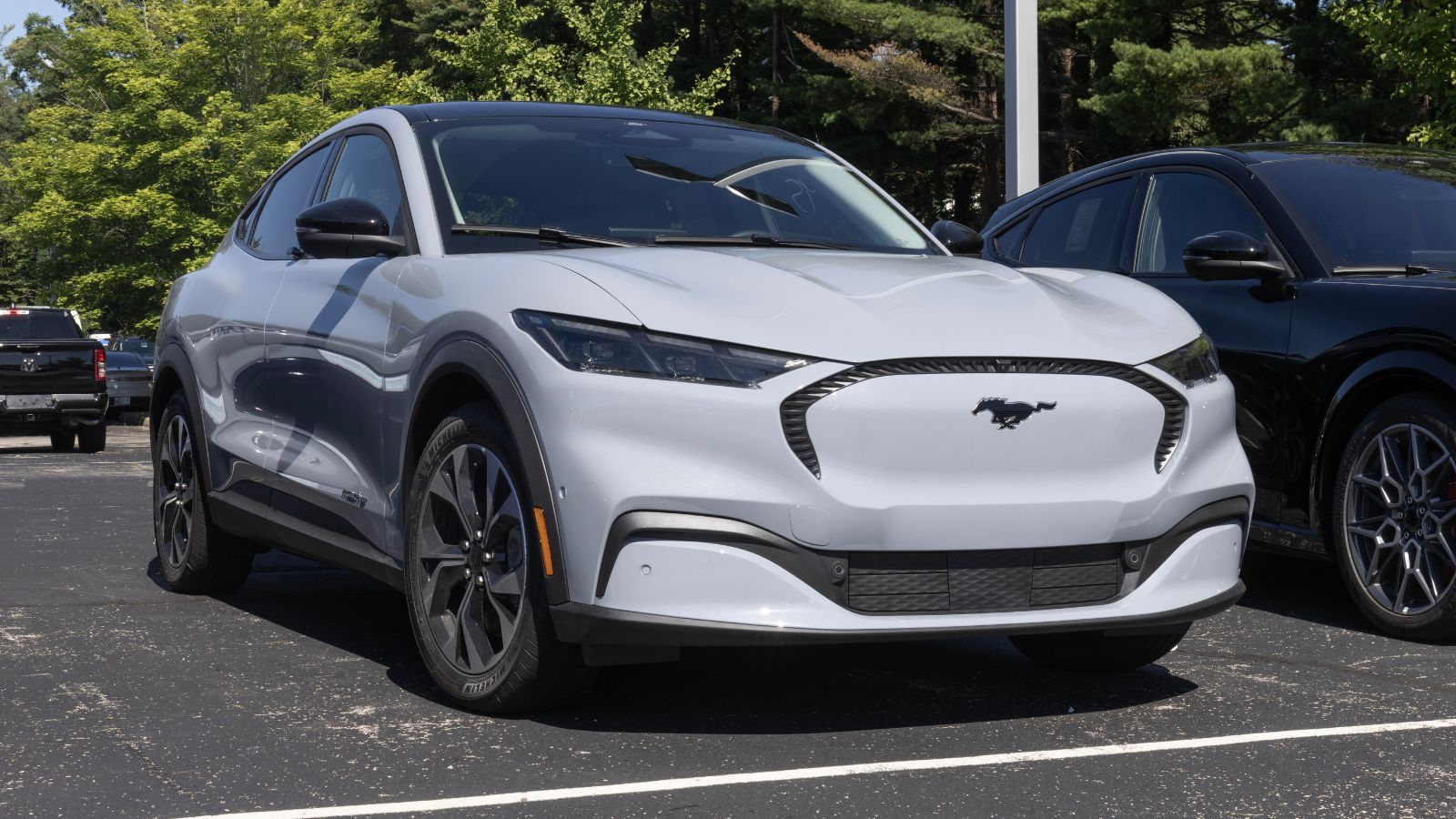
The Ford Mustang Mach-E has always carried a complicated badge. Some buyers appreciate its electric performance and crossover practicality; others still question whether a four-door EV should wear the Mustang name. That debate can be part of the appeal, but it also makes the vehicle vulnerable to shifting opinion. If buyers start prioritizing charging convenience, resale stability, and incentives over branding, the Mach-E’s cool factor may soften.
Canada’s EV policy environment has been moving, with federal incentives and sales rules changing again in 2026. That matters because EV desirability is often tied not only to the vehicle but also to rebates, infrastructure, and resale confidence. The Mach-E may remain a strong electric crossover, yet the emotional promise of “electric Mustang” can fade if shoppers see it mainly as one more used EV competing on price.
Nissan Ariya
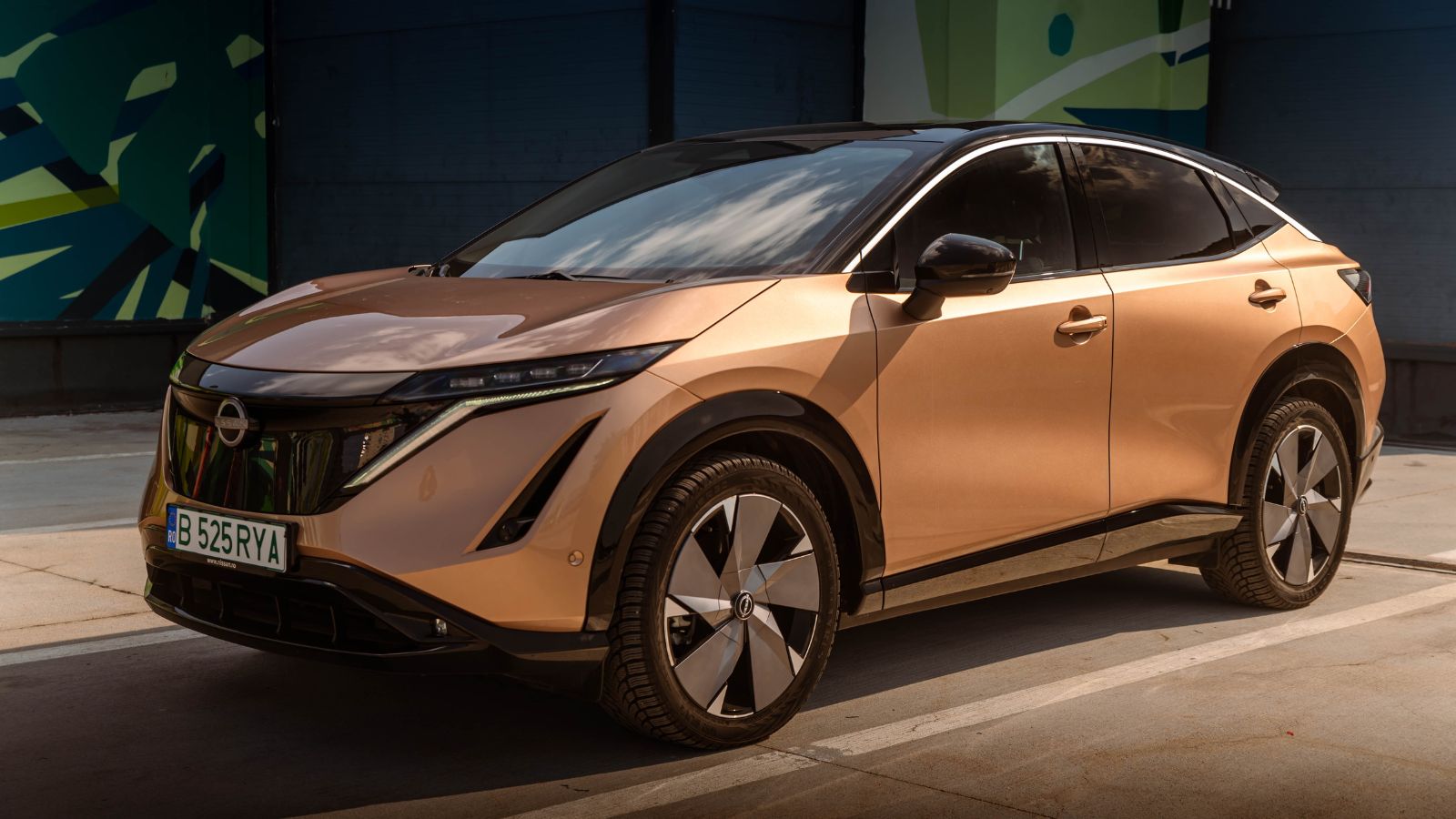
The Nissan Ariya arrived with a smoother, more premium personality than the Leaf, giving Nissan a more stylish EV crossover. Its cabin design and quiet ride can feel upscale, especially for buyers who want something less common than a Tesla. The trouble is that subtle cool often has a shorter shelf life than bold cool. In a crowded EV market, understated design can quickly become invisible.
The Ariya may also face the same pressure affecting many electric vehicles: incentive uncertainty, falling used-EV prices, and consumer hesitation around charging infrastructure. When a vehicle does not have the strongest brand buzz, resale confidence becomes even more important. For Canadian shoppers planning summer road trips, the Ariya’s appeal may depend less on its lounge-like interior and more on whether charging stops, price, and range feel easy enough to trust.
Kia EV6
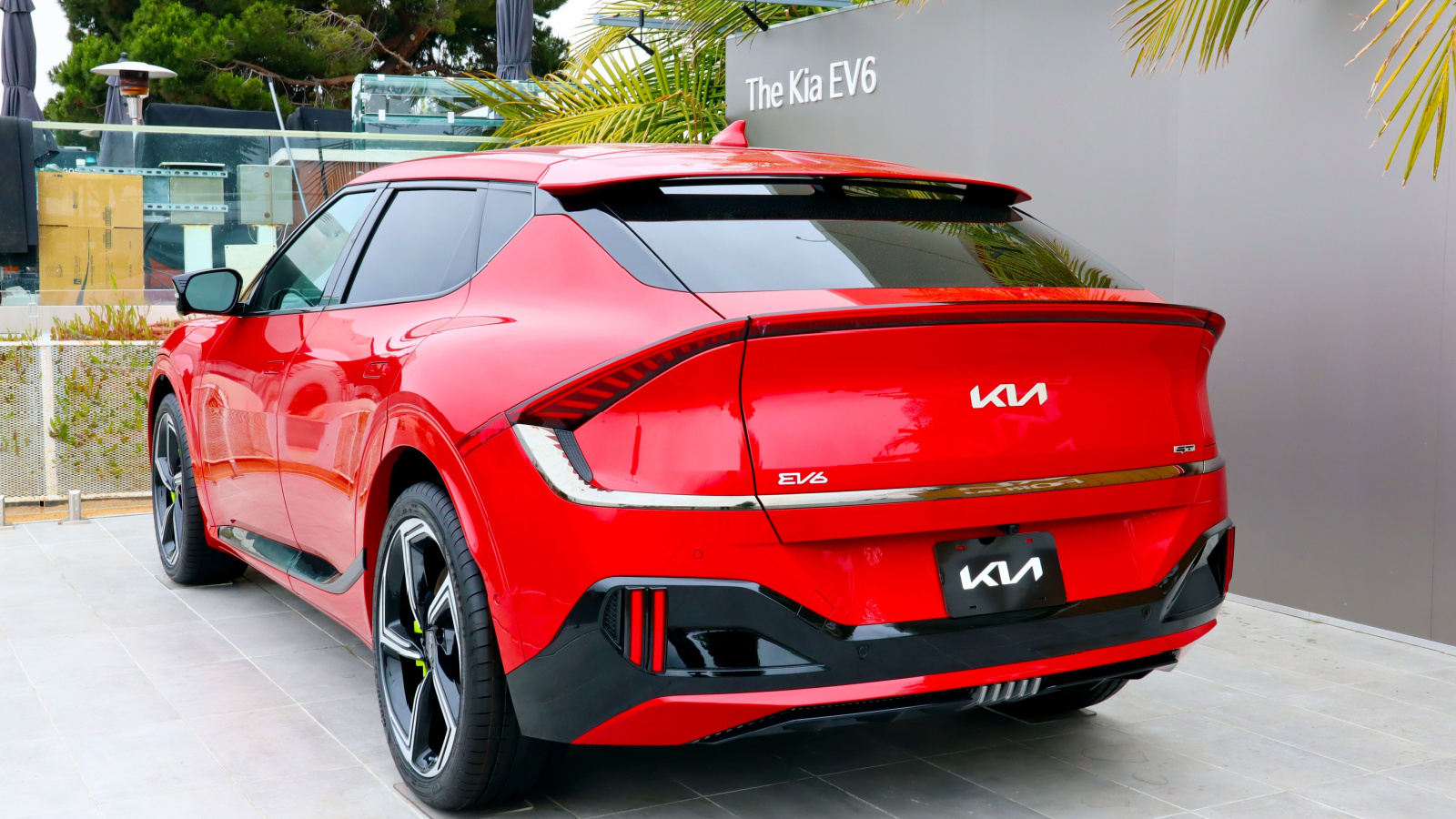
The Kia EV6 still looks dramatic, with a low roofline and performance-oriented stance that separates it from typical family crossovers. It helped show that mainstream EVs could look exciting without leaning on luxury badges. Still, style is not the only measure of cool anymore. As more EVs enter the used market, the EV6 may face tougher comparisons on price, charging network convenience, warranty confidence, and winter-to-summer range variation.
Its biggest summer risk is expectation creep. Buyers may expect an EV that looks sporty to feel effortless on every trip. In reality, long weekends can involve charger queues, route planning, and range anxiety if destinations are remote. The EV6 remains visually sharp, but in Canada, cool increasingly means simple. If the ownership experience feels complicated, even a striking design can lose its edge.
Lexus RX
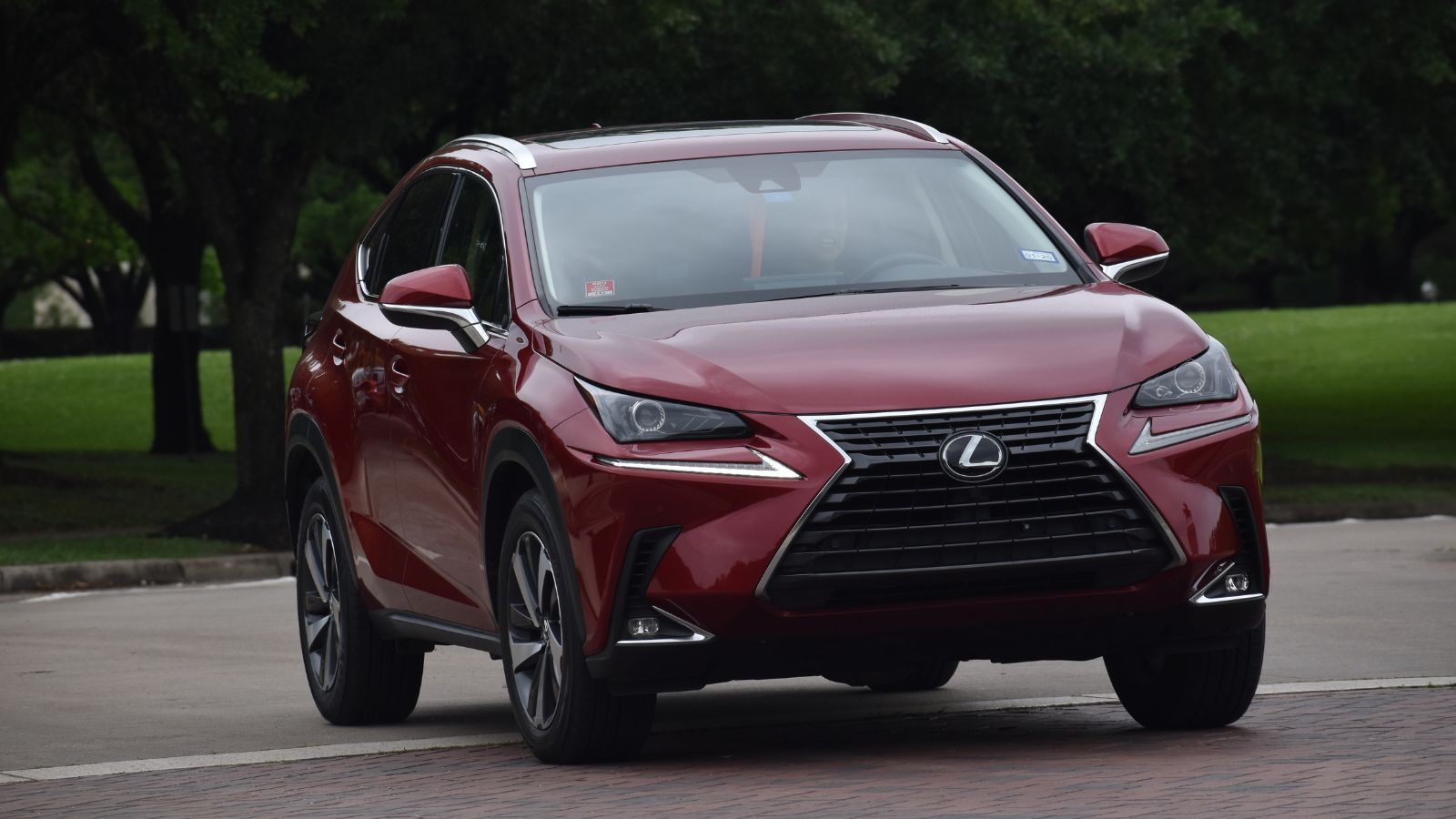
The Lexus RX has long been a quiet status symbol in Canada: comfortable, refined, and associated with strong reliability. That should make it nearly immune to losing cool factor. The problem is theft exposure. Équité Association’s national data has repeatedly placed the Lexus RX among the most stolen vehicles, with some regional figures showing especially high theft percentages for certain model years.
That kind of attention changes the ownership mood. A vehicle that once felt quietly upscale can start to feel like a security project involving steering locks, tracking devices, driveway concerns, and insurance conversations. The RX is still desirable for many reasons, but summer travel can bring hotel lots, cottage parking, and unfamiliar streets. When owners worry about where they leave it, luxury feels less relaxing.
Toyota RAV4
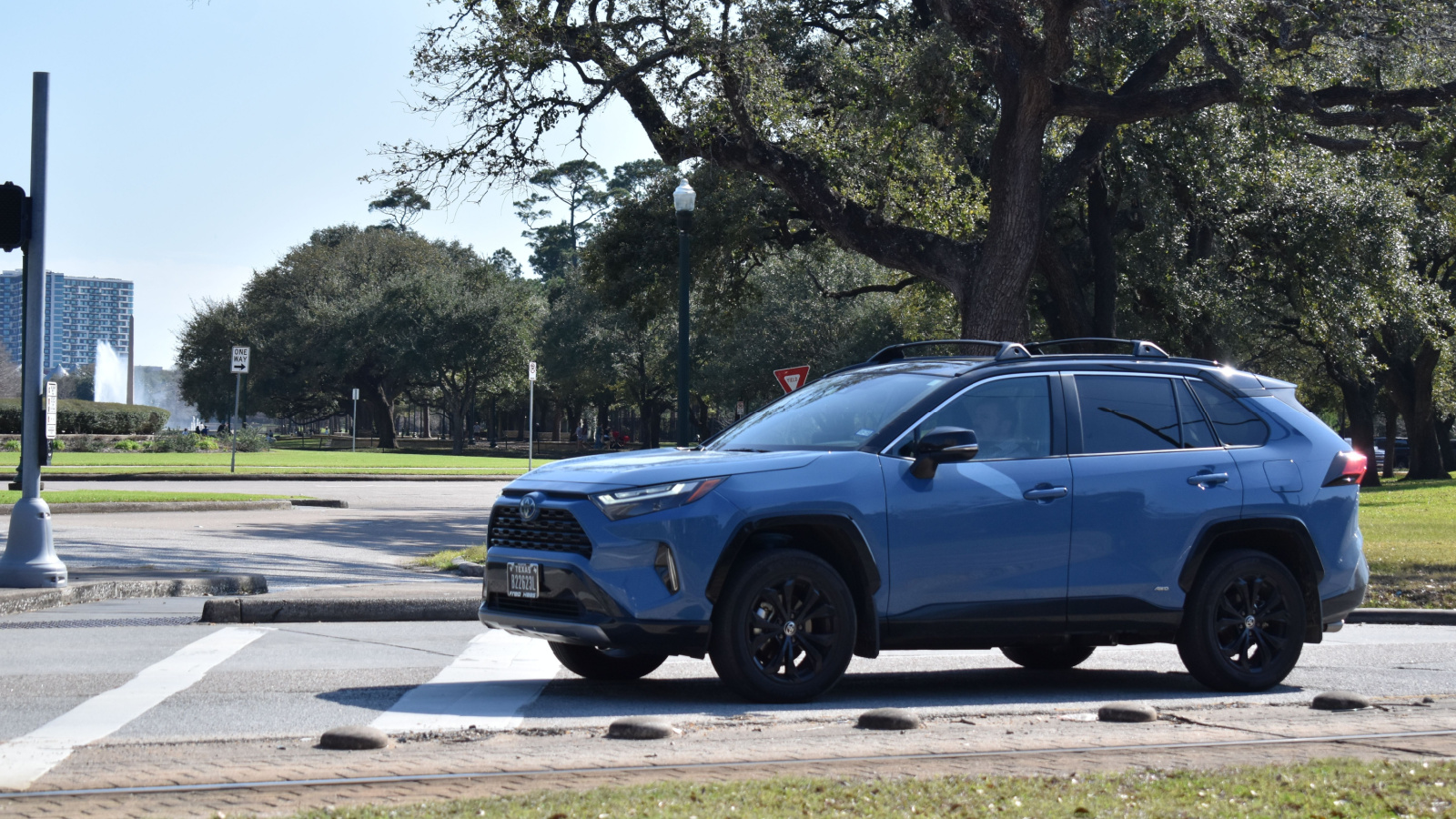
The Toyota RAV4 is not usually bought for flash, but its popularity gives it a kind of mainstream cool. It is practical, efficient in hybrid form, easy to recommend, and trusted by families across Canada. That mass appeal can also work against it. When a vehicle becomes everywhere, it stops feeling distinctive. More importantly, recent theft reporting has pushed the RAV4 into the spotlight for the wrong reason.
Canadian Underwriter reported that the RAV4 became Canada’s most stolen vehicle on Équité Association’s 2024 list, replacing previous leaders such as the Highlander and CR-V. That does not erase the RAV4’s strengths, but it can alter the vibe quickly. A smart, sensible crossover may lose its calm image if buyers associate it with insurance surcharges, anti-theft devices, or driveway anxiety during peak summer travel season.
22 Things Canadians Do to Their Cars in Spring That Mechanics Hate

Spring brings relief to many Canadian drivers after months of snow, freezing temperatures, and icy roads that put serious strain on vehicles. As temperatures rise across the country, drivers begin washing cars, switching tires, and preparing vehicles for warmer weather and upcoming road trips. However, mechanics across Canada notice the same mistakes every spring when drivers attempt to recover from winter damage. Road salt, potholes, and harsh winter driving conditions often leave vehicles with hidden problems that drivers ignore. Some spring habits even create new mechanical issues that could have been avoided with proper maintenance. Here are 22 things Canadians do to their cars in spring that mechanics hate.