


























Buying a vehicle in Canada has become a more demanding financial decision than many shoppers expect. Even with some easing in inventory and pricing, monthly payments remain stubbornly high, used-car values are still elevated in many segments, and EV rules have changed again in 2026. The danger is not always an obvious scam. More often, it is a perfectly ordinary choice made too quickly at the wrong moment.
These 18 traps keep catching Canadians because they feel sensible in real time: a lower payment, a cleaner odometer, a convenient add-on, a private listing that looks harmless. One by one, they can turn a manageable purchase into years of avoidable cost.
Falling for the Monthly-Payment Pitch
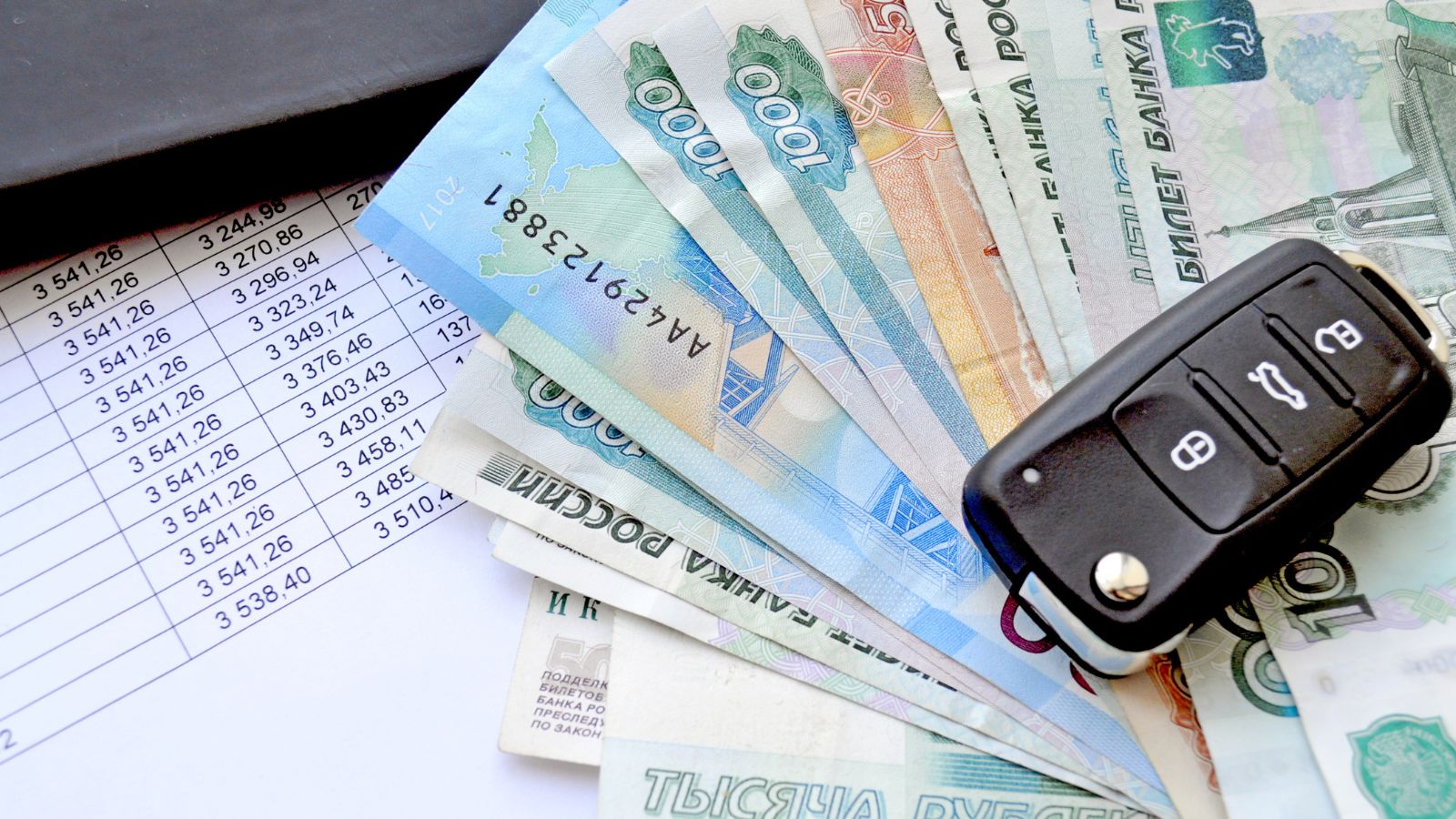
A surprisingly large share of car trouble begins with a simple sentence at the desk: “What payment are you trying to stay under?” It sounds helpful, but it can steer the entire deal away from the real question, which is total cost. When buyers focus only on the monthly number, almost anything can be made to look affordable with the right term, the right add-on structure, or the right trade-in math. That is how a vehicle that should have been rejected on price suddenly feels “within budget.”
The trap feels especially modern in 2026 because the monthly-payment culture is everywhere, from online calculators to dealer ads. But the math has not changed. A modest payment can still hide a long loan, extra interest, and fees folded quietly into the deal. Many Canadians do not realize how expensive that comfort can be until much later, when the vehicle is aging, the balance is still stubbornly high, and the purchase that once felt responsible starts to feel far too large for what it delivers.
Stretching the Loan Until the Car Ages Out

Long loan terms solve one problem and create three more. They lower the payment, yes, but they also increase the amount of interest paid, slow the pace at which equity builds, and leave buyers exposed for years on a depreciating asset. That is why a seven-year loan can feel manageable in the first month and suffocating by year four, when the car is no longer new, repairs are beginning to appear, and the balance still looks surprisingly large.
This trap is easy to miss because longer financing is now normalized. A buyer sees a term like 72 or 84 months and assumes it is just how cars are bought now. In reality, it is often how affordability is stretched, not how value is created. A federal example shows the difference clearly: financing a $25,000 vehicle at 5 percent over 84 months costs thousands more than doing the same deal over 36 months. The lower payment is real, but so is the extra interest, and that extra interest does not improve the car one bit.
Rolling Old Debt Into the New Loan

Negative equity is one of the most expensive habits in Canadian car buying because it disguises old trouble as a fresh start. A buyer owes more on the current vehicle than it is worth, trades it in anyway, and lets the unpaid balance get folded into the next loan. On paper, the process looks clean. In practice, the new car begins life already carrying old debt, which means the next monthly payment is serving two cars instead of one.
The emotional appeal is obvious. The buyer gets out of a vehicle that feels too small, unreliable, or outdated without writing a painful cheque to clear the shortfall first. But the math can become brutal fast. Cars depreciate quickly, especially early on, so the next loan may start underwater almost immediately. That creates a cycle in which every trade becomes harder, every balance takes longer to shrink, and every new purchase has to work harder just to overcome debt left behind by the last one.
Assuming the Advertised Price Is the Final Price

Many Canadians still treat the first advertised number as the real starting point of the deal. Sometimes that works; often it does not. Dealer advertising rules can be strict, but they are not identical across every kind of seller, and not every shopper understands what should already be included. A low headline number can still lead buyers into a conversation where fees, documentation charges, or financing-related costs suddenly feel negotiable only because the buyer did not arrive knowing what should already have been transparent.
Ontario provides one of the clearest examples of how this trap works. There, all-in price advertising requires dealer ads to include the fees and charges the dealer intends to collect, except HST and licensing. Yet many shoppers still enter the showroom expecting a negotiation over surprises they should have identified earlier. The mistake is not always paying an improper fee. Sometimes it is simply losing bargaining power because the buyer is reacting to the paperwork instead of evaluating the full deal before emotions take over.
Signing As Though There’s a Grace Period

One of the most persistent myths in car buying is the idea that there will be a day or two to rethink everything after the paperwork is signed. That assumption is costly because vehicle contracts do not work like casual online purchases. Buyers who sign while tired, rushed, or dazzled by delivery-day excitement sometimes believe they can just change their mind the next morning. In some provinces and situations, there are narrow remedies for specific disclosure failures. That is not the same thing as a general cooling-off right.
Ontario again offers the clearest warning. Once a motor vehicle contract is signed there, there is generally no cooling-off period just because the buyer reconsidered overnight. That makes rushed signing one of the biggest traps of all. A hurried “yes” at closing can lock in the vehicle, the financing, the add-ons, and even the loss of part or all of a deposit if the dealer later agrees to unwind the deal. Buyers who act as though reflection comes after the signature usually discover too late that reflection should have come first.
Accepting the First Financing Offer

Dealership financing can be convenient, and convenience is exactly why this trap remains powerful. A buyer finds the car, sits down once, gets approved, and feels relieved that the hard part is done. But the first approval is not always the best approval. Dealers do not have to present the lowest available rate first, and many buyers never compare what their own bank, credit union, or another dealer might have offered for the same purchase.
That matters more in 2026 because borrowing costs still carry real weight in the total price of a vehicle. Even a small rate difference can change the cost of ownership over several years. Federal guidance is blunt on this point: buyers should get quotes from multiple dealers and lenders, compare details beyond the payment, and remember that some fees may also be negotiable. The trap is not dealership financing itself. The trap is mistaking speed for savings, and mistaking approval for a competitive offer.
Letting Optional Products Hide in the F&I Office

The finance-and-insurance office is where many “small” decisions become big money. Loan insurance, extended warranties, wheel-and-tire plans, paint or rust packages, theft products, and service contracts often arrive when the buyer is mentally finished and least likely to push back. At that point, an extra $18 a week or $31 a month can sound almost trivial. Over the full term, though, several optional products stacked together can materially change the cost of the vehicle.
What makes this trap effective is that some products have a legitimate use for some buyers. That makes every add-on sound prudent. But optional does not mean necessary, and extra cost does not mean extra value. Federal rules make clear that loan insurance is an optional product and that federally regulated institutions need express consent and a separate agreement before providing it. OMVIC, meanwhile, notes that extended warranties cover mechanical breakdown, not normal wear and tear. Buyers who do not slow down here often pay for overlapping protection, narrow coverage, or benefits they were unlikely to use.
Forgetting That Credit History Changes the Deal

Some shoppers focus so heavily on the vehicle that they forget the loan is its own product with its own price. Credit history shapes that price. Two buyers can choose the same car, put down similar money, and leave with meaningfully different borrowing costs because lenders do not view their risk the same way. That is why skipping a credit check on one’s own file before shopping is such a quiet but expensive mistake.
The trap is especially relevant for younger buyers, recent arrivals to Canada, and anyone who has not reviewed their credit recently. A buyer may assume that a “good enough” history will be fine, only to find the approval is weaker than expected or the interest rate is noticeably higher. Federal consumer guidance notes that lenders set their own standards, that good credit history can help lower loan rates, and that some institutions may even consider foreign credit history if asked. That means preparation matters. In many deals, the most useful pre-shopping step is not a test drive but a clear look at the borrower’s own file.
Treating a Private Sale Like a Dealer Sale

Private sales keep attracting buyers because they promise simplicity. There is no showroom choreography, no finance office, and often a lower asking price. But many Canadians still approach a private sale as though it offers dealer-level protection. It usually does not. That gap between expectation and reality is where many of the worst used-car experiences begin, especially when a vehicle’s condition, history, or ownership details turn out to be very different from what the buyer assumed.
Ontario’s framework makes the contrast easy to understand. Buyers who purchase from an OMVIC-registered dealer are protected under the Motor Vehicle Dealers Act and may have access to the compensation fund if things go badly. Private sales do not come with that same safety net. The same logic applies more broadly across Canada: private deals can work, but they demand more skepticism, more paperwork, and more verification from the buyer. The trap is not buying privately. The trap is buying privately while behaving as though someone else is still responsible for checking everything first.
Skipping Liens and Vehicle History Checks

A used vehicle can look clean, drive well, and still carry baggage the buyer never sees in person. Liens are the classic example. If money is still owed against the vehicle, the legal and financial consequences can survive the handshake. Buyers who skip a lien search because the seller seems trustworthy are not saving time; they are taking a blind risk on a problem that paperwork could have exposed in minutes.
This is one of the easiest traps to avoid and one of the most common because the car itself creates a false sense of certainty. People inspect tires, listen for engine noise, and glance at service receipts, then forget the legal history entirely. Federal guidance warns buyers to check for liens before purchasing a used car and notes that vehicle history reports may also reveal accidents, damage, open recalls, service history, and registration status. In Ontario private sales, the UVIP adds another layer, including ownership history, lien information, and past odometer readings. Buyers who skip these checks are often relying on the seller’s story when they should be relying on records.
Believing Low Kilometres Without Asking Hard Questions
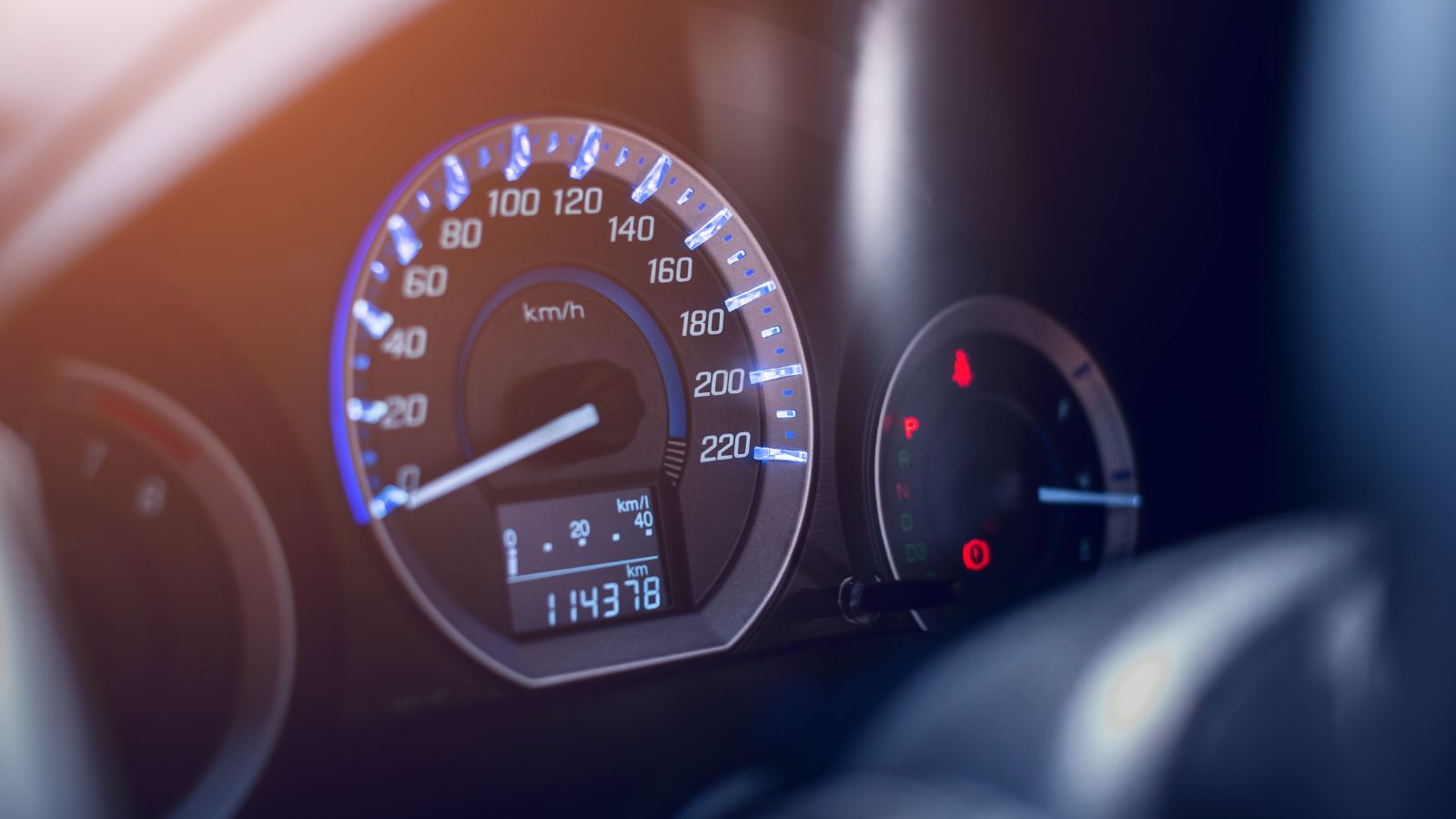
Low mileage is one of the most persuasive numbers in the used-car market because it feels objective. A buyer sees a surprisingly low odometer reading and immediately starts building a story around it: gentler use, fewer repairs, longer life, better value. That story may be true. It may also be fiction. Odometer fraud and misleading mileage narratives remain common enough that low kilometres should trigger investigation, not automatic trust.
The warning signs are often subtle. The price is a little too attractive, the seller is evasive, the ownership name does not quite match, or the wear on the wheel, pedals, windshield, and seats looks too heavy for the mileage claimed. OMVIC warns that rolled-back odometers are common in vehicles sold by curbsiders or dishonest private sellers and recommends checking records with historical odometer readings through sources such as a UVIP or vehicle history report. The smartest buyers treat mileage as one clue, not a verdict. In used-car shopping, “low kilometres” should start a conversation, not end it.
Glossing Over Mandatory Disclosures

Many buyers still assume disclosure is a vague moral obligation rather than a specific legal requirement. That mindset creates a trap because it encourages passive buying. Instead of asking what must be revealed and verifying that it is written into the contract, shoppers settle for verbal reassurances like “clean history,” “minor damage,” or “nothing unusual.” Those phrases can sound comforting while leaving out facts that would have changed the decision completely.
Ontario’s mandatory-disclosure framework shows how detailed this area can be. Dealers and salespeople there must disclose 25 categories of information, including unknown mileage, odometer problems, prior taxi or police use, flood damage, structural repairs, major accident repair costs above a threshold, prior out-of-province registration, brand status such as salvage or rebuilt, and any other fact that could reasonably affect the buyer’s decision. That is not casual paperwork. It is a reminder that vehicle history can be complicated even when the car looks ordinary. Buyers who skim disclosures or fail to insist on written specificity are often handing the seller the benefit of the doubt when the law expected clearer answers.
Ignoring Recall Searches Before the Handshake
Open recalls remain an underrated part of used-car risk because they are easy to ignore when the vehicle seems otherwise fine. Buyers hear “recall” and imagine an annoyance that can be handled later. Sometimes that is true. Sometimes the open issue involves a meaningful safety defect. The problem is that many shoppers do not check at all, which means they are making a purchasing decision without one of the simplest and most relevant pieces of available safety information.
Transport Canada makes recall searching straightforward, including VIN-based tools and a national recalls database. OMVIC also points buyers toward recall resources when evaluating vehicle history. Yet this step is still skipped because it lacks drama. A test drive feels more important. A discount feels more urgent. A spotless interior feels more reassuring. The trap is letting visible condition crowd out safety research. A car can be polished, drive quietly, and still be waiting on a repair campaign that matters more than the shine on its paint.
Confusing a Safety Certificate With Real Mechanical Peace of Mind

This mistake is common because the wording sounds stronger than it is. A buyer hears “safety certificate” and mentally upgrades that into “good car.” In reality, those are not the same thing. A safety inspection is not a promise of long-term reliability, and it is not a shield against costly mechanical problems that can surface shortly after the sale. Buyers who treat the certificate as a full endorsement often stop asking the hard questions they should still be asking.
Ontario states this plainly: there is no automatic warranty on a used vehicle, and a Safety Standards Certificate is not a warranty. It only means the vehicle met a minimum set of safety criteria on the day it was examined, and that certificate has a limited validity period. That leaves a wide gap between “certified for roadworthiness on that date” and “wise purchase for the next few years.” A car can pass a safety check and still have looming problems with electronics, air conditioning, expensive wear items, or general condition. The trap is reading more comfort into the certificate than the certificate was ever meant to provide.
Hearing “As-Is” and Thinking “Cheap Enough”

“As-is” can sound like a negotiator’s phrase, almost a stylistic warning attached to a bargain. It is far more serious than that. When buyers treat an as-is unit like a slightly rough but usable shortcut to saving money, they often underestimate how much risk has been shifted onto them. The low price becomes the whole story, while the absence of meaningful warranty protection or the possibility of immediate repairs gets pushed into the background.
Canadian consumer guidance is blunt: when something is sold as is, the seller is telling the buyer that it comes without warranty recourse for after-sale repairs or service. OMVIC separately emphasizes that as-is vehicle sales in Ontario are governed by specific rules and disclosures. That does not mean every as-is vehicle is a disaster. Some are workable purchases for knowledgeable buyers with realistic repair budgets. The trap is when a shopper with limited tolerance for surprise repairs buys one as though it were just a cheaper version of an ordinary used car. That is when the bargain becomes a repair fund with wheels.
Underestimating Lease-End Charges

Leases keep drawing buyers in because the monthly payments usually look better than a loan on the same vehicle. That advantage is real, but so is the fine print. Many lease customers still shop as though the lease term is the whole story, then act surprised at the end when mileage, tire wear, glass damage, wheel rash, stains, missing maintenance records, or minor cosmetic neglect are suddenly measured in dollars.
This trap is especially easy to fall into in Canada because many leased vehicles live hard, ordinary lives: winter tires on and off, road salt, gravel chips, cottage trips, kids in the back seat, and kilometres that accumulate almost invisibly. Federal consumer guidance notes that leases typically run three to five years, can cost more overall than buying, and may bring extra charges for excessive wear and tear. OMVIC adds that excess mileage, neglected maintenance, damaged lenses, worn tires, and unrepaired scratches can all contribute to lease-end charges. Buyers who lease successfully do not just shop the payment. They shop the return conditions.
Assuming an EV Rebate Is Automatic

The 2026 federal EV program has created a new kind of trap: buyers hear “up to $5,000” and mentally subtract that amount before they have confirmed the vehicle, the seller, the transaction structure, or the final price rules. In reality, the incentive is useful but conditional. It is not a universal discount attached to any EV with a plug, and it is not something buyers should treat as guaranteed before the paperwork is checked.
Transport Canada’s EVAP changed the landscape in 2026. For many transactions, what matters is the final transaction value, not simply the sticker price or whether the model appears popular online. Certain items count toward eligibility and others do not. Some leases receive the full incentive and some receive less depending on term. The buyer also cannot submit the claim independently; the dealership handles the process. That means rebate shopping requires precision. A buyer who adds the wrong package, assumes every dealer participates, or confuses MSRP with qualifying transaction value can discover that the expected savings were never securely in the deal.
Treating Winter EV Reality Like a Footnote

Electric vehicles are increasingly mainstream in Canada, but winter still punishes vague planning. Buyers who shop only on official range figures and broad savings narratives can underestimate how much cold weather, charging access, and living arrangements affect daily ownership. That does not mean EVs are a bad fit for Canada. It means they are a fit that needs to be matched carefully to commute length, charging routine, and winter expectations.
This trap has become more visible because EV interest is rising again in 2026. Yet barriers remain familiar: range anxiety, purchase price, and access to charging. CAA’s winter testing in Canada found that EVs in its real-world cold-weather test lost between 14 and 39 percent of their stated range. For condo residents or buyers without reliable home charging, the challenge can be even more practical than theoretical. The mistake is not choosing an EV. The mistake is choosing one as though Canadian winter, parking reality, and charging access are minor details that will somehow solve themselves after delivery.
22 Things Canadians Do to Their Cars in Spring That Mechanics Hate

Spring brings relief to many Canadian drivers after months of snow, freezing temperatures, and icy roads that put serious strain on vehicles. As temperatures rise across the country, drivers begin washing cars, switching tires, and preparing vehicles for warmer weather and upcoming road trips. However, mechanics across Canada notice the same mistakes every spring when drivers attempt to recover from winter damage. Road salt, potholes, and harsh winter driving conditions often leave vehicles with hidden problems that drivers ignore. Some spring habits even create new mechanical issues that could have been avoided with proper maintenance. Here are 22 things Canadians do to their cars in spring that mechanics hate.