


























A small warning light, a faint squeal, a little vibration, or a service reminder can feel easy to ignore when the car still starts and gets through the day. That is how modest maintenance turns into a repair bill with an extra zero attached. Many expensive failures begin as routine jobs that were delayed through busy weeks, tight budgets, or the belief that one more trip will not matter.
These 16 car maintenance jobs are often postponed because they seem ordinary, invisible, or non-urgent. Yet each one protects a more expensive system behind it, from the engine and transmission to tires, brakes, steering, and electrical components. Catching them early rarely feels dramatic, but it can be the difference between a scheduled appointment and a stranded vehicle.
Oil Changes That Keep Getting Pushed Back
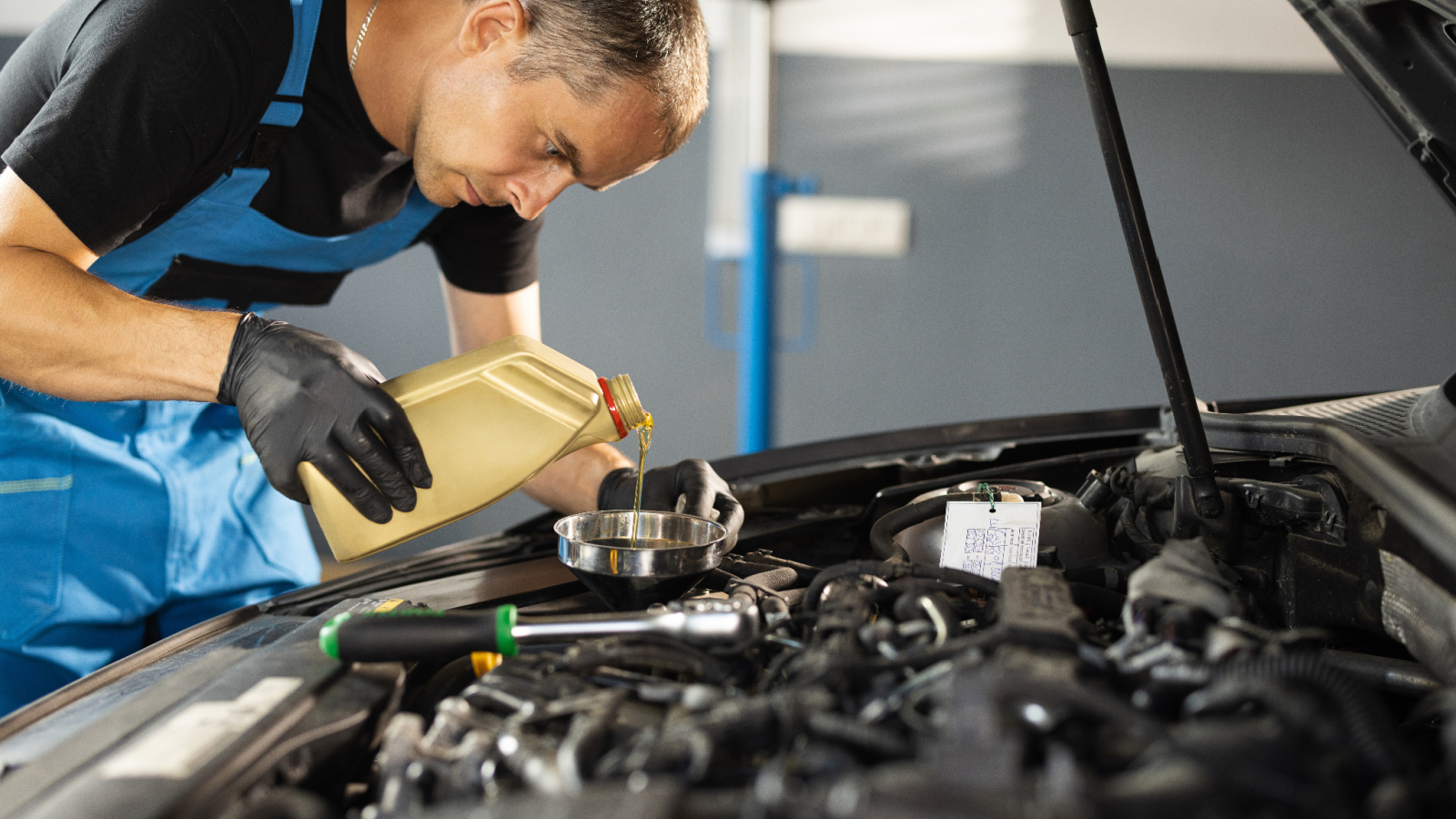
Oil changes are one of the easiest services to delay because old oil rarely announces itself with a dramatic failure at first. The engine may still sound normal, the car may still commute without complaint, and the dashboard reminder can become background noise. But engine oil does more than lubricate; it helps carry heat away, reduces friction, and suspends contaminants until the filter can trap them. Once oil breaks down, metal surfaces work harder against each other, and sludge can begin forming in narrow passages.
A common example is the driver who stretches an interval by a few thousand miles because the car “seems fine.” That gamble can turn a routine service into repairs involving variable valve timing components, turbocharger wear, or internal engine damage. Modern engines are built with tight tolerances, which makes clean oil especially important. The oil change itself may be unremarkable, but skipping it repeatedly can put the most expensive part of the vehicle at risk.
Tire Pressure and Tread Checks That Get Ignored

Tires are often treated as long-lasting accessories rather than active safety equipment. They are also easy to overlook because wear happens gradually. A tire that is slightly underinflated does not always look flat, especially on modern low-profile tires. Yet incorrect pressure can increase heat buildup, reduce fuel economy, shorten tire life, and affect braking and steering. Tread depth matters just as much because worn tires struggle to clear water and maintain grip.
The expensive part arrives when neglect spreads beyond the tire itself. Unevenly worn tires can point to alignment or suspension problems, while underinflation can damage sidewalls and force premature replacement of an entire set. A driver who delays a quick pressure check may end up buying tires months earlier than expected. Tire maintenance is inexpensive compared with replacing rubber, repairing accident damage, or discovering too late that the only contact patches on the road were not ready for emergency braking.
Brake Pads That Squeal for Weeks
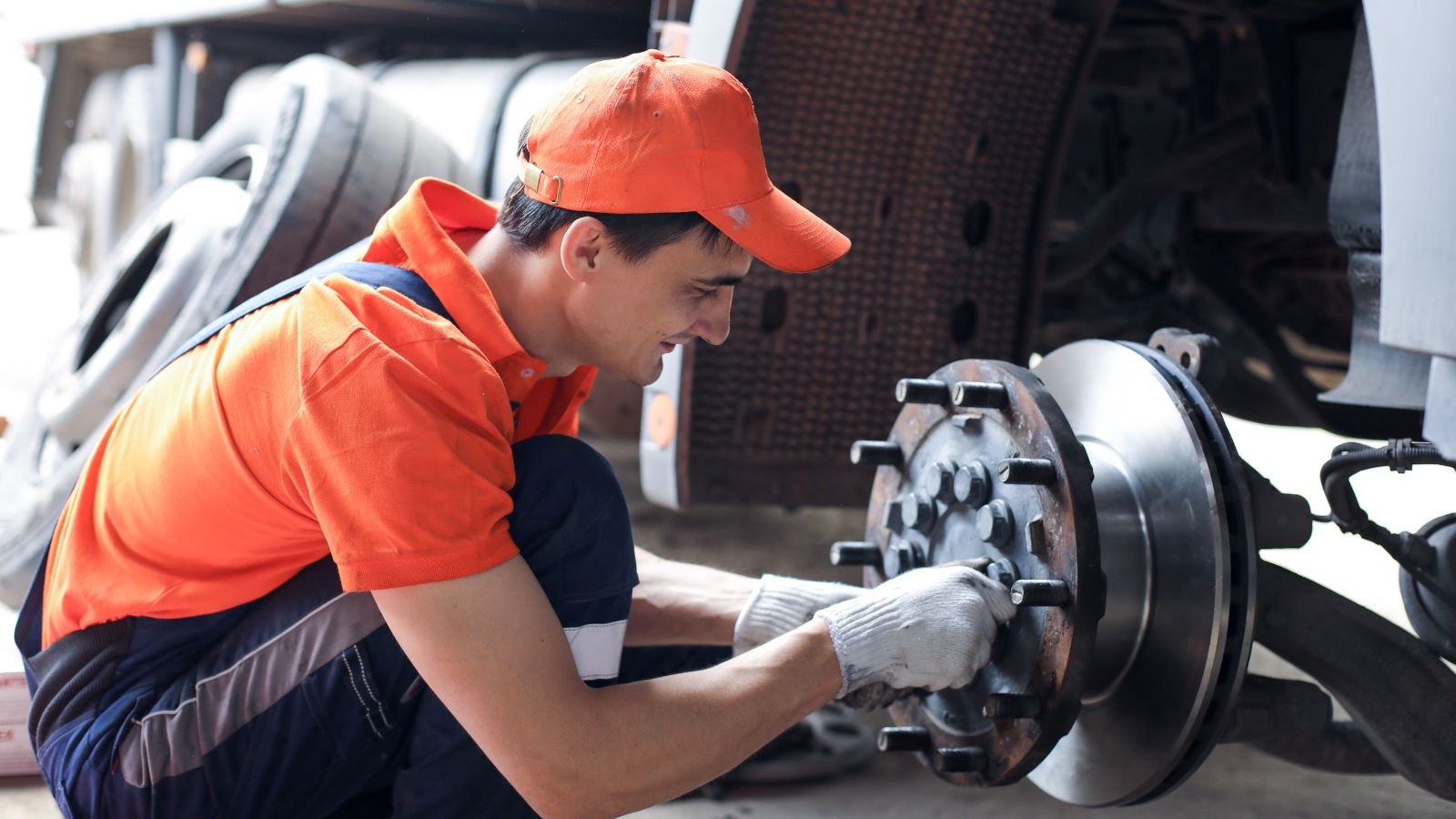
Brake noise is one of the clearest warnings a vehicle can give, yet it is frequently postponed because the car still stops. The first squeal may come from wear indicators built into the pads, designed to alert the driver before metal components begin grinding together. If the warning is ignored, worn pads can damage rotors, calipers may overwork, and stopping distances can become less predictable. A brake pad service can quickly grow into a much larger brake system repair.
The human side is familiar: someone hears a faint squeak, turns up the radio, and waits until payday. By the time the sound becomes grinding, the bill has changed. Brake rotors that could have lasted longer may need resurfacing or replacement, and in severe cases heat damage can spread. Since brakes are both a safety system and a wear item, delaying them is not just costly. It also asks a tired component to perform perfectly in the one moment when there may be no room for error.
Brake Fluid That Looks Fine but Isn’t
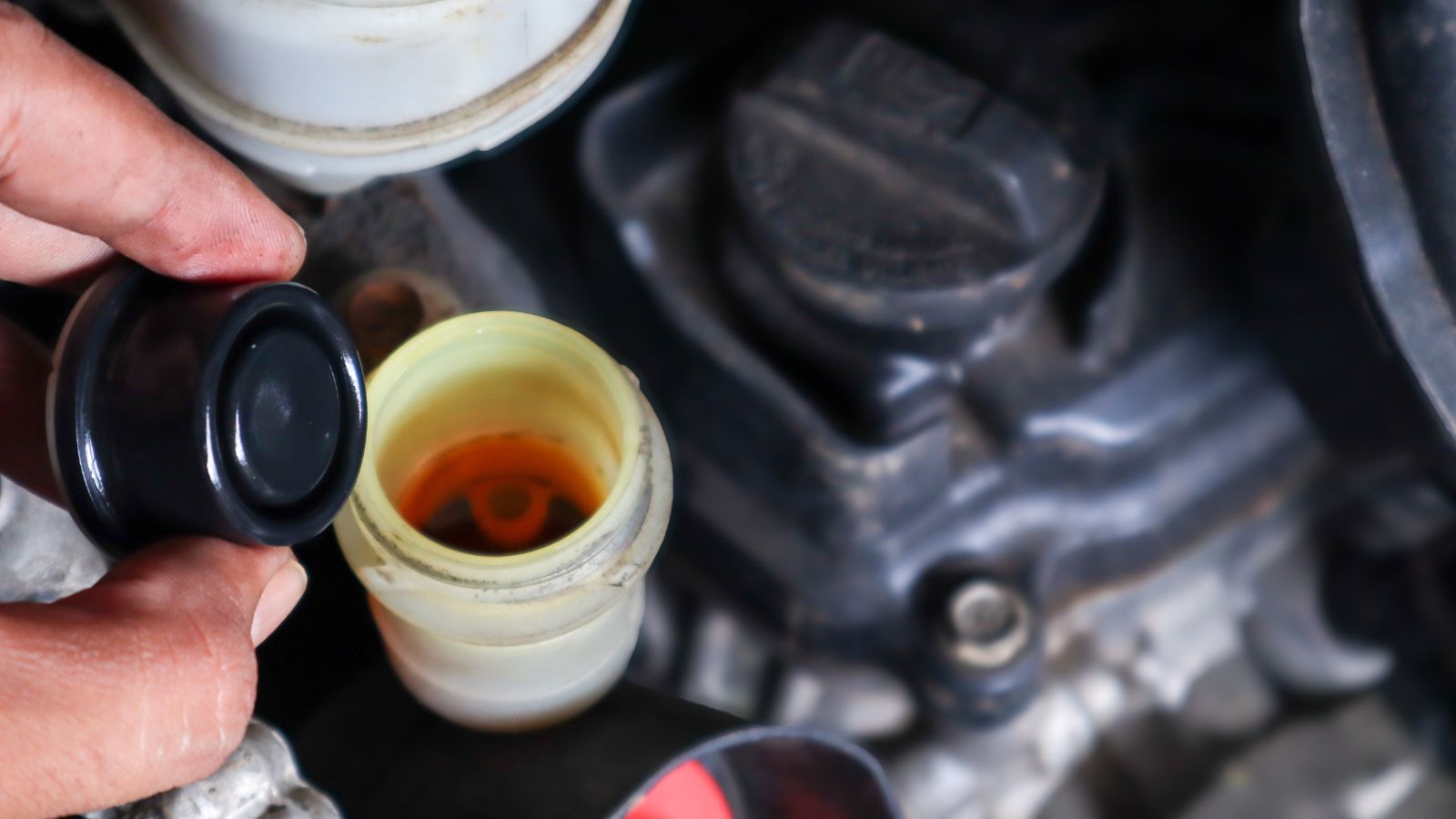
Brake fluid rarely gets the attention that brake pads receive because it hides in a small reservoir under the hood. It may not look alarming during a casual glance, but its condition matters. Brake fluid transfers pedal force through the hydraulic system, and over time it can absorb moisture. That contamination can lower the fluid’s boiling point and contribute to internal corrosion. In hard braking, heat and moisture are a dangerous combination.
The bill usually grows quietly. Moisture in the system can affect calipers, wheel cylinders, brake lines, and anti-lock braking components. A brake fluid exchange is routine compared with replacing hydraulic parts or chasing a soft pedal. Many drivers associate brake service only with pads and rotors, but fluid is the part that carries the command from foot to wheel. When it is overdue, the entire system may still work during normal errands, then feel less confident under heavy braking.
Coolant Service Before Overheating Starts
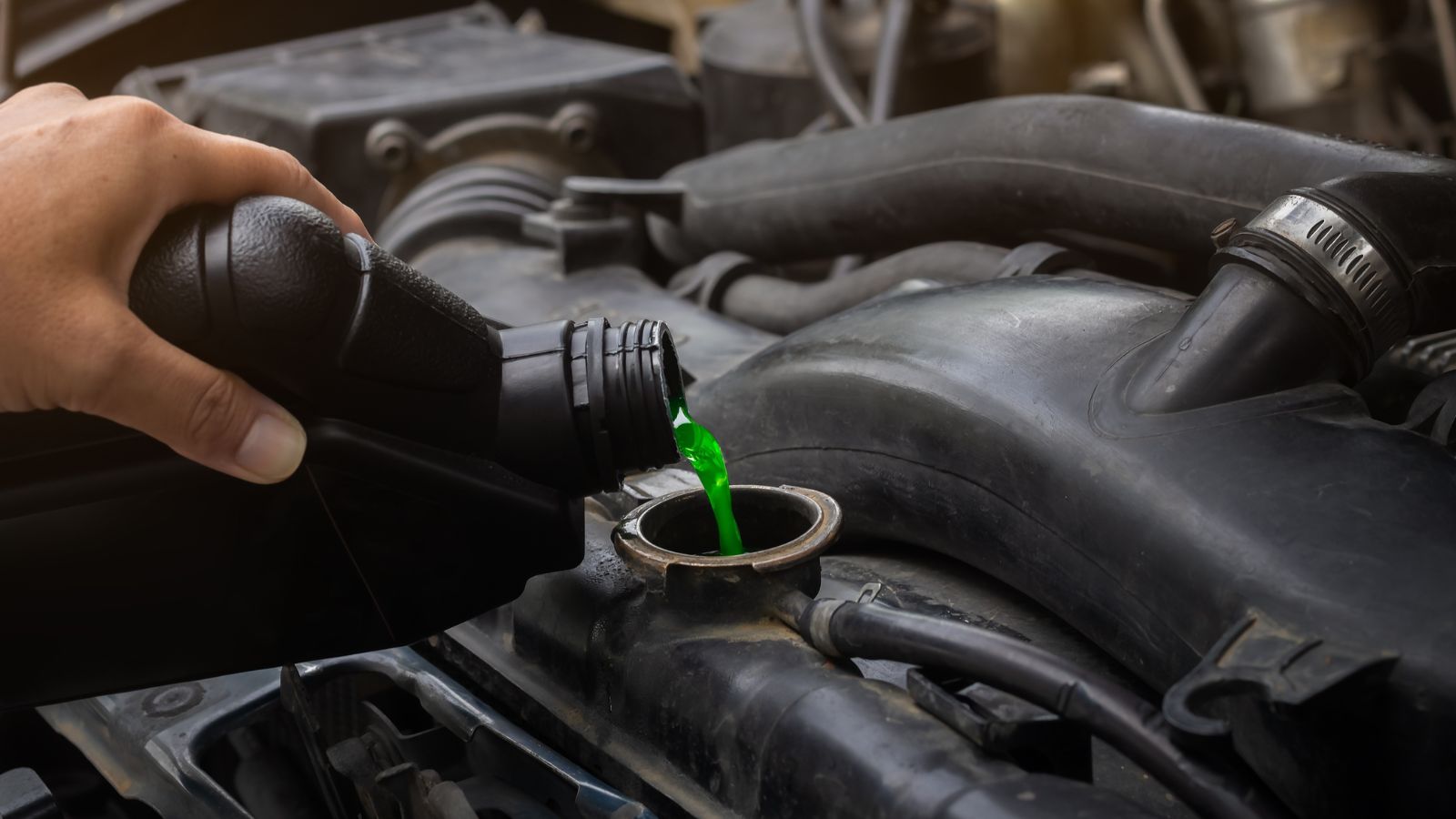
Coolant is often misunderstood as a simple anti-freeze or anti-boil liquid. In reality, it also contains additives that help protect the radiator, water pump, heater core, hoses, and internal engine passages from corrosion. Over time, those additives can degrade. If coolant becomes low, contaminated, or too weak, the engine may run hotter than intended. Heat damage can escalate quickly, especially in traffic, during summer driving, or while climbing grades.
The classic expensive moment is the temperature warning light that appears during an ordinary drive. A driver may pull over with steam under the hood and discover that a neglected leak or old coolant has contributed to a failed water pump, cracked hose, warped component, or head gasket problem. Coolant service can feel boring because it is preventive, not cosmetic. But the cooling system protects the engine every minute it runs, and overheating can turn a neglected fluid into one of the most expensive repair stories a car can tell.
Transmission Fluid That Never Gets Serviced
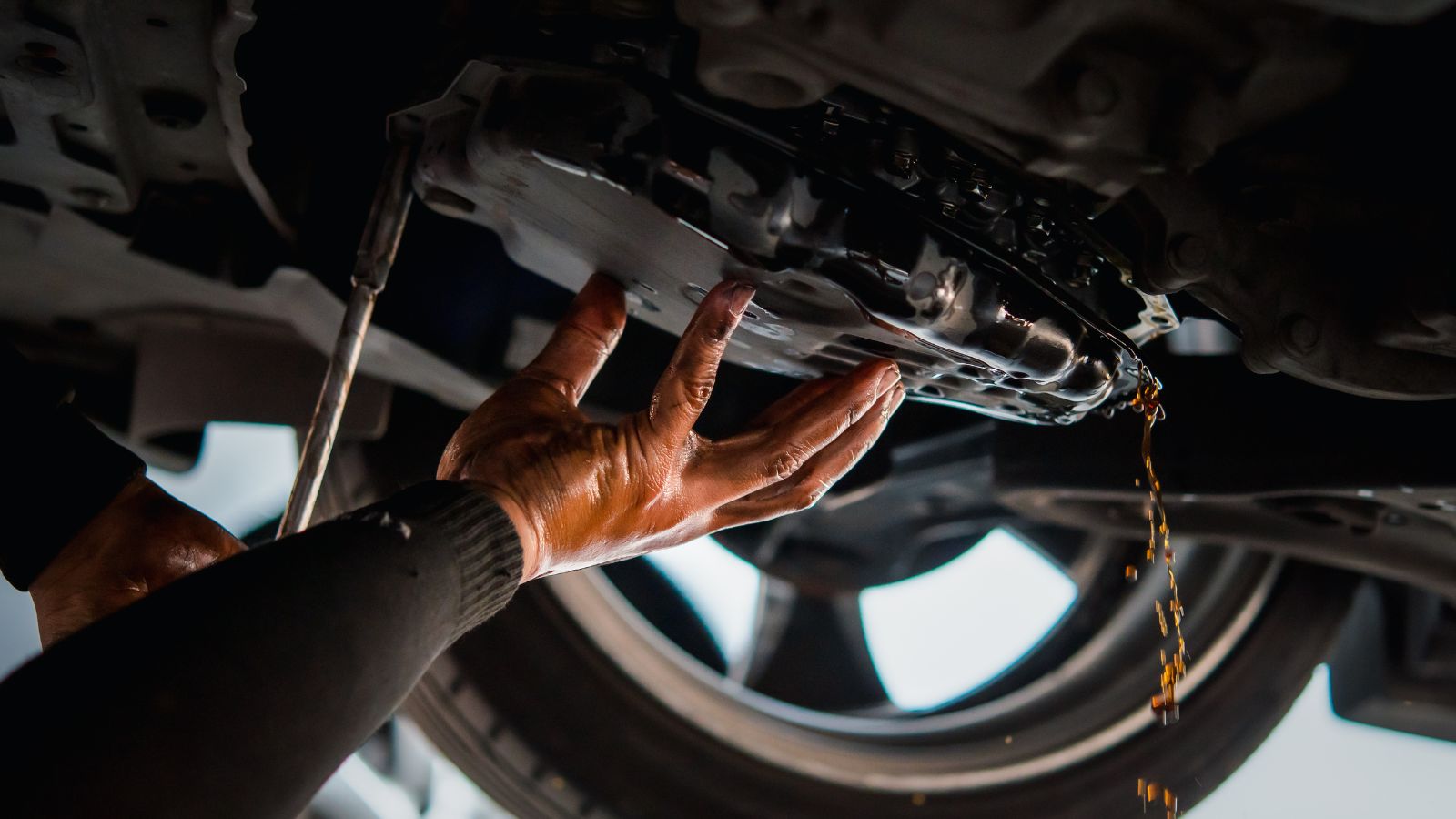
Transmission maintenance is easy to delay because many drivers are unsure when the fluid should be changed, or they hear confusing advice about “lifetime” fluid. The transmission may shift normally for years, which creates confidence that nothing needs attention. But transmission fluid faces heat, pressure, and friction. It helps lubricate internal parts, operate hydraulic circuits, and manage shift quality. Once fluid degrades, shifting can become rough, delayed, or inconsistent.
The cost difference can be enormous. A fluid service is planned maintenance; a slipping transmission can mean diagnostic time, solenoids, valve body work, or a rebuild. The first signs are often subtle: a hesitation when shifting into drive, a harsh downshift, or a faint shudder under acceleration. These symptoms are easy to rationalize until the vehicle becomes unreliable. For drivers who tow, sit in traffic, or keep vehicles for high mileage, transmission fluid is not a small detail. It is insurance for one of the costliest assemblies in the car.
Timing Belt Replacement That Feels Too Expensive
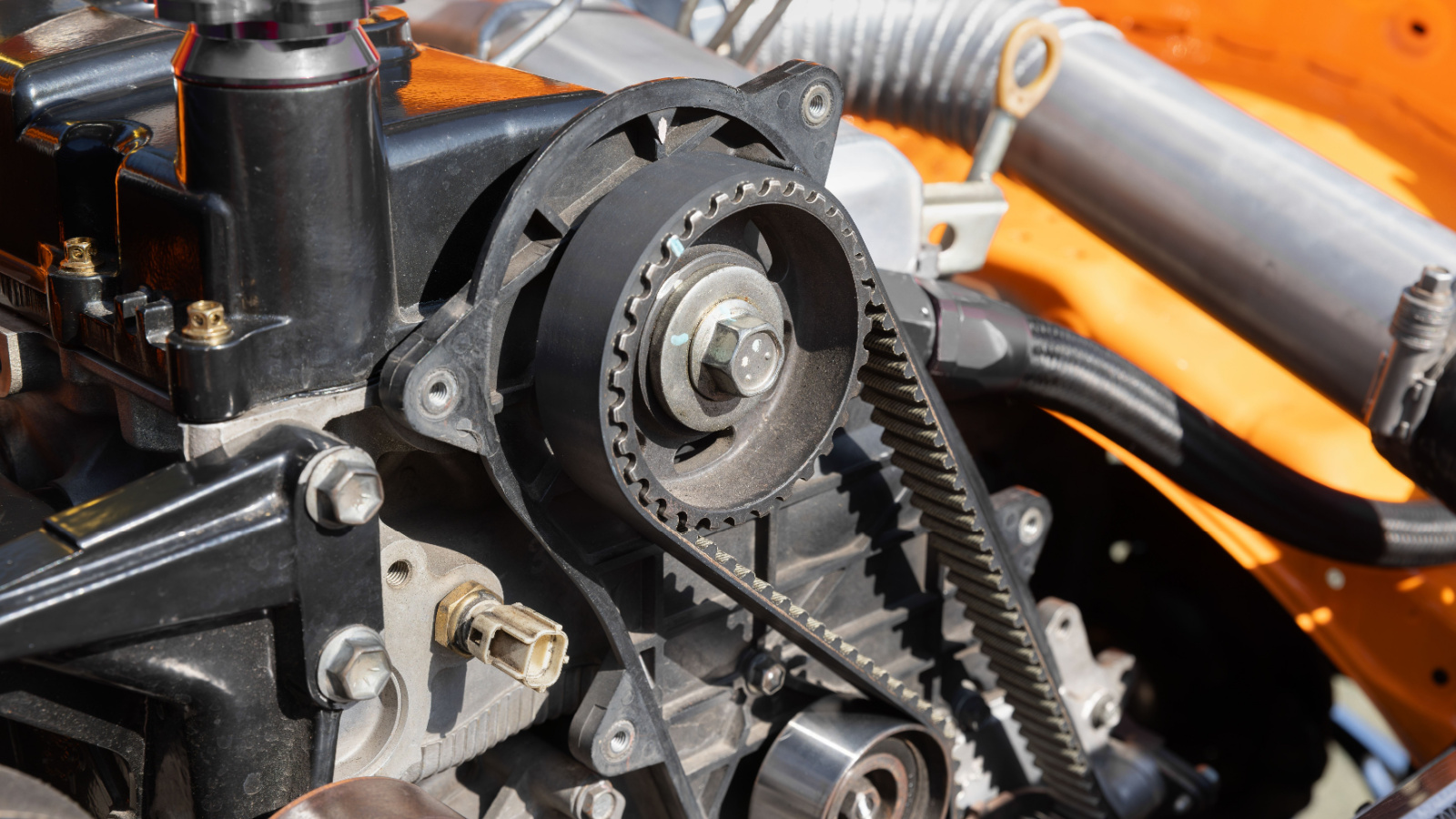
A timing belt replacement can be one of the most tempting jobs to postpone because the service is not always cheap, and the belt may look out of sight and out of mind. Unlike a noisy brake pad, a timing belt can fail without much warning. It keeps the engine’s internal timing synchronized, allowing valves and pistons to move in the correct sequence. On many engines, a broken belt can stop the engine instantly and cause major internal damage.
The painful part is that replacement intervals are usually known in advance. Many manufacturers specify mileage and time ranges, often around the 60,000- to 100,000-mile window depending on the vehicle. A driver may delay because the car still runs perfectly, but that is exactly how timing belts behave until they do not. Replacing the belt, tensioner, and related parts on schedule can feel like a large maintenance bill. Compared with bent valves or engine replacement, it can be the cheaper ending.
Serpentine Belts and Hoses That Look “Good Enough”
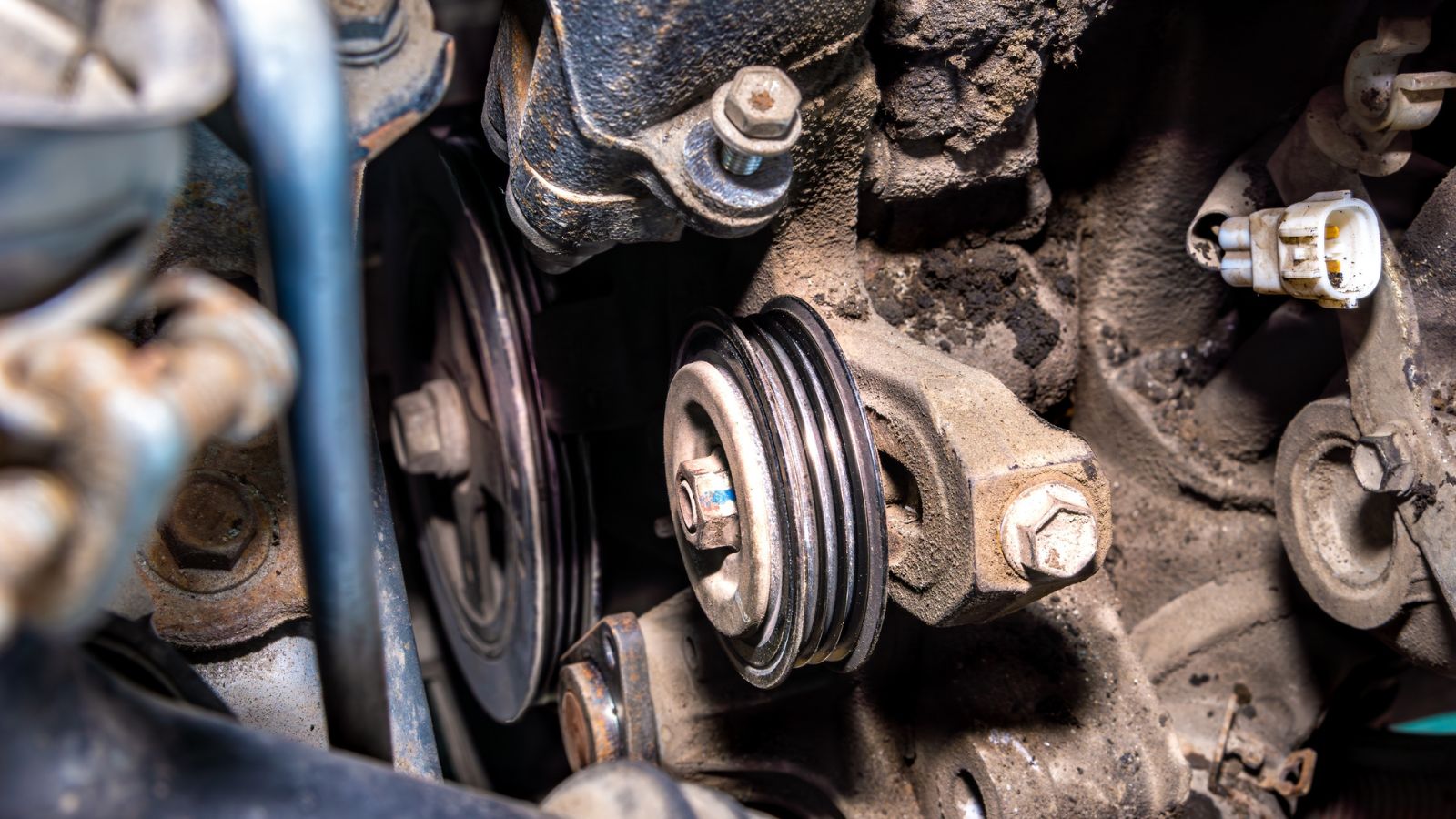
Serpentine belts and hoses live in a harsh environment filled with heat cycles, vibration, and chemical exposure. Because they are often visible under the hood, drivers may assume a quick glance is enough. But cracks, glazing, bulges, soft spots, or leaks can be easy to miss. The serpentine belt may drive accessories such as the alternator, power steering pump, air conditioning compressor, and water pump, depending on the vehicle. A hose failure can dump coolant quickly.
A small belt or hose can create a surprisingly large roadside problem. If the belt fails, the battery may stop charging or the engine may overheat. If a coolant hose bursts, the vehicle can go from normal to undrivable in minutes. The repair bill can grow further if overheating damages surrounding components. A mechanic’s inspection may catch wear before it becomes a breakdown. Drivers often delay these parts because they are inexpensive-looking, but their job is to keep several expensive systems alive.
Battery Testing Before the No-Start Morning
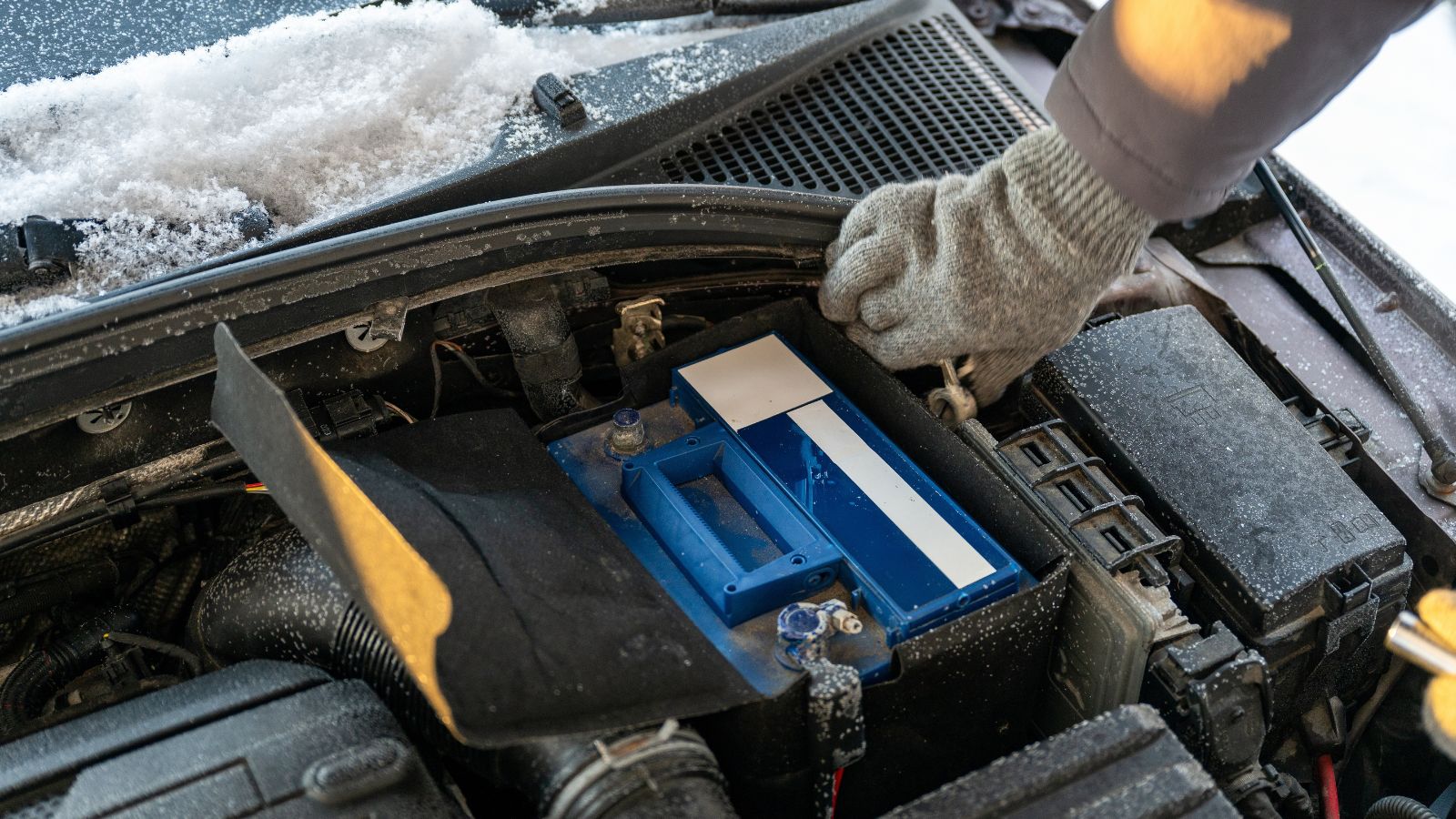
Car batteries often fail at the most inconvenient time: the cold morning before work, the hot afternoon in a parking lot, or the moment after a short stop at the store. Because a weak battery may still start the vehicle for weeks, many drivers delay testing until the first no-start. Batteries are affected by age, temperature, driving habits, corrosion, and the condition of the charging system. Short trips can make the problem worse because the battery may not fully recharge.
The expensive part is not always the battery itself. A weak or corroded battery connection can strain starting and charging components, trigger warning lights, or leave a driver paying for a tow. Modern vehicles also depend heavily on stable electrical power for modules, sensors, and convenience features. Testing an older battery is quick compared with diagnosing a dead vehicle in a driveway. When a battery is more than a few years old, waiting for total failure often means letting the car choose the worst possible moment.
Spark Plugs That Stay in Too Long
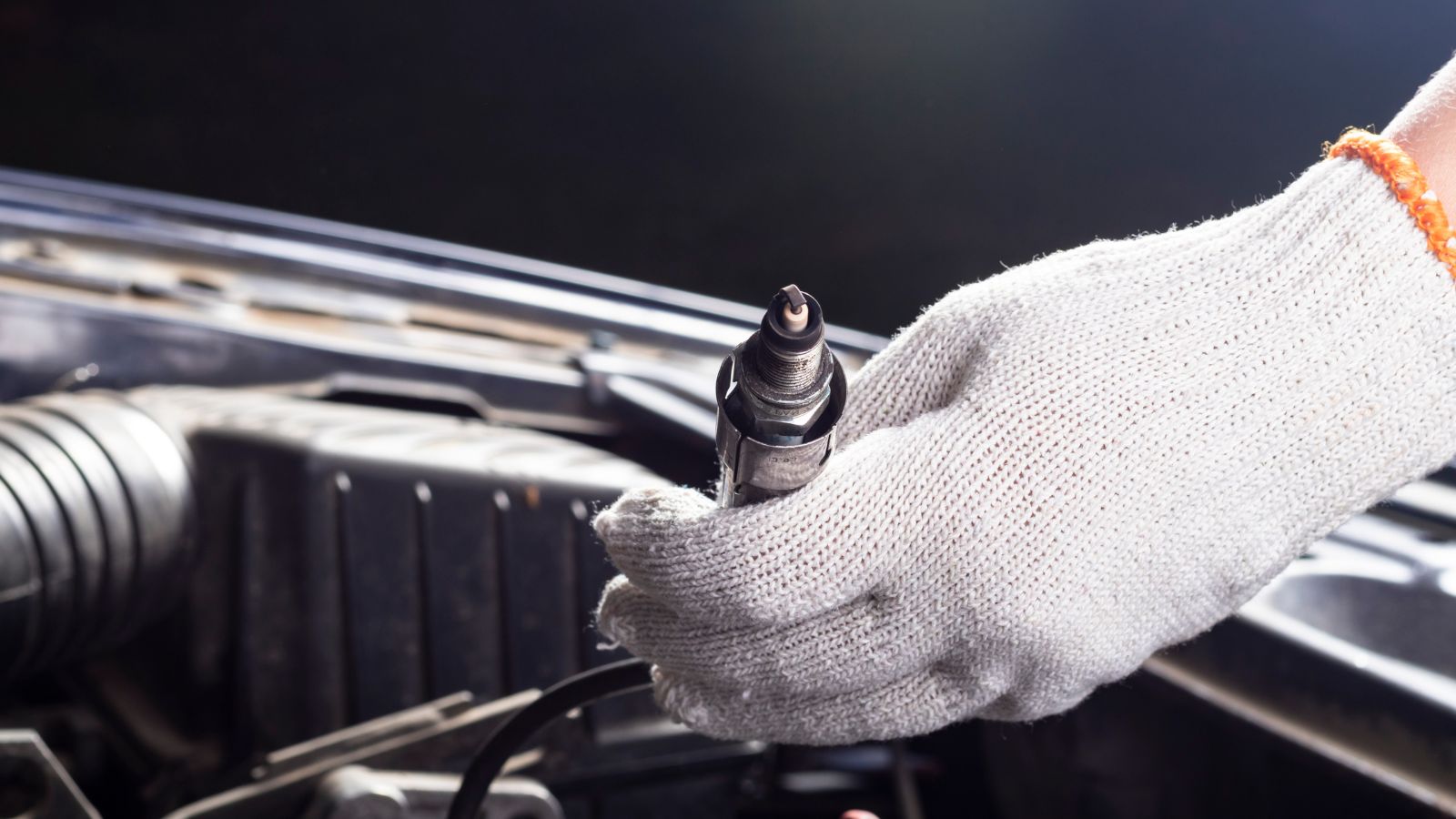
Spark plugs have become more durable than they once were, which can make drivers forget they are wear items at all. Many modern plugs last tens of thousands of miles, and some service schedules reach around the 100,000-mile mark. Still, plugs operate in extreme heat and pressure. As they wear, the ignition system may need more effort to fire the mixture, and the engine can develop misfires, rough idle, poor acceleration, or reduced fuel economy.
The bigger bill can arrive when ignored misfires damage ignition coils or stress the catalytic converter. A driver may notice the car feels slightly sluggish but adapt to it over time. Then a flashing check-engine light appears, and the repair is no longer just plugs. Spark plug replacement is not glamorous, but it protects drivability and emissions components. Using the correct plug type also matters because modern engines are calibrated carefully. Delaying this job can make a simple tune-up feel like an engine problem.
Engine Air Filters That Choke Performance
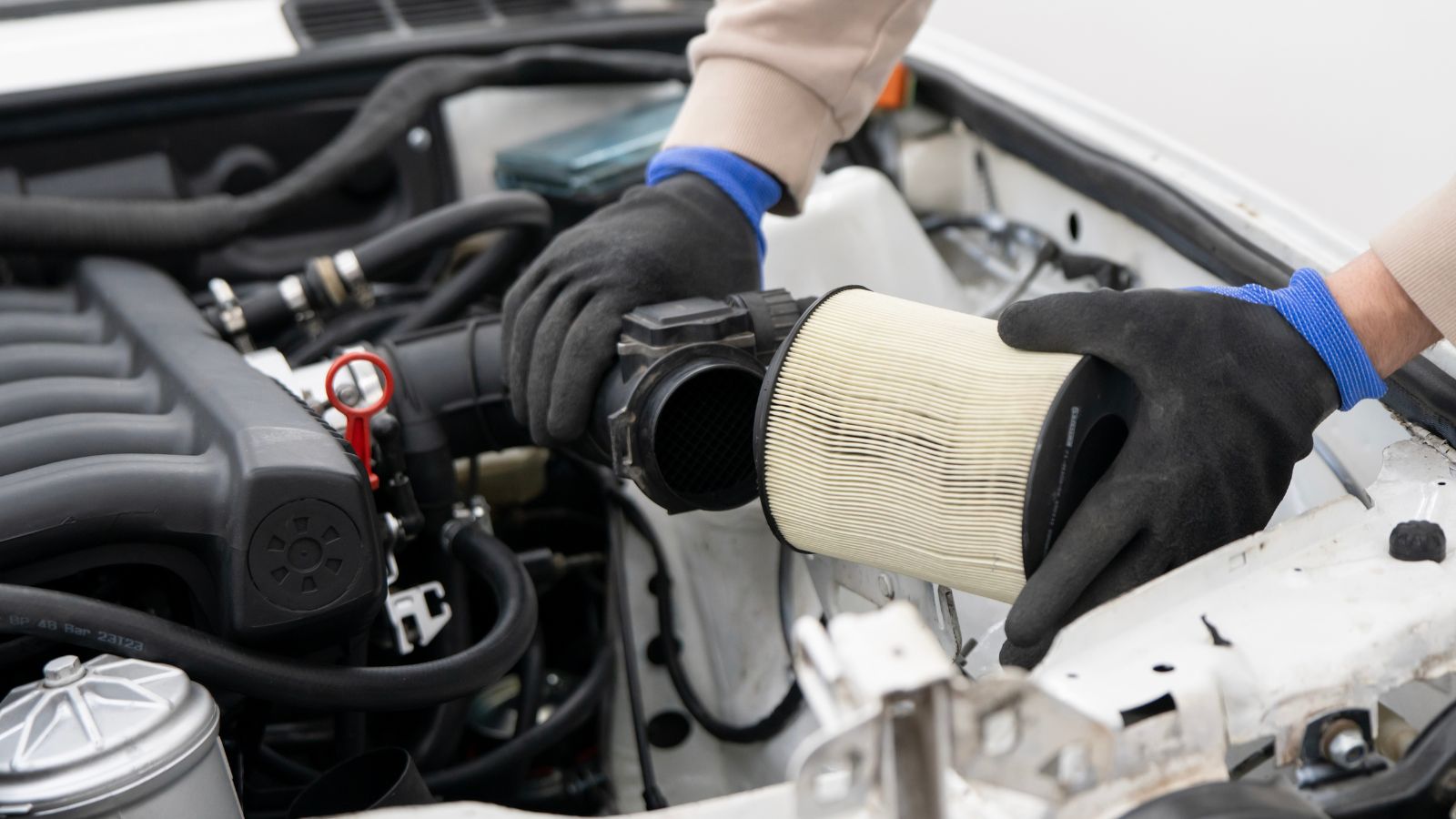
The engine air filter is a small part with a large responsibility. It keeps dirt and debris from entering the engine while allowing enough airflow for efficient combustion. Because the filter is hidden in a box, it is easy to forget until a technician pulls out a dirty, leaf-filled panel during a service visit. Dusty roads, construction areas, wildfire smoke, and heavy pollen can shorten its useful life. A restricted filter can affect performance, especially under acceleration.
The cost rarely explodes from the filter alone; it grows when neglect becomes part of a broader pattern. A dirty filter can contribute to reduced efficiency, sluggish response, and extra strain in systems that depend on accurate air measurement. In severe cases, poor filtration can allow contaminants where they do not belong. The anecdote is simple: the driver who declines a filter twice because it “looks like an upsell,” then wonders why the car feels tired. Sometimes the cheap rectangular part is doing more than it appears.
Cabin Air Filters That Make the Interior Work Harder
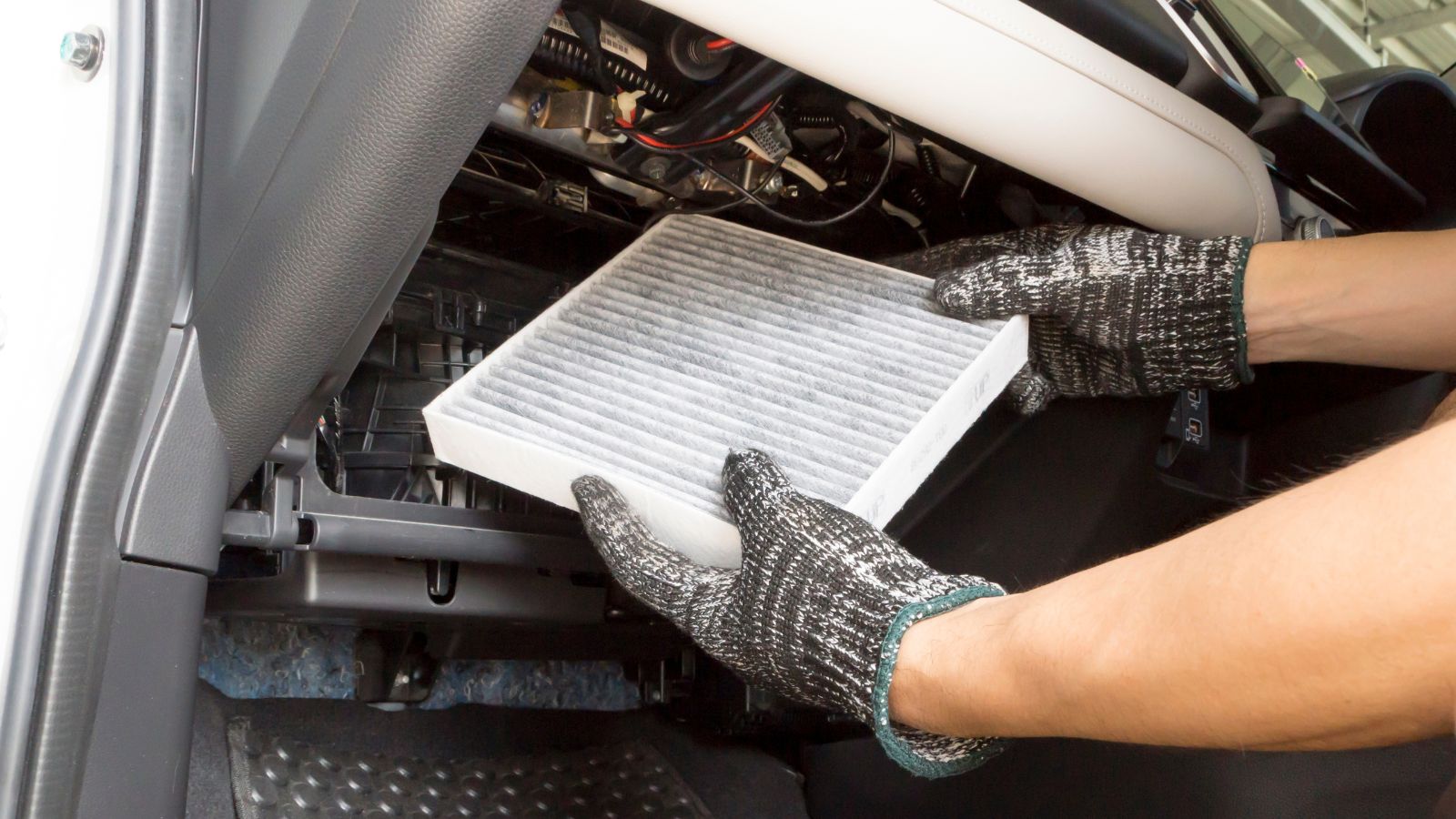
Cabin air filters are often ignored because they do not directly affect whether the engine runs. Their job is to filter air entering the passenger compartment through the heating, ventilation, and air conditioning system. When clogged, airflow can weaken, windows may take longer to defog, and unpleasant odors can linger. Drivers often blame the fan or air conditioner when the real problem is a packed filter behind the glovebox.
The costs can multiply when a clogged filter makes the HVAC system seem weaker than it is. A driver may request air conditioning diagnosis, refrigerant service, or blower inspection before discovering the filter was restricting airflow. In areas with dust, smoke, road debris, or heavy seasonal pollen, the filter can load up faster than expected. It is a modest maintenance item, but it affects comfort and visibility. A windshield that clears slowly on a rainy morning can become more than an annoyance when traffic is moving and sightlines matter.
Wheel Alignment That Waits Until Tires Are Ruined

Alignment problems often begin subtly. The steering wheel may sit slightly off-center, the car may drift, or the tires may develop uneven wear on the inner or outer edges. Because the vehicle still drives, many owners wait. That delay can turn a simple alignment into a premature tire purchase. Tires are expensive, and one misaligned suspension angle can shave thousands of miles off their life before the driver notices.
The example is common after pothole season: a car hits a sharp edge, nothing breaks, and the driver keeps going. Months later, two tires are bald on the inside while the outer tread looks acceptable at a glance. Alignment also interacts with suspension wear, steering feel, and fuel economy. Regular checks are especially useful after impacts, curb strikes, or tire replacement. Delaying alignment is like letting a printer run crooked; the machine still works, but every page comes out wrong until the wasted paper piles up.
Suspension Wear That Gets Blamed on Bad Roads
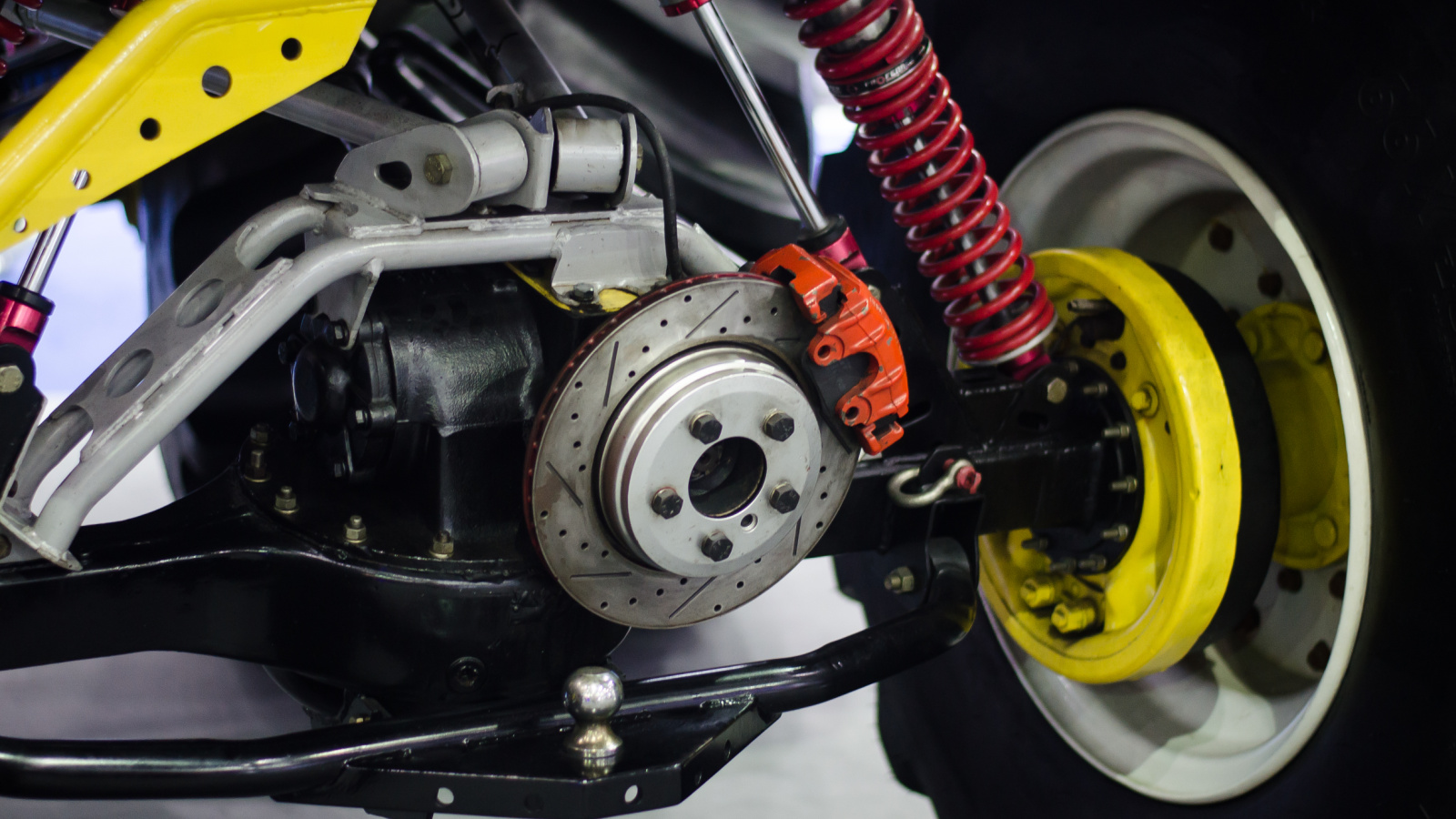
Suspension components wear gradually, so drivers often adjust without realizing it. A clunk over bumps, extra bouncing, uneven tire wear, or vague steering can become the new normal. Shocks, struts, bushings, ball joints, and control arms help keep tires planted and the vehicle stable. When these parts degrade, the car may take longer to settle after bumps, feel less precise, or put extra stress on tires and steering components.
The bill grows when one worn part damages another. A bad shock can contribute to cupped tire wear; a worn bushing can affect alignment; a loose joint can become a safety concern. Many drivers postpone suspension work because it is less visible than brakes or tires. But suspension is the structure that allows those systems to do their jobs properly. A vehicle can still move with worn suspension, but it may be less controlled, less comfortable, and more expensive to correct later.
Windshield Wipers and Washer Fluid Left for the Next Storm

Wipers are among the cheapest parts on a vehicle, which makes it ironic how often they are delayed. Drivers may tolerate streaks, chatter, or torn rubber until the first heavy rain reveals how bad visibility has become. Washer fluid is also easy to ignore until road spray, salt, dust, or bugs coat the glass. Clear visibility is a safety requirement, not a convenience feature, and poor wipers can make a familiar road feel suddenly hazardous.
The cost explosion may not come as a repair invoice but as avoidable damage or risk. Worn blades can scratch glass if the rubber separates, and poor visibility can contribute to close calls. The human example is the driver who discovers during a nighttime downpour that the blades smear every headlight into a blur. Replacing wipers before they fail is not exciting maintenance. It is one of the simplest ways to keep control of what happens beyond the windshield.
Differential and Transfer Case Fluid Nobody Mentions
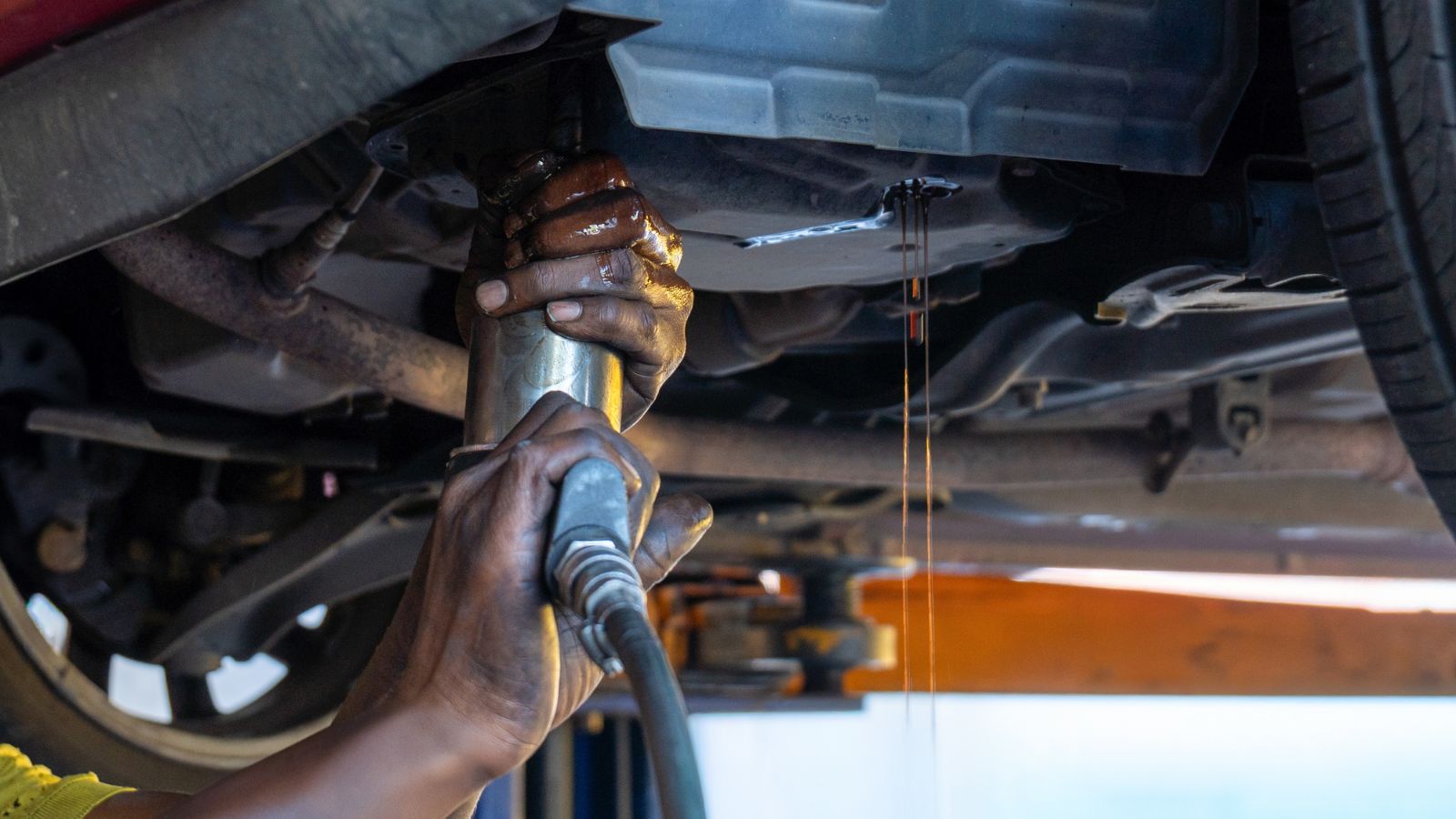
Differential and transfer case fluids are easy to forget because they are not part of everyday conversation. Yet in rear-wheel-drive, all-wheel-drive, four-wheel-drive, and many performance vehicles, these components handle heavy loads. Differentials allow wheels to turn at different speeds, while transfer cases distribute power in four-wheel-drive or all-wheel-drive systems. Their fluids lubricate gears and bearings under pressure. Old or low fluid can lead to noise, wear, overheating, and expensive driveline repairs.
The neglect often shows up in vehicles used for towing, winter driving, rough roads, or weekend adventures. A driver may service engine oil regularly but never ask about driveline fluids. Then a hum, whine, binding sensation, or leak appears. Gear components are not cheap, and access can require labor. The frustrating part is that fluid service is usually far less dramatic than repairing a damaged differential. These hidden fluids prove that maintenance is not only about what sits under the hood.
22 Things Canadians Do to Their Cars in Spring That Mechanics Hate

Spring brings relief to many Canadian drivers after months of snow, freezing temperatures, and icy roads that put serious strain on vehicles. As temperatures rise across the country, drivers begin washing cars, switching tires, and preparing vehicles for warmer weather and upcoming road trips. However, mechanics across Canada notice the same mistakes every spring when drivers attempt to recover from winter damage. Road salt, potholes, and harsh winter driving conditions often leave vehicles with hidden problems that drivers ignore. Some spring habits even create new mechanical issues that could have been avoided with proper maintenance. Here are 22 things Canadians do to their cars in spring that mechanics hate.