


























Canadian resale values are no longer moving on reputation alone. Fuel costs, EV incentives, battery worries, discontinued sedans, insurance pressure, and fast-changing buyer tastes are reshaping what feels easy to sell privately or trade in at a dealer. A car that looked like a safe purchase a few years ago can now face a thinner pool of buyers, especially when shoppers have more choices in hybrids, compact SUVs, and newer EVs with longer range.
These 15 cars are not necessarily bad vehicles. Many still have loyal owners and real strengths. The challenge is that resale depends on confidence, demand, and timing — and in Canada, those three factors are becoming less forgiving.
Nissan Leaf
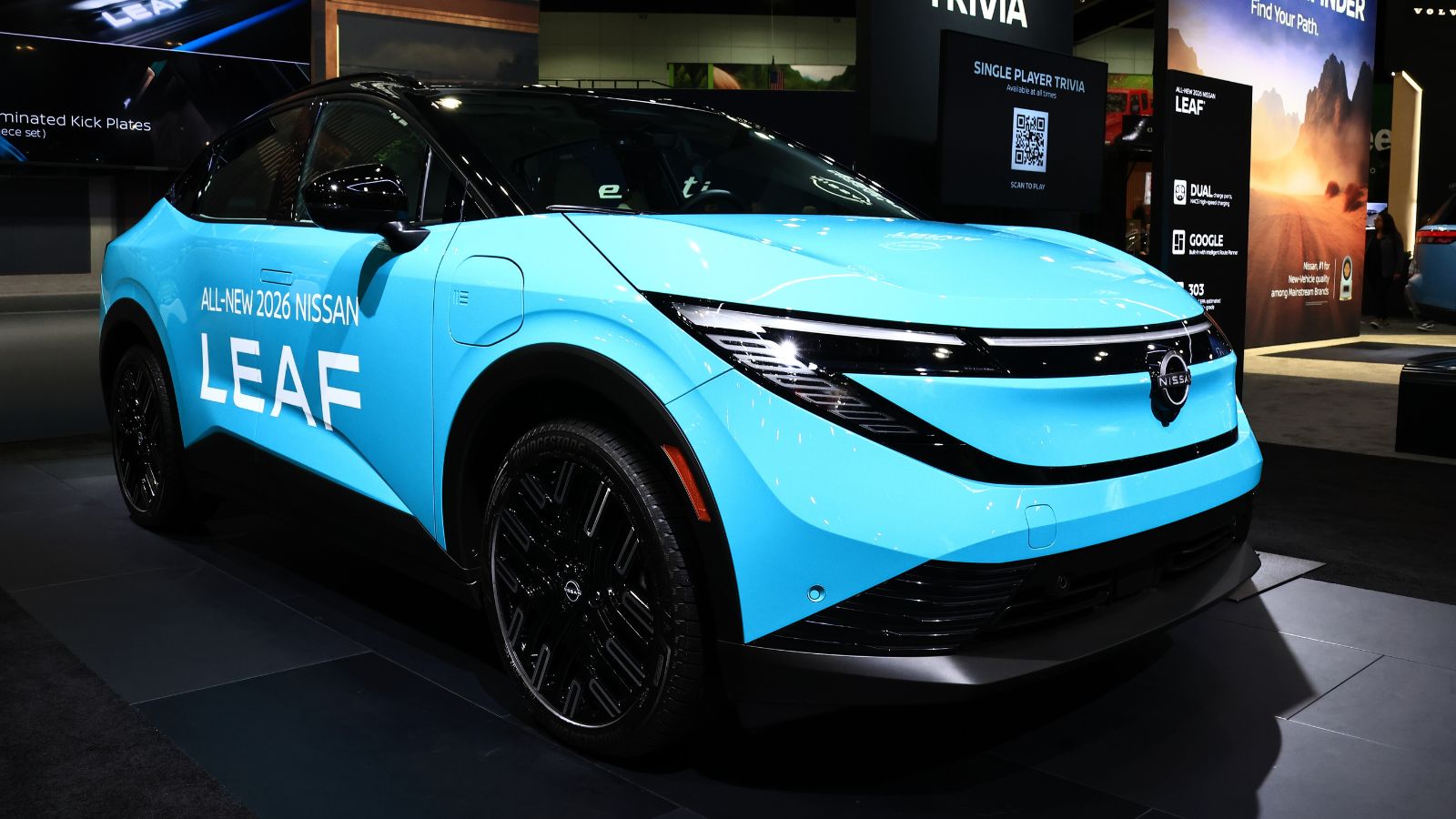
The Nissan Leaf helped make electric driving feel normal long before many Canadians had even seen a public fast charger. That early-mover status still gives it name recognition, but the resale story has become tougher as newer EVs offer longer range, faster charging, and more modern battery management. A used Leaf can look affordable at first glance, yet shoppers often ask harder questions about battery health, winter range, and whether an older EV still fits daily driving beyond short commutes.
Recent recall attention adds another complication. Transport Canada listed Leaf-related battery concerns, including risks tied to overheating and charging on certain vehicles. Even when a recall repair exists, private buyers may hesitate unless service records are clear. For sellers, that means the Leaf often needs sharper pricing, detailed battery-health documentation, and patience, especially outside urban areas where EV familiarity and charging access remain uneven.
Chevrolet Bolt EV and Bolt EUV
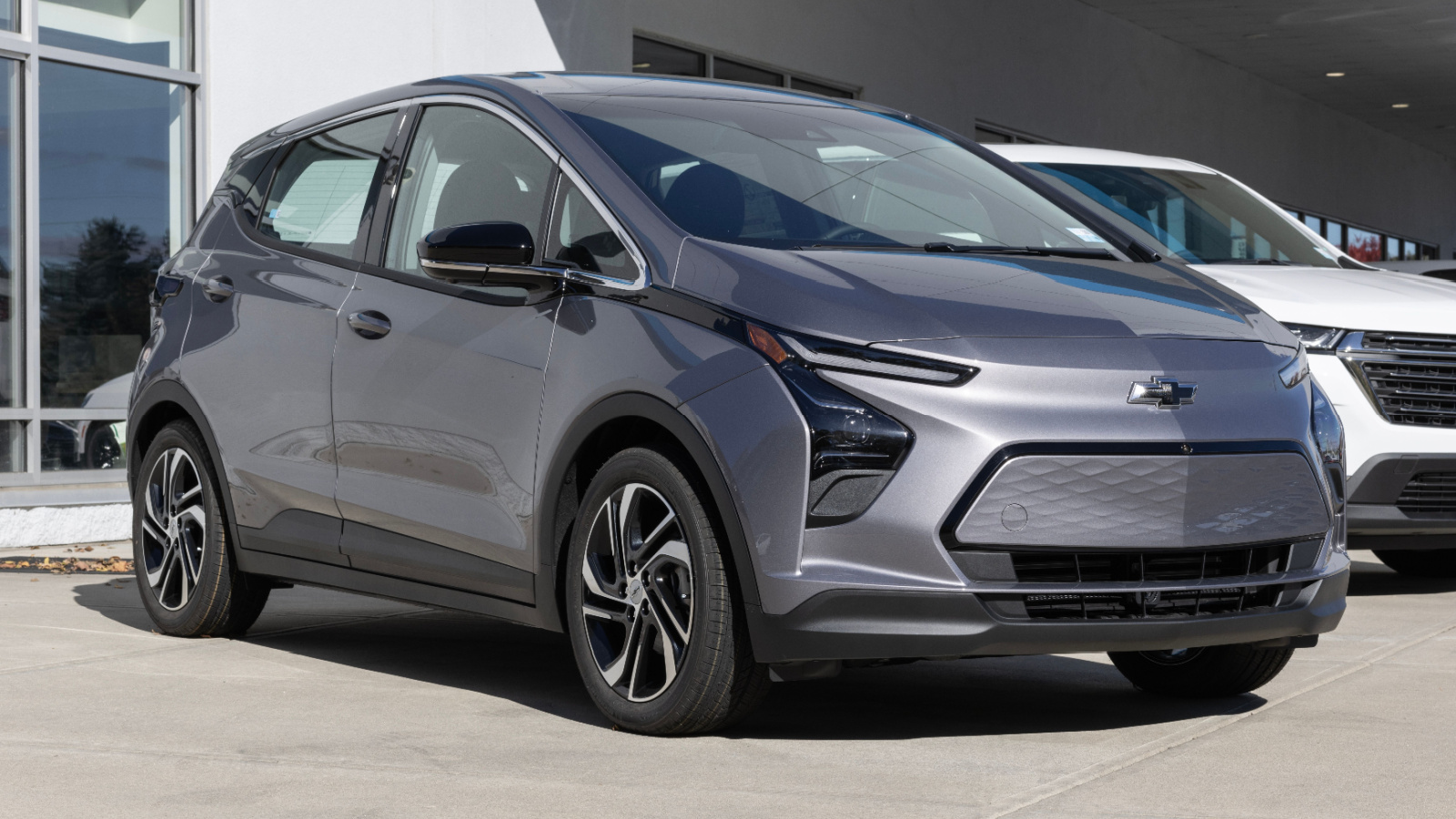
The Chevrolet Bolt EV and Bolt EUV can be excellent used-value picks because they offer practical range in a compact package. However, resale is not only about usefulness; it is also about buyer comfort. The Bolt’s battery-fire recall history is one of the biggest reasons some shoppers pause before making an offer. General Motors has said certain Bolt EVs and Bolt EUVs from 2017–2022 were recalled to address battery fire risk tied to rare manufacturing defects.
That history follows the car even after repairs are completed. A seller with proof of battery replacement or software updates may do better, but a vague listing can quickly lose buyer confidence. The Bolt also competes with newer EVs that benefit from fresher styling, more advanced driver tech, and updated charging expectations. In Canada’s used-EV market, where prices have been volatile, even a capable Bolt may need a discount to move quickly.
Tesla Model 3
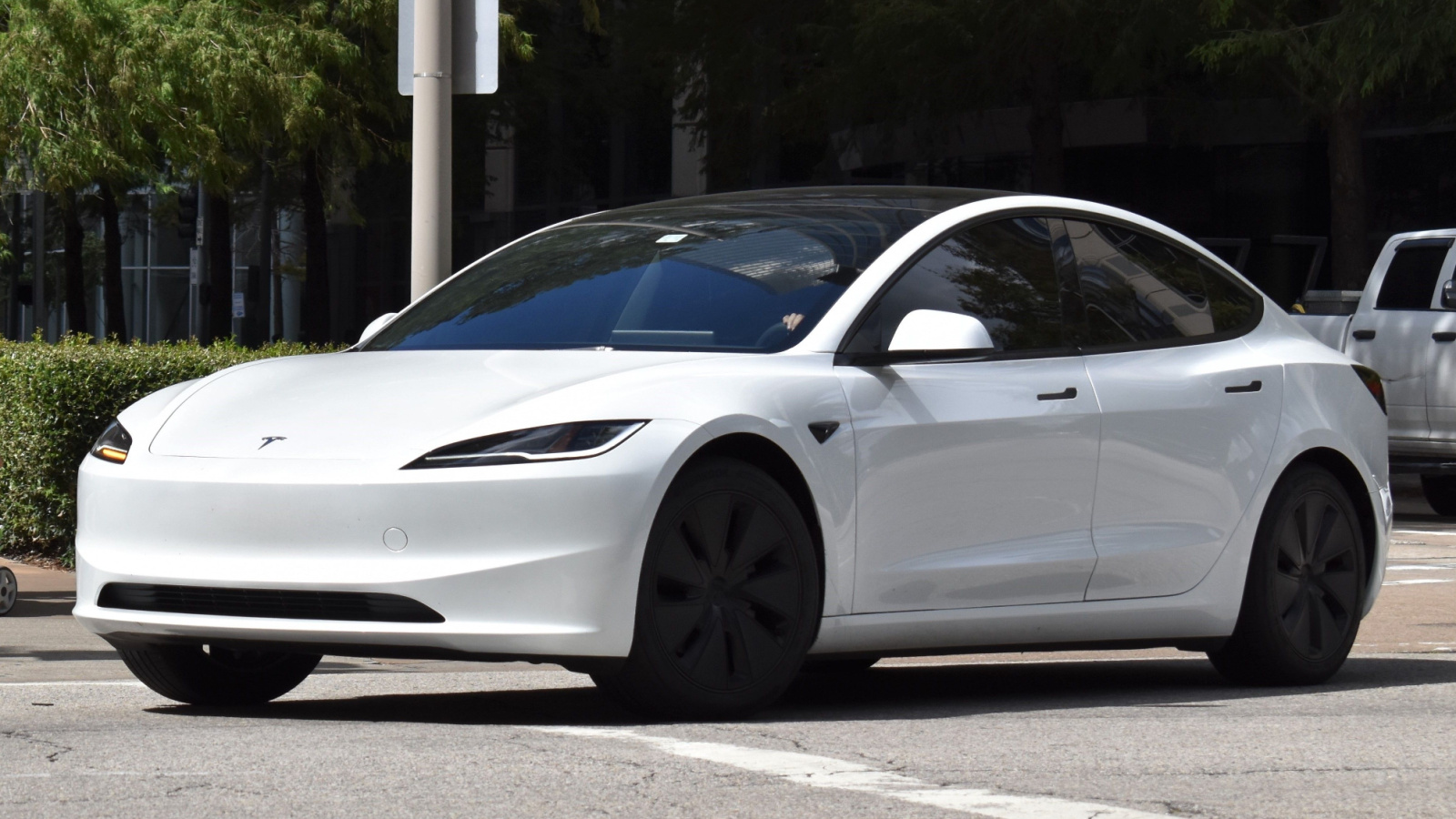
The Tesla Model 3 once had one of the clearest resale stories in the EV market: strong brand demand, broad charging access, and high public awareness. The picture is more complicated now. Used EV values have come under pressure, and the Model 3 has become common enough that scarcity no longer does much of the work. Buyers comparing several used examples can afford to be picky about mileage, battery condition, accident history, and software features.
Tesla’s Canadian incentive and pricing situation has also become more complicated than it was during the early EV boom. When new-vehicle pricing moves quickly, used values can feel unstable. Some shoppers still want a Model 3 specifically, but others now compare it against Hyundai, Kia, Chevrolet, Ford, and Volkswagen EVs. That wider choice weakens the automatic “easy resale” advantage the Model 3 once seemed to have.
Tesla Model Y
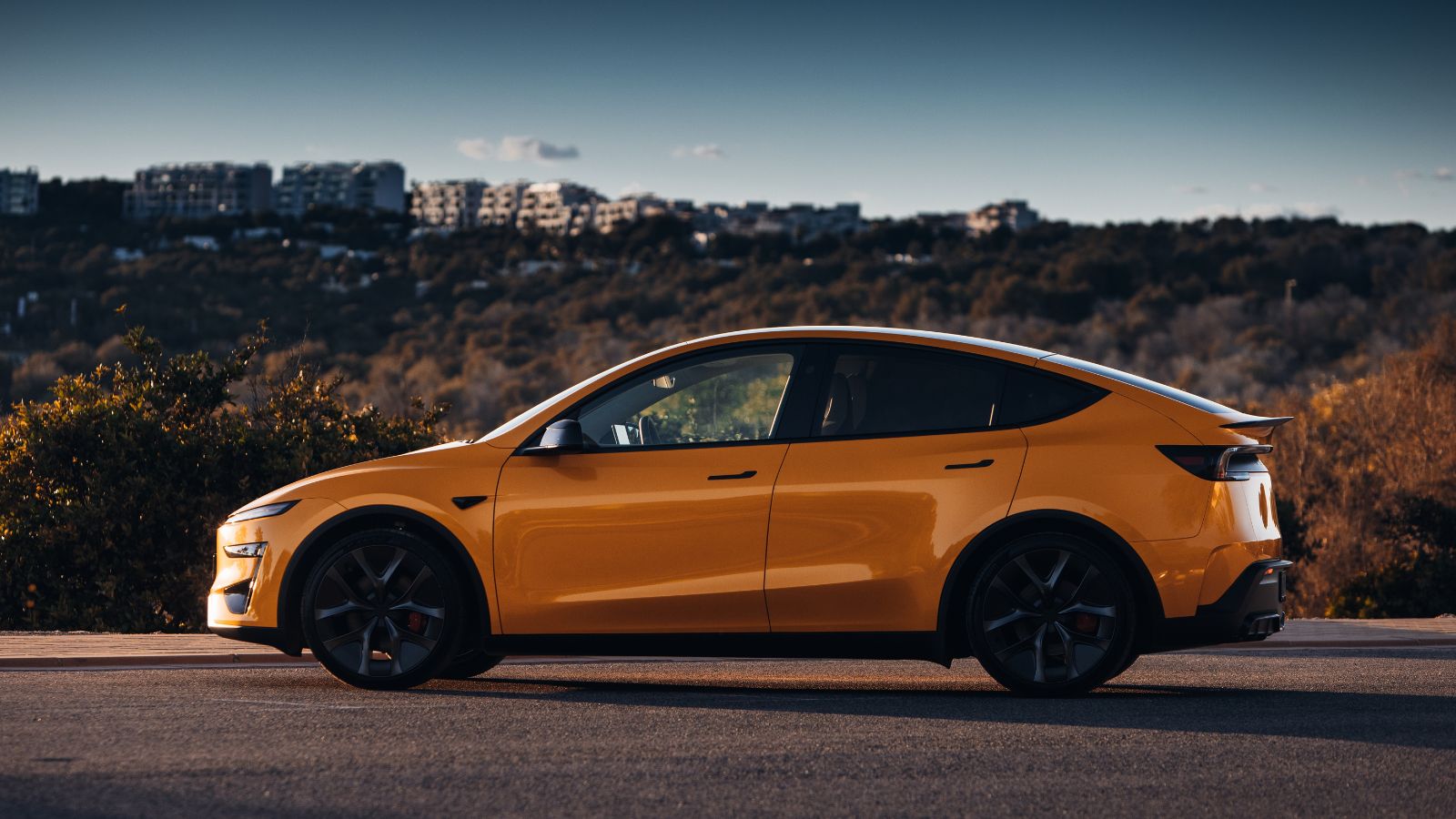
The Tesla Model Y remains popular, but popularity does not always protect resale value when supply expands. As more leased and privately owned EVs enter the used market, buyers have more opportunities to compare similar vehicles side by side. A used Model Y with high mileage, curb-rash, worn tires, or missing desirable features can sit longer than expected unless it is priced aggressively.
Depreciation studies have shown the Model Y losing more value over five years than many mainstream vehicles. That does not mean it lacks demand; it means the used market is becoming more disciplined about what it will pay for EV technology. In Canada, changing incentive eligibility and tariff-related pricing concerns can also make buyers hesitate. The Model Y may still sell, but it is less likely to feel like an effortless resale win.
Ford Mustang Mach-E
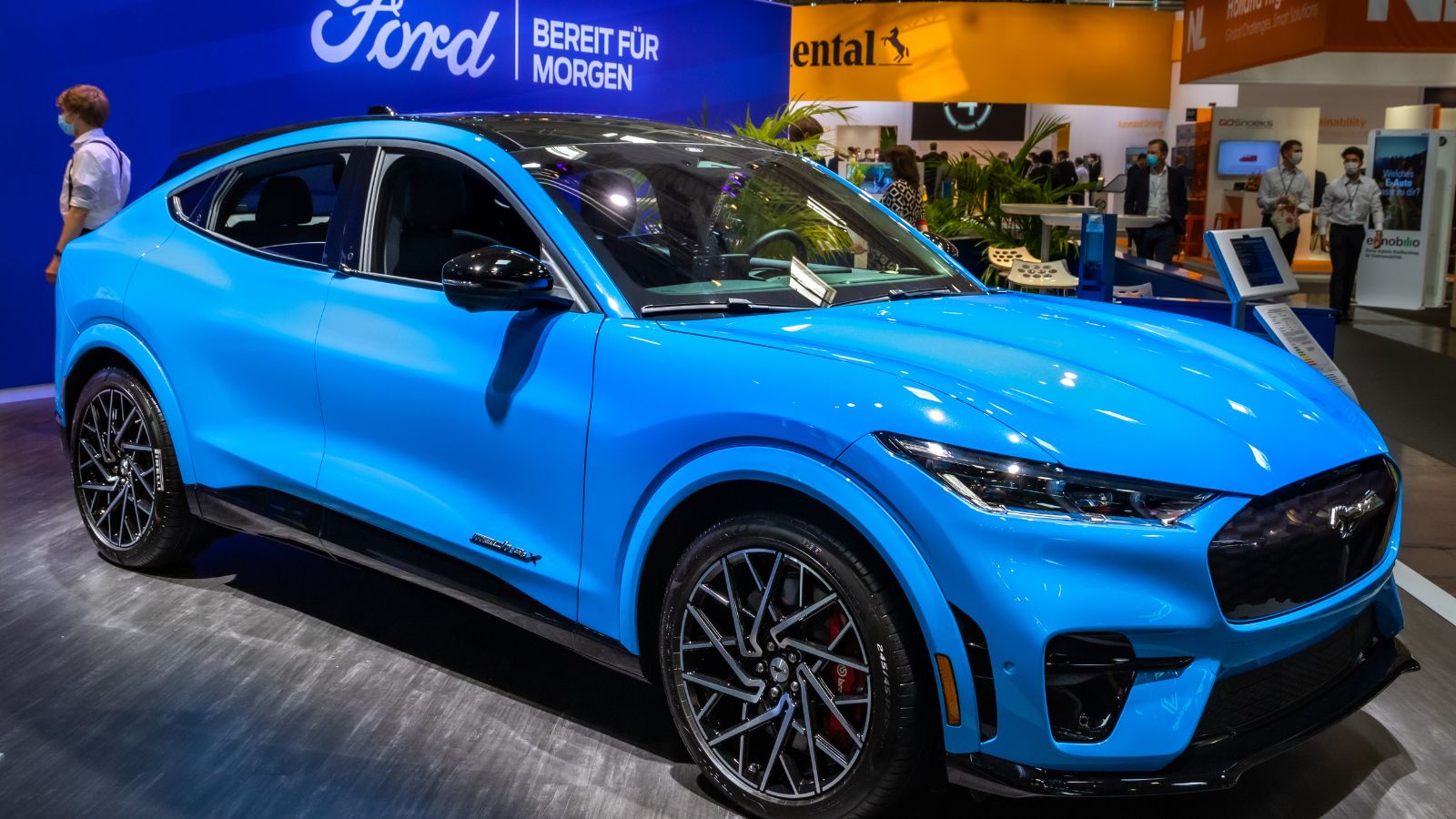
The Mustang Mach-E arrived with major attention because it blended an iconic name with electric crossover practicality. For some Canadian households, it remains appealing: stylish, quick, and more useful than a small sedan. Resale becomes trickier because it sits in a crowded EV segment where price cuts, incentives, range comparisons, and charging convenience all influence buyer confidence. A used Mach-E has to compete not only with other used EVs, but with new EV deals.
Depreciation data has placed the Mach-E among the faster-depreciating EVs over five years. That can make it attractive for second owners, but painful for first owners hoping for a strong trade-in. Canadian buyers may also compare trims carefully, since range and charging experience vary. A well-priced extended-range model may move, while a less desirable configuration can face tougher negotiations.
Volkswagen ID.4
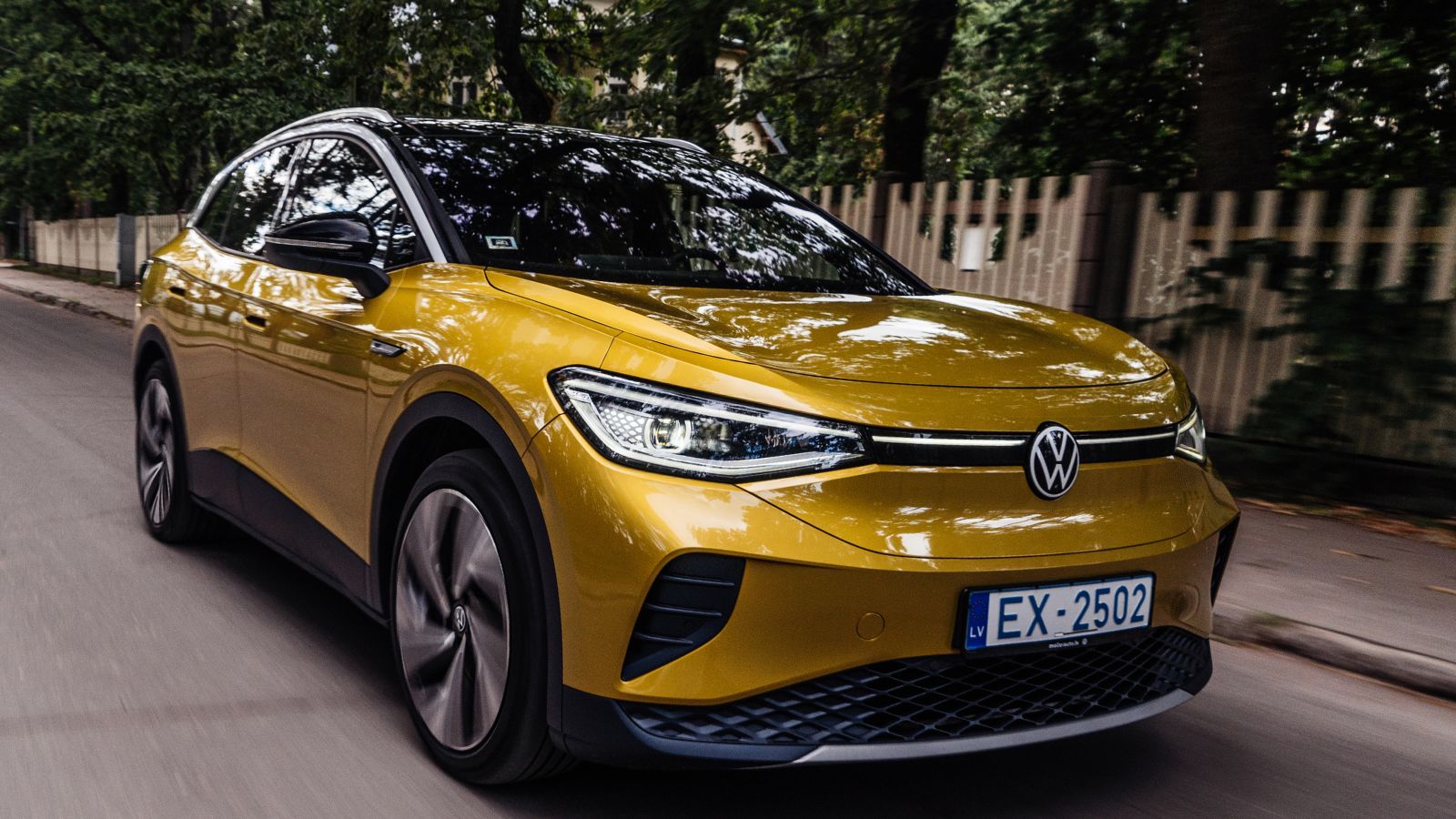
The Volkswagen ID.4 offers a familiar brand name, roomy cabin, and approachable crossover shape, but resale has been challenged by the broader EV reset. Used EV shoppers often focus on charging speed, real-world range, software experience, and warranty confidence. The ID.4 has to answer those questions while competing against newer rivals and discounted inventory. That can make the resale process more price-sensitive than many owners expected.
Depreciation studies have ranked the ID.4 among EVs with especially steep five-year value loss. This matters in Canada because shoppers already weigh winter range and charging reliability carefully. A seller may still find interested buyers, especially for clean, well-equipped examples with remaining warranty coverage. But the ID.4 no longer benefits from novelty alone. It needs transparent pricing and a strong condition story to stand out.
Hyundai Kona Electric
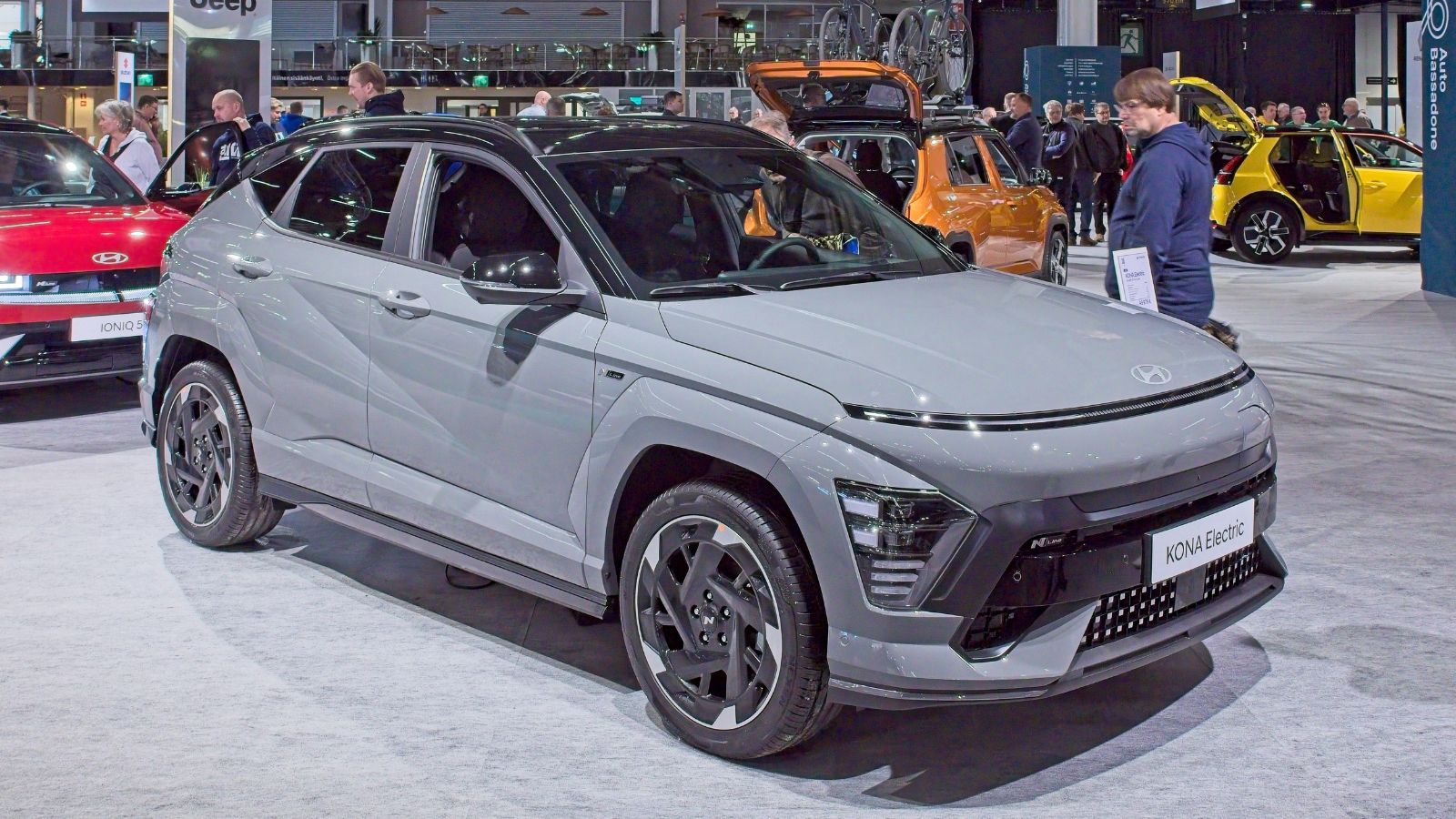
The Hyundai Kona Electric was one of the earlier practical EV choices for Canadians who wanted decent range without moving into luxury pricing. Its compact footprint works well in cities, and the model built a reputation as a sensible commuter. The challenge is that used EV buyers now compare it against more spacious, newer, and faster-charging options. A vehicle that once looked like a rare affordable EV can now feel like one choice among many.
Depreciation data has shown the Kona Electric losing more than half its value over five years in some analyses. That creates a resale squeeze: buyers like the lower used price, but sellers may be surprised by the discount needed to attract attention. In cold-weather regions, questions about winter range and battery condition become especially important. Strong service records and realistic pricing can help, but the easy-resale window has narrowed.
Kia Niro EV
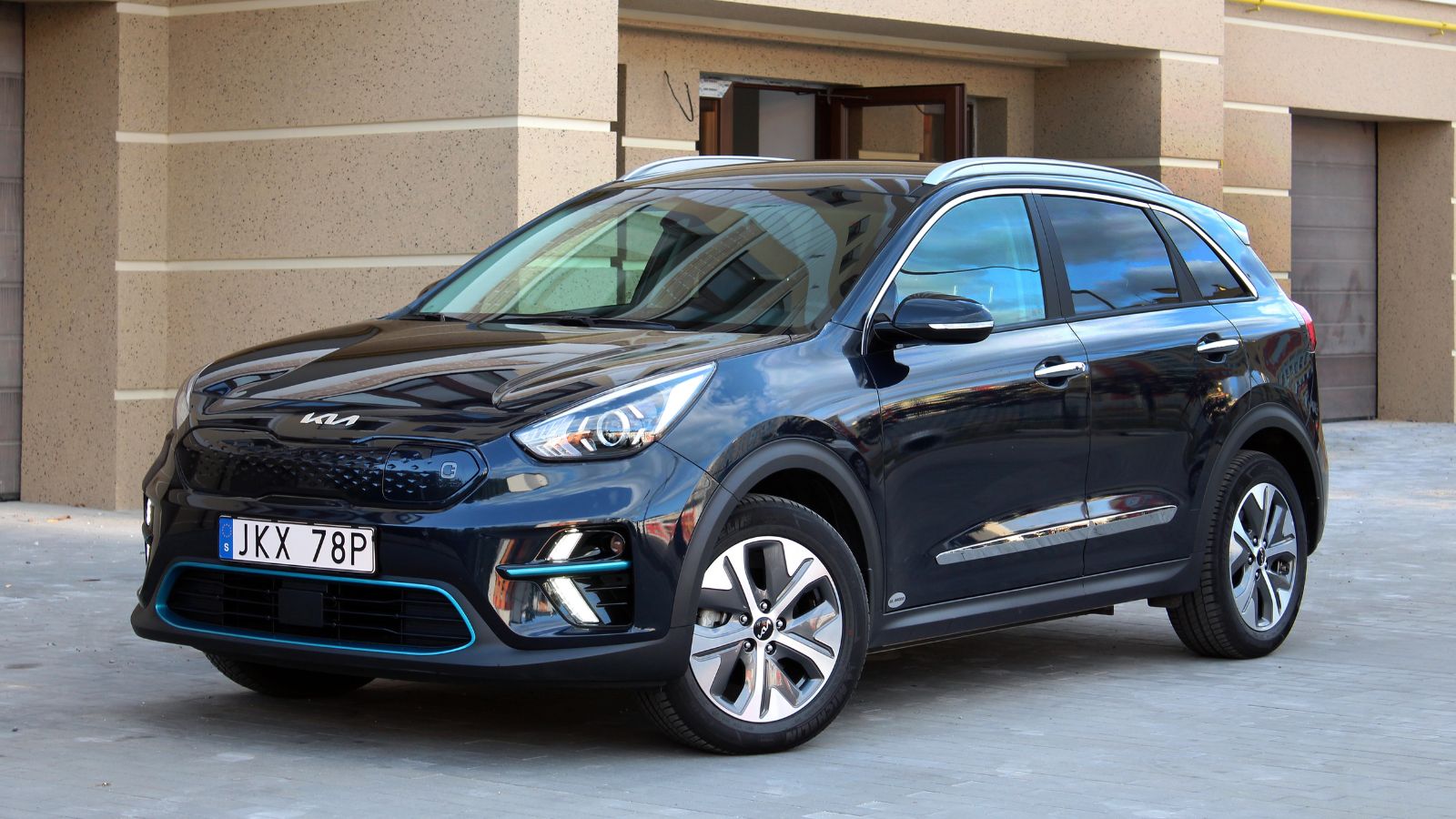
The Kia Niro EV is practical, efficient, and less flashy than many electric crossovers. That is part of its charm, but it can also make resale more difficult. In a used market where buyers are comparing range, charging speed, cabin size, and brand perception, the Niro EV can sometimes feel overshadowed by newer electric SUVs and more recognizable EV nameplates. It appeals to a practical buyer, but that buyer is often highly price-conscious.
Depreciation studies have placed the Niro EV among EVs that lose more value than the overall vehicle average. That does not erase its strengths, but it does change the seller’s position. A lightly used Niro EV with remaining warranty can still be compelling, especially for commuting. However, private sellers may need to explain charging habits, winter range expectations, and battery coverage clearly to avoid low offers.
Nissan Altima
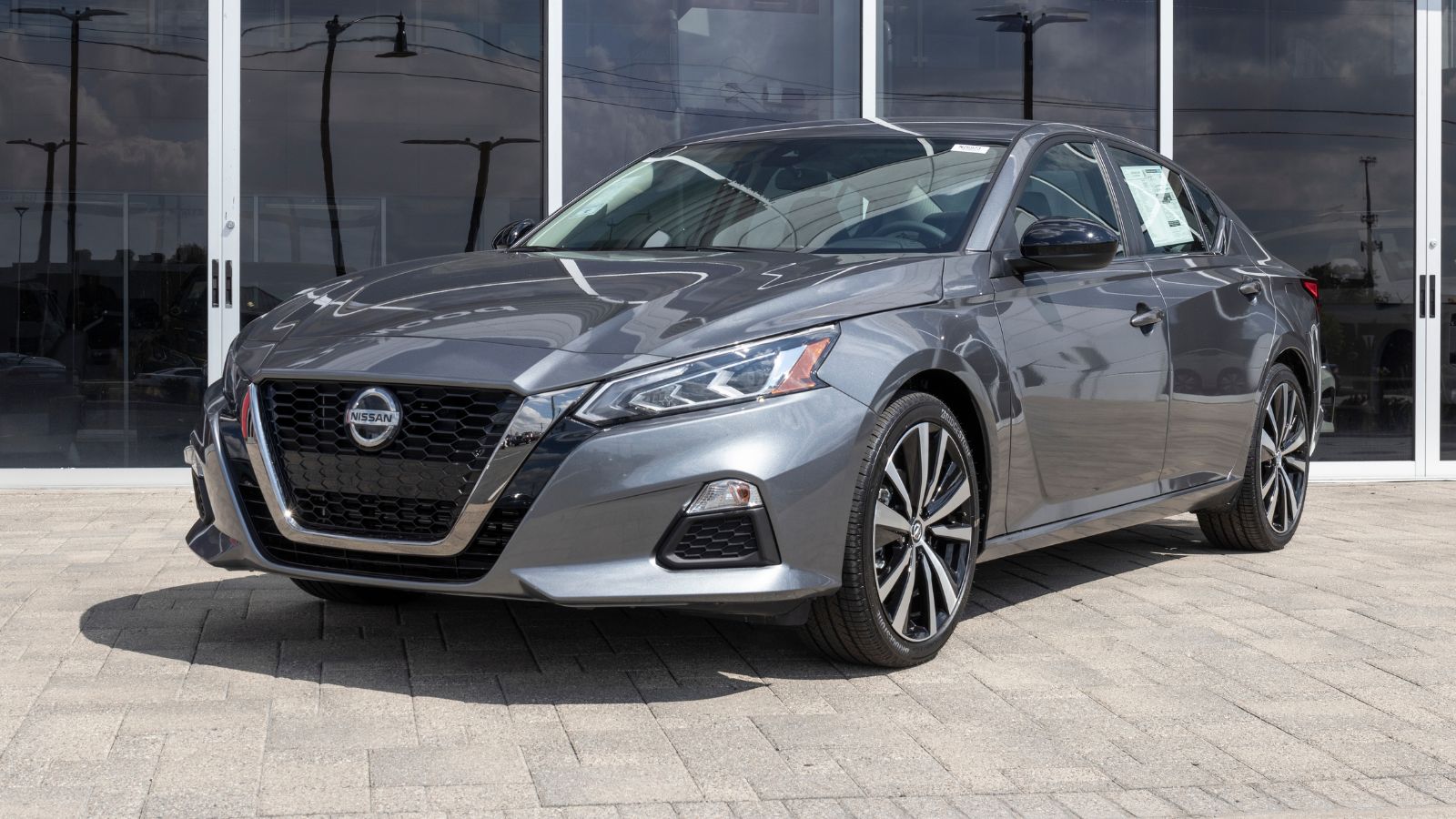
The Nissan Altima has long appealed to Canadians who wanted a comfortable midsize sedan, especially because all-wheel drive made it more winter-friendly than many rivals. The resale challenge is tied less to one flaw and more to changing demand. Nissan Canada now lists the Altima as discontinued and says it is not being replaced by another vehicle in the lineup. That sends a clear signal that the brand is shifting attention elsewhere.
Discontinued does not always mean undesirable, but it can narrow the buyer pool. Shoppers who want a sedan may still compare the Altima against the Toyota Camry, Honda Accord, and newer compact crossovers. Meanwhile, buyers worried about long-term parts support or resale momentum may hesitate. Clean Altimas can still sell, especially with AWD and good maintenance records, but the broader sedan market no longer gives them the same lift.
Chevrolet Malibu
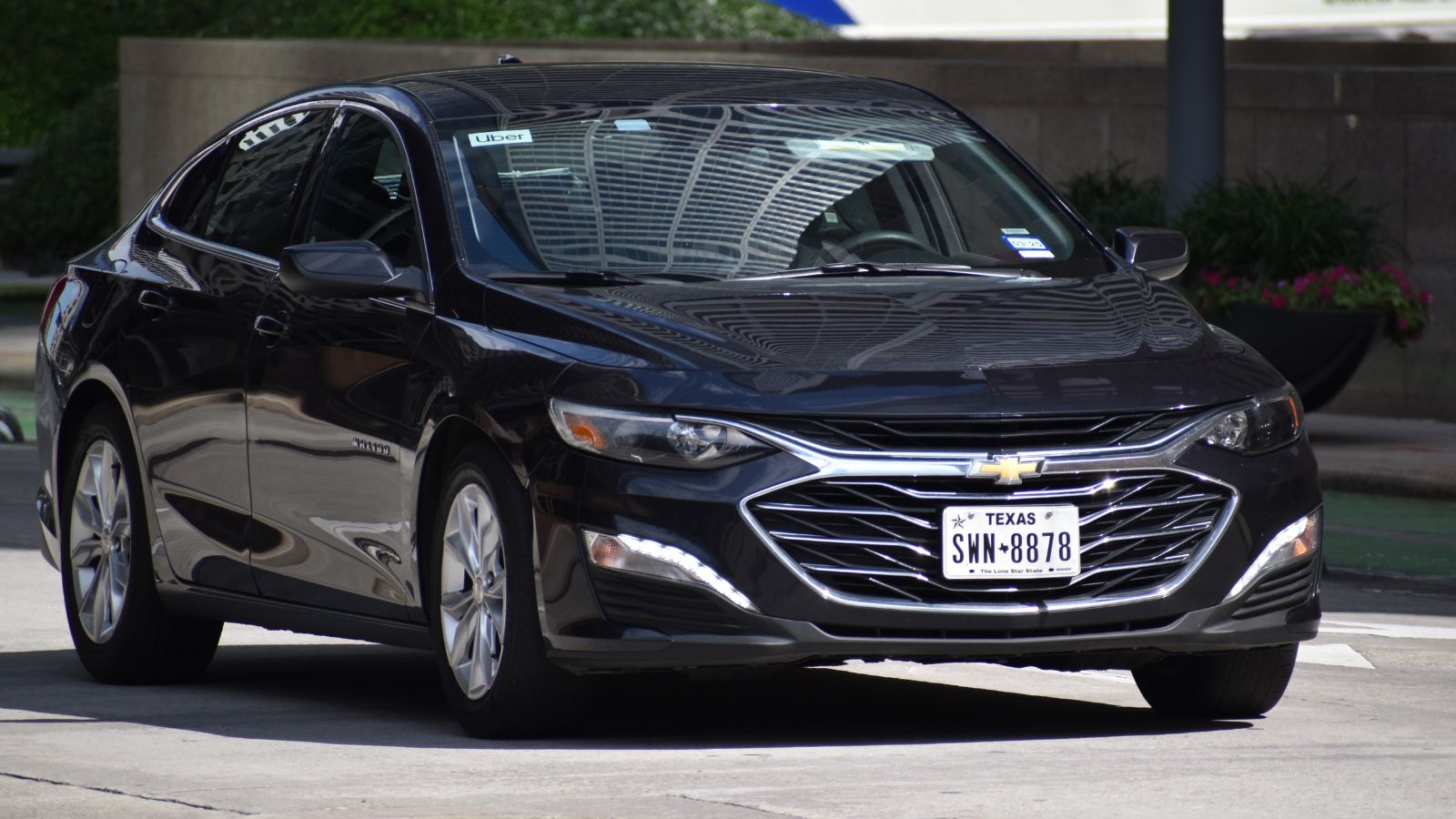
The Chevrolet Malibu is another midsize sedan facing a shrinking spotlight. General Motors ended Malibu production as it shifted factory capacity toward electric vehicles, and Chevrolet now lists the 2025 model year as the last for the Malibu. That matters in resale because buyers often prefer vehicles that still have an obvious future in the showroom. When a model exits, it can start to feel like yesterday’s choice even if it remains perfectly usable.
The Malibu also carries a common fleet-car perception in many markets, which can affect private-sale confidence. Buyers may wonder whether an example came from rental use, had basic equipment, or saw heavy mileage. A well-maintained Malibu can still be affordable transportation, but affordability is not the same as strong resale. Sellers often compete on price against used compact SUVs, hybrids, and sedans with stronger long-term reputations.
Chrysler 300
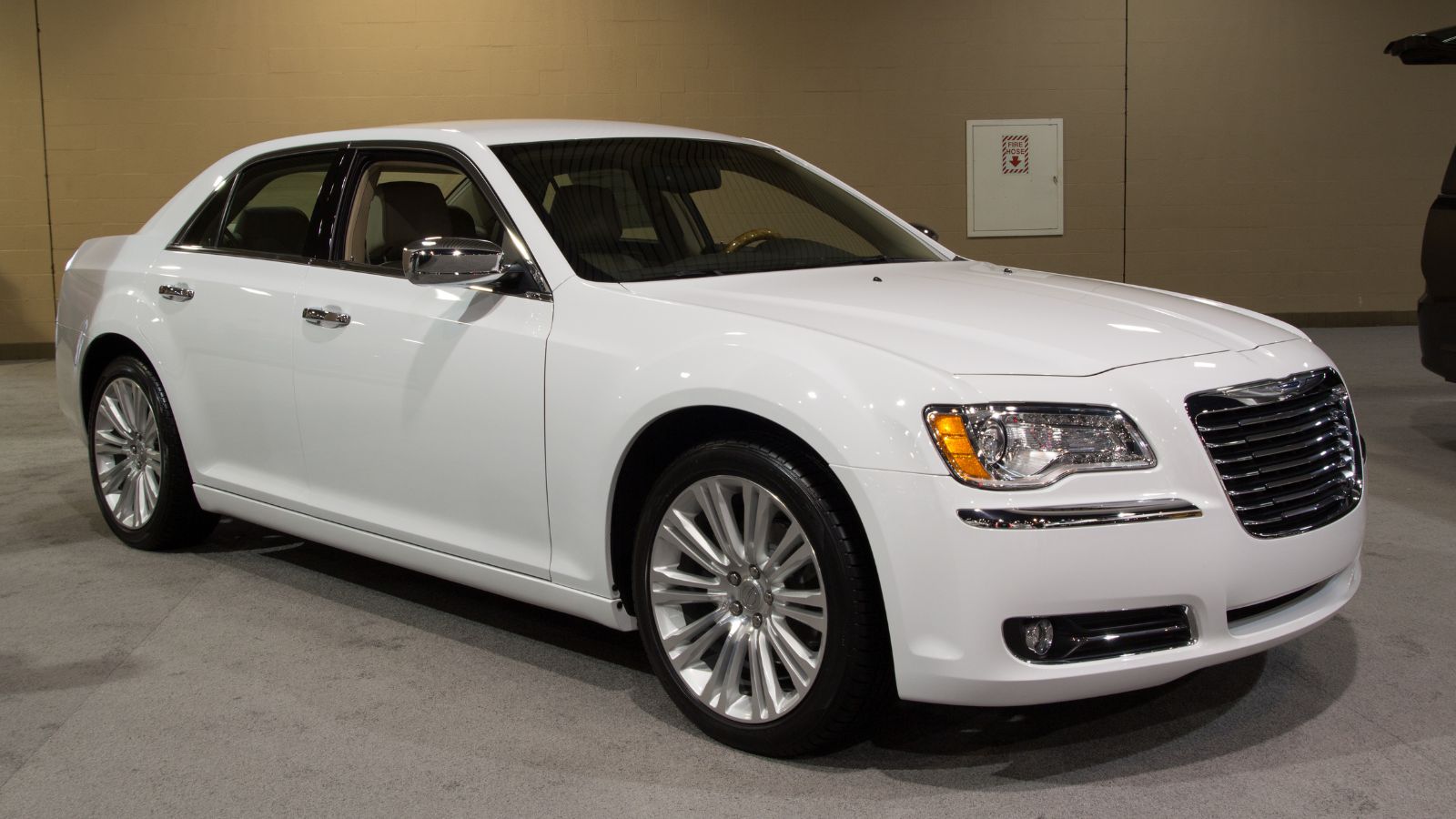
The Chrysler 300 has presence: a big sedan with rear-wheel-drive proportions, a roomy cabin, and old-school highway comfort. That formula once made it feel distinctive. Today, it can be harder to resell because large sedans have faded while crossovers and trucks dominate Canadian driveways. Production of the Chrysler 300 ended with other Brampton-built Stellantis cars, removing the model from the new-car conversation.
A used Chrysler 300 can still attract buyers who want comfort and style for less than a luxury badge. The issue is that resale depends on finding that specific buyer. Fuel economy, insurance costs, tire expenses, and concerns about aging electronics can make broader shoppers cautious. Higher-trim or V8 examples may have enthusiast appeal, but ordinary versions often need attractive pricing to compete with more practical alternatives.
Dodge Charger
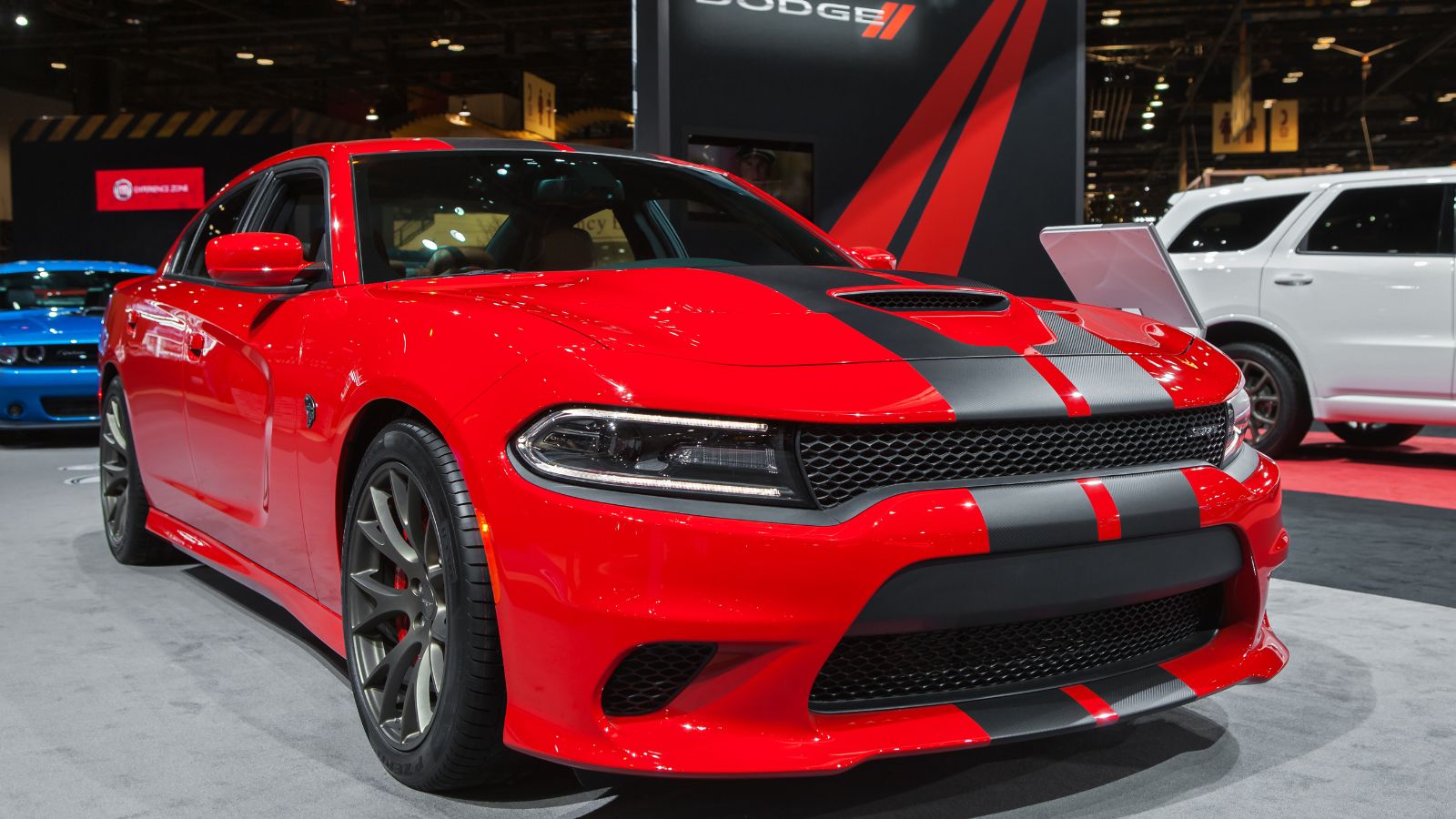
The Dodge Charger is not ignored in the used market; in fact, performance trims can still draw attention. The difficulty is that attention does not always translate into easy resale for every example. The old Charger era ended with Brampton production, and the market is now sorting through which versions are collectible, which are simply thirsty sedans, and which have been modified or driven hard. Buyers often approach used Chargers with extra caution.
Insurance and fuel costs can also narrow the Canadian buyer pool, especially for V8 models. A clean, unmodified Charger with service records may sell well, but rougher examples face skepticism. Former fleet use, accident history, and aftermarket changes can all drag down offers. As Dodge moves into a new generation with electric and updated gas models, older Chargers may become more polarized: desirable in the right trim, harder to move in the wrong one.
Dodge Challenger
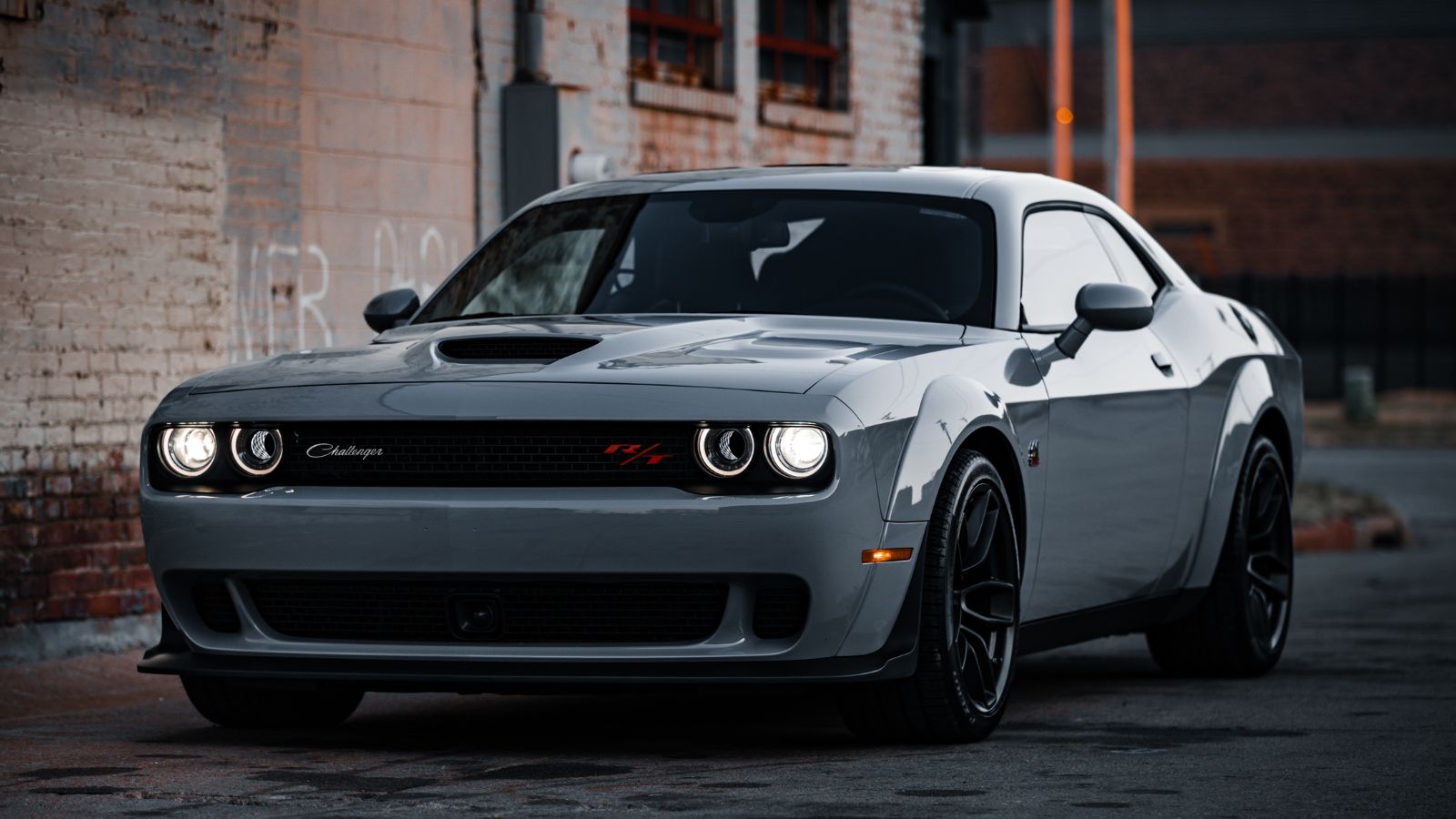
The Dodge Challenger has stronger enthusiast identity than many discontinued cars, but resale is becoming more selective. Production of the Challenger ended with the Charger and Chrysler 300 in Brampton, which adds nostalgia but also changes buyer behaviour. Some shoppers are hunting for special trims, manuals, Scat Packs, Hellcats, or low-mileage examples. Others see a large coupe with high fuel costs, limited practicality, and potentially expensive ownership.
That split can make ordinary Challengers harder to resell than owners expect. The car’s image attracts attention, but buyers often inspect closely for modifications, tire wear, collision history, and signs of aggressive driving. In Canada, seasonal use can also matter; a rear-wheel-drive coupe is less appealing to some winter drivers. The best examples may hold interest, while heavily used or poorly optioned cars can need significant price flexibility.
Kia Stinger
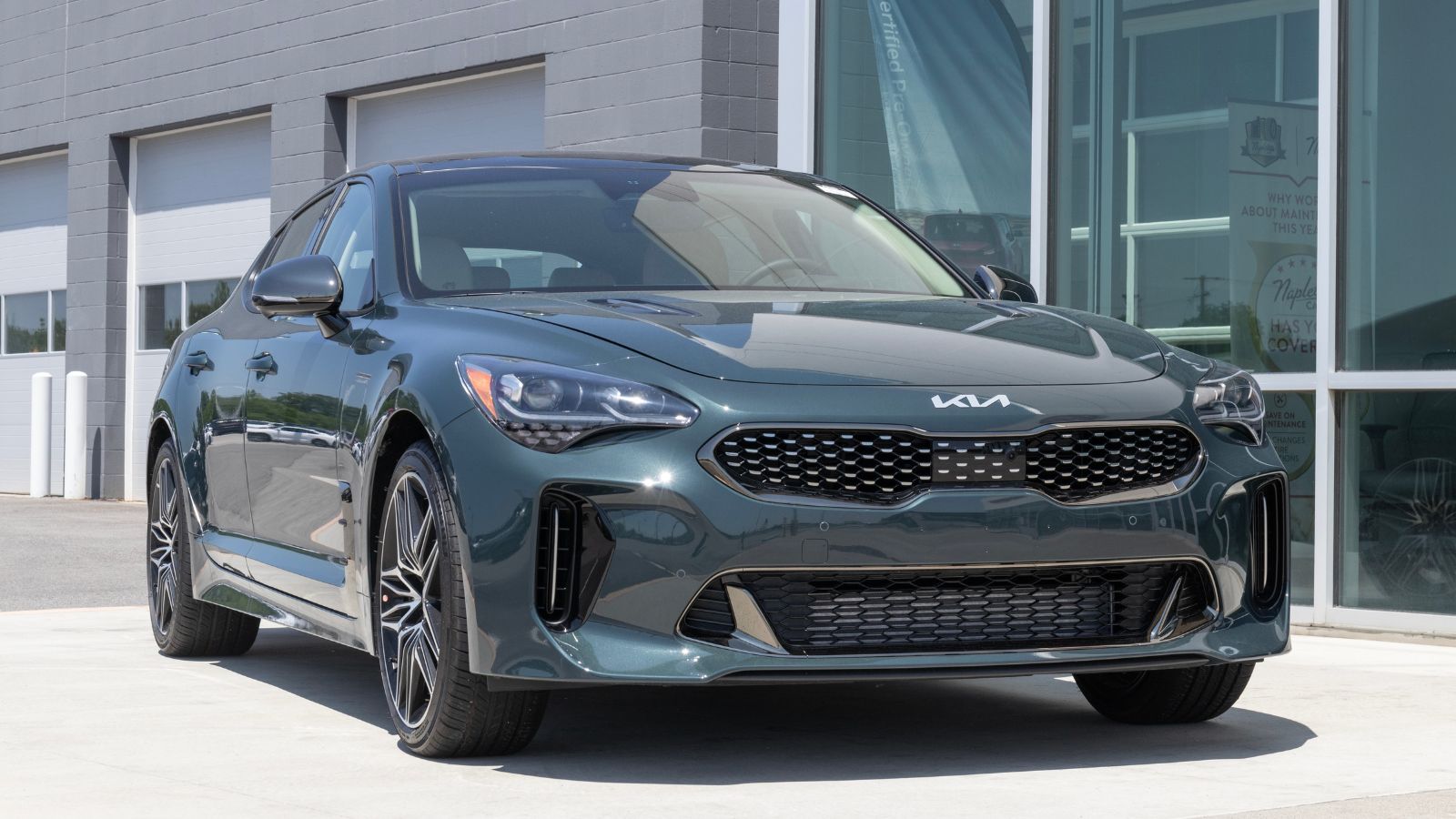
The Kia Stinger earned respect because it delivered rear-wheel-drive performance, available all-wheel drive, and near-luxury speed without a traditional luxury badge. It also never became a mainstream Canadian staple. Kia ended the Stinger after the 2023 model year, and that limited production run makes resale unusual. Enthusiasts know what it is, but many ordinary used-car shoppers still default to German luxury sedans, SUVs, or newer EV performance models.
That creates a narrow but passionate market. A Stinger GT with low mileage and good maintenance may attract the right buyer, especially in Canada where AWD versions make sense. But sellers may wait longer because the buyer pool is smaller than for a Civic, Camry, RAV4, or CR-V. The Stinger’s strengths are real; the resale challenge is explaining them to shoppers who may not have considered Kia for a performance sedan.
Infiniti Q50
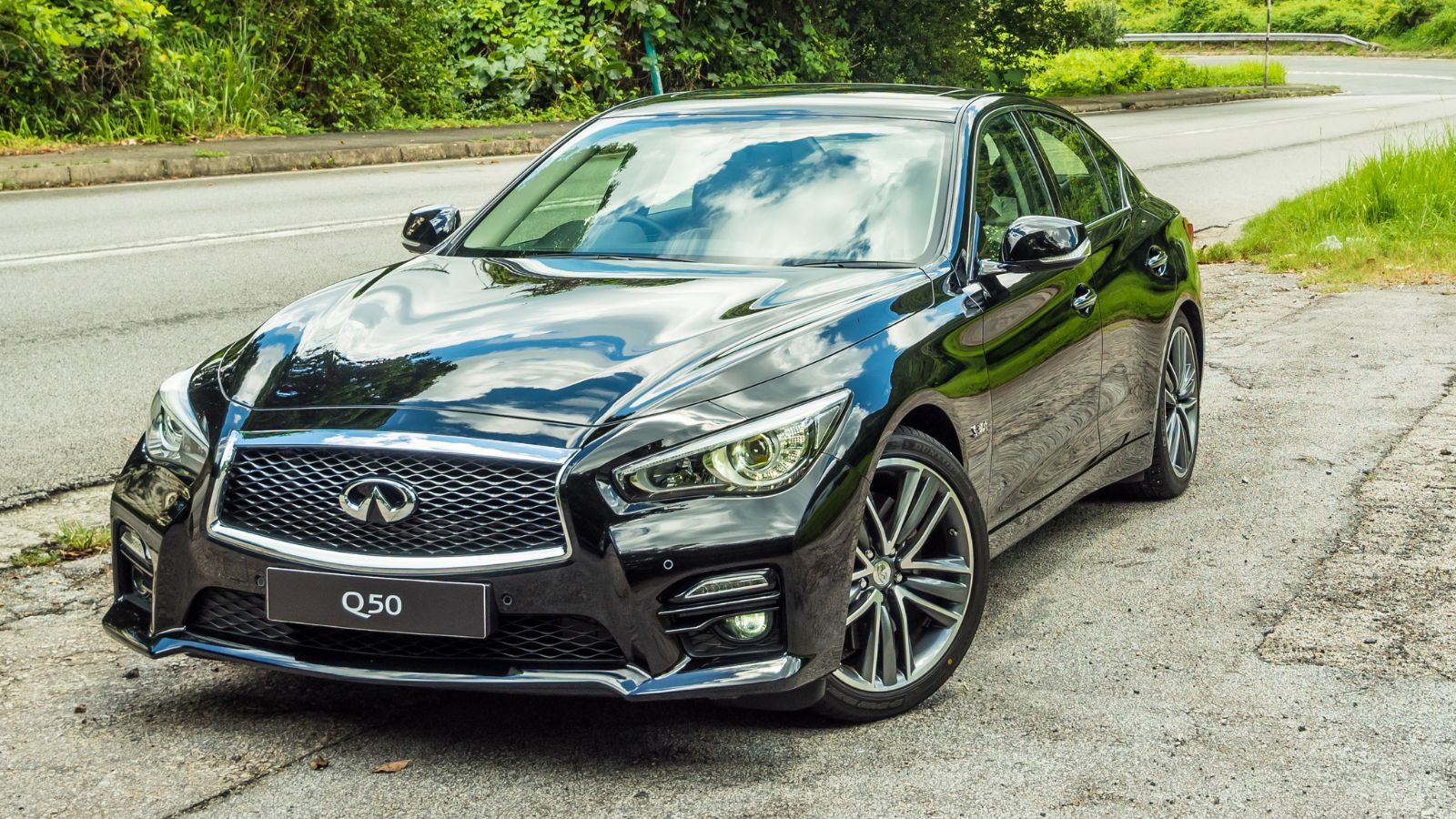
The Infiniti Q50 has a strong engine story, especially in its twin-turbo V6 versions, but the market has moved away from compact luxury sedans. Infiniti has discontinued the Q50, and its Canadian site now positions it as a vehicle no longer in production. That shift matters because luxury buyers often want the latest tech, current design language, and a clear dealer showroom path. An aging discontinued sedan can look less compelling beside newer SUVs.
Resale can also be squeezed by brand perception. The Q50 competes with BMW, Audi, Mercedes-Benz, Lexus, Acura, and Genesis used options, many of which have stronger recognition in specific buyer circles. A clean Q50 can still be quick, comfortable, and good value, but value pricing is often the point. Sellers may face buyers who like the horsepower but still expect a discount because the model is no longer central to Infiniti’s lineup.
BMW 7 Series
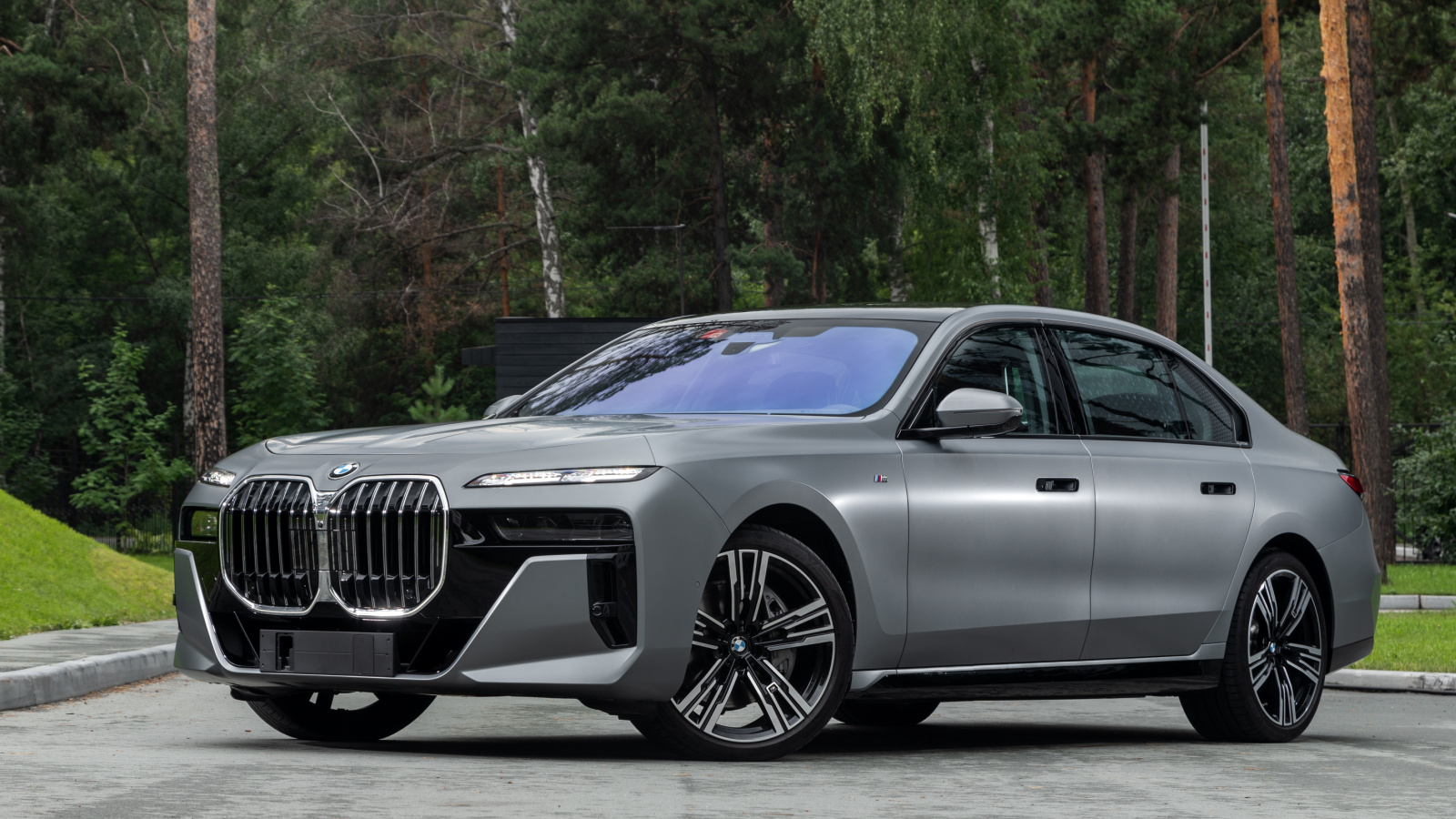
The BMW 7 Series is a classic example of luxury depreciation becoming a resale obstacle. New, it offers technology, comfort, status, and performance. Used, it can trigger a different reaction: expensive repairs, complex electronics, air suspension concerns, high tire costs, and steep maintenance expectations. For Canadian buyers seeking luxury on a budget, the purchase price may look tempting, but the ownership risk can make negotiations tougher.
Depreciation studies consistently show large luxury sedans losing value much faster than mainstream cars. The 7 Series has appeared among the highest-depreciating vehicles, with five-year losses around the low-60-percent range in recent iSeeCars data. That does not mean nobody wants one; it means the resale buyer pool becomes specialized. Sellers often need detailed maintenance records, warranty coverage, or a very attractive price to overcome the fear of future bills.
22 Things Canadians Do to Their Cars in Spring That Mechanics Hate

Spring brings relief to many Canadian drivers after months of snow, freezing temperatures, and icy roads that put serious strain on vehicles. As temperatures rise across the country, drivers begin washing cars, switching tires, and preparing vehicles for warmer weather and upcoming road trips. However, mechanics across Canada notice the same mistakes every spring when drivers attempt to recover from winter damage. Road salt, potholes, and harsh winter driving conditions often leave vehicles with hidden problems that drivers ignore. Some spring habits even create new mechanical issues that could have been avoided with proper maintenance. Here are 22 things Canadians do to their cars in spring that mechanics hate.