


























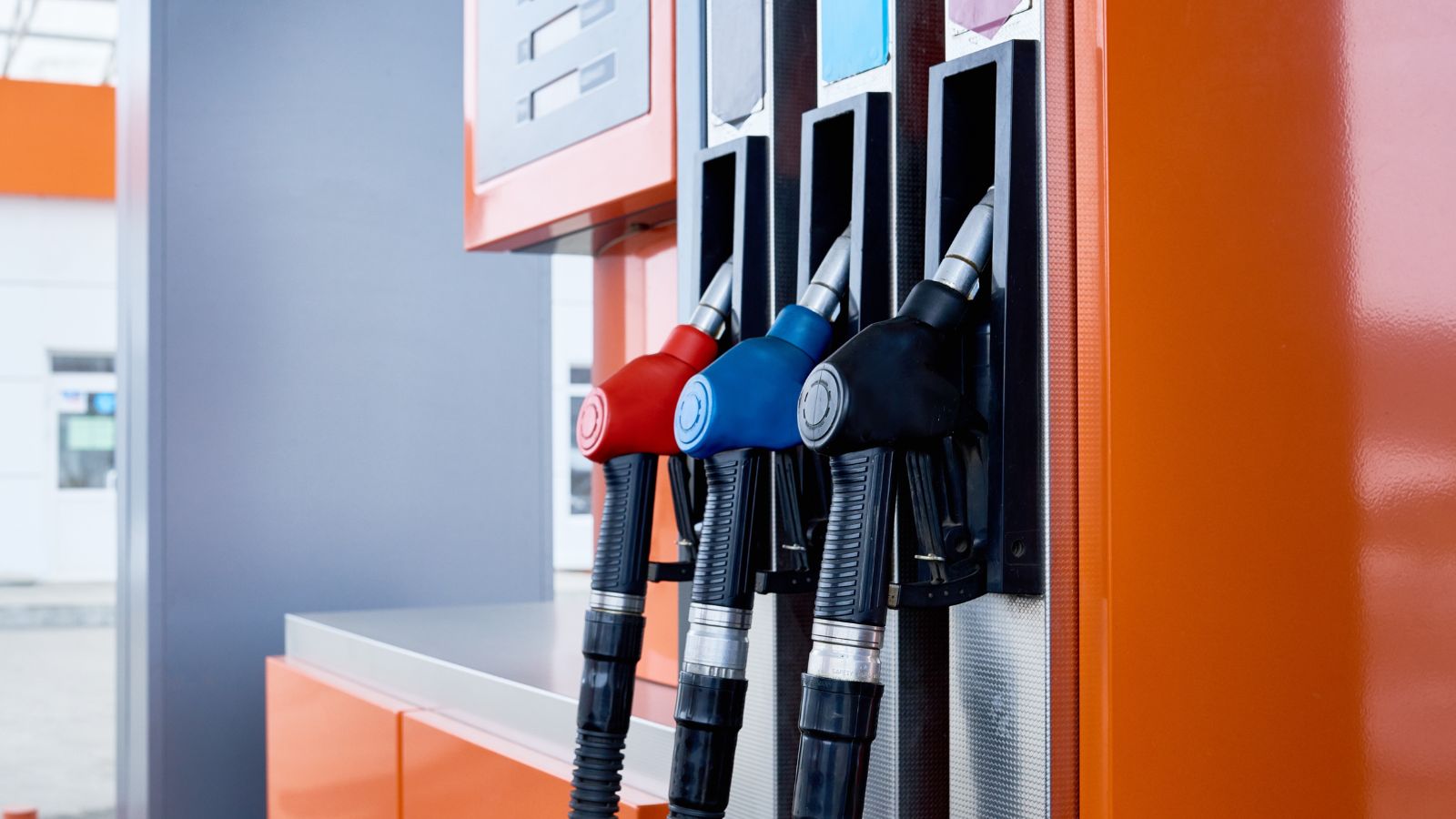
Canadian drivers are waking up to a fuel market that increasingly depends on where the vehicle is parked. Toronto’s benchmark price for regular gasoline has fallen to roughly $1.81 per litre, offering some relief after another volatile stretch, while Vancouver remains just above the psychologically important $2 mark. The national average, meanwhile, is still significantly higher than it was only a month ago.
The divide illustrates how Canada does not really have one gasoline market. Global crude prices set an important baseline, but provincial taxes, municipal levies, refining conditions, wholesale markets and local competition can produce dramatically different outcomes from one city to another. With oil still above US$100 a barrel and international supply risks unresolved, even a sizeable overnight decline provides little guarantee that cheaper fuel will last.
Toronto Gets a Break After a Volatile Week
Toronto’s gasoline market finally moved in motorists’ favour on September 18, with regular fuel settling around 180.9 cents per litre according to Gas Wizard. That puts the benchmark almost exactly at the city’s recent 30-day average of roughly $1.81 per litre. The change is notable because Toronto had been sitting substantially higher only one day earlier. Gas Wizard’s price history showed 188.9 cents on September 17, meaning its benchmark dropped by eight cents overnight.
Other regional forecasting data captured an even sharper GTA move, illustrating how different pricing services can use slightly different station samples and wholesale assumptions. Canadians for Affordable Energy put the broader GTA benchmark at 190.9 cents on Thursday before forecasting 180.9 cents for Friday. The precise day-to-day decline therefore varies by dataset, but the direction does not: drivers across Toronto were seeing a meaningful pullback. For a commuter filling a 50-litre tank, moving from roughly $1.90 to $1.81 represents a saving of about $4.50 on a single stop.
Vancouver Falls Too, but the $2 Barrier Holds
Vancouver also received some relief, just not enough to bring its headline gasoline price below $2 per litre. Gas Wizard placed regular fuel at 200.9 cents per litre for September 18, compared with 205.9 cents a day earlier. Canadians for Affordable Energy recorded a similar pattern, using 206.9 cents for Thursday and 200.9 cents for Friday. Depending on the benchmark, the overnight decline therefore amounted to roughly five or six cents per litre.
That still leaves Vancouver approximately 20 cents per litre above Toronto. On a 50-litre fill, the difference between 180.9 and 200.9 cents works out to exactly $10. Vancouver drivers would spend about $100.45 to purchase 50 litres at the benchmark price, compared with $90.45 in Toronto. The contrast is particularly striking because both cities are reacting to the same global oil shock. Their different outcomes demonstrate how crude prices are only the starting point; once fuel enters regional wholesale and retail systems, taxes, transportation costs and local market conditions can considerably widen the gap.
Canada’s Average Is Still Moving Near Recent Highs
Toronto’s decline should not be mistaken for a return to inexpensive gasoline nationally. CAA put Canada’s average regular gasoline price at 183.4 cents per litre early on September 18. That was only slightly below the previous day’s 183.9 cents and remained well above the 176.6-cent average recorded one week earlier. A month earlier, Canadians were paying an average of 167.9 cents, making the latest level more than 15 cents higher.
The year-over-year comparison is more dramatic. CAA’s national average stood at 137.0 cents per litre a year ago, meaning the September 18, 2026 figure was 46.4 cents higher, an increase of almost 34%. At a 50-litre fill, that difference alone represents $23.20. CAA also recorded 183.9 cents on September 17 as the highest national average of the preceding month. Toronto’s sudden decline therefore arrives while the broader Canadian fuel market remains close to its recent peak rather than comfortably below it.
The Country Is Splitting Into Distinct Fuel Markets
The Toronto-Vancouver comparison is only one example of how widely Canadian prices have diverged. Canadians for Affordable Energy’s September 18 city forecasts showed regular gasoline around 175.9 cents in Kingston, 180.9 cents across several GTA and southern Ontario markets, 186.9 cents in Calgary and 189.9 cents in Winnipeg. Montreal was projected at 202.9 cents, while Charlottetown stood even higher at 212.6 cents per litre.
Those numbers make it difficult to describe Canada’s fuel situation with one national headline. A driver travelling between regions can encounter differences exceeding 30 cents per litre without crude oil moving at all. Natural Resources Canada identifies taxes, competition, the volume sold by individual stations and the type and location of outlets as important reasons gasoline prices differ geographically. Transportation distances and wholesale supply conditions matter as well. The result is a national average that is useful for tracking the broad direction of fuel costs but can feel disconnected from what motorists actually see on street-corner signs in individual communities.
Vancouver’s Tax Structure Explains a Large Part of the Gap
One of the clearest structural differences between Vancouver and Toronto appears before retailers decide their margins. Natural Resources Canada lists Ontario’s provincial gasoline tax at nine cents per litre. The Vancouver-area motor-fuel tax, by comparison, totals 27 cents per litre. That creates an 18-cent difference in fixed motor-fuel taxation alone, remarkably close in size to the roughly 20-cent gap between the two cities’ September 18 benchmarks.
The Vancouver-area charge includes several components. British Columbia’s fuel-tax framework has historically allocated 18.5 cents per litre to the TransLink transportation region, alongside provincial transportation and general-revenue fuel levies. One important distinction is that B.C.’s former consumer carbon tax is no longer part of that calculation: the province eliminated it effective April 1, 2025. Taxes do not explain every cent of the Toronto-Vancouver spread because sales-tax treatment, wholesale prices, distribution expenses and retailer margins also differ. Still, the 27-cent-versus-nine-cent motor-fuel tax comparison helps explain why Vancouver can remain above $2 even when Toronto retreats toward $1.80.
Ottawa’s Tax Relief Is Cushioning Prices in Both Cities
One tax currently not contributing to the Vancouver-Toronto difference is the regular federal gasoline excise tax. Ottawa originally suspended the 10-cent-per-litre gasoline excise tax beginning April 20, 2026 as international energy disruptions pushed fuel costs higher. The federal government subsequently extended the zero rate through January 31, 2027, meaning both Toronto and Vancouver are currently benefiting from the same nationwide relief.
The government estimates the latest extension will add roughly $2.9 billion in fiscal relief, bringing estimated federal fuel-tax relief for 2026-27 to about $5.3 billion. Under the announced schedule, half the normal excise rate is planned for February and March 2027 before the full rate returns in April. The importance of the suspension is easy to visualize at the pump: a regular 50-litre fill would otherwise carry $5 in federal gasoline excise tax before considering associated sales-tax effects. Yet the continuing high prices show the limitation of tax cuts during a severe energy shock. Governments can remove one cost component while crude and refined-fuel markets simultaneously push another sharply higher.
Oil Above US$100 Keeps Pressure Under Pump Prices
The biggest reason gasoline remains expensive across the country is sitting far upstream from Canadian service stations. Brent crude was trading around US$103.89 a barrel on September 18, while West Texas Intermediate was near US$100.74. Both benchmarks had declined during the session, but triple-digit crude remains an expensive starting point for refiners. Recent Middle East supply disruptions, damage to energy infrastructure and reduced traffic through strategically important shipping routes have kept a sizeable geopolitical premium embedded in oil prices.
That helps explain why even dramatic-looking gasoline declines can feel temporary. A five- or ten-cent drop may reflect a change in wholesale gasoline markets, retailer pricing or regional supply, while crude remains historically expensive underneath the system. Reuters reported continuing uncertainty around Saudi energy infrastructure and Middle Eastern shipping, with analysts struggling to establish a stable baseline for the market. For Canadian motorists, this means the price board can fall sharply one morning without signalling that the broader energy shock has ended. As long as crude remains around or above US$100, gasoline has less room to become genuinely inexpensive.
Refining and Competition Can Push Cities in Different Directions
Crude oil often receives most of the attention, but it is only one link in the chain between an oilfield and a neighbourhood service station. Canada’s Competition Bureau notes that gasoline prices also incorporate refining costs, wholesale and distribution expenses, retail operating costs and taxes. Refinery shutdowns or constrained capacity can increase wholesale prices even when crude is stable. Distance from terminals also matters because fuel becomes more expensive to distribute as transportation requirements increase.
Local competition adds another layer. Stations generally watch nearby competitors closely, and high-volume urban outlets may be able to operate on thinner per-litre margins than smaller stations. CAA similarly identifies refining capacity, regional taxes, competition, station location, weather, inventories and geopolitical conflict among the factors capable of changing prices. Gas Wizard’s Vancouver commentary this week pointed specifically to continuing Pacific Northwest refining pressure. Together, these forces explain why Toronto and Vancouver do not necessarily rise and fall by identical amounts. They purchase into overlapping global energy markets, but the final litres reach consumers through very different regional systems.
A Few Cents Quickly Becomes Real Household Money
Gas-price movements can sound minor when expressed in cents, but they become more tangible when multiplied by an entire tank. At Toronto’s 180.9-cent benchmark, 50 litres costs about $90.45. The same volume at Vancouver’s 200.9-cent benchmark costs roughly $100.45. For a 60-litre tank, the totals become about $108.54 and $120.54 respectively. The city-to-city gap therefore grows from $10 to $12 as the fill gets larger.
Repeated over a year, even a persistent 20-cent differential becomes meaningful. A household purchasing 50 litres each week would spend roughly $520 more annually if gasoline consistently cost 20 cents more per litre. That figure is an illustration rather than a forecast because prices can change daily and the Vancouver-Toronto spread will not remain fixed. Still, it demonstrates why regional price differences matter beyond the numbers posted on a station sign. Fuel costs flow into commuting budgets, household travel decisions and business expenses, while commercial transportation costs can eventually reach consumers through delivery and distribution prices.
The Latest Drop Does Not End the Volatility Story
Toronto’s return to roughly $1.81 and Vancouver’s move back toward $2 offer immediate relief, but recent price history argues against treating either level as permanent. CAA’s national average has moved from 167.9 cents a month ago to 183.4 cents today. Toronto itself has moved through the low-$1.80s, upper-$1.80s and back again within only a few days. Vancouver has likewise remained vulnerable to sudden wholesale shifts while operating from a structurally higher tax base.
The forces capable of producing another move are still active. Crude remains above US$100, global shipping disruptions have not fully normalized, refinery conditions can change rapidly, and retail markets respond quickly when wholesale replacement costs change. At the same time, Ottawa’s extended excise-tax suspension removes one potential near-term source of a nationwide increase. That leaves Canadians with an unusual combination: significant government tax relief operating alongside exceptionally expensive global energy markets. For now, Toronto drivers have gained some breathing room and Vancouver has moved in the same direction. The roughly 20-cent gap between them shows why Canada’s next gasoline story may depend as much on postal code as on oil.