























Canada’s old car-buying math is being rewritten. A vehicle that once felt reasonable can now become expensive through insurance hikes, higher repair bills, fuel volatility, depreciation, financing costs, theft risk, winter tire pricing, and technology-heavy parts. The pressure is not landing evenly, either. Some vehicles are being hit harder because they are popular targets for thieves, heavy on fuel, expensive to repair, dependent on changing EV incentives, or loaded with costly sensors and electronics.
Here are 17 vehicles that are getting punished by the new cost of ownership in Canada, not always because they are bad vehicles, but because today’s bills are exposing weaknesses that used to be easier to overlook.
Honda CR-V
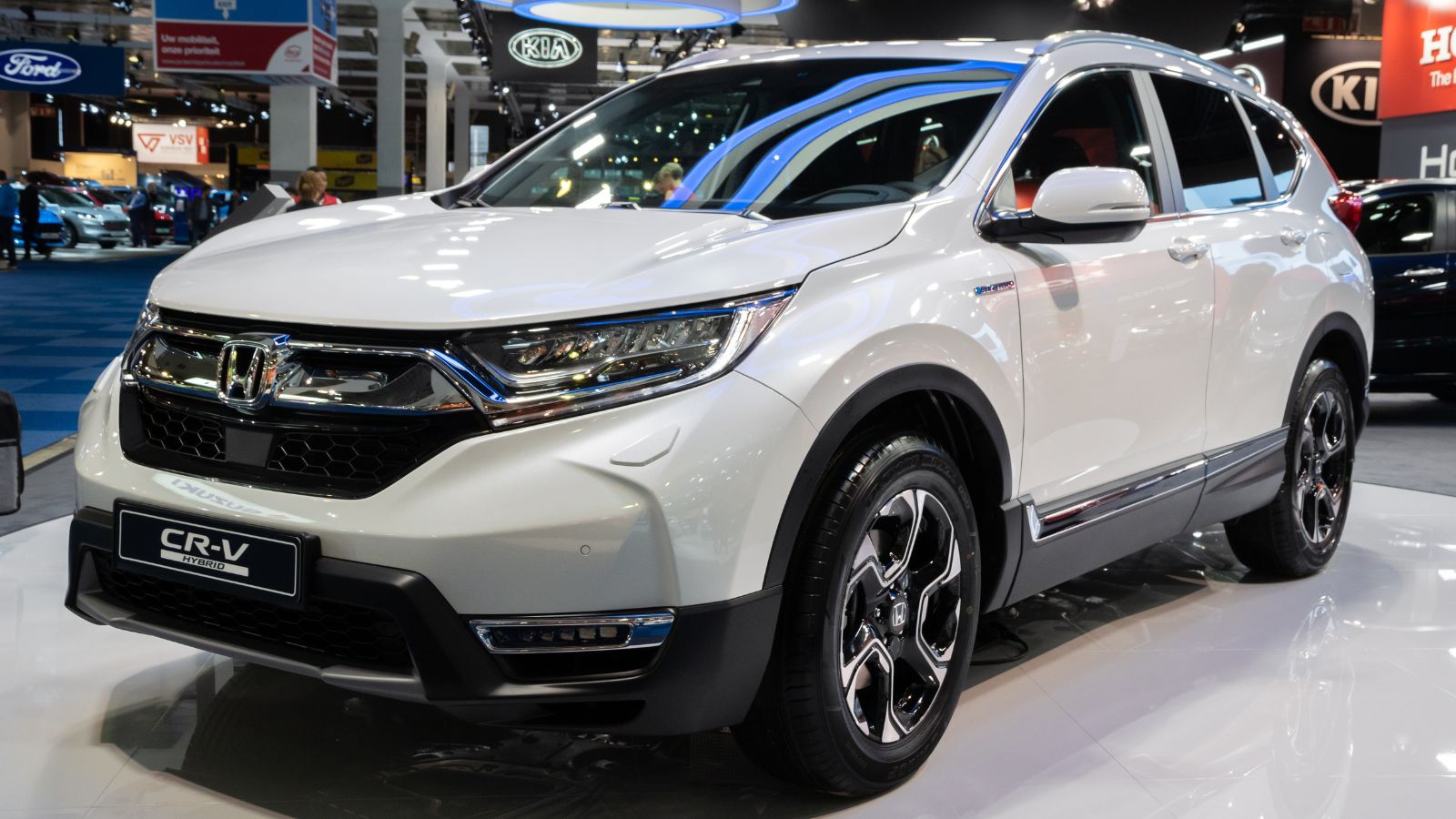
The Honda CR-V has long been one of Canada’s default answers for a practical family SUV, which is exactly why the new ownership-cost environment is harder on it. High demand keeps used prices firm, but popularity also brings a downside: theft exposure. In several Canadian theft rankings, the CR-V has appeared near the top, making it a vehicle some insurers look at more carefully depending on province, postal code, model year, and anti-theft equipment.
That creates an awkward reality for owners who bought the CR-V for predictability. Fuel economy, cargo space, and Honda’s reputation still help, but insurance can become the surprise line item. In the GTA or parts of Quebec, a clean-driving household may still face higher premiums simply because thieves want the same vehicle. Add winter tires, dealer servicing, financing costs, and higher replacement-part prices, and a “safe choice” no longer feels as financially quiet as it once did.
Lexus RX
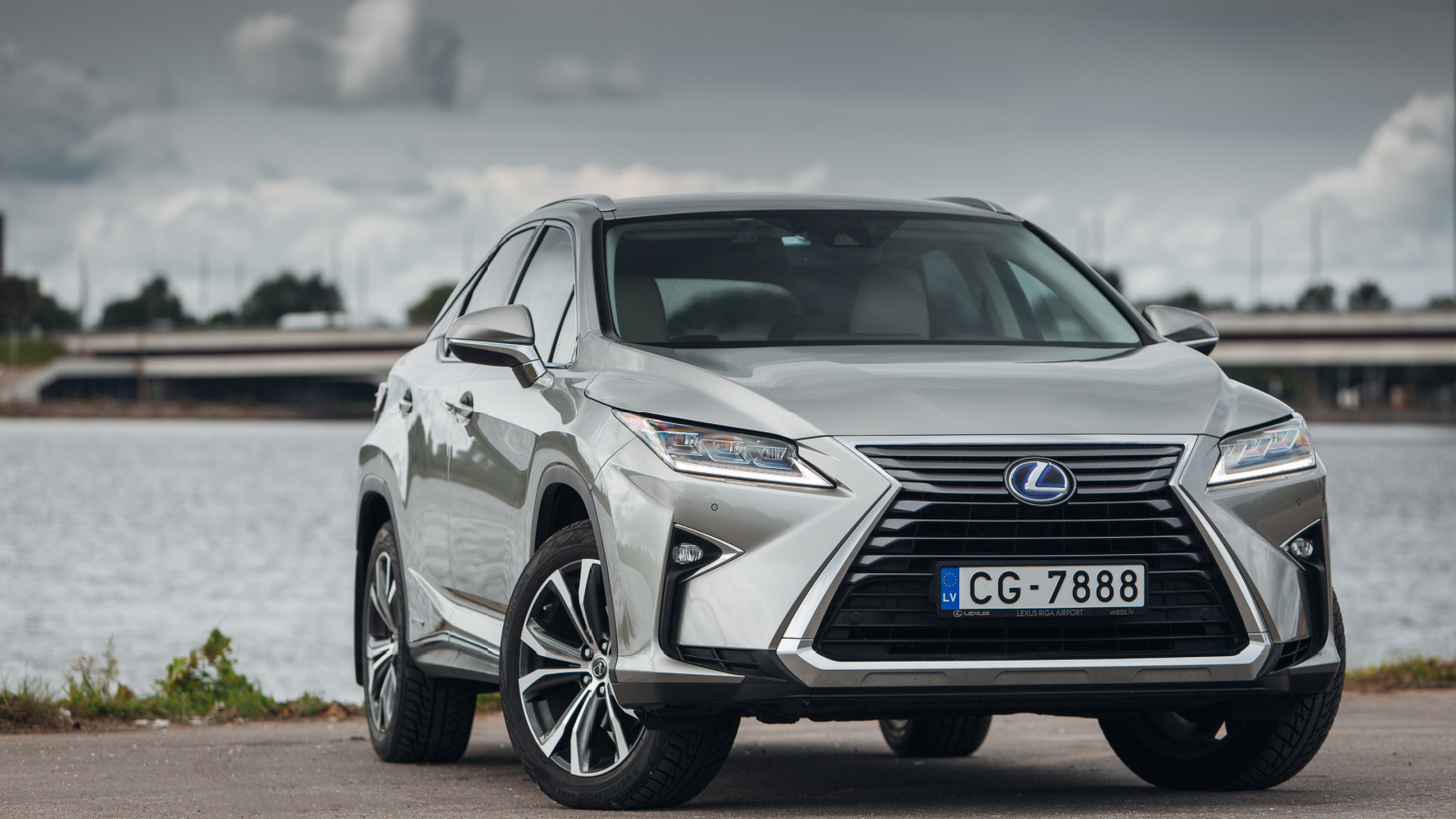
The Lexus RX is a classic Canadian luxury-SUV success story: comfortable, durable, refined, and often easier to justify than flashier European rivals. The problem is that ownership cost is no longer just about reliability. The RX has repeatedly been identified as a high-theft-risk model in Canada, and luxury SUVs can be more expensive to insure, repair, and replace after a claim. That changes the calculation for buyers who assumed Toyota-family dependability would keep every cost under control.
The RX still appeals because it can age gracefully, especially compared with some premium competitors. But today’s cost pressures punish vehicles with valuable parts, strong export demand, and high replacement values. A stolen RX is not just a personal inconvenience; it contributes to broader claim costs that feed into premiums. Owners may also face added expenses for tracking devices, steering locks, secure parking, or higher deductibles. The vehicle remains desirable, but desirability itself has become part of the bill.
Toyota Highlander
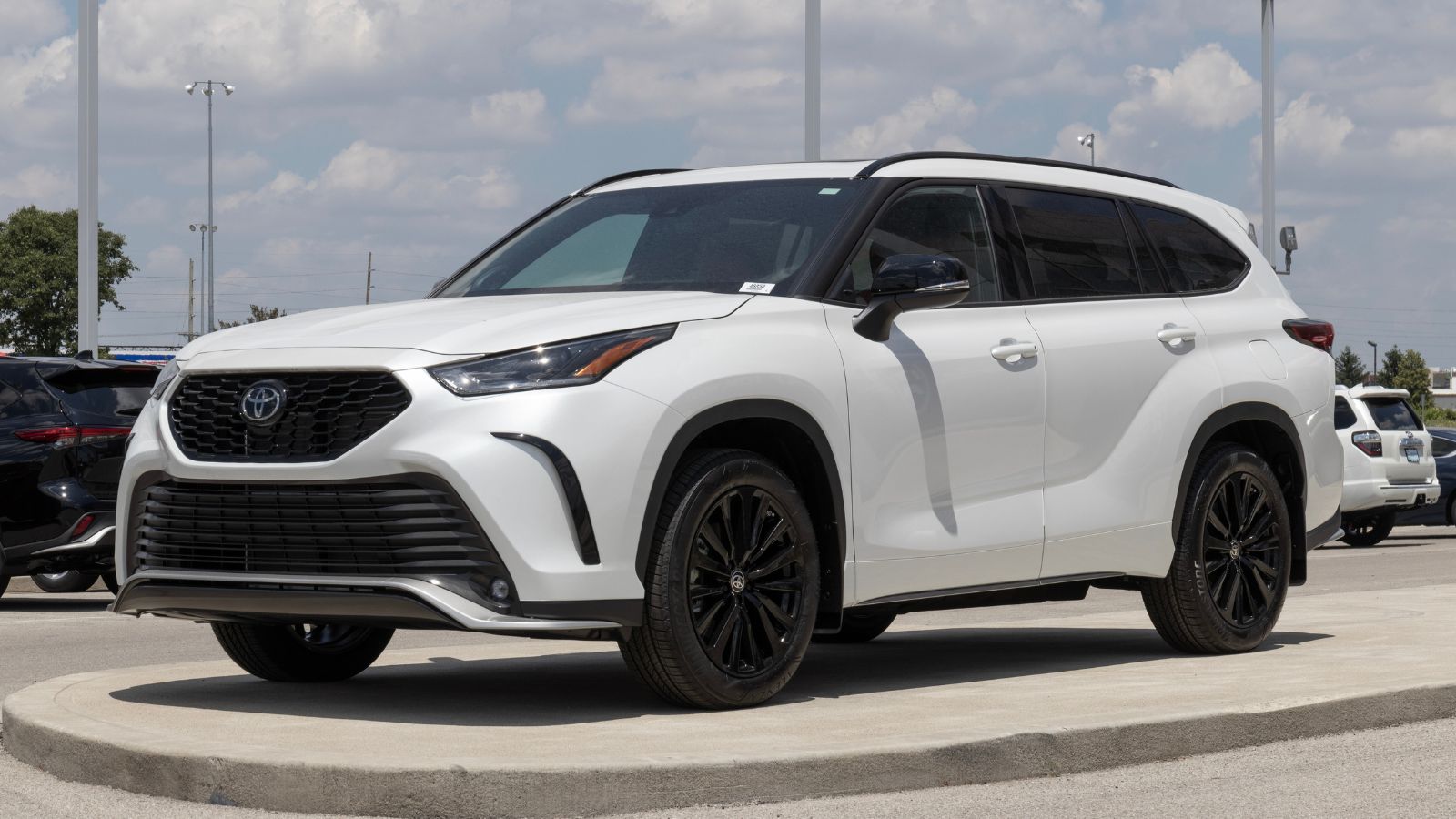
The Toyota Highlander has become a go-to family SUV for Canadians who need three rows without moving into a full-size truck-based model. That broad appeal helps resale values, but it also puts the Highlander in an expensive ownership lane. It has appeared prominently in theft-related Canadian data, and large three-row SUVs carry larger tire, brake, insurance, and fuel costs than compact crossovers. Those expenses become more noticeable when household budgets are already stretched.
A Highlander can still be a smart long-term vehicle, particularly for families that keep vehicles for many years. Yet the newer cost environment punishes size and popularity. All-wheel drive, larger wheels, advanced safety sensors, hybrid components on some versions, and higher purchase prices all raise the stakes. A parent replacing winter tires or repairing a bumper with embedded sensors may quickly discover that “Toyota reliability” does not mean “Toyota cheap.” It is dependable, but not immune to Canada’s rising cost stack.
Toyota RAV4
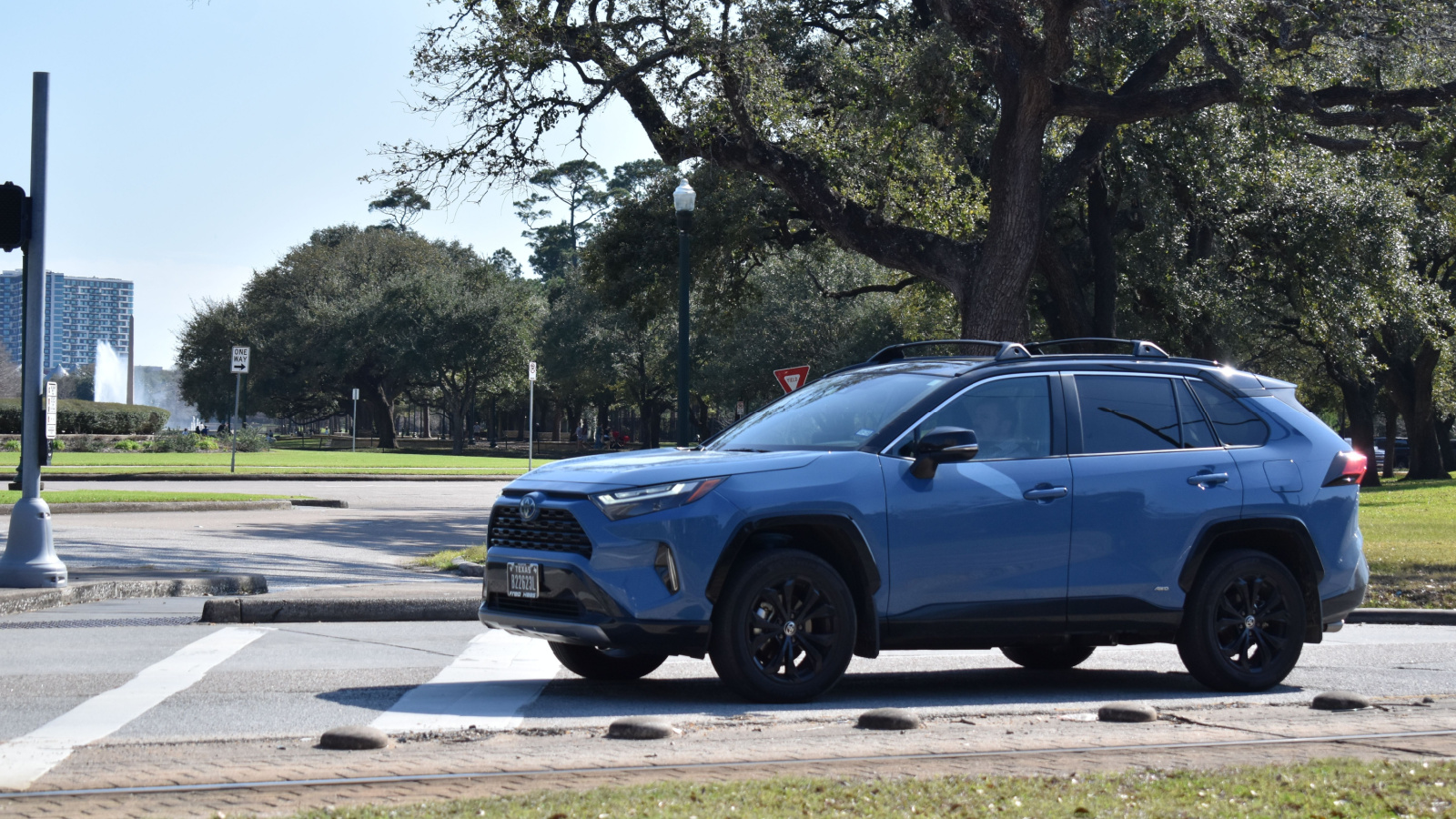
The Toyota RAV4 is one of Canada’s most trusted compact SUVs, but its success has made it vulnerable to the same forces affecting the CR-V. Strong resale values are helpful for sellers, yet buyers pay for that strength upfront. Theft risk has also become part of the ownership conversation, especially for popular SUVs that are easy to resell or export. In many Canadian households, the RAV4 now sits in a strange middle ground: practical, but not always inexpensive.
The ownership hit is especially visible on newer trims. Hybrid and Prime versions command strong prices, while higher trims bring larger wheels, more sensors, and expensive lighting assemblies. Insurance, financing, and replacement parts can turn a basic commuter into a bigger monthly commitment than expected. The RAV4 still makes sense for many drivers, but the days when a compact Toyota SUV automatically felt like a low-cost appliance are fading. Popularity now comes with a premium.
Ram 1500
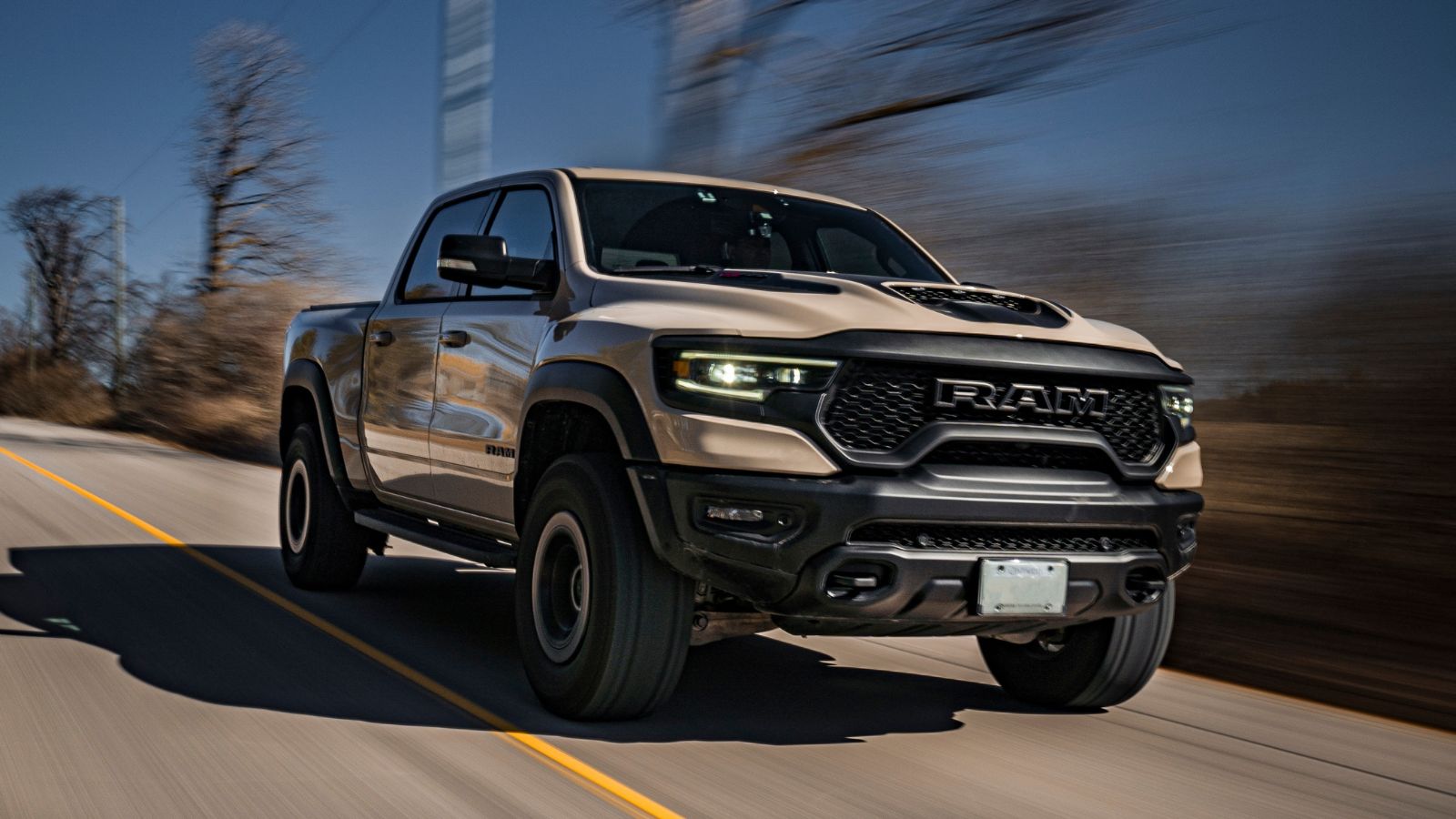
The Ram 1500 is comfortable, capable, and deeply familiar on Canadian roads, but the new cost of ownership is not kind to full-size pickups. Fuel is the obvious pressure point, especially for owners who drive long distances, tow occasionally, or use the truck as a daily commuter. Insurance and theft exposure add another layer, with Ram pickups appearing in Canadian theft rankings and regional theft reports. The truck’s appeal is exactly what makes it expensive to live with.
The bigger issue is that many owners do not use the truck’s full capability often enough to offset the bills. A crew cab with large tires, four-wheel drive, and a powerful engine can be expensive even before repairs enter the picture. Brakes, tires, fluids, and suspension work all cost more than they would on a smaller crossover. When gas prices jump or insurance renewals rise, the Ram 1500 can go from lifestyle upgrade to household budget problem very quickly.
Chevrolet Silverado and GMC Sierra 1500
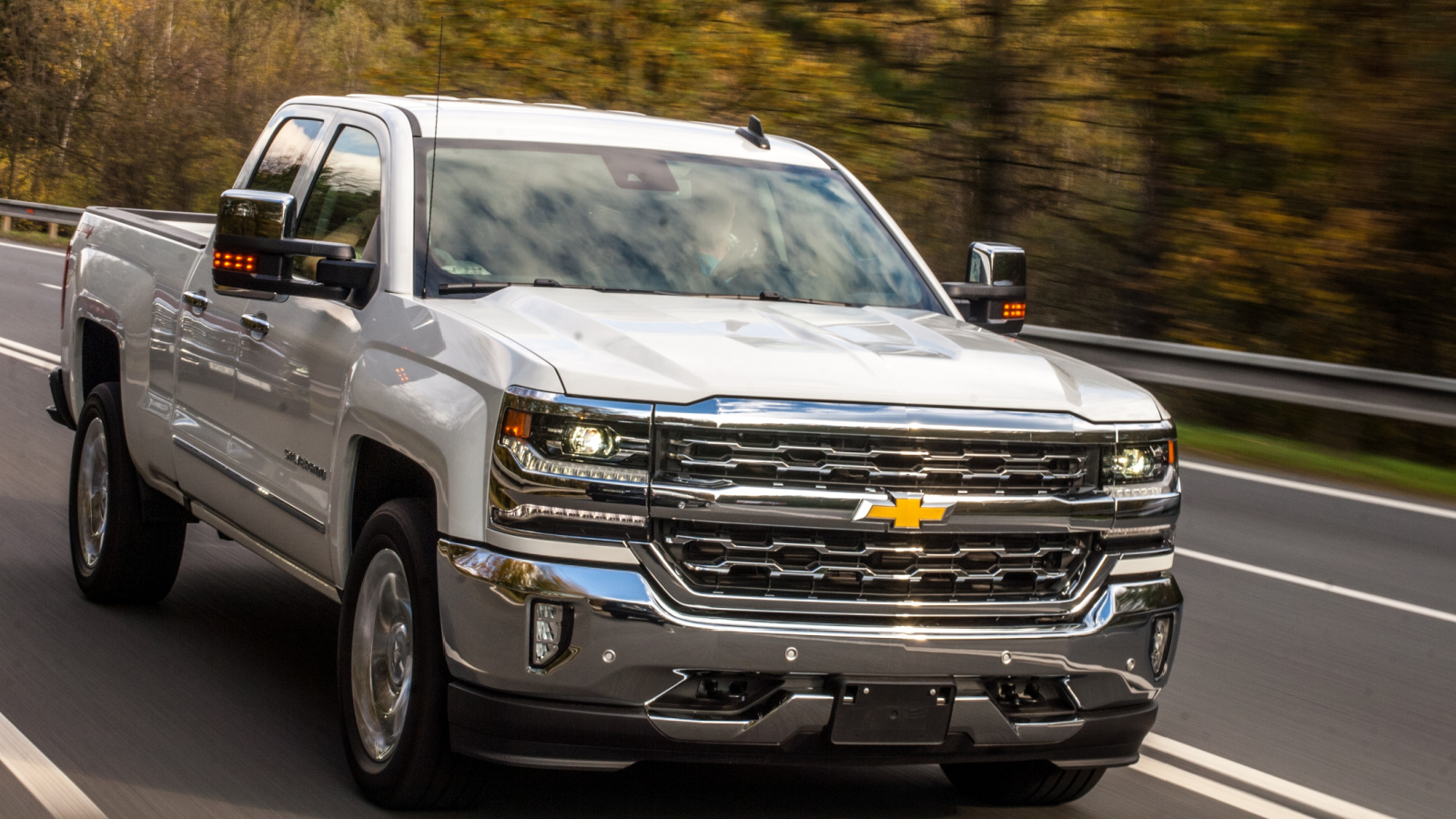
The Chevrolet Silverado and GMC Sierra 1500 share the same ownership challenge: big capability brings big running costs. These pickups can be excellent tools for towing, hauling, and rural driving, but their size works against them in the current market. Fuel, tires, brakes, insurance, financing, and repair costs all scale upward. Older Silverado and Sierra models have also appeared in Canadian theft lists, which keeps theft history part of the broader ownership-cost story.
The pain is not limited to brand-new buyers. Used-truck shoppers often stretch for a higher trim because the monthly payment looks manageable, then discover the ongoing costs later. A luxury-trim Sierra or Silverado can carry premium-style equipment without premium-brand badges, and that equipment is not cheap to fix. Parking-lot damage, windshield sensors, LED lighting, and large wheel packages all add cost. For owners who genuinely need a truck, the math can still work. For occasional utility, it is getting punished.
Jeep Wrangler
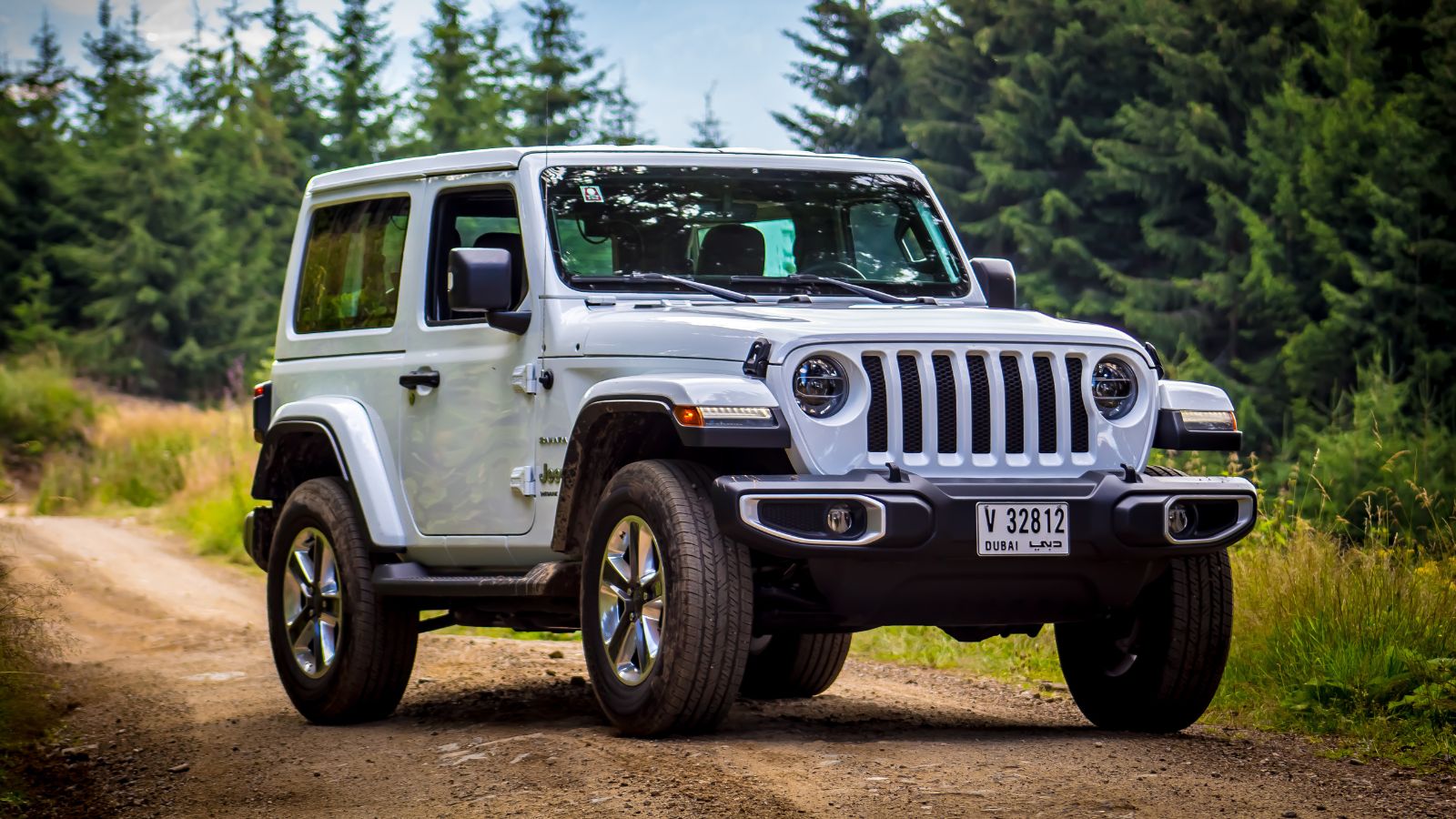
The Jeep Wrangler sells emotion as much as transportation. It has unmatched personality, real off-road ability, and a loyal community, but that does not shield it from ownership-cost pressure. Its shape, tires, removable components, and rugged hardware can all create expenses that ordinary compact SUVs avoid. Consumer reliability data has also put Jeep near the weaker end of used-brand rankings, which matters more when repair labour and parts costs are rising.
Wrangler ownership often includes accessories, larger tires, roof systems, lift kits, or trail-related wear. Those choices make the vehicle more enjoyable, but they rarely make it cheaper. Fuel economy can also lag more road-focused SUVs, and insurance may reflect both repair complexity and theft or modification risk. A weekend trail machine can be worth every dollar to the right owner. As an everyday commuter bought mainly for style, the Wrangler is increasingly exposed to the new reality of expensive fun.
Tesla Model Y
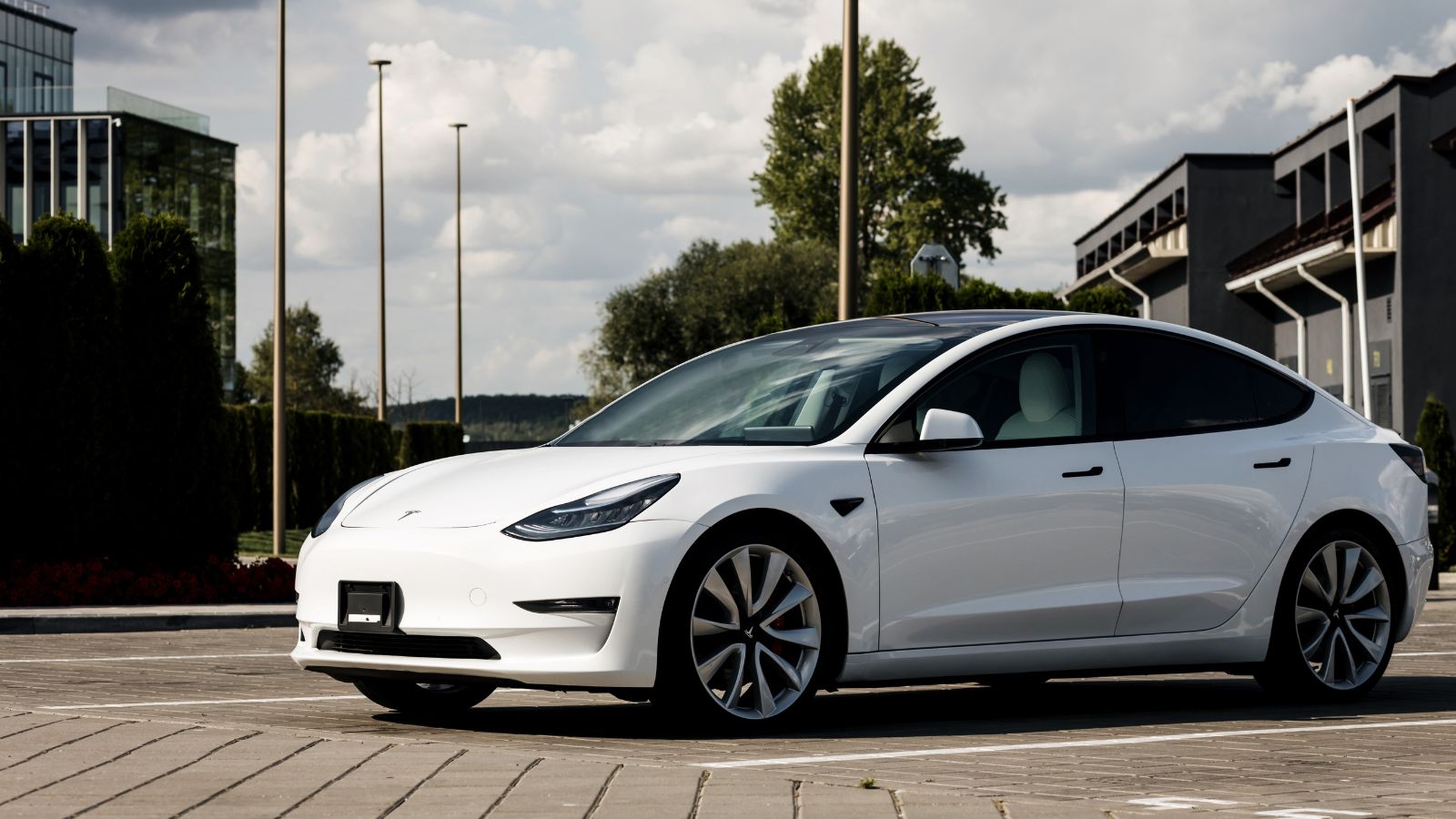
The Tesla Model Y changed the EV market in Canada, but it is also facing a harsher ownership-cost environment. EVs can save money on fuel and routine maintenance, yet the total bill depends heavily on purchase price, resale value, insurance, tires, charging access, and repair costs. Tesla pricing changes, incentive uncertainty, and used-EV volatility have made depreciation harder for buyers to predict. For owners who financed near peak prices, that can sting.
The Model Y’s strengths remain clear: quick acceleration, useful cargo space, an efficient electric drivetrain, and access to Tesla’s charging network. Still, insurance and collision repairs can be expensive because EV battery structures, sensors, cameras, and body components are costly after an accident. Tires may also wear quickly under the weight and torque of an EV. For Canadians with home charging, it can still be economical. Without home charging or with a high loan balance, the savings story becomes less simple.
Tesla Model 3
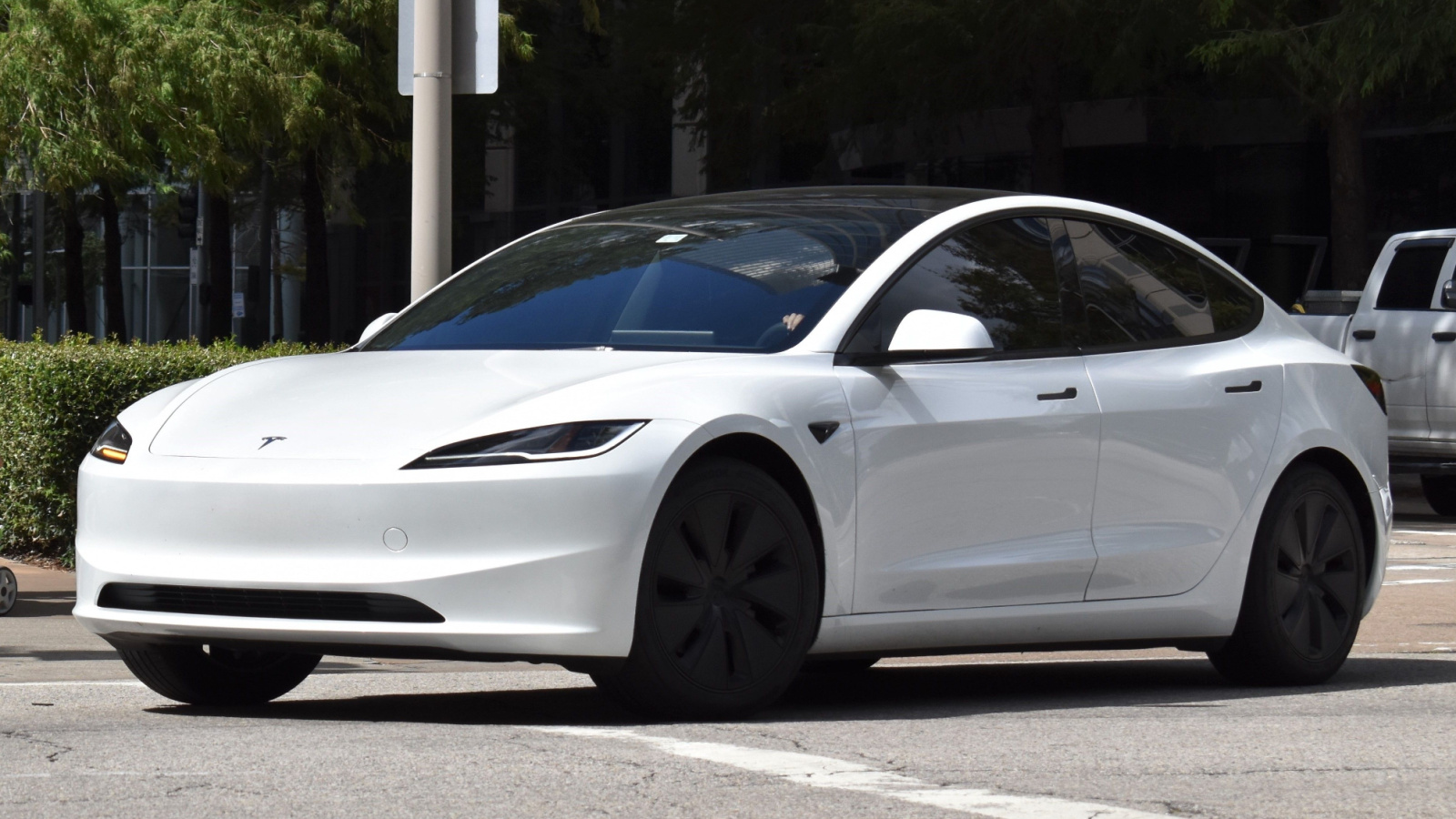
The Tesla Model 3 once looked like the obvious entry point into electric driving, but ownership economics have become more complicated. Used prices have moved sharply over time, partly because Tesla has adjusted new-vehicle pricing and the EV market has absorbed changing incentives. That volatility matters to Canadians who bought with resale value in mind. A vehicle can be efficient and still disappoint financially if its market value falls faster than expected.
The Model 3 also highlights a broader EV issue: low maintenance does not always mean low ownership cost. There are fewer oil changes and fewer traditional mechanical services, but insurance, tires, glass, suspension wear, charging equipment, and collision repairs can still be substantial. A commuter with a garage charger may see real operating savings. A condo owner relying on public charging may not. The Model 3 remains a strong EV, but the new math rewards buyers who calculate total cost, not just electricity versus gasoline.
Ford F-150 Lightning
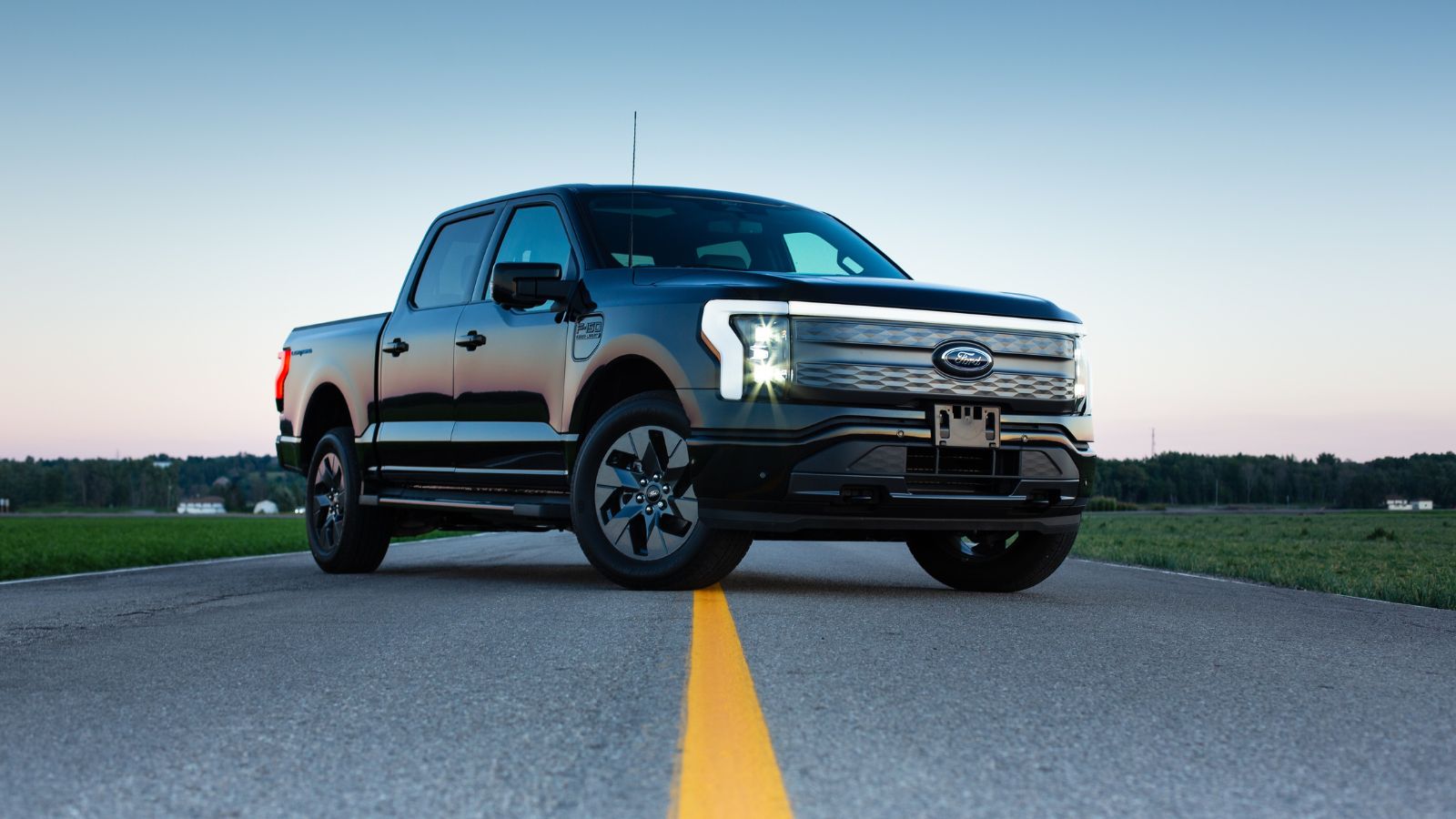
The Ford F-150 Lightning is one of the most interesting vehicles in Canada, but it sits directly in the path of ownership-cost pressure. It combines the cost structure of a full-size pickup with the market uncertainty of a large EV. That means buyers have to think about insurance, tires, depreciation, charging speed, cold-weather range, towing range, and repair complexity. The Lightning can be brilliant for the right use case, especially with home charging and predictable routes.
The challenge is that truck buyers often expect flexibility. Gas trucks can tow long distances and refuel almost anywhere in minutes. Electric trucks ask owners to plan more carefully, especially in winter or under load. If a buyer paid a premium expecting fuel savings to offset everything else, depreciation and charging limitations can feel punishing. The Lightning is not a failed idea; it is a specialized tool. In Canada’s current ownership-cost climate, specialized tools need very specific owners.
Volkswagen ID.4
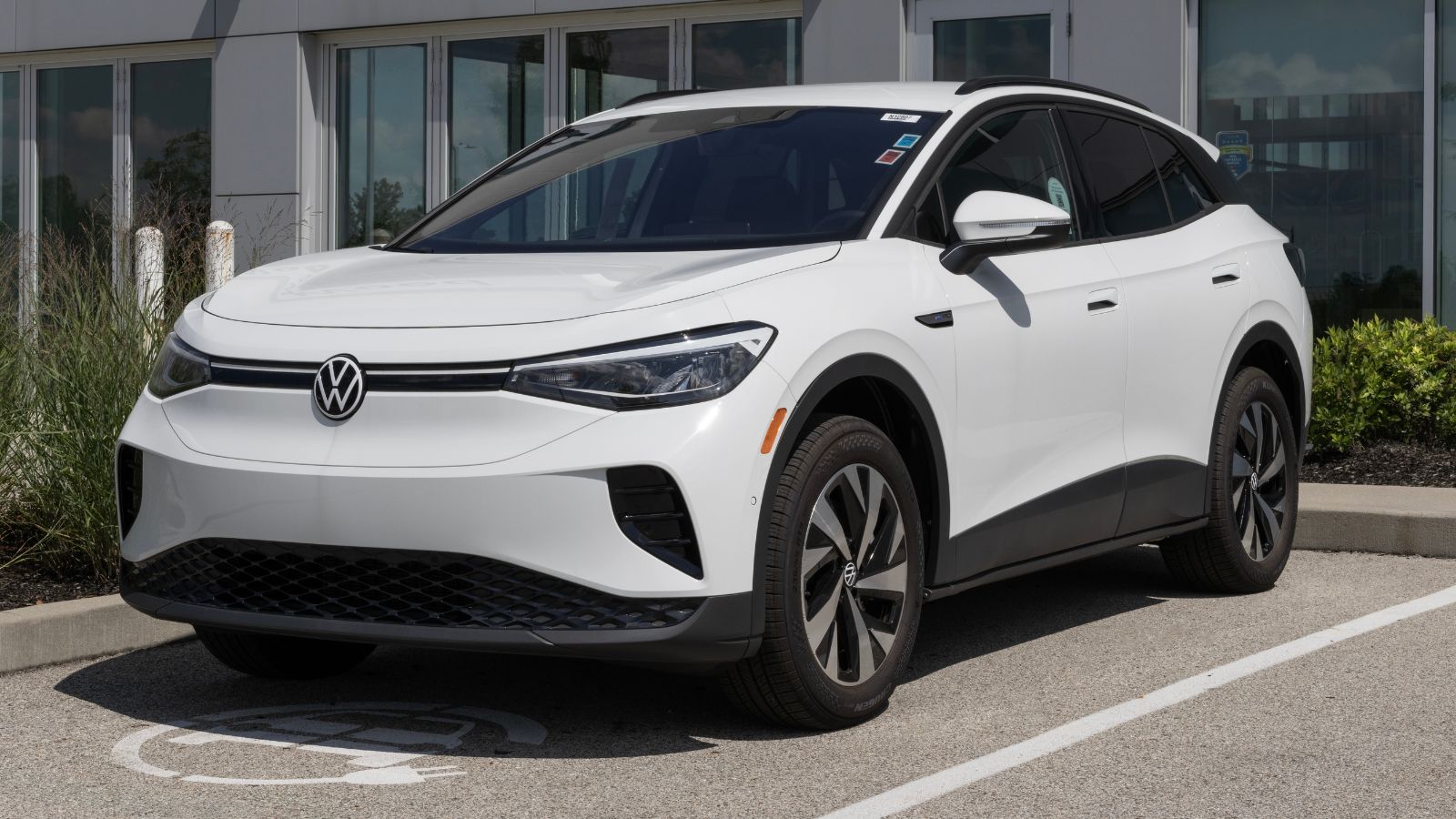
The Volkswagen ID.4 was meant to bring familiar crossover practicality into the EV era, but early ownership concerns have made it vulnerable. Reliability surveys and owner reports have highlighted trouble spots for some EVs, including electronics, charging systems, climate controls, and software-related issues. Those concerns matter because Canadian EV buyers are not only judging range; they are judging whether repairs, downtime, and resale risk will offset the fuel savings.
The ID.4 can still work well for households with home charging and modest daily mileage. The punishment comes when ownership is less ideal. Public-charging dependence, winter range loss, unfamiliar repair networks, and software frustrations can make the experience feel more expensive than expected. As more EV choices arrive, used values and buyer confidence become even more important. A practical EV crossover must now compete not just on monthly payment, but on trust, charging convenience, and long-term repair confidence.
Kia EV6
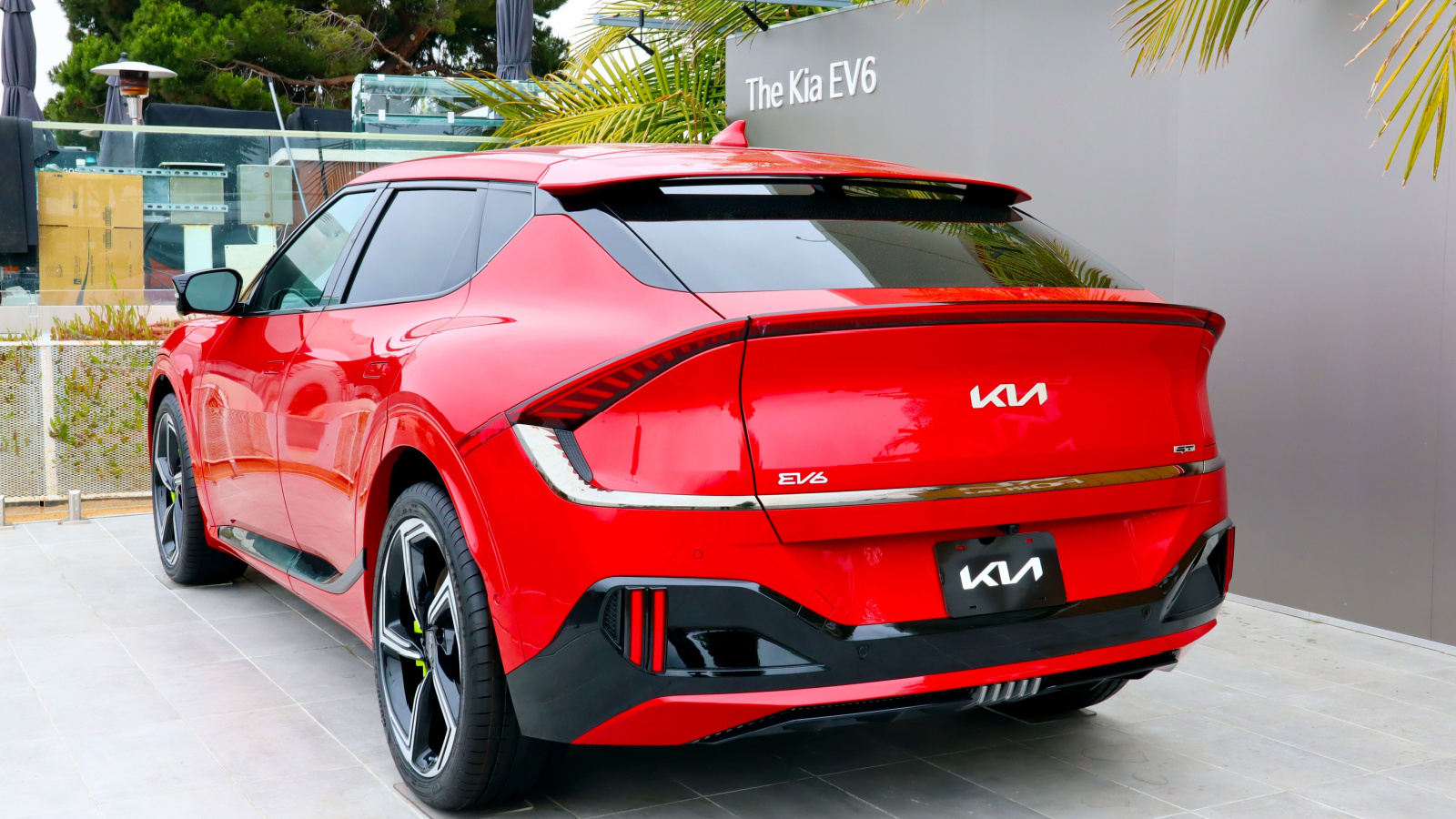
The Kia EV6 shares many of the Ioniq 5’s strengths, including quick charging, strong performance, and a modern cabin. It also shares the financial risks that now follow many EVs. Canadian buyers are learning that an electric drivetrain reduces certain maintenance items, but it does not erase ownership costs. Tires, insurance, repairs after a collision, and depreciation still matter. A fast, heavy EV can be harder on rubber than shoppers expect.
The EV6 can be especially tempting because it feels premium without always wearing a premium badge. That can lead buyers to underestimate repair and replacement costs for lighting, sensors, glass, and body panels. Public charging prices and availability also change the math for drivers without home charging. The EV6 remains a strong electric crossover, but the ownership case depends on circumstances. For some Canadians it is a money-saver; for others, it is a technology-forward vehicle carrying technology-forward bills.
BMW X5
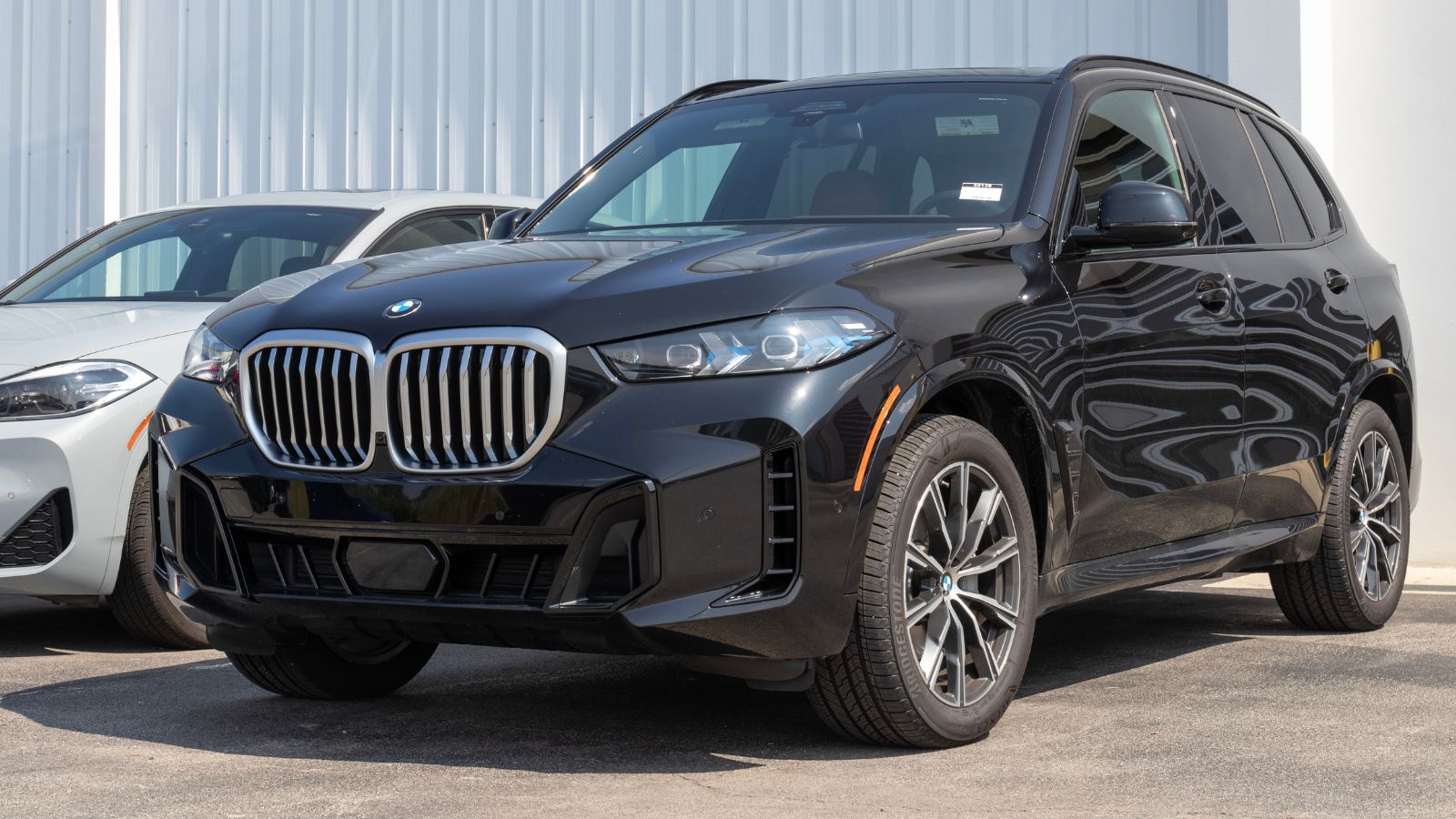
The BMW X5 has always been expensive, but the newer cost environment makes that expense harder to ignore. Premium SUVs carry higher insurance, pricier tires, more complex electronics, and repair labour that can quickly exceed mainstream expectations. Advanced driver-assistance systems, large wheels, air suspension on some versions, turbocharged powertrains, and luxury interior components all raise the cost of keeping the vehicle feeling fresh.
The X5 still offers a blend of performance, comfort, and status that many rivals struggle to match. The problem is that ownership costs compound. A buyer may budget for the payment but underestimate brakes, run-flat tires, extended warranty decisions, or out-of-warranty repairs. In cities where insurance is already climbing, a luxury SUV can become a premium on top of a premium. For drivers who can comfortably absorb the costs, the X5 remains compelling. For stretched buyers, it is increasingly unforgiving.
Mercedes-Benz GLC
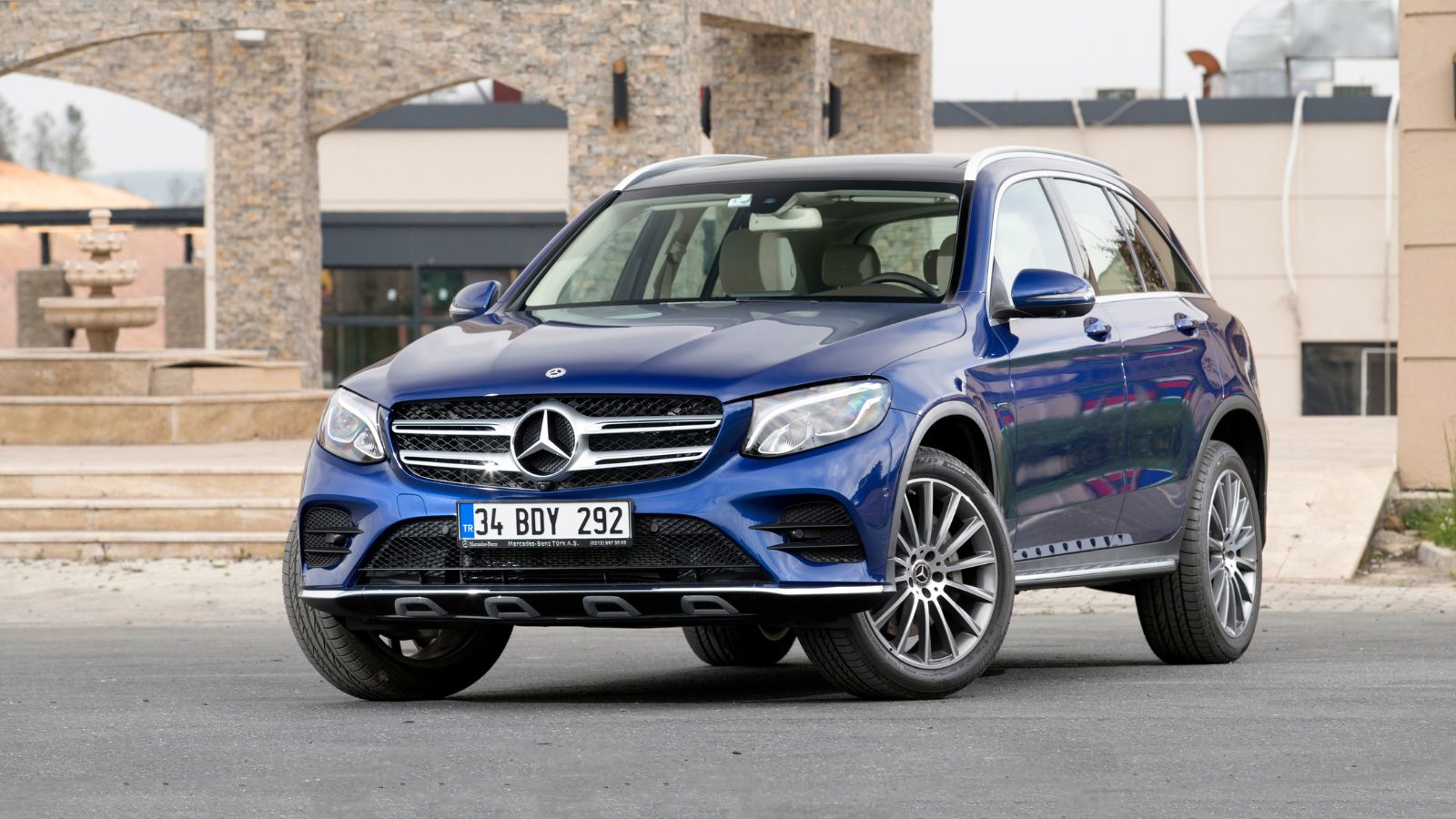
The Mercedes-Benz GLC looks like a manageable luxury SUV because it is compact, refined, and common enough to feel familiar. That impression can hide the real ownership cost. Premium-brand parts, specialized service, expensive tires on larger-wheel trims, and technology-heavy repairs make it more costly than mainstream compact SUVs. Insurance can also reflect repair costs, vehicle value, and regional claims experience rather than just the owner’s driving record.
The GLC’s appeal is easy to understand: quiet ride, upscale cabin, strong badge value, and everyday practicality. But the new cost of ownership punishes vehicles that blur the line between mainstream size and premium repair bills. A cracked windshield with sensors, a minor bumper hit, or an electronic fault can be far more expensive than expected. Used buyers should be especially careful, because a lower purchase price does not turn a luxury SUV into a low-cost vehicle. The badge keeps sending premium invoices.
Land Rover Range Rover Sport
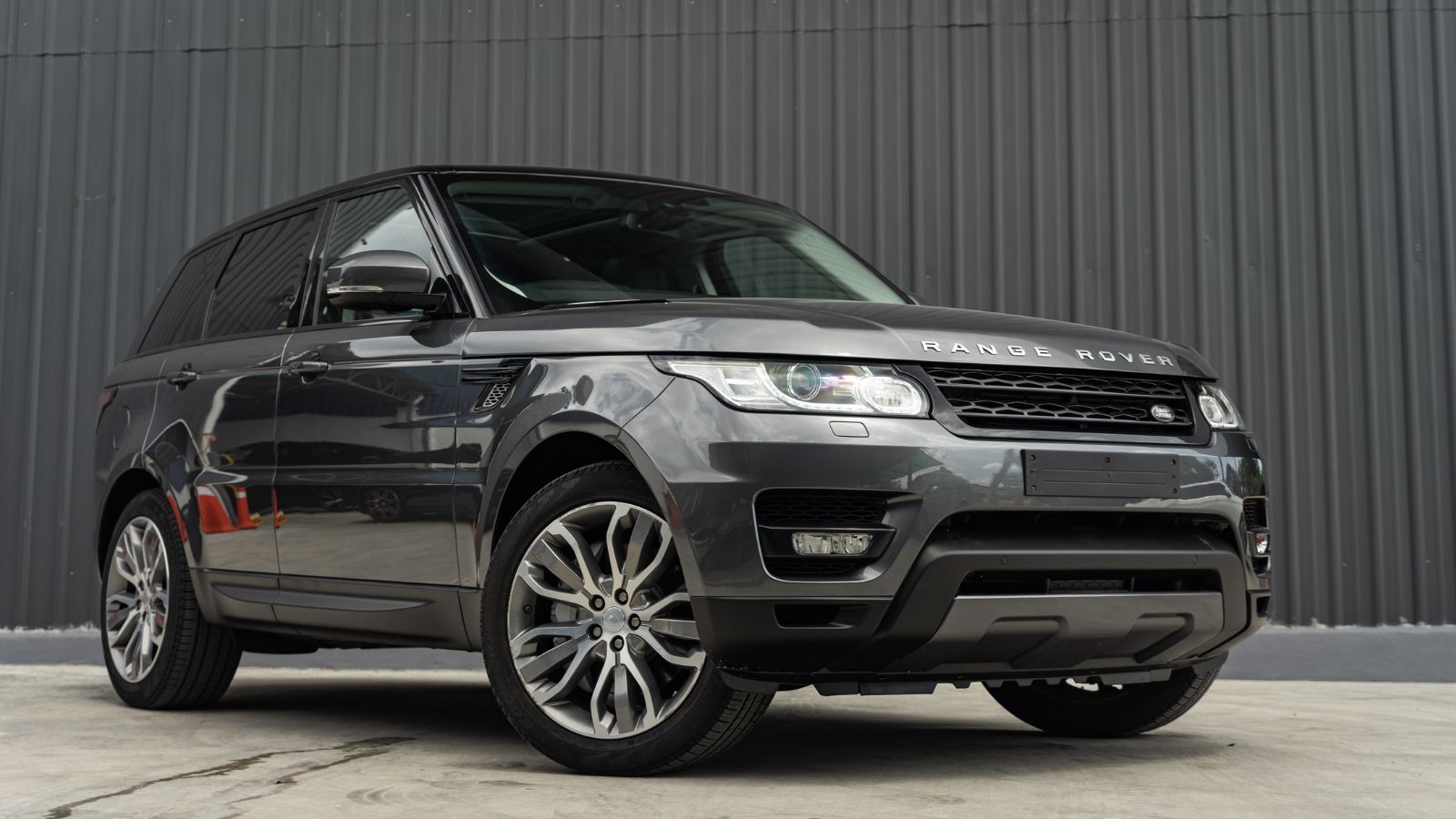
The Range Rover Sport is built around presence, comfort, and capability, but it is one of the clearest examples of a vehicle punished by modern ownership costs. Luxury SUVs face elevated insurance, expensive parts, complex electronics, large tires, and high labour rates. When a vehicle combines premium equipment with heavy weight and advanced off-road systems, almost every routine and unexpected expense becomes bigger.
The Range Rover Sport can still feel special in a way few SUVs do. That is exactly why buyers may rationalize the cost. But in Canada, where winter tires, pothole damage, insurance renewals, and repair delays already test patience, the ownership experience can become financially heavy. A used example may look tempting after depreciation, yet the maintenance profile remains tied to its original luxury price. The cheaper it becomes to buy, the more important it becomes to ask why the next owner is being handed the bills.
22 Things Canadians Do to Their Cars in Spring That Mechanics Hate

Spring brings relief to many Canadian drivers after months of snow, freezing temperatures, and icy roads that put serious strain on vehicles. As temperatures rise across the country, drivers begin washing cars, switching tires, and preparing vehicles for warmer weather and upcoming road trips. However, mechanics across Canada notice the same mistakes every spring when drivers attempt to recover from winter damage. Road salt, potholes, and harsh winter driving conditions often leave vehicles with hidden problems that drivers ignore. Some spring habits even create new mechanical issues that could have been avoided with proper maintenance. Here are 22 things Canadians do to their cars in spring that mechanics hate.