






















Cruise control can make a long drive feel smoother, calmer, and less tiring, but it is not designed for every road or every driver. The danger begins when a system built for steady highway travel is used in conditions that demand quick judgment, changing speed, and constant traction awareness. Rain, ice, heavy traffic, worn tires, fatigue, and overconfidence can all turn a helpful feature into a hidden risk. This piece covers 12 situations where cruise control can create more danger than convenience, especially when drivers treat it as a safety system rather than a comfort feature.
Wet Roads Can Turn a Convenience Feature Into a Traction Risk
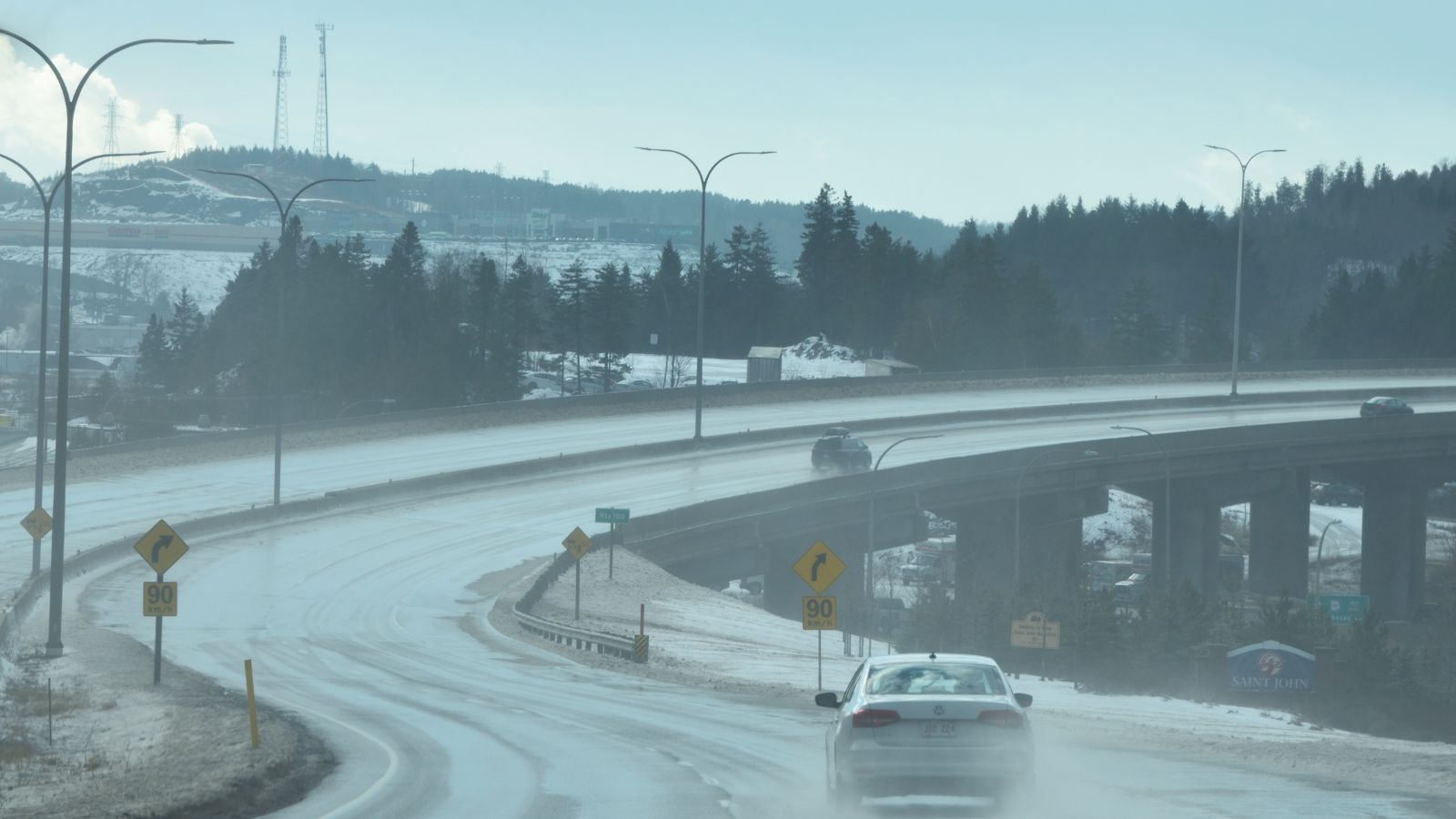
Cruise control works best when the vehicle can maintain a steady speed without sudden adjustments. Wet roads are the opposite of that ideal. Rain reduces tire grip, increases stopping distance, and can make small steering or throttle changes feel sharper than expected. A driver manually controlling the accelerator can gently ease off the gas the moment the road looks slick. Cruise control, however, is designed to preserve the set speed until the driver cancels it or the system responds within its limits.
That difference matters during ordinary rain, not just severe storms. A commuter on a familiar highway may set cruise control at the usual speed, then hit a shiny patch where water has collected in a lane depression. The safest reaction is often smooth deceleration, but cruise control can delay that natural “lift off” response. In wet weather, the driver needs direct control over speed, traction, and following distance.
Snow and Ice Demand Foot-Controlled Speed Changes
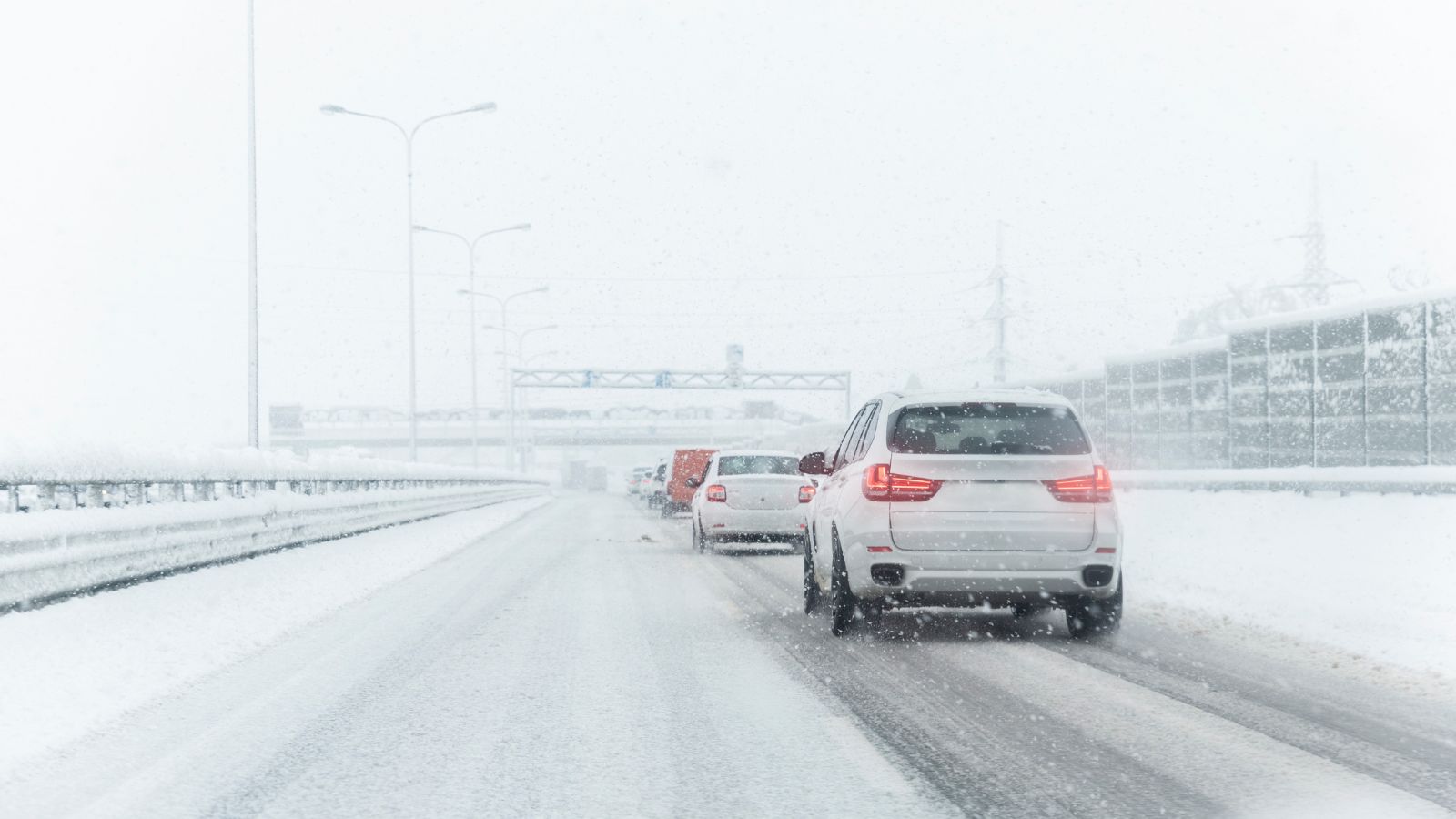
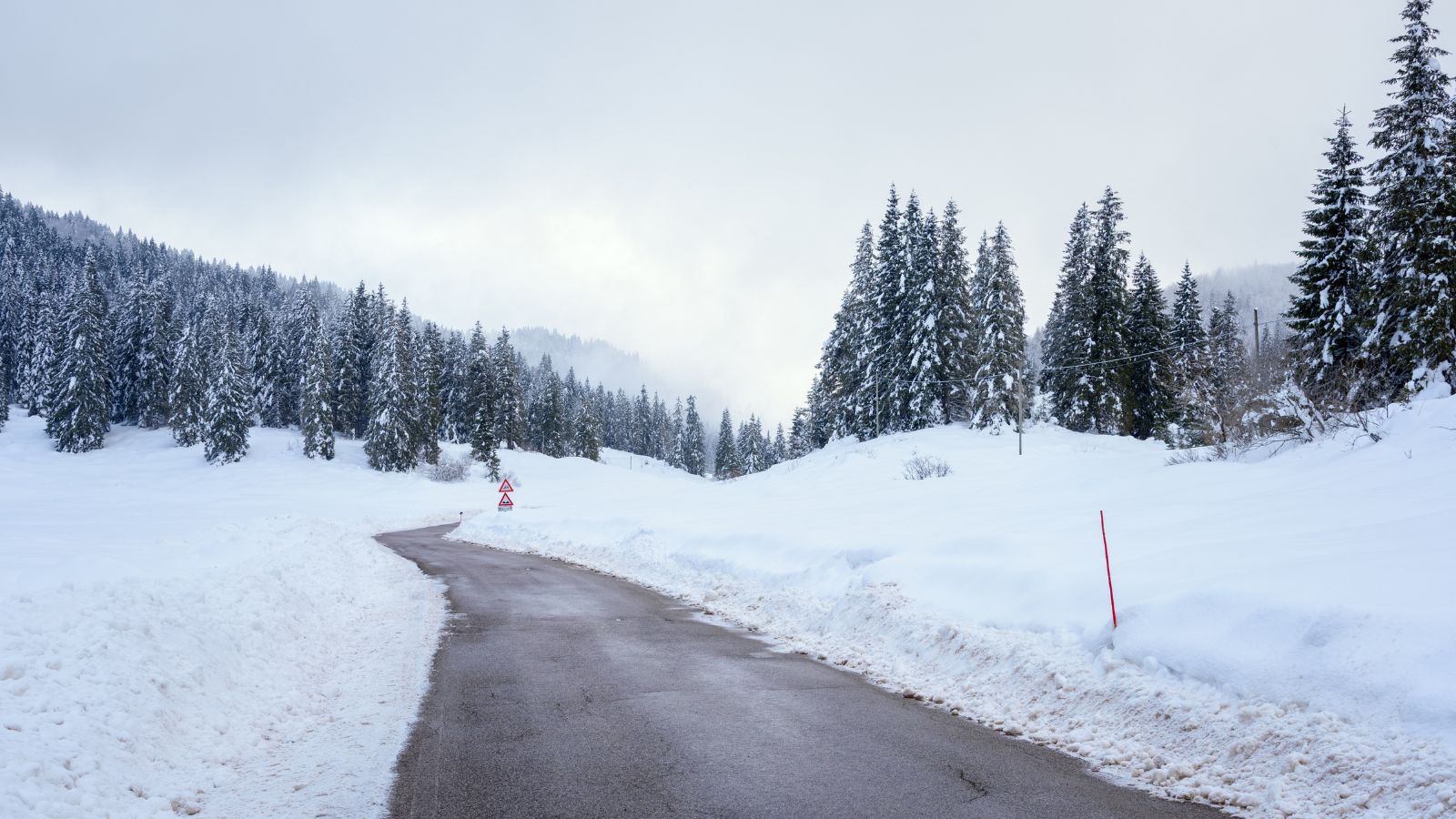
Snow, ice, slush, and freezing rain create constantly changing grip. A lane that looks clear may hide black ice near bridges, shaded curves, or overpasses. Cruise control cannot feel the road the way an attentive driver can through the steering wheel, tires, and accelerator. When traction is uncertain, even a small attempt to hold speed can be enough to unsettle the vehicle.
Winter driving also requires slower, more deliberate inputs. Drivers often need to coast before a curve, reduce speed before a hill, or create extra space before a stop. Cruise control encourages a steady pace, which can be risky when the road surface is inconsistent. A rural driver crossing an exposed stretch after sunset may encounter patches of drifting snow followed by bare pavement within seconds. That kind of variation calls for manual speed control, not a preset number.
Hydroplaning Can Happen Faster Than Many Drivers Expect
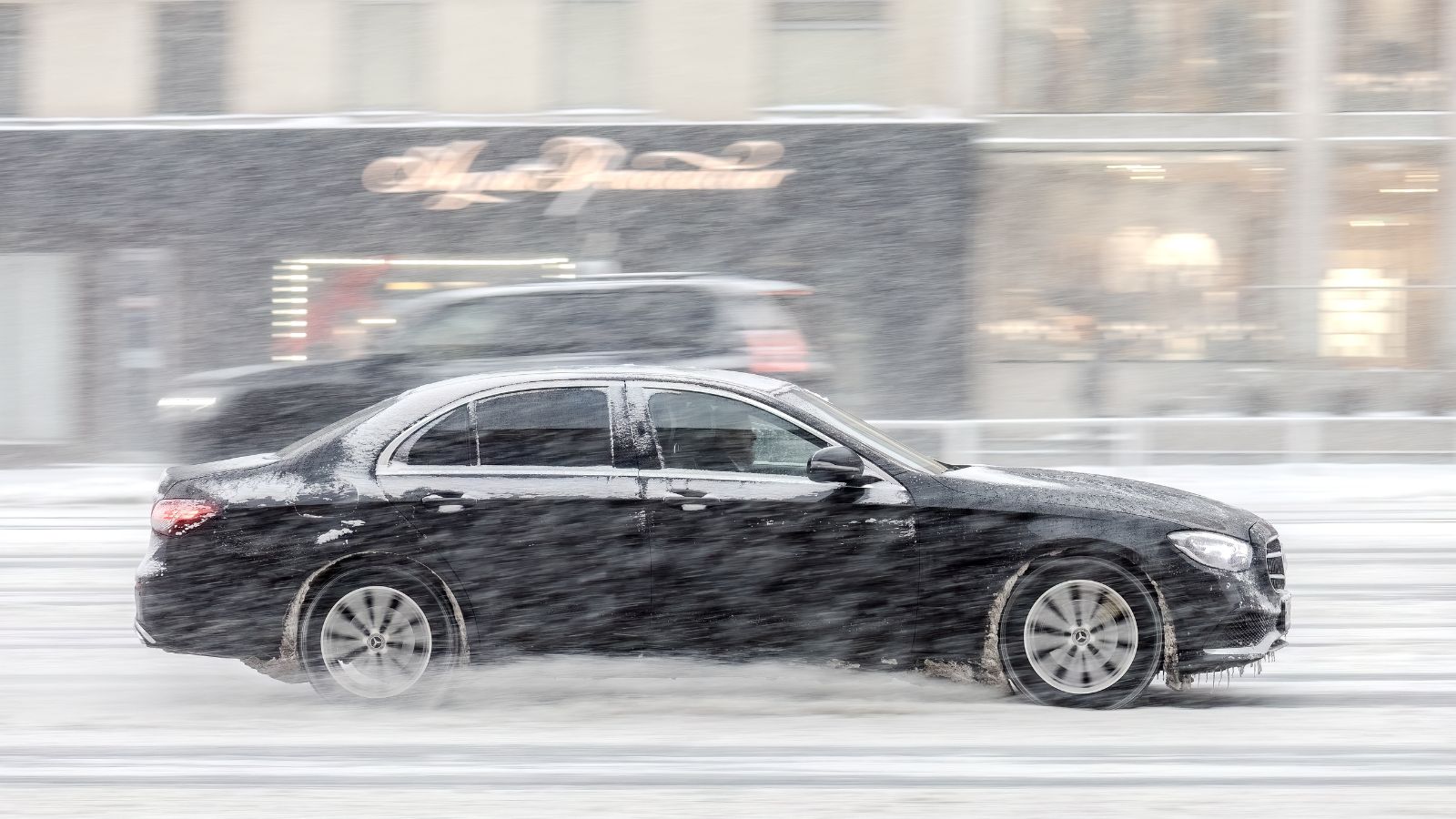
Hydroplaning occurs when tires ride on a layer of water instead of maintaining firm contact with the road. It can happen suddenly, especially at highway speeds, during heavy rain, or when water collects in ruts. The steering may feel light, the vehicle may drift, and braking or accelerating too sharply can make recovery harder. Cruise control adds risk because the system is still focused on maintaining the chosen speed unless it is cancelled.
The danger is not that cruise control “causes” every hydroplaning incident. The real concern is that it can interfere with the instinctive response drivers need: easing off the accelerator smoothly and keeping the vehicle pointed straight. A driver who has never hydroplaned may not recognize the first second of tire float. By the time the cruise setting is cancelled, the car may already be drifting. In heavy rain, manual control gives the driver a better chance to respond early and gently.
Heavy Traffic Leaves Too Little Room for Set-and-Forget Speed
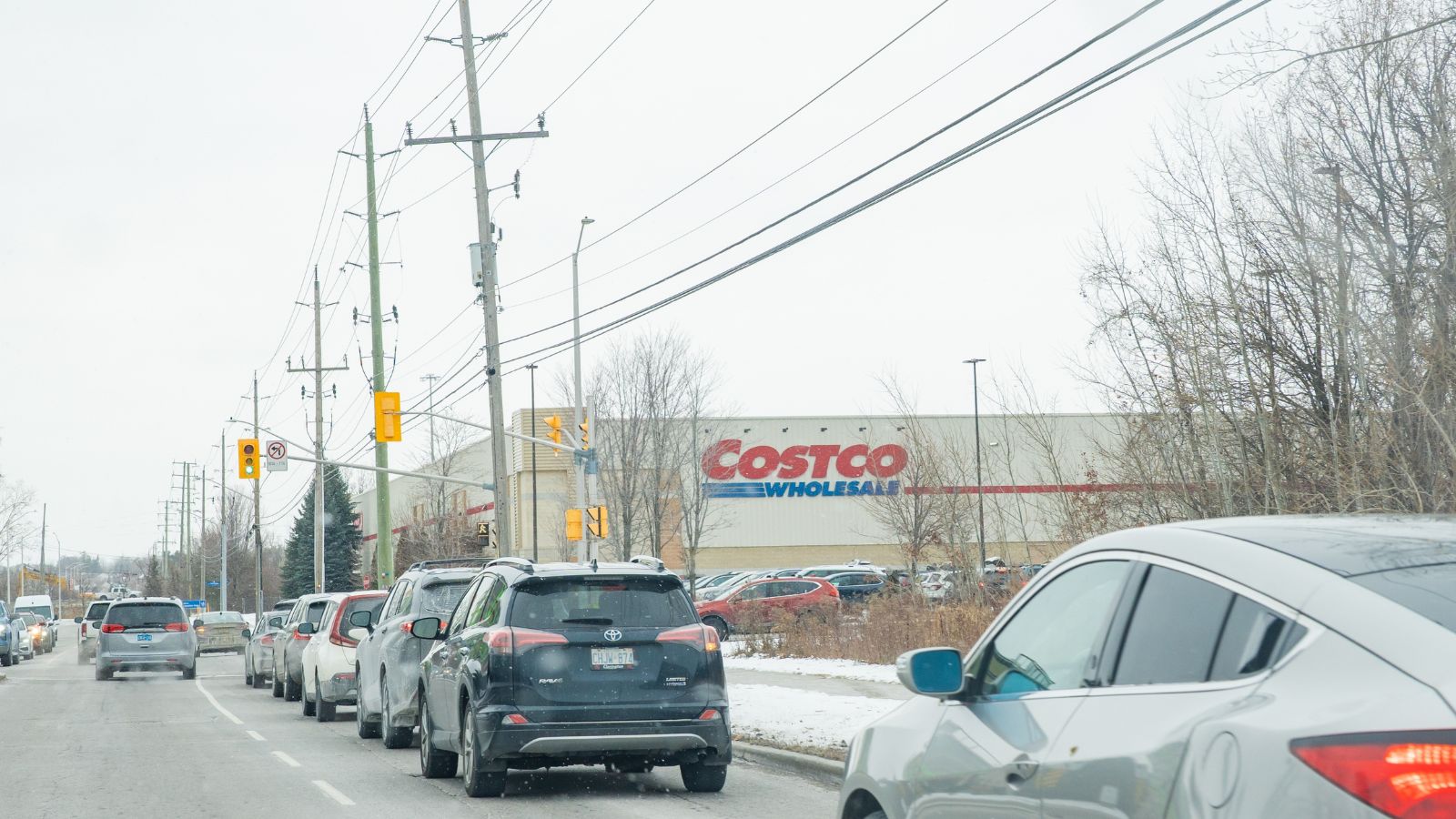
Cruise control is poorly suited to traffic that compresses, spreads out, and compresses again. In heavy traffic, drivers need to adjust speed repeatedly, often before brake lights appear directly ahead. A human driver may notice a delivery van drifting toward a lane change, a brake-light wave forming several cars up, or a motorcycle moving through a blind spot. Traditional cruise control does not anticipate those social cues.
Adaptive cruise control can help maintain distance from a vehicle ahead, but it still has limits. Stop-and-go traffic can include sudden cut-ins, short gaps, lane jumpers, and abrupt braking. Even when the system slows the vehicle, the driver remains responsible for deciding whether the situation is safe. A driver relying too heavily on cruise control in a crowded commute may react later because the system has been doing the repetitive speed work. Traffic requires active participation, not passive monitoring.
Curves and Hills Can Expose the System’s Blind Spot
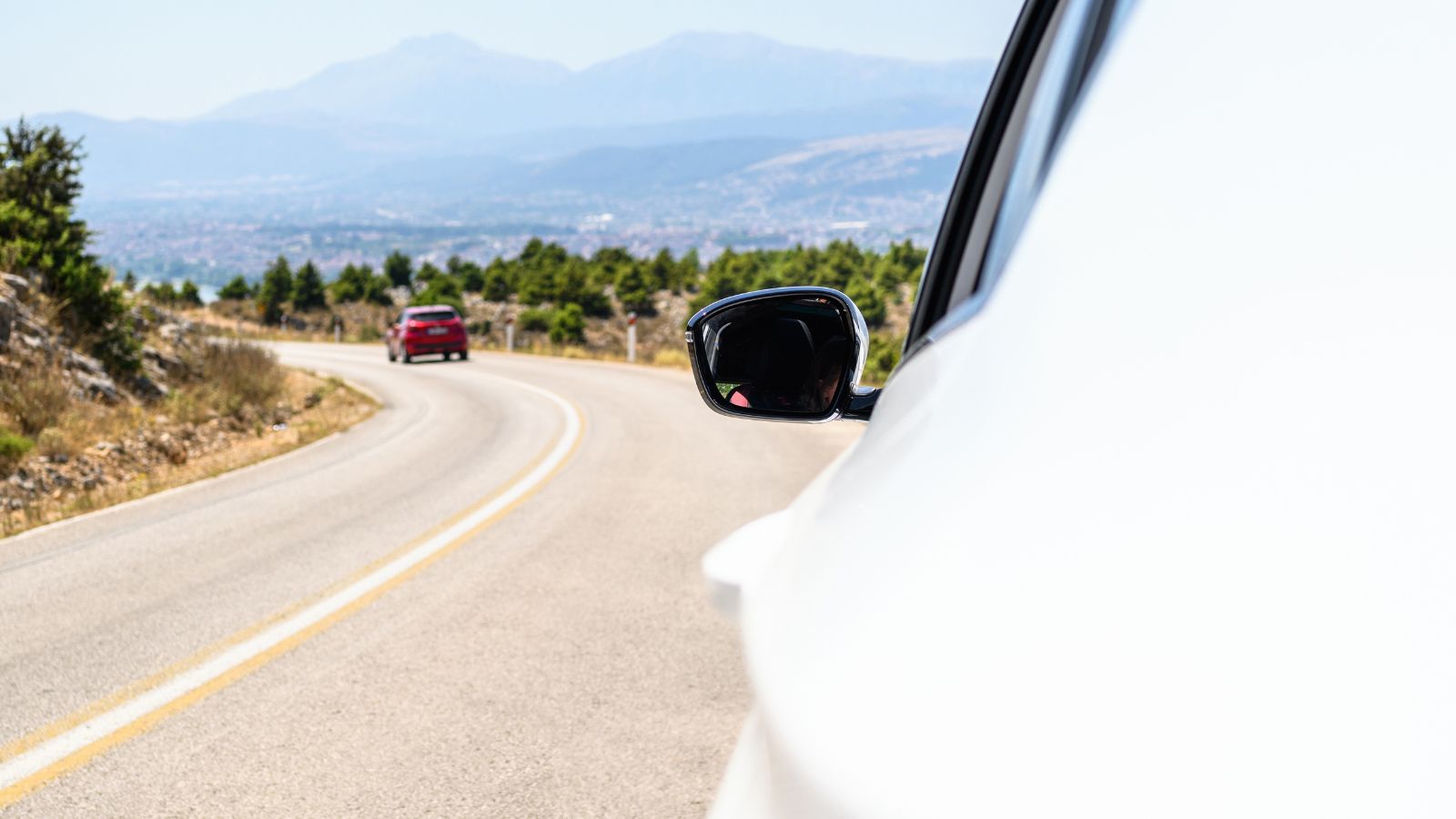
Cruise control is designed around speed, not road shape. On winding roads, a safe speed often changes from one bend to the next. A speed that feels comfortable on a straight stretch may be too fast for a decreasing-radius curve, wet corner, or downhill turn. If the vehicle enters a curve while still trying to hold the set speed, the driver may have less time to brake smoothly and settle the car before steering.
Hills create another problem. Some systems may allow speed to rise above the set point on downhill grades, while others may accelerate on climbs to maintain pace. Either response can feel surprising when traction, visibility, or traffic is imperfect. A driver descending a long grade behind slower vehicles needs to manage speed with anticipation. Cruise control can make that management feel automatic, even when the road demands judgment.
Adaptive Cruise Control Can Miss What Human Eyes Catch
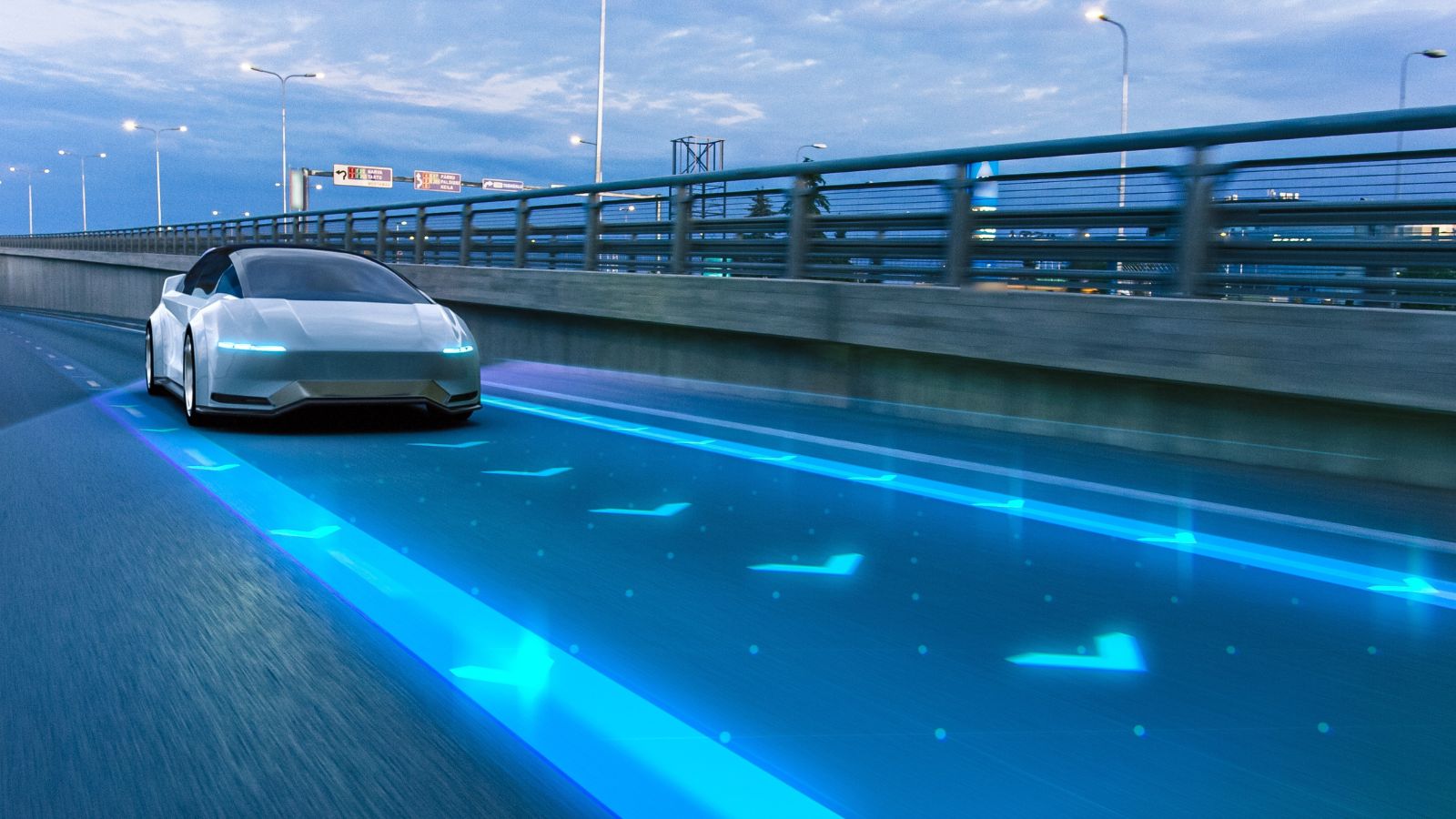
Adaptive cruise control is more advanced than traditional cruise control because it can adjust speed based on a vehicle ahead. That does not make it a replacement for human attention. Some systems may not respond well to stopped vehicles, objects outside the sensor path, or vehicles cutting in at close range. A driver who assumes the system sees everything may delay braking at the worst possible moment.
The problem often appears in ordinary situations. A car ahead may leave the lane, revealing stopped traffic that had been hidden from view. A human driver can recognize the line of brake lights and prepare immediately. Adaptive cruise control may need time to identify the new hazard, and some systems are specifically intended for highway conditions rather than complex urban driving. The driver still has to scan ahead, cover the brake when needed, and be ready to take over instantly.
Bad Weather Can Limit Sensors Before the Driver Notices
Modern driver-assistance features often depend on cameras, radar, or other sensors. Heavy rain, snow, fog, road spray, glare, dirt, or ice can reduce how well those systems interpret the environment. The driver may still see enough to continue carefully, but the system’s confidence can be lower than expected. This is especially dangerous when the driver assumes adaptive cruise control is handling more than it actually is.
Bad weather can also create false comfort. A dashboard icon may remain active while road markings fade, spray hides vehicles ahead, or a sensor becomes partially blocked. The vehicle may not “understand” conditions the same way a cautious driver does. In winter, for example, road salt and slush can build up around sensors during a highway trip. When visibility and traction are both compromised, cruise control and related assistance features should be treated as limited tools, not dependable safeguards.
Fatigue Makes Cruise Control Feel Safer Than It Is

Cruise control can reduce physical effort on long drives, but reduced effort is not always the same as reduced risk. Fatigue lowers alertness, slows reactions, and makes monotonous highway driving more dangerous. When the vehicle is holding speed on its own, a tired driver may become even more passive. The road still requires attention, but the body receives fewer reminders to stay engaged.
This matters on long, straight routes where “highway hypnosis” can creep in. A driver who has been traveling for hours may start checking mirrors less often, scanning less widely, or reacting more slowly to brake lights. Cruise control can make the trip feel easier while masking the need for a rest stop. For fatigued drivers, the safer answer is not more automation. It is a break, a driver change, or ending the trip until alertness returns.
Overconfidence Can Quietly Replace Active Driving
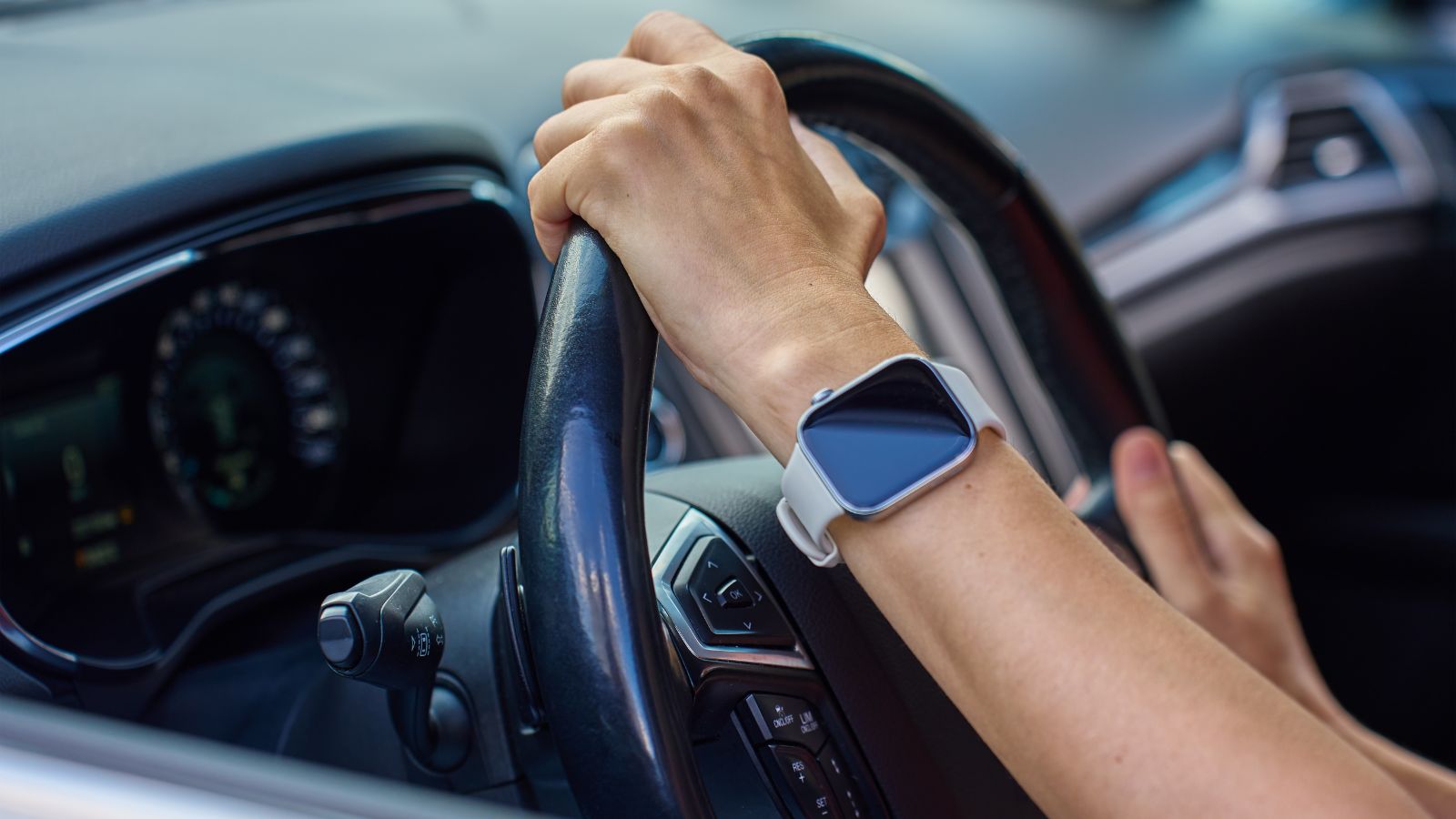
One of the most dangerous cruise-control habits is overconfidence. Once drivers become comfortable with adaptive cruise control or partial automation, they may begin treating the system as more capable than it is. That can lead to looking away longer, checking a phone, eating, adjusting screens, or mentally checking out. The system may still be working, but the driver’s readiness has weakened.
This is especially concerning because many driver-assistance systems are marketed with comfort-focused language. The technology may feel polished enough to encourage trust, yet it still depends on the human behind the wheel. A driver who has used adaptive cruise control successfully for thousands of kilometres may be least prepared for the rare moment when it fails to respond as expected. Familiarity can reduce caution, and reduced caution can erase the safety margin.
Worn Tires Make the Margin for Error Much Smaller
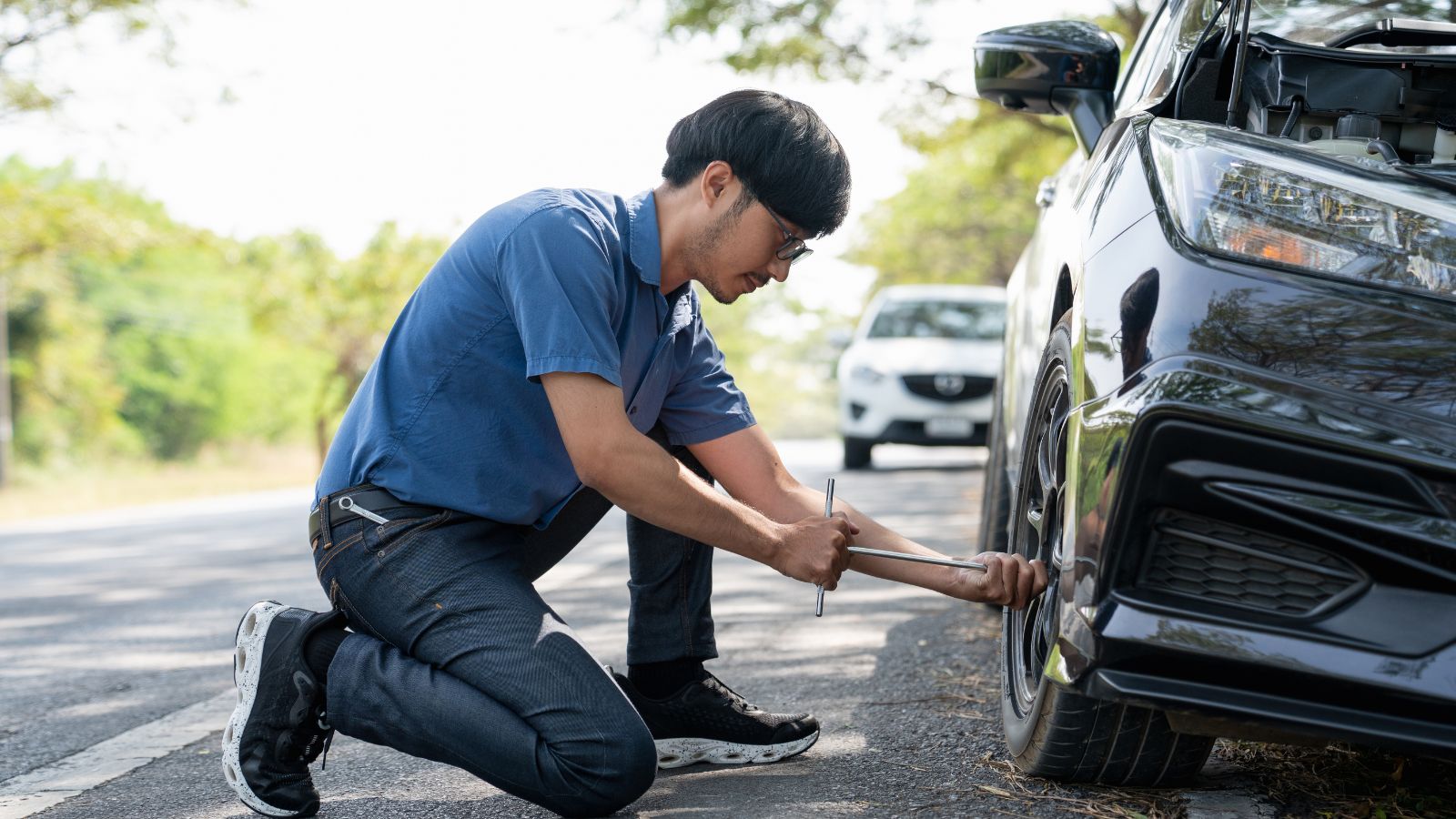
Cruise control becomes riskier when the vehicle’s tires are already near their limit. Tread depth helps channel water away from the contact patch and maintain grip on wet pavement. As tires wear, wet braking performance declines, and the vehicle becomes more vulnerable to slipping or hydroplaning. A cruise setting that feels normal on new tires may be too aggressive for tires with reduced tread.
The danger is easy to overlook because worn tires may feel acceptable on dry pavement. A driver may set cruise control during a summer downpour after weeks of uneventful commuting. But wet roads expose tire weakness quickly. The difference between stopping comfortably and stopping too late can be several car lengths at highway speed. When tread is worn, the driver should reduce speed manually, increase following distance, and avoid cruise control in rain.
Sudden Cut-Ins Can Outpace System Responses
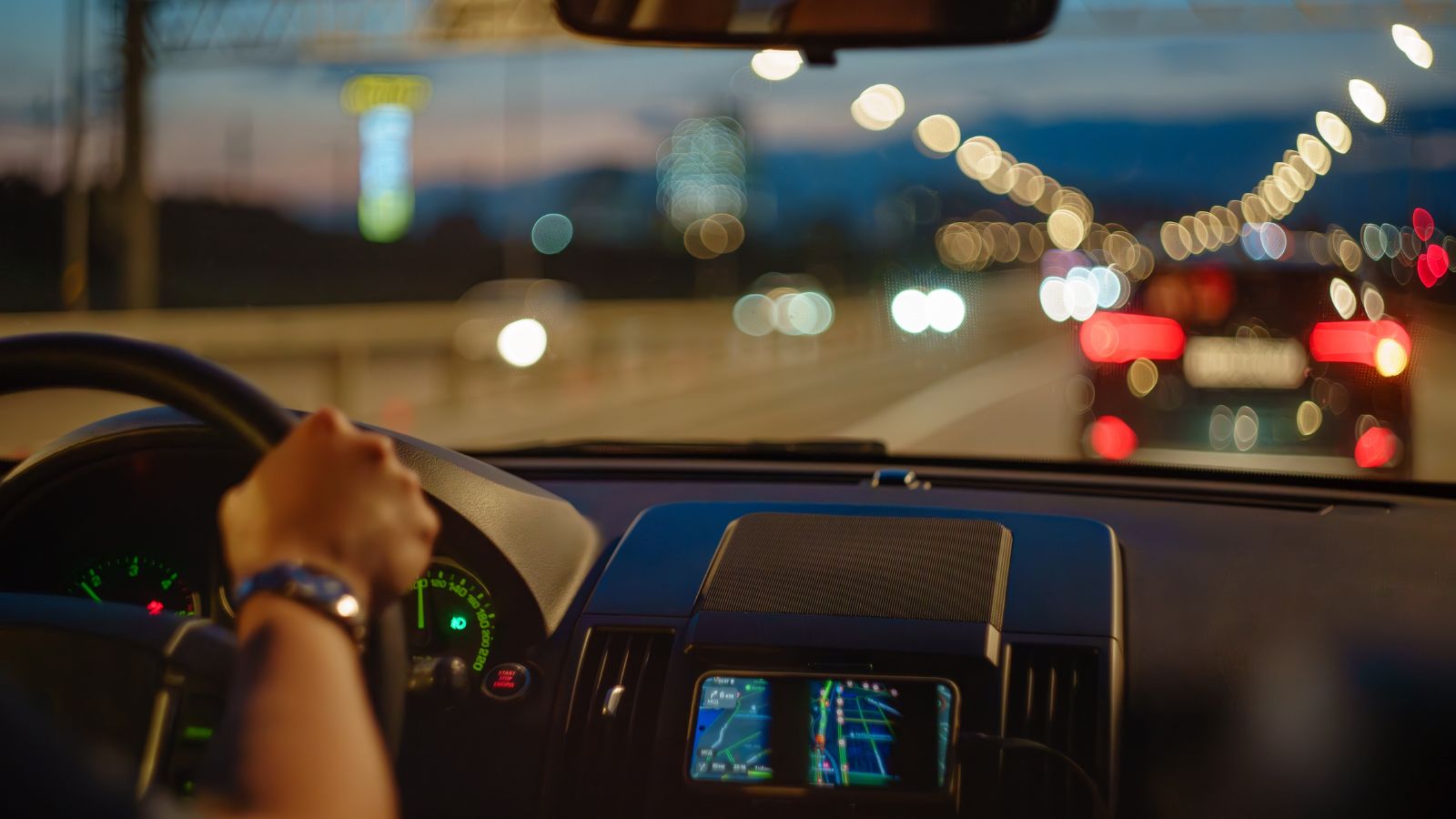
Cruise control systems react within the boundaries of their design. Human traffic, however, is messy. Another driver may cut across lanes to reach an exit, merge too closely from an on-ramp, or brake suddenly after changing lanes. Adaptive cruise control may begin slowing, but the driver may still need to brake harder or steer away from danger. The system is not a substitute for judgment when the situation changes abruptly.
A common example happens near highway exits. Traffic in one lane slows, an impatient driver darts into a faster lane, and the gap disappears almost instantly. A driver using adaptive cruise control may expect the vehicle to manage the distance automatically. In reality, the safest response may require immediate braking before the system has created enough space. The more unpredictable the surrounding traffic becomes, the less appropriate cruise control becomes.
The Safest Choice Is Knowing When to Switch It Off

Cruise control is not inherently dangerous. On dry, open, well-marked highways with light traffic and an alert driver, it can help maintain a steady speed and reduce unnecessary speed drift. The danger comes from using it in the wrong setting or trusting it beyond its purpose. The best drivers treat cruise control as a convenience feature, not a promise of safety.
A practical rule is simple: if the road requires frequent speed changes, uncertain traction, extra vigilance, or quick decision-making, cruise control should be off. Rain, snow, ice, fog, heavy traffic, winding roads, steep hills, construction zones, worn tires, and fatigue all call for direct control. The driver’s foot, eyes, and judgment remain the most important safety systems in the vehicle.
22 Things Canadians Do to Their Cars in Spring That Mechanics Hate

Spring brings relief to many Canadian drivers after months of snow, freezing temperatures, and icy roads that put serious strain on vehicles. As temperatures rise across the country, drivers begin washing cars, switching tires, and preparing vehicles for warmer weather and upcoming road trips. However, mechanics across Canada notice the same mistakes every spring when drivers attempt to recover from winter damage. Road salt, potholes, and harsh winter driving conditions often leave vehicles with hidden problems that drivers ignore. Some spring habits even create new mechanical issues that could have been avoided with proper maintenance. Here are 22 things Canadians do to their cars in spring that mechanics hate.