





















• About
  • Contact
AutoIgloo
  • News & Trends
    BYD, CATL and Xiaomi Are in the Mix for Xi’s Washington Trip as Canada and U.S. Split on Chinese EV Access

    Ottawa’s Chinese ‘EV’ Quota Now Includes 443 Non-Plug-In Hybrids in September—Up 275 From Last Week

    Canada’s Gas-Price Divide Widens: Vancouver Hits $2.04/L as Toronto Sits Near $1.83

    Two-Thirds of Canada’s Clean-Fuel Credits Come From Imported Fuel, Predominantly the U.S., Ottawa Reveals

    Chevrolet Traverse and GMC Acadia Recalled in Canada Over Seatbacks That Can Detach in a Crash

    Chevrolet Traverse and GMC Acadia Recalled in Canada Over Seatbacks That Can Detach in a Crash

    Lincoln Hybrid SUVs Can Unexpectedly Shift Into Neutral While Driving, Ford Recall Warns

    Lincoln Hybrid SUVs Can Unexpectedly Shift Into Neutral While Driving, Ford Recall Warns

    BMW Warns Owners Not to Use Remote Start After Earlier Recall Repairs Fail to Resolve Fire Risk

    BMW Warns Owners Not to Use Remote Start After Earlier Recall Repairs Fail to Resolve Fire Risk

    Tesla Replaces U.S. Car Referral Rewards With Self-Driving Perks, Leaving Canadians on a Different Program

    Tesla Replaces U.S. Car Referral Rewards With Self-Driving Perks, Leaving Canadians on a Different Program

  • Car Reviews
    Mitsubishi Outlander Review: Is It Still the Underrated Family SUV?

    Mitsubishi Outlander Review: Is It Still the Underrated Family SUV?

    19 Cars With Windshields That Crack Constantly on Canadian Highways

    Subaru Forester vs Toyota RAV4: Which SUV Is Better for Canadian Winters?

    20 Cars Canadians Should Avoid If They Hate Expensive Windshield Replacements

    Hyundai Tucson vs Kia Sportage: Which Compact SUV Is the Better Everyday Buy?

    BYD, CATL and Xiaomi Are in the Mix for Xi’s Washington Trip as Canada and U.S. Split on Chinese EV Access

    Toyota RAV4 Plug-In Hybrid vs Regular Hybrid: Which One Should Canadians Buy?

    17 Vehicles That Are Quietly Getting Crushed by Insurance Costs in Canada

    Honda CR-V Hybrid Review: The Family SUV That Plays It Safe

    2026 Toyota RAV4 vs Honda CR-V: Which SUV Makes More Sense for Canadians?

    2026 Toyota RAV4 vs Honda CR-V: Which SUV Makes More Sense for Canadians?

  • Buying Guides
    Mitsubishi Outlander Review: Is It Still the Underrated Family SUV?

    Mitsubishi Outlander Review: Is It Still the Underrated Family SUV?

    16 Used SUVs That Suddenly Don’t Look Like Smart Buys in Canada

    Nissan Rogue vs Honda CR-V: Which SUV Feels Better After the Test Drive?

    19 Cars With Windshields That Crack Constantly on Canadian Highways

    Subaru Forester vs Toyota RAV4: Which SUV Is Better for Canadian Winters?

    Mazda CX-5 vs Mazda CX-50: Which One Feels More Premium for the Money?

    Mazda CX-5 vs Mazda CX-50: Which One Feels More Premium for the Money?

    17 Vehicles That Are Quietly Getting Crushed by Insurance Costs in Canada

    Honda CR-V Hybrid Review: The Family SUV That Plays It Safe

    18 Cars With Parts Prices So Wild They’re Becoming Hard to Own in Canada

    Is the New Toyota RAV4 Still the Safest Bet in Canada?

  • Comparisons
    19 Cars With Windshields That Crack Constantly on Canadian Highways

    Subaru Forester vs Toyota RAV4: Which SUV Is Better for Canadian Winters?

    21 Vehicles With the Best Real-World Fuel Economy in Canada (Not Just the Sticker)

    Toyota Corolla Cross vs Honda HR-V: Which Small SUV Is Less Compromised?

    20 Cars Canadians Should Avoid If They Hate Expensive Windshield Replacements

    Hyundai Tucson vs Kia Sportage: Which Compact SUV Is the Better Everyday Buy?

    BYD, CATL and Xiaomi Are in the Mix for Xi’s Washington Trip as Canada and U.S. Split on Chinese EV Access

    Toyota RAV4 Plug-In Hybrid vs Regular Hybrid: Which One Should Canadians Buy?

    Honda Asked Suppliers for 30% Parts Cost Cuts as $9.4-Billion Savings Drive Hits Global Supply Chain

    Why Some Buyers Are Choosing Older Hondas Over Newer SUVs

    25 EV Charging Mistakes Canadians Make in March (That Wreck Range)

    Why Some Canadians Are Choosing Hybrids Over Full EVs Again

  • EVs & Hybrids
    BYD, CATL and Xiaomi Are in the Mix for Xi’s Washington Trip as Canada and U.S. Split on Chinese EV Access

    Toyota RAV4 Plug-In Hybrid vs Regular Hybrid: Which One Should Canadians Buy?

    Geely Auto’s Core Profit Jumps 46% as Chinese EV Expansion Accelerates — With Canada Now Opening to Geely-Owned Lotus

    Geely Confirms Canadian Vehicle Sales for 2027 as Chinese Automakers Challenge Established Brands

    18 Cars That Will Feel Dated Fast as New Chinese EVs Arrive

    12 EVs Now Price Below $41,000 in Canada—Fiat 500e Falls Under $30,000 With Rebate

    The Used EV Question Canadians Should Ask Before Buying One

    The Used EV Question Canadians Should Ask Before Buying One

    Why Some EV Owners Are Getting Sticker Shock From Home Charging Setups

    Why Some EV Owners Are Getting Sticker Shock From Home Charging Setups

    20 Signs Your Car Battery Is About to Leave You Stranded

    Canadian Auto Jobs Become a Central Fault Line as Ottawa Reveals Why It Rejected U.S. Vehicle Terms

  • More
    • Pricing & Deals
    • Winter Driving
    • Ownership & Maintenance
No Result
View All Result
AutoIgloo
No Result
View All Result

Home » News & Trends

Oil Surges Above US$114 a Barrel, Raising New Fuel-Cost Concerns for Canadian Drivers

Nate Brewer by Nate Brewer
October 23, 2026
Reading Time: 6 mins read
A A
Photo Credit: Shutterstock

Photo Credit: Shutterstock

465
SHARES
1.5k
VIEWS
Share on FacebookShare on Twitter

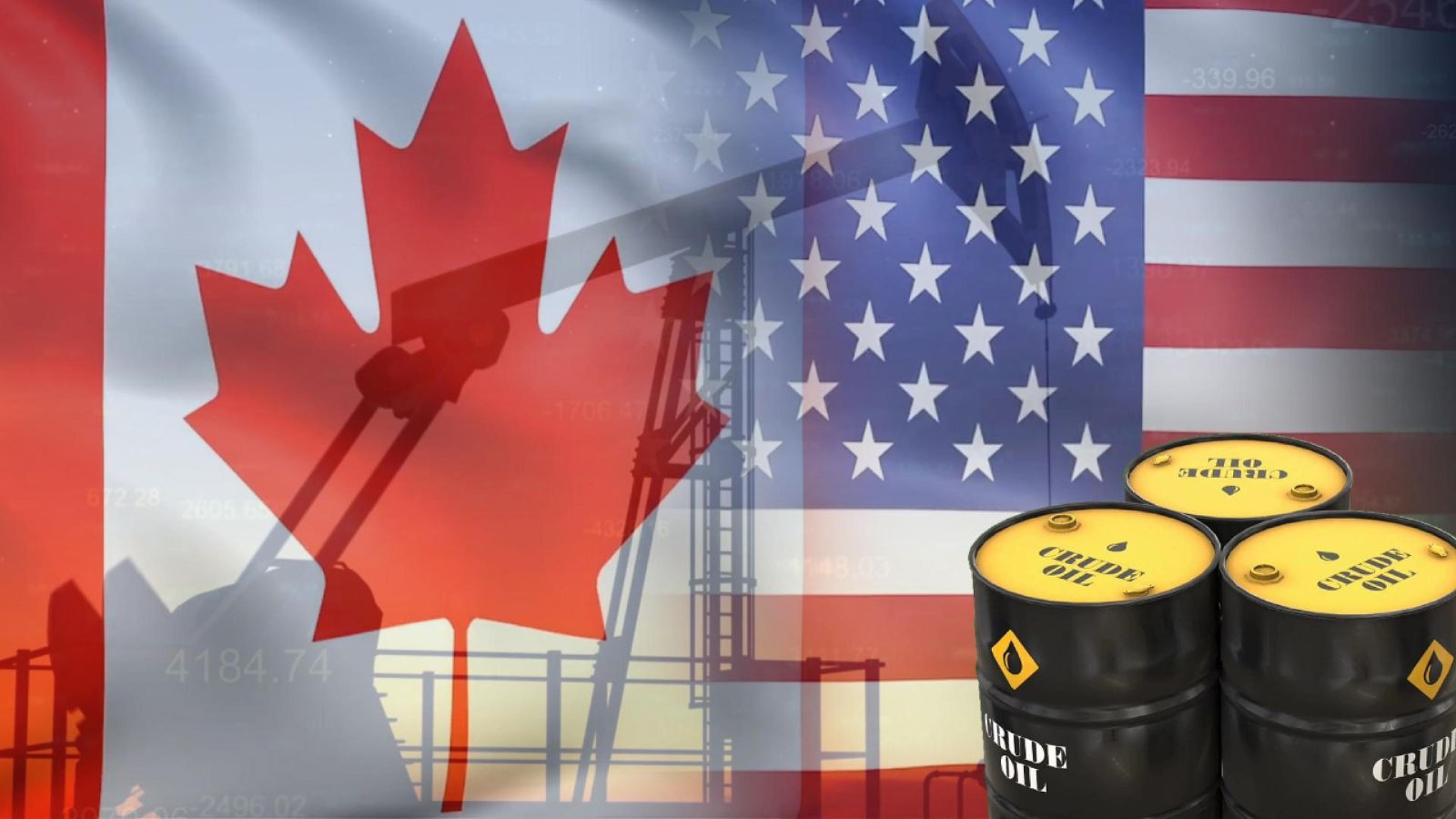
Oil markets have delivered another unwelcome reminder that events thousands of kilometres away can quickly reach Canadian household budgets. Brent crude, the international benchmark closely watched by fuel markets, climbed above US$114 a barrel on October 23 and briefly topped US$115 as renewed Middle East instability revived concerns about global supplies. U.S. West Texas Intermediate crude also moved above US$101.

For Canadian drivers, the immediate question is what happens next at the pump. Gasoline prices do not move in perfect lockstep with crude, and regional taxes, refinery conditions, transportation costs and the Canadian dollar all matter. Still, crude oil remains one of the largest and most volatile components of fuel costs. With gasoline already significantly more expensive than a year ago and diesel prices particularly elevated, another sustained oil rally could quickly become noticeable in household and business budgets.

The Latest Oil Rally Is Being Driven by Supply Fears

Brent crude rose to roughly US$115 a barrel on October 23, touching US$115.16 during trading and reaching its highest level since May 4. West Texas Intermediate, the main U.S. benchmark, climbed above US$101. Brent was on pace for a gain of more than 4% for the week, marking a third consecutive weekly increase. The speed of the move matters because energy markets tend to react not only to barrels that have actually disappeared from supply, but also to the possibility that significantly more could be disrupted.

The newest risk premium followed attacks involving Saudi Arabia, intensifying fighting around important Middle Eastern energy infrastructure and an oil spill off the United Arab Emirates. Traders are also watching the Bab el-Mandeb shipping corridor, while a pipeline shutdown in Libya has added another source of supply uncertainty. None of those developments automatically means Canada will experience an immediate gasoline shortage. What they do mean is that refiners and fuel wholesalers are paying more for crude and taking greater geopolitical and transportation risks into account when setting prices.

Higher Crude Prices Can Reach Canadian Pumps Quickly

A barrel of oil is only the starting point of the gasoline bill. Canadian pump prices also include the cost of refining crude into finished gasoline, transportation and distribution expenses, retail margins and taxes. Currency movements matter as well because international crude oil is generally priced in U.S. dollars. A weaker Canadian dollar can therefore magnify the domestic effect of a rising U.S.-dollar oil price, while a stronger loonie can soften some of the impact.

The relationship is nevertheless strong enough that crude oil remains one of the most important drivers of short-term gasoline volatility. The Bank of Canada has highlighted what economists sometimes call the “rocket and feather” effect: gasoline prices can respond quickly when crude costs rise but may retreat more gradually when oil falls. Refinery outages, low inventories or unusually high refining margins can intensify that effect. That is why a move from roughly US$100 Brent toward US$115 does not translate mechanically into a specific number of cents per litre, but it still creates clear upward pressure if the higher price persists.

Canadian Drivers Are Already Facing Elevated Pump Prices

The latest national daily survey available from Kalibrate Canada showed regular gasoline averaging about 179.5 cents per litre on October 22, while automotive diesel averaged approximately 265 cents per litre. Those numbers were actually slightly lower than the previous day, illustrating an important point: retail fuel prices can temporarily move in the opposite direction from crude because stations are selling fuel purchased earlier and wholesale gasoline markets have their own supply-and-demand dynamics.

The longer-term comparison is less comfortable. In Toronto, regular gasoline was listed at 172.9 cents per litre on October 23, compared with 130.9 cents on the same date a year earlier. That is a difference of roughly 42 cents per litre. For a motorist buying 50 litres, every additional 10 cents per litre adds $5 to a fill-up. Those increments become meaningful for households with long commutes, multiple vehicles or frequent trips. A family filling two vehicles several times each month can feel sustained price increases well before they appear dramatic on an individual receipt.

Where Drivers Live Can Change the Bill Considerably

There is no single Canadian gasoline price. Kalibrate’s October 22 survey showed regular gasoline around 167.5 cents per litre in Calgary and 172.3 cents in Toronto, while Montreal was around 183.5 cents. Halifax was roughly 190.2 cents, Vancouver about 205.7 cents and St. John’s approximately 202 cents. Even neighbouring communities can display noticeable differences depending on competition, local supply arrangements, transportation costs and taxes.

That helps explain why an international oil shock can feel very different across the country. British Columbia typically carries additional regional fuel-tax costs, while remote communities face more expensive transportation and smaller-volume distribution networks. Atlantic provinces also use regulated pricing systems that can change how quickly global market movements appear at the pump. Alberta, meanwhile, benefits from proximity to major refining and production infrastructure and currently has provincial fuel-tax relief in place. The practical result is that a renewed crude-price surge may raise the national average while producing increases of different sizes, and on different schedules, depending on where a Canadian driver fills up.

Diesel May Be an Even Bigger Concern Than Gasoline

Gasoline receives most of the attention because millions of motorists see the number displayed on roadside signs, but diesel has become one of the more serious pressure points in the energy market. Kalibrate’s national average for automotive diesel stood at roughly 265 cents per litre on October 22, far above regular gasoline. Globally, diesel supplies have been constrained by disruptions to Middle Eastern and Russian refining and exports, leaving inventories unusually tight heading toward winter.

The consequences extend well beyond pickup trucks and diesel-powered passenger vehicles. Diesel moves freight, powers agricultural and construction equipment and plays a major role in distribution networks. Canadian transportation companies commonly use fuel surcharges to transfer part of that volatility to customers. CN, for example, listed an October 2026 intra-Canada monthly intermodal fuel surcharge of 34.2% under one of its tariff programs. Statistics Canada has already documented increases in freight, rail and courier prices during this year’s energy disruption. Higher diesel therefore creates a second route through which an oil shock can reach households: not just at the filling station, but through the cost of moving food, merchandise and building materials.

Government Tax Relief Is Cushioning Some of the Increase

Canadian pump prices would currently be higher without several temporary tax measures. Ottawa suspended the federal excise tax beginning April 20, eliminating the normal 10-cent-per-litre charge on gasoline and four-cent charge on diesel. The federal government subsequently extended the full suspension through January 31, 2027, with half of the regular rate scheduled to return for February and March before the standard rate resumes.

Alberta has gone further provincially. Its fuel-tax relief system suspends the province’s 13-cent-per-litre gasoline and diesel tax when the average West Texas Intermediate price reaches at least US$90 a barrel. Alberta resumed the full 13-cent suspension on October 1 and has said it will remain in place through the end of 2026. The federal consumer carbon charge is also no longer part of the gasoline price; it was eliminated effective April 1, 2025 and permanently removed from federal law in 2026. These measures provide a cushion, but they cannot fully offset a large or prolonged increase in crude and refined-fuel costs.

Being an Oil-Producing Country Does Not Insulate Canada

Canada is one of the world’s major crude-oil producers and exporters, which sometimes creates confusion when domestic gasoline prices surge. Producing large volumes of crude does not mean Canadian consumers receive fuel at a protected domestic price. Crude is traded in an international market, and Canadian refiners generally have to compete for their feedstock based on global benchmark prices, adjusted for crude quality and transportation.

Canada also has a geographically complicated refining system. The country has 16 refineries capable of processing approximately 1.9 million barrels of crude per day, and those facilities operated at around 90% of capacity in 2025. Regional supply does not always line up neatly with domestic oil production. Canada imported approximately 485,000 barrels per day of refined petroleum products in 2025, with nearly 80% of those imports originating in the United States. Ontario, Quebec and British Columbia all rely to some degree on imported refined fuels or crude. Pipelines, refinery configurations, product specifications and transportation networks therefore matter nearly as much as the amount of oil Canada produces underground.

Gasoline Is Already Playing a Major Role in Canadian Inflation

The fuel-price story has moved beyond motorists’ monthly budgets. Statistics Canada reported that Canada’s Consumer Price Index was 3.1% higher in September than a year earlier. Gasoline prices jumped 27.8% year over year and were an important reason headline inflation remained elevated. Strip gasoline out of the calculation and consumer prices were up a much more moderate 2.2%. Transportation prices overall increased 8.4% from September 2025.

That distinction will matter to the Bank of Canada. At its September rate decision, the central bank held its policy rate at 2.25% and specifically identified persistently high gasoline prices as a major factor keeping inflation around 3%. It also cautioned that a longer period of expensive oil and elevated refinery margins could eventually spill into other goods and services. The Bank’s next scheduled interest-rate announcement is October 28. A single day above US$114 oil will not determine monetary policy, but a sustained energy shock could complicate the balance between containing inflation and supporting an economy already facing trade and geopolitical uncertainty.

What Happens Next Depends Heavily on the Middle East

There is still a plausible path toward cheaper oil. The U.S. Energy Information Administration’s October outlook projected Brent to average about US$105 a barrel during the fourth quarter of 2026 before falling toward US$87 in the second quarter of 2027 and US$74 by late 2027. That scenario assumes Middle Eastern production and export capacity gradually recover, alternative export routes expand and depleted global inventories begin rebuilding. Importantly, the EIA finalized that forecast using information available October 1, before the latest round of escalation.

The International Energy Agency’s October assessment illustrates why the downside forecast is far from guaranteed. It estimated global observed oil inventories were about 509 million barrels lower at the end of September than at the end of February, while diesel markets remained unusually tight. New attacks on energy infrastructure or shipping could therefore produce another sharp price move. For Canadian drivers, the most important signal is not whether Brent briefly trades at US$114, US$115 or US$120. It is whether the geopolitical risk premium lasts long enough to work through refinery and wholesale markets. If it does, today’s crude rally is likely to become tomorrow’s fuel-cost problem.


Recommended.

Lucid Launches 1,070-HP Gravity GT-S in U.S. — Canadian Buyers Are Left Out

Stellantis Shares Drop About 3% as Canada-U.S. Tariff Fight Reopens Fears Over Canadian Plants

August 25, 2026
19 Things That Can Make Your Car Insurance Claim Get Denied

Ontario Auto Insurance Rate Cuts Take Effect Today for Allstate and Pembridge Drivers

September 15, 2026

Trending.

Canada’s Ballard Puts a 250,000-Mile Performance Guarantee Behind Hydrogen Buses

Canada’s Ballard Puts a 250,000-Mile Performance Guarantee Behind Hydrogen Buses

October 2, 2026
10 Reasons the Canadian Car Market Feels Different Heading Into Summer

Canadian Auto Sales Rise 3.4% for a Fourth Straight Month—but 2026 Still Trails Last Year

October 3, 2026
PBO Warns U.S. Tariff War Threatens Up to 185,000 Canadian Jobs, With Auto Manufacturing Among Hardest Hit

PBO Warns U.S. Tariff War Threatens Up to 185,000 Canadian Jobs, With Auto Manufacturing Among Hardest Hit

October 21, 2026
22 Ways Canadians Accidentally Void Their Vehicle Warranty

B.C. Drivers Vote Today on the Future of ICBC Insurance as Parties Clash Over Private Competition and No-Fault Coverage

October 24, 2026
15 Vehicles Canadians May Want to Avoid Before May Long Weekend

Tesla Buyers in Canada Are Reporting Fresh Model Y Delivery Delays as Some Orders Slip Into October and November 2.

September 27, 2026
  • About
  • Contact
  • Privacy Policy
  • Disclaimer
  • Editorial Policies
  • Terms and Conditions
A Revir Media Group Website

2026 Autoigloo - © All rights reserved

No Result
View All Result
  • News & Trends
  • Car Reviews
  • Buying Guides
  • Comparisons
  • EVs & Hybrids
  • More
    • Pricing & Deals
    • Winter Driving
    • Ownership & Maintenance

2026 Autoigloo - © All rights reserved

This website uses cookies. By continuing to use this website you are giving consent to cookies being used. Visit our Privacy and Cookie Policy.




