
























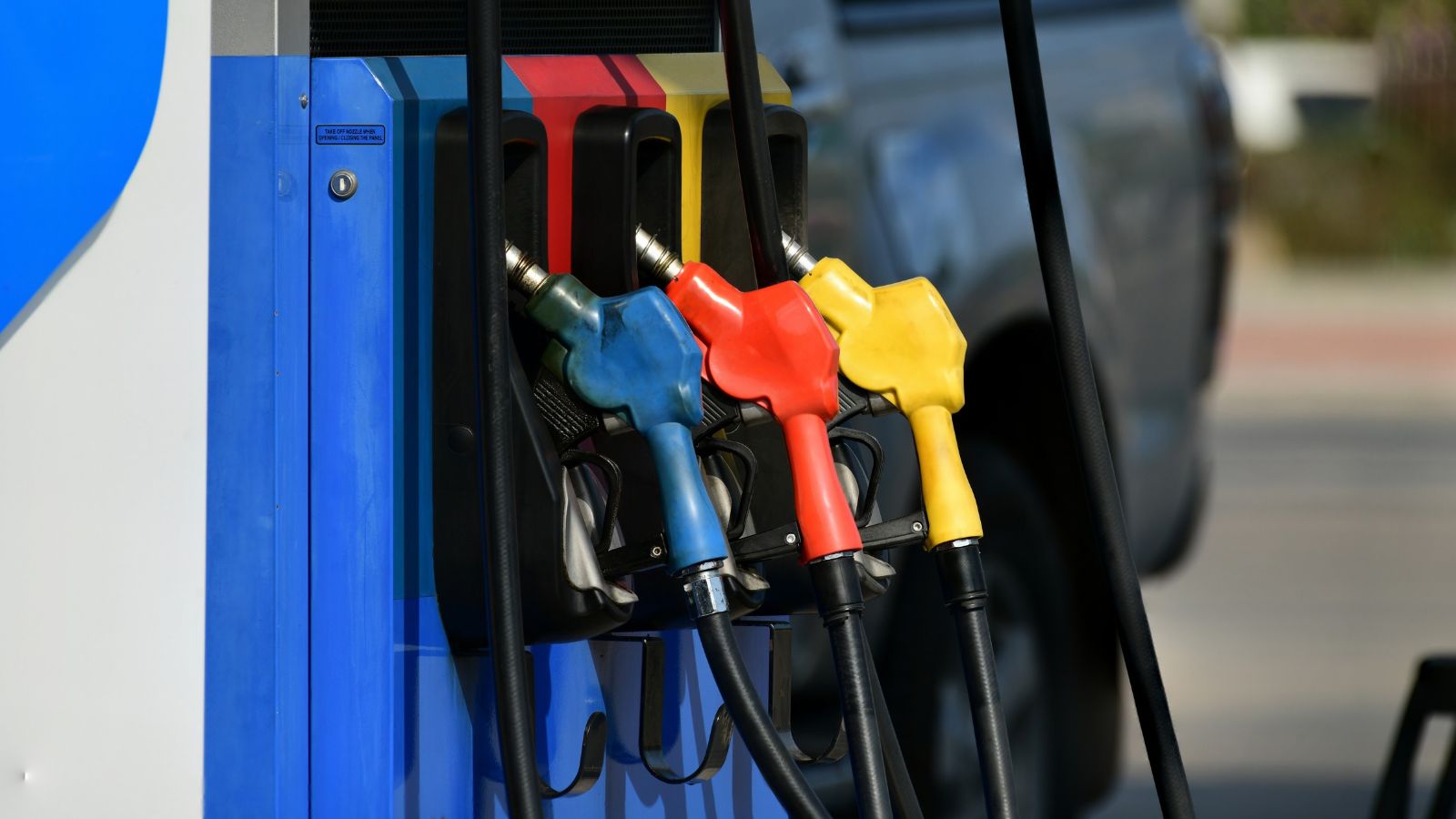
Diesel drivers across Atlantic Canada are facing a significant premium at the pumps, with newly published provincial fuel-price caps showing diesel costing roughly 70 to 80 cents more per litre than regular gasoline. The difference is especially noticeable for truck owners, commercial operators and businesses that rely on diesel-powered vehicles.
Fuel prices have declined in several Atlantic provinces during November, but the gap between gasoline and diesel remains substantial. The latest regulated maximums show diesel exceeding $2.20 per litre across much of the region, while regular gasoline is generally closer to $1.60.
The disparity comes as winter heating demand, international fuel markets and regional pricing rules influence what consumers pay. For households already managing higher transportation and living costs, the difference can translate into tens of dollars on a single fill-up.
Atlantic Canada’s Latest Fuel Caps Reveal a Wide Diesel Premium
The latest provincial fuel-price schedules illustrate how differently gasoline and diesel are being priced. As of November 24, 2026, Nova Scotia’s Zone 1 maximum for regular self-service gasoline was 159.0 cents per litre, compared with 228.8 cents for diesel. That represents a difference of 69.8 cents. Prince Edward Island posted maximums of 156.9 cents for gasoline and 228.5 cents for diesel, creating a 71.6-cent gap.
New Brunswick showed an even larger difference under its November 20 price schedule. The province’s maximum allowable self-service price, including applicable delivery costs, was 161.6 cents for gasoline and 241.4 cents for diesel. That puts diesel 79.8 cents higher per litre. Newfoundland and Labrador’s Avalon Peninsula maximums were 168.3 cents for gasoline and 237.8 cents for diesel, a 69.5-cent difference.
These figures represent regulated maximums rather than a uniform price charged at every station. Nevertheless, the comparison shows that diesel users across all four Atlantic provinces are paying considerably more per litre than gasoline drivers.
Nova Scotia’s Emergency Price Adjustment Brings Some Diesel Relief
Nova Scotia’s latest diesel price adjustment took effect at 12:01 a.m. on November 24, following a significant shift in wholesale market conditions. The Nova Scotia Energy Board used its interruption mechanism to lower diesel prices outside the regular weekly adjustment schedule. The Zone 1 minimum diesel price fell from 233.4 cents to 225.9 cents per litre, a reduction of 7.5 cents. Regular gasoline prices were unchanged, leaving diesel substantially more expensive despite the additional relief.
The move followed another considerable reduction on November 20, when diesel prices dropped 11.9 cents per litre and regular gasoline fell 3.7 cents. Together, the adjustments demonstrate how quickly regulated fuel prices can respond to movements in international petroleum markets. For diesel drivers, the reductions provide meaningful savings compared with earlier November prices. However, even after the latest decreases, filling a diesel vehicle remains significantly more expensive per litre than filling an equivalent gasoline tank.
Prince Edward Island Drivers Face a 71.6-Cent Difference
Prince Edward Island’s November 24 price adjustment brought maximum regular gasoline prices to 156.9 cents per litre, while diesel reached a maximum of 228.5 cents. The difference of 71.6 cents makes diesel approximately 46% more expensive per litre than regular gasoline at those maximum prices. The Island Regulatory and Appeals Commission also established minimum self-service prices of 155.7 cents for gasoline and 227.4 cents for diesel, maintaining a similarly wide gap throughout the permitted pricing range.
The province’s pricing framework helps explain how these numbers reach consumers. The commission’s published breakdown shows a period-average rack price of 122.6 cents per litre for gasoline, compared with 184.4 cents for diesel. Rack prices represent a wholesale pricing component before other regulated amounts and taxes are incorporated. That 61.8-cent difference at the rack-price stage illustrates why the diesel premium cannot be explained by retail margins alone. Much of the price disparity already exists before fuel reaches local service stations.
New Brunswick Posts One of the Region’s Largest Price Gaps
New Brunswick’s November 20 fuel-price schedule established a maximum total self-service gasoline price of 161.6 cents per litre, compared with 241.4 cents for ultra-low-sulphur diesel. The resulting 79.8-cent gap is considerably larger than the differences shown in Nova Scotia and Prince Edward Island. The province’s regulated figures include applicable taxes and permitted delivery costs, making them useful for comparing maximum allowable consumer prices within the province.
The breakdown also highlights differences in wholesale fuel costs. New Brunswick’s benchmark gasoline price was 95.50 cents per litre, while diesel’s benchmark was 157.19 cents. The 61.69-cent difference existed before wholesale margins, retail margins, taxes and delivery allowances were fully reflected in the final maximum prices. For businesses operating delivery trucks, service vehicles or heavy equipment, the higher diesel benchmark represents a substantial operating challenge. Even when gasoline prices decline, commercial fuel budgets may remain under pressure if diesel markets do not experience comparable relief.
Newfoundland and Labrador’s Price Gap Comes Ahead of Tax Relief
Newfoundland and Labrador’s November 24 regulated maximums showed regular gasoline at 168.3 cents per litre and diesel at 237.8 cents in the Avalon Peninsula pricing zone. That produces a 69.5-cent difference between the two fuels. Prices vary across the province’s designated zones, reflecting regional transportation and distribution conditions. This means motorists outside the Avalon area can encounter different maximums, particularly in more remote communities.
Another important development is approaching. On November 19, the provincial government announced that legislation eliminating provincial gasoline and diesel taxes had passed third reading. The government estimated that the changes would save gasoline drivers 8.625 cents per litre and diesel drivers 10.925 cents per litre once implemented, including the effects of harmonized sales tax. The tax elimination was expected to begin December 1, with provisions extending the measure until March 31, 2027, subject to the legislation’s conditions. Although the planned reductions offer relief, they do not eliminate the much larger underlying difference between gasoline and diesel prices.
Why Diesel Remains So Much More Expensive Than Gasoline
Diesel and gasoline are both refined from crude oil, but their prices do not necessarily move together. Diesel belongs to the distillate category of petroleum products, which also includes heating oil. Demand for these products comes from trucking, agriculture, manufacturing, commercial transportation and heating systems. As a result, diesel prices respond to a different combination of seasonal and industrial pressures than gasoline prices.
The U.S. Energy Information Administration has identified tight global distillate supplies and strong refining margins as major factors supporting elevated diesel prices in 2026. Its September analysis pointed to reduced distillate production in several international markets and unusually low U.S. inventories. Heating demand can add further pressure during colder months, particularly in regions where heating oil remains important. These conditions help explain why diesel can remain expensive even when gasoline becomes cheaper. The Atlantic provinces’ regulated pricing systems reflect changes in underlying market prices rather than independently determining the global cost difference between the fuels.
Commercial Trucking and Local Businesses Face Higher Operating Costs
For commercial operators, the diesel premium becomes more significant as fuel consumption increases. Using Nova Scotia’s November 24 Zone 1 maximum prices, purchasing 200 litres of diesel would cost $457.60. Purchasing the same quantity of regular gasoline at the regulated maximum would cost $318. The difference is $139.60 on a single purchase. A business buying 2,000 litres would face a $1,396 difference between the two fuels at those same prices, although actual vehicle consumption and efficiency vary considerably.
These calculations demonstrate the scale of the pricing disparity rather than a direct comparison of operating costs between diesel and gasoline vehicles. Diesel engines can offer fuel-efficiency advantages in certain applications, especially heavy-duty transportation. Nevertheless, companies cannot easily change the type of fuel their existing trucks and equipment require. For small delivery businesses, construction contractors and agricultural operations, higher diesel costs can reduce margins or create pressure to adjust service prices. Businesses with multiple vehicles may feel the effects particularly strongly when fuel remains expensive for extended periods.
A 70-Cent Gap Can Add More Than $50 to a Fill-Up
The impact of the diesel premium becomes easier to understand when measured against a typical fuel purchase. At a difference of 70 cents per litre, a 60-litre purchase costs $42 more for diesel than for gasoline. For an 80-litre purchase, the difference grows to $56. A vehicle requiring 100 litres would face an additional $70 in fuel spending. These examples compare equal quantities of fuel and do not account for differences in vehicle efficiency, tank size or driving conditions.
For drivers who refuel frequently, the cumulative differences are substantial. Purchasing 80 litres every week at a 70-cent premium would represent $2,912 in additional annual expenditure compared with purchasing the same volume of gasoline, assuming that the price difference remained unchanged. Actual annual costs would fluctuate with provincial price adjustments, market conditions and individual driving patterns. Even so, the calculation shows why a seemingly modest difference measured in cents per litre becomes a meaningful financial consideration for households and businesses.
Winter Demand Could Keep Diesel Prices Under Pressure
As Atlantic Canada moves deeper into the colder months, diesel prices remain exposed to developments beyond the region. Heating oil and diesel compete within the broader distillate market, meaning increased winter demand for heating products can influence transportation fuel prices. International refinery production, inventories and crude oil costs also play important roles. The U.S. Energy Information Administration has noted that seasonal distillate demand generally strengthens during autumn and winter, potentially supporting higher refining margins.
That does not guarantee another increase in diesel prices. Nova Scotia’s November reductions demonstrate that prices can fall sharply when market conditions change. Provincial regulators will continue publishing adjustments under their respective pricing frameworks, and Newfoundland and Labrador’s planned tax reduction could offer additional relief. For Atlantic Canadian motorists, however, the central issue remains the considerable difference between gasoline and diesel. Until wholesale distillate markets become less expensive relative to gasoline, diesel-dependent households and businesses could continue facing a sizeable premium at the pumps.